Phone:
+86 0319 2296164


Email:
info@lijiresin.cn
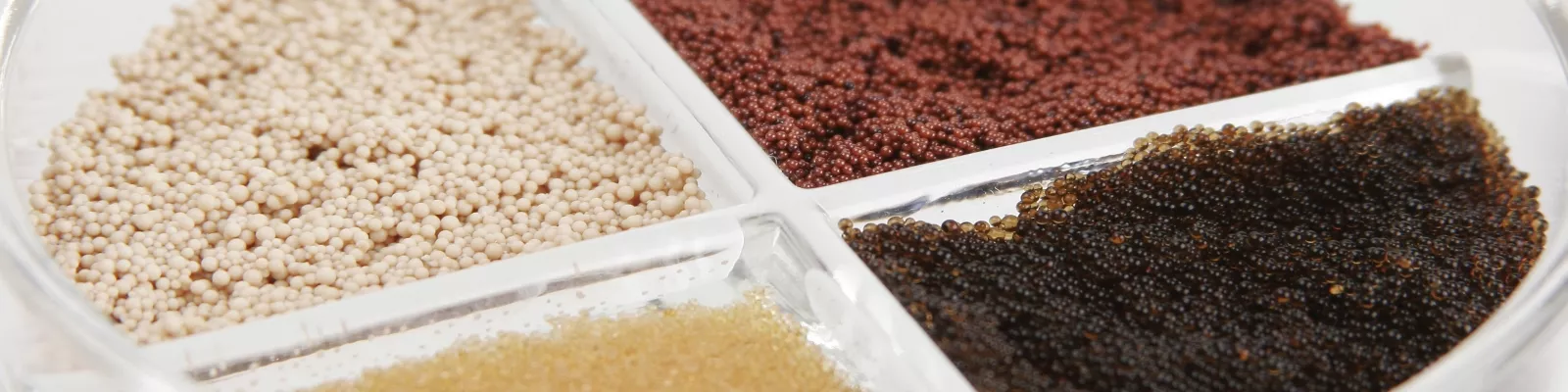
Strong Base Anion Exchange Resin is a key solution in the industry, specifically within water treatment, chemical processing, and environmental management sectors. This article explores how https://www.lijiresin.com supports professionals with durable, high-performance products, and explains why this product is an ideal choice for businesses in these sectors.
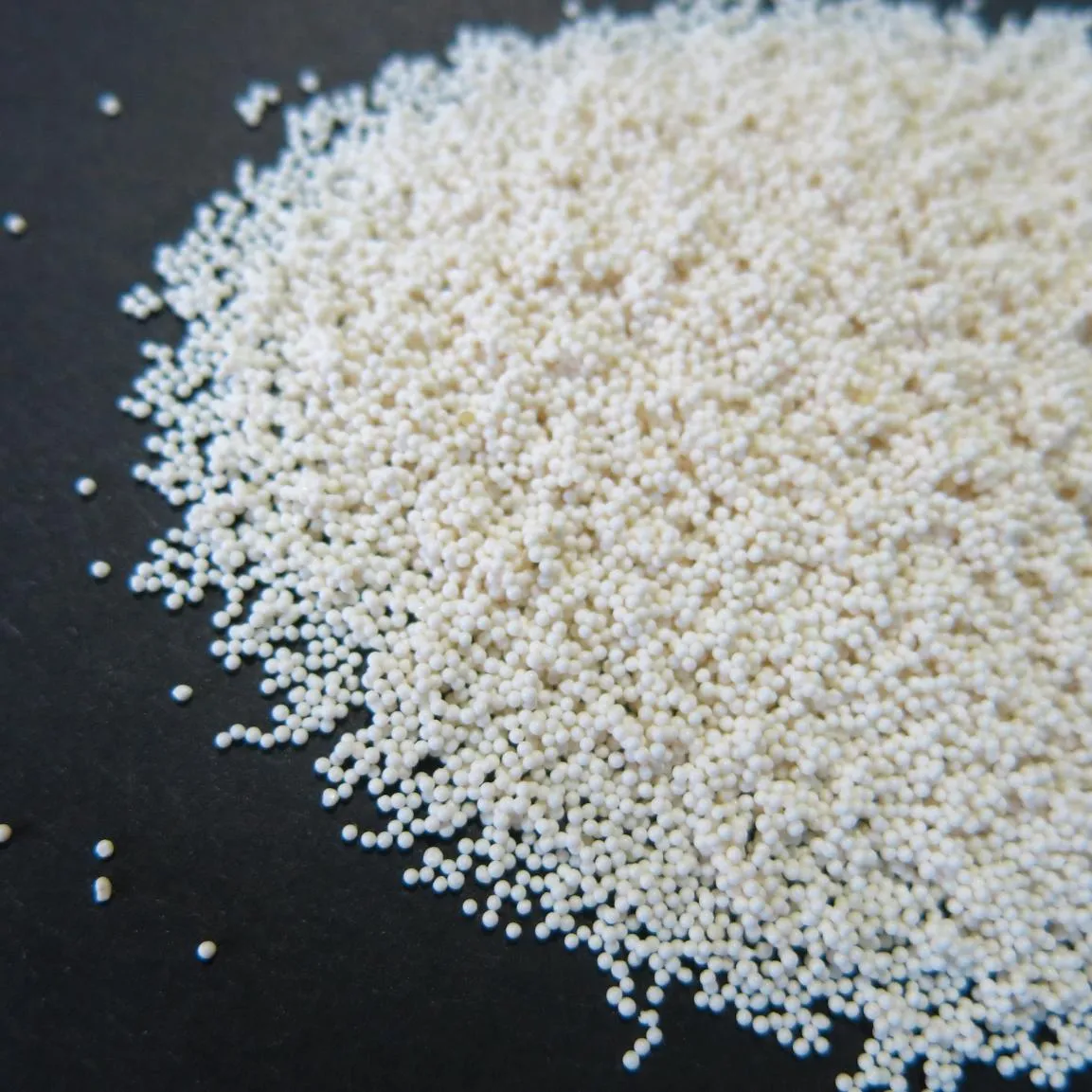
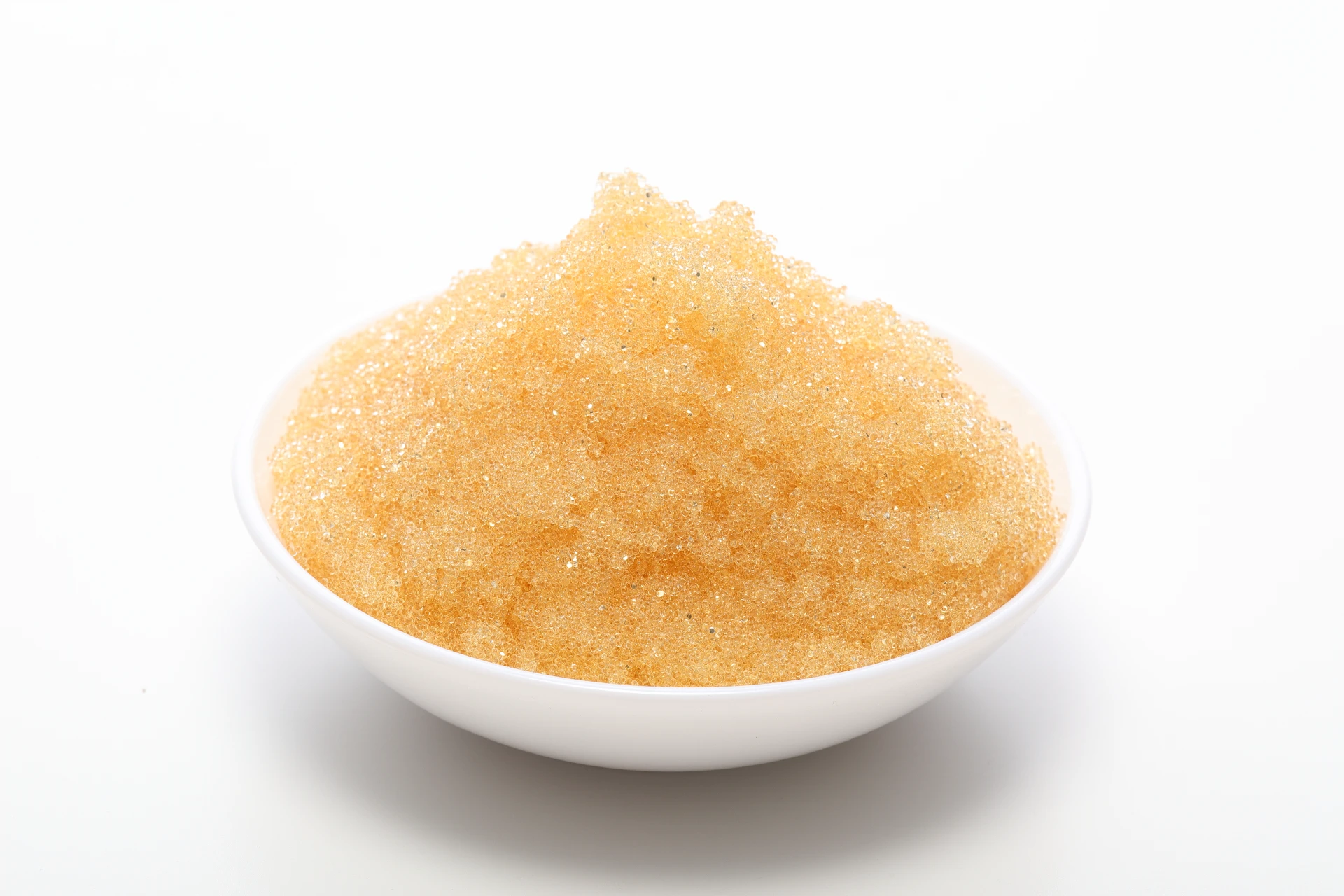
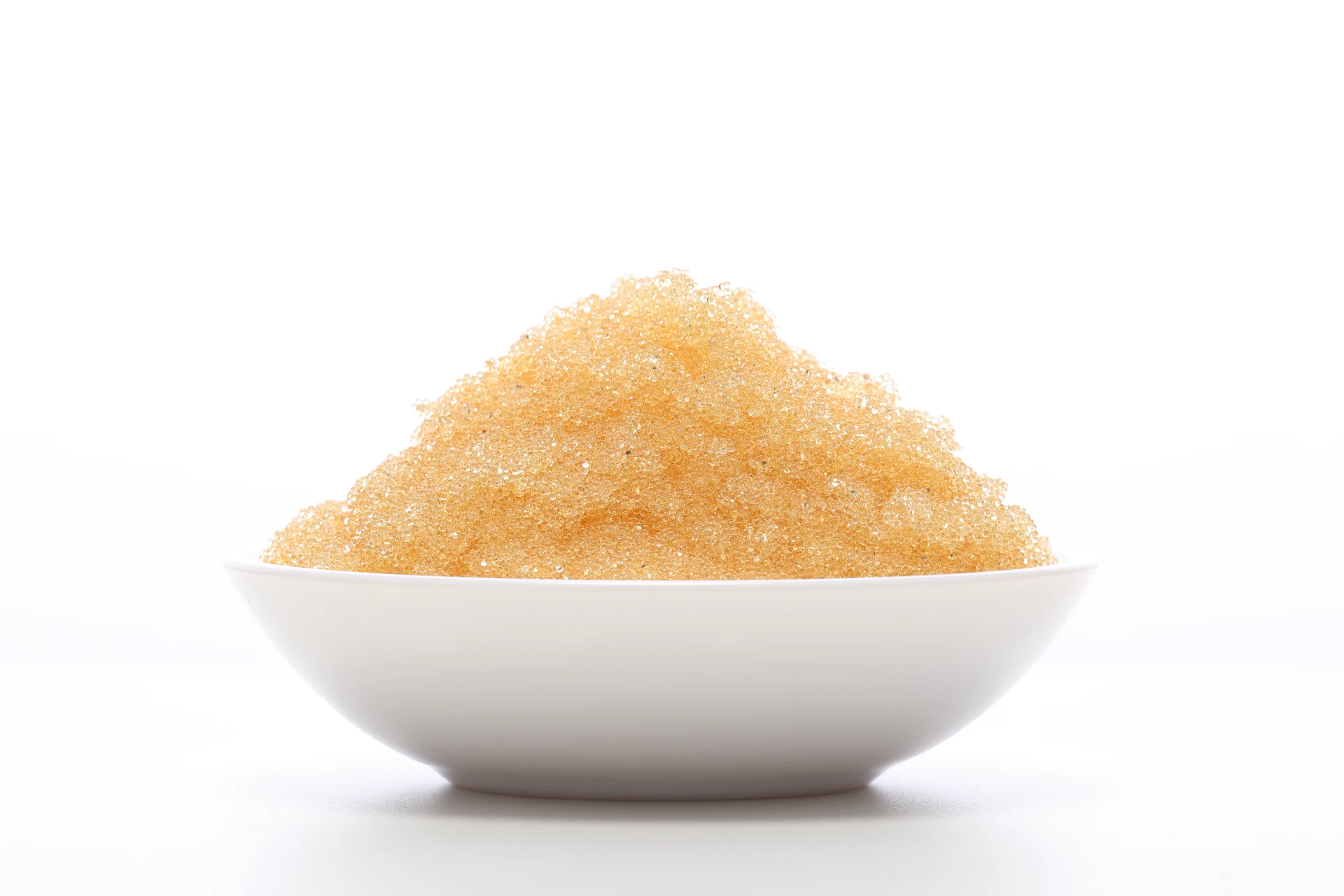
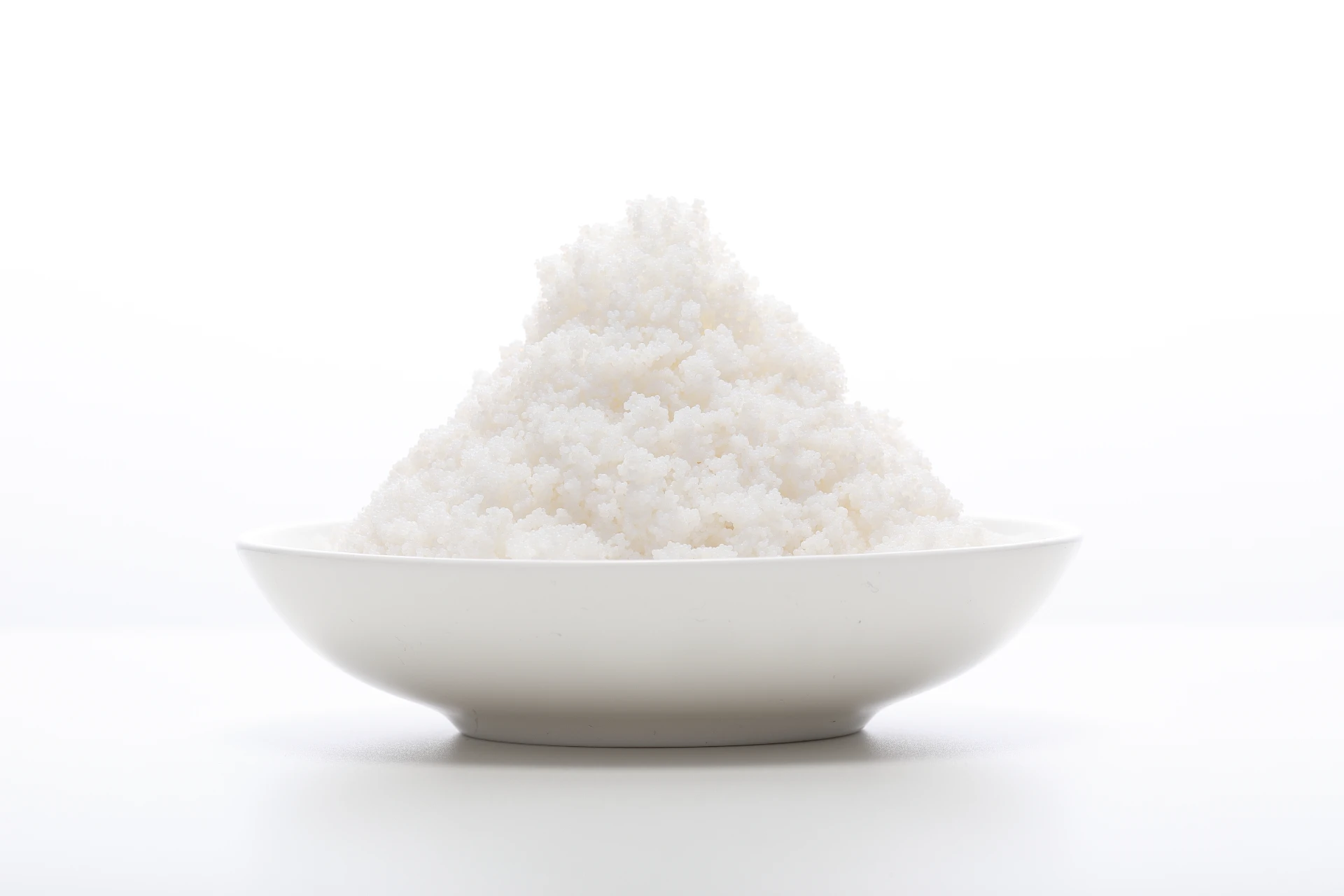
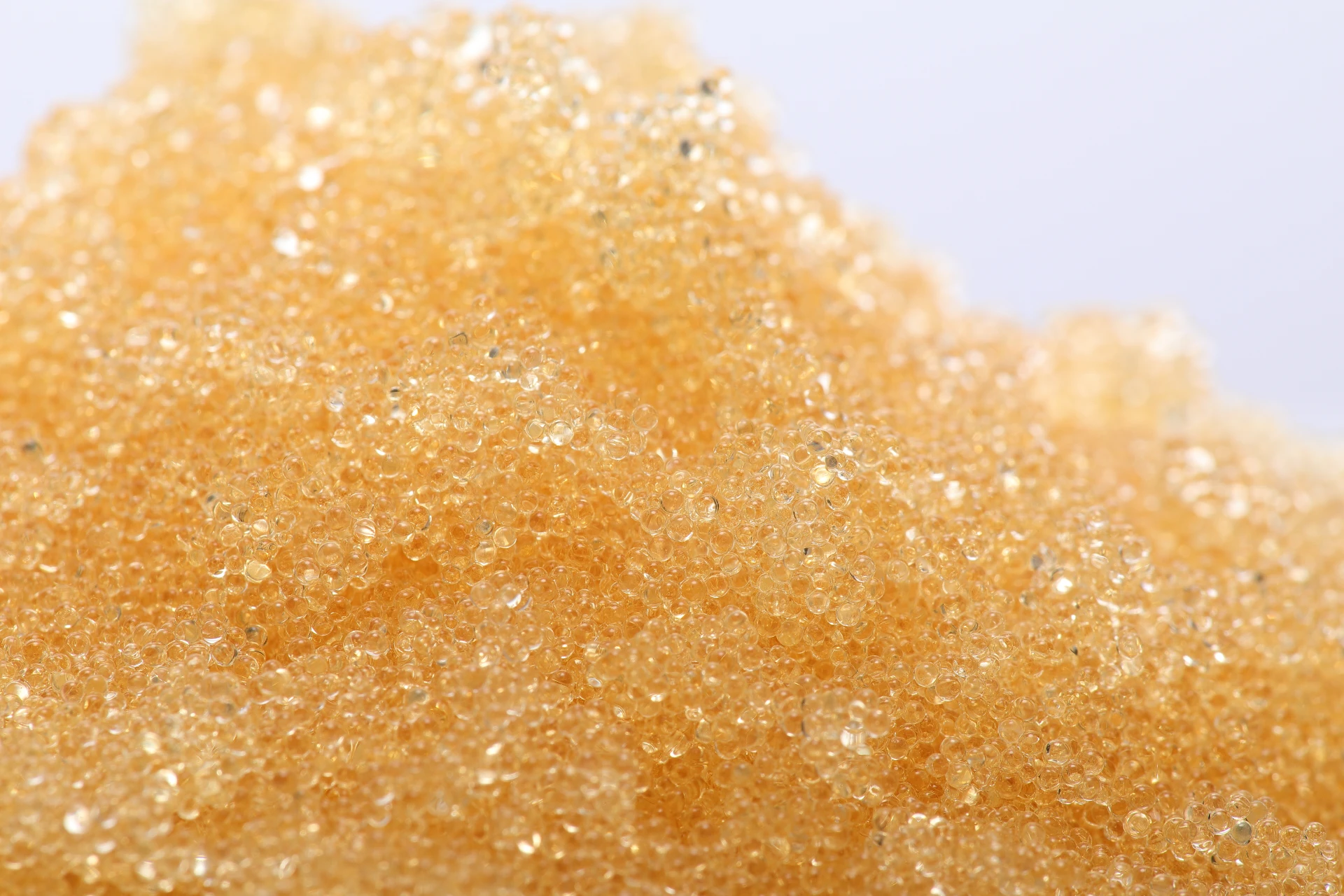
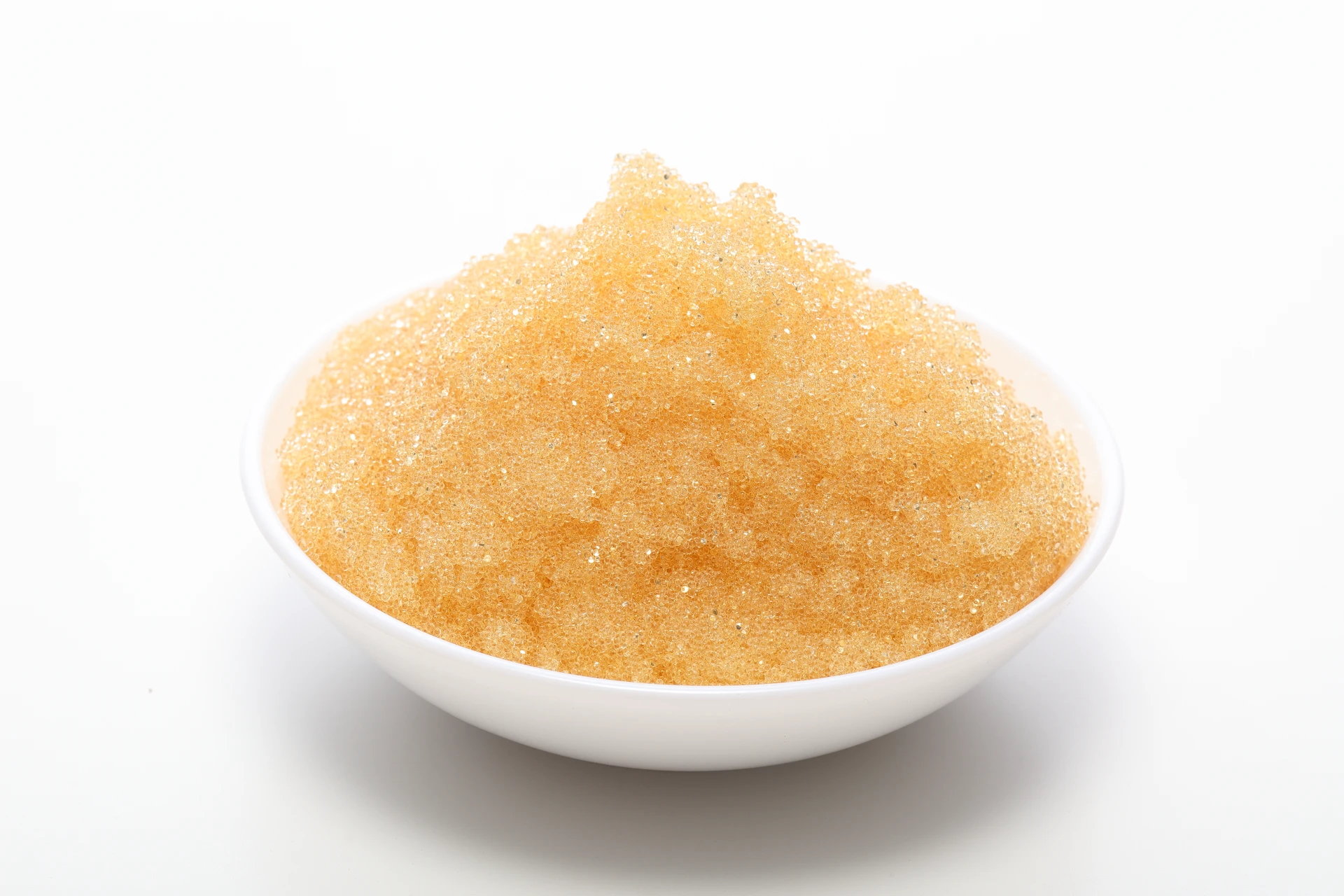
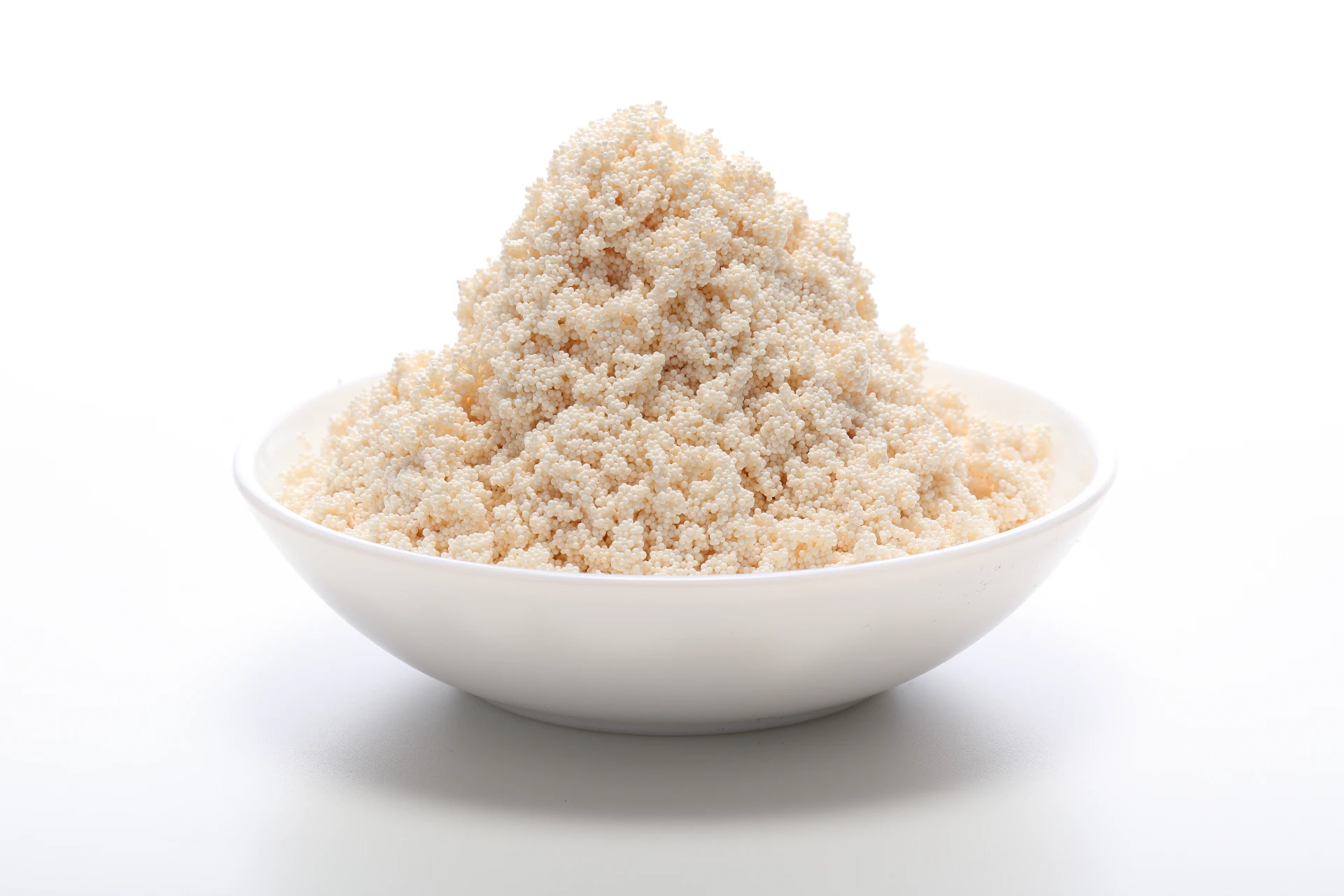
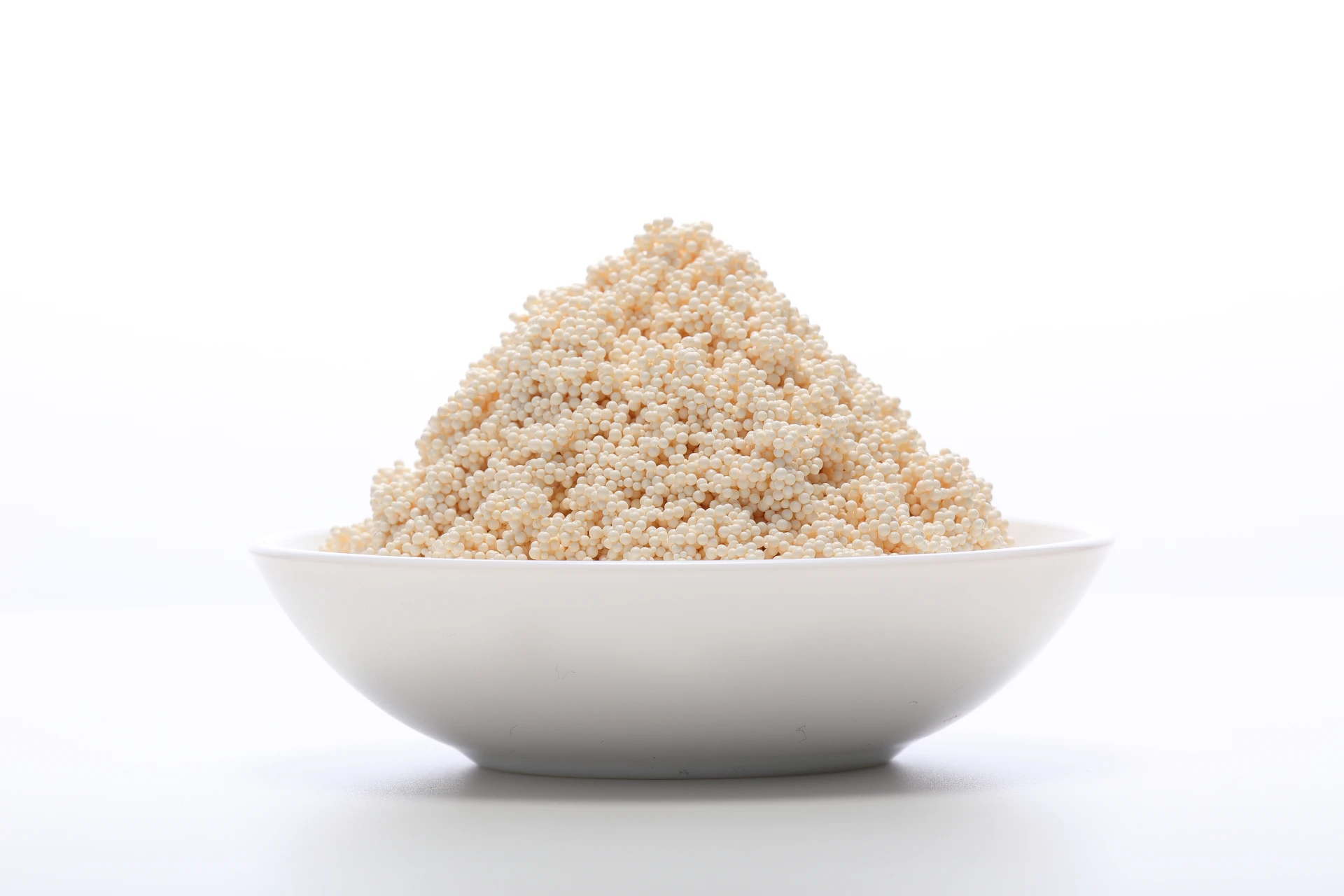
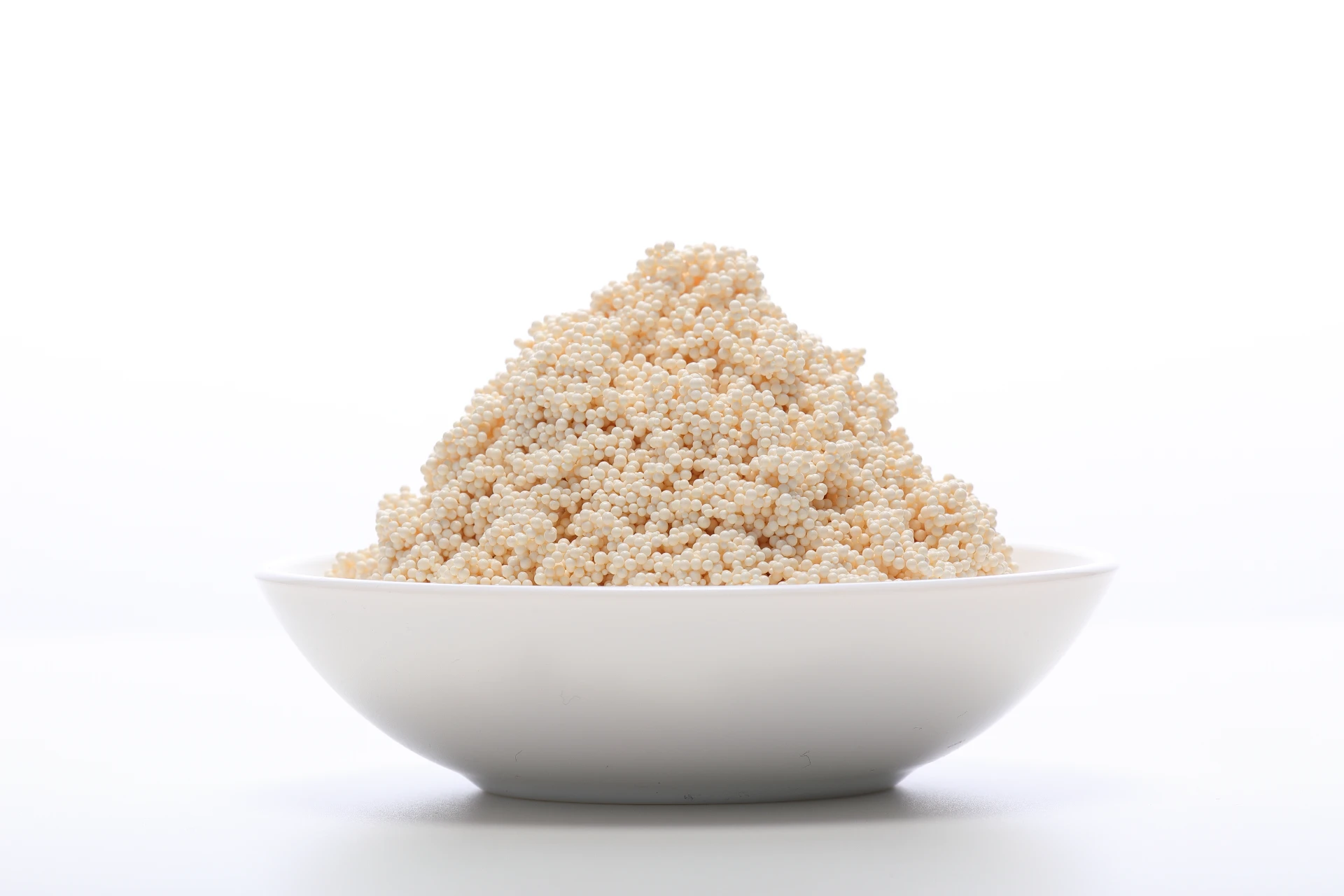
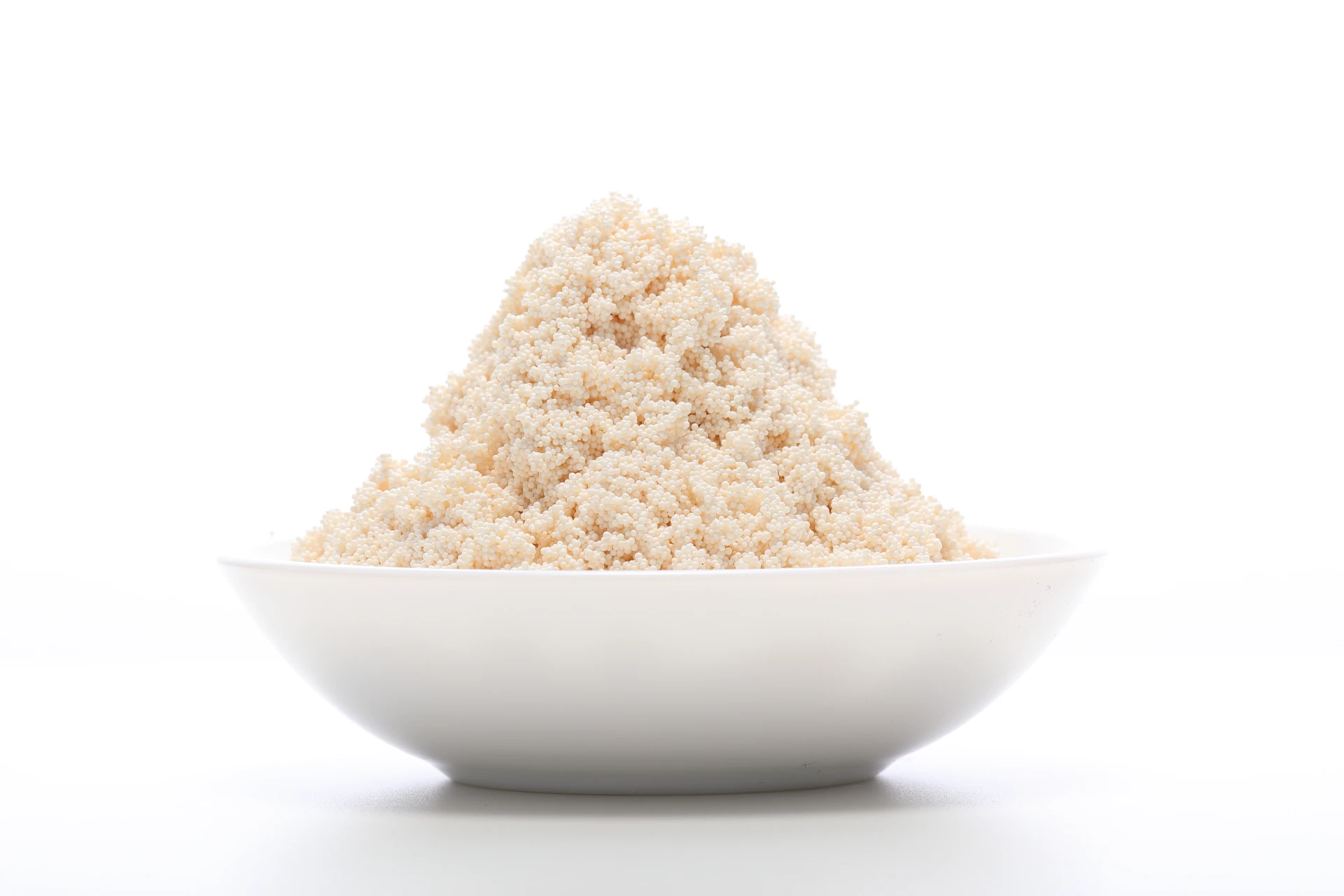
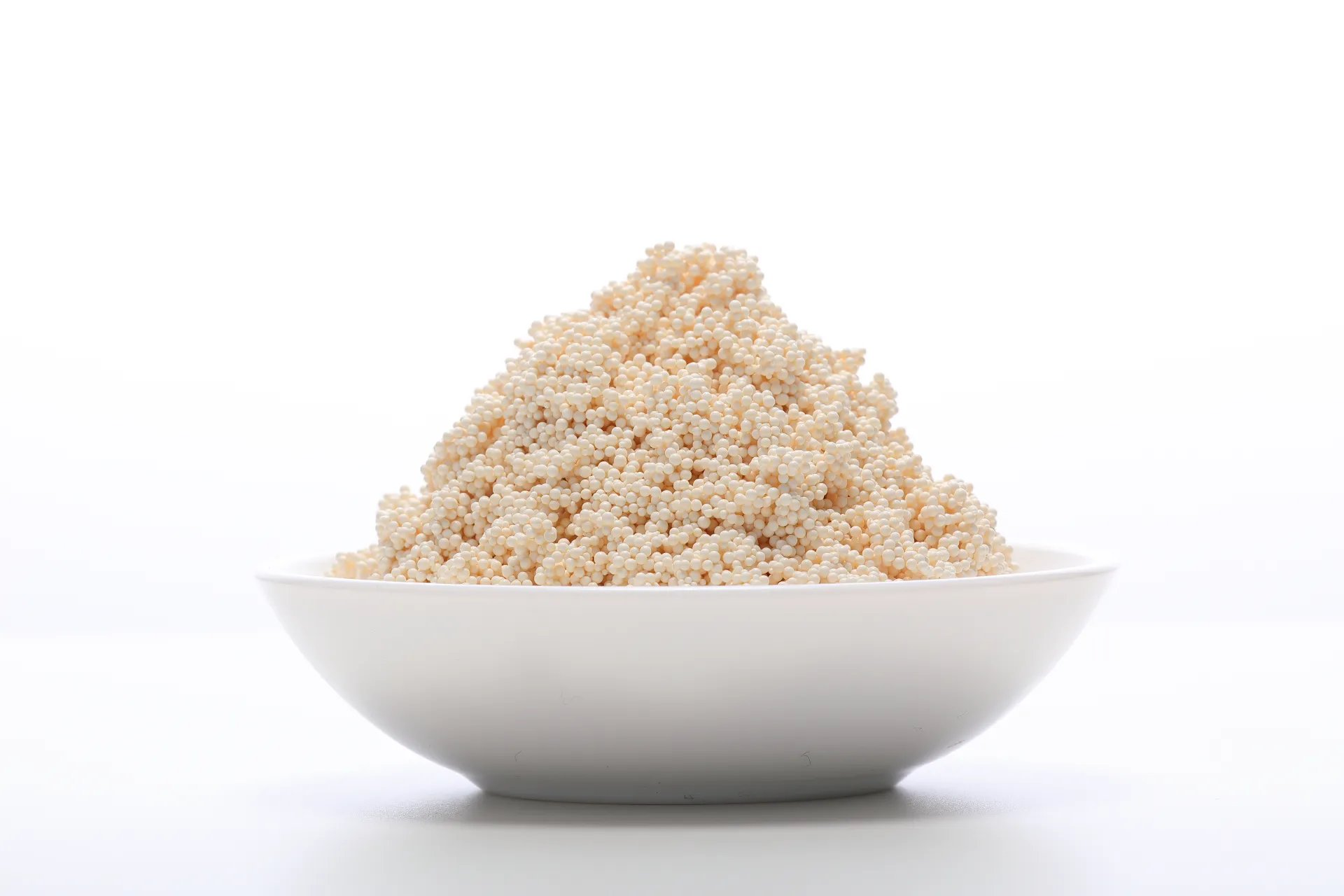
If you’ve worked with ion exchange technologies before, you know the critical function a strong base anion exchange resin serves. Simply put, this resin specializes in removing negatively charged ions—think nitrates, sulfates, and silica—from water or process streams. Its strong basic groups allow it to operate efficiently across a wide pH range, which is frankly a huge advantage in dynamic industrial settings.
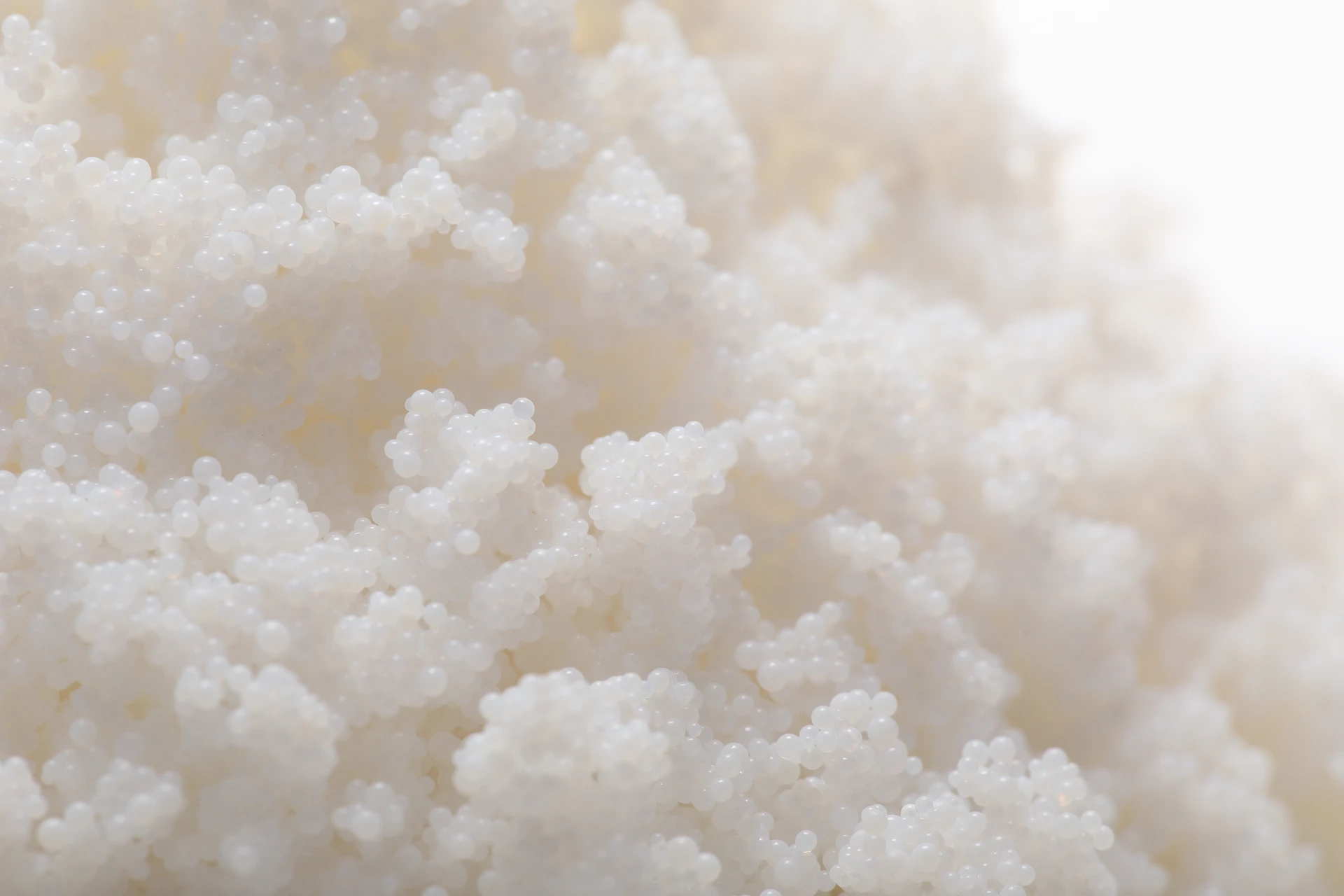
Technically, these resins are typically built on a polystyrene-divinylbenzene (PS-DVB) matrix, functionalized with quaternary ammonium groups. That structure gives them high ion exchange capacity and mechanical resilience. For example, a specification sheet from Liji Resin shows exchange capacities around 1.0–1.2 eq/L, particle sizes averaging 0.3–1.2 mm, and remarkable bead uniformity. This means consistent flow and minimal pressure drop in columns—a subtle but crucial operational benefit.
| Specification | Typical Value |
|---|---|
| Functional Group | Quaternary Ammonium |
| Crosslinking Degree | 8%–12% |
| Exchange Capacity (eq/L) | 1.0–1.2 |
| Particle Size (mm) | 0.3–1.2 |
| Density (g/mL) | 1.05–1.07 |
The industrial applications are vast. Water treatment plants rely on strong base anion exchange resin to soften water and remove harmful ions. In chemical manufacturing, these resins regulate purity by selectively capturing impurities that could otherwise inhibit reactions or contaminate products. I’ve noticed industries like pharmaceuticals and power generation particularly praising their efficiency.
From a features standpoint, the resin’s broad pH tolerance and robust physical form translate into longer service life and fewer replacement cycles. It’s resistant to oxidation and offers rapid kinetics, which means faster processing times and reduced downtime. When comparing suppliers, Liji Resin’s product often stands out for its consistent bead size distribution and reliable ion exchange capacity, which contribute to smoother operations.
Cost-wise, the upfront investment in high-quality anion exchange resin like Liji Resin’s often pays off in the long run. Durable resins mean fewer shutdowns and less frequent regeneration, which can be a hidden cost saver. Total cost of ownership consistently improves when you factor in the resin’s stability and predictable performance in challenging environments.
Feedback from customers in heavy industries reveals an appreciation for the resin’s ease of handling and compatibility with existing systems. Some operators mentioned how the resin’s mechanical strength helped avoid the dreaded attrition and plastic fines clogging filtration components — a minor point but a huge operational headache avoided. Roughly, the ROI on premium strong base anion exchange resin is visible within the first operational year.
Sustainability is no longer just a buzzword—it's becoming a baseline expectation. Many regulators are pushing stricter standards on effluent quality and resource recovery, which aligns perfectly with the capabilities of strong base anion exchange resins. The ability to selectively remove hazardous anions reduces environmental impact and often improves process recyclability.
Market trends reveal a gradual move towards resins that can be regenerated multiple times with fewer chemicals, reducing waste. I suppose Liji Resin’s focus on durable, easy-to-regenerate products is heading in the right direction. Oddly enough, Asian markets are leading this innovation wave, integrating advanced resin tech while balancing cost.
| Vendor | Exchange Capacity (eq/L) | Mechanical Strength | Price ($/kg) | Typical Applications |
|---|---|---|---|---|
| Liji Resin | 1.1 | High | 25 | Water treatment, Pharma, Chemicals |
| Vendor B | 0.95 | Medium | 20 | Basic water treatment |
| Vendor C | 1.0 | Low | 18 | Industrial effluent treatment |
To wrap it all up, strong base anion exchange resin represents a reliable, cost-effective cornerstone for industry players tackling tough water and chemical challenges. Thanks to innovators like Liji Resin, businesses can access robust resins that balance performance with sustainability. For anyone looking to boost operational efficiency and meet stricter environmental standards, this resin is well worth consideration.
References: