Phone:
+86 0319 2296164


Email:
info@lijiresin.cn
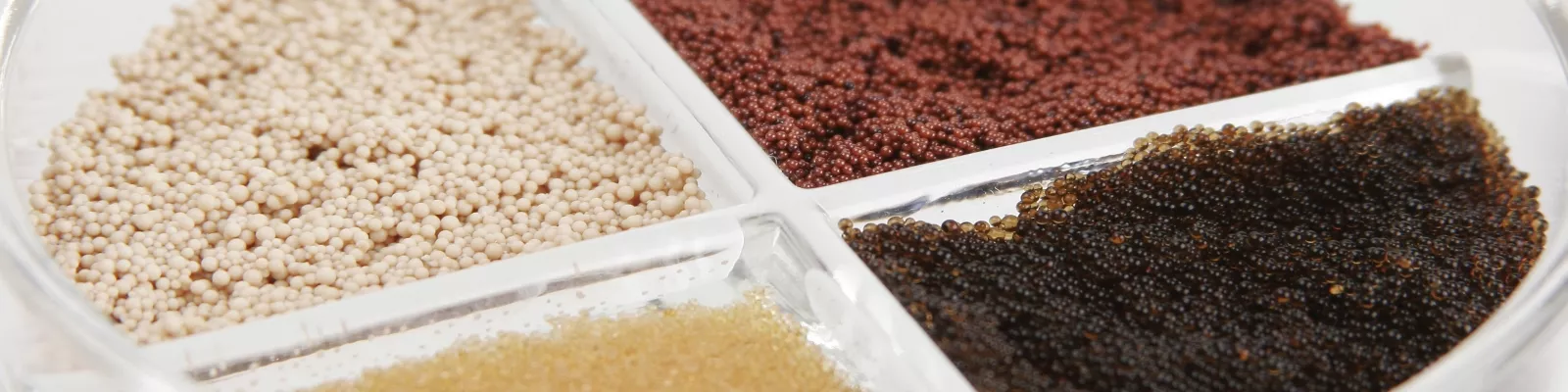
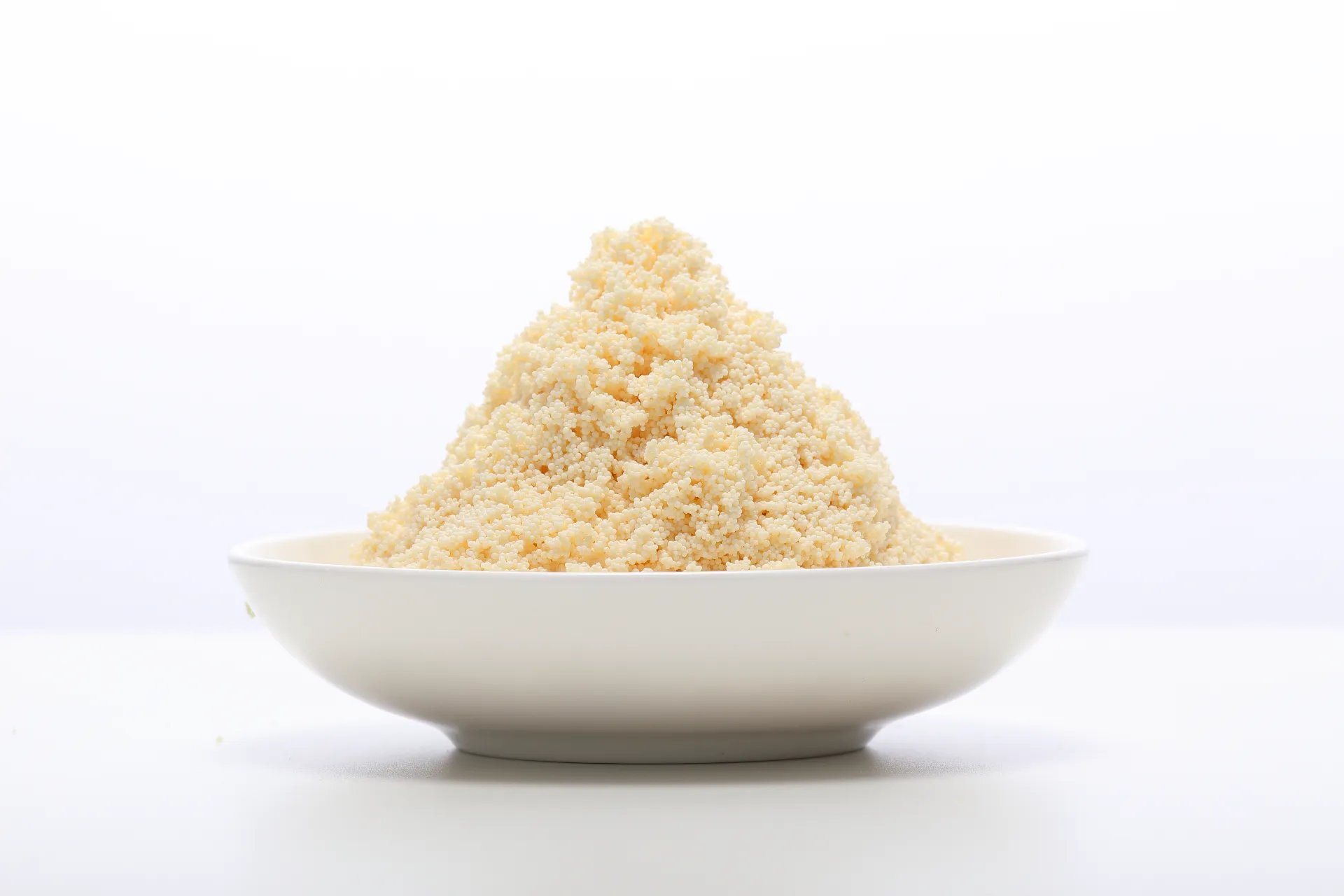
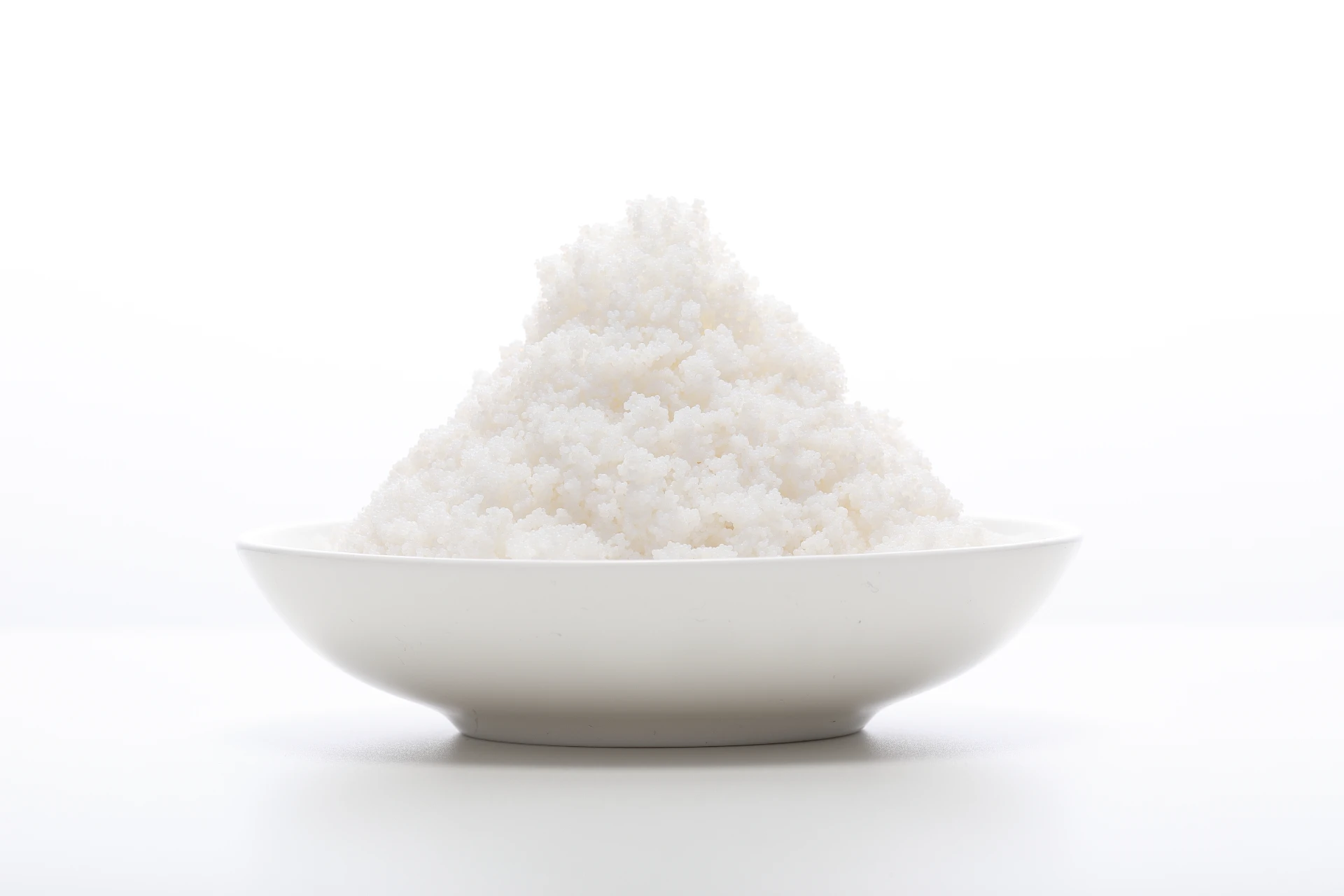
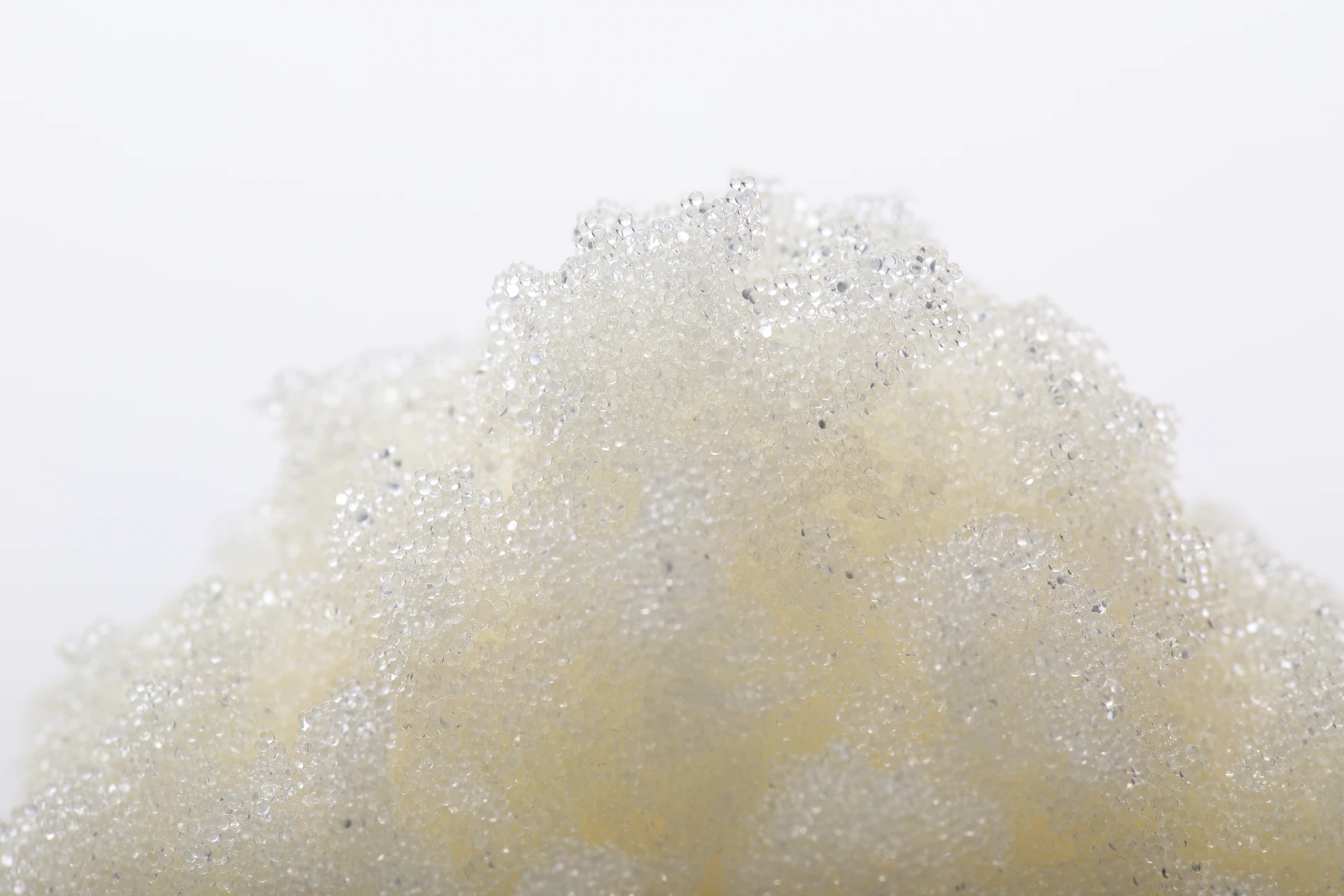
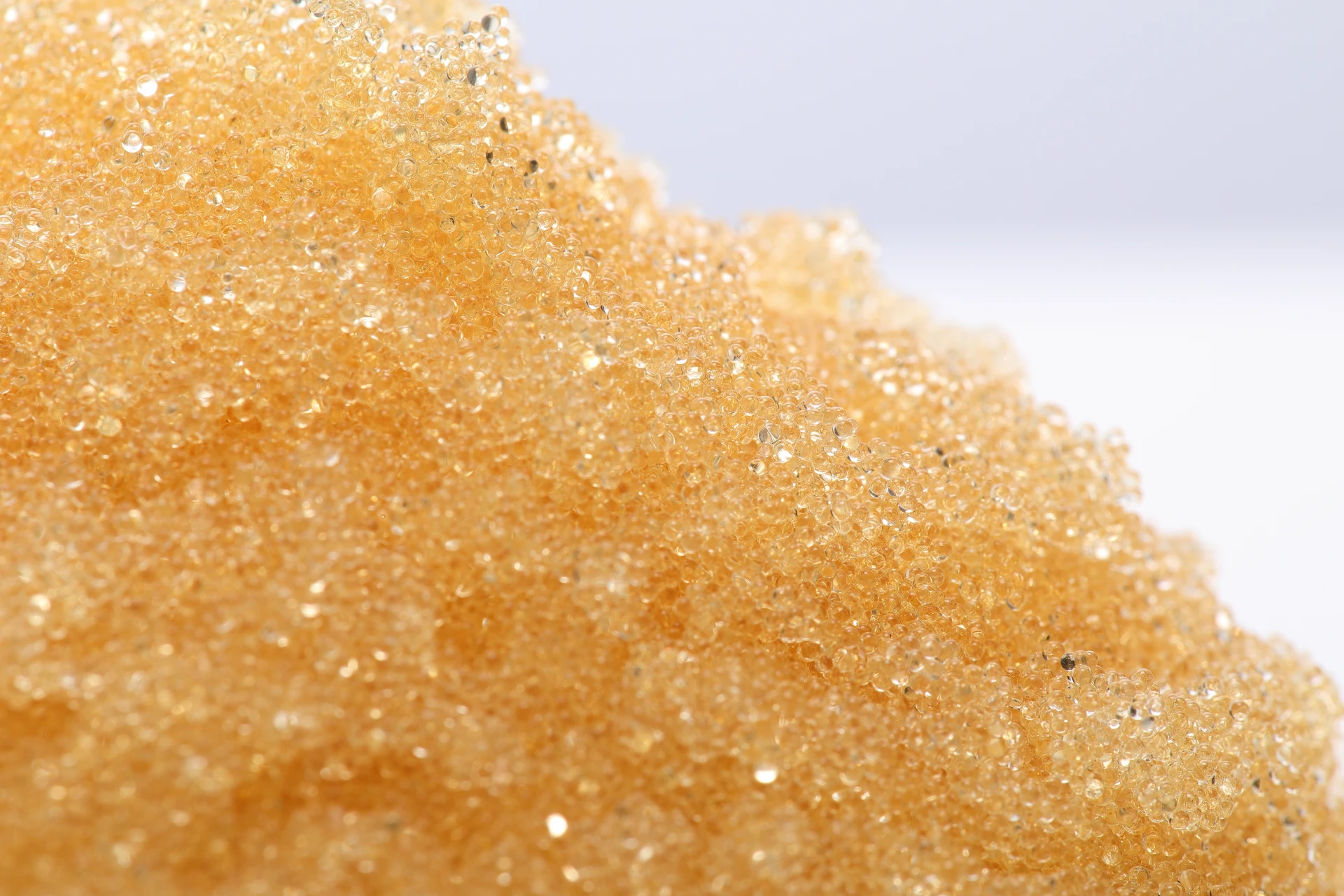
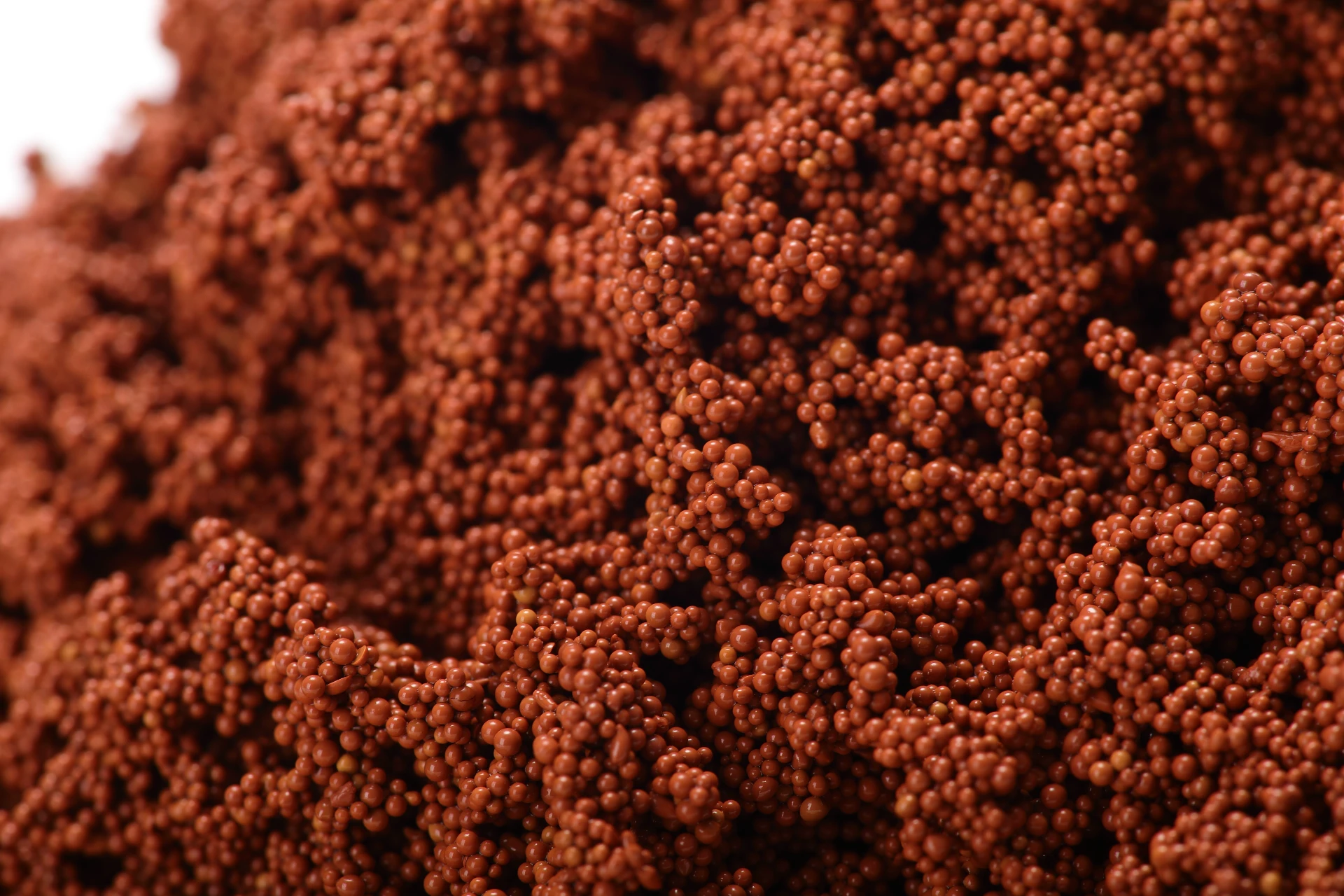
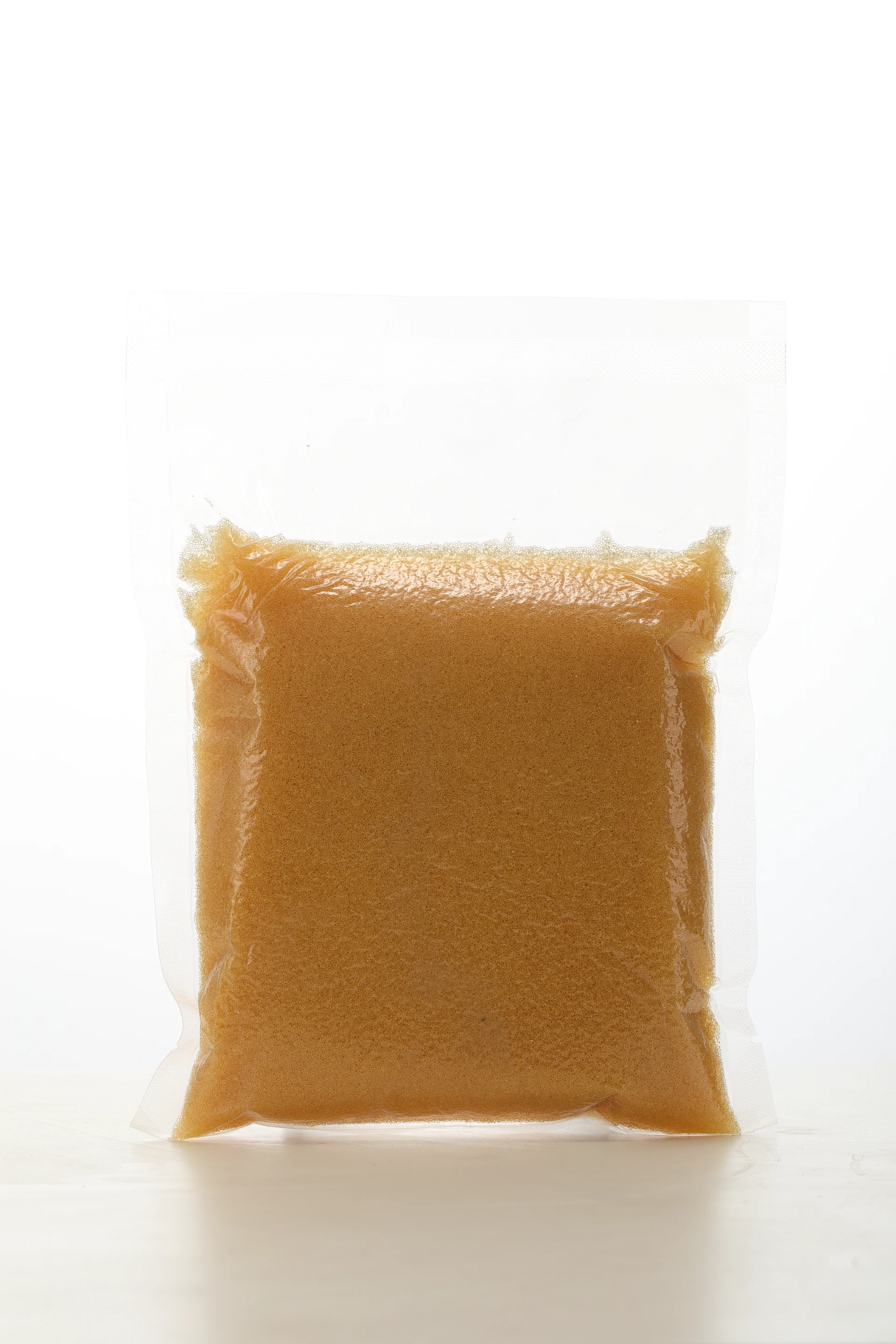
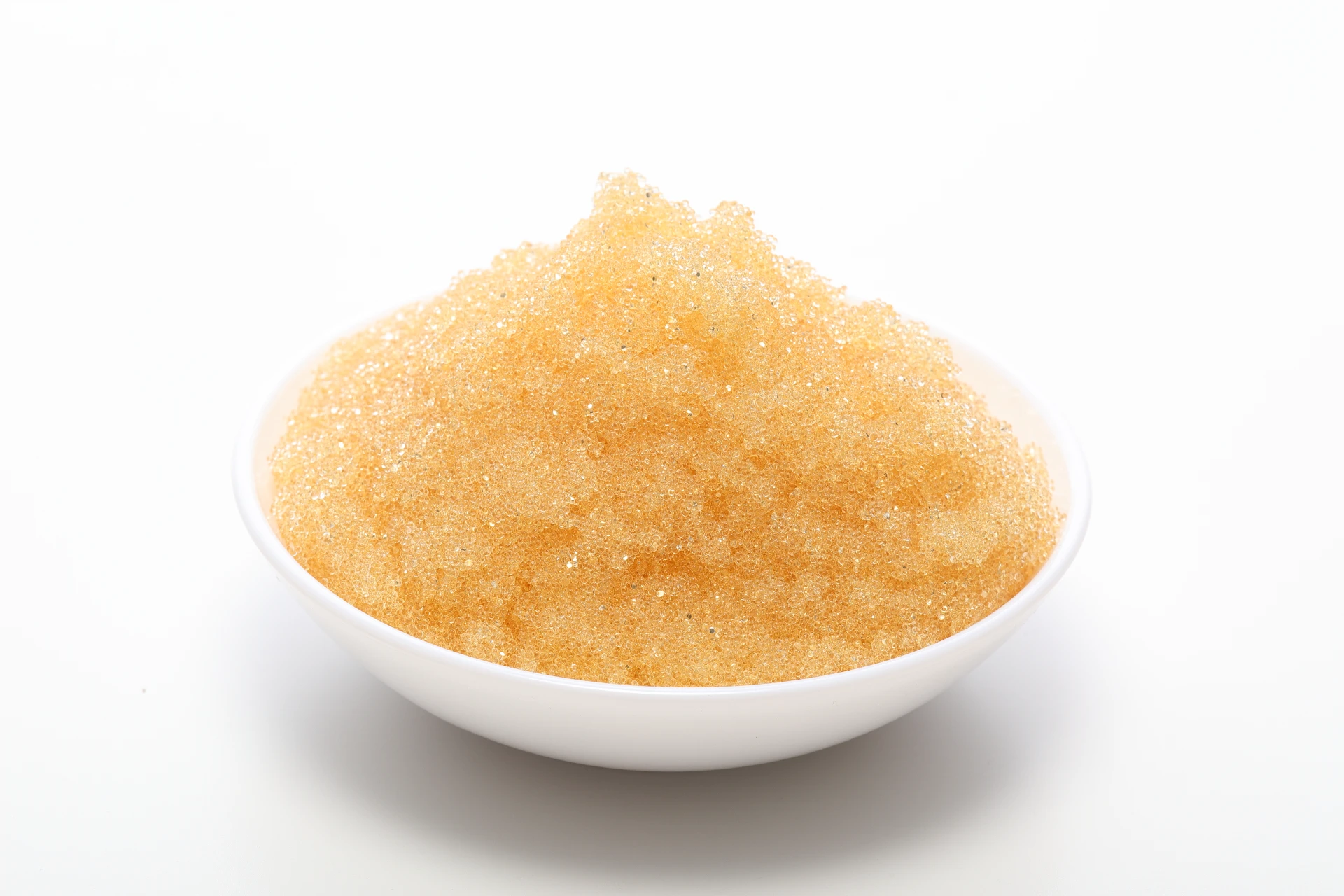
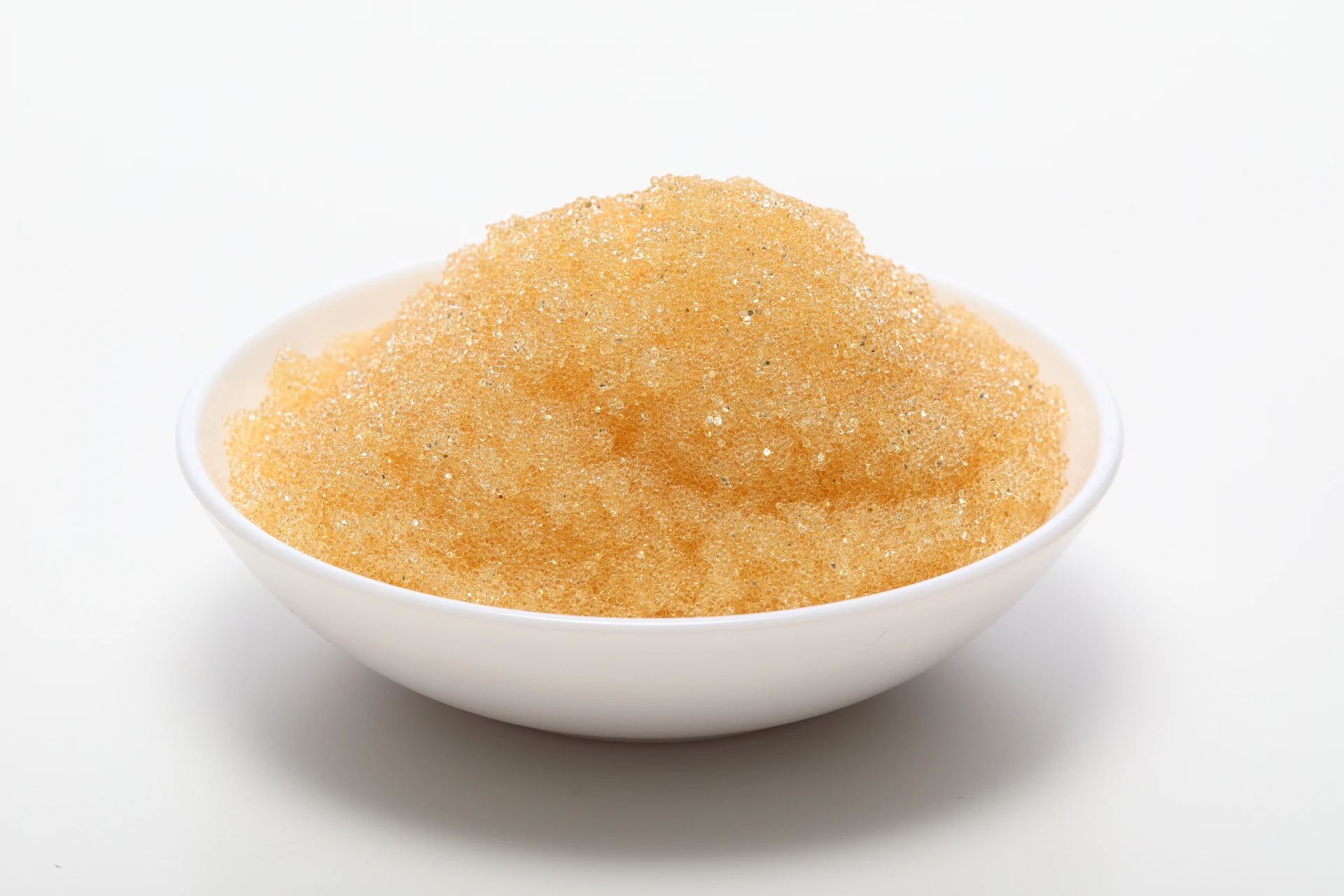
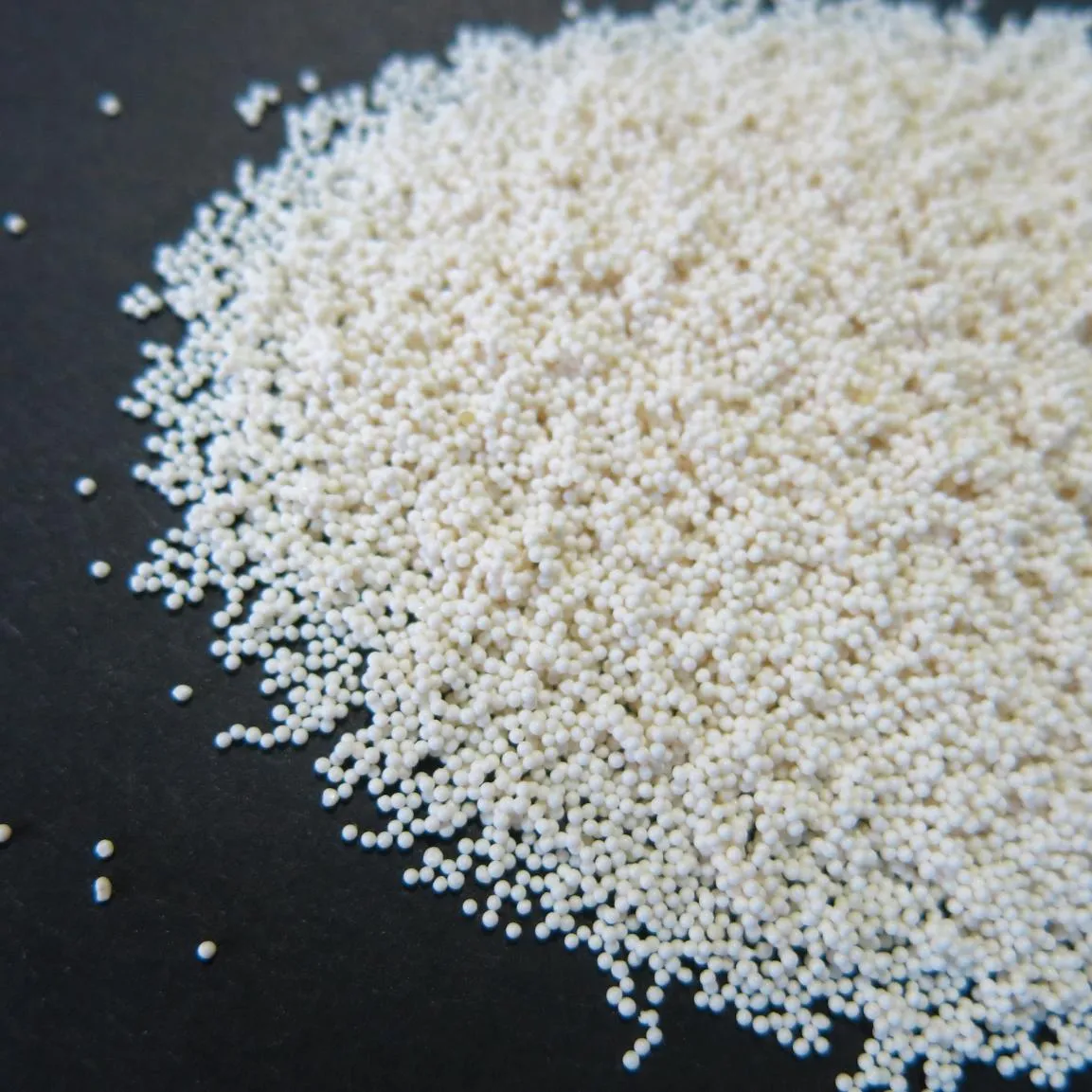
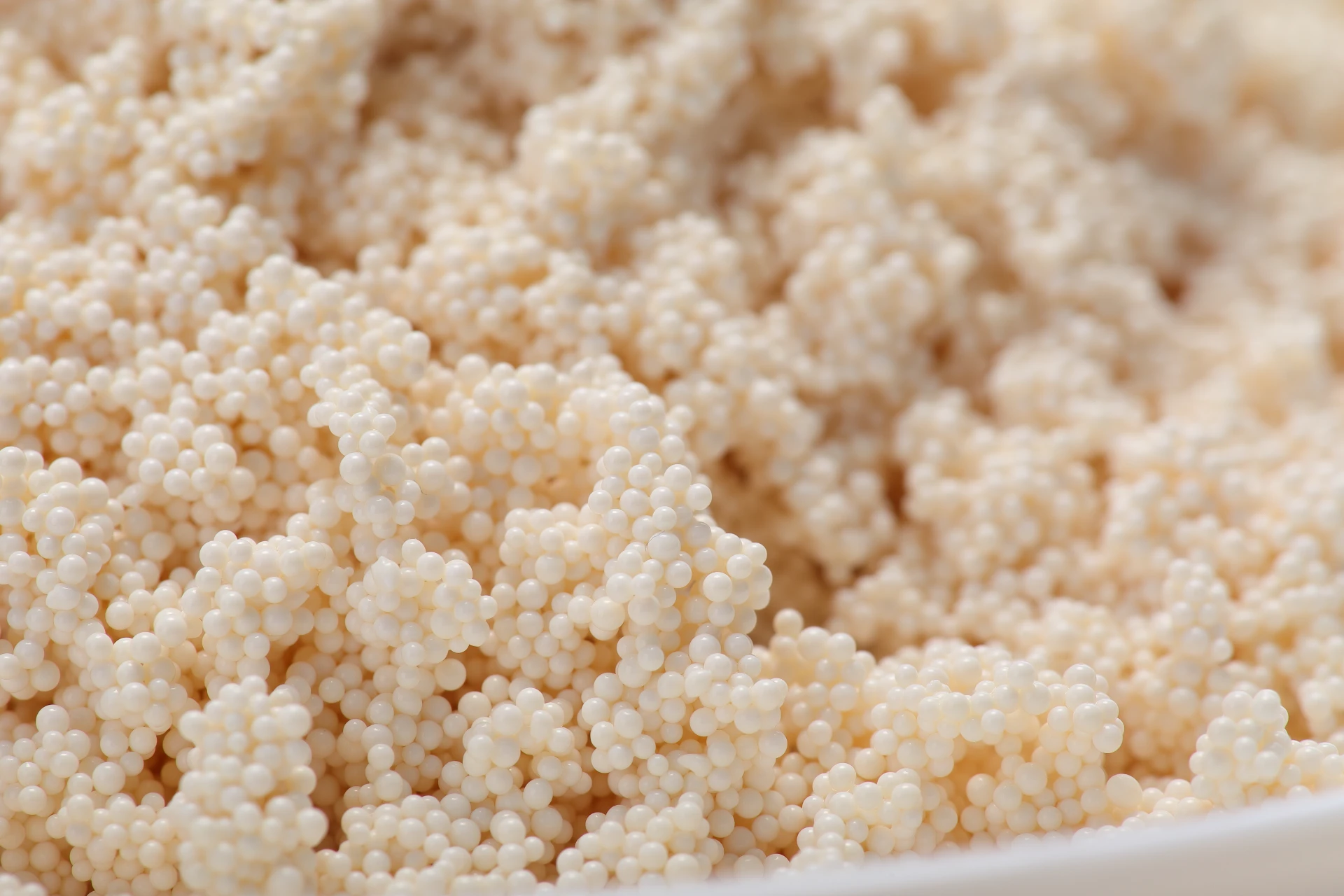
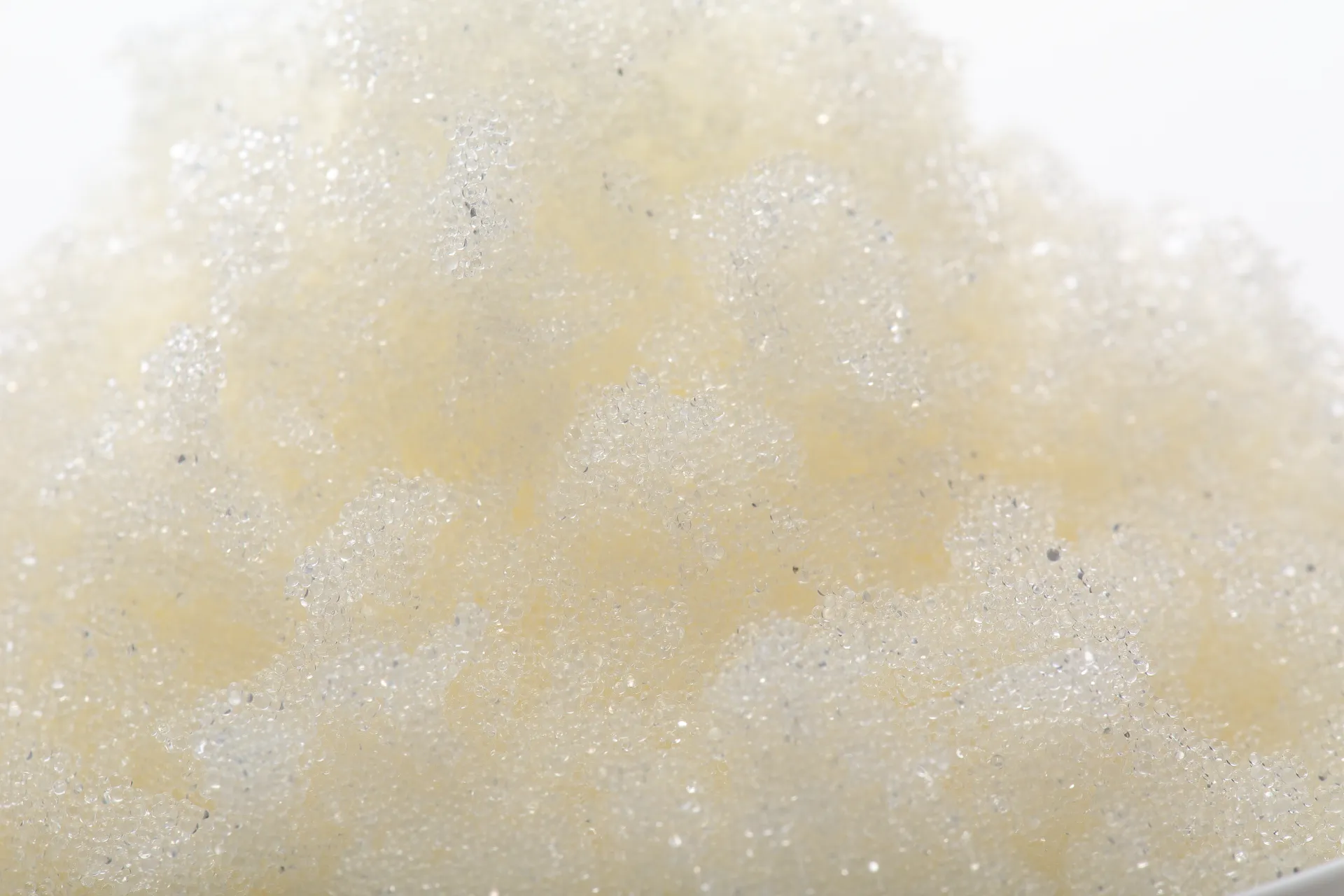
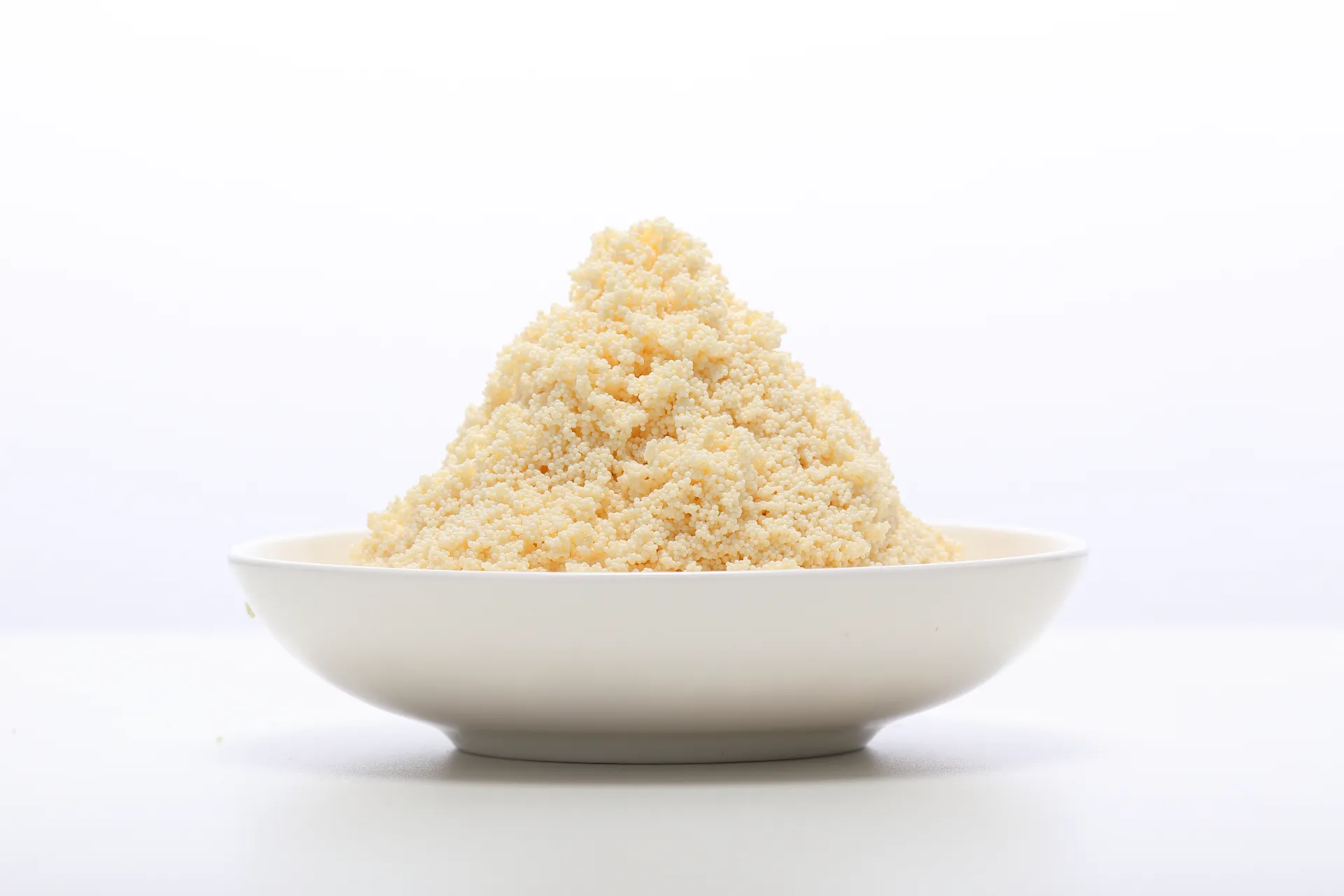
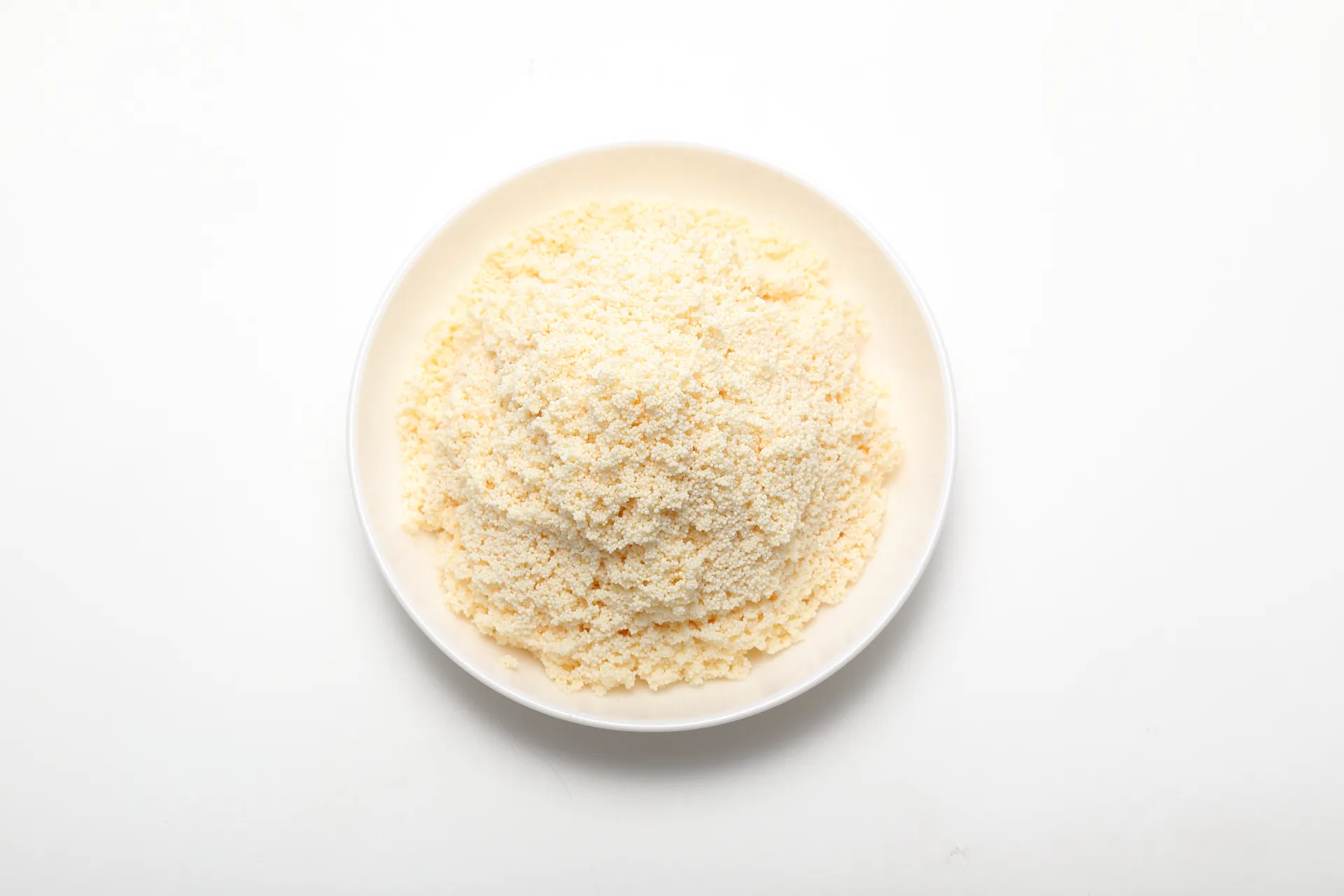
If you treat industrial water for a living, you already know the quiet hero in a lot of decarbonization trains: the weak acid cation exchange resin. Today I’m focusing on D113 FC from Liji Resin. It’s an acrylic matrix with carboxylic functional groups (–COOH), purpose-built to strip bicarbonate/carbonate hardness. In plain terms: less alkalinity, smoother downstream demin, and lower acid bills. To be honest, many customers tell me it’s the most “boring” piece of kit—until it isn’t.
Three things I’m seeing: 1) shift to acrylic matrices for better fouling resistance in organic-rich waters; 2) tighter bead size distribution for lower pressure drop; 3) more facilities pairing WAC before SAC to cut chemical consumption by 20–40% in real plants (your mileage may vary). Surprisingly, zinc/nickel recovery is picking up, especially where wastewater fees are biting.
| Matrix / Functional group | Acrylic, macroporous / Carboxylic (–COOH) |
| Total capacity | ≈ 4.0–5.2 eq/L (real-world use may vary with alkalinity load) |
| Moisture content | 45–55% |
| Particle size (typ.) | 0.6–1.2 mm; uniformity coeff. ≈ 1.6 |
| Operating pH / Temp | pH 4–10; up to ~60°C in H+ form |
| Recommended regeneration | HCl 4–8% or H2SO4 2–4%; co- or counter-current |
| Service life | 3–7 years, depending on fouling control and cleaning |
- Industrial water: removal of bicarbonate/carbonate hardness before SAC/RO; boiler feed conditioning.
- Metals: zinc/nickel waste recovery and polishing of rinse waters.
- Bioprocess: separation/fine purification steps (with careful cleaning protocols).
- Beverage and pharma utilities: alkalinity trimming to stabilize downstream pH control.
Materials: D113 FC beads, food-grade acid (as applicable), backwash/air scour utilities, PVC/FRP vessel.
Testing standards often cited by end users: ASTM D2187 (physical), ASTM D2656 (capacity), and potable-contact checks aligned with NSF/ANSI 61 when relevant. QA under ISO 9001 helps keep batches consistent.
| Vendor | Origin | Certs | Lead Time | Customization |
|---|---|---|---|---|
| Liji Resin D113 FC | NO.2 East Jianshe Road, High-Tech Industrial Development South Zone, Wei County, Xingtai, Hebei, China | ISO 9001; lot-wise QC; optional NSF alignment | ≈ 2–4 weeks | Bead size, porosity, packaging |
| Supplier A (generic) | EU | ISO 9001, 14001 | 3–6 weeks | Limited SKUs |
| Supplier B (regional) | APAC | ISO 9001 | 2–8 weeks | Custom volumes, basic |
Options include tighter particle sizing for low-pressure systems, tailored moisture window for shipping climates, and packaging from 25 L bags to 1 m³ totes. I guess the real value is in commissioning support: setting leakage alarms and dialing regeneration dose to the actual alkalinity profile.
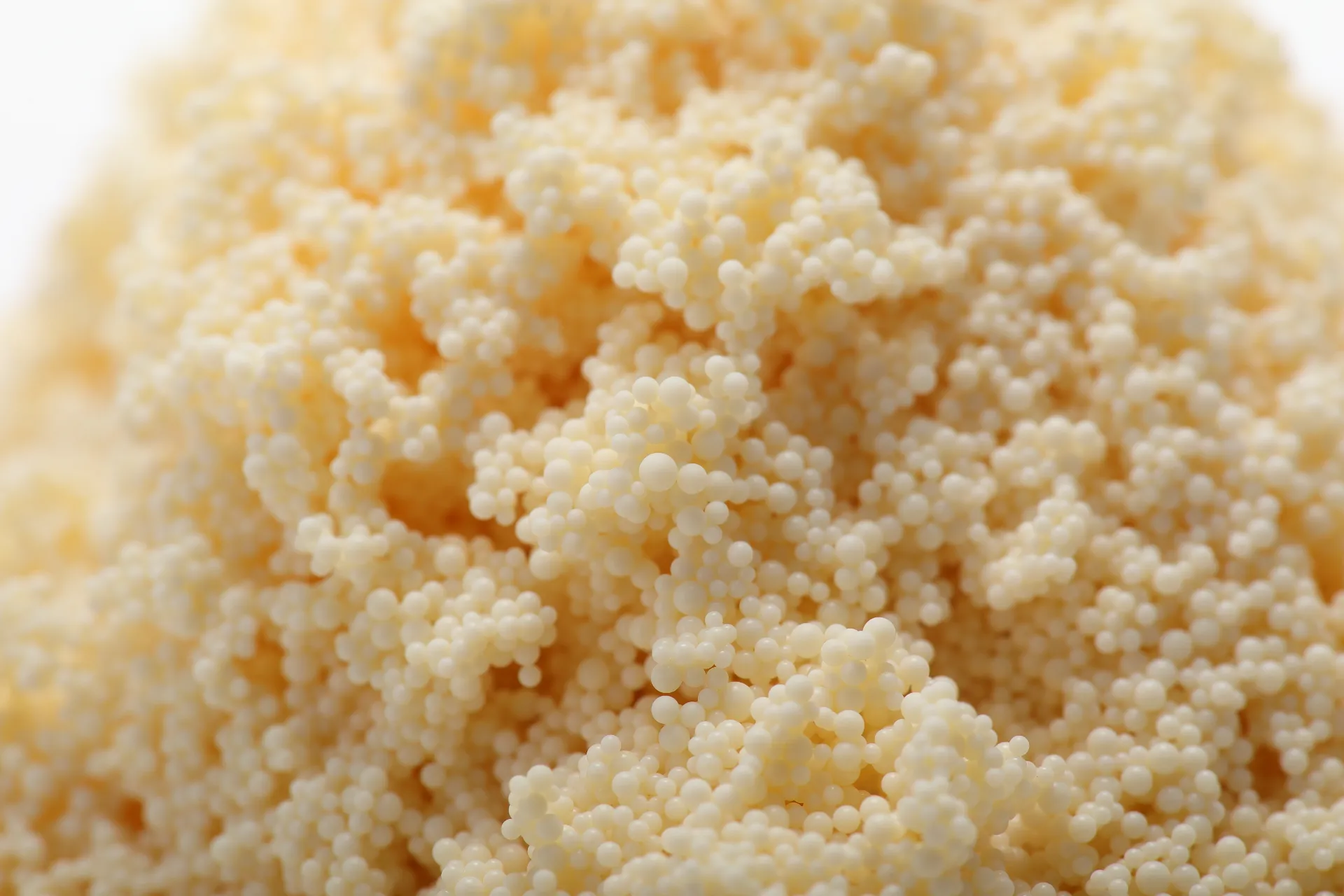
- Power plant, 120 m³/h make-up: adding D113 FC before SAC cut acid use ≈ 32% and extended run length by ~18%. “Leakage flattened out—less chasing pH,” the utility lead said.
- Electroplating line: WAC stage recovered nickel from rinse, dropping discharge surcharges by ~25% and paying back in 11 months.
- Bioprocess utility water: with gentler acid and routine backwash, capacity stayed within 92–95% of nameplate after 18 months.
Final thought: for decarbonization, a properly selected weak acid cation exchange resin like D113 FC often pays for itself in saved chemicals and calmer ops. Not flashy—just effective.