Phone:
+86 0319 2296164


Email:
info@lijiresin.cn
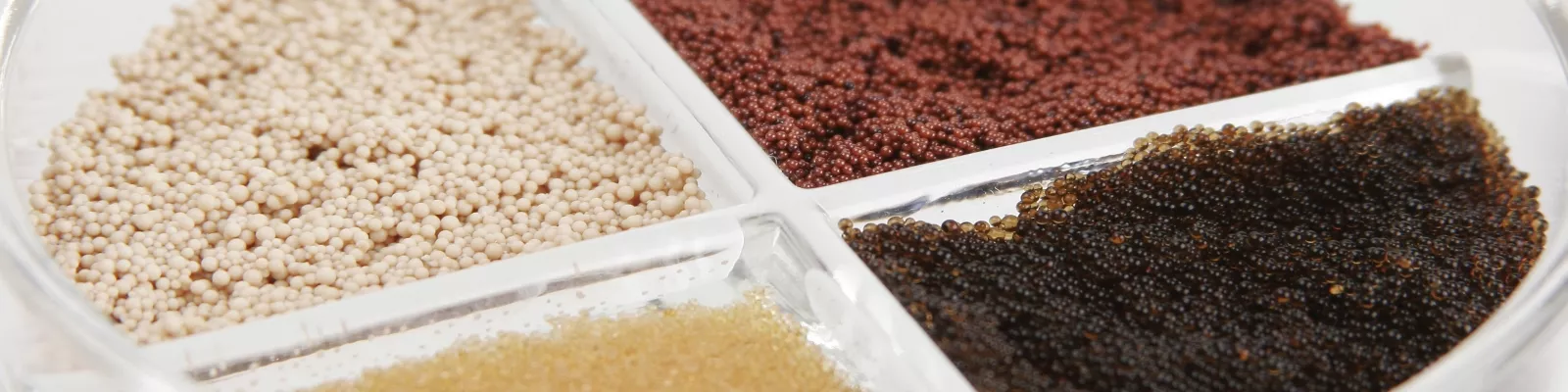
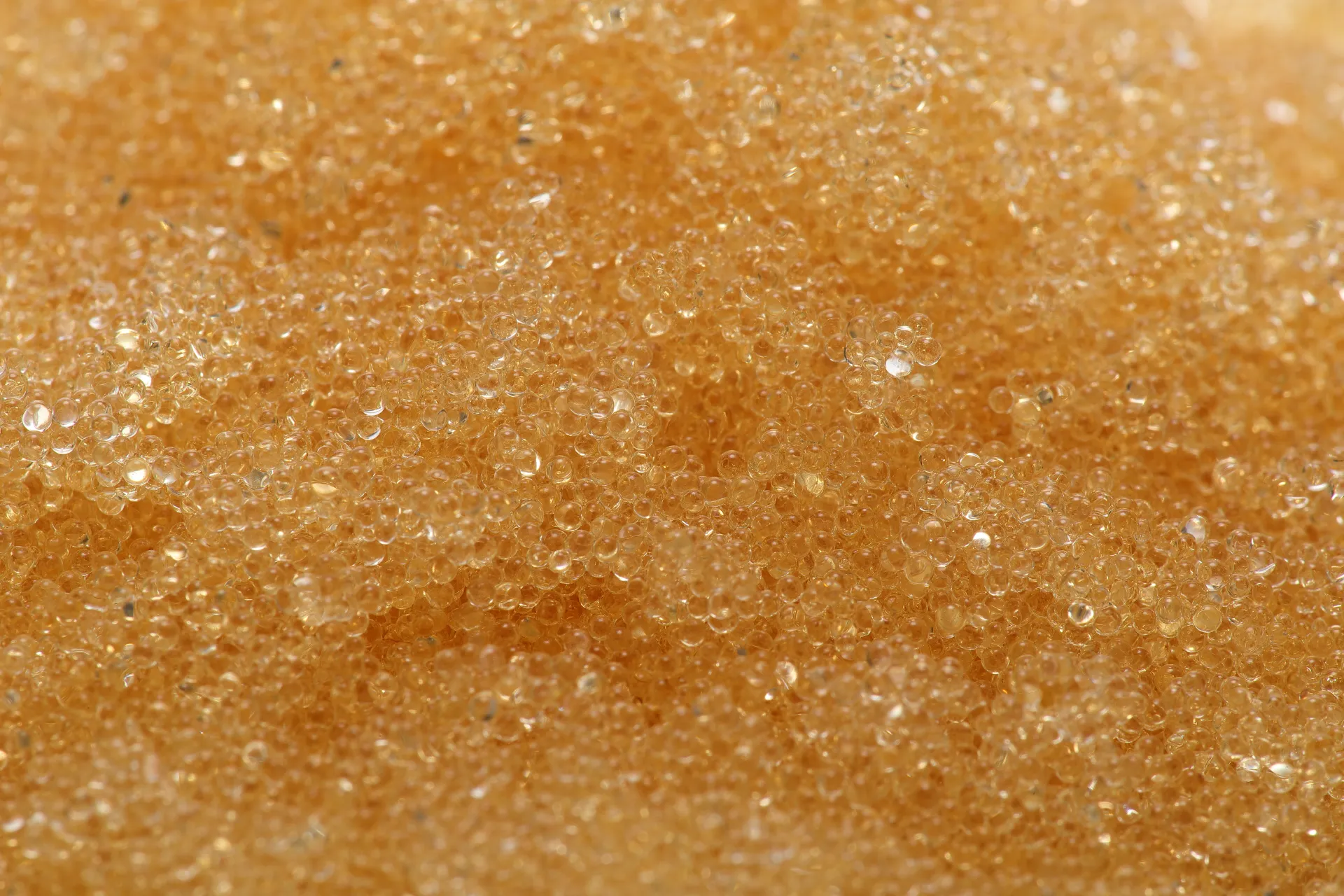
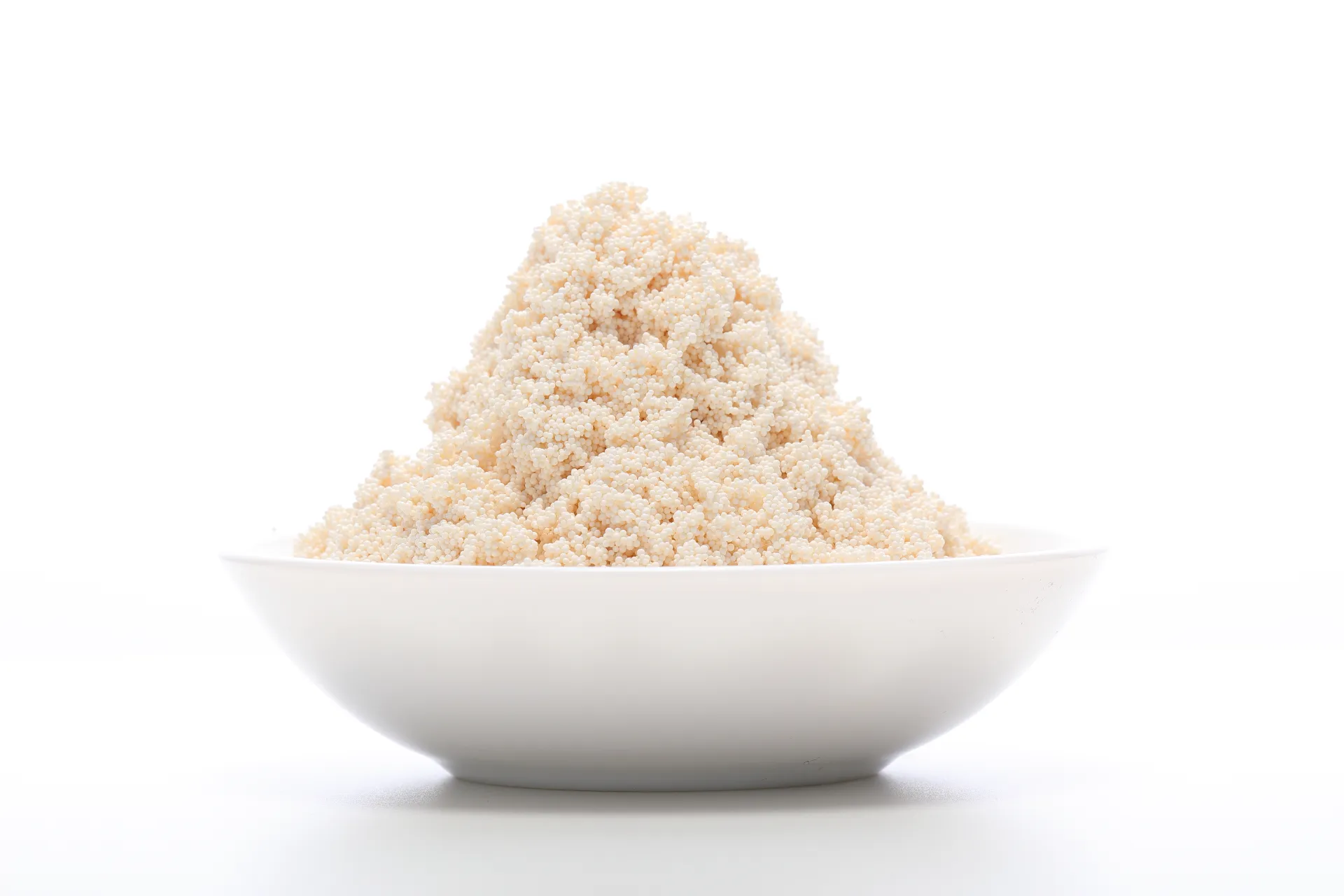
In a world increasingly conscious of water purity, sustainable industry practices, and efficient chemical processes, strong anion exchange resin quietly plays a vital role. Whether treating municipal water supplies, refining chemicals, or even aiding humanitarian causes, this specialized resin has become indispensable. Its ability to selectively capture negatively charged ions (anions) helps industries and communities worldwide meet stringent environmental and safety standards.
Grasping the basics of strong anion exchange resin means unlocking solutions for cleaner water, greener processes, and cost-effective production — all global priorities as populations grow and natural resources tighten. So, if you’ve ever wondered what’s behind some of the cleanest water on the planet or how industries lower their environmental footprint, you’re in the right place.
According to the World Bank, over 2 billion people globally lack access to safely managed drinking water services. Beyond personal consumption, industries worldwide depend heavily on pure water and chemical feedstocks. Here, strong anion exchange resin surfaces as a reliable, scalable tool for decontaminating water and facilitating chemical separations.
UN reports emphasize rising pollution, particularly nitrate contamination from agriculture runoff, that compromises groundwater in developing countries. Strong anion exchange resins, effective at removing nitrate and sulfate ions, directly address these challenges.
In real terms, the challenge has been: How do we ensure access to clean water and industrial efficiency without exorbitant costs or environmental impact? I noticed many operators turning to ion exchange resins—especially the “strong” variety—for a consistent, sustainable answer.
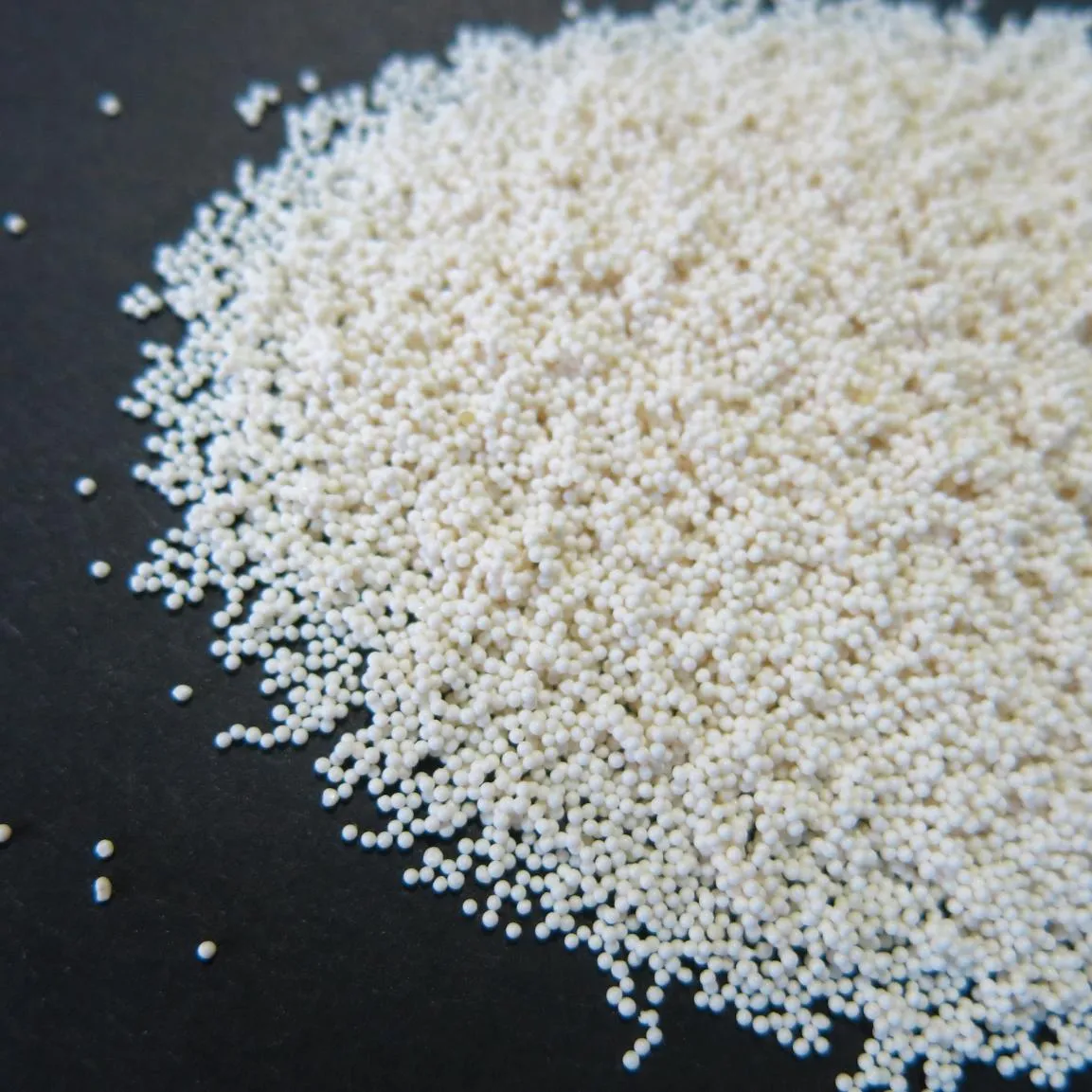
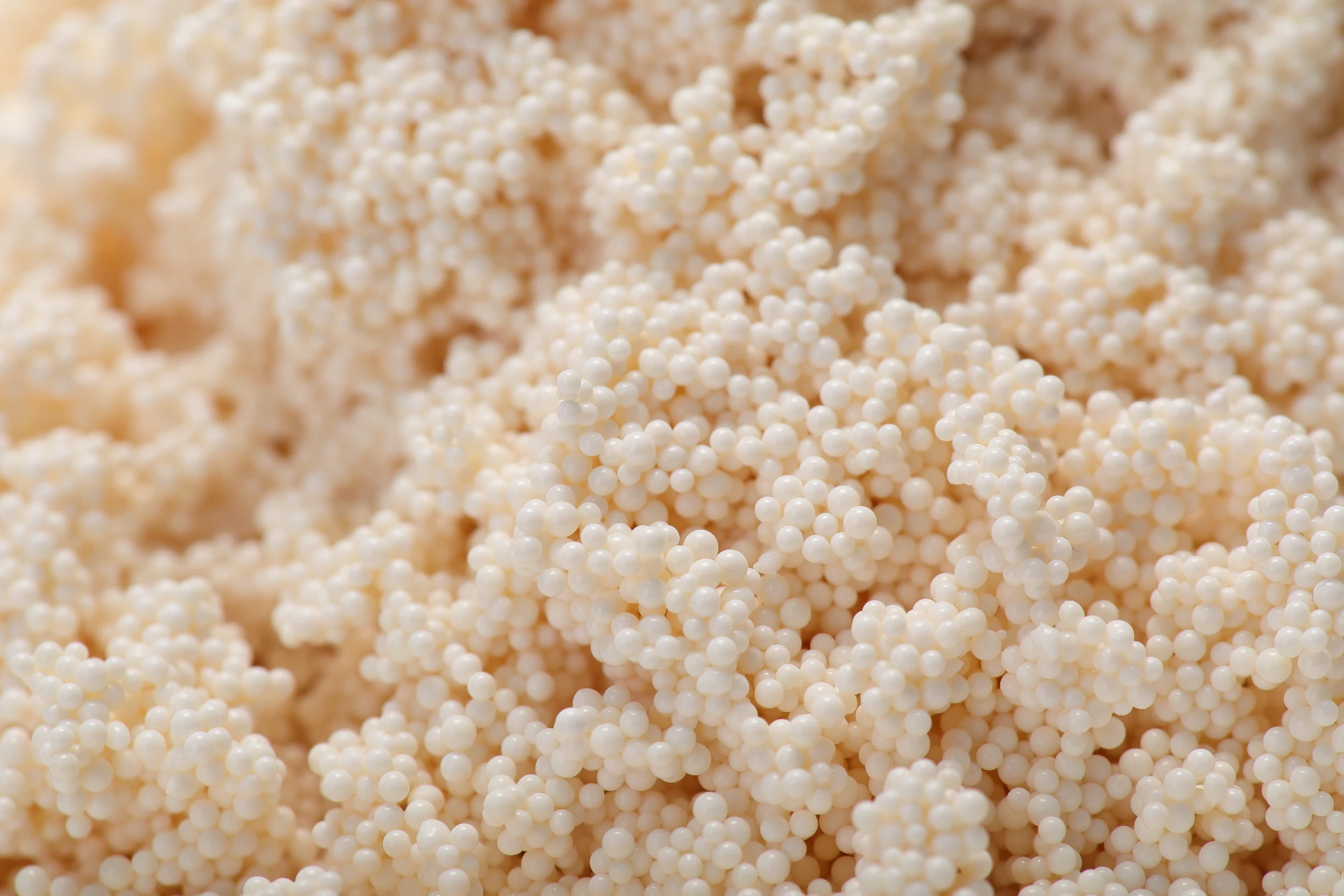
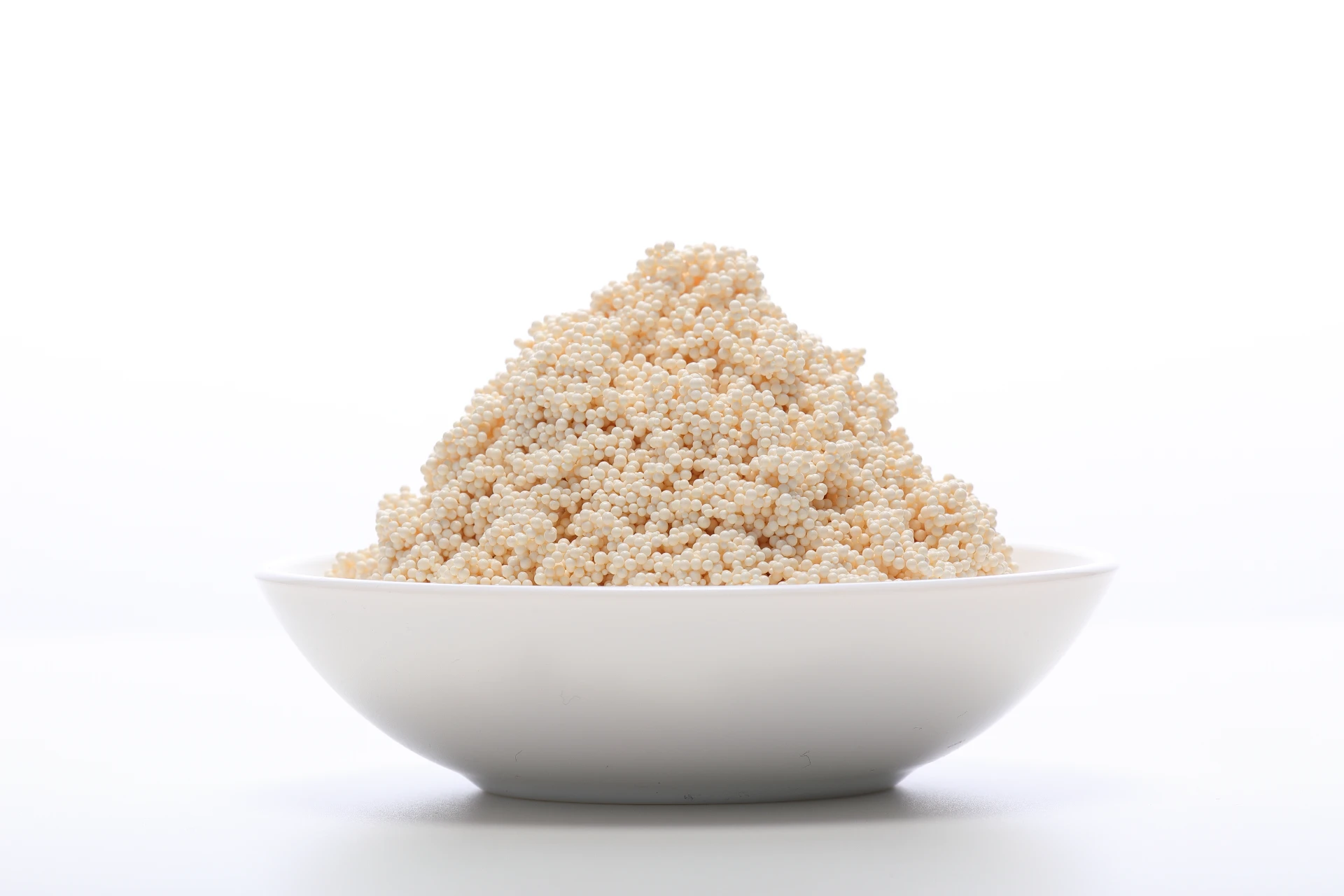
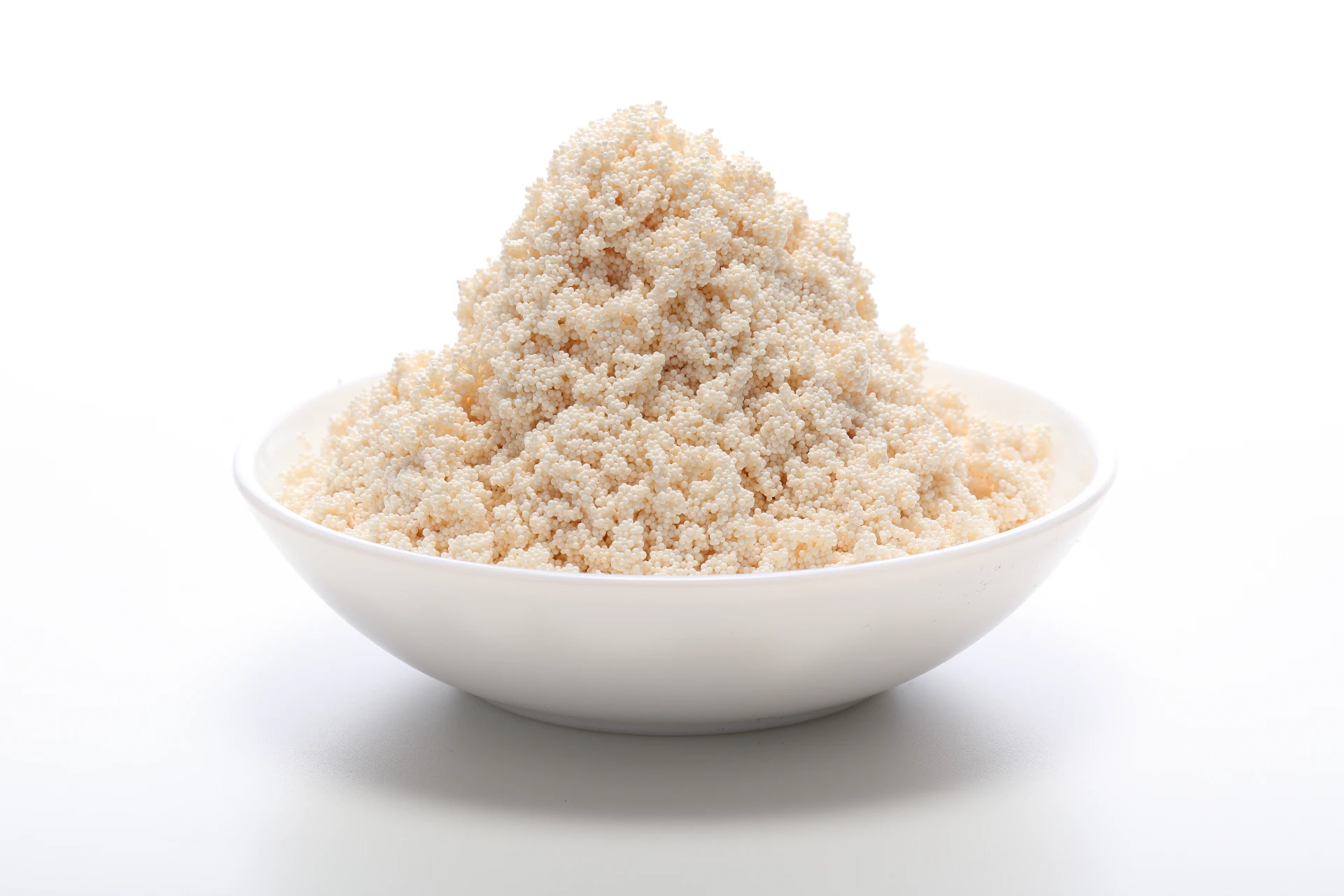
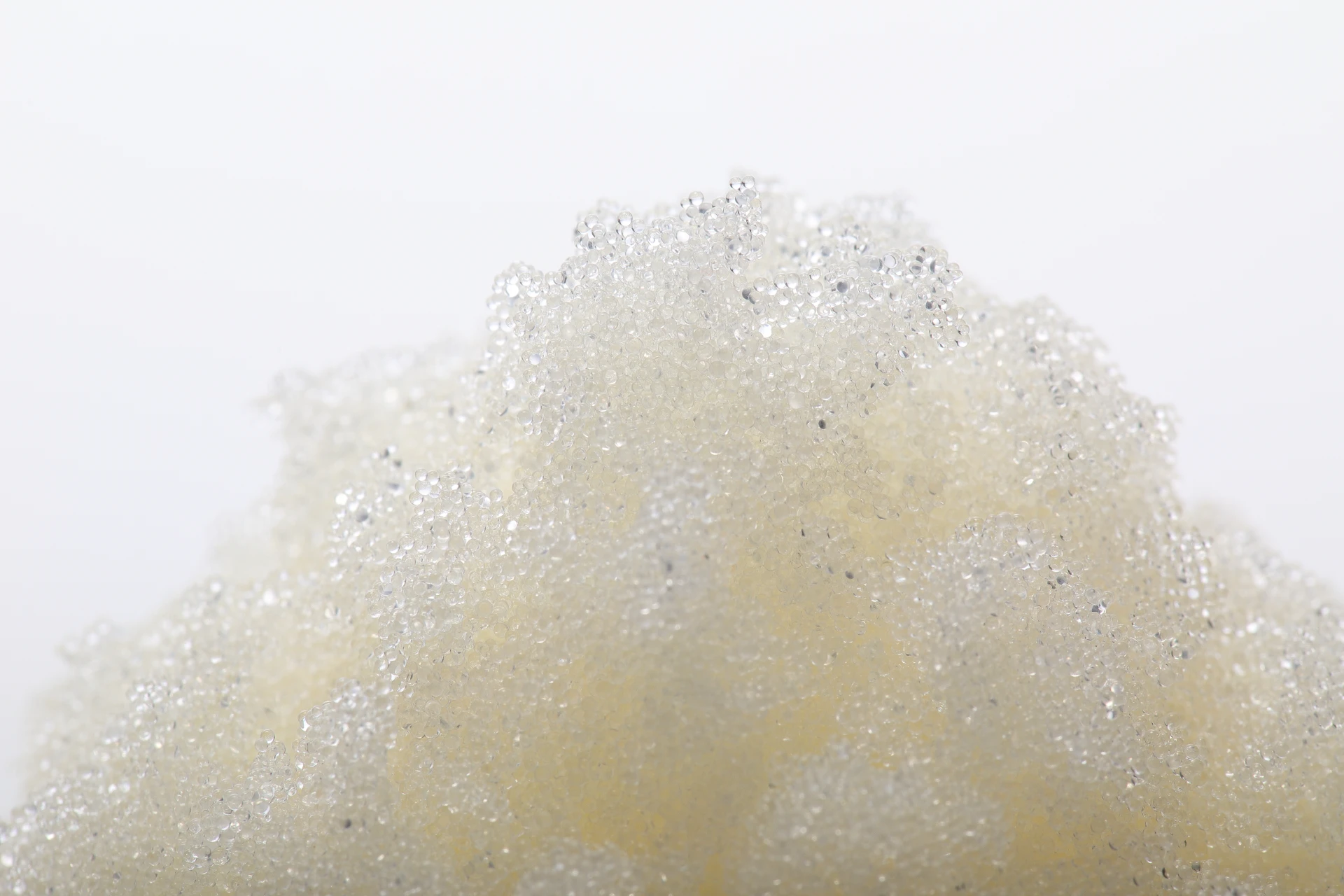
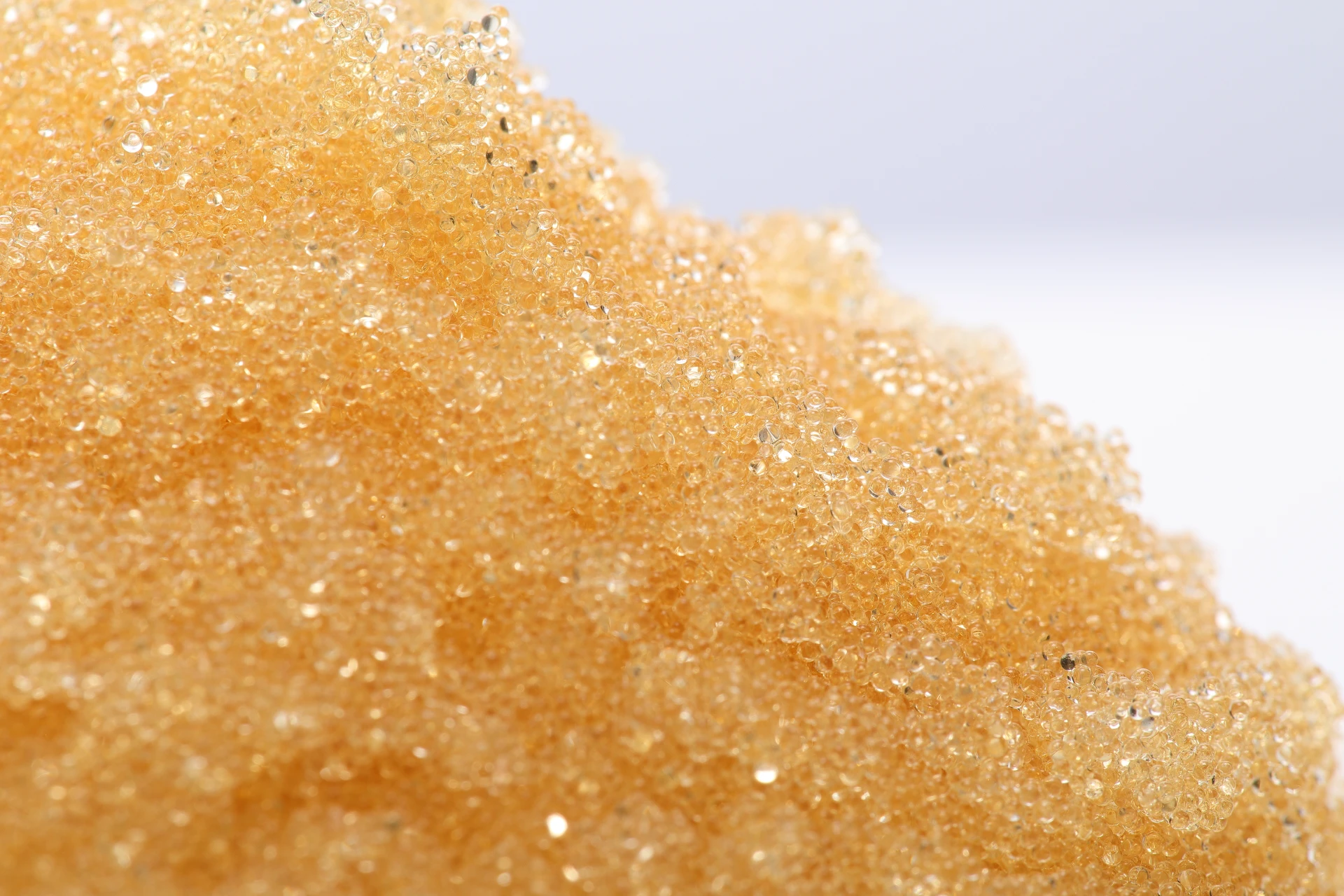
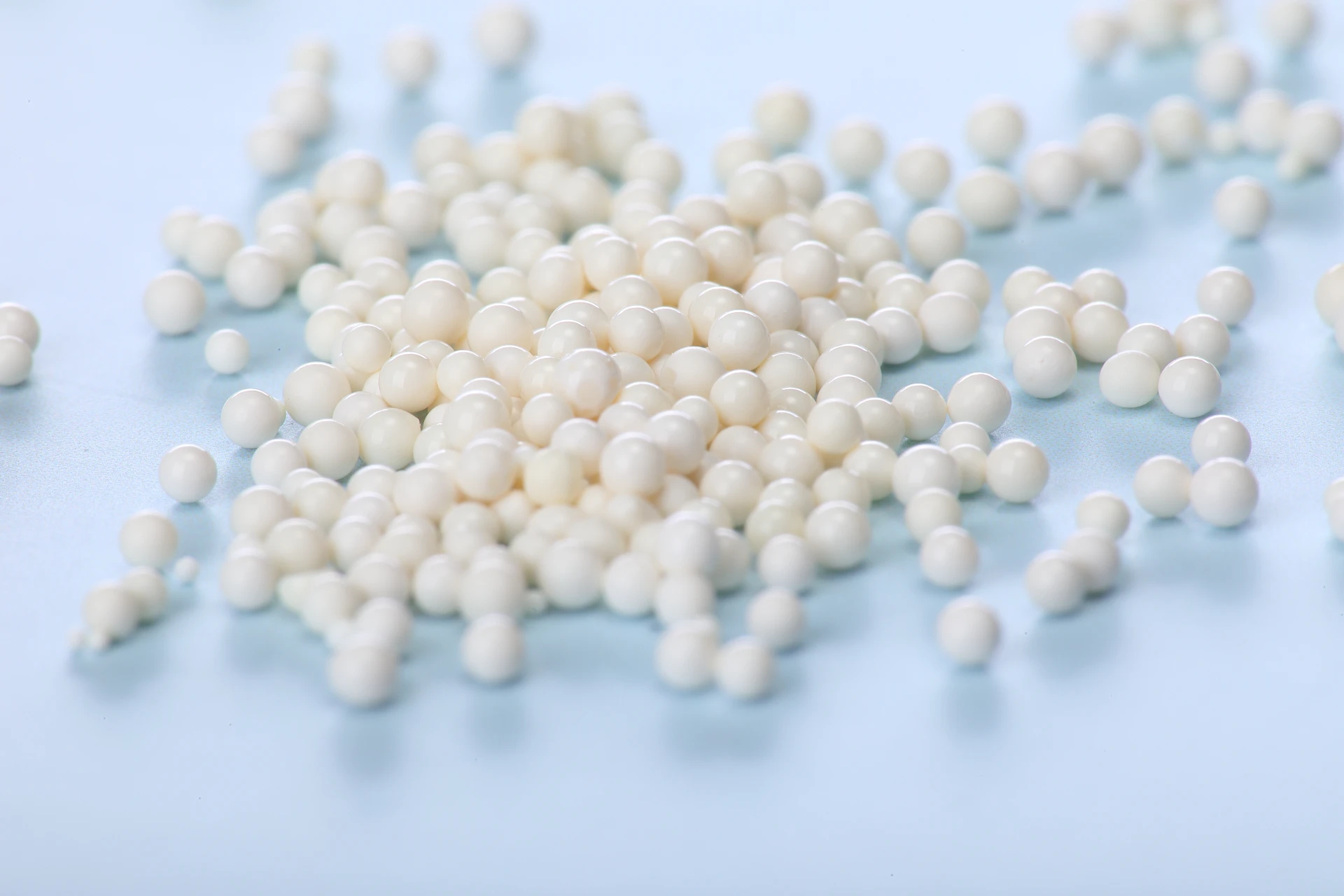
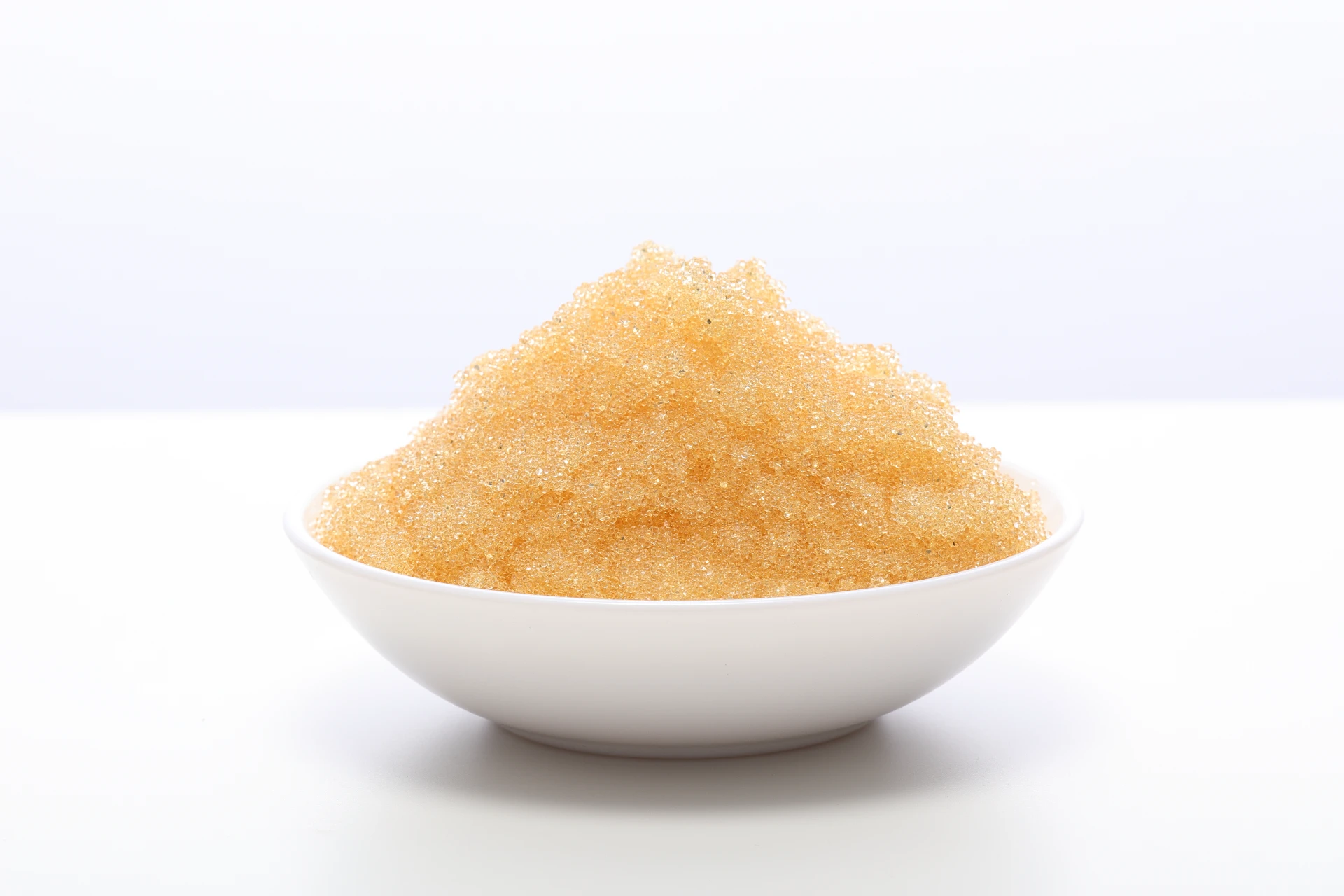
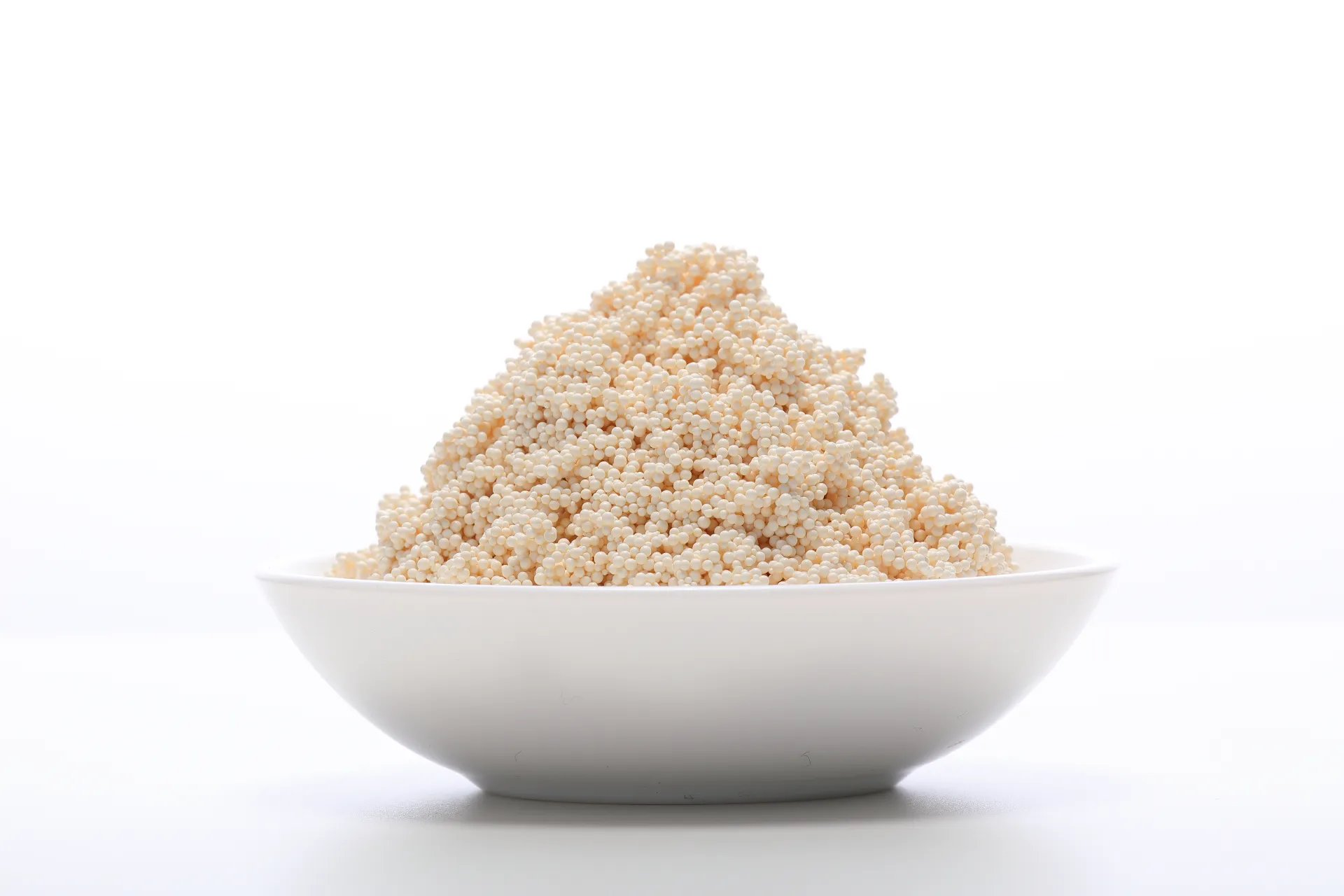
Put simply, strong anion exchange resin is a polymer matrix imbued with positively charged functional groups, designed to attract and bind negatively charged ions, or anions, from liquids passing through it. These resins hold onto troublesome anions—like nitrates, sulfates, and chlorides—and release more benign ions instead.
Think of it like a molecular magnet that traps specific particles. This makes it invaluable not just in water treatment but in industries like pharmaceuticals, food & beverage, and electronics, where purity makes or breaks quality.
Its connection to humanitarian needs is no accident: by making water purification more accessible and affordable, it helps safeguard human health in vulnerable communities worldwide.
This is basically how many ions a resin can hold at once. Higher capacities mean less frequent regeneration and longer usage cycles—real savings for operators. For example, typical capacities might range from 1.0 to 1.3 meq/mL for commercial strong anion resins.
Strong anion exchange resins boast quaternary ammonium functional groups that maintain performance across wide pH ranges, often between 0 and 14. This chemical toughness helps them endure harsh cleaning cycles and varied feedwater qualities.
Because most resins are bead-based polymers, their mechanical strength influences operational lifespan and pressure drop in treatment columns. Robust beads resist abrasion, prolonging effective use—especially important in industrial, high-flow systems.
This relates to how easily the resin can be “reset.” Typically, strong anion exchange resin regenerates with caustic soda (NaOH), which flushes out captured anions, restoring ion binding sites. Efficient regeneration means less downtime and chemical waste.
Not all resins capture the same anions in the same way. Strong anion exchangers preferentially target strongly basic anions (like hydroxides and sulfates) and are excellent at removing nitrate, making them ideal in agriculture-impacted groundwater treatment.
Its footprint spans continents and sectors:
In India’s densely populated regions, for instance, strong anion exchange resin systems have been installed in community water treatment plants to tackle nitrate pollution caused by fertilizer runoff. Similarly, European pharmaceutical companies depend on the resin’s precise ion separation during drug manufacturing processes.
Tangible things matter, sure — but there’s more here than just figures:
Frankly, it feels like this resin quietly underpins a lot of progress toward cleaner processes and more equitable resource distribution — which we desperately need.
| Parameter | Typical Value | Unit |
|---|---|---|
| Ion Exchange Capacity (dry) | 1.1 - 1.3 | meq/mL |
| Moisture Content | 45 - 50 | % |
| Particle Size Range | 300 - 1200 | μm |
| pH Operating Range | 0 - 14 | - |
| Density (wet) | 1.1 - 1.3 | g/cm³ |
| Vendor | Resin Capacity (meq/mL) | pH Range | Typical Applications | Price Tier |
|---|---|---|---|---|
| Liji Resin Co. | 1.2 | 0-14 | Water, Pharma, Industrial | Competitive |
| IonPure Solutions | 1.3 | 1-14 | Food & Beverage, Electronics | Premium |
| GreenWater Tech | 1.1 | 0-13.5 | Municipal, Agriculture | Mid-Range |
The world of ion exchange resin isn’t static. More than ever, we see innovation driven by environmental and digital goals. Green chemistry is pushing new resin materials that can regenerate with less harmful agents or operate under biocompatible conditions. Automation and smart sensor integration allow real-time resin performance monitoring—cutting waste and guesswork.
There’s also growing synergy between membrane technologies and ion exchange resins, creating hybrid systems that balance energy use and throughput beautifully. Some companies explore biodegradable resin matrices, though durability remains a critical factor.
Policy-wise, tighter discharge limits on nitrates and emerging contaminants mean resin manufacturers must keep upping their selectivity game. Oddly enough, facing such strict regulations sparks creativity—no one wants to lag behind.
So, when weighing long-term water purity, industrial efficiency, or humanitarian needs, strong anion exchange resin is a surprisingly powerful ally. It balances performance, cost, and sustainability in a way few other materials can, quietly supporting cleaner water and safer processes around the globe.
If you’d like to explore how this resin could fit your project or operation, I encourage you to visit our website where detailed technical info, vendor contacts, and case studies await. The future of cleaner, sustainable industry often runs through beads no bigger than a grain of sand — who would have thought?