Look, I’ve been running around construction sites for fifteen years now, and let me tell you, things are moving. Everyone's talking about prefabrication, modular builds… it’s all about speed, right? But speed can’t come at the cost of reliability. To be honest, a lot of these newfangled materials… they look good on paper, but they haven’t seen a real job site.
What I’ve noticed lately is this rush for "smart" everything. Smart concrete, smart rebar… it's a bit much. You end up with systems that are over-engineered, over-priced, and the guys on the ground don't know how to troubleshoot them when things go wrong. It’s a real headache, I tell you. And that headache usually falls on my shoulders.
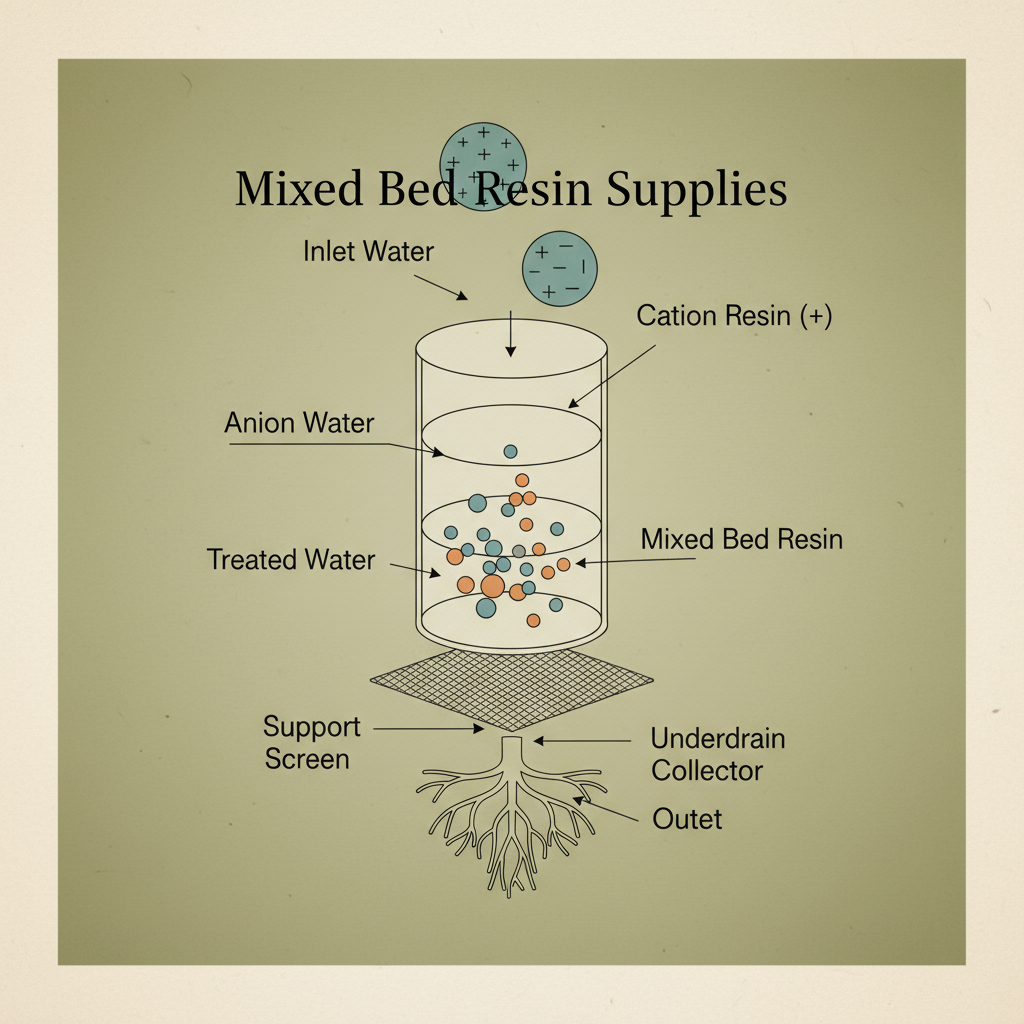
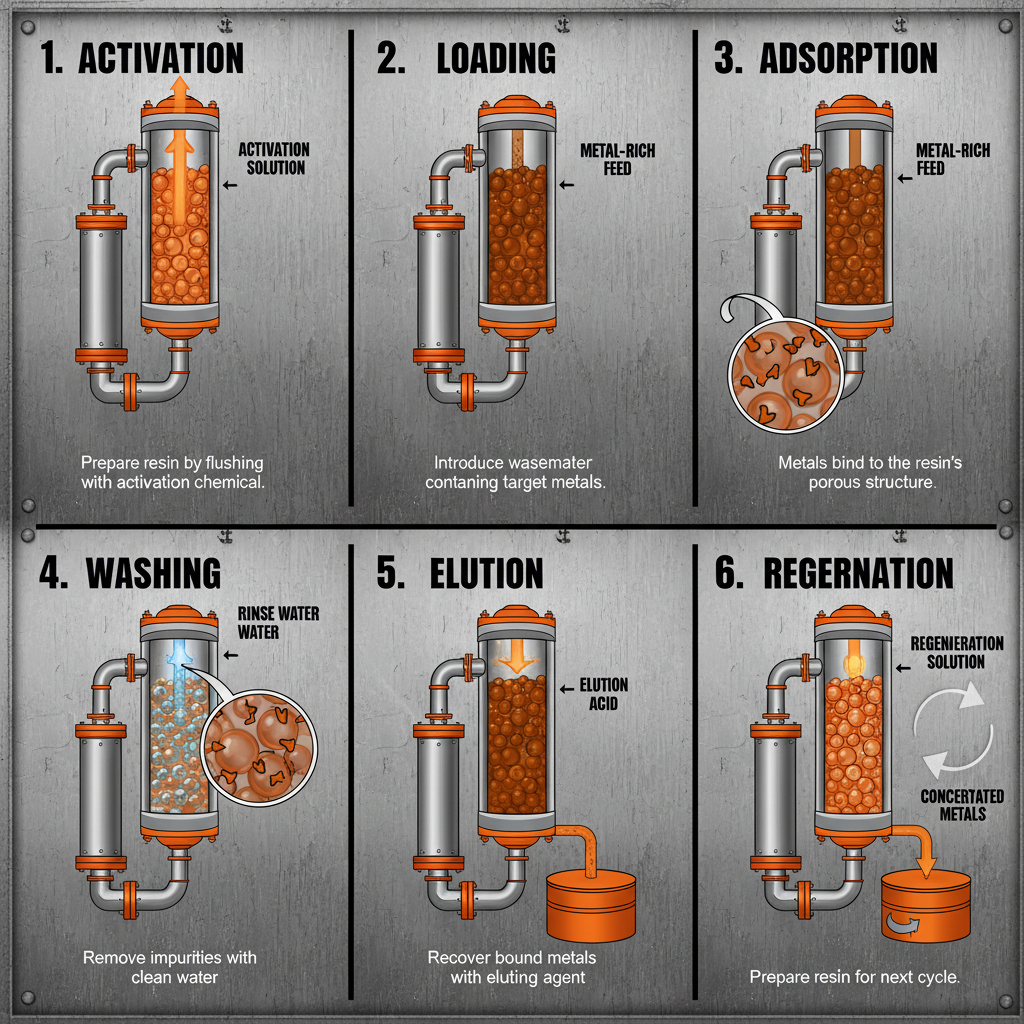
We've been experimenting more with mixed bed resin lately, particularly for water purification on remote sites. It’s… well, it’s surprisingly effective. I encountered this at a solar farm construction in the Nevada desert last time. Dust storms, limited water access… they were having serious issues. The resin system, once dialed in, pulled minerals and contaminants out of practically anything. Strangely, it smelled faintly of lemons, which was a nice change from the usual diesel fumes.
The Current Landscape of Mixed Bed Resin Applications
Mixed bed resin isn’t new, obviously, but its applications are broadening. It's moved past just power plants and semiconductor manufacturing. We're seeing it more and more in remote site water treatment, emergency response situations… you name it. The drive for sustainable water solutions is a big factor, and mixed bed resin offers a relatively compact and efficient way to achieve that.
It’s also popping up in specialized industrial processes – things like pharmaceutical manufacturing and even food and beverage production. Anything where ultra-pure water is critical. And it's not just about the water itself; it's about meeting increasingly stringent regulatory requirements. You’d be surprised how many fines companies are facing for even minor water quality violations.
Common Pitfalls in Mixed Bed Resin System Design
Okay, here's where things get tricky. A lot of engineers, they see the spec sheet – “removes 99.9% of contaminants!” – and they think it’s plug-and-play. It isn’t. The resin needs proper pre-filtration, otherwise, it clogs up faster than you can say “sediment.” Have you noticed that?
Another common mistake is underestimating the resin’s capacity. They run the calculations based on ideal conditions, but real-world feed water is never ideal. It's always got something nasty in it. And then there's the issue of regeneration. You need the right chemicals, the right concentrations, and the right flow rates. Mess that up, and you’re just wasting money and potentially damaging the resin. Later… Forget it, I won't mention it.
And don’t even get me started on choosing the wrong resin type for the specific application. Cation, anion, chelation… it’s a whole world of chemistry, and you need to know what you’re doing. Otherwise, you'll end up with a system that doesn't perform as expected, and everyone will be blaming everyone else.
Material Considerations and Handling of Mixed Bed Resin
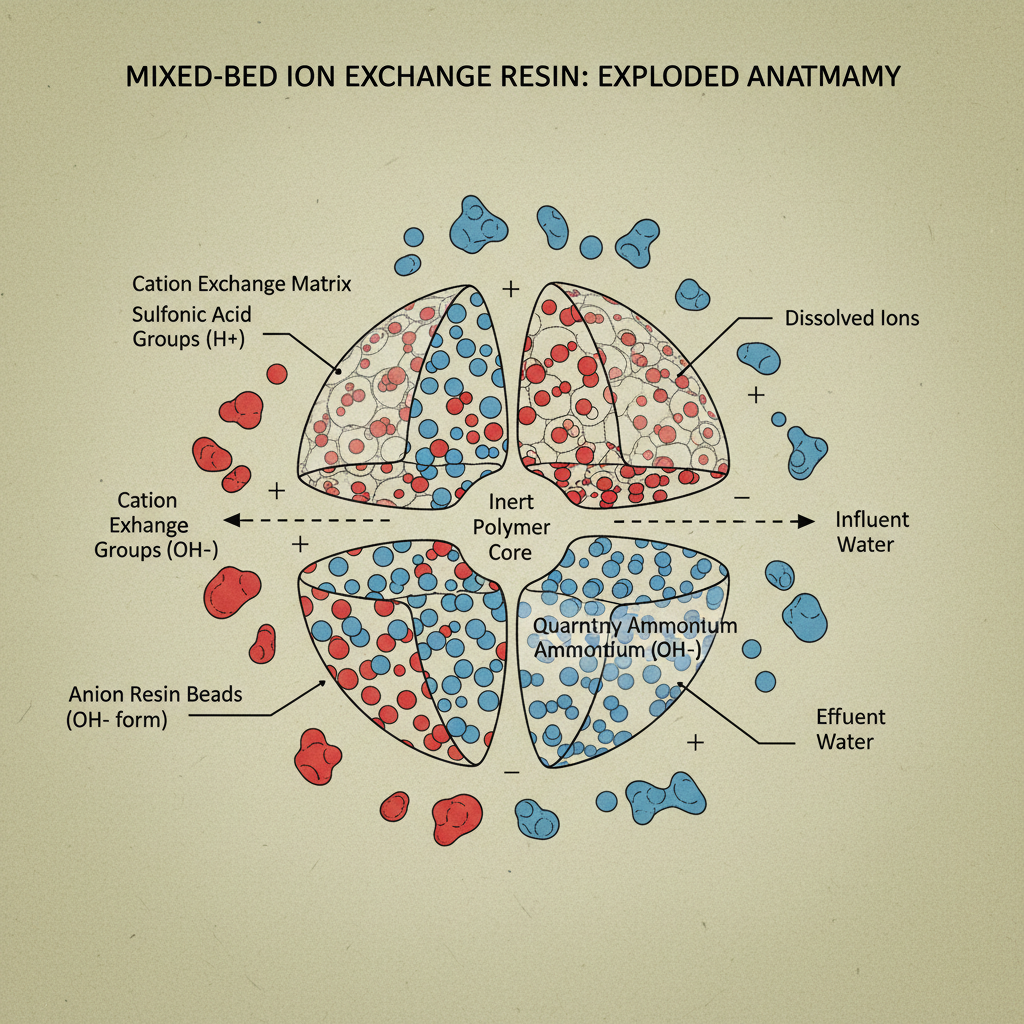
The resin itself… it's usually these little spherical beads. Black or white, depending on the type. They feel a bit like plastic pellets, but they’re denser. And they swell when they absorb water. That’s important to remember when you’re sizing the vessel.
Handling the resin, you gotta be careful. It creates a lot of dust, and that dust can be irritating to your lungs. Always wear a mask, and try to avoid creating a cloud of it. It also builds up static electricity, so you need to ground everything properly. I saw a guy get a nasty shock at a refinery last year – not fun.
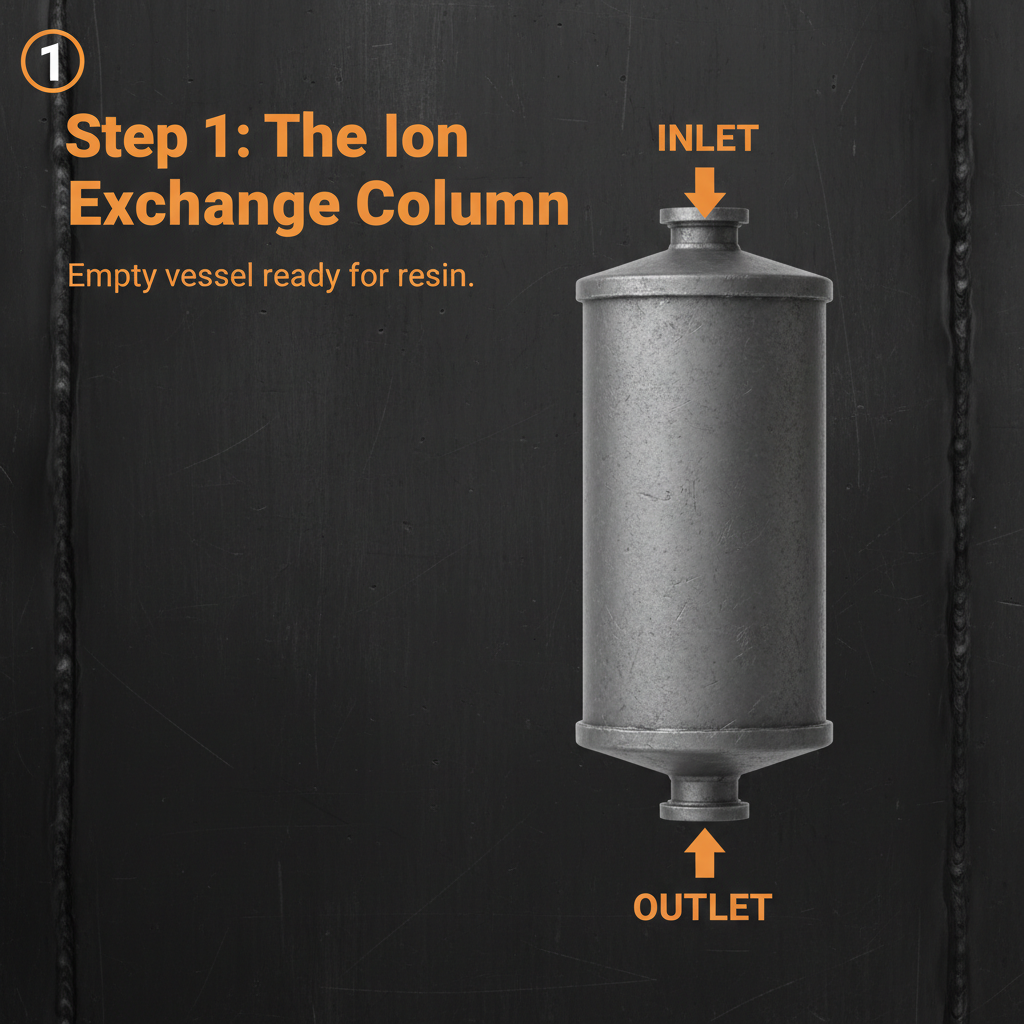
The resin tanks themselves, they’re usually made of fiberglass or polyethylene. They need to be strong enough to withstand the pressure, but also chemically resistant to the regeneration chemicals. And, of course, they need to be properly sealed to prevent leaks. Because a leak of concentrated regeneration chemicals is… well, it’s a bad day.
Real-World Testing and Performance of Mixed Bed Resin
Lab tests are fine, but they don’t tell the whole story. I prefer to test these systems on site, under actual operating conditions. We’ll take samples of the feed water, run them through the resin system, and then analyze the effluent.
We also pay attention to the flow rates and pressures. Does the system maintain a consistent flow rate even as the resin starts to get loaded up with contaminants? Does the pressure drop significantly? Those are key indicators of performance. And we look at the regeneration cycle. How much regeneration chemical does it take to restore the resin to its original capacity?
Mixed Bed Resin Performance Metrics
How Mixed Bed Resin is Actually Used in the Field
You'd think everyone follows the manual, right? Nope. I've seen guys bypass pre-filters, overcharge the regeneration chemicals, and even use the wrong type of resin altogether. They’re just trying to get the job done, and sometimes they cut corners.
But most of the time, it's about maintenance. These systems need regular monitoring and maintenance to perform optimally. Checking the flow rates, monitoring the effluent quality, and replacing the resin when it’s exhausted. It's not glamorous work, but it's essential.
Advantages and Disadvantages of Mixed Bed Resin
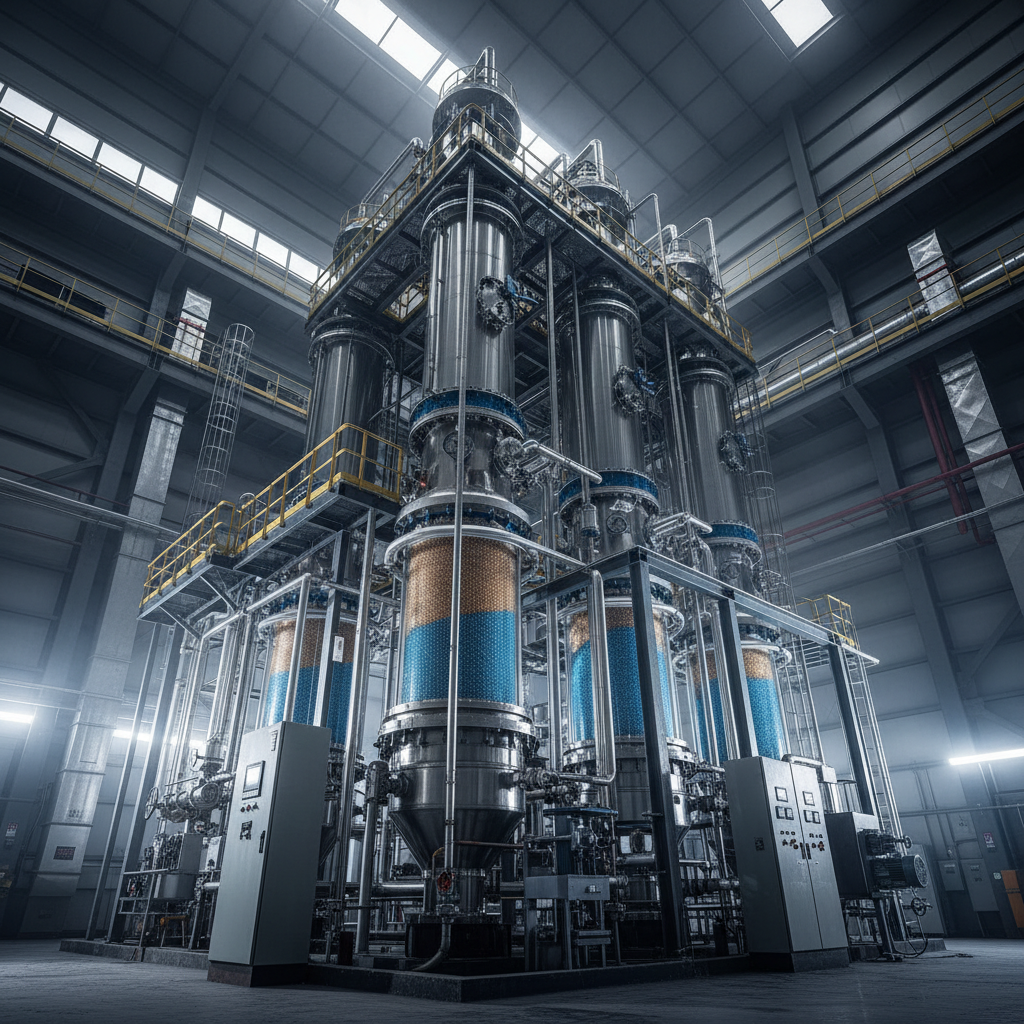
The biggest advantage is its ability to achieve incredibly high purity. It’s unmatched in that regard. Plus, it's relatively compact and efficient. You don't need a huge footprint to get a lot of purification capacity. It's a workhorse, when done right.
But it's not perfect. It’s sensitive to chlorine and other oxidizing agents, which can damage the resin. It requires regular regeneration, which adds to the operating costs. And it’s not ideal for high solids content feed water – that’s where pre-filtration is crucial. The disposal of the spent resin is also a consideration - it’s not something you can just dump in the landfill.
Customization and Application Flexibility with Mixed Bed Resin
We did a job last month for a small boss in Shenzhen who makes smart home devices. He insisted on changing the interface to , because “everyone is using now!”. It meant redesigning the entire system to accommodate the new connector, added a week to the project and cost a fortune. Anyway, he was happy. People.
With mixed bed resin, customization is more about the resin blend and the vessel configuration. You can tailor the resin blend to target specific contaminants. For example, if you're dealing with heavy metals, you can add a chelation resin to the mix. And you can configure the vessel to optimize flow rates and contact time.
We had a client in the oil and gas industry who needed to remove hydrogen sulfide from their wastewater. We designed a system with a specific resin blend and a staged vessel configuration to maximize removal efficiency. It wasn’t cheap, but it solved their problem.
Summary of Mixed Bed Resin System Configurations
| System Configuration |
Application Suitability |
Complexity (1-10) |
Cost (Low/Med/High) |
| Single Column |
Basic Water Softening, Low Contaminant Levels |
2 |
Low |
| Multi-Column |
High Purity Water Production, Semiconductor Industry |
6 |
Med |
| Counter-Current Regeneration |
Enhanced Resin Efficiency, Reduced Chemical Usage |
8 |
Med |
| Staged Resin Beds |
Targeted Contaminant Removal, Complex Water Matrices |
7 |
High |
| Automated Control System |
Remote Monitoring, Precise Chemical Dosing |
9 |
High |
| Mobile/Trailer-Mounted |
Emergency Response, Remote Site Water Treatment |
5 |
Med |
FAQS
The lifespan of mixed bed resin varies greatly depending on the feed water quality, flow rate, and operating conditions. Generally, it can last anywhere from 6 months to 2 years. Regular monitoring of effluent quality and capacity tests are crucial to determine when replacement is necessary. Signs include a noticeable decrease in purification effectiveness or an increase in regeneration chemical usage.
Temperature plays a significant role. Higher temperatures generally increase the rate of ion exchange, leading to improved performance. However, excessively high temperatures can damage the resin matrix. Most resins are designed to operate optimally within a specific temperature range, typically between 25°C and 60°C. Check the manufacturer’s specifications for the recommended operating temperature.
Fouling is a common issue. The main culprits are organic matter, colloidal particles, and scale-forming minerals. Proper pre-treatment, including filtration and softening, is essential to prevent fouling. Periodic cleaning with appropriate cleaning agents can also help remove accumulated deposits and restore resin performance.
No, it’s not. Chlorine and other strong oxidizing agents can severely damage the resin, reducing its capacity and lifespan. It’s crucial to remove chlorine from the feed water before it enters the resin system. Alternative disinfectants, such as UV sterilization or ozone, are generally more compatible.
Regeneration chemicals, such as hydrochloric acid and sodium hydroxide, are highly corrosive. Always wear appropriate personal protective equipment (PPE), including gloves, eye protection, and a respirator. Ensure adequate ventilation and follow all safety guidelines provided by the chemical manufacturer. In case of spills, neutralize the chemical immediately and follow proper disposal procedures.
While mixed bed resin can remove many contaminants, it's typically not the primary method for seawater desalination. It's often used as a polishing step after reverse osmosis to remove trace impurities and achieve ultra-pure water. The high salt content of seawater would quickly exhaust the resin’s capacity, making it impractical for direct desalination.
Conclusion
So, that’s mixed bed resin in a nutshell. It’s a powerful tool for water purification, but it’s not a magic bullet. It requires careful design, proper operation, and regular maintenance. It's become a cornerstone in a lot of what we do, offering a reliable way to get clean water in challenging environments.
Ultimately, whether this thing works or not, the worker will know the moment he tightens the screw. That’s what I always say. If the water runs clear, and the system’s humming along, then we’ve done our job. For more information, or if you’ve got a particularly tricky water problem, visit our website: www.lijiresin.com.