Phone:
+86 0319 2296164


Email:
info@lijiresin.cn
Ion exchange resin beds are at the heart of numerous critical processes globally, from purifying water for drinking and industrial use to refining pharmaceuticals and recovering valuable metals. These engineered systems, employing specialized polymeric materials, offer a highly efficient and versatile method for separation and purification, impacting countless aspects of modern life. Understanding the principles and applications of ion exchange resin beds is crucial for professionals in chemical engineering, environmental science, and related fields, as well as for anyone concerned with sustainable resource management and public health.
The demand for clean water, efficient resource recovery, and high-purity chemicals continues to rise worldwide, driven by population growth, industrial expansion, and increasingly stringent environmental regulations. This escalating need has solidified the role of ion exchange resin beds as indispensable components in various industries. According to the UN, billions lack access to safe drinking water, and sustainable solutions are urgently required. Ion exchange technology provides a robust and scalable pathway toward addressing these challenges, making it a globally relevant technology.
From reducing harmful contaminants in municipal water supplies to enabling the production of life-saving medications, the benefits of ion exchange resin bed technology are far-reaching. By selectively removing unwanted ions and facilitating the recovery of valuable components, these systems contribute to improved quality of life, enhanced industrial efficiency, and a more sustainable future. The continued innovation in resin materials and system designs promises even greater advancements in the years to come, positioning ion exchange resin beds as a cornerstone of modern technological solutions.
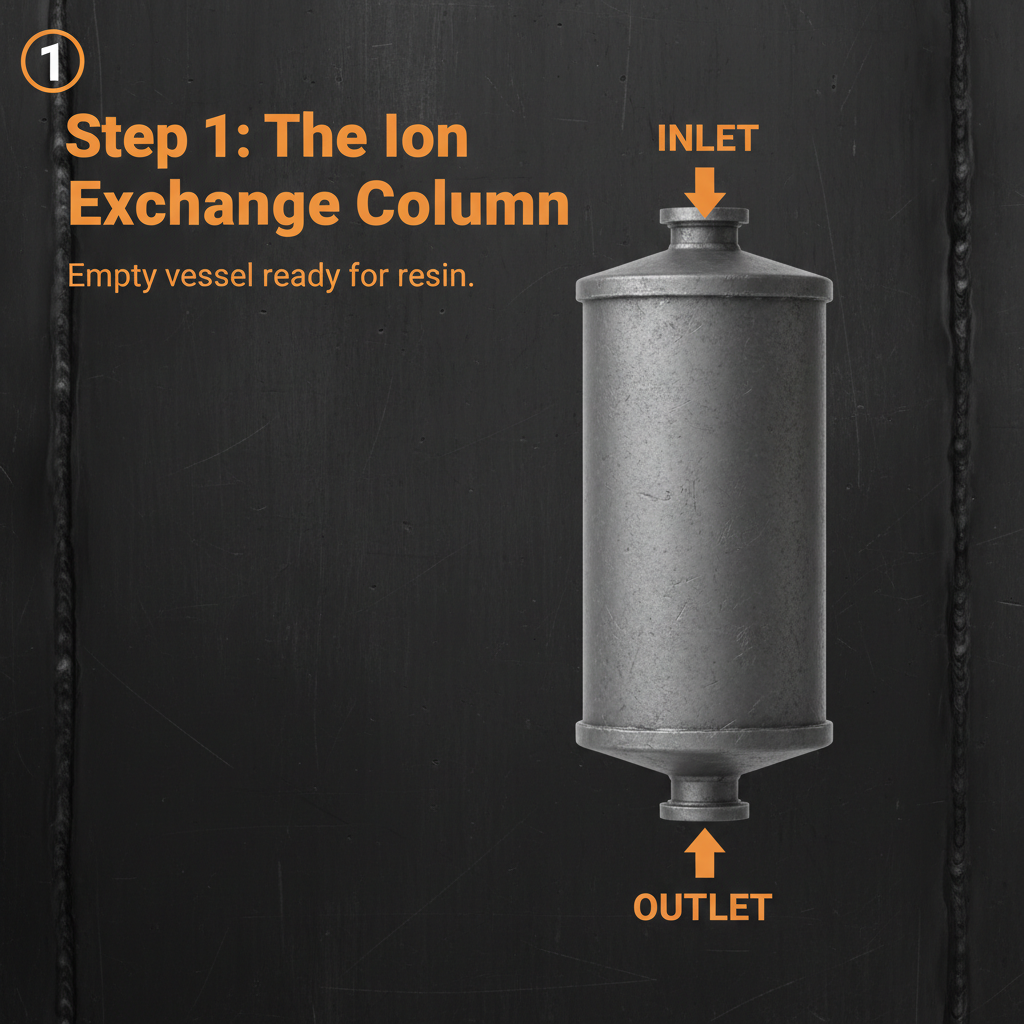
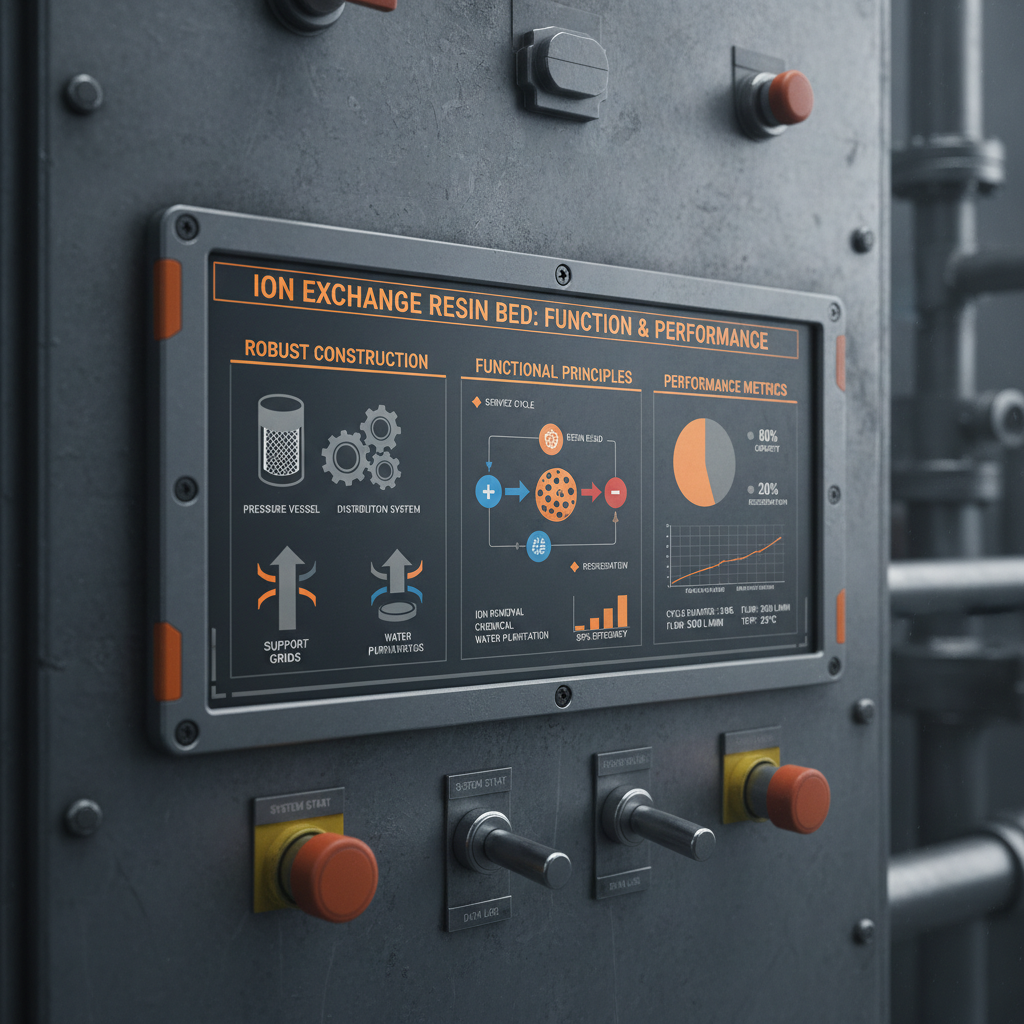
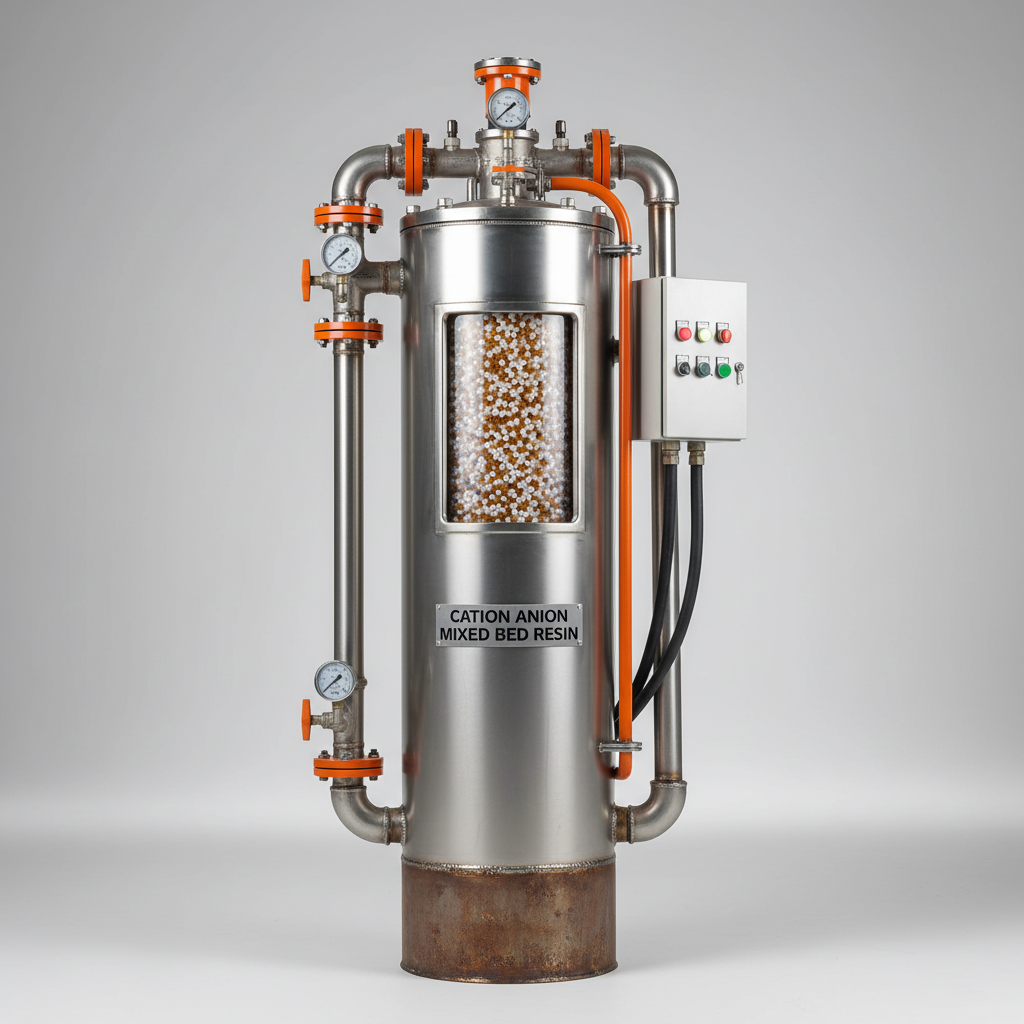
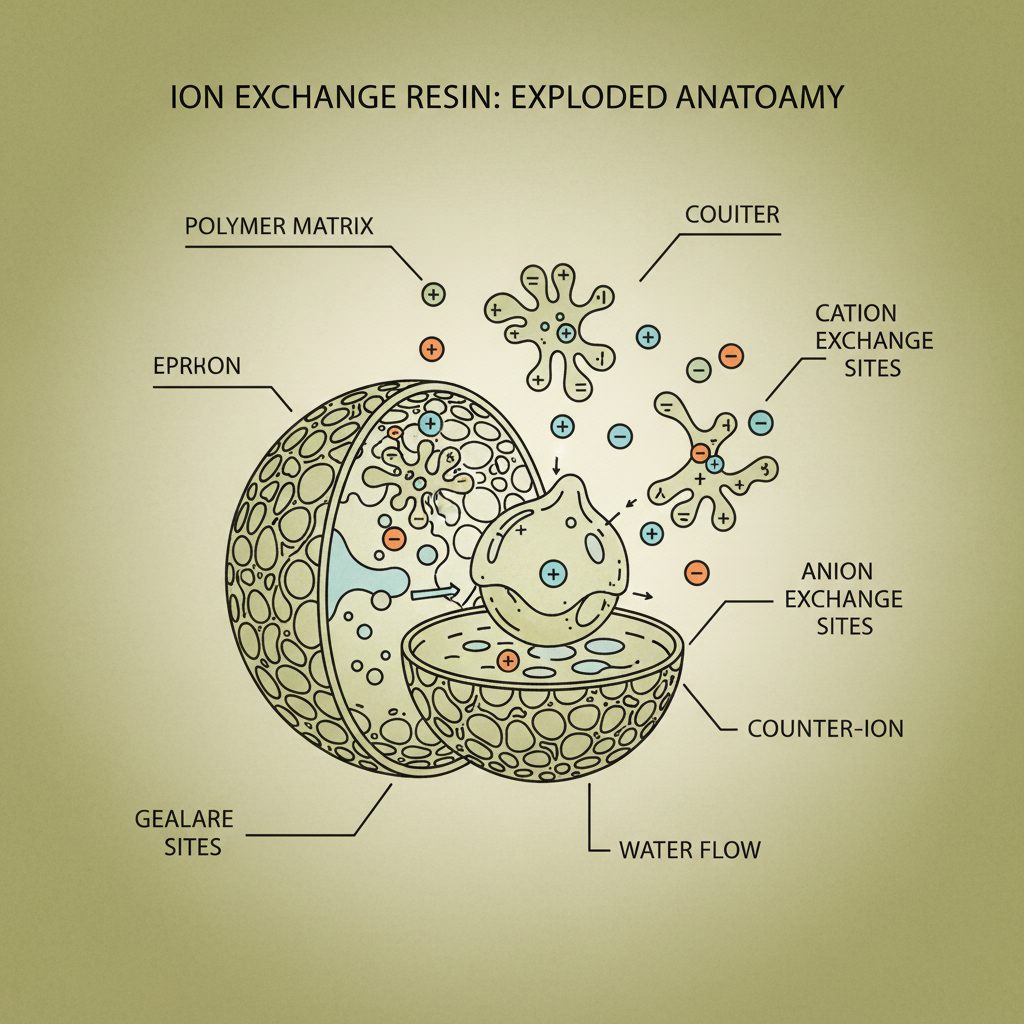
An ion exchange resin bed is a packed column or vessel filled with insoluble polymeric materials designed to selectively remove or exchange ions from a liquid solution. These resins are typically made of polystyrene, but can also be derived from other polymers, and are functionalized with specific ionic groups that attract ions of opposite charge. The efficacy of an ion exchange resin bed hinges on factors like resin type, flow rate, temperature and the composition of the solution.
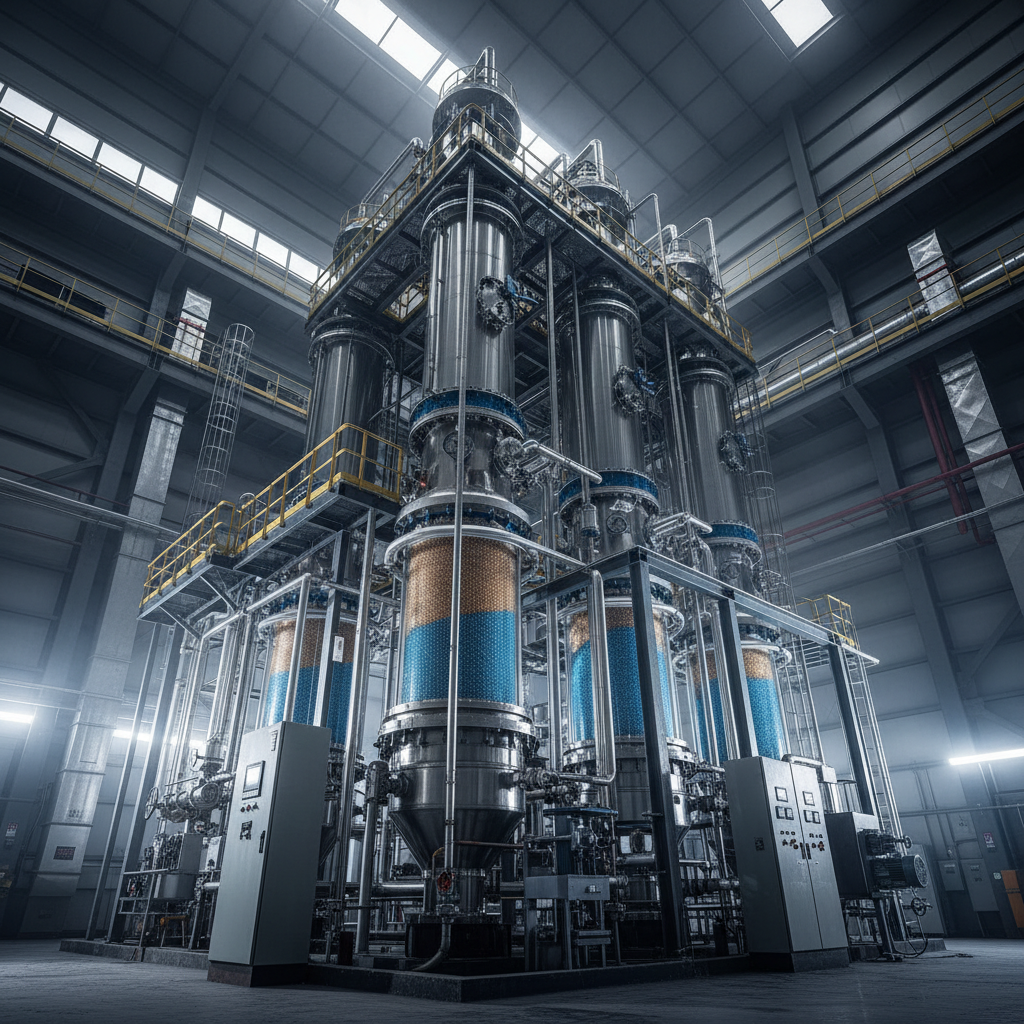
The widespread application of these beds stems from their ability to address a diverse range of purification and separation challenges, making them essential in areas such as water treatment, pharmaceutical manufacturing, and hydrometallurgy. Continued advancements in resin technology, coupled with optimized bed designs, are constantly broadening their capabilities and driving innovation across multiple industries.
The lifespan of an ion exchange resin bed is influenced by several factors, including the chemical stability of the resin, the operating temperature, the presence of oxidizing agents, and the frequency of regeneration cycles. Aggressive regeneration chemicals and excessive temperatures can accelerate resin degradation. Proper pretreatment of the feed water to remove suspended solids and organic matter is crucial for preventing fouling and extending resin life. Regular monitoring and maintenance can also help identify and address potential issues before they lead to significant damage.
Selecting the appropriate ion exchange resin requires careful consideration of several factors. The type of ions to be removed or exchanged, the pH of the feed solution, the temperature, and the desired capacity are all critical parameters. Cation exchange resins are used to remove positively charged ions, while anion exchange resins target negatively charged ions. The strength of the ionic functional groups (strong vs. weak) also influences selectivity and performance. Consulting with a resin supplier or a qualified engineer can help ensure the optimal resin selection for your specific needs.
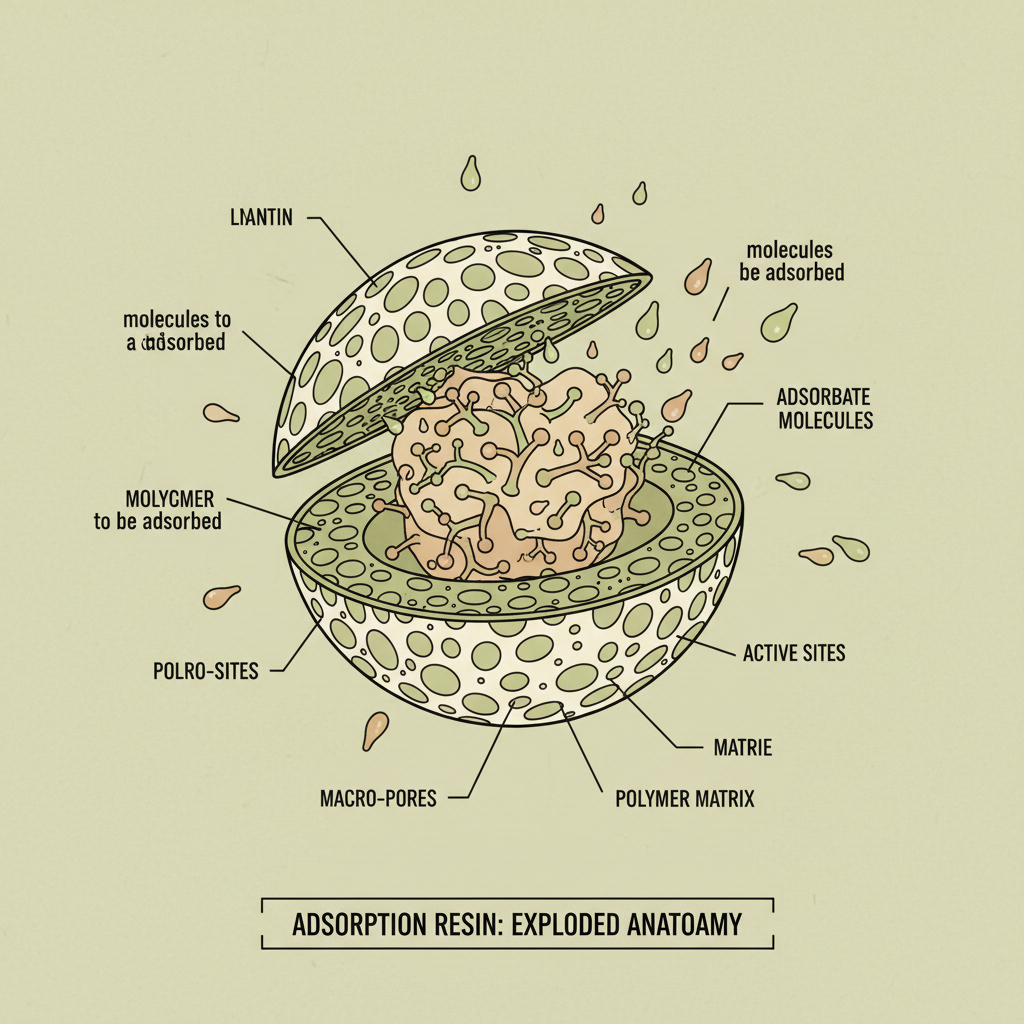
Resin fouling refers to the accumulation of unwanted substances on the resin beads, reducing their exchange capacity and flow rate. Common foulants include organic matter, suspended solids, and biological growth. Prevention strategies include pretreatment of the feed water to remove these contaminants, periodic cleaning of the resin bed with appropriate cleaning agents, and maintaining proper operating conditions. Regular backwashing can also help remove accumulated debris and restore resin performance.
The frequency of regeneration depends on the resin capacity, the feed water quality, and the desired level of purification. Regeneration should be performed when the resin reaches its exhaustion point, meaning it can no longer effectively remove the target ions. Monitoring the effluent quality is a reliable way to determine when regeneration is necessary. Over-regeneration can lead to increased chemical consumption and potential resin damage, while under-regeneration can compromise the purification process.
Regeneration chemicals, such as acids and bases, are corrosive and can cause severe burns. Always wear appropriate personal protective equipment (PPE), including gloves, eye protection, and protective clothing, when handling these chemicals. Work in a well-ventilated area and follow the manufacturer's instructions for safe handling and storage. Ensure that spill containment measures are in place and have a readily available supply of neutralizing agents in case of accidental spills.
Yes, certain types of ion exchange resins and bed configurations can be designed to remove multiple contaminants simultaneously. This is often achieved using a blend of resins with different selectivity or by employing a multi-stage system with different resins in each stage. However, the efficiency of removing each contaminant may be affected by the presence of others. Careful design and optimization are required to ensure that the desired level of purification is achieved for all target contaminants.
Ion exchange resin beds represent a cornerstone of modern separation and purification technology, offering a versatile, efficient, and cost-effective solution to a wide range of challenges across multiple industries. From ensuring access to clean water to enabling the production of life-saving pharmaceuticals, the benefits of this technology are far-reaching and continue to grow with ongoing innovation. Understanding the core principles, key factors influencing performance, and emerging trends is crucial for maximizing the potential of ion exchange resin bed systems.
Looking ahead, advancements in resin materials, digital monitoring, and sustainable regeneration techniques promise to further enhance the efficiency, reliability, and environmental friendliness of ion exchange technology. By embracing these innovations, we can unlock even greater value from this indispensable tool, contributing to a more sustainable and equitable future. Visit our website at www.lijiresin.com to learn more about our ion exchange solutions and how we can help you optimize your processes.