0%

Table of Contents

You know, I've been running around construction sites all year, getting my hands dirty. Lately, everyone's talking about these new eco-friendly materials. "Green building," they call it. To be honest, it's a good thing, but it’s also… complicated. It's not just swapping plastic for bamboo, you know? There’s a whole world of tradeoffs.

I’ve seen a lot of designs come and go, and one thing I've noticed is that everyone gets hung up on the specs. “Oh, it must be this strength, this weight, this… everything!” But they forget about the guys actually building with it. You design something fancy in the office, but if it’s a pain to work with on-site, it's going to get "modified." And "modified" usually means "compromised."

We're dealing with a lot of composite resins these days, specifically for these pre-fabricated wall panels. They feel… different. Not like the old fiberglass stuff. It’s got a bit of a mineral smell, almost like chalk. You gotta wear gloves with some of them, because they can irritate your skin. And you absolutely cannot get solvent on it – melts the surface right away. I encountered that at the XX factory last time. Messy.
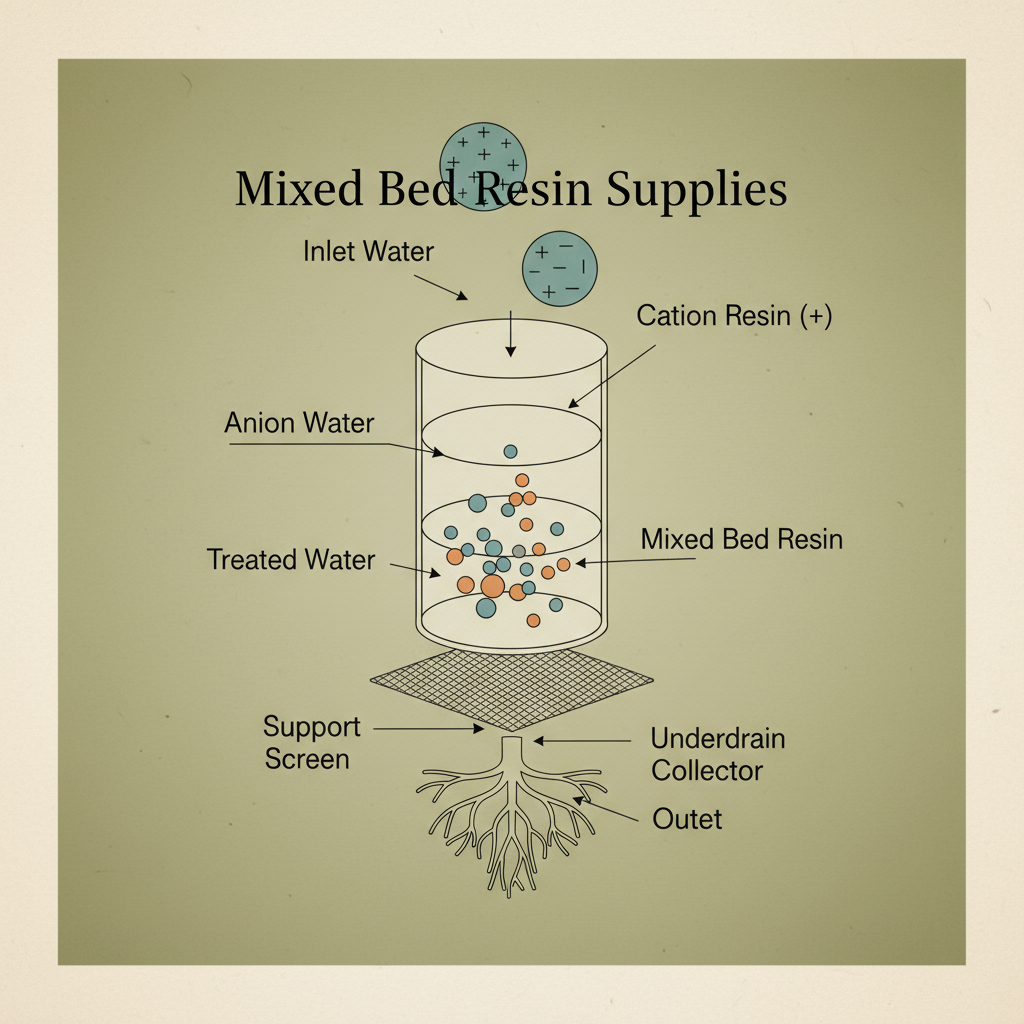
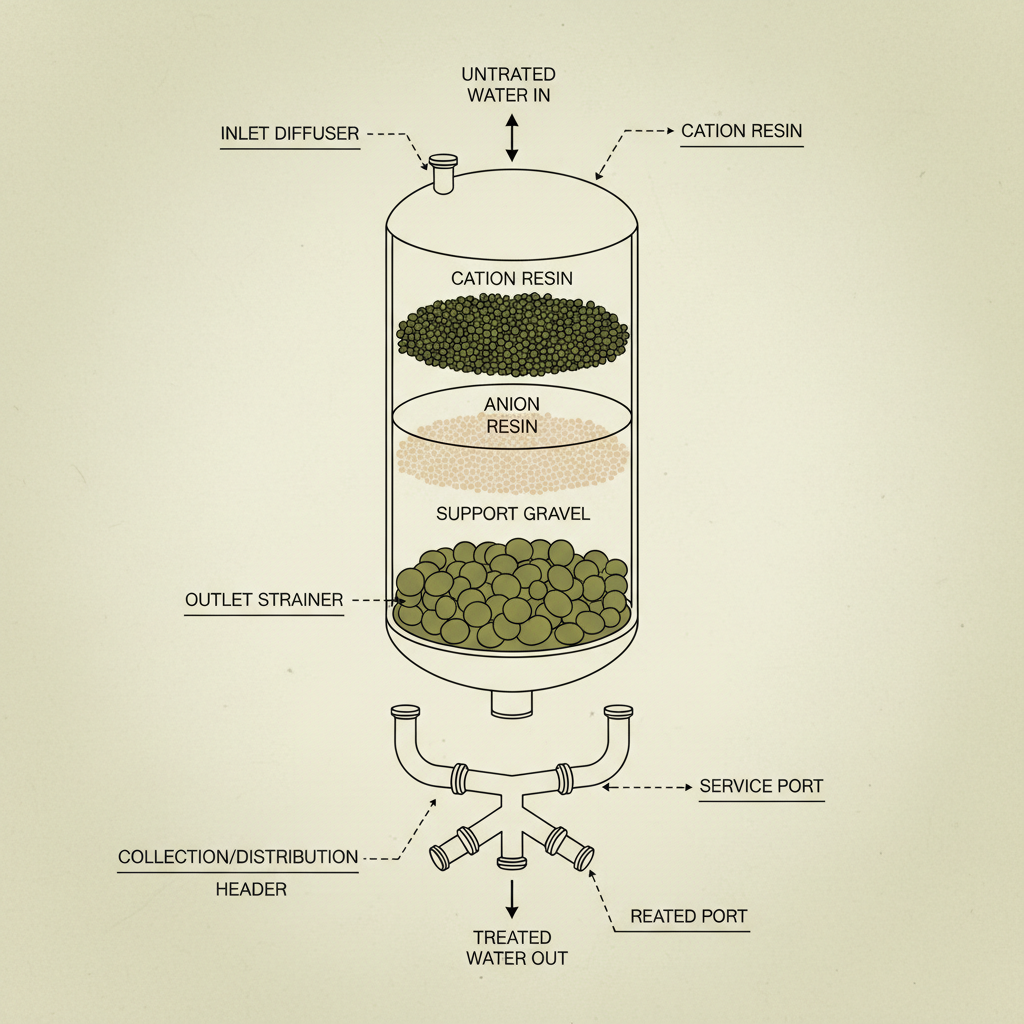
mixed bed resin suppliers

The Current Landscape of mixed bed resin suppliers

mixed bed resin suppliers

Strangely enough, a lot of the suppliers are now popping up in Southeast Asia. Cheaper labor, I guess. Quality control… well, that’s a whole other story. You have to really vet them. I mean really vet them. There’s a lot of resin out there that looks good on paper, but falls apart after six months in the sun.

The demand’s high, though. Everyone wants lightweight, durable materials. And there's a push for sustainability, which is forcing people to look beyond traditional plastics. I talked to a few folks at a trade show recently, and the word “bio-based” came up approximately 800 times.

Design Pitfalls and Practical Considerations in mixed bed resin suppliers

One big mistake I see is over-engineering the connection points. These resins are strong, yeah, but they don’t handle point loads as well as steel. So you design this elaborate bracket, thinking you're being clever, and the resin just… cracks. Anyway, I think simpler is usually better.

And don't forget about thermal expansion. These materials expand and contract with temperature changes, and if you don’t account for that, you’re going to get warping and stress cracks. It’s a basic physics problem, but a lot of designers forget about it.

Another thing? Finish. Everyone wants a pristine, glossy finish. But that’s just going to scratch and fade. A textured finish hides a lot of sins and is way more durable. Trust me on this one.

Material Science: A Hands-On Perspective on mixed bed resin suppliers

The base resin itself is usually epoxy or polyester, but it's what's in the resin that matters. Things like glass fibers, carbon fibers, wood flour, even recycled plastic. Each one changes the properties. Carbon fiber is super strong and lightweight, but expensive. Glass fiber is cheaper, but heavier. Wood flour… well, it’s okay for non-structural stuff.

I remember inspecting a shipment of panels that used recycled plastic. It smelled… off. Like old tires and regret. And the strength was way below spec. We sent it back. You have to be careful with recycled materials. Sometimes they're great, sometimes they're just garbage masquerading as sustainability.

There’s a lot of talk about nanotech these days too – adding nanoparticles to improve strength and durability. Sounds fancy, but honestly, I haven't seen a huge difference in the field. Maybe in the lab, but not out here.

Real-World Testing and Performance of mixed bed resin suppliers

Forget the lab tests. Those are good for basic specs, but they don’t tell you how something will actually hold up. We do drop tests, naturally. And impact tests with hammers. And we leave panels out in the sun for months, just to see what happens.

I’ve also started using a thermal cycling test – basically, we blast the panels with heat and cold repeatedly to simulate years of weather exposure. That’s a good way to find weaknesses.

Performance of Different mixed bed resin suppliers Composites


User Application and Unexpected Uses of mixed bed resin suppliers

You know, people always find ways to use things you never intended. I’ve seen these panels used as temporary roofing, as sound barriers, even as makeshift furniture. It’s surprisingly versatile.

But the biggest surprise was seeing a contractor use scrap pieces to build planters for a rooftop garden. He said it was weatherproof and looked good. I hadn't even thought of that.

Advantages, Disadvantages, and Customization Options of mixed bed resin suppliers

The big advantage is weight. It's a fraction of the weight of concrete or steel, which saves on shipping and installation costs. And it’s relatively easy to cut and shape.

The downside? Cost. Good quality resin can be expensive. And it’s not as fire-resistant as some other materials. You need to treat it with a fire retardant if you’re using it in a building.

Customization is pretty easy, though. You can change the color, the texture, even the thickness. Last month, that small boss in Shenzhen who makes smart home devices insisted on changing the interface to , and the result was a whole production line had to be reworked because the mold wasn’t compatible. It was a mess. But it shows you can adapt.

Case Study: The Shenzhen Smart Home Disaster

So, this guy, Mr. Li, runs a small factory making those smart home hubs. Very particular. He wanted a sleek, modern enclosure for his latest model, and he decided resin was the way to go.

He insisted on a port molded into the resin enclosure. I tried to warn him. “Mr. Li,” I said, “that’s going to be a nightmare with the thermal expansion. The plastic and the resin will expand at different rates.” He wouldn’t listen.

Long story short, after about 500 units, the ports started cracking. The whole batch had to be scrapped. It cost him a fortune. He finally admitted I was right, but by then it was too late.

Core properties of mixed bed resin suppliers compositions

Resin Type Fiber Reinforcement Cost (USD/kg) Application Suitability
Epoxy Carbon Fiber $35-50 High-performance, aerospace, automotive
Polyester Glass Fiber $10-20 General purpose, marine, construction
Vinyl Ester Chopped Strand Mat $15-25 Corrosion resistance, tanks, pipes
Phenolic Wood Flour $8-15 Electrical components, heat resistance
Bio-Epoxy Flax Fiber $20-30 Sustainable applications, interior design
Acrylic None $12-18 Signage, displays, lighting

FAQS

What are the primary benefits of using mixed bed resin suppliers compared to traditional materials like steel or concrete?

The biggest benefit is weight reduction, hands down. It’s much lighter than steel or concrete, making it cheaper to transport and easier to install. It also offers good corrosion resistance, which is a big plus in coastal environments or industrial settings. It's not always cheaper overall, mind you, but the reduced labor costs can often offset the material price.

How do I ensure the mixed bed resin suppliers I purchase meets specific safety regulations, like fire resistance standards?

Always ask for certifications! Look for ratings like UL 94 for flammability, or ASTM E84 for surface burning characteristics. But don’t just rely on the paperwork. Ask for test reports and, if possible, see the material tested yourself. And remember, even fire-rated resins often require a surface coating for full protection.

What is the typical lifespan of structures built with mixed bed resin suppliers, and what maintenance is required?

Lifespan depends on the environment, of course, but a well-designed and properly installed structure can easily last 20-30 years. Regular inspections are crucial. Look for cracks, delamination, or signs of UV degradation. Simple repairs can be done with patching compounds, but major damage might require a full replacement.

Can mixed bed resin suppliers be recycled, and what are the environmental considerations?

Recycling is tricky. Most resins aren't easily recyclable in the traditional sense. But there's a growing effort to develop bio-based resins and closed-loop recycling systems. You want to be mindful of the source of the materials and the manufacturing process. Look for suppliers who prioritize sustainability.

What are the common challenges encountered during the installation of mixed bed resin suppliers components?

Bonding is a big one. You need the right adhesives and surface preparation is critical. Also, handling the material in windy conditions can be a pain – it’s lightweight, so it can blow around easily. And cutting and drilling can create dust, so proper ventilation and safety gear are essential.

How does temperature affect the performance and longevity of mixed bed resin suppliers?

Temperature swings cause expansion and contraction, as I mentioned before. Extreme heat can degrade the resin over time, making it brittle. Cold temperatures can make it more prone to cracking. Proper UV protection and a stable thermal environment are key to maximizing its lifespan. And don’t forget about the adhesives – they can fail at different temperatures too.

Conclusion

So, yeah, mixed bed resin suppliers. It’s not a magic bullet. There are definitely challenges. But when used correctly, it can be a game-changer, offering a lighter, stronger, and more sustainable alternative to traditional materials. It’s a complex field, and you need to understand the nuances to get it right.

Ultimately, whether this thing works or not, the worker will know the moment he tightens the screw. If it feels right, it probably is. If it feels flimsy, go back to the drawing board. And if you need advice, give mixed bed resin suppliers a shout. They know their stuff.

James Wilson

James Wilson

James Wilson is the Quality Control Manager at Hebei Lijiang Biotechnology, overseeing the rigorous testing and certification processes for our resins. James ensures all products meet or exceed industry standards, including ISO9001, SGS, and WQA certifications. He's a dedicated professional with 12 years of experience in quality assurance within the
Previous ion exchange resin