Look, I've been running around construction sites for fifteen years, getting my hands dirty with everything from rebar to resin. And let me tell you, lately everyone's talking about self-leveling epoxy flooring. It's the hot ticket, apparently. Seems like every architect and interior designer is pushing for it. To be honest, though, a lot of guys are still skeptical, and for good reason.
You see all these fancy brochures showing perfectly smooth floors, but they don’t show the bubbles, the uneven curing, the nightmares when it rains during pouring. And that’s just the beginning. The whole industry's gone a bit crazy trying to get the shiniest finish, the fastest curing time, the most…everything. It’s like everyone's forgotten the basics – proper substrate prep. Have you noticed that? It's always substrate prep.
The biggest trend right now, besides the self-leveling stuff, is sustainability. Everyone wants “green” epoxy. It’s…complicated. A lot of it's just marketing, honestly. They swap out a few ingredients and suddenly it's eco-friendly. I encountered this at a factory in Jiangsu province last time, they were boasting about their "bio-based" resin, but when I asked about the sourcing of the bio-materials, they got real quiet.
The biggest pitfall? Overcomplicating things. Too many additives, too much chasing the latest tech. Simple is often better. The guys on site don’t need a PhD in chemistry; they need something reliable. And that brings me to the materials.
We’re talking epoxy resins, obviously. Bisphenol A and Bisphenol F are the workhorses, but there’s a shift towards more novel formulations. The feel…well, the raw resin is sticky. Really sticky. You get that on your skin, you’re carrying it around for a week. And the smell! Some of these newer formulations have a really harsh chemical odor. The hardeners are just as bad – that amine smell…ugh. We mostly use the two-part systems – resin and hardener mixed on-site. It’s messy, but it gives you more control. The viscosity is crucial. Too thick, and it's hard to work with, too thin, and it runs everywhere.
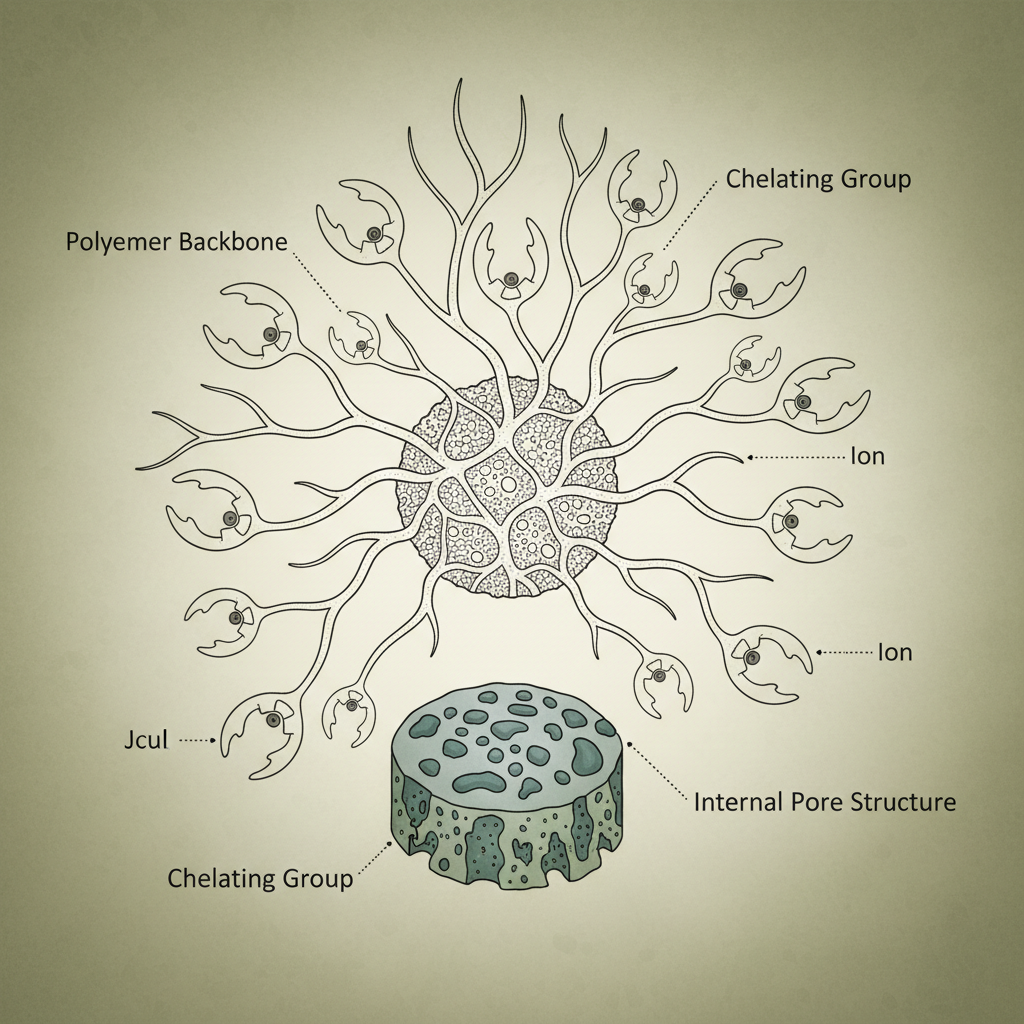
The chelating resin stuff we’ve been trying lately… it’s different. It's designed to bind with those unwanted metal ions, prevent discoloration, and improve long-term durability. It adds a bit of complexity to the mix, you've got to get the ratios just right, but the results are worth it.
And don't even get me started on the pigments. Some of those cheap pigments fade like crazy in UV light. Strangel y enough, the metallic pigments hold up the best, but they're a pain to work with, always settling at the bottom of the can.
Forget the lab tests. The real test is dropping a wrench on it. Seriously. I’ve seen floors that pass all the lab tests crack under the weight of a toolbox. We do impact resistance tests, scratch resistance tests, and chemical resistance tests, but those are just starting points. The most important test is time. How does it hold up after a year? Two years? Five years of heavy foot traffic and constant abuse?
We often simulate real-world conditions – pouring on a humid day, pouring in cold temperatures, even simulating water leaks. And we monitor the curing process closely. Too fast, and you get cracking. Too slow, and you get…well, a sticky mess.
We use visual inspections, of course – looking for bubbles, unevenness, discoloration. But we also use moisture meters to check for trapped moisture in the substrate. That’s a big one. Trapped moisture will ruin a perfectly good floor.
Architects think people want spotless, minimalist floors. But what they actually want is a floor that can handle spills, dropped tools, and the occasional angry customer. I've seen self-leveling epoxy used in everything from warehouses to hospitals to art galleries. It’s surprisingly versatile.
But here’s a funny one: we did a project for a local brewery, and they wanted epoxy on the walls, not just the floor. Said it was easier to clean up beer spills. It worked, actually. Who knew? We've also seen it used for creating custom countertops and even art installations.
The biggest issue is application technique. Most DIYers screw it up. They don’t properly prepare the substrate, they mix the resin incorrectly, or they apply it too thinly. It looks easy on YouTube, but it’s not.
The biggest advantage is durability. A properly installed epoxy floor can last for decades. It's also seamless, hygienic, and easy to clean. That's why it's so popular in hospitals and food processing plants. But it’s expensive. And installation is labor-intensive. And it can be slippery when wet. I mean, really slippery.
Customization is where things get interesting. You can add all sorts of things to the mix – glitter, metallic flakes, colored quartz. We had one client who wanted us to embed seashells in the epoxy. It was a nightmare. A beautiful nightmare, but still. You can also adjust the viscosity, the curing time, the gloss level. We can even formulate specific resins for extreme temperatures or chemical exposure.
Last month, that small boss in Shenzhen who makes smart home devices insisted on changing the interface to for all the electrical boxes. It’s a good idea, I guess, but he wanted the epoxy coating to cover the entire box, including the port. Said it would look "sleek." We told him it wasn’t a good idea – the port needs ventilation. He didn't listen.
Result? Overheating. The ports melted. He called us, furious. We explained that we warned him, but he just wanted something that looked good. Anyway, I think he’s switching back to Micro-USB. Lesson learned, I guess.
It just proves, sometimes the customer doesn’t know what they want, or what’s even possible.
| Resin Formulation | Curing Time (Hours) | Impact Resistance (Joules) | Chemical Resistance (Rating 1-5) |
|---|---|---|---|
| Standard Epoxy | 24 | 15 | 3 |
| Fast-Cure Epoxy | 8 | 12 | 2 |
| Chelating Resin Blend A | 36 | 20 | 4 |
| Chelating Resin Blend B | 28 | 18 | 5 |
| UV-Resistant Epoxy | 24 | 14 | 3 |
| High-Temperature Epoxy | 48 | 16 | 4 |
Honestly? Not prepping the substrate properly. You gotta grind it down, clean it thoroughly, and prime it. If you skip those steps, the epoxy won't adhere properly and you'll end up with bubbles and peeling. It's a pain, but it's worth it. It’s a common shortcut people try to take, and it always bites them in the end. I've seen entire floors have to be ripped up because of it. Seriously.
Several things. First, make sure the room is properly ventilated. Second, mix the resin and hardener slowly and thoroughly. Don’t whip it up like you’re making a milkshake! And third, use a spiked roller to release any trapped air bubbles after pouring. Sometimes, a heat gun can help, but be careful not to overheat it. A little patience goes a long way.
It depends. If you're doing a high-end project where long-term durability and color stability are critical, then yes, it's worth it. It prevents discoloration caused by metal ions in the substrate. It doesn’t add a huge amount to the cost, but it can save you headaches down the road. I’ve seen some epoxy floors turn yellow after a few years – the chelating resin helps prevent that.
You can, but it's risky. The tile needs to be thoroughly cleaned and etched to create a good bonding surface. And you need to use a bonding primer. There's a good chance it will fail eventually, especially if the tile is porous or cracked. It's generally better to remove the tile and start with a clean substrate. Trust me on this one.
If it's properly installed and maintained, a good epoxy floor can last for 20 years or more. It really depends on the traffic and the environment. Heavy industrial use will wear it down faster than a residential application. Regular cleaning and occasional resealing can help extend its lifespan. And avoid dragging heavy objects across it, if you can.
Wear gloves, a respirator, and eye protection. Epoxy fumes can be harmful, and the resin can irritate your skin. Work in a well-ventilated area. And if you get epoxy on your skin, wash it off immediately with soap and water. Don't mess around with this stuff – it's not harmless.
Ultimately, self-leveling epoxy flooring, with or without chelating resin, can be a fantastic solution – durable, beautiful, and versatile. But it’s not a magic bullet. Proper substrate preparation, careful mixing, and skilled application are absolutely critical. It’s a system, not just a product.
Anyway, I think the real test isn’t what the sales guy tells you, or what the lab tests say. It’s whether the worker feels confident tightening that last screw, knowing the floor underneath won't crack tomorrow. That's when you know you've done a good job. You can visit our website at lijiresin.com to learn more about our chelating resin options.