Phone:
+86 0319 2296164


Email:
info@lijiresin.cn
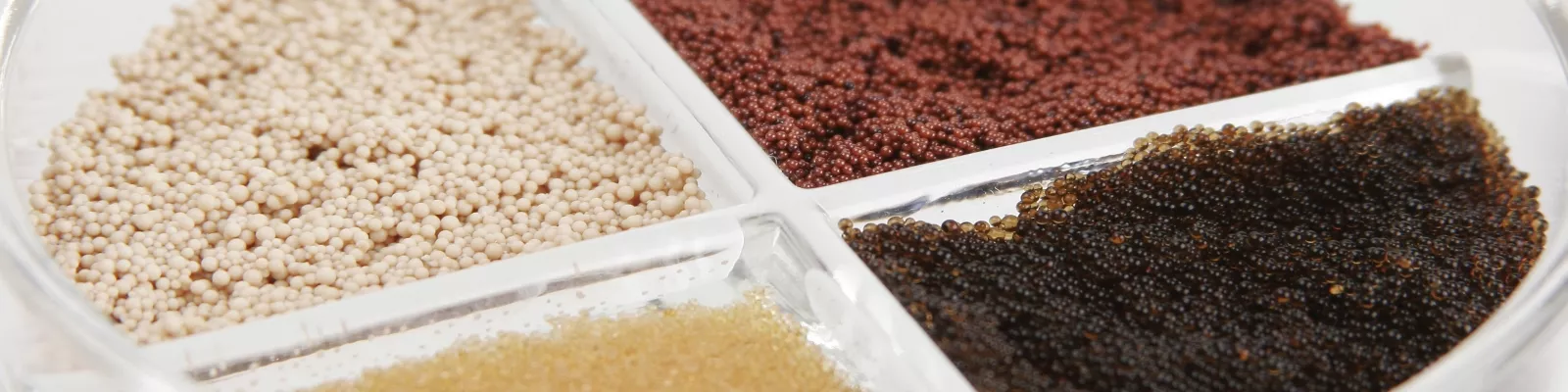
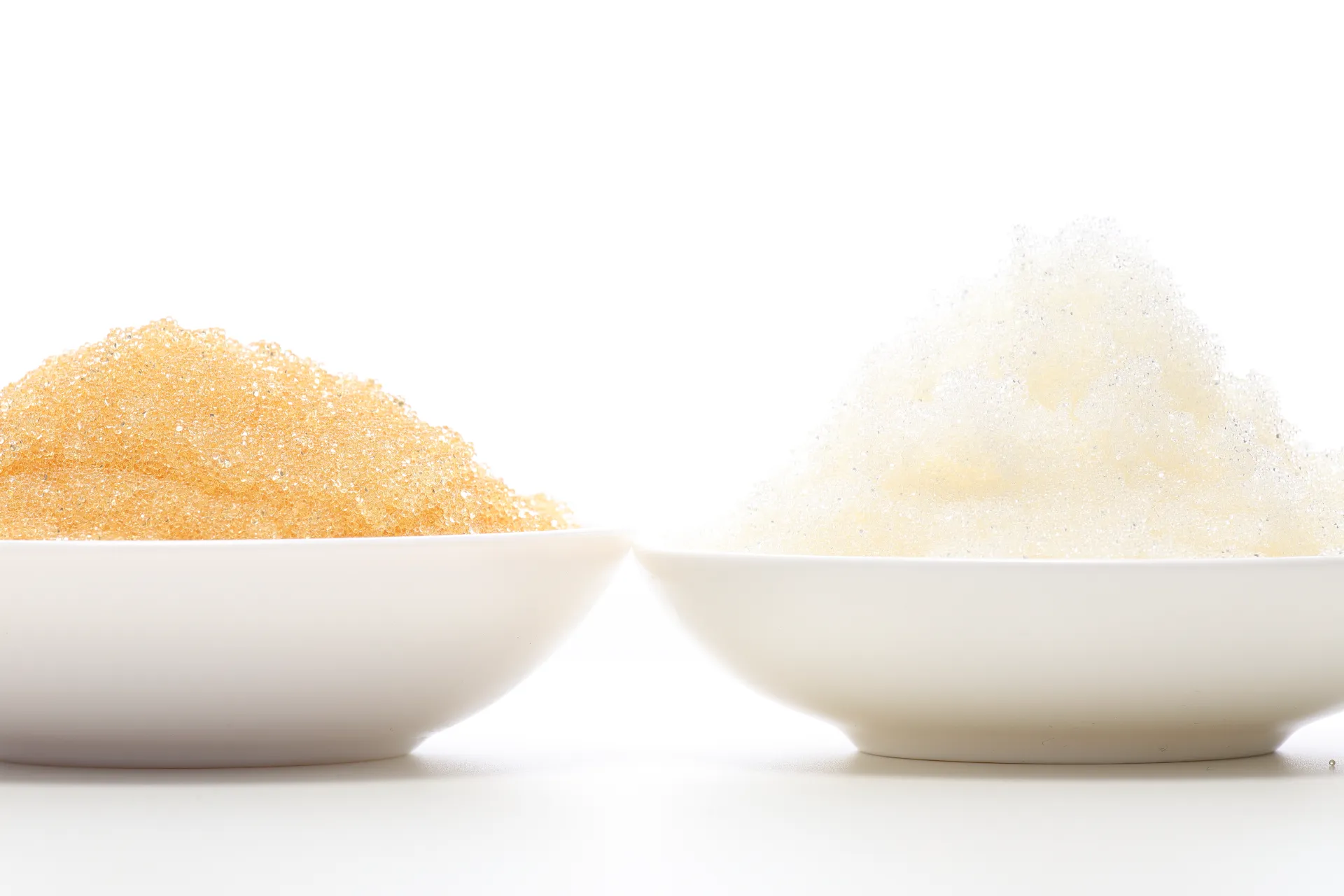
In diverse industrial landscapes, the efficient management and purification of water and process fluids are paramount for operational integrity and product quality. At the core of many such processes lies the sophisticated technology of ion exchange resin. These specialized polymer beads are engineered to selectively remove undesirable ionic contaminants from solutions, playing a critical role in applications ranging from demineralization to chemical purification. Their ability to reversibly exchange ions makes them indispensable across sectors that demand precise control over fluid composition.
This article delves into the technical intricacies, application versatility, and strategic advantages offered by modern resin technologies. We will explore their manufacturing process, key performance indicators, prevalent industry trends, and the compelling reasons why they remain a cornerstone of advanced purification systems. Understanding the nuanced capabilities of these resins is crucial for B2B decision-makers seeking optimized, reliable, and cost-effective solutions for their complex industrial challenges.
The production of high-performance ion exchange resin involves a multi-stage, meticulously controlled chemical engineering process. These synthetic polymers, typically derived from styrene-divinylbenzene copolymers, are designed with specific functional groups that dictate their ion exchange properties.
The process begins with the suspension polymerization of monomers like styrene and divinylbenzene (DVB). DVB acts as a cross-linking agent, forming a robust, porous, three-dimensional polymeric matrix. The degree of cross-linking affects the resin's physical strength, porosity, and selectivity. This casting-like process forms spherical beads of uniform size.
Once the polymer beads are formed, they undergo a chemical modification process, known as functionalization. For strong acid cation exchange resin, this typically involves sulfonation, where sulfonic acid groups (-SO3H) are introduced onto the polymer matrix. For anion exchange resin, amination adds quaternary ammonium groups. This step is critical as these functional groups are responsible for the actual ion exchange.
After functionalization, the resin beads are thoroughly washed to remove residual reagents and impurities. They are then screened to ensure uniform particle size distribution, which is vital for optimal hydraulic performance in resin beds. Rigorous testing standards, including ISO 9001 and ASTM D2187, are applied at every stage to verify physical and chemical specifications, ensuring product consistency and reliability.
The materials used, such as high-purity styrene and DVB, are sourced from reputable suppliers to ensure the integrity of the final product. Advanced manufacturing techniques, including precise temperature control and reactor design, are employed to achieve consistent bead morphology and functional group density.
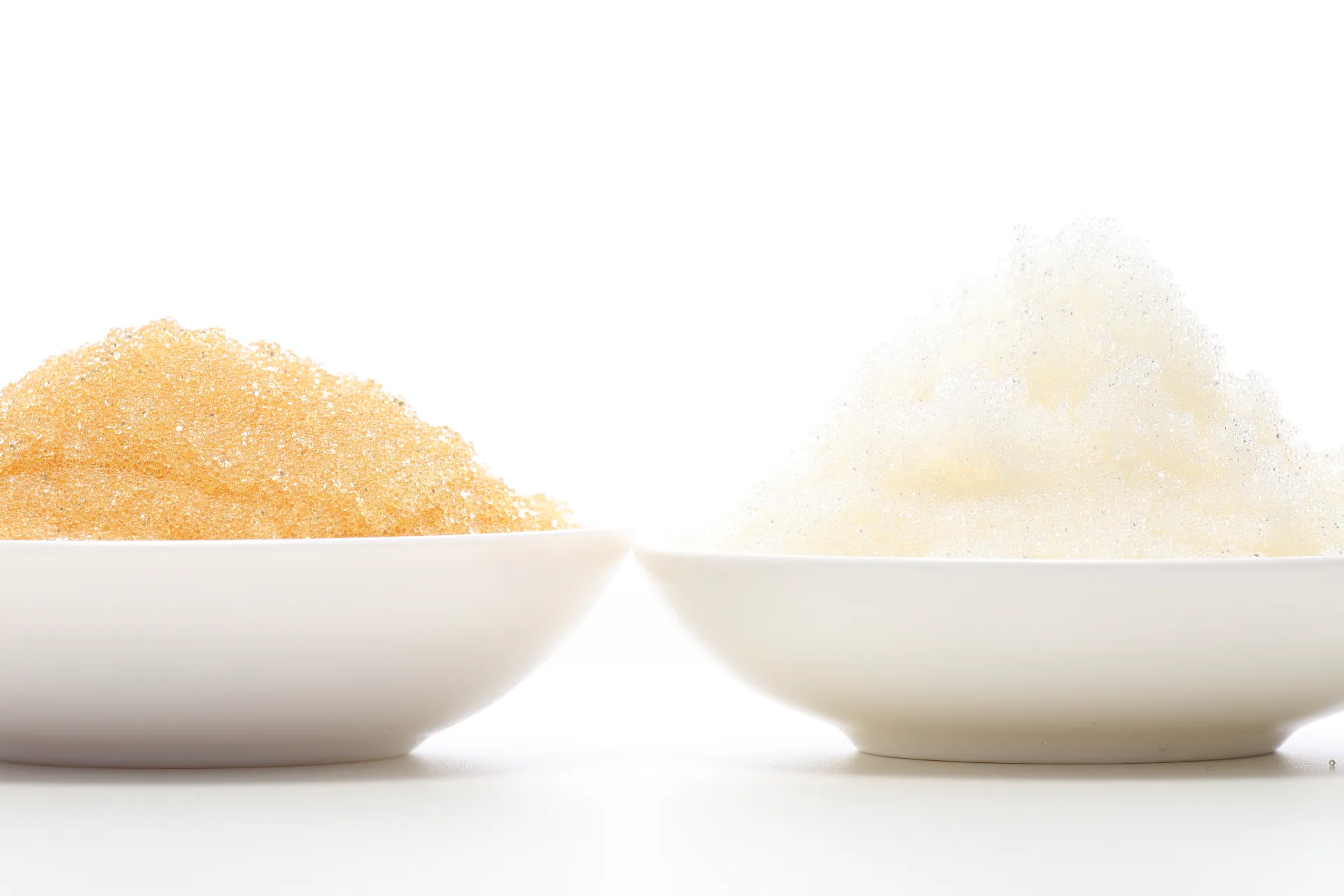
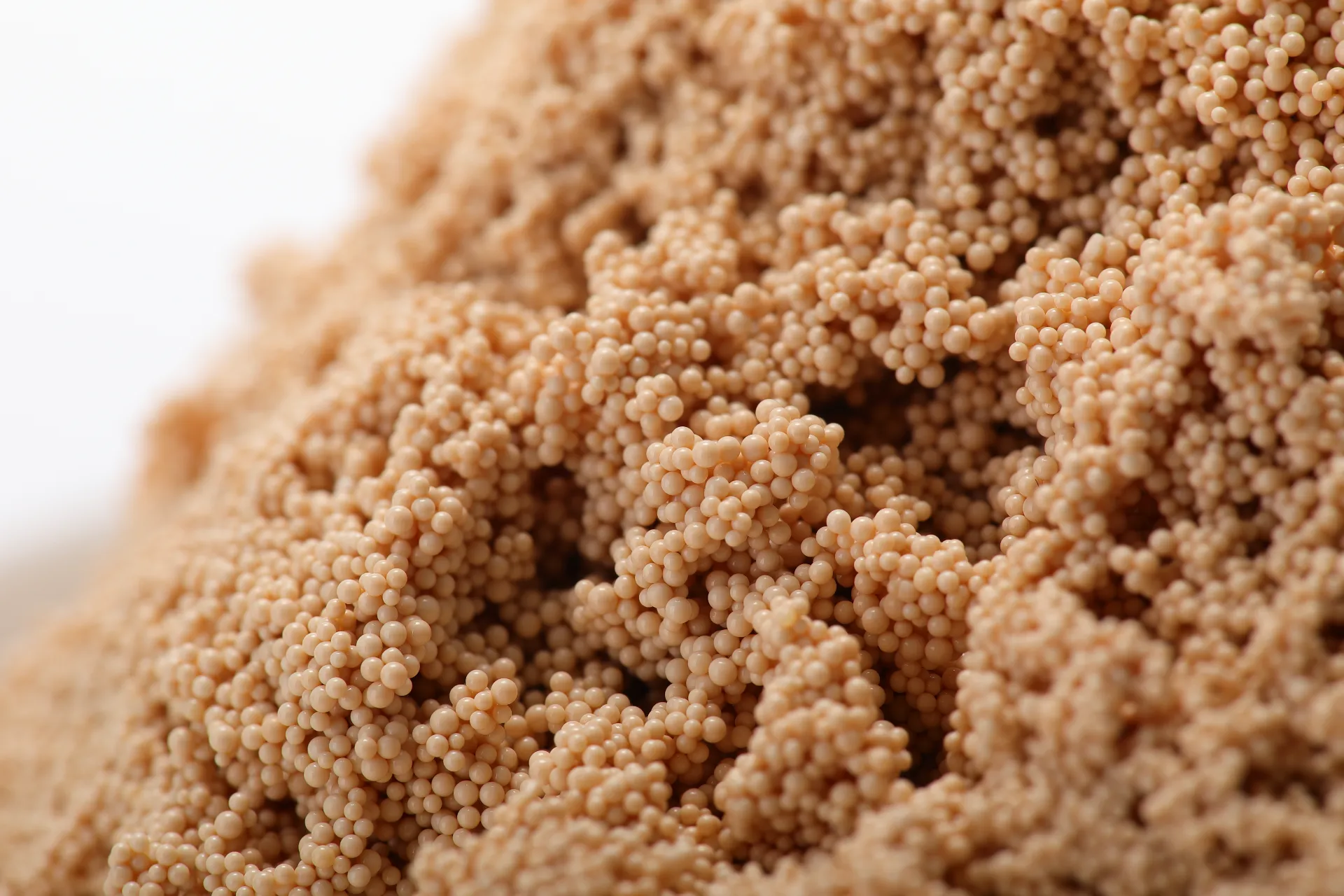
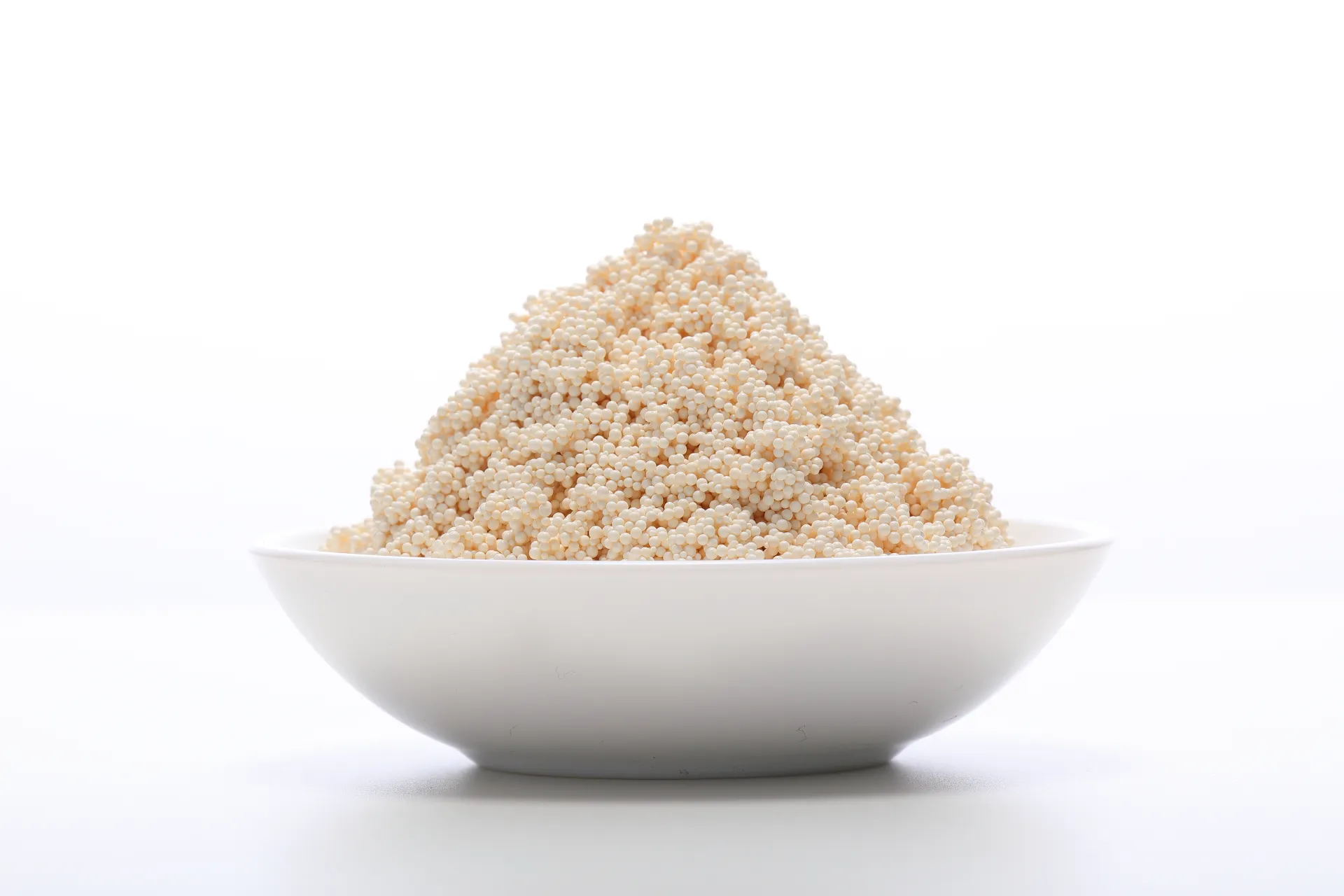
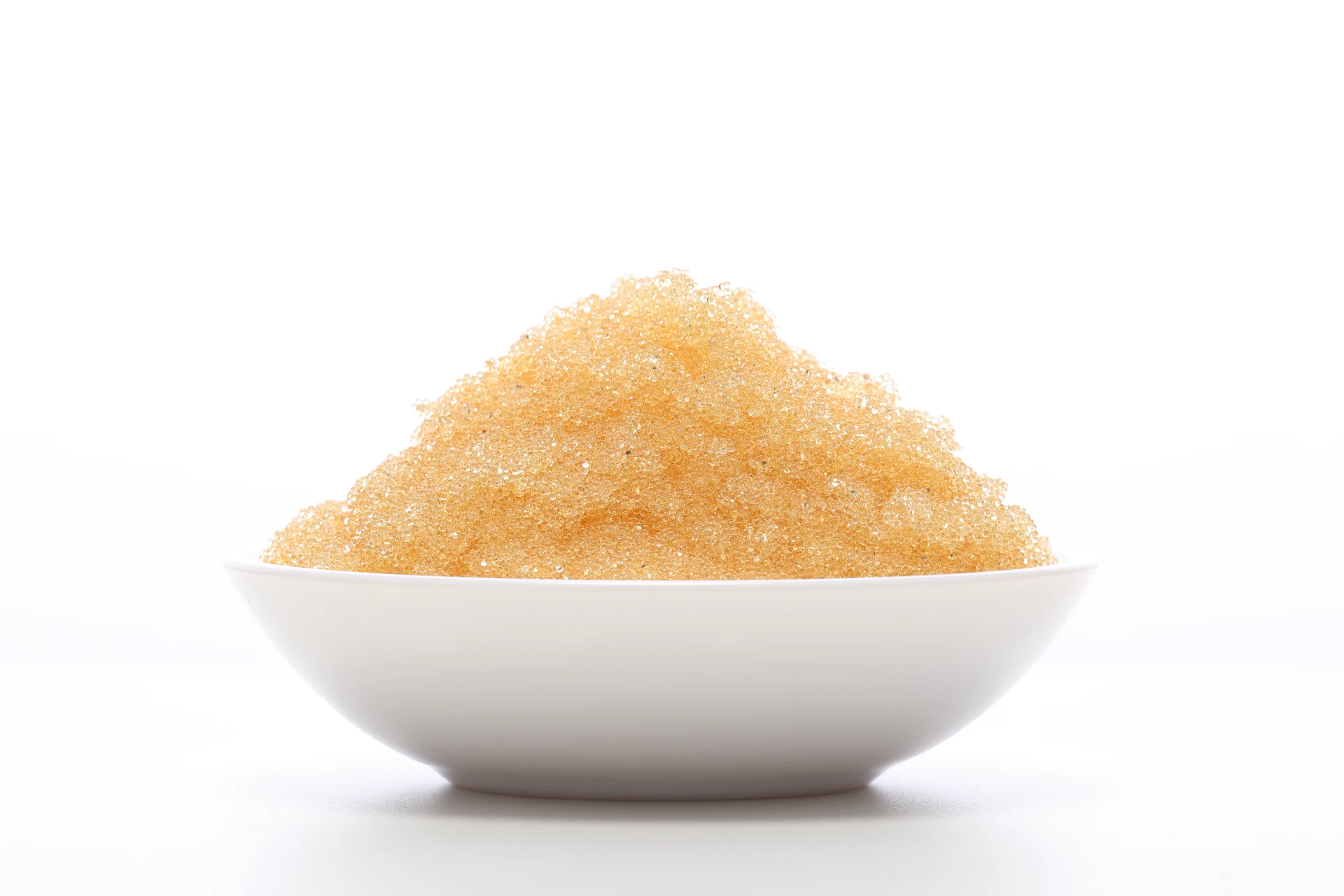
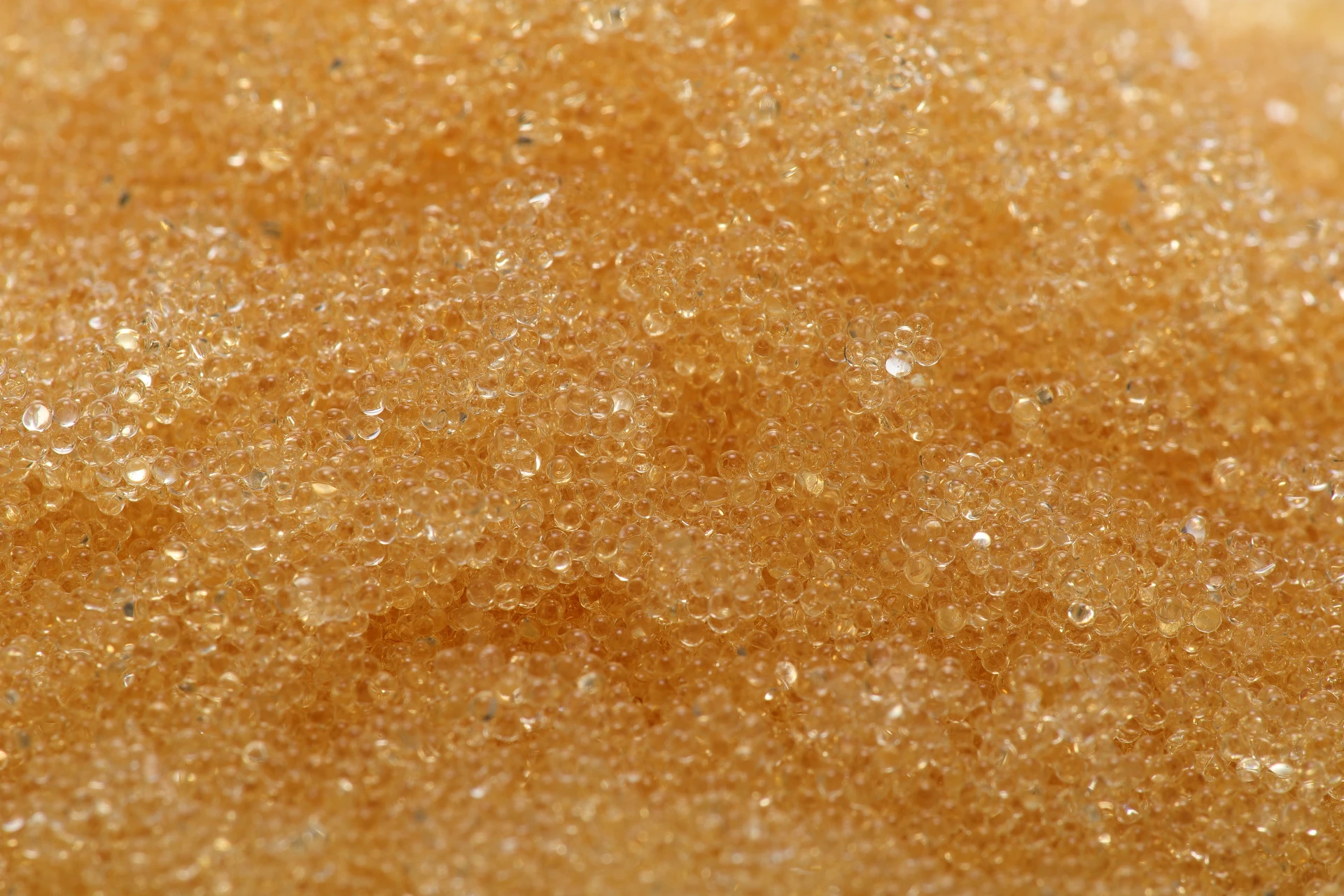
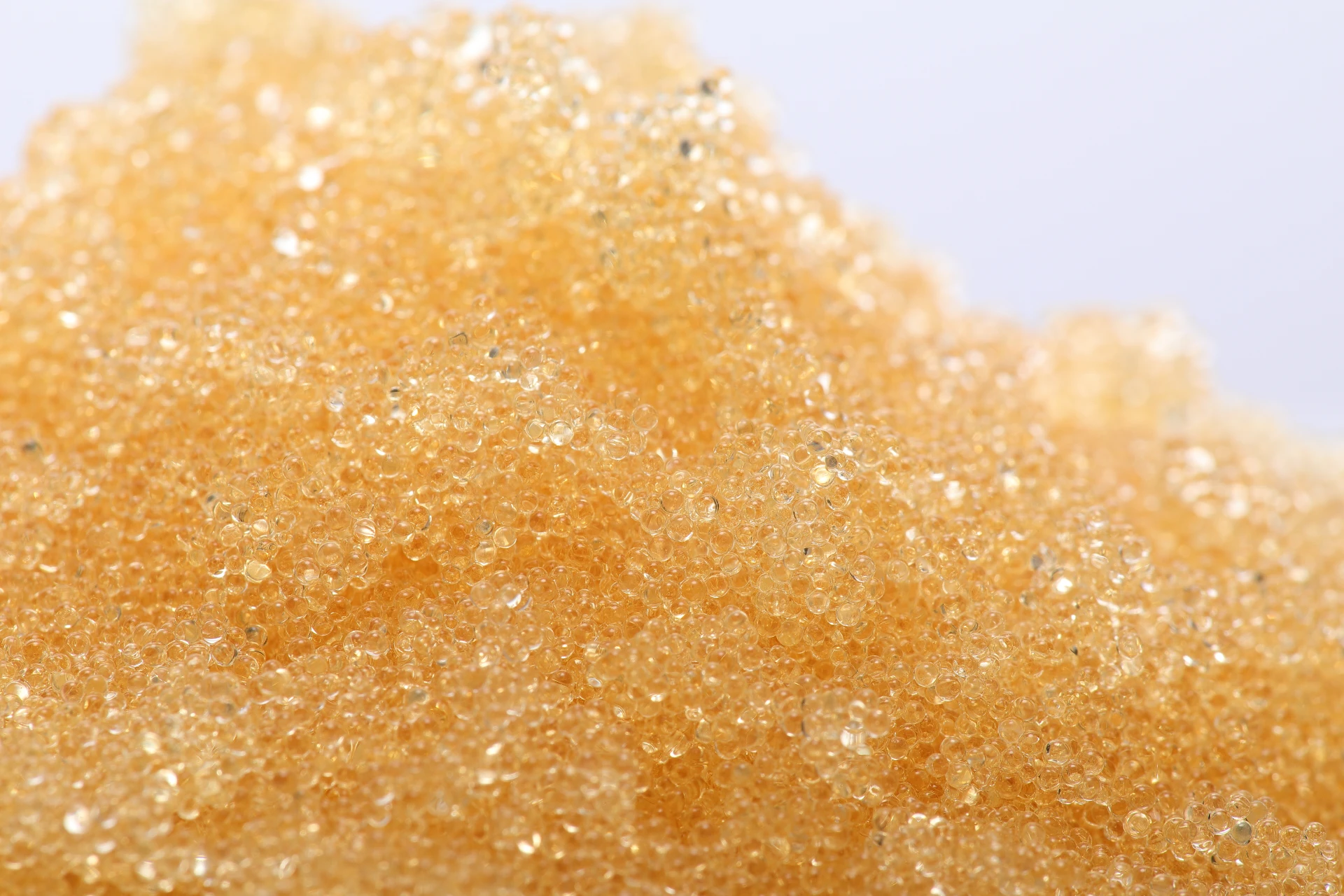
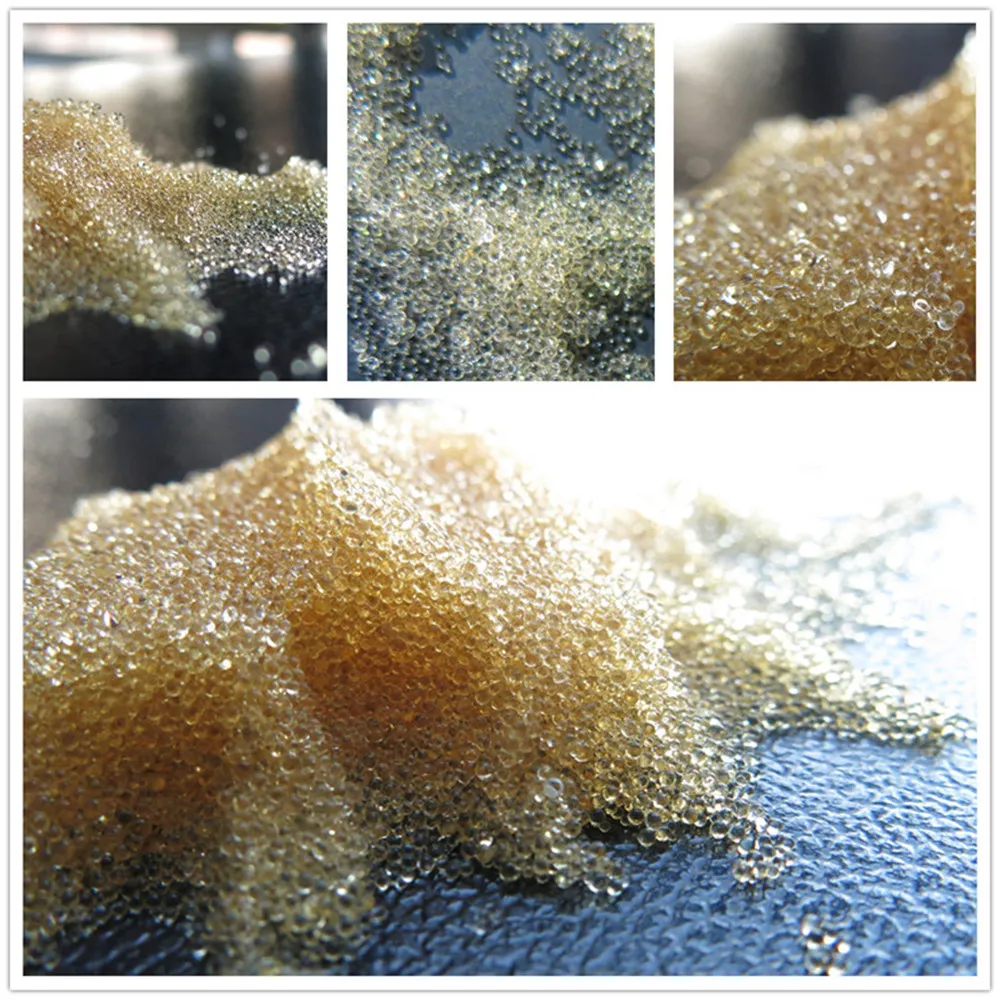
Fig. 1: Illustrative example of ion exchange resin beads.
The typical service life of a high-quality resin can range from 5 to 10+ years, heavily dependent on operating conditions, feed water quality, and regeneration efficiency. Industries such as petrochemical, metallurgy, and water supply & drainage rely on these resins for critical operations. In typical application scenarios, these resins demonstrate significant advantages, including energy saving through reduced chemical consumption in water treatment and enhanced corrosion resistance by ensuring ultra-pure water for boiler feed, thereby prolonging equipment lifespan.
The global ion exchange resin market is experiencing robust growth, driven by increasing demands for clean water, stringent environmental regulations, and advancements in industrial processing. Several key trends are shaping the future of this technology:
These trends underscore the dynamic nature of the resin industry, where innovation is continuously driven by the need for greater efficiency, sustainability, and adaptability to evolving industrial requirements.
Understanding the technical specifications of an ion exchange resin is paramount for selecting the appropriate product for a specific application. Let's examine the parameters for the Strong Acid Cation Exchange Resin 001X7 H MB, a high-performance macroporous resin widely used in demineralization processes.
| Parameter | Specification (001X7 H MB) | Typical Value Range (General) |
|---|---|---|
| Polymer Matrix | Styrene-Divinylbenzene Copolymer | Styrene-DVB or Acrylic |
| Functional Group | Sulfonic Acid (-SO3H) | Sulfonic Acid, Carboxylic Acid, Quaternary Amine, Tertiary Amine |
| Ionic Form (as shipped) | H+ | H+, Na+, Cl-, OH- |
| Total Exchange Capacity (meq/mL) | ≥ 1.90 | 1.5 - 2.2 |
| Moisture Retention (%) | 45 - 50 | 35 - 80 (varies by resin type/cross-linking) |
| Particle Size Range (mm) | 0.45 - 0.70 (min. 95%) | 0.3 - 1.2 |
| Uniformity Coefficient | ≤ 1.6 | 1.1 - 1.8 |
| Reversible Swelling (Na+ to H+) | ≤ 8% | 5 - 20% |
| Specific Gravity | 1.18 - 1.25 | 1.05 - 1.35 |
| pH Range (Operating) | 0 - 14 | 0 - 14 |
| Operating Temperature (Max) | 120°C (250°F) | 60 - 150°C (varies by resin type) |
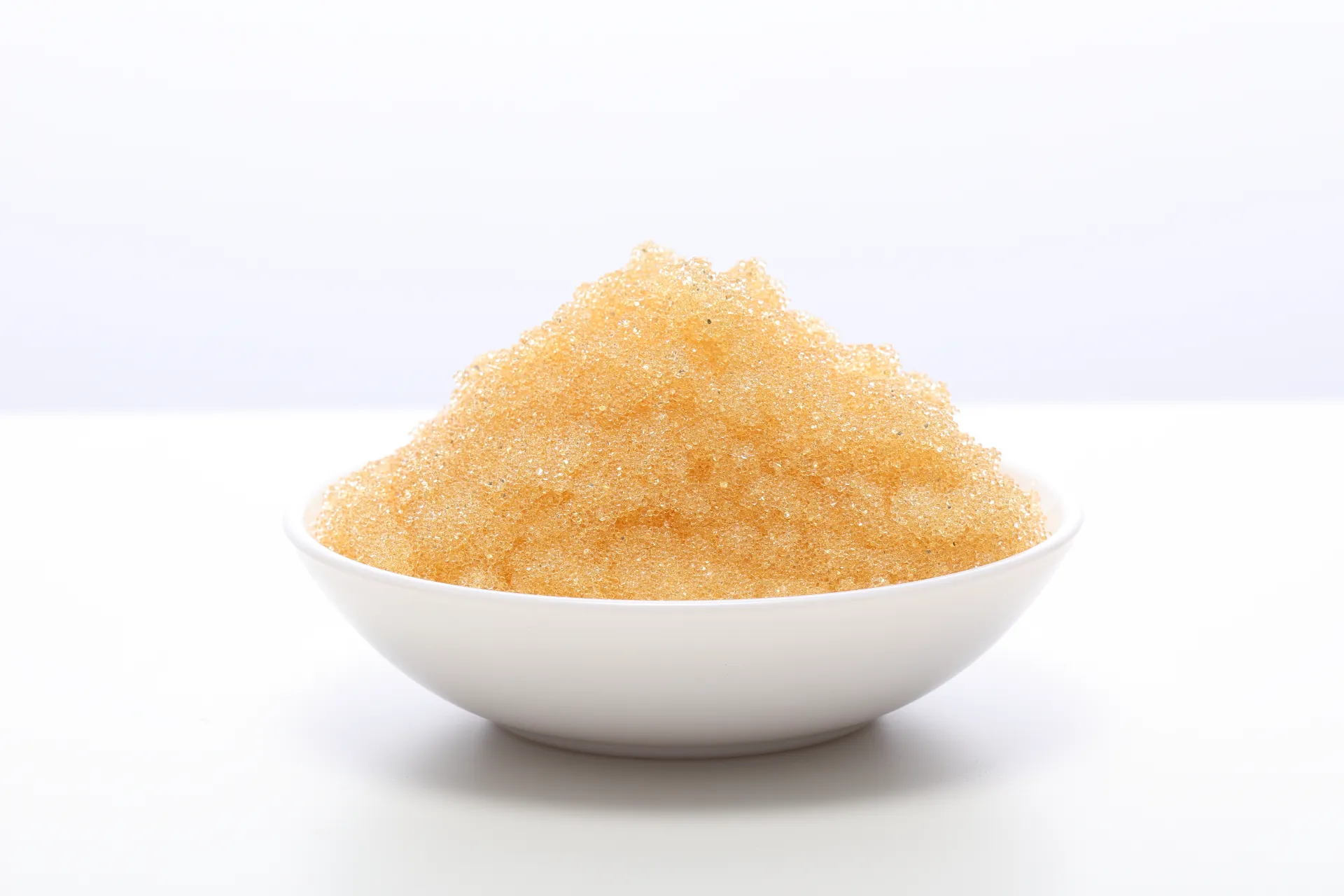
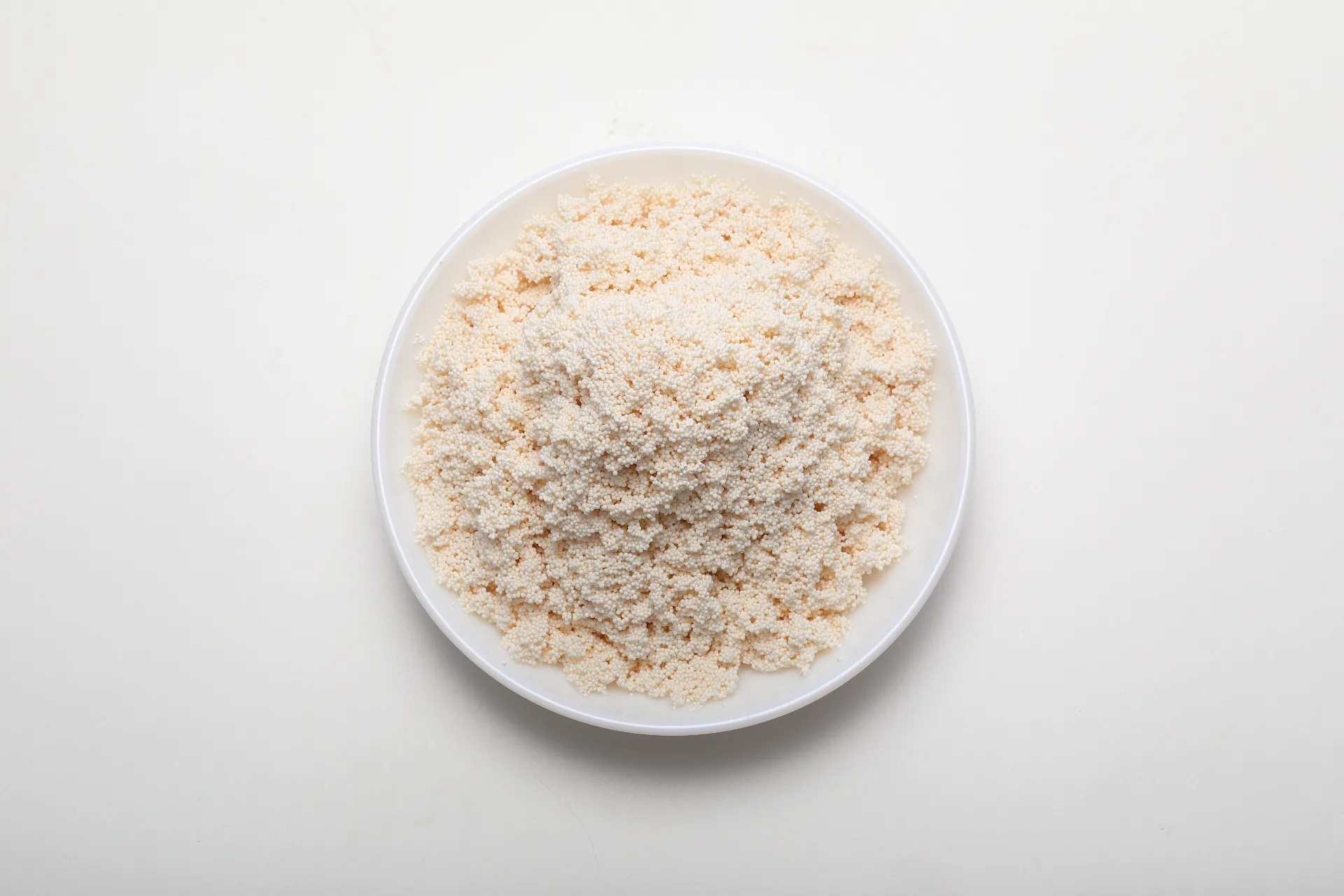
Fig. 2: Advanced ion exchange resin systems in a treatment facility.
These detailed specifications allow engineers to precisely model system performance, predict resin life, and optimize regeneration cycles, ensuring that the chosen resin delivers consistent, high-purity output under demanding industrial conditions.
The versatility of ion exchange resin enables their deployment across a broad spectrum of industrial applications, each benefiting from their unique properties. Their technical advantages translate directly into operational efficiencies and enhanced product quality.
These combined attributes make these advanced resins an invaluable tool for industries aiming for optimal resource utilization, enhanced product quality, and adherence to environmental stewardship.
Choosing the right ion exchange resin vendor is as critical as selecting the resin itself. The market offers a variety of suppliers, each with different strengths. A comprehensive evaluation based on key criteria ensures long-term operational success and optimal return on investment.
| Resin Type | Functional Group | Key Applications | Advantages |
|---|---|---|---|
| Strong Acid Cation (SAC) | Sulfonic Acid | Water softening, Demineralization, Condensate polishing | High capacity, effective at all pH, robust |
| Weak Acid Cation (WAC) | Carboxylic Acid | Dealkalization, softening of high hardness water, acid removal | High regeneration efficiency, good for temporary hardness |
| Strong Base Anion (SBA) | Quaternary Amine | Demineralization, silica removal, organic scavenging | Removes all anions, excellent for silica and CO2 |
| Weak Base Anion (WBA) | Tertiary Amine | De-acidification, removal of strong mineral acids, organic removal | High capacity, excellent regeneration efficiency with caustic soda |
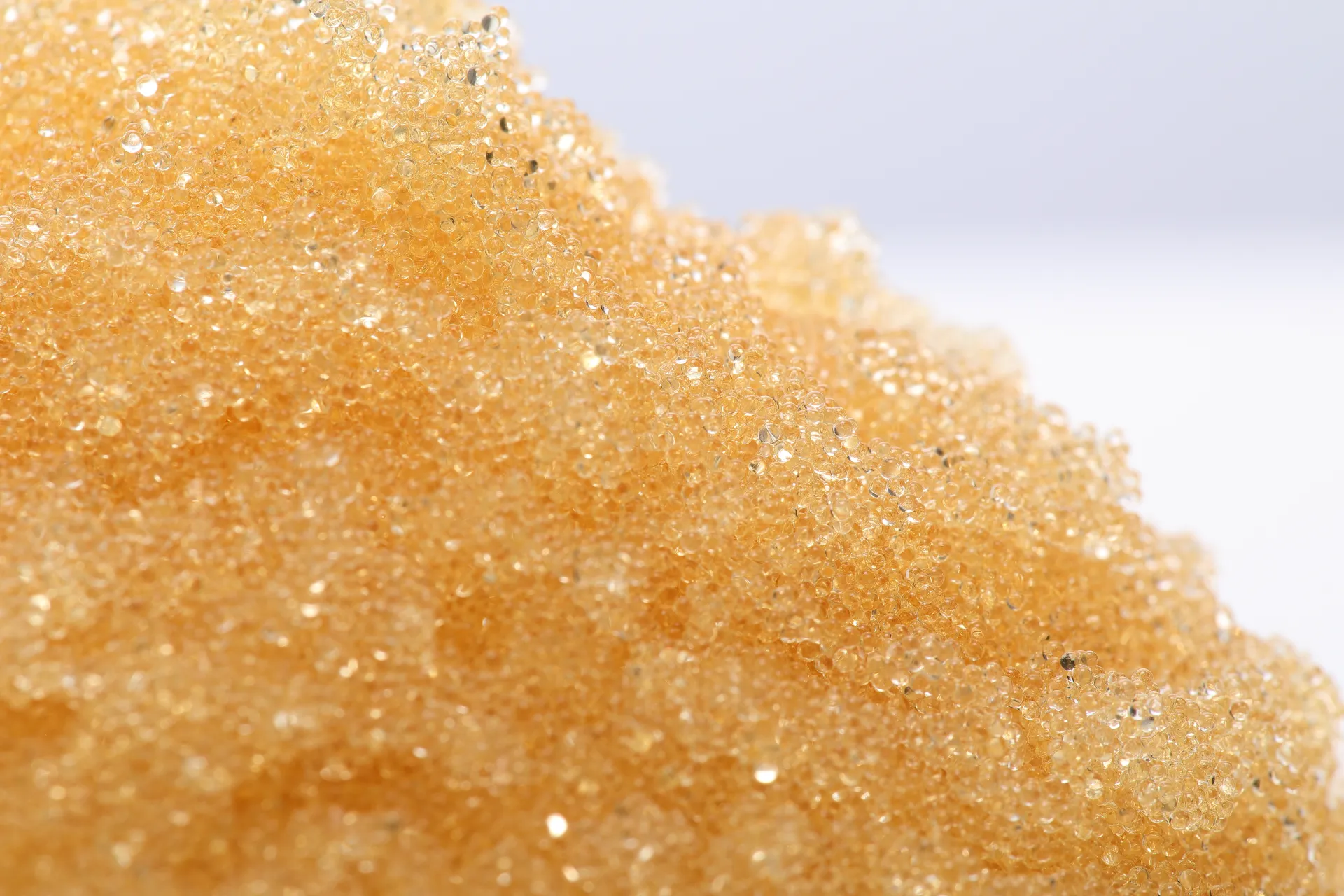
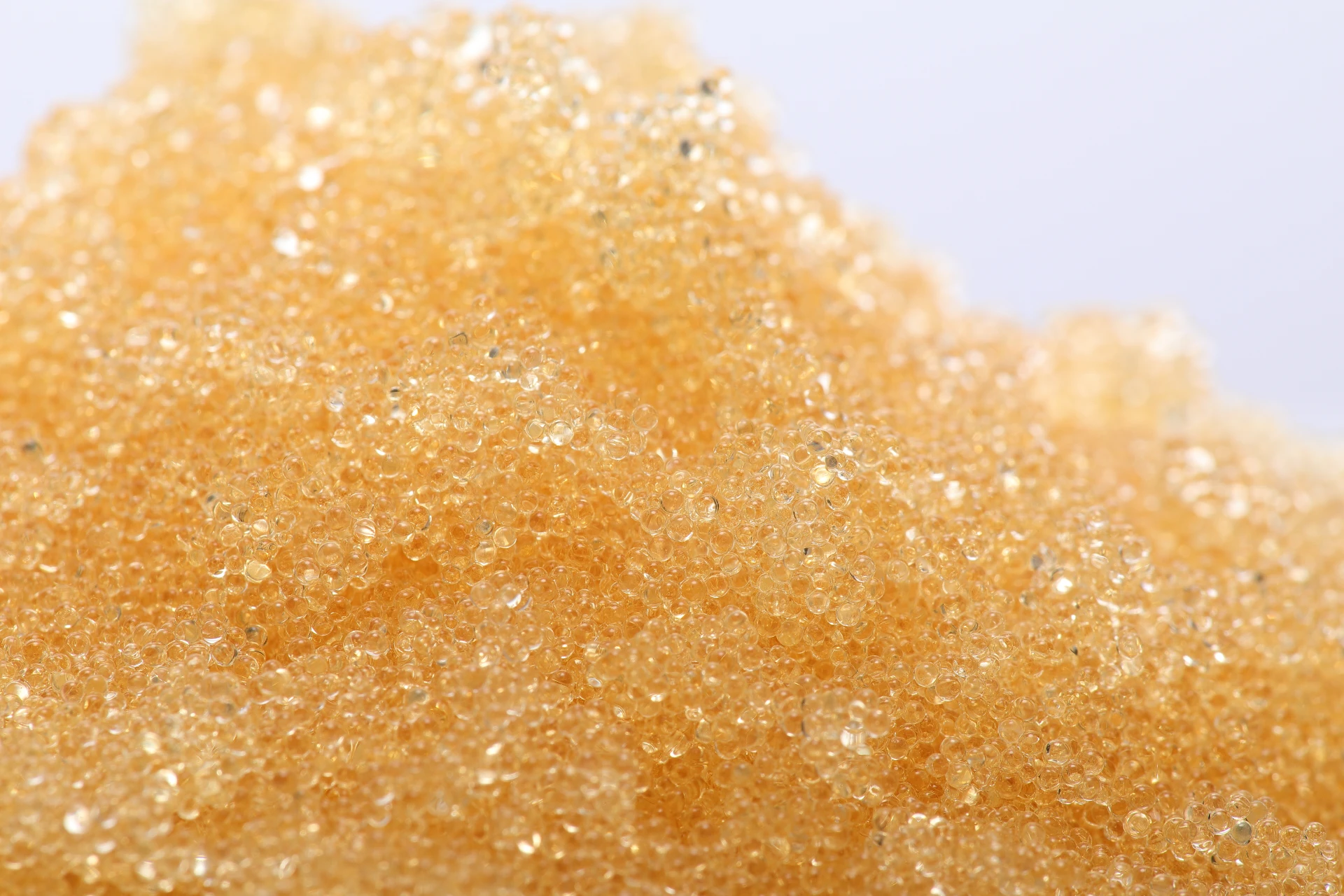
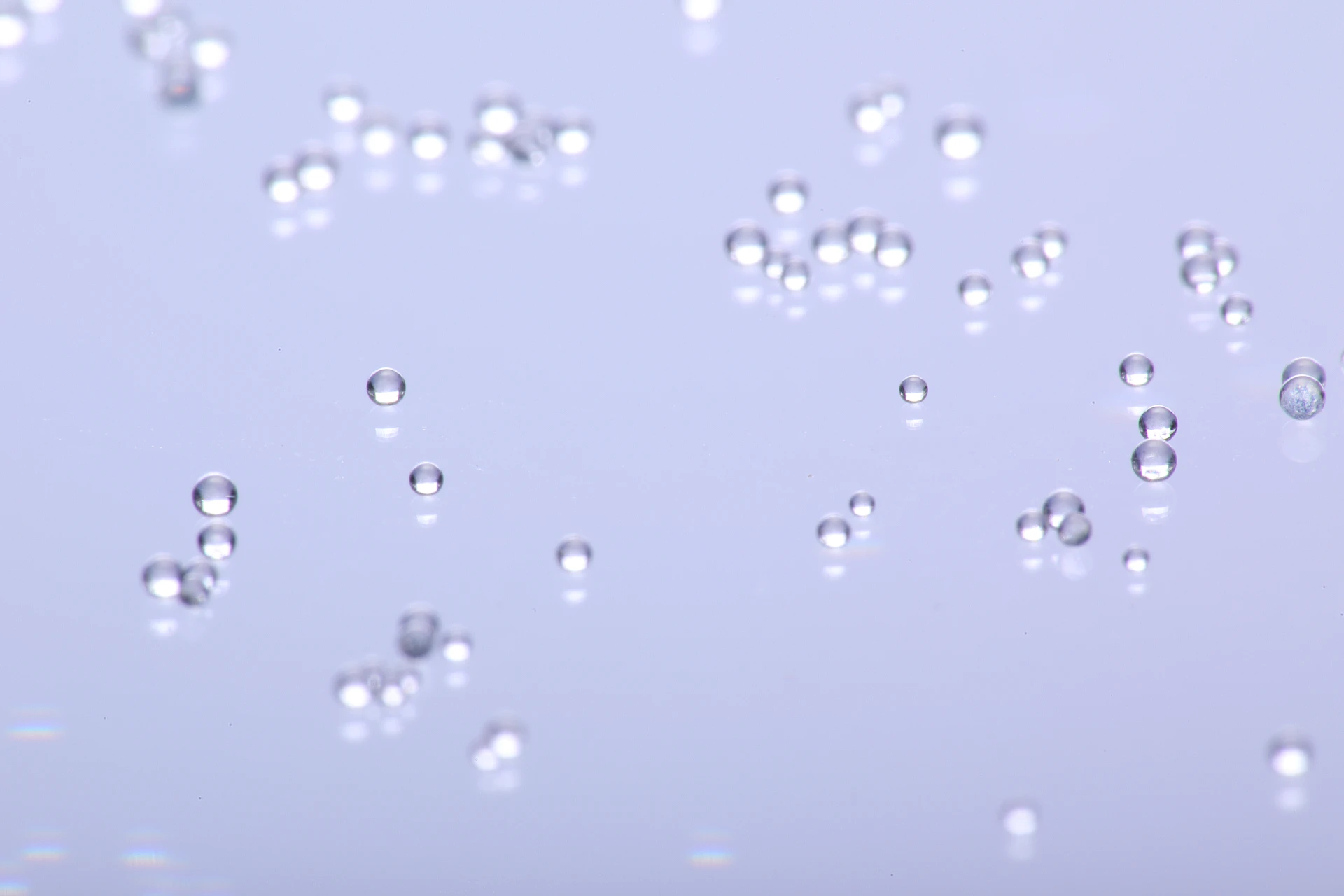
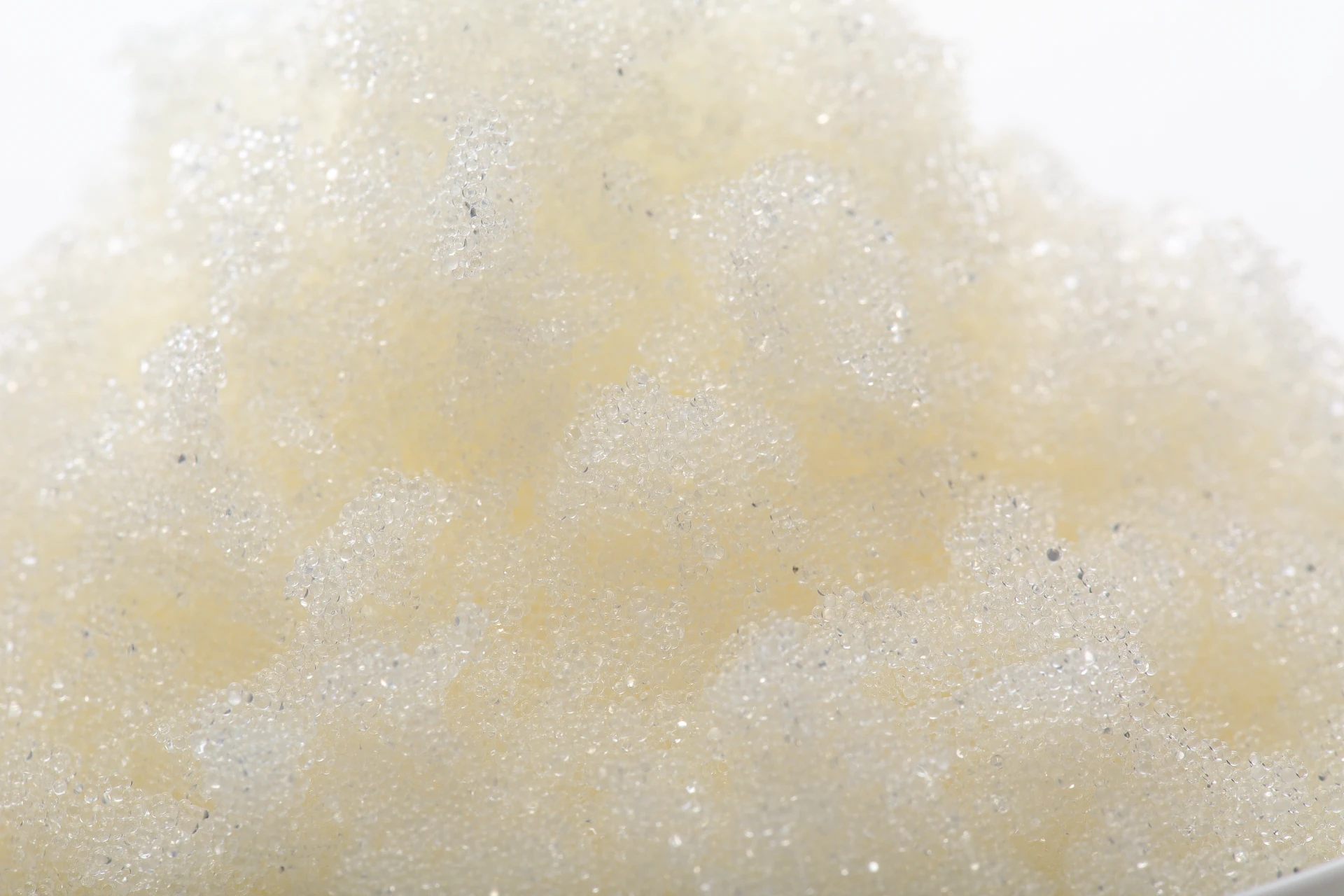
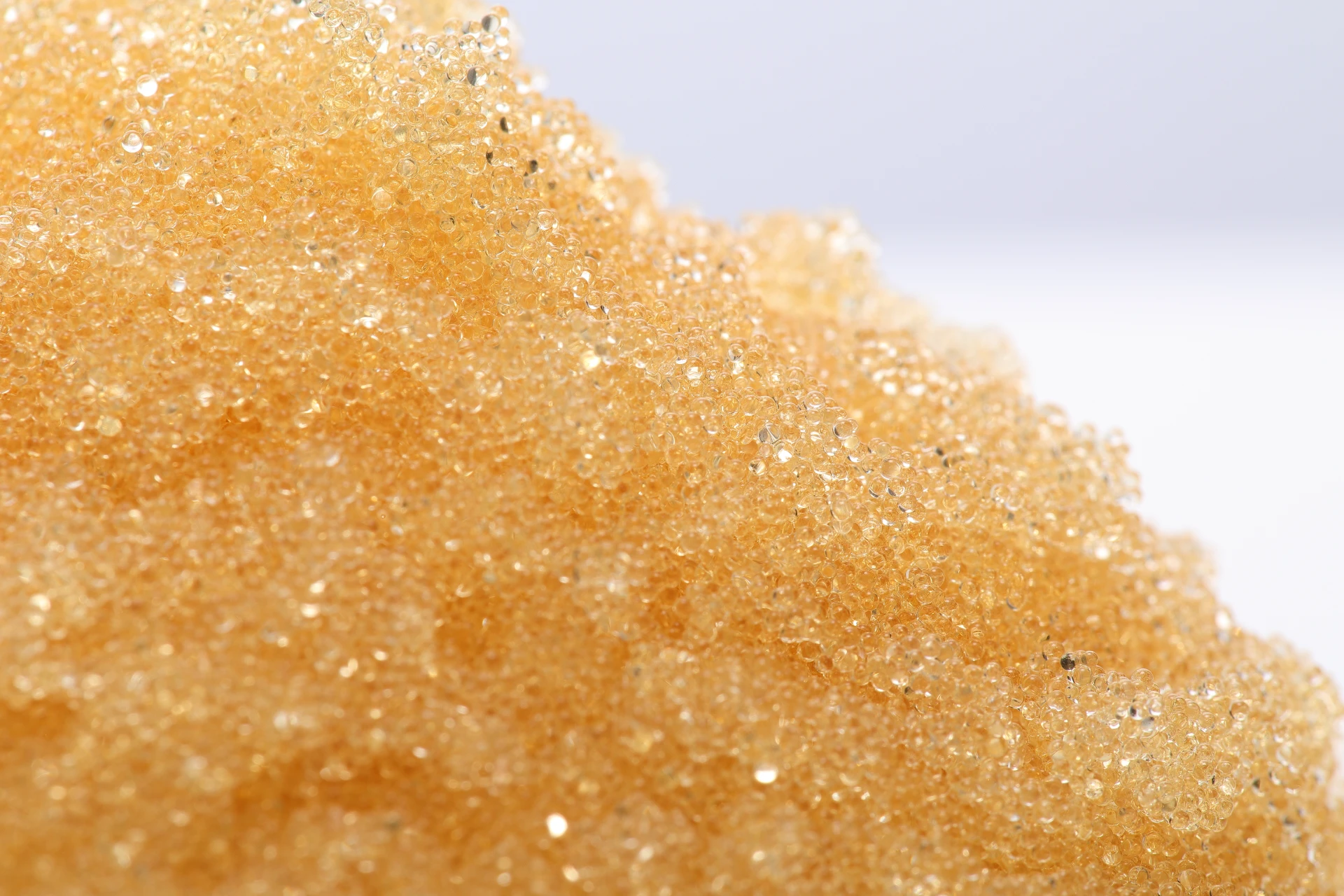
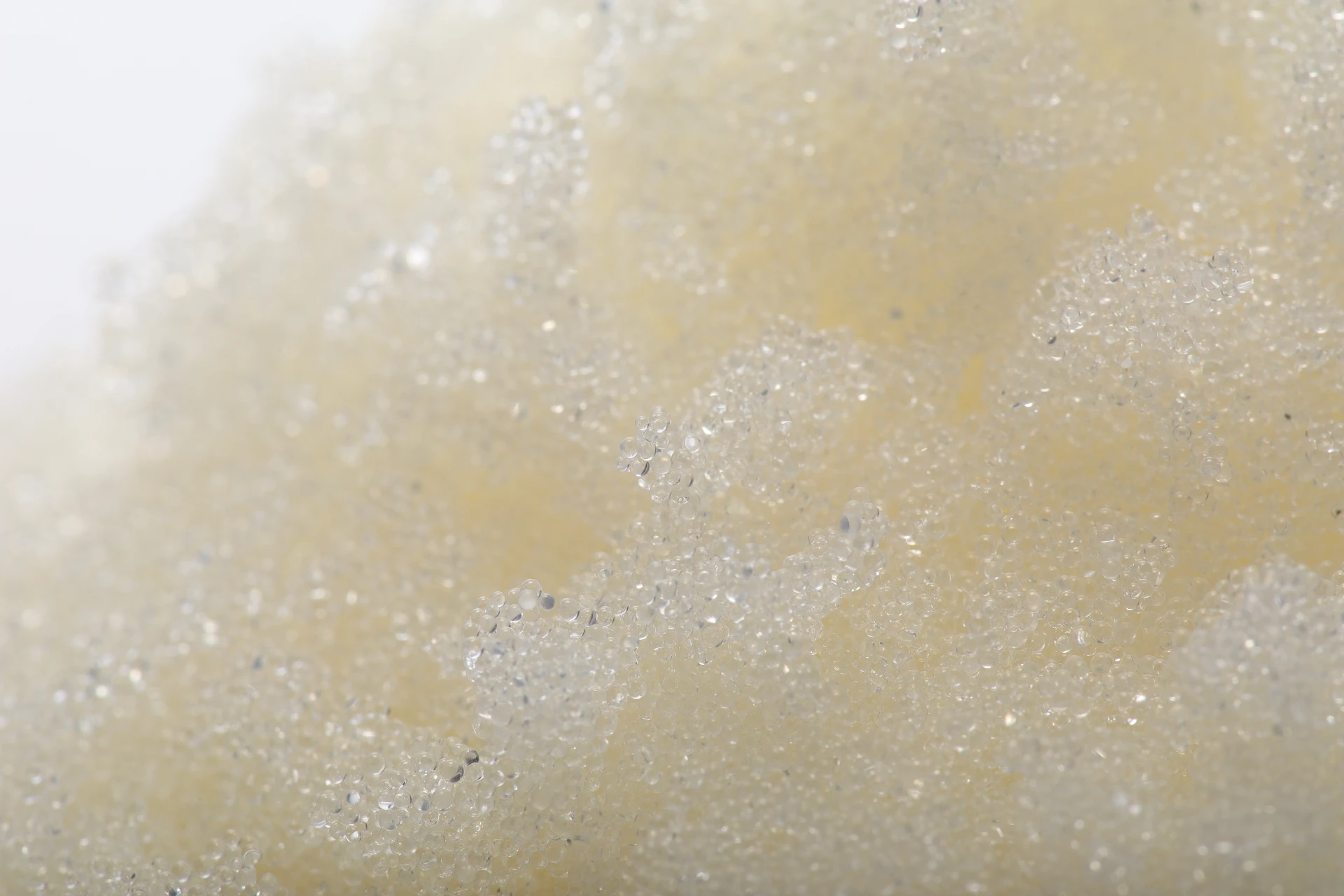
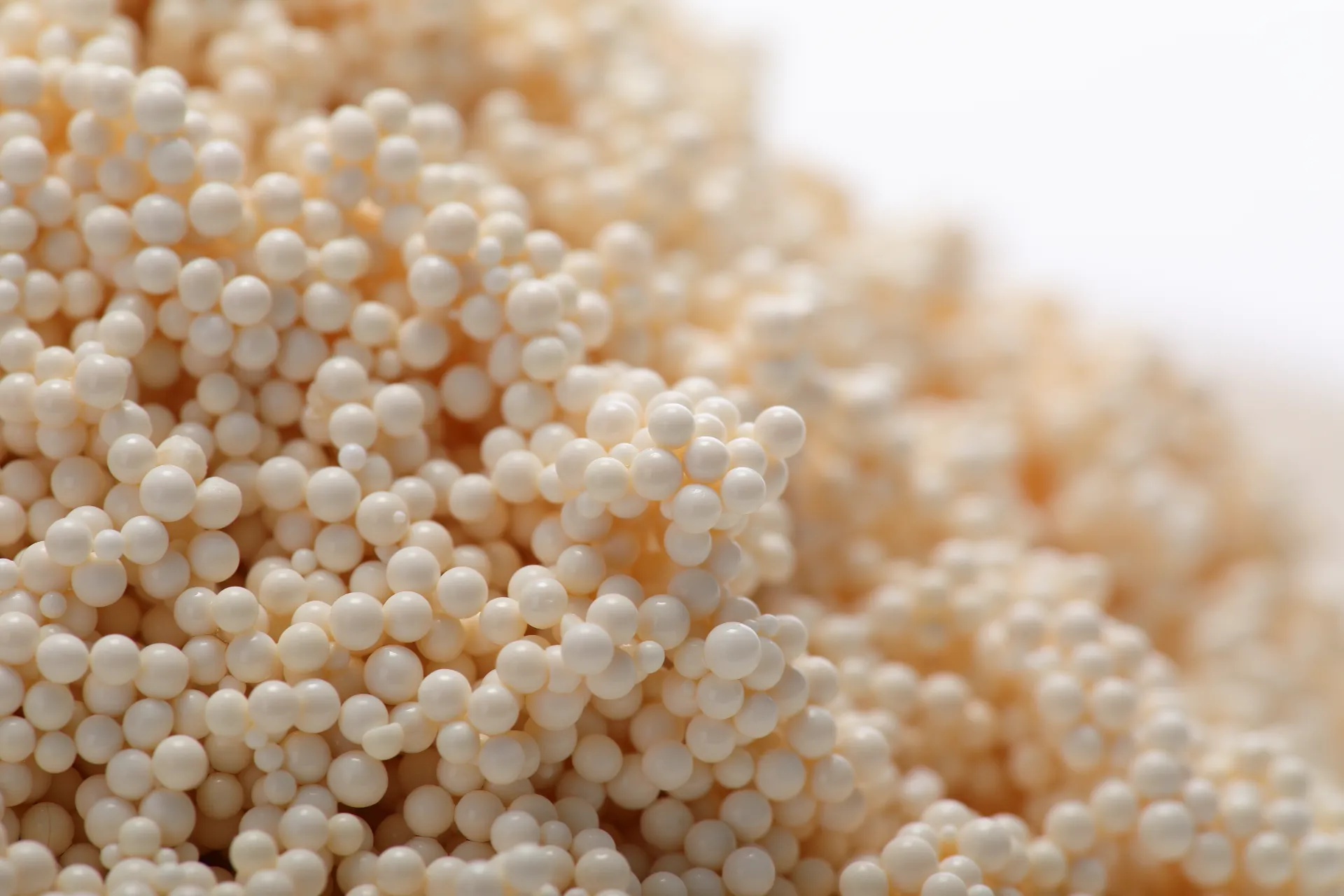
Fig. 3: Various types of ion exchange resin beads with distinct properties.
By diligently applying these criteria, B2B stakeholders can forge partnerships with vendors that not only supply superior resins but also offer comprehensive support, ensuring the long-term efficiency and reliability of their purification systems.
While standard ion exchange resin formulations cater to a wide array of applications, industrial processes often present unique challenges that necessitate tailored solutions. Customization in resin technology involves modifying resin properties to achieve optimal performance under specific, often demanding, conditions.
A key aspect of providing customized solutions lies in the vendor's R&D capabilities and their ability to conduct thorough feed water analysis, pilot testing, and simulation modeling. This collaborative approach ensures that the bespoke resin solution precisely addresses the client's operational objectives, leading to superior performance and long-term cost efficiencies. Reputable suppliers often leverage decades of experience and advanced polymer science to deliver these specialized products.
Real-world application case studies vividly demonstrate the practical impact and effectiveness of advanced ion exchange resin solutions.
A leading semiconductor fabrication plant in Asia faced challenges in consistently producing ultra-pure water (UPW) with resistivity exceeding 18 MΩ·cm, essential for sensitive microchip washing. Their existing system struggled with sporadic increases in trace metal ions and silica breakthrough.
A large thermal power plant experienced frequent unscheduled shutdowns due to scale formation and corrosion in its high-pressure boilers, directly attributable to insufficient demineralization of boiler feed water. The challenge was exacerbated by variable raw water quality.
These case studies underscore the measurable benefits that high-quality resins, coupled with expert application engineering, can deliver to demanding industrial environments.
Trust is foundational in B2B relationships. Our commitment to transparency and robust support ensures that clients receive not only high-quality resins but also comprehensive service. We are an ISO 9001:2015 certified manufacturer with over 20 years of experience serving global industrial clients.
A1: Resin selection depends on your feed water/solution analysis, target contaminant, desired effluent quality, and operating conditions (temperature, pH). We offer detailed consultation and laboratory analysis to recommend the most suitable resin, whether it's a strong acid cation exchange resin like 001X7 H MB, or a specialized anion exchange resin.
A2: For standard products, lead times generally range from 2-4 weeks. Customized or large volume orders may require 4-8 weeks, depending on manufacturing complexity and raw material availability. We maintain strategic stock levels for high-demand products to expedite fulfillment.
A3: We provide a standard 12-month warranty from the date of shipment, covering manufacturing defects and adherence to published specifications. Our commitment extends to ensuring product performance under recommended usage conditions.
A4: Absolutely. Our dedicated team of technical experts and application engineers provides comprehensive after-sales support, including troubleshooting, regeneration optimization guidance, system audits, and training. We are committed to your operational success throughout the resin's lifecycle.
The role of ion exchange resin in modern industrial processes is indispensable, driving efficiency, purity, and sustainability across a multitude of sectors. From highly specialized demineralization for semiconductor fabrication to robust water softening in power plants, these engineered polymers are at the forefront of fluid purification and resource recovery. As industries continue to evolve, demanding higher levels of performance and environmental responsibility, the innovation in resin technology will undoubtedly continue to provide critical solutions. Partnering with an experienced and technically proficient vendor is key to unlocking the full potential of these advanced materials and achieving long-term operational excellence.