Phone:
+86 0319 2296164


Email:
info@lijiresin.cn
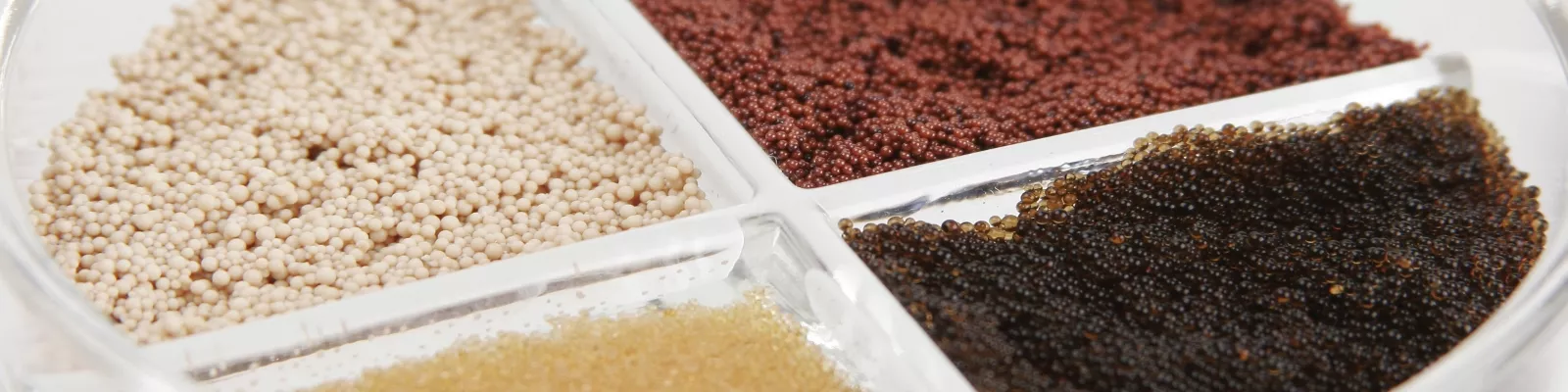
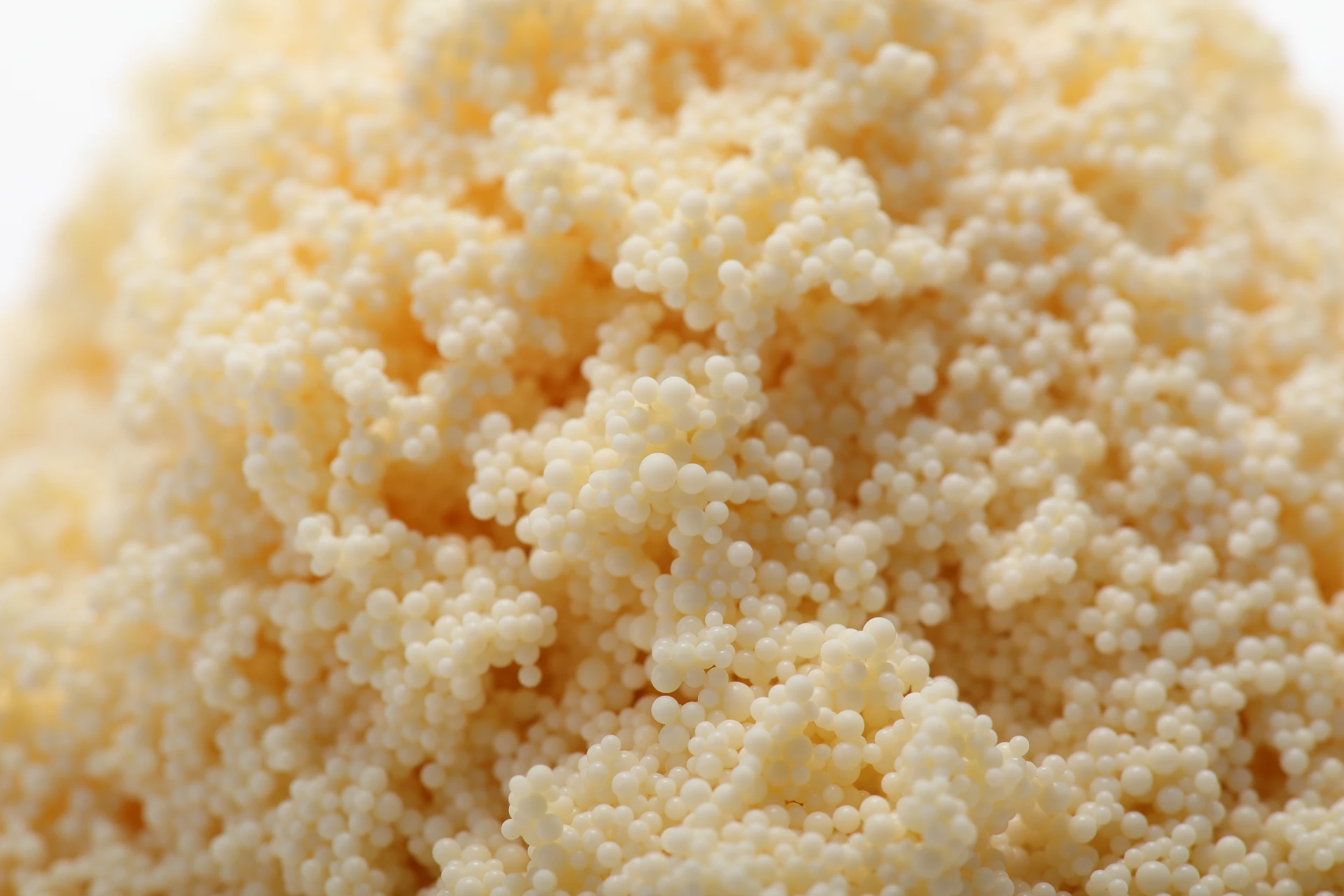
Having spent quite a few years in the industrial equipment sector, especially in applications involving water treatment and pharmaceuticals, I’ve come across all sorts of ion exchange technologies. But odd as it sounds, the ion exchange drug delivery system is one that still surprises me with its subtle brilliance each time I dig deeper. Why? Because it seamlessly combines chemistry, material science, and engineering into a compact, efficient solution tailored to controlled medication release.
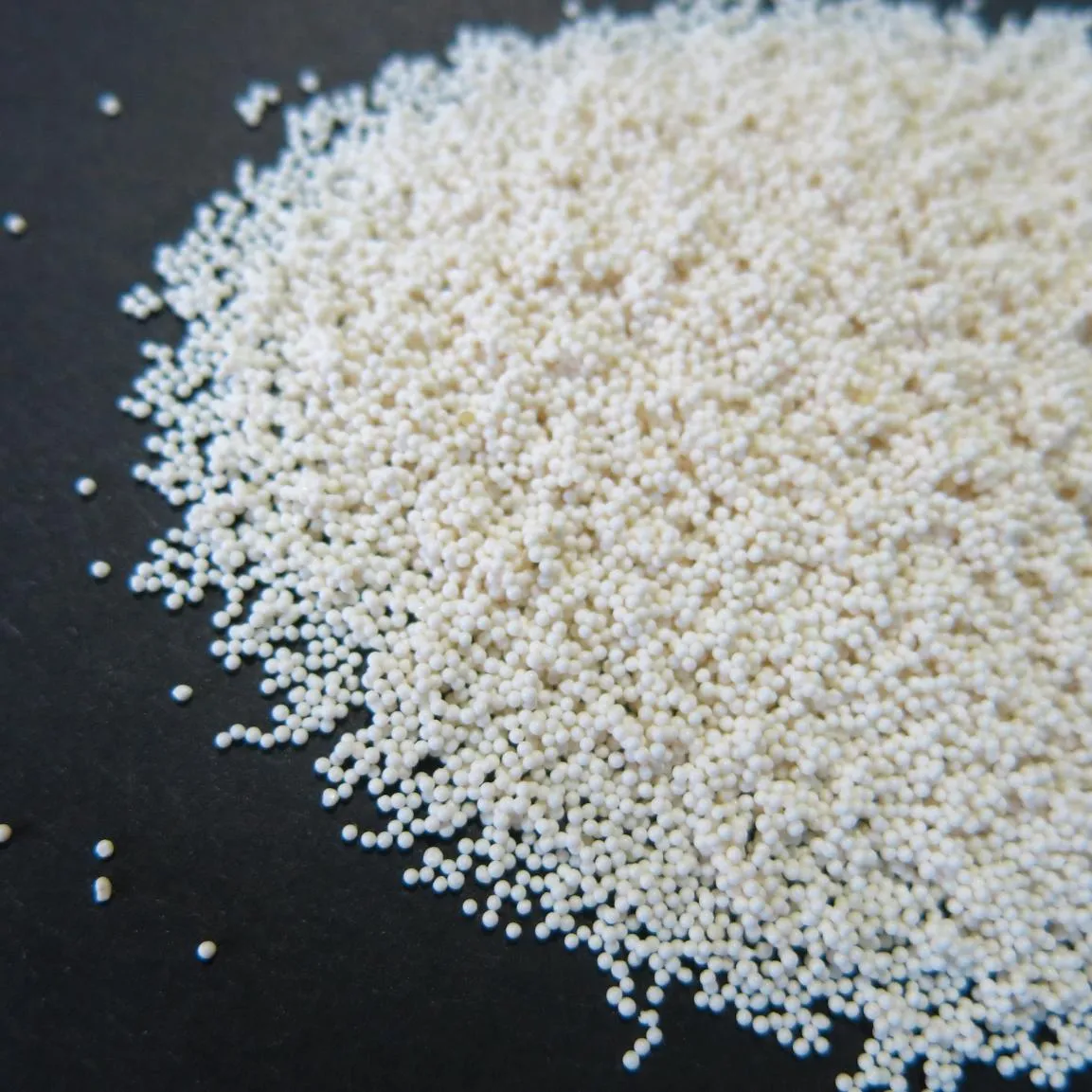
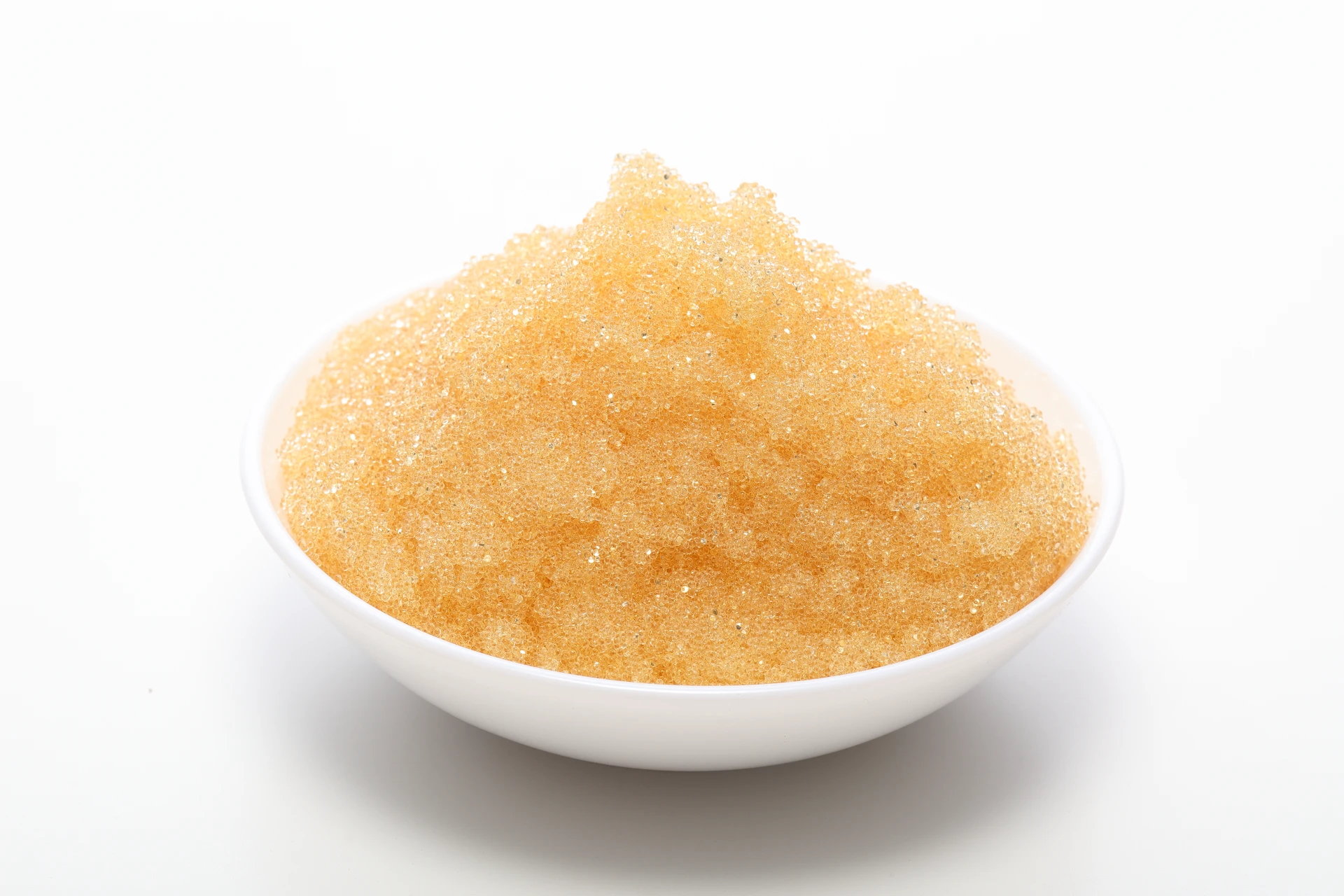
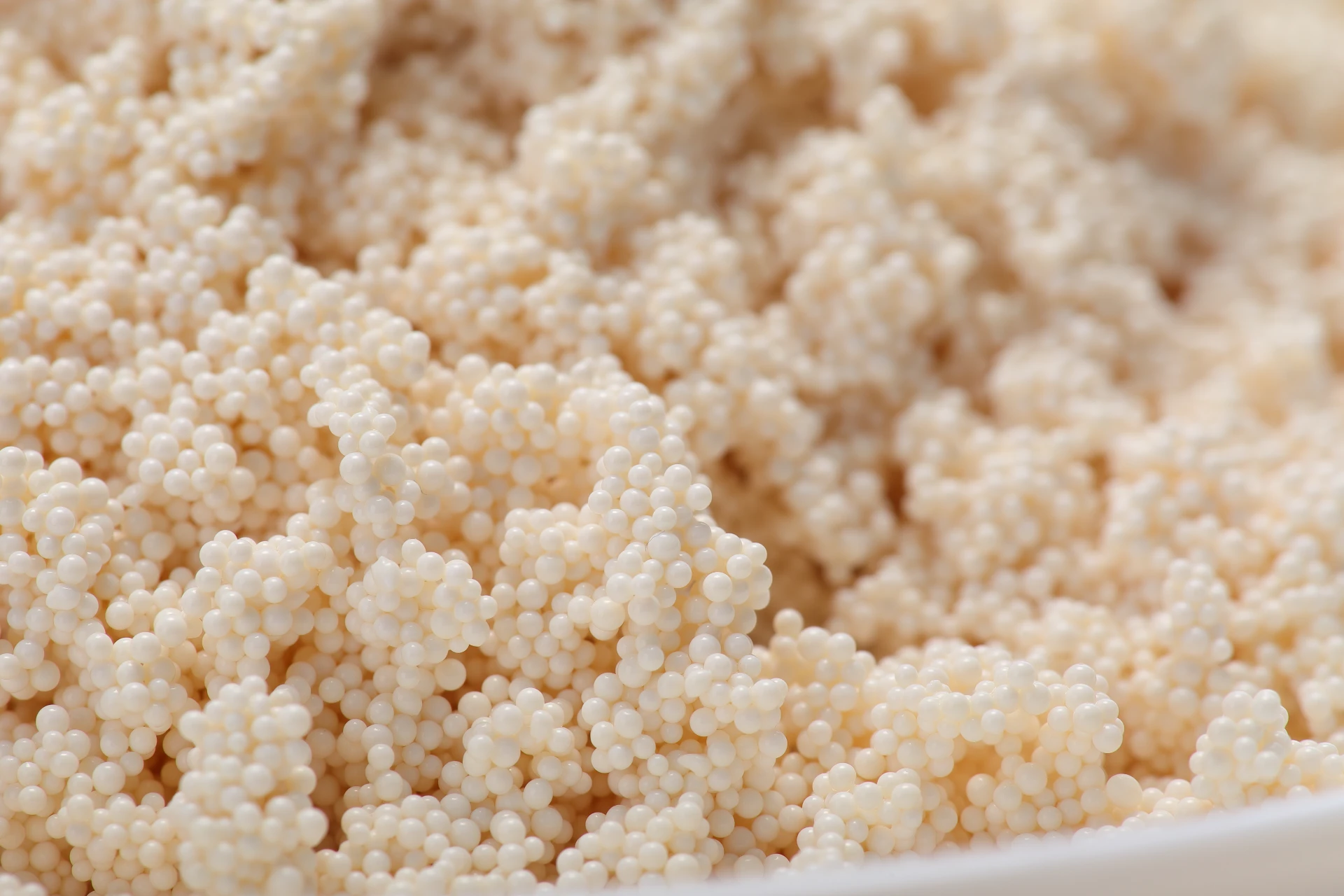
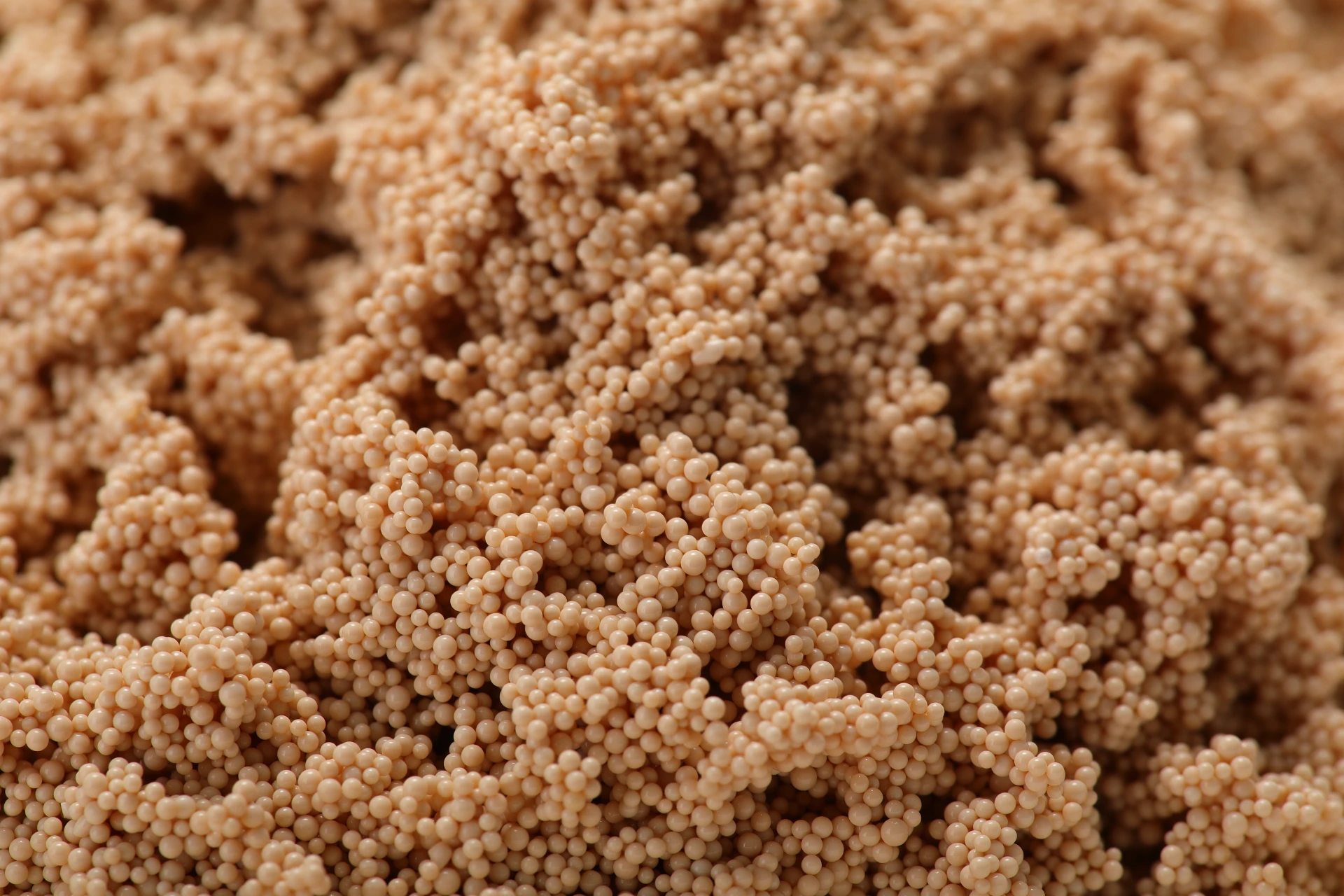
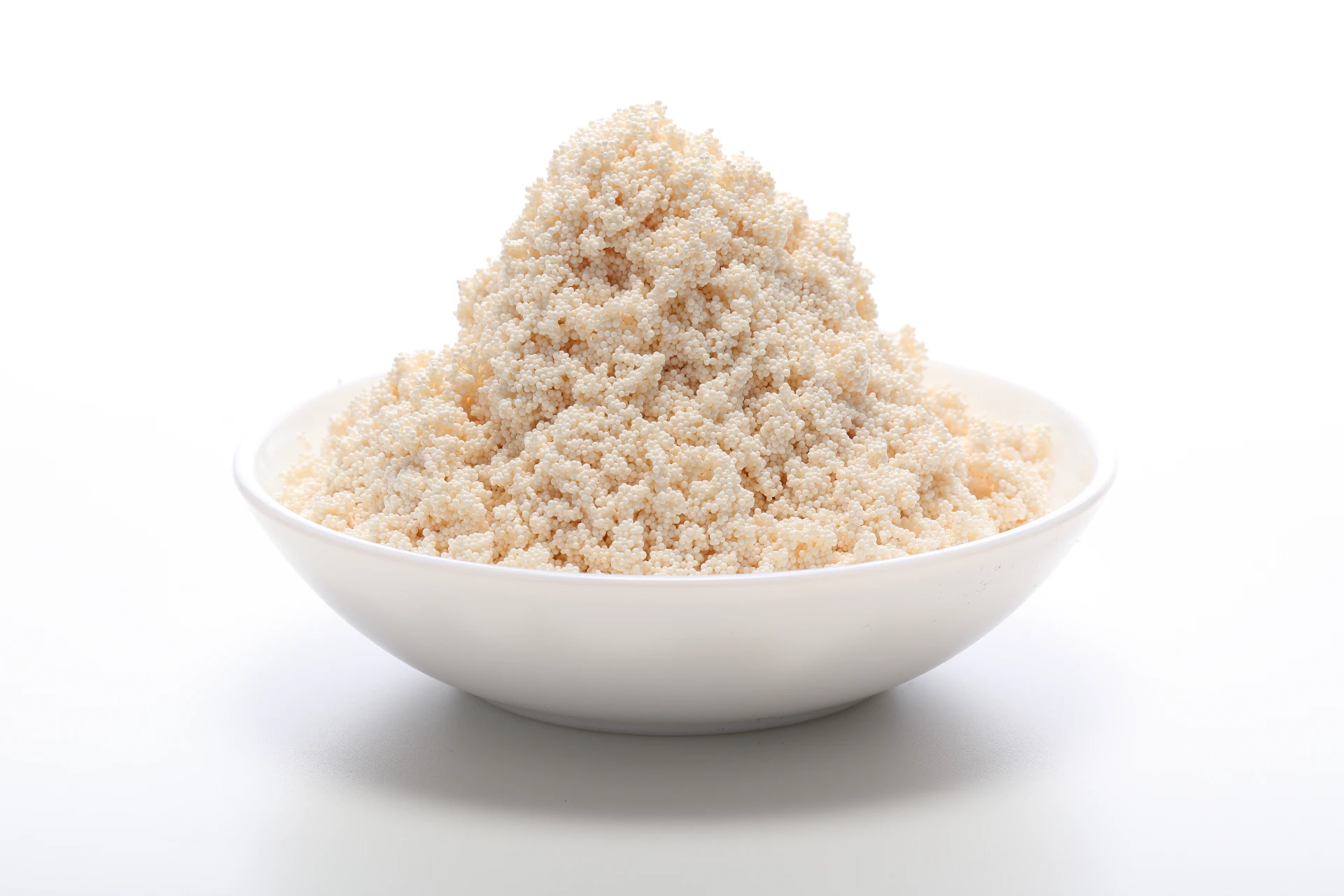
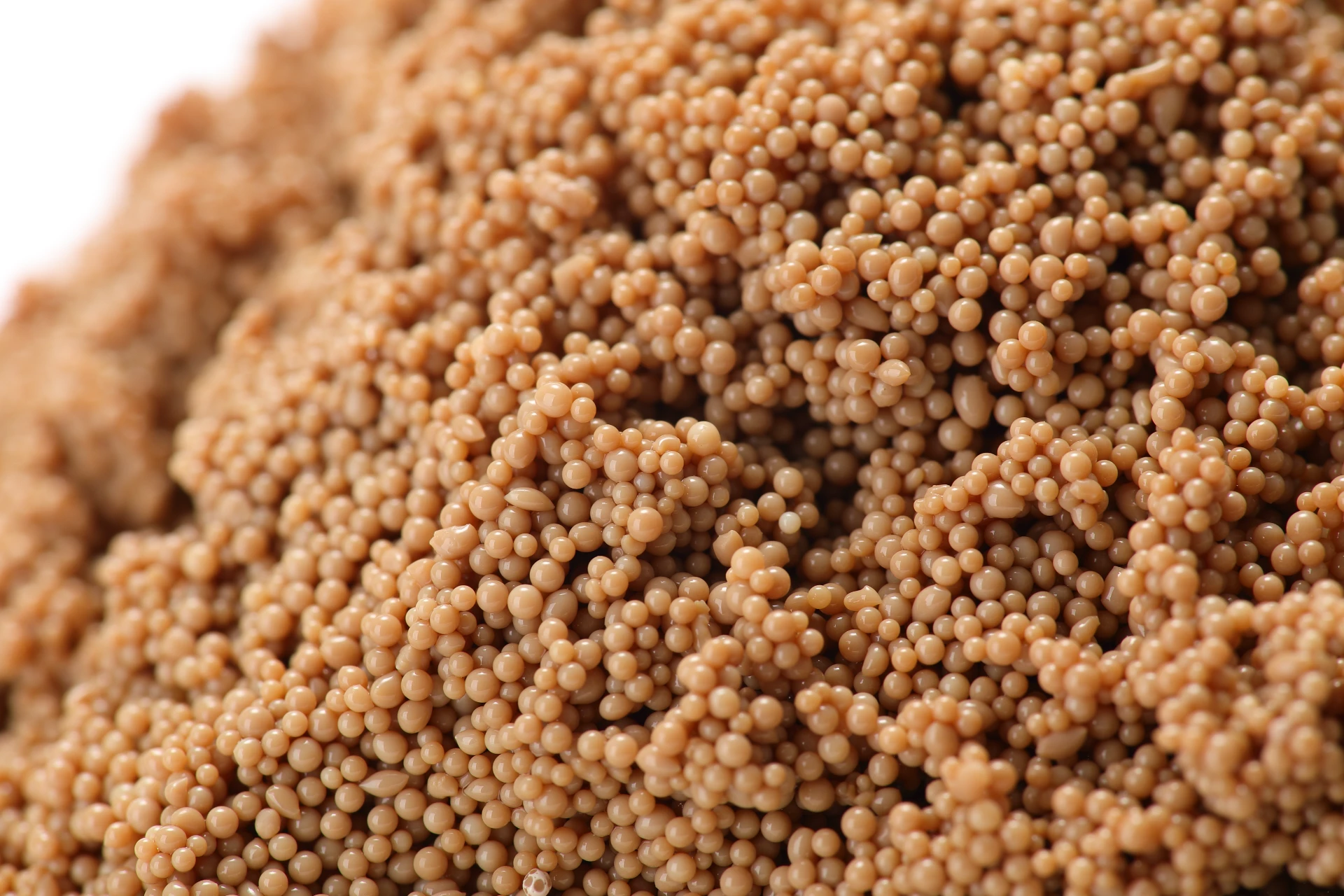
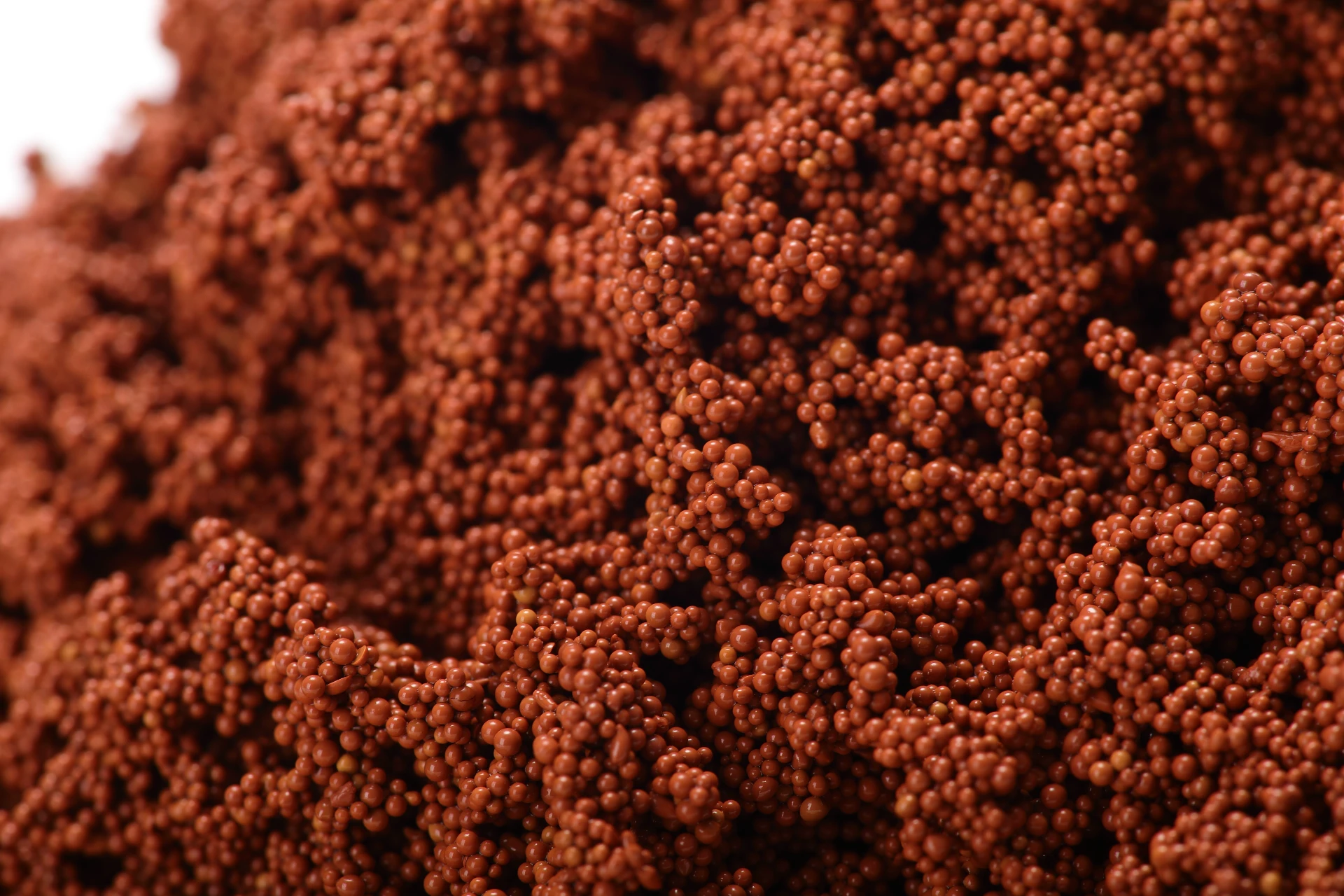
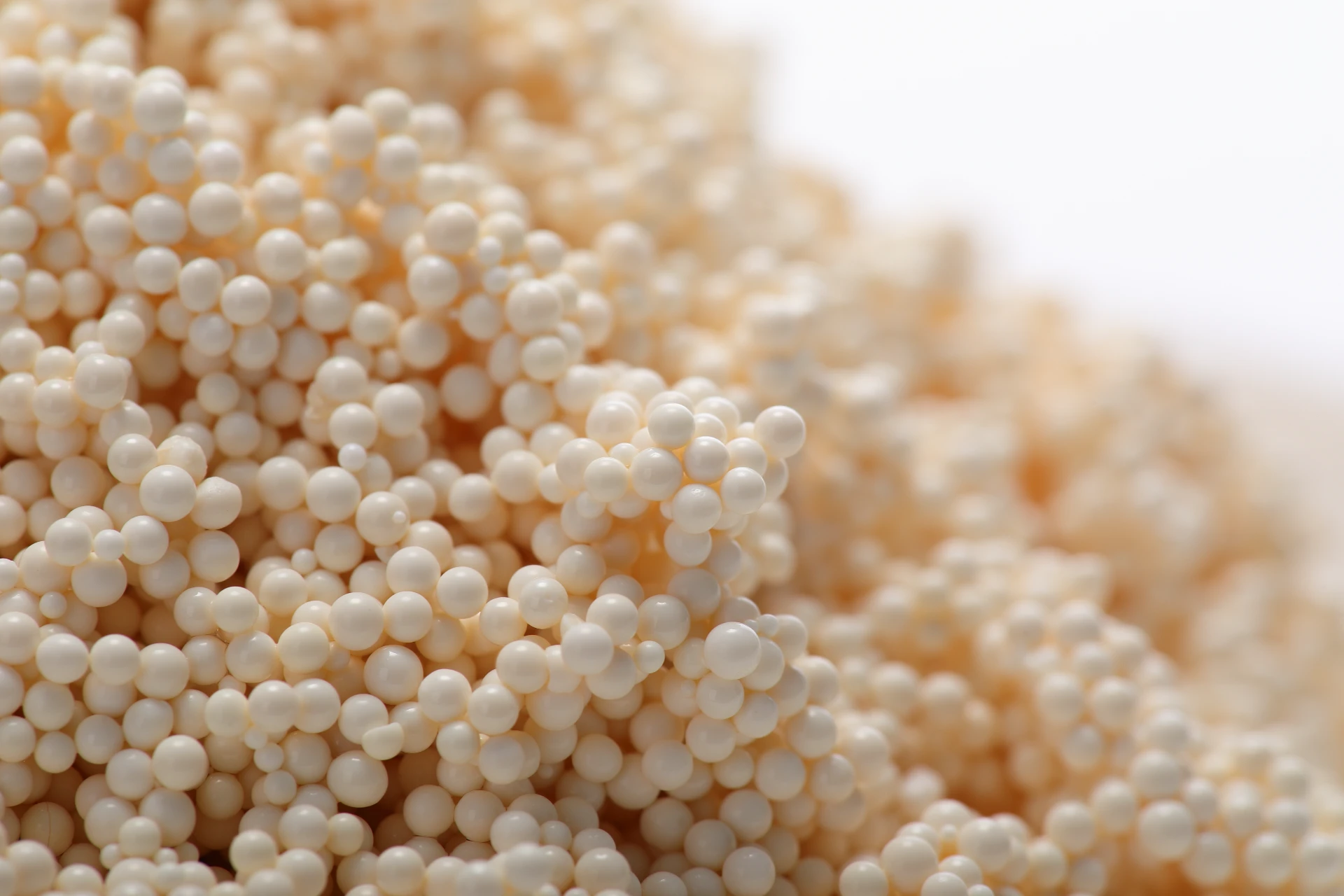
Now, in real terms, this system uses ion exchange resins—polymers that can exchange particular ions within a solution. When applied to drug delivery, the resin acts as a carrier matrix, holding pharmaceutical ions and releasing them slowly under specified conditions. It’s like a well-trained gatekeeper who only lets the medicine through when it’s truly needed, which is critical for therapies requiring steady dosing.
From my observations, one of the key advantages is the customization ability. Different drugs, pH ranges, and release profiles can be tuned by choosing specific resin types and bead sizes. It isn’t a one-size-fits-all deal—this versatility is key, especially in delicate treatments.
Let me share a small anecdote: I once worked alongside engineers who optimized an ion exchange resin system for a client manufacturing heart medication. They reduced dosage fluctuations dramatically by selecting a strong acid cation resin with controlled particle size. The end-user feedback? Patients experienced smoother, more predictable outcomes.
| Parameter | Specification | Typical Value |
|---|---|---|
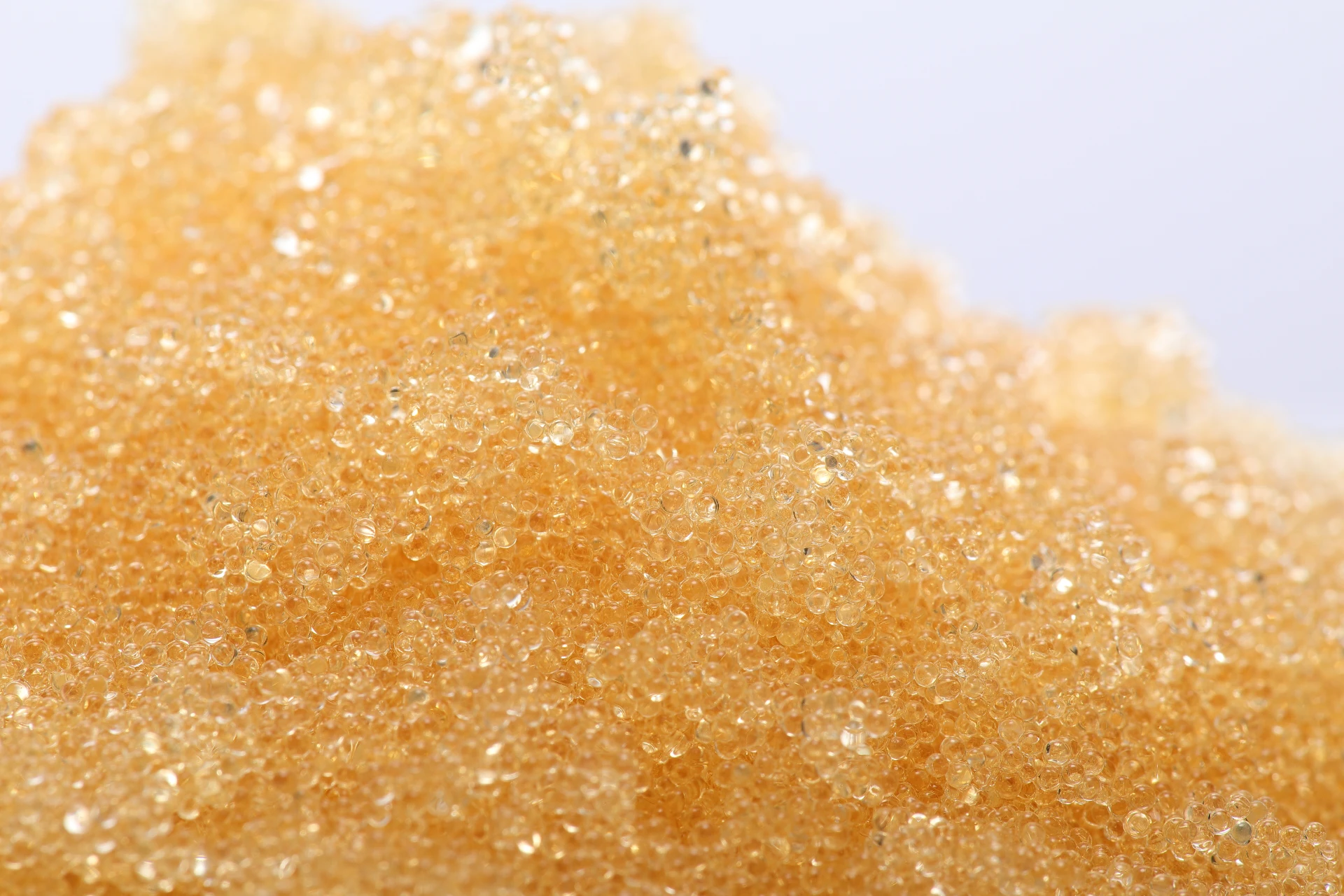
| Resin Type | Strong Acid Cation | Amber beads |
| Particle Size | 300 – 1200 µm | 600 µm avg. |
| Exchange Capacity | 2.0 – 2.5 meq/g (dry) | 2.3 meq/g |
| Operating pH Range | 1 – 14 | 5 – 9 (optimal for drugs) |
| Temperature Limit | Max 120°C | 85°C (typical use) |
We tend to overlook material integrity when focusing purely on function, but I’ve noticed the testing phase is often where these ion exchange systems truly prove their worth. Check for biocompatibility, ion selectivity, and mechanical robustness—these are crucial factors. Without rigorous testing, you might end up with inconsistent drug release that could have serious clinical impacts. This is the kind of detail that many engineers say sets the best vendors apart from the rest.
| Feature | Vendor A | Vendor B | Vendor C |
|---|---|---|---|
| Purity Grade | USP Class VI | USP Class VI | Ph.Eur. Certified |
| Customization Options | High (particle size, crosslinking) | Moderate (standard sizes only) | High (resin type & ion selectivity) |
| Support/Documentation | Excellent | Good | Very Good |
| Batch Consistency | > 98% | ~95% | > 96% |
| Delivery Time | 1–2 weeks | 3–4 weeks | 2 weeks |
When you’re choosing a partner for ion exchange drug delivery components, it’s not just about specs on paper – it’s the reliability behind what's supplied, and how well the vendor can work with you to tweak parameters. I’ve always respected vendors that offer flexible customization without sacrificing quality or certification standards.
All in all, whether you’re a researcher developing a new pharmaceutical formulation or a manufacturer scaling production, the ion exchange drug delivery system remains a robust and adaptable option. The chemistry might be straightforward in theory, but the engineering and application are where the real craft lies. And frankly, that satisfaction of seeing a well-tuned system perform flawlessly... well, that never gets old.
So, if you’re curious about the kind of polymer resin that can keep releasing medicine in a controlled and reliable fashion, check out the detailed choices here. I suppose the more you know, the better you can tailor solutions that genuinely make a difference.
Takeaway: The subtle engineering behind ion exchange in drug delivery can transform dosing reliability — a small detail with big clinical impact.