Phone:
+86 0319 2296164


Email:
info@lijiresin.cn
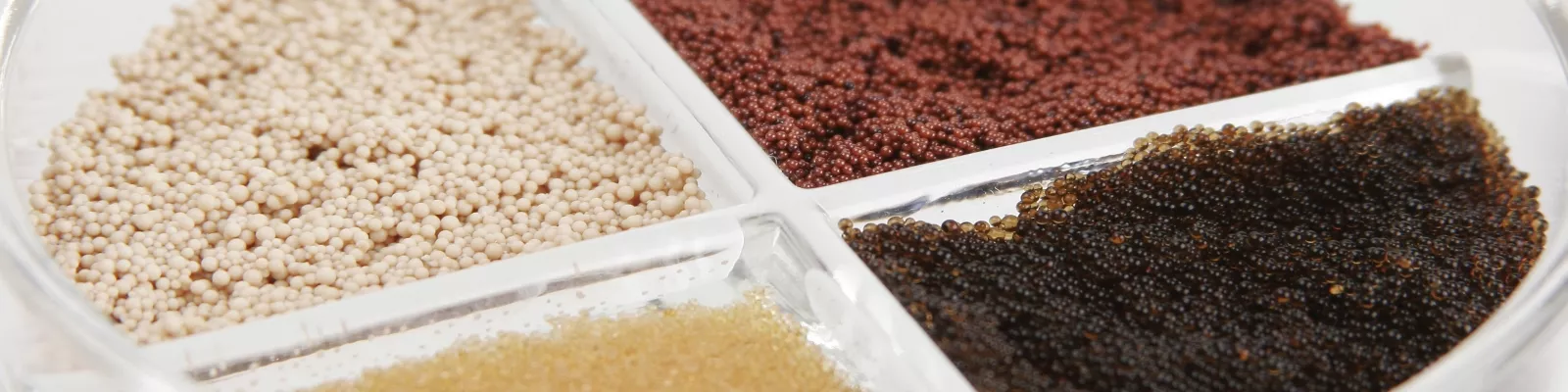
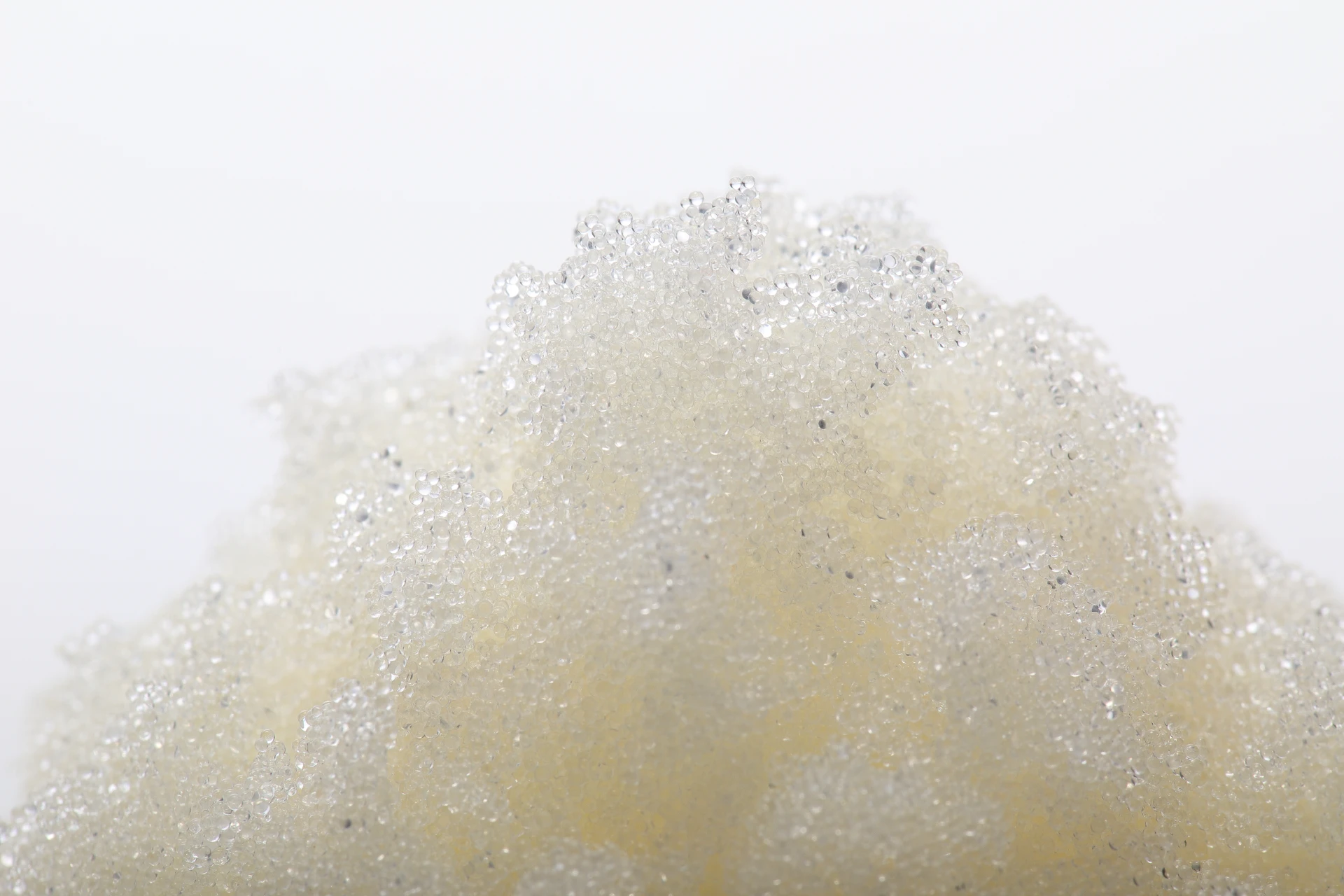
In the intricate landscape of industrial processing, the purity and quality of water and other liquid streams are paramount. At the heart of achieving these stringent standards lies advanced ion exchange resin technology. These sophisticated polymeric materials are engineered to facilitate the reversible interchange of ions between an insoluble solid phase (the resin) and a liquid phase (the surrounding solution), making them indispensable across a multitude of B2B sectors, from critical water treatment to specialized chemical separations.
The demand for high-performance ion exchange resin solutions continues to grow, driven by escalating environmental regulations, the need for enhanced process efficiency, and the increasing scarcity of potable water sources. Industries are actively seeking resins that offer not only superior selectivity and capacity but also exceptional mechanical and chemical stability, ensuring long service life and cost-effectiveness. The market is trending towards more specialized resins, including highly selective chelating resins and advanced types designed for challenging applications such as heavy metal removal, pharmaceutical purification, and selective contaminant extraction. Furthermore, advancements in manufacturing processes are leading to resins with tighter particle size distribution, improving kinetics and regenerant efficiency. This evolution underscores the critical role of these materials in modern industrial operations.
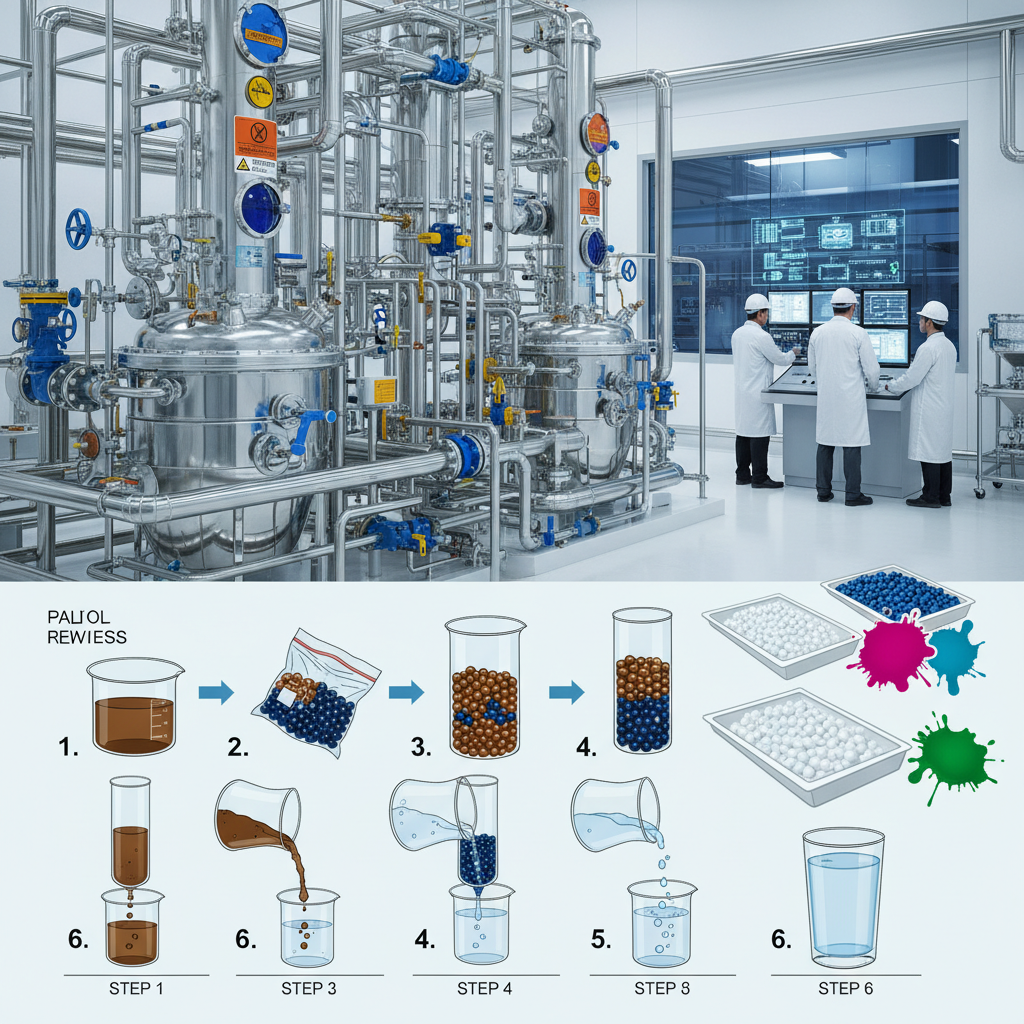
The production of a high-quality ion exchange resin is a multi-stage, precision-engineered process that demands rigorous control over chemical reactions and physical properties. Unlike traditional mechanical components that involve casting or forging, resin manufacturing focuses on chemical synthesis and polymerization.
Target industries benefiting from these highly engineered resins include petrochemicals (for acid removal and condensate polishing), metallurgy (for precious metal recovery and effluent treatment), and water supply & drainage (for demineralization and softening). In these scenarios, the advanced manufacturing processes contribute to energy saving through efficient regeneration cycles and provide superior corrosion resistance by effectively removing corrosive ions from process streams.
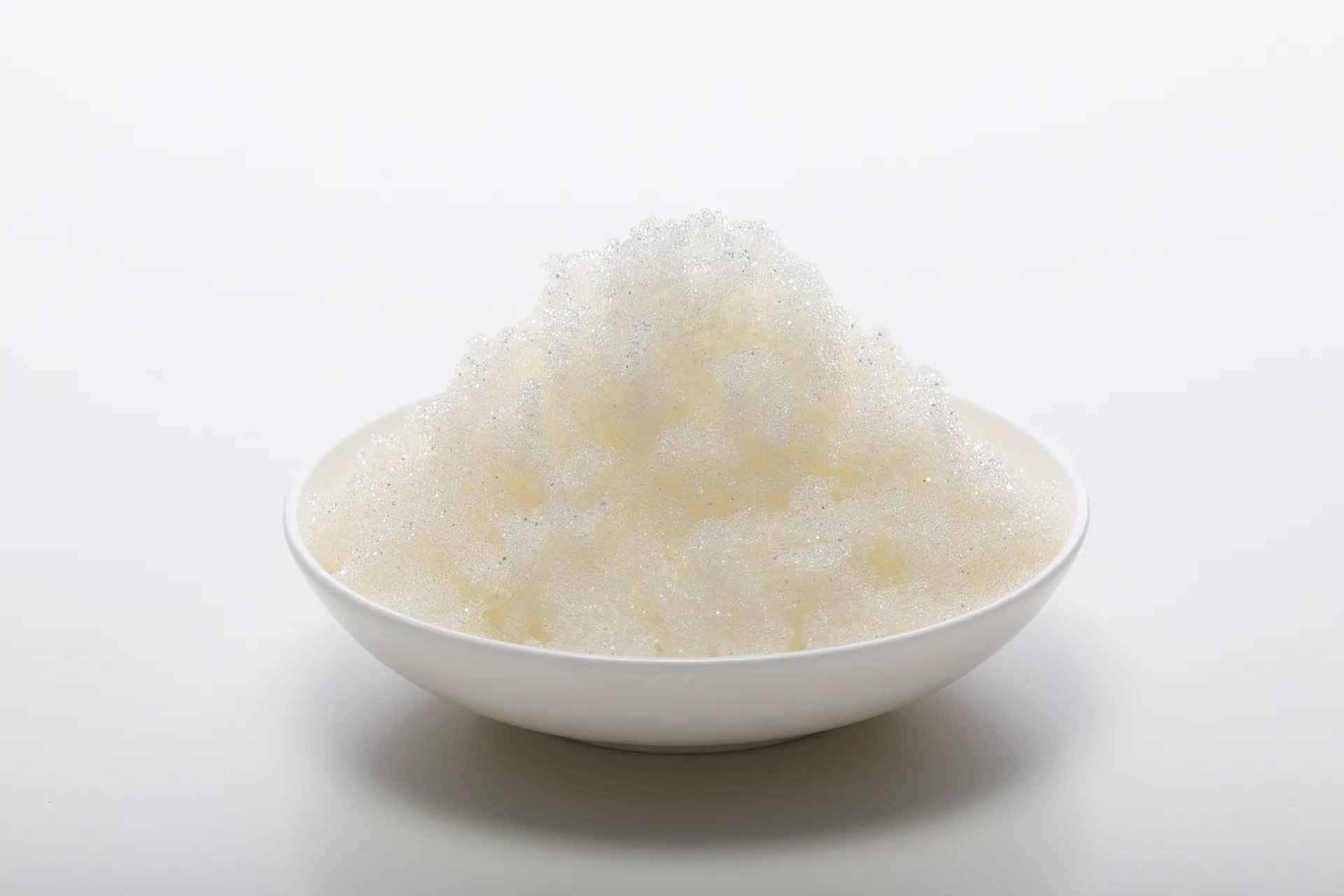
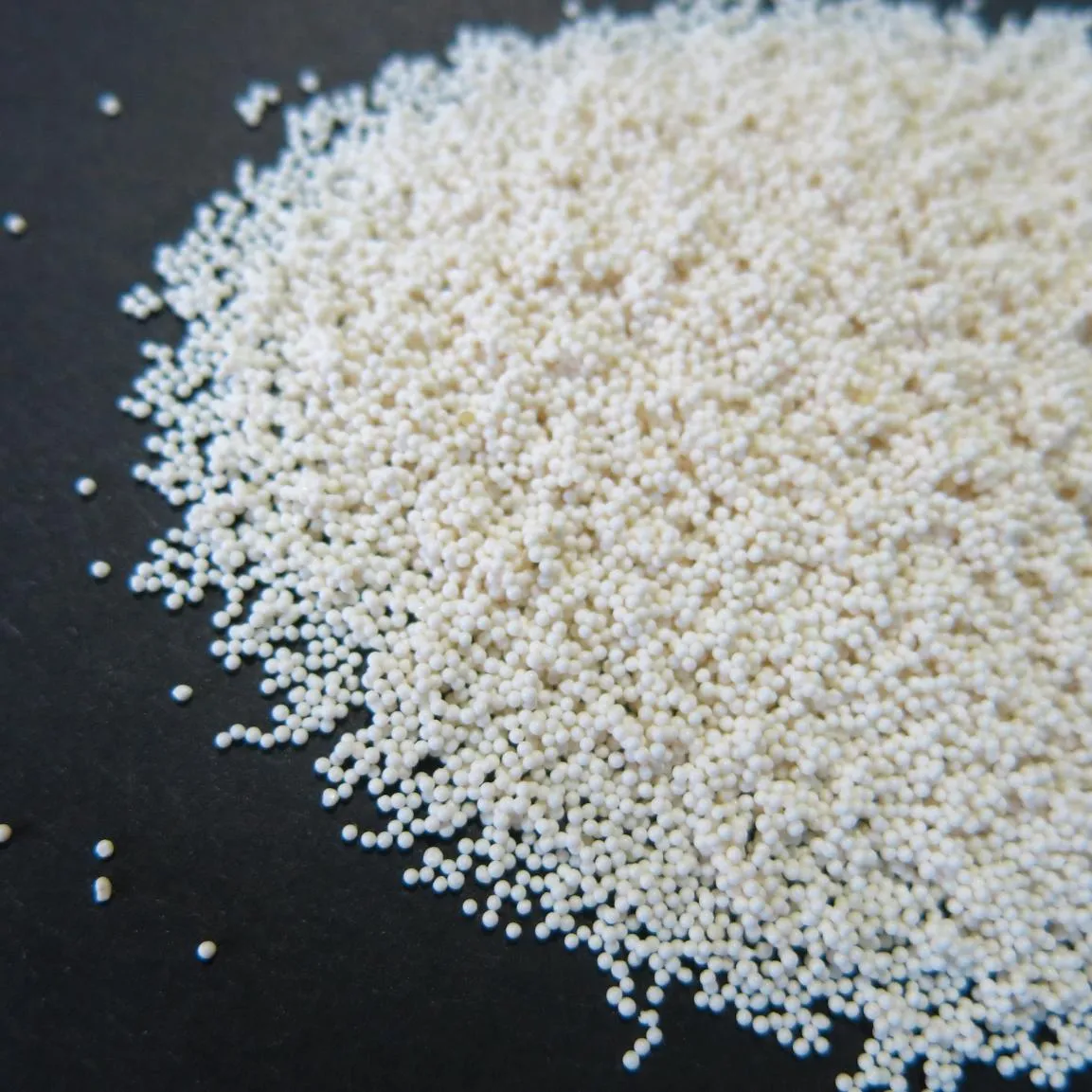
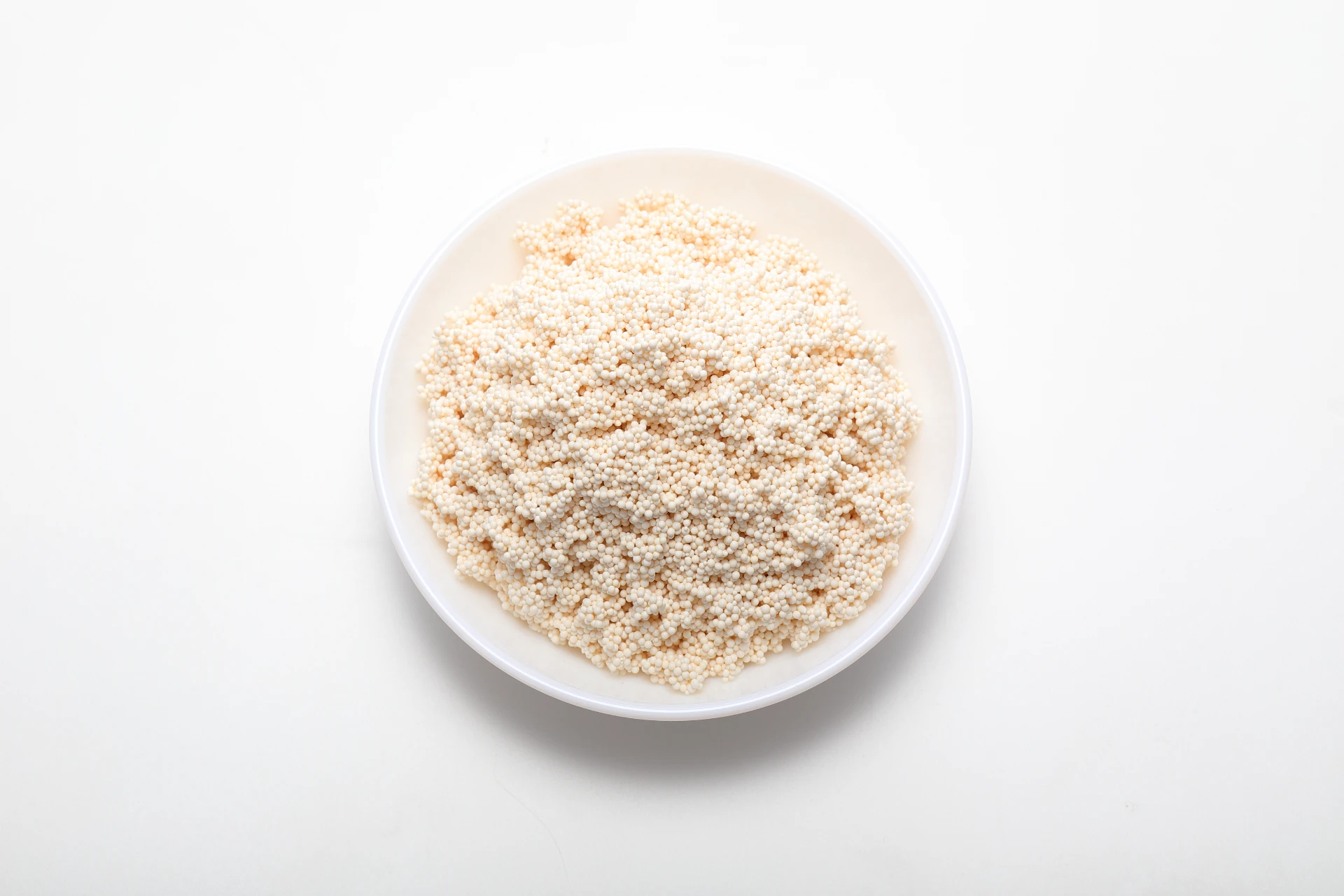
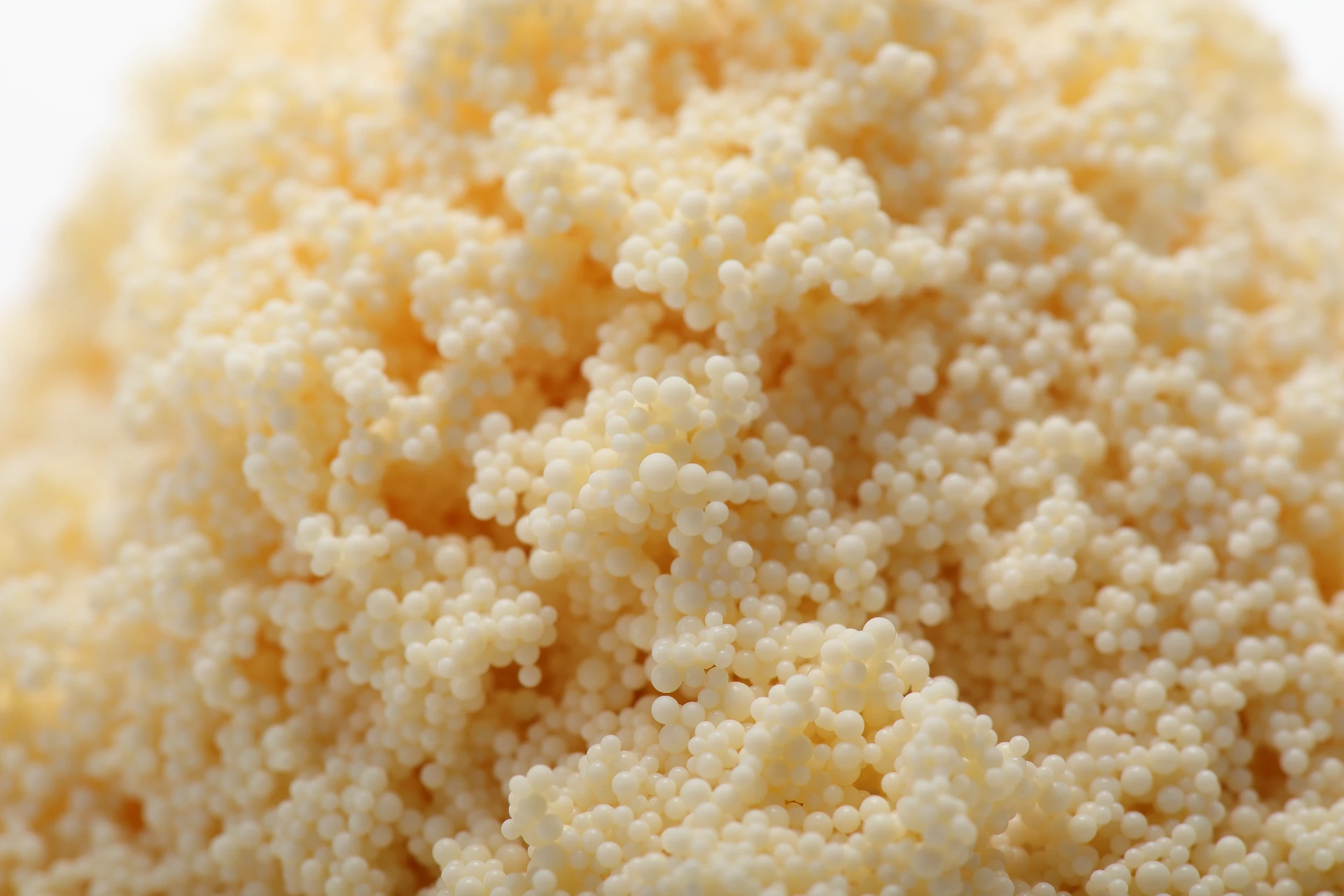
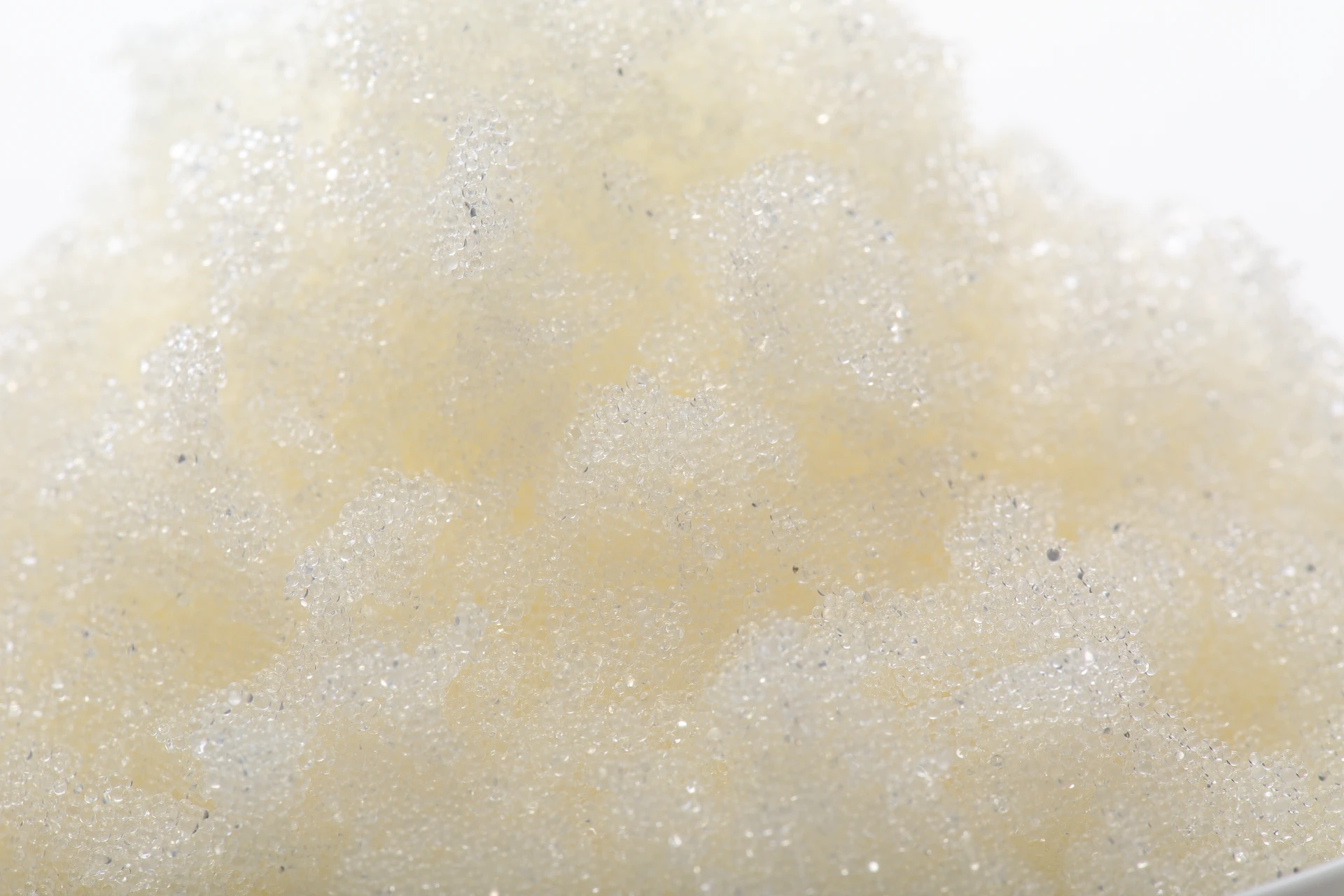
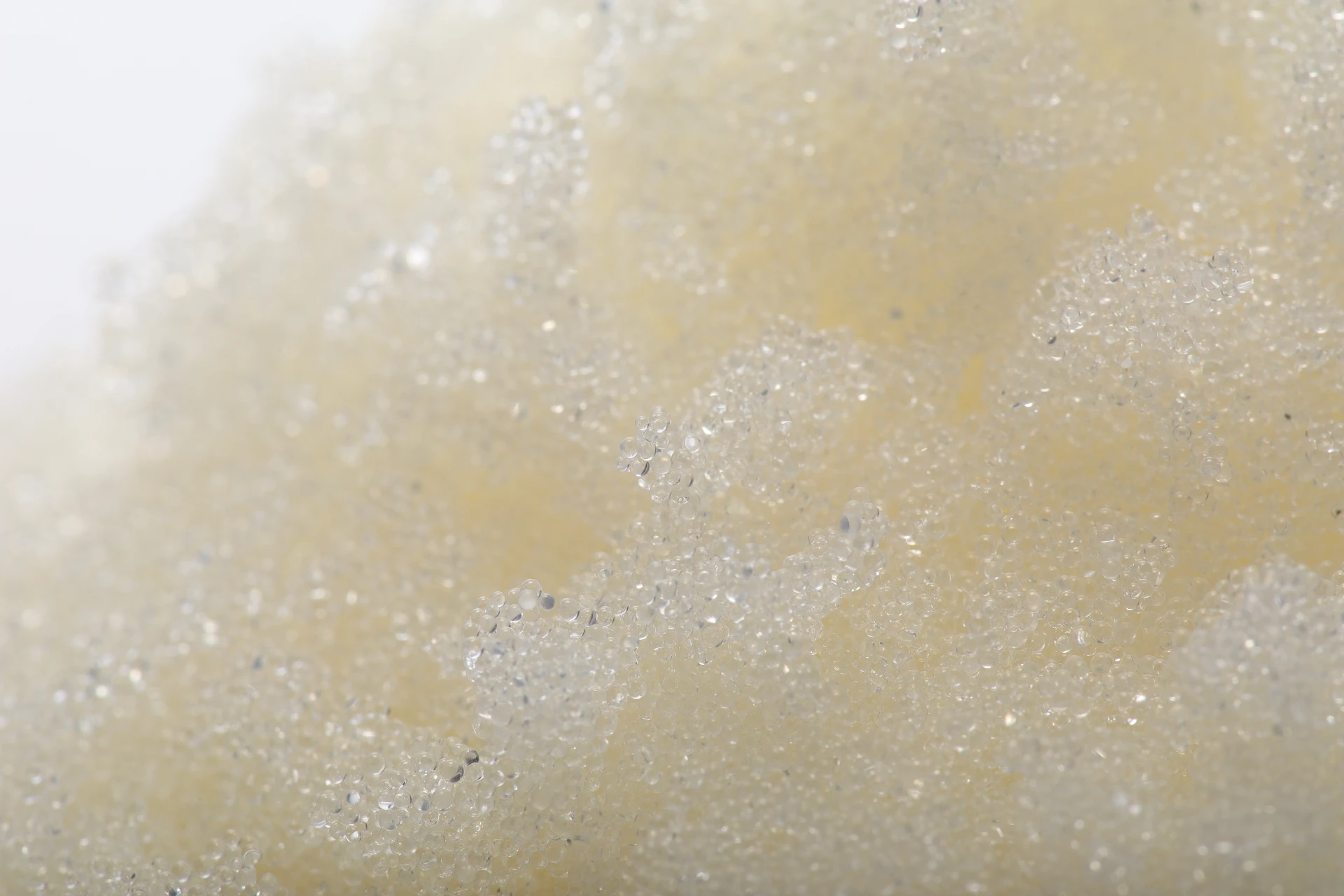
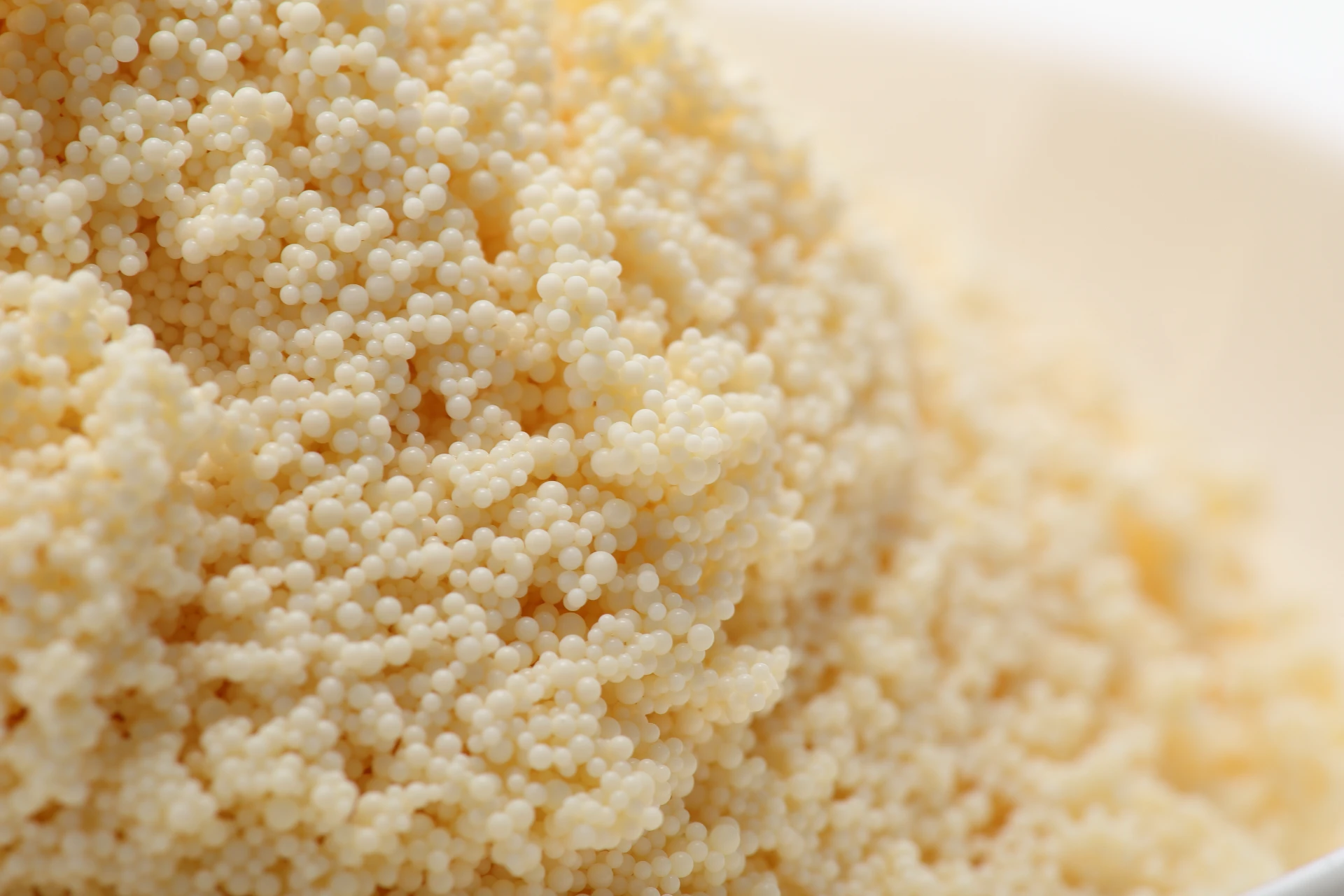
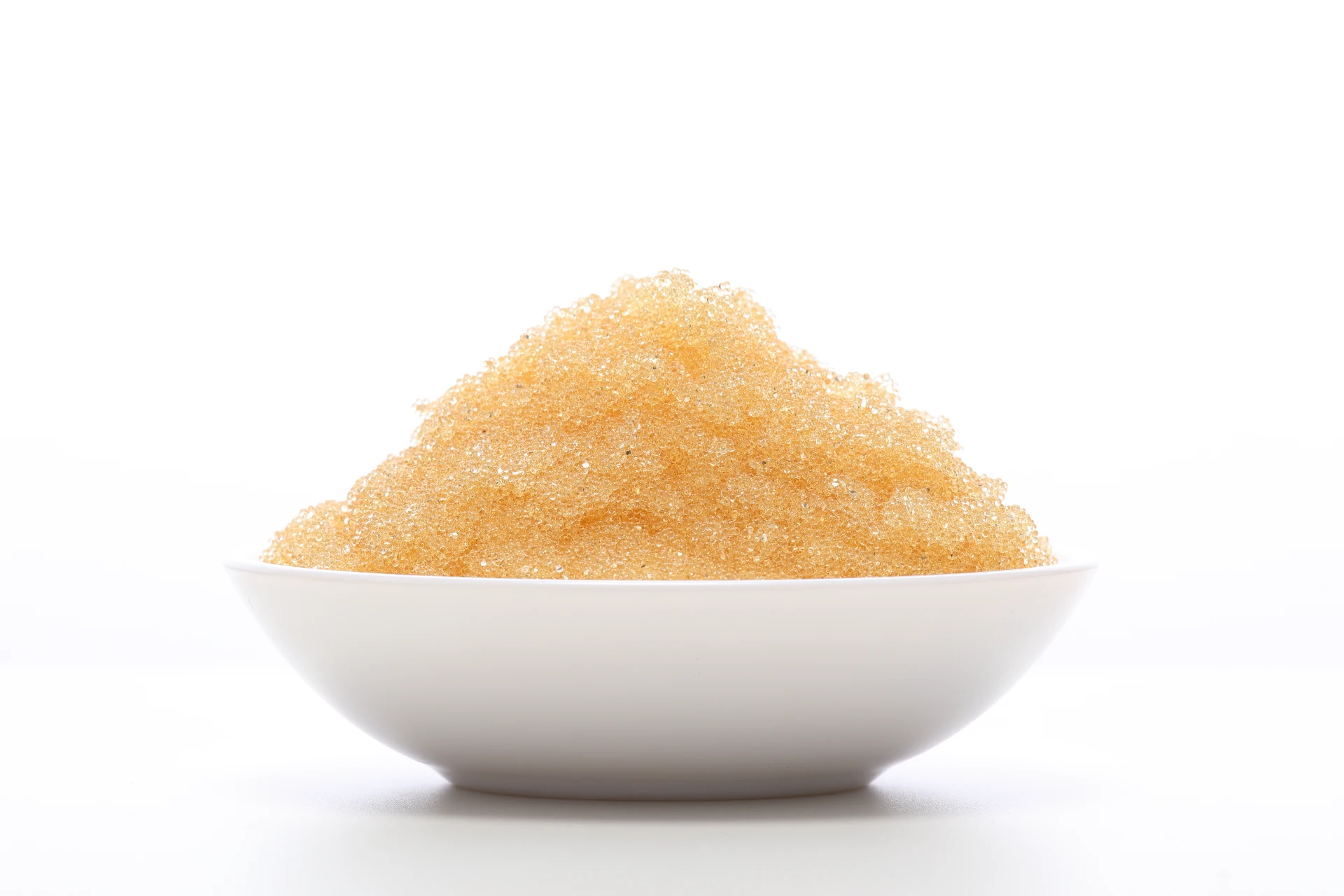
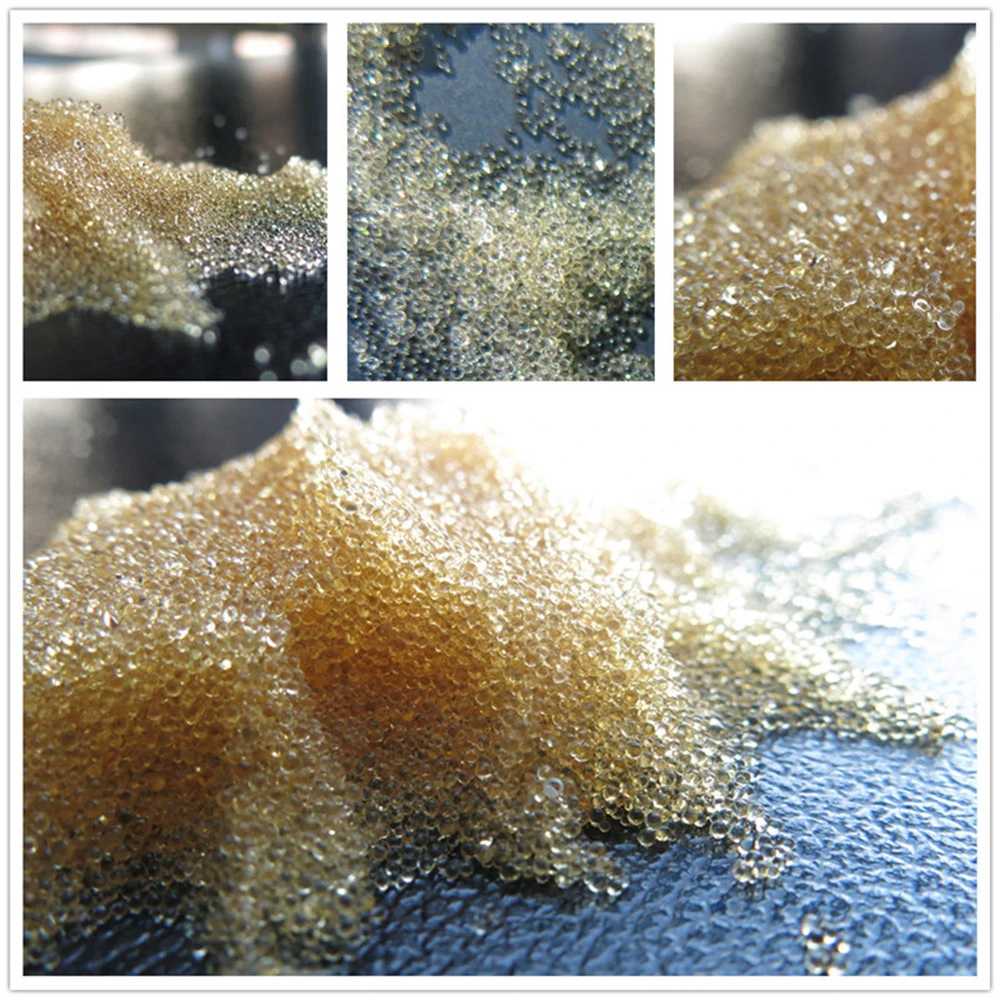
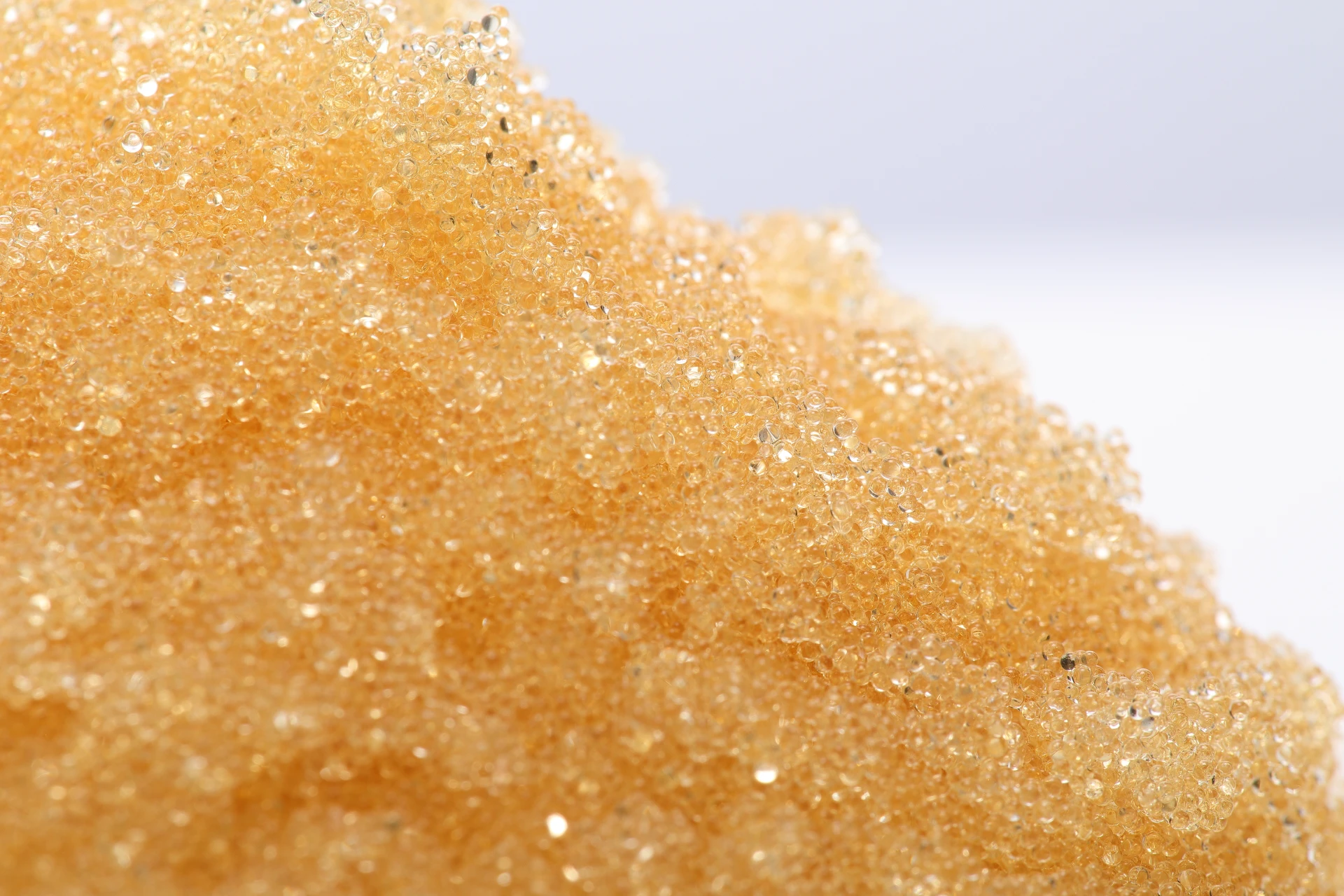
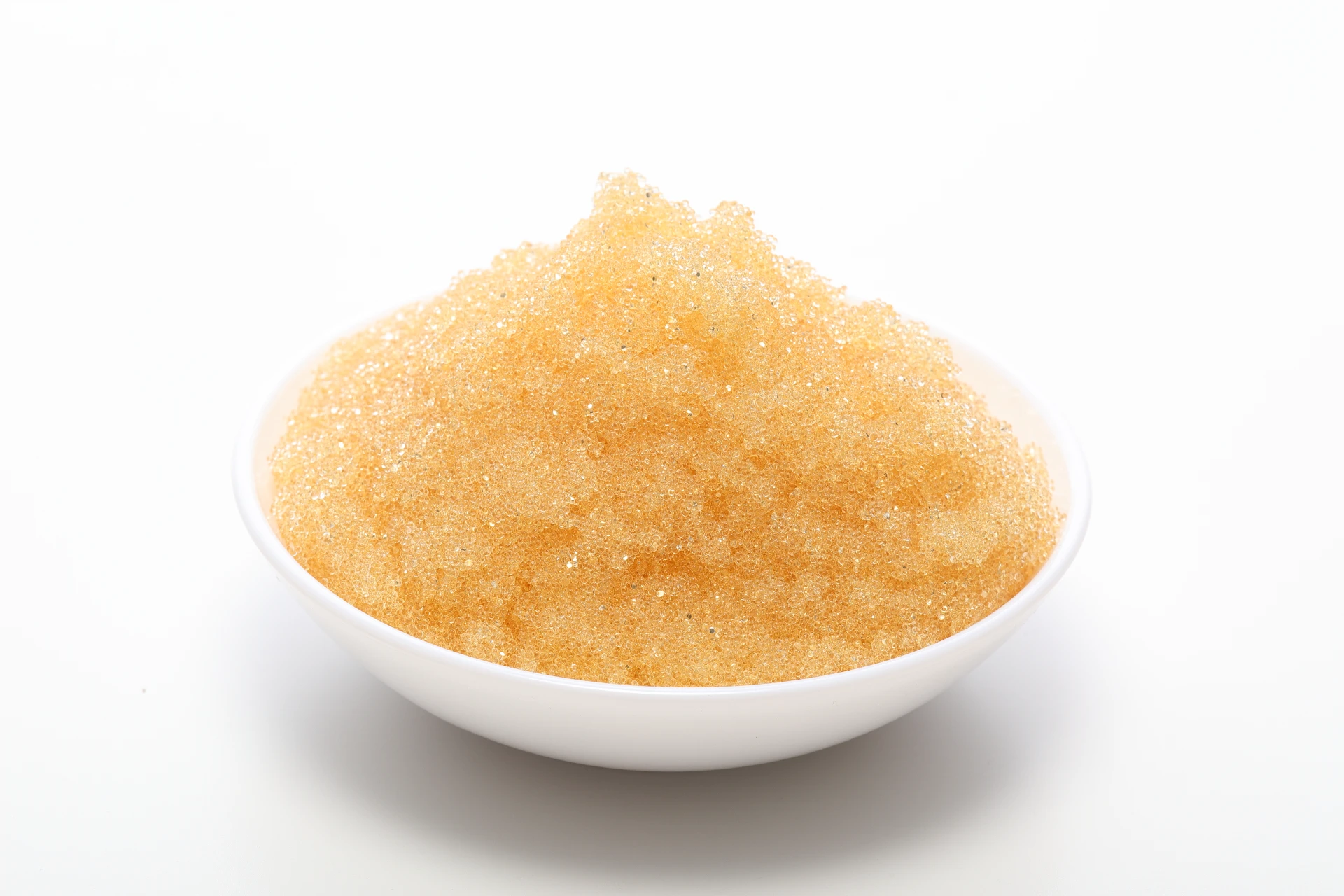
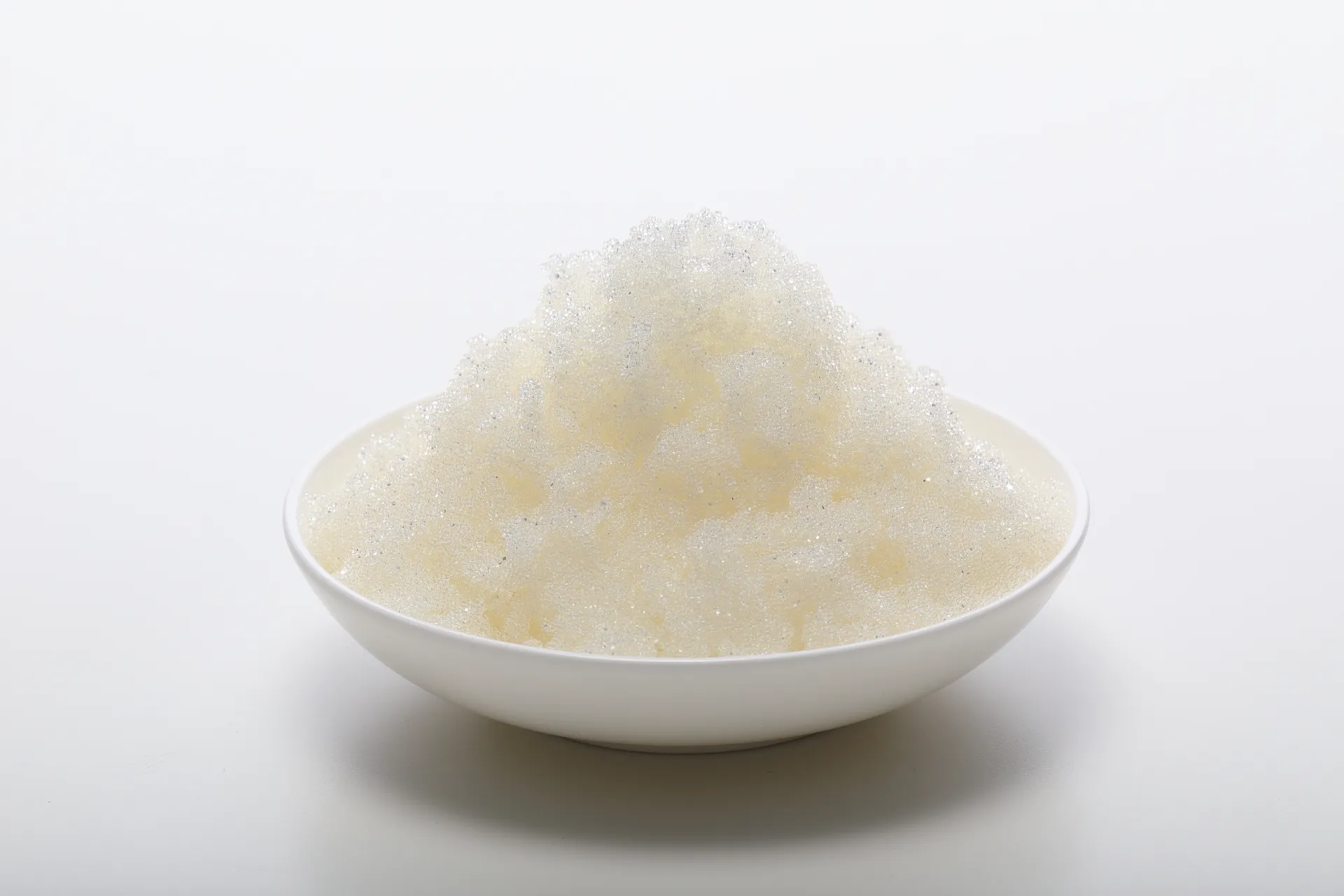
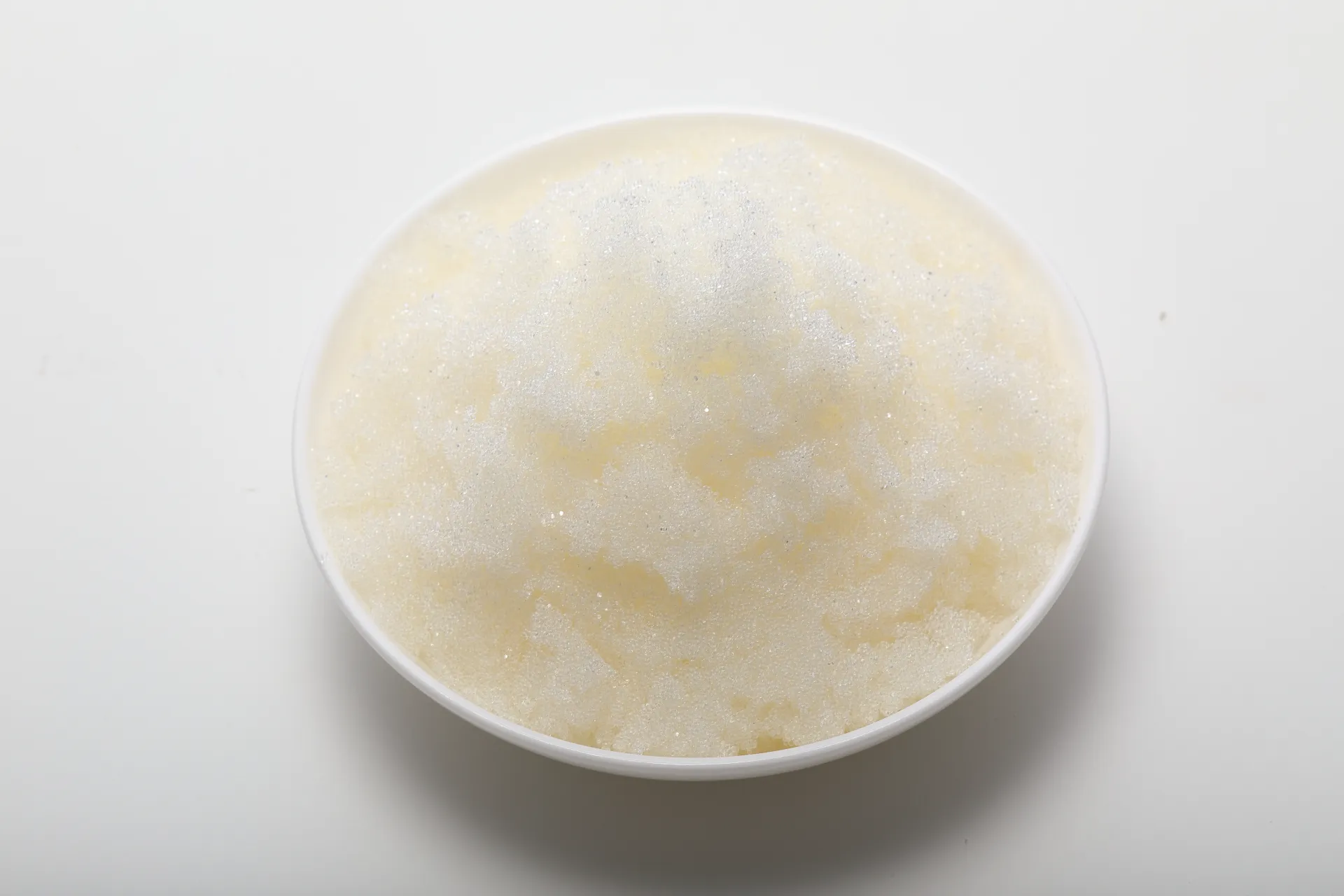
Understanding the detailed technical specifications of a strong base anion exchange resin is crucial for effective system design and optimal performance. Our Strong Base Anion Exchange Resin 201X8 exemplifies a macroporous Type I resin, renowned for its excellent physical and chemical stability, high operating capacity, and superior resistance to organic fouling.
Its macroporous structure provides a larger surface area for ion exchange, facilitating better kinetics and making it particularly suitable for treating waters with high organic content or for applications requiring robust performance under varied conditions. The quaternary ammonium functional groups ensure strong basicity, allowing for efficient removal of weakly acidic ions (like silica and carbon dioxide) in addition to strong acid anions.
| Characteristic | Specification |
|---|---|
| Polymer Matrix Structure | Macroporous Polystyrene Divinylbenzene (DVB) |
| Functional Group | Quaternary Ammonium, Type I |
| Ionic Form (as shipped) | Cl- (Chloride) |
| Total Exchange Capacity (min.) | 1.0 meq/ml (Cl- form) |
| Moisture Retention | 50 - 55% |
| Effective Size | 0.4 - 0.7 mm |
| Uniformity Coefficient (max.) | 1.6 |
| Specific Gravity (approx.) | 1.07 g/ml |
| Shipping Weight (approx.) | 670 - 710 g/l |
| Operating pH Range | 0 - 14 |
| Maximum Operating Temperature | 80°C (175°F) |
These parameters are critical for engineers designing or optimizing ion exchange resin systems. High total exchange capacity ensures prolonged service cycles between regenerations, leading to reduced chemical consumption and operational costs. The specific particle size and uniformity coefficient are crucial for minimizing pressure drop and preventing channeling, thereby enhancing overall system efficiency. The broad operating pH range and high-temperature tolerance signify the resin's robustness in demanding industrial environments.
The versatility of ion exchange resins, particularly strong base anion types, allows for their application across a diverse range of critical industrial processes, delivering significant technical and economic advantages.
The technical advantages are manifold: significant energy saving through optimized regeneration cycles, superior corrosion resistance due to effective ion removal, high efficiency in contaminant reduction, and long operational service life resulting in lower total cost of ownership.
When selecting an anion exchange resin, B2B decision-makers often evaluate products from various reputable manufacturers. While brands like Dowex (a popular line of ion exchange resins) are well-known, understanding the comparative advantages of alternatives like our Strong Base Anion Exchange Resin 201X8 is essential for optimal procurement.
Our 201X8 resin is engineered to offer comparable or superior performance to leading industry equivalents, particularly in terms of operational capacity, physical stability, and resistance to organic fouling. The macroporous structure of 201X8 provides enhanced kinetic performance and regenerant efficiency, which can lead to lower operational expenditures compared to some gel-type resins.
| Characteristic | Lijiresin 201X8 | Generic Dowex SBA (Type I, Macroporous) Equivalent |
|---|---|---|
| Polymer Matrix | Macroporous Styrene-DVB | Macroporous Styrene-DVB |
| Functional Group | Quaternary Ammonium (Type I) | Quaternary Ammonium (Type I) |
| Total Capacity (meq/ml) | ≥ 1.0 | Typical 0.9 - 1.1 |
| Moisture Retention (%) | 50 - 55 | 48 - 58 |
| Operating Temp. (°C) | Max. 80 | Max. 85 |
| Resistance to Organic Fouling | Excellent (Macroporous) | Good to Excellent (Macroporous) |
| Osmotic & Physical Stability | Very High | High |
This comparison highlights that Lijiresin 201X8 offers competitive specifications, often with an advantage in specific areas such as osmotic stability, which translates to a longer service life and reduced replacement frequencies. Our commitment to stringent quality control, backed by ISO certifications, ensures that our anion exchange resin consistently meets or exceeds performance expectations, providing a reliable and cost-effective solution for industrial demineralization and purification needs.
Recognizing that no two industrial processes are identical, we specialize in providing customized ion exchange resin solutions. Our engineering team collaborates closely with clients to understand their unique operational challenges, water chemistry, and performance requirements. This involves selecting the optimal resin type, customizing particle size distribution for specific flow dynamics, and advising on system design and regeneration protocols to maximize efficiency and longevity. Whether it's developing a specialized resin for selective contaminant removal or optimizing an existing system for higher throughput, our expertise ensures a tailored approach.
A leading pharmaceutical client required an upgrade to their water purification system to meet stricter USP (United States Pharmacopeia) standards for purified water used in injectable solutions. Their existing system struggled with consistent silica and TOC (Total Organic Carbon) removal, leading to increased regeneration frequency and operational downtime.
A metal finishing company faced significant challenges in complying with discharge limits for hexavalent chromium (Cr(VI)) in their wastewater. Traditional chemical precipitation methods were costly and often failed to achieve the required ppb levels.
Our dedication to quality and reliability is fundamental to our operations. Every batch of ion exchange resin undergoes stringent quality control processes and is manufactured in facilities adhering to ISO 9001 standards. This commitment ensures consistency in product performance, capacity, and physical stability. We also comply with relevant industry standards such as ANSI/AWWA B500 for ion exchange materials, where applicable, further solidifying our authoritativeness in the market.
With over 15 years of experience in the ion exchange resin industry, we have cultivated long-standing partnerships with global leaders in power generation, petrochemicals, and municipal water treatment. Our robust internal testing procedures, including accelerated aging tests and dynamic column performance evaluations, provide verifiable test data that underscores the durability and efficiency of our resins. These rigorous tests ensure our products withstand the demanding conditions of industrial applications, providing our clients with peace of mind and predictable operational outcomes.
Our commitment extends beyond product quality to ensure a seamless and trustworthy experience for our B2B clients.
The continuous evolution of ion exchange resin technology is central to modern industrial efficiency and environmental stewardship. From fundamental water demineralization to complex chemical separations, the advanced properties of resins like Strong Base Anion Exchange Resin 201X8 provide robust, reliable, and cost-effective solutions. By combining deep technical expertise with a commitment to quality, customized solutions, and unparalleled customer support, we empower industries to achieve their most demanding purity and process optimization goals.