Phone:
+86 0319 2296164


Email:
info@lijiresin.cn


In the intricate world of metallurgy, the extraction and refining of metals are critical processes that drive global industries. Among the various methodologies, hydrometallurgy stands out as a sophisticated and increasingly vital technique. This solvent-based approach involves the use of aqueous solutions to extract metals from ores, concentrates, or recycled materials. It leverages precise chemical reactions in a liquid medium, offering distinct advantages over traditional thermal processes, particularly for lower-grade ores or those containing complex mineralogies.
The core principle of hydrometallurgical processing involves three primary stages: leaching, solution purification, and metal recovery. Leaching dissolves the desired metal into an aqueous solution, separating it from the gangue. Solution purification removes impurities, preparing the solution for high-purity metal recovery. Finally, metal recovery employs techniques like solvent extraction, ion exchange, or electrowinning to precipitate or plate the pure metal. This methodology has gained significant traction due to its versatility, environmental benefits, and economic efficiency in specific applications.
The metallurgical industry is experiencing a paradigm shift, driven by increasing demand for critical metals, stricter environmental regulations, and the diminishing availability of high-grade ores. These factors are propelling the widespread adoption and continuous innovation in hydrometallurgy. Key trends include:
The advancements in reagent chemistry, solvent extraction, and ion exchange technologies are making hydrometallurgy more robust and economically competitive across a broader spectrum of applications.
The general process flow for hydrometallurgy involves several distinct stages, each crucial for efficient metal recovery. While specific steps vary based on the ore type and target metal, the fundamental sequence remains consistent.
Ores, often extracted through conventional mining (e.g., blasting, digging), first undergo comminution processes to reduce particle size. This involves crushing and grinding, which can utilize equipment like jaw crushers, cone crushers, and ball or rod mills. The goal is to liberate the valuable minerals from the gangue and increase the surface area for efficient leaching. Particle sizes can range from several centimeters down to micrometers, dictated by the mineralogy and subsequent leaching method.

This is the core stage where the target metal is selectively dissolved into an aqueous solution. Common leaching agents include acids (sulfuric acid, hydrochloric acid), bases (caustic soda, ammonia), or complexing agents (cyanide for gold). Leaching methods vary:
Process parameters like temperature, pressure (autoclave leaching), pH, and reagent concentration are meticulously controlled to maximize metal recovery and selectivity.
The leach liquor (pregnant leach solution or PLS) contains not only the target metal but also impurities. This stage refines the solution to achieve the desired purity for final metal recovery. Key technologies include:
The purified, concentrated solution is then subjected to a final recovery stage to produce the desired metal in its final form.
Hydrometallurgy is extensively applied in the metallurgy, petrochemical, and water supply & drainage industries. Its advantages include:
Testing standards typically adhere to ISO (e.g., ISO 17025 for lab testing, ISO 14001 for environmental management) and ANSI standards for equipment and safety. Manufacturing processes for key components often involve advanced casting, forging, and CNC machining to ensure precision and durability in highly corrosive environments.
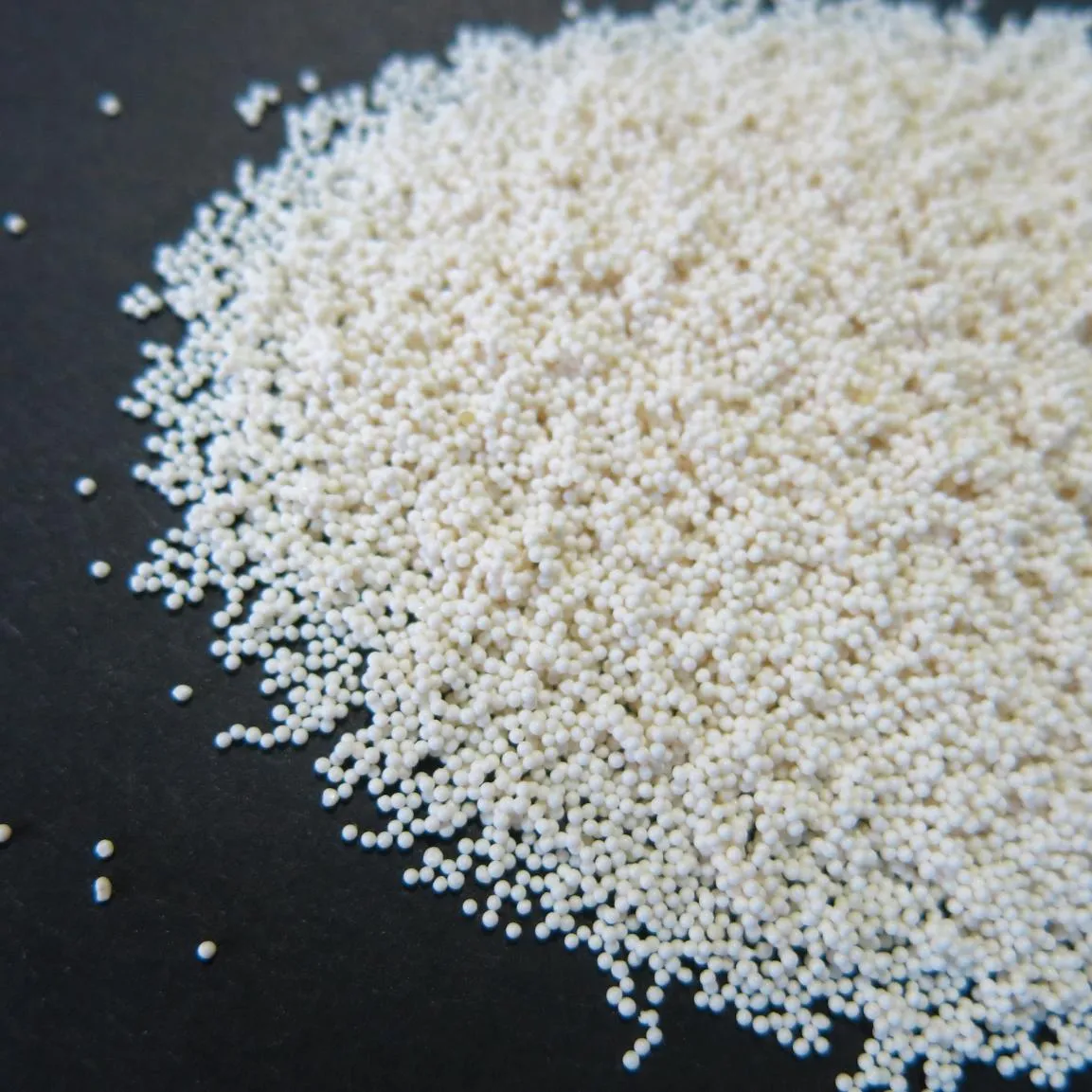
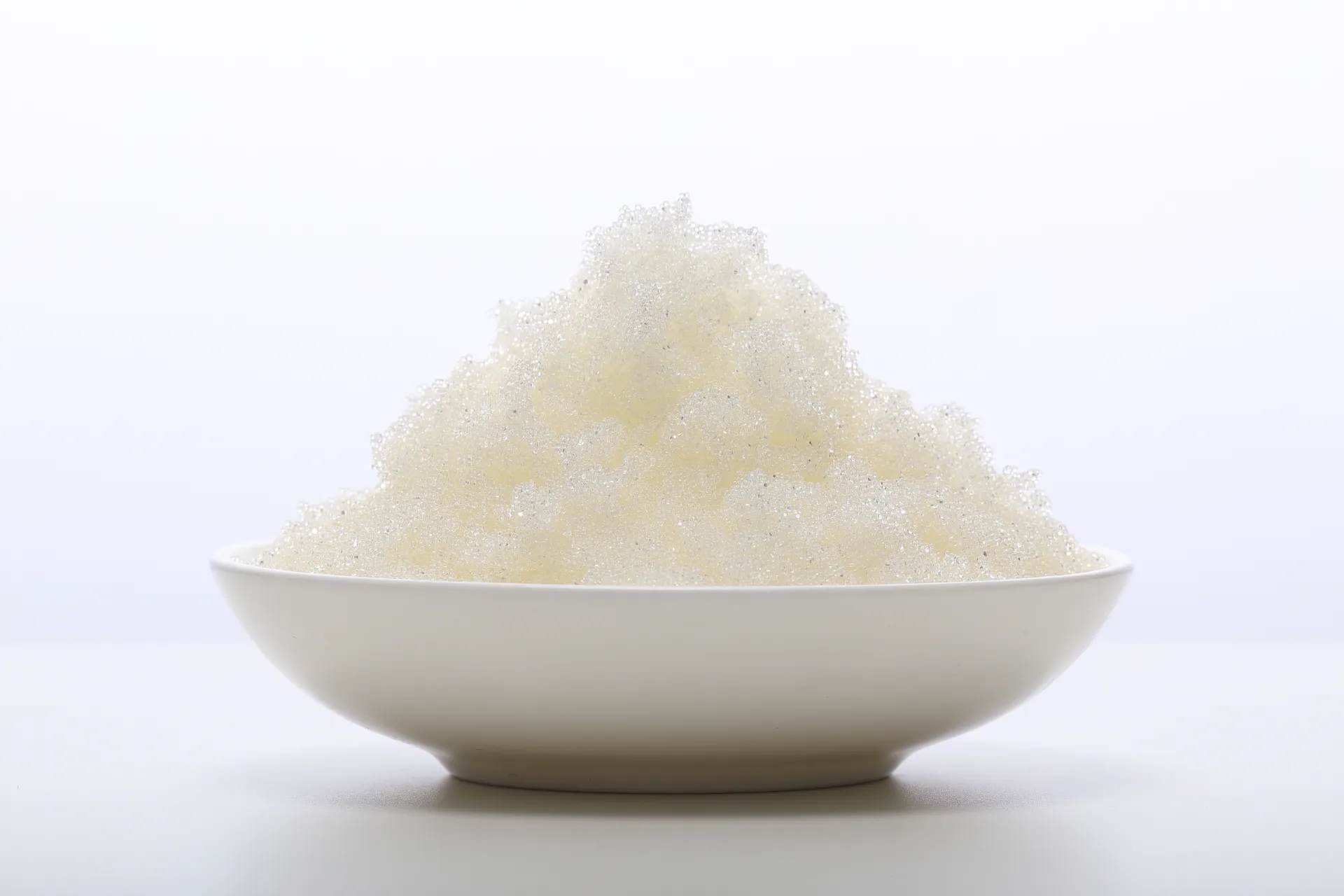
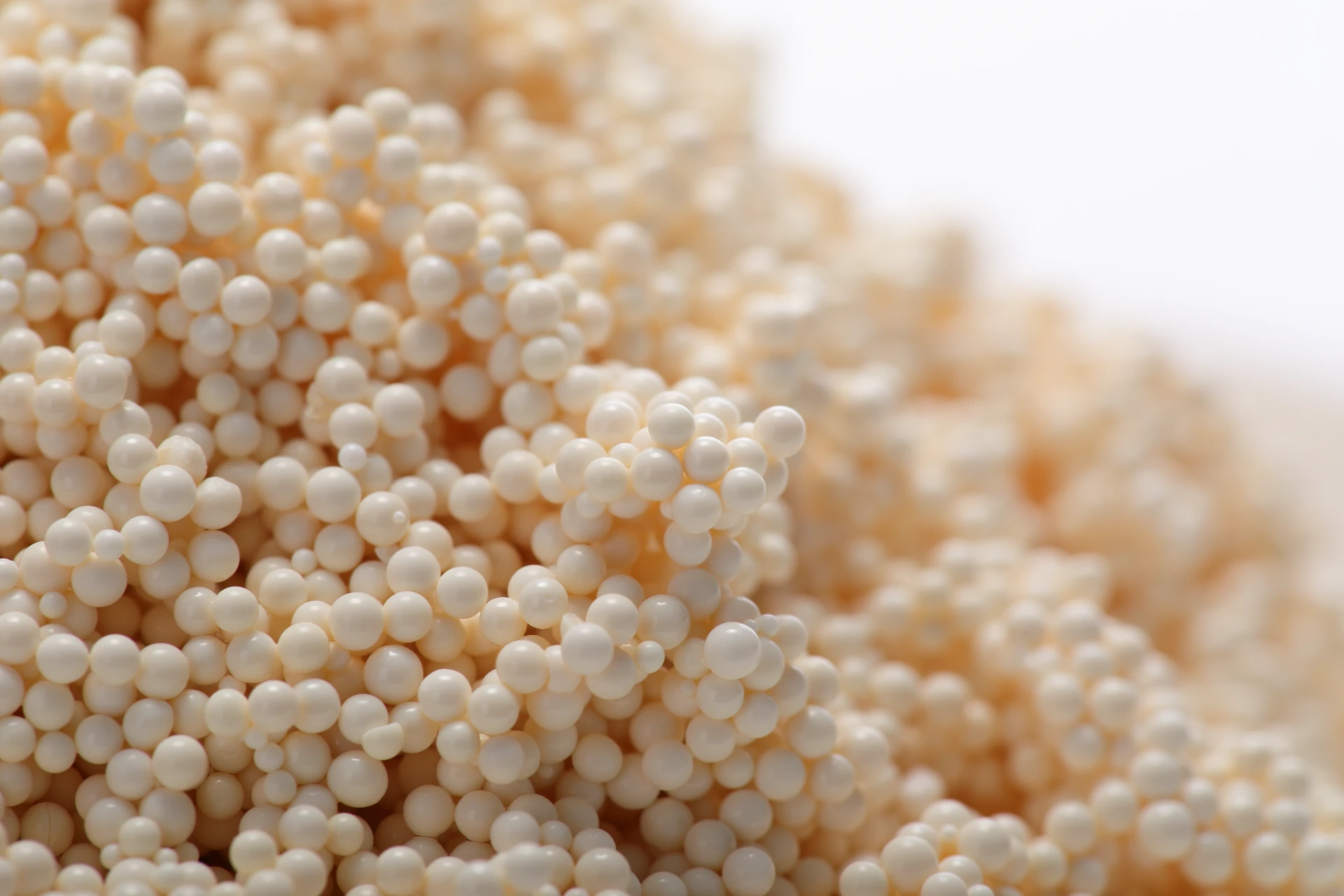
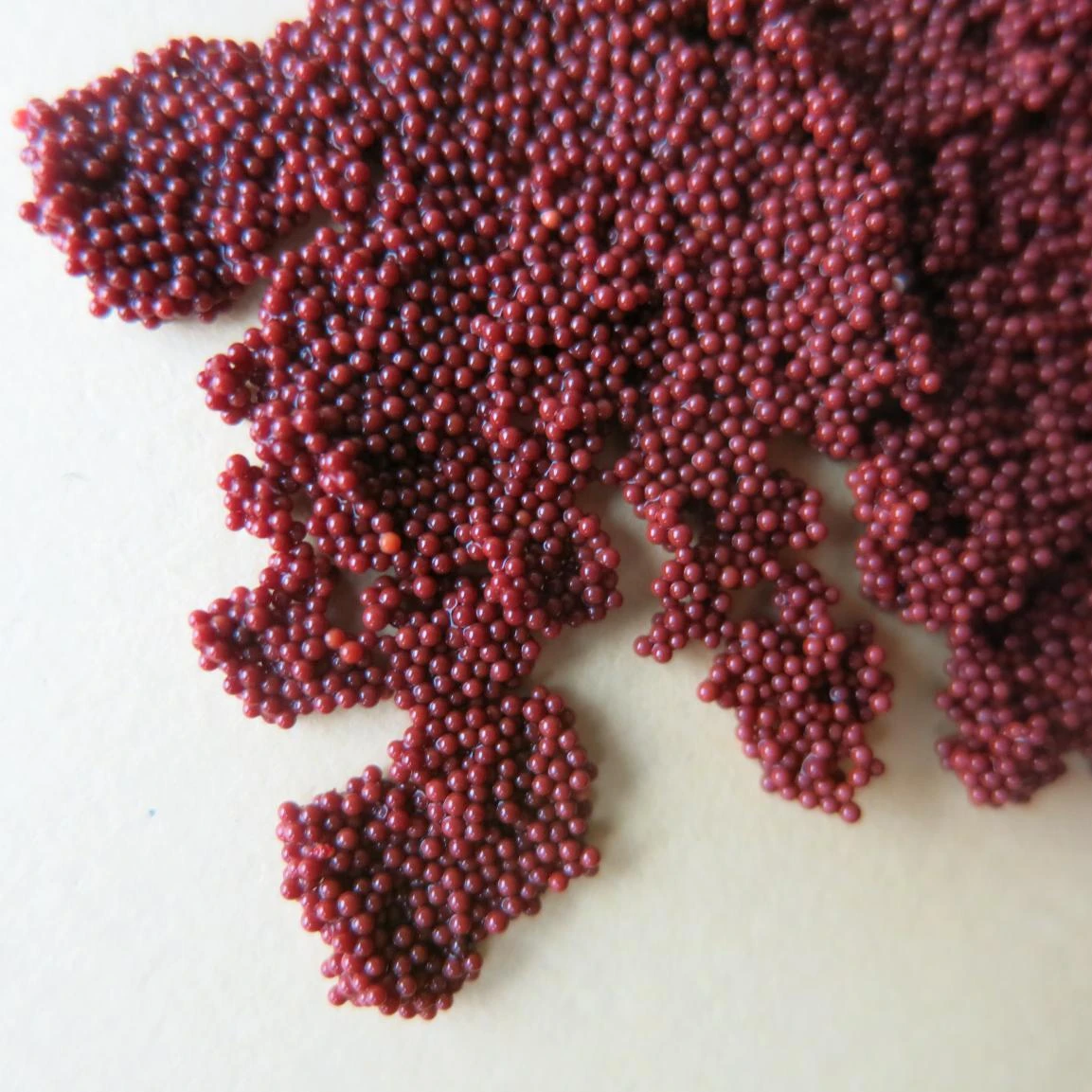
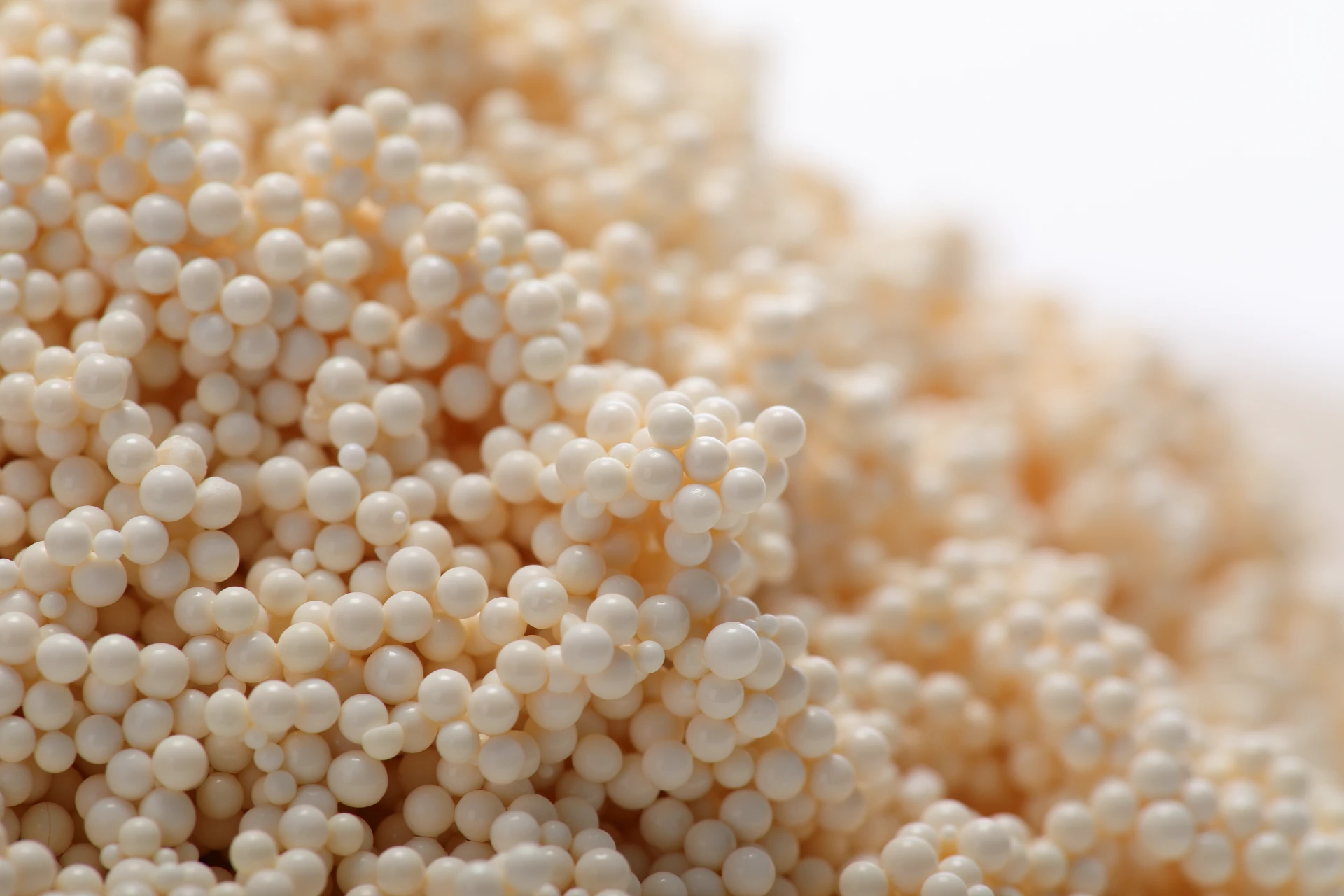
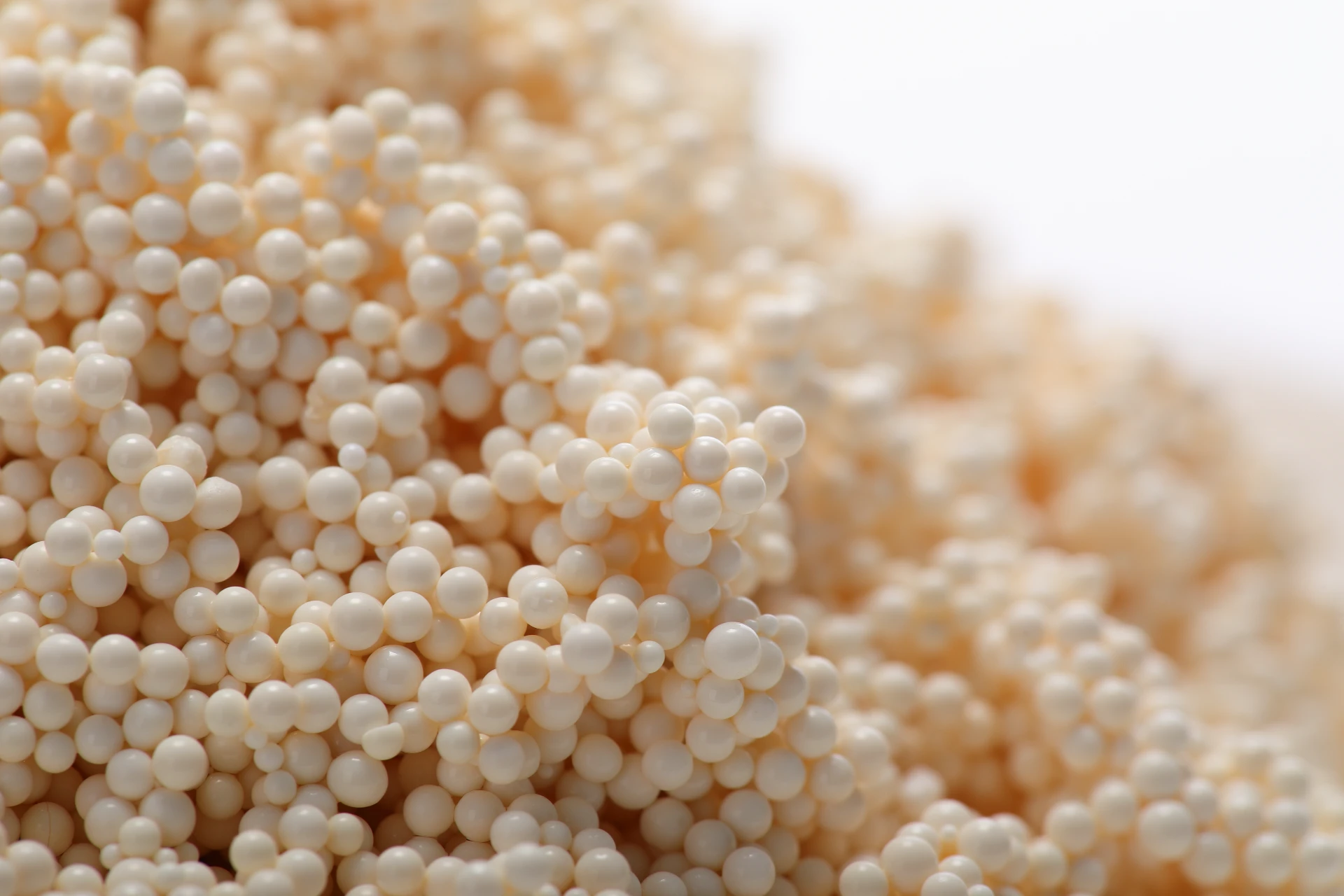
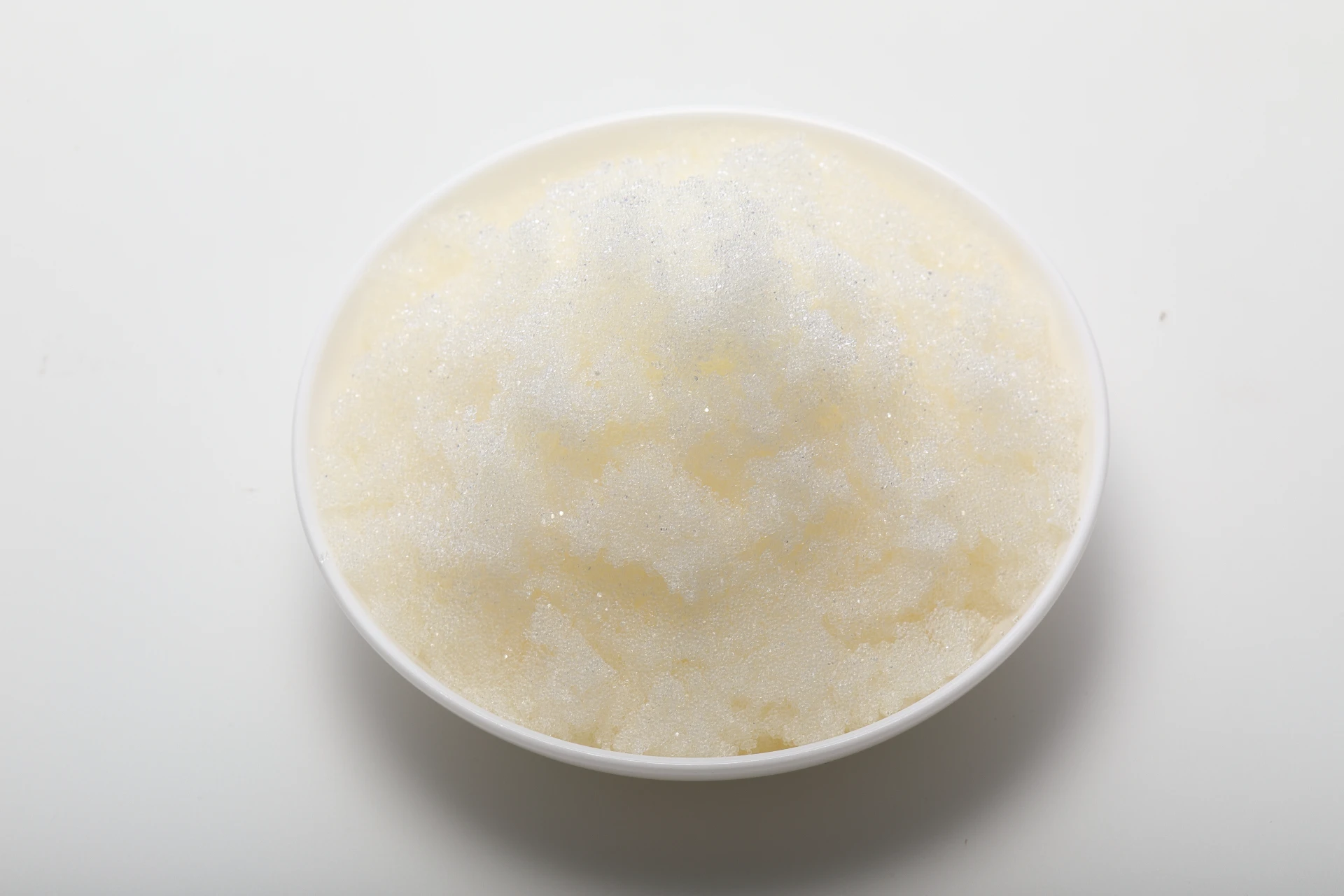
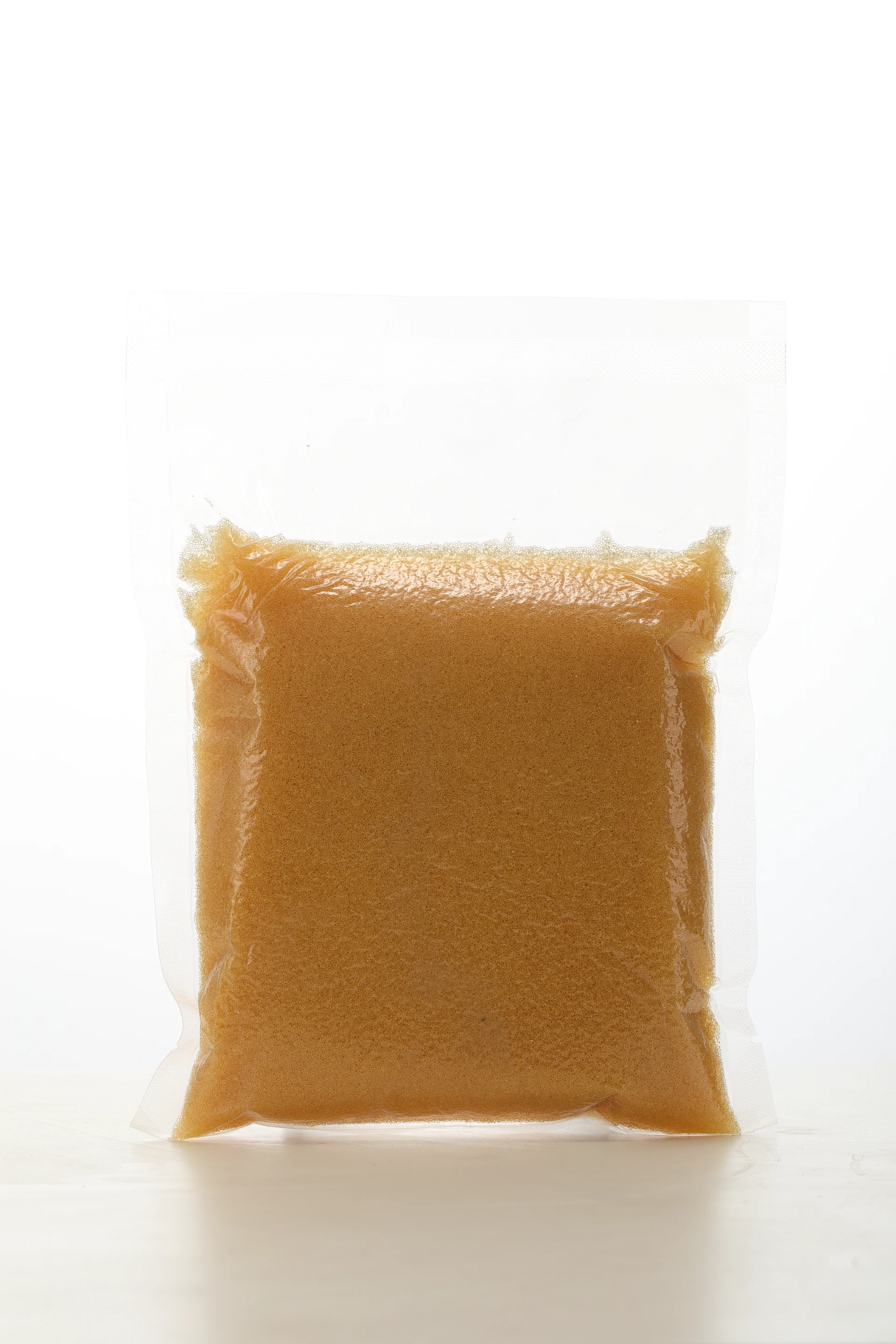
Ion exchange resins are a cornerstone of modern hydrometallurgy, particularly in solution purification and concentration stages. The Macroporous Anion Exchange Resin D301G is specifically designed for superior performance in various metallurgical applications, including the recovery of gold, rare earth elements, and other precious or base metals from acidic or alkaline solutions. Its macroporous structure provides excellent kinetic performance and resistance to organic fouling, making it ideal for processing complex leach liquors.
| Parameter | Specification | Significance in Hydrometallurgy |
|---|---|---|
| Polymer Matrix | Styrene-Divinylbenzene (DVB) Macroporous | Excellent physical and chemical stability, allowing robust performance in aggressive chemical environments typical of metallurgical processes. Macroporous structure enhances kinetics and fouling resistance. |
| Functional Group | Quaternary Ammonium (Type I) | Strong base anion exchange capacity, ensuring high selectivity and efficient adsorption of anionic metal complexes (e.g., gold cyanide, chlorocomplexes). |
| Ionic Form (as shipped) | Cl- | Standard shipping form, easily convertible to other operational forms (e.g., OH-, CN-) as required by the specific metallurgical process. |
| Total Exchange Capacity | ≥ 1.25 mmol/mL (wet) | High capacity indicates efficient metal loading, translating to less resin volume required and lower operational costs. |
| Moisture Retention | 55-65% | Ensures optimal physical integrity and prevents bead breakage during handling and operation. |
| Particle Size Range | 0.45-1.25 mm | Optimized for pressure drop characteristics in fixed beds and good fluidization in moving beds, balancing kinetics with hydraulic performance. |
| Density (g/mL) | True: 1.05-1.15; Shipping: 0.65-0.75 | Important for system design, bed expansion calculations, and transportation logistics. |
| Operating pH Range | 0-14 | Broad pH tolerance makes it suitable for both acidic and alkaline leach solutions, offering flexibility across diverse hydrometallurgical processes. |
| Max Operating Temperature | 100°C (212°F) | Allows application in processes involving elevated temperatures, enhancing reaction rates and solubility of certain metal complexes. |
Note: Specifications are typical and subject to minor variations. Consult the manufacturer for specific batch data and certifications (e.g., ISO 9001:2015).
The robust design of the Macroporous Anion Exchange Resin D301G ensures a service life of several years under proper operating conditions, minimizing downtime and replacement costs for metallurgical operations.
Hydrometallurgy techniques are versatile and deployed across numerous applications, demonstrating significant technical and economic advantages.
These advantages position hydrometallurgy as a preferred choice for sustainable and efficient metal production in the 21st century.

The selection of a vendor for hydrometallurgical solutions is critical, impacting process efficiency, operational costs, and environmental compliance. While specific vendor offerings vary, a comparison of key technological approaches helps in making informed decisions. We focus on ion exchange resin providers, as resins are pivotal for purification in many hydrometallurgy processes.
| Characteristic | Macroporous Anion Exchange Resin (e.g., D301G) | Gel-Type Anion Exchange Resin | Chelating Resin (Specific Metal) |
|---|---|---|---|
| Structure | Macroporous, highly cross-linked | Gel-type (microporous), lower cross-linking | Macroporous or Isoporous, specific functional groups |
| Kinetics | Fast, excellent for large molecules and viscous solutions due to larger pores. | Slower, limited by diffusion for larger molecules. | Moderate to fast, depending on functional group and target. |
| Fouling Resistance | High, open pore structure resists organic and colloidal fouling. | Lower, more susceptible to organic and particulate fouling. | Good, but can be susceptible to precipitation of target metal complexes. |
| Physical Stability | Excellent, high mechanical strength, resistant to osmotic shock. | Moderate, can swell/shrink, lower resistance to osmotic shock. | Good, typically robust. |
| Application Focus | Gold recovery (CIP/CIL/RIP), uranium, rare earths, base metals, highly contaminated streams. | Water demineralization, less demanding industrial processes, some base metal recovery. | Highly selective removal of specific metals (e.g., mercury, lead, specific transition metals). |
| Cost Effectiveness | Higher initial cost, but longer lifespan and efficiency often lead to lower total cost of ownership in complex metallurgical applications. | Lower initial cost, but potential for higher replacement frequency and lower efficiency in challenging environments. | High initial cost, justified by unique selectivity requirements. |
The selection of the appropriate resin, like Macroporous Anion Exchange Resin D301G, hinges on a detailed understanding of the leach liquor chemistry, target metal, and desired purity. Authoritative references like internal technical reports and certifications (e.g., ISO 9001:2015 for quality management) attest to the reliability and performance of such products.
Given the unique characteristics of each ore body and processing plant, bespoke hydrometallurgy solutions are often required. This involves tailoring reagent schemes, optimizing process parameters, and selecting specialized equipment, including specific ion exchange resins.
A major gold mining operation in West Africa faced challenges with declining gold recovery from a complex, carbonaceous ore body using traditional Carbon-In-Leach (CIL) due to preg-robbing effects and slow kinetics. After detailed mineralogical and metallurgical studies, a customized hydrometallurgy solution was implemented focusing on a Resin-In-Pulp (RIP) circuit as a replacement for CIL in the adsorption stage.
The implementation involved:
Results: Over a 12-month period post-implementation, the gold recovery rate improved from an average of 82% (with CIL) to 91% (with RIP). Cyanide consumption was reduced by 15%, and the overall operational expenditure for the adsorption circuit decreased by 8% due to longer resin lifespan (exceeding 3 years thus far) and reduced reagent costs. The client praised the responsiveness of the technical support and the seamless integration of the customized solution.
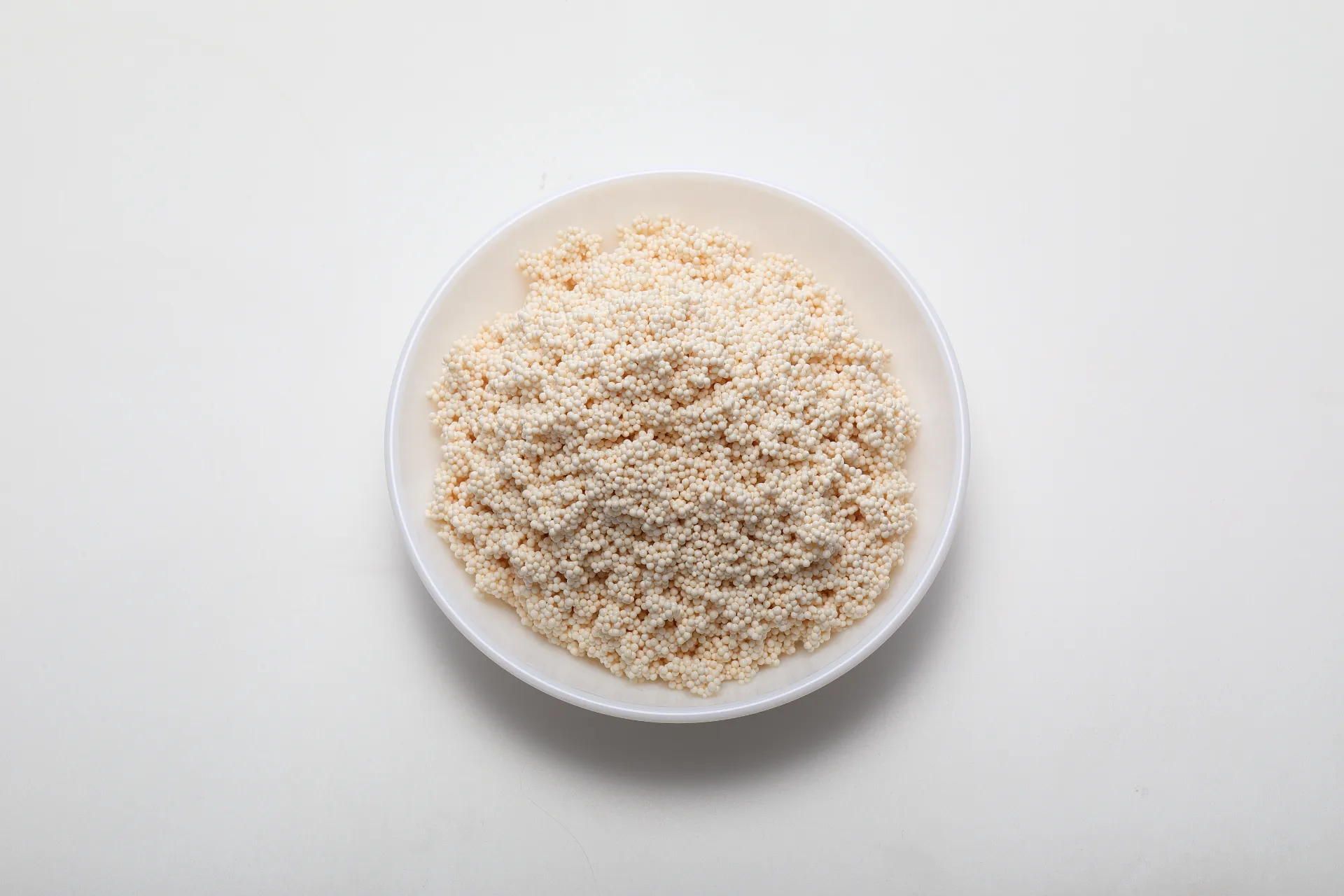
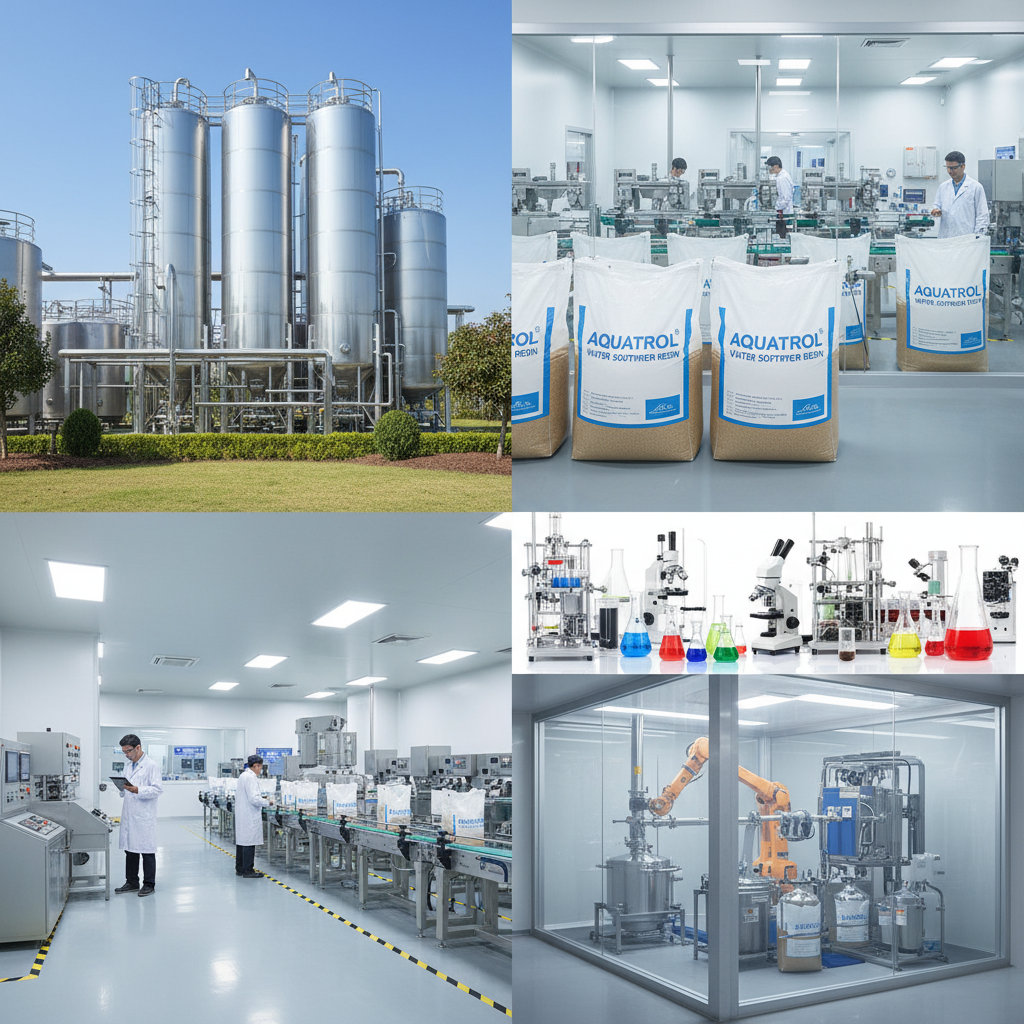
This case exemplifies how tailored hydrometallurgy solutions, underpinned by advanced materials like D301G resin, can overcome complex metallurgical challenges and deliver significant economic and environmental benefits. Our commitment to client success is demonstrated through our robust quality control processes, including compliance with international standards such as ISO 9001 and extensive product testing. Our company has been providing specialized resin solutions for over 20 years, serving a diverse portfolio of global partners.
Our commitment extends beyond product delivery. We provide comprehensive after-sales support to ensure the continuous success of your operations:
We pride ourselves on building long-term partnerships, evidenced by our consistent record of client satisfaction and numerous successful implementations over the past two decades. Our adherence to stringent quality controls and environmental standards ensures that our solutions not only meet but exceed industry expectations.