Phone:
+86 0319 2296164


Email:
info@lijiresin.cn

In our rapidly electrifying world, hydrometallurgy lithium ion battery technology is quietly becoming a cornerstone of sustainable energy solutions. To start simply: hydrometallurgy involves processing metals using aqueous chemistry — basically, dissolving and recovering metals from ores or recycled materials. When applied to lithium ion batteries, this approach offers promising avenues for resource recovery, cost savings, and reducing environmental impact.
So why does this matter globally? With the surge in demand for electric vehicles, portable electronics, and grid storage, lithium—the key element in these batteries—is more valuable than ever. Traditional mining and disposal methods risk environmental harm and supply chain bottlenecks. Hydrometallurgical methods pave the way to efficiently recycle and extract lithium, supporting a circular economy and lessening our reliance on scarce raw materials.
Quick takeaway: Understanding hydrometallurgy in lithium ion battery recycling is essential for greener tech and more resilient supply chains worldwide.
Data from the United Nations and the International Energy Agency points to electric vehicles accounting for over 30% of new car sales globally by 2030, inevitably driving up lithium demand. However, mining is not only costly but fraught with ecological and social challenges—water pollution, habitat destruction, and geopolitical reliance on few lithium-producing countries.
Here lies the challenge: how can we meet this soaring lithium demand sustainably? Hydrometallurgy offers a compelling answer by enabling recycling of spent batteries and extraction from complex ores with lower emissions and less energy than pyro-metallurgical (high heat) processes. Industry actors from Asia to Europe are investing heavily in this to reduce dependency and slap a big “circular economy” sticker on their supply chains.
Mini takeaway: The hydrometallurgy lithium ion battery process is no longer niche but a global imperative framed by climate targets and resource security.
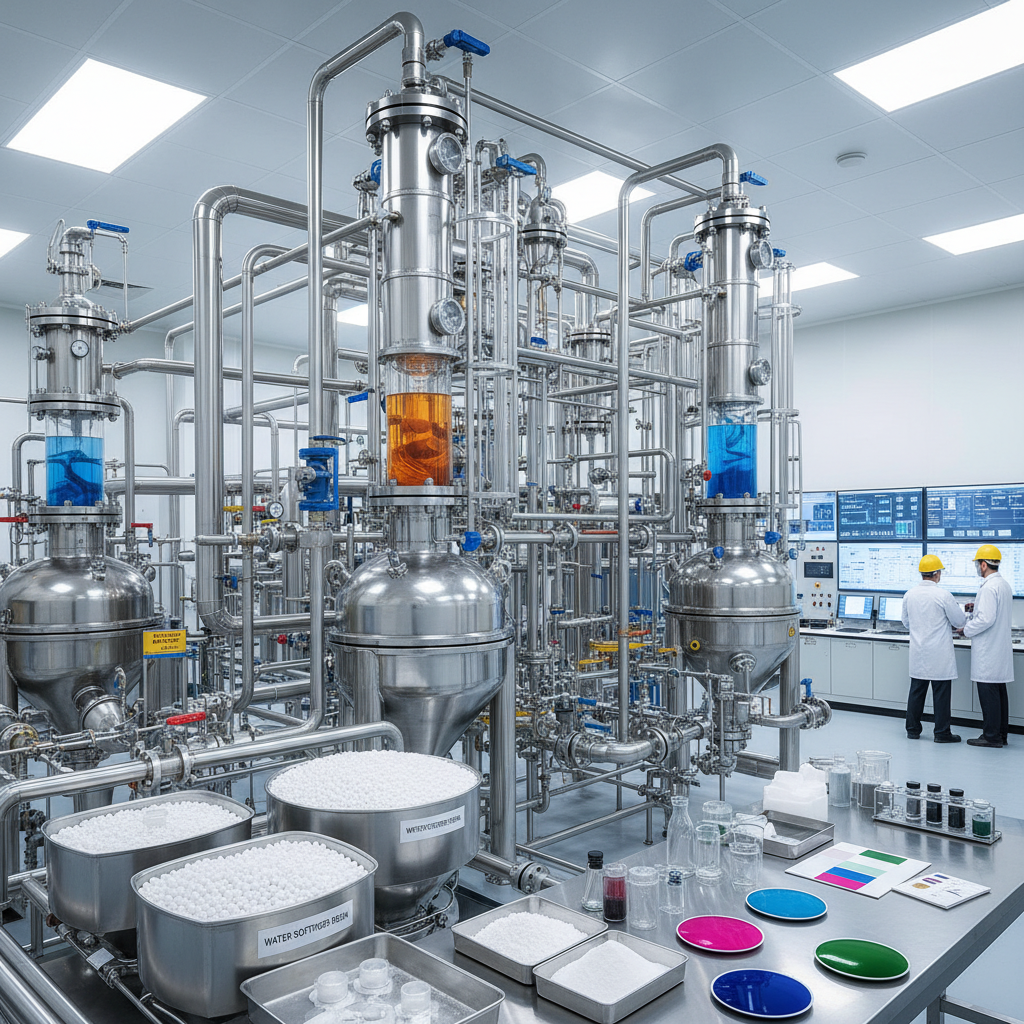
At its core, hydrometallurgy lithium ion battery processing uses water-based chemical reactions to separate valuable metals like lithium, cobalt, nickel, and manganese from battery waste or ore. This process often involves leaching — dissolving the metals into solution — then selectively recovering them via precipitation, solvent extraction, or ion exchange.
This contrasts with older techniques that rely on smelting batteries at high temperatures. Hydrometallurgy feels gentler and more adaptable to complex materials, letting operators tailor recovery methods to specific battery chemistries or contaminants.
In real terms, this means hydrometallurgical facilities can effectively recycle lithium ion batteries from consumer electronics, electric vehicles, and even grid storage installations, feeding metals back into manufacturing chains without the dirty footprints of mining.
Leaching is the first step — where metals dissolve into the liquid phase. Optimizing pH, temperature, and reagent type is key. Many plants use sulfuric acid or alkaline solutions, sometimes with oxidizing agents. The more metals dissolved cleanly, the better the yield.
After leaching, metals need separation. Methods like solvent extraction and ion exchange enable recovery of pure lithium or cobalt from multi-metal solutions, which is critical for battery-grade materials. This selectivity reduces waste and contamination.
Because chemicals are involved, containment and treatment of effluents are vital to prevent secondary pollution. Modern plants incorporate water recycling and waste neutralization units.
The process needs to handle varying feedstocks — from different battery forms to ores — in volumes that make economic sense. Modular setups can help scale up from pilot plants to full production.
Hydrometallurgy generally uses less energy than thermal methods but involves chemicals that add to costs. Balancing reagent use and recovery efficiency determines profitability.
| Specification | Value / Range | Notes |
|---|---|---|
| Leaching Agent | Sulfuric Acid (H2SO4), Alkaline (NaOH) | Depends on feedstock |
| Operating Temperature | 40–90°C | Lower energy than pyro processes |
| Recovery Rate | 85–95% | Varies by metal and process |
| Processing Capacity | 1–10 tons/day | Pilot to industrial scale |
| Environmental Compliance | ISO 14001, Local permits | Ensures minimal pollution |
For example, post-disaster electricity restoration often faces battery shortages. Hydrometallurgy-enabled recycling facilities can quickly replenish materials, making relief efforts more reliable. Also, remote mining outposts increasingly depend on hydrometallurgy lithium ion battery tech to minimize shipped-in raw resources.
| Vendor | Process Type | Capacity | Recovery Rate | Price Range |
|---|---|---|---|---|
| EcoMet Solutions | Acid Leaching + Solvent Extraction | 5 tons/day | ~90% | $$$ |
| LithionTech | Alkaline Leaching + Ion Exchange | 2 tons/day | ~87% | $$ |
| Green Cycle | Hybrid Leaching + Precipitation | 8 tons/day | ~93% | $$$$ |
Besides ecological benefits, there’s the social impact: cleaner air, reduced mining-related labor violations, and community empowerment through local recycling jobs. From a business perspective, companies gain greater supply security and cost predictability as lithium prices fluctuate.
Trust is also key — customers and investors increasingly favor brands with sustainable sourcing. Recycling hydrometallurgy batteries represents a technical innovation that resonates emotionally by valuing safety, dignity, and planetary health.
These advances paint a hopeful future where hydrometallurgy lithium ion battery recycling is seamlessly integrated into circular energy economies worldwide.
Hydrometallurgy isn't without obstacles. The variability of battery chemistries complicates standardized processes, and managing hazardous leaching agents demands strict operational discipline. Also, costs can be high initially, deterring some adopters.
To overcome these, experts recommend:
Q1: How efficient is hydrometallurgy compared to traditional battery recycling?
A1: Hydrometallurgy typically offers higher metal recovery rates, often above 85%, and consumes less energy than thermal methods. It adapts better to mixed battery chemistries and reduces harmful emissions, making it both efficient and environmentally friendlier.
Q2: Can hydrometallurgy process all types of lithium ion batteries?
A2: Generally yes, but process conditions need tuning. Lithium ion batteries vary by cathode chemistry (NMC, LFP, etc.), and leaching reagents or recovery steps must be optimized accordingly to maximize yield and purity.
Q3: What environmental safeguards are necessary?
A3: Plants must follow strict effluent treatment to neutralize acids and capture heavy metals. ISO 14001 certification and local permits ensure that operations prevent contamination, recycle process water, and minimize waste.
Q4: How scalable is hydrometallurgy for industrial use?
A4: Many pilot plants have demonstrated scalability from 1 ton per day to multi-ton industrial facilities. Modular designs allow incremental capacity increases based on feedstock availability and investment capability.
In sum, adopting hydrometallurgical methods for lithium ion battery recycling and extraction isn't just smart—it's becoming necessary. It unlocks sustainable recovery of vital metals, cuts environmental harm, supports circular economies, and aligns with advancing global climate goals.
Those interested in exploring this field further, enhancing their recycling infrastructure, or sourcing greener materials should visit our website for expert insights and solutions.
Oddly enough, diving into these processes often feels like uncovering the quiet gears turning behind our tech-driven lives — all the more reason to care.
References: