mixed bed resin suppliers

Indion 220 Na Ion Exchange Resin – Reliable Water Softening & Industrial Purification

Indion 220 Na Ion Exchange Resin – Reliable Water Softening & Industrial Purification

Understanding Indion 220 Na Ion Exchange Resin: Why It Matters Globally

If you’ve ever wondered how industries worldwide ensure clean water or recover precious metals, then you’re halfway to appreciating what indion 220 na ion exchange resin brings to the table. At its core, it’s a specialized material used to swap undesirable ions in liquids — mostly water — for sodium ions, essentially purifying or conditioning the fluid. Globally, as water scarcity and pollution rise, efficient ion exchange resins like this one become lifelines across industries from municipal water treatment to pharmaceuticals. Why should you care? Because behind the scenes, this resin helps millions access cleaner, safer water and improves manufacturing processes that affect everything from your medicines to the cars on the road. In a world aiming for sustainability and resource efficiency, understanding this resin’s role is crucial for industries, environmentalists, and even policymakers. ---

Global Context: The Expanding Role of Ion Exchange Resins

According to the United Nations, over 2 billion people lack access to safely managed drinking water globally (UN-Water, 2023). Industries generate a staggering load of wastewater, often loaded with harmful ions and contaminants. This is a perfect storm for ion exchange technologies, which can remove heavy metals, nitrate, and hardness ions efficiently. Indion 220 na ion exchange resin is significant because it supports these global water challenges by offering a reliable, scalable solution for cation removal and softening. Regardless of whether it’s huge municipal plants in Europe or small-scale water purifiers in rural Asia, these resins are a backbone for treatment. Plus, as ISO and EPA increasingly mandate water quality standards, resins that are robust and eco-friendly become even more relevant. ---

Breaking It Down: What Exactly Is Indion 220 Na Ion Exchange Resin?

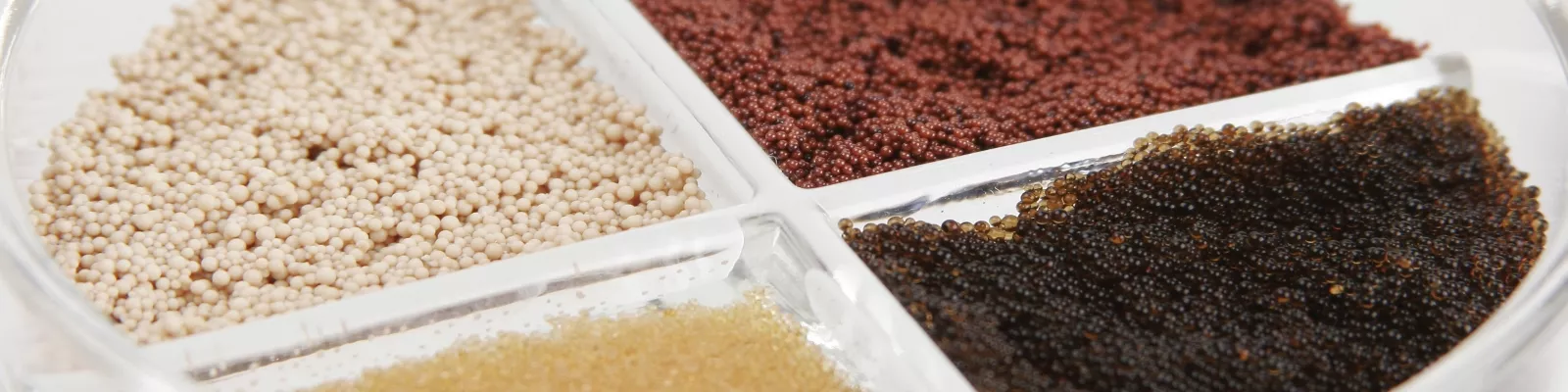
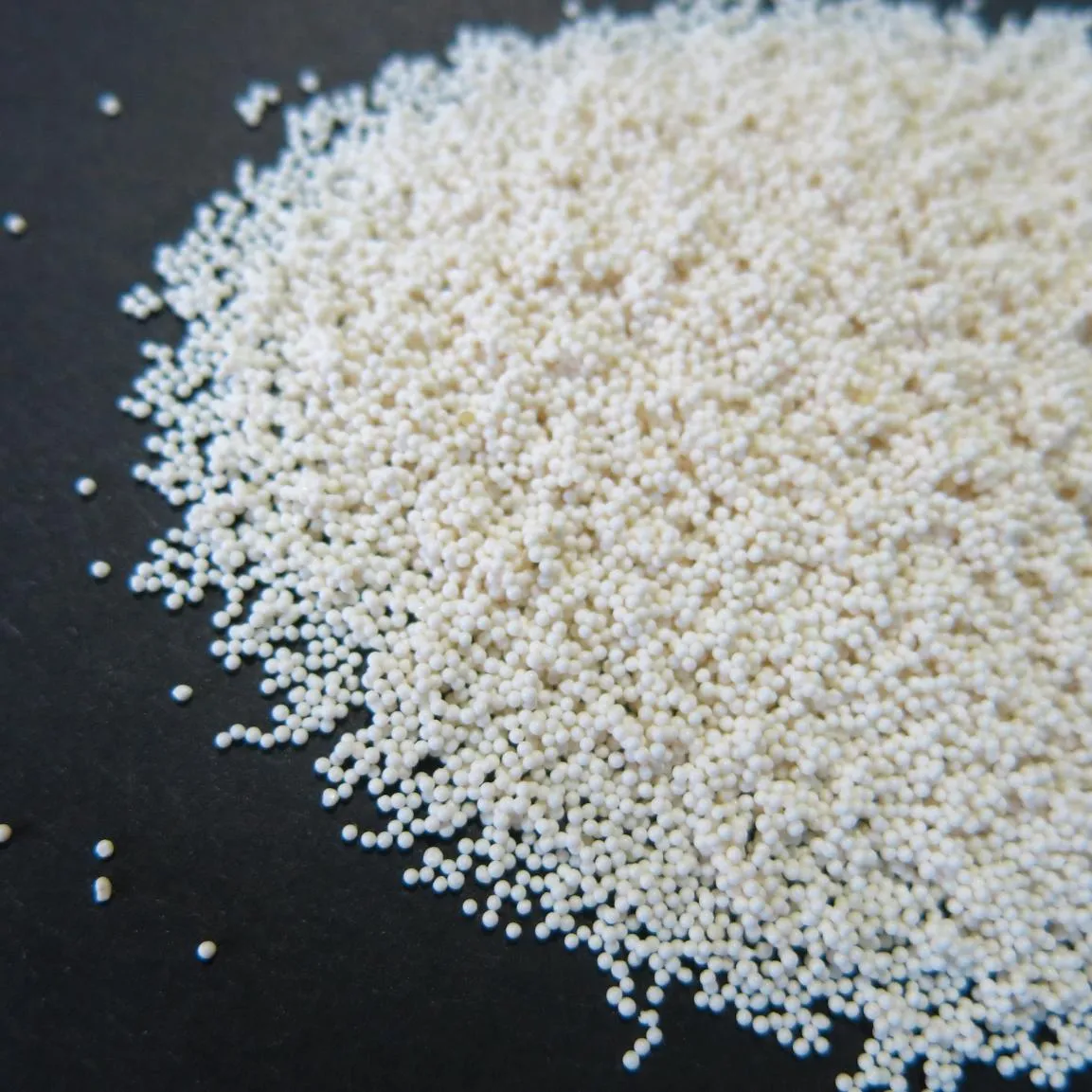
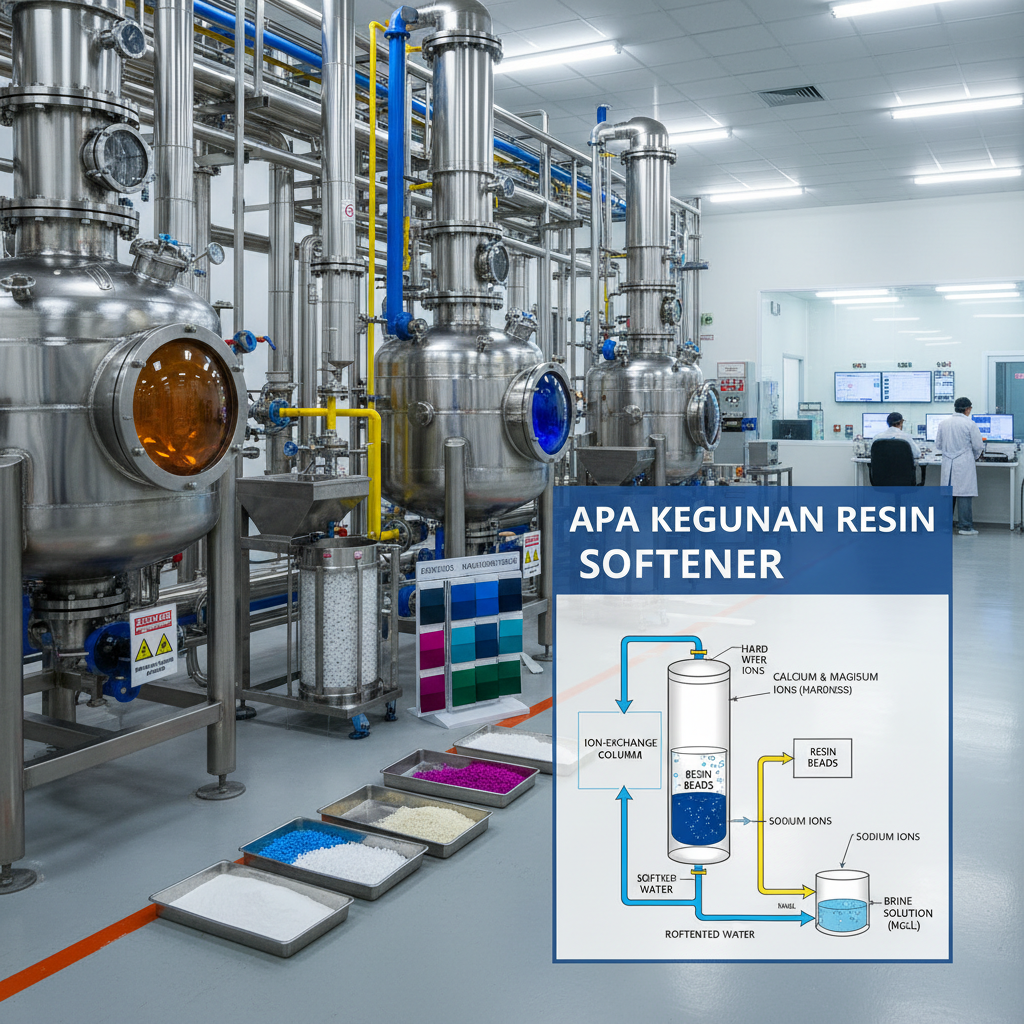
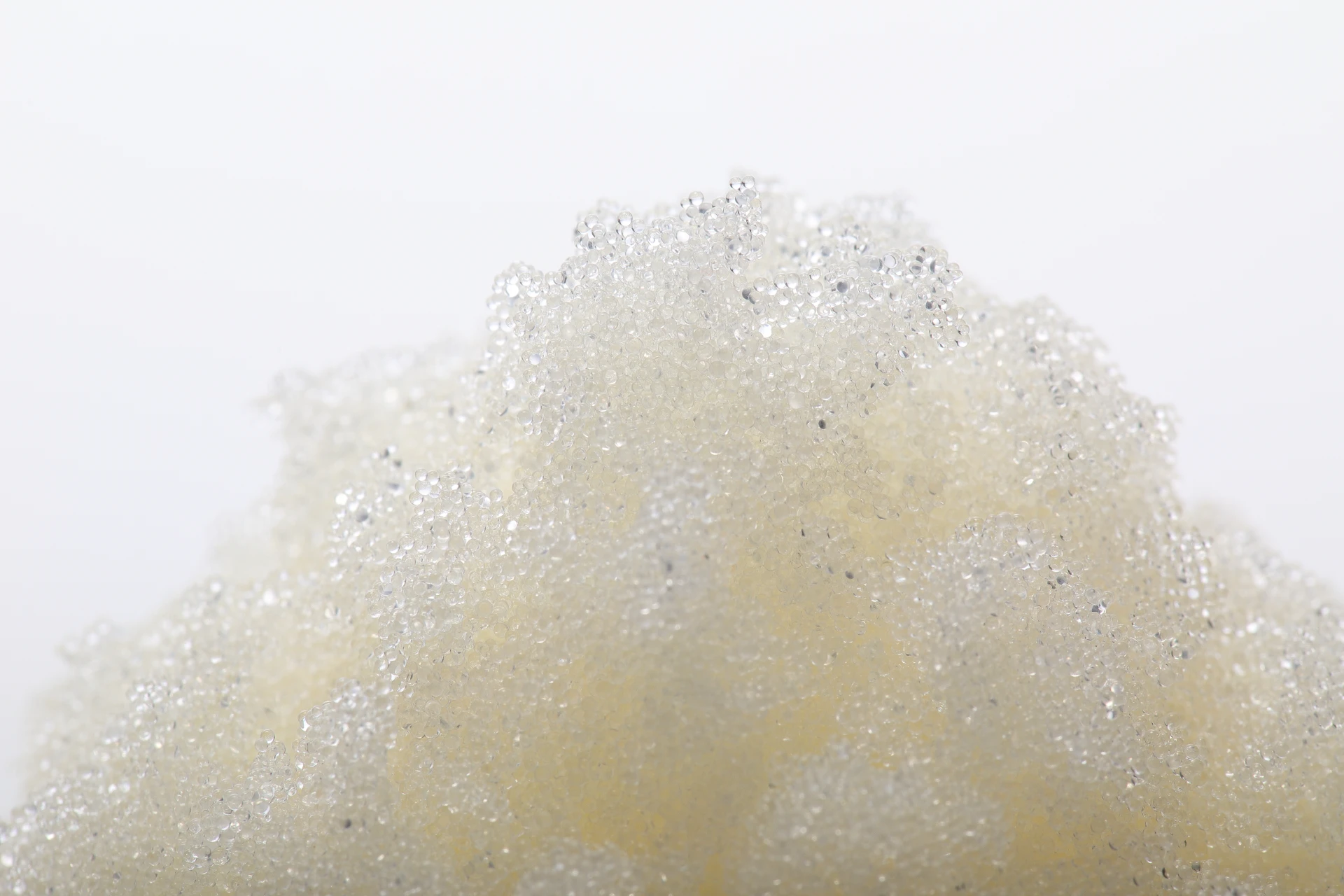
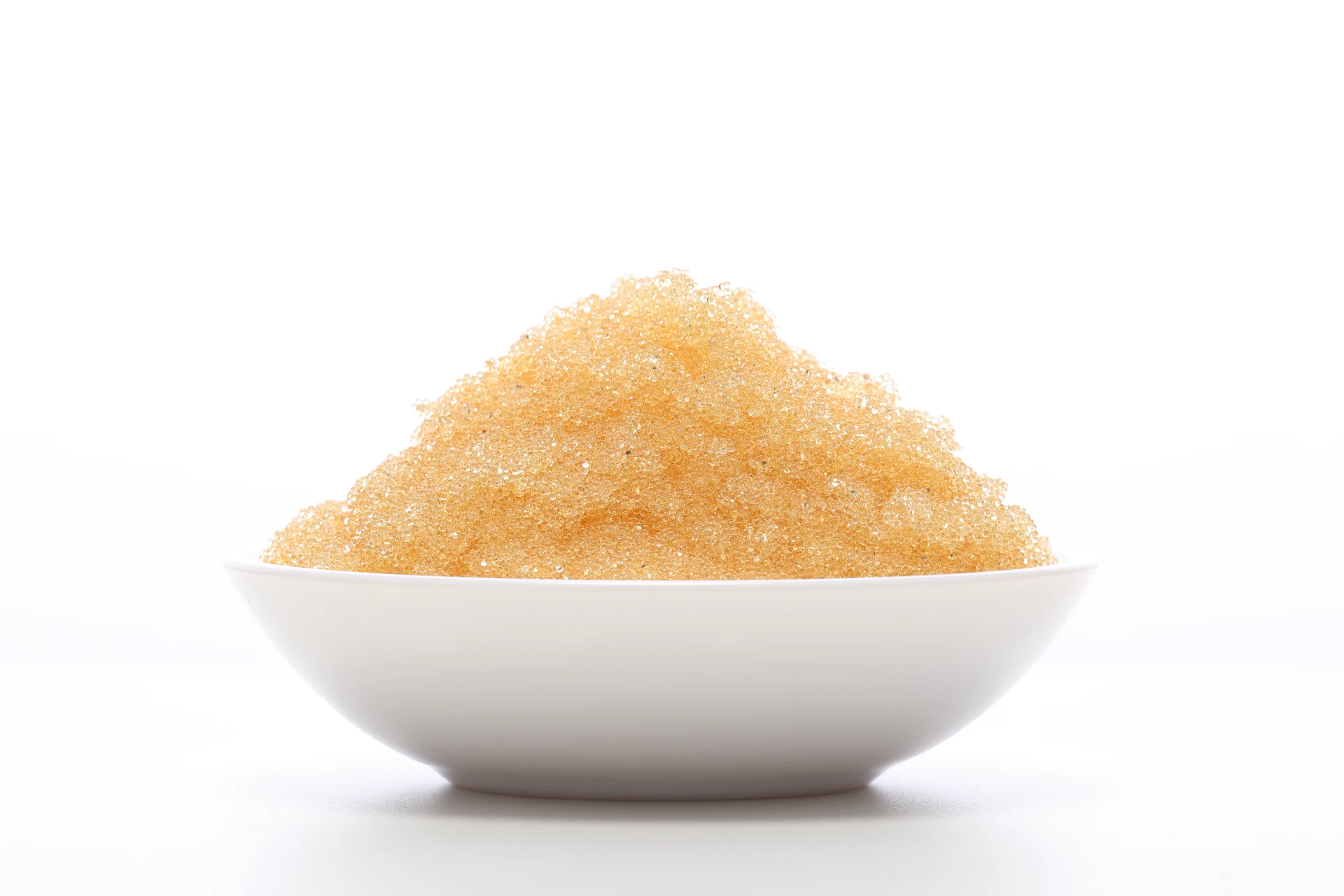
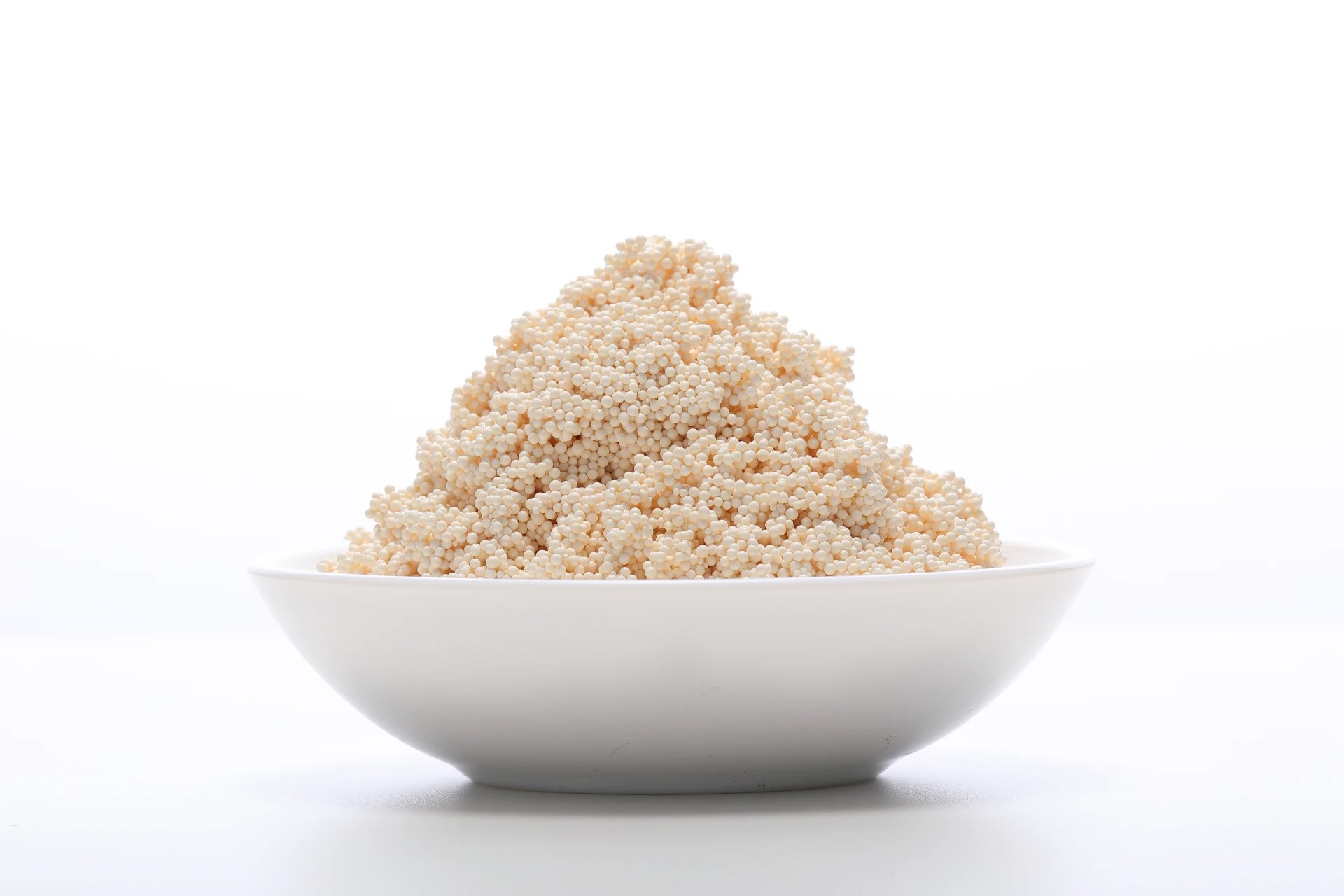
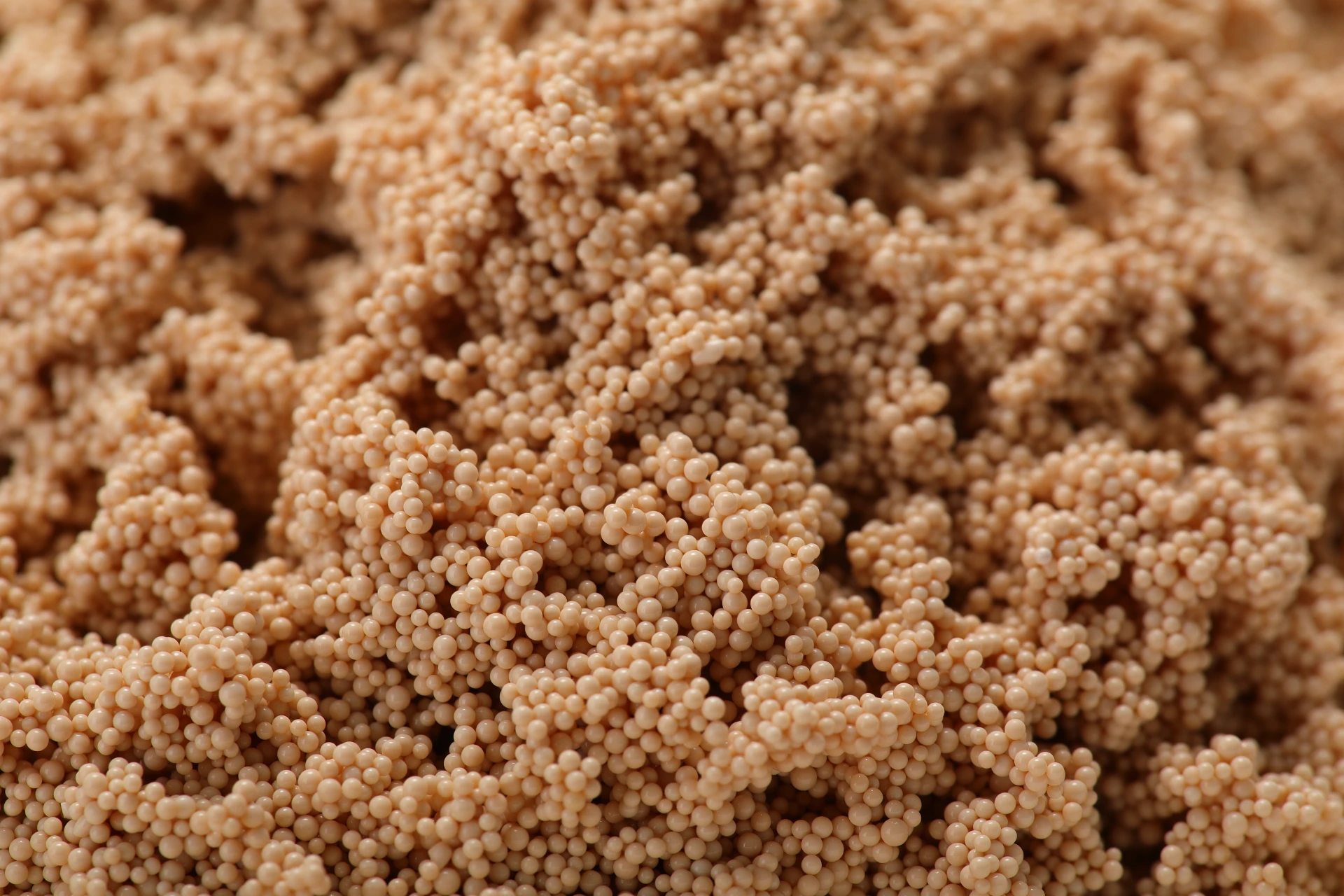
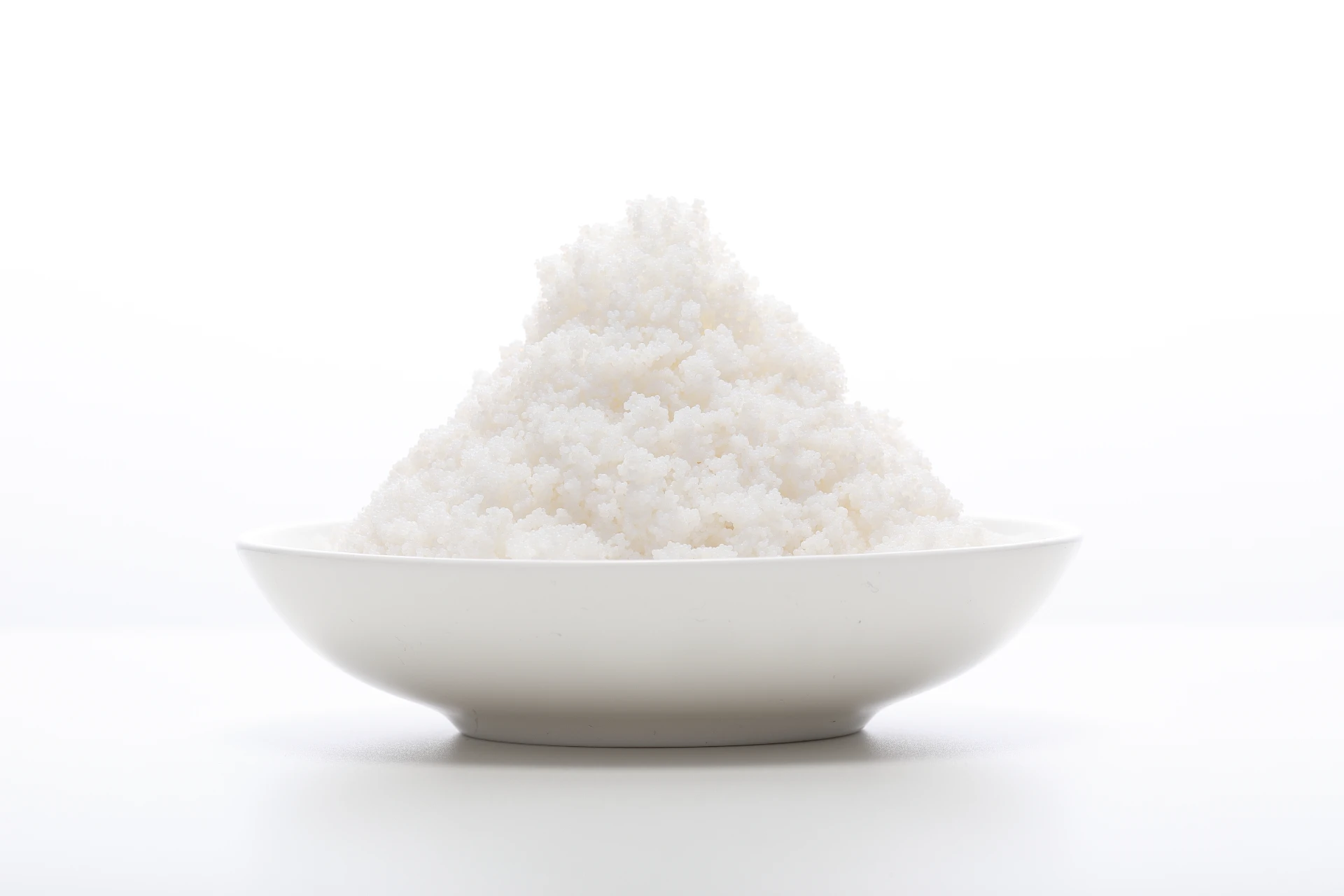
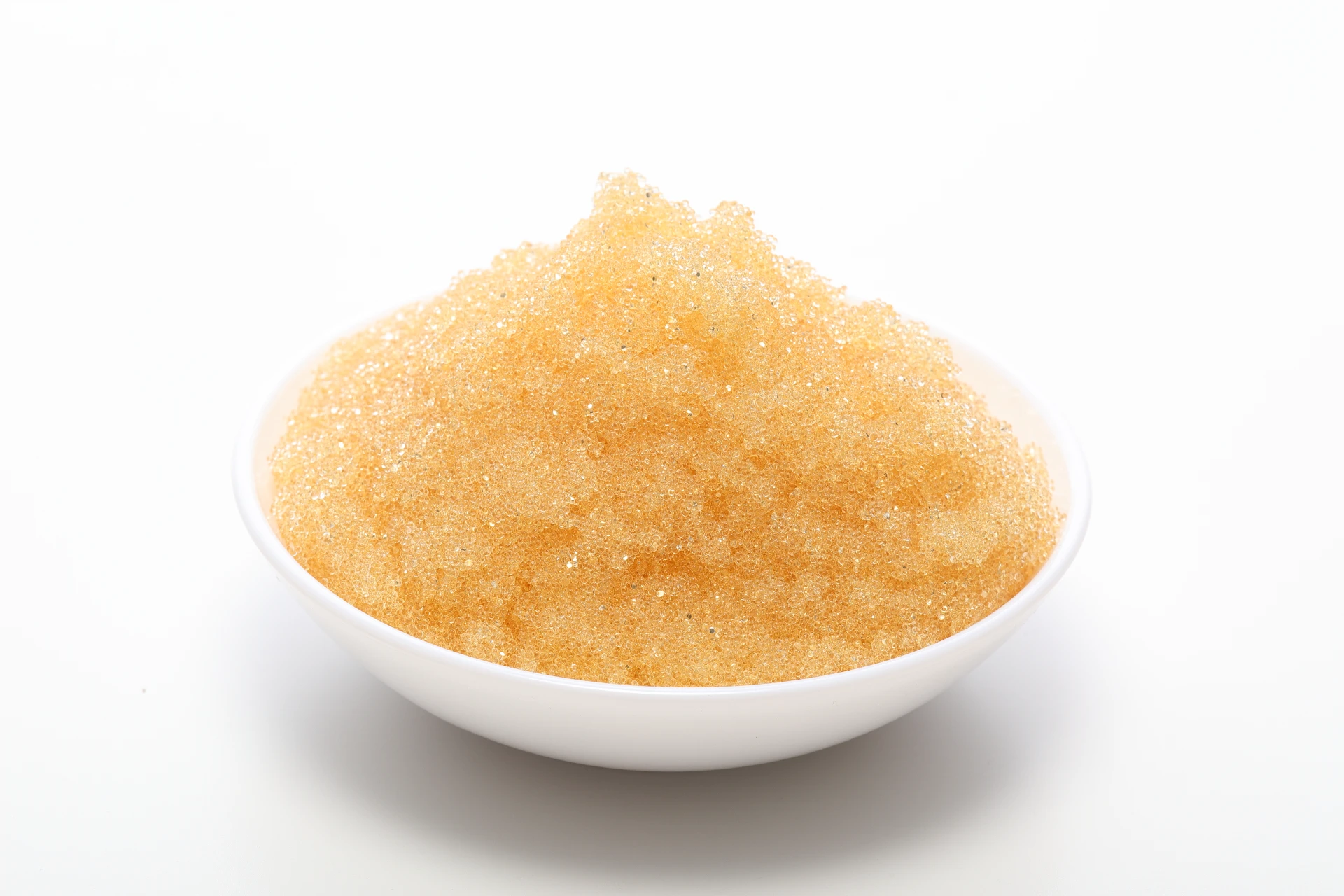
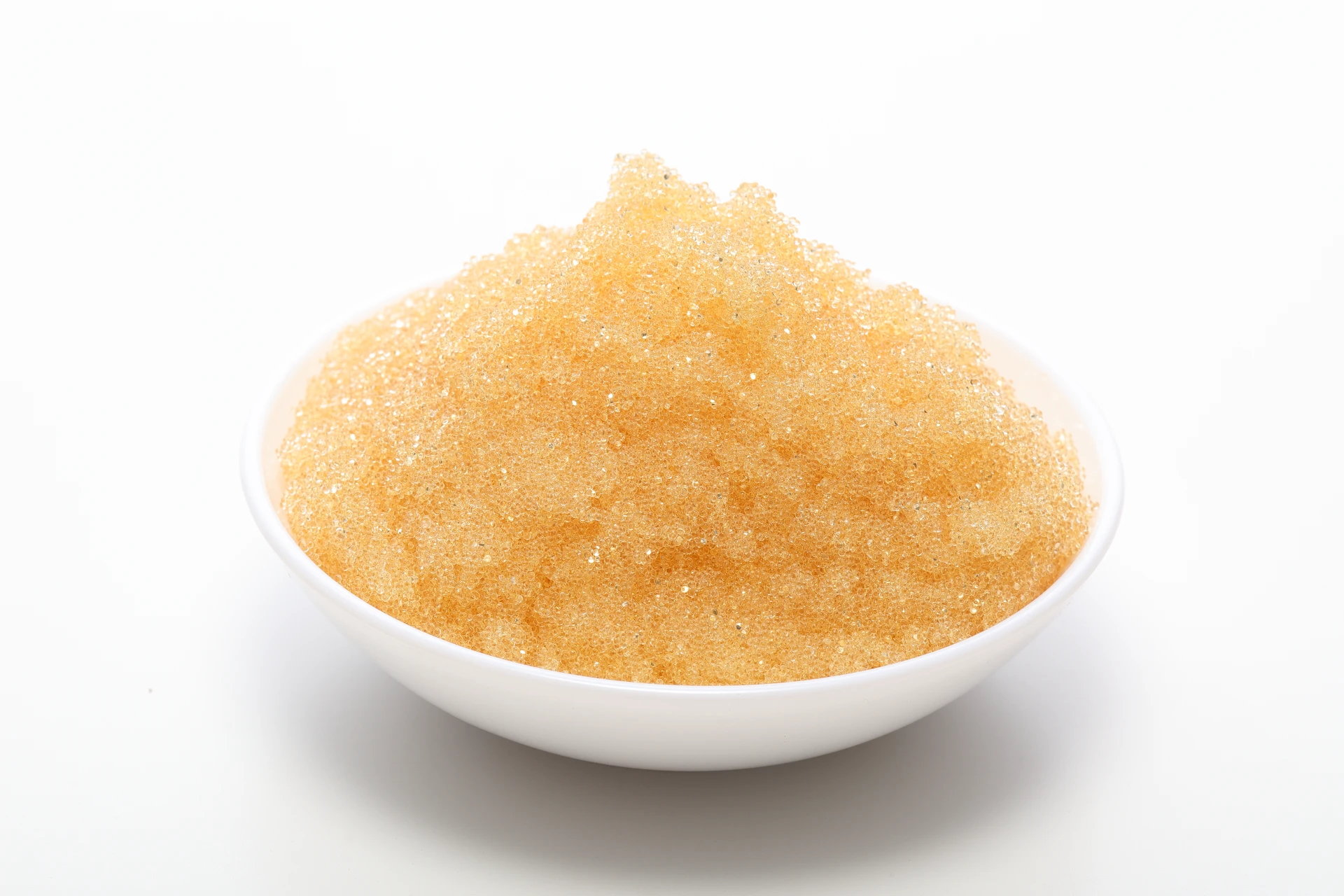
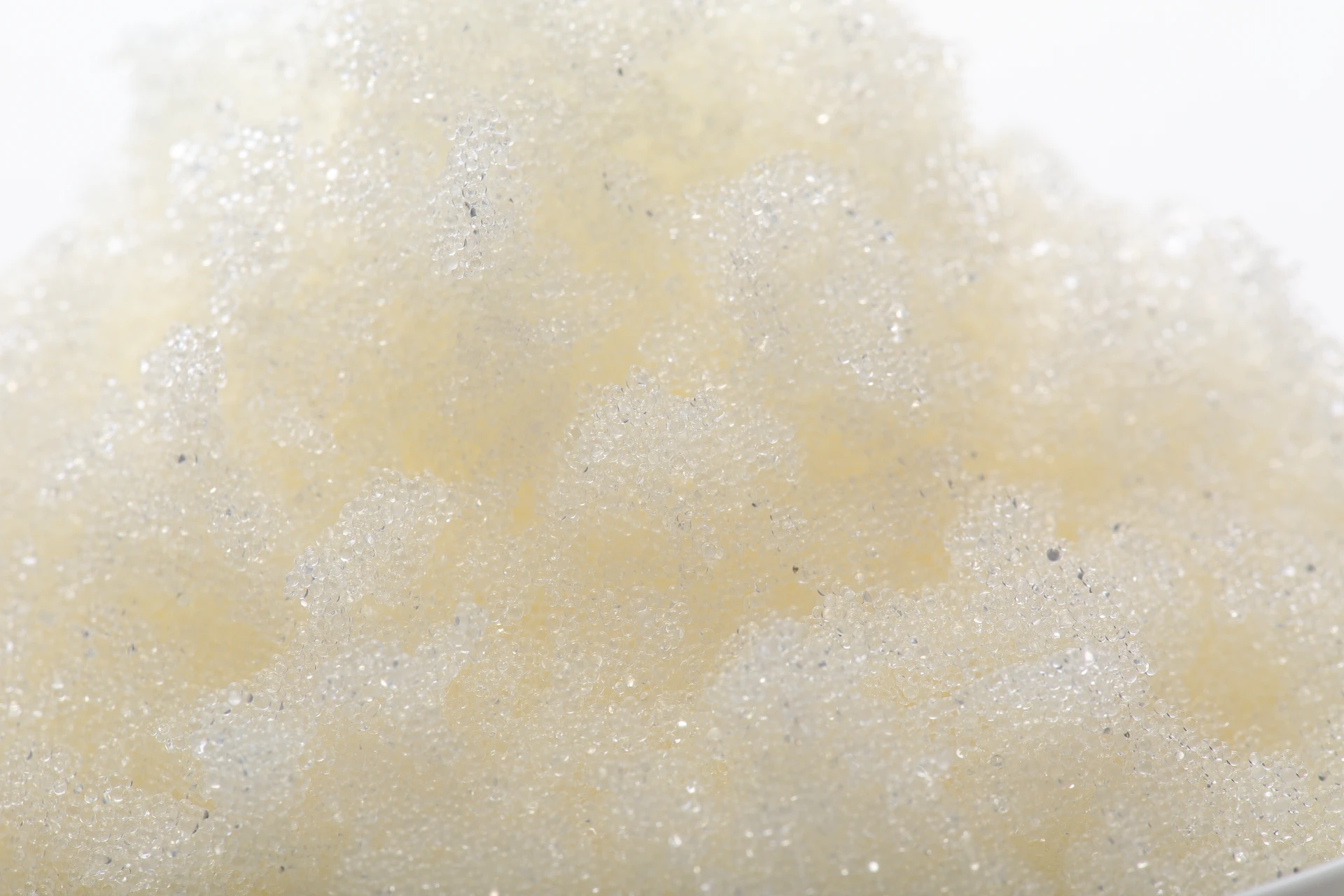
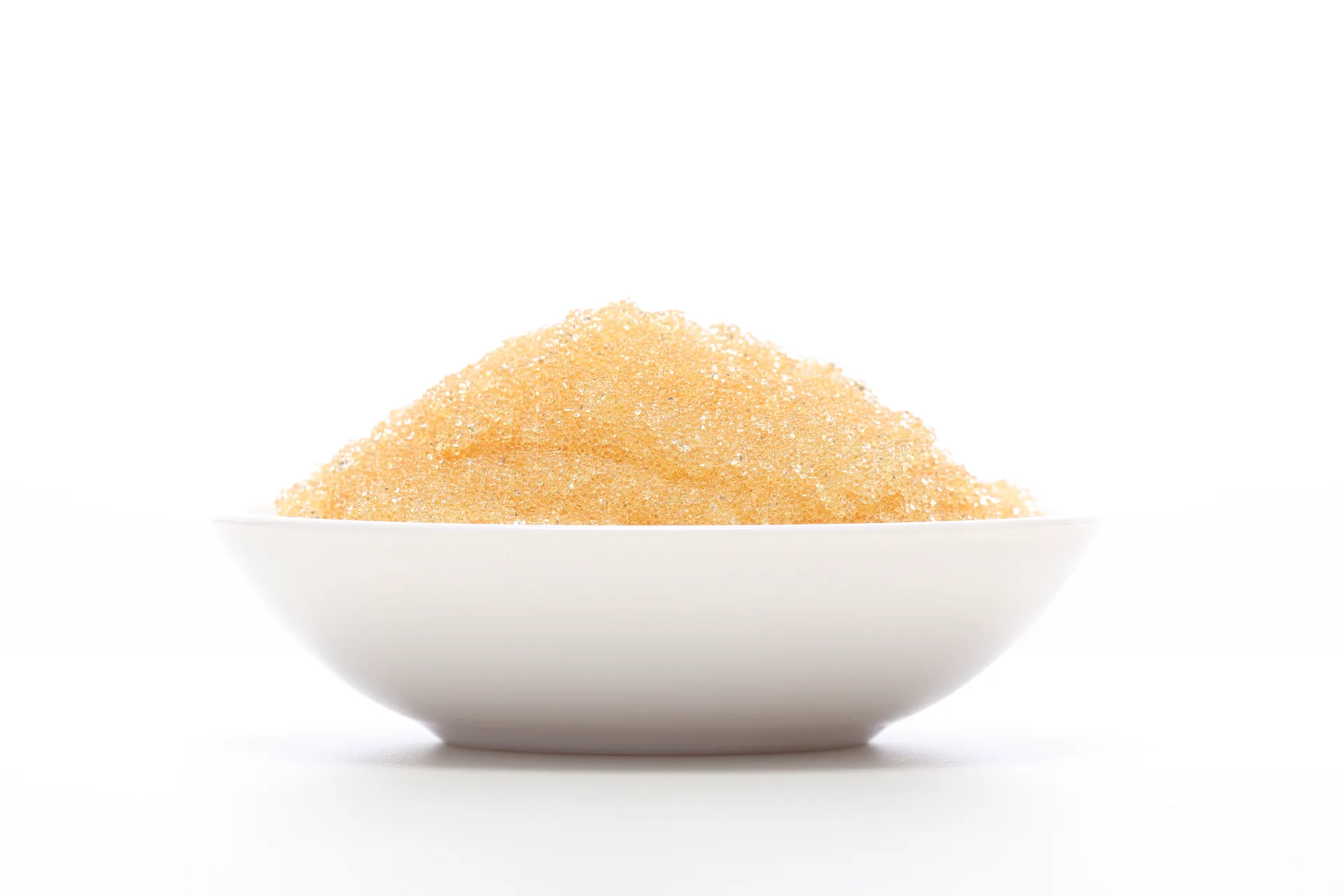
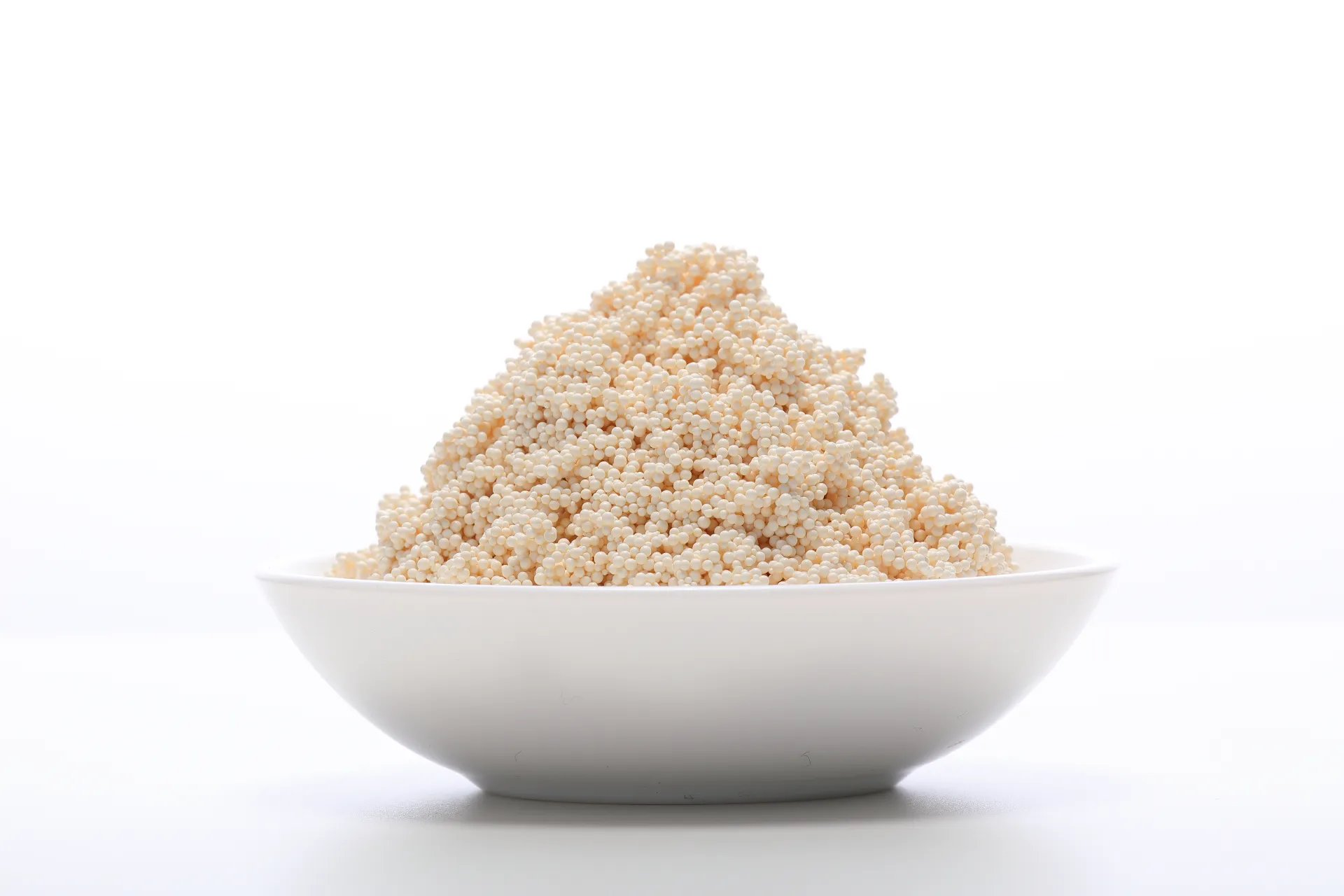
It’s basically a tiny bead — a polymer, to be precise — designed to exchange sodium ions for unwanted positively charged ions (cations) in water. Think of it like a magnet that selectively grabs calcium, magnesium, and heavy metals and swaps them with harmless sodium ions. This softens the water and reduces scaling, improves taste, and protects downstream equipment. Industrially, it’s prized because it offers high exchange capacity, chemical stability, and a form factor that’s easy to pack in columns or filters. It’s part of the Indion family, known for consistent quality. Whether it’s for boiler feed water, pharmaceuticals, or food processing, it fits right in. ---

Core Features of Indion 220 Na Ion Exchange Resin

  • Durability: Resistant to mechanical stress and chemical degradation, which means less frequent replacement and downtime.
  • High Exchange Capacity: Can remove more hardness ions per volume than many competing resins.
  • Regenerability: Can be refreshed using standard salt solutions, making it cost-efficient over the long term.
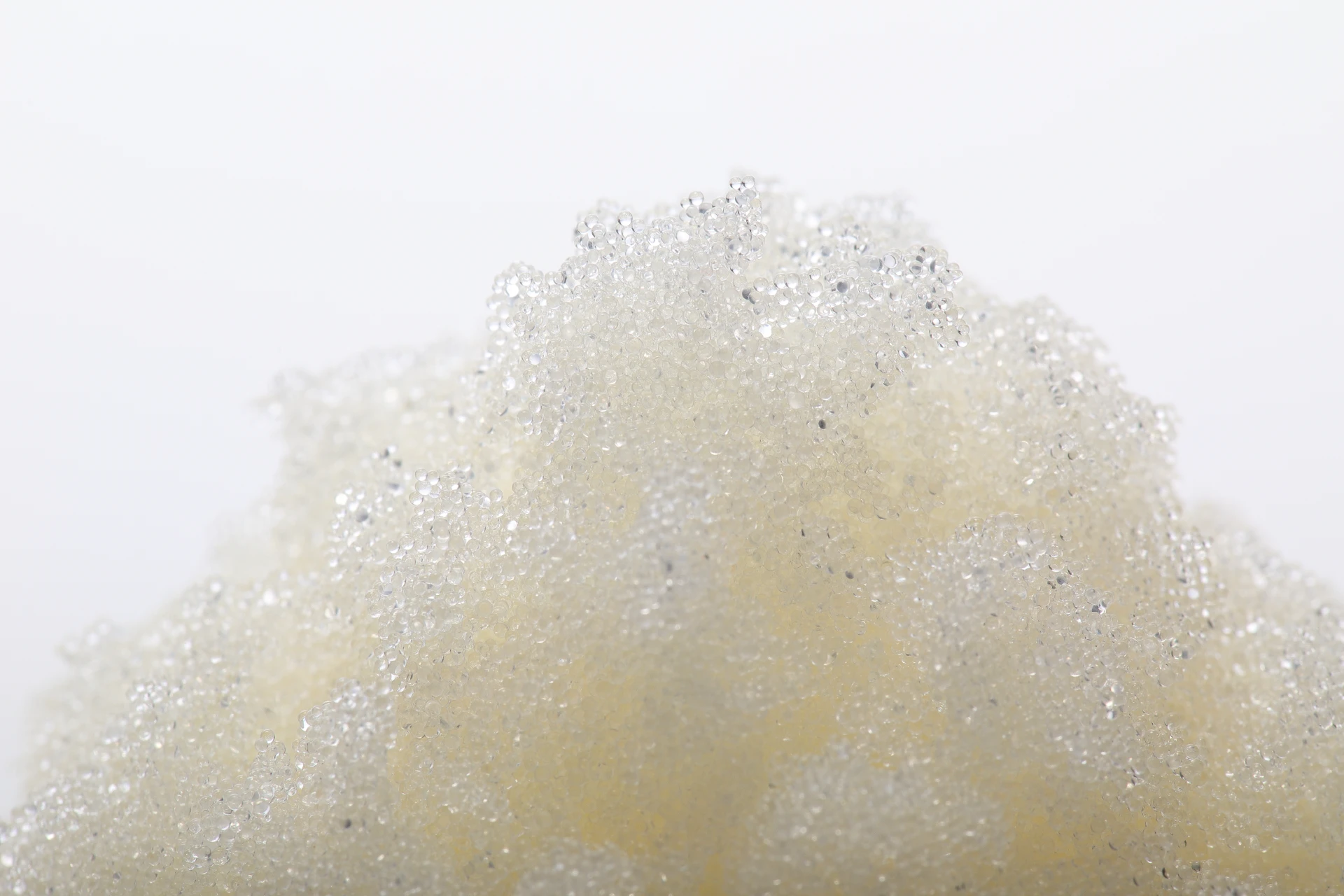
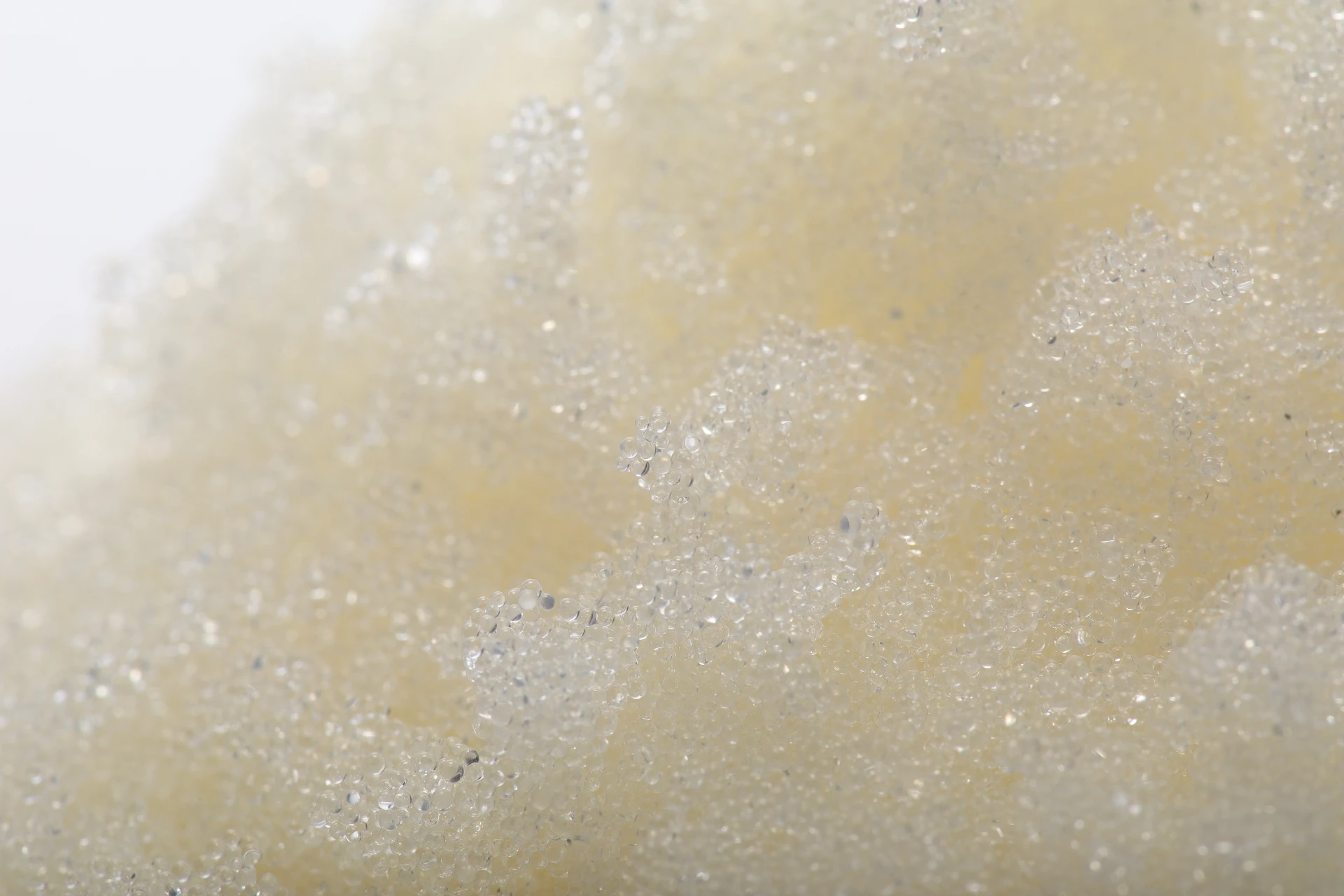
  • Physical Form: Uniform bead size (~0.5 mm) optimizes flow and minimizes channeling, enhancing performance.
  • Compatibility: Works well with a range of industrial water systems and regenerants, adding flexibility.
Mini takeaway: Basically, if you want a resilient, high-performing resin for sodium-based ion exchange, this one’s been doing the job reliably for years. ---

Global Usage: Industries and Regions Benefiting from Indion 220 Na Ion Exchange Resin

From the chemical industry in the US to water utilities in India and even mining operations in Australia, indion 220 na ion exchange resin finds diverse application. In places like South America’s growing refinery sector, it aids in refining process water. Even humanitarian agencies use it in emergency water treatment setups — because when clean water is the difference between life and death, reliability is key. Industries that primarily benefit: - Municipal water treatment plants, using it to soften water and prevent scale. - Pharmaceutical companies, applying it in ultrapure water production. - Food & beverage industry, improving the taste and safety of their water. - Power plants, to protect boilers and turbines from mineral deposits. - Mining, removing metal ions from wastewater to comply with regulations. A quick note: This resin adapts well for both large and small-scale systems, which makes it quite versatile. ---

Advantages & Long-Term Value of Using Indion 220 Na Ion Exchange Resin

If you’ve ever dealt with scaling pipes or inconsistent water quality, you know how costly and frustrating it can be. The resin’s durability means fewer replacements, which directly cuts maintenance costs. Its regenerability adds an extra layer of sustainability — reuse of the resin cycles reduces waste and chemical consumption. On an emotional level, for operators and managers, it’s trustworthy. It just works, day after day. For communities or companies, that reliability translates into safer water and smoother operations, reinforcing safety and dignity through technology. Plus, as environmental regulations tighten, this resin supports compliance without exorbitant costs. ---

Technical Specifications at a Glance

Specification Typical Value Unit
Form Spherical Beads -
Particle Size 0.46 - 0.60 mm
Total Exchange Capacity 1.8 - 2.0 meq/ml
Moisture Content 45 - 55 %
Operating pH Range 0 - 14 -
---

Comparing Ion Exchange Resin Vendors

Feature Indion 220 Na Resin Competitor A Competitor B
Exchange Capacity (meq/ml) 1.9 1.7 1.8
Durability (Cycles) 600+ 450 500
Price per kg (USD) $12 $11 $13
Regenerability Excellent Good Fair
Customer Support Global & Responsive Regional Online Only
---

Looking Ahead: Innovation and Sustainability in Ion Exchange

The market is buzzing with eco-conscious materials and smarter regeneration processes. Indion 220 na ion exchange resin manufacturers are exploring bio-based polymers and reducing brine waste in regeneration. Digital monitoring and automation improve resin life by precisely controlling conditions. This means less waste, lower costs, and better compliance. One fascinating trend is coupling ion exchange with renewable energy powered desalination — leveraging solar or wind helps offset energy demands. All in all, the future looks bright — you might even see these tiny beads doing bigger things in circular water economies. ---

Challenges on the Road and How to Tackle Them

Despite their benefits, these resins can face issues like fouling from organic matter or iron, which degrades performance. Also, improper regeneration cycles reduce lifespan. That’s where good system design and regular monitoring become critical. Some plants introduce pre-treatment steps, like coagulation or filtration, to protect the resin. Others are experimenting with tailor-made blends or hybrid resins to improve selectivity and fouling resistance. So, solutions are evolving with the challenges. ---

FAQ: Your Questions About Indion 220 Na Ion Exchange Resin

Q1: How long does indion 220 na ion exchange resin typically last in industrial settings? A1: Expect around 5 to 10 years depending on feed water quality and regeneration protocol. Proper maintenance can extend lifespan substantially. Q2: Can this resin be used for heavy metal removal or just hardness ions? A2: Primarily designed for hardness and common cations, but can be part of a multi-stage system targeting metals with appropriate resin blends. Q3: What regenerants are compatible with this resin? A3: Standard sodium chloride (salt) brine is the most common and effective regenerant for Indion 220 Na resin. Q4: Is it suitable for small-scale water purification units? A4: Absolutely — its form factor and performance make it suitable for both household and larger municipal systems. ---

Wrapping Up: Why Indion 220 Na Ion Exchange Resin Still Matters

Over decades, this resin has held its ground as a durable, cost-effective solution to ion removal challenges. It’s a quiet hero ensuring water treatment plants run smoothly and industries comply with tough standards. With growing environmental concerns and tech advances, it’s poised to remain essential — possibly in even greener and smarter forms. If you want to learn more or source top-quality Indion 220 Na resin for your project, visit https://www.lijiresin.com. ---

References & Further Reading

  1. UN Water - Water Scarcity Facts
  2. Wikipedia - Ion Exchange Resin
  3. ISO Standards for Water Quality
Product Categories

If you are interested in our products, you can choose to leave your information here, and we will be in touch with you shortly.