Phone:
+86 0319 2296164


Email:
info@lijiresin.cn
Ion exchange resins, especially the often-discussed cation exchange resins, are the unsung heroes behind much of today’s water purification, industrial processing, and environmental protection. The phrase “in ion exchange resins cation exchange resin mobile ions are” might sound like a mouthful, but it’s central to modern science and industry. By understanding how these cation exchange resins and their mobile ions work, companies can provide cleaner water, better pharmaceuticals, and more efficient manufacturing worldwide. Plus, it matters globally because water scarcity and pollution are two of humanity’s biggest challenges — and these resins help tackle both.
Mini takeaway: Understanding cation exchange resin mobile ions opens the door to cleaner water and smarter industrial processes worldwide.
On a worldwide scale, water quality and resource management are pressing issues. According to the United Nations, over 2 billion people lack access to safe drinking water. Ion exchange resins, particularly cation exchange resins characterized by their mobile ions, play a pivotal role in removing unwanted ions such as calcium, magnesium, and heavy metals from water. This process aids industries ranging from pharmaceuticals to power plants and even emergency humanitarian efforts.
Interestingly, the International Organization for Standardization (ISO) has developed standards that maximize resin efficiency and lifecycle, showing how crucial this technology is becoming for sustainable development. Of course, challenges remain — ion exchange isn’t always the silver bullet, but it sure beats many alternatives in cost and environmental impact.
Mini takeaway: Ion exchange resin tech is a key player in addressing global water and industrial challenges, backed by serious international standards.
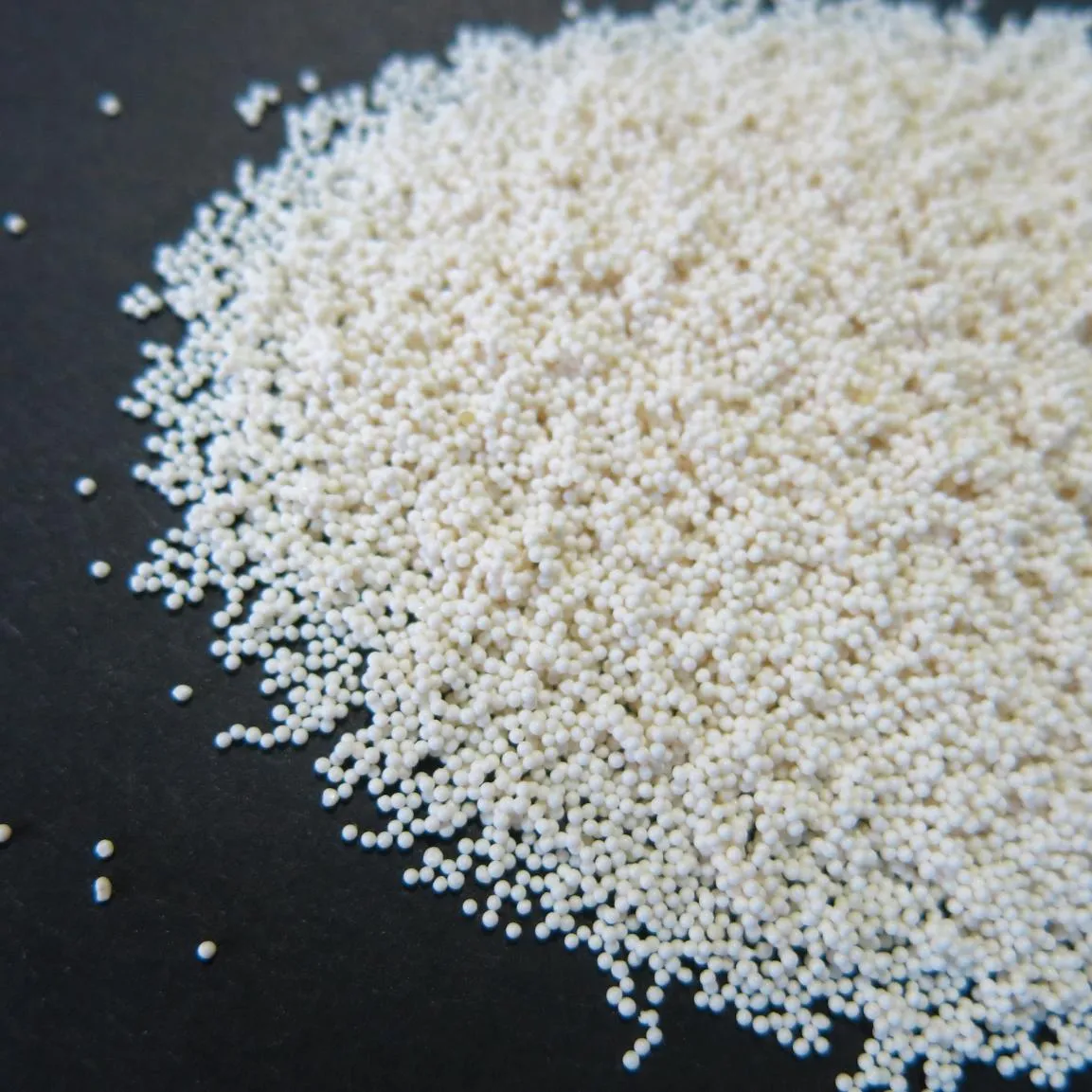
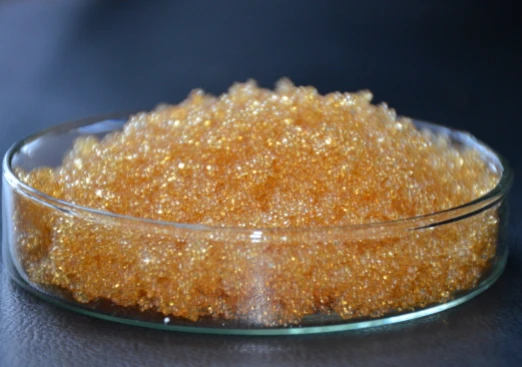
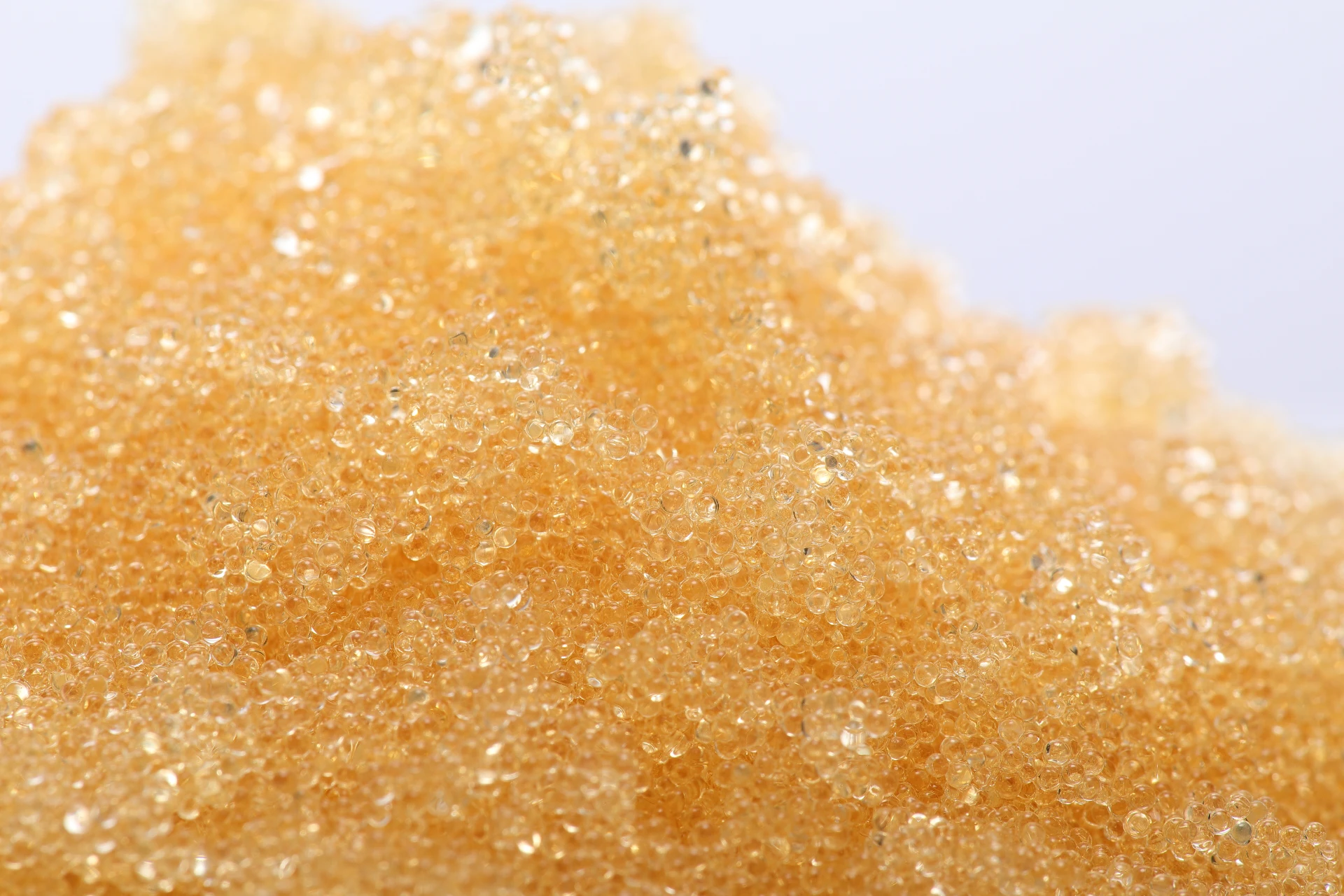
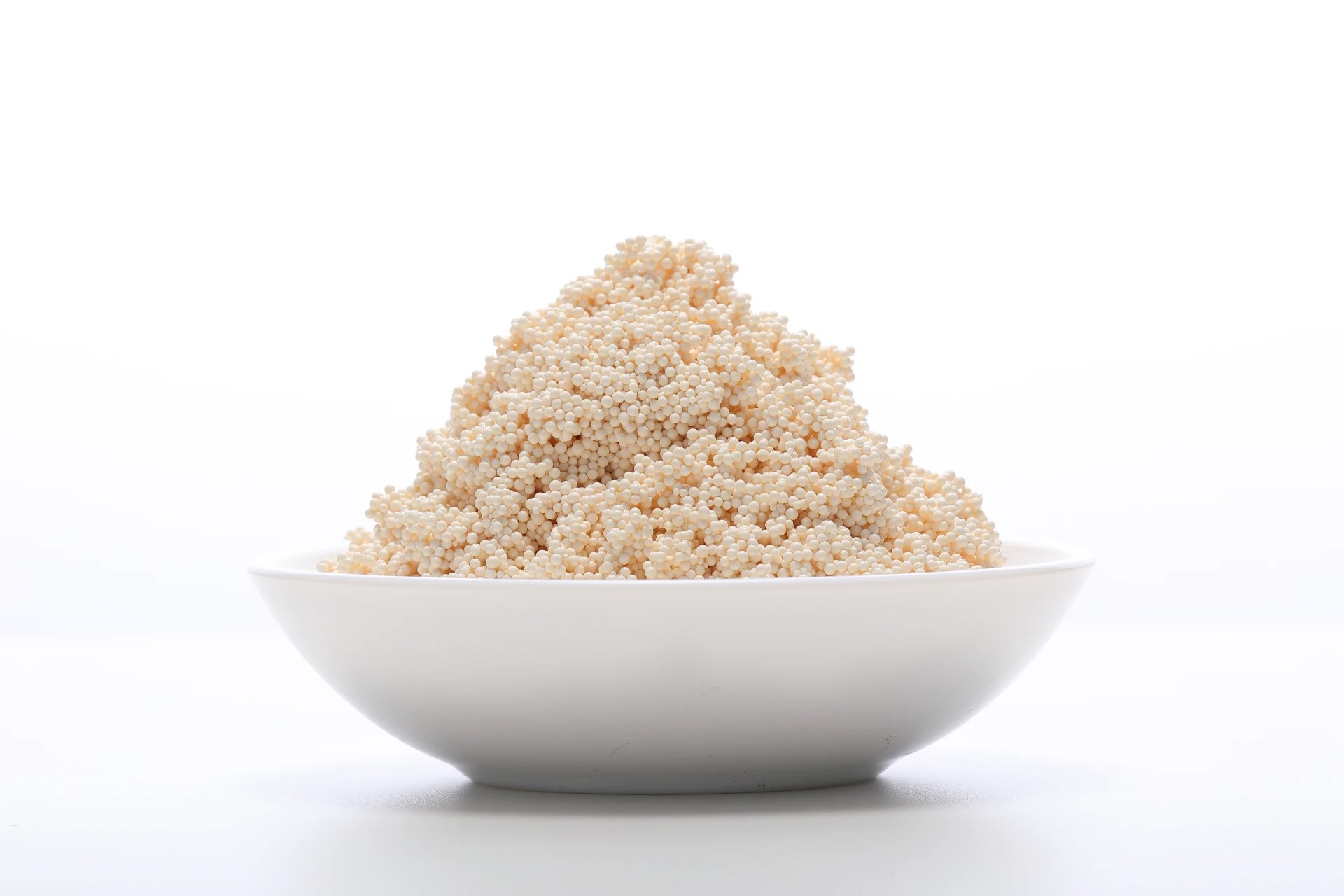
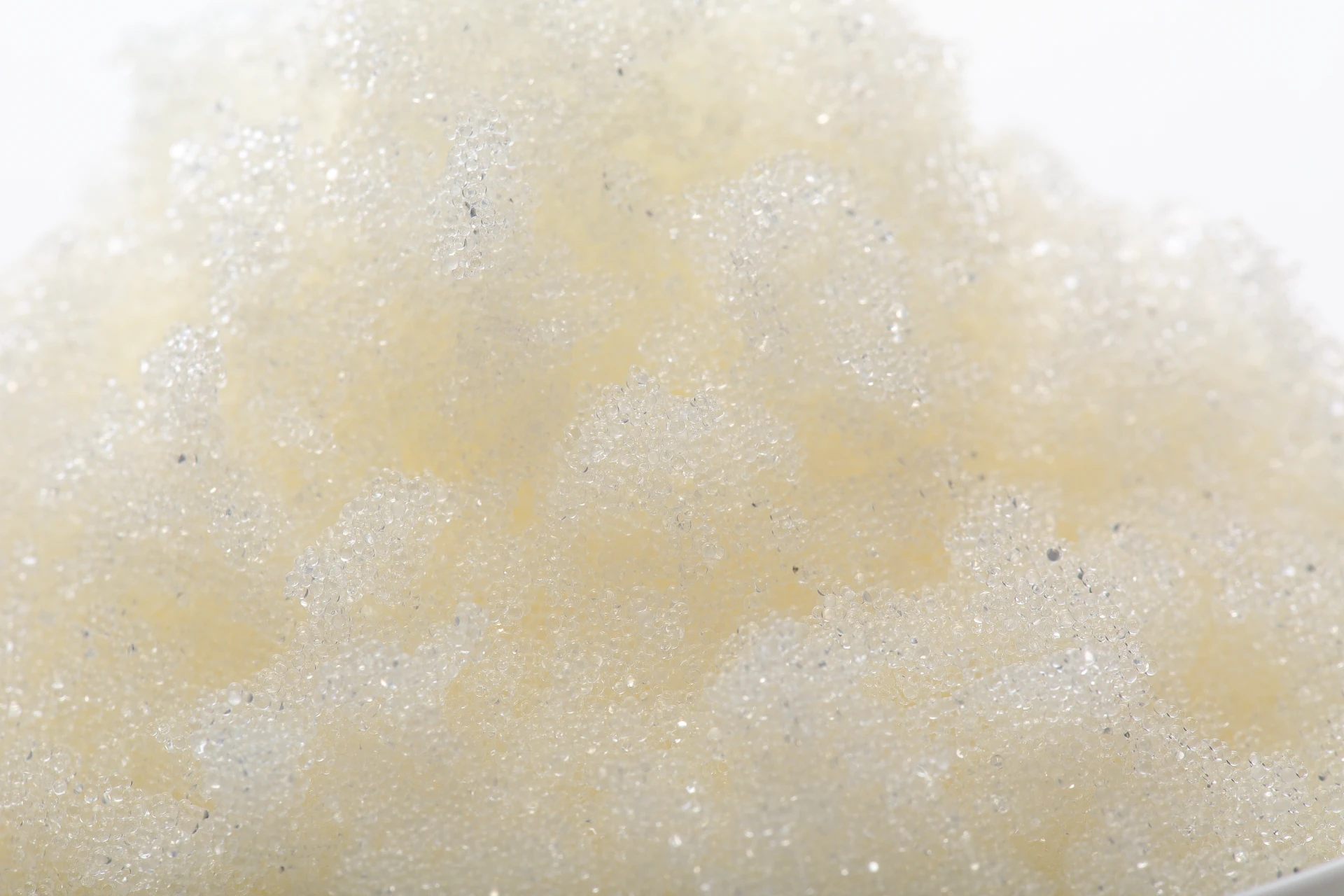
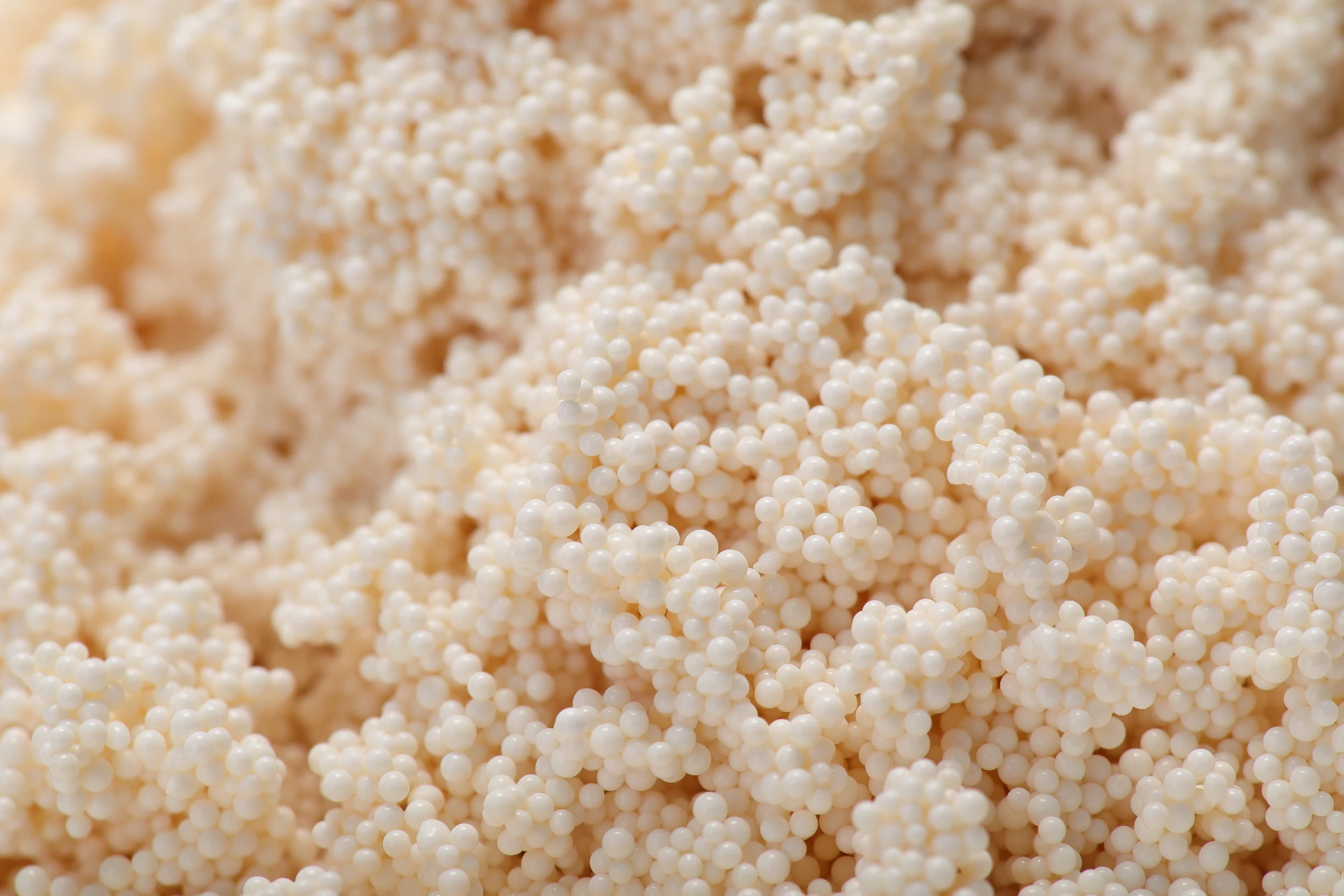
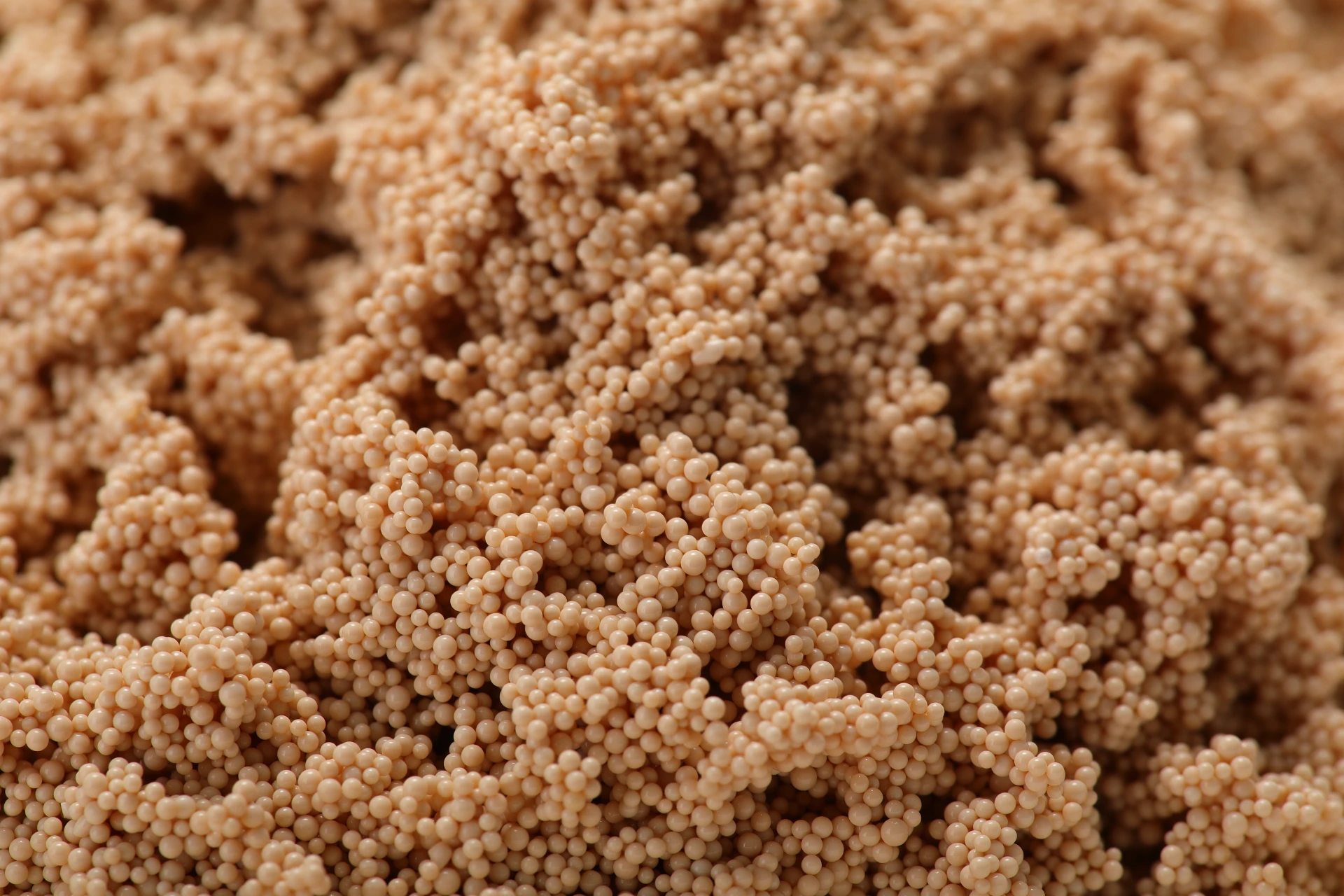
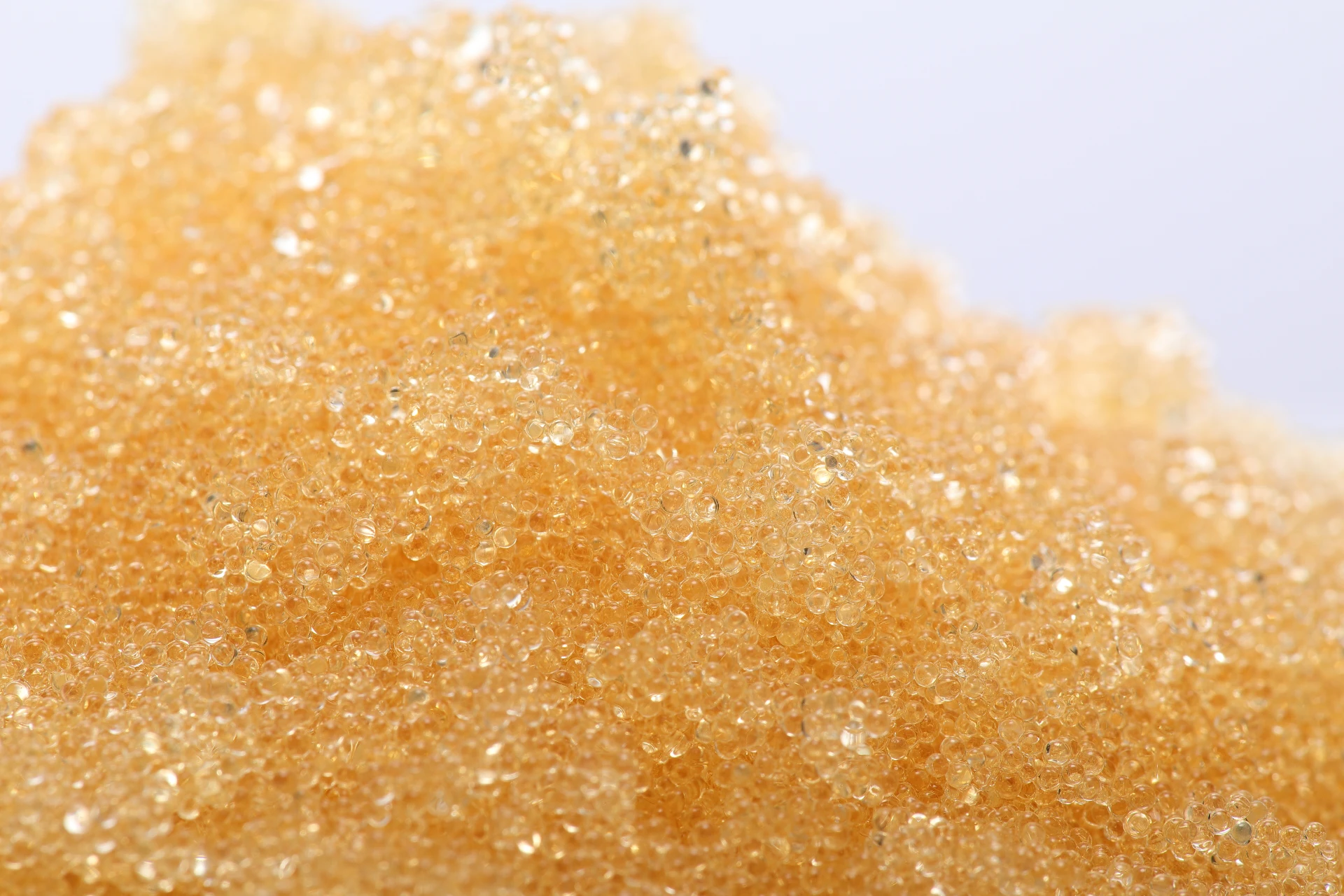
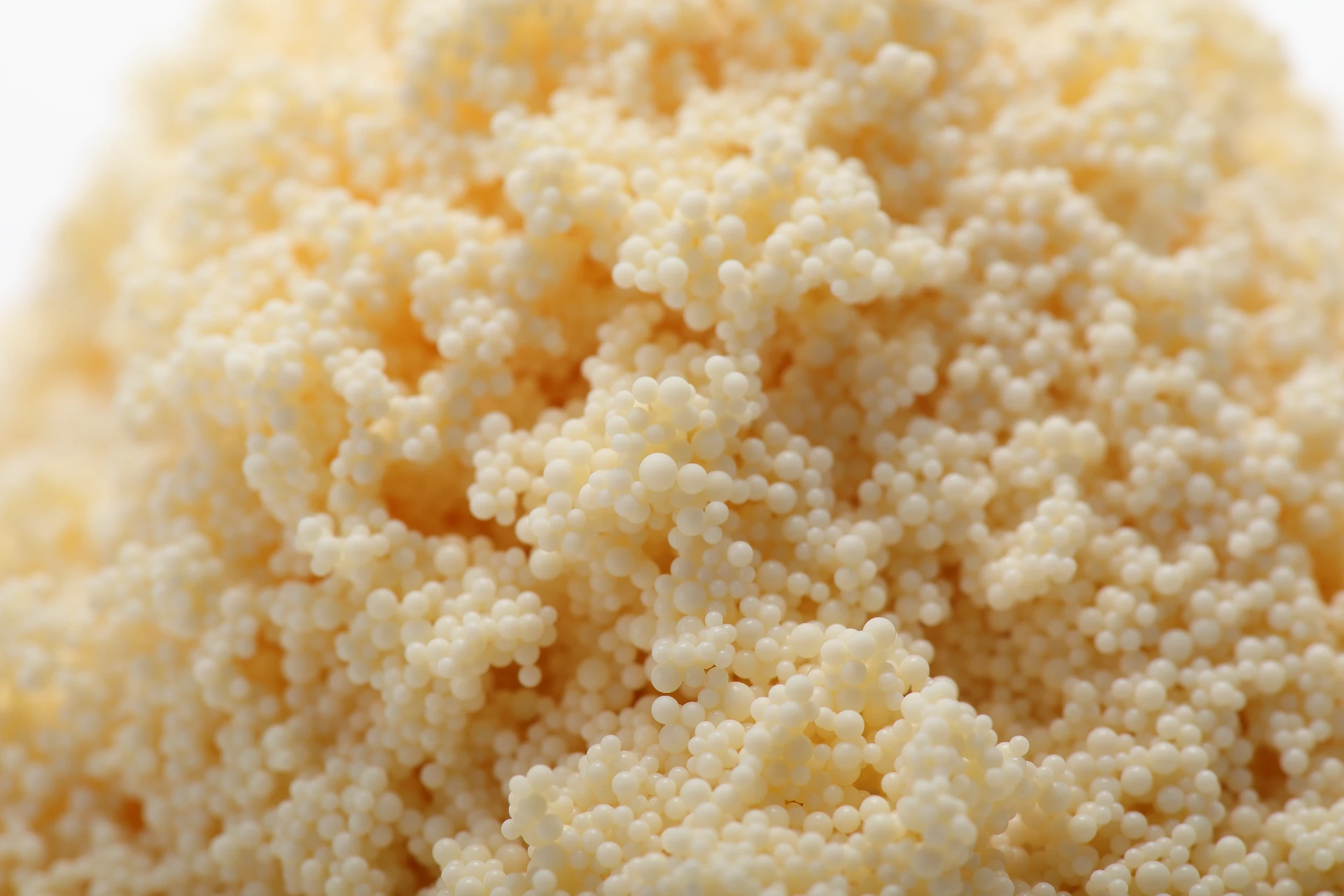
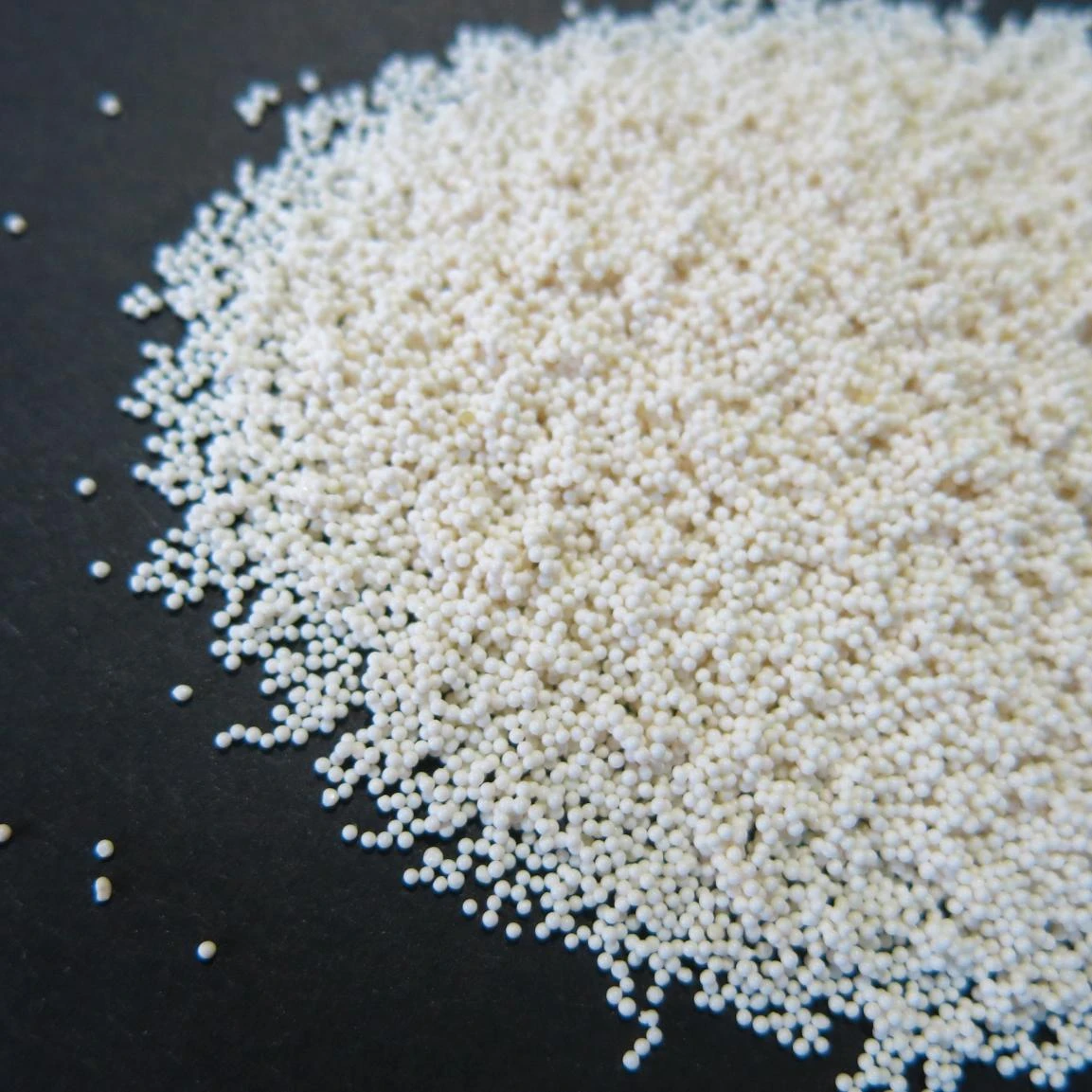
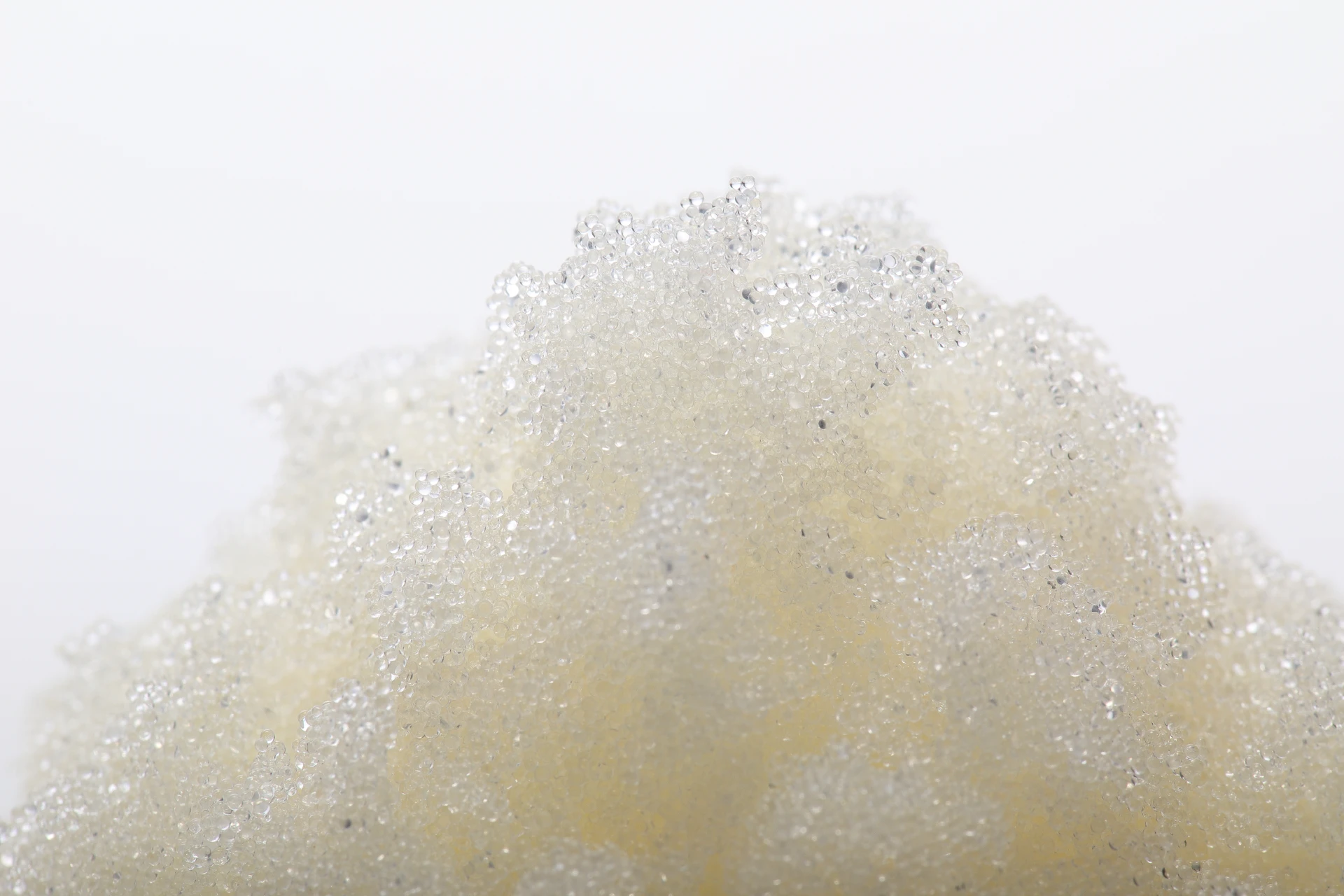
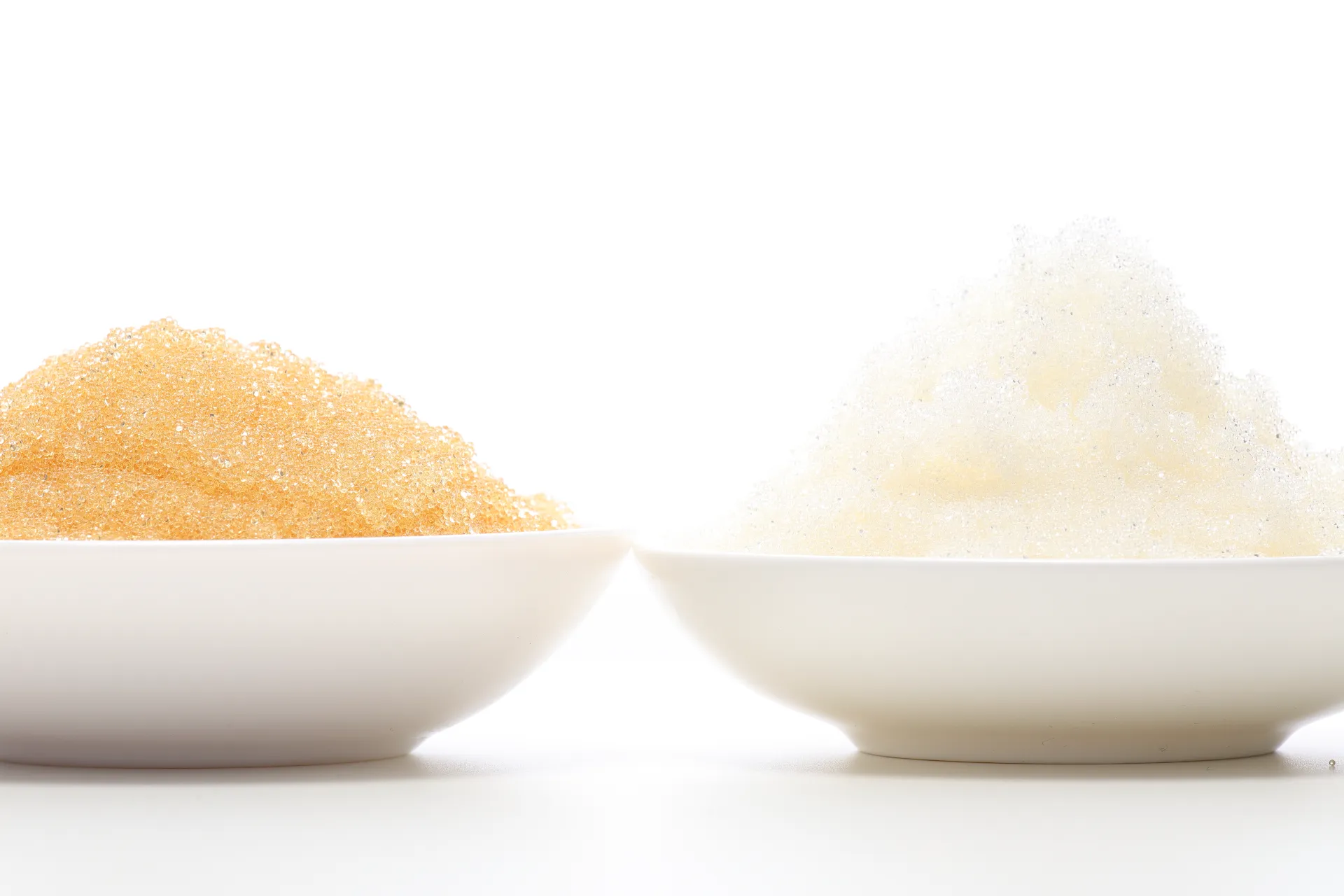
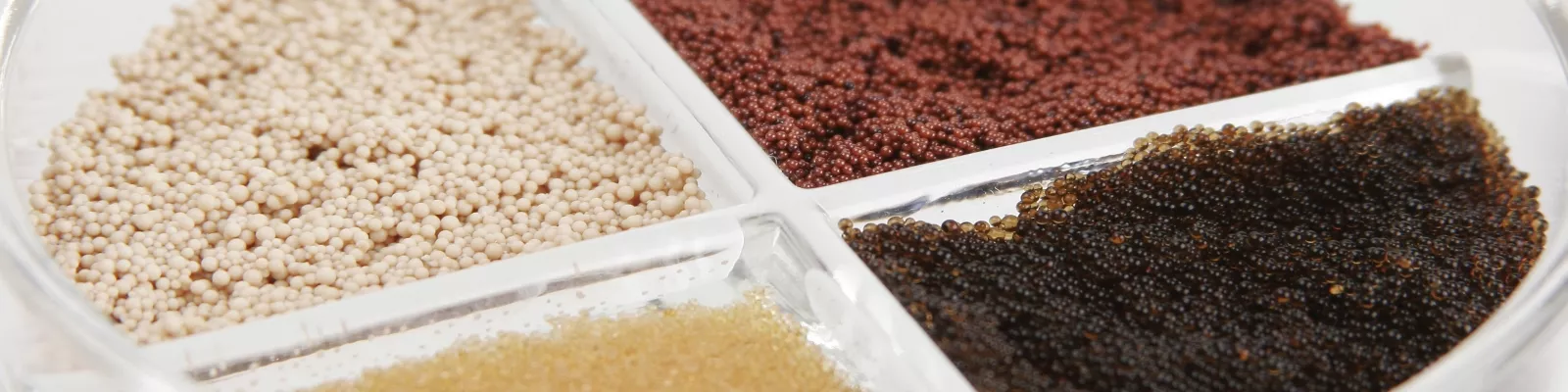
Let’s break down the jargon. Ion exchange resins are basically tiny beads loaded with charged sites. When we say “cation exchange resin mobile ions”, we mean positively charged ions (cations) that can move or swap places with ions in a solution. The resin holds these mobile ions and can trade them for other unwanted ions during treatment processes.
Think of it like a busy marketplace. The resin’s fixed negatively charged sites attract and hold onto mobile cations. When water passes through, problematic ions like lead (Pb2+) or calcium (Ca2+) are swapped out for safer ions like sodium (Na+). This is why these materials are invaluable for water softening and purification — they literally exchange bad ions for good ones.
Industries, hospitals, and municipal water plants rely heavily on this chemistry to deliver safer water and better manufacturing outcomes. Without cation exchange resin mobile ions, many modern conveniences simply wouldn’t be possible.
Mini takeaway: Cation exchange resins work by swapping unwanted positive ions in solution with safer, mobile ions held in the resin — a simple yet powerful concept.
Not all ions are created equal, and neither are all resins. Some resins prioritize exchanging heavy metals, others prefer calcium or magnesium, depending on their structure. This selectivity ensures the process targets the ions that matter most in each application.
The resin’s ability to hold and exchange ions without degrading influences how long it lasts and how efficient it is. Higher capacity resins can handle more ions before needing regeneration—a crucial factor in industrial usage.
After saturation, resins are regenerated with salt solutions or acids to restore their mobile ions. The ease and cost of this process affect operational budgets and sustainability footprints.
Resins often operate under harsh conditions — varying pH, temperature, and pressure. Good physical stability means fewer breakdowns and interruptions.
Resin price is influenced by raw materials, manufacturing methods, and lifespan. Balancing upfront cost against performance is a strategic decision for industries.
Mini takeaway: Ion selectivity, capacity, ease of regeneration, stability, and cost are the pillars that determine resin success in real-world conditions.
Countries with scarce clean water resources, such as parts of Africa and South Asia, increasingly use ion exchange treatments integrated with solar or renewable energy for sustainable access.
Mini takeaway: From city water plants to emergency tents in disaster zones, cation exchange resin mobile ions are quietly saving lives and protecting infrastructure.
Reliability and predictability top the list. Operators know this technology can consistently remove ions with minimal chemical waste. Socially, it promotes safe drinking water — a fundamental human right according to the UN’s water agenda. Emotionally, it offers peace of mind that families and communities can trust the water they drink.
Financially, these resins stretch budgets by reducing chemical consumption and downtime. Environmentally, using ion exchange means less harsh chemical disposal and more circular processes. Engineers and plant managers often say it “feels like the perfect balance between innovation and tradition.”
Mini takeaway: Cation exchange resin mobile ions bring a blend of cost savings, sustainability, and safety that lasts over the long haul.
Green chemistry is reshaping resin production — bio-based polymers and recyclable resin beads are entering the scene. Improved nanocomposite resins promise higher capacity and selectivity at lower energy costs. Digitalization, including real-time sensors monitoring resin performance, allows near-instant maintenance decisions, reducing downtime.
Automation in regeneration cycles also means smarter, more sustainable operations. Eventually, we may see integration with AI systems predicting ion exchange needs before water quality dips, truly proactive water management.
Mini takeaway: The future is bright for ion exchange resin technology, with sustainability and digital transformation steering the ship.
Despite the many benefits, ion exchange resins face challenges:
That said, plant operators are combating fouling with pre-treatment filters. Innovations in resin chemistry are improving resistance to breakdown. And modular systems allow for swapping various resin types depending on changing water conditions.
Mini takeaway: Challenges are part of the game, but smart maintenance and innovation keep resins effective and reliable.
| Feature | Specification | Notes |
|---|---|---|
| Ion Form | Na+ (Sodium Form) | Most common mobile ion for exchange |
| Exchange Capacity | 1.9–2.2 eq/L | Higher values indicate better performance |
| Particle Size | 300–1200 µm | Influences flow rate and pressure drop |
| Operating pH Range | 0–14 | Broad pH tolerance is beneficial in various environments |
| Regeneration Method | Salt brine (NaCl) | Standard method for restoring mobile ions |
| Supplier | Product Range | Key Strength | Price Range |
|---|---|---|---|
| Liji Resin Co. | Strong acid cation, mixed bed | High exchange capacities, sustainable sourcing | $$$ |
| IonPure International | Custom resins for heavy metals | Tailored solutions, fast turnaround | $$$$ |
| EcoChem Resins | Bio-based cation exchange resins | Eco-friendly, recyclable | $$ |
A: Mobile ions in cation exchange resins are positively charged ions loosely held by the resin’s negatively charged sites, which can be swapped with other cations in a solution during the ion exchange process. Sodium ions (Na+) are a common example, acting as placeholders that exchange with harder metal ions.
A: Water softening involves removing calcium and magnesium ions that cause hardness. Cation exchange resins replace these ions with sodium ions, preventing scale buildup in pipes and appliances, improving water taste and efficiency.
A: Regeneration frequency depends on water hardness and flow rates but typically ranges from every few days to weeks. Regeneration restores the resin's mobile ions using brine solutions, maintaining ion exchange efficiency.
A: Many newer resins focus on sustainability, utilizing bio-based materials and recyclable beads. Proper regeneration and disposal also minimize environmental impacts compared to alternative chemical treatments.
A: Absolutely. Resin manufacturers often tailor ion selectivity, bead size, and capacity to specific industrial needs such as pharmaceutical-grade water or heavy metal removal in mining wastewater.
In the end, the concept that in ion exchange resins cation exchange resin mobile ions are indispensable merely scratches the surface. Their silent, continuous work purifies water, protects equipment, and enables a host of industries critical for daily life and humanitarian aid. If you’re looking to explore these solutions or upgrade existing systems, in ion exchange resins cation exchange resin mobile ions are a smart place to focus your efforts — because they represent the intersection of chemistry, engineering, and real-world impact.
For more detailed product info and innovative resin technology, feel free to visit Liji Resin's website — a leading name in cutting-edge ion exchange resins.
Thanks for reading! It’s fascinating how tiny ions and little beads can make such an outsized difference in our world…
References: