Phone:
+86 0319 2296164


Email:
info@lijiresin.cn
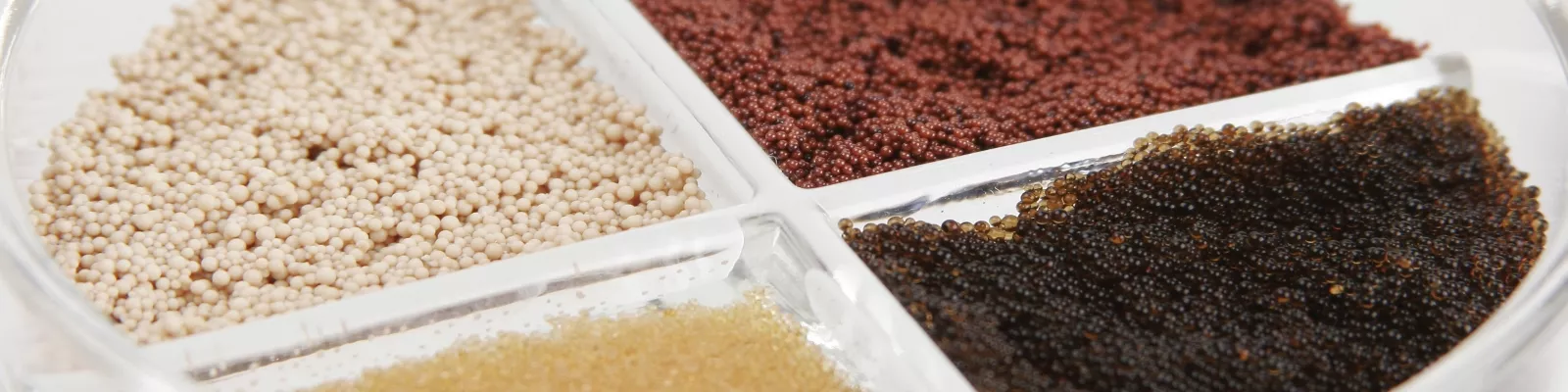
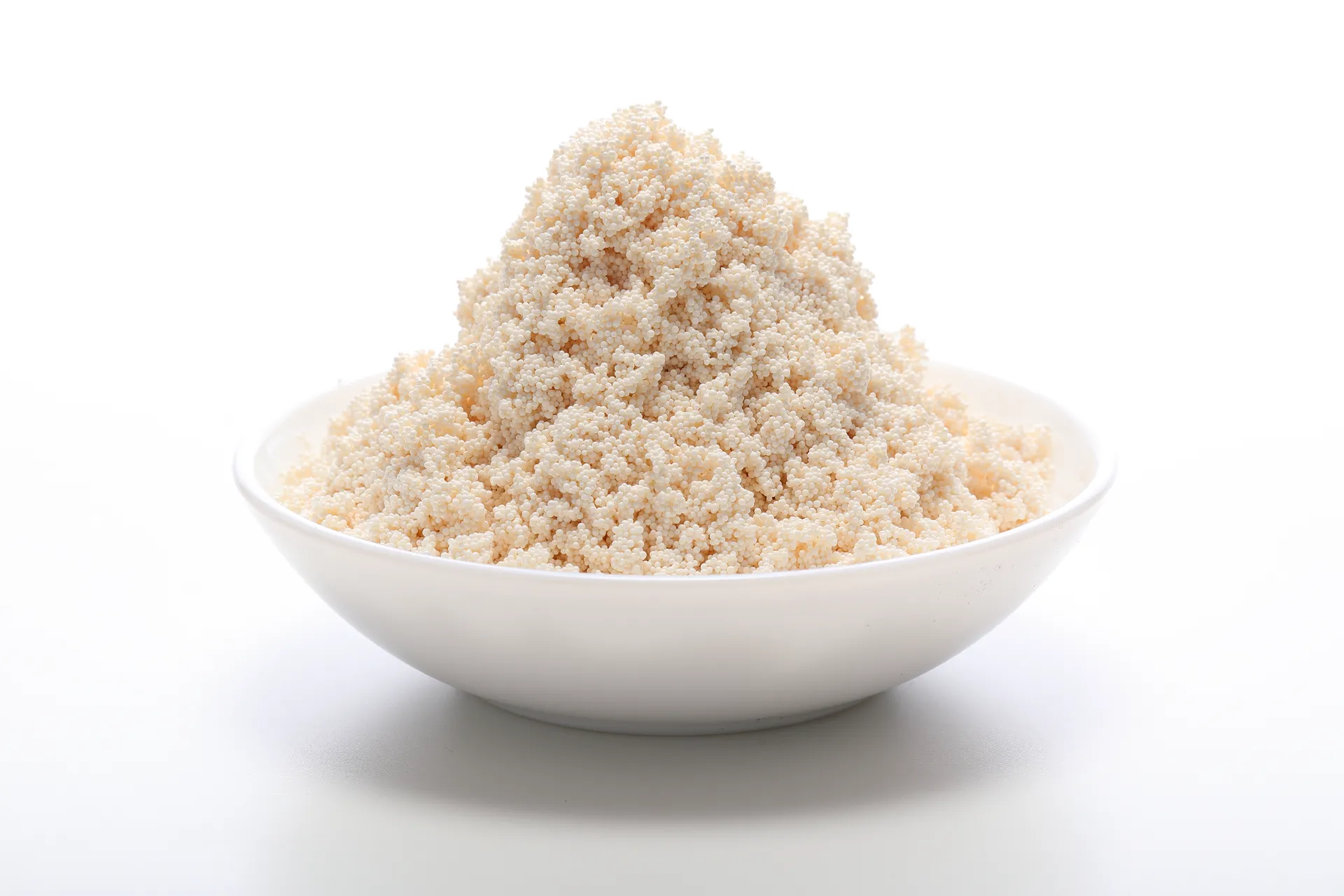
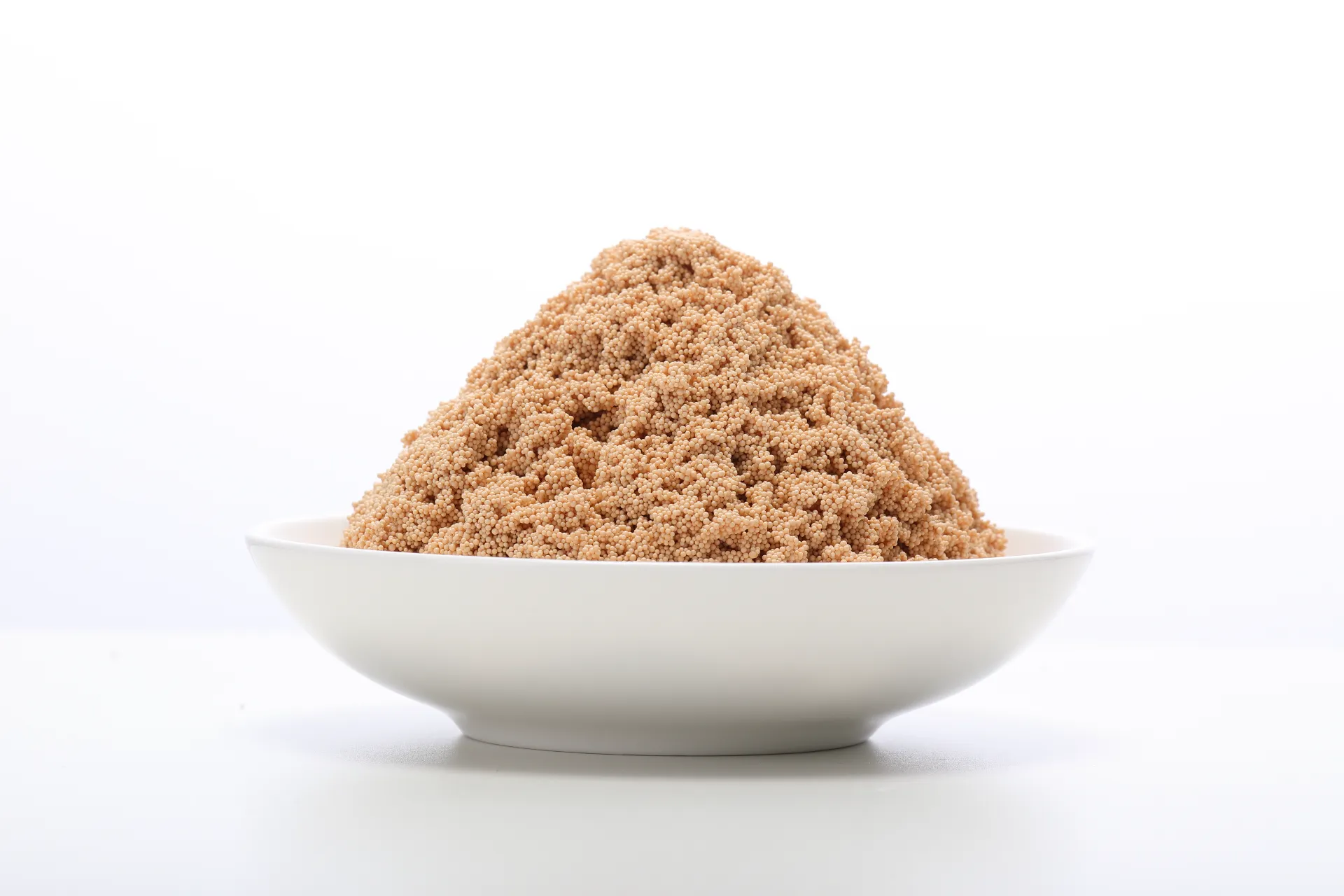
The Macroporous Adsorption Resin AB-8 has emerged as a critical solution in modern industrial separation and purification processes. This advanced resin, developed by Hebei Lijiang Biotechnology Co., Ltd., offers unparalleled performance in extracting and purifying water-soluble and weakly polar substances. Its unique properties make it a preferred choice across various industries, from pharmaceuticals to environmental engineering. This article provides an in-depth exploration of the AB-8 resin's features, technical specifications, applications, and the company's commitment to innovation.
Macroporous adsorption resins are synthetic polymers designed to selectively adsorb specific molecules from complex mixtures. AB-8 is a styrene-type weakly polar copolymer, engineered with a crosslinking agent (divinylbenzene) and monomer (methyl acrylate). The resin's structure, combined with its macroporous network, allows it to efficiently capture and retain target compounds while allowing other components to pass through. This makes it ideal for applications requiring high selectivity and capacity, such as the purification of natural products like stevioside and alkaloids.
The AB-8 resin stands out due to its exceptional physical and chemical properties. Here are its core advantages:
| Parameter | Specification |
|---|---|
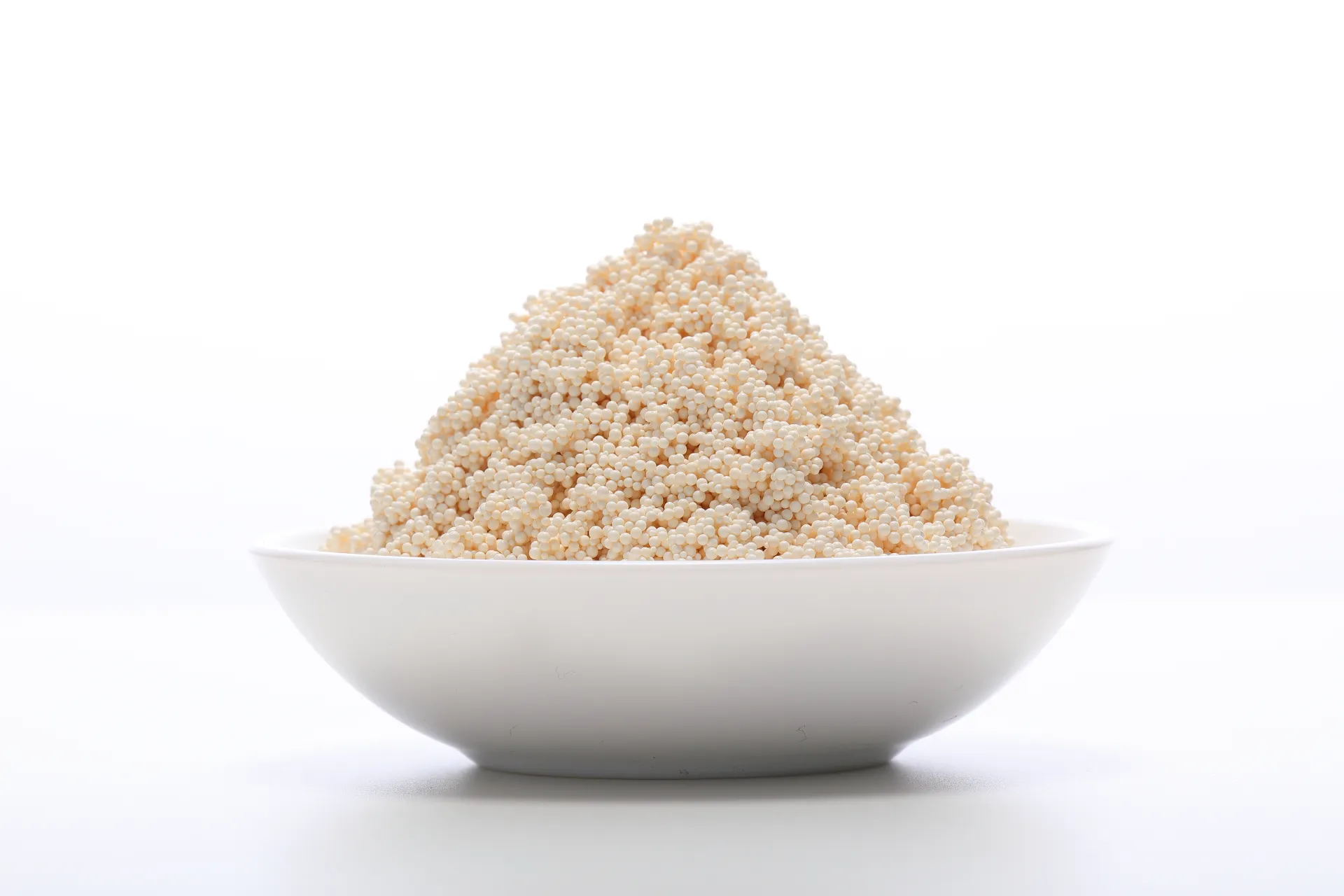
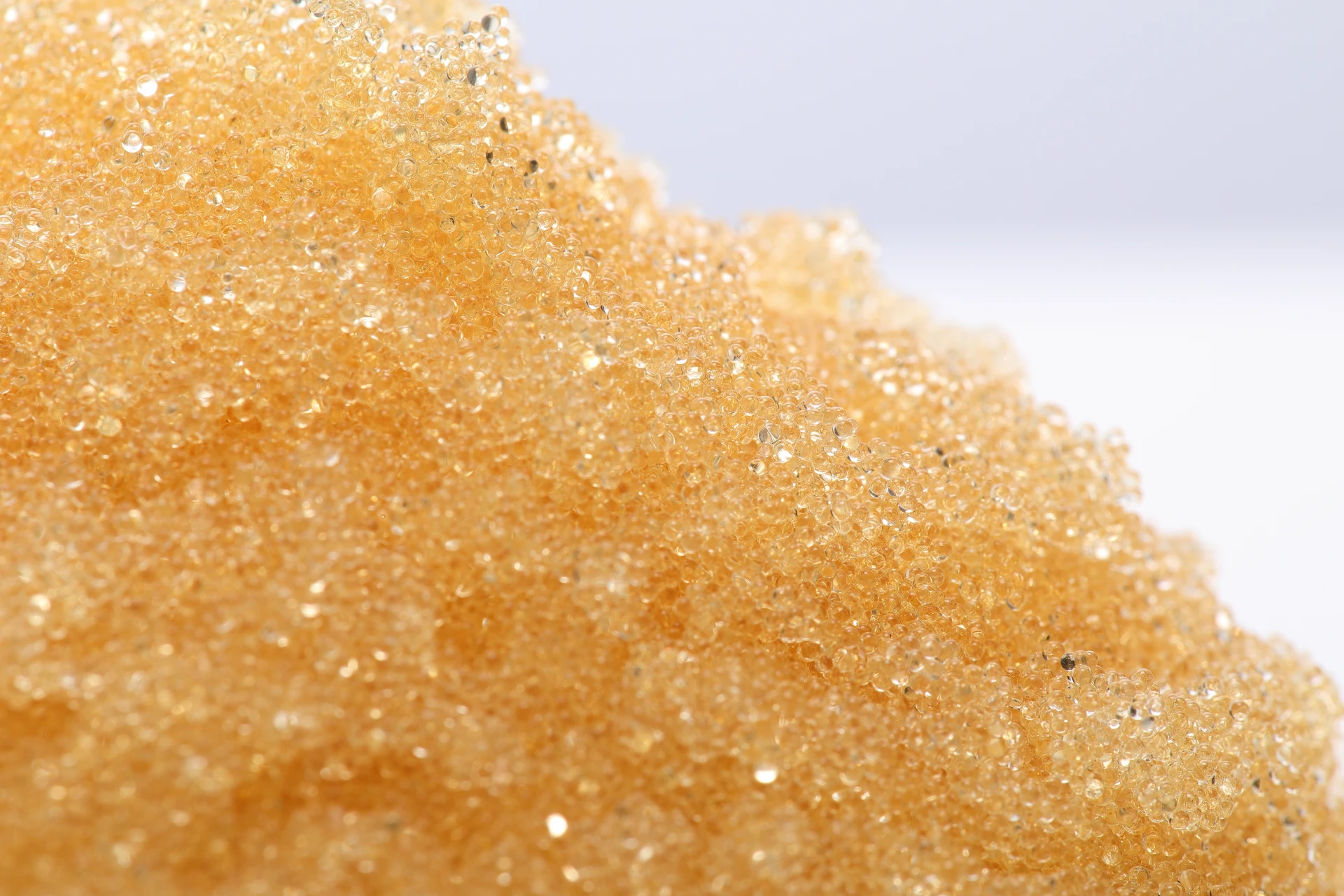
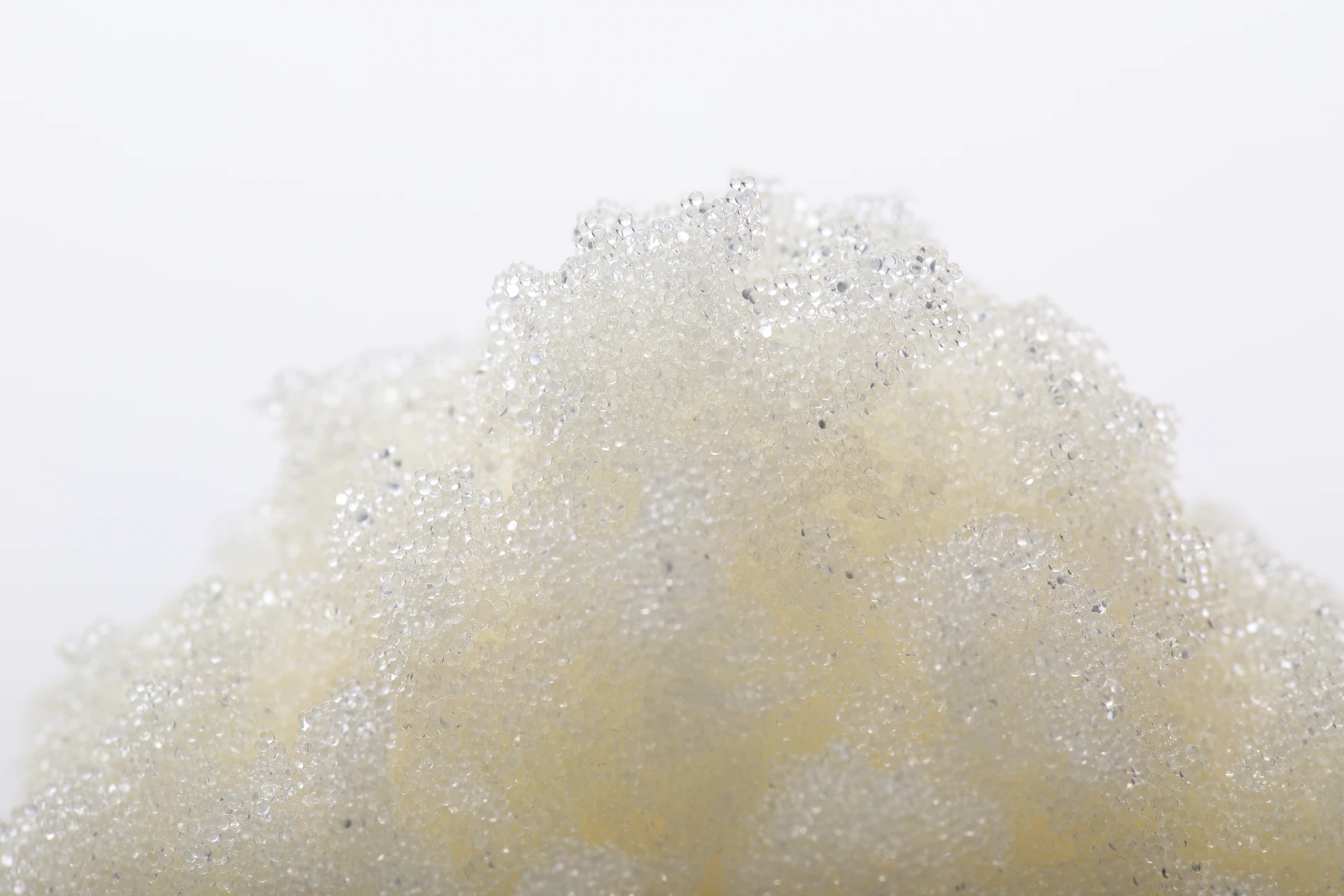
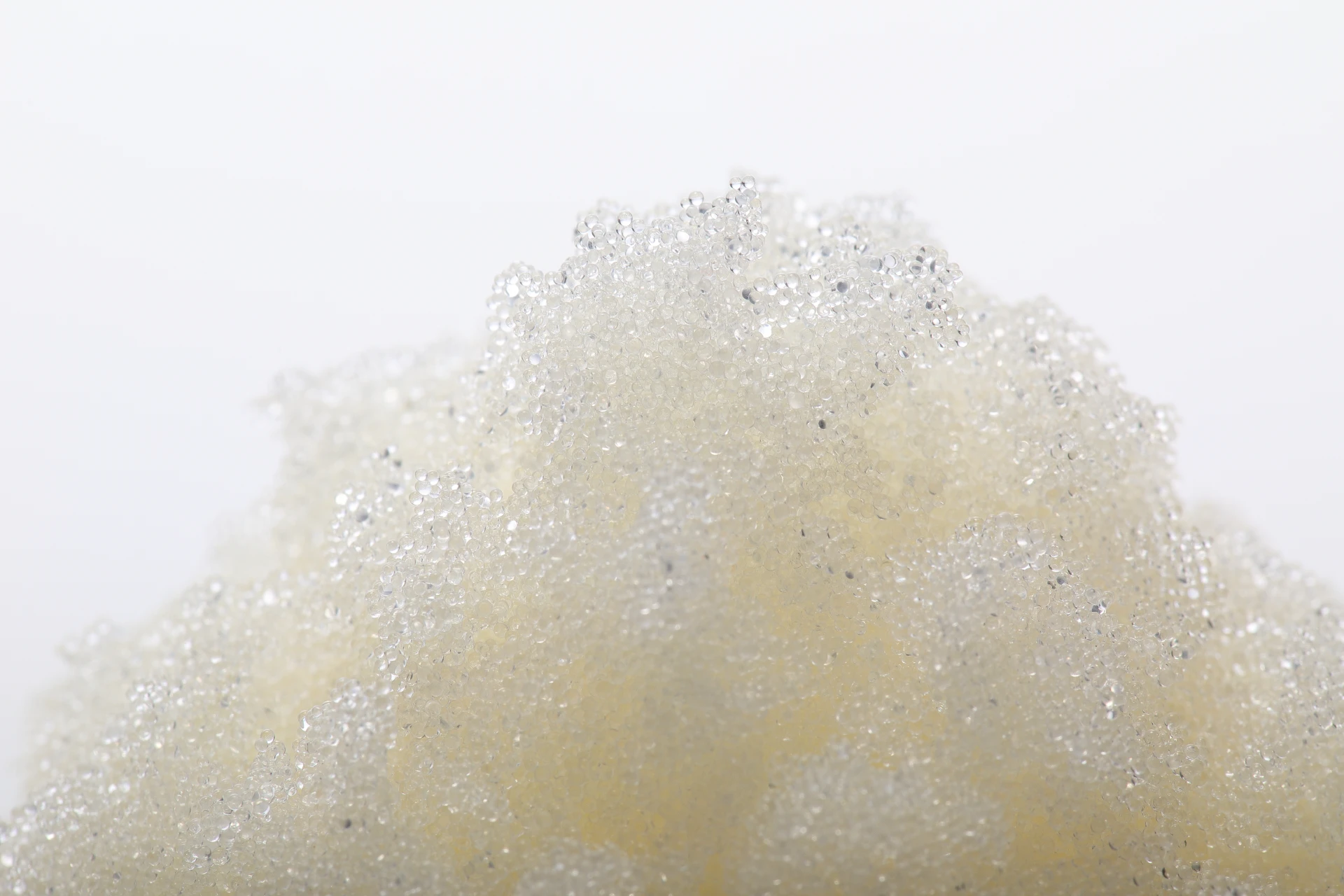
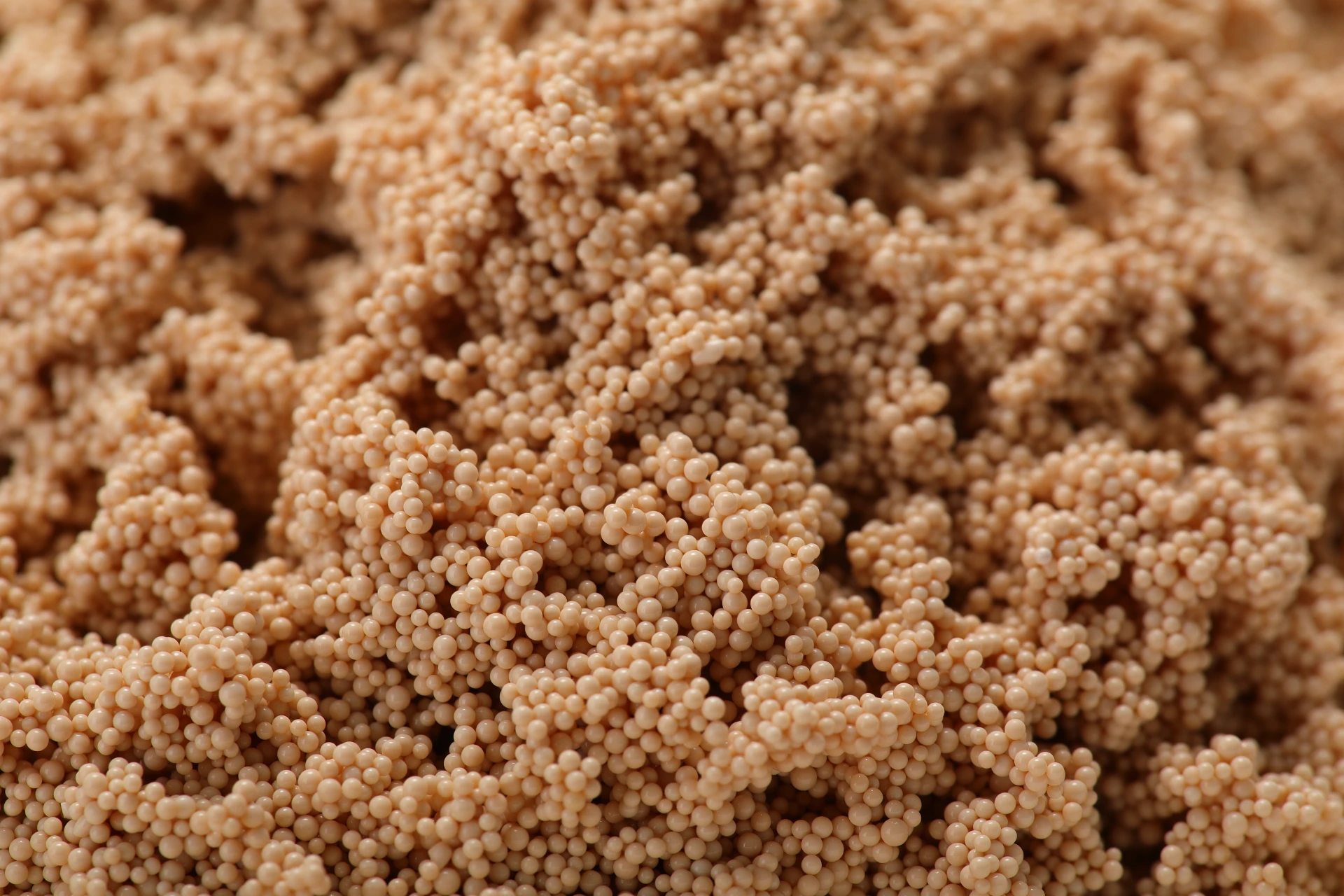
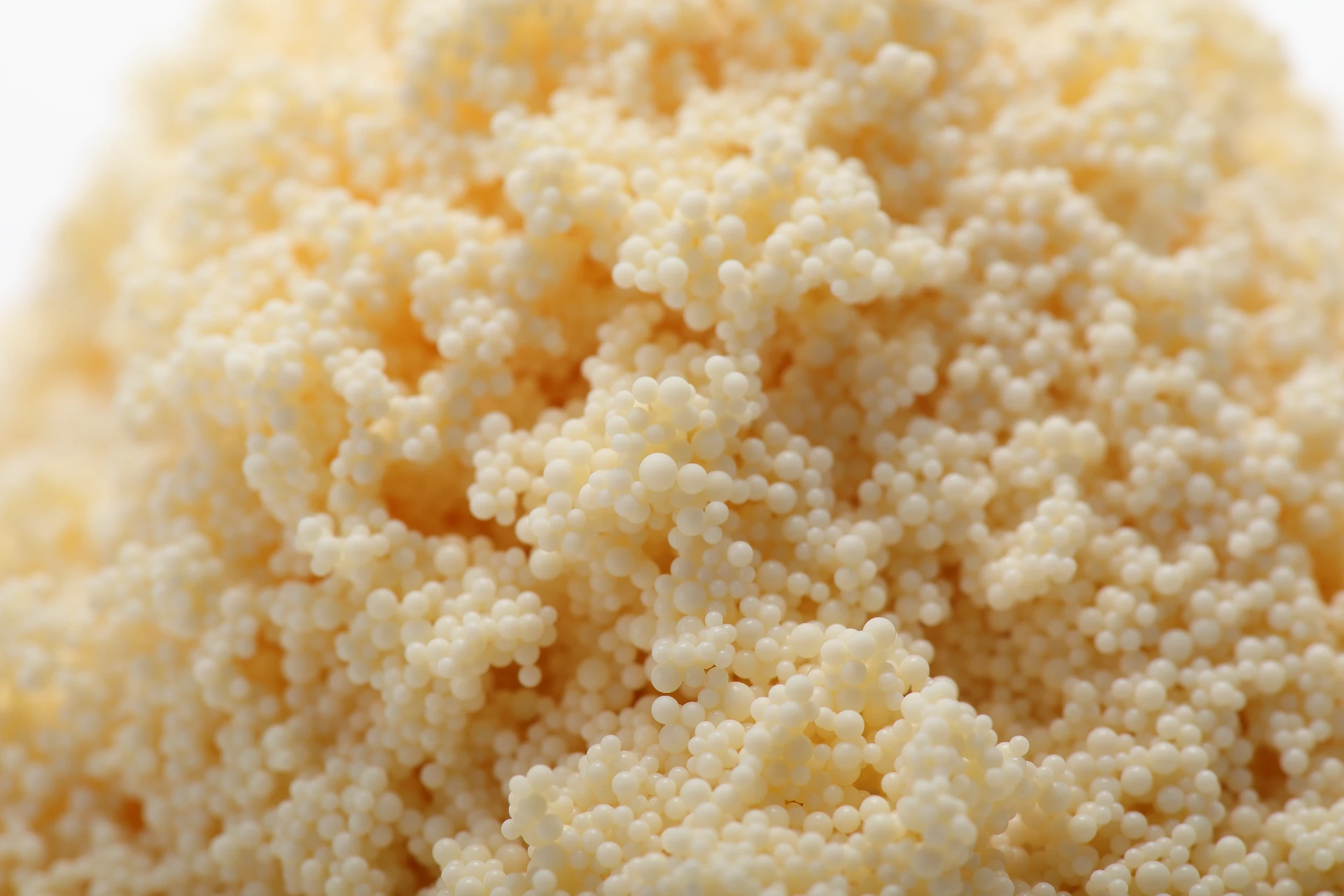
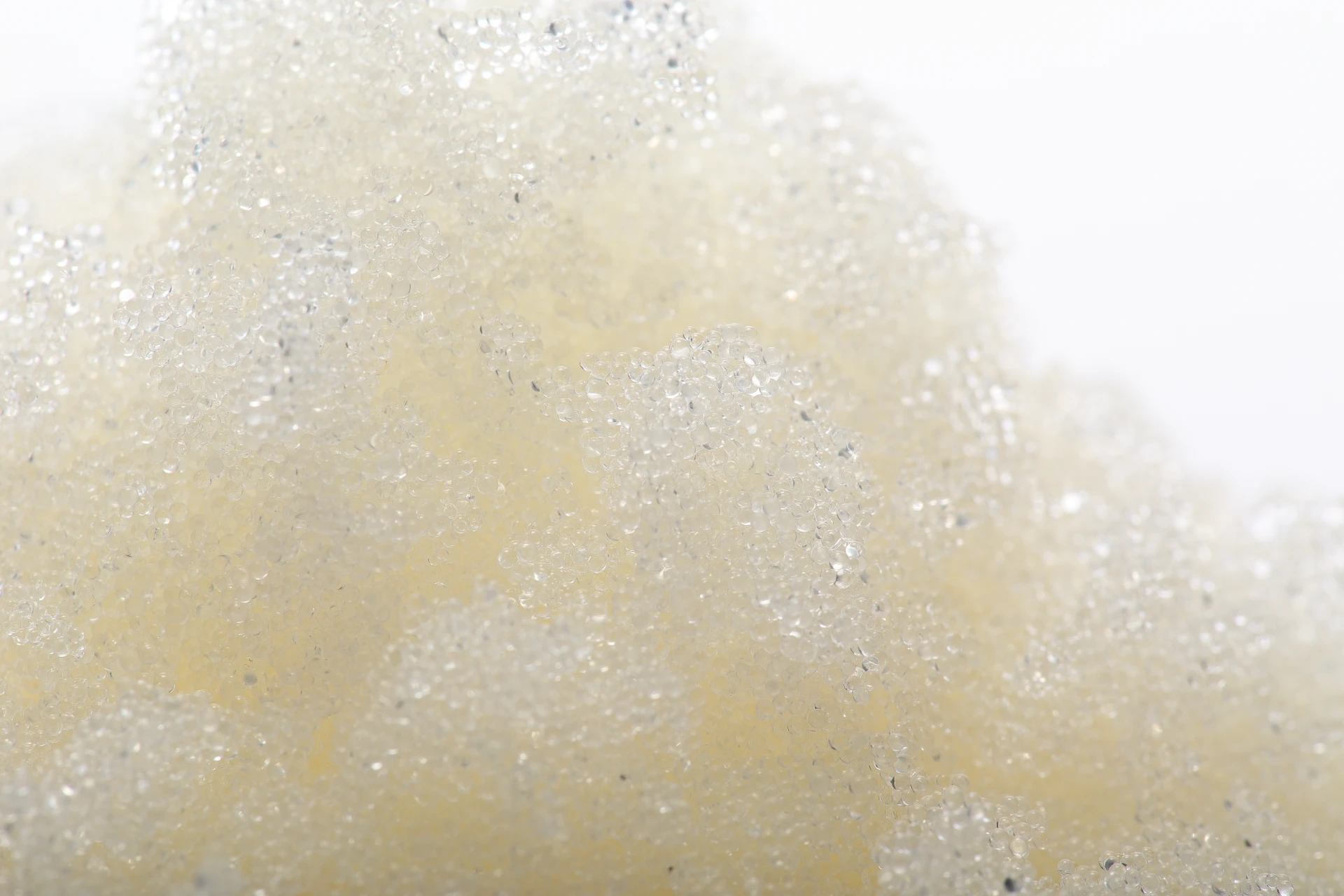
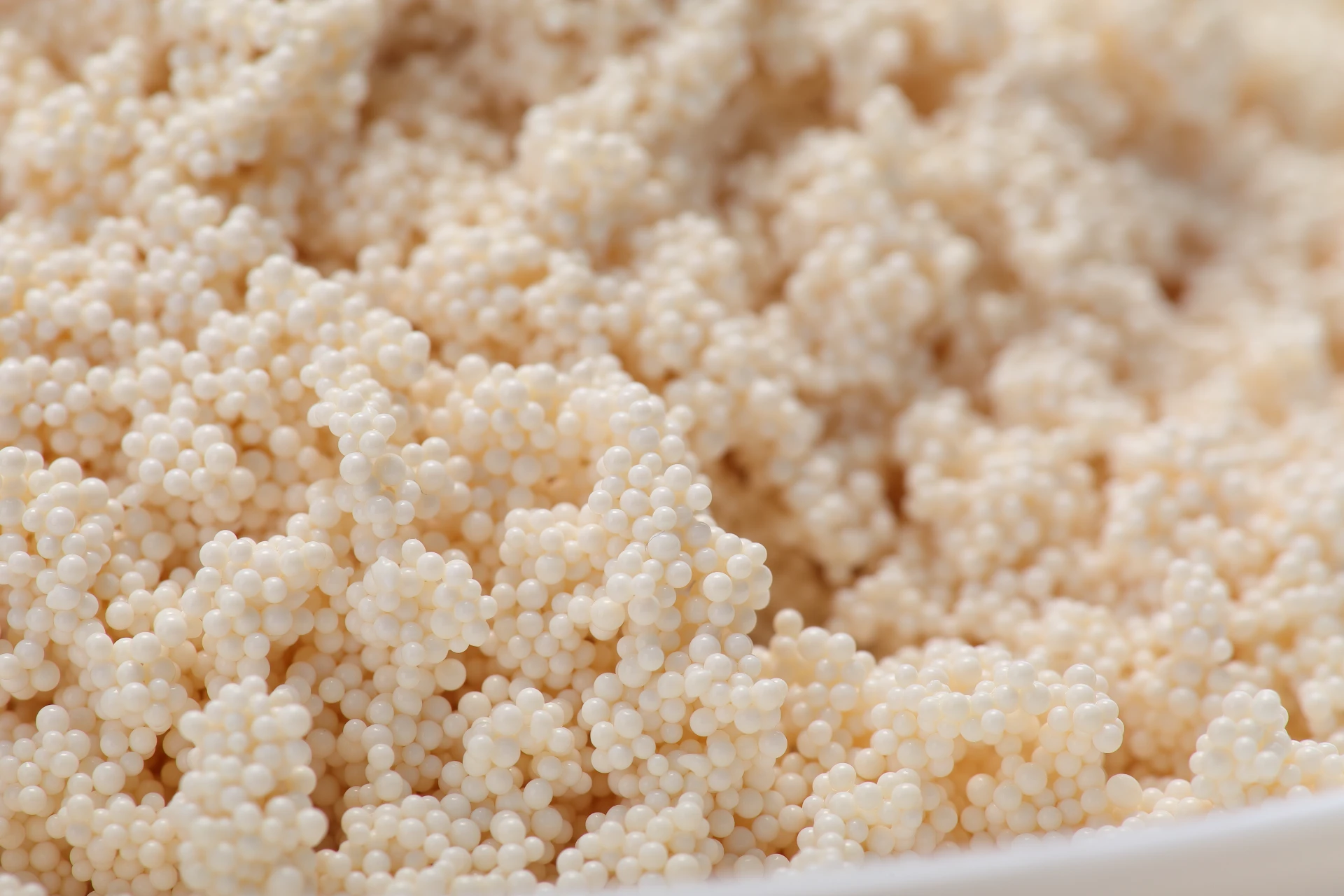
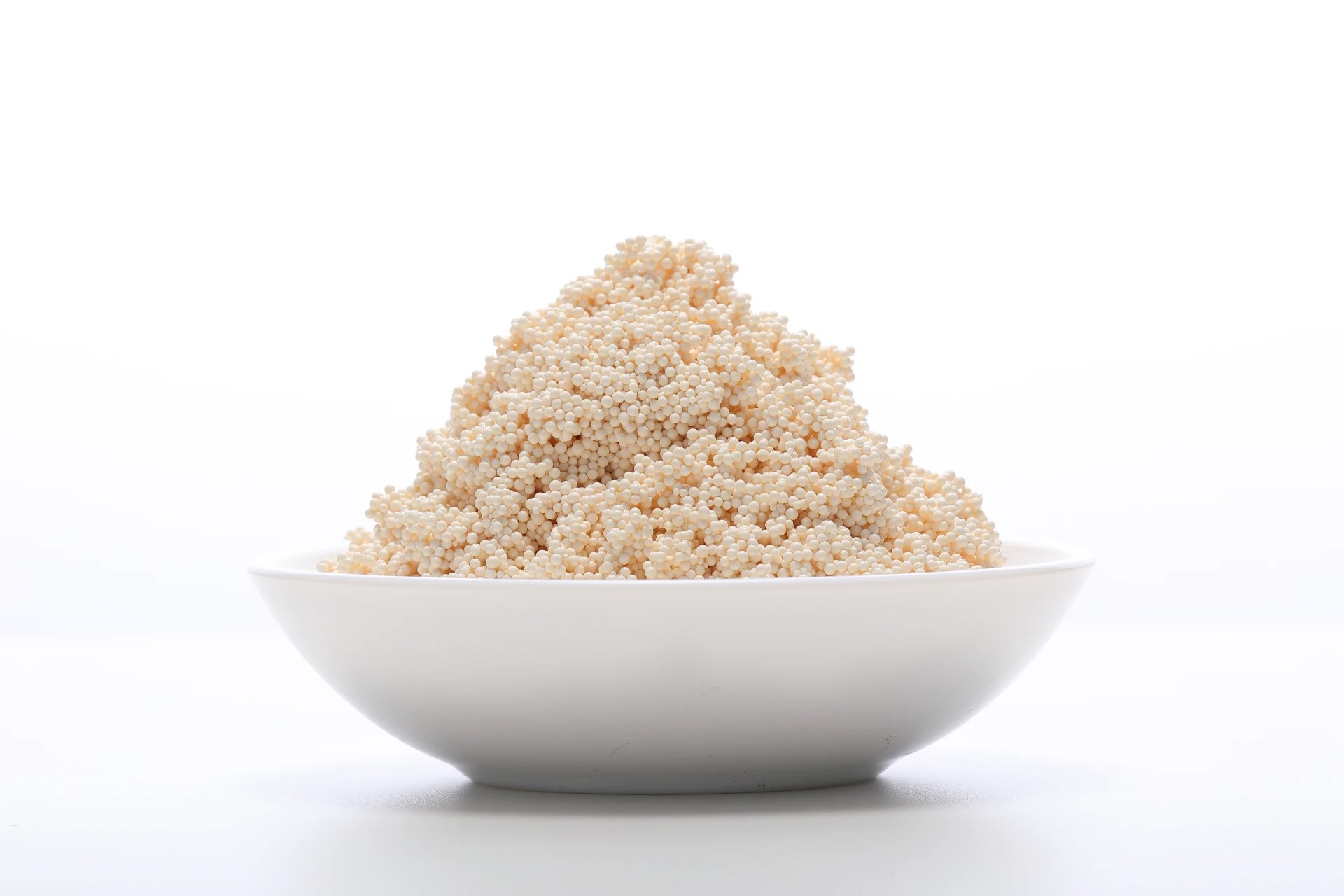
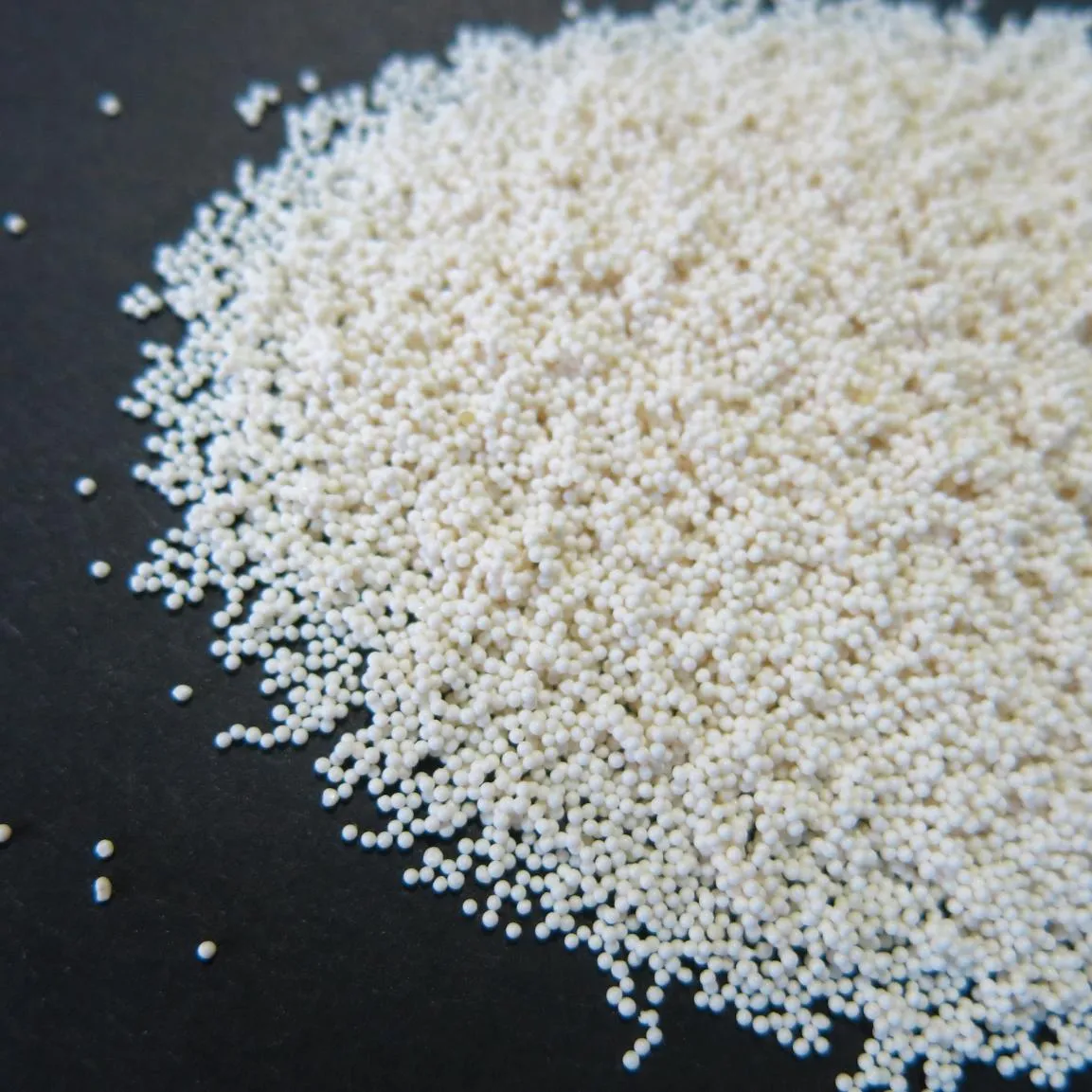
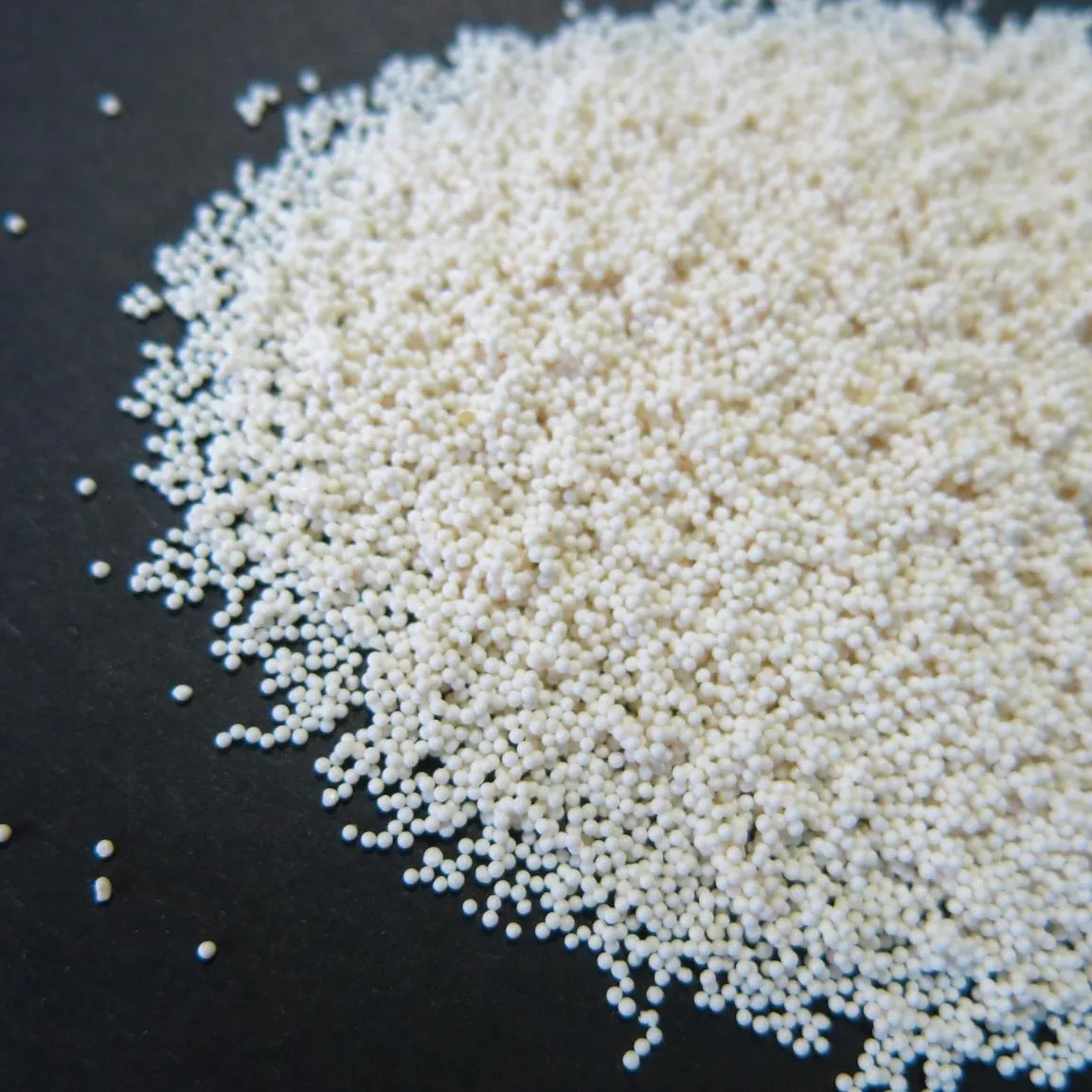
| Appearance | Milky white opaque spherical beads |
| Resin Structure | PSD (Polystyrene Divinylbenzene) |
| Polarity | Weakly polar |
| Moisture Content | 65%–75% |
| Particle Size Range | 60–16 mesh (0.3–1.25 mm) ≥90% |
| Average Pore Size | 13–14 nm |
| Pore Volume | 0.73–0.77 ml/g |
| Porosity | 42%–46% |
| Specific Surface Area | ≥480 m²/g |
| Adsorption Capacity | ≥45 mg/g |
The versatility of AB-8 makes it indispensable in various sectors:
AB-8 is widely used for the extraction and purification of bioactive compounds such as alkaloids, flavonoids, and glycosides. Its high selectivity ensures the removal of impurities, enhancing the purity of final products. For example, it is effective in isolating stevioside from Stevia rebaudiana, a natural sweetener.
The resin is employed in the purification of food additives, such as natural pigments and flavor compounds. Its ability to withstand harsh conditions makes it suitable for processes involving acidic or alkaline environments.
AB-8 is used in wastewater treatment to remove organic pollutants and heavy metals. Its macroporous structure allows for the efficient adsorption of contaminants, contributing to environmental sustainability.
The resin aids in the purification of natural extracts used in cosmetics, ensuring product safety and efficacy. Its compatibility with various solvents allows for flexible application in formulation processes.
Proper preparation and regeneration are crucial for maintaining the resin's performance:
Industrial-grade resins require pretreatment to remove inert solvents. The process involves soaking the resin in ethanol (10–20 cm above the resin layer) for 3–4 hours, followed by washing with water until the effluent is clear. This ensures the resin is ready for use in extraction processes.
When the adsorption capacity decreases, the resin undergoes enhanced regeneration. This involves soaking in 3–5% hydrochloric acid for 2–4 hours, followed by rinsing with water until neutral. Subsequent treatment with 5% sodium hydroxide solution completes the regeneration, restoring the resin's functionality.
To ensure optimal performance, the resin must be stored and handled correctly:
Hebei Lijiang Biotechnology Co., Ltd. is a leading manufacturer of advanced adsorption resins, specializing in the development and production of high-performance materials for industrial applications. With a focus on innovation and quality, the company has established itself as a trusted partner for clients worldwide. Their commitment to research and development ensures that products like AB-8 meet the evolving needs of industries.
The efficacy of adsorption resins like AB-8 is supported by rigorous scientific research. NIST (National Institute of Standards and Technology), a U.S. government agency, plays a pivotal role in establishing standards for materials and processes. While NIST does not directly test adsorption resins, its work in metrology and material characterization provides the foundational knowledge for evaluating resin performance. For instance, NIST's research on porous materials and surface area analysis (as detailed in their publications) aligns with the technical specifications of AB-8, ensuring its reliability in industrial applications.
The Macroporous Adsorption Resin AB-8 exemplifies the synergy between advanced materials science and industrial needs. Its robust design, coupled with the expertise of Hebei Lijiang Biotechnology Co., Ltd., positions it as a cornerstone in separation and purification technologies. As industries continue to demand higher efficiency and sustainability, resins like AB-8 will remain indispensable, driven by continuous innovation and adherence to global standards.
NIST (National Institute of Standards and Technology). (n.d.). https://www.nist.gov/. Retrieved from https://www.nist.gov/
Hebei Lijiang Biotechnology Co., Ltd.. (n.d.). https://www.lijiresin.com. Retrieved from https://www.lijiresin.com/
Macroporous Adsorption Resin AB-8 Product Specifications. (n.d.). https://www.lijiresin.com/macroporous-adsorption-resin-ab-8.html. Retrieved from https://www.lijiresin.com/macroporous-adsorption-resin-ab-8.html