Phone:
+86 0319 2296164


Email:
info@lijiresin.cn
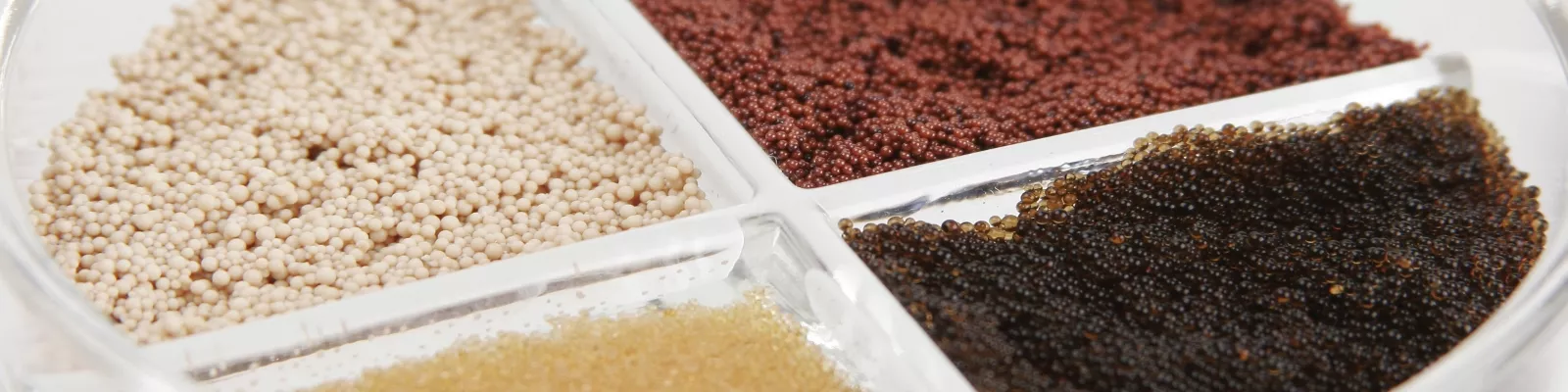
You might have heard whispers about anion beds in industrial forums or seen them pop up in technical spec sheets, but what really are they? In simple terms, an anion bed is a specialized ion-exchange resin bed designed to remove negatively charged ions (anions) from liquids — usually water or chemical solutions. Think of it as a kind of filter that sculpts the chemical makeup by capturing unwanted elements like nitrates, sulfates, or fluorides.
Now, why is this little technological marvel so important on a global scale? Well, access to clean and safe water is a growing challenge, especially with industrialization and agriculture pushing pollutant levels upwards. Plus, many chemical industries depend on ultrapure water for quality production. Understanding how anion beds function can boost efficiency, environmental compliance, and even humanitarian efforts where water quality is critical.
Facing population growth, climate change, and industrial expansion means global freshwater quality is under siege. According to the United Nations World Water Development Report (2023), nearly 2 billion people consume water contaminated with heavy metals or harmful chemicals — this has serious health and economic fallout.
Industries also draw attention here. ISO standards (ISO 9001 & ISO 14001) increasingly demand rigorous water purification for manufacturing electronics, pharmaceuticals, and food. All of these stress the need for efficient water treatment techniques — and that’s where anion exchange beds come in.
Still, challenges remain: high contamination loads, complicated waste disposal from ion exchange processes, and costs can bottleneck wider adoption. So, engineers and environmental managers alike keenly eye innovations in anion exchange technology.
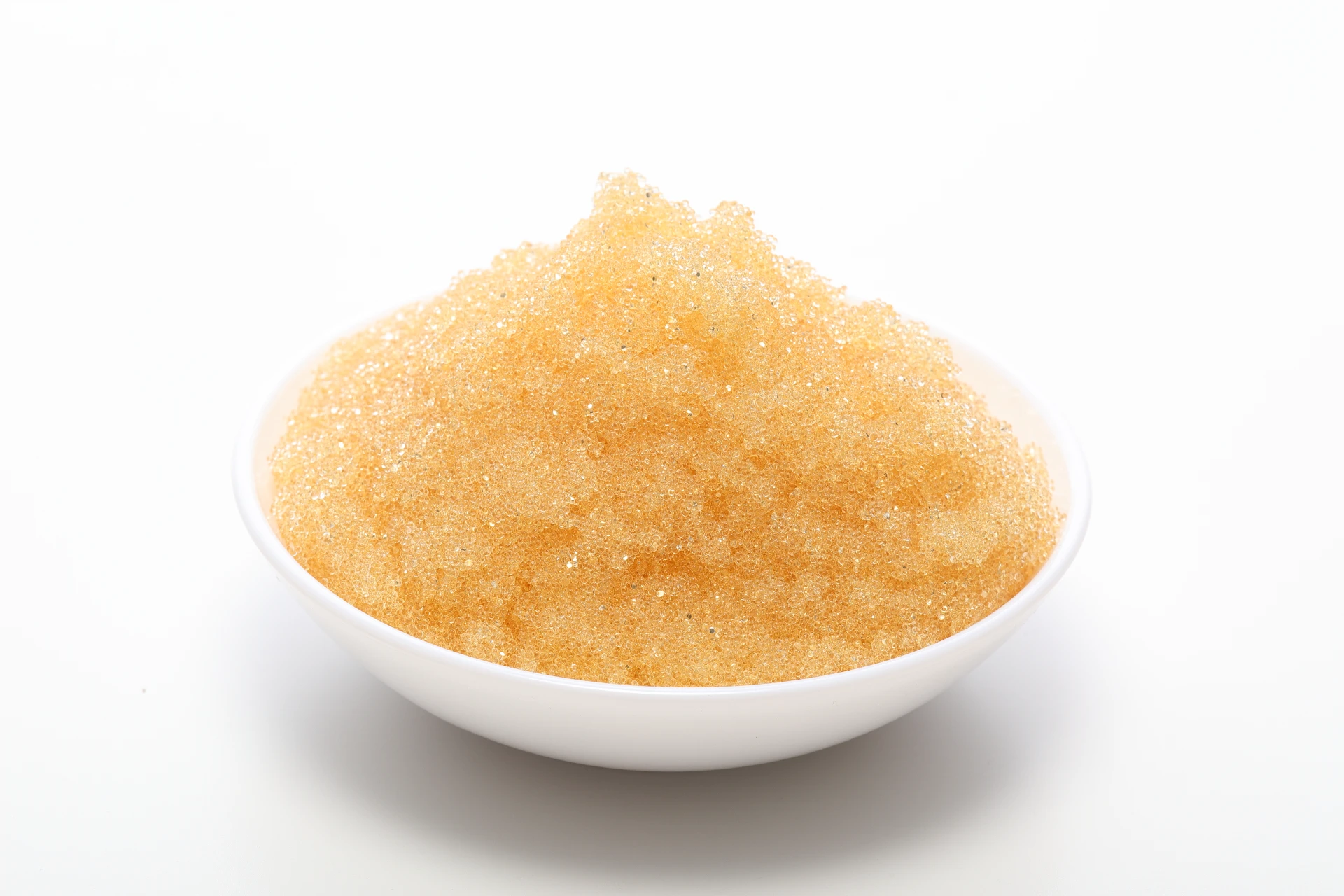
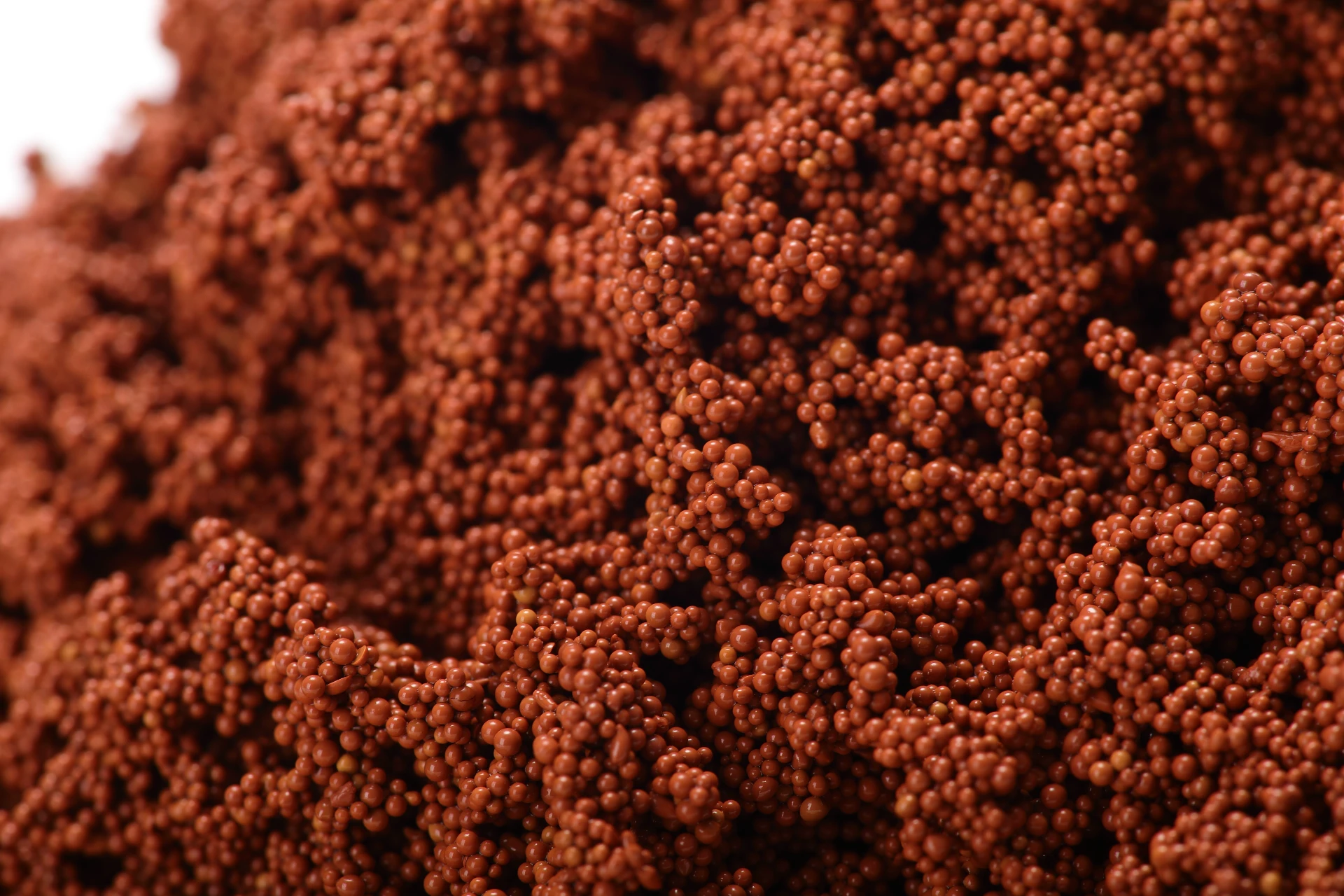
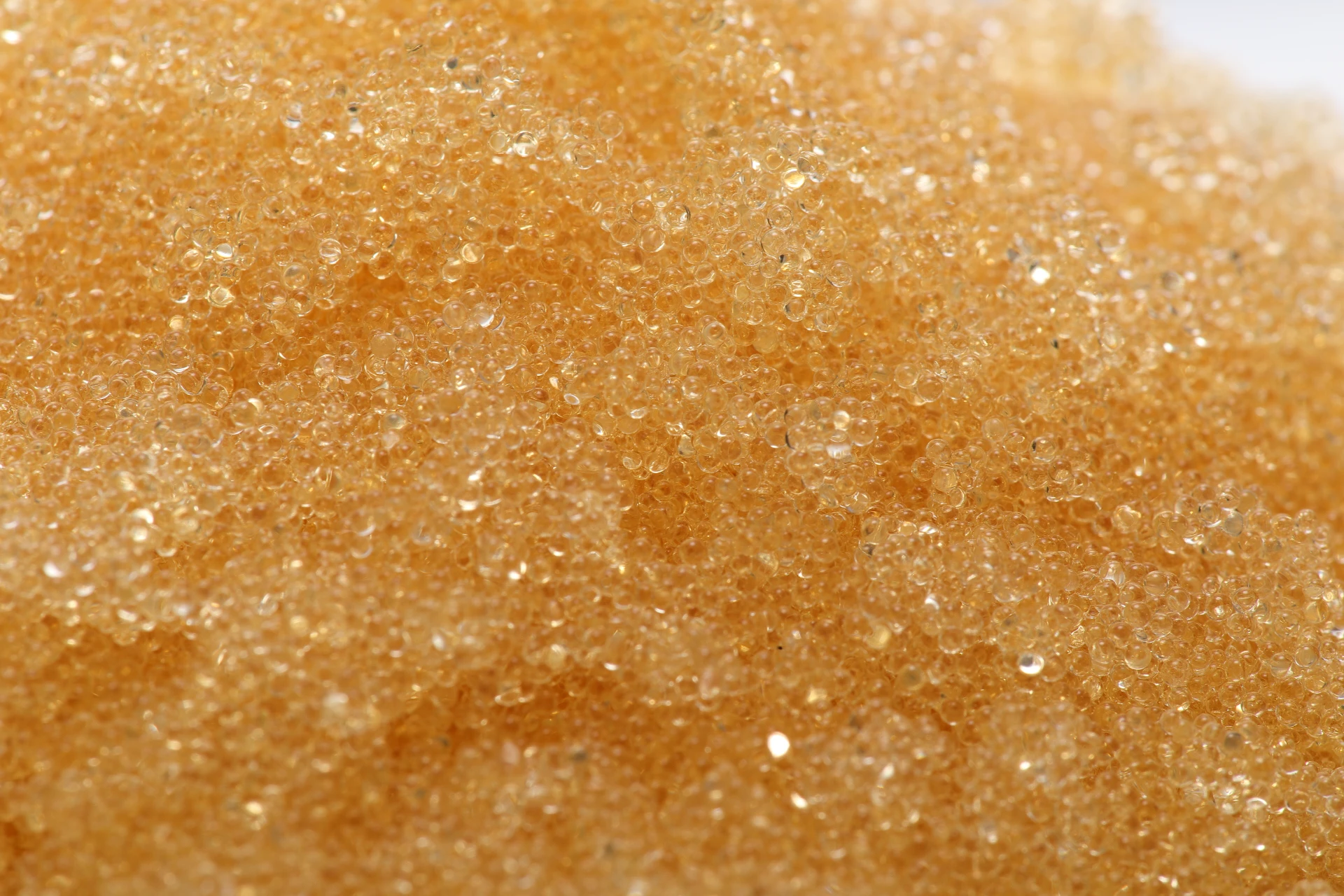
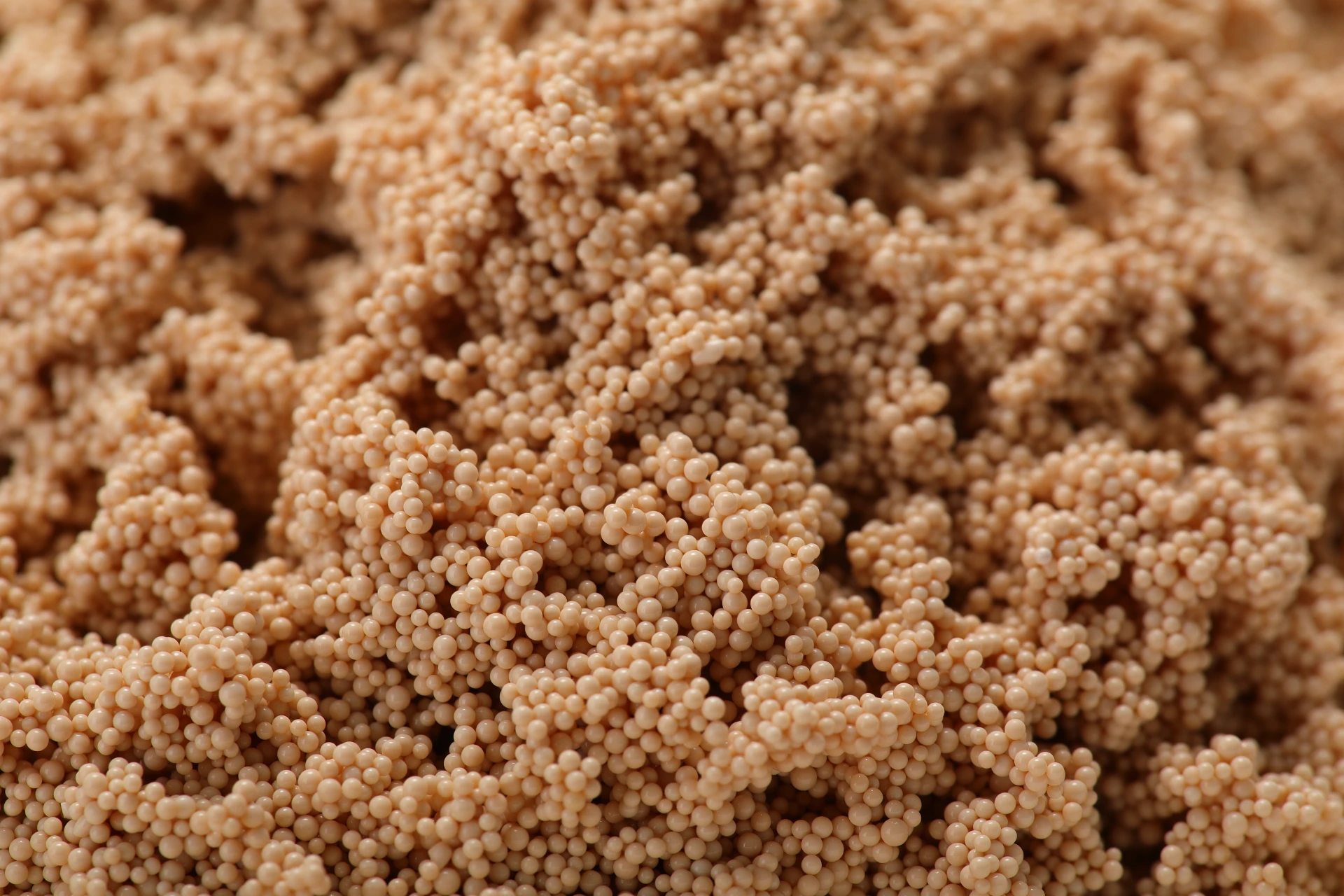
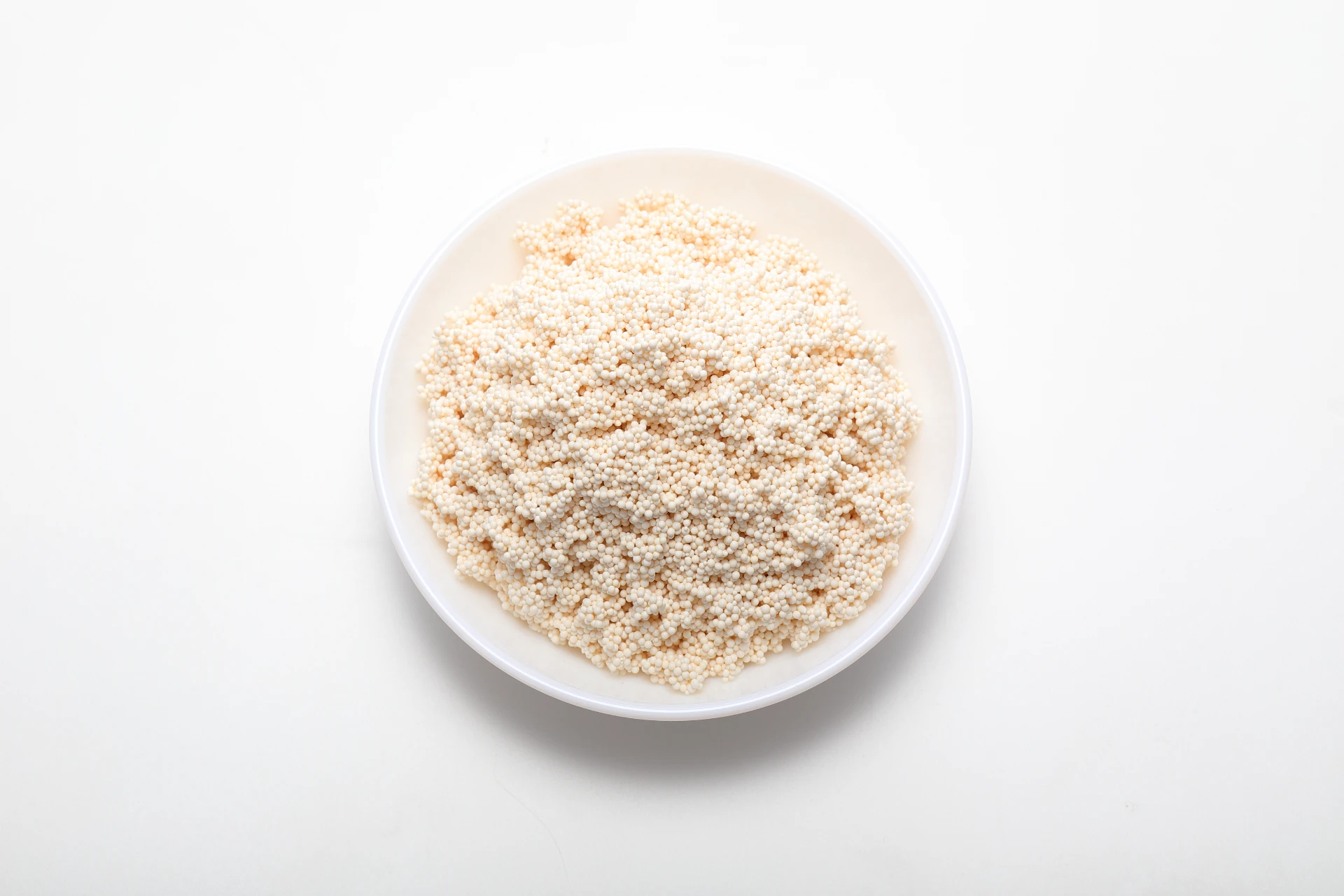
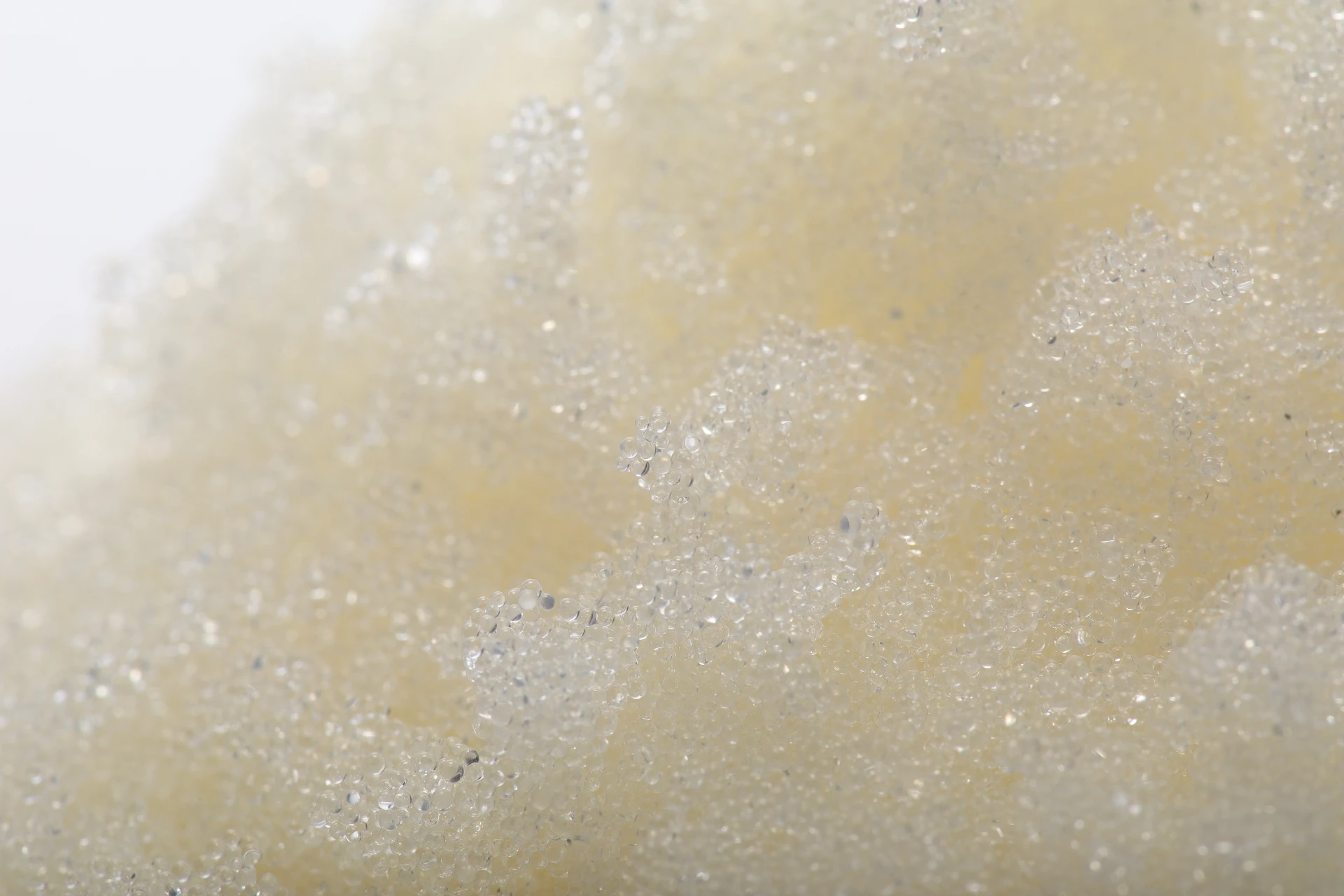
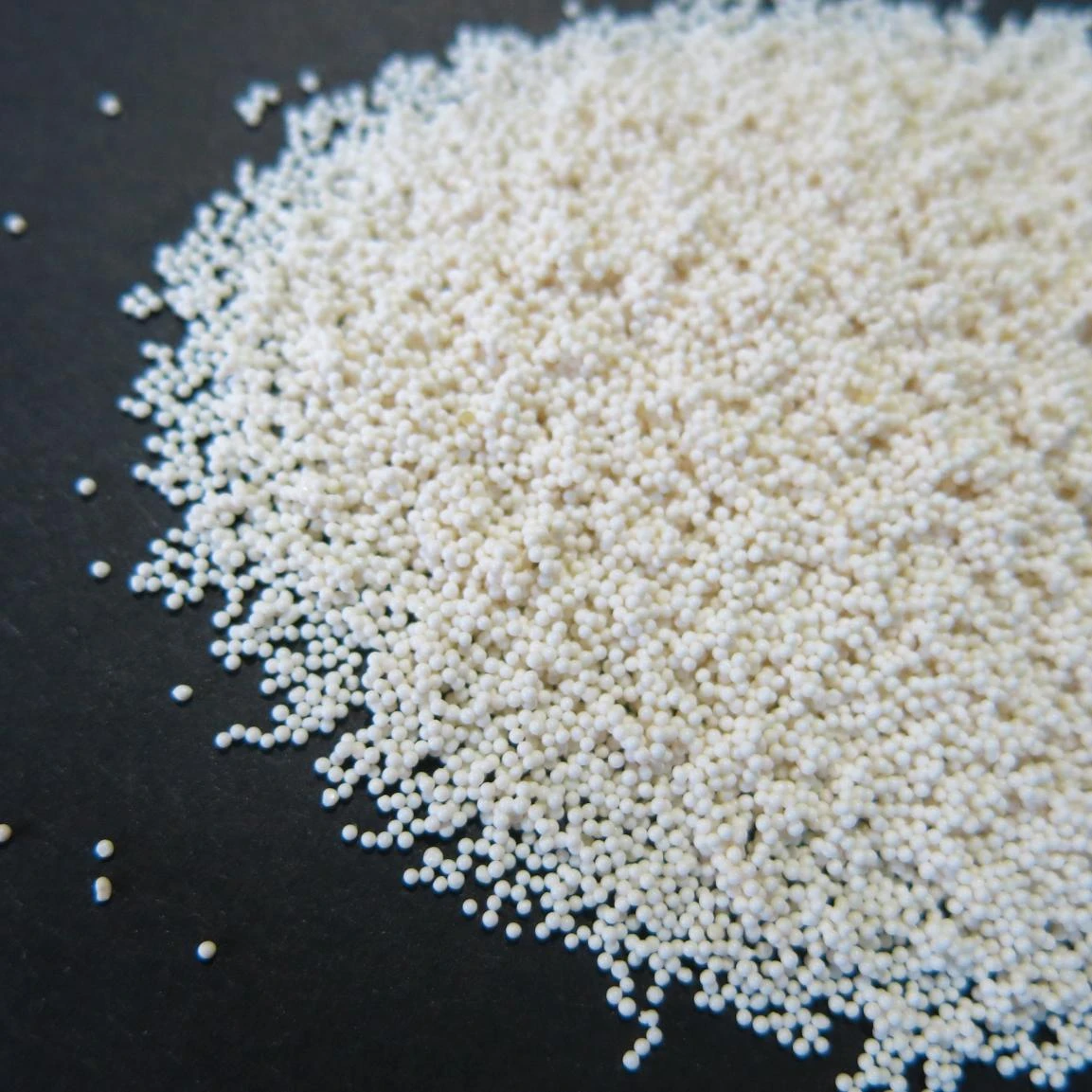
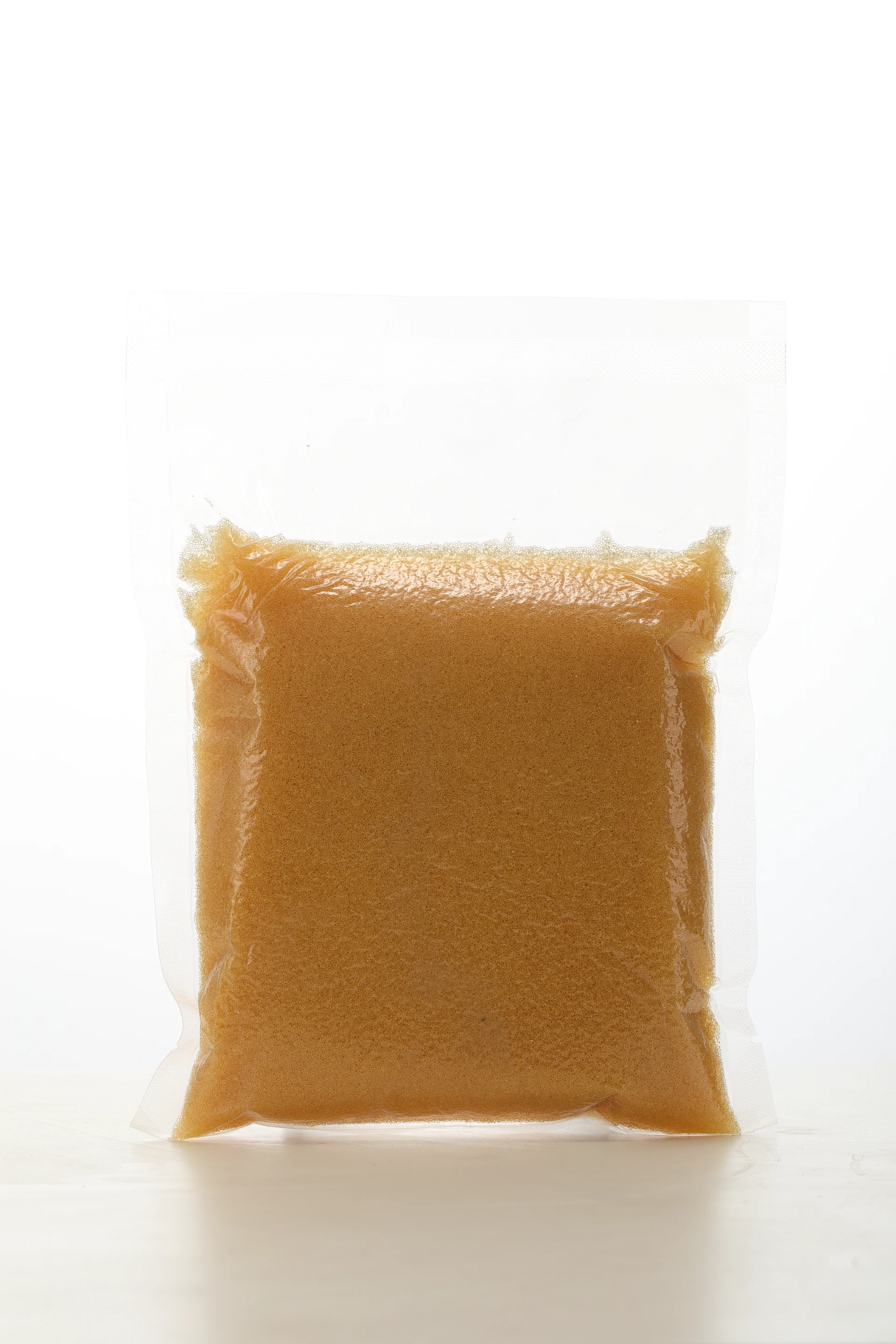
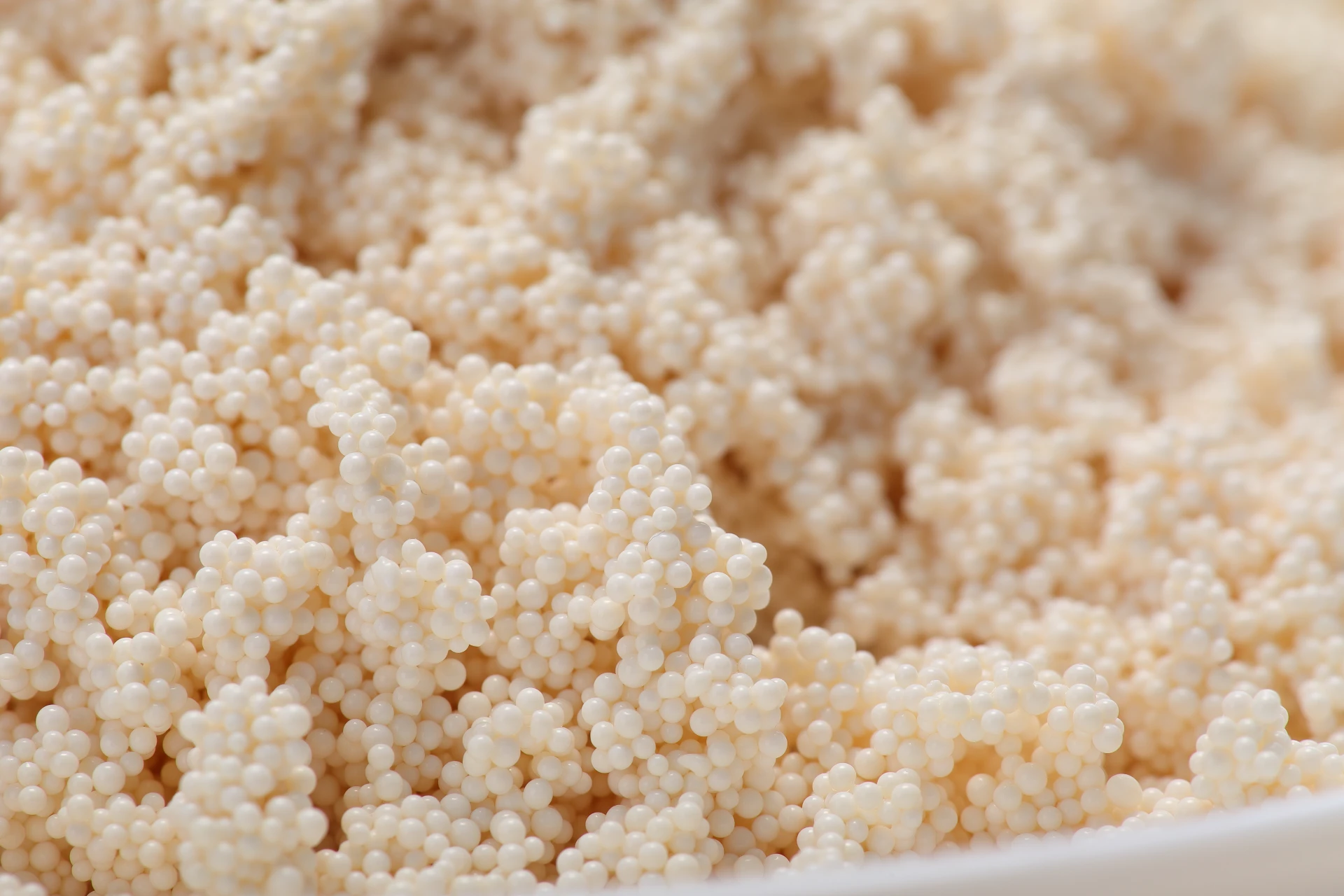
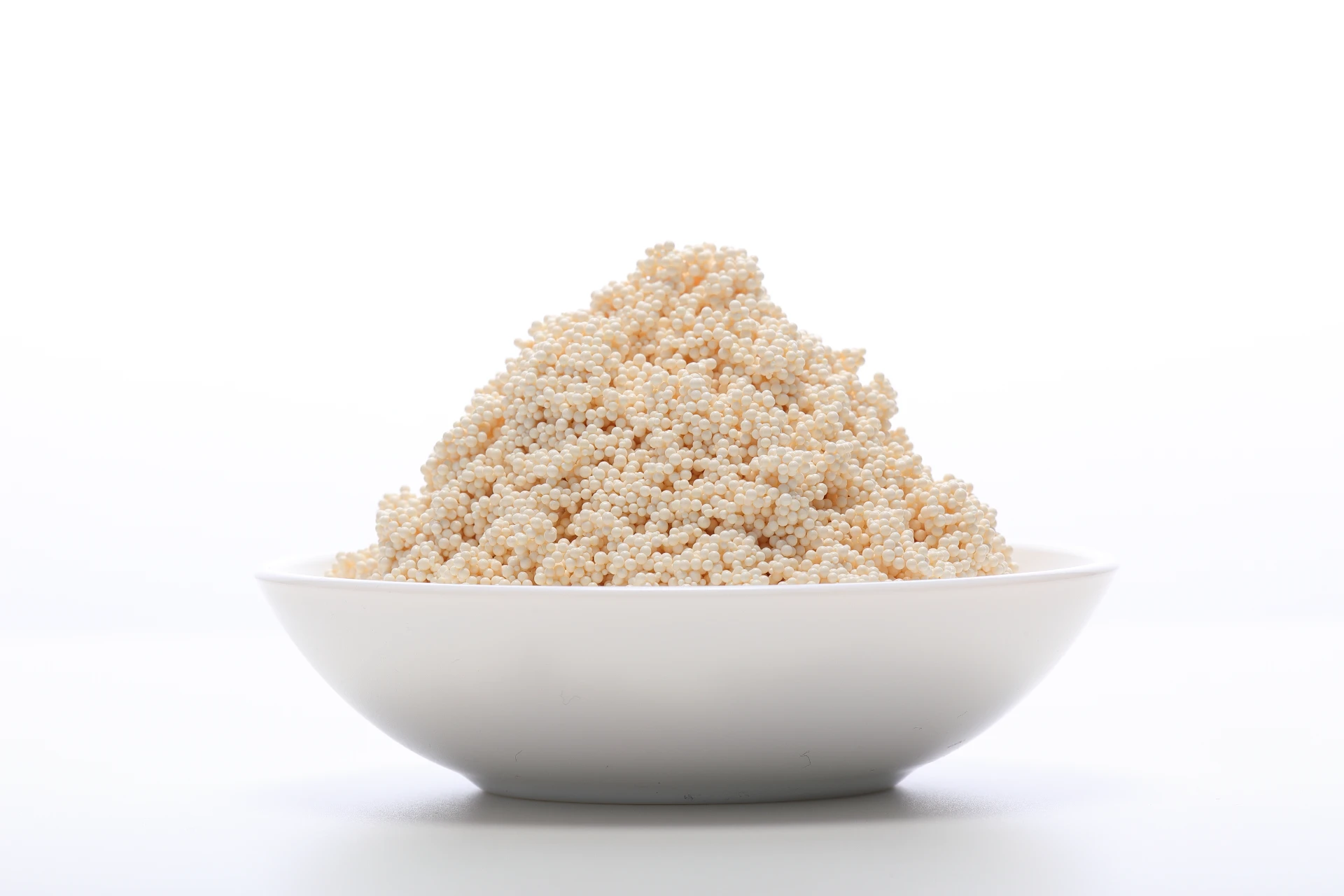
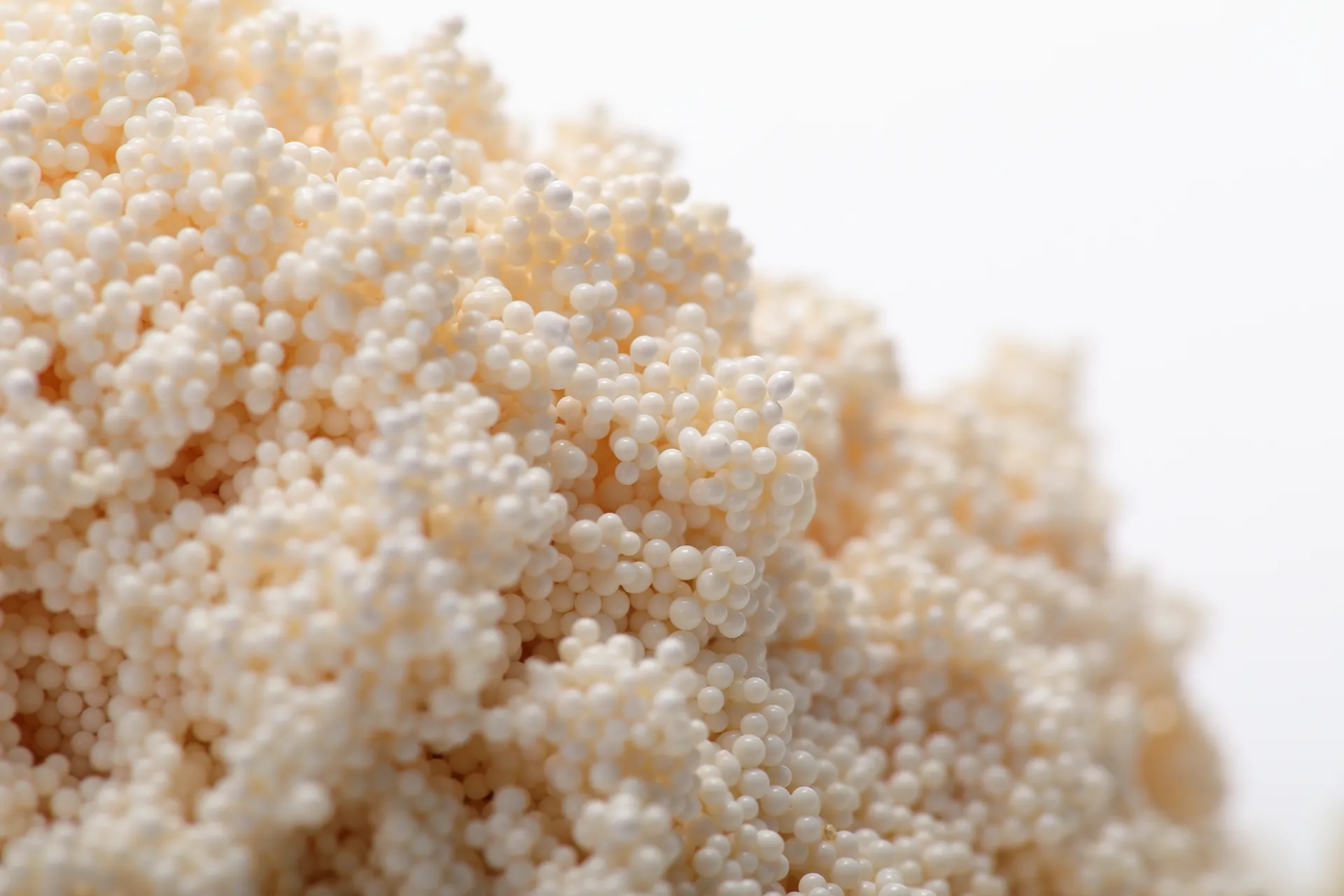
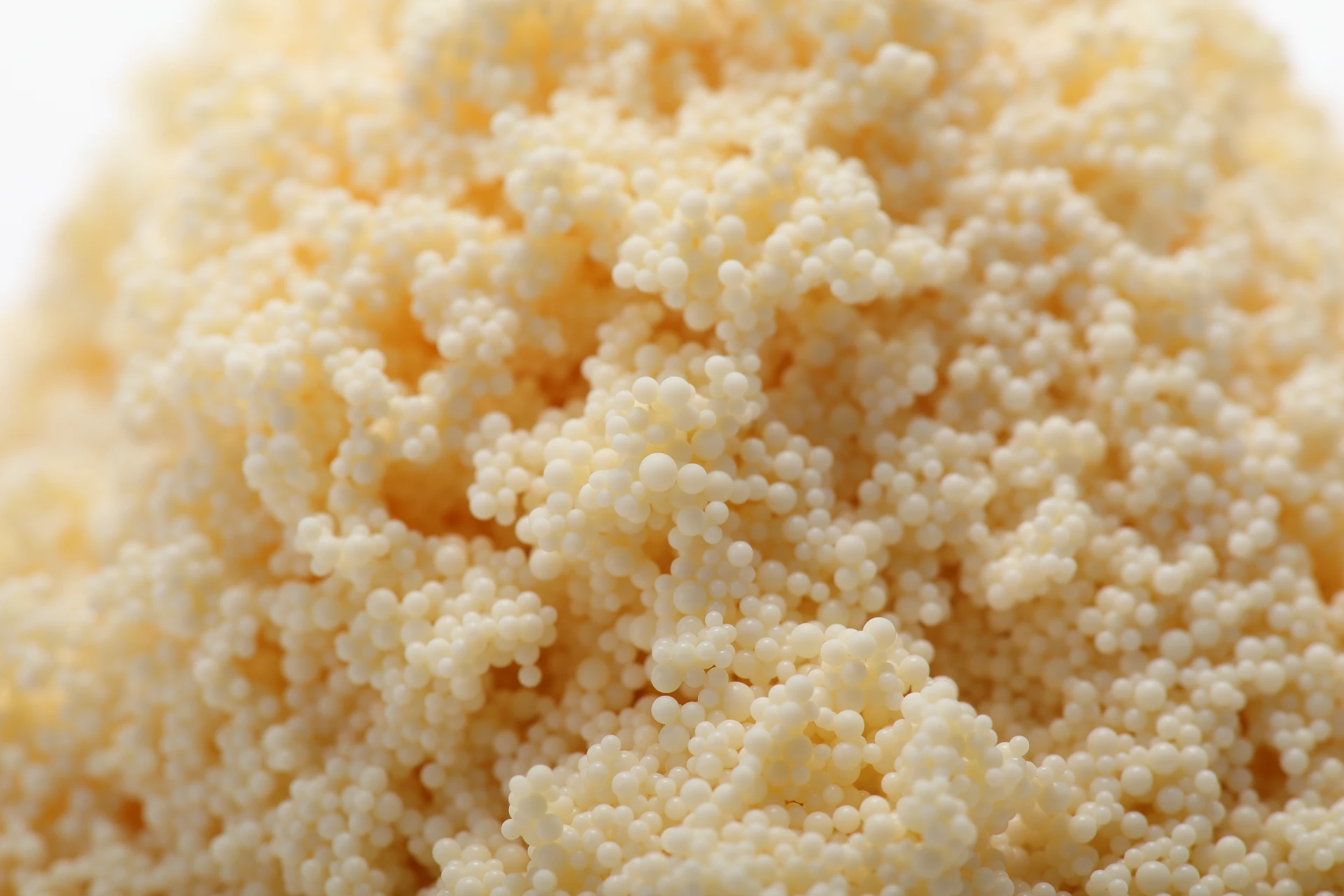
At its core, an anion bed is a column or tank filled with resin beads that selectively attract and trap negatively charged ions. These resins are typically organic polymers with positively charged functional groups. When contaminated water passes through, unwanted anions bind to the resin, and cleaned water flows out.
Industrially, anion beds are paired with cation exchange to achieve demineralization or purification. Humanitarian-wise, the ability to rapidly remove toxic anions (like arsenic or nitrate) has been pivotal in disaster relief and underserved communities.
In real terms, it’s quite elegant — a chemically active microenvironment that improves water quality on a molecular level. But behind that simplicity lies a lot of chemistry know-how and precise design.
Most anion exchange resins are cross-linked polystyrene beads functionalized to attract anions. The degree of cross-linking affects capacity and durability. For example, strongly basic versus weakly basic resins target different ion types, making resin choice crucial for application.
An anion bed’s ion exchange capacity determines how long it lasts before requiring regeneration — usually with a caustic soda solution. Efficient regeneration reduces downtime and operational costs.
The bed’s size, shape, and resin bead size affect how long water stays in contact with the resin, influencing removal efficiency. Too fast a flow, and impurities slip through; too slow, and throughput drops.
Some industrial liquids carry organics or aggressive chemicals that can degrade resin. Knowing compatibility avoids resin breakdown and costly repairs.
Because anion beds often work in harsh conditions, their robustness against temperature swings and chemical stress ensures reliable performance.
In fact, NGOs in Southeast Asia have adopted compact anion beds to tackle arsenic contamination — a quiet but deadly problem.
Why bother investing in anion bed systems? For starters, they:
On an emotional note, it’s reassuring that a simple resin bed quietly safeguards families and factories alike, bridging the gap between complicated chemistry and everyday safety.
| Specification | Value | Notes |
|---|---|---|
| Resin Type | Strongly Basic Anion Resin | For broad spectrum anions |
| Capacity | 1.2 eq/L (approx.) | Depends on flow rate & regeneration |
| Operating Temp | 5–60 °C | Suitable for most water treatment |
| pH Stability Range | 2–12 | Wide tolerance ensures versatility |
| Regeneration Agent | NaOH (Caustic Soda) | Standard and effective |
| Vendor | Resin Variety | Custom Solutions | Global Reach | Typical Clients |
|---|---|---|---|---|
| Liji Resin | Wide (Strong & Weak Resins) | Yes, including custom blends | Asia, Europe, N.America | Water utilities, pharma |
| IonPure Solutions | Focused on strong-base resins | Limited customization | Worldwide | Industrial & municipal clients |
| EcoIon Tech | Niche eco-friendly resins | Yes, biodegradable options | Europe and parts of Asia | Green tech firms, NGOs |
The anion bed market isn’t standing still. Suppliers are experimenting with hybrid resins, combining anion and cation functions to minimize footprint and energy use. Plus, emerging materials like bio-based polymers make resin manufacture greener.
Automation is another big thing — online monitoring adjusts flow and regeneration in real-time, saving resources and alerting operators to issues before they snowball. The move towards decentralized, modular water treatment—especially in developing regions—means smaller, smarter anion bed units are gaining popularity.
Of course, anion beds face hurdles: resin fouling by organics or suspended solids can reduce efficiency sharply. Also, high regeneration chemical use carries environmental and operational costs. New pre-treatment filters and membrane-integrated systems help extend resin life and cut chemical demand.
Another challenge is disposing of spent regeneration brine responsibly. Innovative brine recovery and treatment methods show promise, but they aren’t widespread yet. That’s one area where policy and technology need to run hand-in-hand for real progress.
So, the humble anion bed quietly plays a huge part in making our water cleaner and industries more efficient worldwide. From bustling factories to remote villages, its role is often unseen but vital. While challenges persist, ongoing innovation and attention to sustainability make it a solution worth exploring.
If you’re curious about cutting-edge anion beds or want to see how they fit your needs, visit our website and discover how these little resin beads make a massive difference.