Phone:
+86 0319 2296164


Email:
info@lijiresin.cn
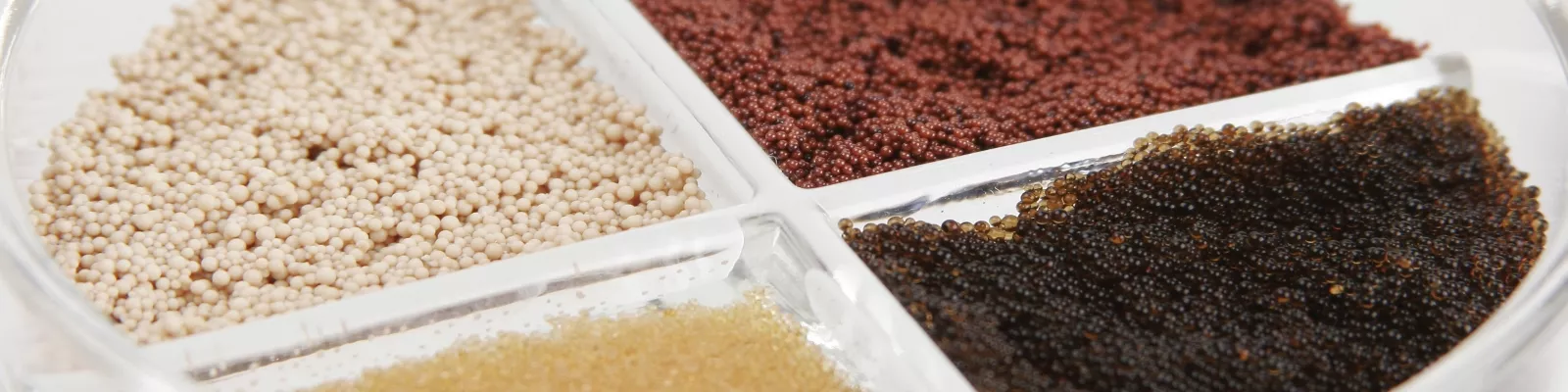
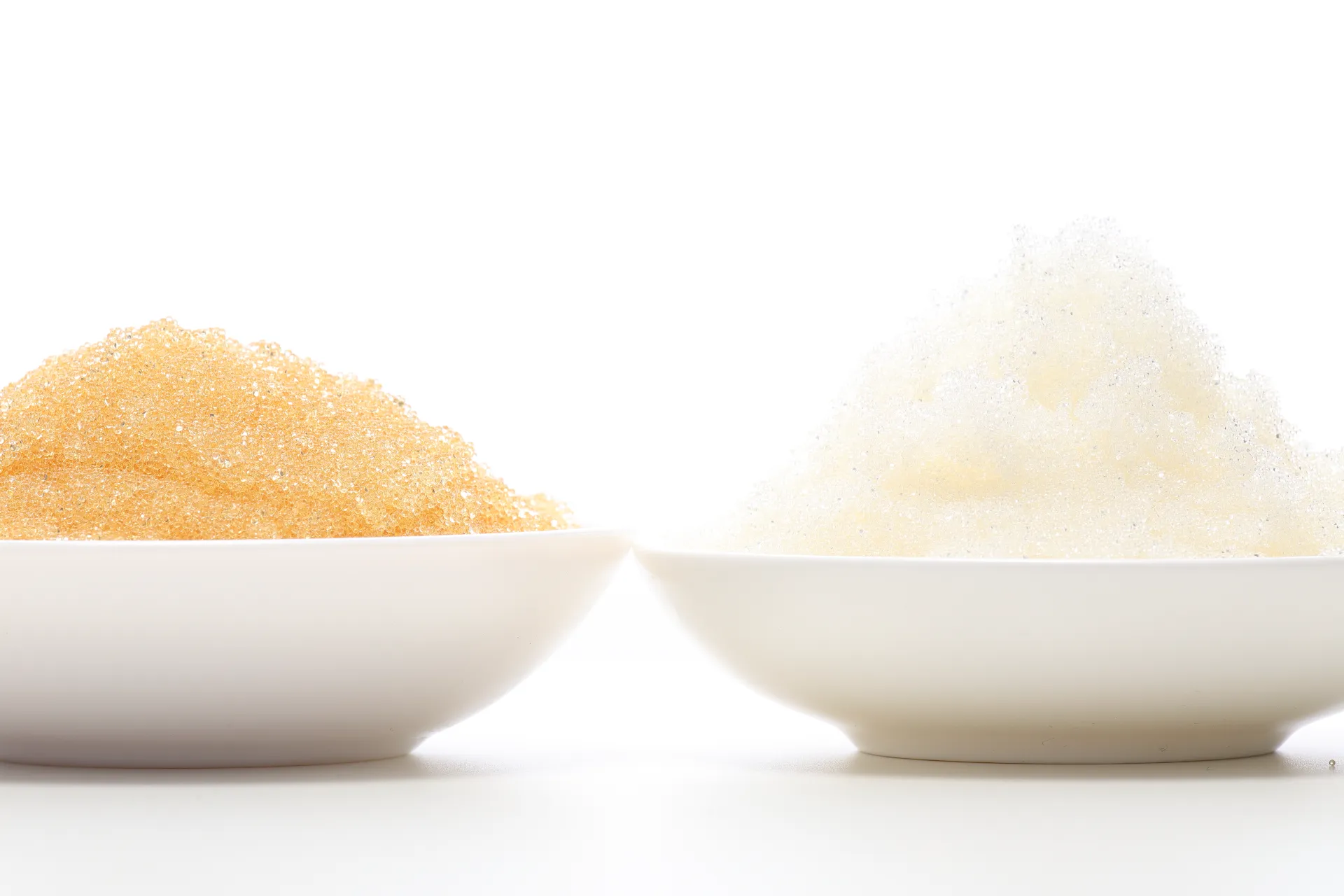
If you’re sourcing mixed bed di resin bulk for lab polishers, power makeup, or microelectronics, MX900 keeps popping up in buyer shortlists. I’ve toured facilities from Hebei to Hamburg; the teams that look past brochure gloss and into test data usually end up with fewer headaches—and better resistivity, obviously.
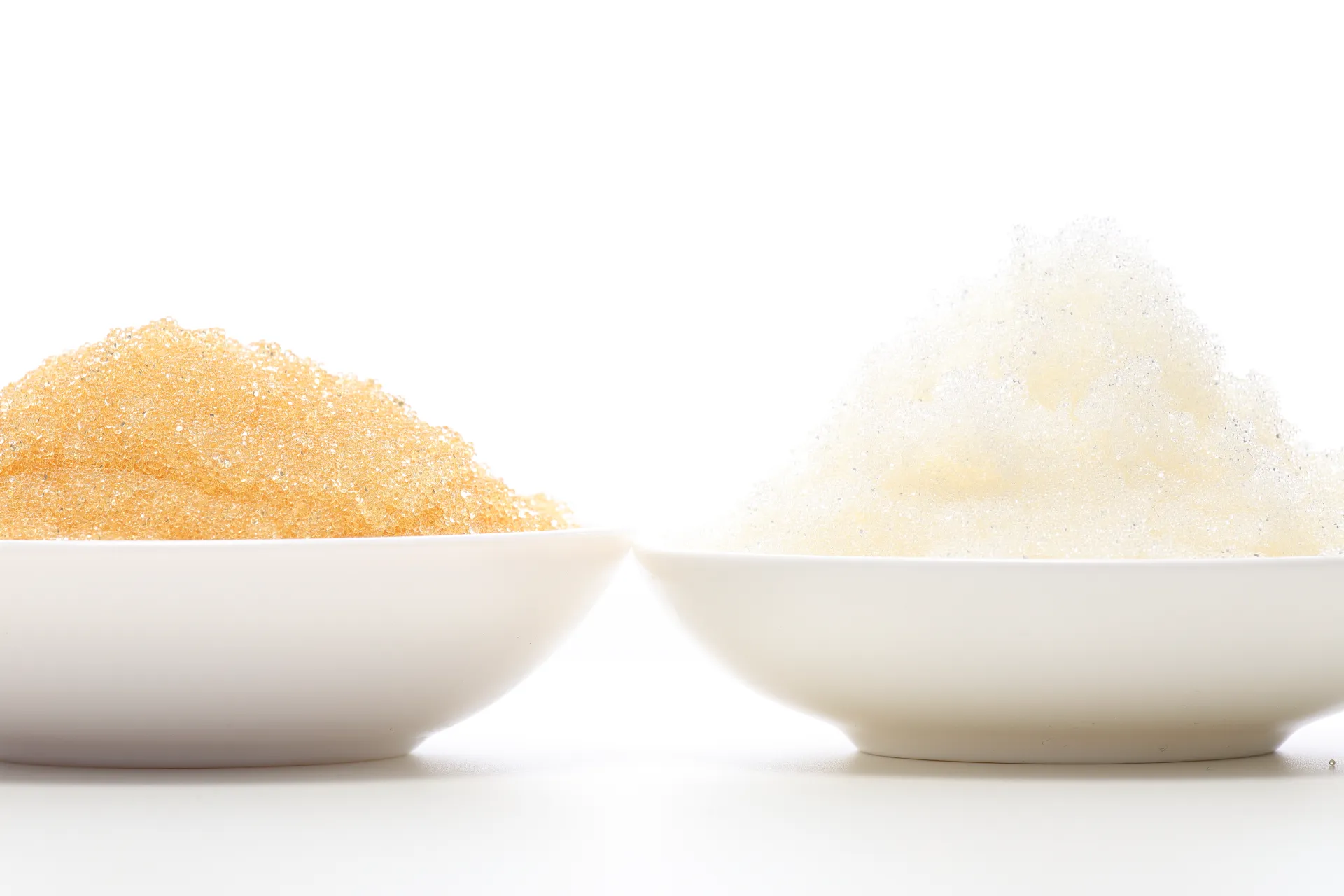
Demand for ultrapure water is soaring in semiconductors, EV batteries, bioprocessing, and analytical labs. The trend is away from on-site regeneration and toward mixed bed di resin bulk cartridges/swappable totes—less downtime, cleaner compliance stories. Many customers say their biggest fear is sodium or silica leakage post-corrosion events; MX900 was built for that niche pain point.
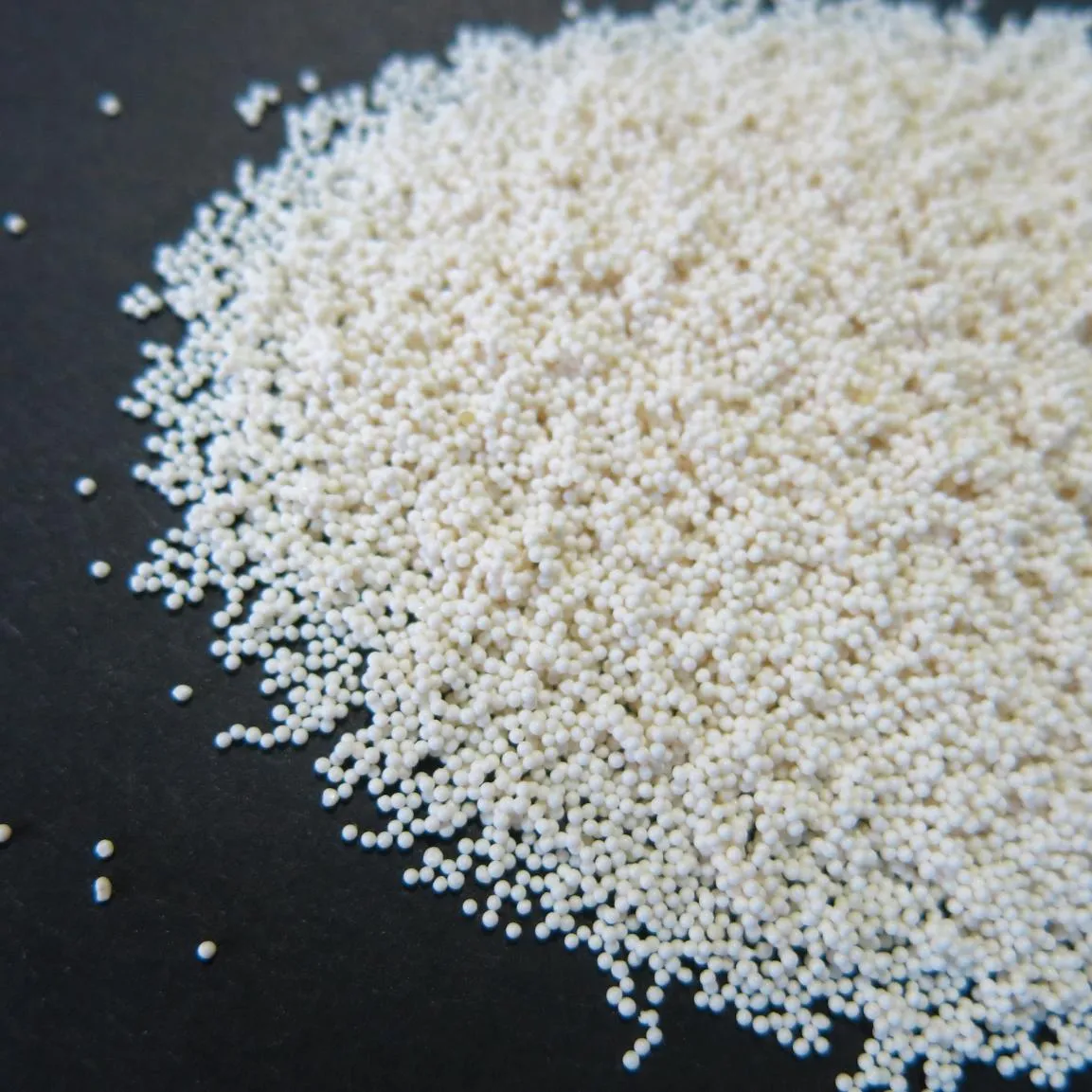
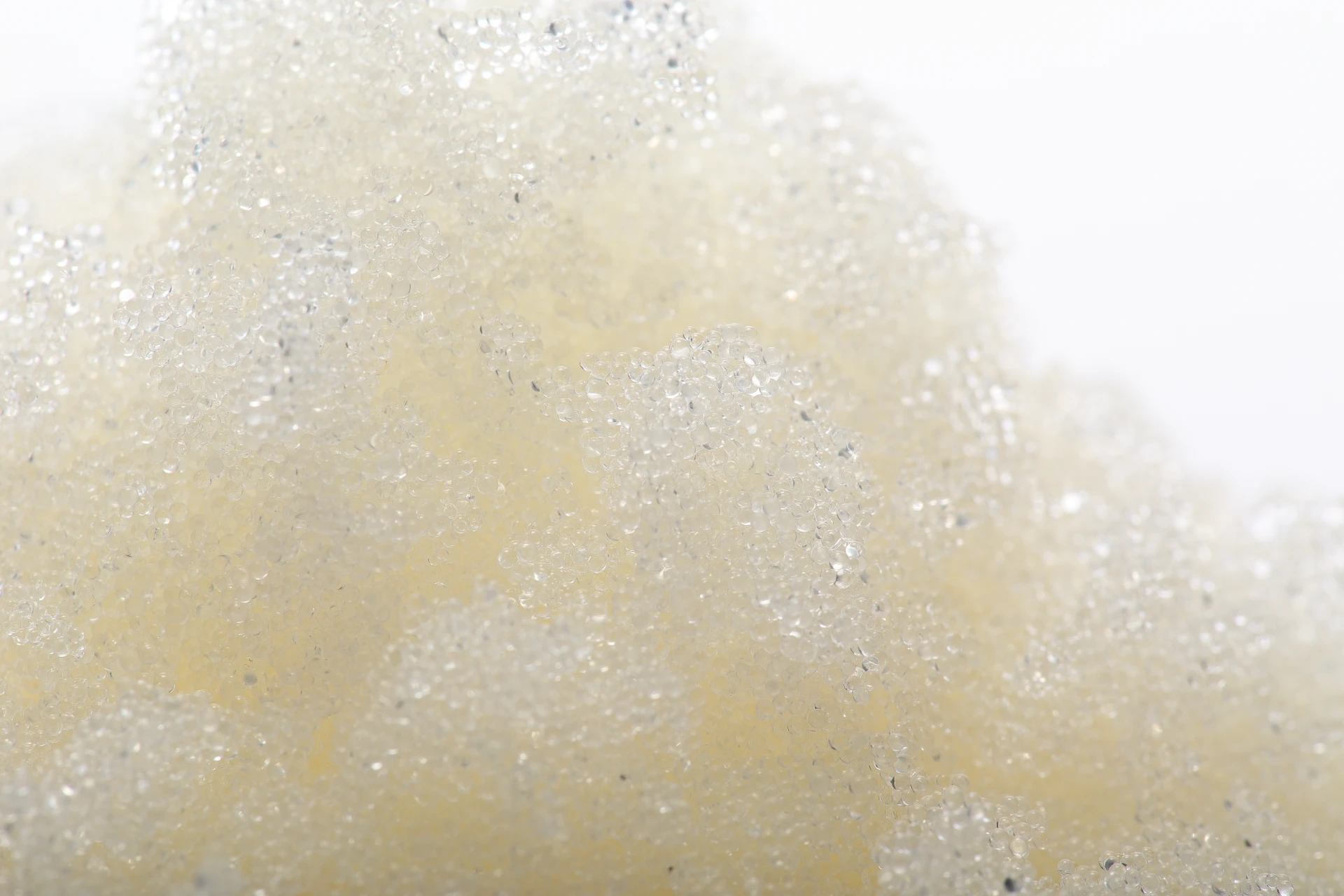
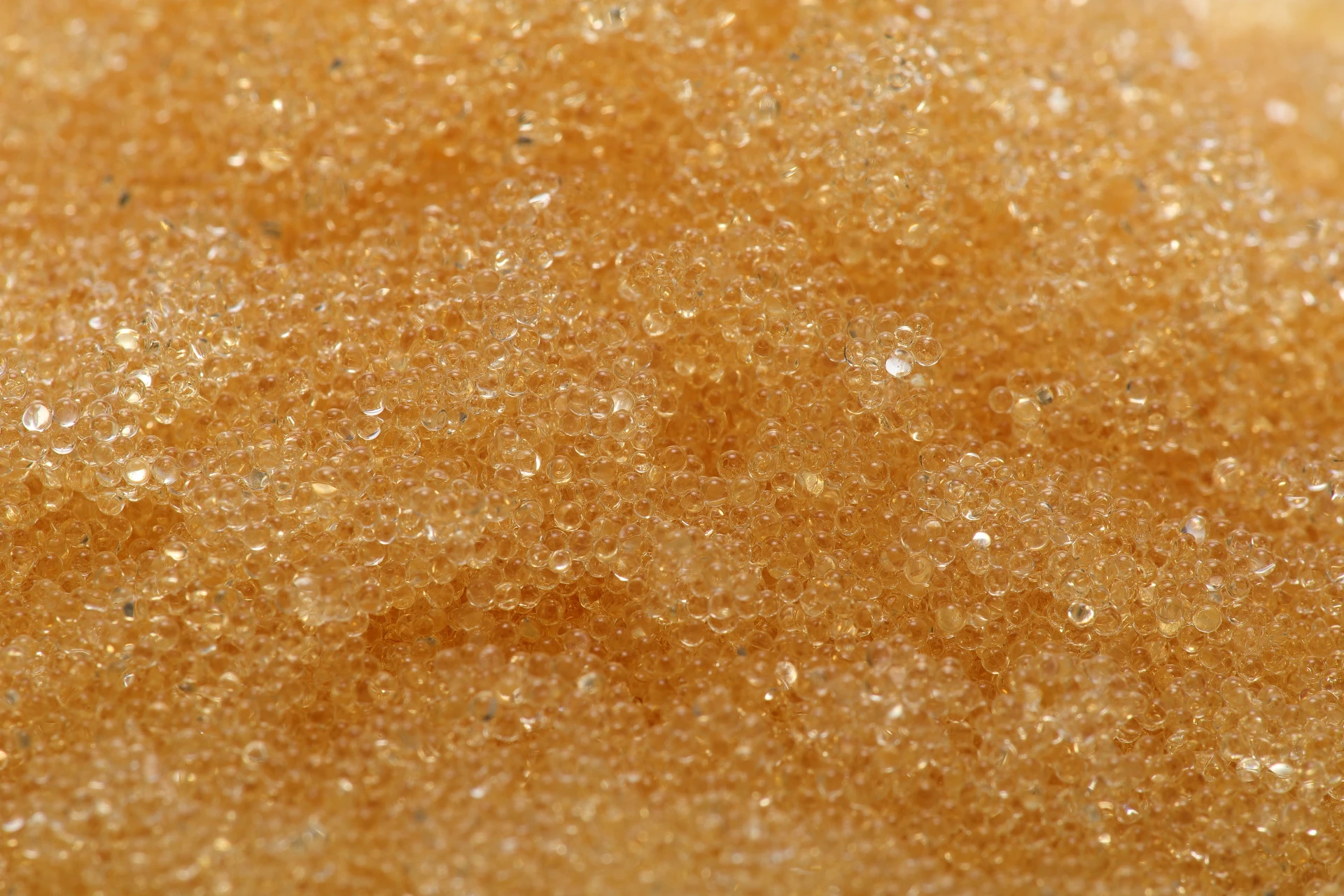
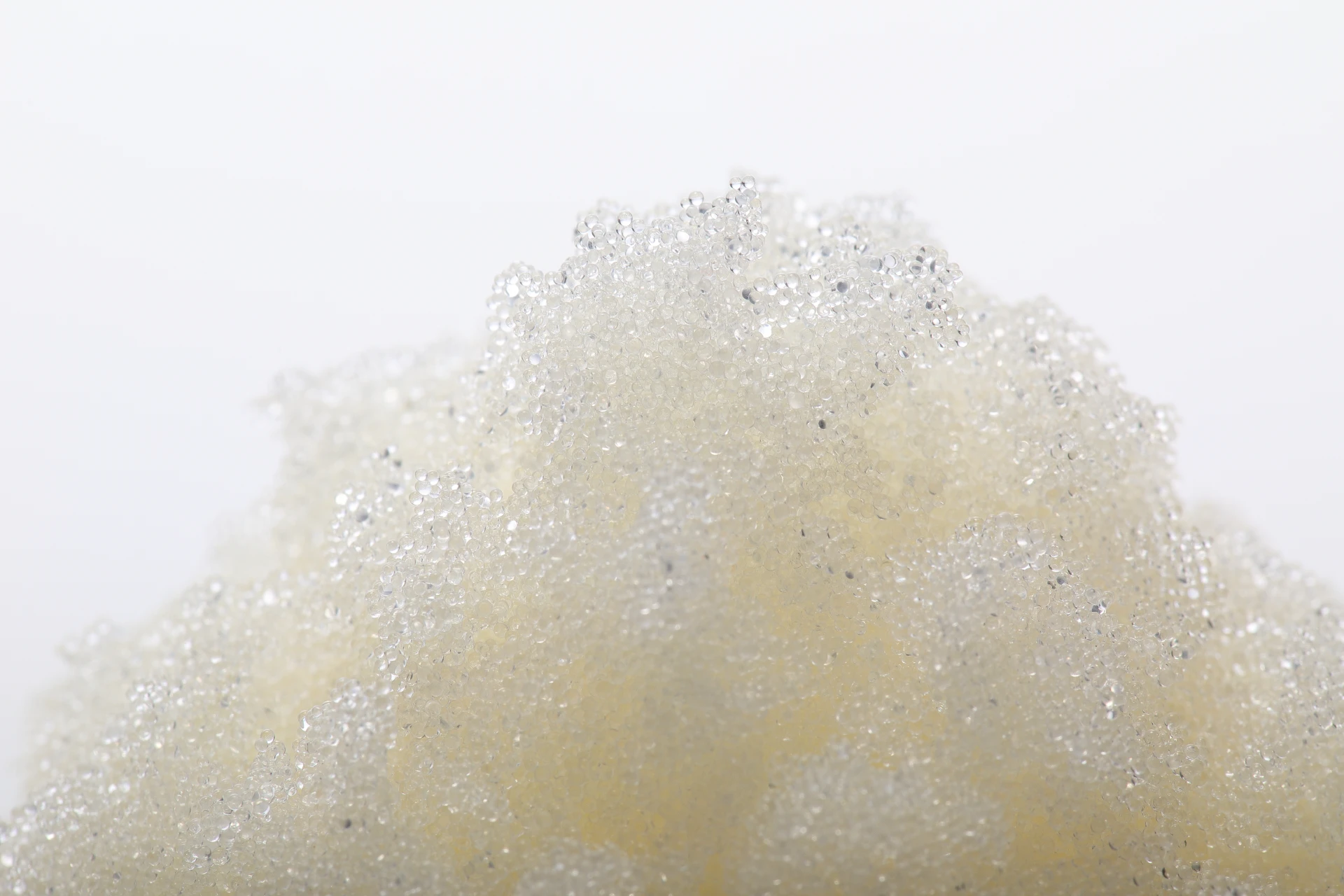
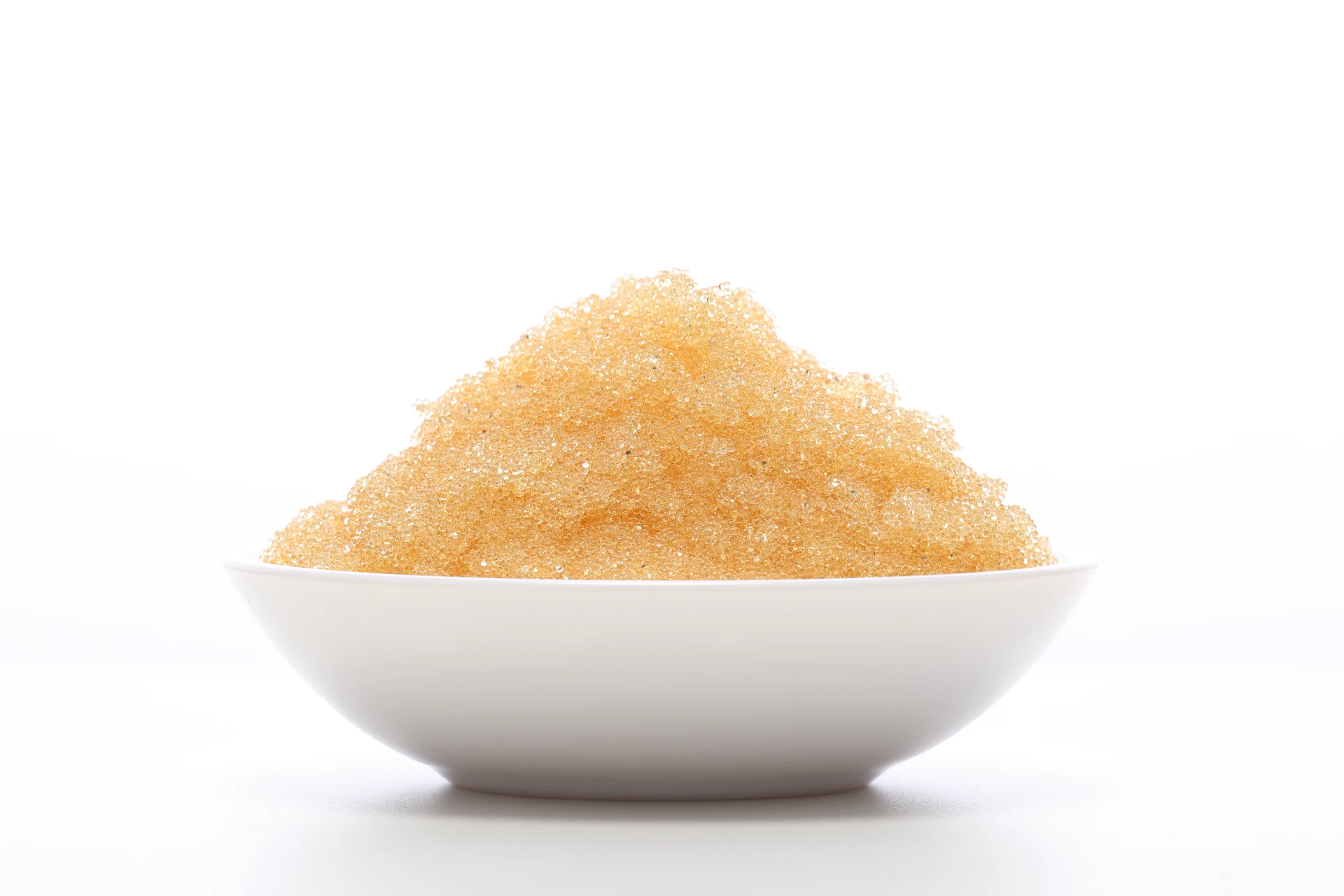
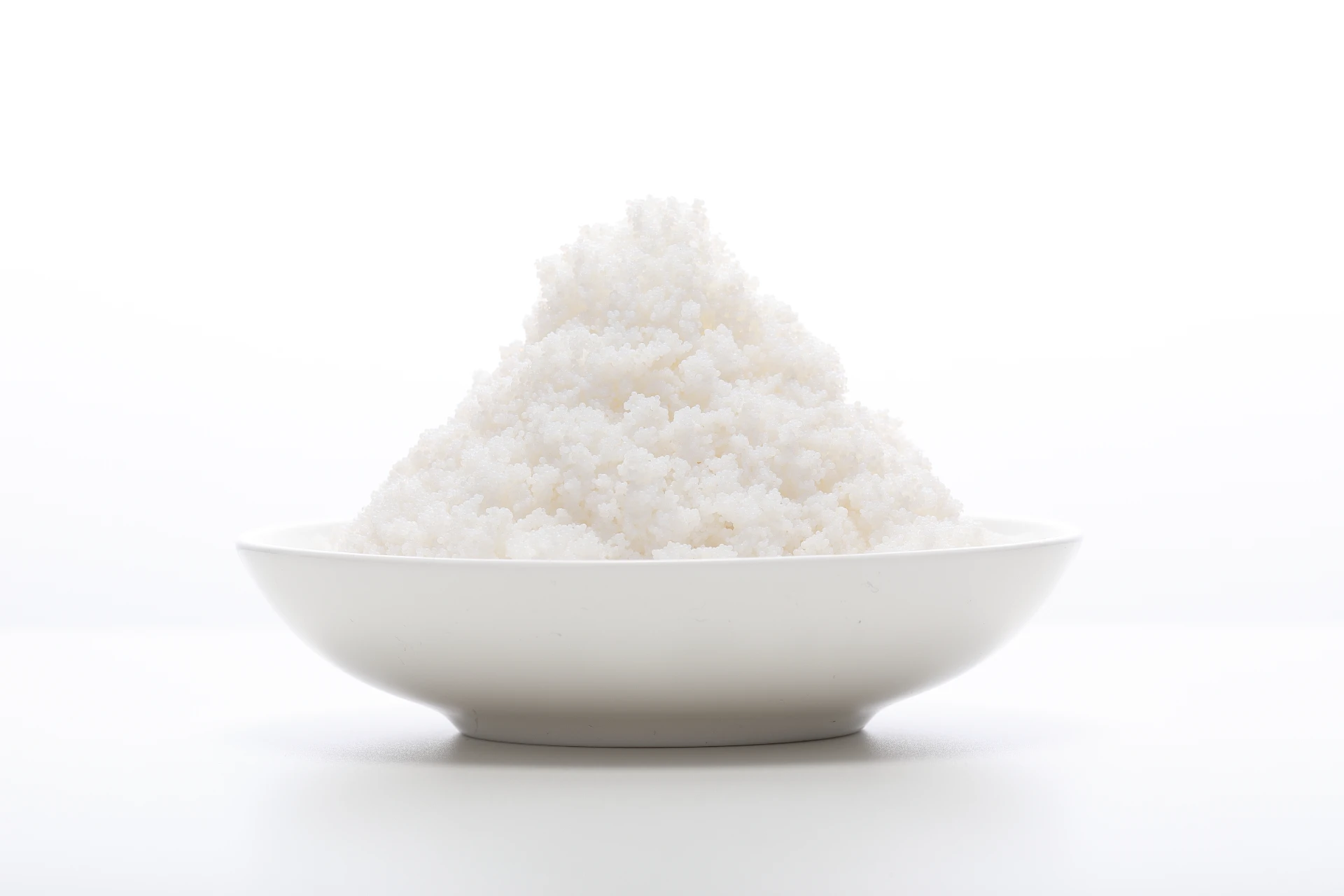
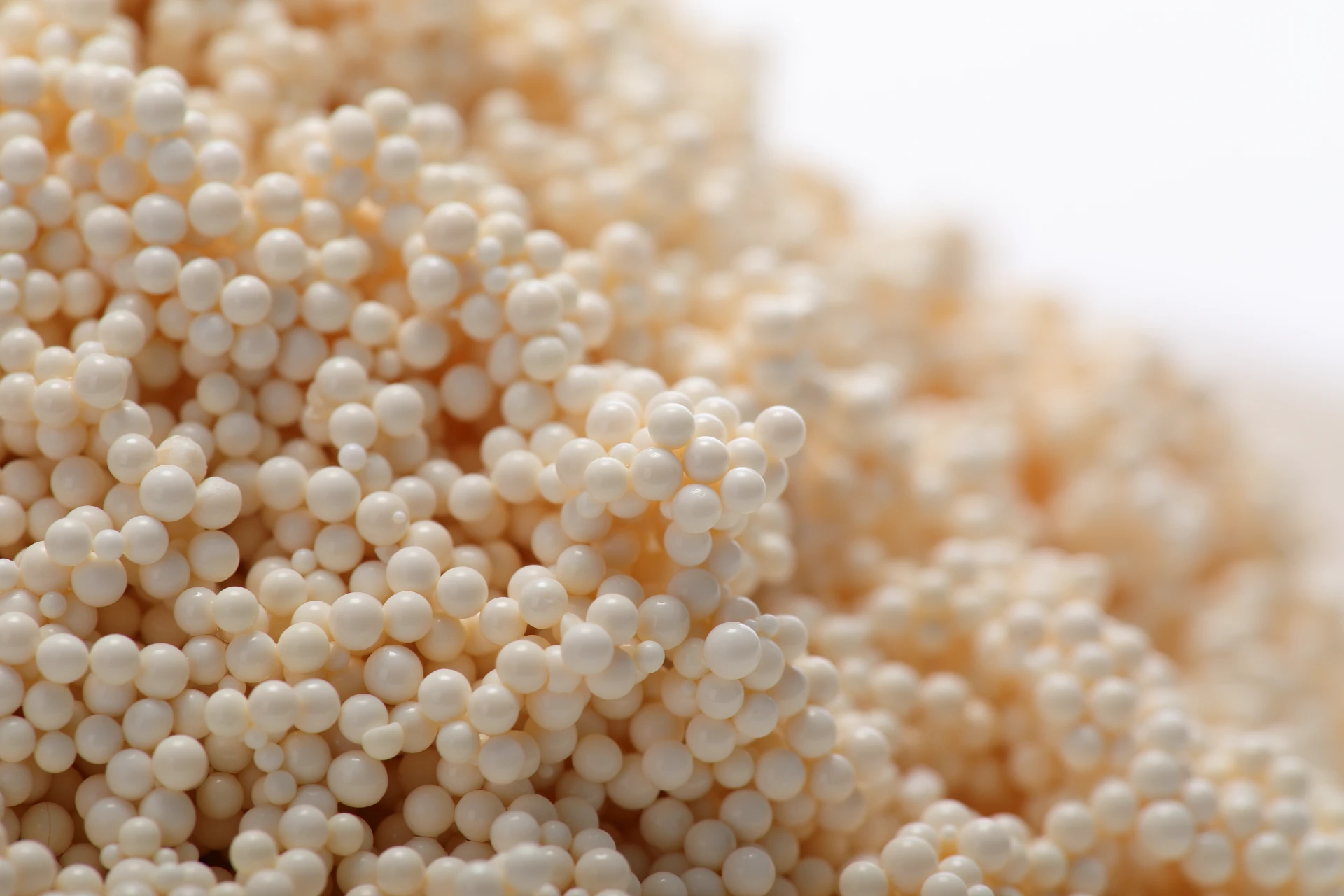
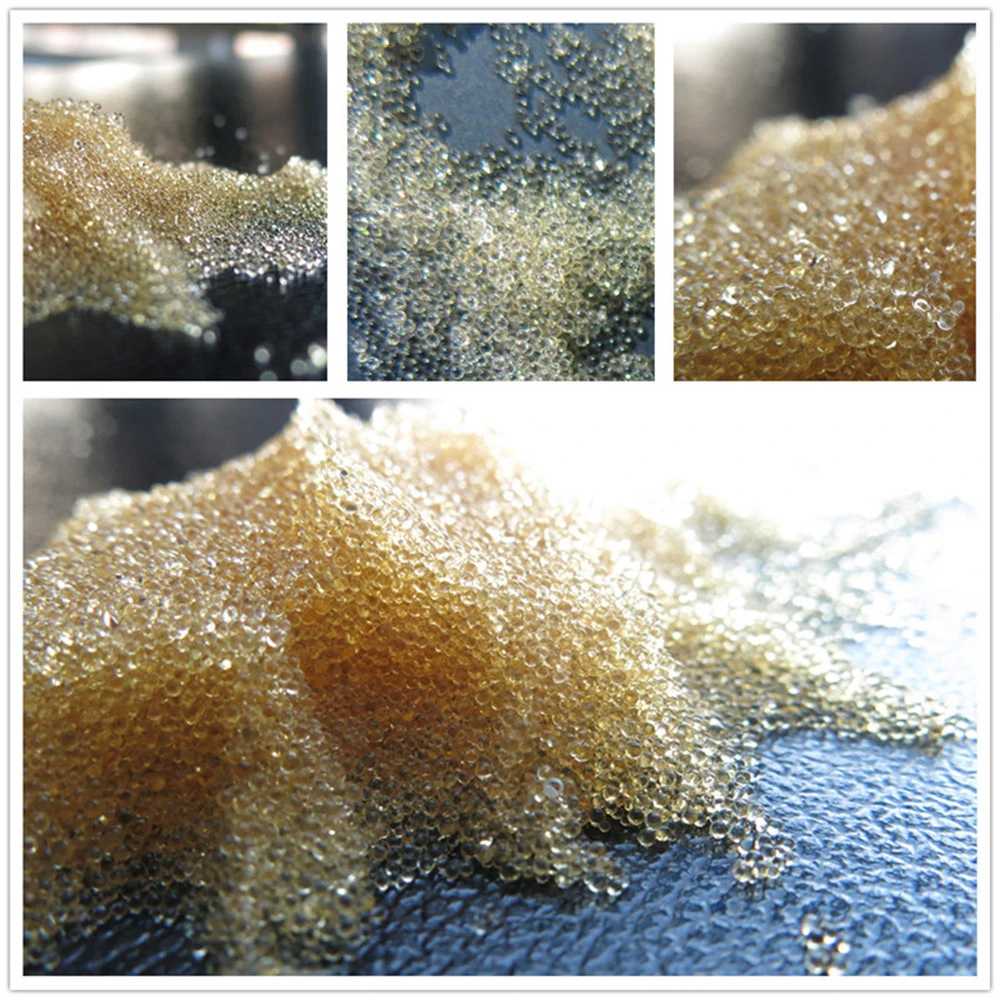
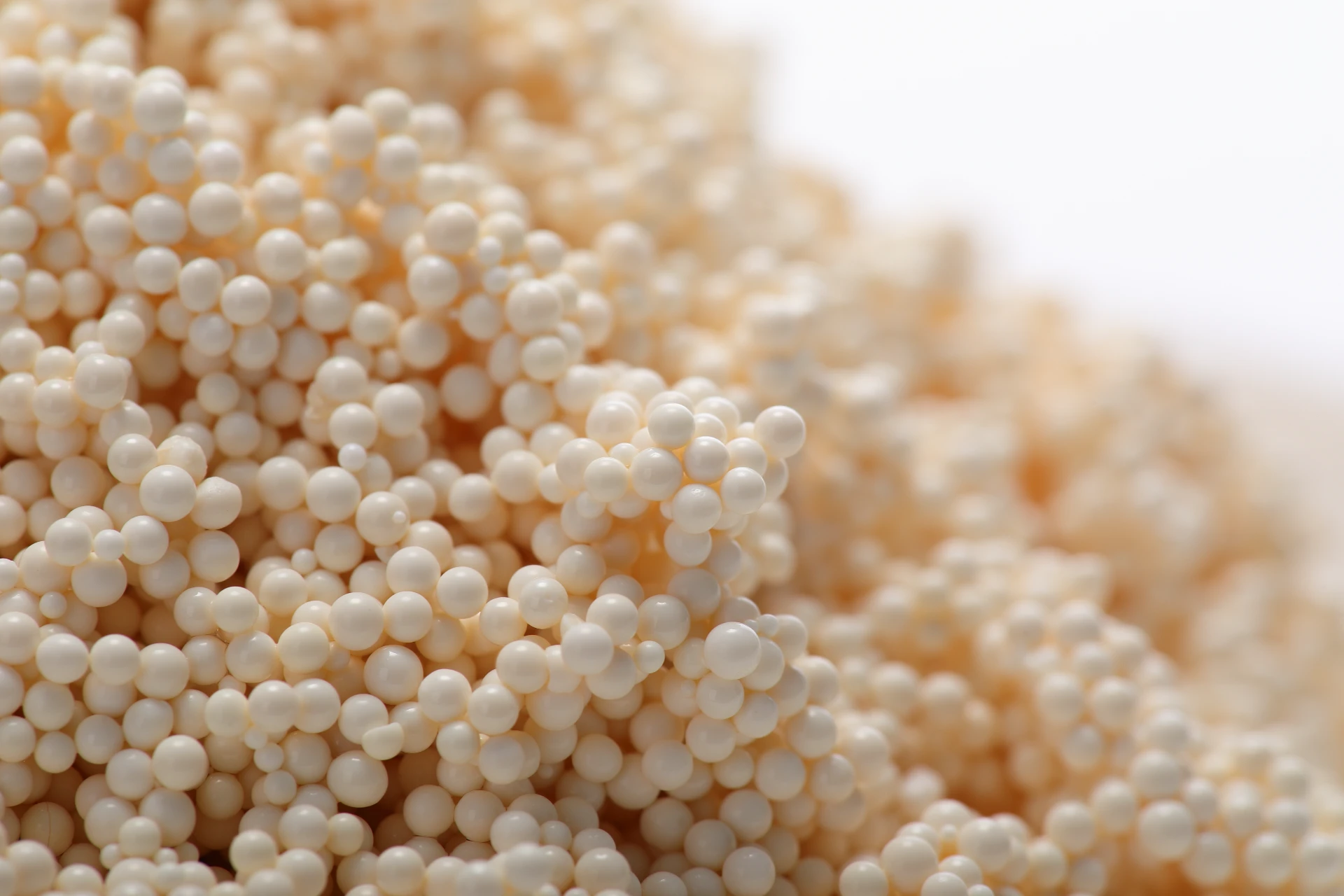
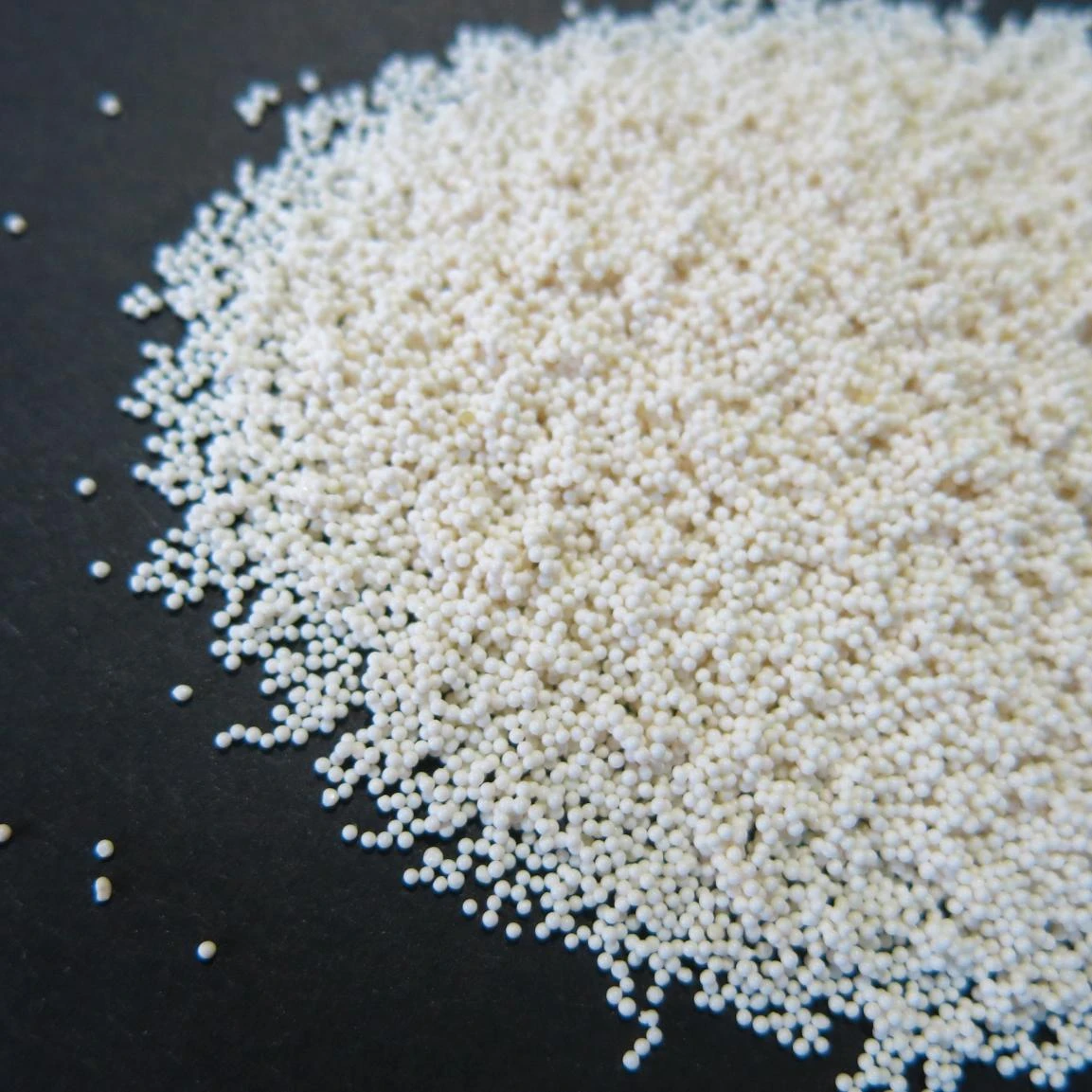
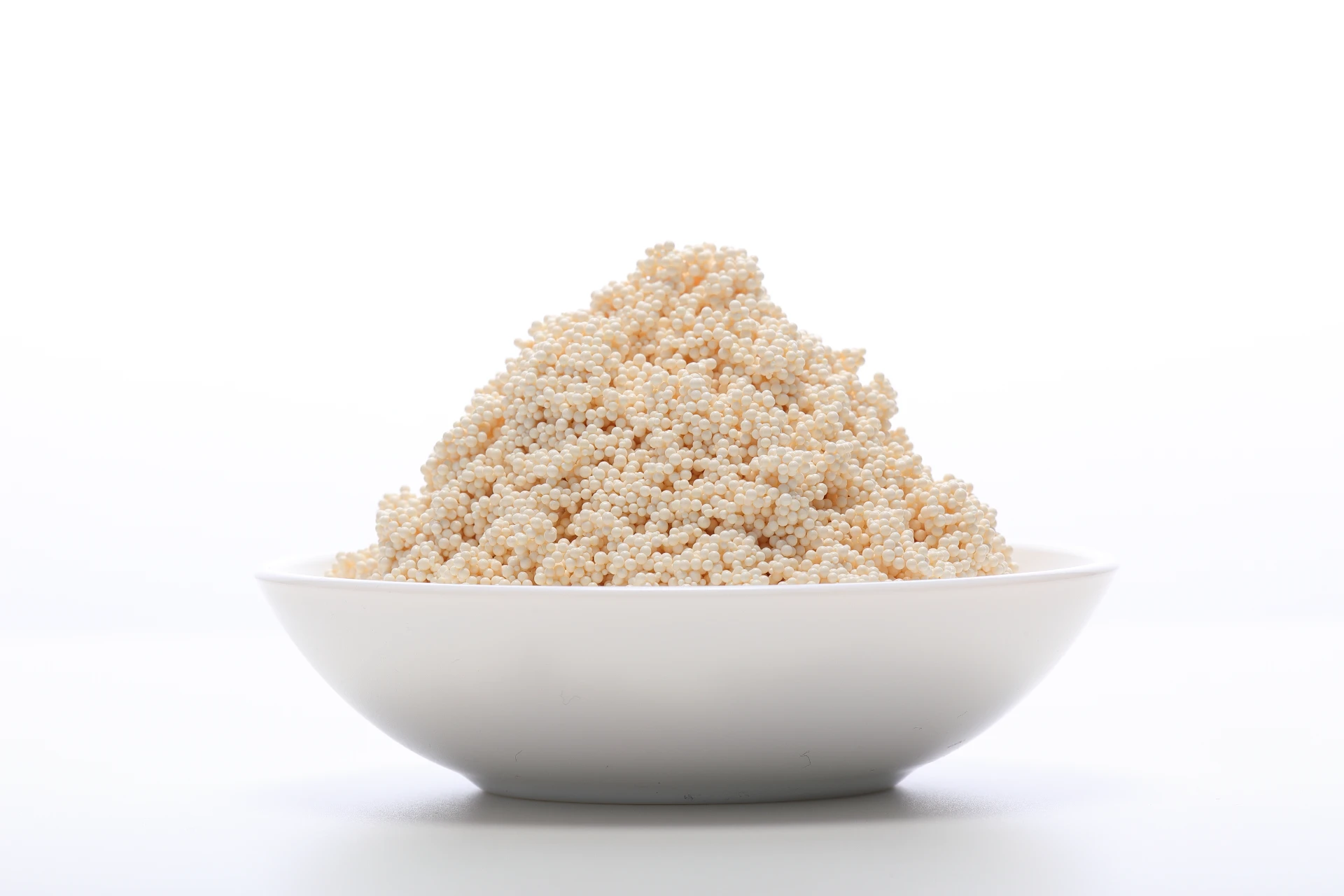
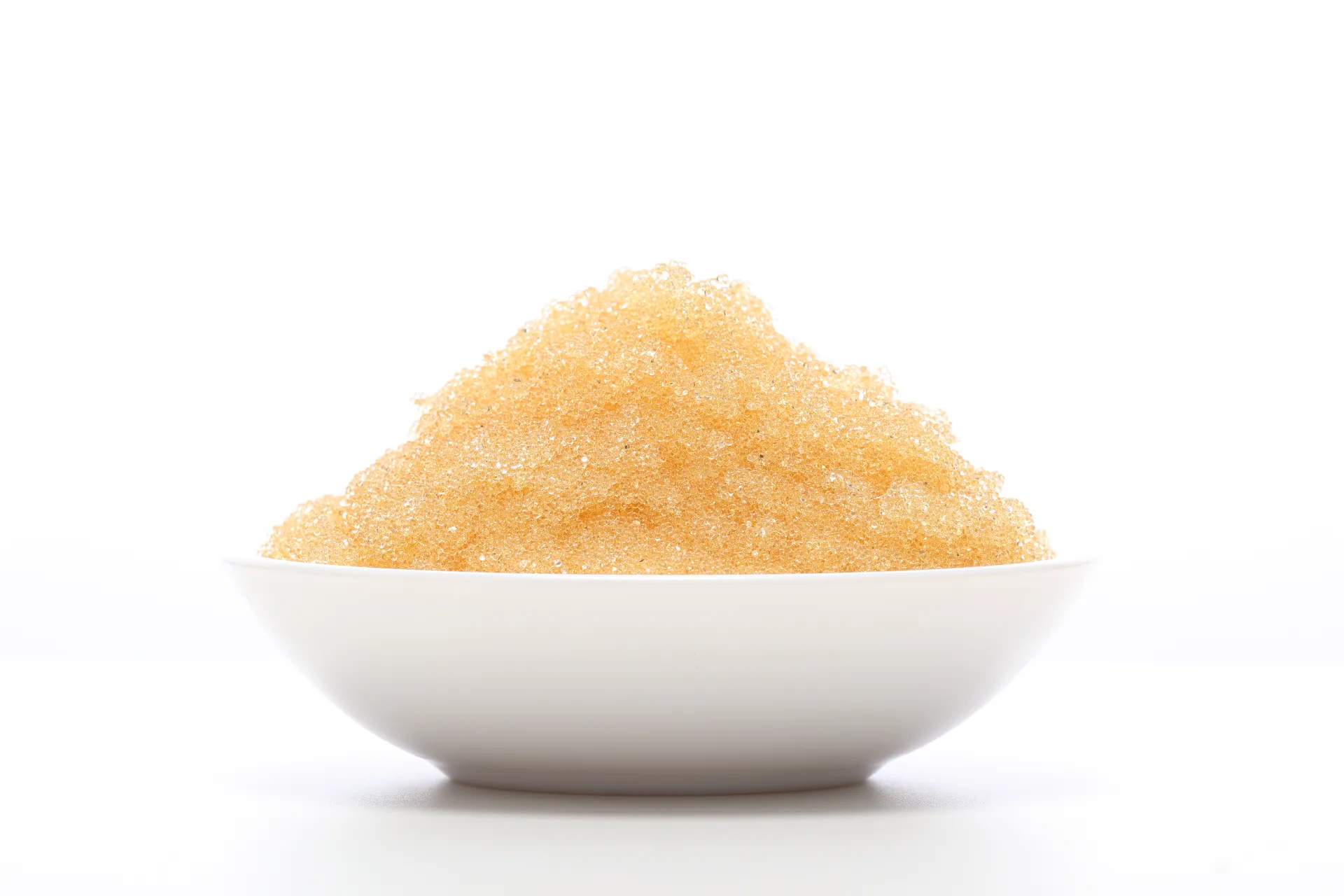
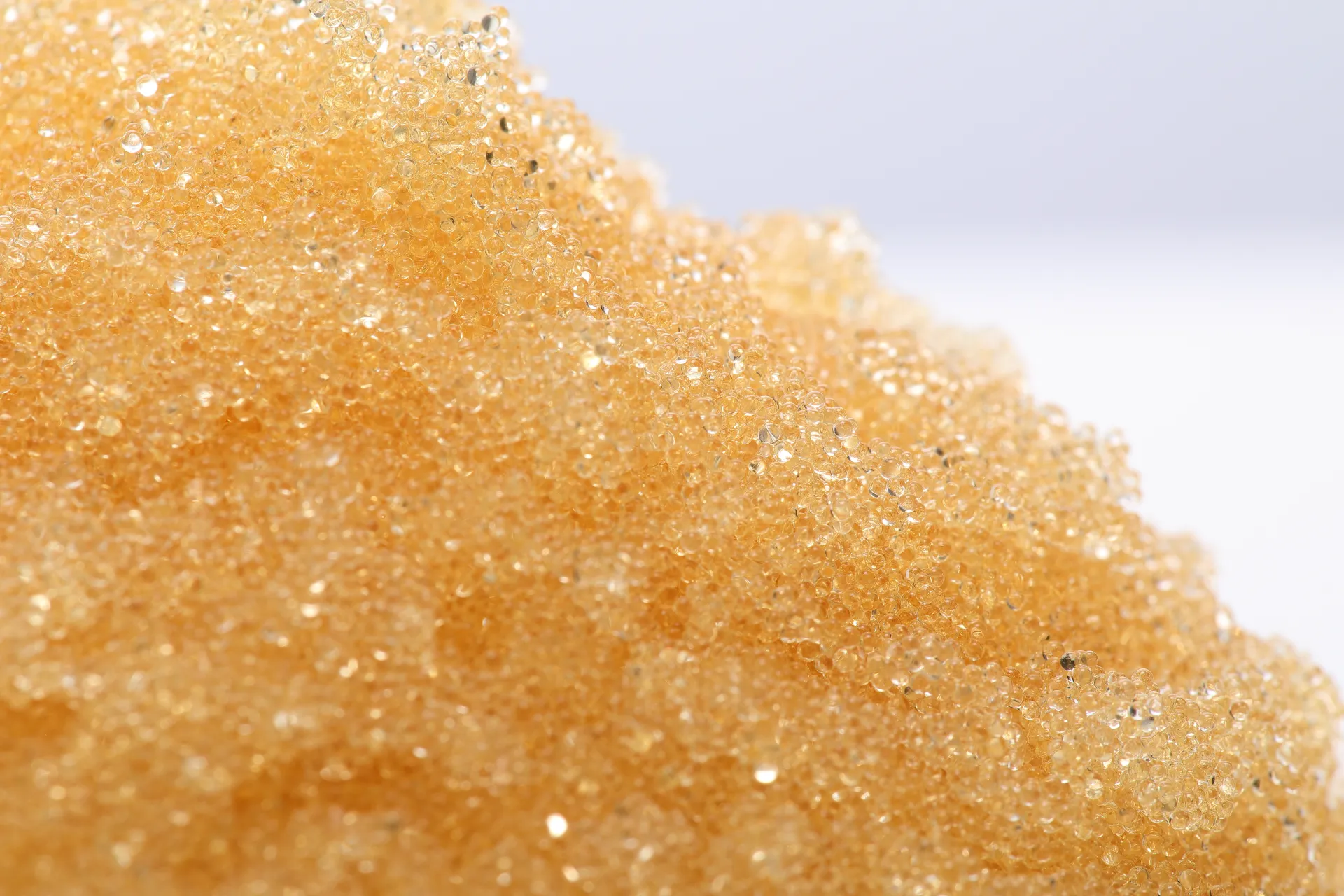
MX900 is a pre-mixed, high-purity blend of strong acid cation (H+) and strong base anion type I (OH−), optimized to scrub trace sodium and other metal cations often shed by alloy corrosion in pipes and heat exchangers. Origin: NO.2 East Jianshe Road, High-Tech Industrial Development South Zone, Wei County, Xingtai, Hebei Province, China. To be honest, the consistency lot-to-lot has been the pleasant surprise.
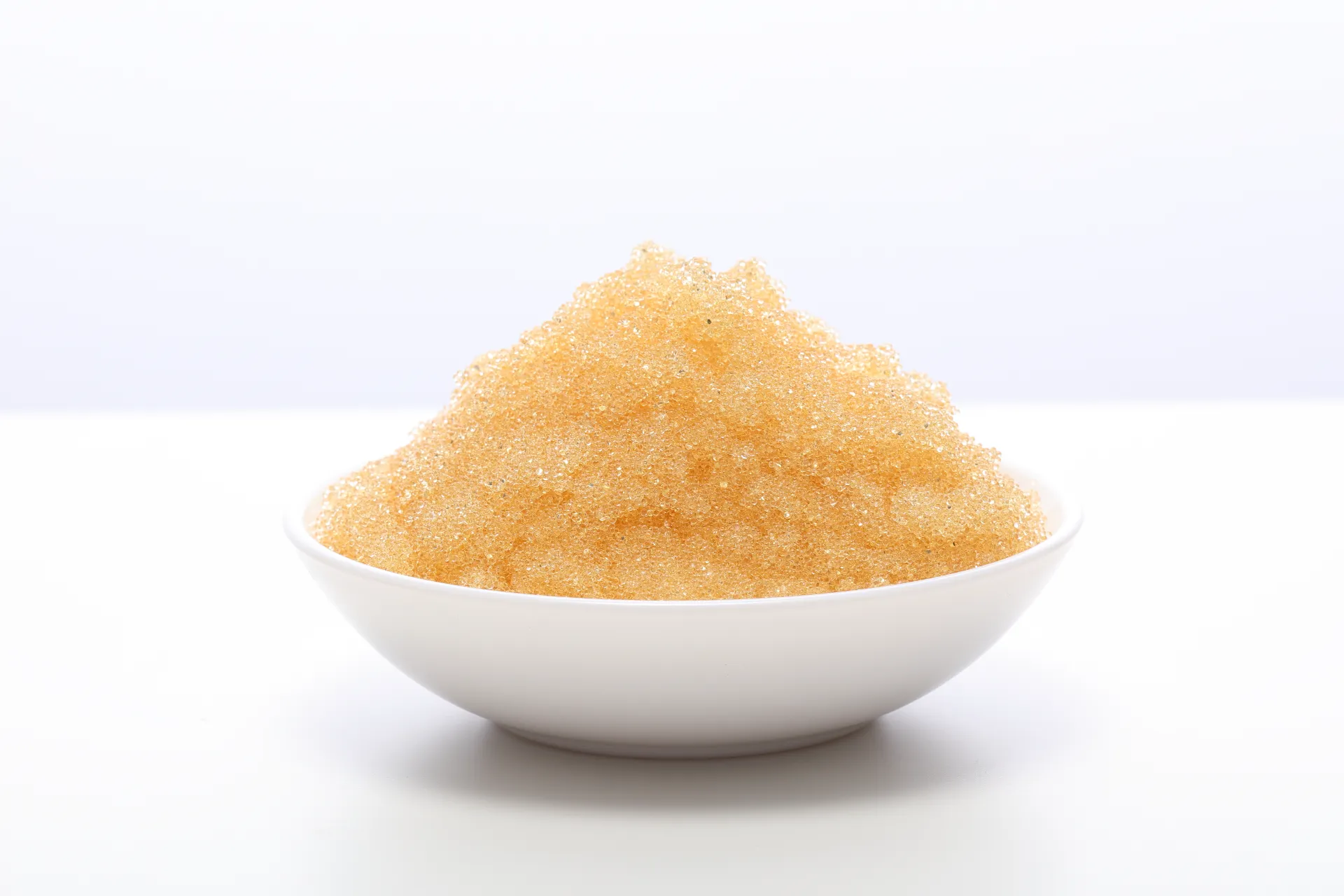
| Resin chemistry | SAC (H+) + SBA Type I (OH−), gel-type beads |
| Mix ratio (vol.) | ≈ 40–60% cation to 60–40% anion (optimized for Na+ traces) |
| Moisture content | 40–60% (real-world use may vary) |
| Particle size / UC | 0.6–0.8 mm; UC ≤ 1.6 |
| Output resistivity | Up to 18.2 MΩ·cm at 25°C with proper pretreatment |
| Silica leakage | ≤ 10 ppb typical; as low as 2–5 ppb in trials |
| Operating temp | 5–60°C; pH service 2–12 |
| Flow rate | 10–40 BV/h recommended |
Materials: premium gel SAC/SBA beads, pre-washed to low TOC; sieve-graded; fines removed. Methods: counter-current conditioning, H+/OH− polishing, inert mixing to prevent segregation, nitrogen blanket packaging. Testing: ASTM D2187 for capacity/physicals; particle size via wet-sieve; rinse to conductivity plateau; optional leachables check for NSF/ANSI 61 alignment. Service life: often 20–80 BV per run depending on CO2/SiO2 load and upstream RO/EDI. Industries: microelectronics UPW polish, pharma PW loop final polish, power plant condensate, analytical labs, metal finishing rinses.
Feedback is blunt: “less babysitting.” In fact, several lab managers said the mixed bed di resin bulk cartridge swap frequency dropped once CO2 was stripped upstream.
| Vendor / Model | Typical resistivity | Na+ leakage | Certs (indicative) | Lead time |
|---|---|---|---|---|
| Lijiresin MX900 | Up to 18.2 MΩ·cm | Very low (ppb range) | ISO 9001; NSF/ANSI 61-ready | ≈ 2–4 weeks |
| Purolite MB400 | 18.2 MΩ·cm with pretreatment | Low | ISO 9001; NSF/ANSI 61 | Stock-dependent |
| Lanxess Lewatit Ultrapure MB | 18.2 MΩ·cm | Low | ISO 9001 | 3–6 weeks |
| ResinTech MBD-30 | 18.2 MΩ·cm | Low | NSF/ANSI 61 | Varies |
Note: values are indicative; field performance depends on pretreatment, CO2, organics, and flow.
Southeast Asia wafer fab, 2 m³/h polish skid after RO+EDI. MX900 tote ran 62 BV before breakthrough. Resistivity held 17.8–18.2 MΩ·cm; Na+
Manufactured under ISO 9001 QMS; tested per ASTM D2187; materials aligned with NSF/ANSI 61 for potable-contact components. For microelectronics, systems aiming at ASTM D5127 and SEMI F63 purity targets reported clean pass with mixed bed di resin bulk MX900 when upstream pretreatment was dialed in.
References:
1) ASTM D2187 – Standard Test Methods for Physical and Chemical Properties of Ion-Exchange Resins.
2) NSF/ANSI 61 – Drinking Water System Components–Health Effects.
3) ASTM D5127 – Standard Guide for Electronic-Grade Water.
4) SEMI F63 – Guide for Ultrapure Water Used in Semiconductor Processing.
5) ISO 9001 – Quality Management Systems Requirements.