Phone:
+86 0319 2296164


Email:
info@lijiresin.cn
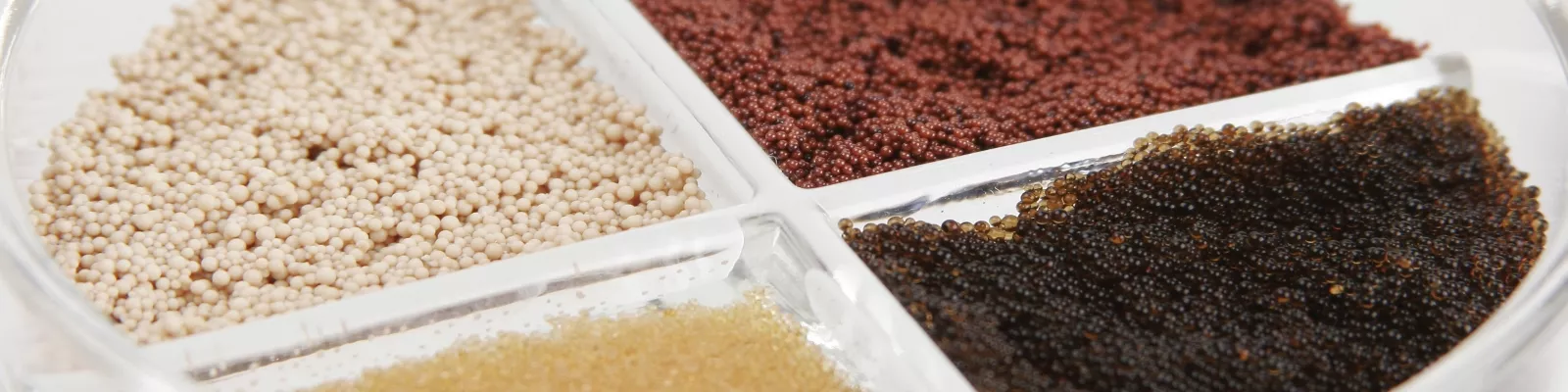
If you’re not deep into water treatment or industrial chemistry, terms like cation and anion exchange resin might sound a bit like jargon from a science textbook. But the reality is that these materials quietly power some of the world’s most critical processes — from ensuring safe drinking water to refining high-tech materials. As global populations rise and industries push for cleaner, more efficient solutions, understanding this resin technology matters more than ever.
Why? Because these ion exchange resins help remove harmful contaminants and recover valuable ions efficiently. According to the United Nations, around 2.2 billion people lack access to safely managed drinking water. Technologies relying on cation and anion exchange resins offer sustainable solutions to bridge that gap. Whether it’s in municipal water plants, pharmaceutical manufacturing, or environmental cleanup, these resins are quietly reshaping how we approach purity and safety.
Mini takeaway: Cation and anion exchange resins aren’t just chemical curiosities — they’re vital tools in sustainable water and resource management worldwide.
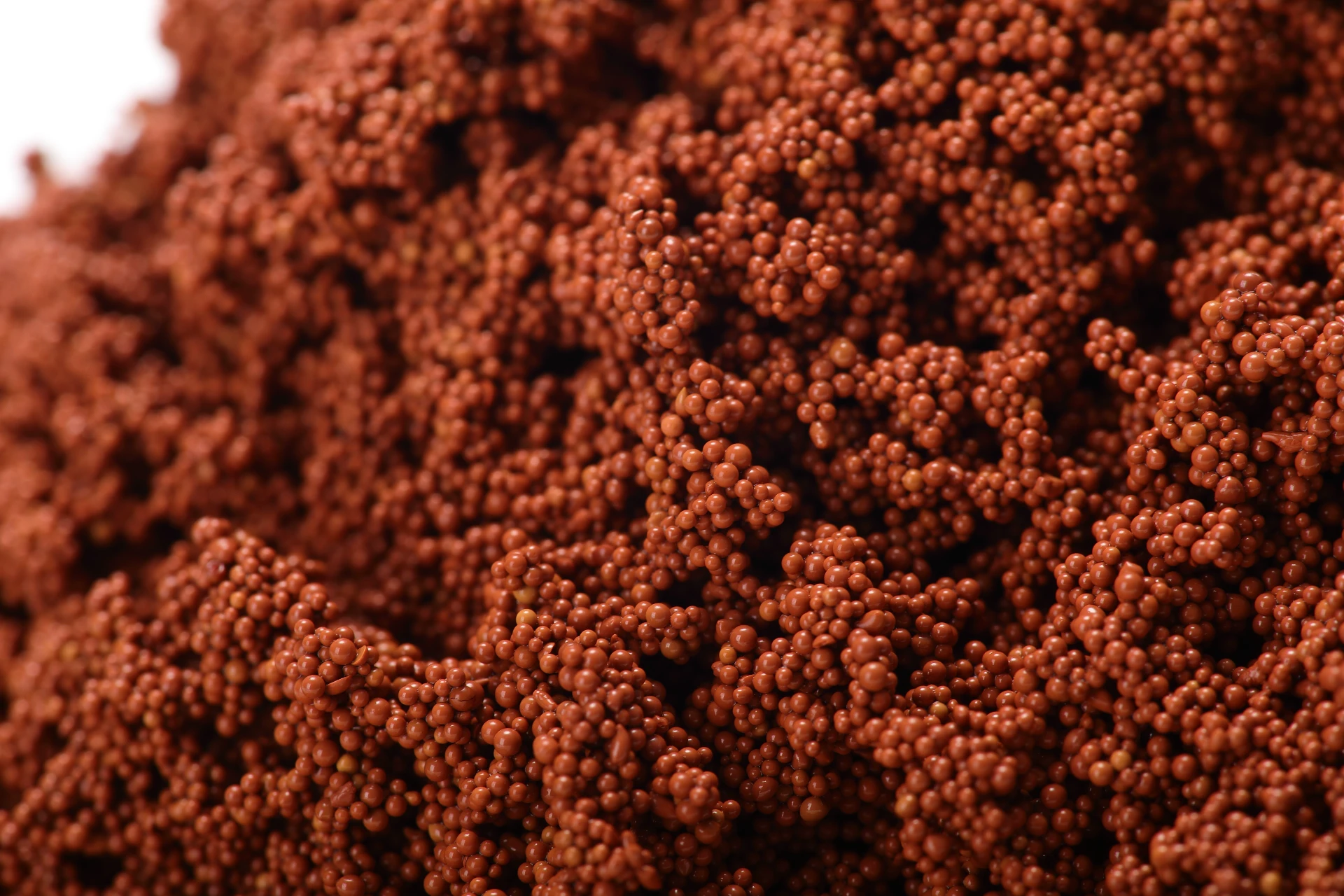
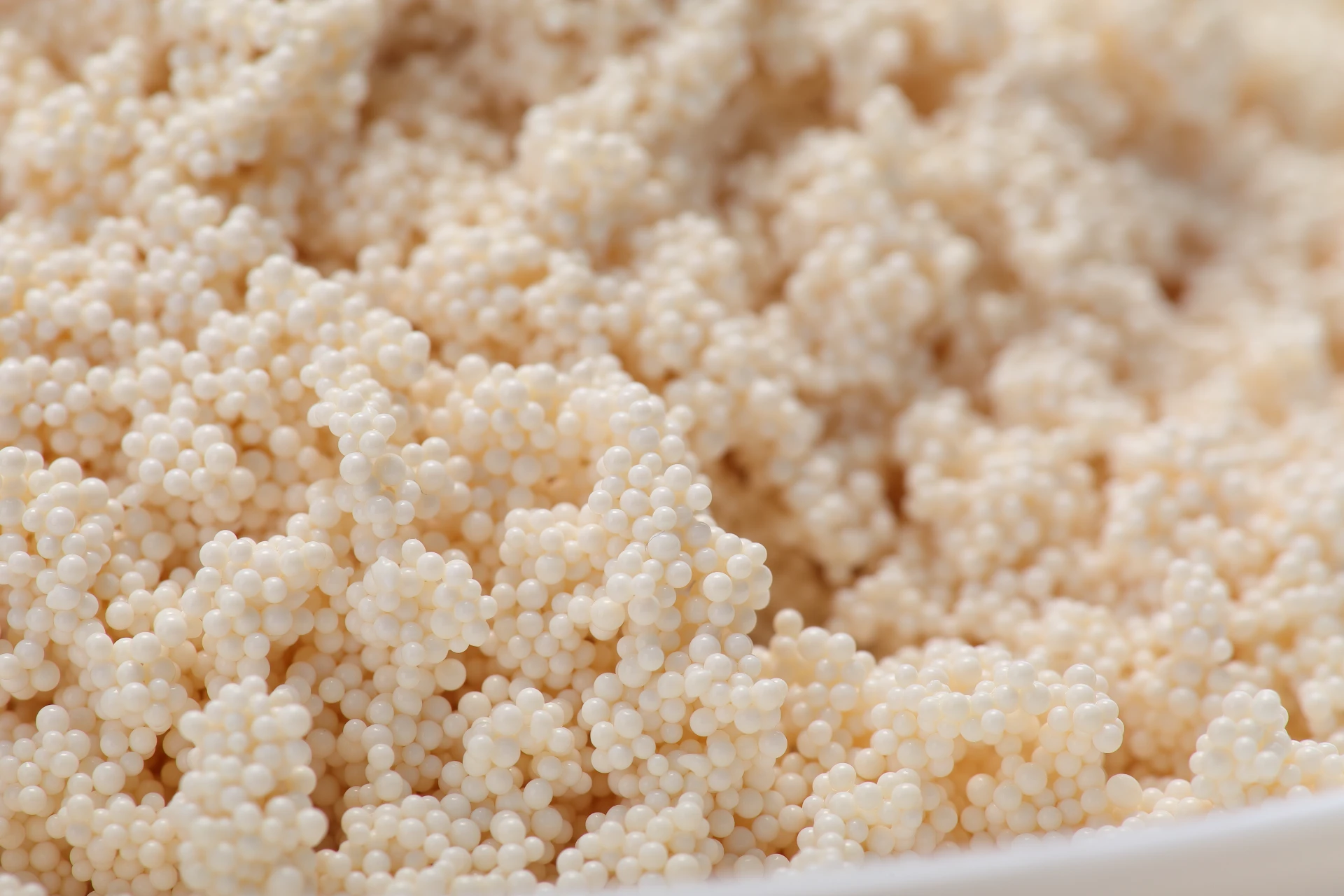
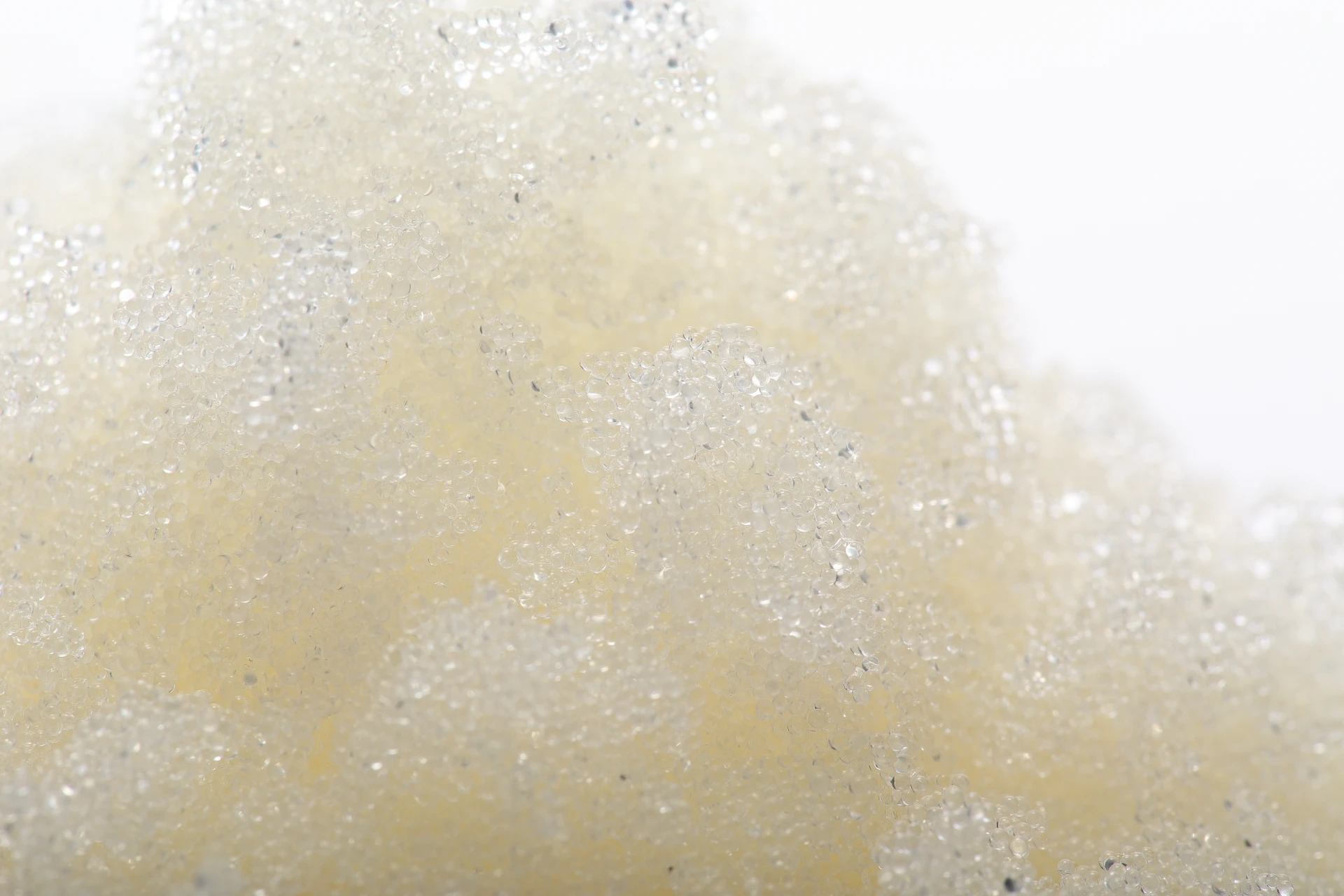
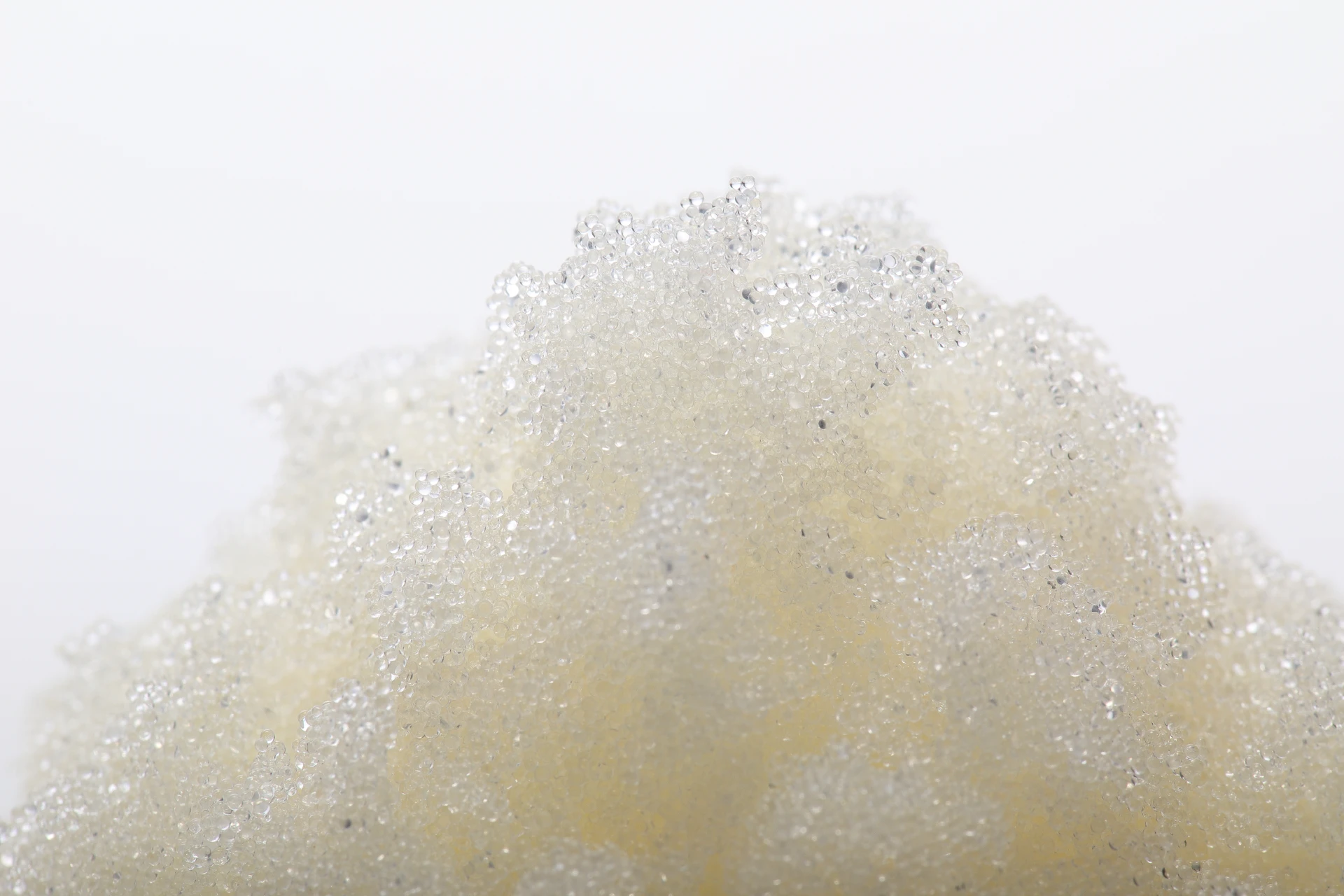
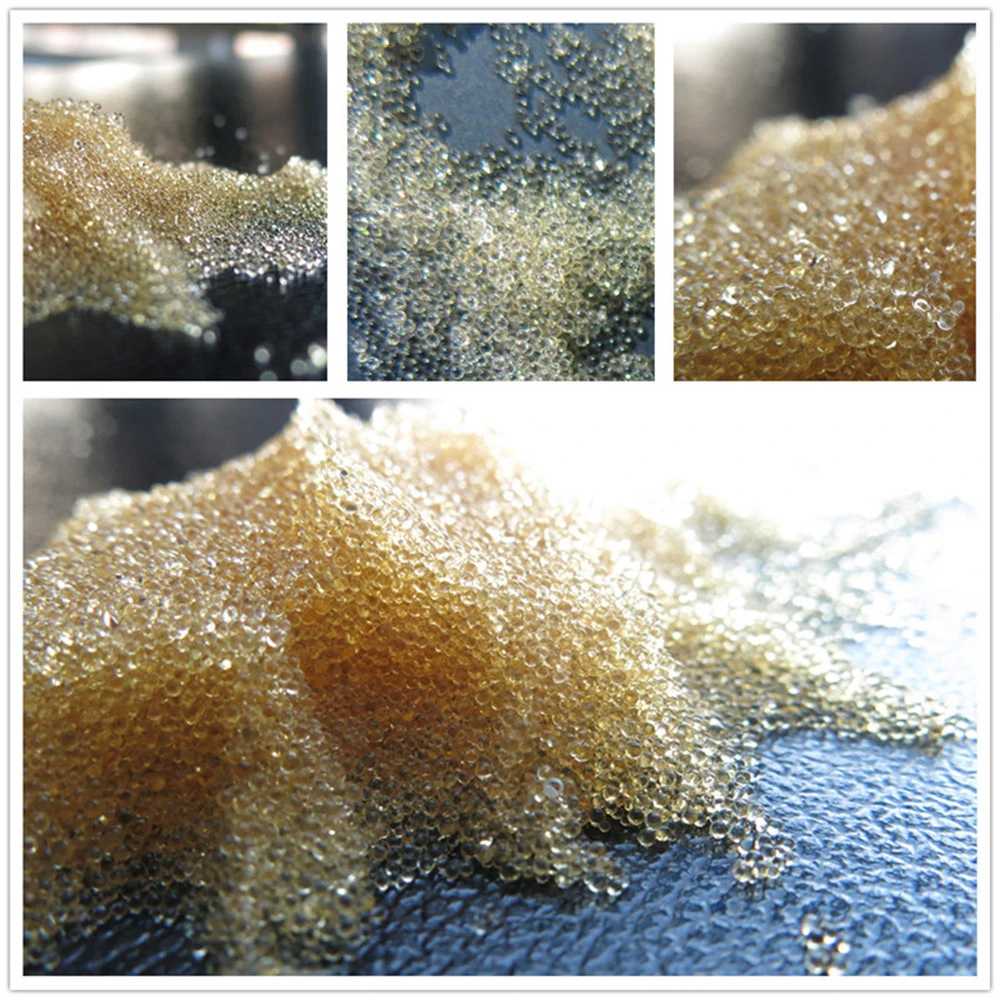
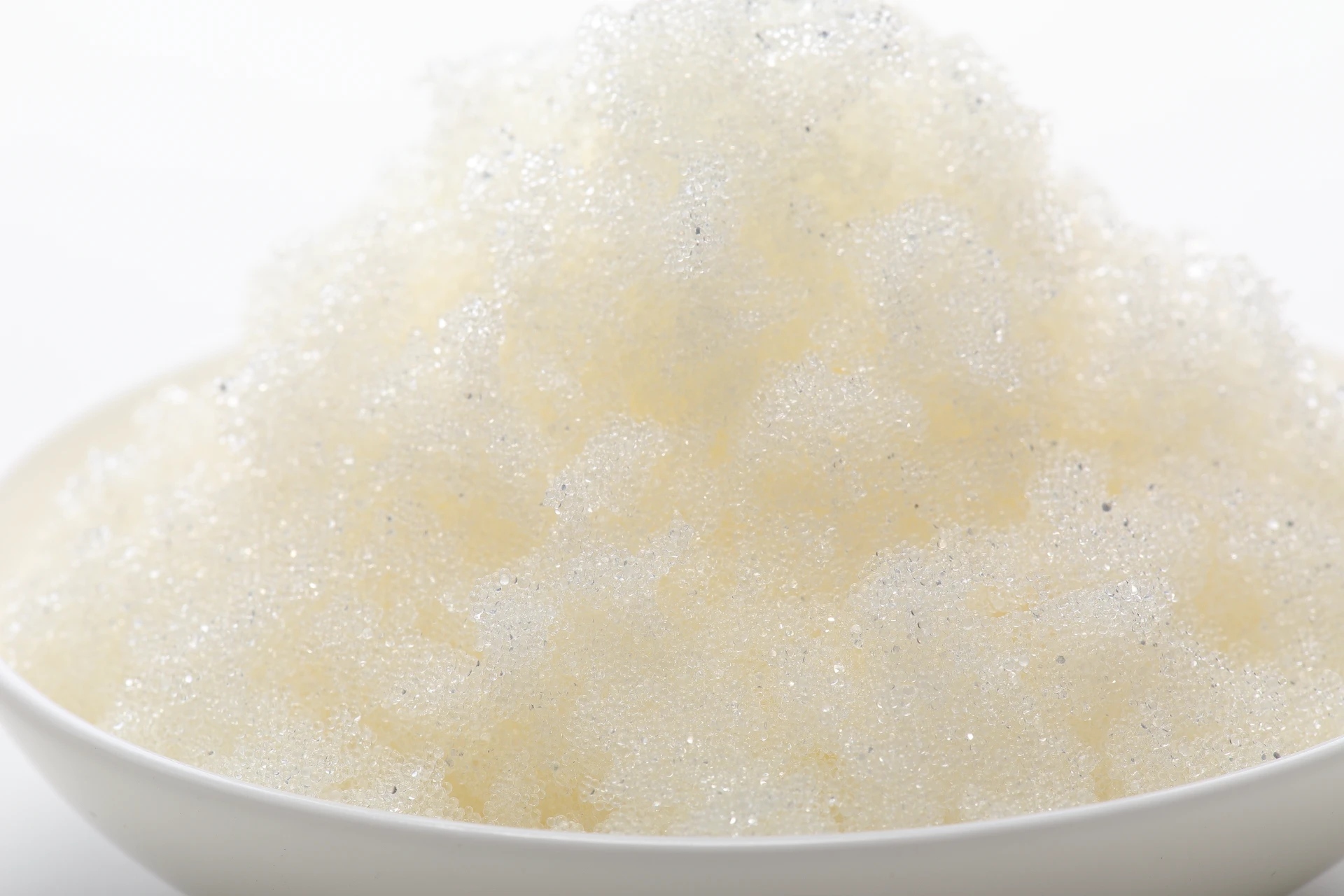
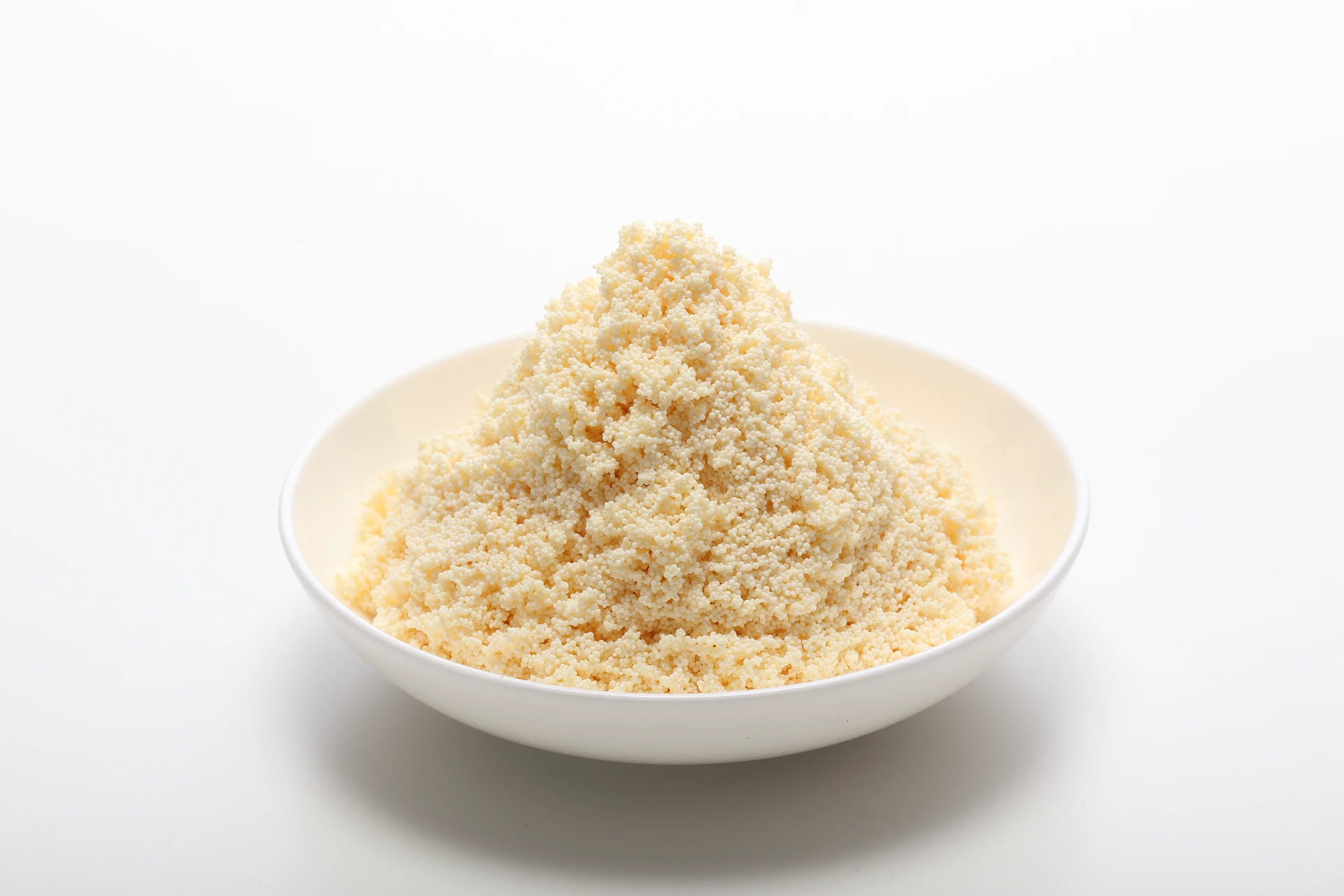
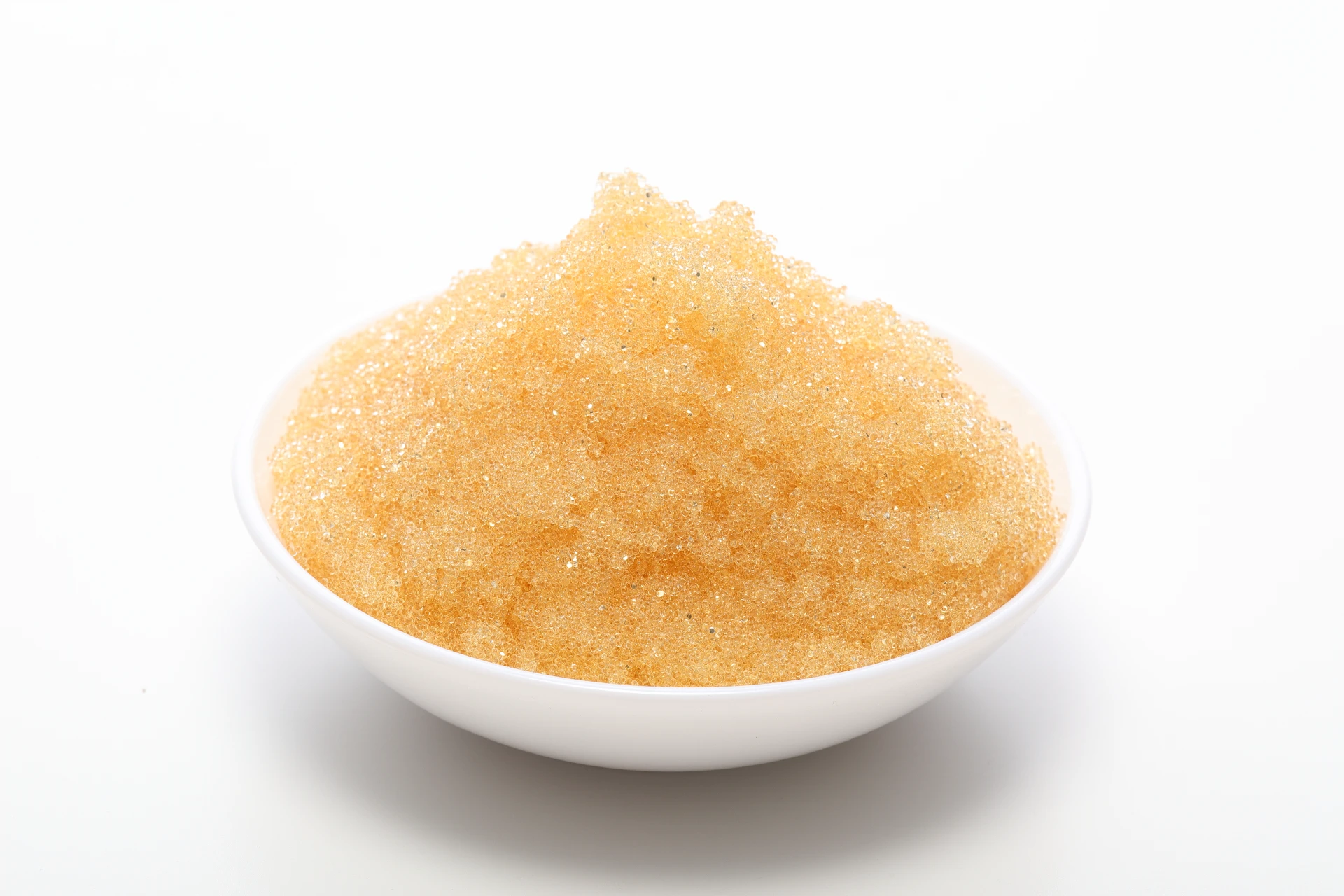
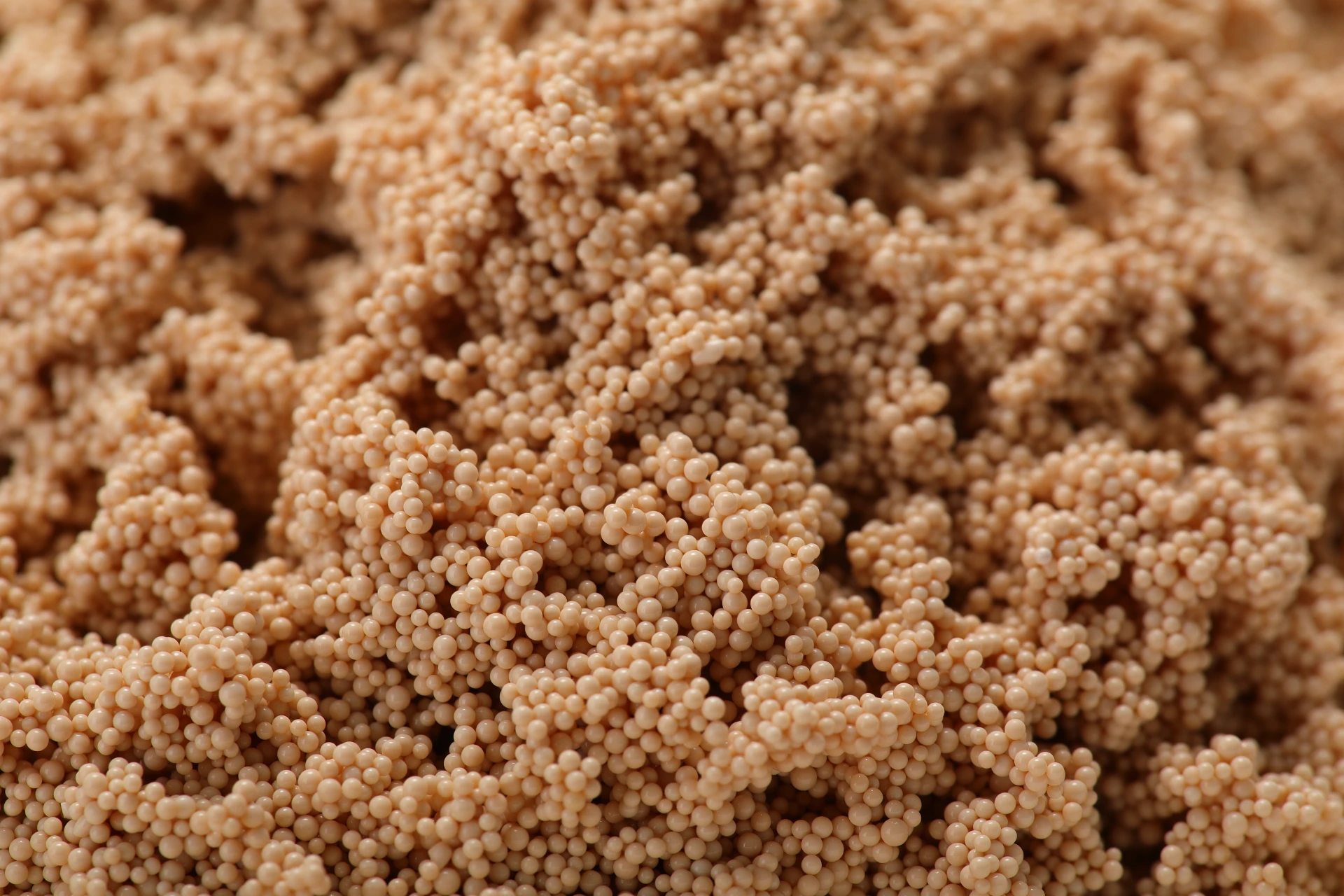
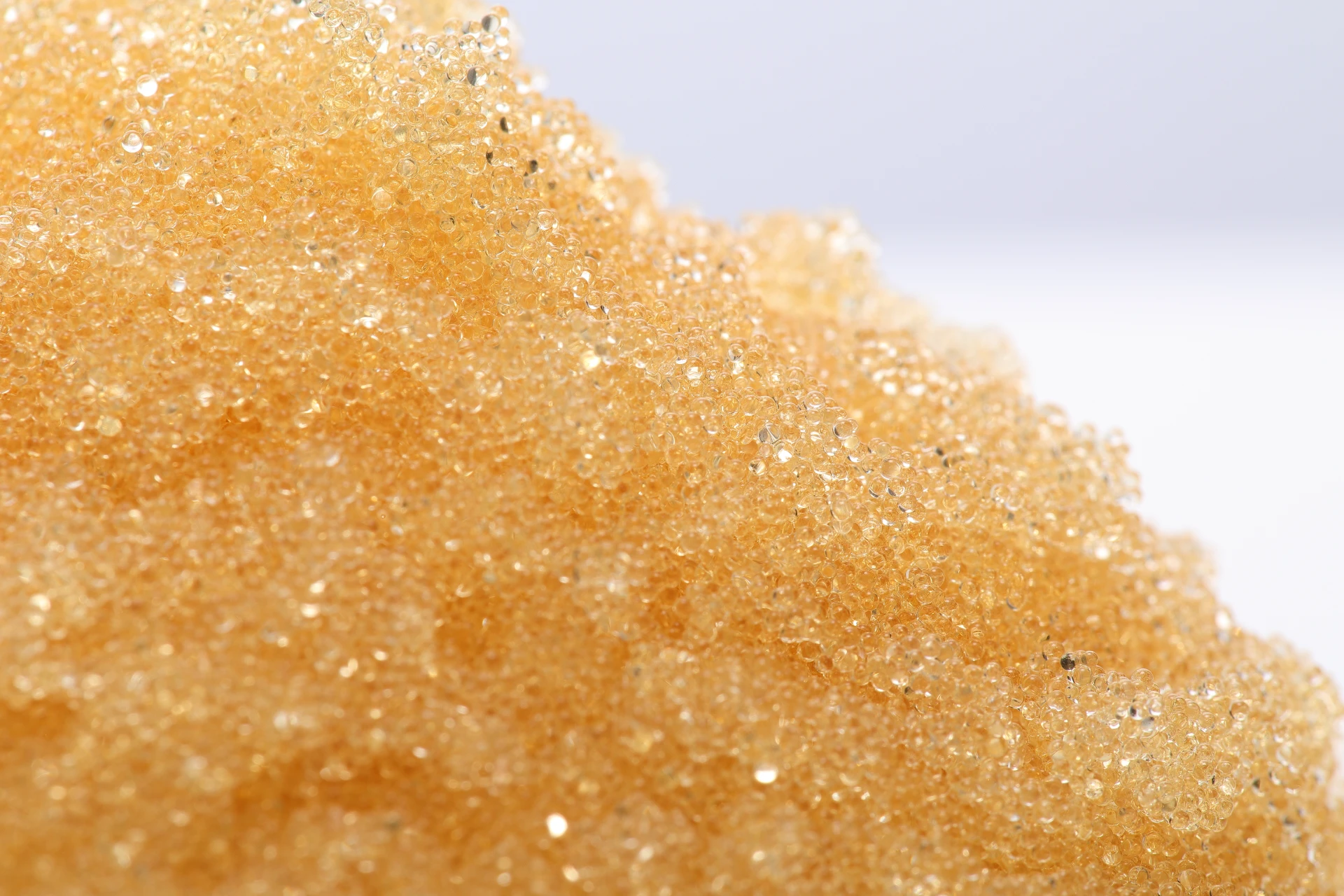
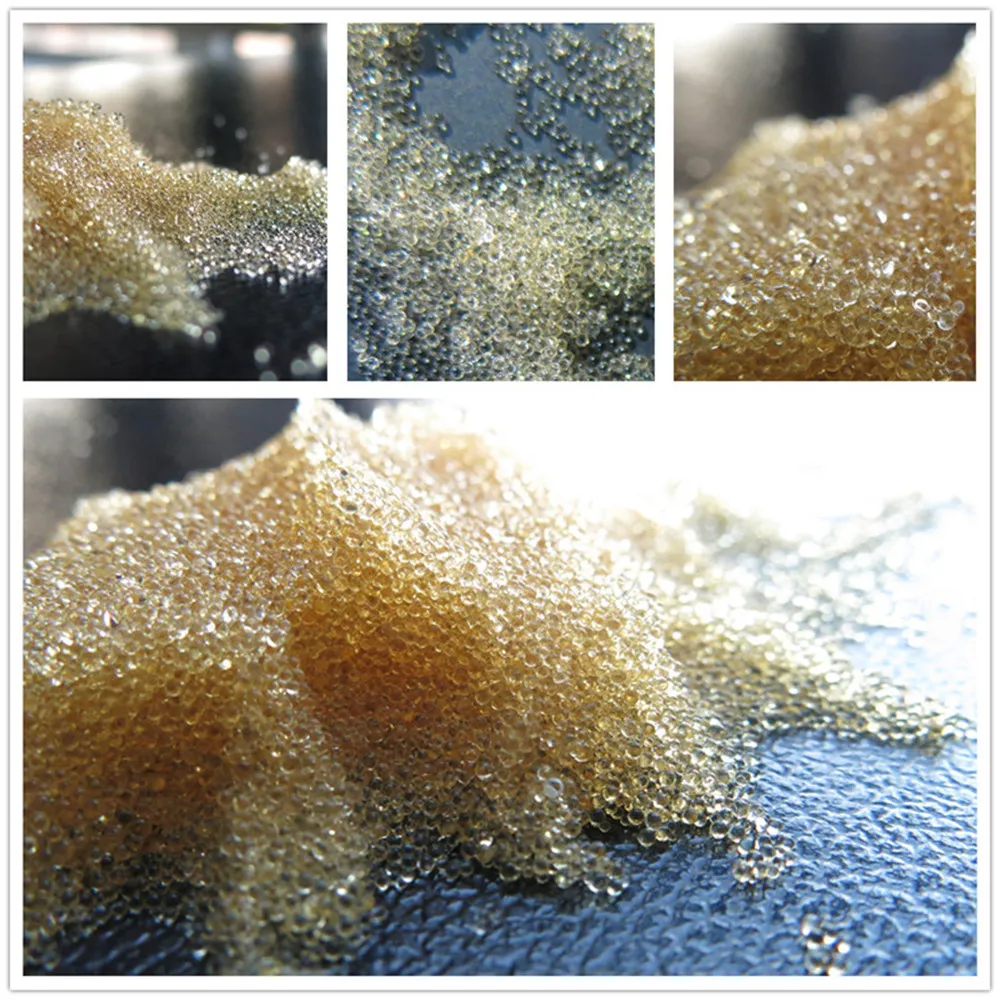
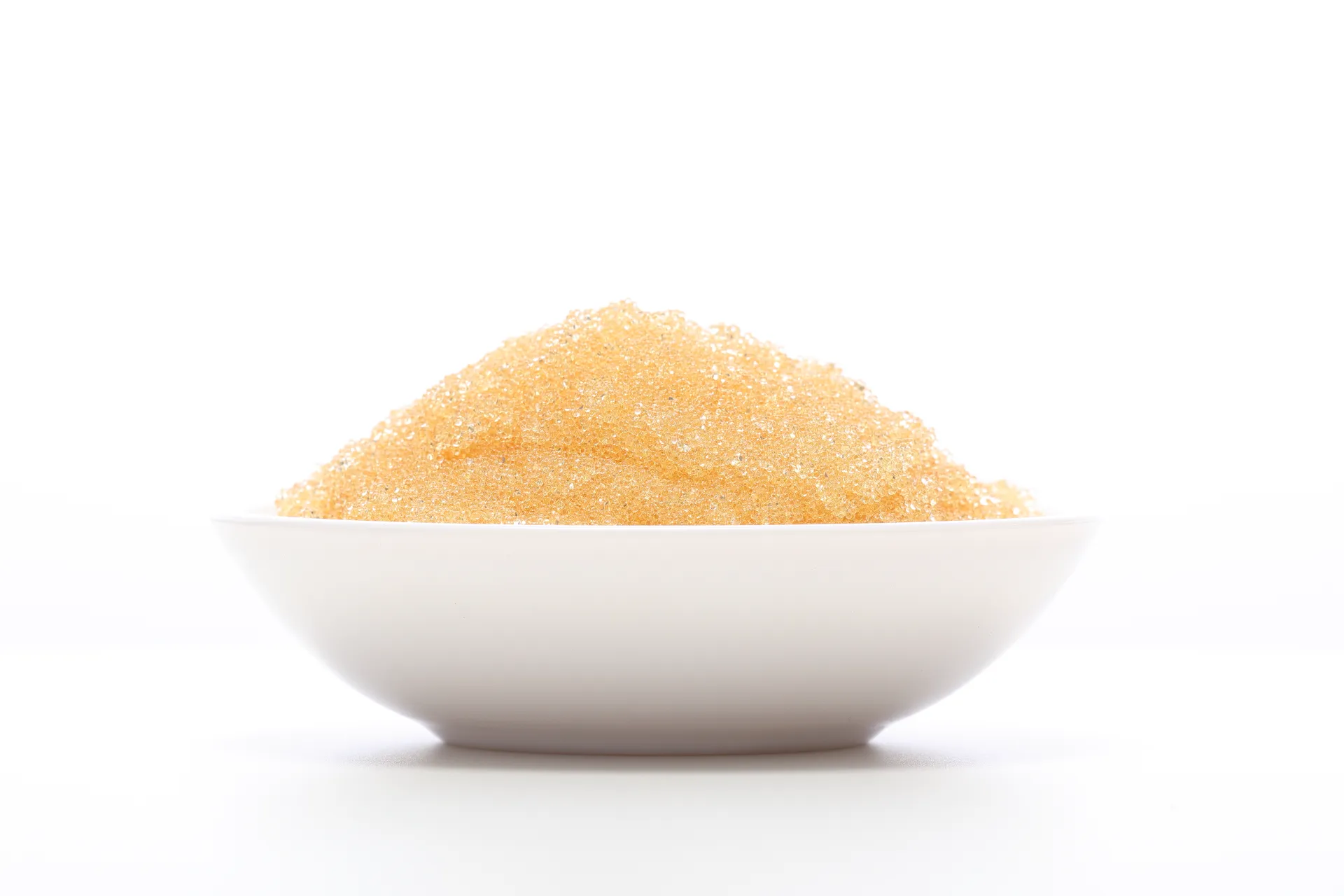
Simply put, cation and anion exchange resins are tiny polymer beads specially designed to swap out undesirable charged particles (ions) from liquids. “Cation” means positively charged ions like calcium or magnesium, while “anion” refers to negatively charged ions such as chloride or nitrate.
The resins act like sponges but for ions — attracting and holding onto the unwanted charged particles, then releasing them when regenerated. This property is crucial for industries that need pure water or that want to recycle materials efficiently and economically. From softening hard water in households to complex purification in nuclear facilities, the applications run wide.
The connection to humanitarian needs also stands out: in disaster zones where water quality plummets, portable ion exchange systems can rapidly provide potable water, supporting both immediate relief and long-term recovery.
Mini takeaway: Think of cation and anion exchange resins as precise chemical filters, essential for keeping water safe and processes clean.
At the heart of resin performance is how many ions it can hold — that’s its exchange capacity. Higher capacity means longer service life between regeneration cycles, reducing downtime and chemical use.
Not all ions are created equal, and neither are resins. Some cation resins prefer removing heavy metals over calcium, for instance. This selectivity is crucial when targeting specific contaminants in industrial effluent or drinking water.
Resins must withstand harsh conditions, varying pH ranges, and temperature shifts while maintaining structural integrity. Durability reduces replacement frequency – a cost saver especially for remote operations.
How easily and thoroughly a resin regenerates affects both operational costs and environmental footprint. Optimized regeneration uses fewer chemicals and less water.
From small household units to expansive industrial plants, resins come in different grades and formats to suit the scale without sacrificing performance.
Mini takeaway: The best ion exchange resins combine high capacity, precise selectivity, rugged durability, and efficient regeneration — a balancing act that manufacturers continuously refine.
The industries and regions relying on these resins are myriad. Water utilities worldwide use ion exchange to soften water, remove unpleasant tastes, and eliminate toxic metals like lead. Pharmaceutical companies count on resins for ultra-pure solvents and active ingredients. In the energy sector, resins are critical in nuclear powerplants for coolant purification to avoid radiation buildup.
Oddly enough, humanitarian relief also benefits. In flood-affected South Asia, NGOs deploy mobile water purification units based on ion exchange to prevent disease outbreaks. Remote mining operations use resin beds to recover valuable metals and minimize environmental harm.
| Application | Industry/Region | Benefit |
|---|---|---|
| Water softening | Municipal water, Global | Prevents scale buildup, extends appliance life |
| Heavy metal removal | Industrial effluent, Asia, Europe | Meets environmental discharge standards |
| Pharmaceutical purification | Global pharma companies | Ensures product purity and safety |
| Portable water purification units | Disaster relief, Africa, South Asia | Rapidly supplies safe drinking water |
Mini takeaway: The reach of cation and anion exchange resins is truly global, spanning essential uses from everyday water treatment to life-saving humanitarian efforts.
Industry professionals often talk about the “trust factor” with ion exchange resins — they work consistently, predictably, and efficiently. But beyond technical reliability lies a raft of advantages:
It’s worth noting that reliability isn’t just mechanical — trust in these materials underpins many critical systems people count on every day.
Looking forward, the field is buzzing with ideas. Green chemists are working on bio-based resins to reduce petrochemical dependence. There’s also a surge in nanostructured resins aiming for ultra-high selectivity and capacity.
Automation and digital monitoring increasingly integrate into ion exchange systems, improving regeneration timing, reducing human error, and optimizing resource use. Plus, in a sustainability-driven marketplace, policies are encouraging circular economy practices — reusing spent resins or recovering valuable metals from waste is getting attention.
Mini takeaway: Innovation is fueling smarter, greener, and more economical cation and anion exchange resin technologies, promising better outcomes for industries and the planet.
It’s not all perfect. Resins can degrade over multiple cycles, lowering effectiveness. Fouling from oils or bacteria also hampers performance. For field operators, regenerant chemical handling and disposal remain concerns.
Experts suggest multi-stage filtration before ion exchange to reduce fouling and advanced resin formulations resistant to degradation. Also, modular resin units simplify maintenance and allow quicker resin replacement. The industry continues to develop regeneration methods that cut chemical use and enable onsite reuse.
Cation resins remove positively charged ions like calcium and magnesium, mainly for water softening, while anion resins capture negatively charged ions such as nitrates or sulfates, often for demineralization or purification. Both work together in systems requiring full ion removal.
Yes, specially selected cation resins target heavy metals like lead or mercury effectively. Proper system design and pretreatment ensure optimal removal and resin longevity.
Depends on usage and water quality. Typically, resins last 5–15 years but may require earlier replacement if fouling or damage occurs.
Modern resins are designed to be chemically stable and safe. Regeneration must be managed to minimize environmental impact. Recycling and proper disposal practices further reduce risks.
Absolutely. Manufacturers often tailor resin properties — like particle size and selectivity — to suit particular contaminants and operational conditions.
| Vendor | Product Range | Key Features | Typical Applications | Global Reach |
|---|---|---|---|---|
| IonPure Corp. | Standard & High Capacity Cation/Anion Resins | High durability, eco-friendly regeneration | Municipal, pharma, petrochemical | North America, Europe, Asia |
| LijiResin Solutions | Customized cation and anion resin blends | Tailored selectivity, fast regeneration | Industrial wastewater, drinking water | Global, with strong presence in Asia |
| EcoIon Technologies | Bio-based ion exchange resins | Sustainable, biodegradable resins | Green energy, environmental remediation | Europe, North America |
| Feature | Cation Exchange Resin | Anion Exchange Resin |
|---|---|---|
| Typical Form | Spherical beads, 0.3–1 mm | Spherical beads, 0.3–1 mm |
| Exchange Capacity | 1.7–2.1 eq/L | 1.1–1.4 eq/L |
| Operating pH Range | 0–14 | 4–13 (varies by type) |
| Max Temperature | 120°C (varies) | 60–120°C (varies) |
| Typical Uses | Water softening, metal removal | Nitrate removal, demineralization |
We’ve covered a lot of ground, from global challenges in water quality to the nitty-gritty of resin chemistry and emerging innovations. What emerges clearly is that cation and anion exchange resins aren’t just materials — they’re enablers of safer communities, cleaner industries, and a more sustainable planet.
If your business or project requires reliable ion exchange solutions, explore comprehensive options and expert support available via cation and anion exchange resin specialists. Investing in the right resin technology can pay off for decades, delivering cost savings, environmental benefits, and peace of mind.
Oddly, the smallest beads often carry the biggest impact — you really notice when they’re gone or not working well. Here’s to better water, cleaner processes, and the unseen heroes behind the chemistry!
References: