mixed bed resin suppliers

1 Cubic Foot Water Softener: A Comprehensive Guide

1 Cubic Foot Water Softener: A Comprehensive Guide

Understanding the 1 Cubic Foot Water Softener: A Practical Guide

You know, I've been working around water treatment systems for… well, a long time. And honestly, the 1 cubic foot softener is a bit of a sweet spot. It’s not the biggest, it’s not the smallest, but it hits a surprisingly large number of applications—particularly for smaller families, or as a point-of-use solution. There’s been a big push lately toward more targeted water treatment, less whole-house blanket approaches, and these 1 cubic foot units fit right into that trend. Folks are getting smarter about what they need to remove from their water, and these allow for more focused solutions. It’s a shift I’ve definitely noticed on site visits over the last few years.

Key Specifications & What They Mean

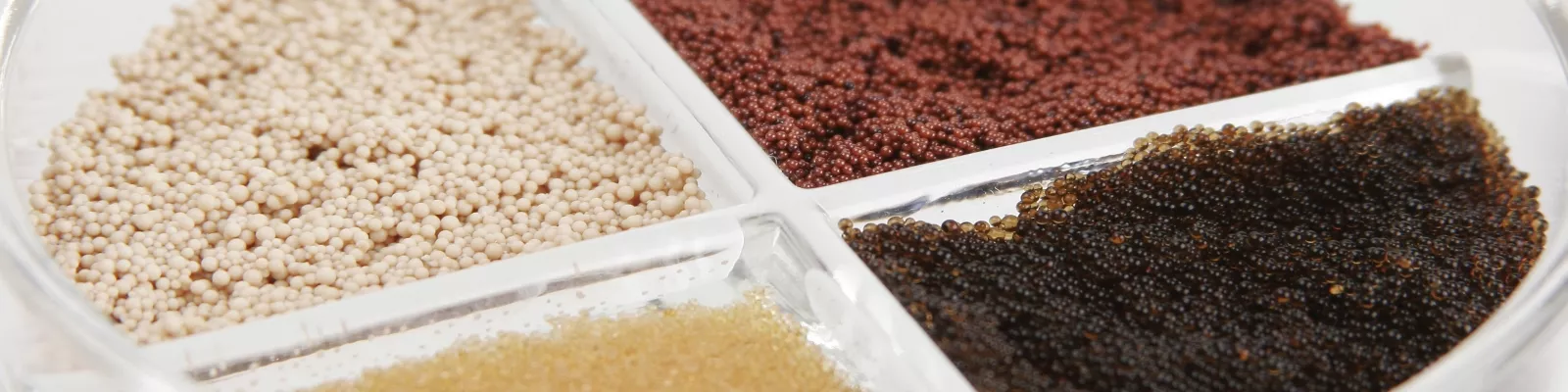
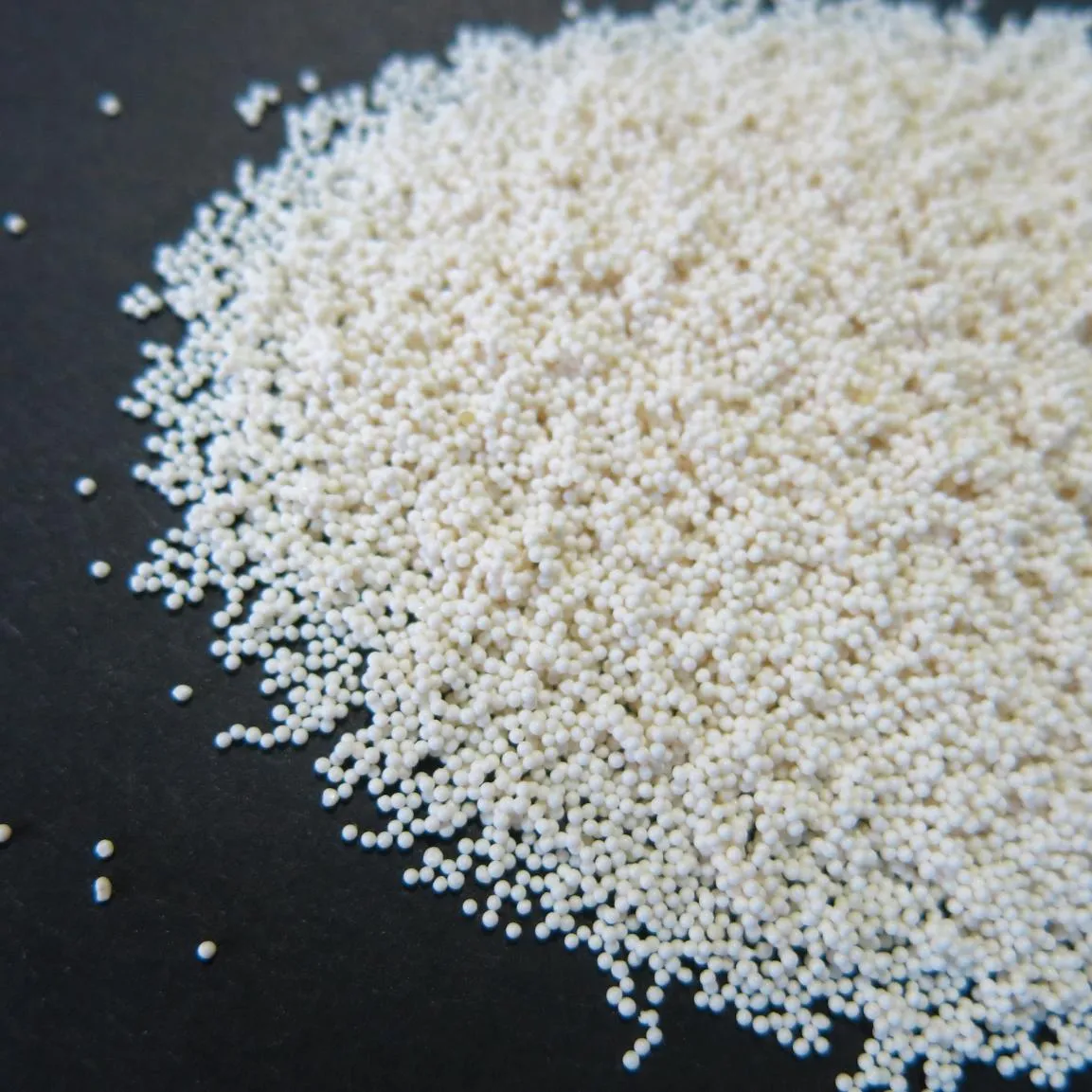
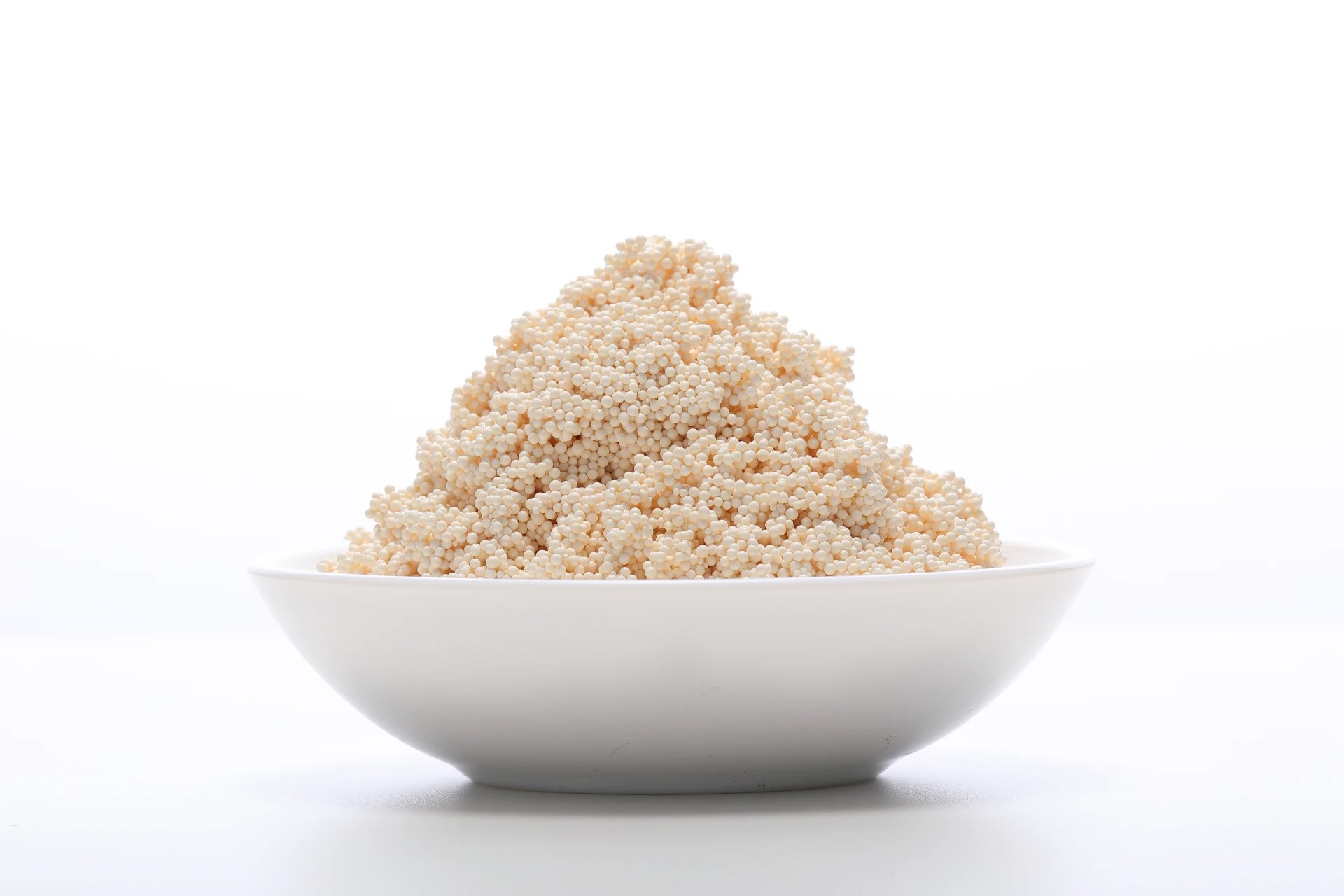
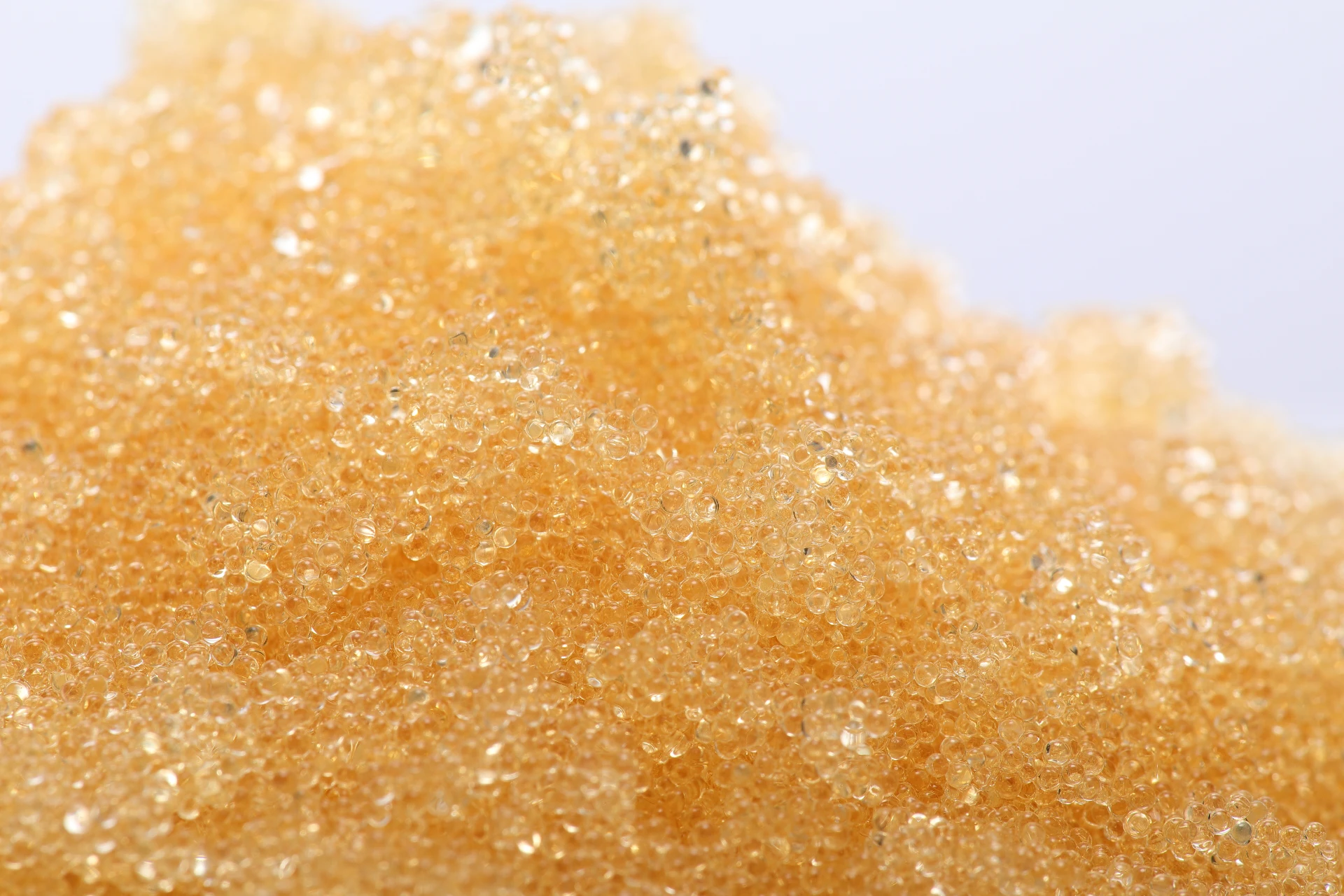
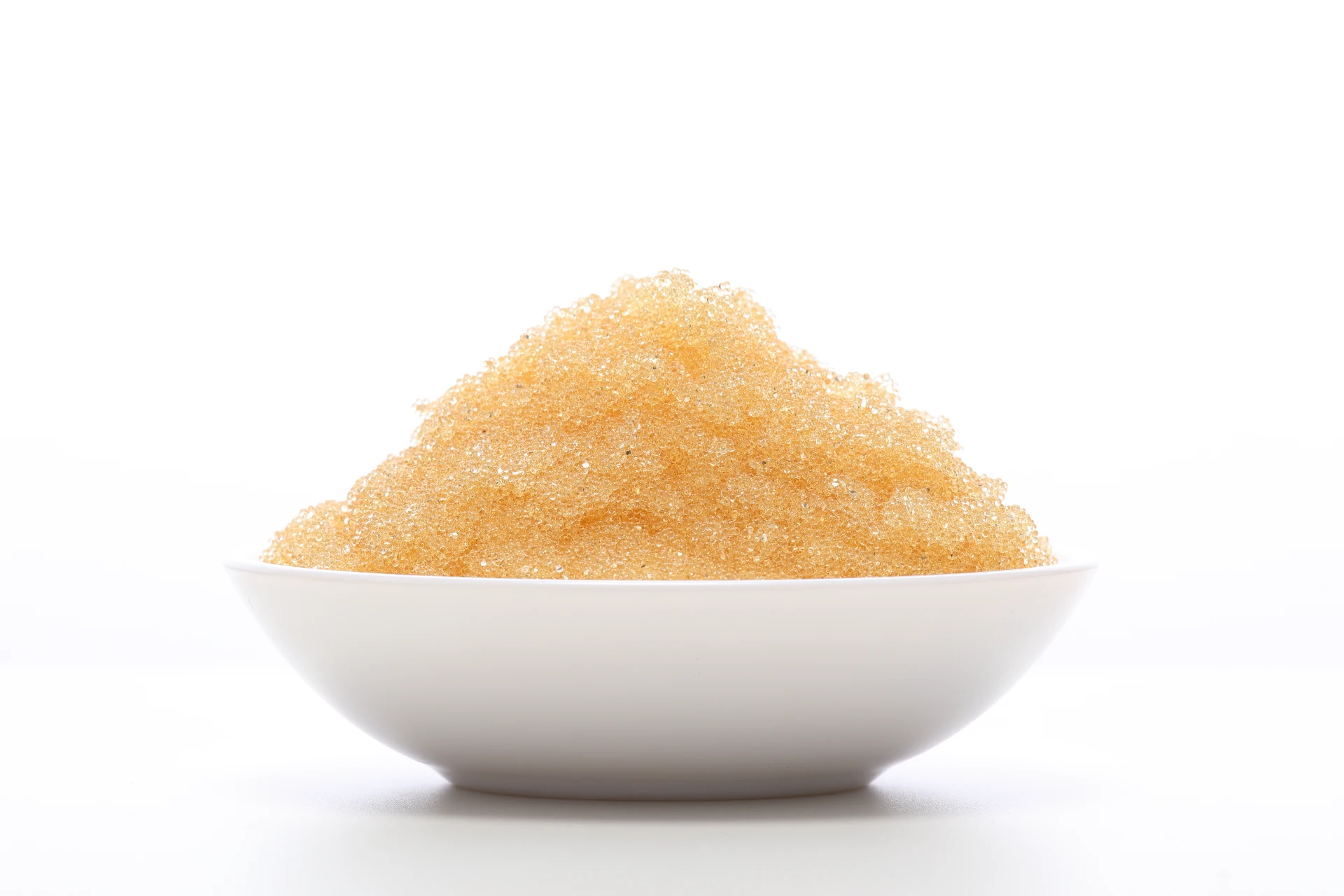
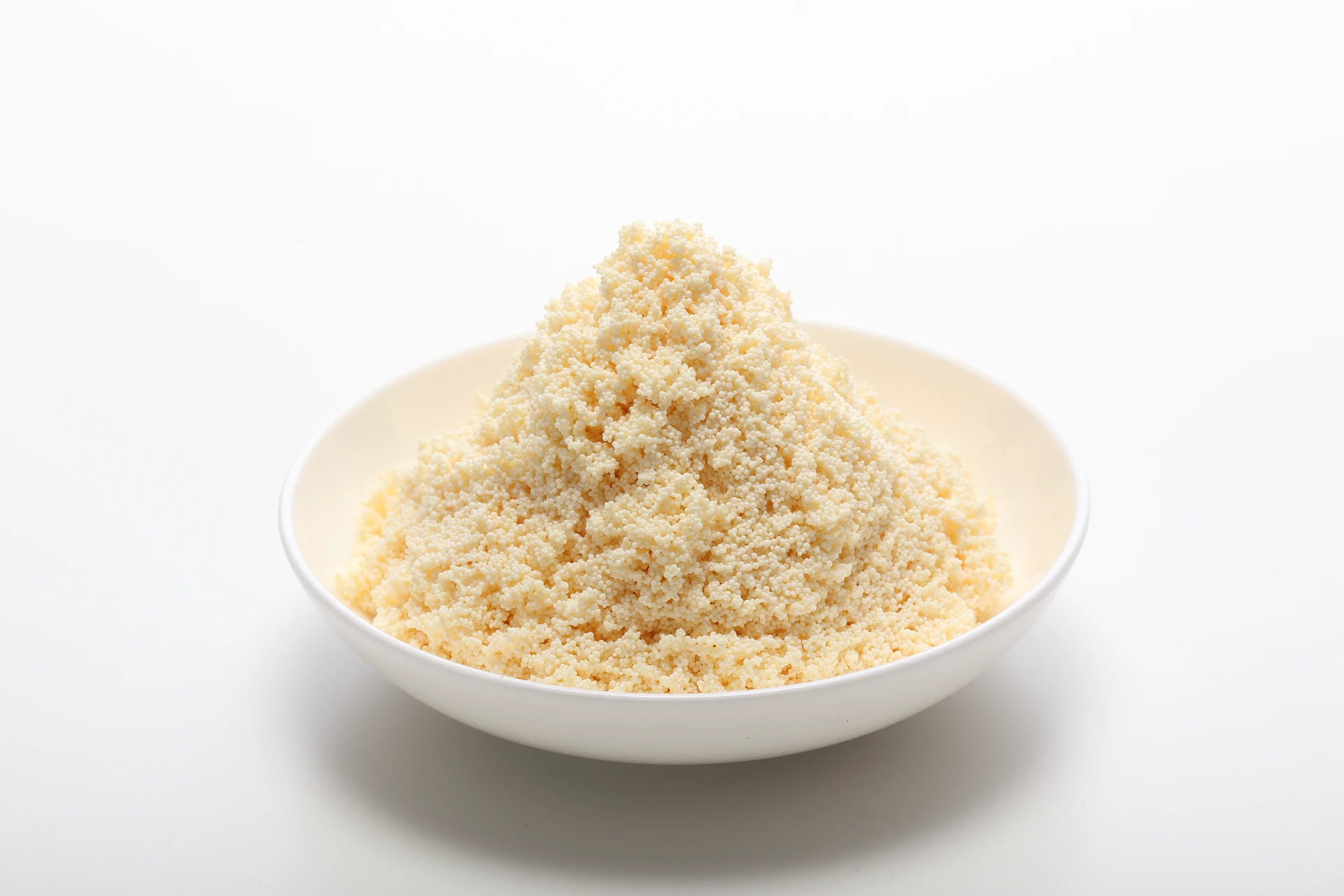
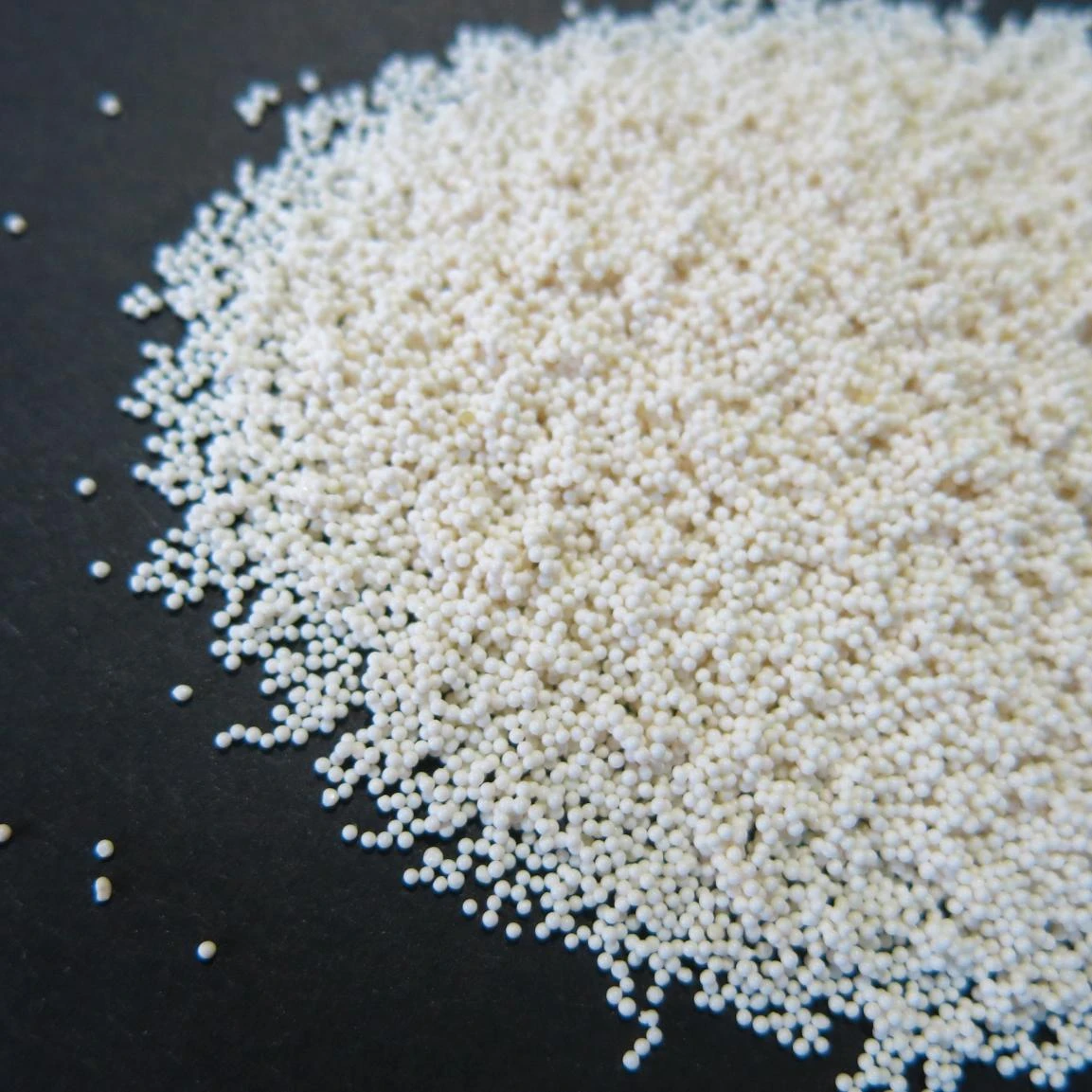
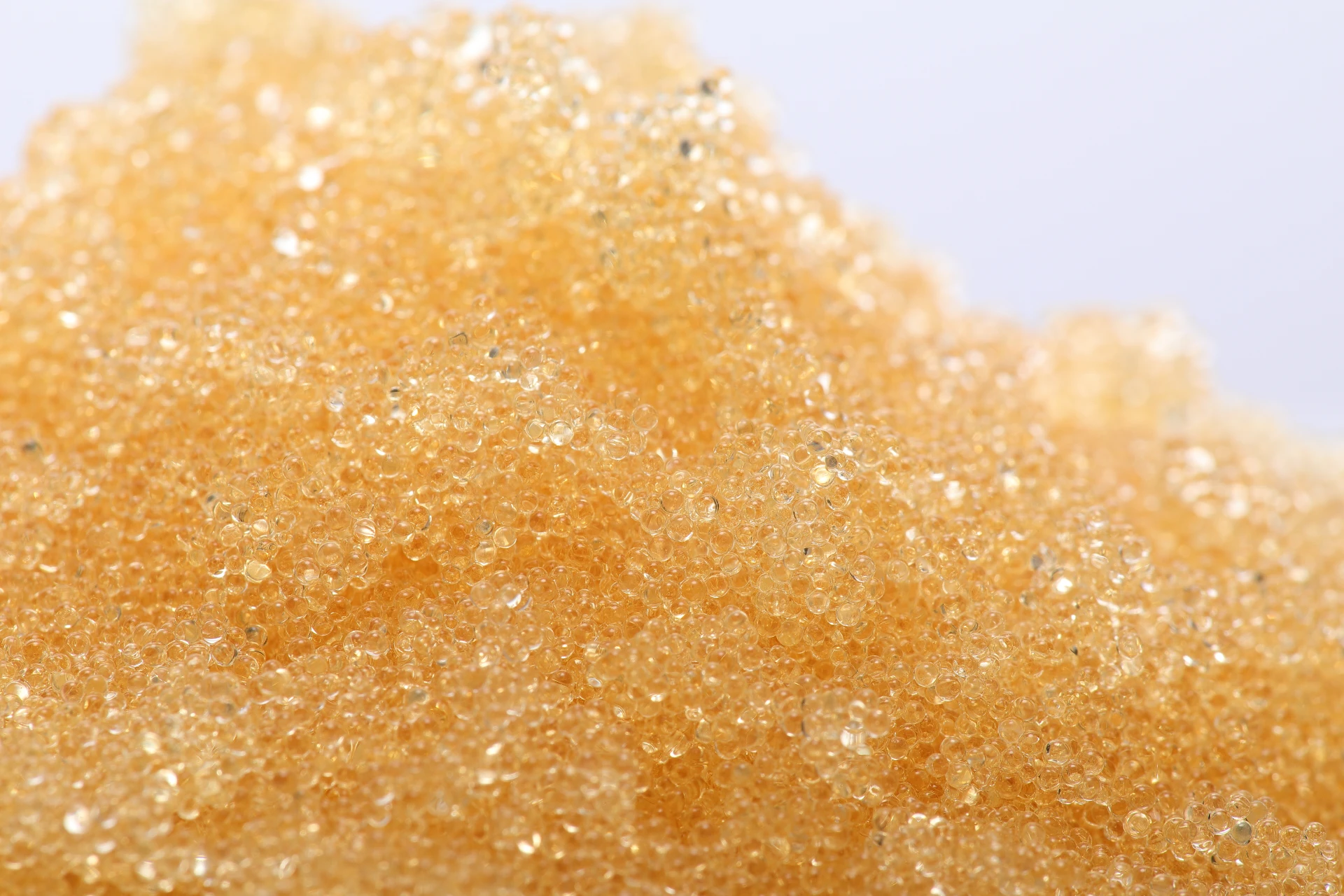
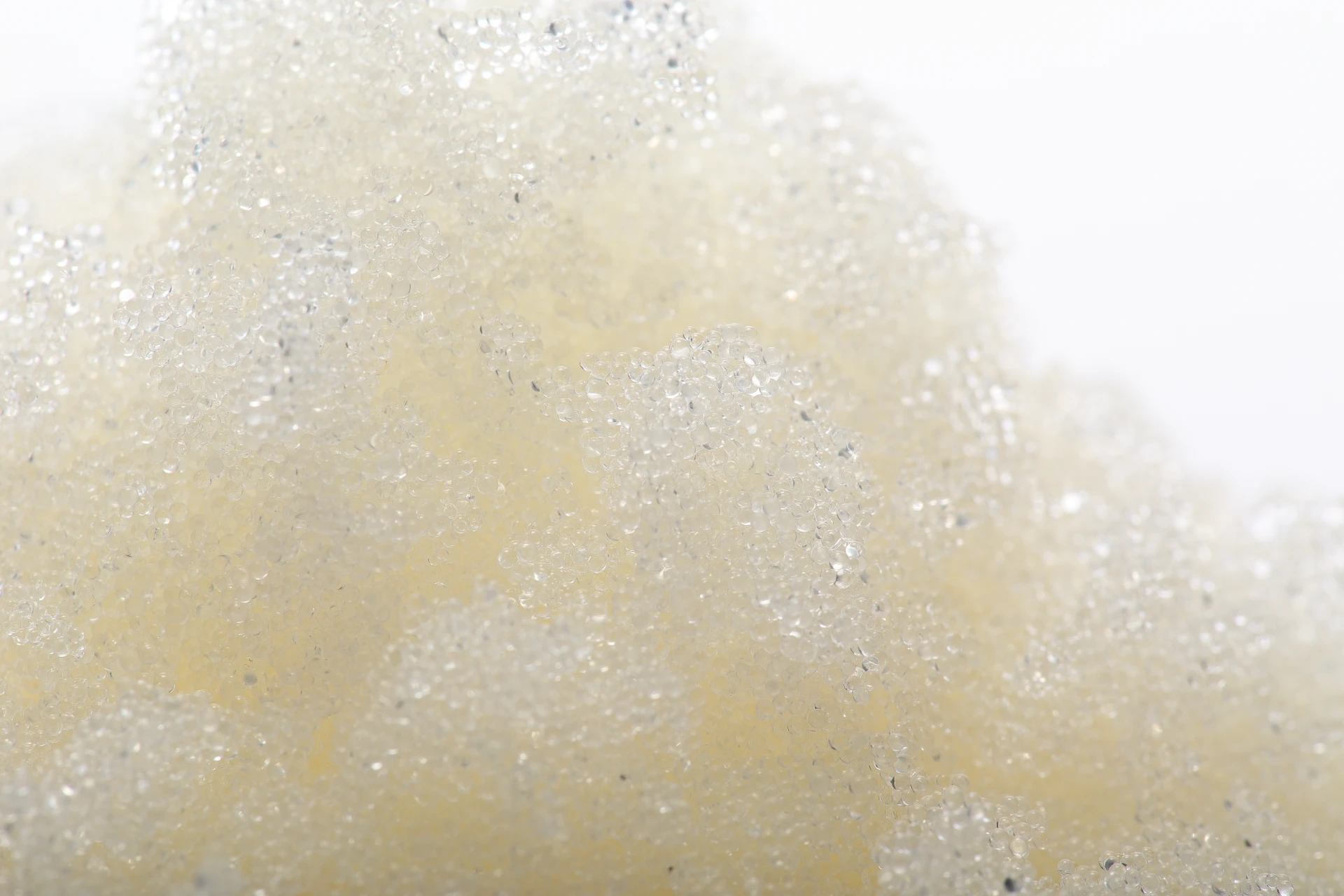
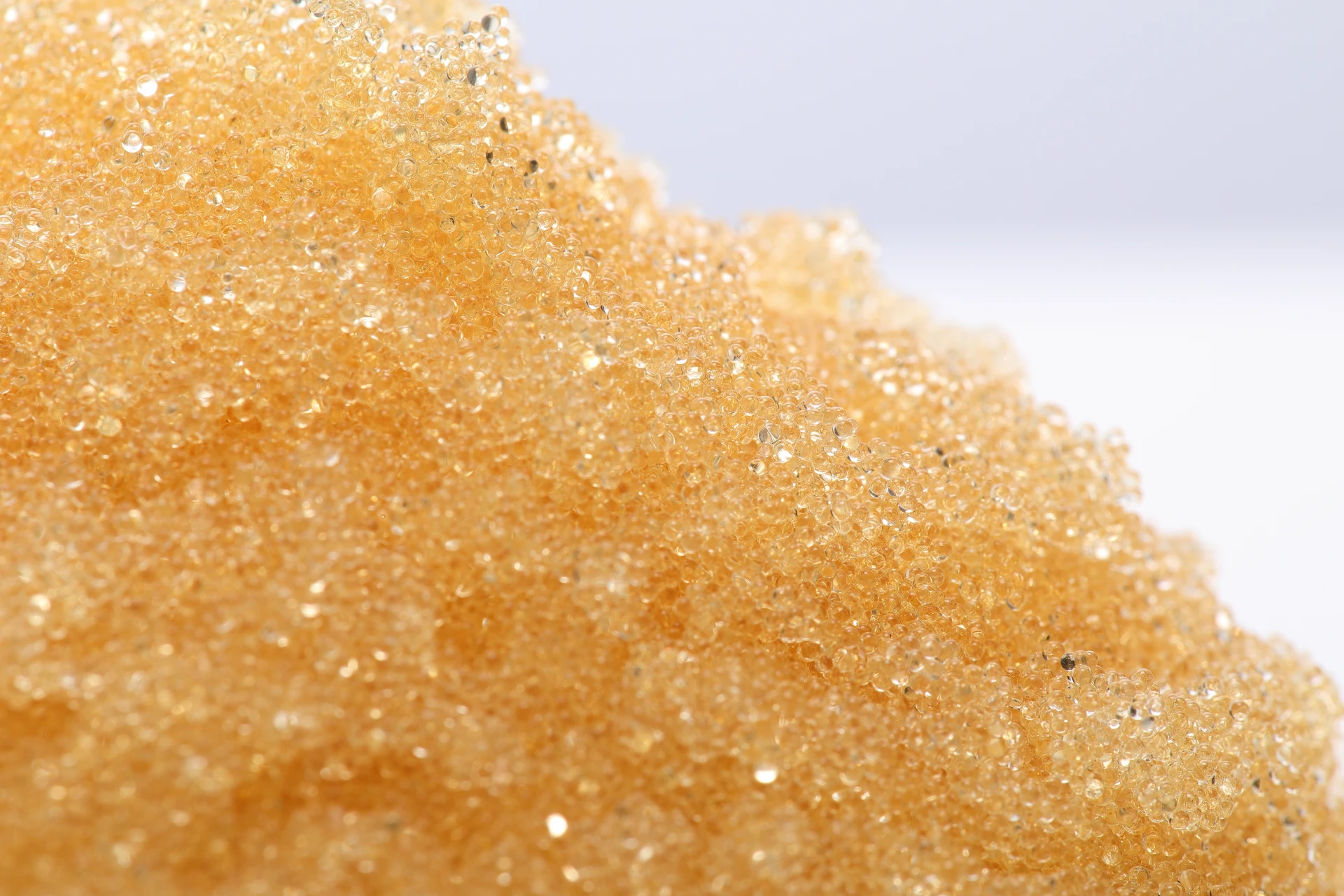
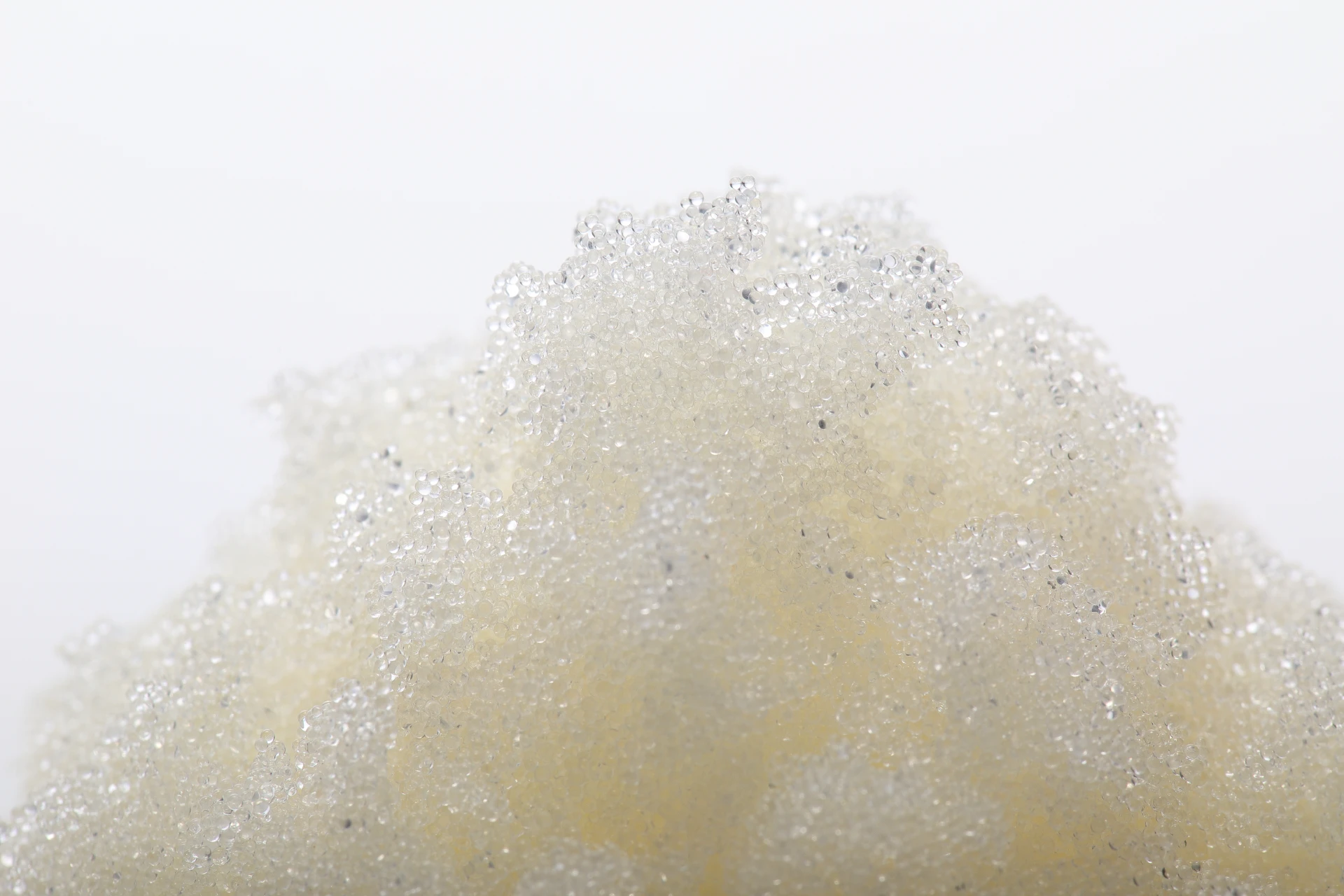
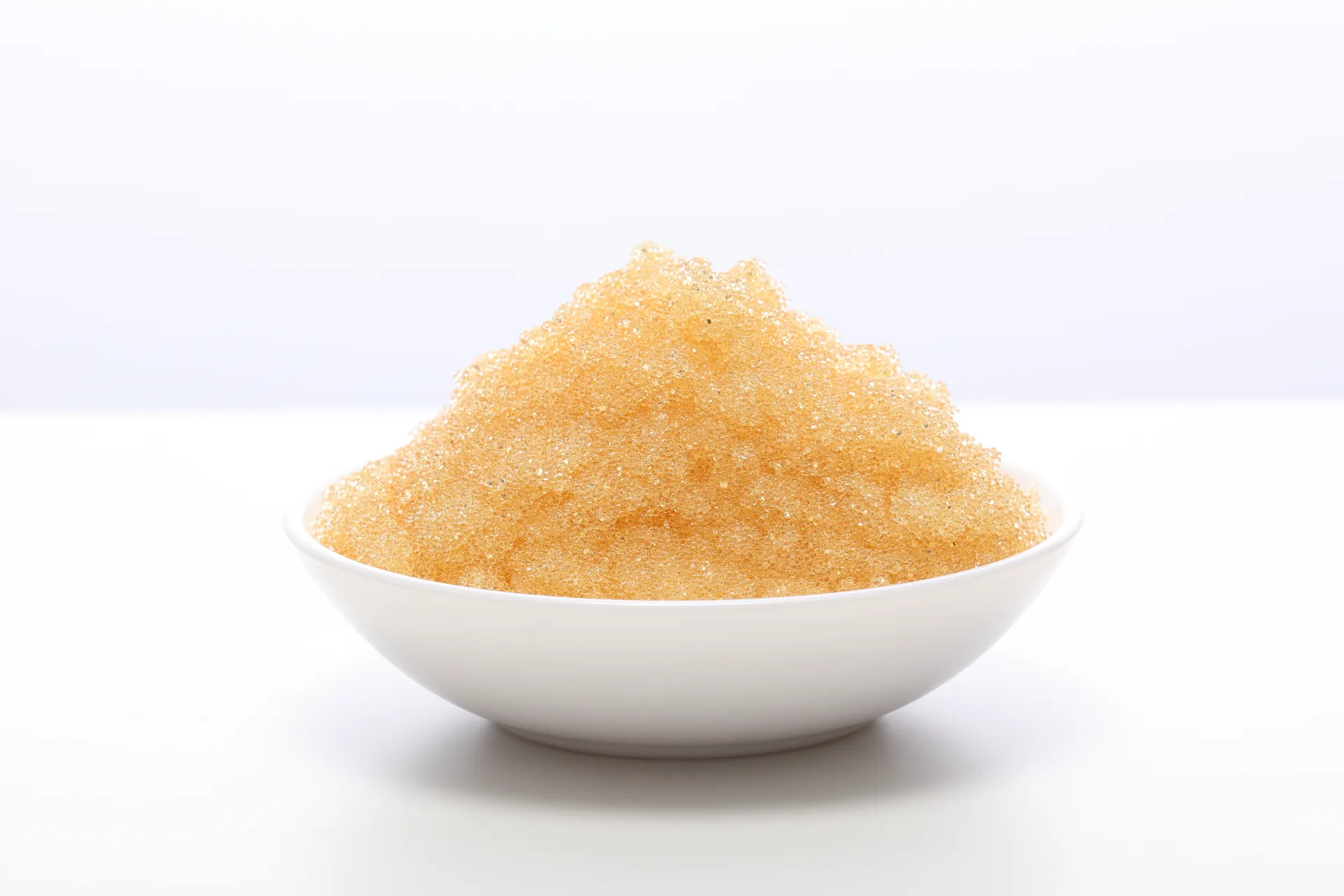
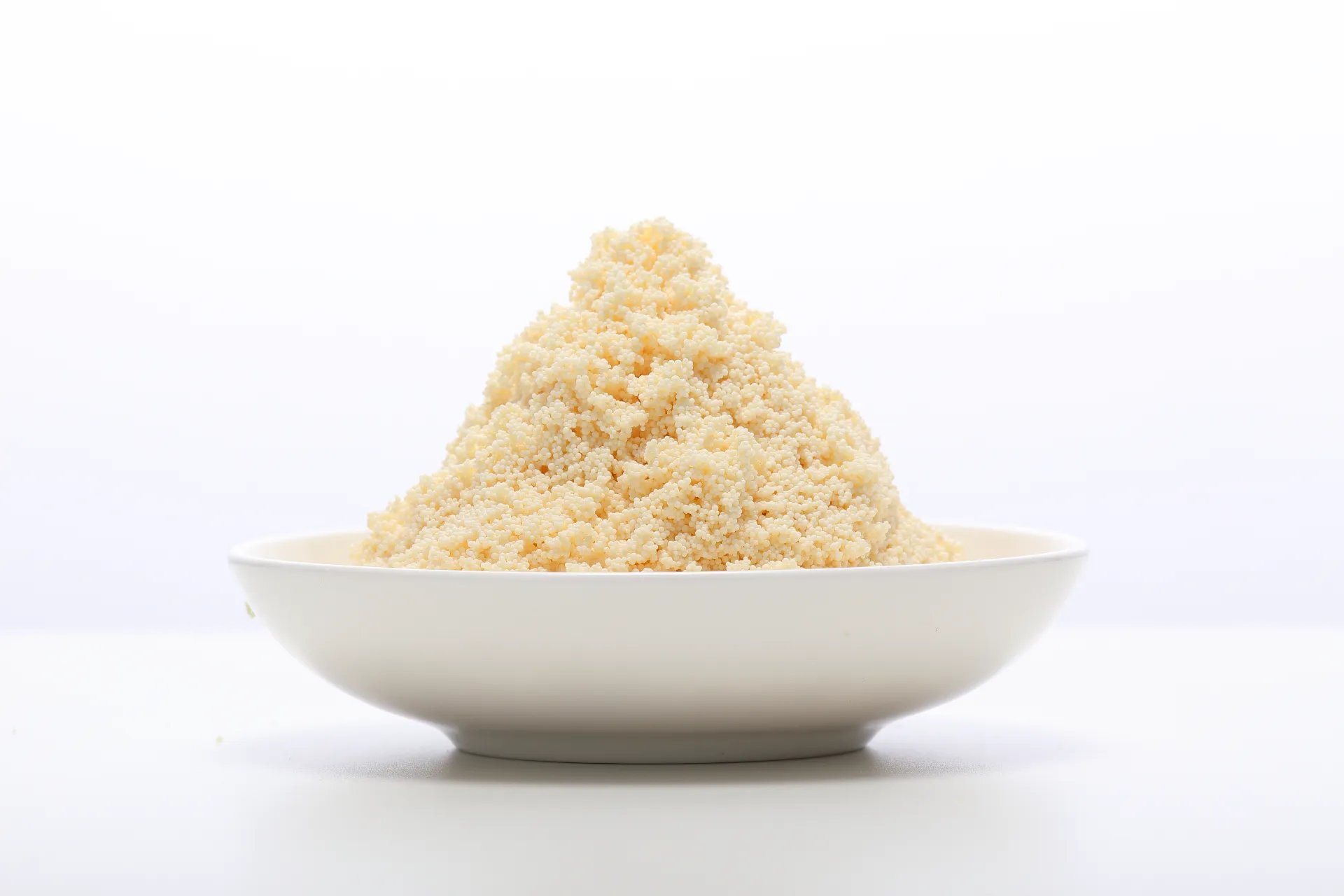
The core of any water softener, really, is the resin. And with a 1 cubic foot unit, you’re typically looking at around 30-40 pounds of resin capacity. That resin, usually a polystyrene bead, is what actually grabs the hardness minerals—calcium and magnesium—and exchanges them for sodium or potassium ions. Frankly, resin quality is huge. A cheaper resin will degrade faster and require more frequent replacement. I've seen some units with subpar resin barely last two years. Now, let’s look at a bit more detail.
Parameter Value Notes
Resin Capacity 1 Cubic Foot (30-40 lbs) Typically polystyrene-based
Flow Rate 6-8 GPM Impacted by resin bed depth
Salt Tank Size Typically 60-80 lbs Determines regeneration frequency
Maximum Hardness 20-25 grains/gallon Higher hardness requires more frequent regeneration

Vendor Landscape: Where to Buy & What to Look For

Choosing a vendor… well, that’s where it gets tricky. There are a lot of options. I suppose you have your big box stores, your online retailers, and then the specialized water treatment companies. Many engineers I’ve worked with swear by direct relationships with the manufacturers, or at least dealers who have a strong technical background. A lot of the lower-cost units online? Quality control can be…questionable. Here’s a quick comparison of a few common players. I'm not endorsing any specific brand, just presenting a snapshot of what I've observed.
Vendor Price Range Support Resin Quality
Lijiresin.com Lijiresin $300 - $600 Excellent, Technical Support High-Grade Resin
Home Depot/Lowe's $250 - $500 Basic, limited technical expertise Variable, often lower-grade
Amazon $200 - $450 Vendor-dependent Highly variable, read reviews carefully

Final Thoughts: It’s About the Right Fit

Ultimately, a 1 cubic foot water softener is a solid choice for many applications, offering a good balance of capacity, cost, and efficiency. Don’t skimp on the resin, though; it's the heart of the system. I remember one customer, a small bakery, was constantly battling scale buildup on their equipment. Switched to a unit with higher-quality resin, and the problem practically disappeared… It’s often the little things.
References:
  1. Water Quality Association (WQA) Standards, 2023
  2. Field service reports, various manufacturers, 2018-2023
  3. Customer testimonials, anecdotal evidence collected 2019-2023
Product Categories

If you are interested in our products, you can choose to leave your information here, and we will be in touch with you shortly.