Phone:
+86 0319 2296164


Email:
info@lijiresin.cn
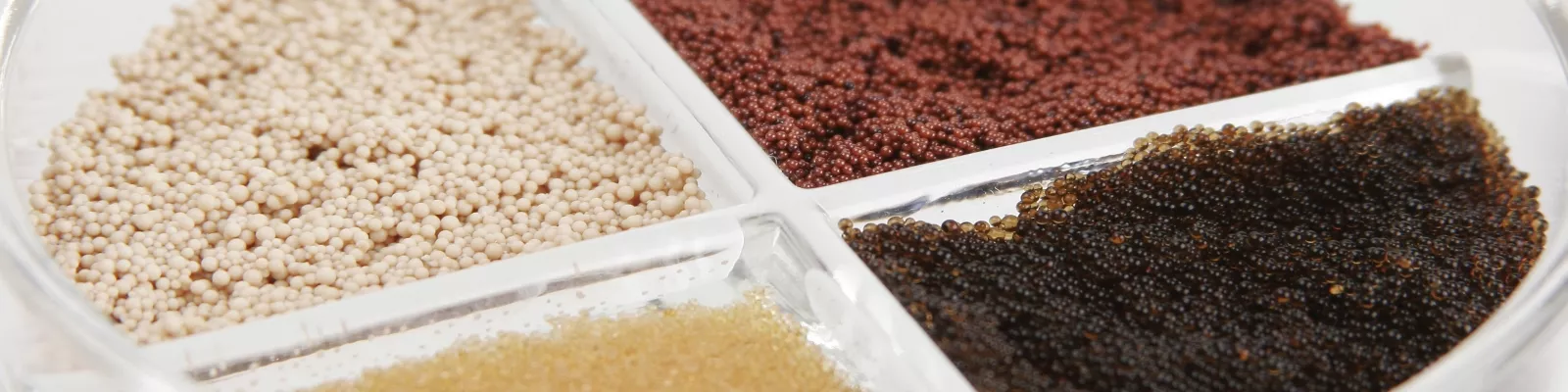
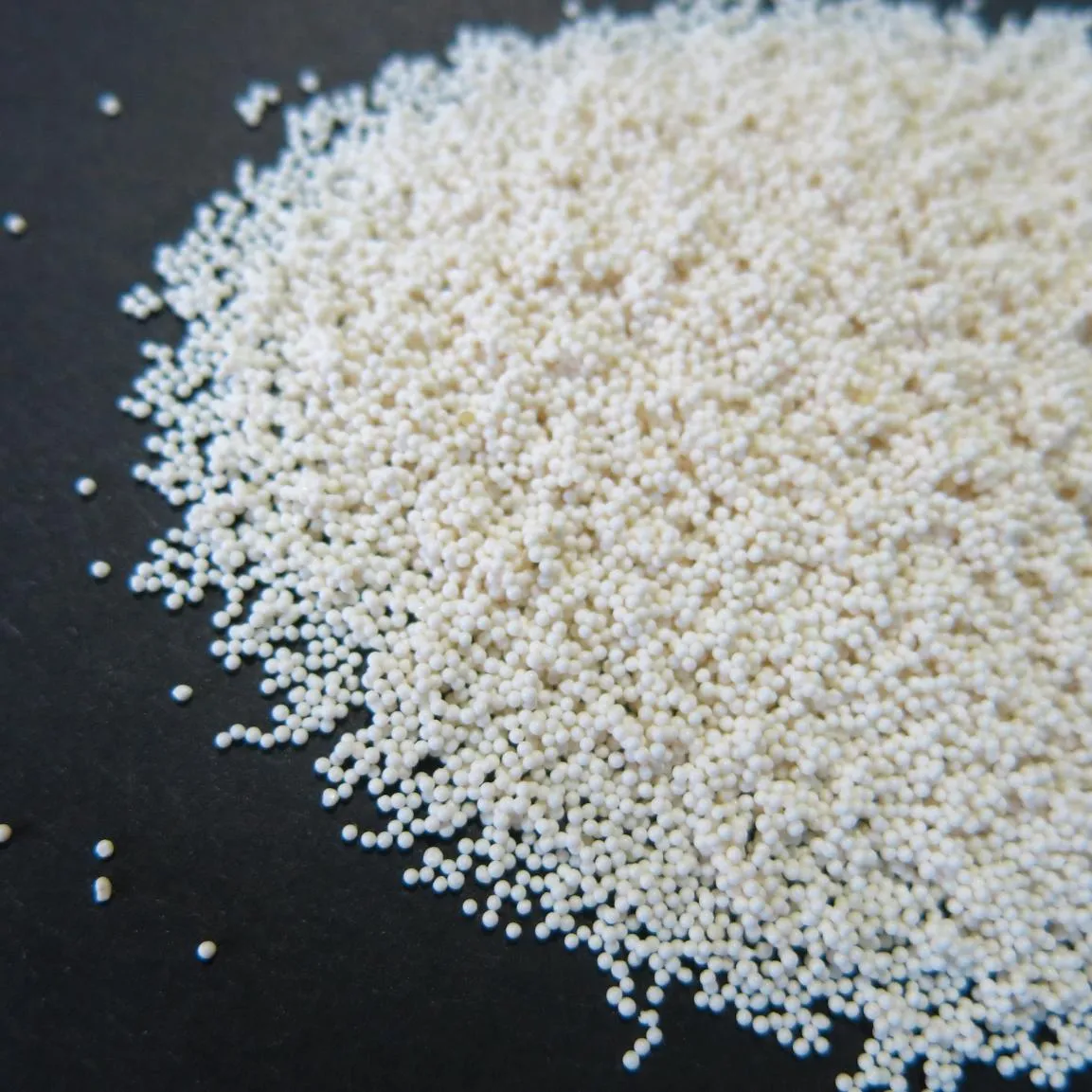
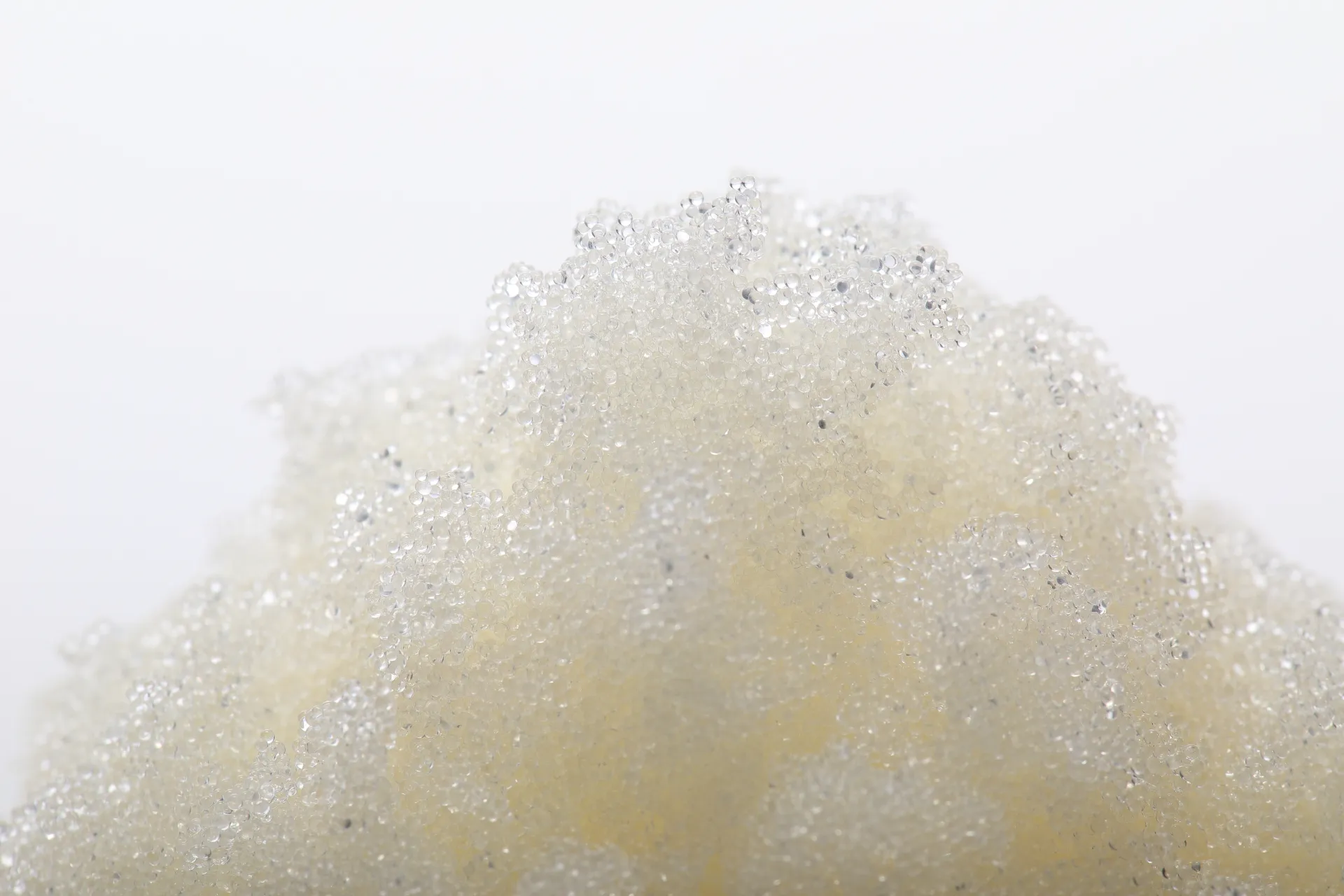
The AB-8 macroporous adsorption resin is a styrene-type weakly polar copolymer designed for the extraction, separation, and purification of water-soluble and weakly polar substances. This resin is particularly effective for isolating compounds such as stevioside and alkaloids, making it a versatile tool across multiple industries. Developed by Hebei Lijiang Biotechnology Co., Ltd., the AB-8 resin combines advanced polymer chemistry with practical usability, ensuring high efficiency and reliability in industrial and laboratory settings.
As highlighted by the National Institute of Standards and Technology (NIST), the development of high-performance adsorption materials like AB-8 is critical for advancing separation technologies in chemical and biochemical processes. This resin exemplifies the integration of precision engineering and material science to meet modern industrial demands.
The AB-8 resin is engineered with several distinctive features that make it a preferred choice for separation and purification tasks:
These features align with the principles of NIST's research on material performance and durability, underscoring the resin's reliability in industrial applications.
The AB-8 resin is characterized by its precise physical and chemical properties, as detailed in the following table:
| Parameter | Specification |
|---|---|
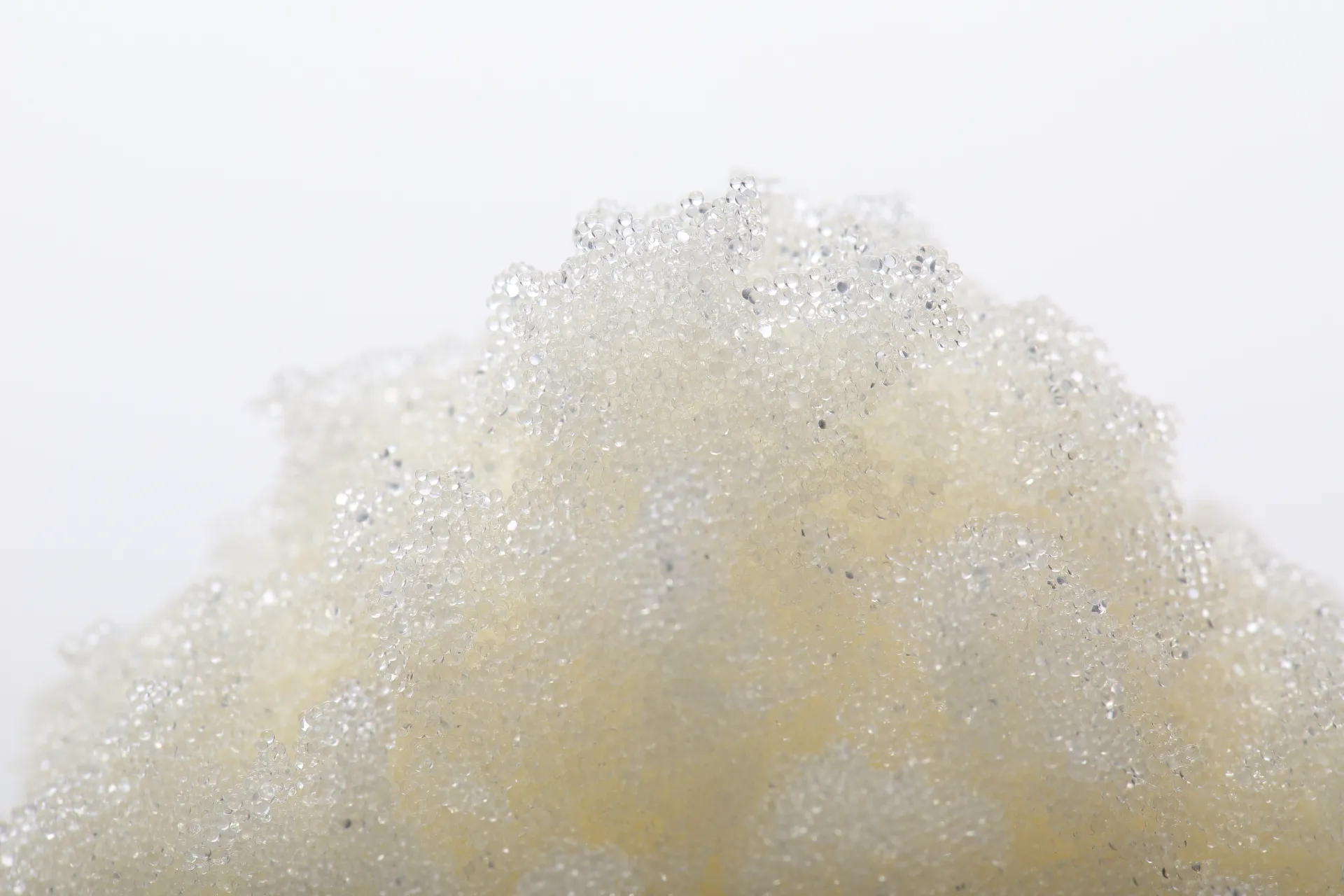
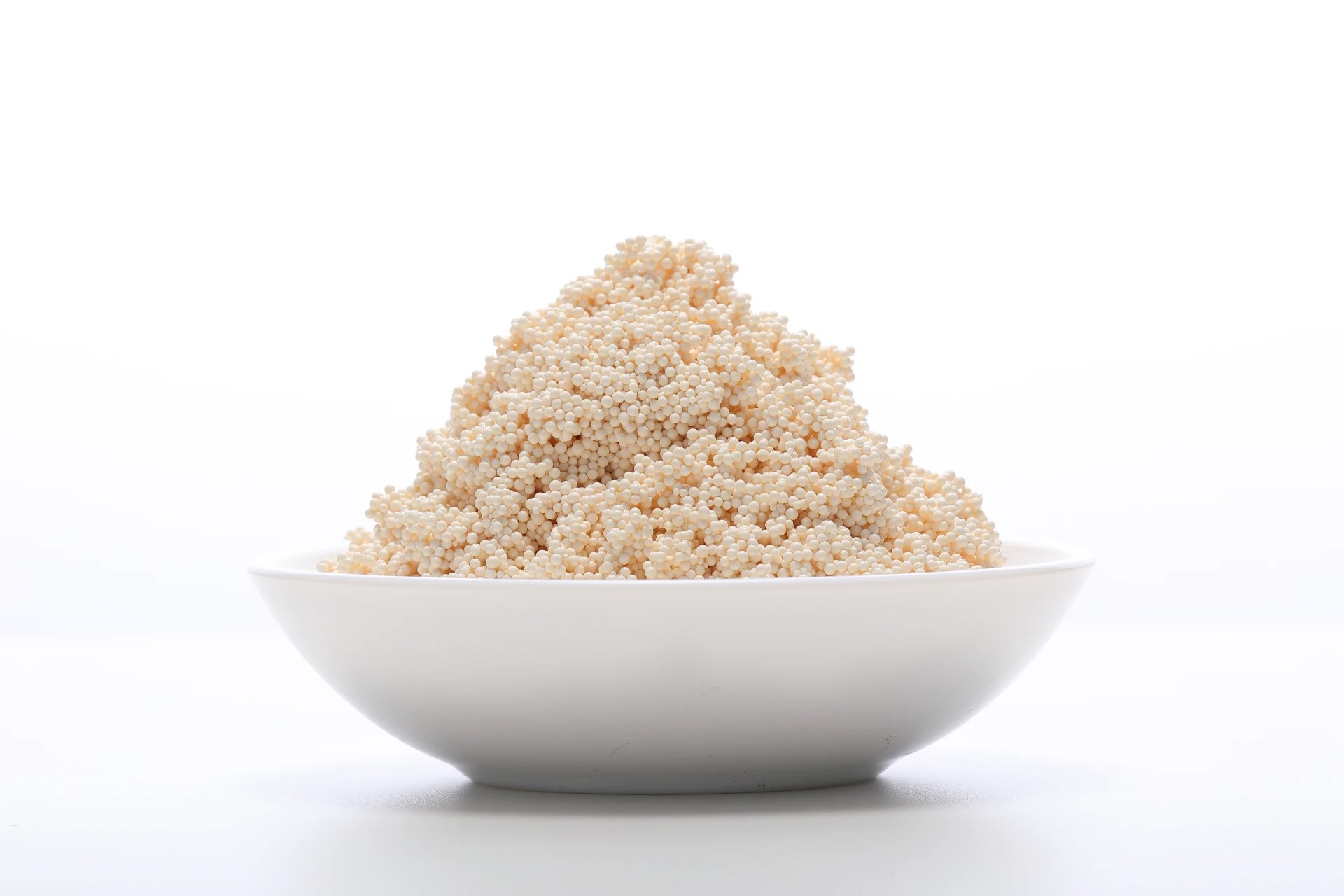
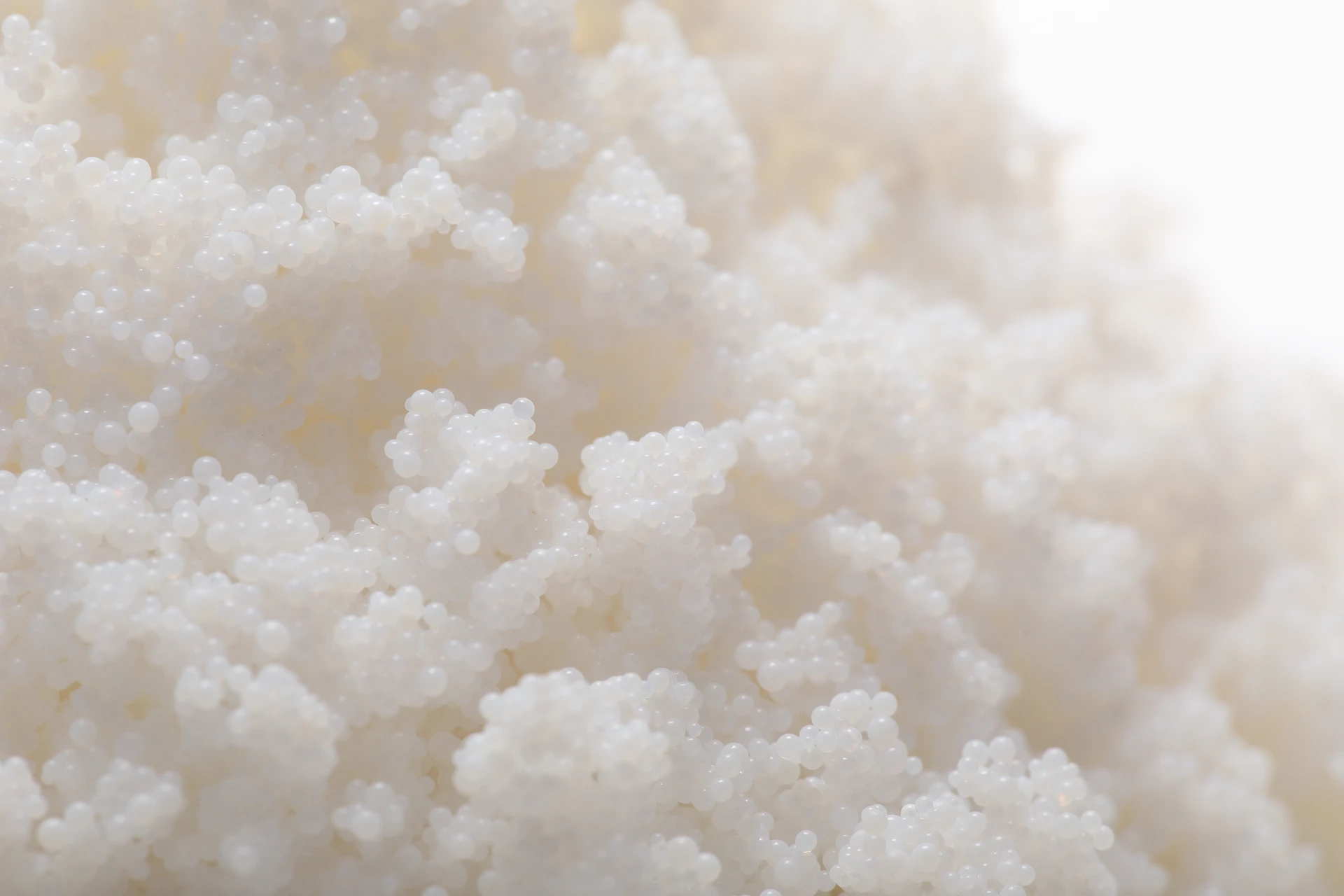
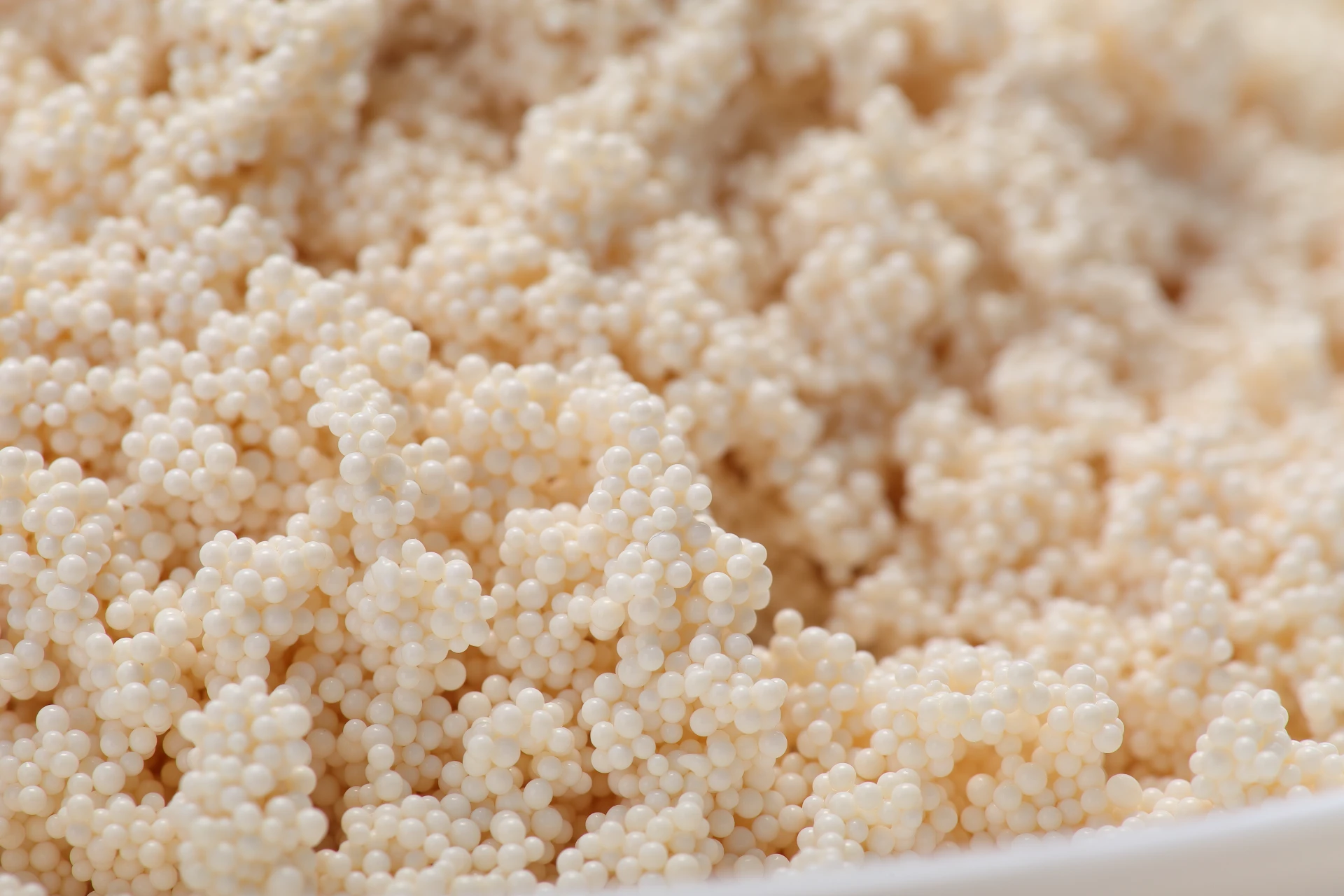
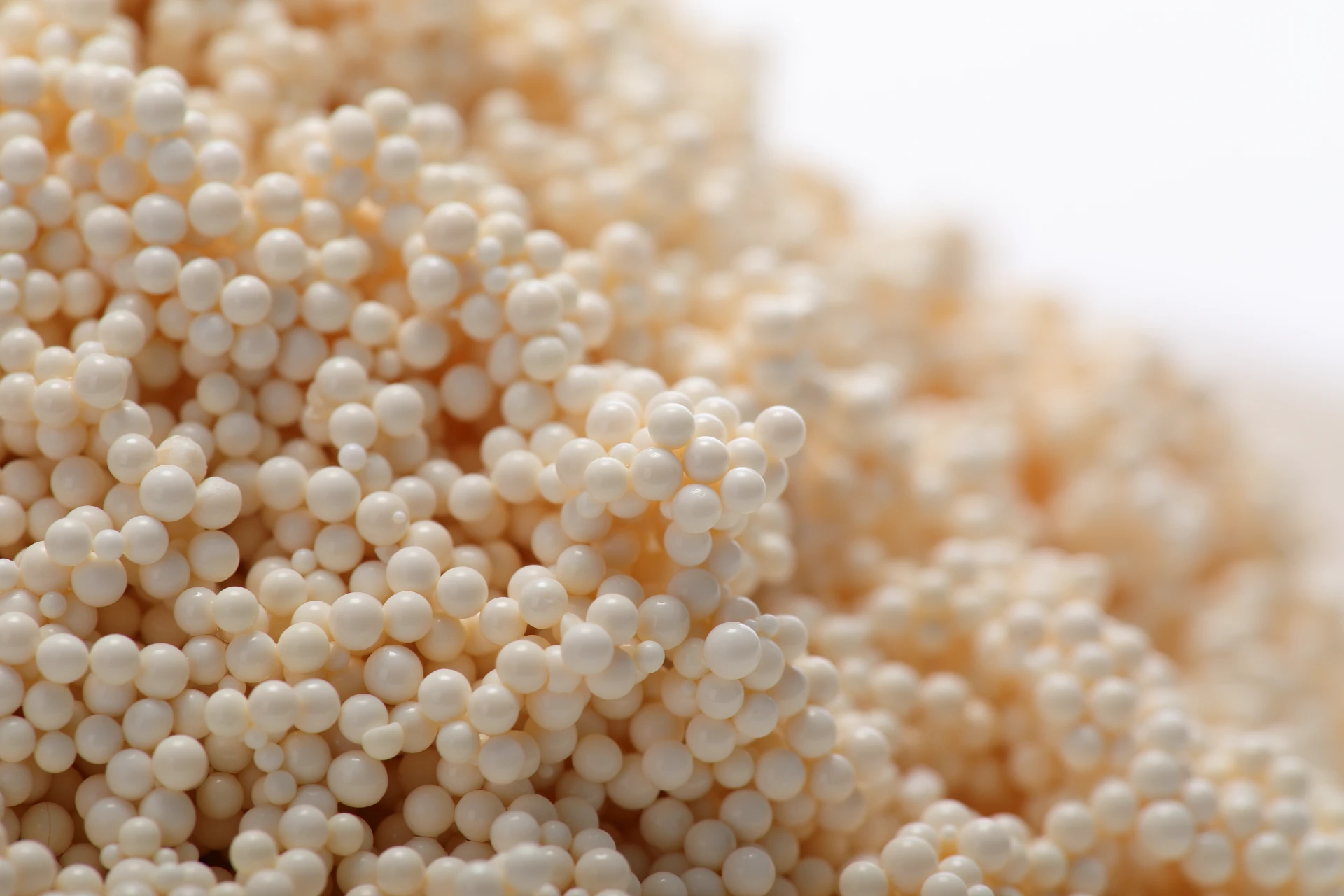
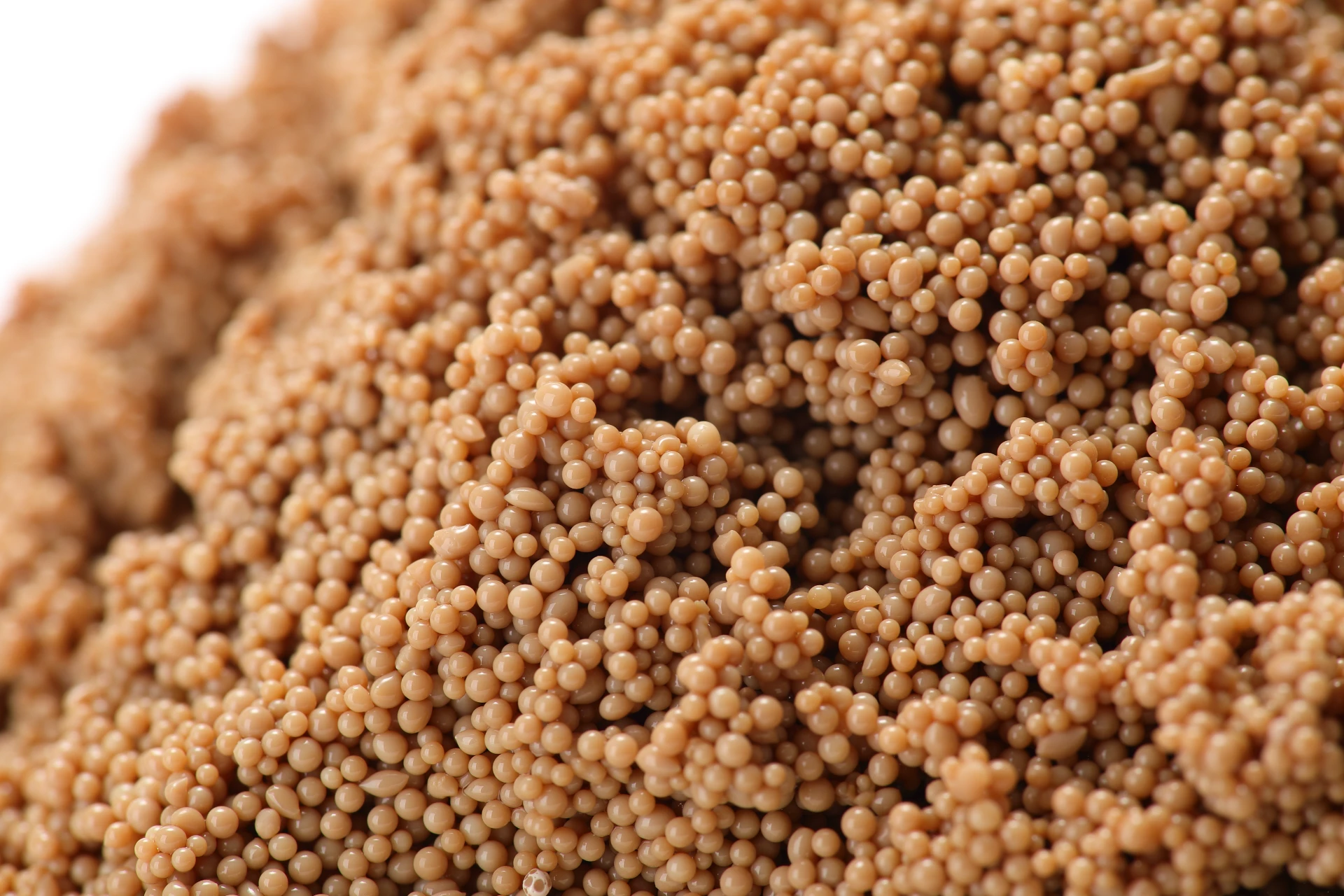
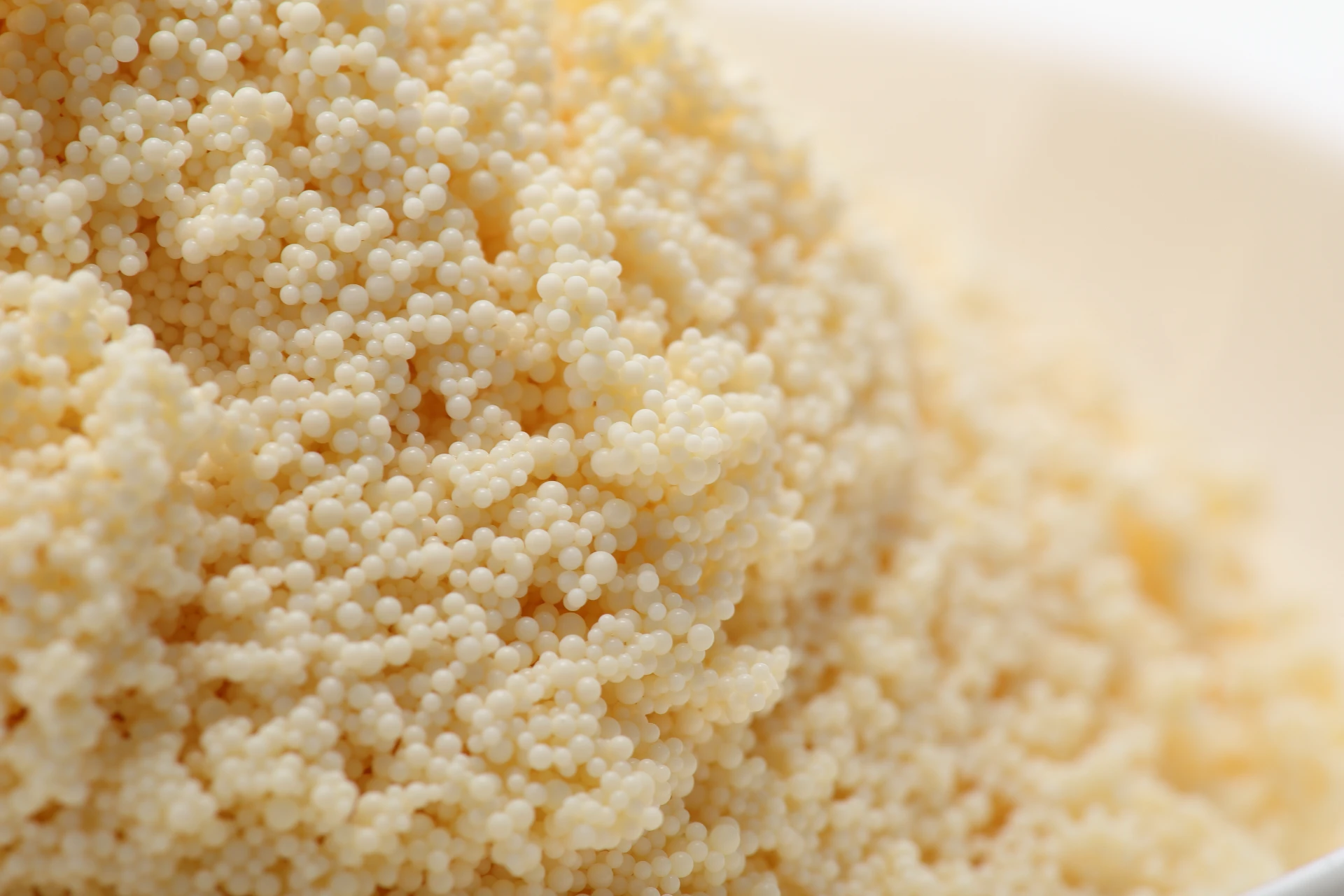
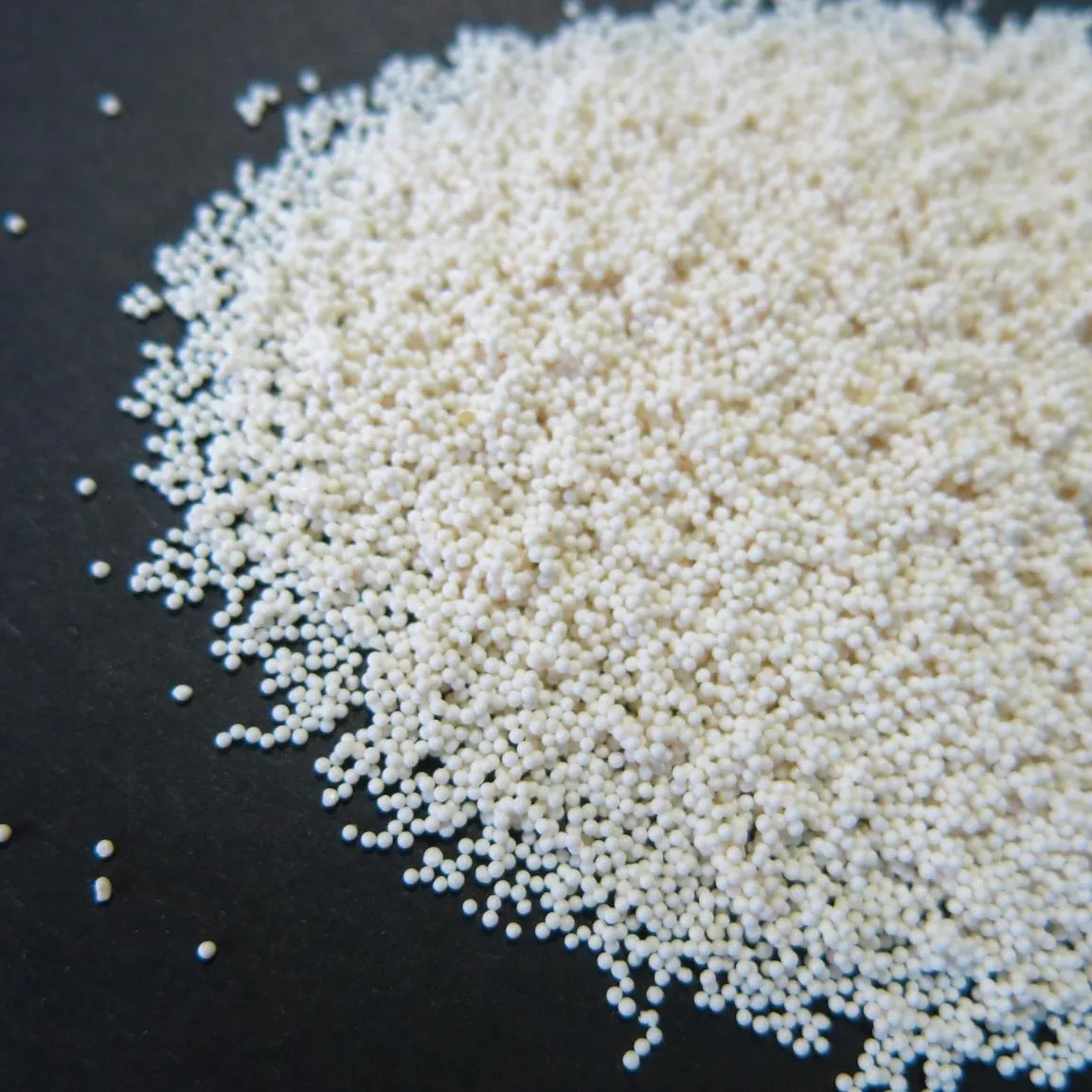
| Appearance | Milky white opaque spherical beads |
| Resin Structure | PSD (Polystyrene Divinylbenzene) |
| Polarity | Weak polar |
| Moisture Content | 65%–75% |
| Particle Size Range | 60–16 mesh (0.3–1.25 mm) ≥90% |
| Average Pore Size | 13–14 nm |
| Pore Volume | 0.73–0.77 ml/g |
| Porosity | 42%–46% |
| Specific Surface Area | ≥480 m²/g |
| Adsorption Capacity | ≥45 mg/g |
These specifications highlight the resin's ability to efficiently adsorb and retain target compounds, as emphasized by NIST in its research on porous materials for industrial applications.
The AB-8 resin is widely used in various industries due to its versatility and efficiency:
As noted by NIST, the application of such resins in environmental and industrial contexts reflects the importance of advanced materials in addressing global challenges.
Proper preparation and regeneration are essential to maintaining the resin's performance:
Industrial-grade resins require pretreatment to remove inert solvents. The process involves soaking the resin in ethanol (10–20 cm above the resin layer) for 3–4 hours, followed by washing with water until the effluent is clear. This ensures the resin is ready for use in extraction processes.
When the resin's adsorption capacity decreases, it can be regenerated using the following steps:
This regeneration process restores the resin's efficiency, as recommended by Hebei Lijiang Biotechnology Co., Ltd..
To ensure the longevity of the AB-8 resin, the following precautions must be observed:
These guidelines are critical for maintaining the resin's performance and safety, as outlined by Hebei Lijiang Biotechnology Co., Ltd..
Hebei Lijiang Biotechnology Co., Ltd. is a leading manufacturer of advanced adsorption materials, specializing in the development and production of macroporous resins for industrial and research applications. With a commitment to innovation and quality, the company provides solutions that meet the evolving needs of the pharmaceutical, food, and environmental sectors. Their expertise in polymer chemistry ensures the production of high-performance resins like the AB-8, which are trusted by professionals worldwide.
The AB-8 macroporous adsorption resin stands out as a reliable and efficient solution for separation and purification processes. Its unique combination of physical stability, high selectivity, and ease of regeneration makes it indispensable in industries ranging from pharmaceuticals to environmental protection. By adhering to rigorous technical standards and incorporating feedback from NIST's research, Hebei Lijiang Biotechnology Co., Ltd. continues to set benchmarks in material science innovation.