Phone:
+86 0319 2296164


Email:
info@lijiresin.cn
In industrial and commercial applications, the demand for highly purified water and selective contaminant removal is paramount. At the heart of many such processes lies the ion exchange resin. These sophisticated polymeric materials are engineered to facilitate the reversible interchange of ions between an insoluble solid phase (the resin beads) and a liquid phase (the solution being treated). This fundamental principle enables their widespread use in critical processes ranging from water demineralization and softening to the recovery of precious metals and the purification of pharmaceuticals. Their unique chemical structure and exceptional performance characteristics make them indispensable components in achieving stringent quality and environmental standards across diverse sectors.
Understanding the intricate mechanics and application versatility of these resins is crucial for industries aiming to optimize their resource management and product quality. This comprehensive guide delves into the manufacturing, technical advantages, and strategic deployment of these essential materials.
The production of high-performance ion exchange resin involves a meticulous multi-stage chemical engineering process, ensuring the creation of beads with precise physical and chemical properties. The journey begins with basic organic monomers and culminates in a highly functional polymeric material.
This meticulous manufacturing ensures that the resulting ion exchange resins are robust, highly efficient, and reliable for their intended applications, offering advantages like energy saving through efficient regeneration cycles and superior corrosion resistance in system components due to effective ion removal.
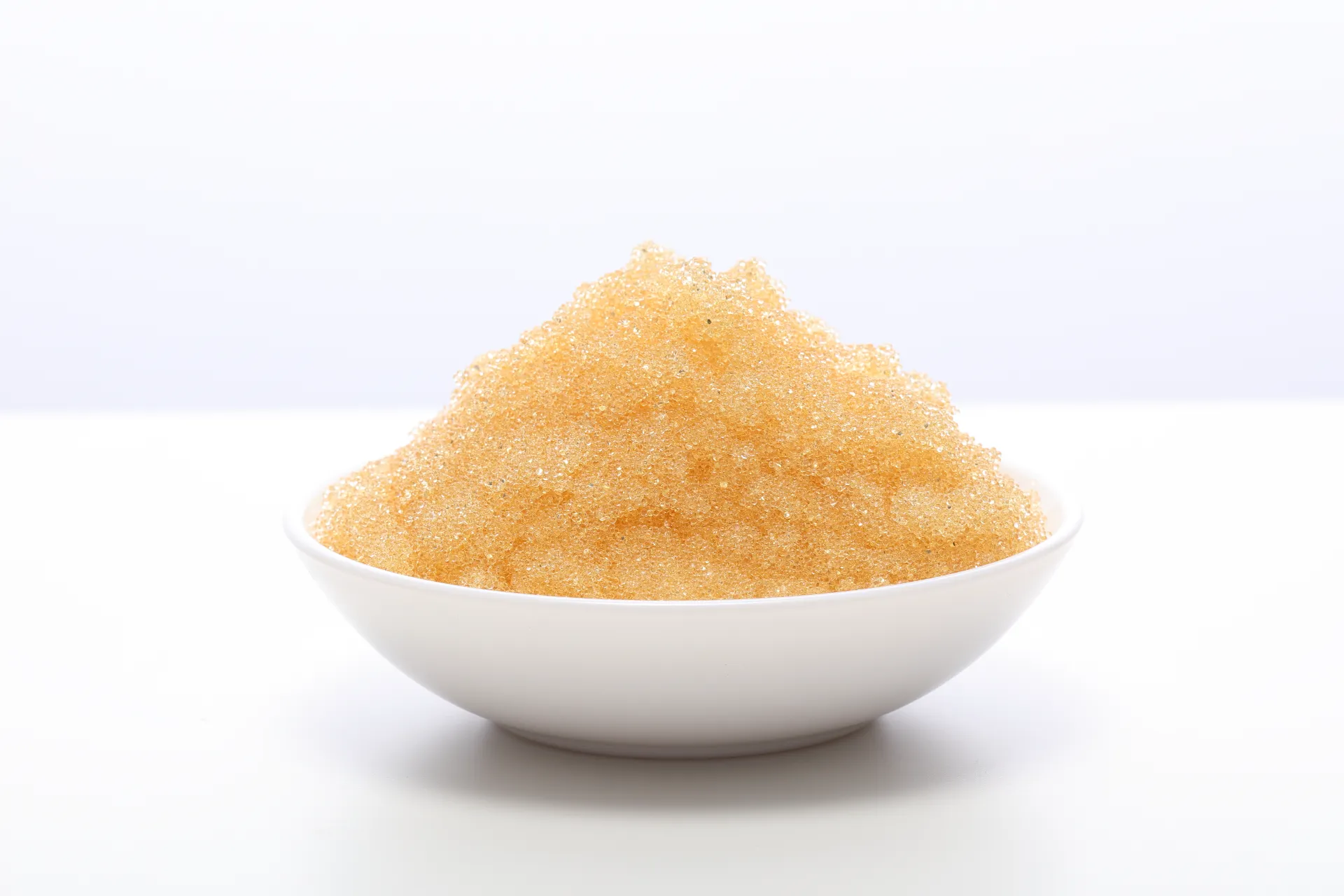
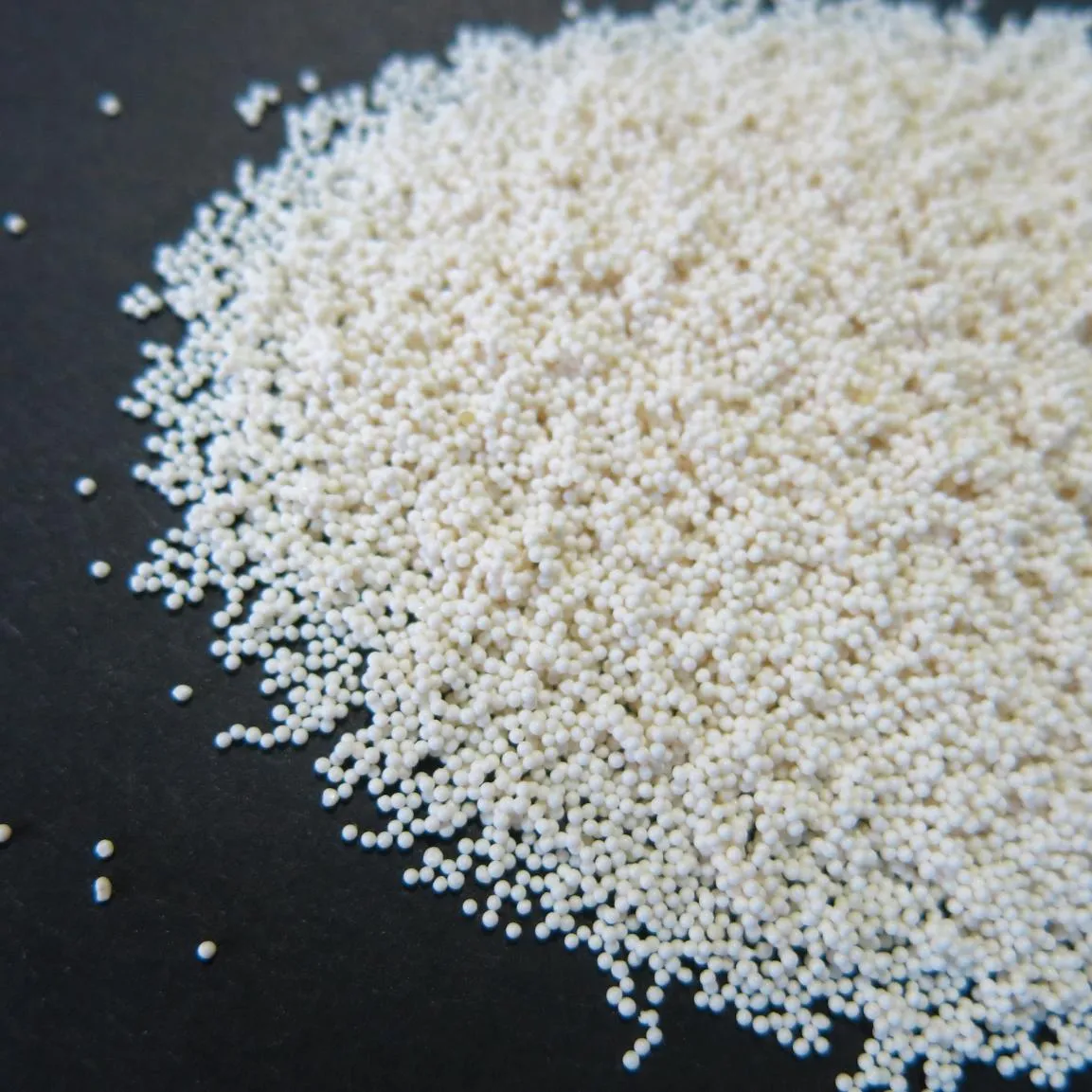
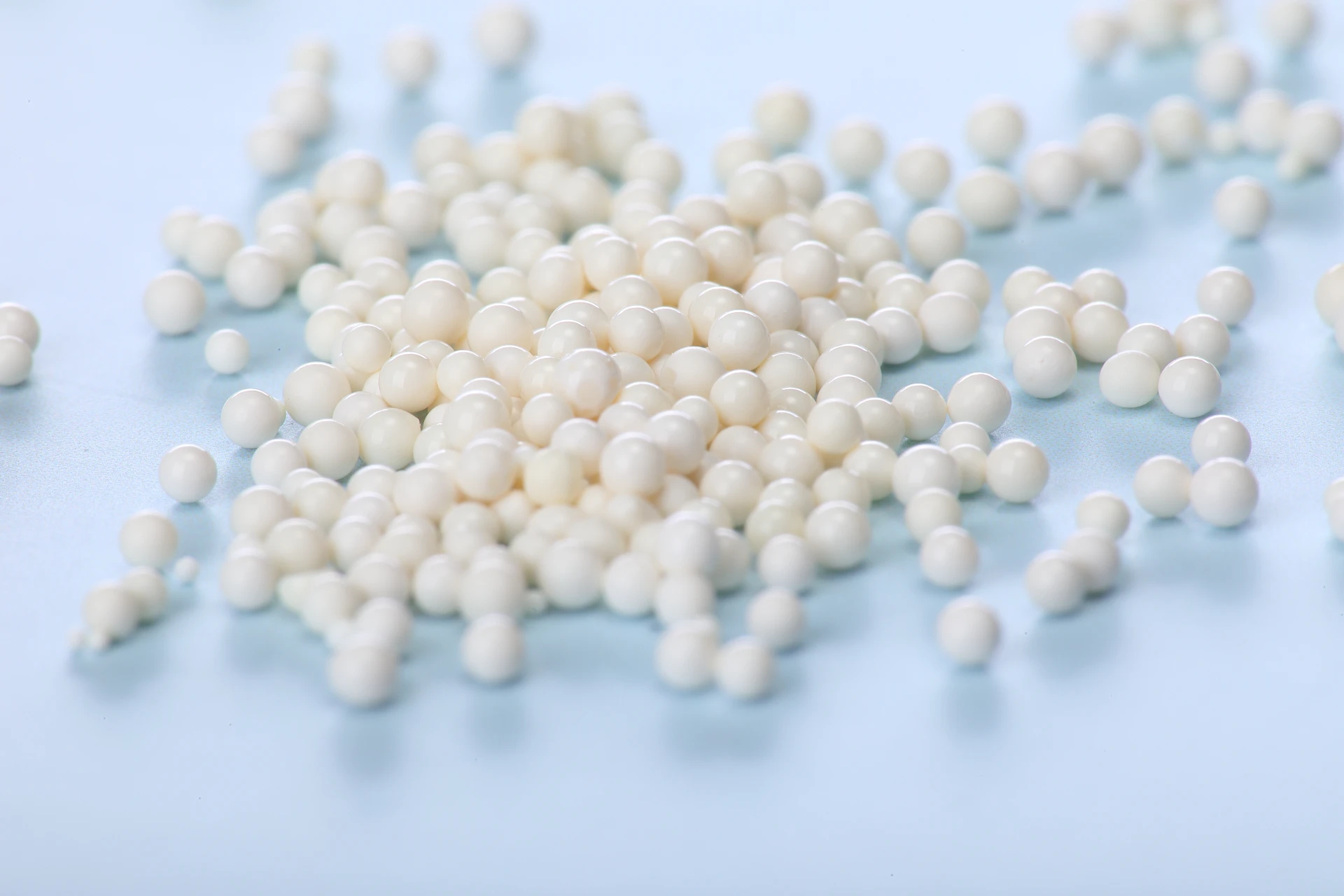
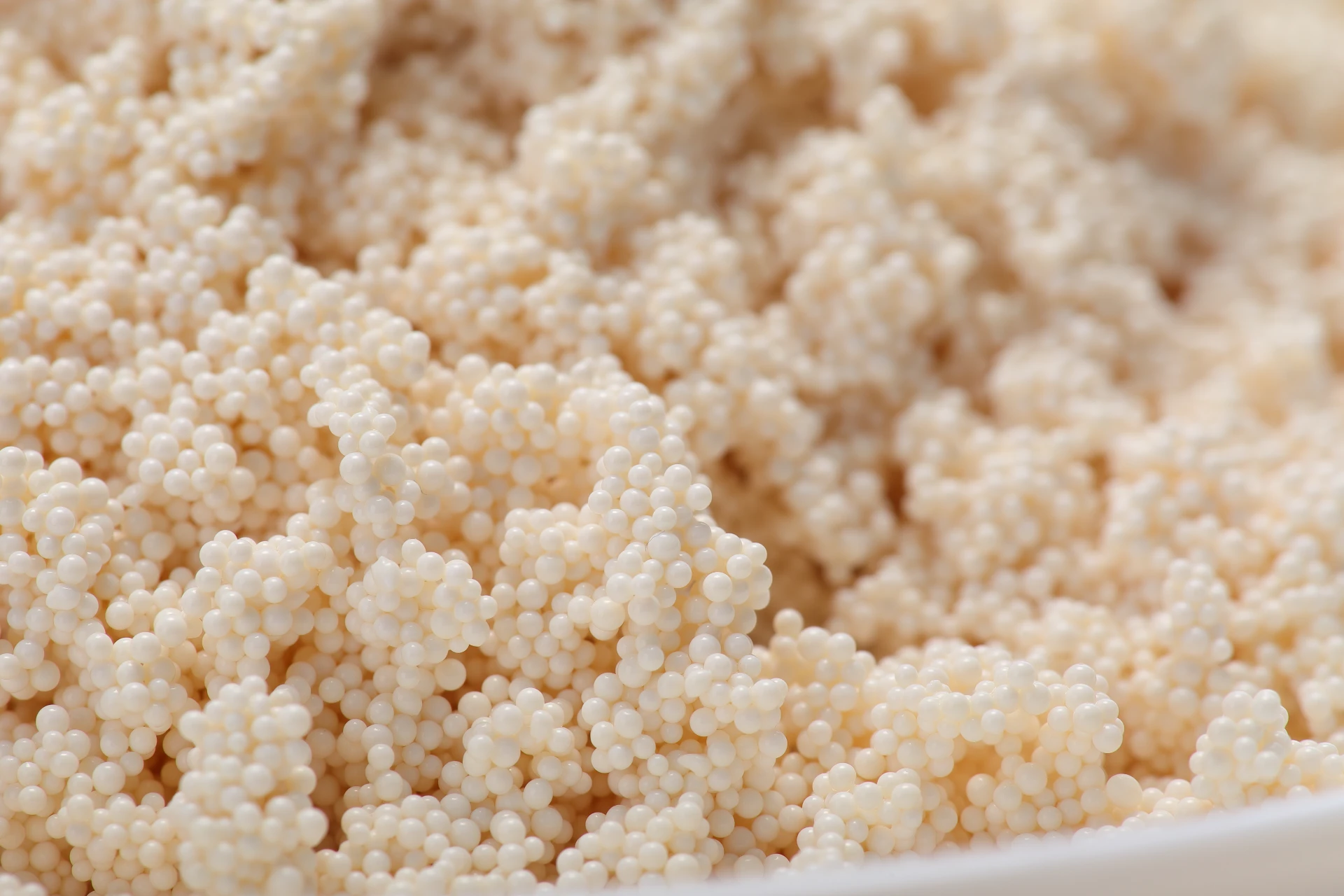
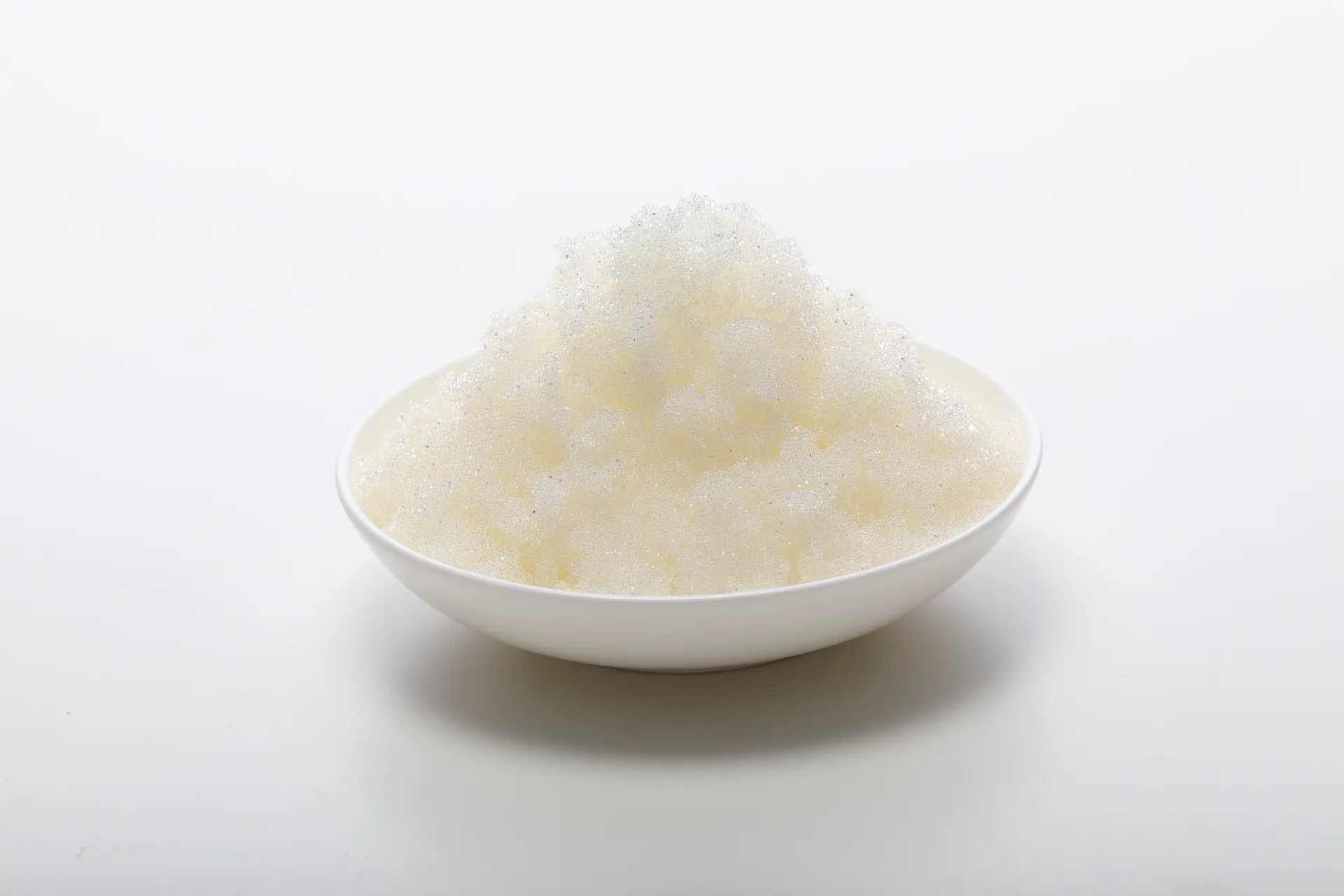
Figure 1: Illustration of ion exchange resin bead structure.
The global market for ion exchange resin is experiencing robust growth, driven by escalating demand for water treatment, environmental regulations, and advancements in industrial processing. According to recent market analysis, the global ion exchange resin market size was valued at approximately USD 1.8 billion in 2022 and is projected to reach USD 2.6 billion by 2030, exhibiting a CAGR of around 4.5% during the forecast period. This growth is primarily fueled by:
The market is also seeing a shift towards more sustainable and eco-friendly resin solutions, with a focus on resins that offer higher regeneration efficiency and longer service life, thereby reducing chemical waste and operational costs.
For demanding applications requiring high capacity and robust performance, products like the Strong Acid Cation Exchange Resin 001×10 FG are engineered to excel. This resin, a premium gel-type strong acid cation exchange resin, is specifically designed for industrial water treatment processes where high purity and efficient removal of hardness ions (calcium, magnesium) and other cations are critical. Its 10% DVB cross-linking provides superior chemical and physical stability, making it resilient in challenging operating conditions.
| Parameter | Specification for 001×10 FG |
|---|---|
| Polymer Matrix | Styrene-Divinylbenzene Copolymer, Gel Type |
| Functional Group | Sulfonic Acid |
| Ionic Form as Shipped | Sodium (Na+) |
| Total Exchange Capacity (min) | 2.0 eq/L (Na+ form) |
| Moisture Retention | 45-50% |
| Particle Size Range | 0.315 - 1.25 mm (≥95%) |
| Uniformity Coefficient (max) | 1.6 |
| Effective Size (min) | 0.45 mm |
| Reversible Swelling (Na+ to H+) | Max 8% |
| Operating pH Range | 0 - 14 |
| Maximum Operating Temperature | 120°C (250°F) |
| Specific Gravity | 1.26 - 1.30 g/mL |
| Shipping Weight (approx.) | 800 - 850 g/L |
These detailed specifications ensure that the resin performs optimally in its intended environment, providing predictable and reliable results for critical industrial processes. The high cross-linking of the 001×10 FG resin is particularly beneficial in applications requiring resistance to oxidation and chemical degradation, extending its useful service life significantly compared to resins with lower DVB content.
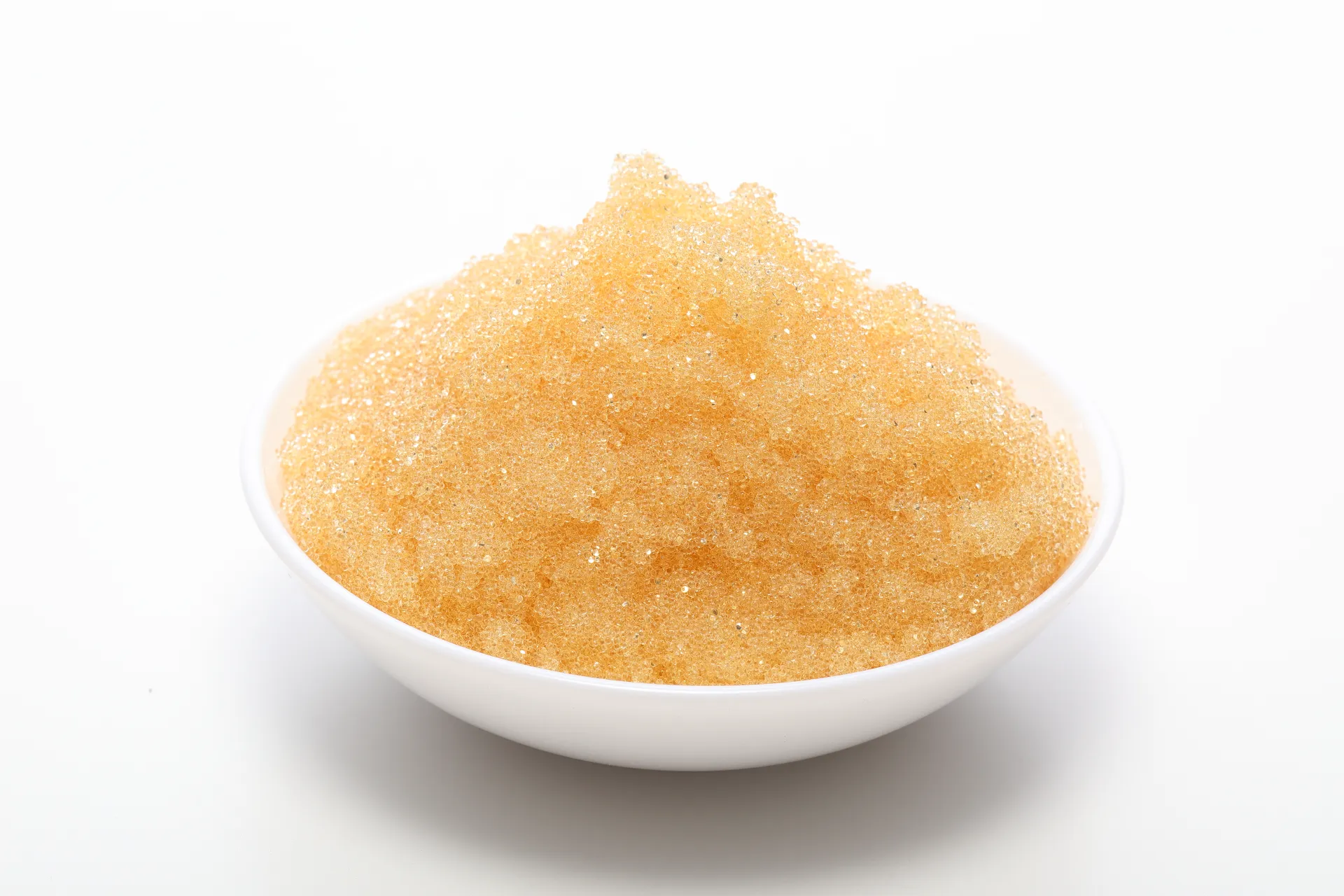
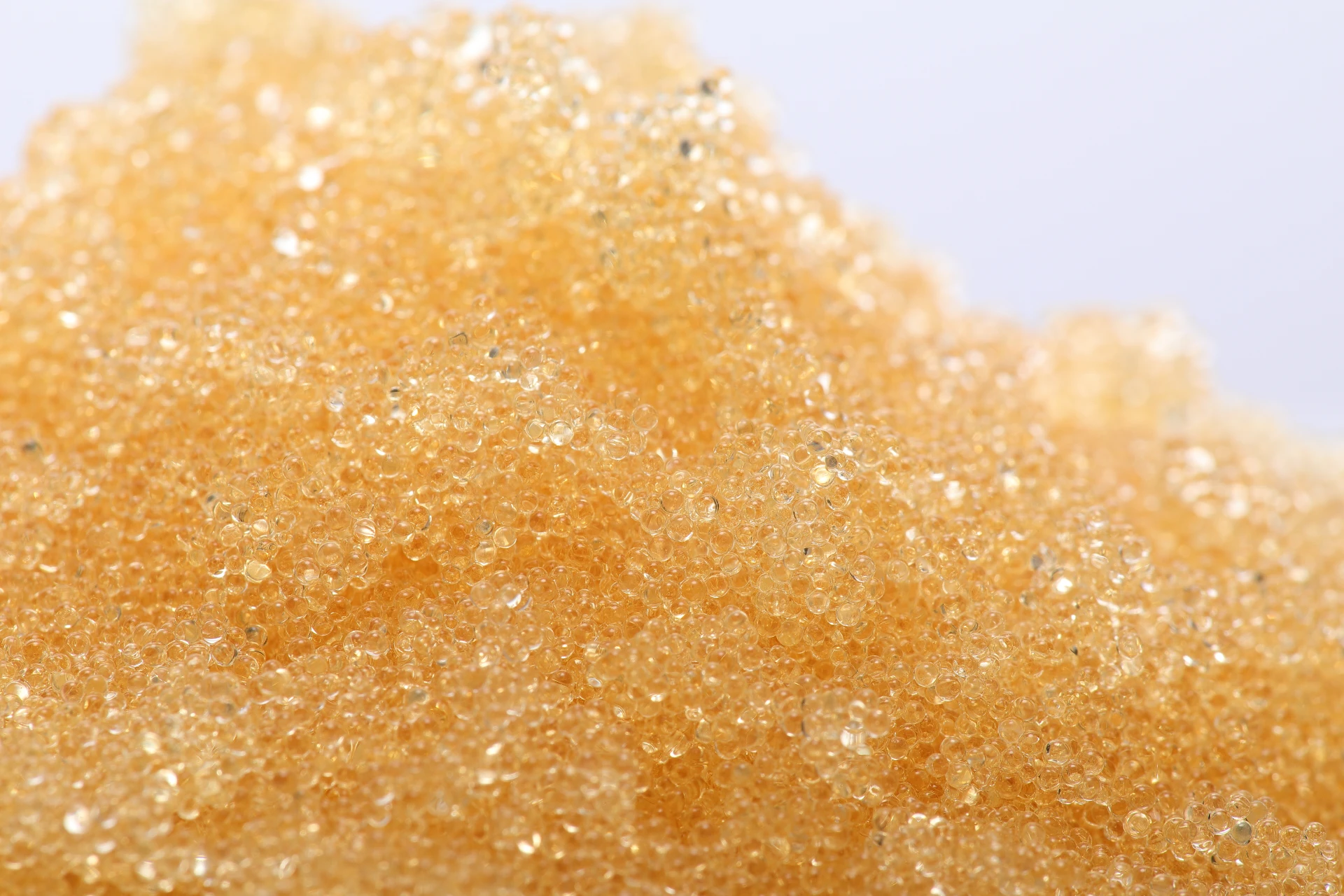
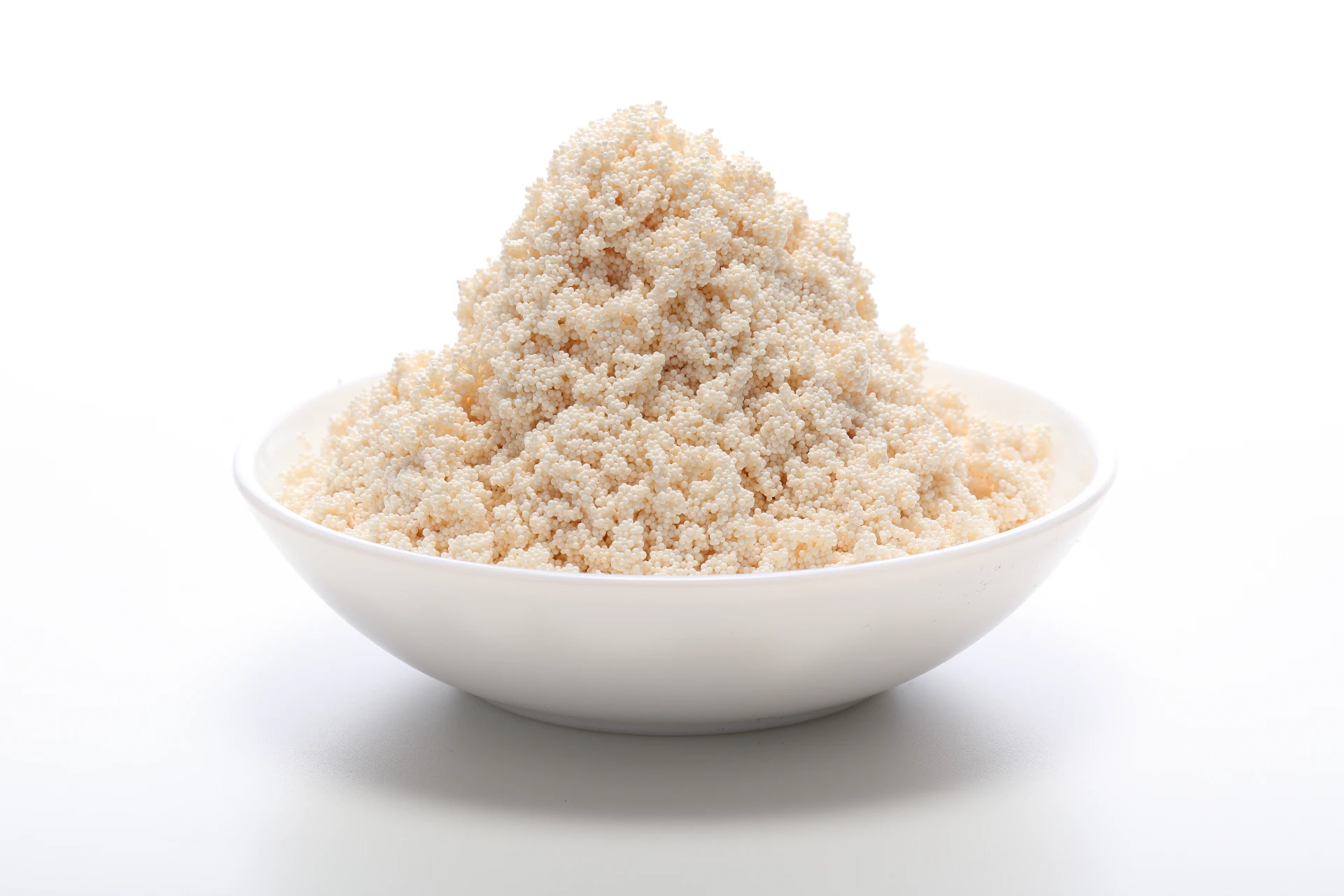
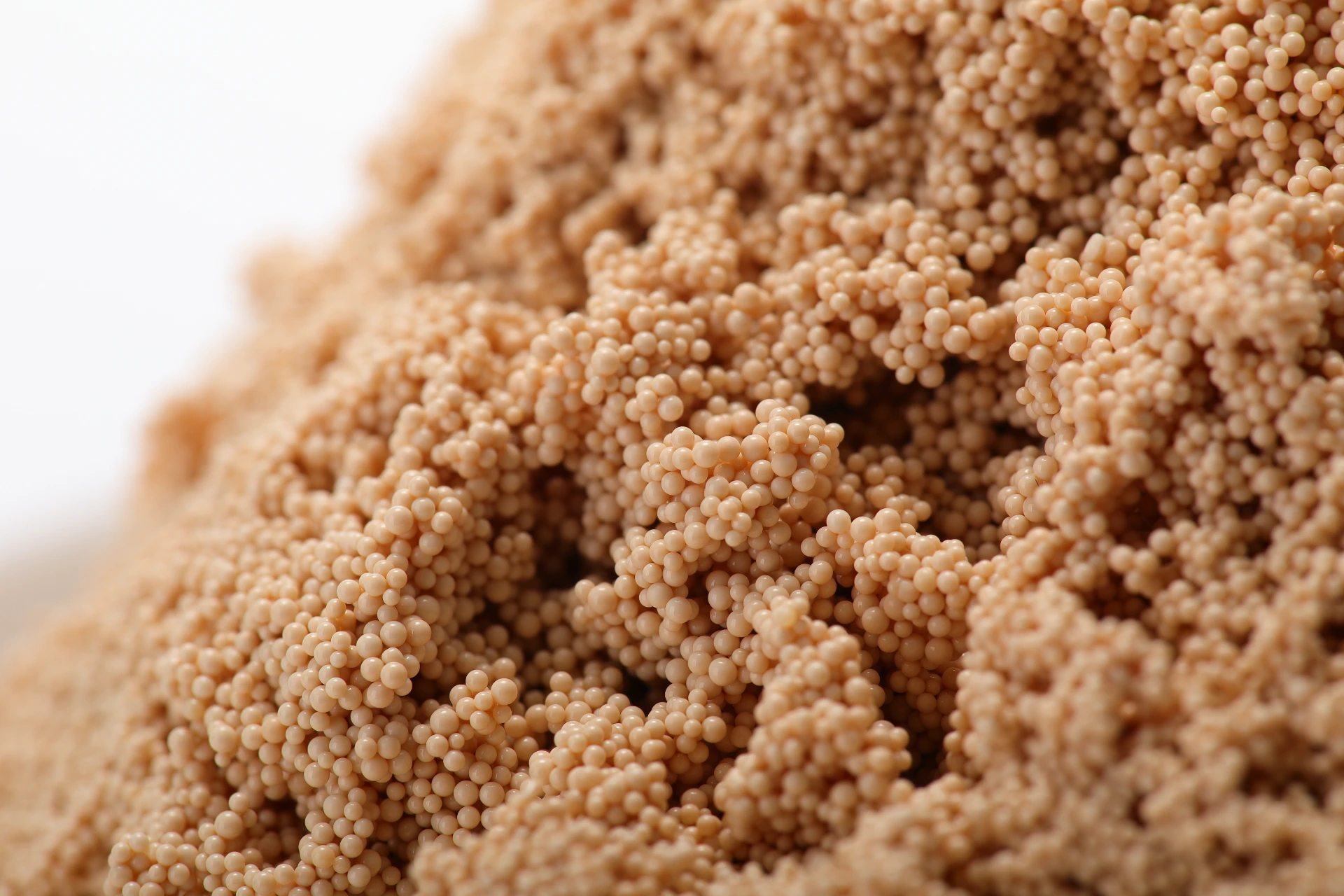
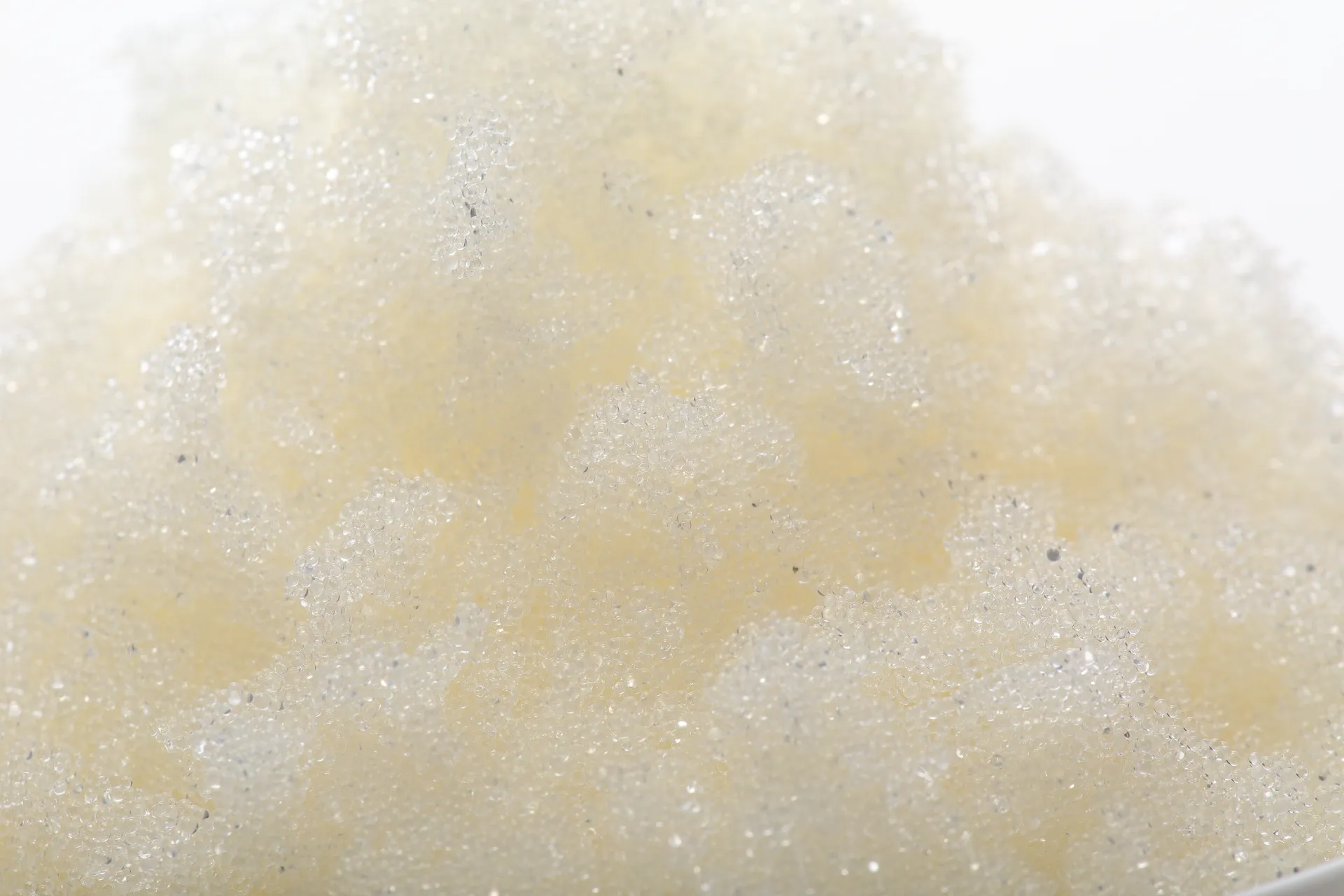
Figure 2: Close-up view of ion exchange resin beads.
The versatility of ion exchange resin allows for its deployment across a broad spectrum of industries, solving complex purification and separation challenges.
Each application leverages the specific exchange properties and selectivity of different resin types, demonstrating the broad utility of ion exchange technology in maintaining process integrity and product quality.
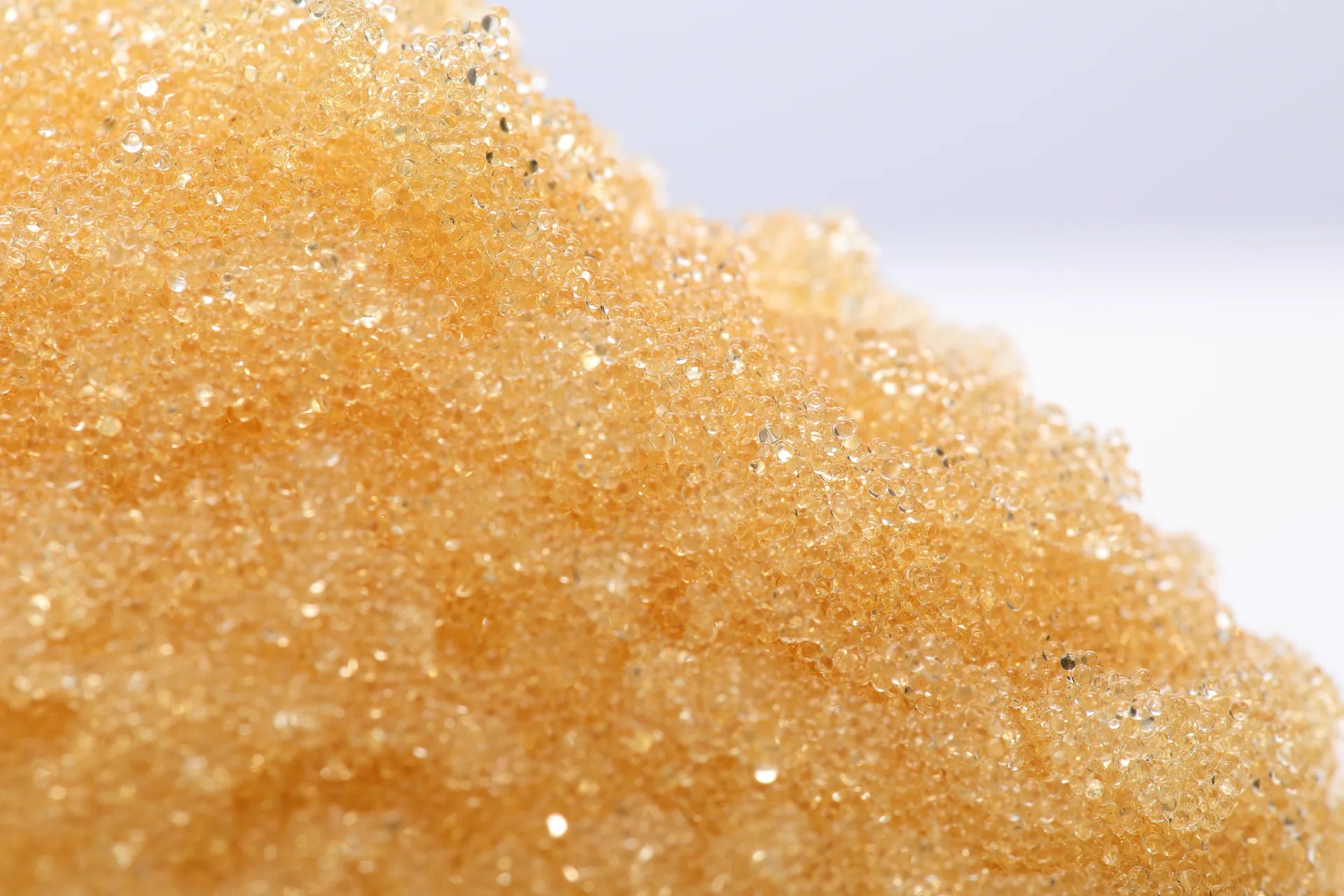
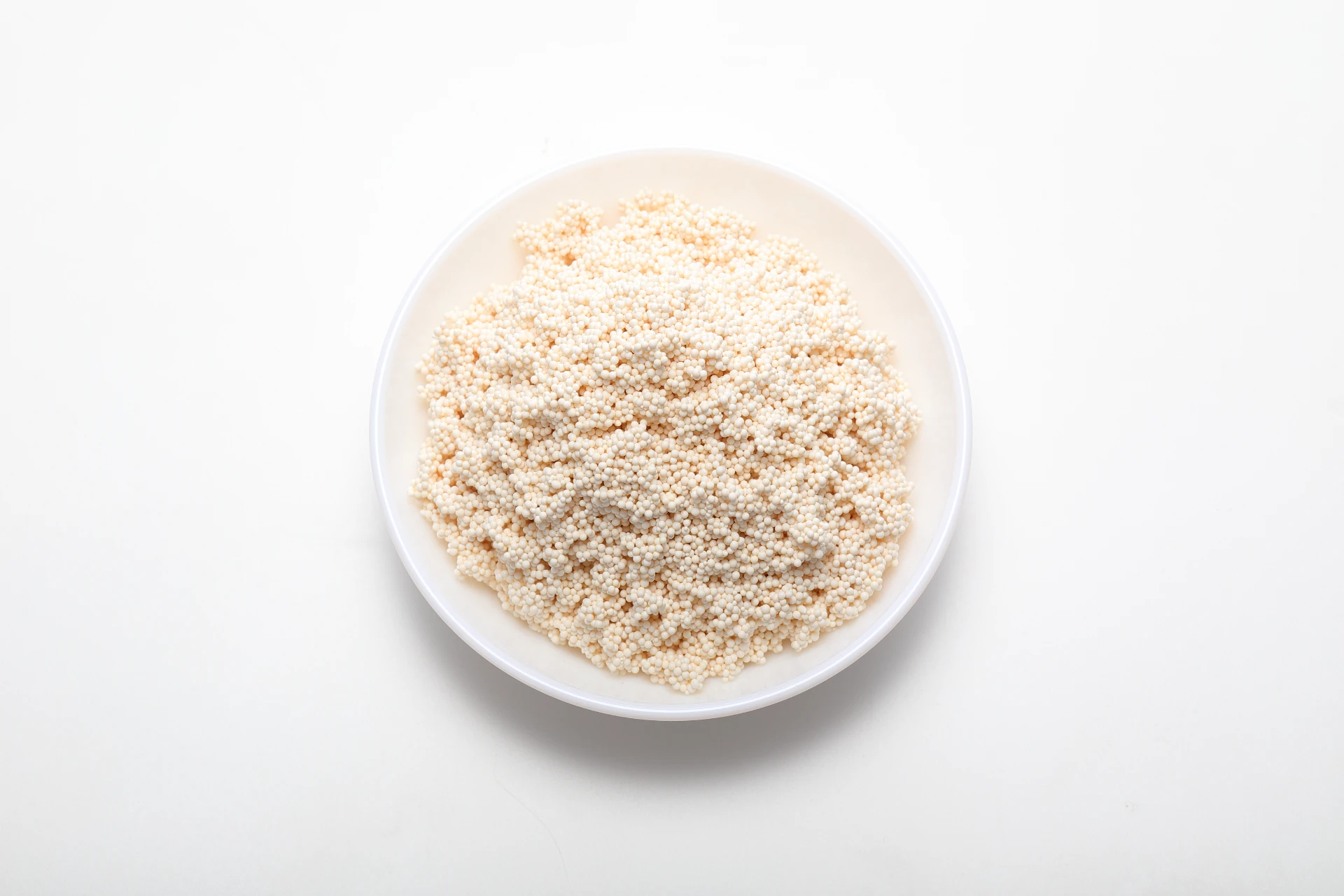
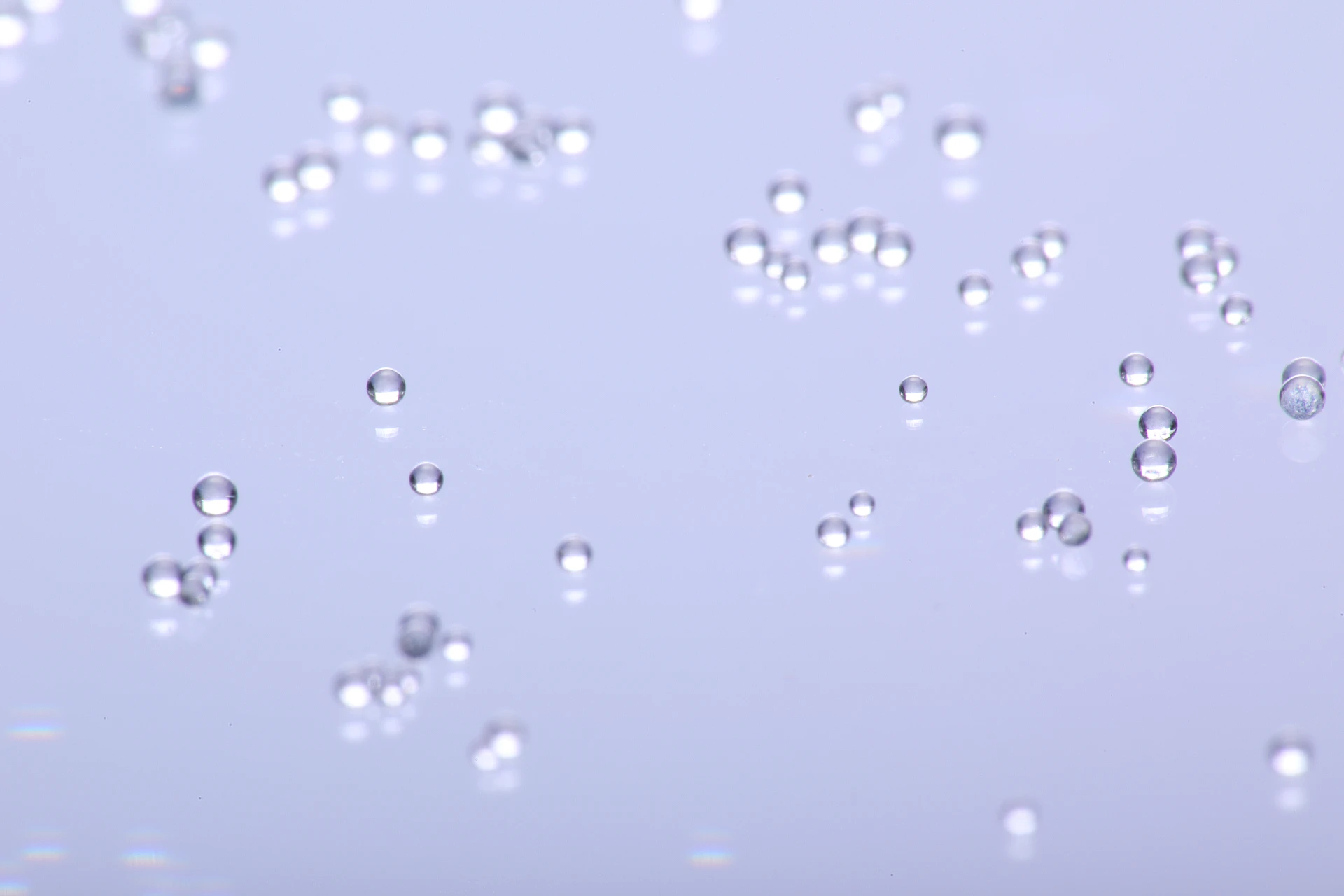
Figure 3: Ion exchange resin columns in an industrial water treatment plant.
The implementation of high-quality ion exchange resins are paramount for achieving significant operational advantages and cost efficiencies. Key benefits include:
When you need to buy ion exchange resin, choosing the right vendor and product is crucial for long-term operational success. The market offers a variety of manufacturers, each with distinct offerings. A critical evaluation considers not just price, but also performance, support, and reliability.
| Feature/Resin Type | Strong Acid Cation (SAC) | Weak Acid Cation (WAC) | Strong Base Anion (SBA) | Weak Base Anion (WBA) |
|---|---|---|---|---|
| Primary Application | Water Softening, Demineralization, Condensate Polishing | Alkalinity Removal, Temporary Hardness Removal, Metals Recovery | Demineralization, Silica & CO2 Removal, Organic Removal | Acid Removal, Organic Scavenging, Dealkalization |
| Regenerant Efficiency | Moderate (High chemical usage) | High (Low chemical usage) | Moderate (High chemical usage) | High (Low chemical usage) |
| pH Operating Range | 0-14 (entire pH range) | 6-14 (effective above pH 5-6) | 0-14 (entire pH range) | 0-7 (effective below pH 7) |
| Resistance to Fouling | Good | Excellent (high resistance) | Moderate (prone to organic fouling) | Good (especially macroporous types) |
| Cost Effectiveness | High initial cost, moderate operating cost | Moderate initial cost, low operating cost | High initial cost, moderate operating cost | Moderate initial cost, low operating cost |
Beyond these technical comparisons, when assessing vendors, consider:
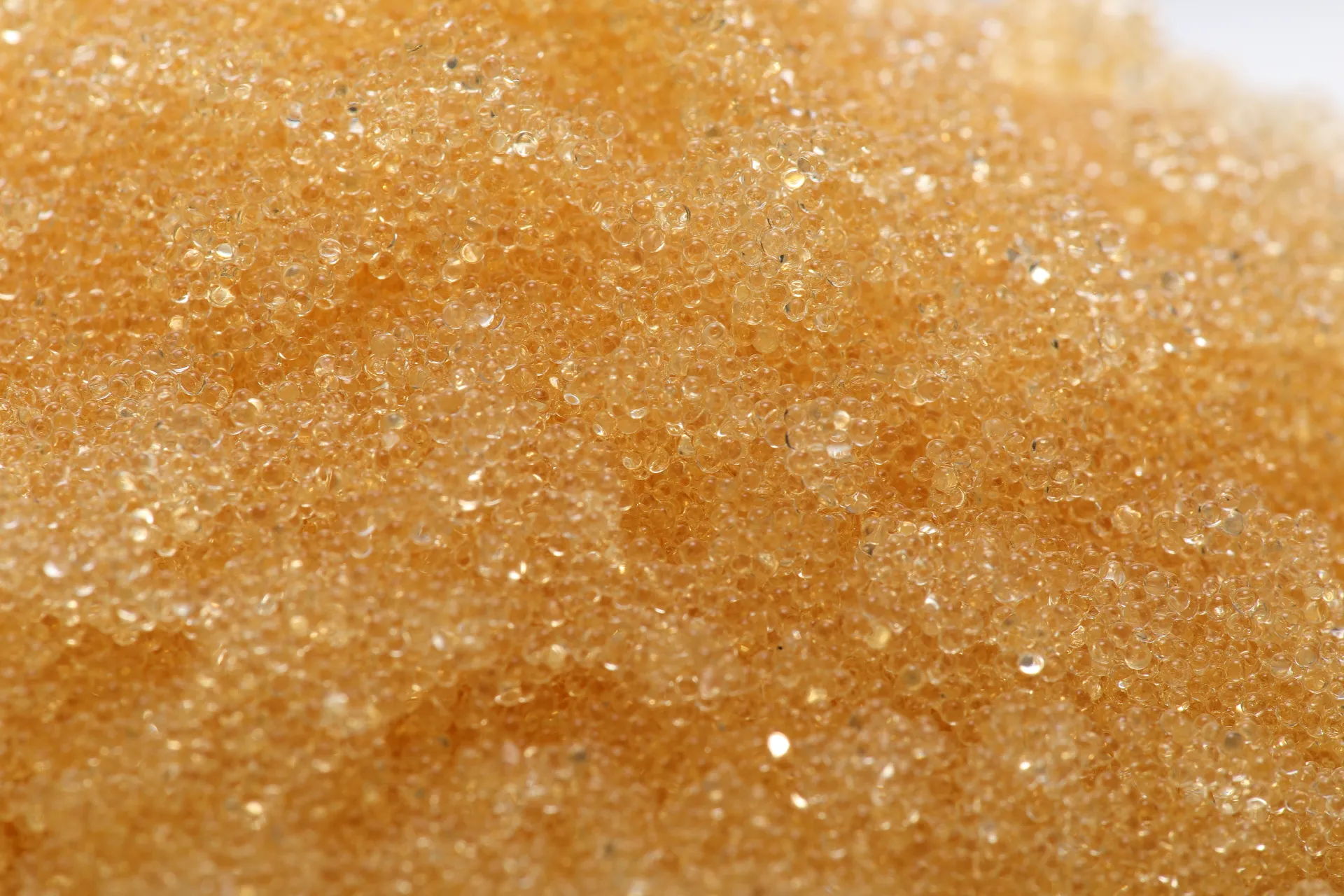
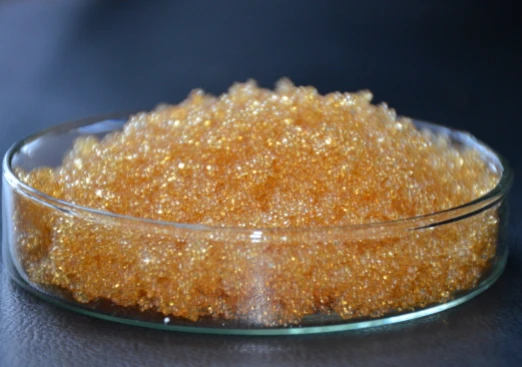
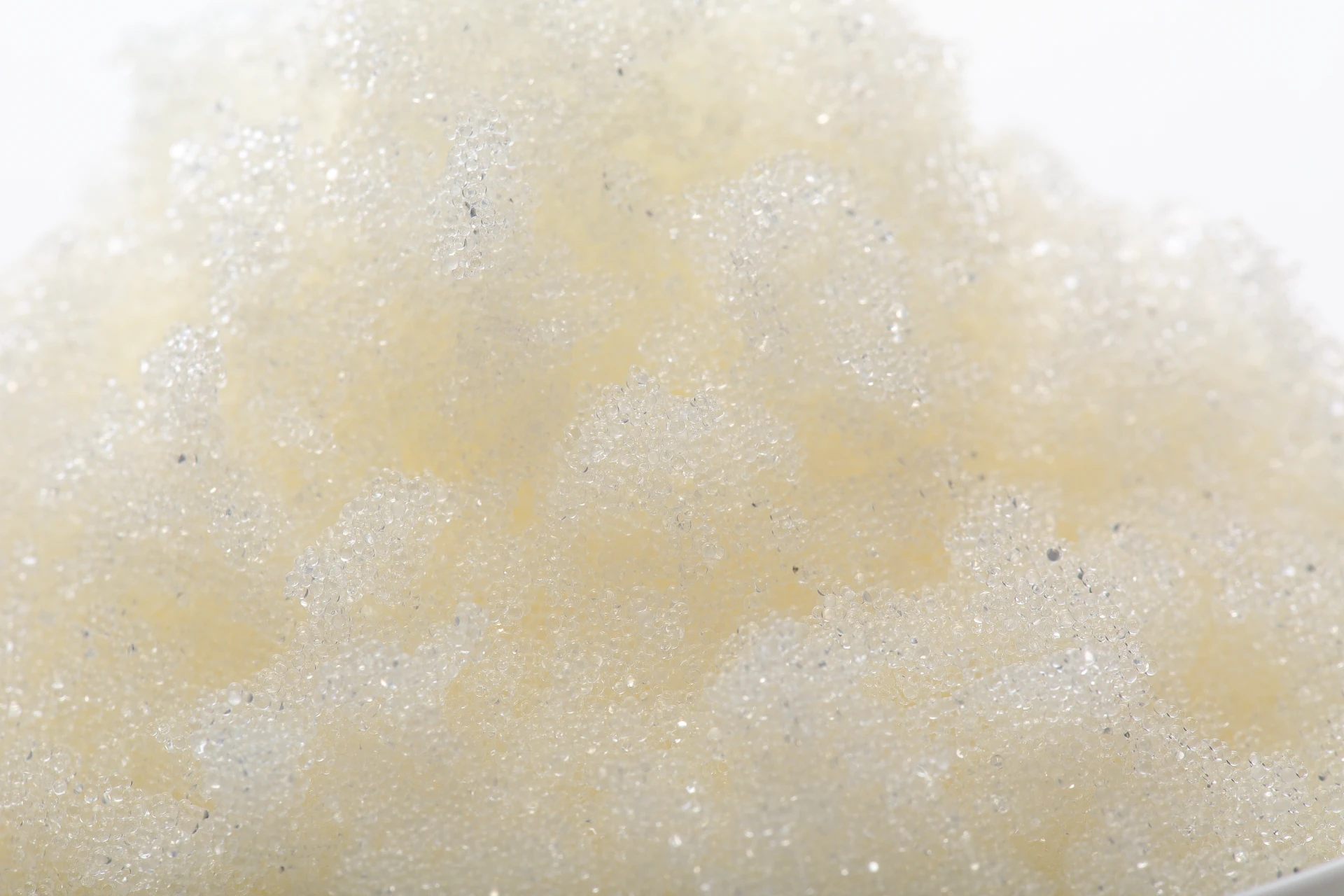
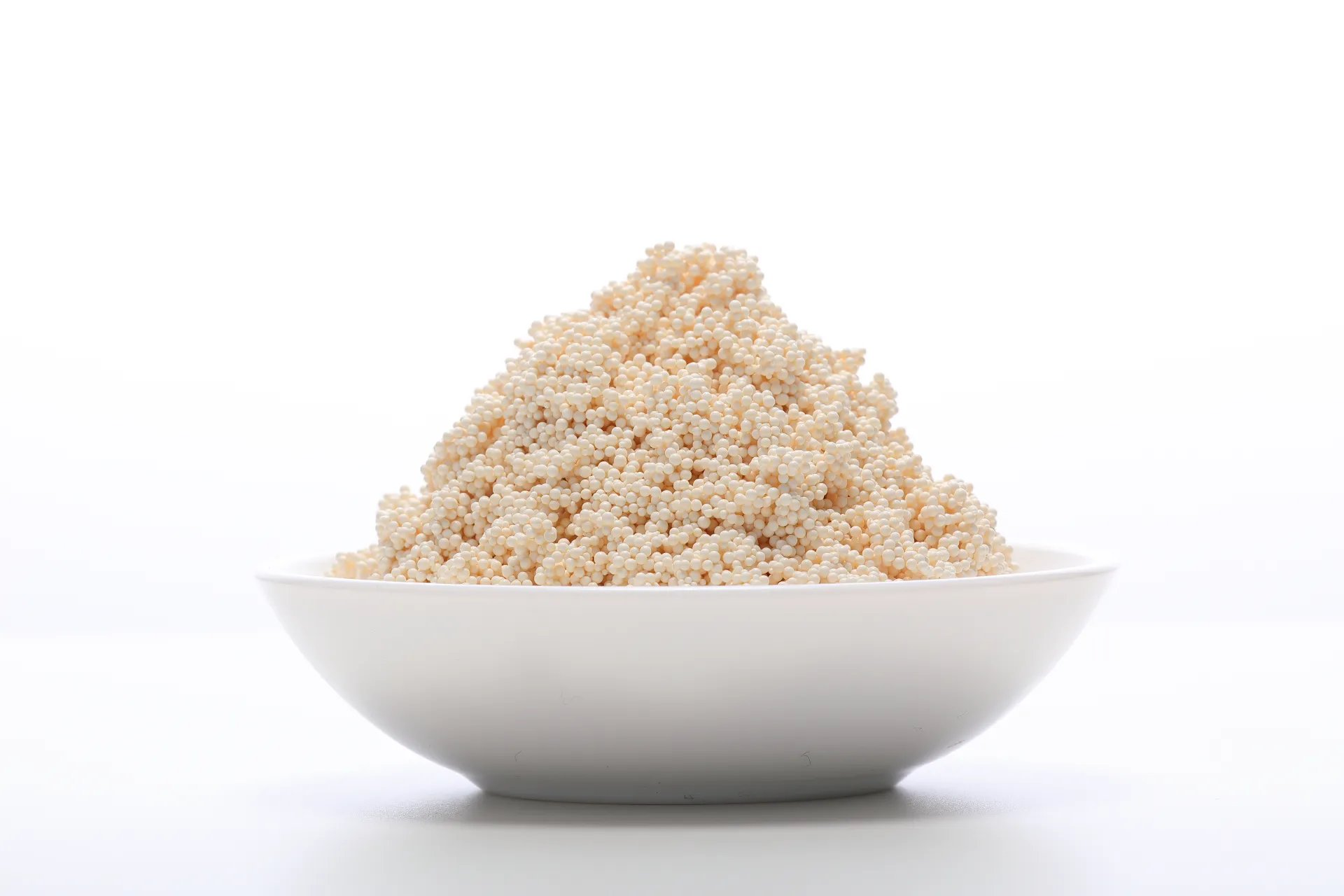
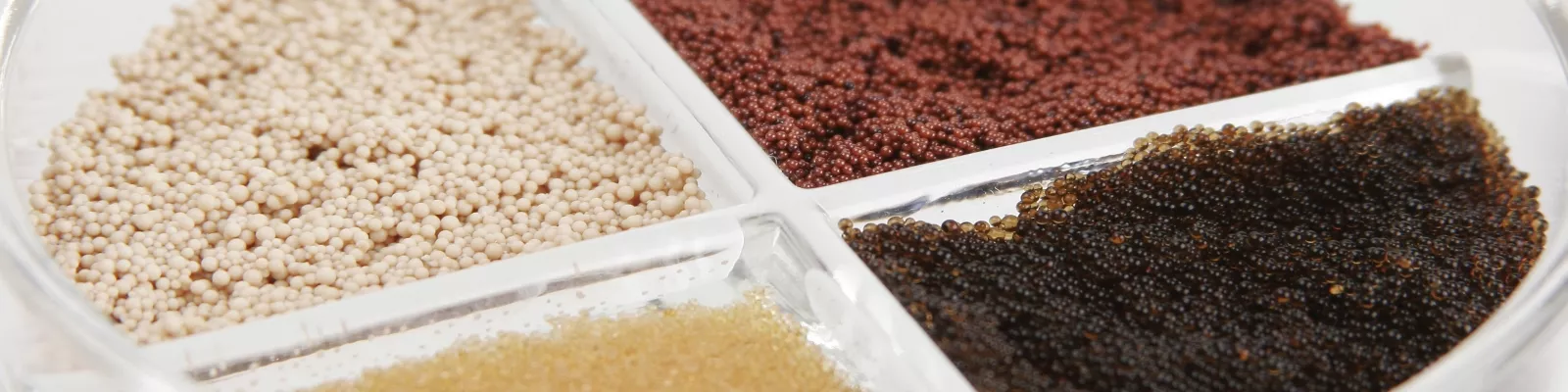
Figure 4: A diverse range of ion exchange resin products.
While standard ion exchange resin products address a wide range of applications, many industrial processes have unique requirements that necessitate customized solutions. Leading manufacturers offer specialized services to tailor resin properties for optimal performance in specific, challenging environments. This customization can involve:
Engaging with a vendor capable of providing these bespoke solutions ensures that the resin perfectly integrates with your process, leading to superior efficiency, reduced operational costs, and extended resin lifespan.
Real-world deployments demonstrate the tangible benefits of well-chosen ion exchange resins. Here are examples of how these materials drive success across industries:
A leading semiconductor fabrication plant struggled with inconsistent water quality, impacting yield. Implementing a multi-stage deionization system utilizing high-purity Strong Acid Cation (001×10 FG equivalent) and Strong Base Anion resins, followed by mixed-bed polishers, resulted in a sustained resistivity of 18.2 MΩ·cm. This significantly reduced defects attributed to water impurities, leading to a 5% increase in production yield and a 15% reduction in overall water-related operational costs.
A thermal power generation facility faced severe scaling and corrosion in its high-pressure boilers due to inadequate feedwater treatment. By upgrading to a robust demineralization system incorporating specialized strong acid cation and strong base anion resins optimized for high-temperature condensate polishing, the plant achieved consistent low-conductivity boiler feedwater (
A pharmaceutical company needed to remove trace impurities and undesirable colored compounds from an Active Pharmaceutical Ingredient (API) solution while maintaining high product yield. A macroporous strong base anion resin, specifically designed for organic scavenging, was integrated into their purification train. This resulted in a product purity increase from 98.5% to 99.8% and achieved the desired color specification, directly enhancing product quality and regulatory compliance.
These instances underscore the critical role of carefully selected and expertly applied ion exchange technology in delivering measurable improvements in efficiency, cost reduction, and product quality.
Our dedication to quality and customer satisfaction is built upon a foundation of expertise, authoritativeness, and trustworthiness. With over two decades of specialized experience in ion exchange technology, we are recognized as a reliable partner in critical industrial applications.
Our commitment extends beyond product delivery to ensuring continuous operational excellence for our clients.
As industries continue to face evolving challenges in water quality, resource management, and environmental compliance, the role of advanced ion exchange resin technologies will only grow in importance. Continuous innovation in resin chemistry, coupled with refined manufacturing processes, promises even more selective, efficient, and sustainable solutions. Partnering with experienced manufacturers who prioritize quality, technical expertise, and customer-centric support is vital for capitalizing on these advancements and ensuring long-term operational success. The future of industrial purification and separation is intricately linked with the ongoing development and intelligent application of ion exchange materials.