Phone:
+86 0319 2296164


Email:
info@lijiresin.cn
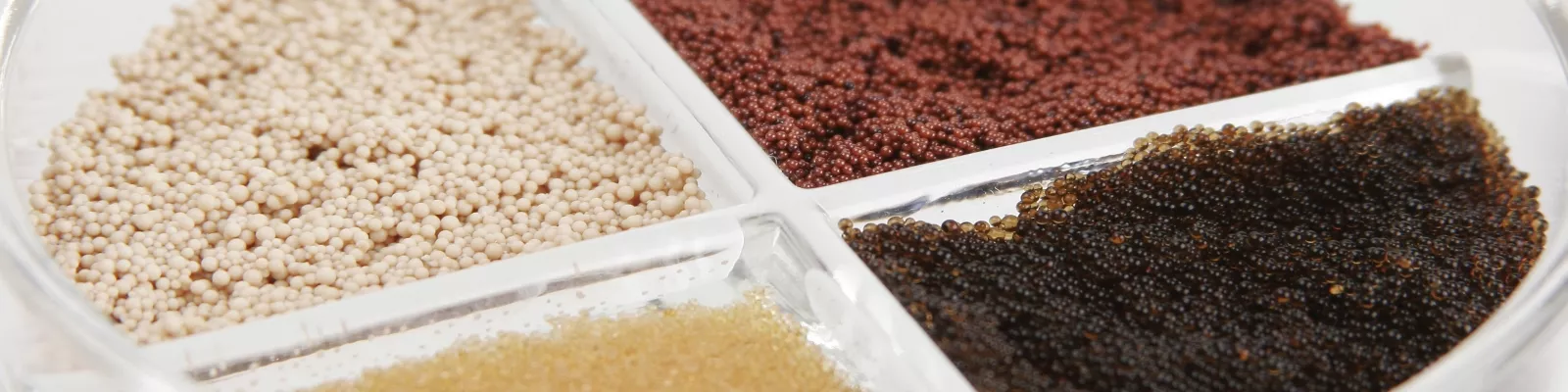
Purolite anion resins are vital components in numerous industrial processes, renowned for their selectivity, capacity, and durability. They are used extensively in water purification, pharmaceutical production, food & beverage processing, and more. This article will provide an in-depth look at Purolite anion resins, exploring their types, applications, benefits, and considerations for optimal performance. Choosing the right resin is critical for achieving efficient and cost-effective results. Explore our range of Purolite anion resins to find the ideal solution for your specific needs.
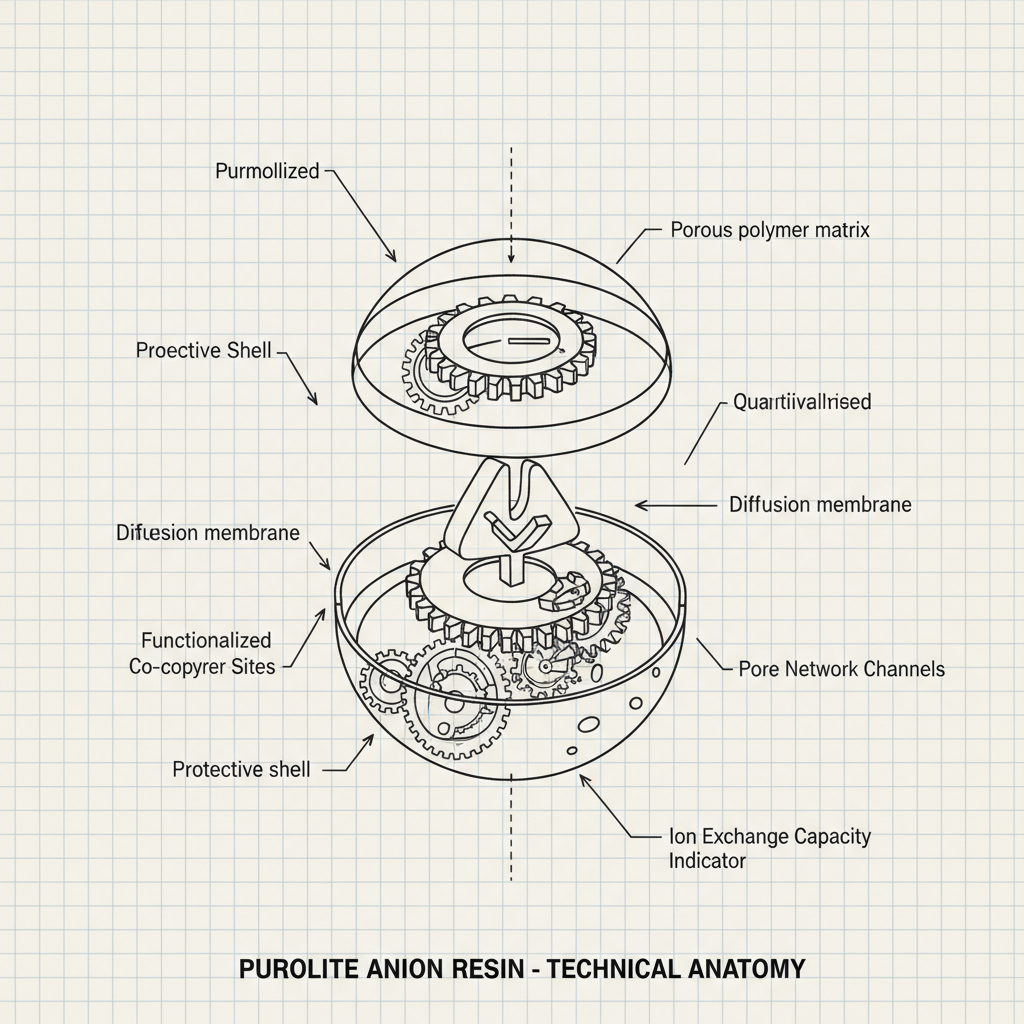
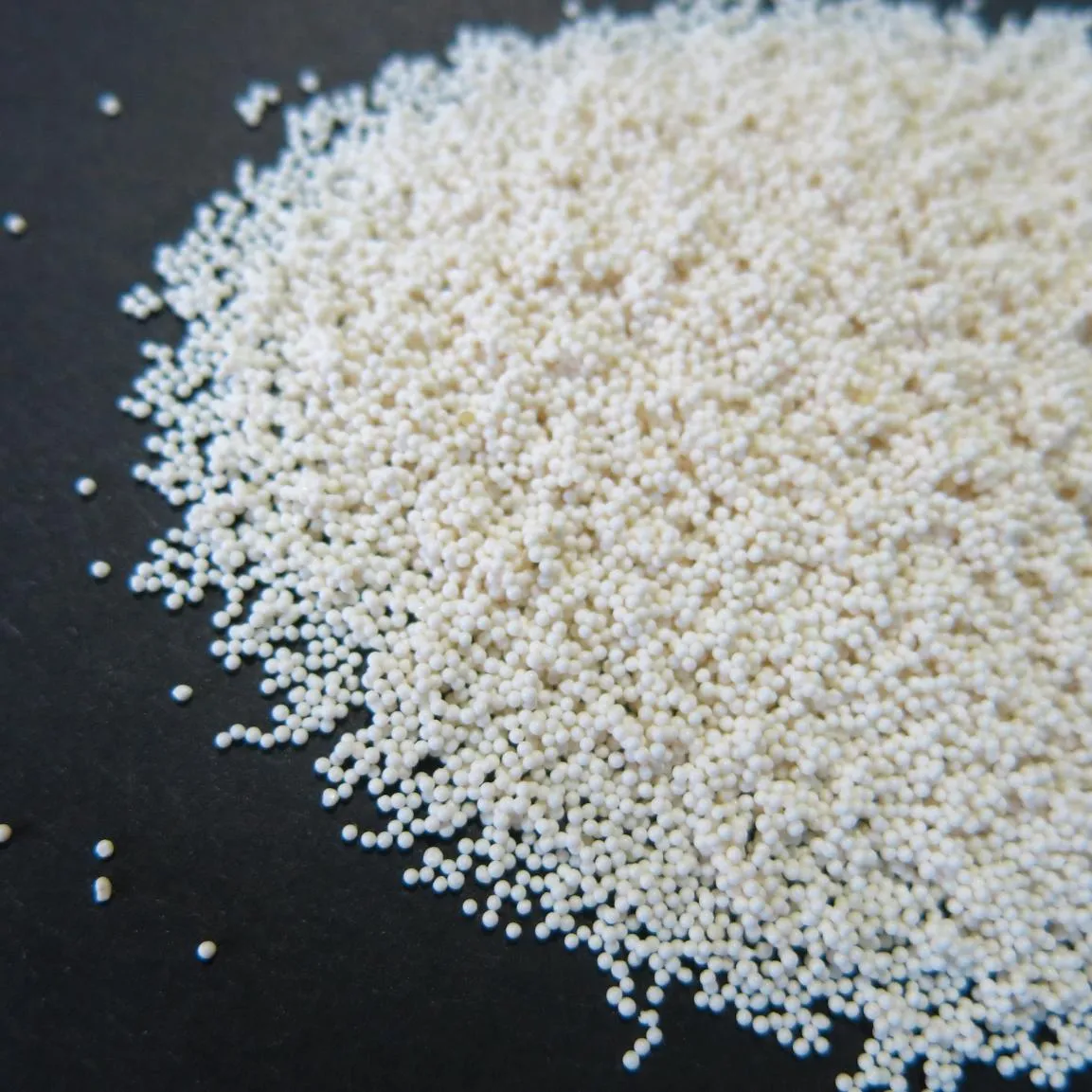
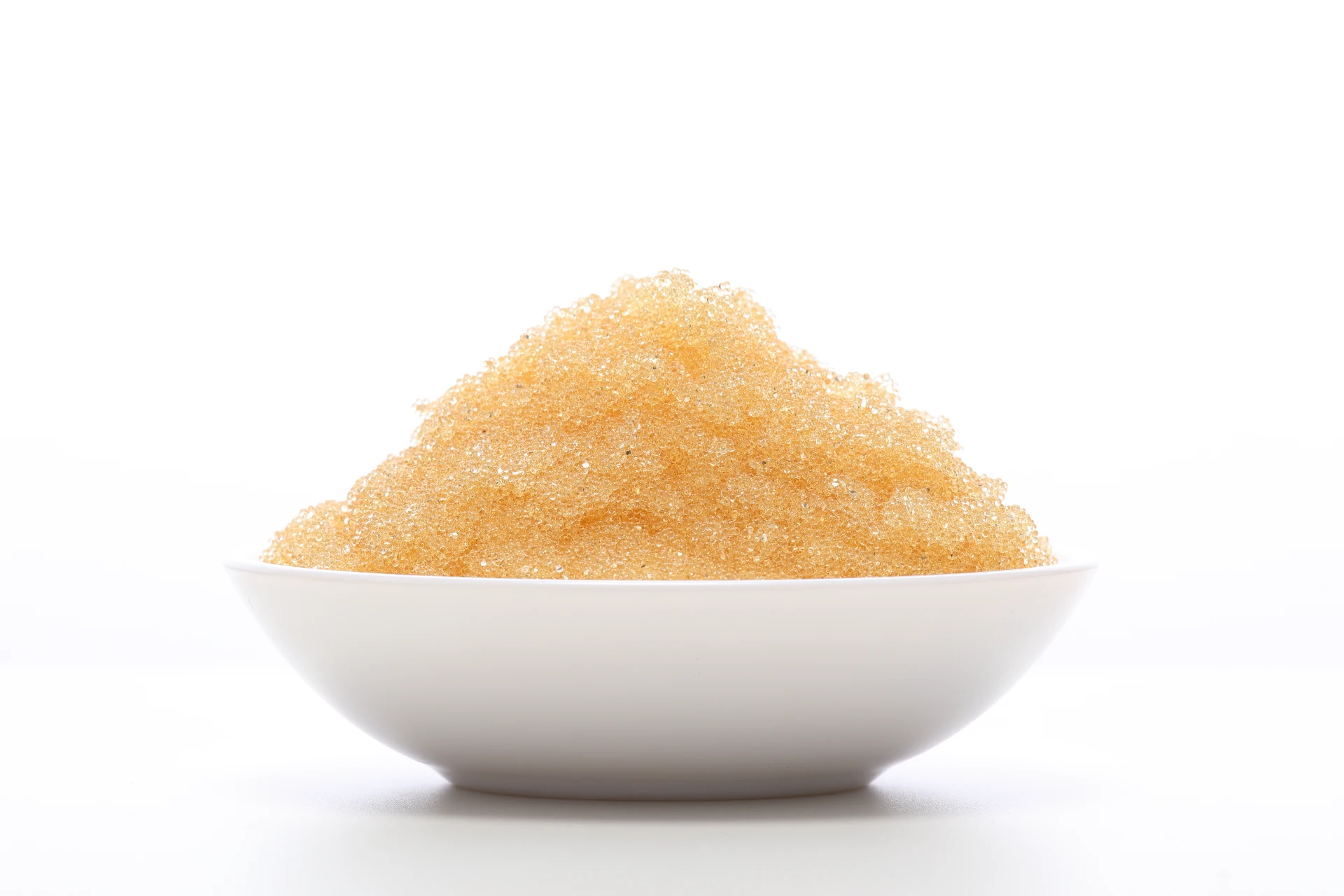
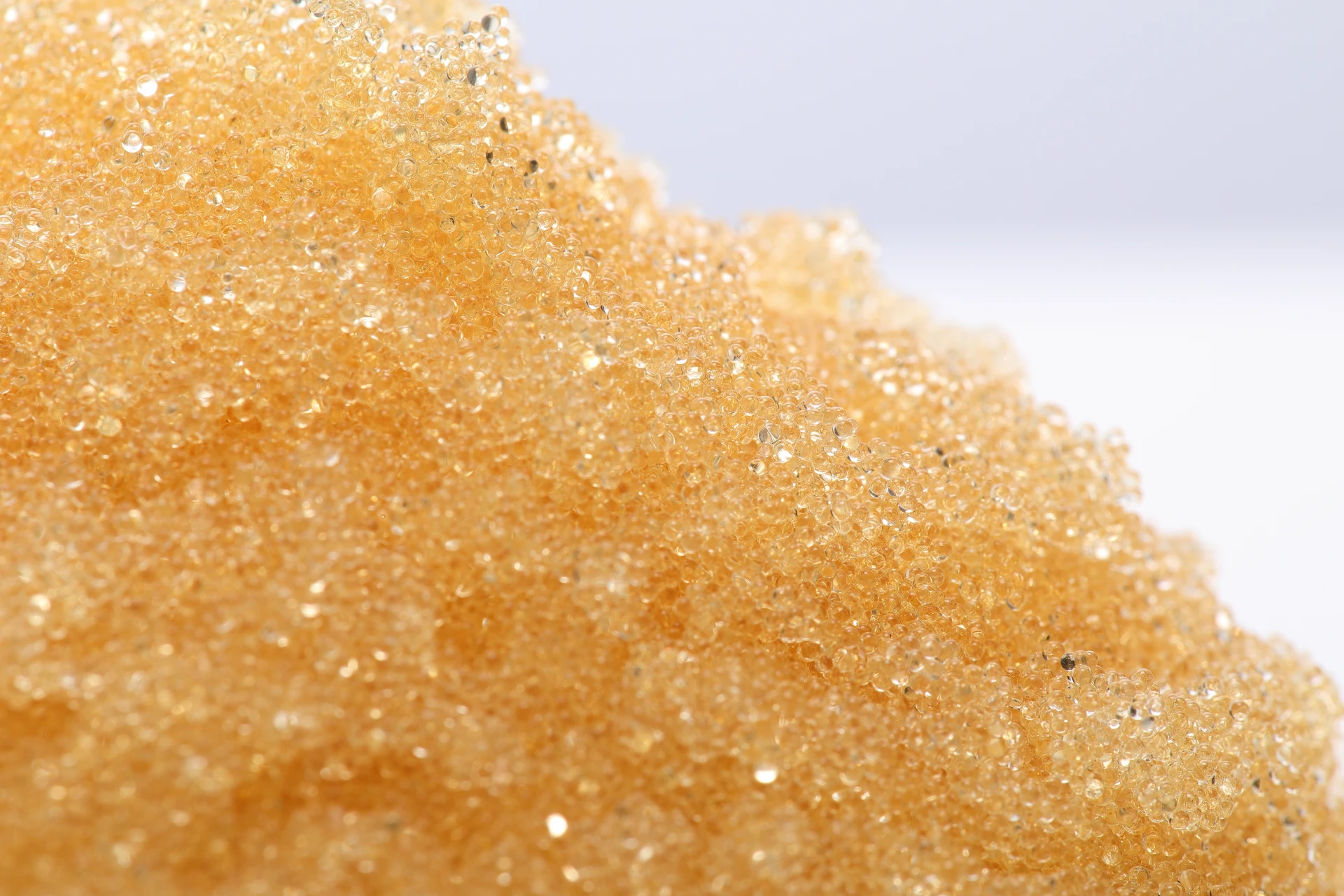
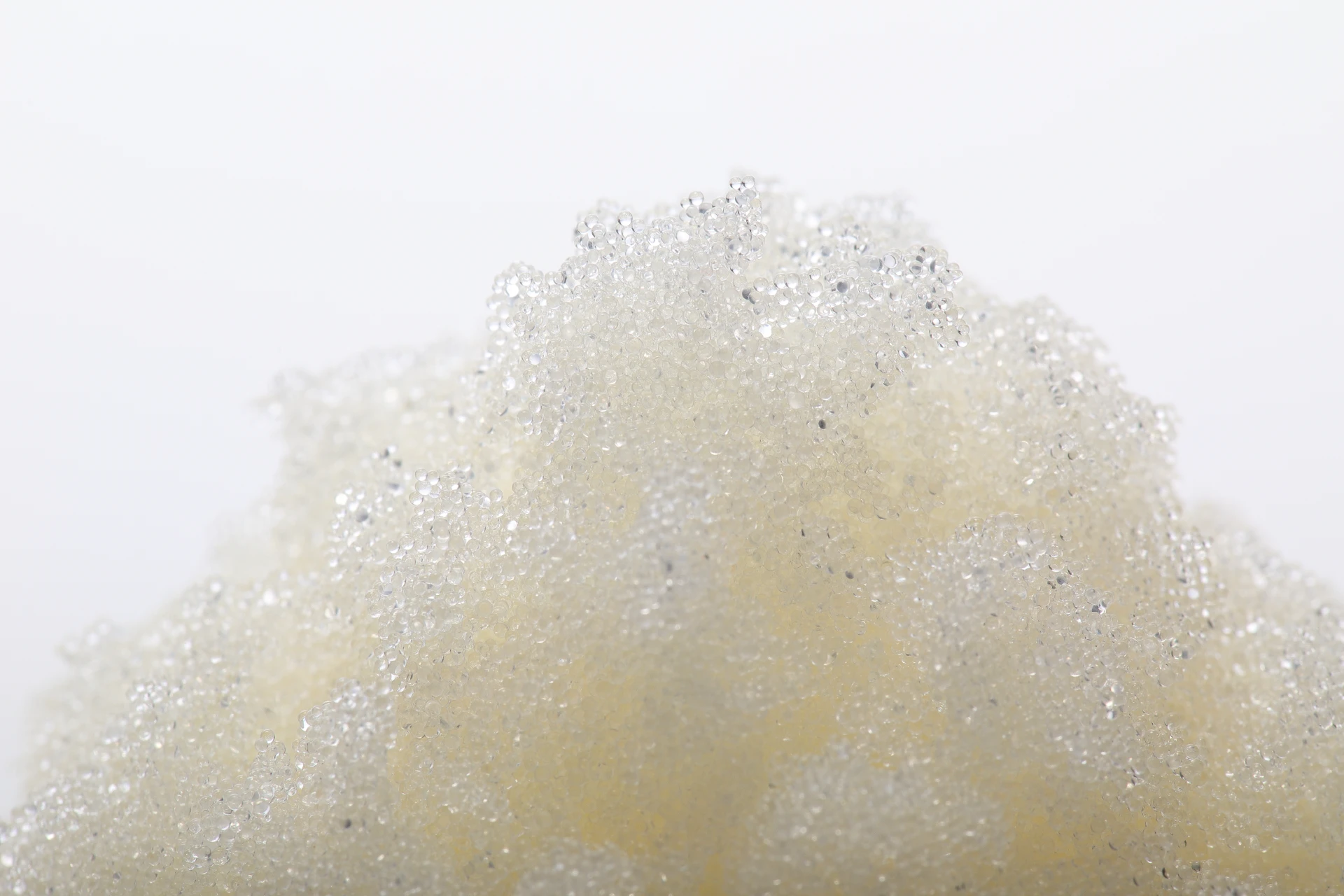
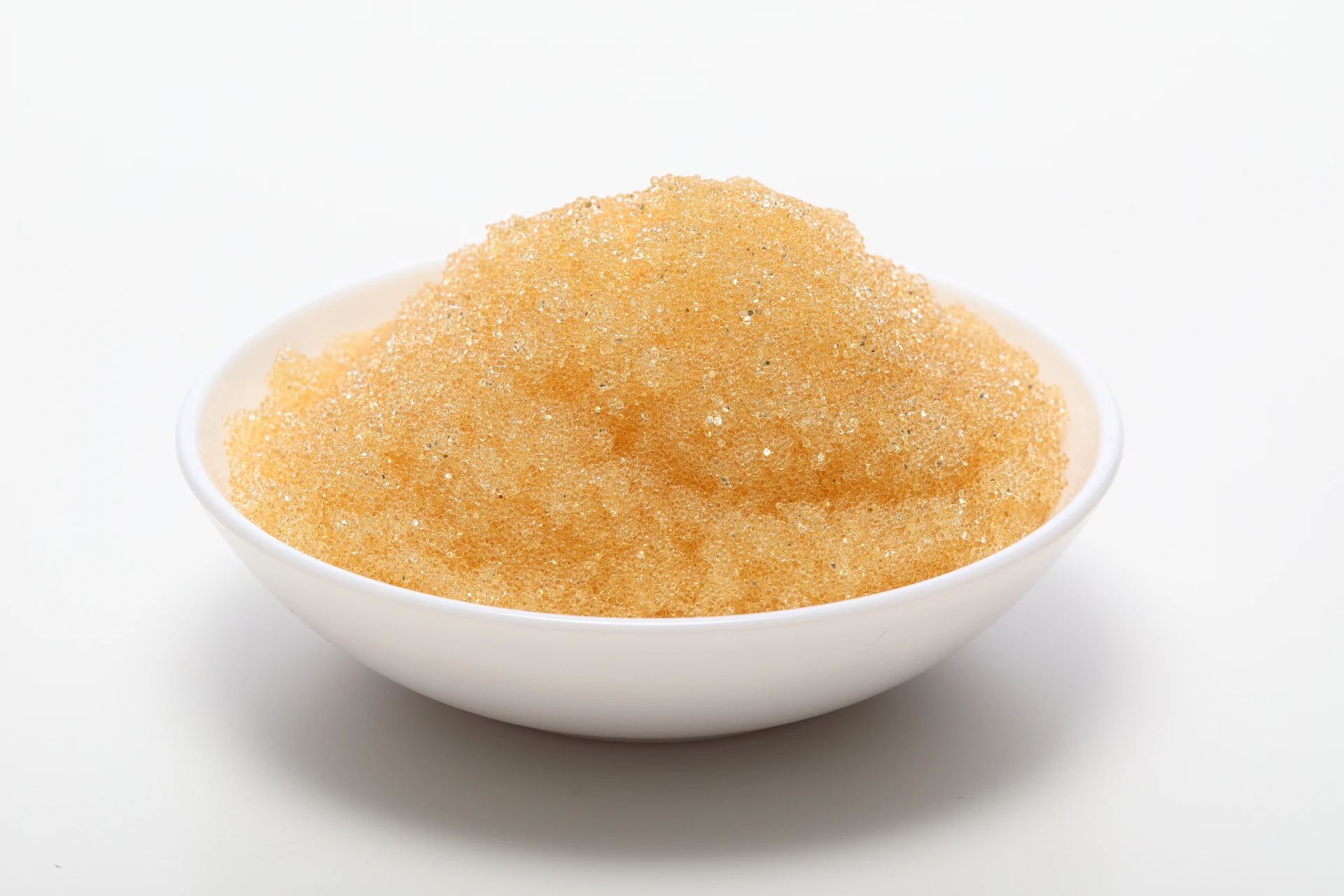
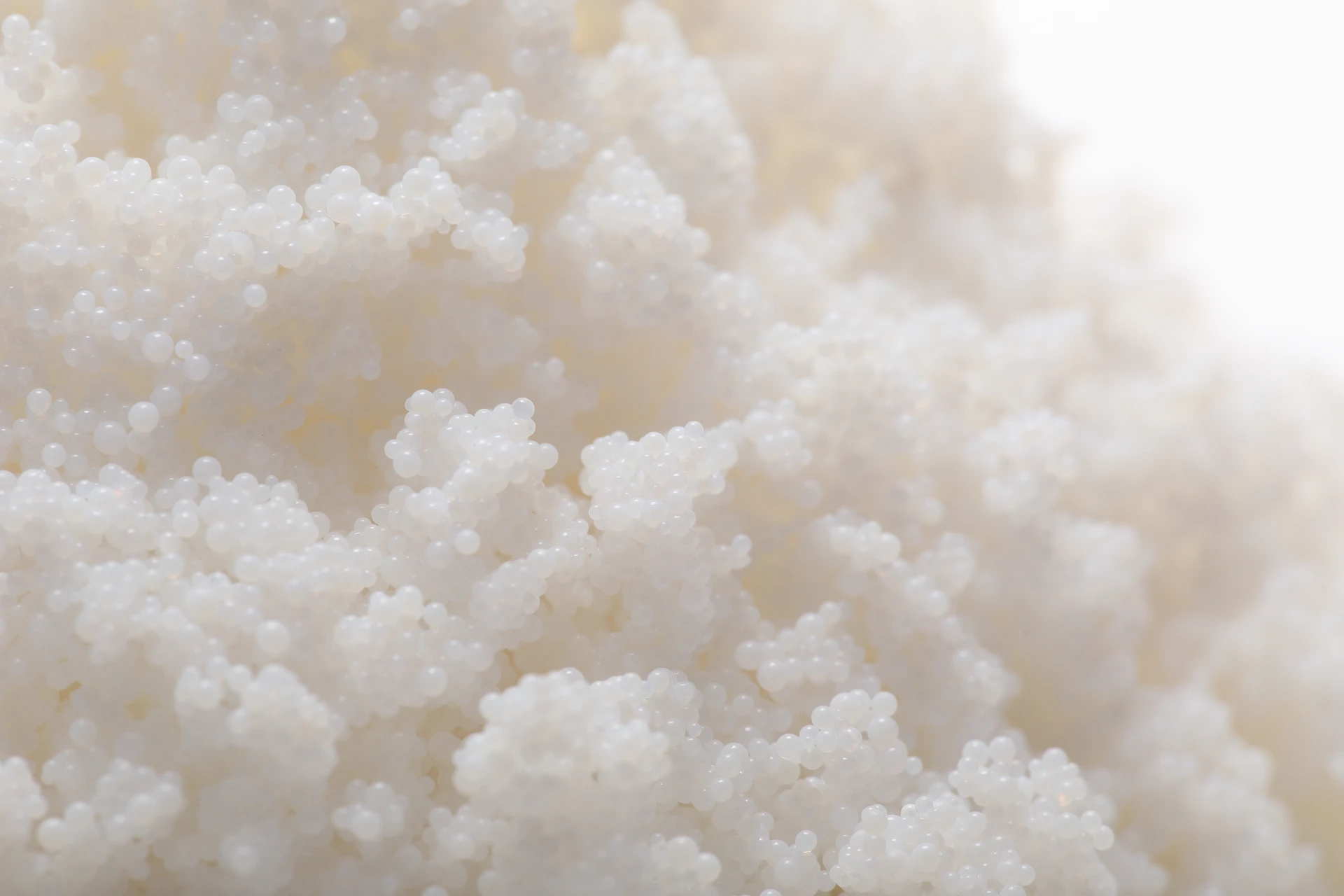
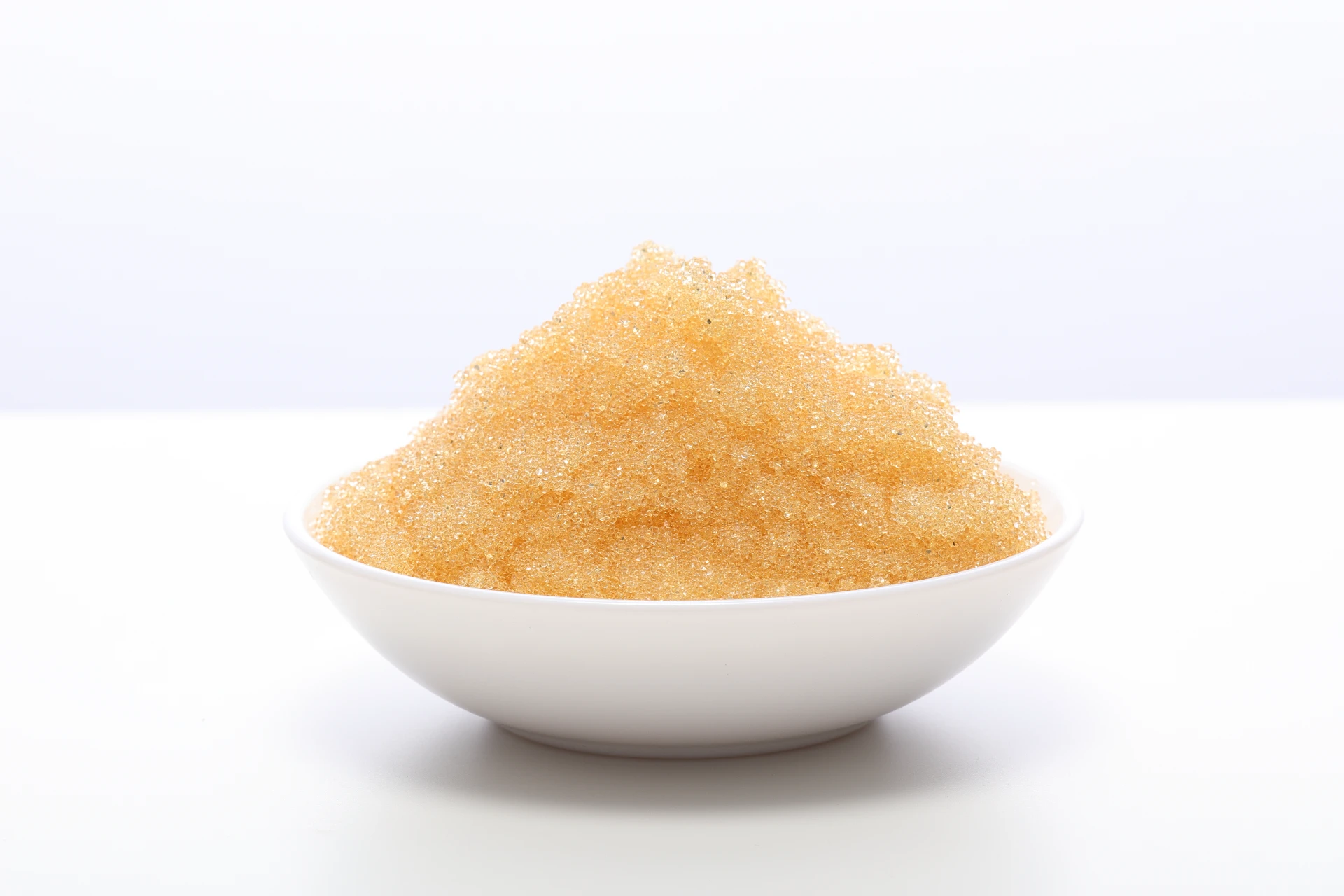
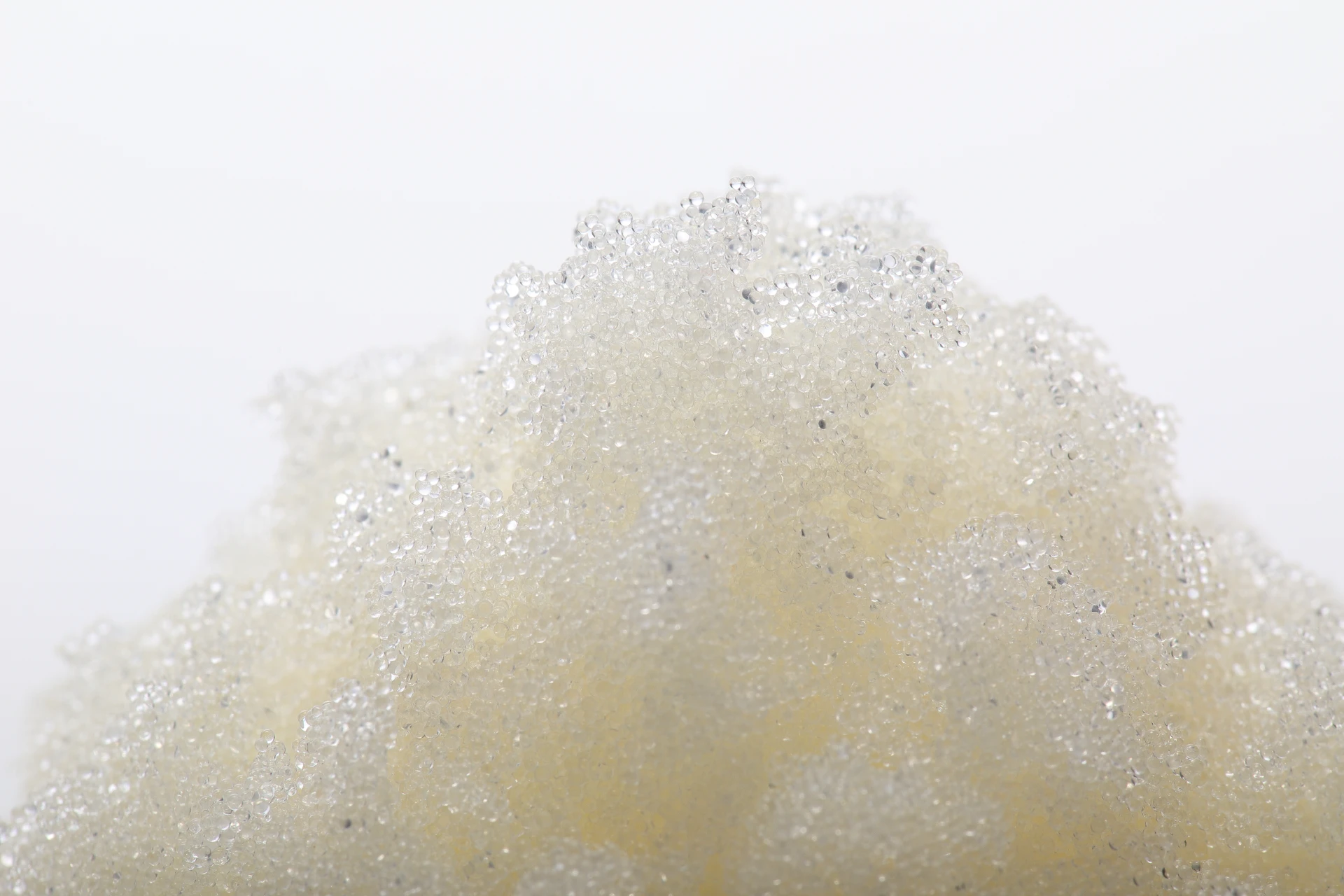
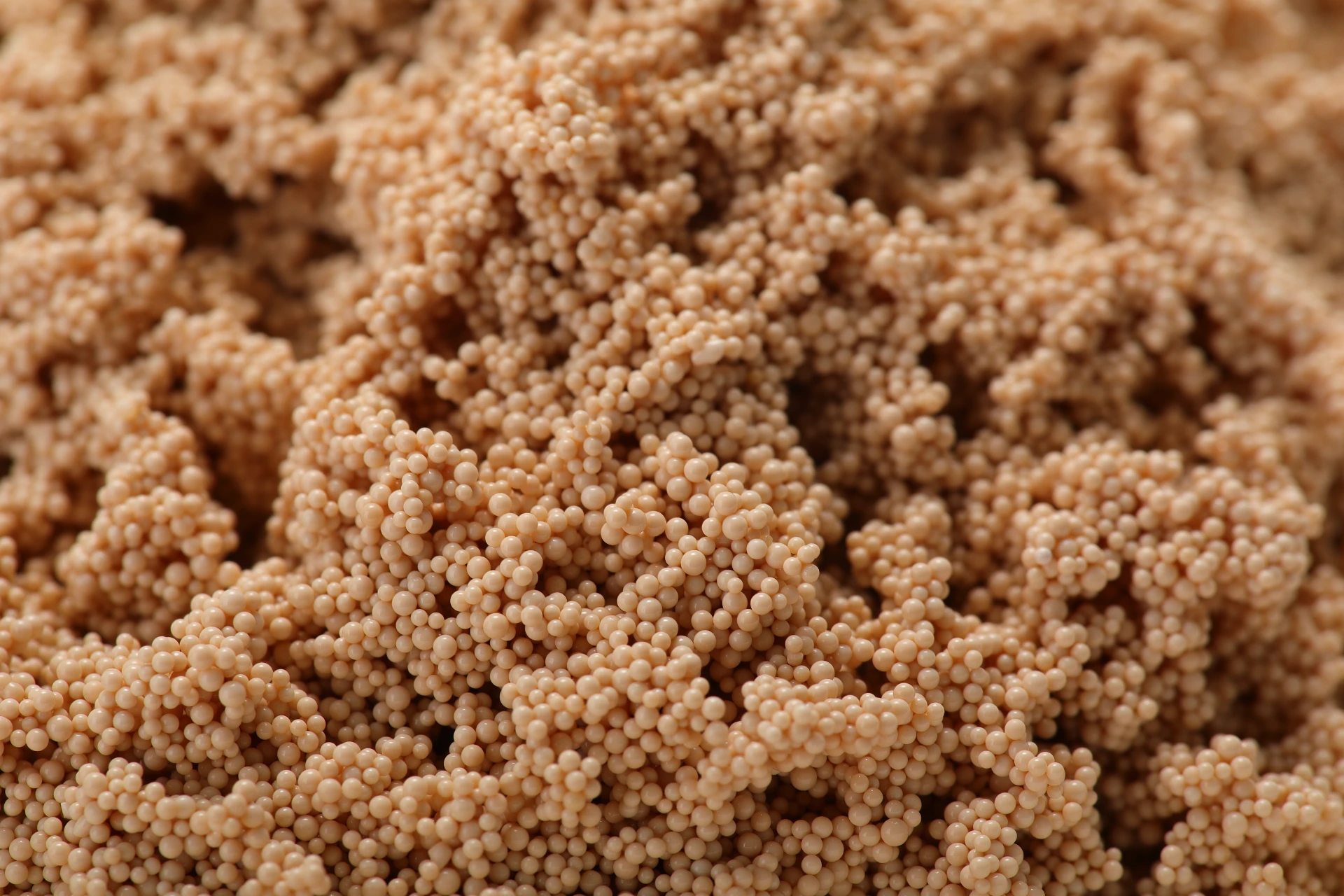
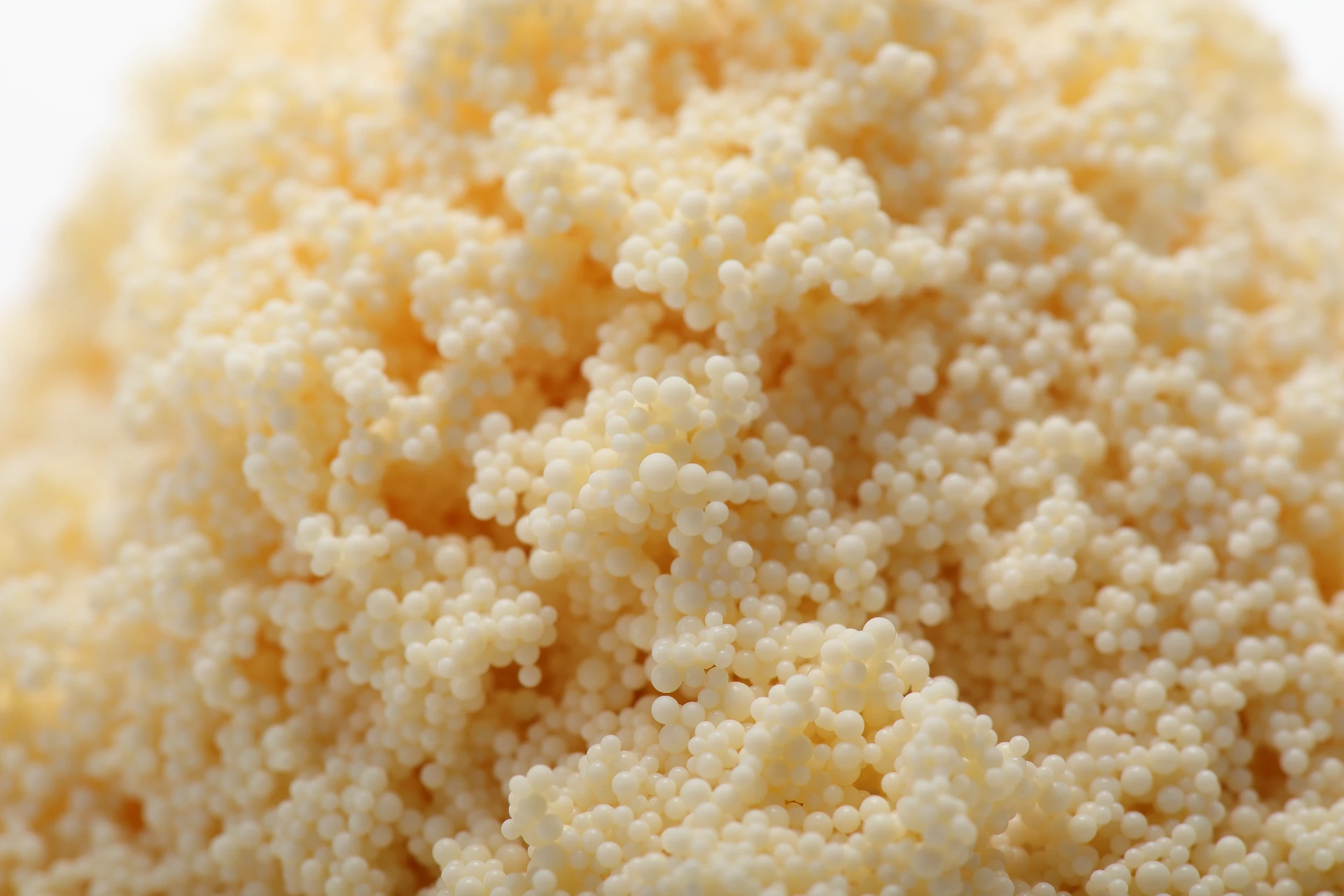
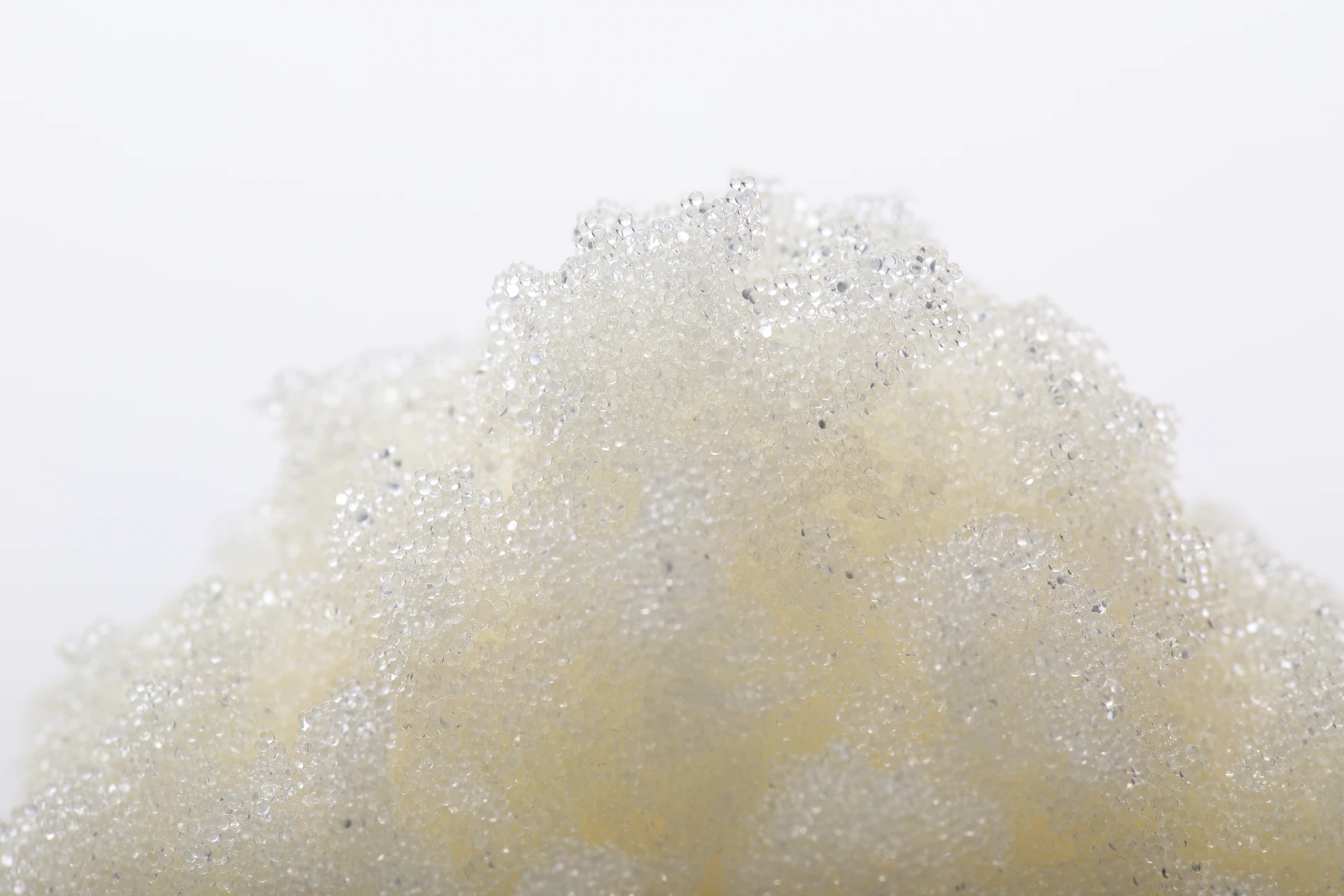
Purolite anion resins are synthetic polymers specifically designed to remove negatively charged ions (anions) from solutions. These resins consist of a polymer matrix with ionic functional groups attached. The functional groups attract and bind to target anions, effectively removing them from the liquid. They are typically available in bead form, enabling easy handling and packing into columns for continuous operation. Different functional groups provide varying selectivity towards specific anions, making it possible to tailor resin selection to specific application requirements. Understanding the chemistry behind these resins is key to maximizing their effectiveness.
Key Highlights: Purolite anion resins offer high capacity, excellent chemical and mechanical stability, and a wide range of selectivity options. They are a cost-effective and efficient solution for anion removal.
Purolite offers a diverse portfolio of anion resins categorized by their functional groups. Common types include:
Selecting the appropriate resin type depends on the target anions, the pH of the solution, and the desired level of selectivity.
Anion Resin Comparison:
• Type 1 (SBA): High capacity, broad pH range, ideal for general anion removal.
• Type 2 (WBA): Selective for strong acids, pH-dependent, cost-effective.
• Type 3 (WAC): Removes strong bases, specific applications.
• Chelating: Targeted removal of metal ions, high selectivity.
Purolite anion resins find applications in a wide spectrum of industries. Here's a breakdown:
Choosing the right Purolite anion resin requires careful consideration of several factors. These include the type of anions to be removed, the concentration of those anions, the pH of the solution, the flow rate, and the temperature. Regeneration chemicals and their concentration also play a critical role in resin performance and longevity. Furthermore, particle size distribution and mechanical strength are important considerations for preventing attrition and maintaining column efficiency. Consulting with a resin specialist can help ensure the optimal resin selection for your specific application.
Employing Purolite anion resins brings several benefits, including high efficiency, selectivity, long lifespan, and cost-effectiveness. They can significantly reduce operational costs by minimizing chemical consumption and waste generation. Their consistent performance ensures reliable process control and product quality. Partnering with Lijiresin, a trusted supplier of Purolite products, guarantees access to expert support and high-quality materials.
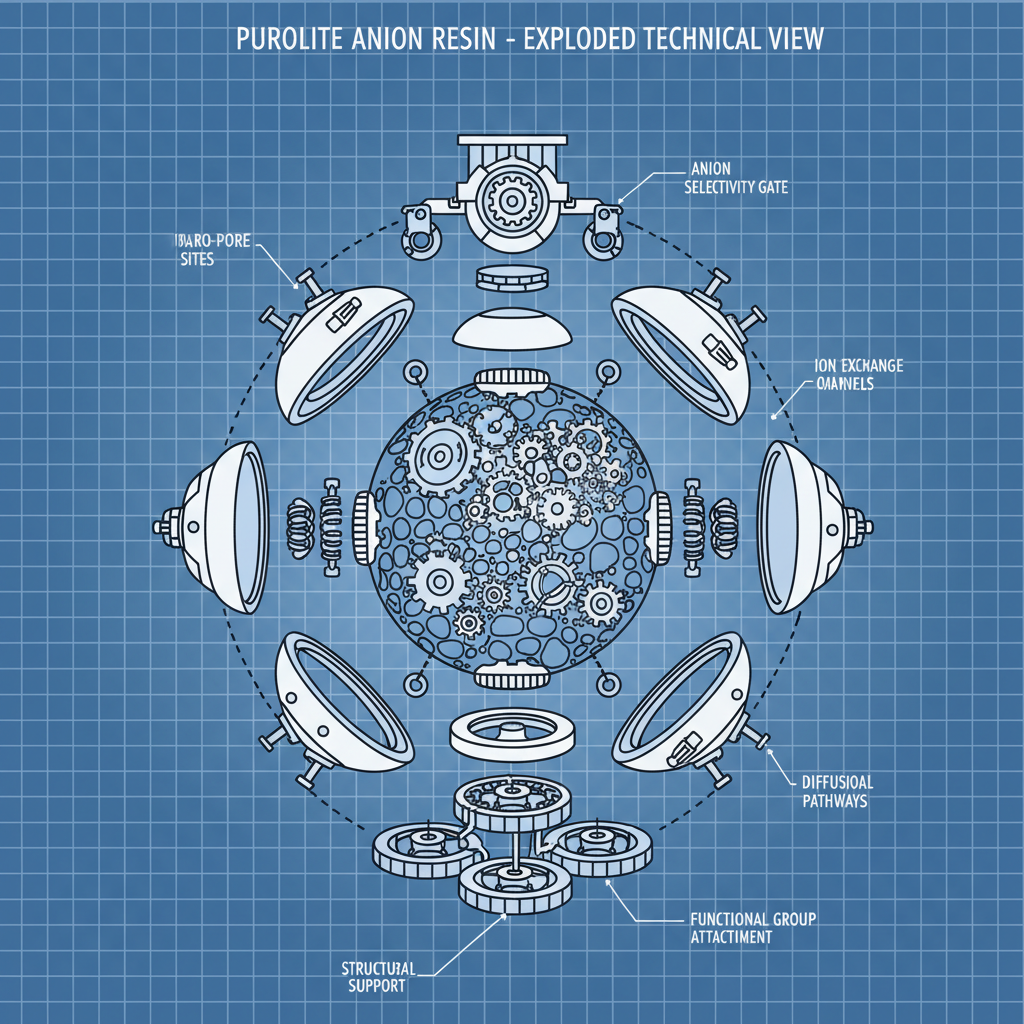
Purolite anion resins represent a critical technology for achieving efficient and reliable anion removal in a variety of applications. By carefully selecting the appropriate resin type and optimizing operating conditions, you can maximize performance and minimize costs. Lijiresin is your trusted partner for all your Purolite resin needs, offering expert support and a comprehensive product range.
Regeneration involves restoring the resin’s exchange capacity after it becomes exhausted. This is typically done by passing a concentrated solution of a regenerant chemical (e.g., sodium hydroxide for Type 1 resins) through the resin bed. The regenerant displaces the captured anions and replenishes the functional groups with the desired exchange ions. The type of regenerant and its concentration depend on the resin type and the application. Proper regeneration is vital to maintain resin performance and extend its lifespan. Thorough rinsing after regeneration is crucial to remove excess regenerant from the resin bed.
Determining the correct resin dosage requires careful consideration of the influent anion concentration, the desired effluent quality, the resin's exchange capacity, and the flow rate. Pilot testing is highly recommended to optimize the dosage for your specific conditions. Calculations based on stoichiometric relationships and resin specifications can provide a starting point, but actual performance may vary. Factors such as organic fouling and temperature can also influence the required dosage. Contacting our experts at Lijiresin can help you determine the optimal dosage for your application.
The lifespan of Purolite anion resin varies depending on the application, operating conditions, and the quality of the influent water. With proper regeneration and maintenance, resins can last for several years. However, factors such as exposure to strong oxidants, high temperatures, and mechanical attrition can shorten their lifespan. Regular monitoring of resin performance and conducting periodic analyses can help identify potential issues and optimize operating parameters to extend the resin’s useful life.
Purolite anion resins contribute to environmental sustainability by enabling the removal of harmful pollutants from water and other process streams. While the resins themselves are synthetic polymers, they can help reduce the discharge of contaminants into the environment. The regeneration process generates waste streams that require proper treatment and disposal, but optimized regeneration protocols can minimize waste volume. Furthermore, resin manufacturers like Purolite are continuously developing more sustainable resin technologies with reduced environmental impact.