Phone:
+86 0319 2296164


Email:
info@lijiresin.cn
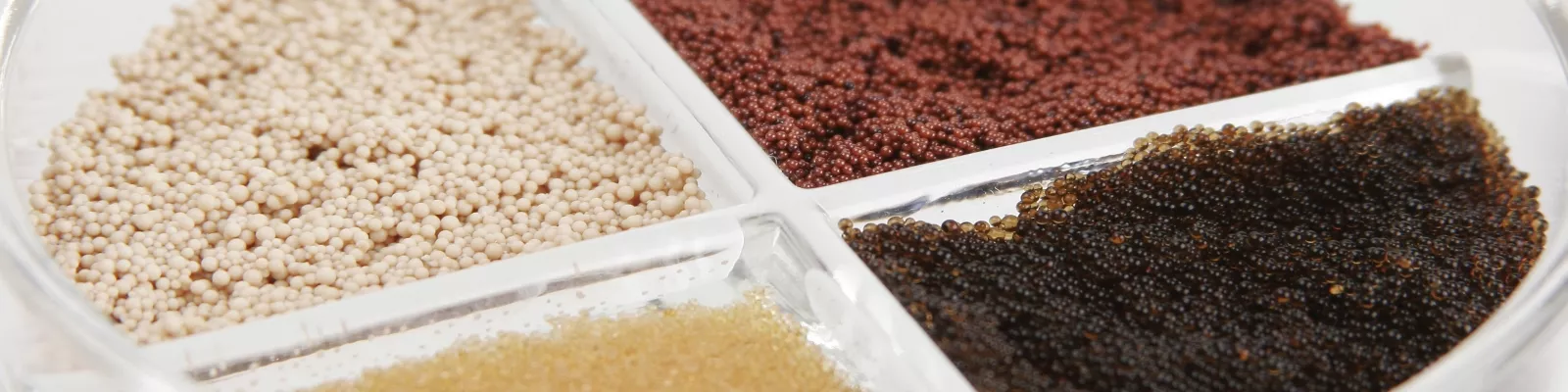
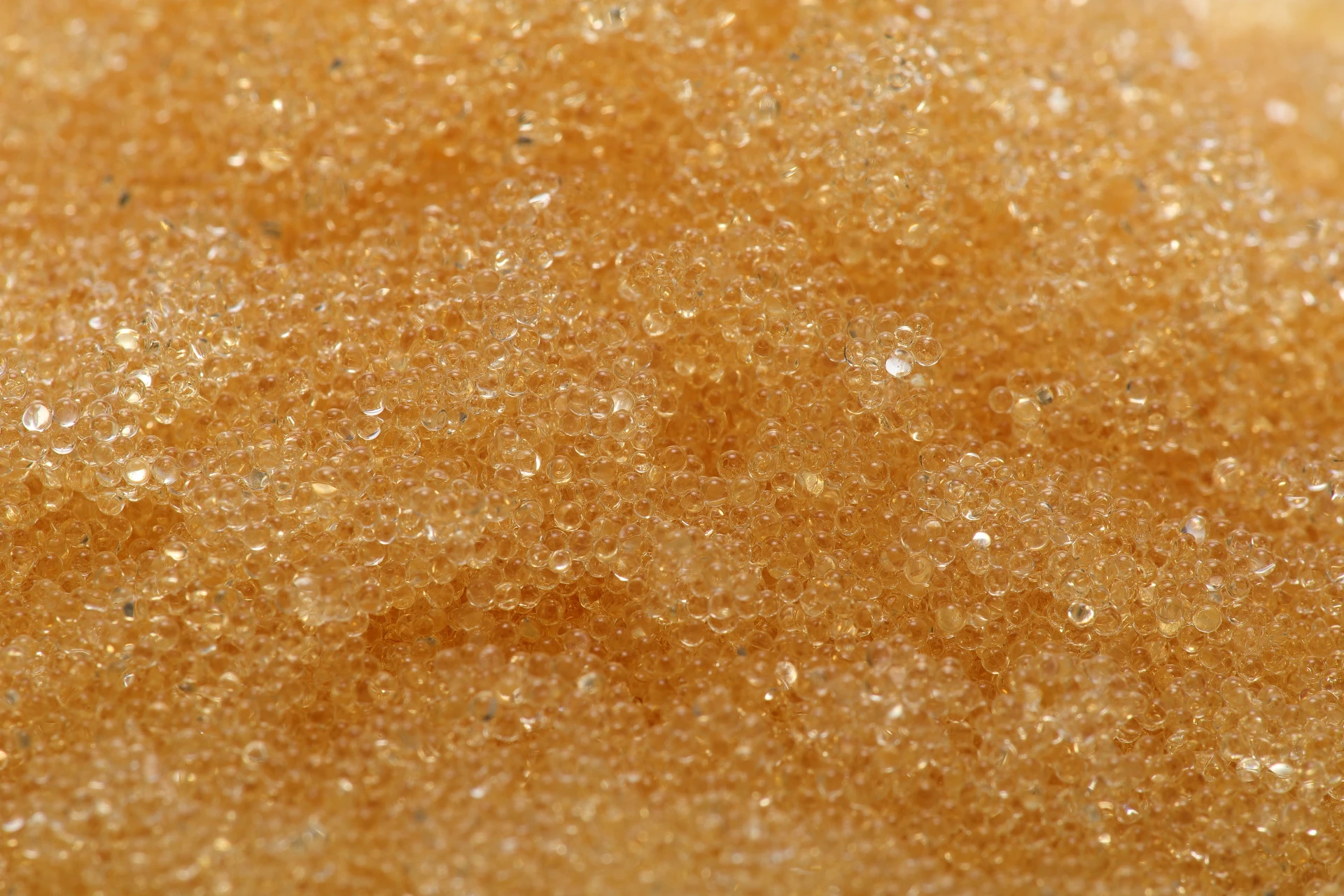
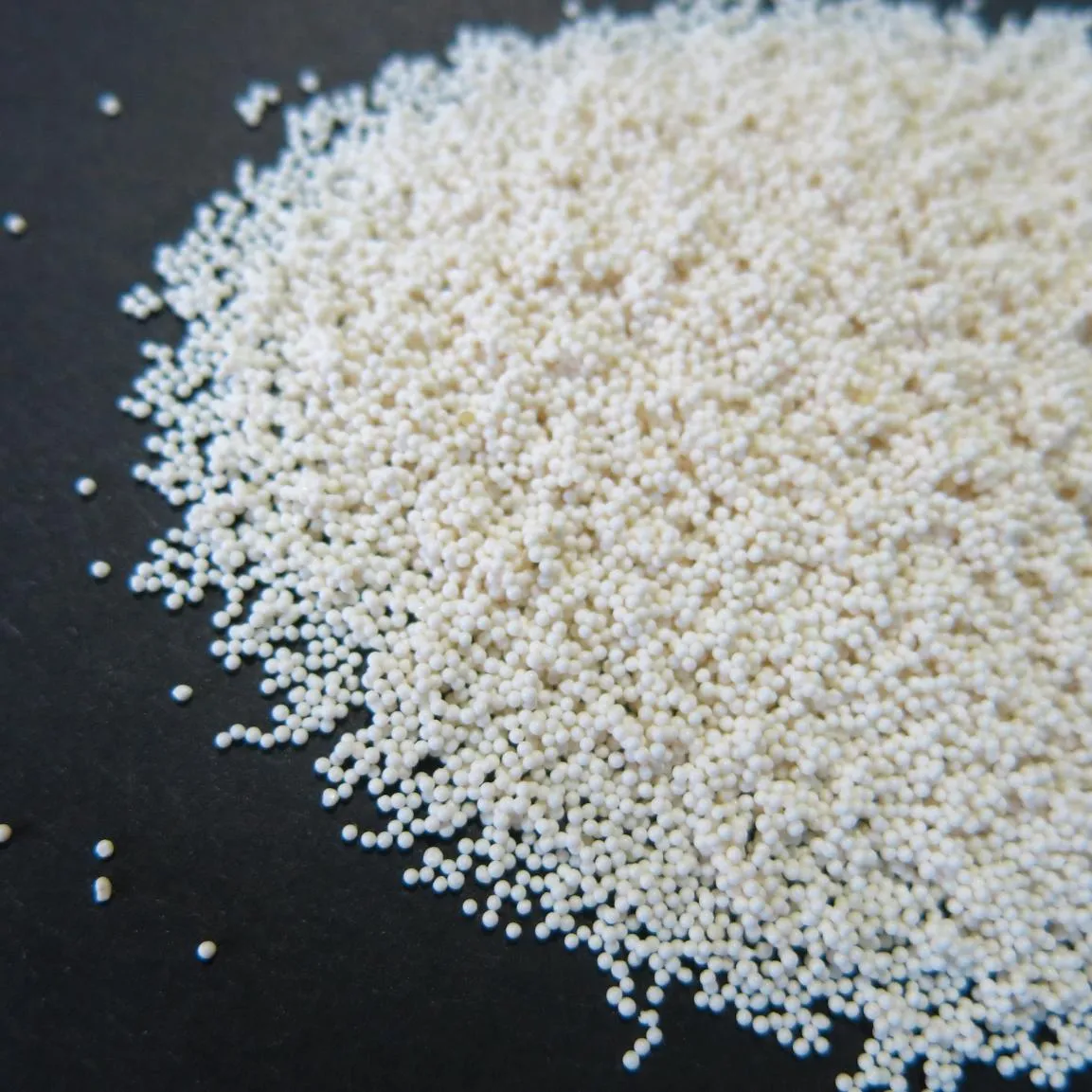
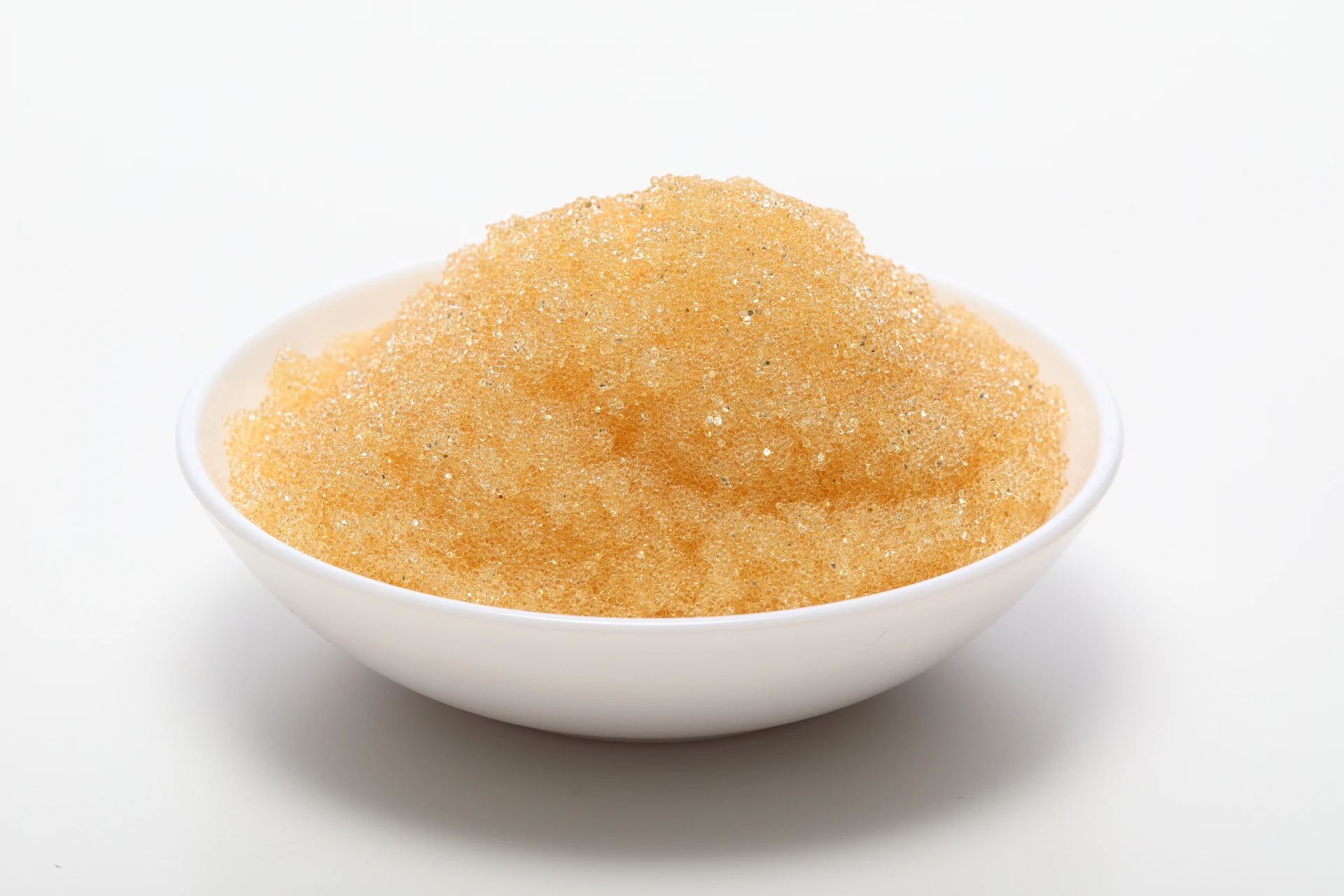
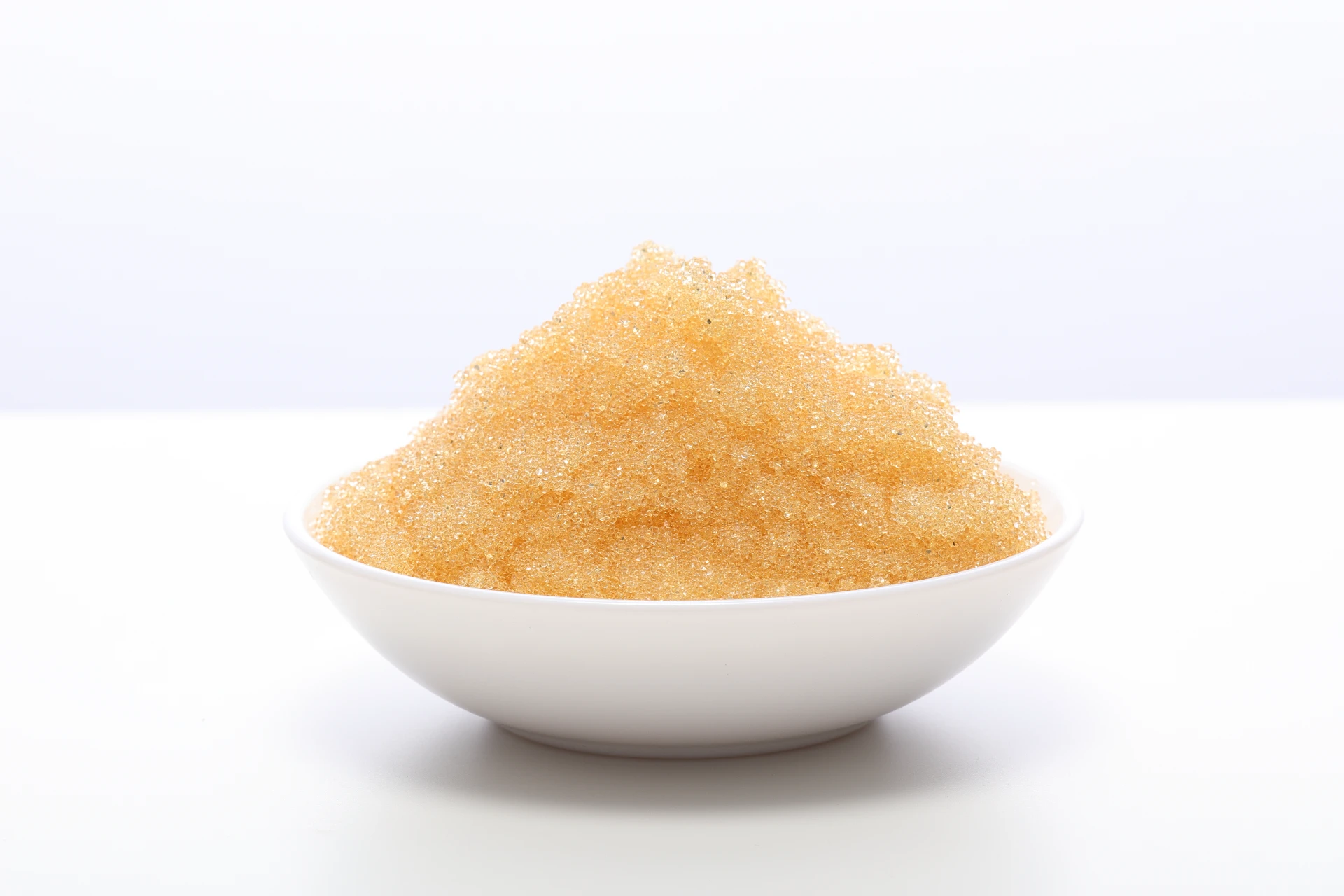
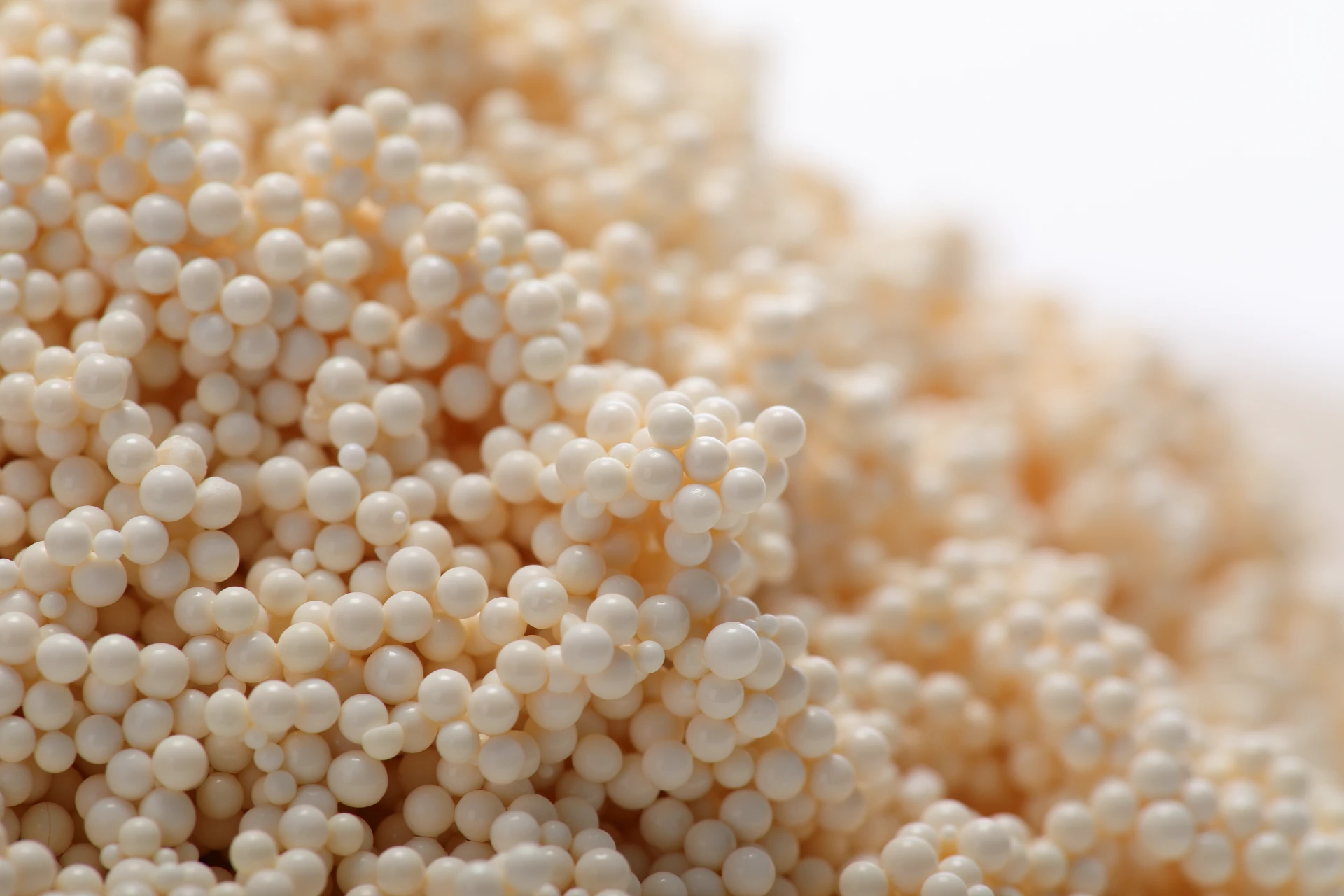
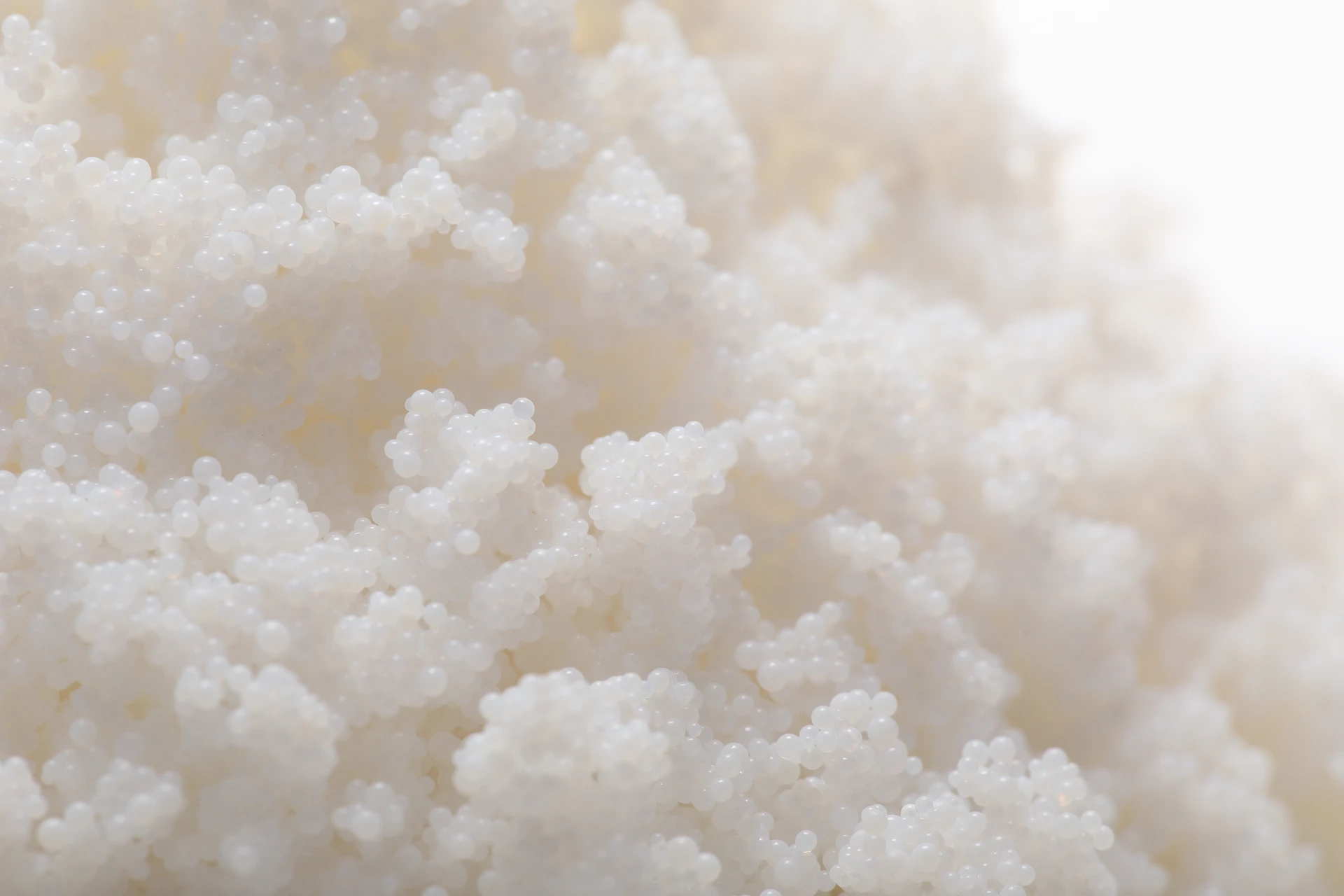
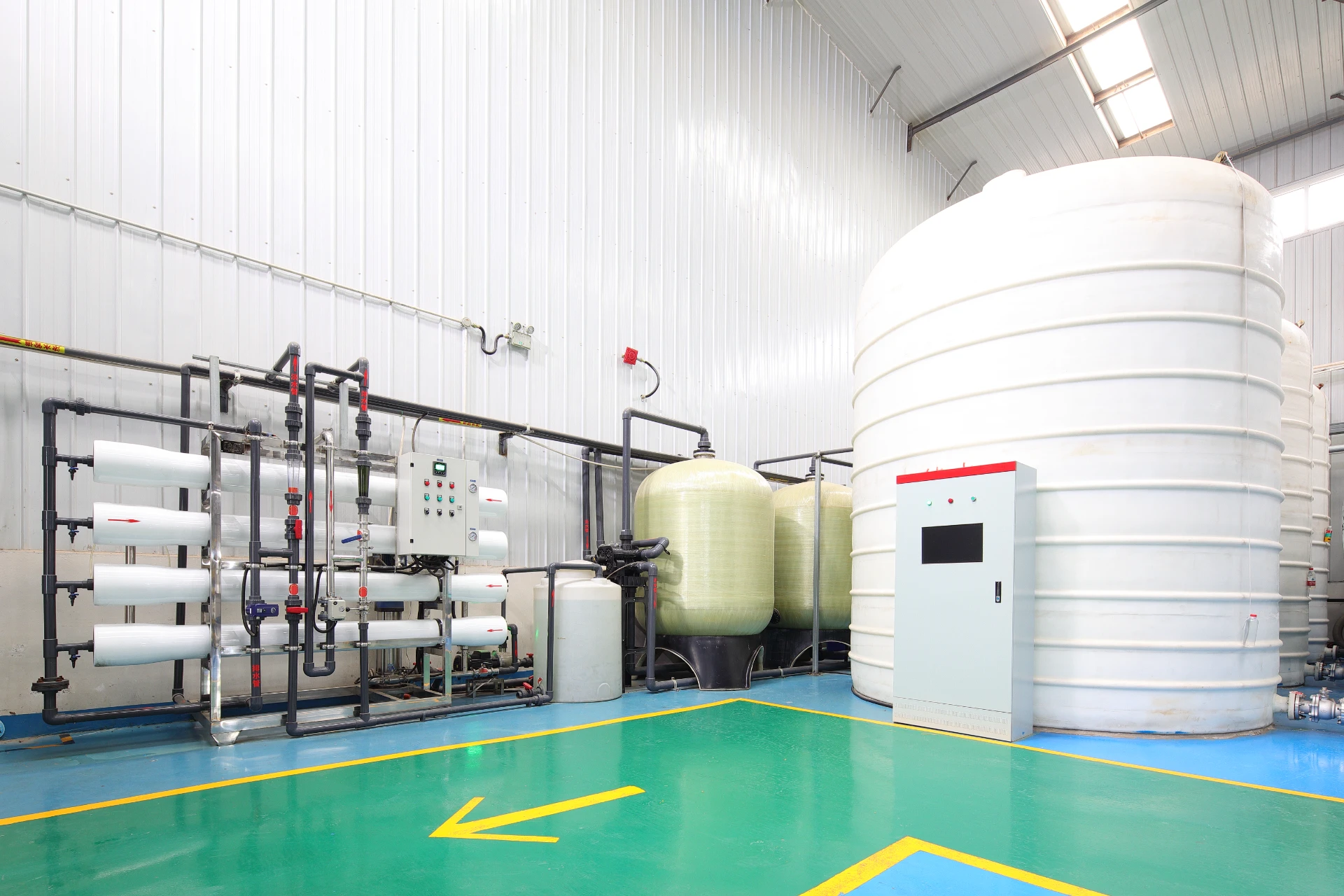
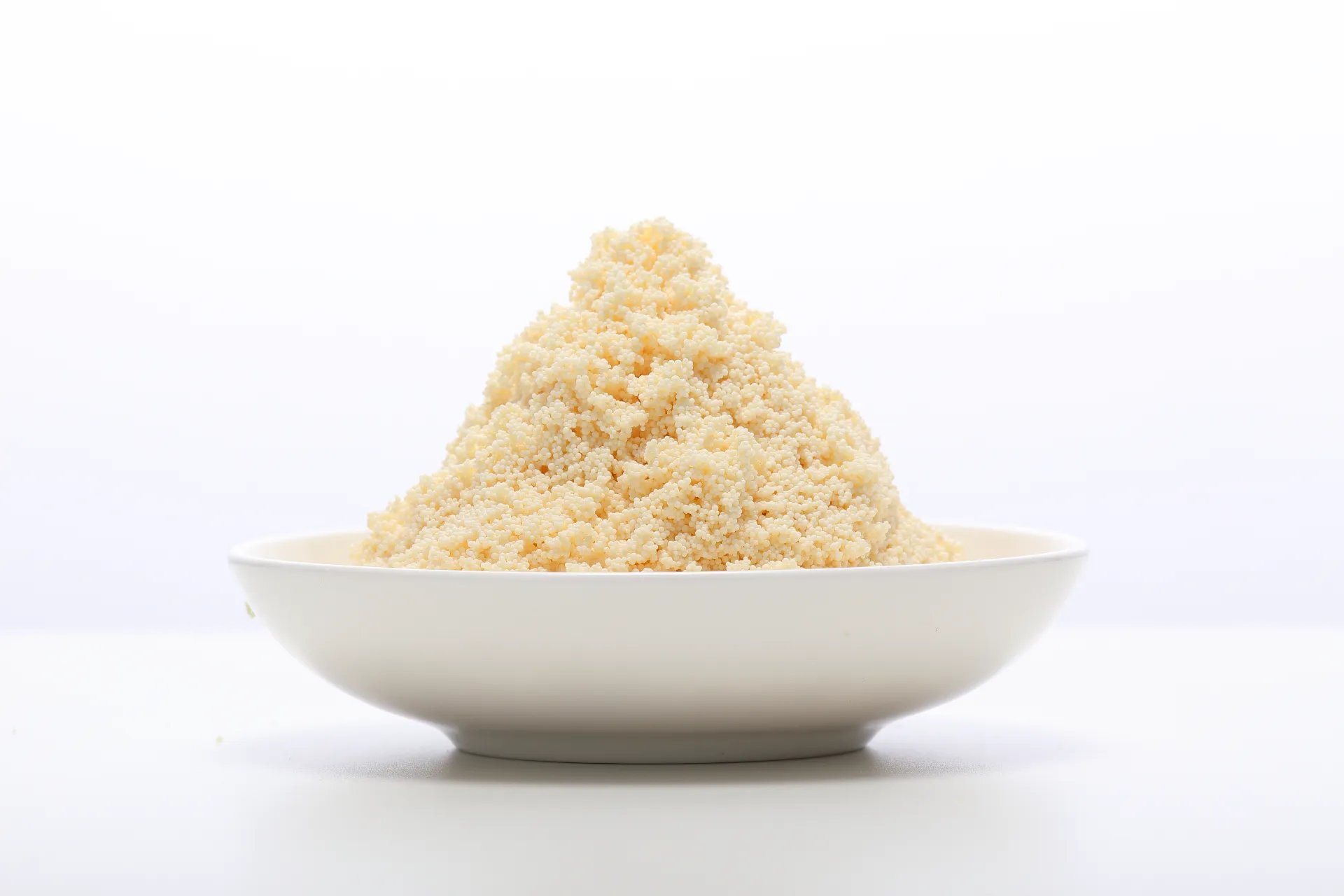
Having spent a fair bit of time around industrial water softening equipment, I can say this: the C 100 E NA softener resin often flies under the radar – but frankly, it’s one of those reliable components that keep a lot of plants running smoothly. This ion exchange resin, specifically designed for softening applications, combines durability and efficiency in a way that’s pretty hard to beat. Whether you’re working on municipal water systems or heavy-duty industrial setups, it pays to know your resin well.
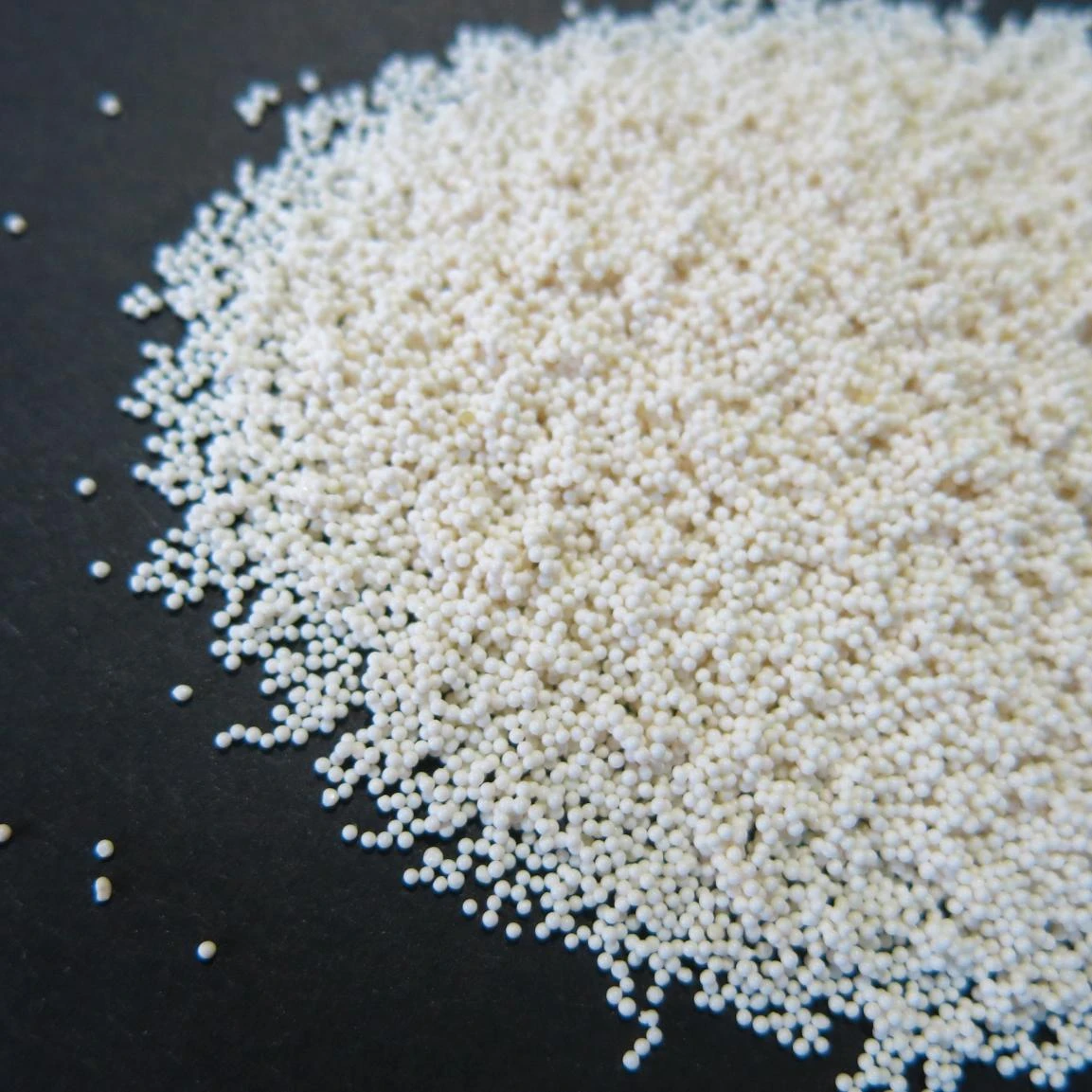
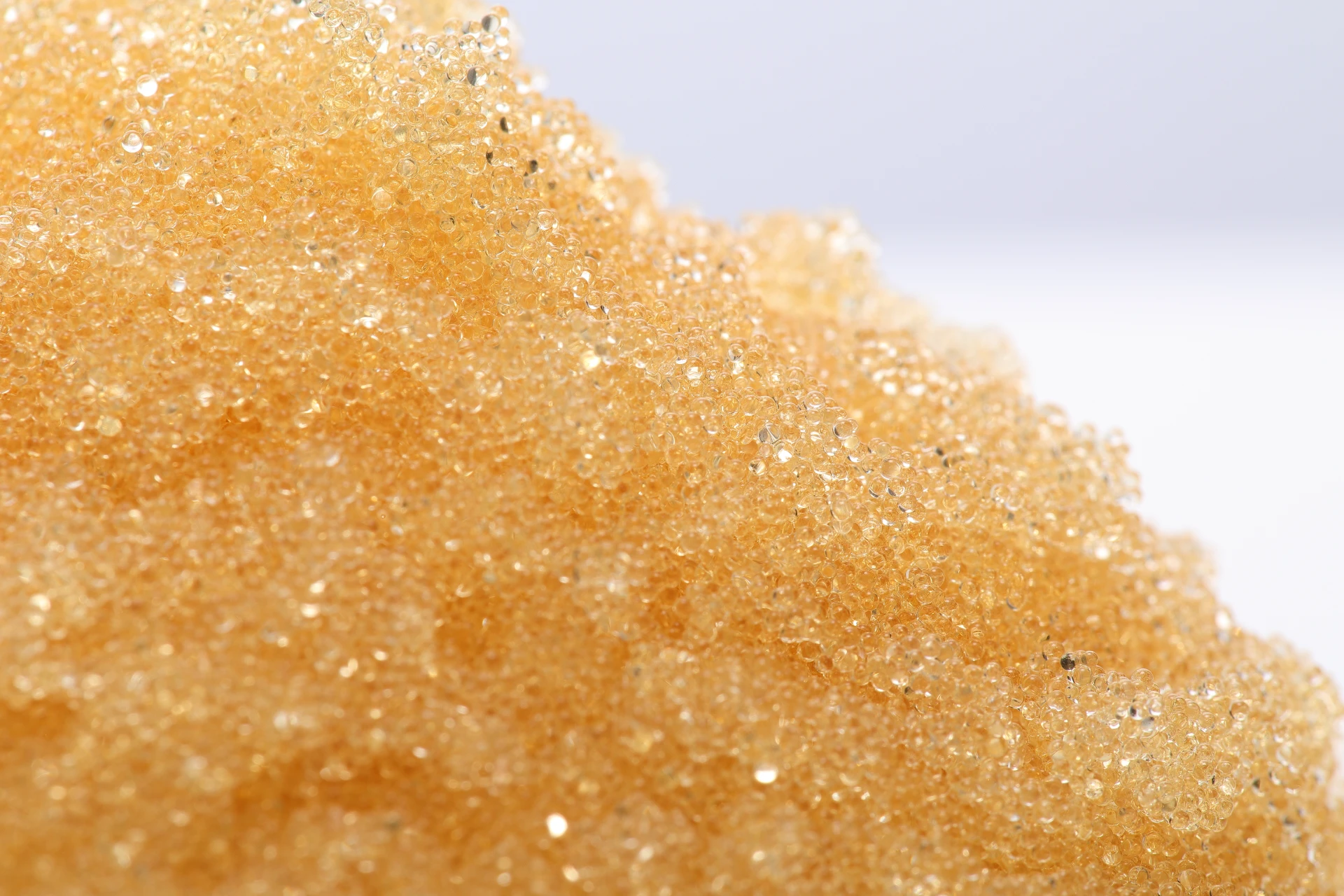
To start with, the “C 100 E NA” stands out because it’s a strong acid cation resin, primarily used for removing hardness minerals like calcium and magnesium from water. Oddly enough, although all softening resins aim to do the same basic job, the variations in bead size, exchange capacity, swelling characteristics, and operating temperature range can make a huge difference in how well they perform in different contexts.
One thing I've noticed over the years is how this resin manages to strike a balance between robust mechanical strength and high capacity. This isn’t just marketing speak — in real terms, it means less resin degradation, longer service life, and more reliable softening cycles. Plus, the “NA” designation here usually stands for the sodium form, which is common for softening since it helps exchange calcium and magnesium ions effectively.
| Parameter | Specification |
|---|---|
| Type | Strong acid cation, sodium form |
| Bead size | 0.4 – 1.2 mm |
| Exchange Capacity | ≥ 1.9 eq/L |
| Moisture Content | 45 – 52% |
| Max Operating Temp | 120°C (248°F) |
| Swelling in Na+ form | About 15% |
One particularly interesting tidbit is how the product’s physical integrity is tested. Over the years, I’ve been involved in inspecting resins post-shipment and after prolonged use. The C 100 E NA holds up better than many others in terms of bead fragmentation and fouling resistance. This isn’t just about longevity; it’s about keeping downstream equipment from clogging or malfunctioning. Many engineers I talk to swear by the resin’s consistent performance even under fluctuating feedwater quality.
| Vendor | Price per kg | Delivery Time | Quality Certifications | Custom Packaging |
|---|---|---|---|---|
| Liji Resin | $15.50 | 7–10 days | ISO 9001, REACH | Yes |
| Vendor B | $17.00 | 5–8 days | ISO 9001 | No |
| Vendor C | $14.80 | 10–14 days | ISO 14001 | Limited |
Choosing the right supplier for the C 100 E NA softener resin comes down to more than price—though, honestly, that’s always on everyone’s mind. I recall one of my clients encountered inconsistent batches from a cheaper supplier, which led to premature resin fouling and a system shutdown. Not fun. So, quality certifications like ISO 9001 and REACH compliance provide a layer of reassurance. Also, the ability to customize packaging to prevent moisture ingress during transit—and the vendor’s responsiveness—matter more than you might think.
At the end of the day, softener resins like the C 100 E NA softener resin are relatively straightforward products, but they are absolutely critical. I suppose we sometimes take them for granted because they silently do their job, but if they’re off, it can ripple through your entire water system. So picking a resin that you can trust, backed by a reliable vendor, means fewer headaches downstream.
In my experience, investing a little extra effort into understanding the product details and supplier capabilities pays off more than you expect. Especially if you deal with hard water on a large scale or run plants where uptime and water quality standards are non-negotiable.
Oh, and just as a quick aside—many professionals I met at industry conferences told me they particularly appreciate the resin’s reasonable swelling characteristics. Too much swelling can damage resin beds and cause channeling in the vessels, which compromises performance. So it’s these small specs that add up to big operational gains.
So, if you’re exploring softener resins, I’d say keep the C 100 E NA softener resin on your short list — it really does embody a solid blend of performance, longevity, and value in the world of industrial water treatment.
References: