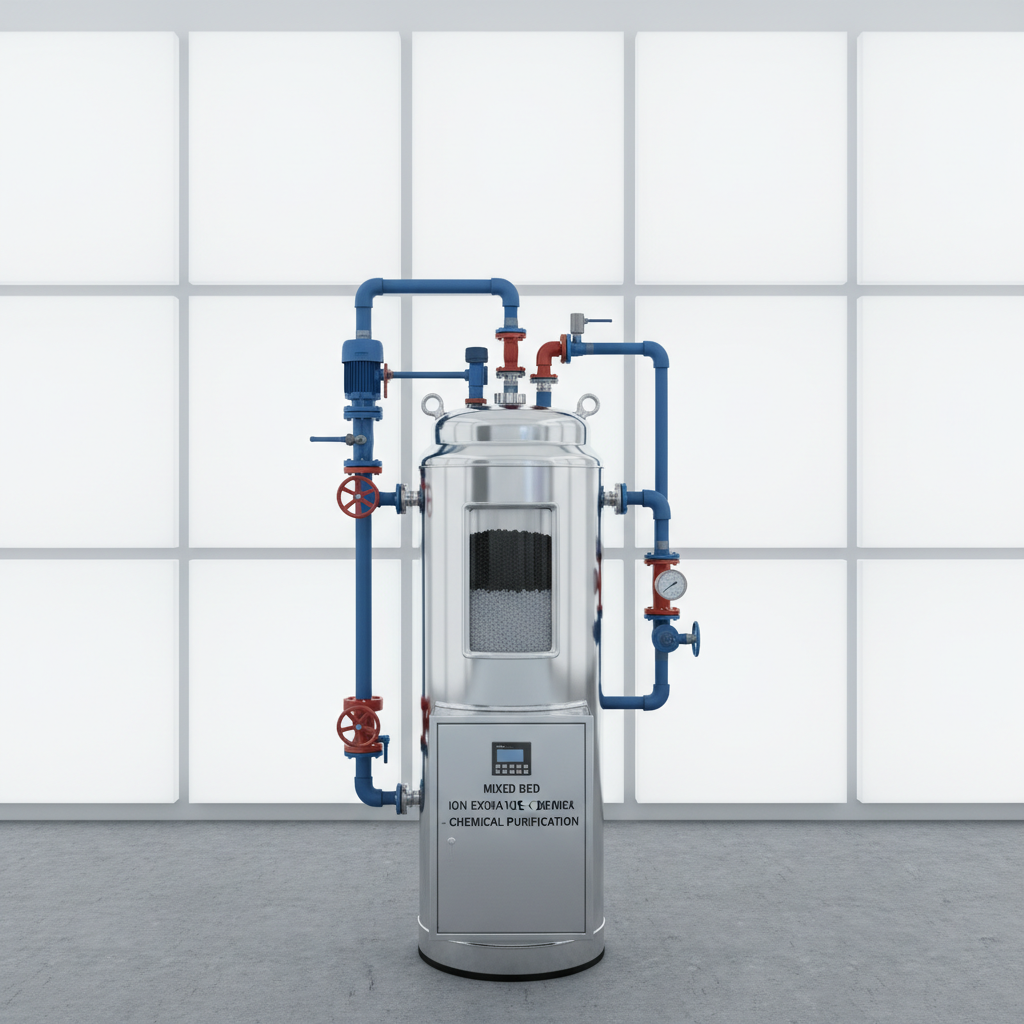
Deionization resin mixed bed systems are critical components in numerous industrial and scientific processes requiring highly purified water. Globally, the demand for ultrapure water is steadily increasing, driven by advancements in pharmaceuticals, microelectronics, power generation, and food & beverage industries. This demand necessitates efficient and reliable deionization technologies, with mixed bed resins consistently proving to be a cornerstone solution. Understanding the intricacies of these systems, from their core components to their operational parameters, is vital for optimizing performance and ensuring consistent water quality.
The relevance of deionization resin mixed bed extends beyond purely industrial applications. Access to purified water is fundamental for public health, particularly in areas lacking robust water treatment infrastructure. Moreover, sustainable water management practices, increasingly emphasized by international bodies like the UN and the World Bank, often rely on efficient purification methods like deionization. The ISO standards for water quality frequently reference deionization as a key method for achieving stringent purity levels.
The growing need for ultrapure water isn’t just about quantity; it’s about the efficiency and sustainability of purification processes. Traditional methods can be energy-intensive or generate significant waste streams. Deionization resin mixed bed systems, when optimized, offer a comparatively energy-efficient and environmentally responsible solution, contributing to both economic viability and environmental stewardship.
Introduction to deionization resin mixed bed
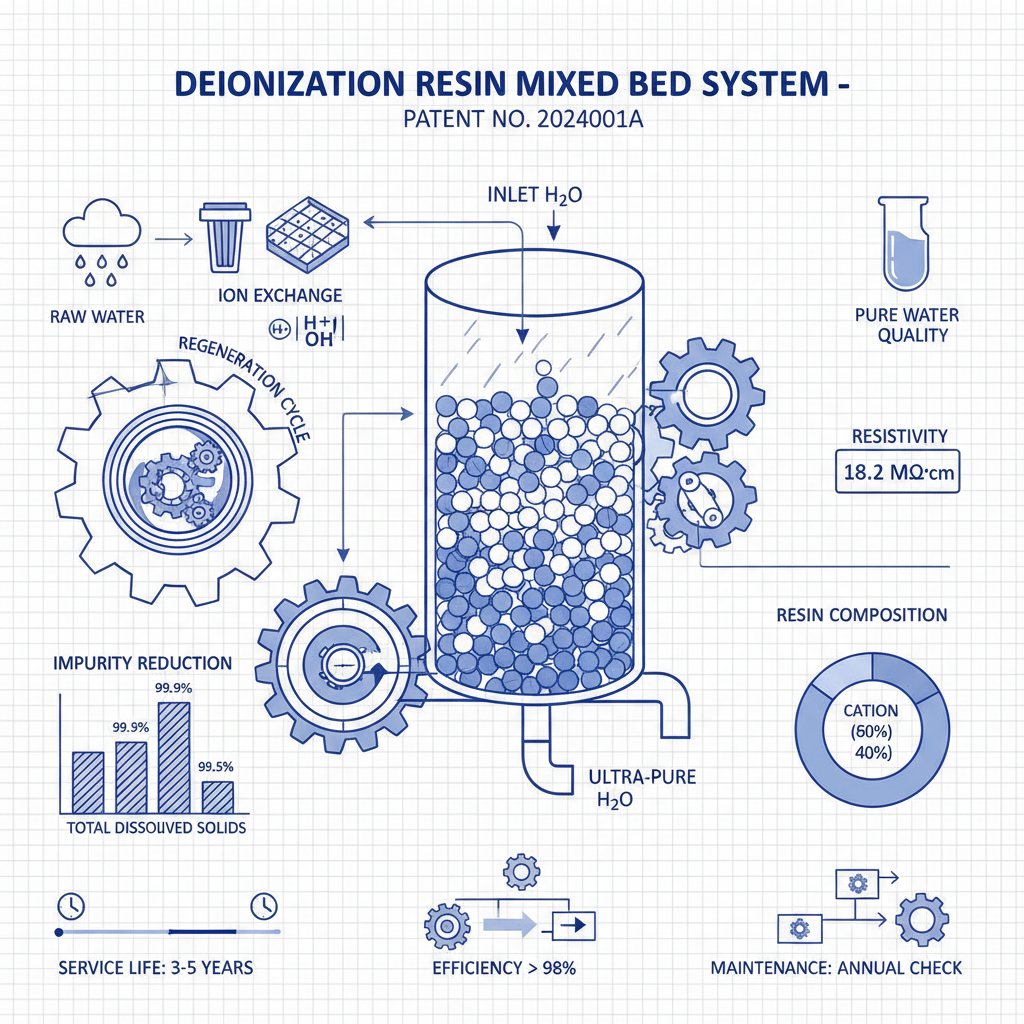
Deionization resin mixed bed systems represent a sophisticated approach to water purification, consistently delivering water with extremely low conductivity. These systems achieve this by utilizing a blend of both cation and anion exchange resins within a single vessel, maximizing ion removal efficiency. The configuration ensures that nearly all ionic contaminants are effectively eliminated, making them indispensable in industries demanding the highest purity standards.
The effectiveness of a deionization resin mixed bed lies in its ability to sequentially remove positively and negatively charged ions. This is crucial, as even trace amounts of ions can compromise the integrity of sensitive processes or products. The simultaneous presence of both resin types within the bed minimizes the likelihood of preferential ion saturation, further enhancing purification capability.
Defining deionization resin mixed bed
A deionization resin mixed bed is a filtration system utilizing a combination of cation exchange and anion exchange resins to remove ionic impurities from water. Cation exchange resins remove positively charged ions (cations) like sodium, calcium, and magnesium, while anion exchange resins remove negatively charged ions (anions) such as chloride, sulfate, and nitrate. The “mixed bed” aspect refers to the intimate blending of these two resin types within the same vessel.
This system differs from traditional two-bed deionization, where cation and anion resins are housed in separate columns. The mixed bed configuration promotes continuous ion exchange, resulting in exceptionally high purity water, typically achieving resistivity levels exceeding 18 megaohms-cm. This makes it critical for applications where even trace amounts of ionic contamination are unacceptable.
The connection to modern industry is profound. From the production of semiconductors to the manufacture of pharmaceuticals and the reliable operation of power plants, high-purity water produced by deionization resin mixed bed systems is an essential ingredient. Furthermore, its role extends to humanitarian needs, offering a means to provide safe drinking water in regions with limited access to clean water sources.
Core Components of Mixed Bed Systems
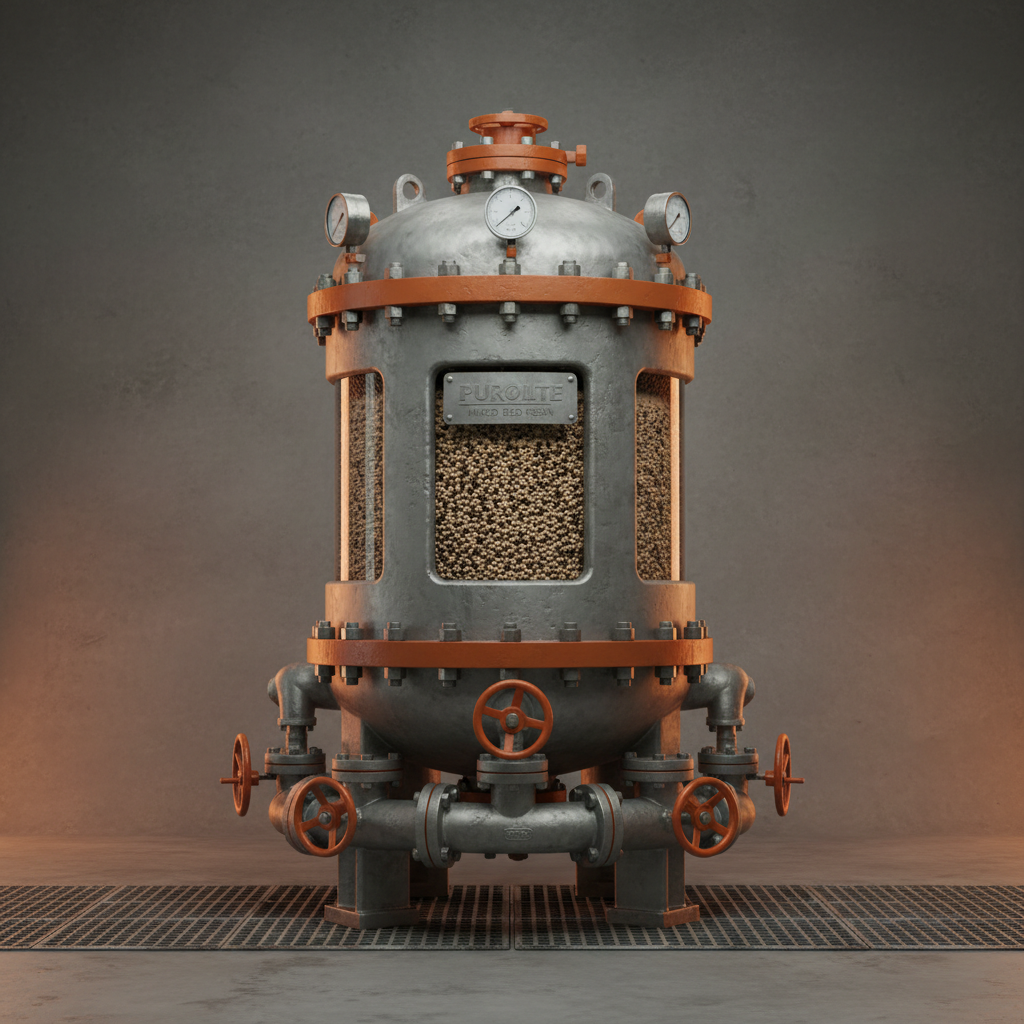
The primary components of a deionization resin mixed bed system include the resin itself (both strong acid cation, weak acid cation, strong base anion, and weak base anion varieties), the pressure vessel housing the resins, and a control valve system for regeneration. The resins are typically manufactured from polystyrene matrix beads, functionalized with specific ion exchange groups. The selection of resin type depends on the specific water chemistry and desired purity level.
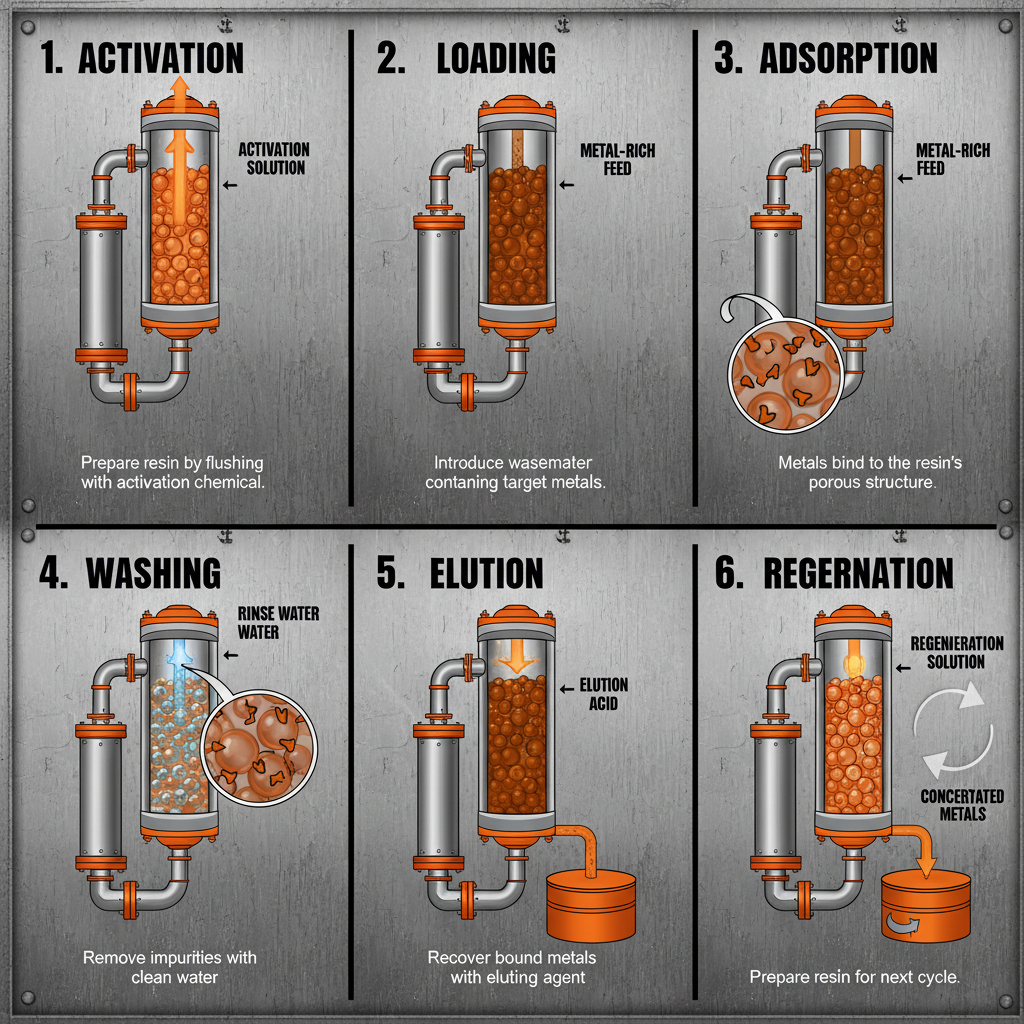
The control valve manages the crucial regeneration process, where the resins are periodically renewed by flushing them with acid and caustic solutions. This reverses the ion exchange process, replenishing the resin's capacity to remove impurities. Effective regeneration is paramount to maintaining consistent water quality and extending the lifespan of the resins. Precise control of flow rates, contact times, and chemical concentrations is essential during regeneration.
Additional components often include pre-filters to remove particulate matter, conductivity sensors to monitor water quality, and transfer pumps to facilitate water flow through the system. The integrated design of these components is vital for a fully automated and reliable deionization process.
Factors Influencing Resin Performance
Several factors directly impact the performance and longevity of deionization resin mixed bed systems. Water temperature plays a critical role; higher temperatures generally enhance ion exchange kinetics, but can also accelerate resin degradation. The presence of oxidizing agents, such as chlorine, can irreversibly damage the resin matrix, reducing its capacity and effectiveness.
Feedwater quality is equally important. High levels of organic contaminants can foul the resin, blocking active exchange sites and reducing performance. Pre-treatment, such as activated carbon filtration, is often necessary to remove organic matter and protect the resins. Also, the flow rate through the bed must be optimized; too slow, and channeling can occur, leading to incomplete purification; too fast, and the resin's capacity is not fully utilized.
deionization resin mixed bed Performance Metrics
Global Applications and Industry Impact
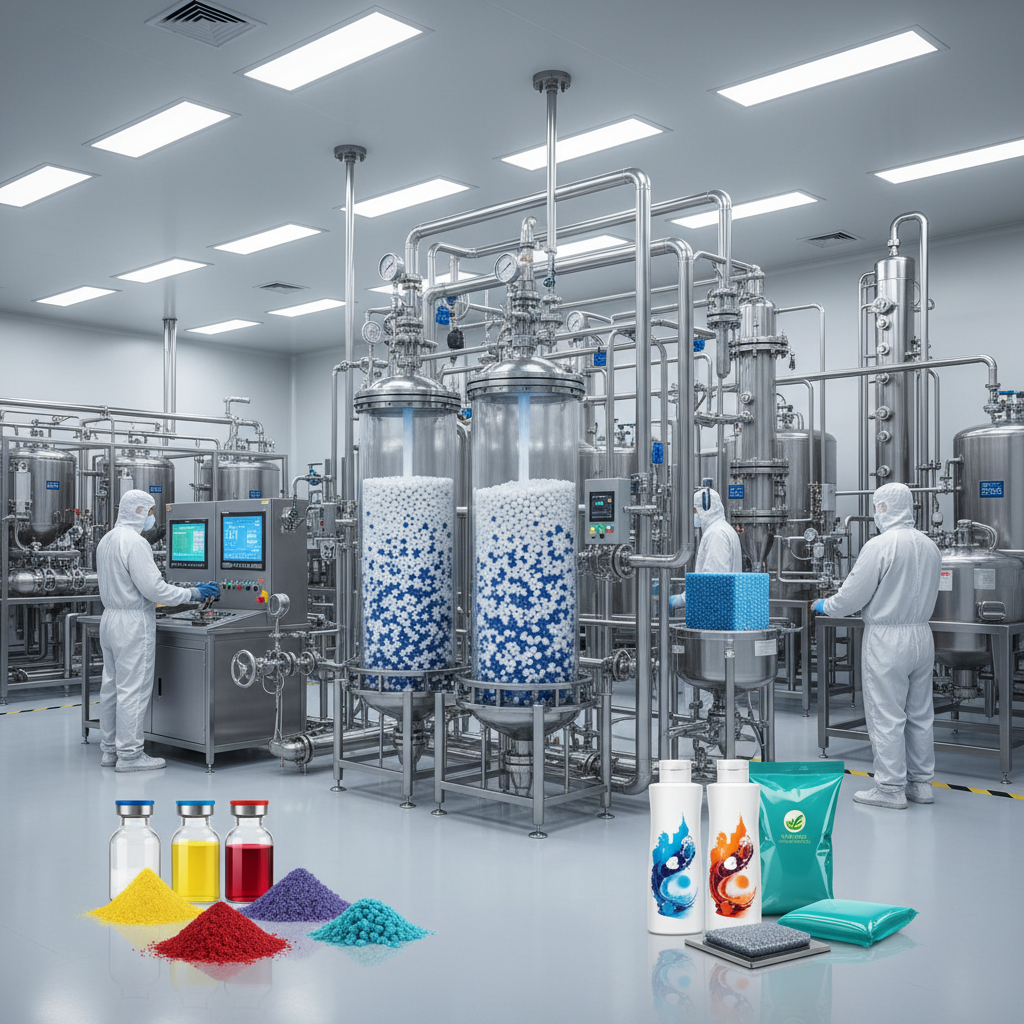
The applications of deionization resin mixed bed are diverse and span across numerous industries. In the pharmaceutical sector, it’s critical for producing Water for Injection (WFI), adhering to stringent USP and EP standards. The semiconductor industry relies on ultra-pure water for wafer cleaning and etching processes, demanding extremely low levels of ionic and particulate contamination.
Power generation plants utilize deionized water in boiler feed systems to prevent scale formation and corrosion, enhancing efficiency and extending equipment lifespan. In the food and beverage industry, it's essential for producing high-quality products, ensuring consistent taste and purity. Furthermore, in post-disaster relief operations, portable deionization resin mixed bed systems can provide a vital source of safe drinking water. In remote industrial zones, where access to municipal water treatment is limited, these systems offer a self-contained purification solution.
Advantages and Long-Term Value
The advantages of employing deionization resin mixed bed systems are multifaceted. Cost-effectiveness is significant; while initial investment may be higher than some alternatives, the long-term operational costs, especially regarding chemical usage and waste disposal, are often lower. Sustainability is another key benefit; optimized systems minimize water waste and reduce reliance on energy-intensive purification processes.
Beyond the tangible economic and environmental benefits, there's a significant social impact. Access to purified water improves public health, reduces the risk of waterborne diseases, and enhances quality of life. Reliability is paramount; properly maintained systems deliver consistent water quality, ensuring the integrity of critical processes and products. This, in turn, fosters trust and innovation within the industries they serve.
Future Trends and Innovations
The future of deionization resin mixed bed technology is focused on enhancing efficiency, sustainability, and automation. Research is ongoing to develop new resin materials with higher capacity, improved selectivity, and increased resistance to fouling. Integration with advanced monitoring and control systems, leveraging digital transformation and IoT technologies, is becoming increasingly prevalent.
Furthermore, there's growing interest in hybrid systems that combine deionization with other purification technologies, such as reverse osmosis or UV sterilization, to achieve even higher purity levels. The development of more environmentally friendly regeneration chemicals and waste treatment methods is also a priority, aligning with global sustainability goals. The trend towards modular and mobile systems will continue, enabling rapid deployment and flexible water purification solutions.
Future Trends and Innovations
The future of deionization resin mixed bed technology is focused on enhancing efficiency, sustainability, and automation. Research is ongoing to develop new resin materials with higher capacity, improved selectivity, and increased resistance to fouling. Integration with advanced monitoring and control systems, leveraging digital transformation and IoT technologies, is becoming increasingly prevalent.
Furthermore, there's growing interest in hybrid systems that combine deionization with other purification technologies, such as reverse osmosis or UV sterilization, to achieve even higher purity levels. The development of more environmentally friendly regeneration chemicals and waste treatment methods is also a priority, aligning with global sustainability goals. The trend towards modular and mobile systems will continue, enabling rapid deployment and flexible water purification solutions.
Summarize the core aspects of future trends and innovations
| Innovation Area |
Current Status |
Projected Impact (1-10) |
Implementation Timeline |
| Resin Material Science |
Development of high-capacity, fouling-resistant resins |
8 |
3-5 years |
| IoT Integration |
Remote monitoring and predictive maintenance systems |
9 |
1-3 years |
| Hybrid Purification Systems |
Combining deionization with RO or UV for enhanced purity |
7 |
5-7 years |
| Eco-Friendly Regeneration |
Developing sustainable regeneration chemicals |
6 |
7-10 years |
| Modular System Design |
Portable and scalable deionization units |
8 |
Currently Available |
| Automated Resin Cleaning |
Automated backwashing and chemical cleaning cycles |
7 |
3-5 years |
FAQS
The lifespan of deionization resin in a mixed bed system varies significantly depending on feedwater quality, operating conditions, and the frequency of regeneration. Generally, high-quality resins can last between 5 to 10 years with proper maintenance. Factors like high levels of organic contaminants, iron, or oxidizing agents can shorten the lifespan considerably. Regular resin analysis is recommended to monitor capacity decline and determine when replacement is necessary.
The regeneration frequency depends on the water usage and the level of contamination in the feed water. Monitoring the effluent conductivity is the best indicator. Regeneration is typically required when the conductivity rises above the desired purity level. As a general guideline, systems experiencing high usage may require daily regeneration, while those with lower demand might only need it weekly or monthly. Automated systems can be programmed to regenerate based on time or conductivity readings.
Common issues include resin fouling due to organic matter or iron, channeling within the resin bed leading to incomplete purification, and improper regeneration procedures. Resin degradation from chlorine or other oxidizing agents is also frequent. Leakage or failure of control valves can disrupt the regeneration process. Regular maintenance, pre-filtration, and careful monitoring of operating parameters are crucial for preventing these problems.
While it’s technically possible to regenerate deionization resin, it’s highly recommended to engage professional service providers. Regeneration involves handling corrosive chemicals like hydrochloric acid and sodium hydroxide, requiring specialized safety equipment and expertise. Improper regeneration can damage the resin, void warranties, and potentially create hazardous conditions. Professionals ensure proper chemical concentrations, contact times, and waste disposal.
Strong base anion resins have a high capacity for removing all anions, while weak base resins are more selective, primarily removing strong acids. In a mixed bed, combining both types offers the benefits of both. The strong base resin ensures complete removal of all anionic contaminants, while the weak base resin provides polishing and improves the system’s capacity for strong acids, resulting in exceptionally pure water.
Feedwater pre-treatment is essential for maximizing the performance and lifespan of a mixed bed deionizer. Removing particulate matter, organic contaminants, and chlorine through pre-filtration, activated carbon filtration, and chloramine removal significantly reduces resin fouling and degradation. Proper pre-treatment minimizes the frequency of regeneration, lowers operating costs, and ensures consistent water quality. Without adequate pre-treatment, the resin's capacity will rapidly diminish.
Conclusion
In conclusion, deionization resin mixed bed systems remain a cornerstone technology for achieving ultrapure water across a wide spectrum of industries and applications. Their ability to effectively remove ionic contaminants, coupled with their relatively energy-efficient operation and adaptability, makes them a critical component in numerous processes where water quality is paramount. Understanding the core principles of these systems, from resin selection to regeneration procedures, is crucial for optimizing performance and maximizing long-term value.
Looking ahead, continued innovation in resin materials, automation, and integration with other purification technologies will further enhance the capabilities of deionization resin mixed bed systems. Investing in these advancements is essential for meeting the growing global demand for ultrapure water and promoting sustainable water management practices. To learn more about tailored solutions and our wide range of deionization resins, visit our website at: www.lijiresin.com.