Phone:
+86 0319 2296164


Email:
info@lijiresin.cn
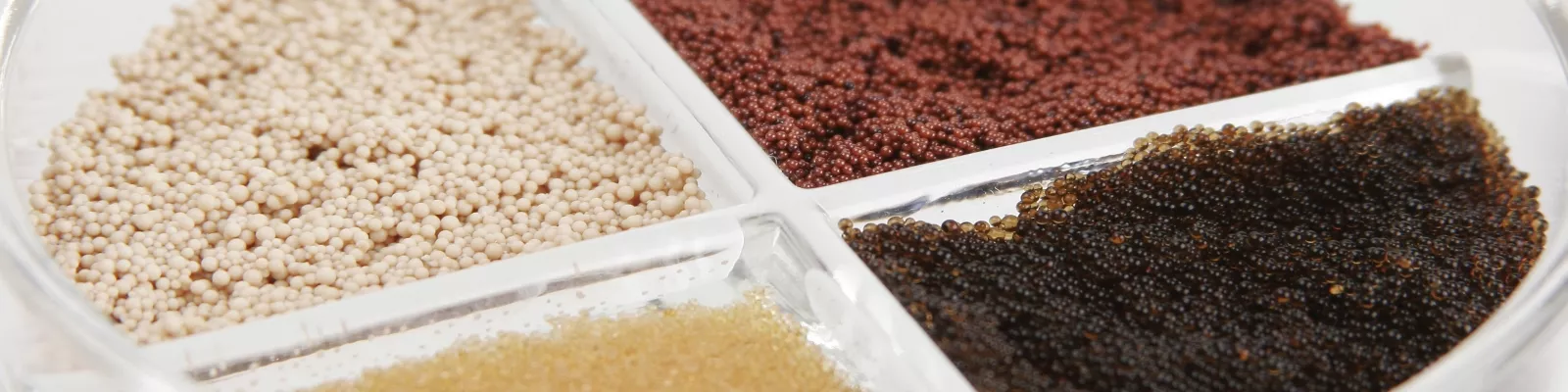
Purolite A300 is a key solution in the industry, specifically within ion exchange and water treatment sectors. This article explores how https://www.lijiresin.com supports professionals with durable, high-performance products, and explains why this product is an ideal choice for businesses in these sectors.
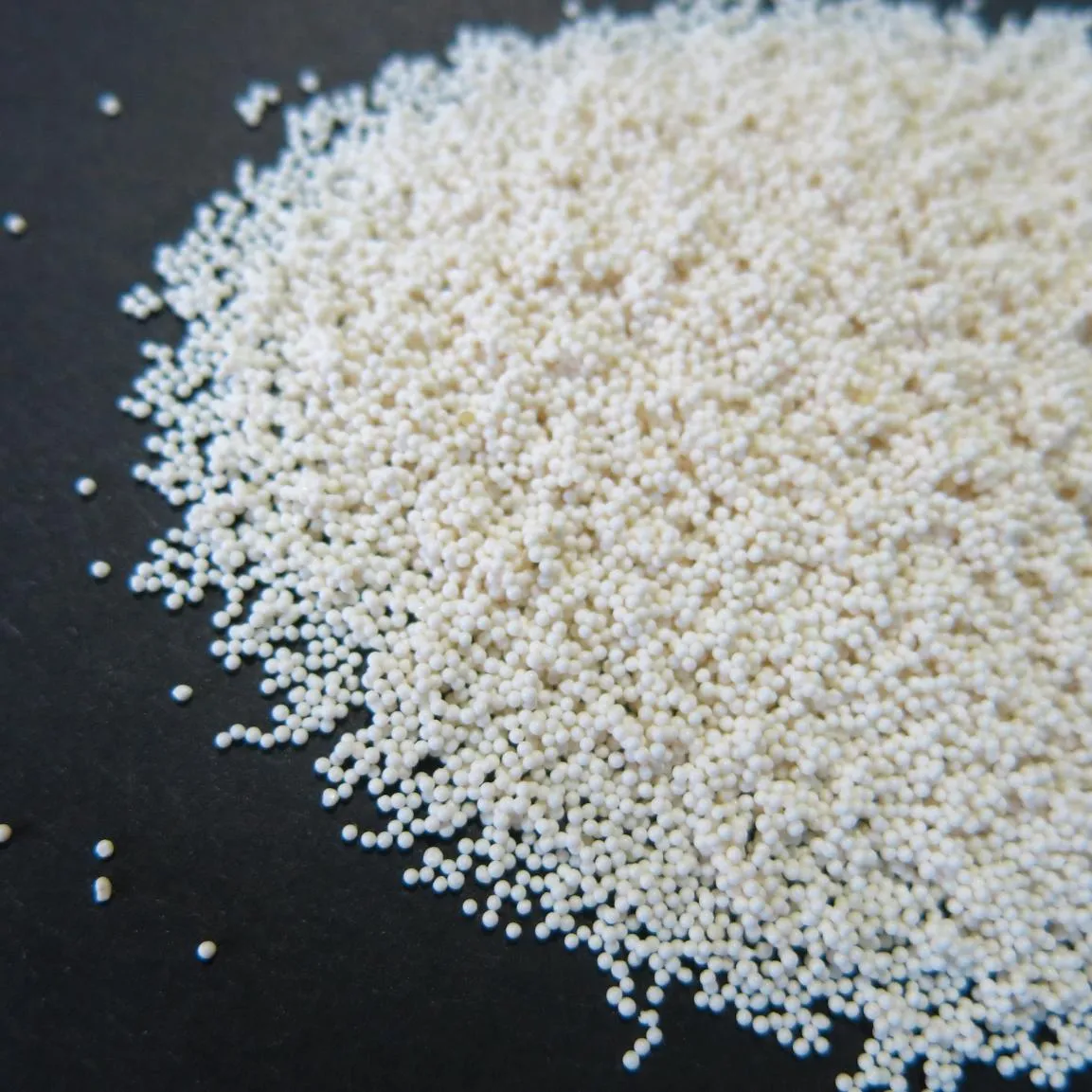
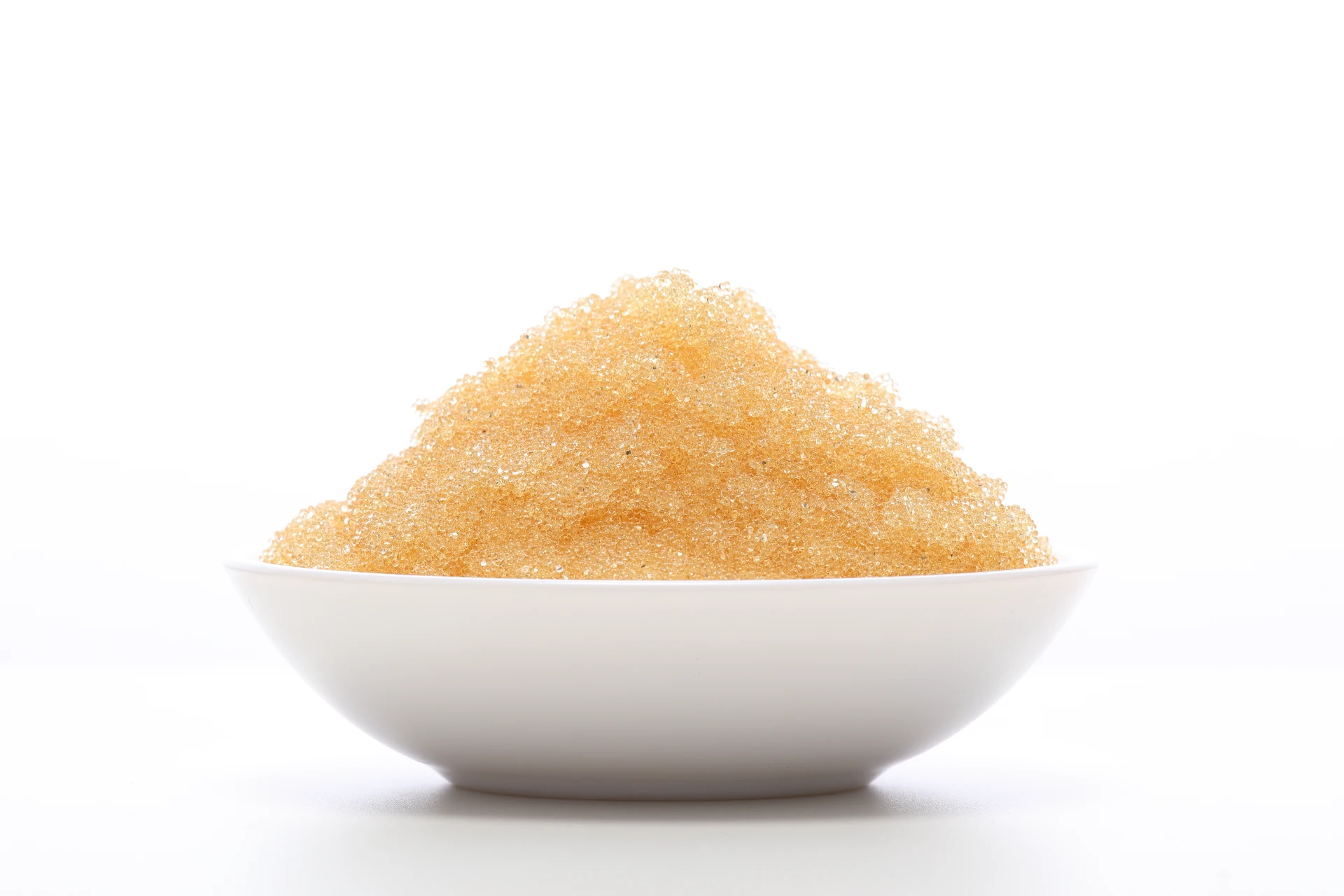
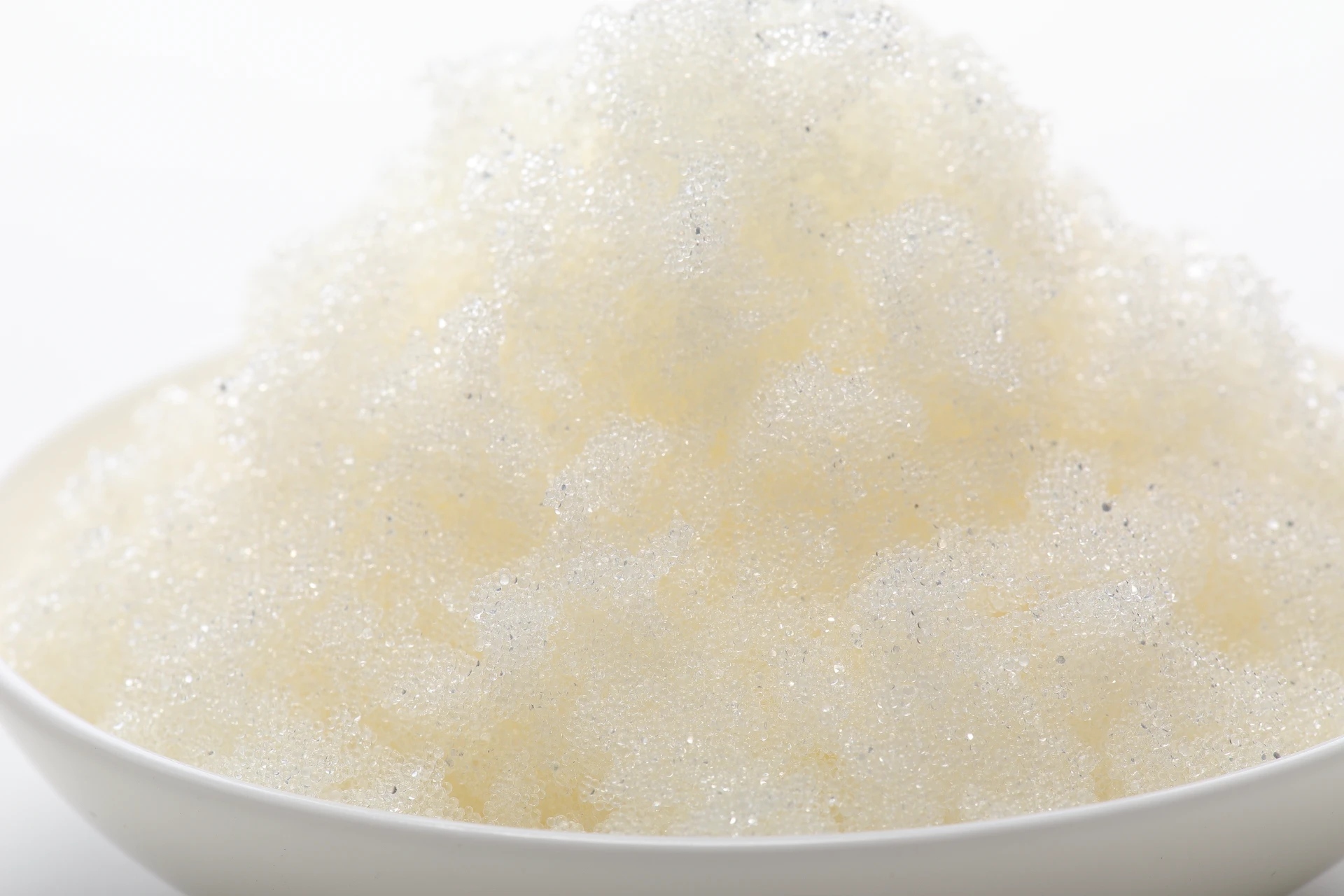
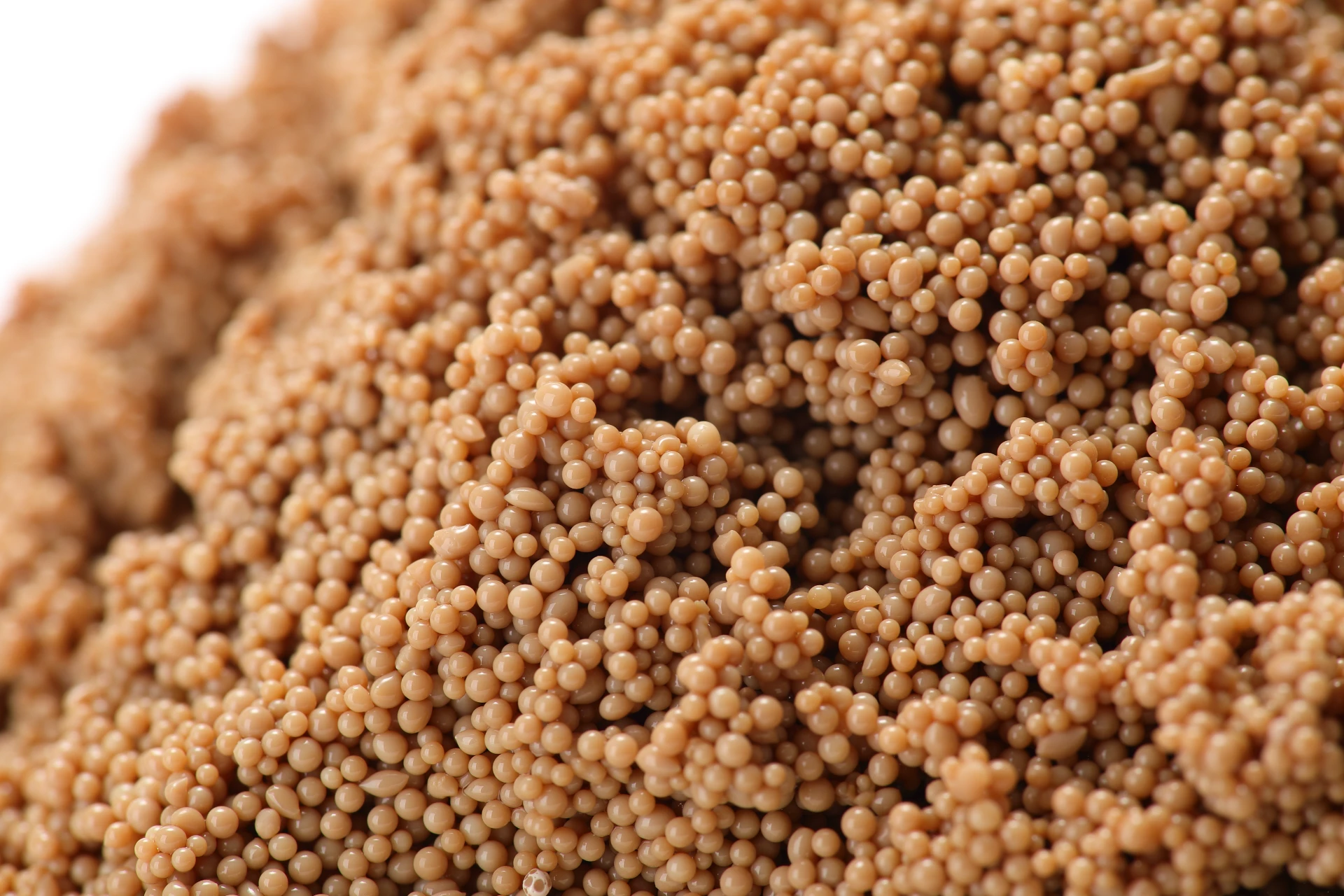
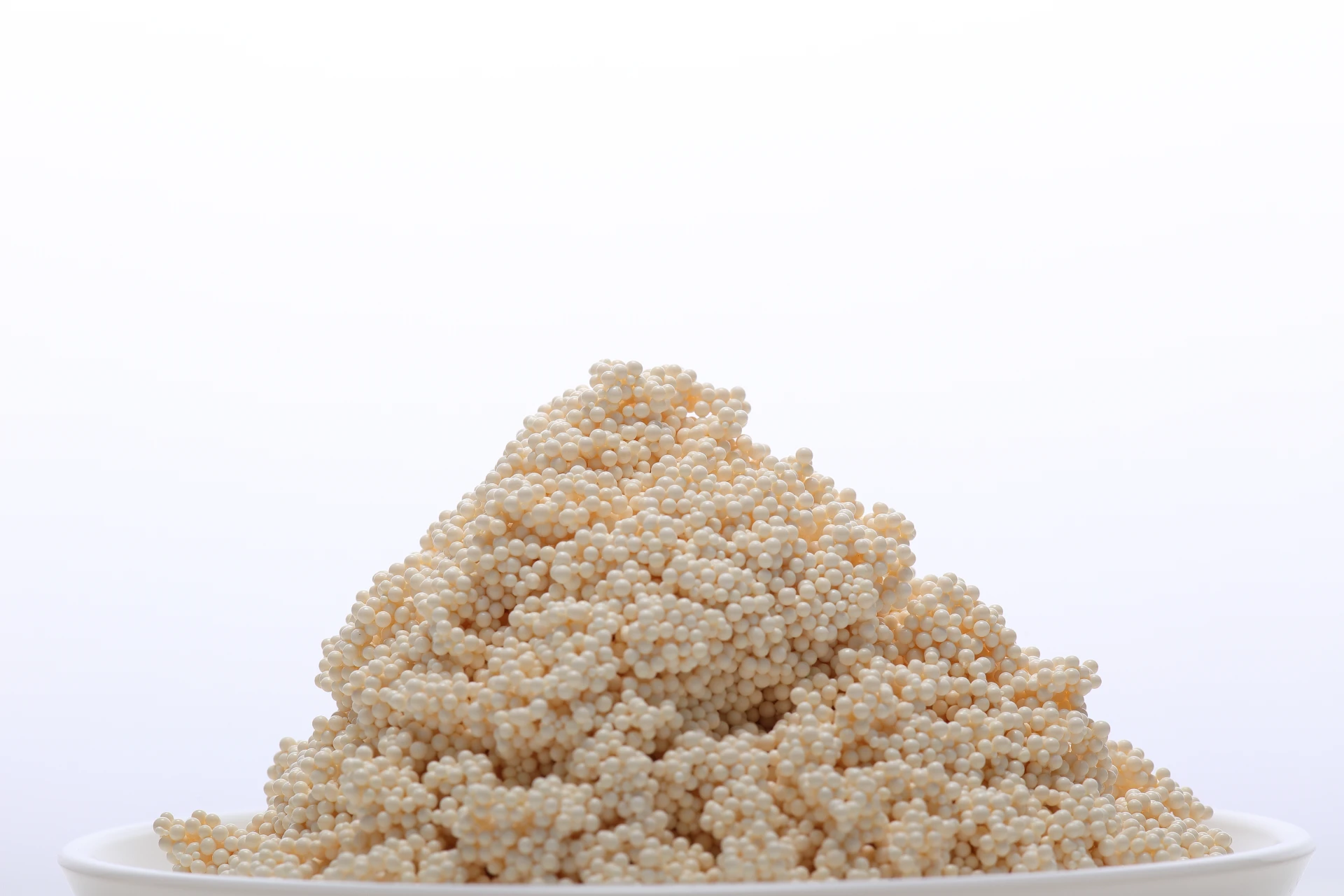
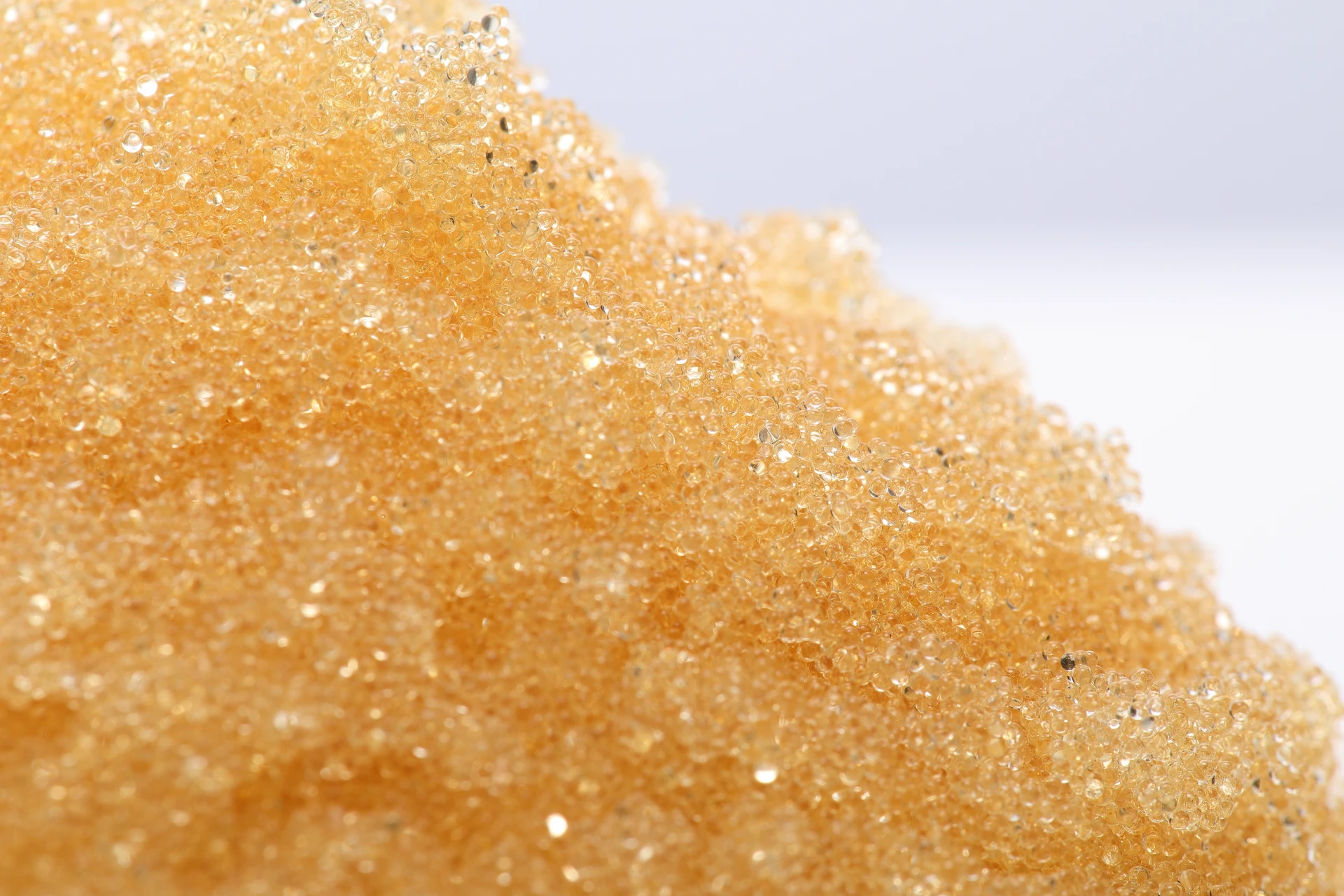
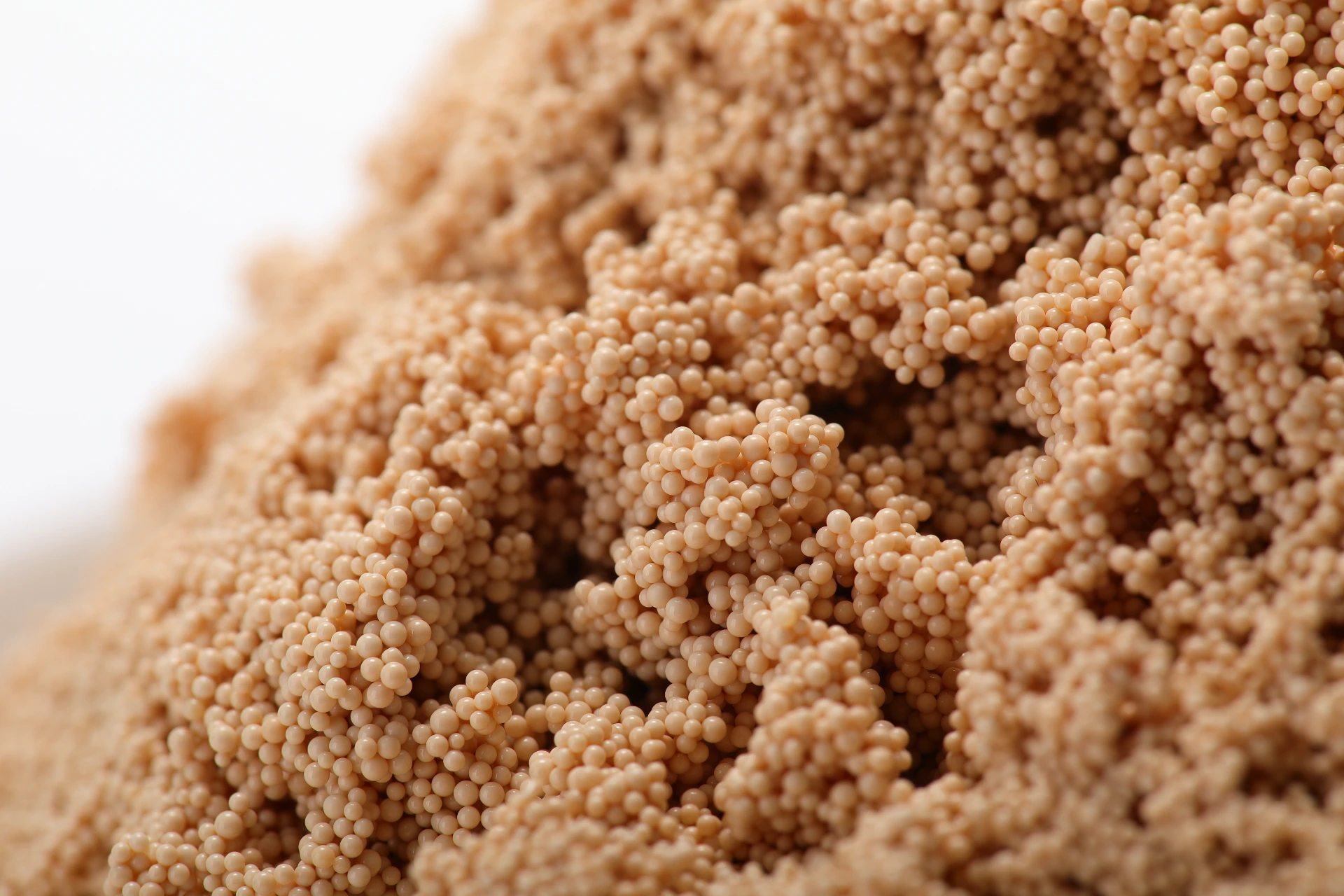
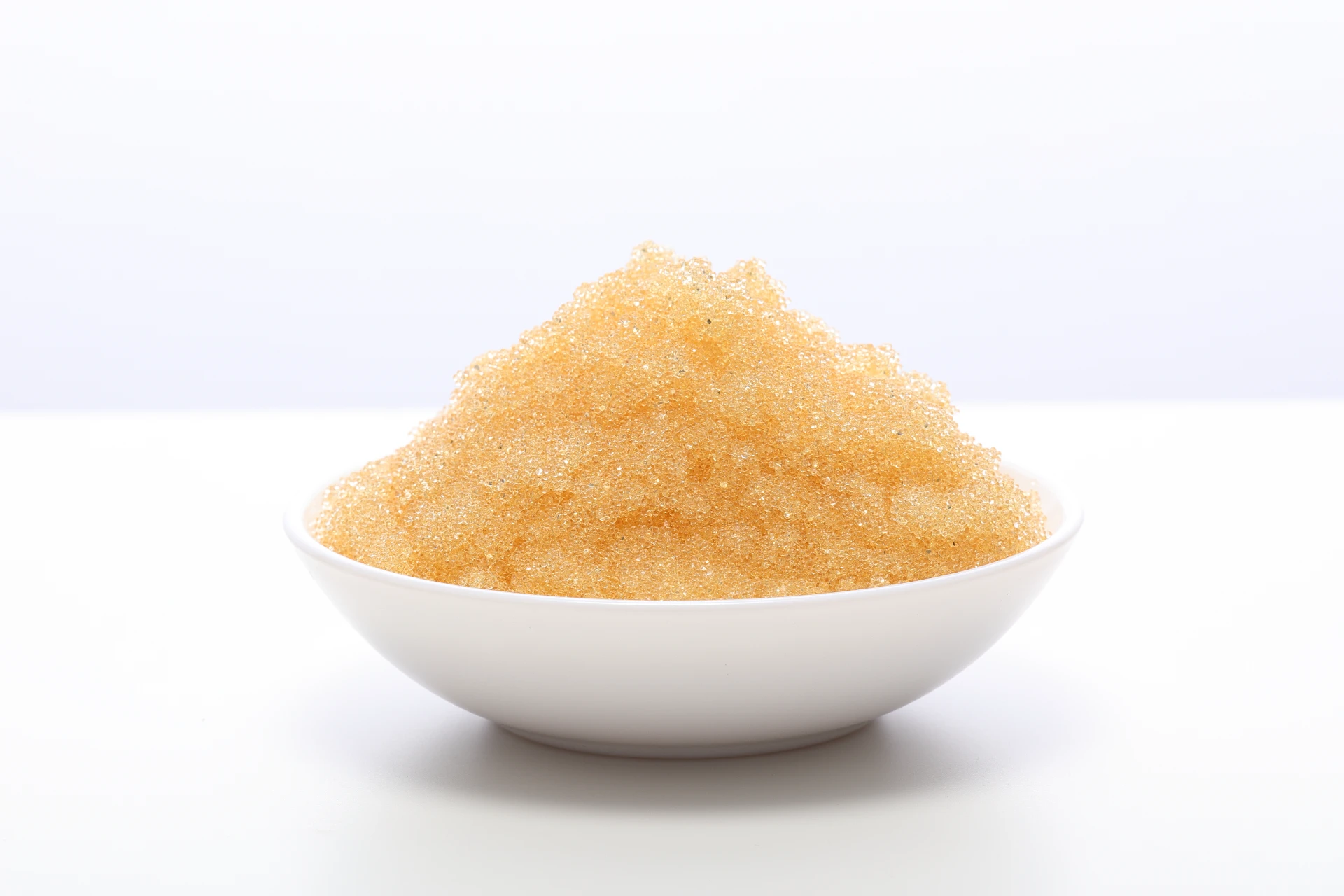
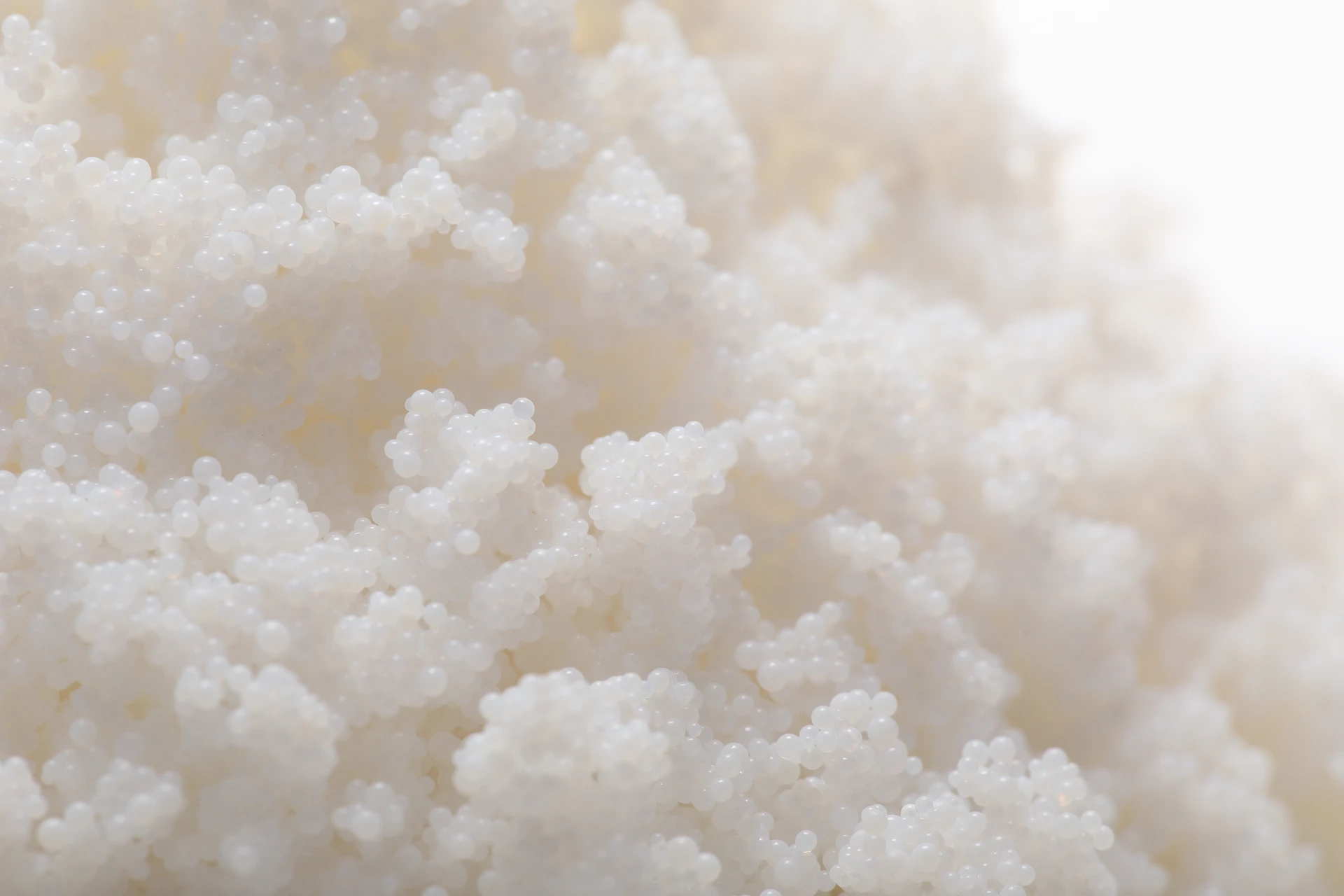
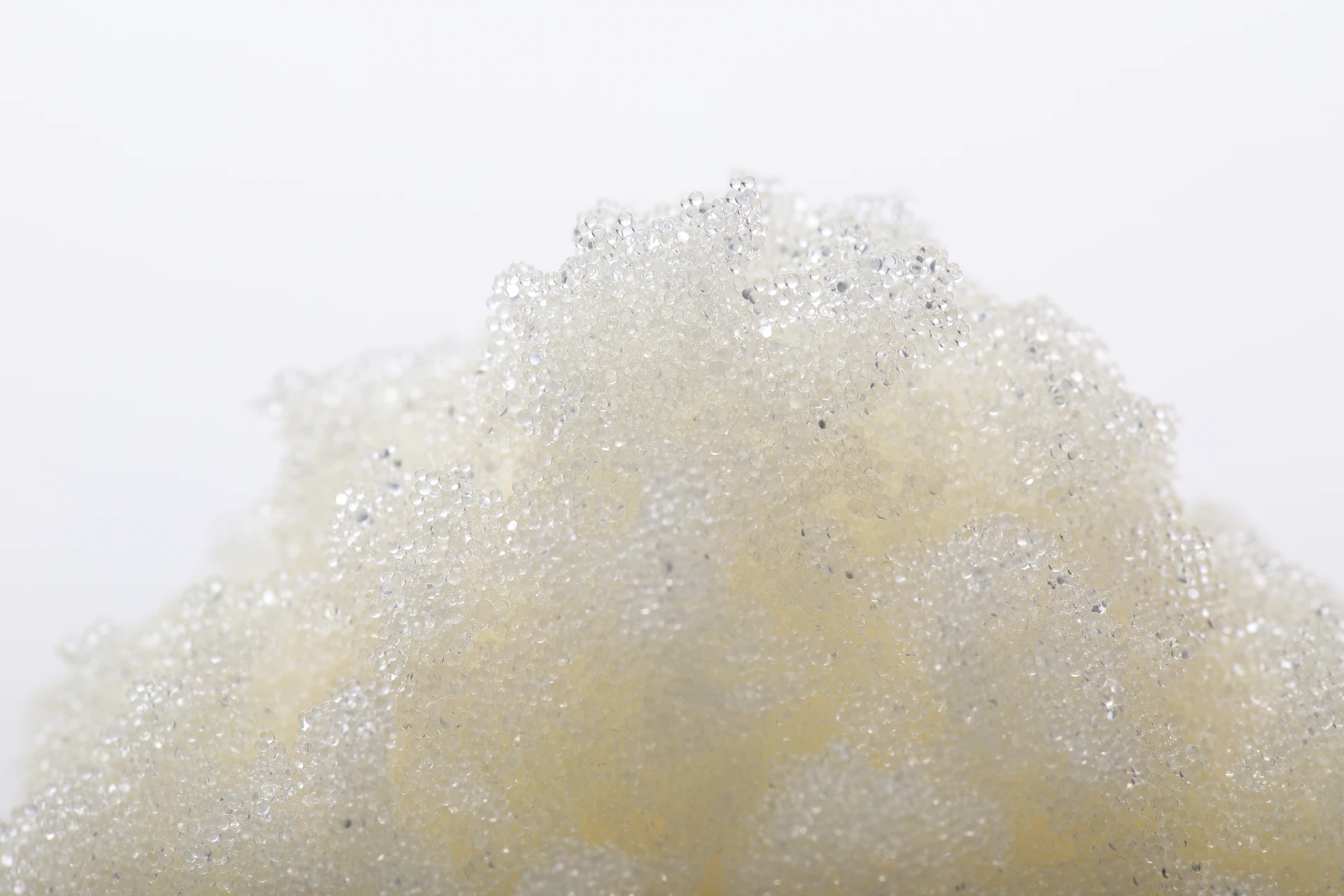
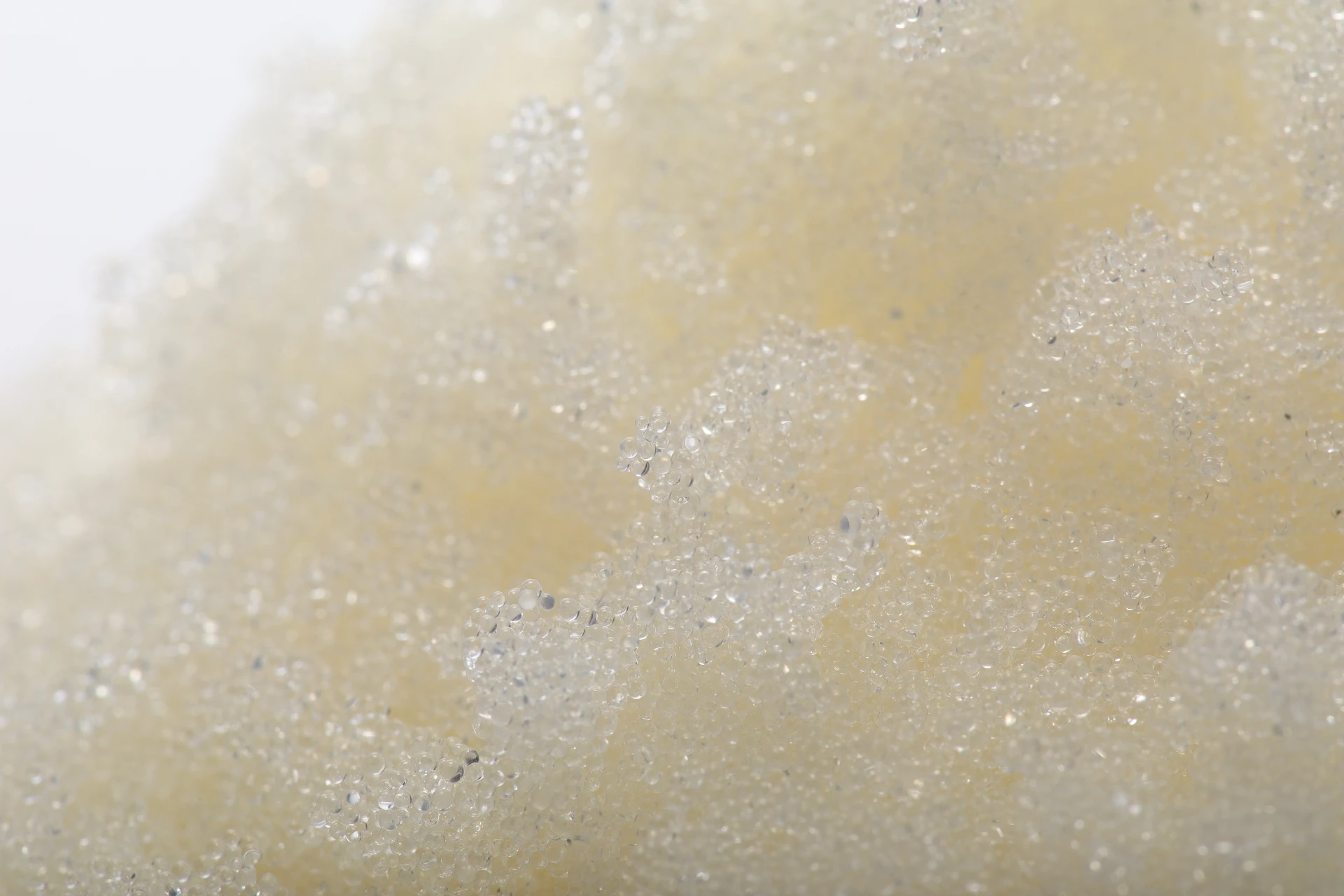
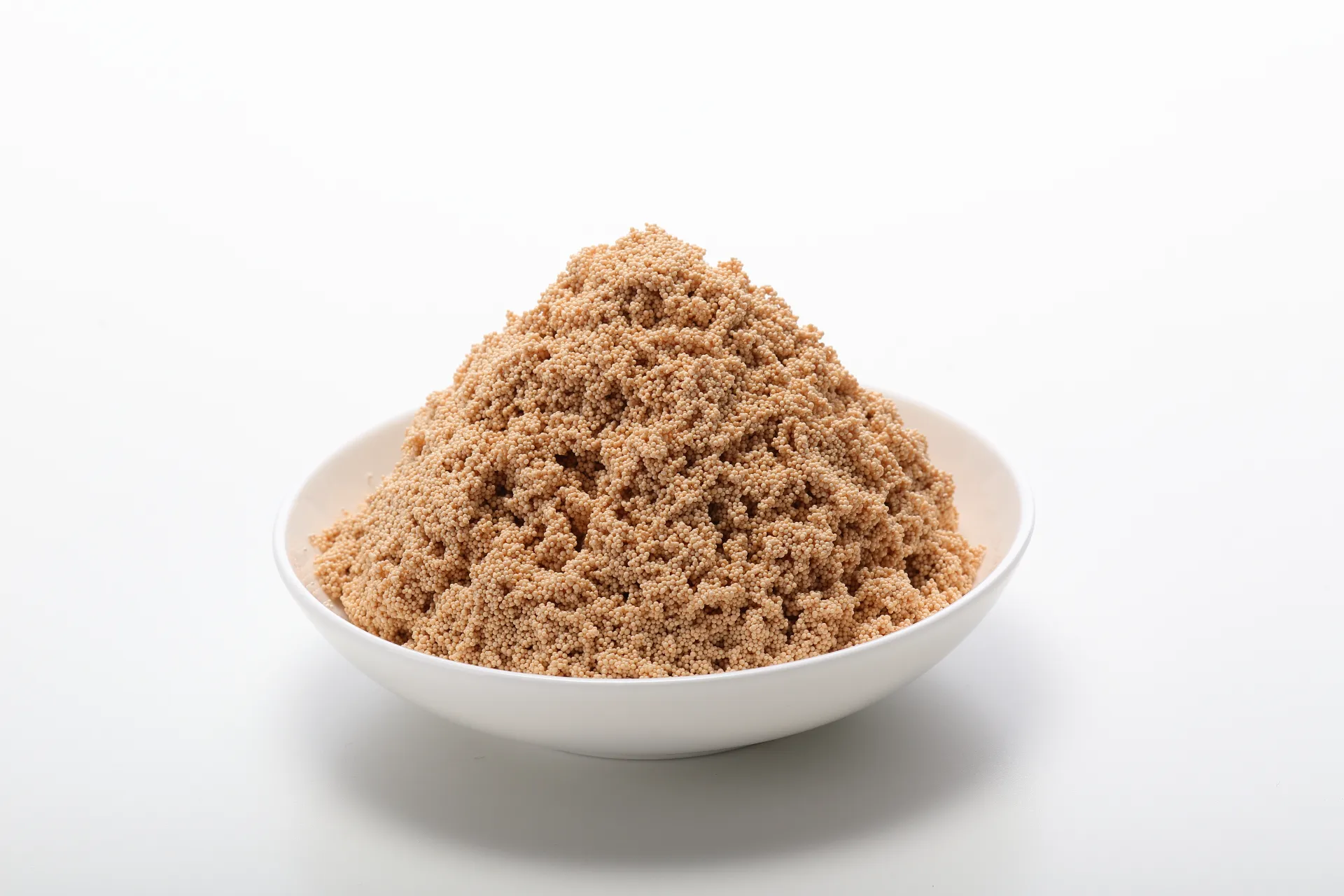
When I first encountered Purolite A300, it struck me how integral this resin is to ion exchange applications, particularly for water purification. Simply put, Purolite A300 is a strong acid cation exchange resin, widely adopted for its robustness and high capacity to remove hardness ions like calcium and magnesium. In real terms, it often forms the backbone of industrial water softening and demineralization setups.
| Specification | Purolite A300 |
|---|---|
| Type | Strong Acid Cation Resin |
| Matrix | Styre divinylbenzene (Macroporous) |
| Functional Group | Sulfonic Acid (-SO3H) |
| Total Capacity | 1.9 eq/L (approx.) |
| Particle Size | 0.3 - 1.2 mm |
| Operating Temperature | Up to 100°C |
If you ever wonder why so many industrial facilities lean on Purolite A300, it’s often because it feels dependable. From power plants cleaning boiler feed water to petrochemical manufacturers needing high-purity water, this resin stands out. Its macroporous structure provides enhanced kinetic properties, meaning faster ion exchange rates—which, frankly, saves valuable cycle time. That’s critical in large-scale setups.
| Vendor | Purolite A300 | Generic Cation Resin | Gel-Type Resin |
|---|---|---|---|
| Chemical Stability | High | Medium | Low to Medium |
| Capacity (eq/L) | 1.9 | 1.5 - 1.8 | 1.6 |
| Regeneration Efficiency | Excellent | Good | Fair |
| Cost | Mid-High | Low-Mid | Low |
Certainly, buying the right resin is not just about sticker price — it’s about total cost of ownership and performance longevity. Purolite A300’s resilience often translates to fewer shutdowns and less frequent resin replacement, saving money over time. Some operators I’ve spoken with mention that the improved regeneration efficiency reduces salt consumption, which is a nice bonus — and honestly, it feels like those small input savings add up quite quickly in big plants.
The ion exchange market is evolving, pushed by tighter environmental regulations and a growing push toward sustainable water treatment technologies. Purolite A300 fits well into that trend — it offers efficient regeneration that reduces chemical load and waste streams. Oddly enough, while some resins focus solely on upfront cost, Purolite’s design encourages thriftier overall consumption. Also, with more industrial sectors adopting green policies, the demand for high-efficiency, long-lasting resins like A300 seems set to grow.
To wrap things up, Purolite A300 remains a robust, high-performing ion exchange resin that many B2B decision makers trust for industrial water treatment challenges. Its balance of cost, durability, and efficiency makes it an investment worth serious consideration. If your facility demands reliability and excellent lifecycle value, visiting https://www.lijiresin.com will be the next step to explore.
Oddly enough, in this business, the best tech sometimes just feels like the one that quietly gets the job done, day in and day out.