Phone:
+86 0319 2296164


Email:
info@lijiresin.cn
Purolite A110 is a key solution in the industry, specifically within ion exchange and water treatment sectors. This article explores how https://www.lijiresin.com supports professionals with durable, high-performance products, and explains why this product is an ideal choice for businesses in these sectors.
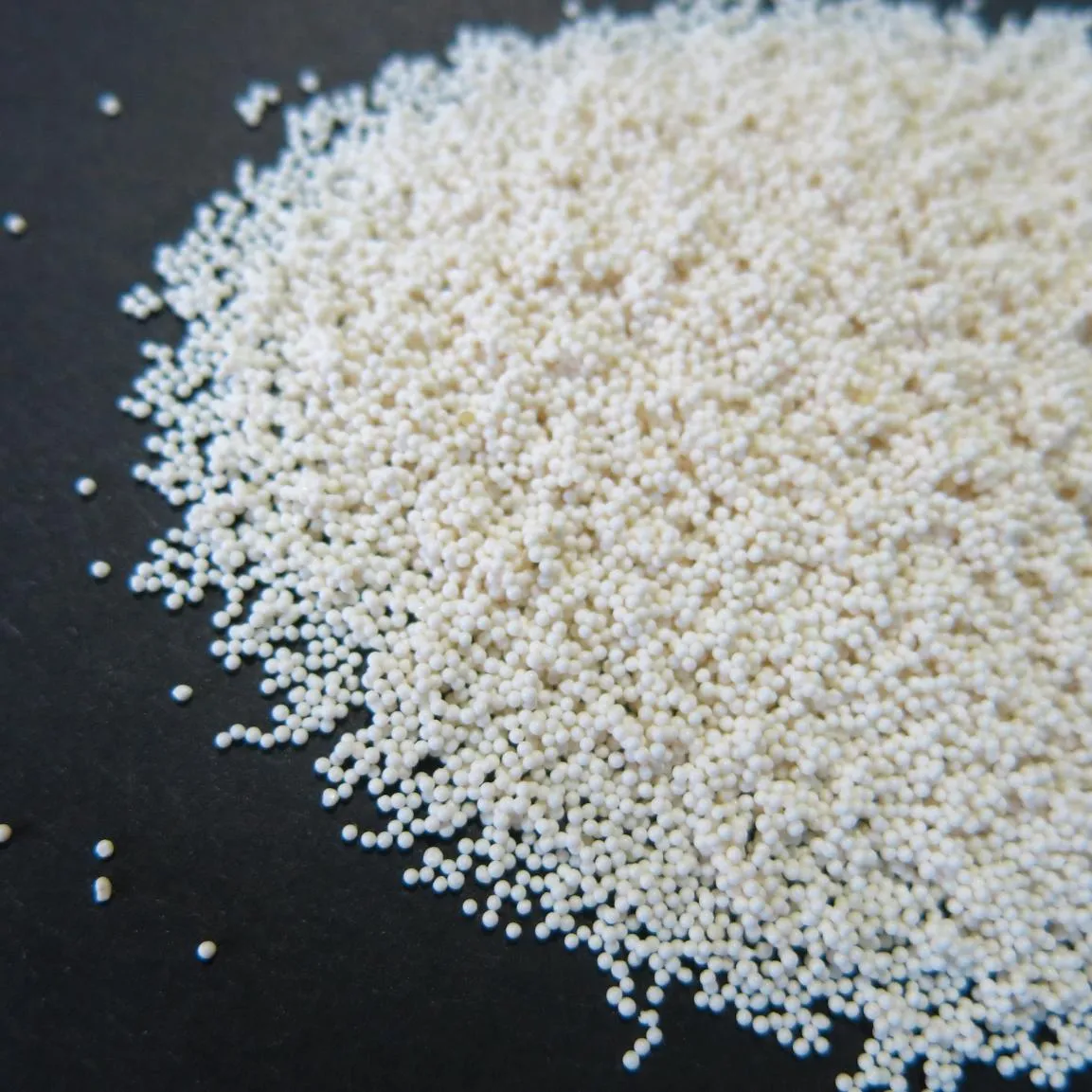
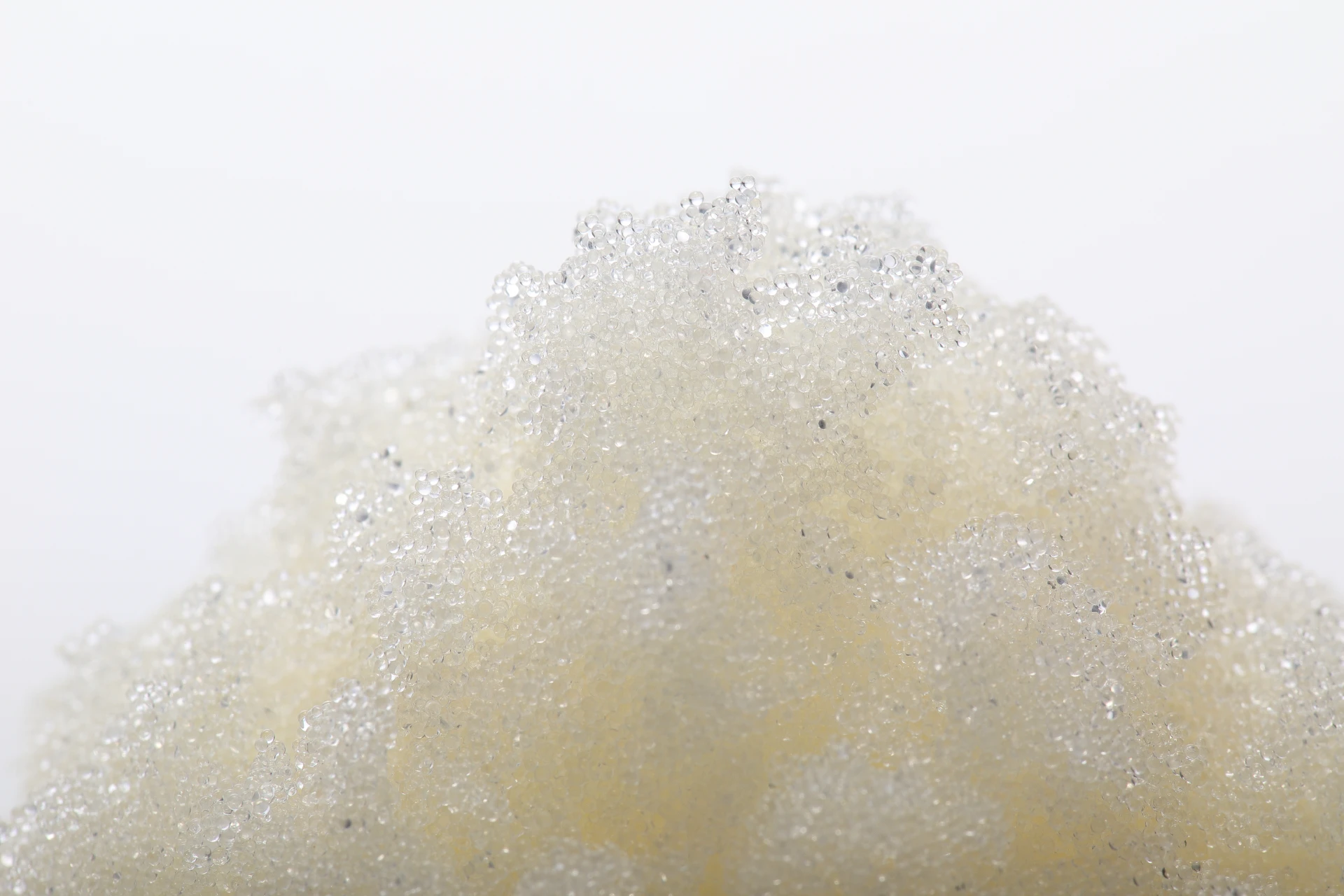
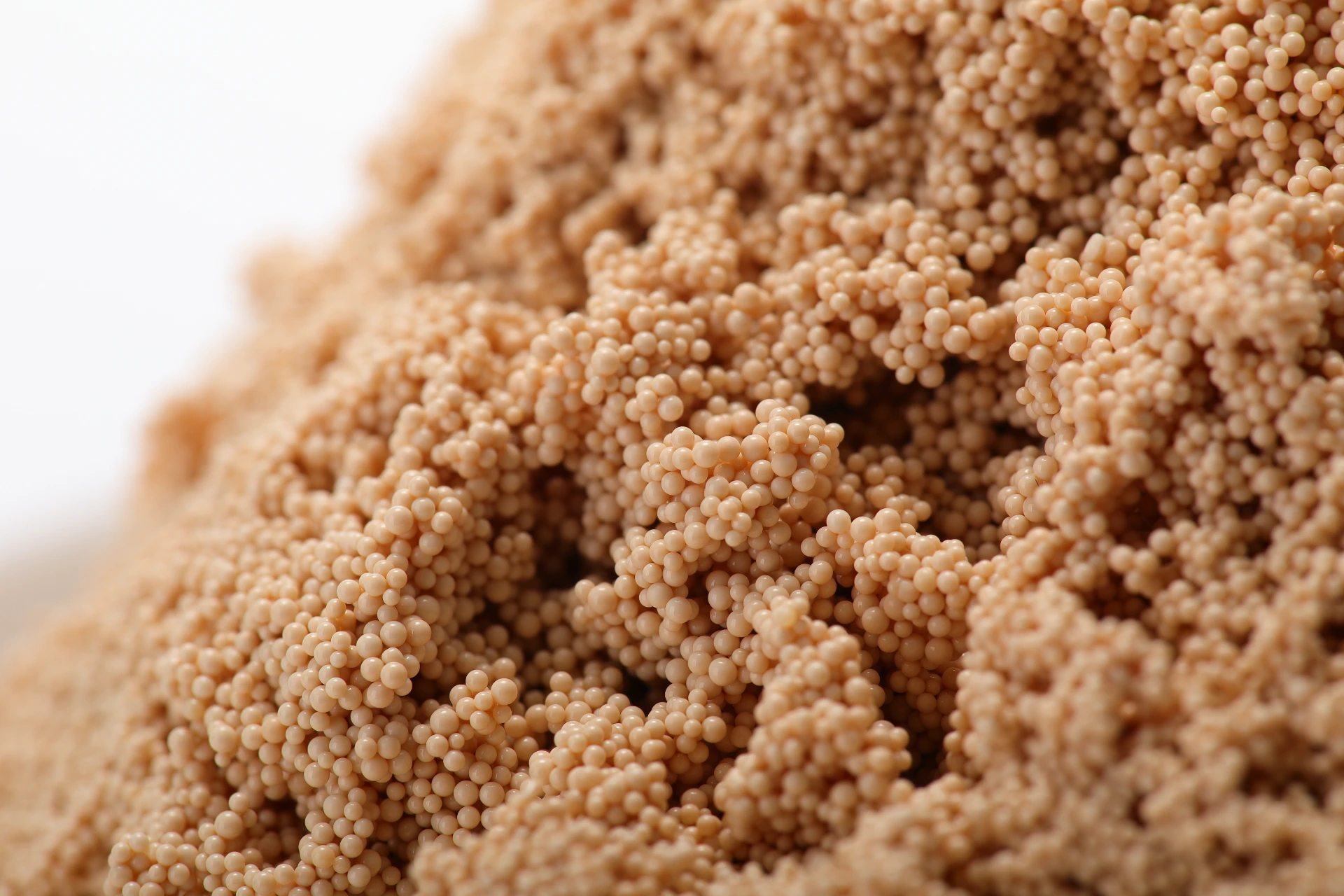
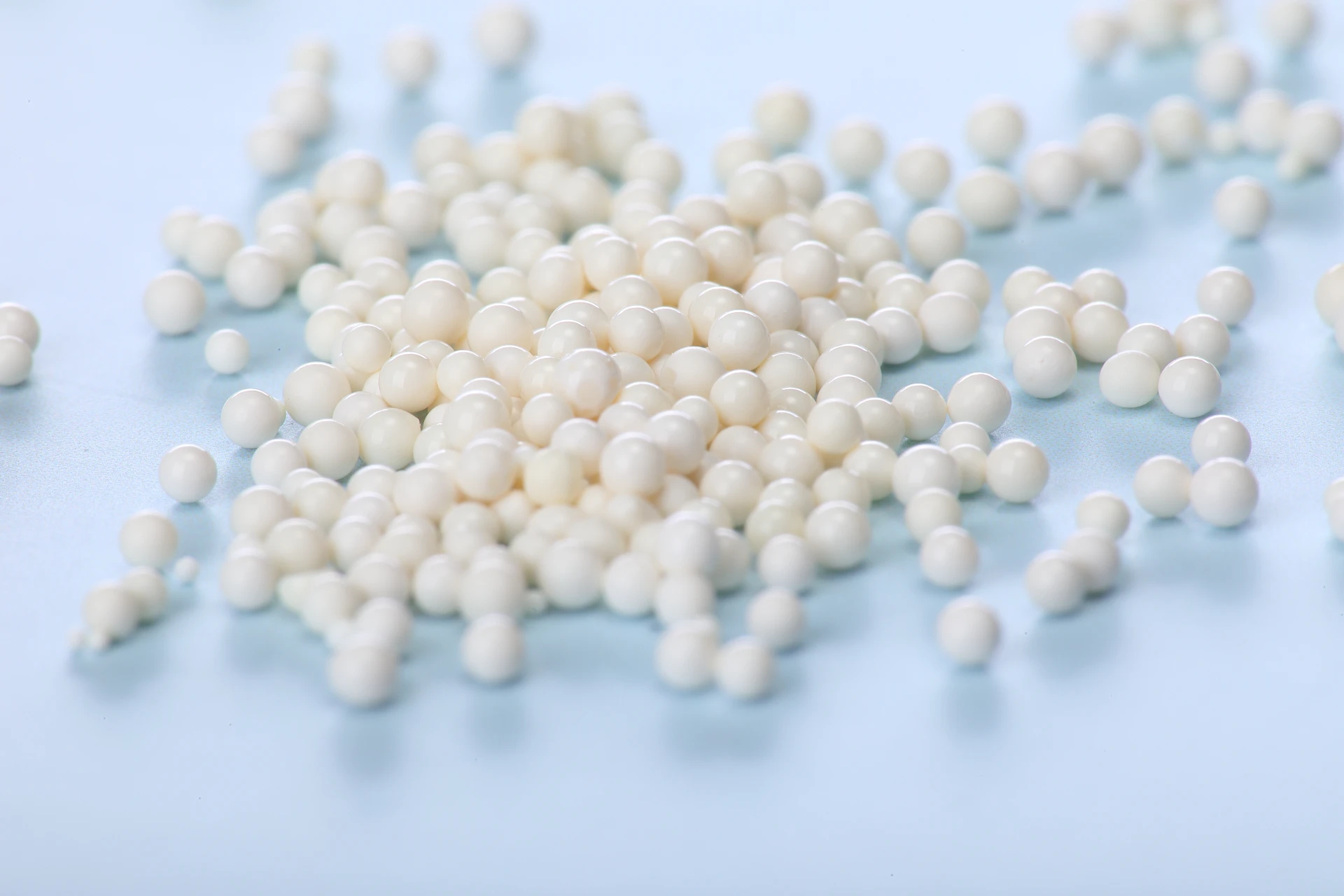
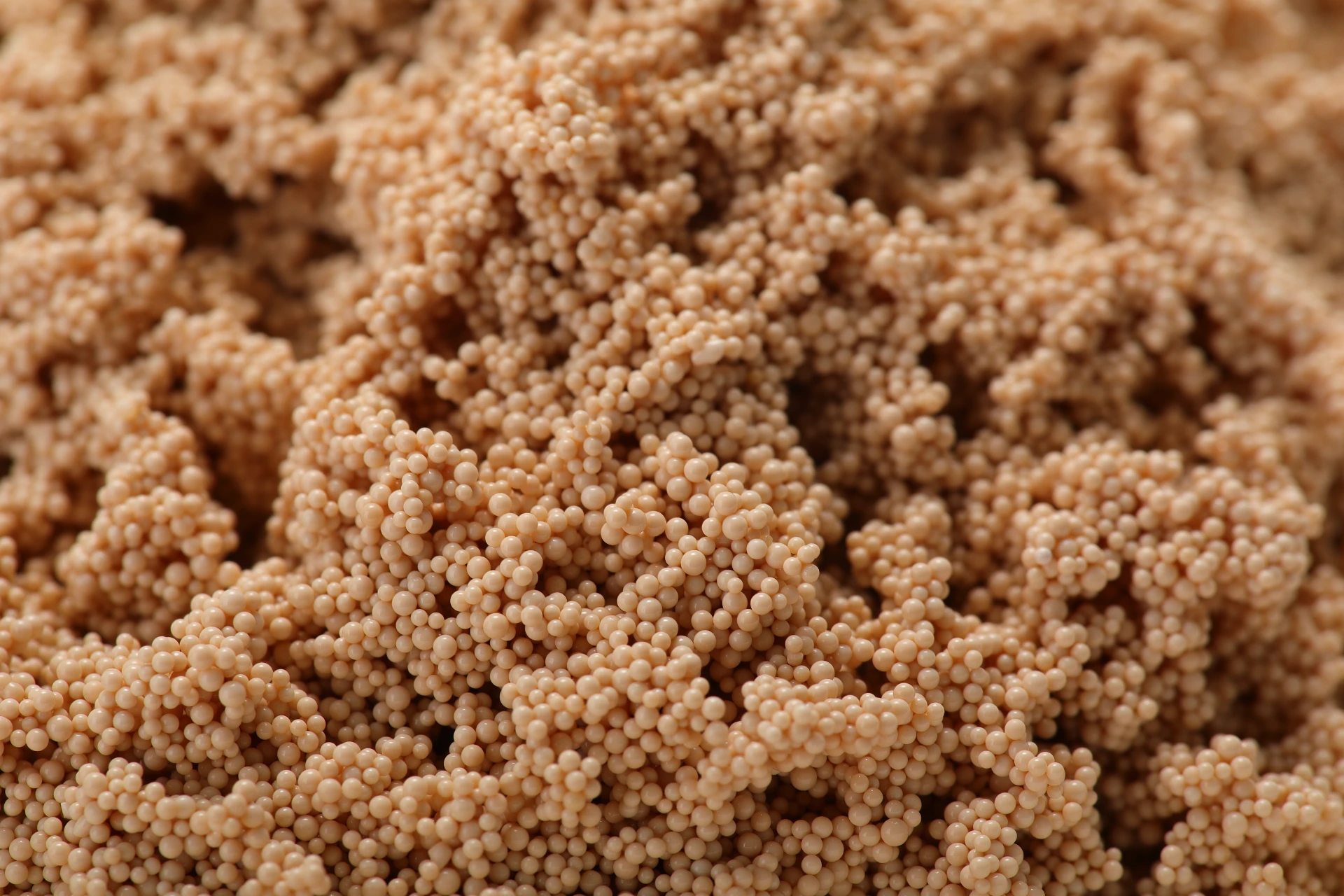
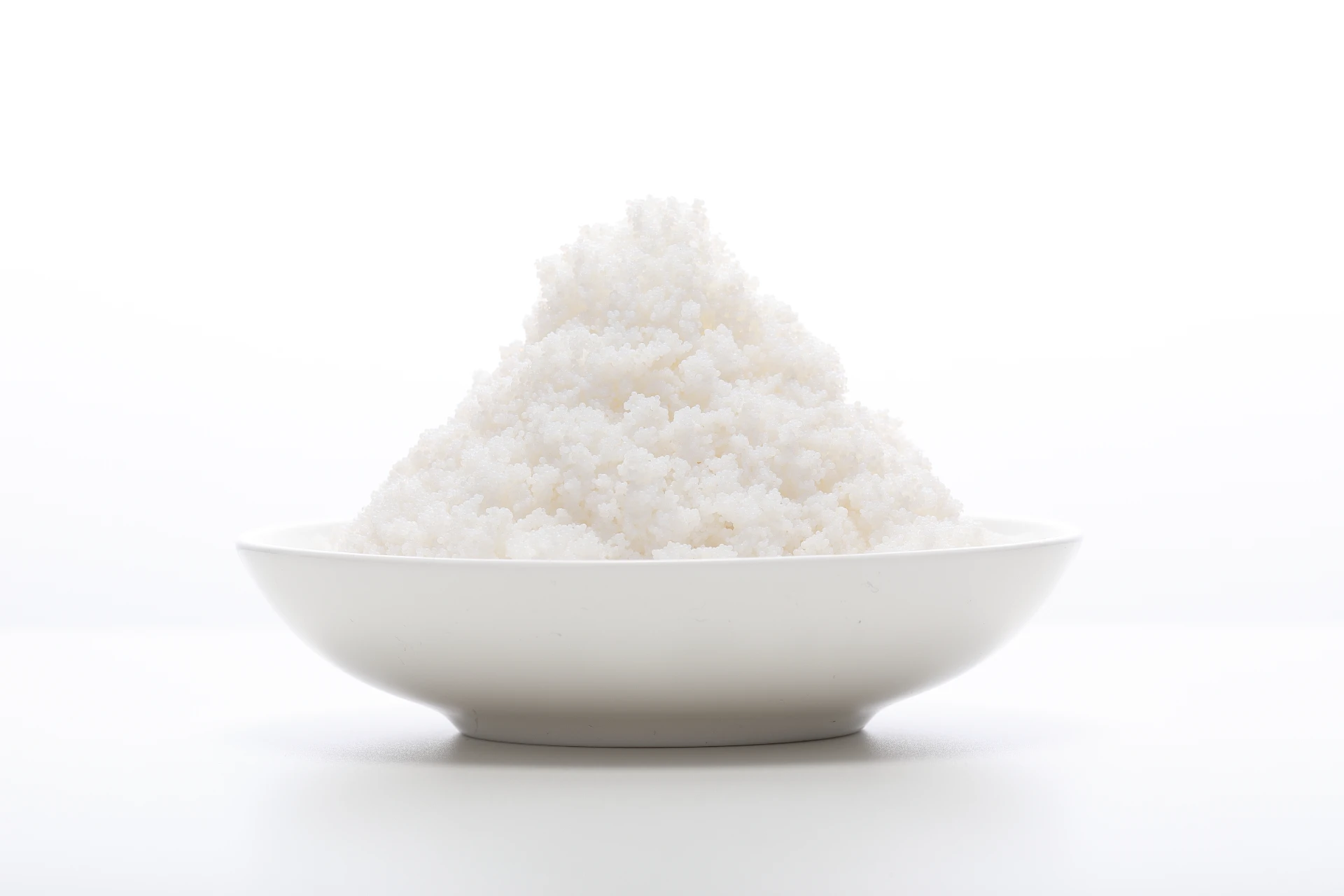
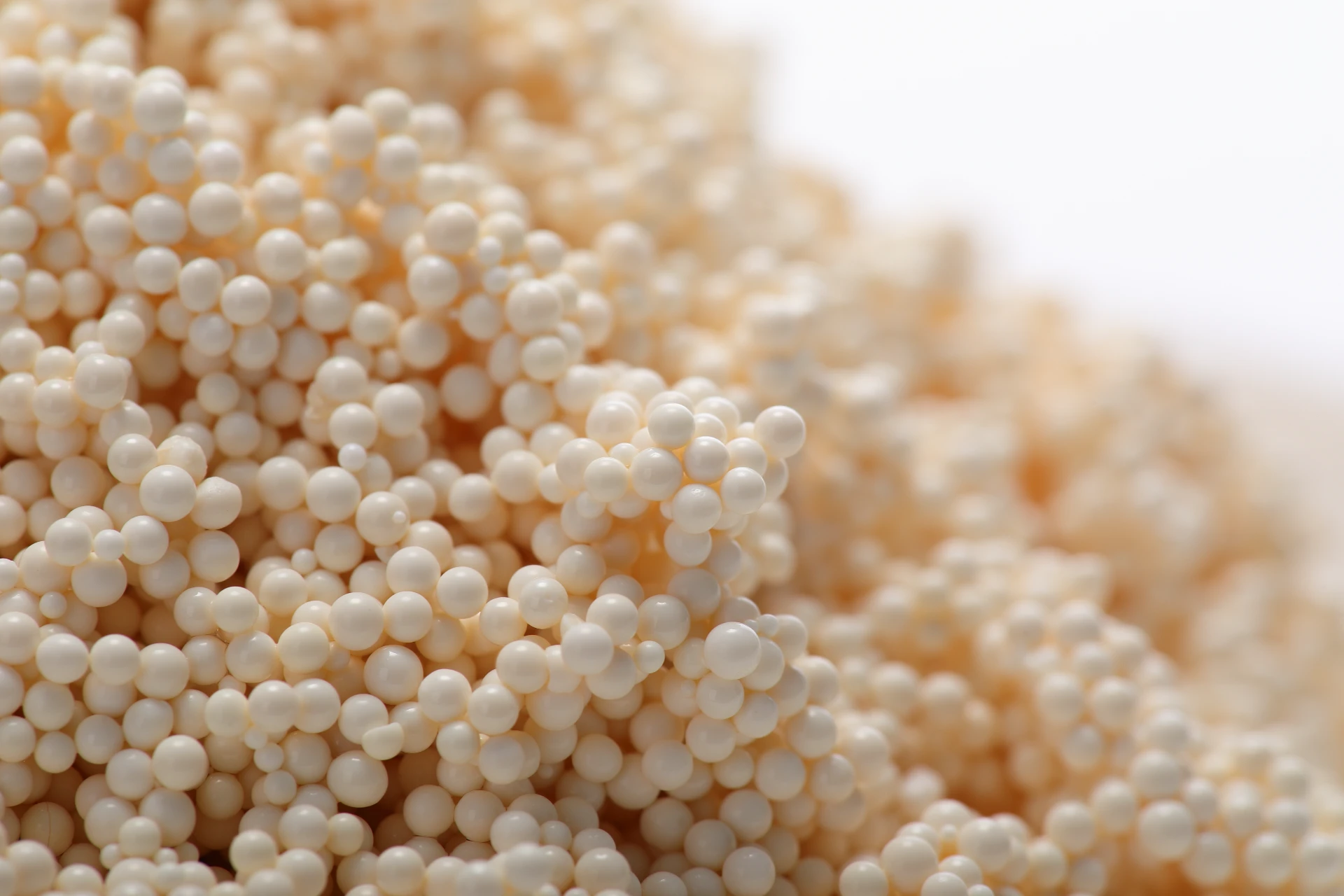
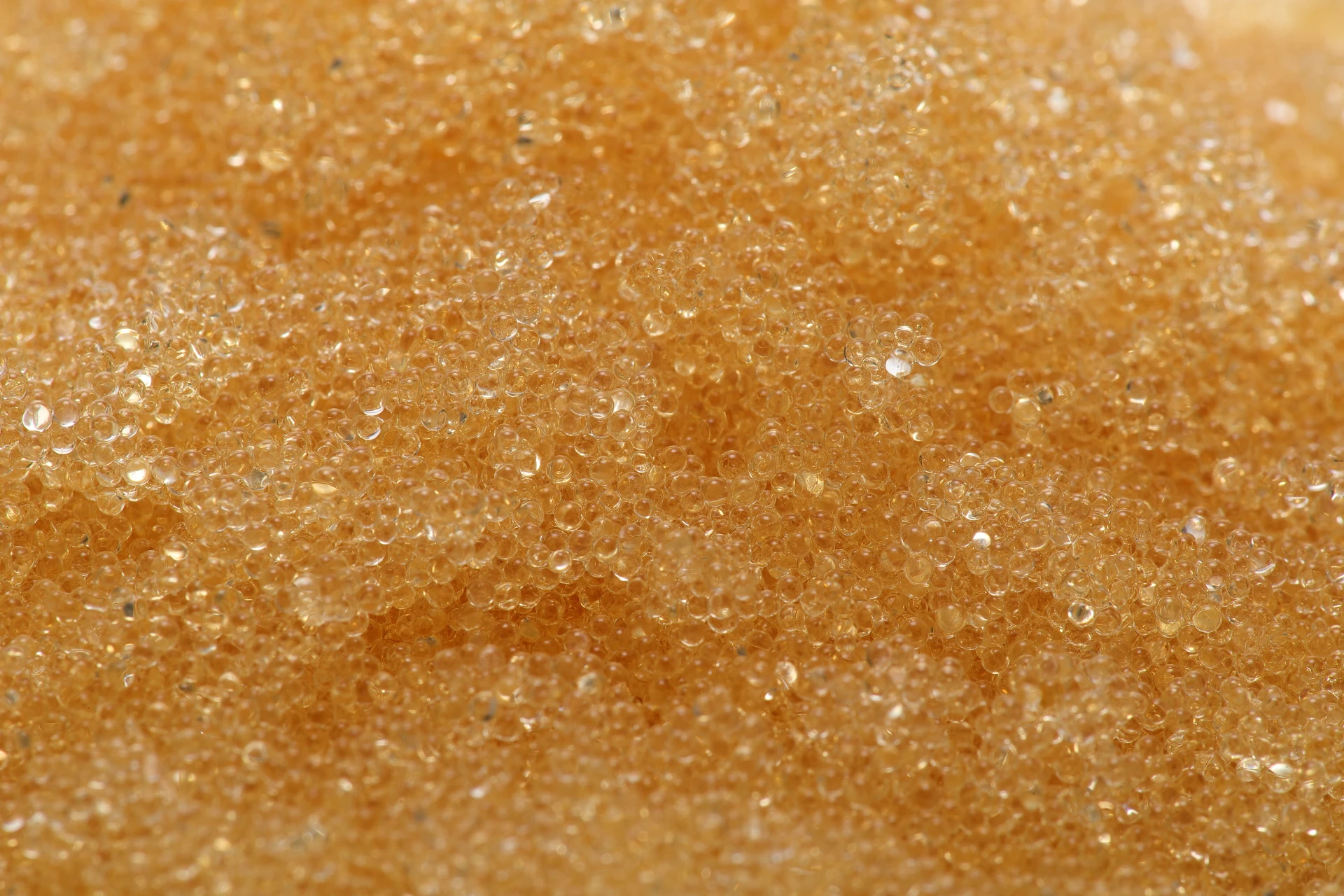
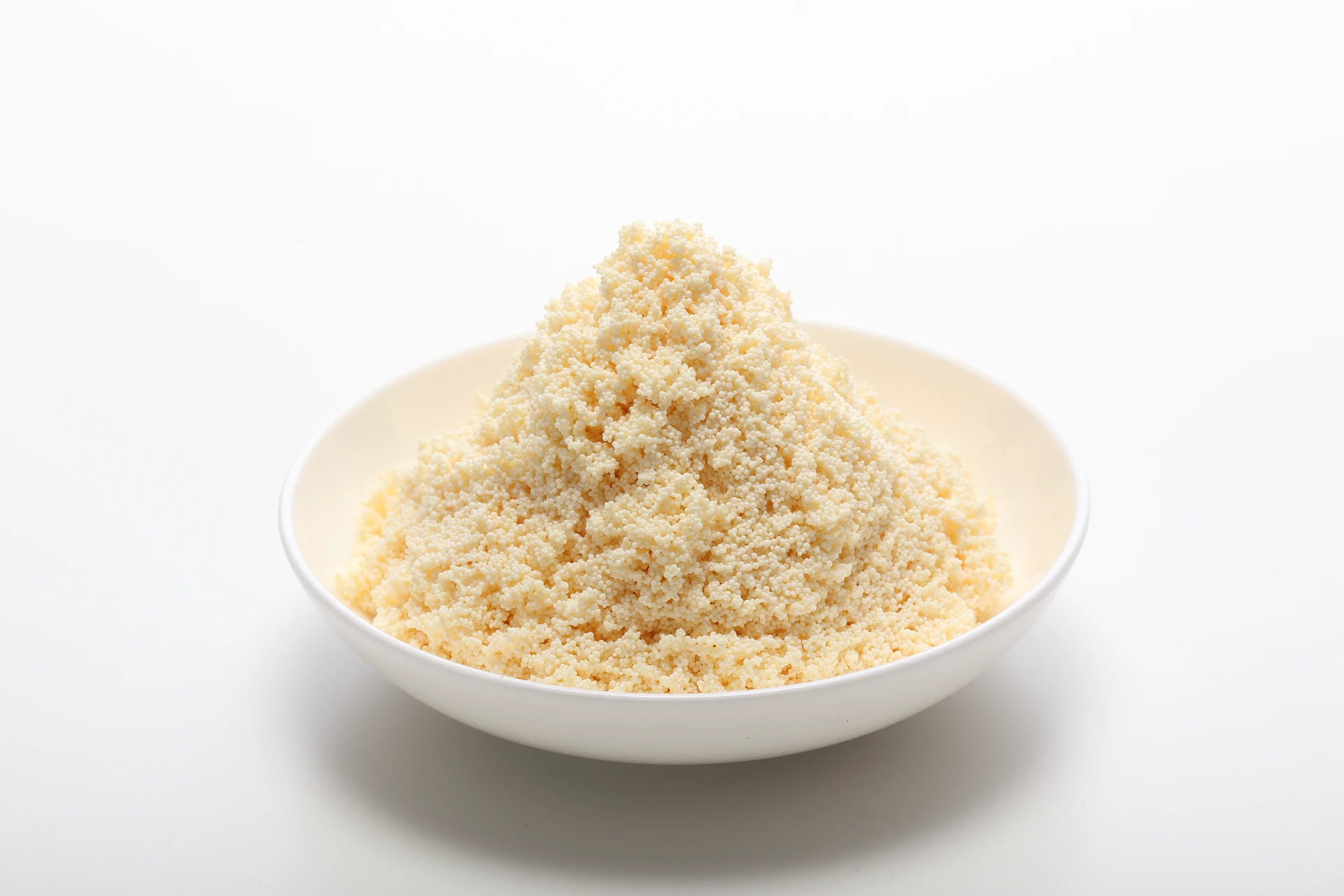
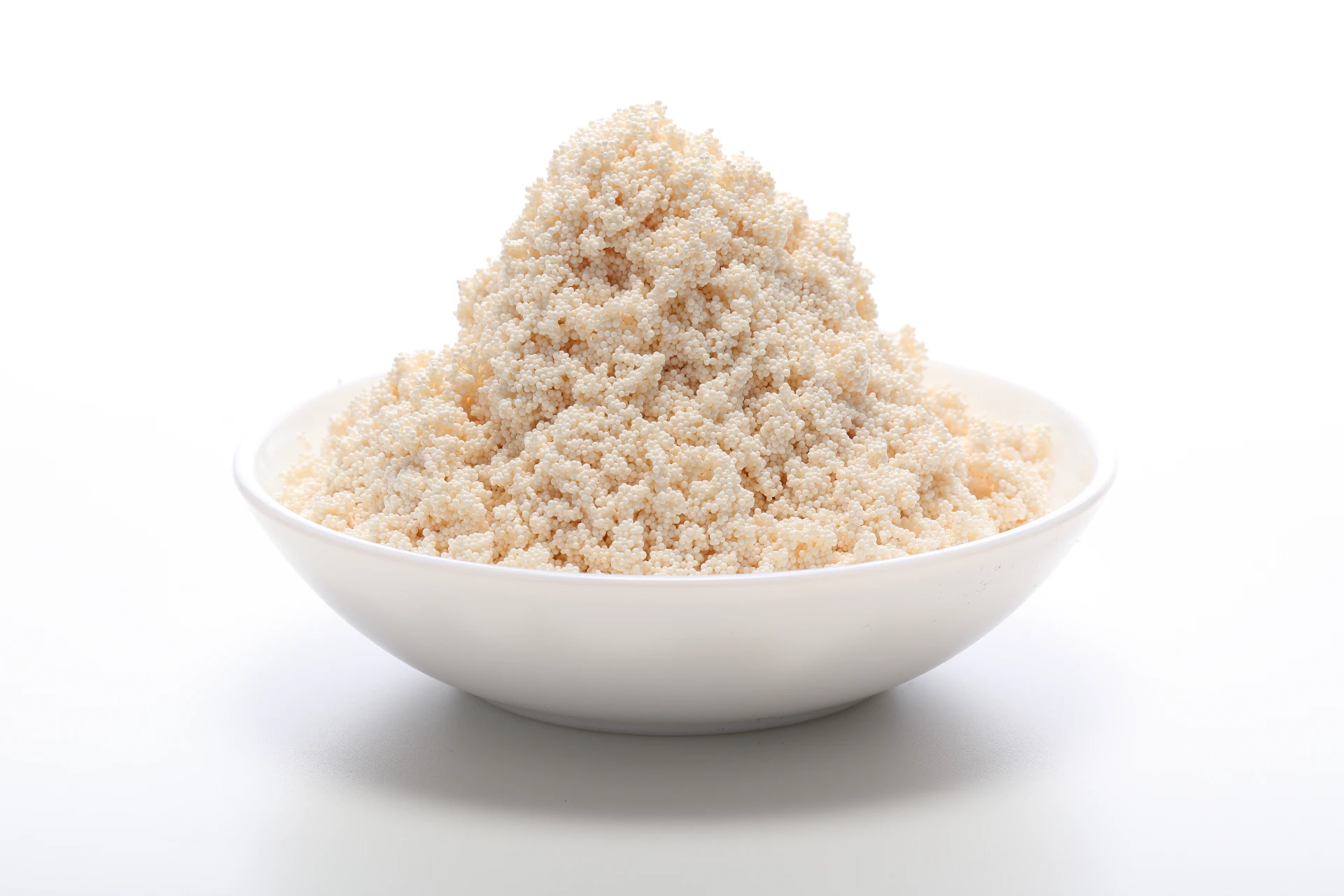
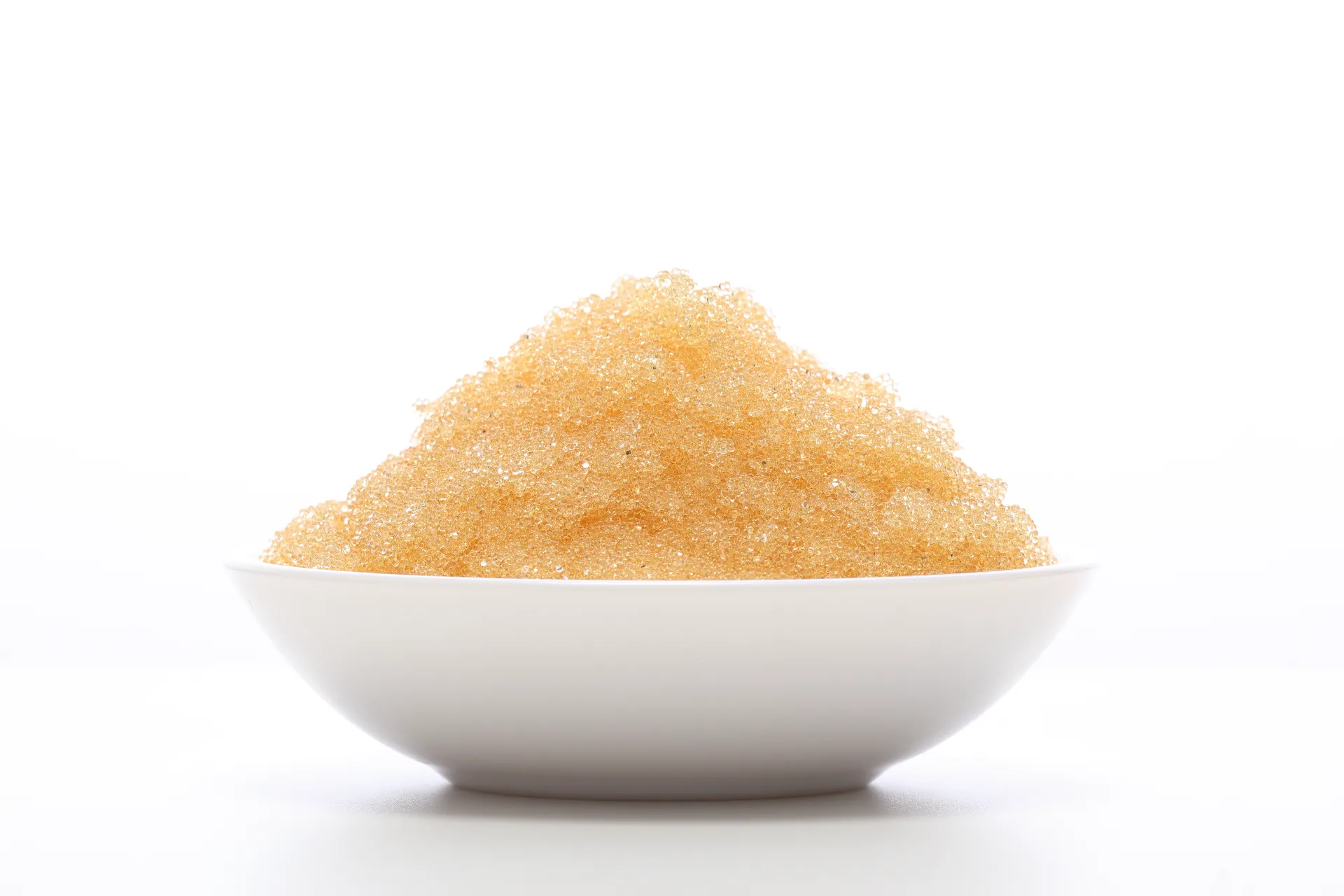
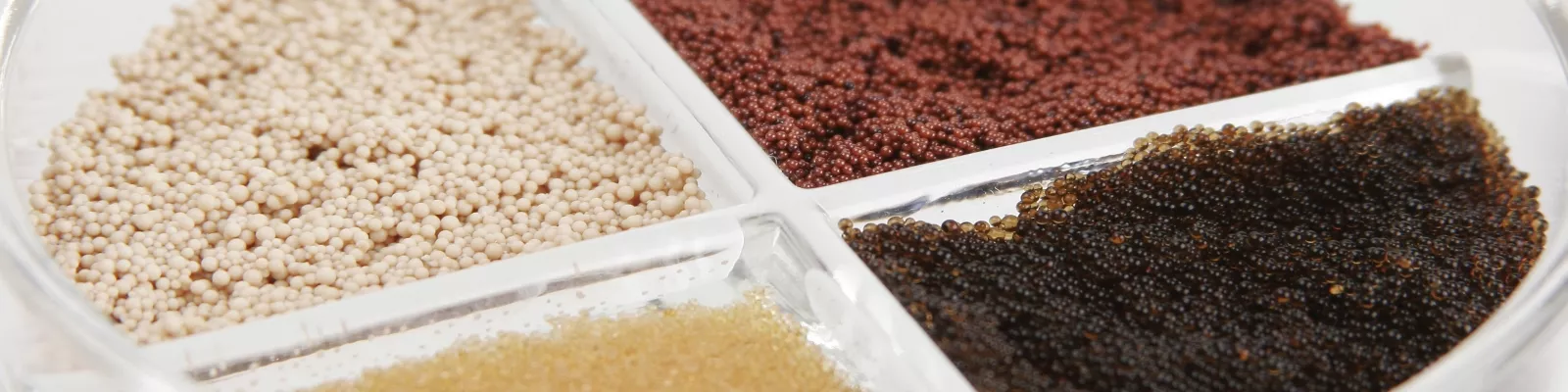
If you’re in industries involving water purification or chemical processing, chances are you’ve heard of Purolite A110. It’s an anion exchange resin designed for removing unwanted anions like nitrate, sulfate, and carbonate from solutions — which is critical for producing high-purity water or preparing chemical feedstocks. Technically speaking, it’s a gel-type strong base anion exchanger, known for its high capacity and chemical stability. What I find interesting is how this ion resin maintains performance even in difficult operational environments.
| Parameter | Value | Notes |
|---|---|---|
| Moisture Content | 44–48% | Typical for gel resins |
| Exchange Capacity | 1.0 eq/L | High ion exchange efficiency |
| Particle Size | 600–850 µm | Average bead diameter |
| pH Range (Stability) | 0–14 | Broad chemical compatibility |
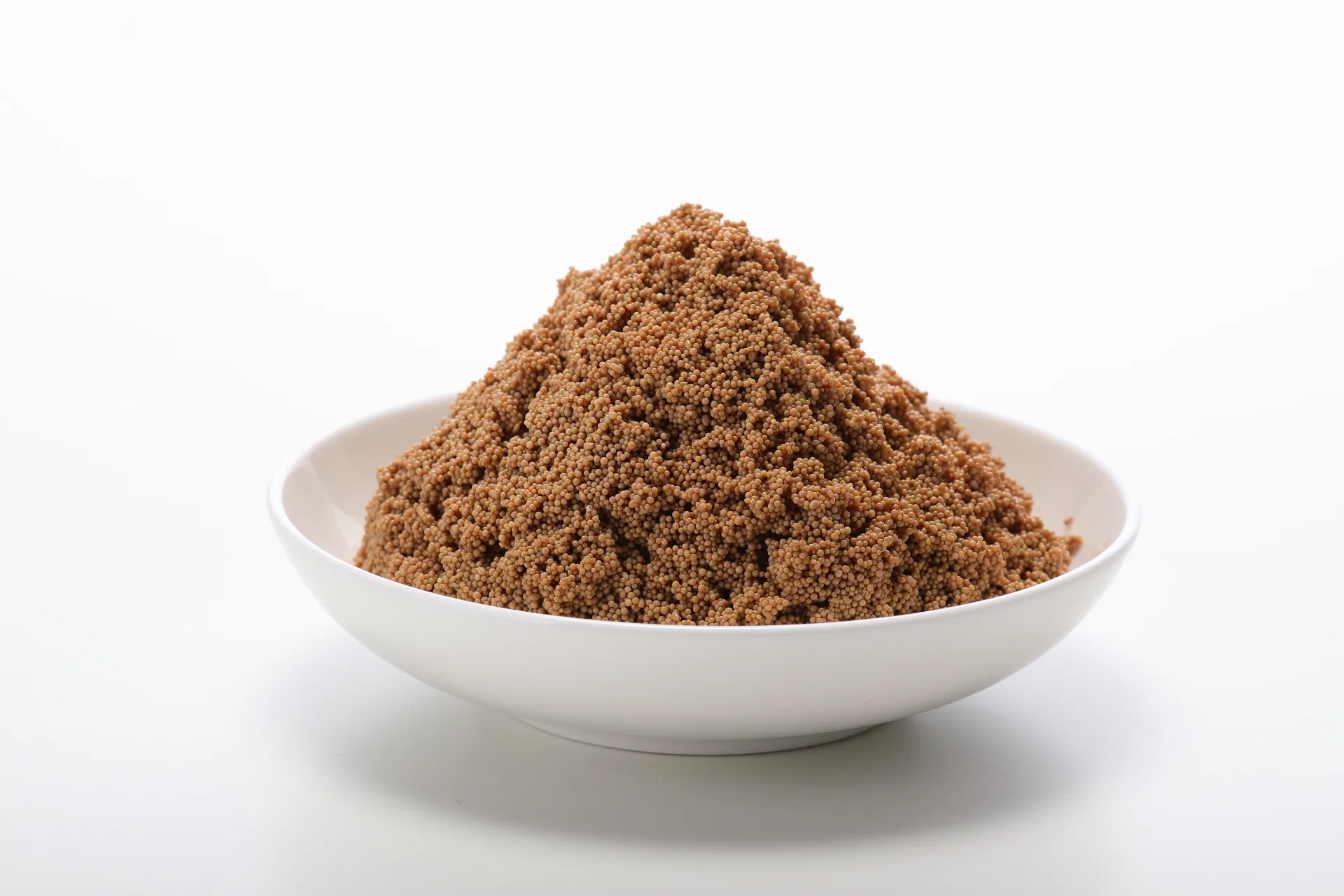
Industries ranging from pharmaceuticals to power generation count on Purolite A110 for various purification tasks. Oddly enough, despite its technical nature, many engineers say it’s rather user-friendly — mainly due to its consistent physical form and regeneration ease. It shines in nitrate removal, softening processes, and even in treating flue gas desulfurization wastewater. Simply put, it’s tough but precise. Its small bead size improves kinetics, so in real terms it delivers faster ion removal without demanding excessive reactor space.
When you're deciding on anion exchange resins for your operation, cost and durability aren't just buzzwords—they're real business concerns. Purolite A110 balances upfront price with long service life and consistent performance, which frankly, makes it cost-effective over time. Businesses I spoke with often mention a solid ROI because the resin needs fewer regenerations and resists breakdown from harsh chemicals. And maintenance? It’s pretty straightforward, though you should monitor for fouling depending on your feedwater.
Sustainability isn’t just a checkbox these days—it’s shaping purchasing decisions across B2B sectors. Purolite A110, in this sense, fits well with greener initiatives. Its robust chemical resistance means less frequent replacement, which in turn reduces waste streams. Regulatory pressures on nitrate emissions push industries toward efficient water treatment solutions, driving demand for high-performing resins like A110. Plus, companies increasingly value suppliers who provide quality backing and environmental compliance. Market trends show growth in Asia-Pacific and emerging economies adopting better purification tech, possibly propelled by vendors like Liji Resin.
| Vendor | Product Quality | Pricing | Support & Service | Delivery & Availability |
|---|---|---|---|---|
| Liji Resin (lijiresin.com) | High, meets strict specs | Competitive pricing, volume discounts | Responsive, technical support available | Quick lead times, robust inventory |
| Global Brand X | Very High, premium grade | Higher price point | 24/7 expert support | Variable, depends on region |
| Local Supplier Y | Moderate quality | Lower upfront cost | Limited technical support | Good local availability |
In short, Purolite A110 stands out as a trusted, cost-effective resin for various industrial ion exchange needs. Its consistent quality and versatility make it a go-to for decision makers looking to improve process efficiency and meet environmental standards. Considering sourcing options, I’d recommend visiting https://www.lijiresin.com for competitive prices and reliable delivery.