Phone:
+86 0319 2296164


Email:
info@lijiresin.cn
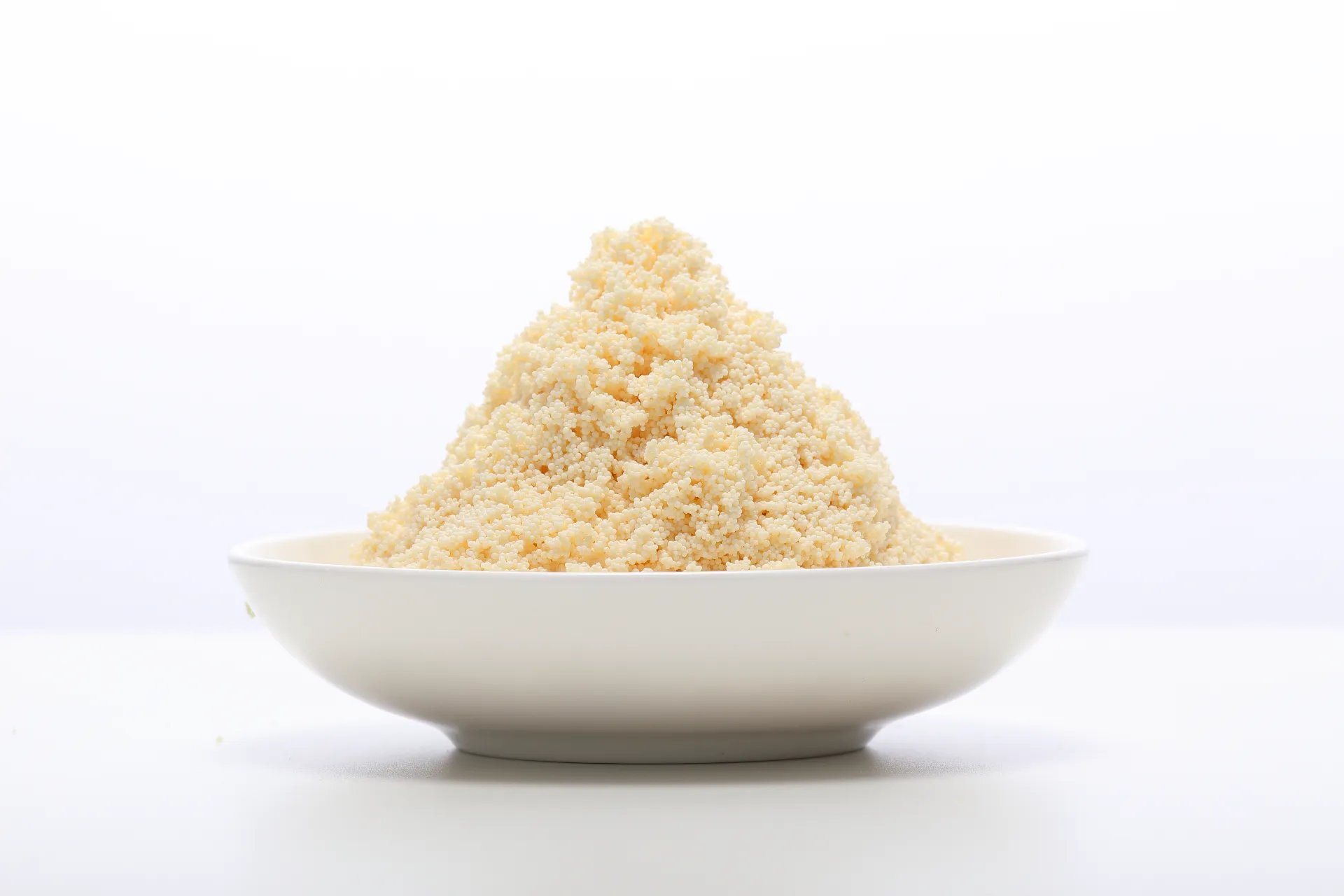
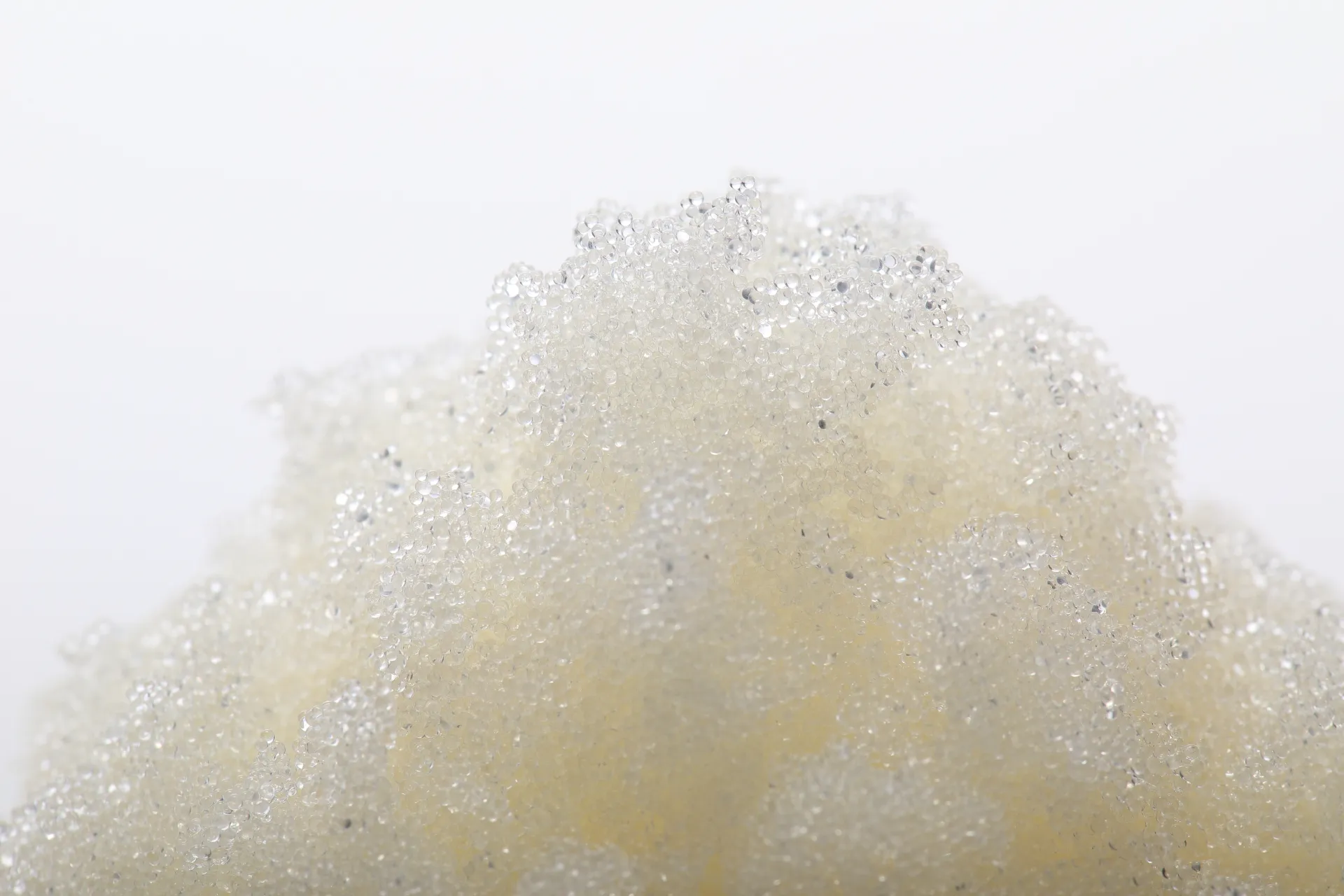
Water quality is a global concern that doesn’t always get the spotlight it deserves. Around the world, industries and communities grapple with contaminants in water that threaten health, manufacturing processes, and the environment. This is where Purolite C100 steps in — a specialty ion exchange resin designed specifically to tackle water softening challenges efficiently and reliably. Understanding its applications, benefits, and nuances isn't just for chemists or engineers; it's vital for those invested in sustainable water management and industrial innovation.
According to the United Nations, nearly 2 billion people globally drink water contaminated with feces or other pollutants [1]. Industrial sectors, from pharmaceuticals to power generation, require ultrapure water to meet strict process conditions. Ion exchange resins like Purolite C100 are central to removing hardness ions, improving water quality, and safeguarding equipment from scaling or corrosion.
But beyond statistics lies a practical challenge: many conventional softening methods either lack efficiency or come with high long-term operational costs. Purolite C100 offers a tailored solution, blending high capacity, durability, and cost-effectiveness, essential for diverse applications worldwide.
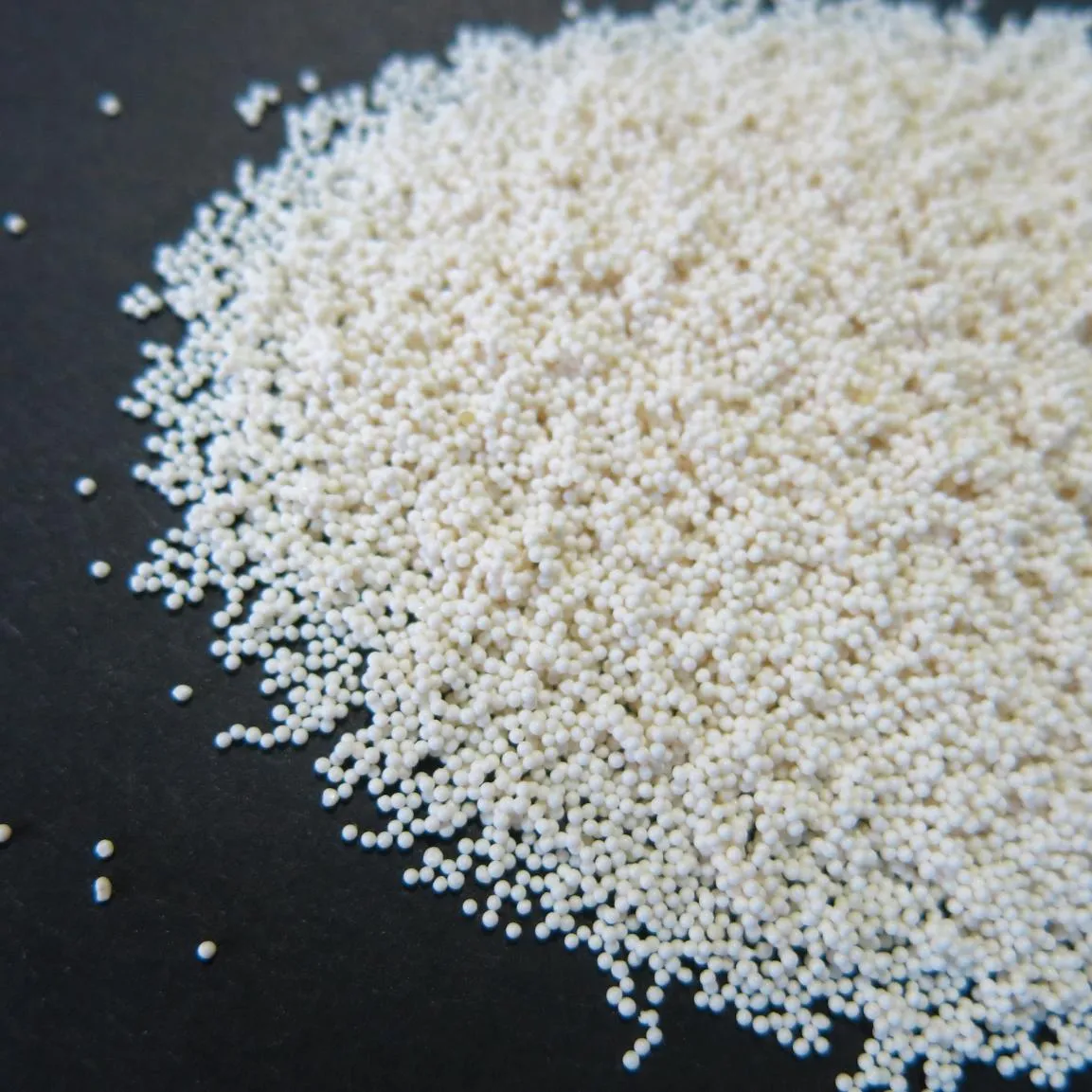
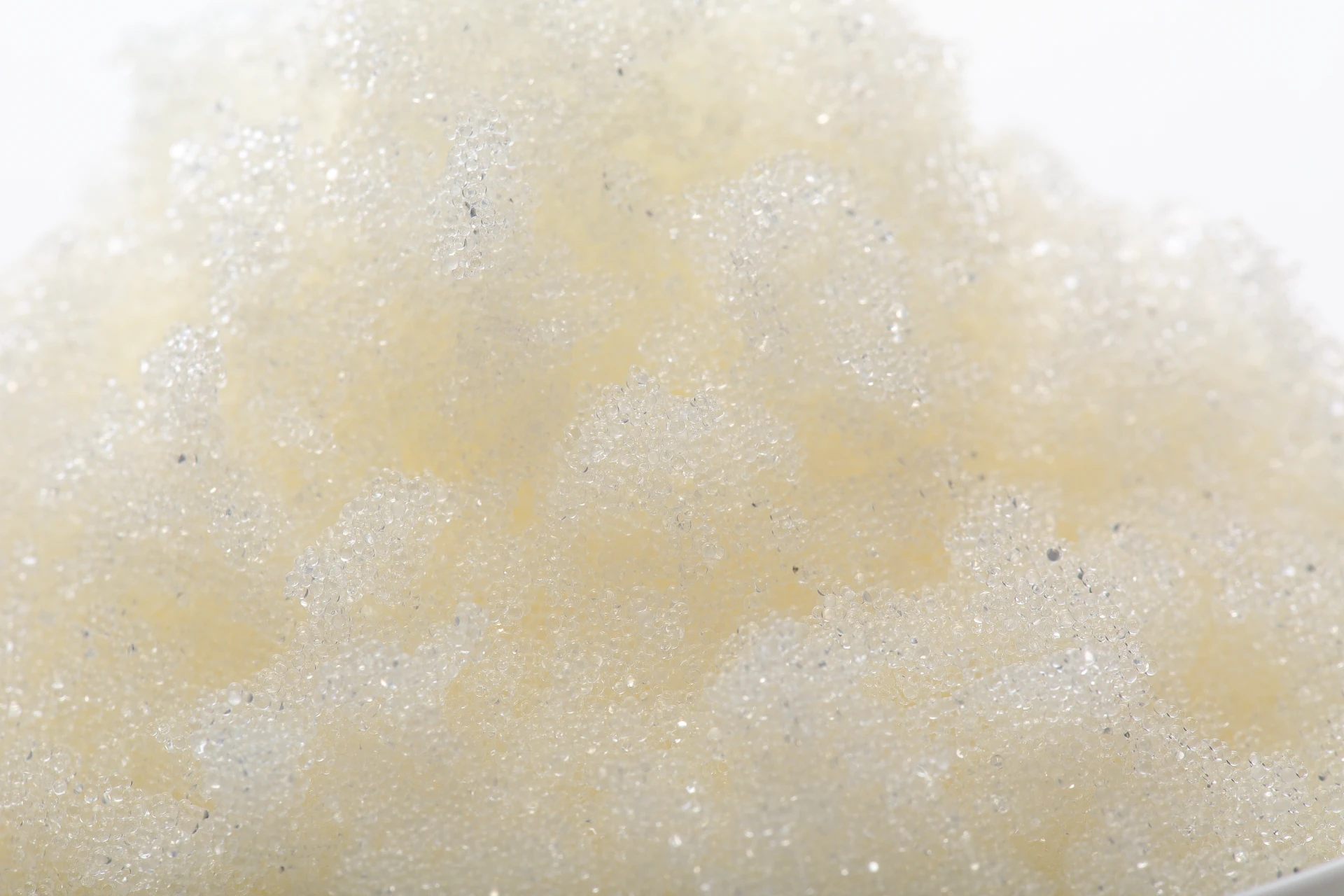
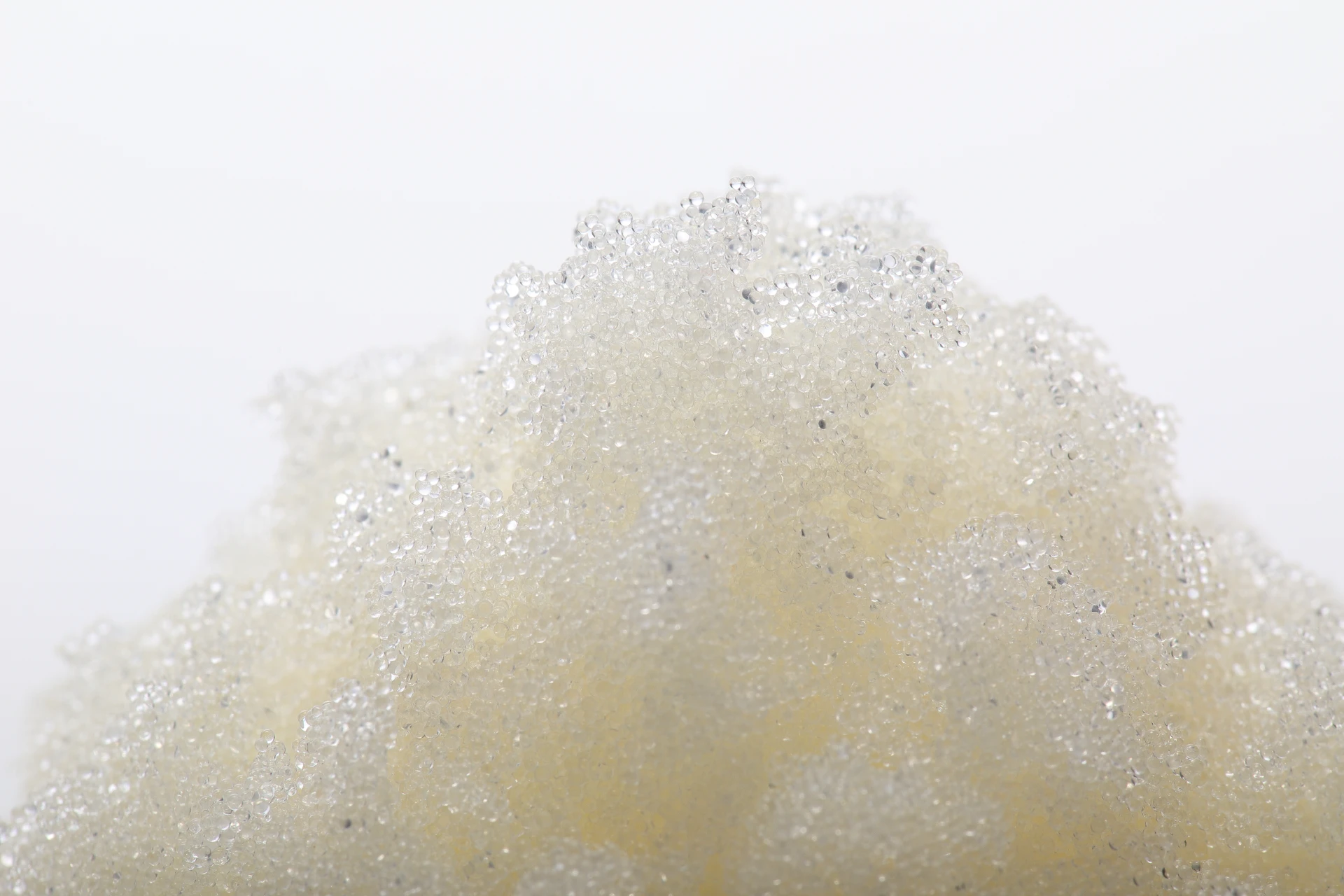
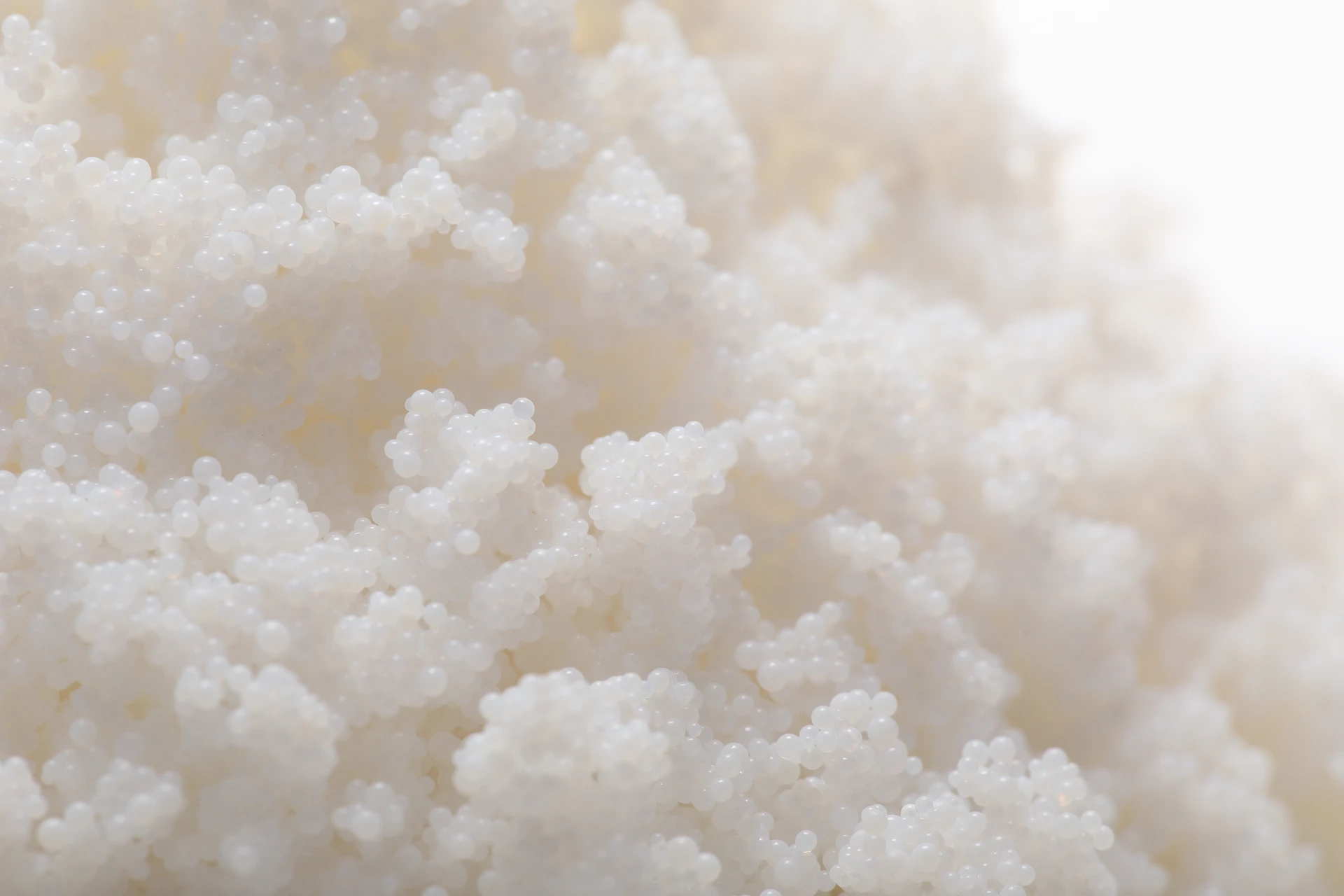
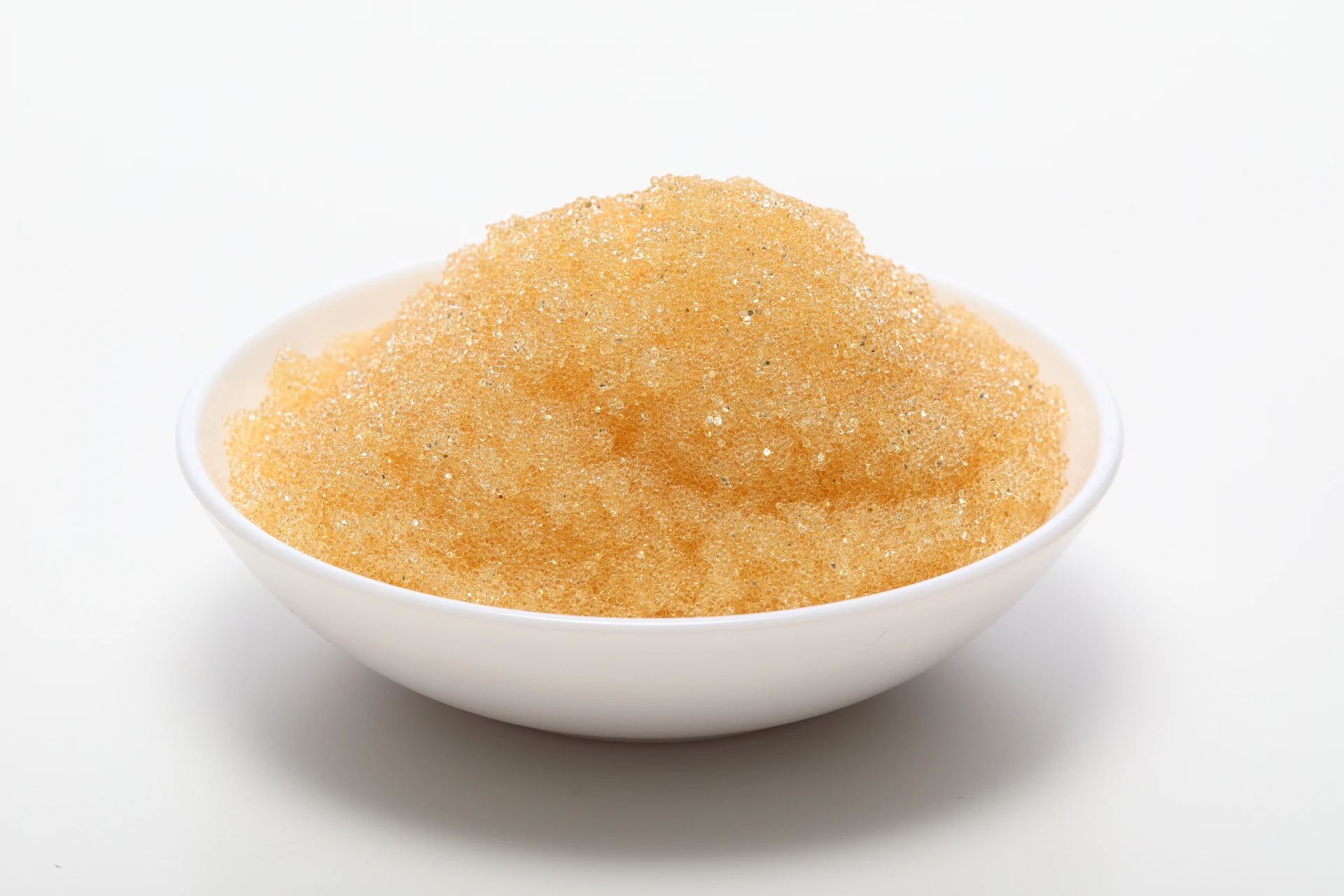
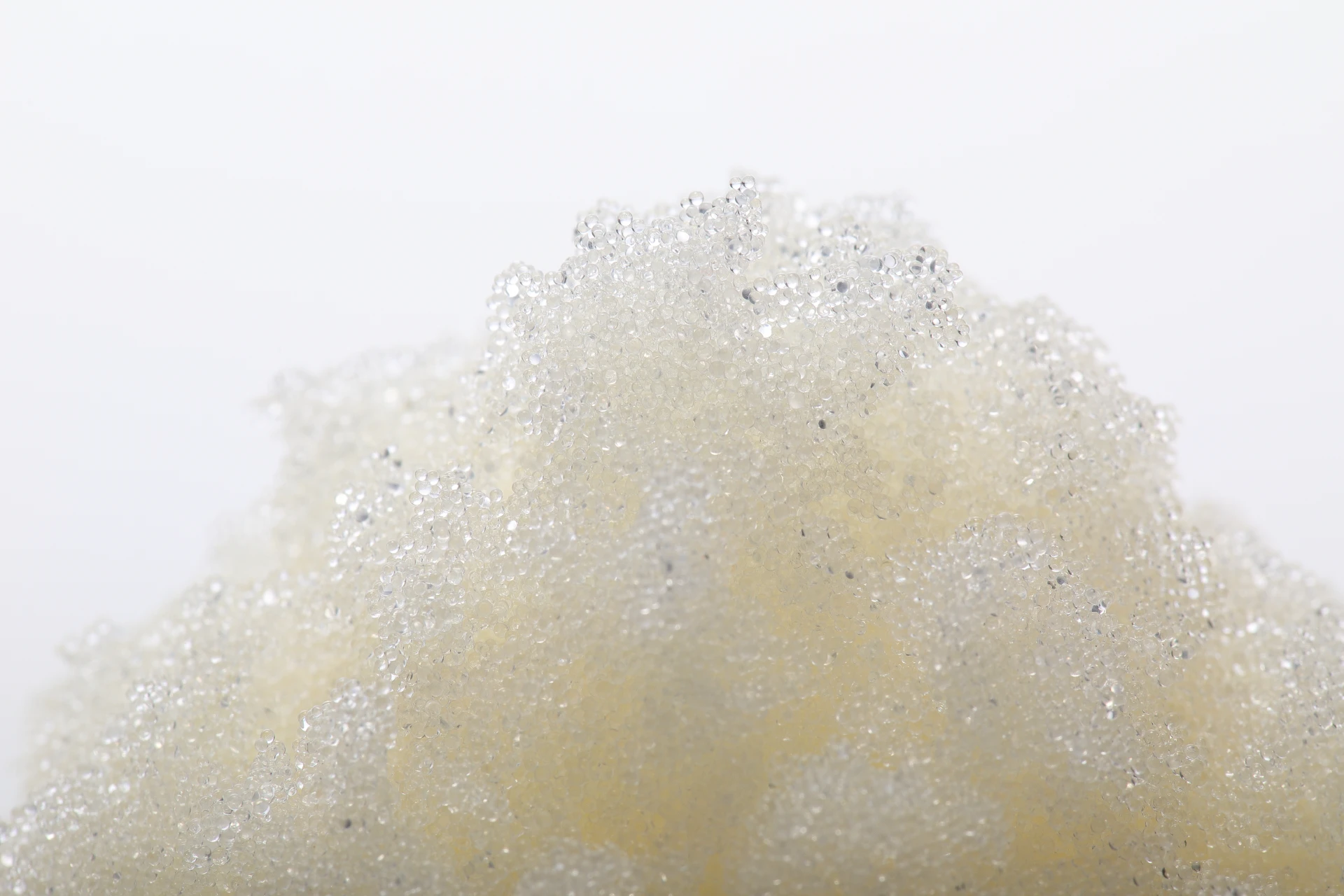
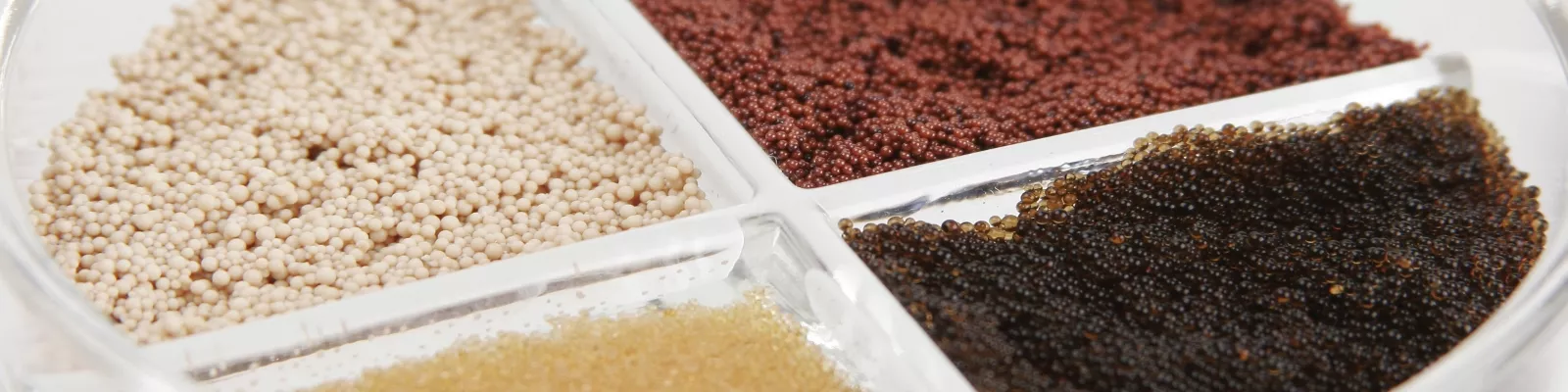
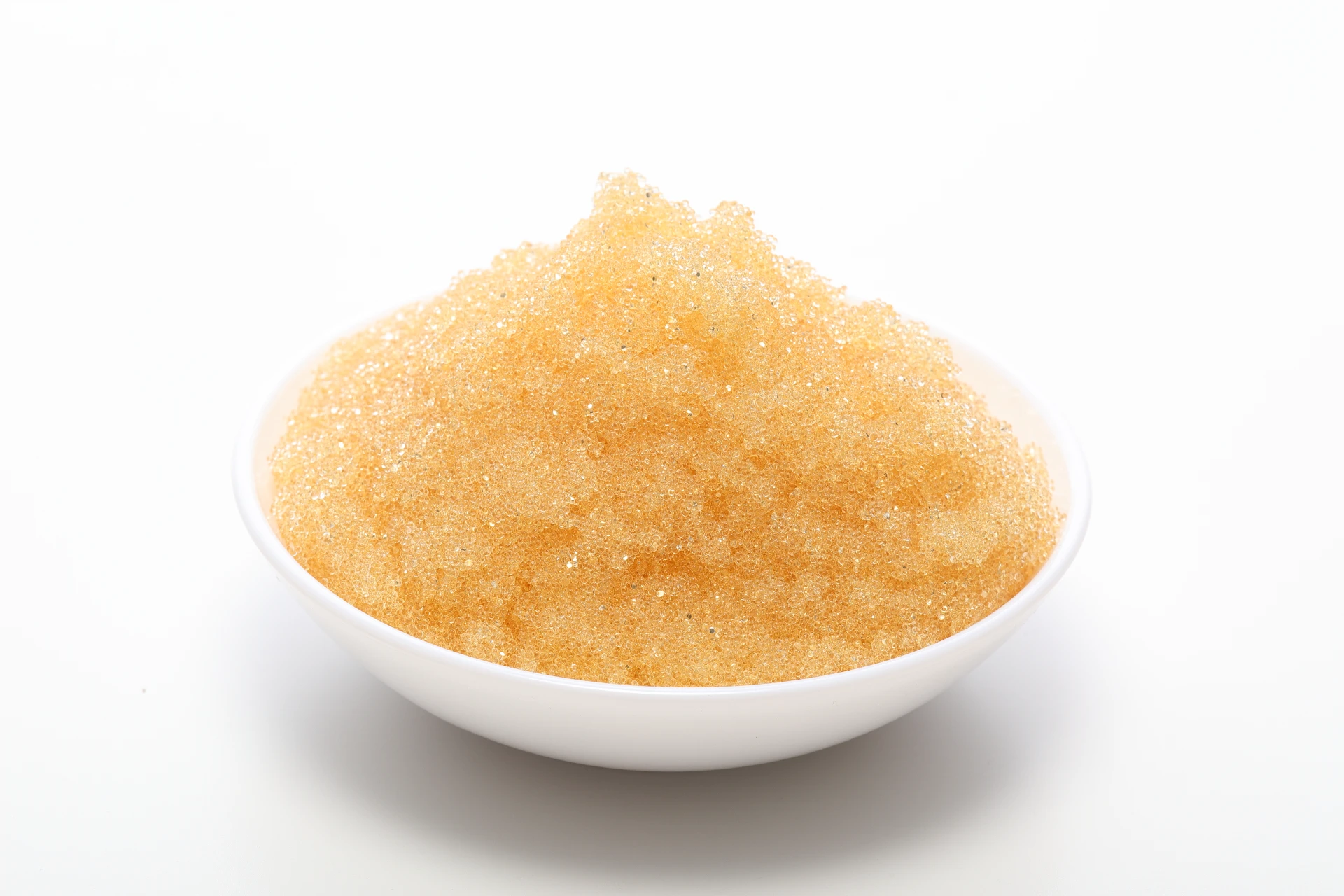
At its core, Purolite C100 is a strongly acidic cation exchange resin formulated in a macroporous bead structure. It removes calcium and magnesium ions — the usual culprits behind water hardness — by exchanging them with sodium ions, thereby softening water. This process protects industrial equipment, improves detergent performance in household use, and is vital in municipal water treatment systems.
In modern contexts, Purolite C100 answers growing demands for consistent water softening with high regeneration efficiency. This isn’t just about making life easier; it supports sustainable water resource management by reducing chemical usage and waste.
Purolite C100 boasts a high cation exchange capacity, often around 1.9 meq/mL. This means it can trap a substantial amount of hardness ions before requiring regeneration, enhancing operational uptime.
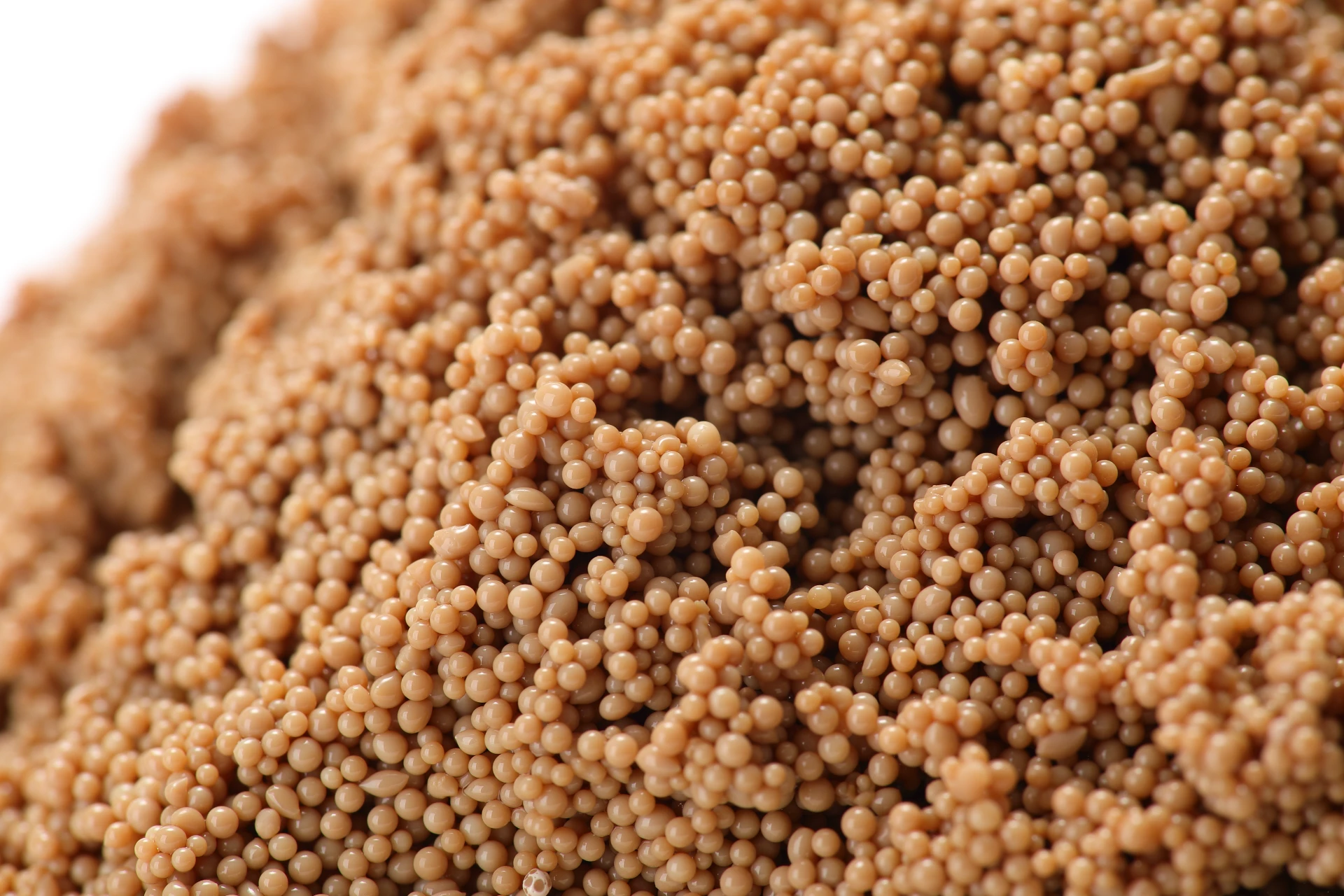
Unlike gel-type resins, the macroporous structure allows Purolite C100 to handle higher organic loads with less fouling. This improves longevity and reduces maintenance frequency.
Purolite C100 can be regenerated efficiently with brine solutions, making the cycle more cost-effective and environmentally friendlier than some alternatives.
The resin exhibits minimal swelling during ion exchange cycles, protecting the integrity of water treatment vessels and preventing channeling, a common issue in softener beds.
This resin performs well across a broad pH and temperature spectrum, allowing flexible integration into various water systems, from municipal supplies to heavy industry effluents.
| Specification | Purolite C100 |
|---|---|
| Type | Strong Acid Cation (Macroporous) |
| Exchange Capacity | ≈ 1.9 meq/mL |
| Particle Size | 300–1200 µm |
| Operating pH Range | 2 – 14 |
| Max Temperature | 120°C (continuous) |
| Moisture Content | 46 – 50% |
Mini Takeaway: Purolite C100 is a high-performance resin offering durability across demanding conditions, making it versatile for various global water treatment needs.
One interesting note: Purolite resins have been reported to perform reliably even in regions with variable water compositions, from Southeast Asia to Eastern Europe, demonstrating adaptability [2].
| Feature | Purolite C100 | Competitor A | Competitor B |
|---|---|---|---|
| Cation Exchange Capacity (meq/mL) | 1.9 | 1.7 | 1.85 |
| Mechanical Stability | High | Moderate | High |
| Organic Fouling Resistance | Excellent (macroporous) | Low (gel-type) | Moderate |
| Regeneration Efficiency | High | Moderate | High |
| Operating Temperature (°C) | Up to 120 | Up to 90 | Up to 110 |
The advantages here aren’t just technical. Sure, it reduces maintenance, improves system efficiency, and extends equipment life — that’s the tangible stuff. But there’s also something more subtle at work: reliability fosters trust. Industries and municipalities can plan ahead, knowing their water treatment will stay effective through fluctuations and stress.
Then there’s sustainability. Purolite C100’s efficient regeneration process means less salt and chemical waste entering the environment. This aligns well with international water and environmental standards, like ISO 14001 [3], encouraging greener technologies globally.
The ion exchange industry isn’t static. Recently, manufacturers have been developing hybrid resins combining cation and anion exchange capabilities in one bead, potentially streamlining treatment steps. Digital sensors integrated into resin beds allow operators to monitor ion exchange saturation in real-time — an innovation that drastically cuts downtime.
Green chemistry is also shaping resin production. New polymers derived from renewable resources are being tested to reduce the carbon footprint of resin manufacturing. While Purolite C100 is conventional in composition, the brand has been exploring such initiatives to stay future-ready.
One hurdle is fouling in extremely high organic or iron-rich waters, which can clog resin pores over time. Advanced pretreatment can help but adds complexity. Luckily, Purolite’s macroporous design inherently resists this better than gel-type resins.
Another issue is disposal of spent resin. While regulated by strict local laws, emerging research into resin regeneration and recycling offers promising pathways to reduce landfill impact.
In sum, Purolite C100 stands out as a versatile, effective ion exchange resin that addresses critical water softening needs across industries worldwide. Its balance of capacity, durability, and environmental considerations exemplify how thoughtful material design can advance sustainable water practices globally. For anyone serious about water treatment innovation, understanding Purolite C100 is a good step forward.
If you’d like to explore the product further or request technical details, visit our site at https://www.lijiresin.com.
Mini Takeaway: Purolite C100 is more than just another resin; it’s a reliable partner in tackling water hardness challenges that we all face, quietly improving quality of life and industrial sustainability.
References:
1. United Nations - Water Quality Challenges. unwater.org
2. Purolite Official Technical Bulletins. purolite.com
3. ISO 14001 Environmental Management. iso.org