Phone:
+86 0319 2296164


Email:
info@lijiresin.cn
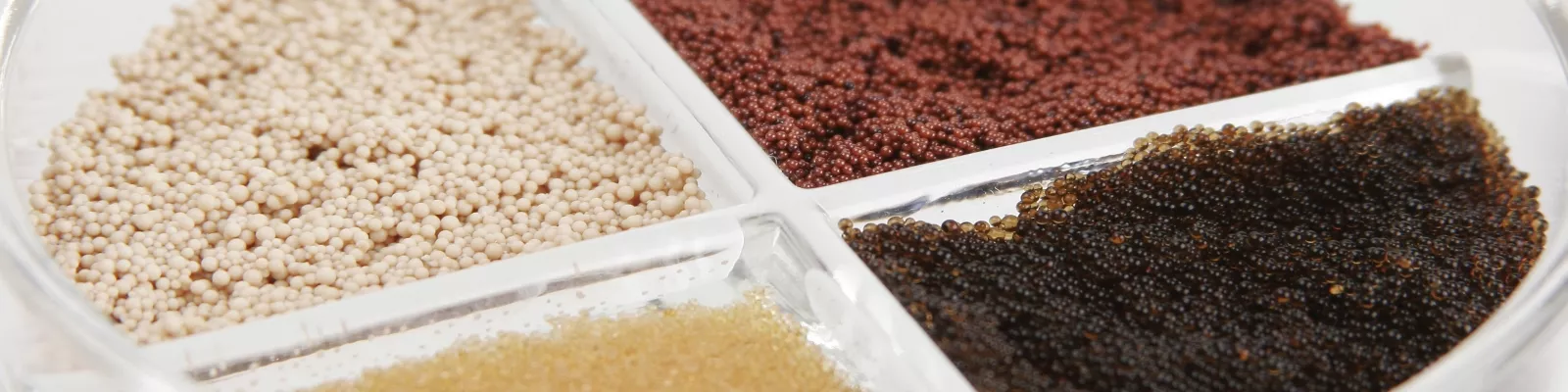
At first glance, purolite sst 60 resin might sound like just another chemical product relegated to dusty industrial trade shows. But as I’ve seen over the years in commercial water treatment plants and manufacturing units, this resin is actually a crucial player in solving some tough challenges globally—especially when it comes to water purification and resource recovery. Its benefits ripple out far beyond the lab: from ensuring clean water in remote communities to optimizing large-scale industrial processes, knowing this resin's ins and outs can be surprisingly rewarding.
Globally, clean water and efficient resource management remain urgent yet complex challenges. According to the United Nations Water Scarcity report, nearly 2 billion people live in countries experiencing high water stress. Industrial processes contribute significantly to water consumption, often returning waste that harms ecosystems.
That’s where things like Purolite SST 60 resin step in. This resin is engineered to support ion exchange and selective adsorption—methods critical for removing contaminants and recovering valuable metals or chemicals. Industries ranging from mining to municipal water systems rely on such technologies. Frankly, with rising regulations and sustainability goals pushed by organizations like ISO, the demand for reliable resins isn’t waning anytime soon.
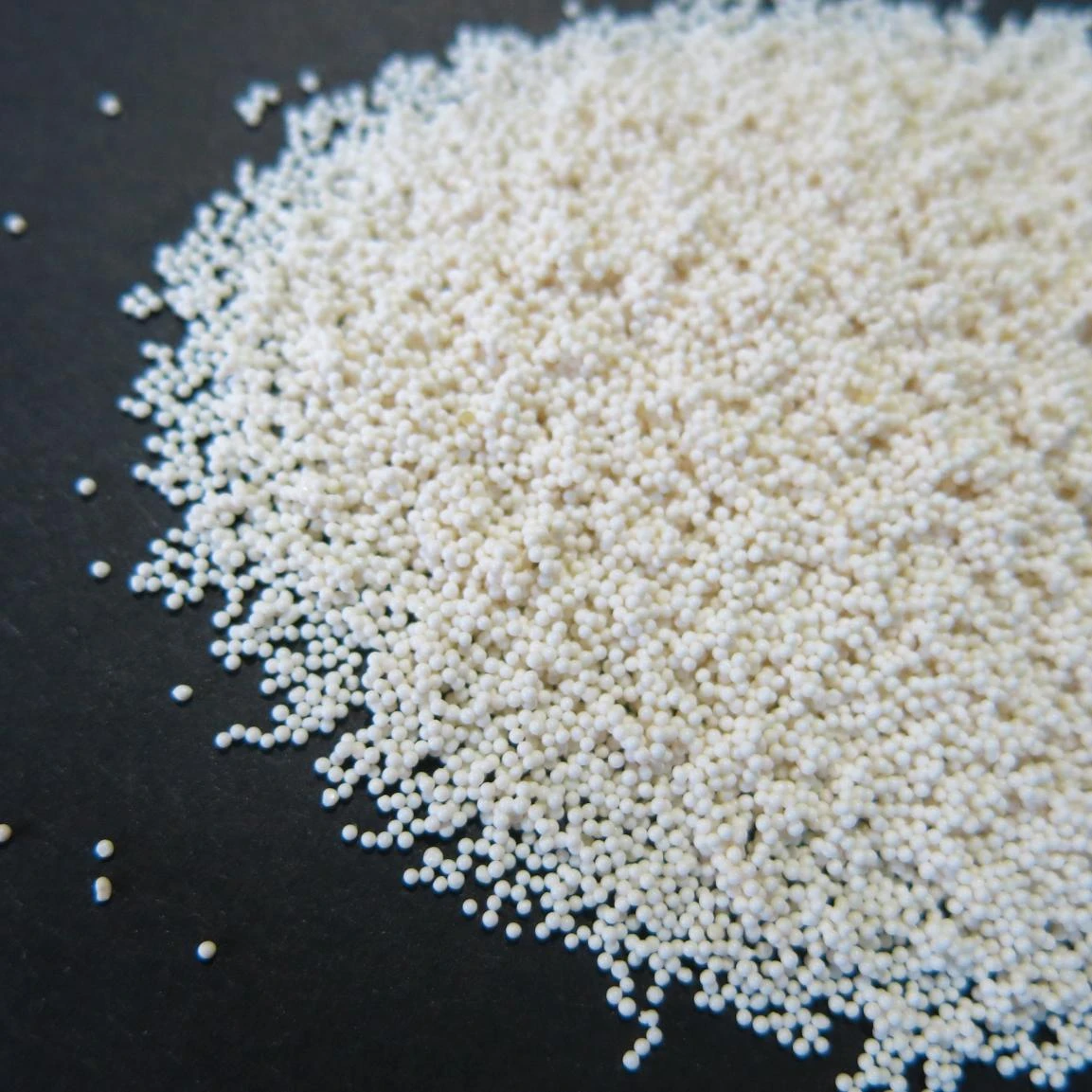
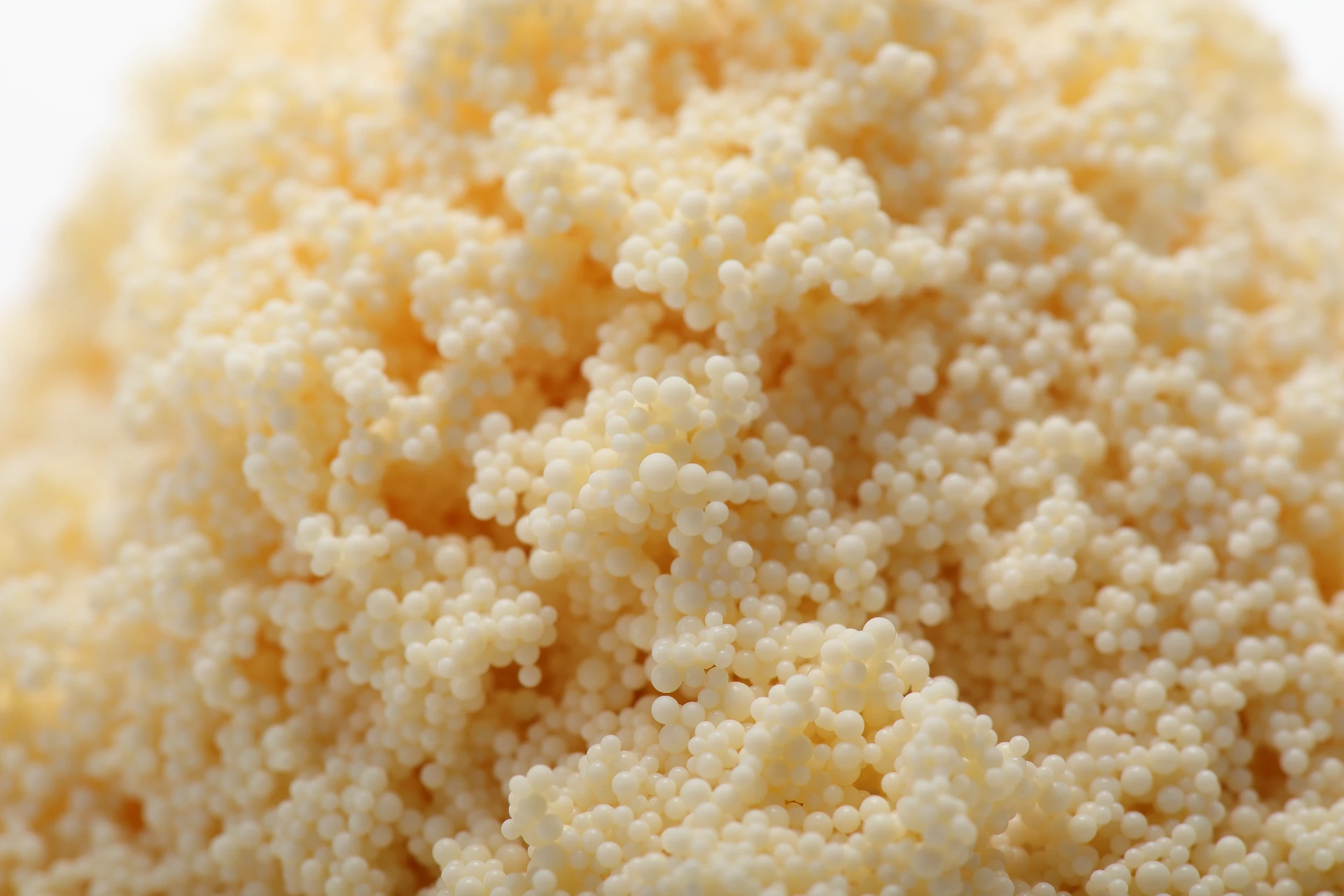
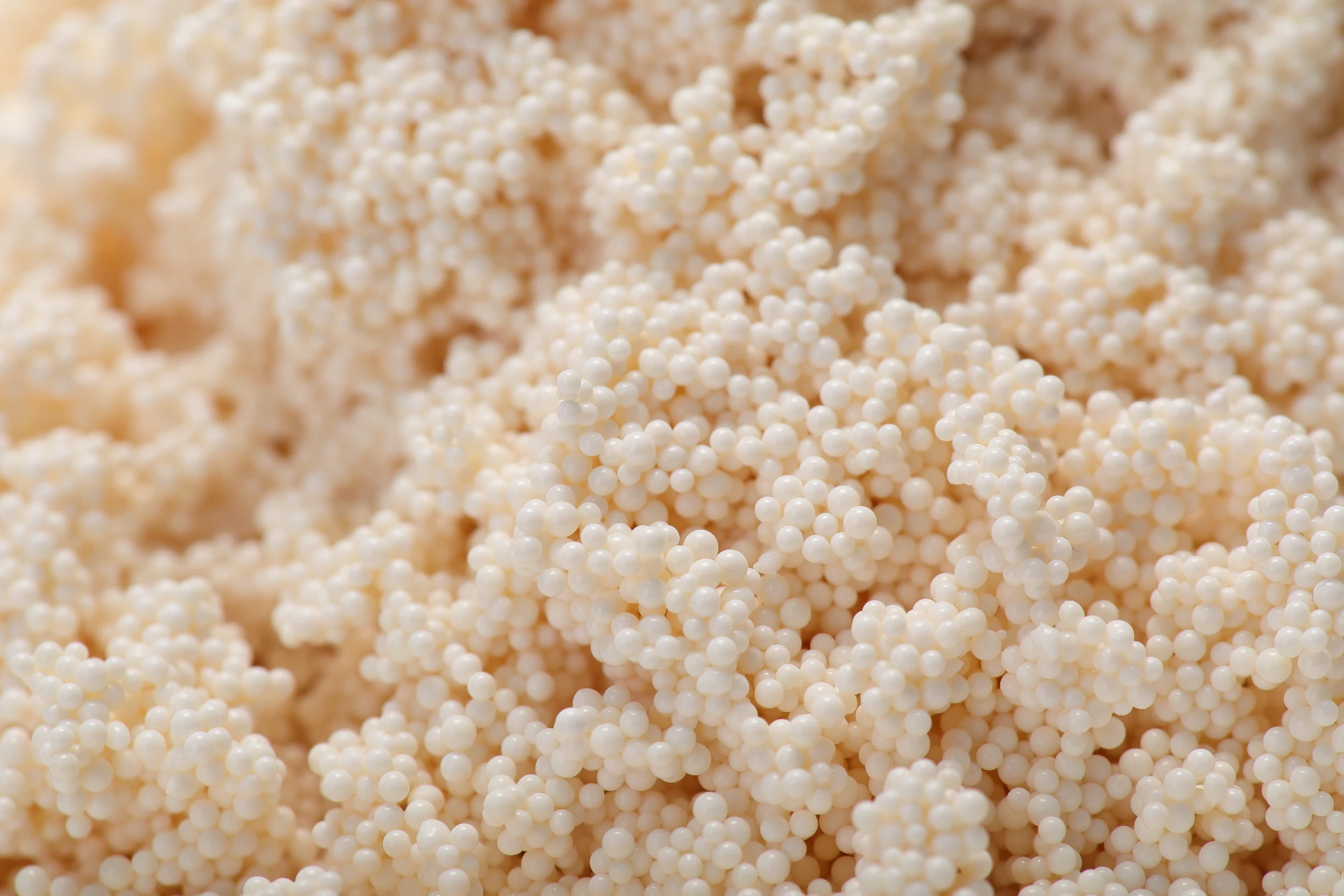
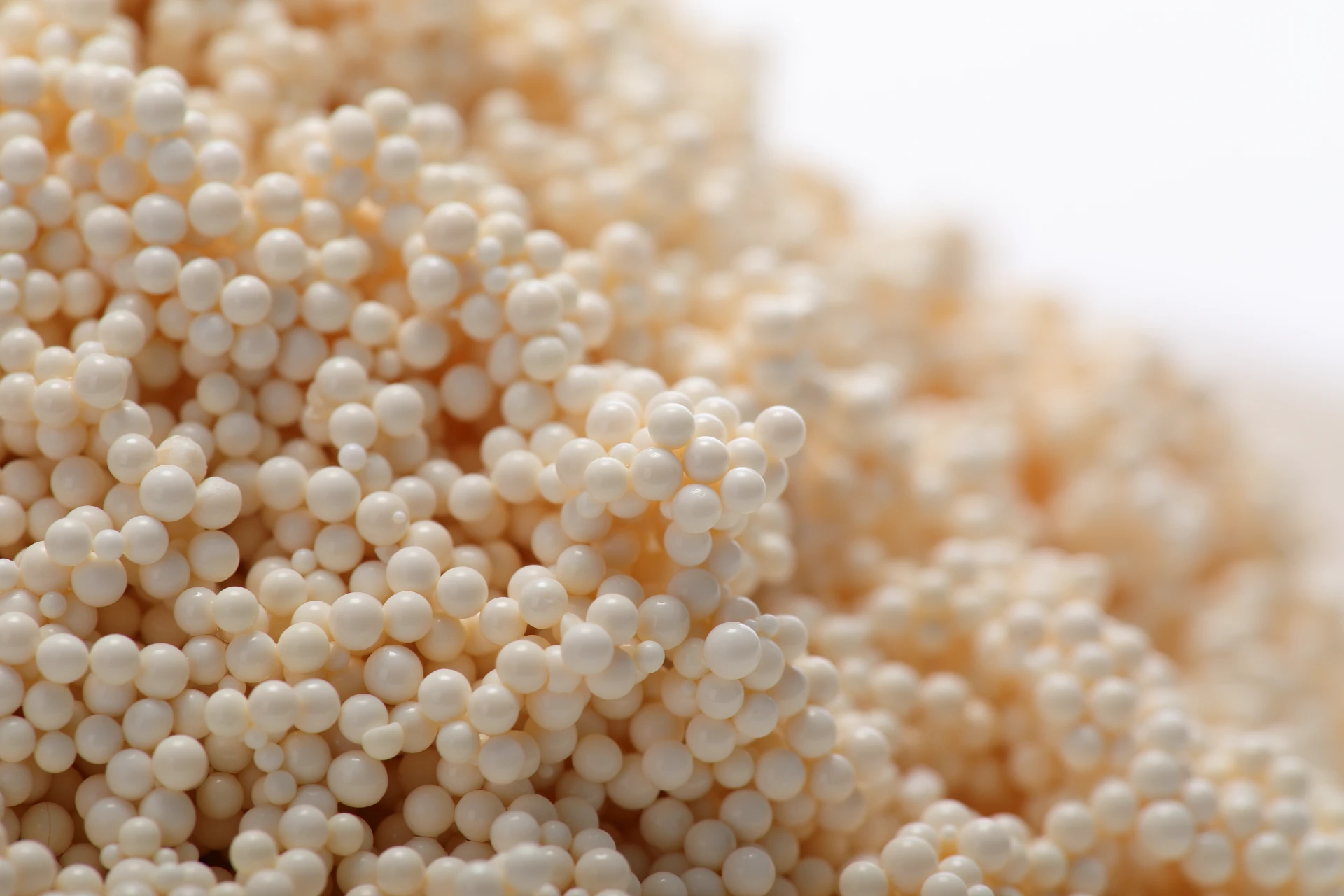
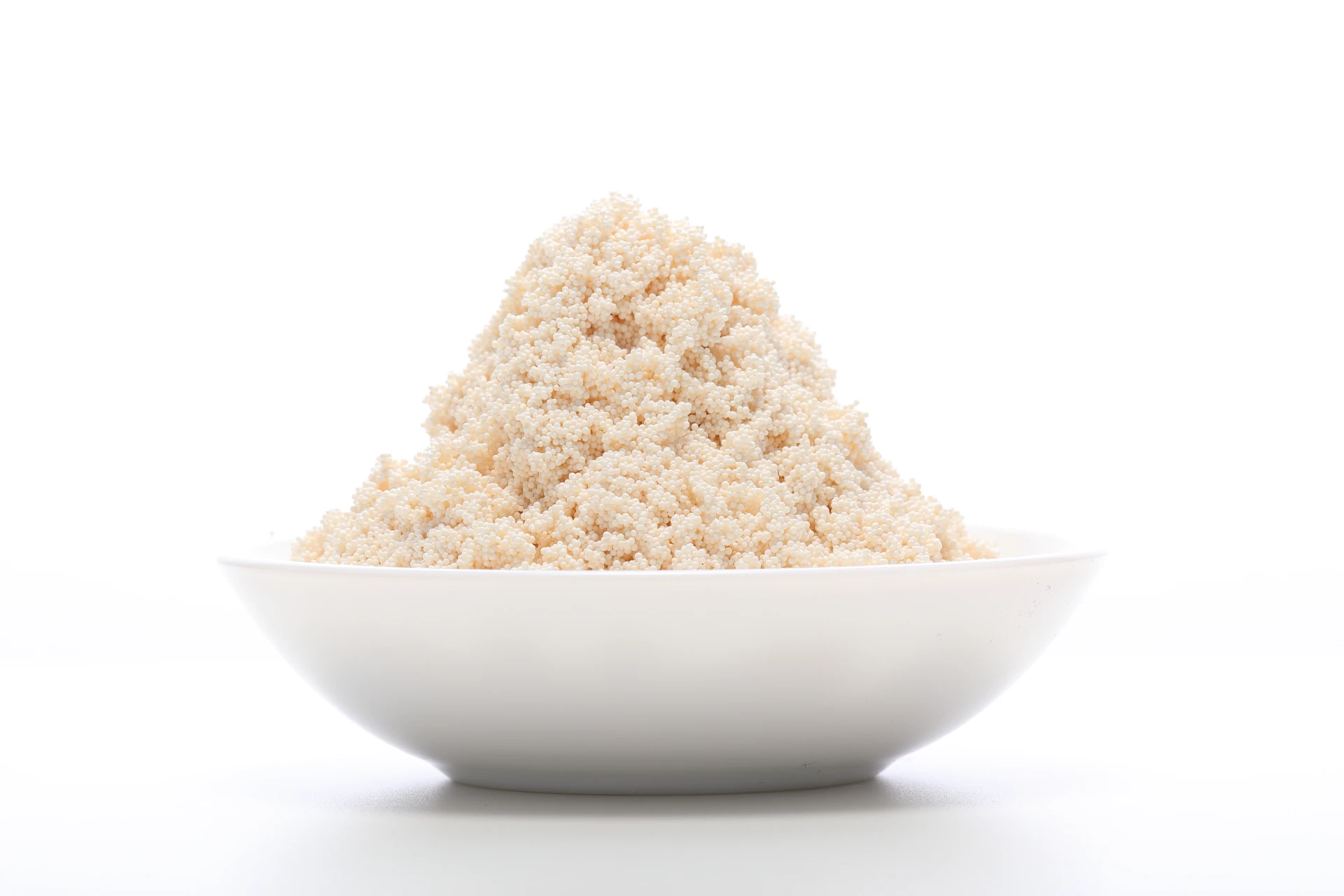
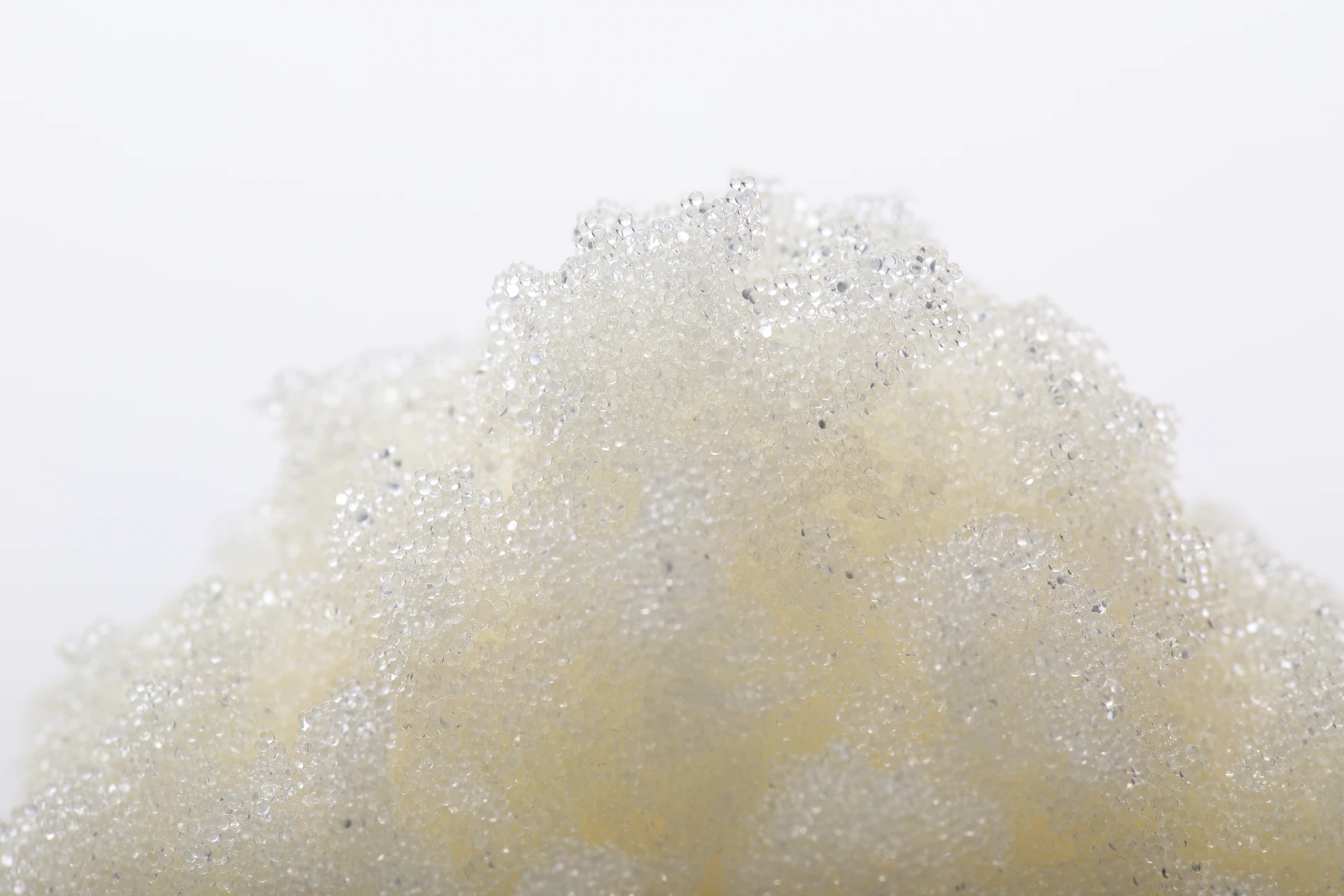
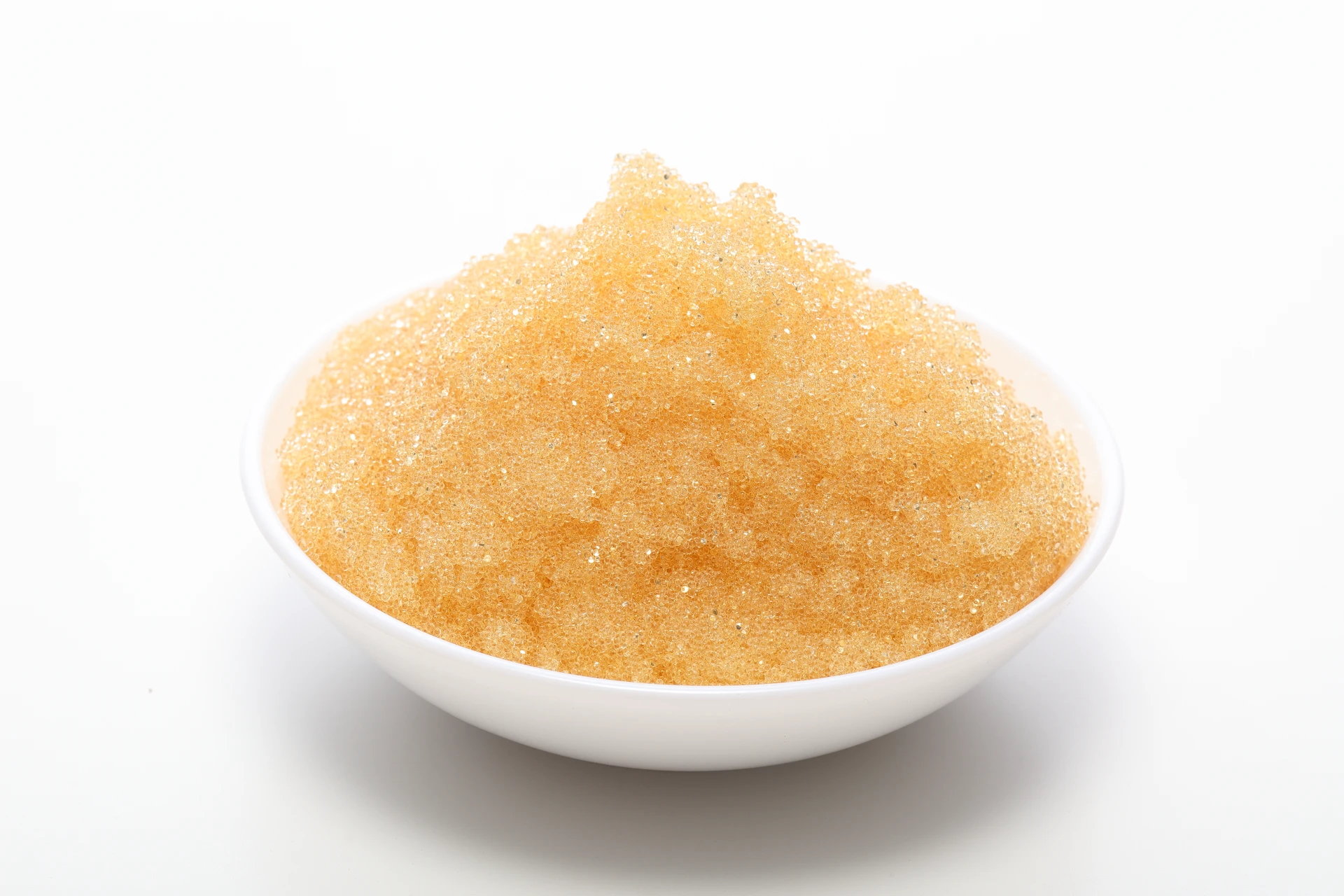
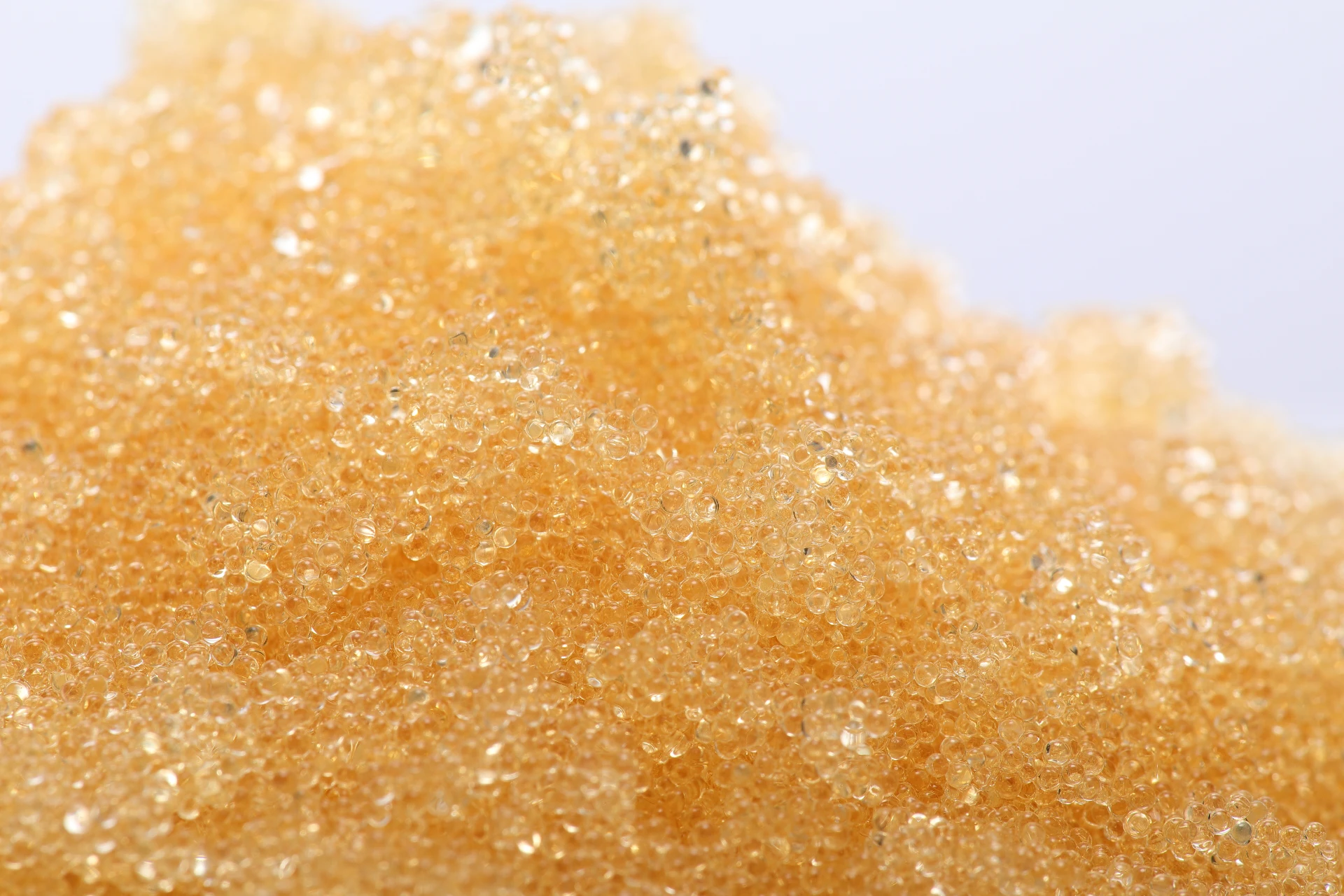
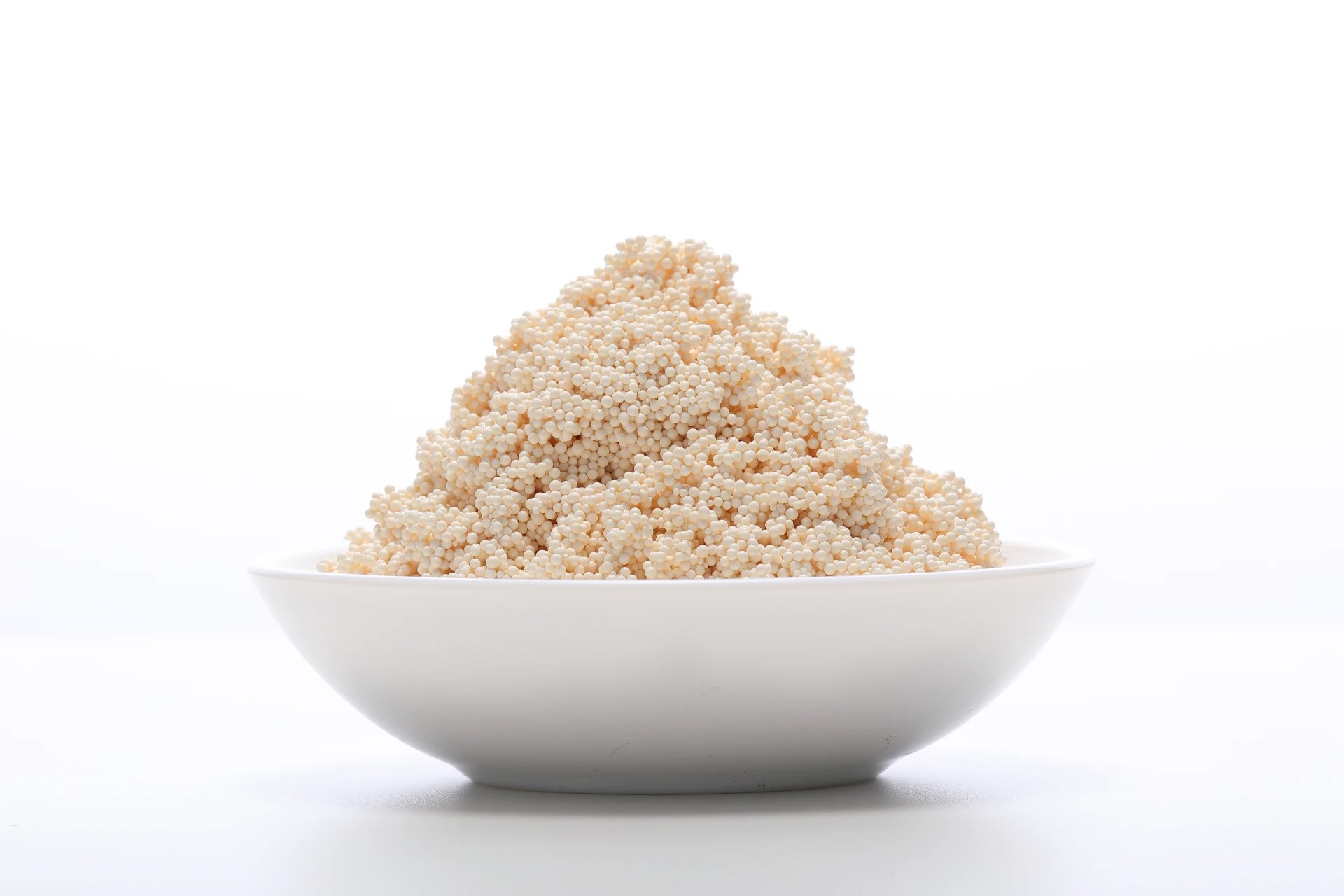
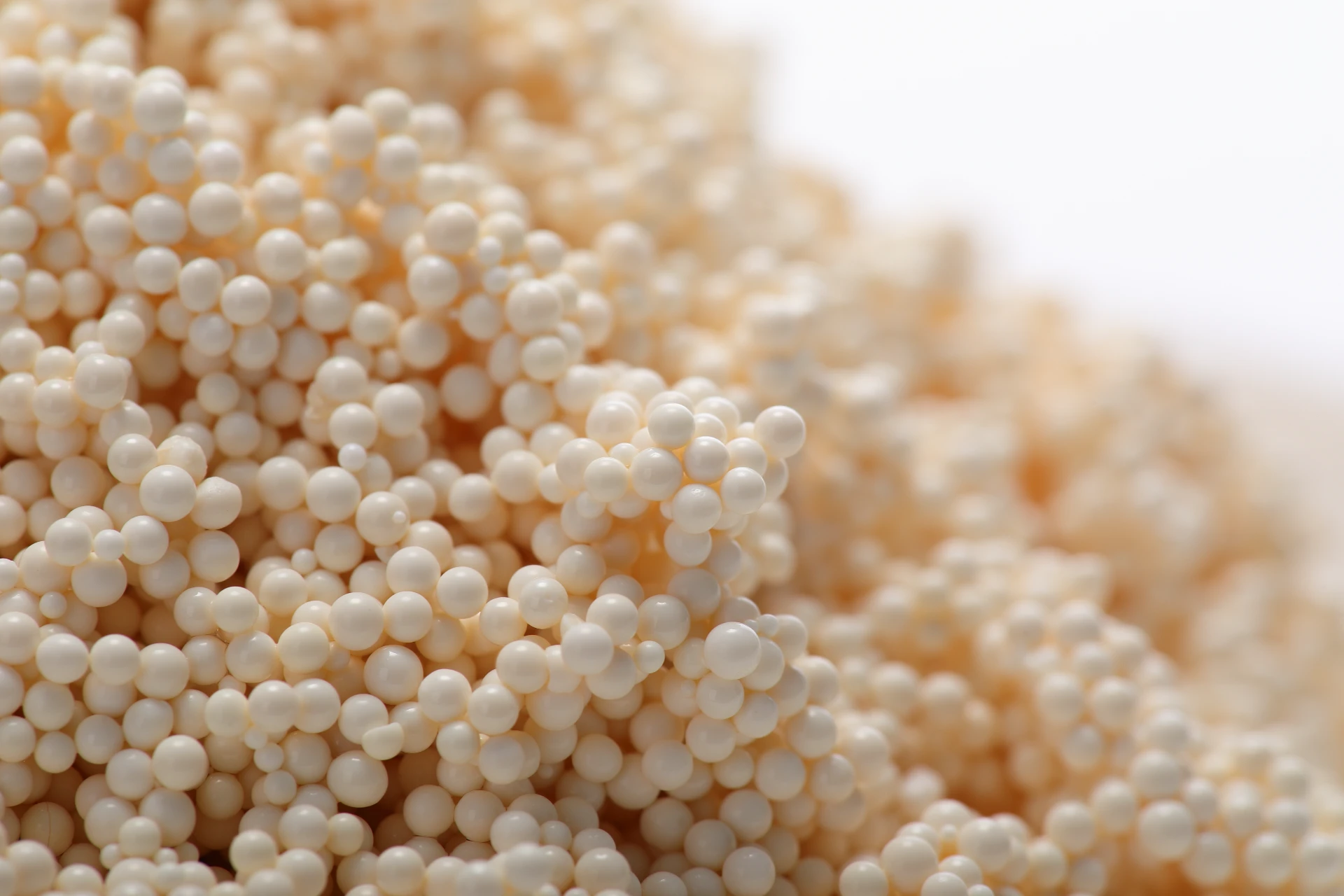
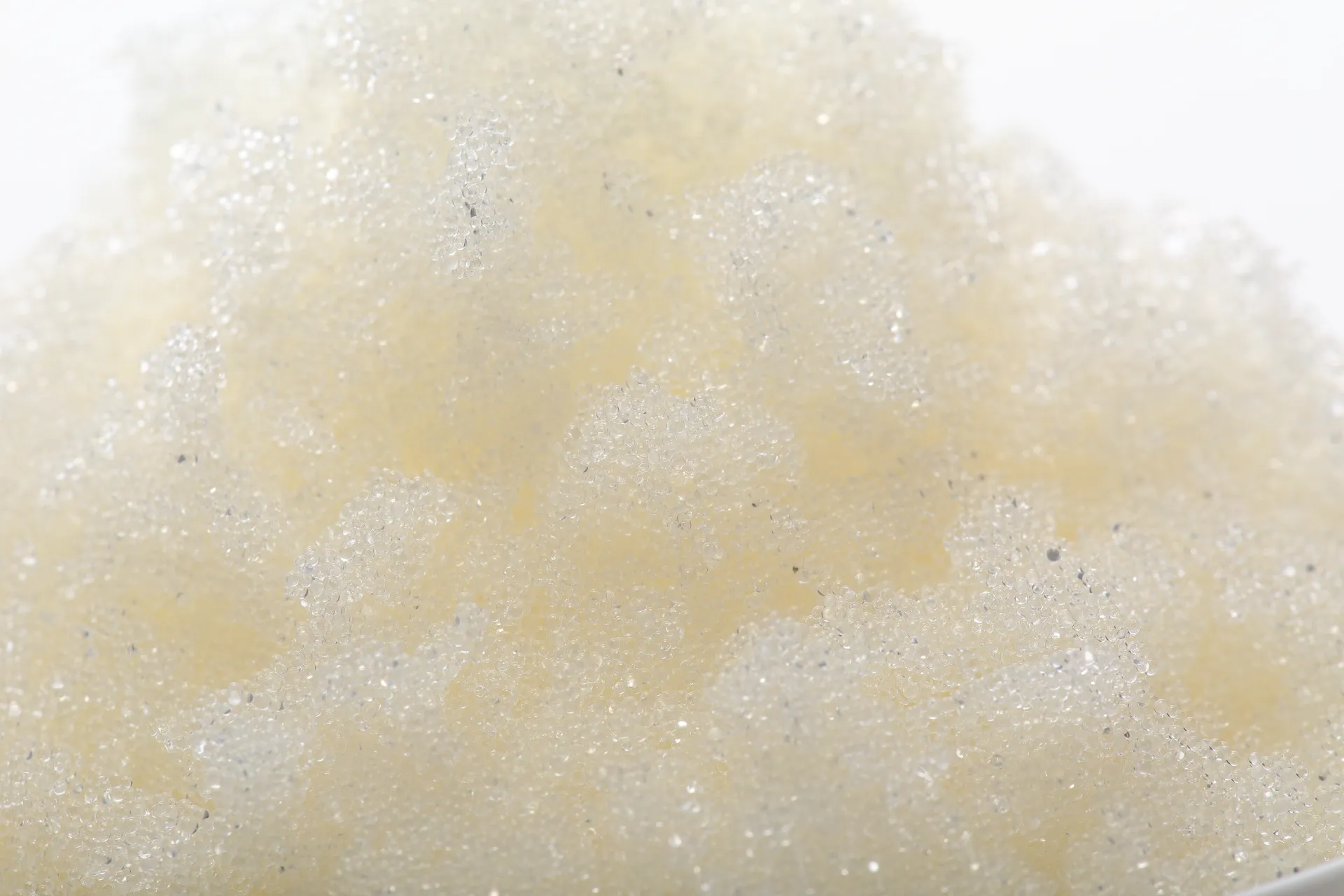
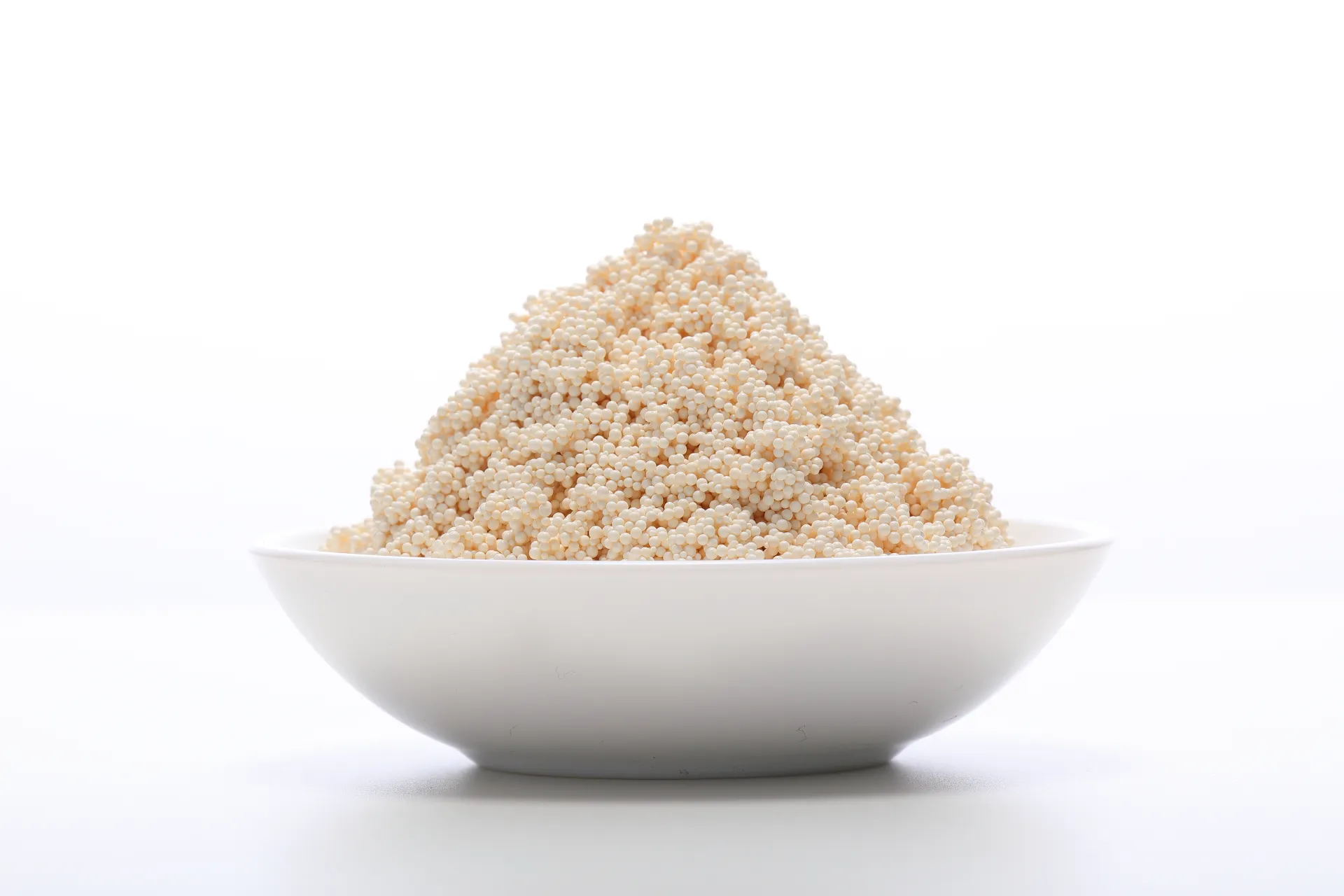
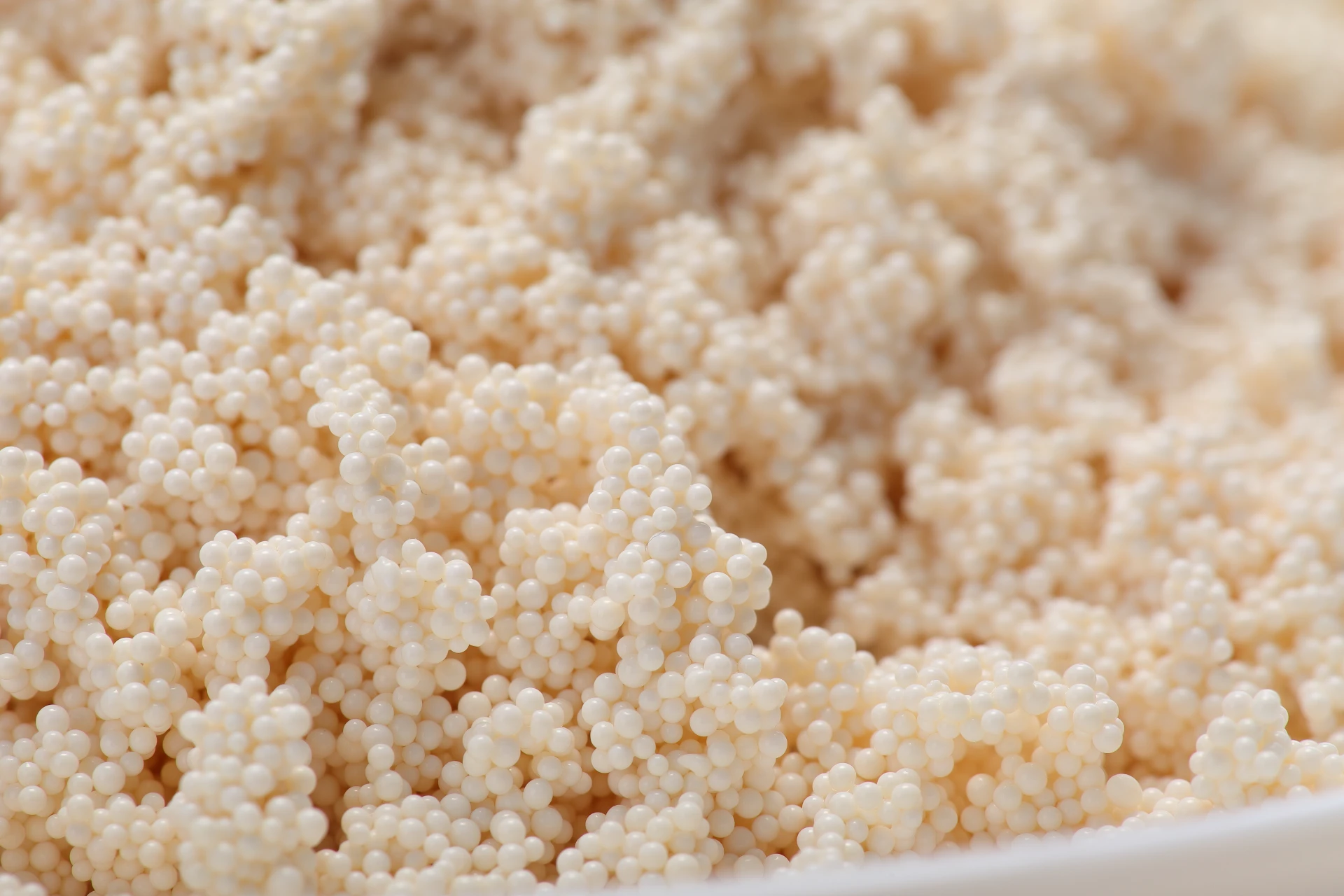
Simply put, Purolite SST 60 resin is a type of specialized sorbent resin designed for selective separation and purification in industrial processes. It’s a synthetic polymer bead that acts like a microscopic magnet, picking out specific ions or molecules from liquids through ion exchange or chemical affinity. This behavior underpins complex tasks like extracting precious metals from wastewater or softening hard water before treatment.
Its connection to humanitarian needs is indirect but significant. Clean water is fundamental for health, and industrial pollution is a big threat. Resins like Purolite SST 60 help industries comply with environmental standards, ultimately protecting communities and ecosystems.
One standout trait is its selective binding capacities, offering high affinity to target ions such as heavy metals or specific chemical species. This efficiency reduces processing time and chemical consumption.
The resin withstands a wide pH range and harsh industrial chemicals, making it suitable for tough environments without significant degradation—a major plus for repeat use.
From small pilot plants to huge industrial setups, the resin’s consistent performance scales well, which explains its global adoption across industries.
It’s not just about performance; the resin offers a good lifespan with regeneration potential, meaning lower replacement costs over time.
| Specification | Details |
|---|---|
| Physical Form | Beads, 0.5-1.2 mm diameter |
| Functional Group | Selective chelating groups |
| Working pH Range | 2-12 |
| Moisture Content | 45-55% |
| Max Operating Temperature | 80°C |
Purolite SST 60 resin finds use in a variety of industries and geographies:
Oddly enough, despite these high-tech uses, the resin’s impact often trickles down to providing basic necessities that many of us take for granted.
| Feature | Purolite SST 60 | Competitor A | Competitor B |
|---|---|---|---|
| Selectivity | High | Moderate | High |
| Chemical Resistance | Excellent | Good | Fair |
| Service Life | 5+ years | 3-4 years | 4 years |
| Cost per Cycle | Low | Medium | Medium |
Looking at the benefits, Purolite SST 60 resin offers not only technical reliability but also economic and ecological value. Its chemical robustness allows multiple regeneration cycles, significantly reducing waste and operational costs. From a sustainability perspective, using such resins decreases the discharge of toxic metals into natural water bodies—supporting environmental health and community safety.
Many engineers I’ve talked to emphasize the peace of mind that comes with dependable performance under extreme conditions. That feeling, frankly, is invaluable—because when you’re managing critical water supplies or sensitive chemical reactions, trust isn’t just a buzzword, it’s essential.
Industry insiders expect innovations around greener resin materials and enhanced digital monitoring systems integrated into resin beds for real-time performance tracking. Automation in regeneration cycles and AI-driven predictive maintenance are gaining traction too, potentially preventing downtime before problems arise.
The push for circular economy models means resins may also be designed for easier recycling post-use, closing loops in material lifecycles. You might like to check out emerging patents and pilot projects focusing on bio-based resin alternatives — an exciting horizon for chemically savvy ecologists alike.
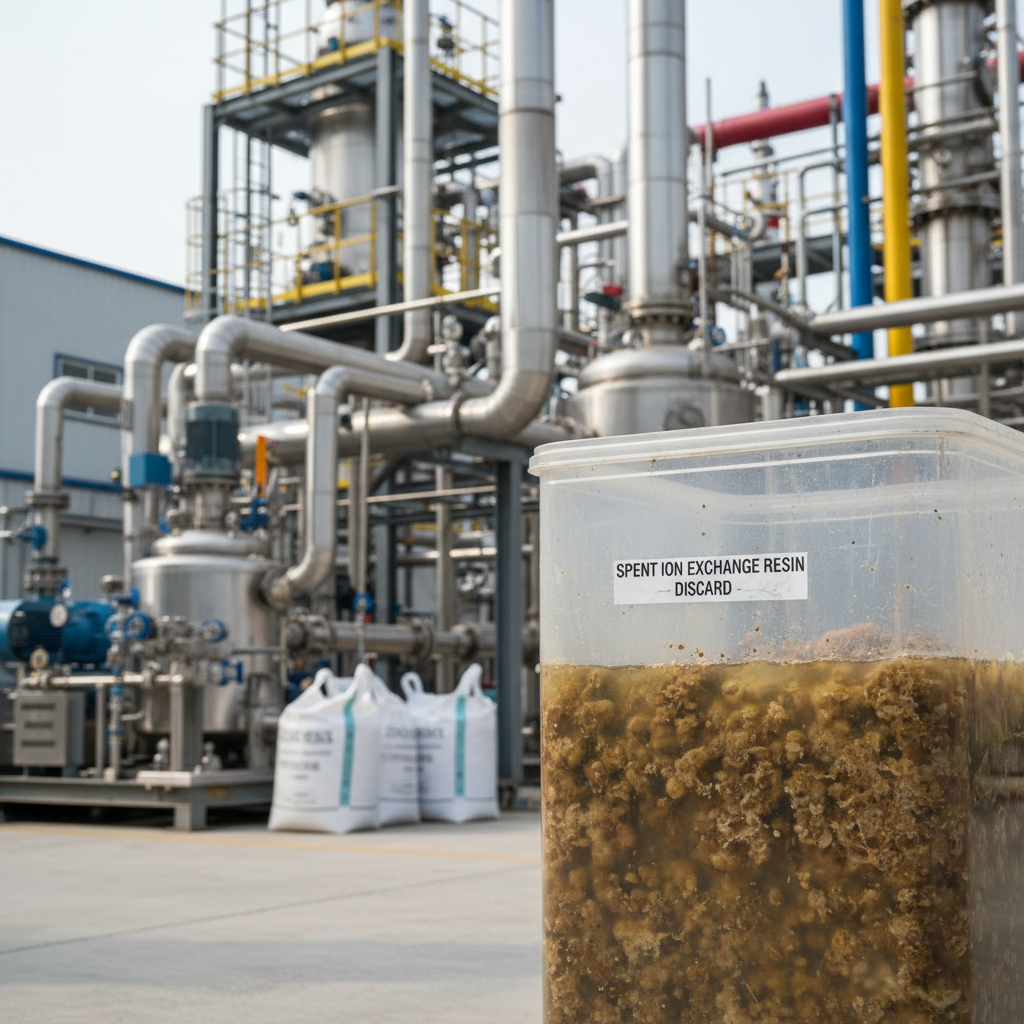
Of course, no technology is perfect. Challenges with Purolite SST 60 resin often revolve around fouling in complex wastewaters and maintaining performance over extended cycles. Fortunately, periodic cleaning protocols and hybrid system designs combining different resins or complementary filtration methods help overcome these hurdles effectively.
One solution that many operators swear by is pretreatment to remove particulates and organics before the resin stage. Collaboration between resin chemists and field engineers continues refining these approaches, improving reliability and output quality.
In real terms, purolite sst 60 resin represents an elegant solution to complex industrial and environmental challenges. Its versatility, cost-effectiveness, and durability make it a smart investment for companies aiming to meet stringent quality and sustainability goals. If you’re exploring advanced ion exchange or water purification technologies, this resin should definitely be on your radar.
For detailed inquiries and tailored solutions, visit our website: https://www.lijiresin.com
Mini takeaway: Whether you’re a water engineer, environmental manager, or process designer, understanding resin like Purolite SST 60 helps you build cleaner, safer, and more efficient systems that matter every day—and for years to come.
References: