Phone:
+86 0319 2296164


Email:
info@lijiresin.cn
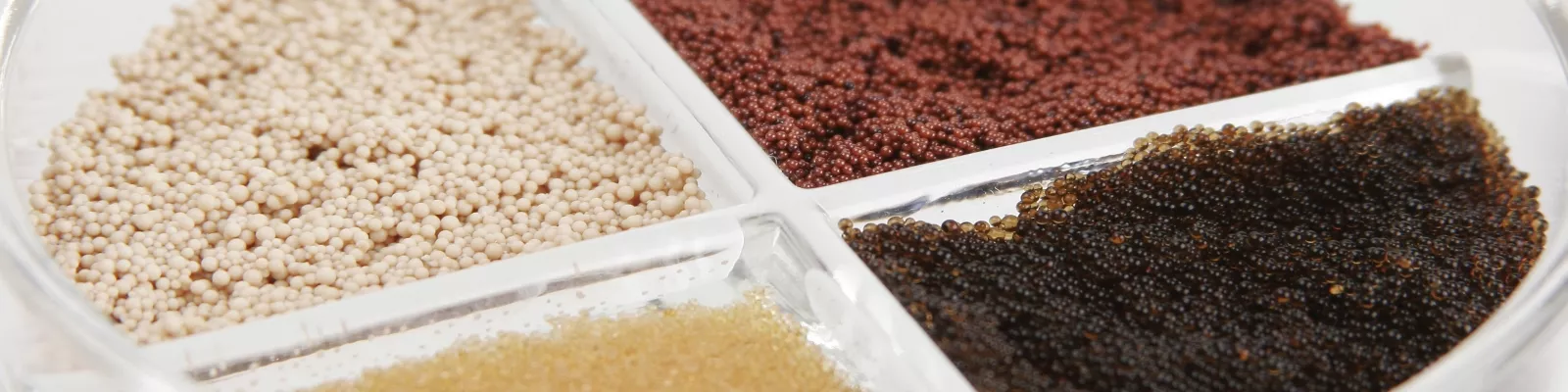
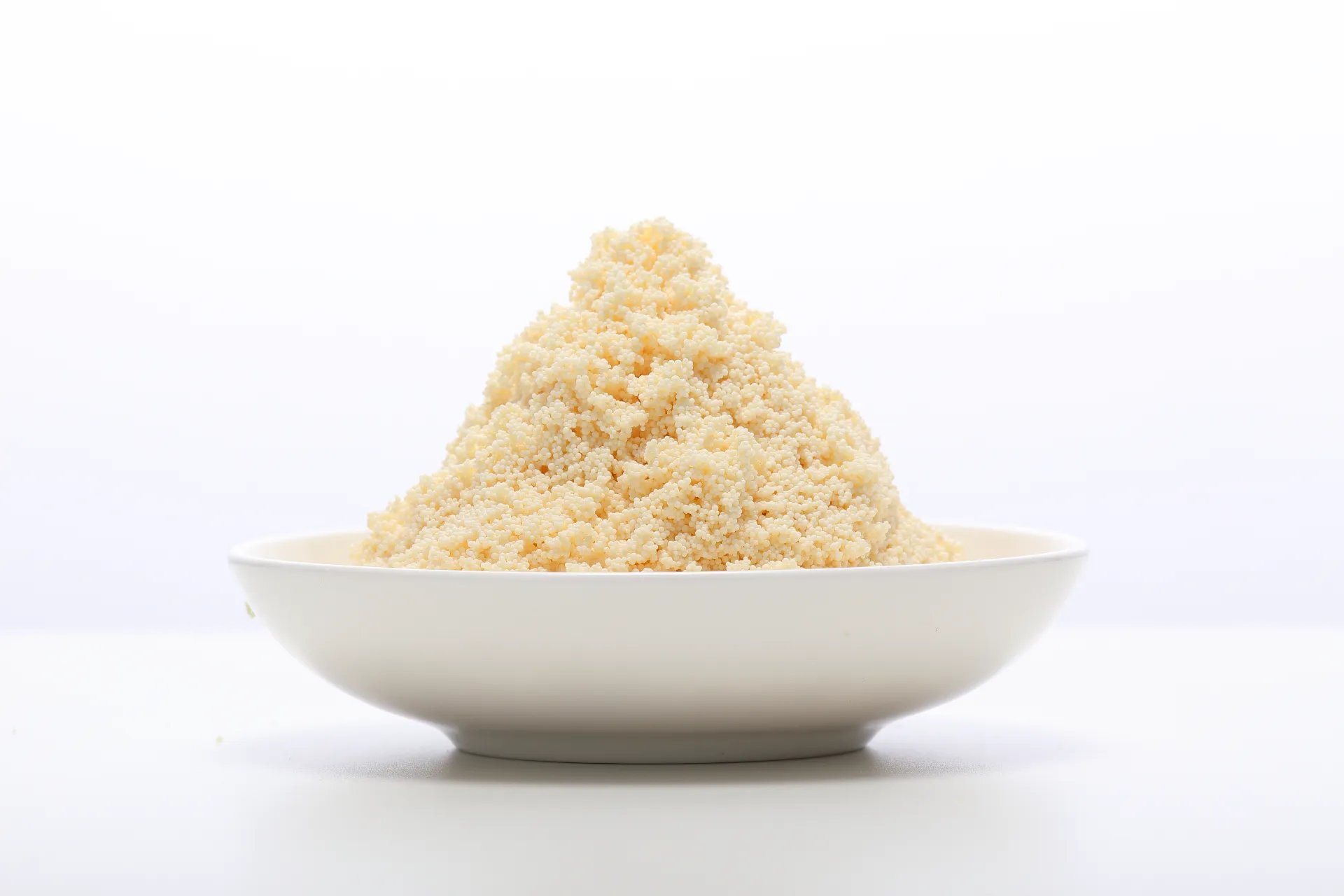
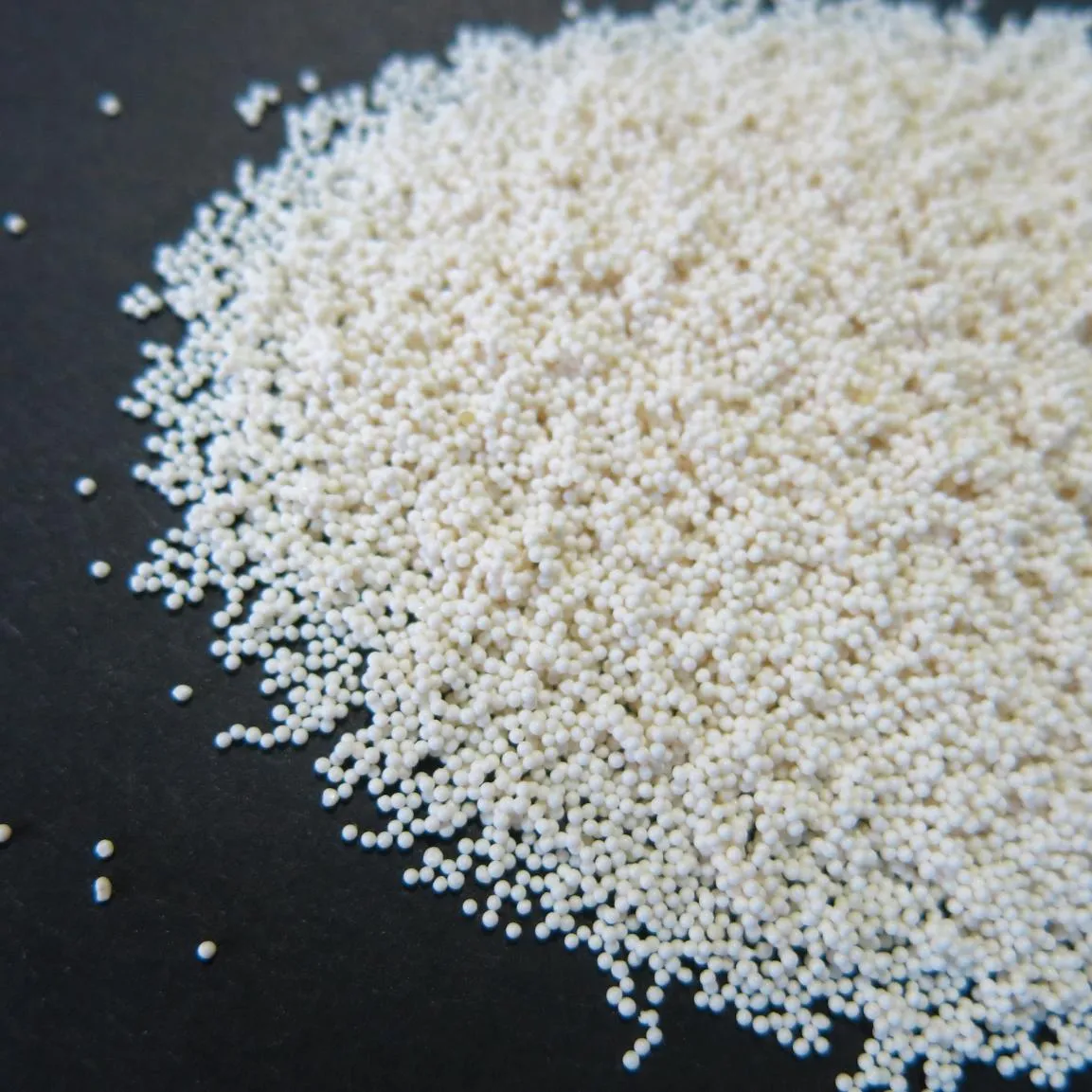
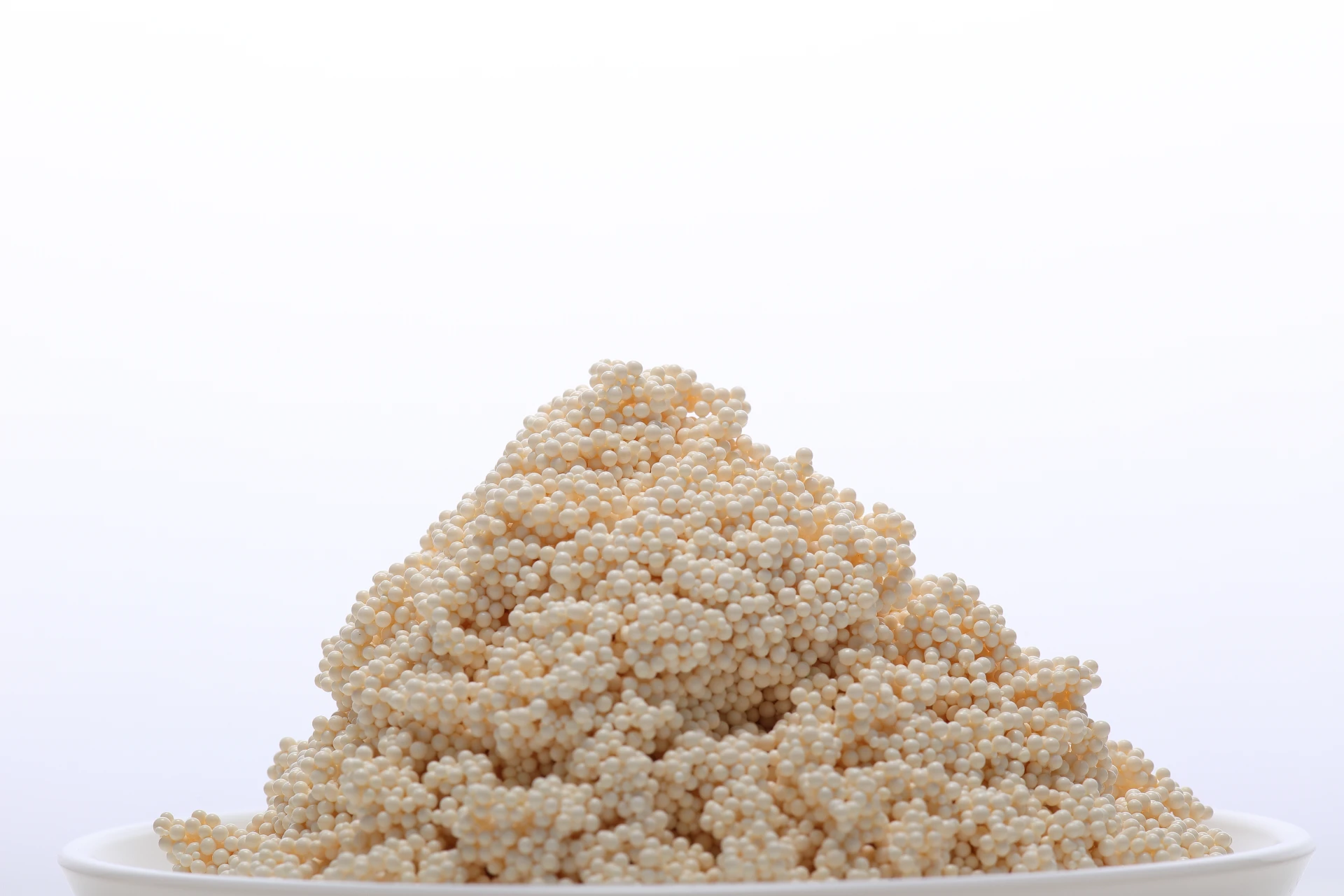
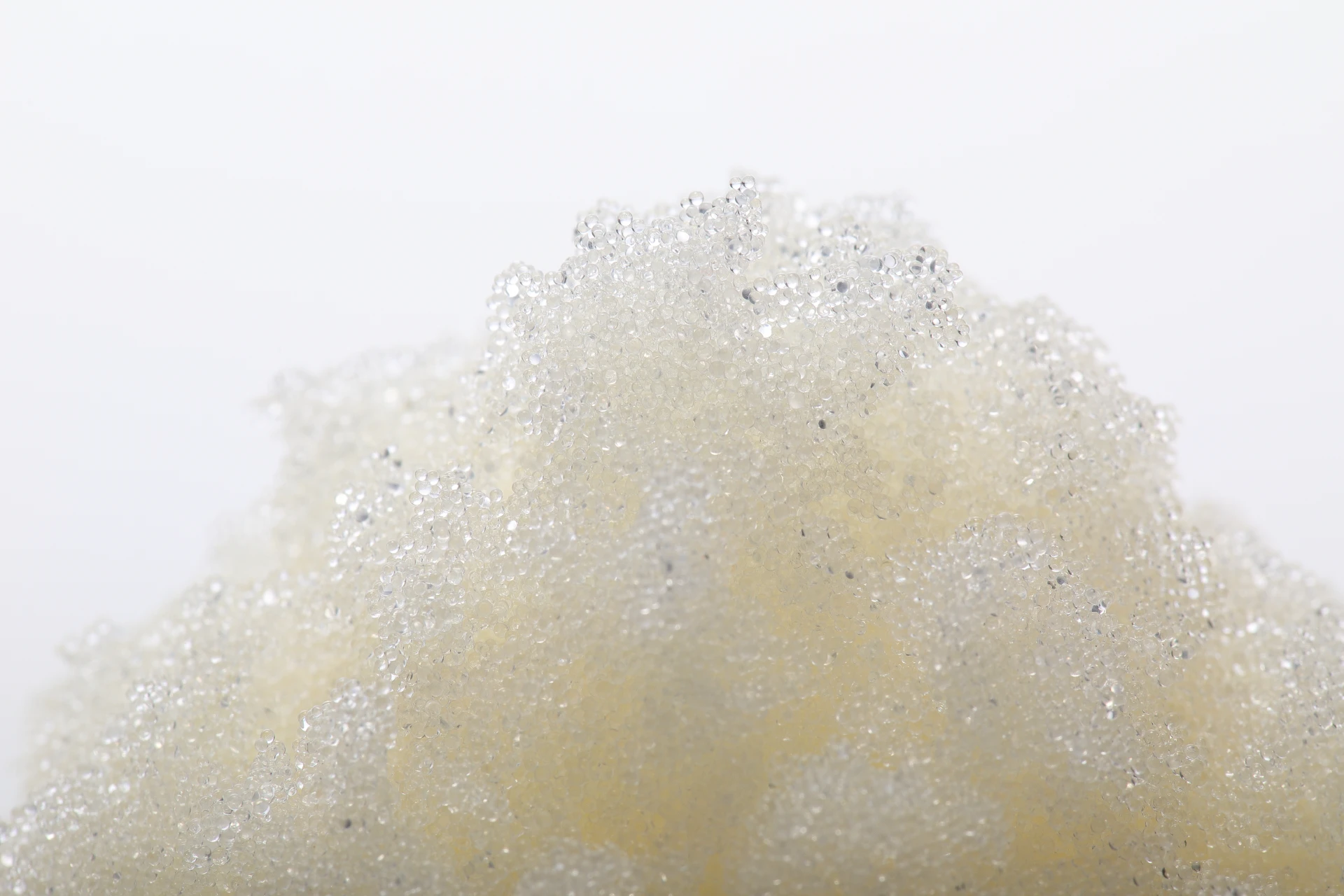
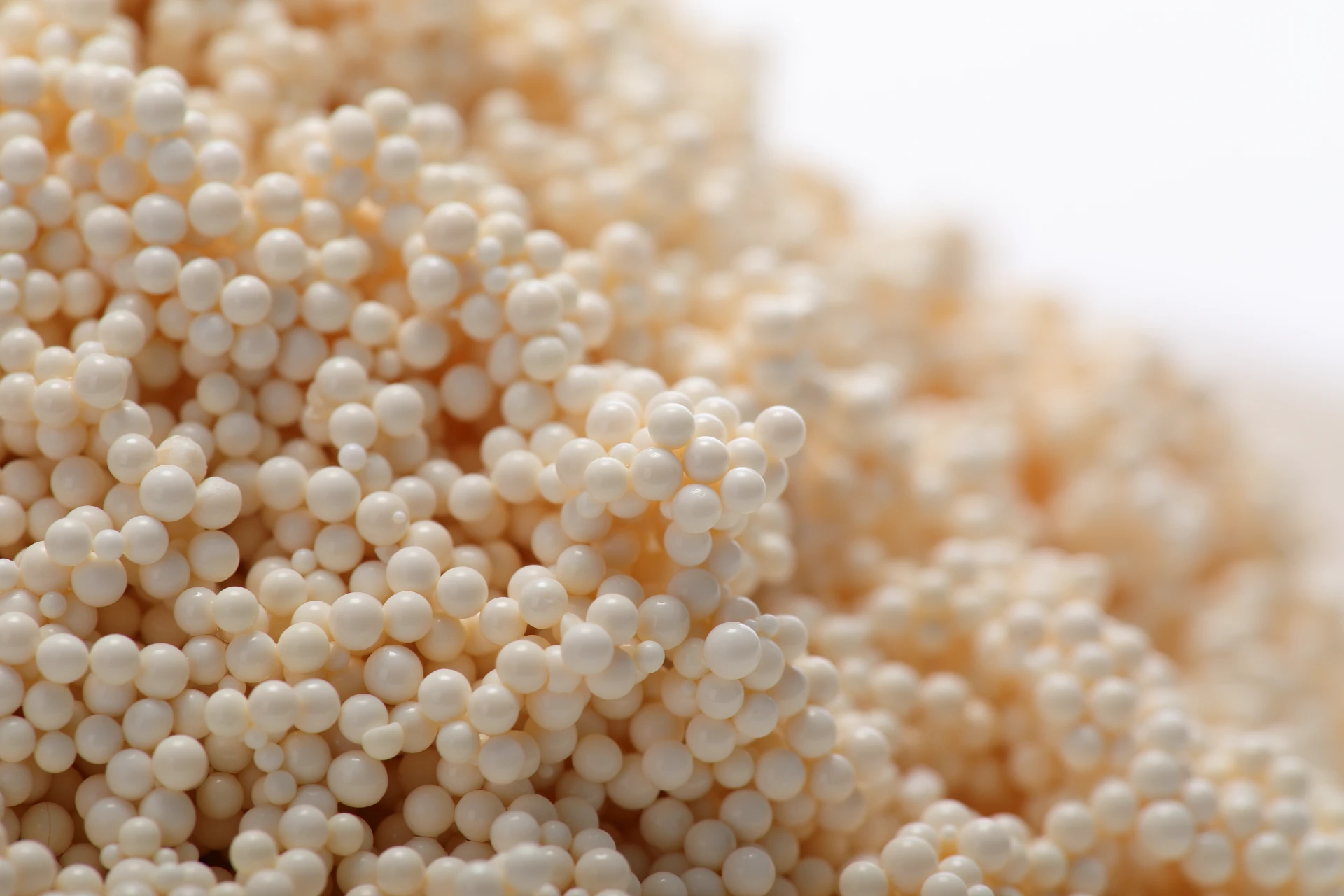
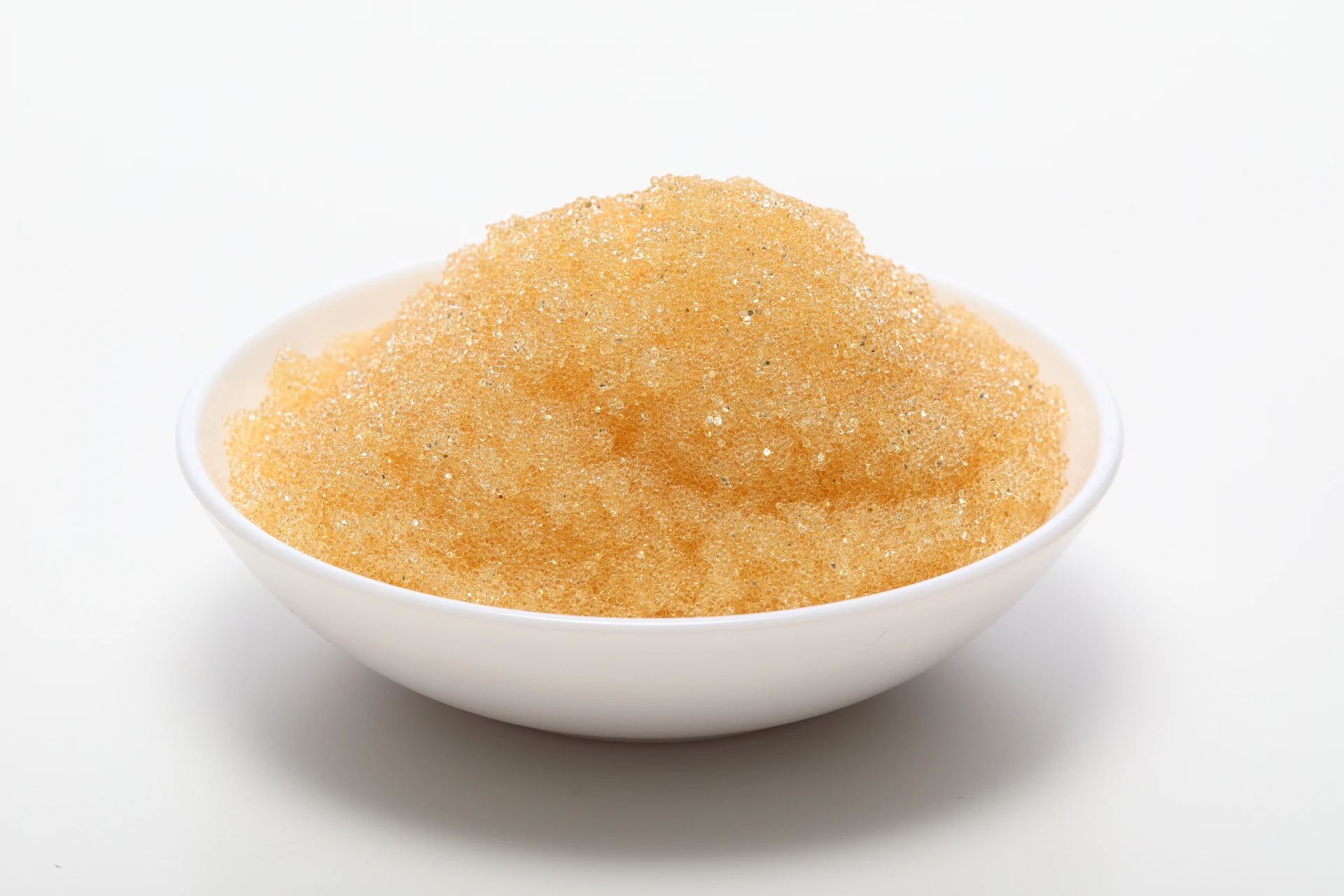
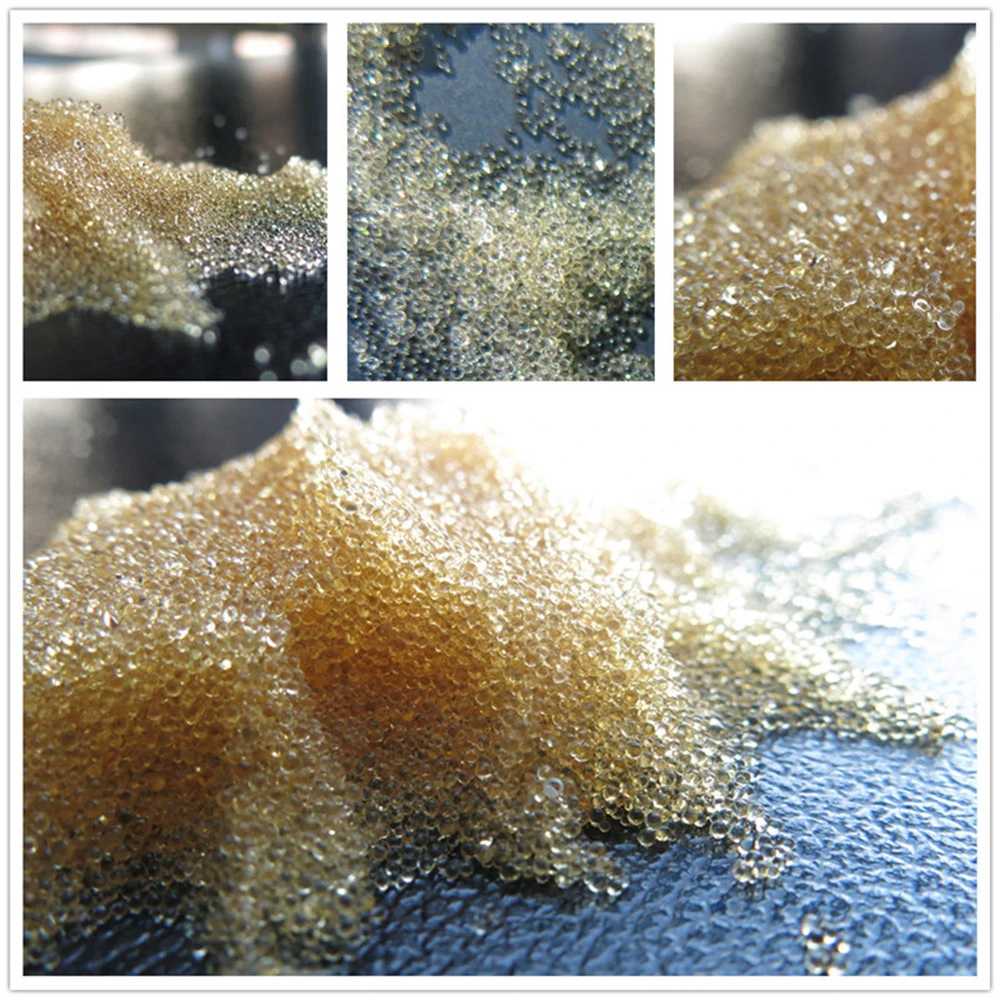
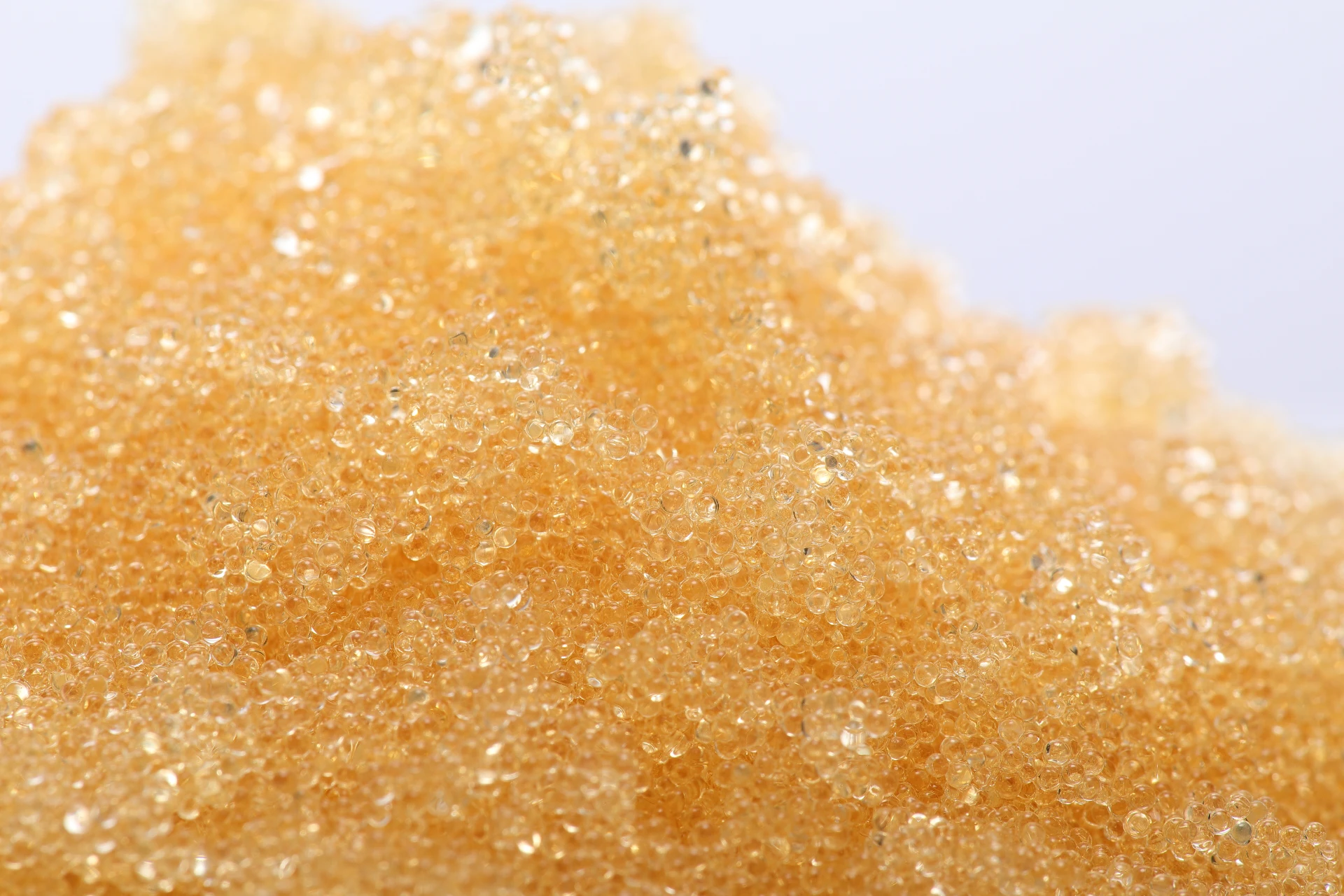
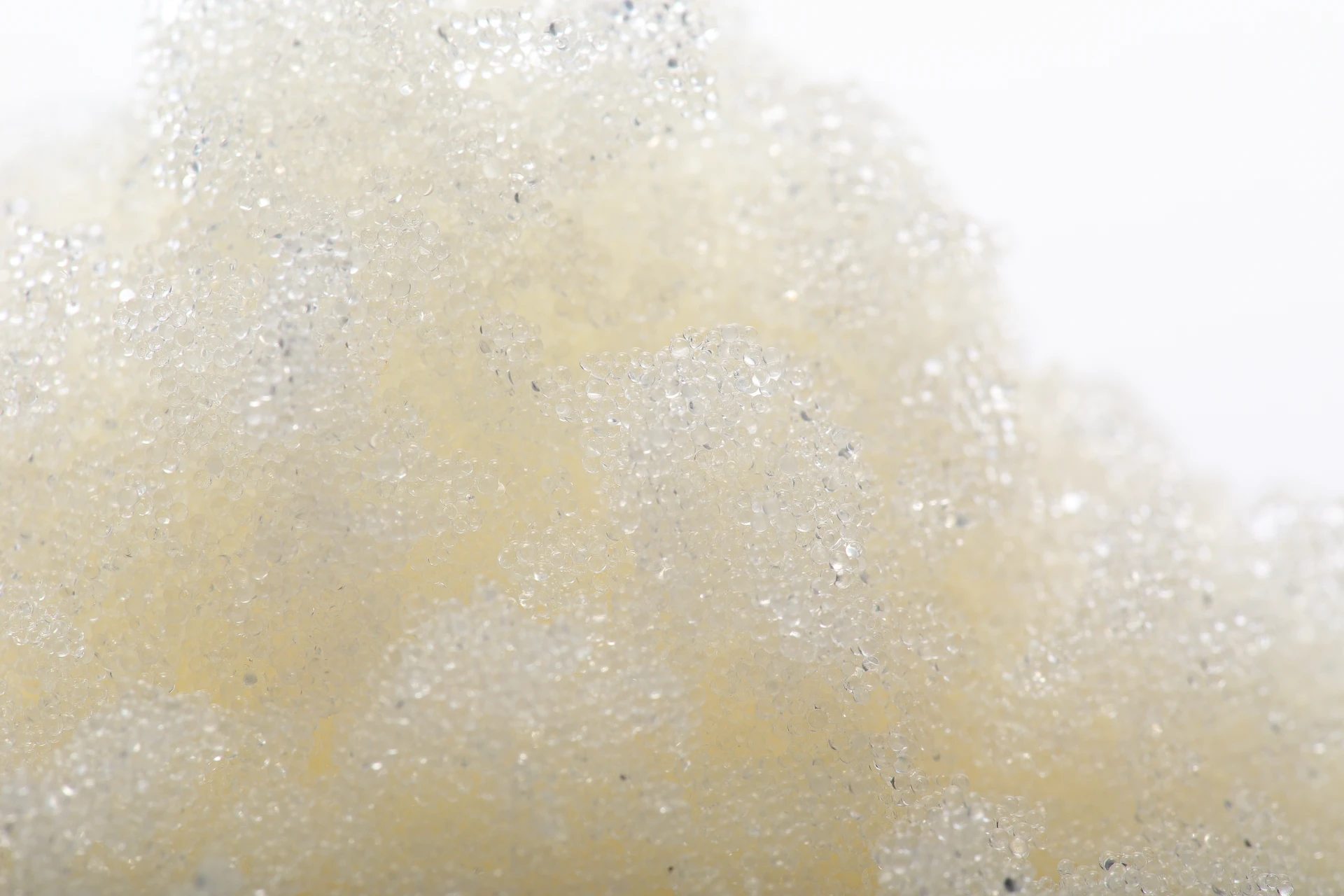
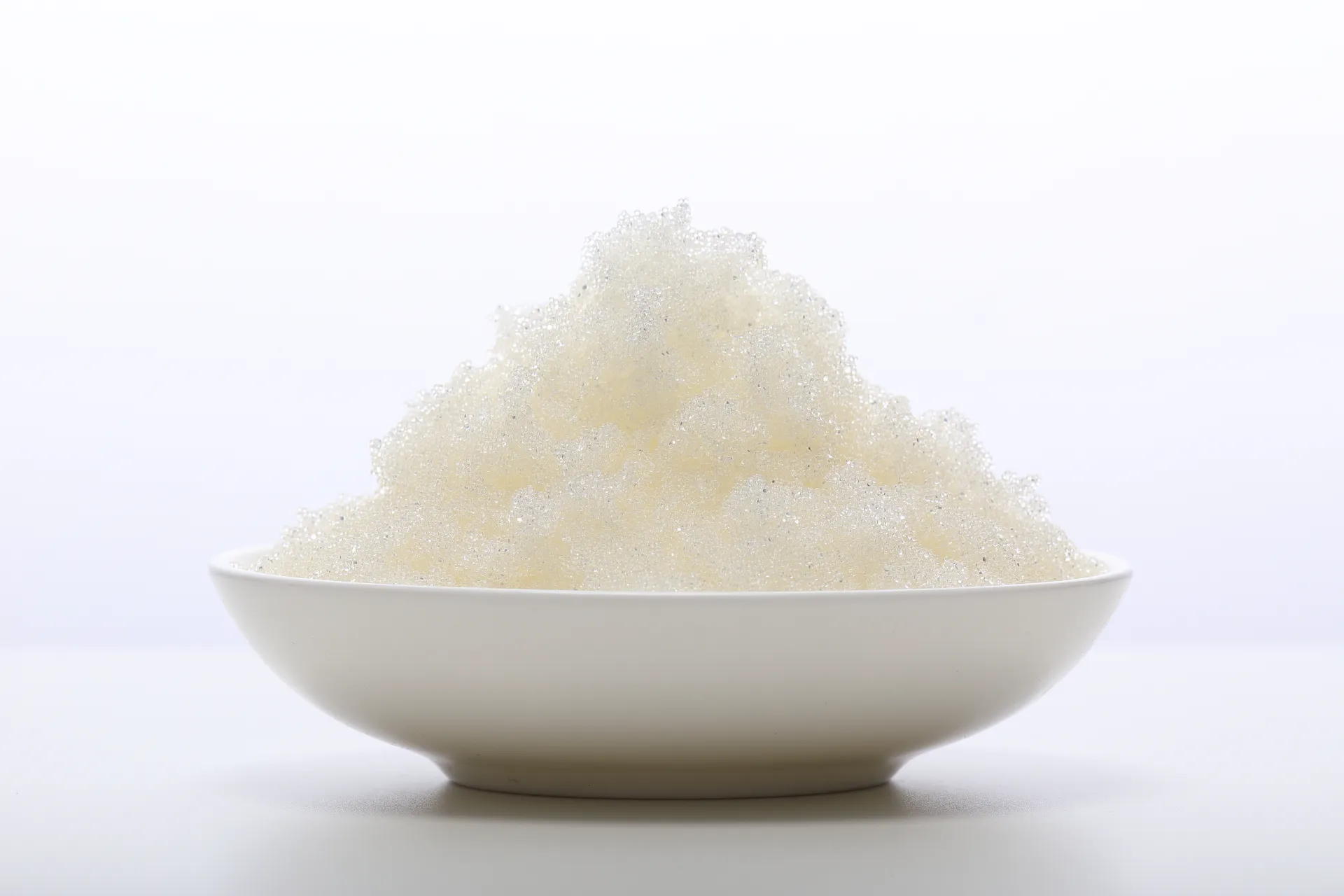
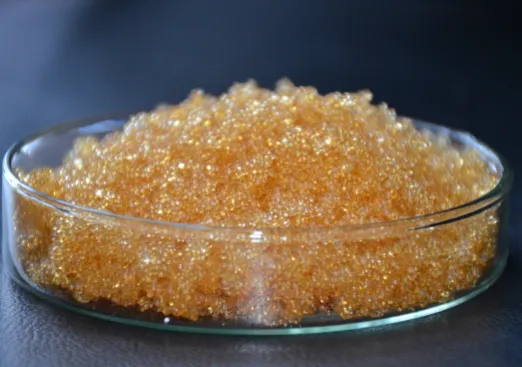
I’ve walked enough treatment lines to know what really matters: stable alkalinity removal, low acid bills, and a resin that doesn’t sulk after a tough regeneration. D113 FC, an acrylic copolymer with carboxylic acid (–COOH) groups, has quietly become the go-to in decarbonization skids, beverage polishing trains, and—surprisingly—some nickel/zinc recovery loops.
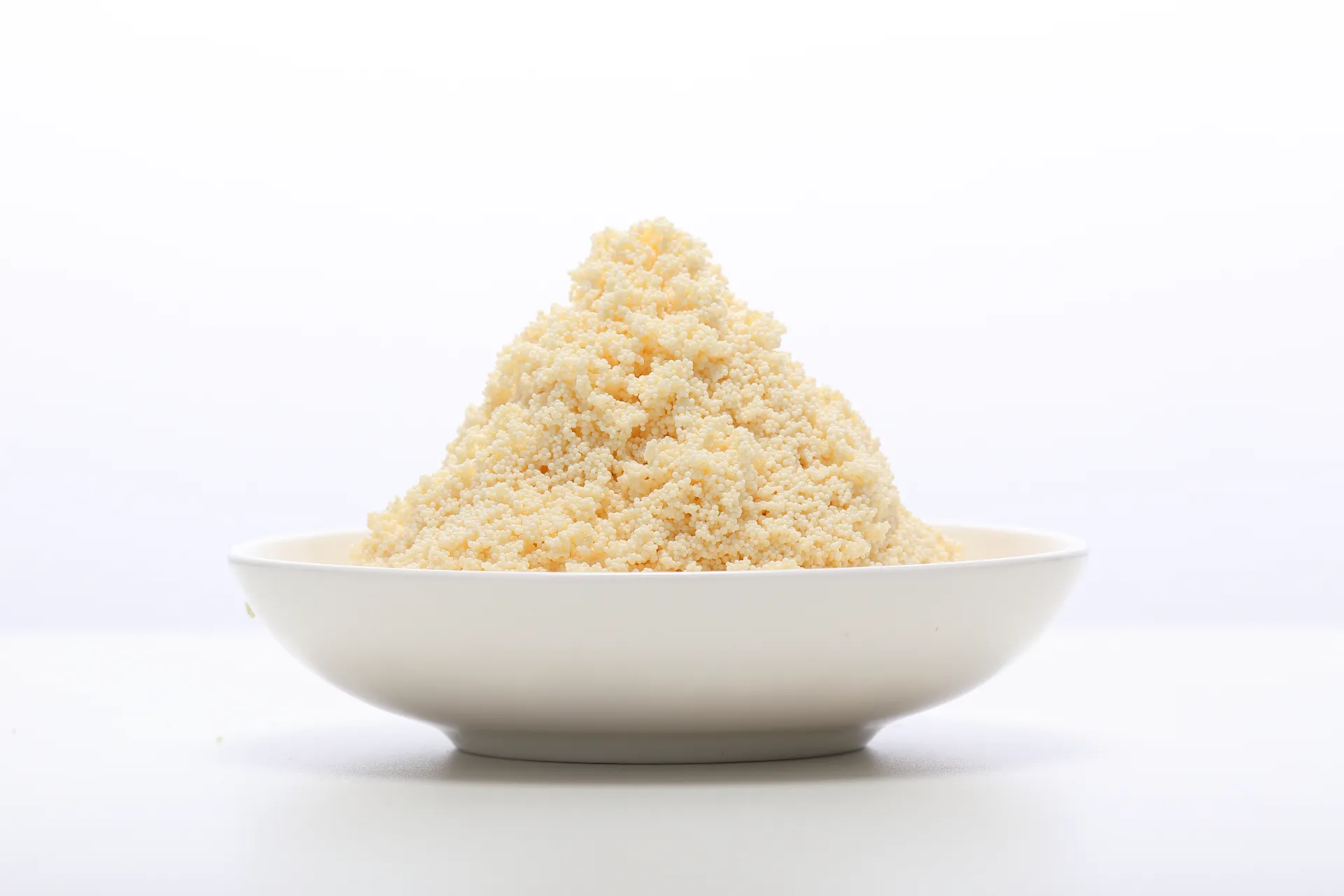
Two words: energy and compliance. Plants want less caustic/acid, fewer CO2 emissions, and audit-friendly materials. A carboxylic resin in H+ form selectively removes temporary hardness (think HCO3−, CO3^2− salts of Ca/Mg) before RO or polishing. In fact, many customers say they switched from strong acid cation (SAC) for certain duty cycles and cut acid consumption by half. Real-world mileage varies, of course.
| Matrix | Acrylic copolymer, ≈8% DVB crosslinking |
| Functional group | Carboxylic acid (–COOH) |
| Ionic form (as shipped) | H+ (Na+ available on request) |
| Total capacity | ≈4.2 eq/L (wet), real-world use may vary |
| Moisture content | 48–56% |
| Particle size | 0.4–1.2 mm, UC ≤ 1.6 (typ.) |
| Operating pH | 4–10 (best capacity in slightly acidic range) |
| Max temp | ≈120 °C (short term) |
| Service life | 3–5 years depending on fouling/regeneration |
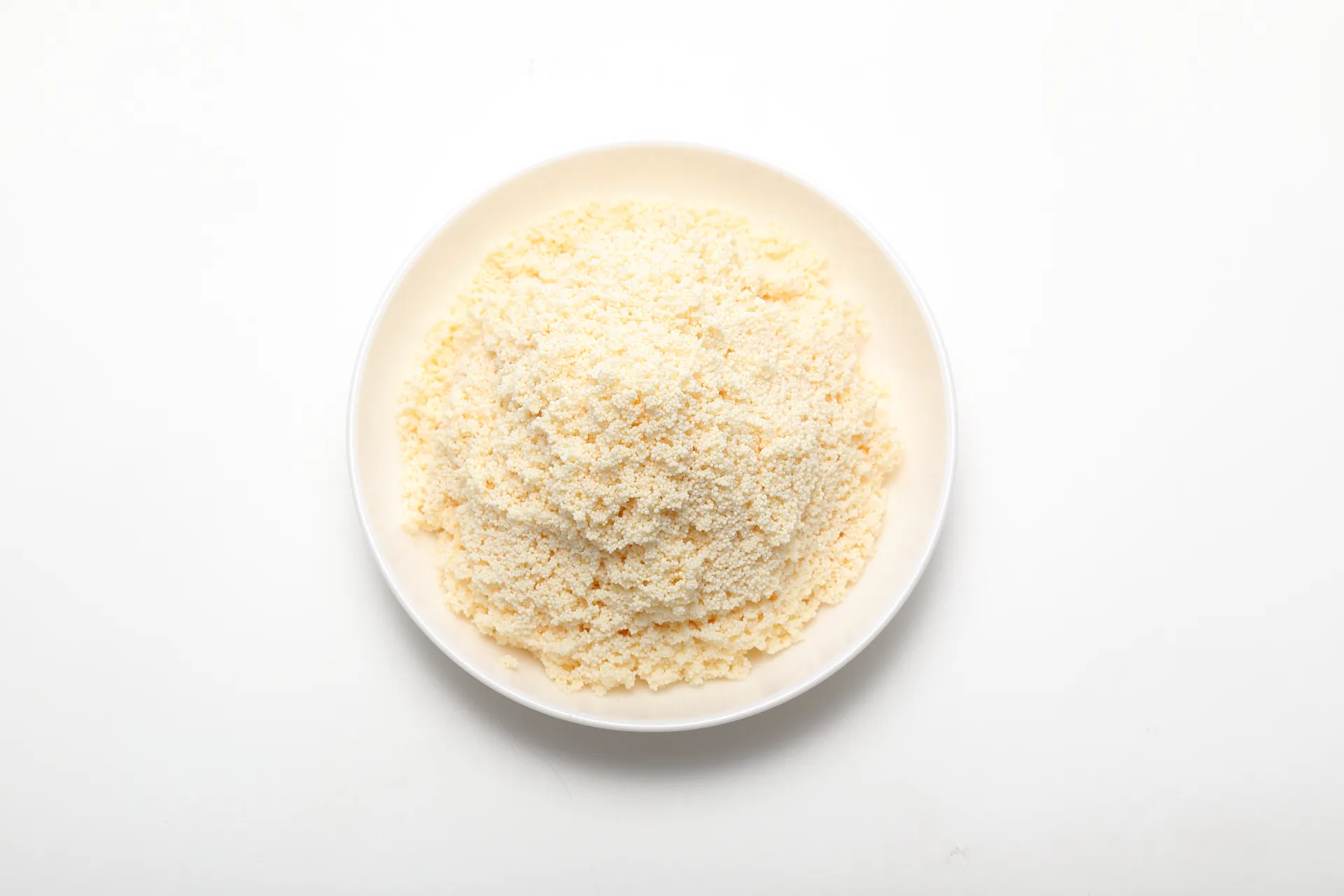
Testing and QA typically follow ASTM D2187 for capacity/physical integrity, with lot traceability under ISO 9001. For potable applications, engineers ask for NSF/ANSI/CAN 61 compliance—always check the latest certificate for a given batch, to be honest.
| Vendor | Origin | Capacity (≈eq/L) | Lead time | Certs |
|---|---|---|---|---|
| LIJI D113 FC | Wei County, Xingtai, Hebei, China | ≈4.2 | around 2–4 weeks | ISO 9001; NSF 61 on request |
| Vendor A (WAC) | EU | ≈4.0 | 3–6 weeks | ISO 9001/14001 |
| Vendor B (WAC) | US | ≈4.1 | stock-dependent | NSF 61; ISO 9001 |
Options I’ve seen shipped: H+ or Na+ form; tighter mesh (0.6–0.8 mm) for faster kinetics; pretreatment with SO2 scavengers for chloramine-prone water. One beverage client told me, “it just made the RO happier.” Another from an electroplating shop said recovery payback came in under 7 months.
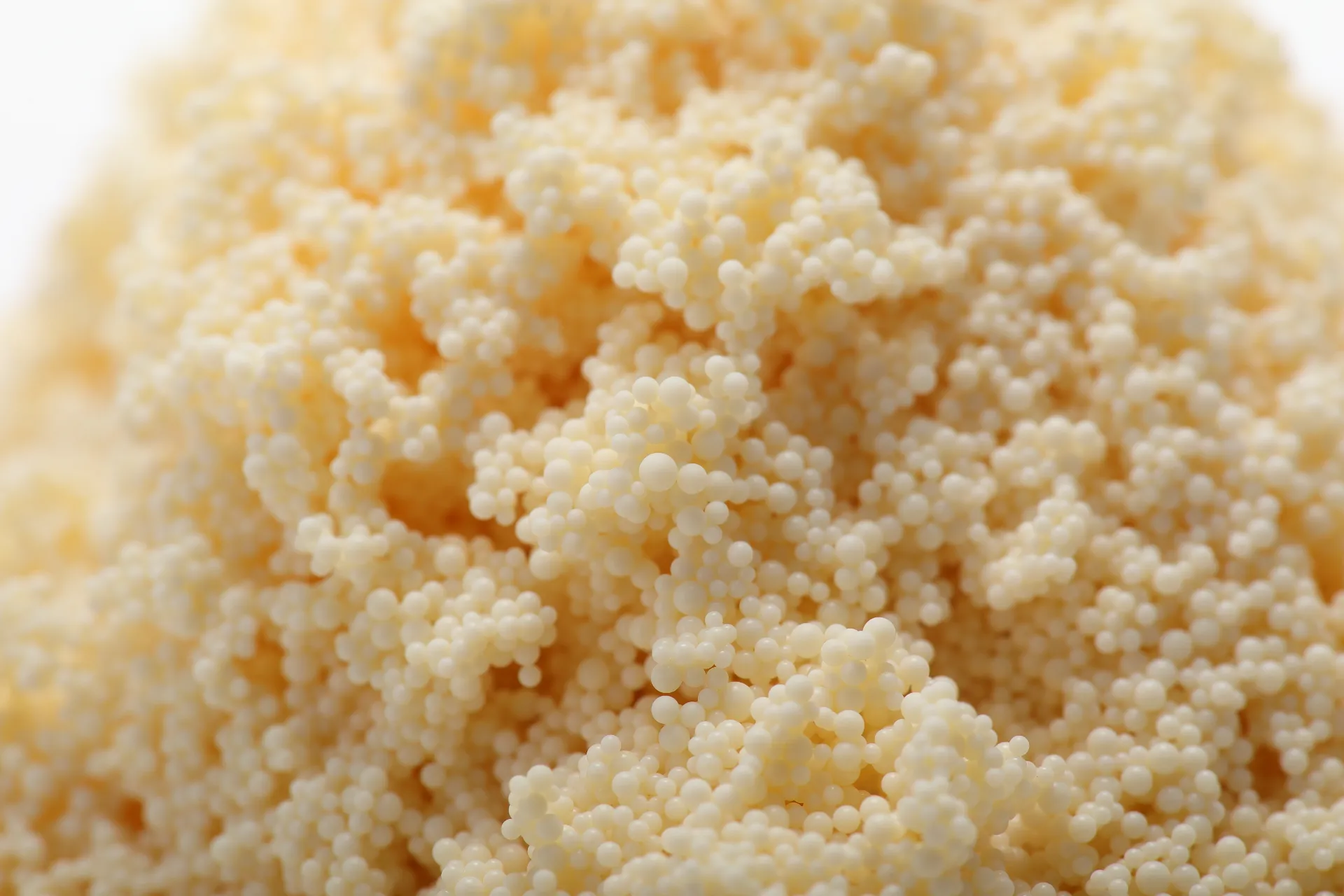
If you’re speccing a Weak Acid Cation Exchange Resin next to RO or EDI, I’d prioritize pressure-drop modeling, resin velocity at min/max temperature, and a sane regeneration profile. And yes, always keep a clean backwash—your future self will thank you.