Phone:
+86 0319 2296164


Email:
info@lijiresin.cn
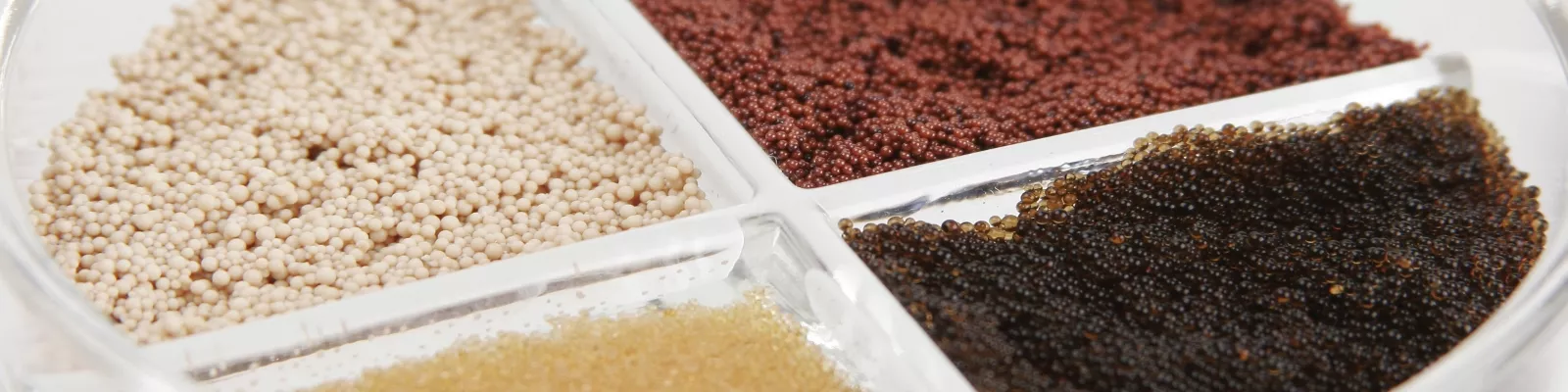
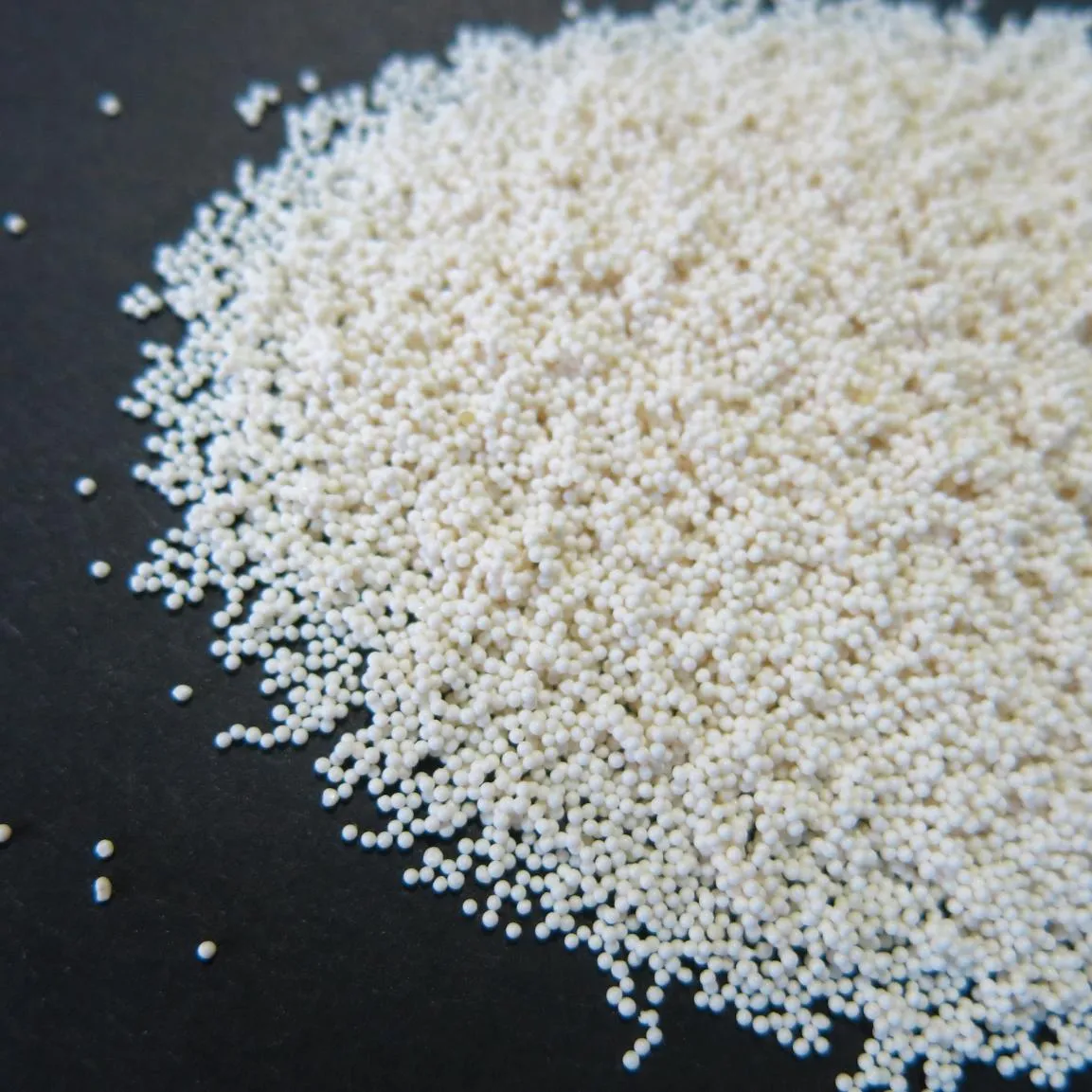
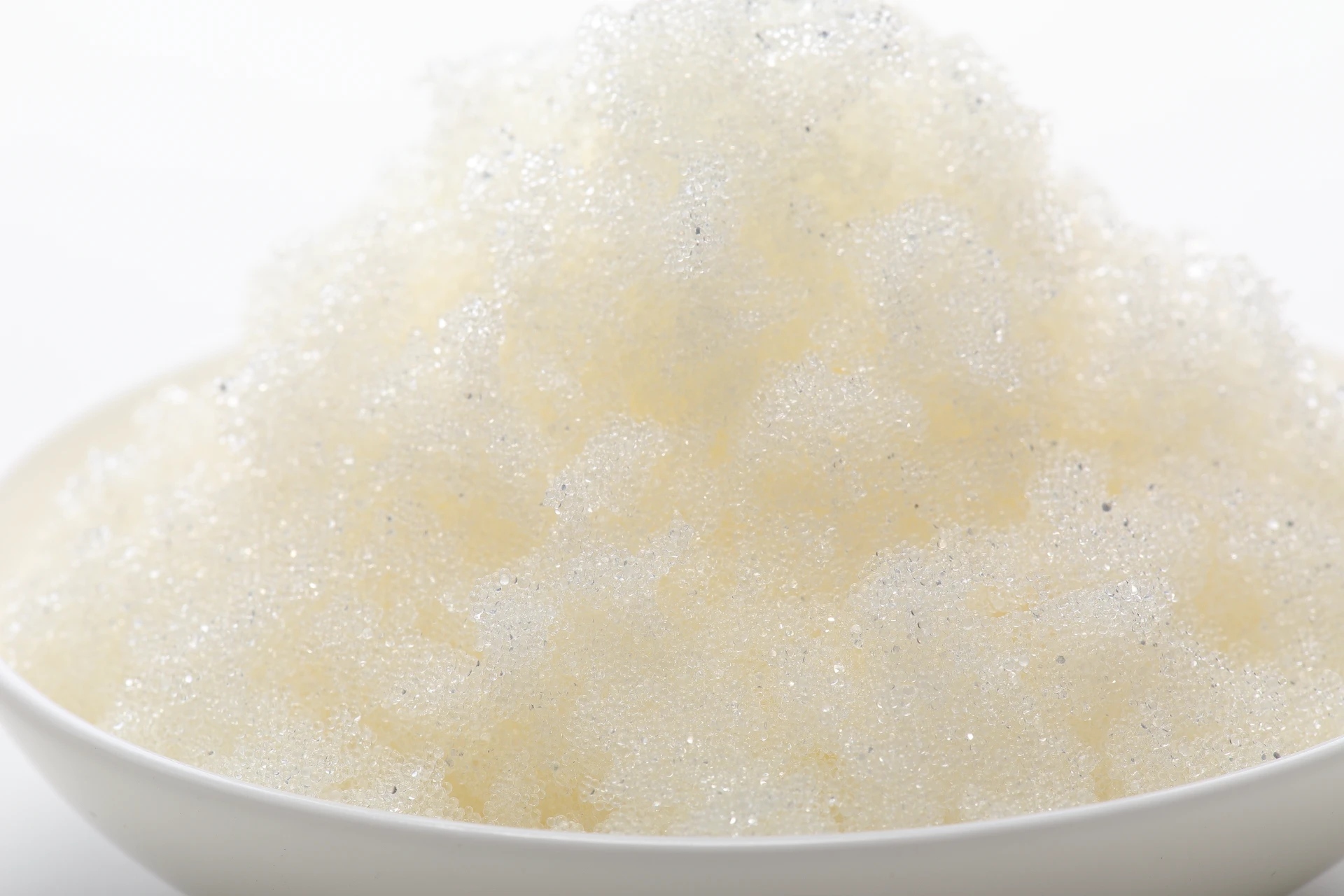
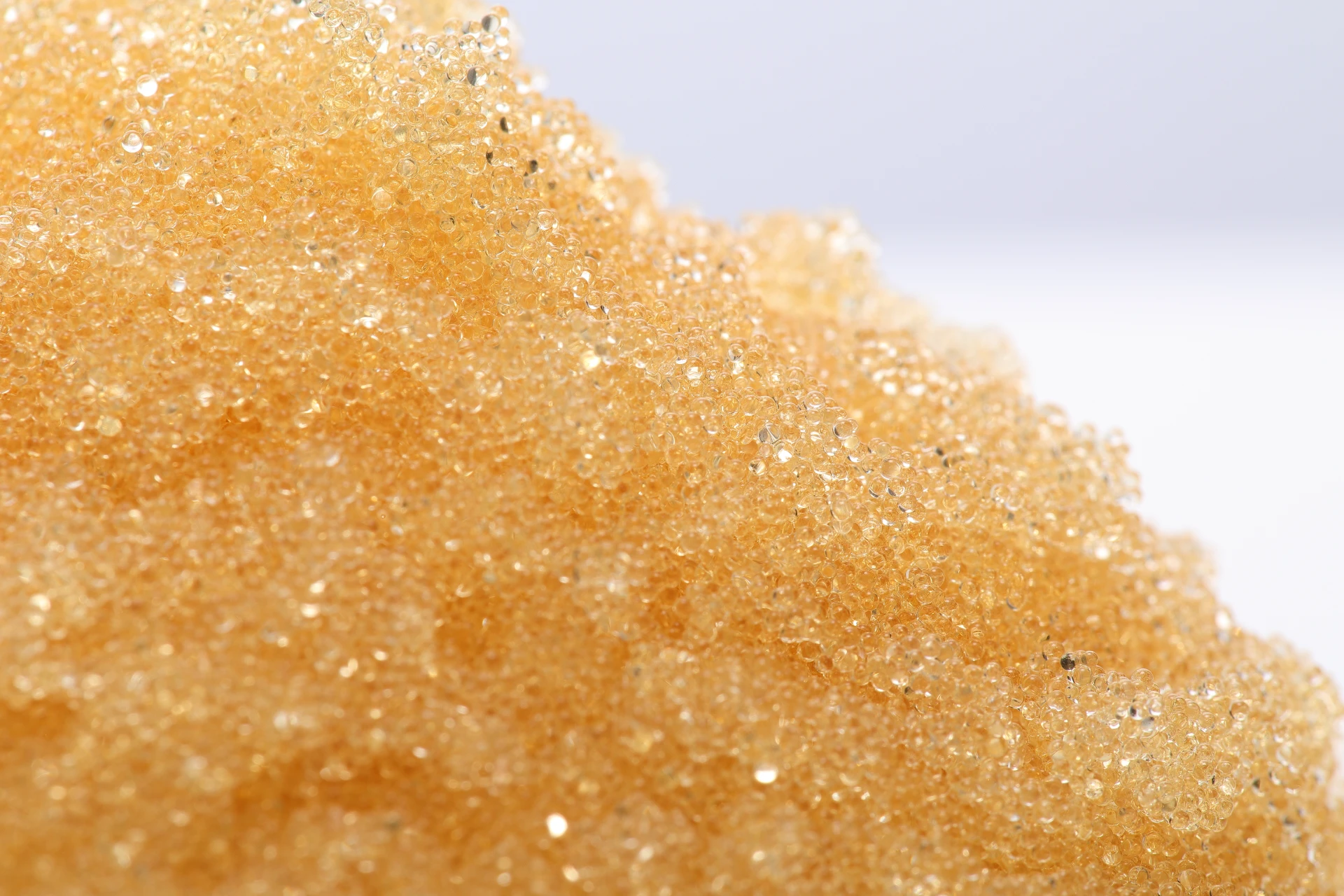
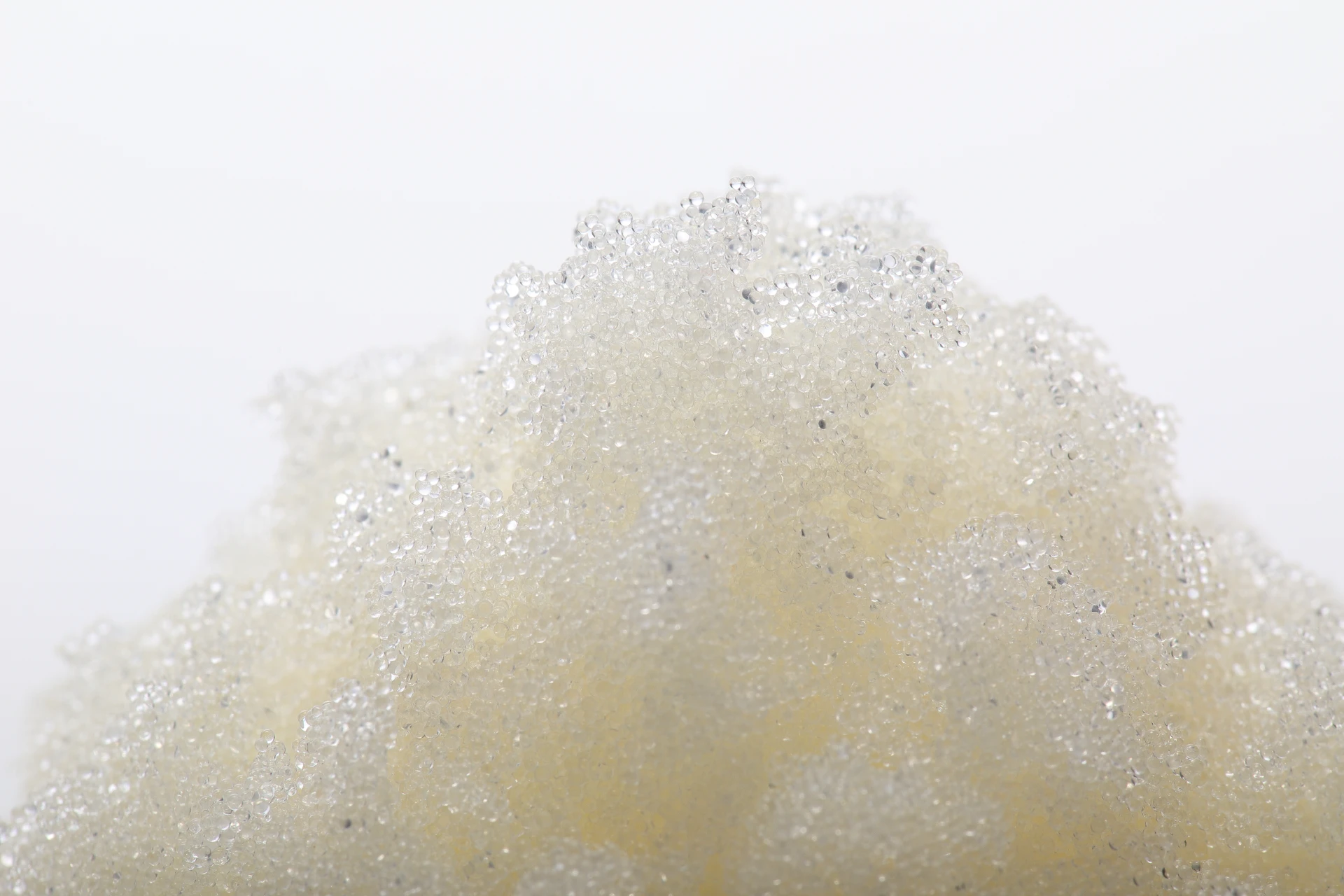
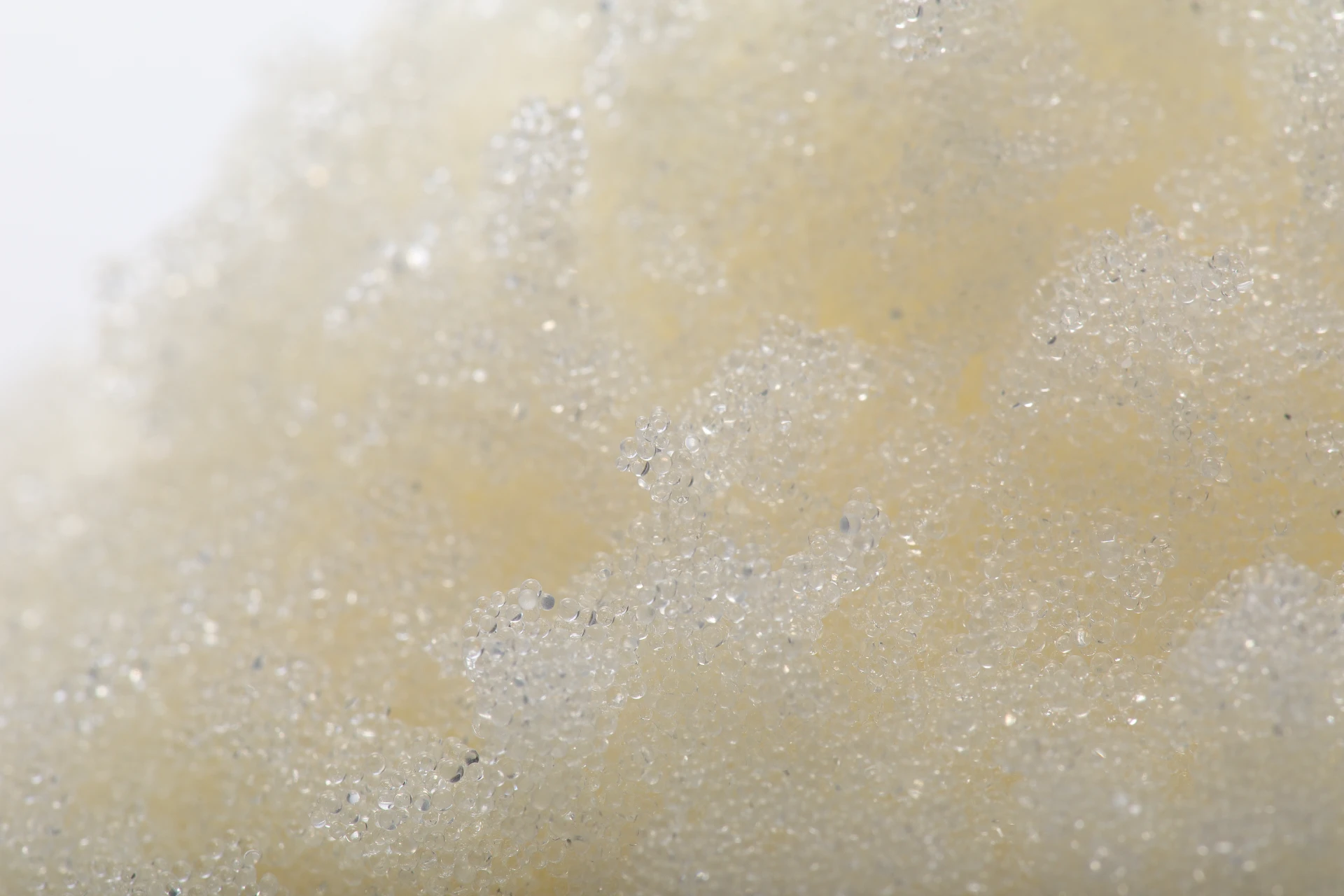
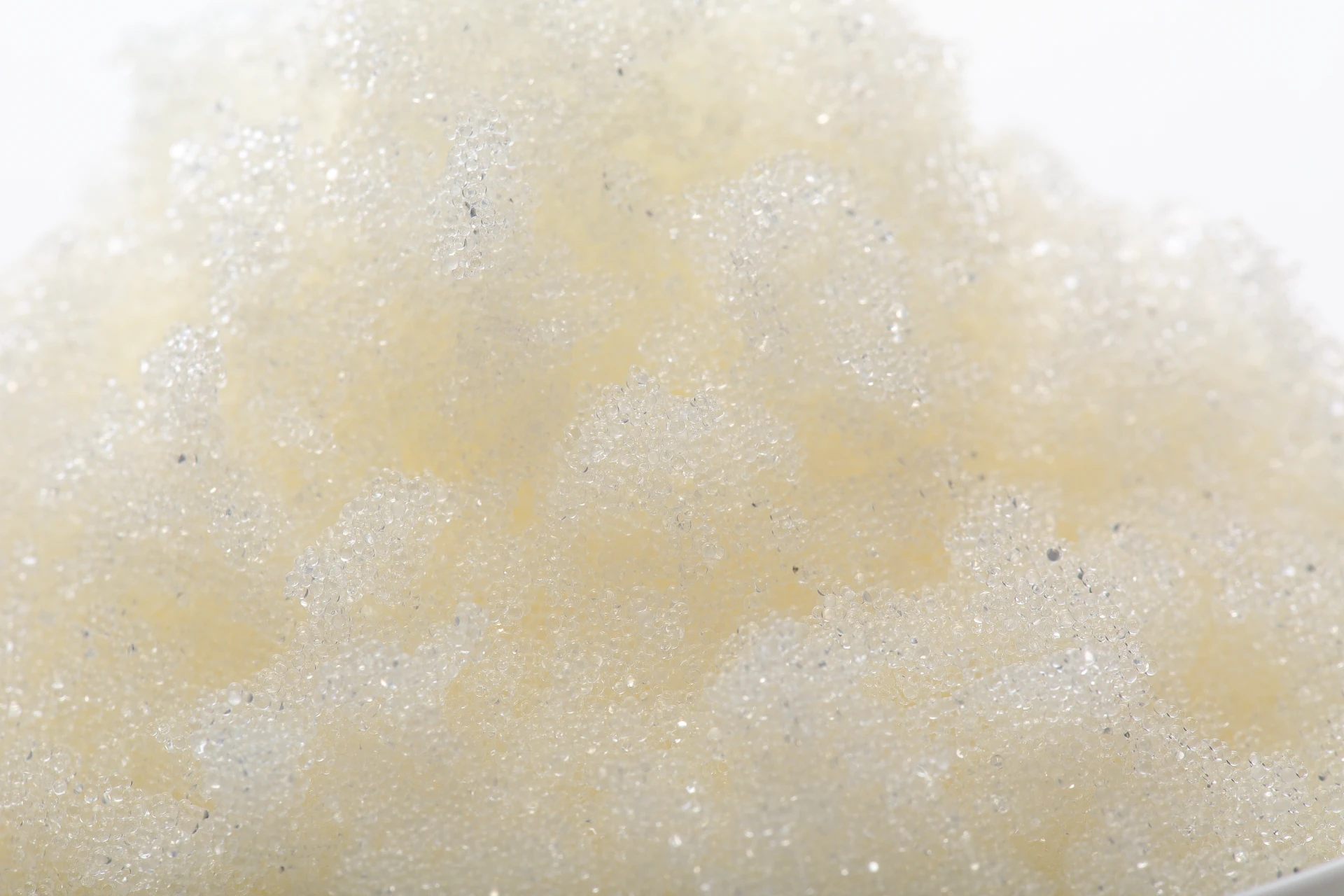
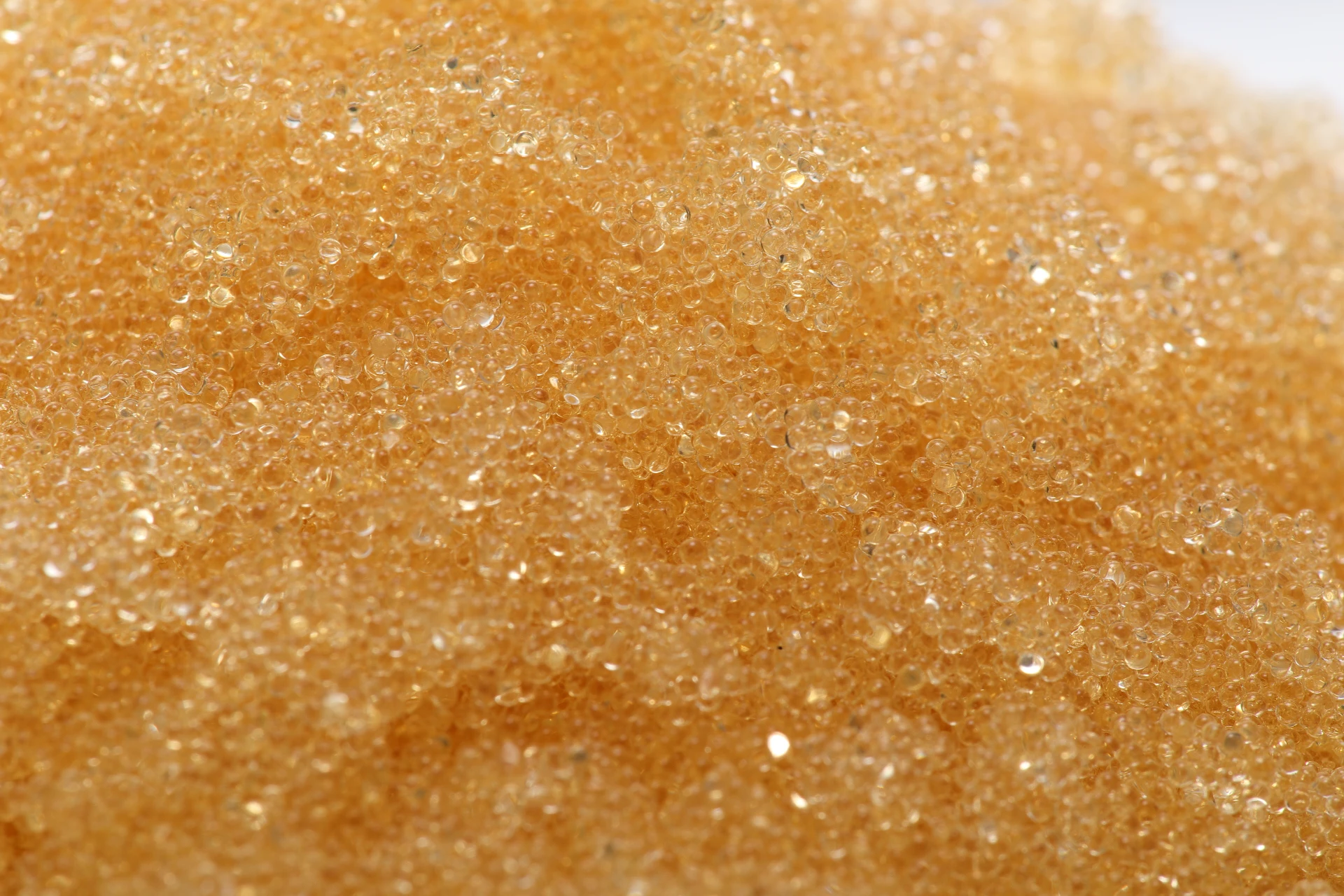
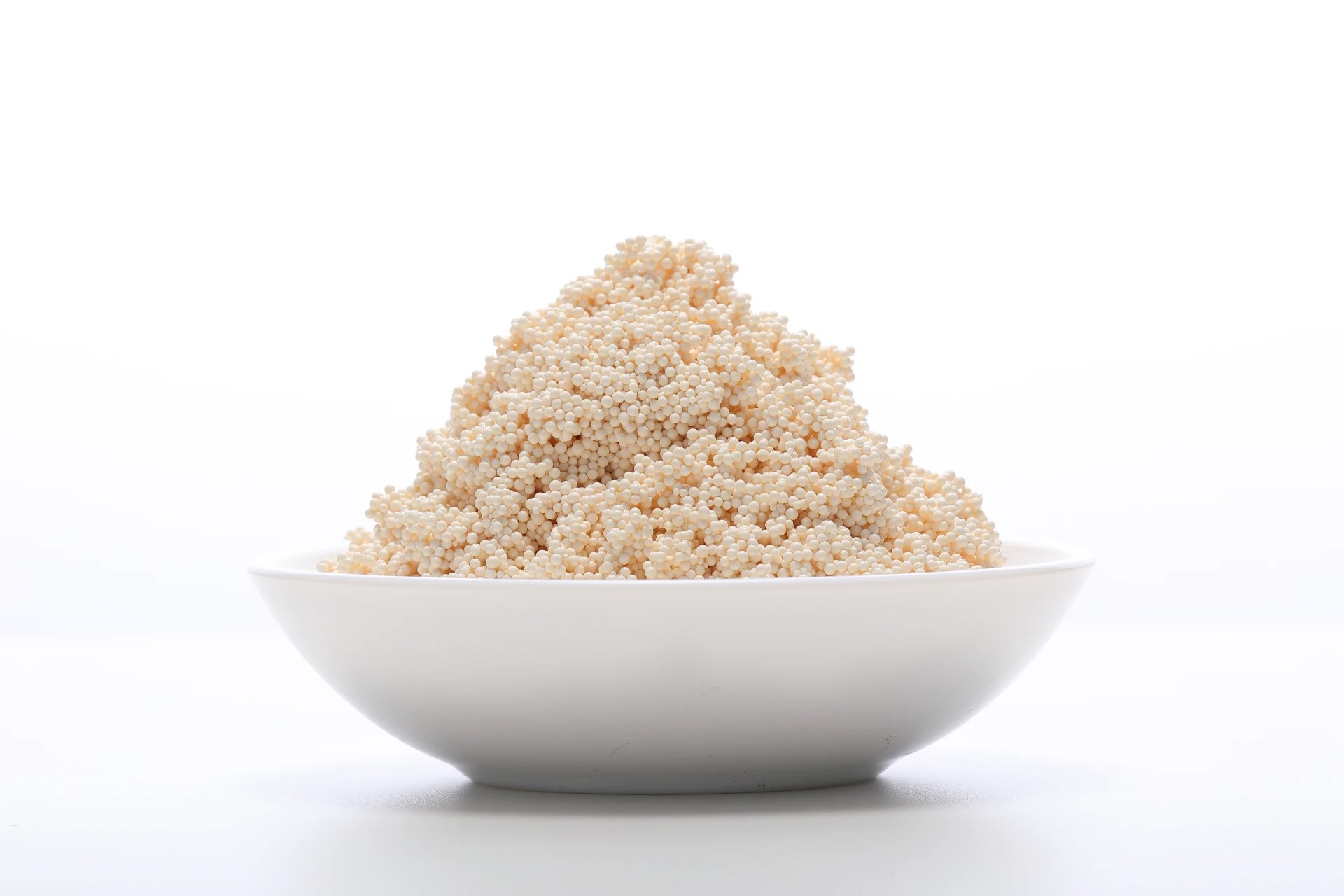
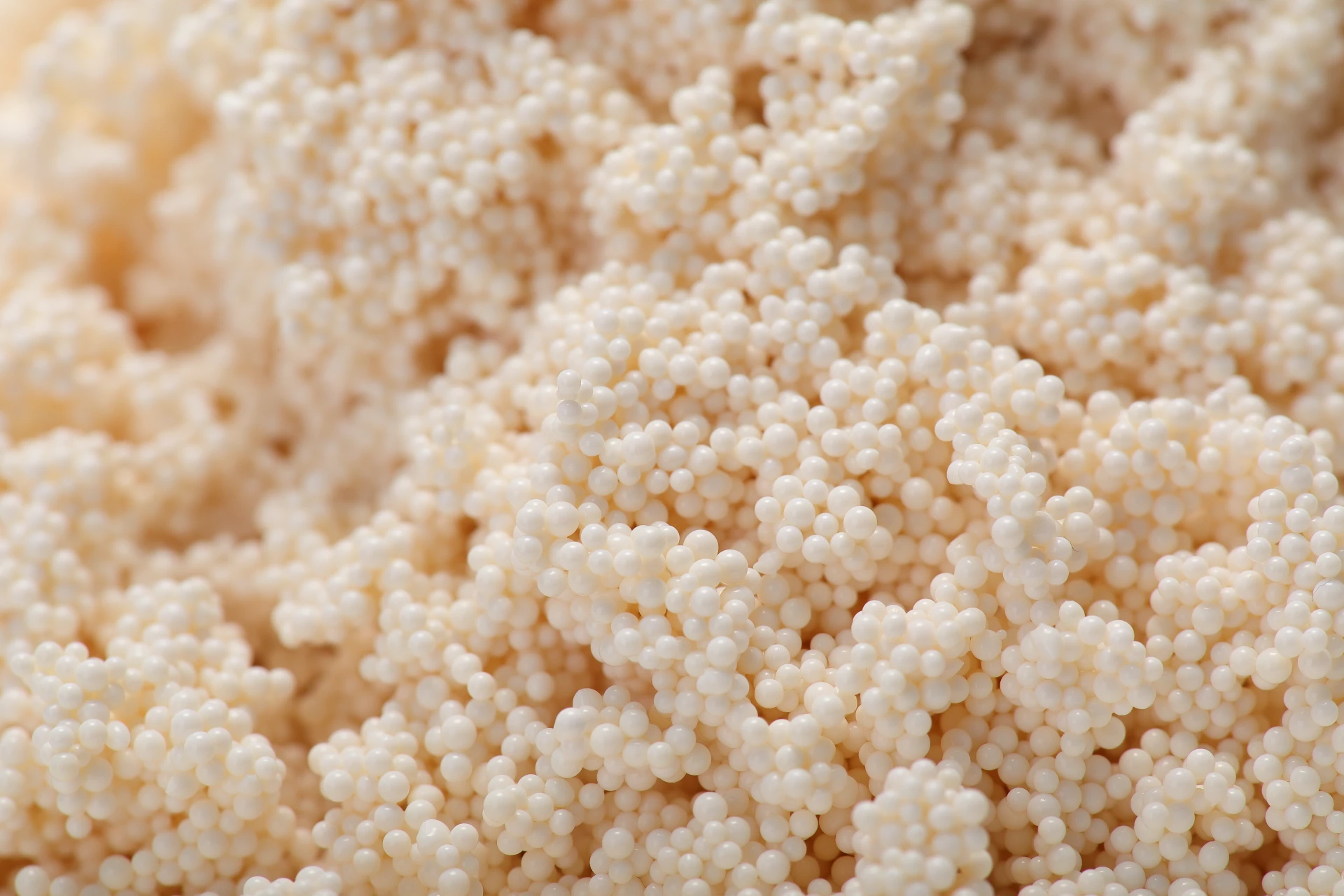
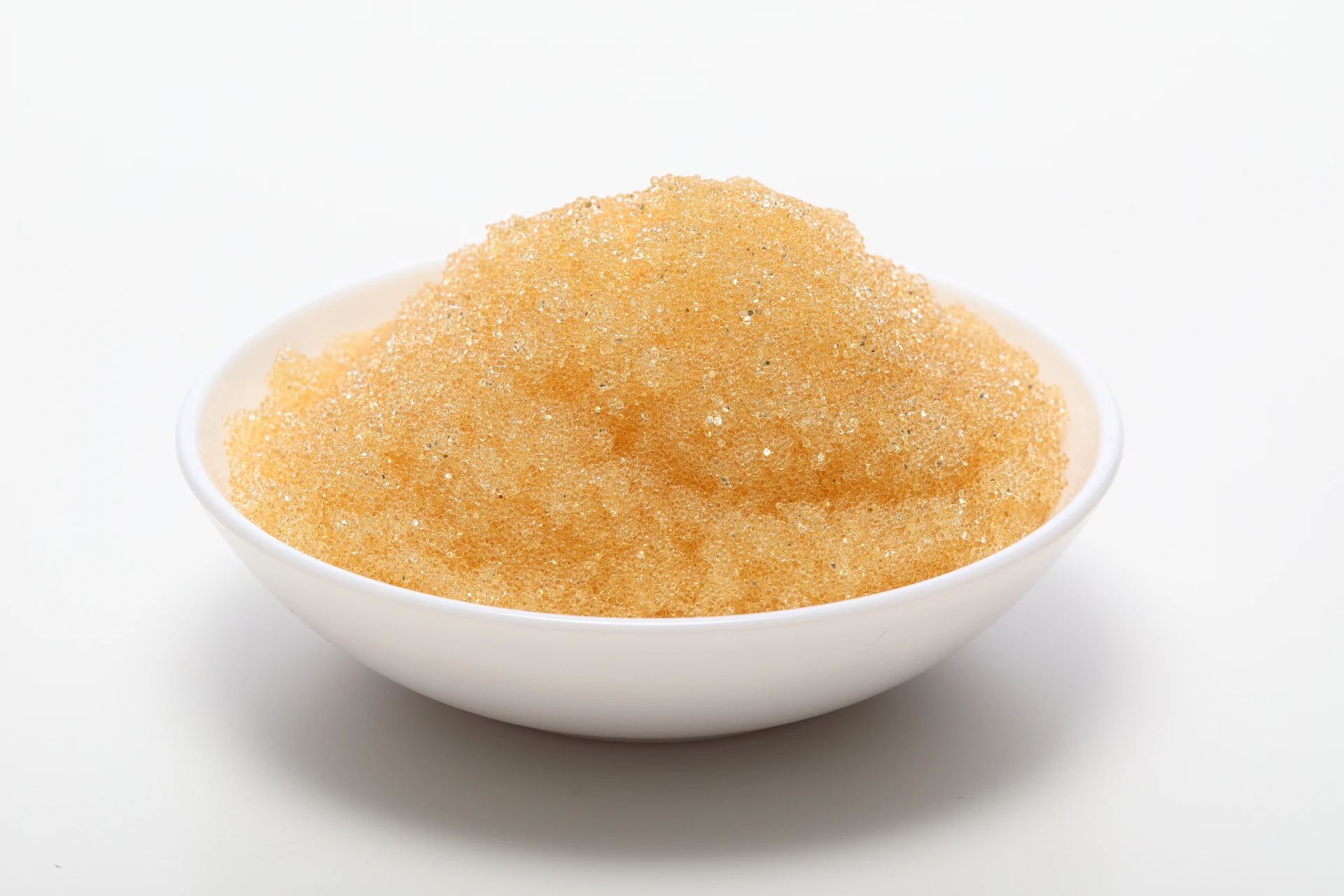
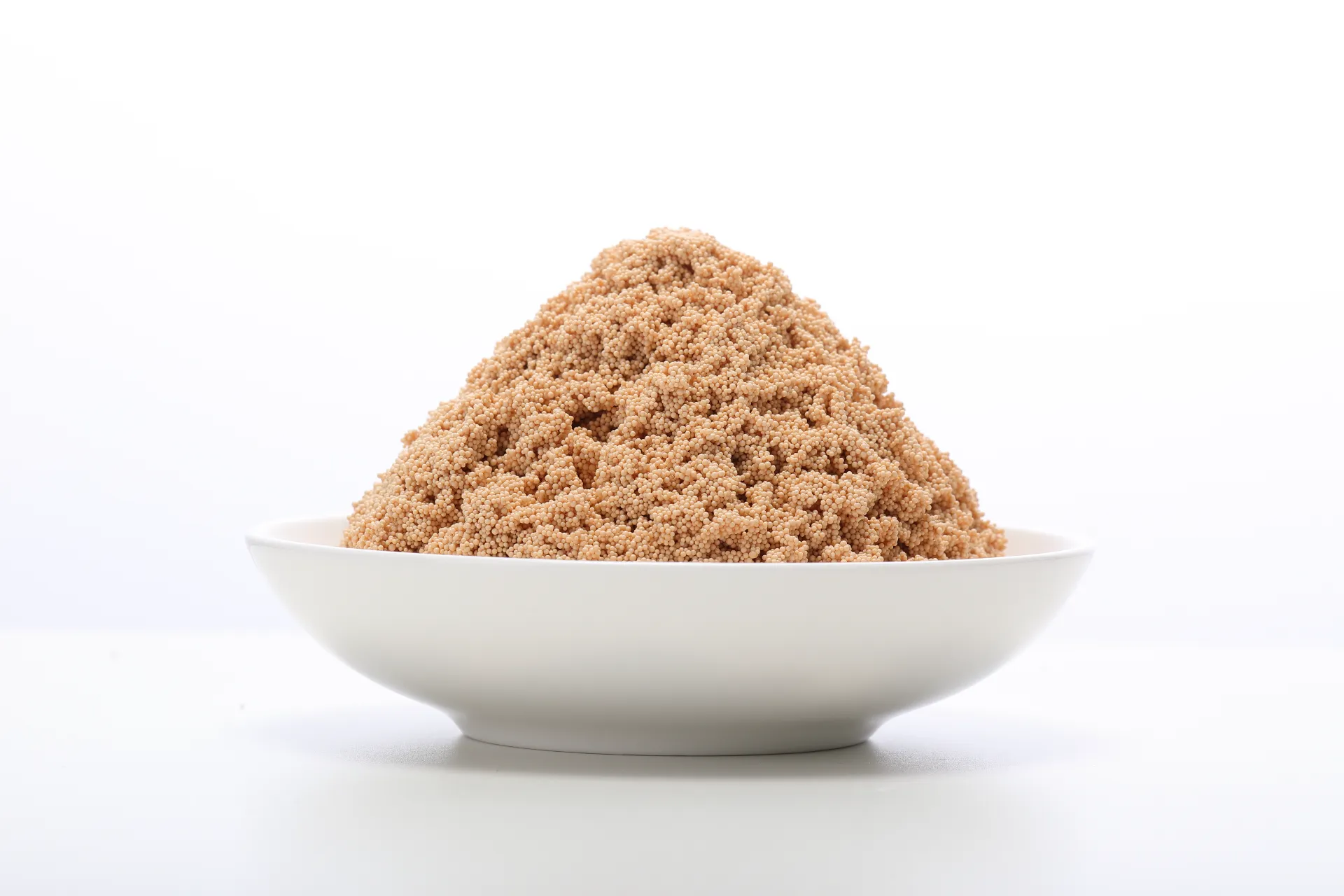
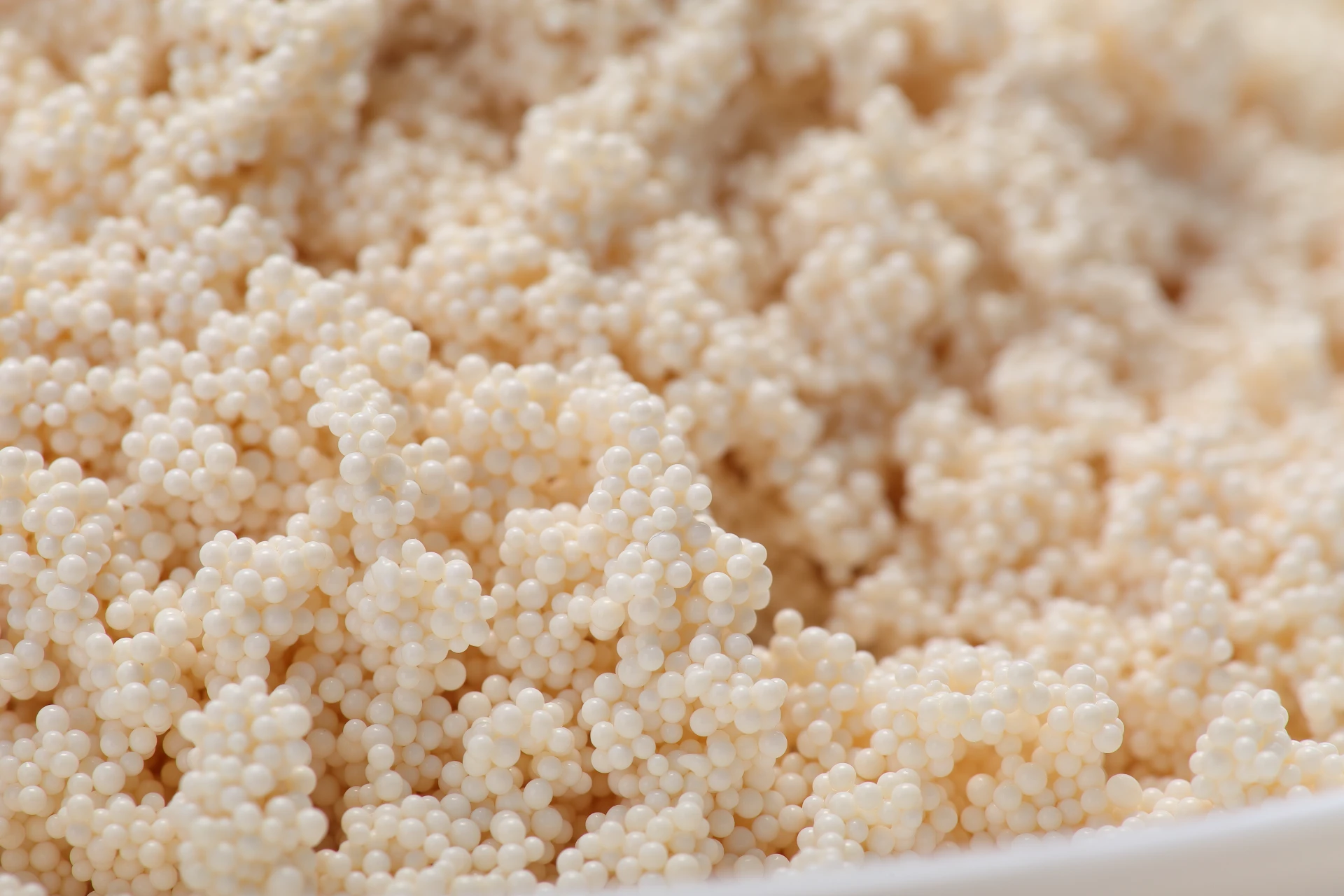
Having spent quite some time in the industrial water treatment sector, I’ve come to appreciate just how crucial specialized ion exchange resins are — especially when it involves nitrate removal. If you’ve been digging through options, you might’ve stumbled upon Purolite nitrate removal resin. Frankly, its reputation precedes it for a reason.
In real terms, nitrate contamination in water sources is no joke — it’s not just an environmental headache but a serious health concern. This is where ion exchange resins come into play. Purolite’s resins are designed to selectively remove nitrate ions efficiently. I remember a project a few years back; the client’s well water registered nitrate levels upwards of 50 mg/L — way above the EPA’s maximum contaminant level. After retrofitting their system with Purolite’s resin, the nitrate dropped below detection limits within a few cycles. It felt like a quick win in an otherwise tricky treatment process.
| Specification | Details |
|---|---|
| Type | Gel-type, Strong Base Anion Exchange Resin |
| Functional Group | Quaternary Ammonium (Type I) |
| Particle Size | 300 – 1200 µm |
| Moisture Content | 45 – 55% |
| Operating pH | 2 – 12 |
| Operating Temp. | Up to 50°C (122°F) |
| Regeneration | Sodium Chloride (NaCl) |
You know, I’m often asked how Purolite compares to other nitrate removal resins out there. The answer usually depends on your site’s exact water chemistry and regeneration preferences. But, generally speaking, Purolite’s gels have a balanced combination of capacity and kinetics that many industrial operators find favorable. The gel matrix allows for smooth ion diffusion and slower fouling, which — in the field — translates to less downtime.
| Feature | Purolite | ResinTech | Dow |
|---|---|---|---|
| Resin Type | Strong Base Anion Gel | Gel-Type SBA | Macroporous SBA |
| Max Temp. | 50°C | 45°C | 60°C |
| Regeneration Efficiency | High | Moderate | High |
| Price Range | $$$ | $$ | $$$$ |
| Application Versatility | Broad (Drinking water, industrial) | Focused (Wastewater) | Broad |
Oddly enough, when folks first encounter ion exchange resins, the jargon and specs can sound like Greek. But in the trenches, it’s really about what keeps your plant running smoothly without hiccups. Something I always highlight: the resin’s regeneration method. Purolite’s preference for simple salt brine is a practical choice — it’s relatively cheap, easy to handle, and well understood by operators. No fancy chemicals needed, and that’s a win when you consider maintenance overhead.
One of the small nuggets of wisdom I’ve picked up — and passed on to colleagues — is the importance of looking beyond initial capacity numbers to real-world service cycles. The longevity of the resin’s performance often makes a bigger difference in the cost of ownership than upfront price tags. Purolite tends to strike a nice balance there.
In summary: if you’re dealing with nitrate contamination in water, Purolite nitrate removal resin is a solid choice. Reliable, well-tested, and backed by decades of industry experience — it’s no wonder many engineers keep coming back to it.
Before I sign off, remember that while Purolite’s resins are excellent, each project is unique. Proper pilot testing and water analysis are still the foundations of a successful installation. There’s no substitute for groundwork.
— From the field, your industrial water treatment ally.