Phone:
+86 0319 2296164


Email:
info@lijiresin.cn
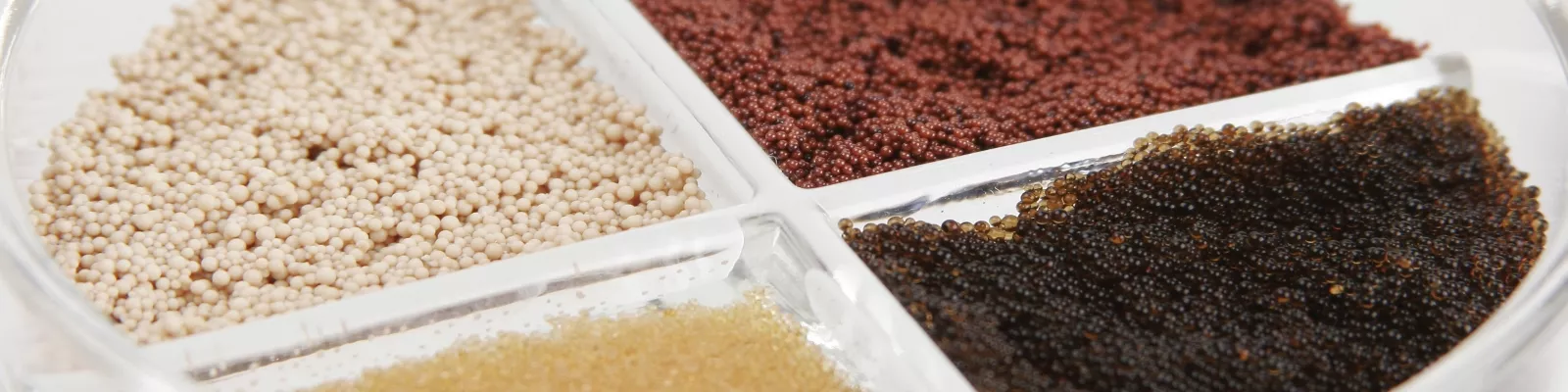
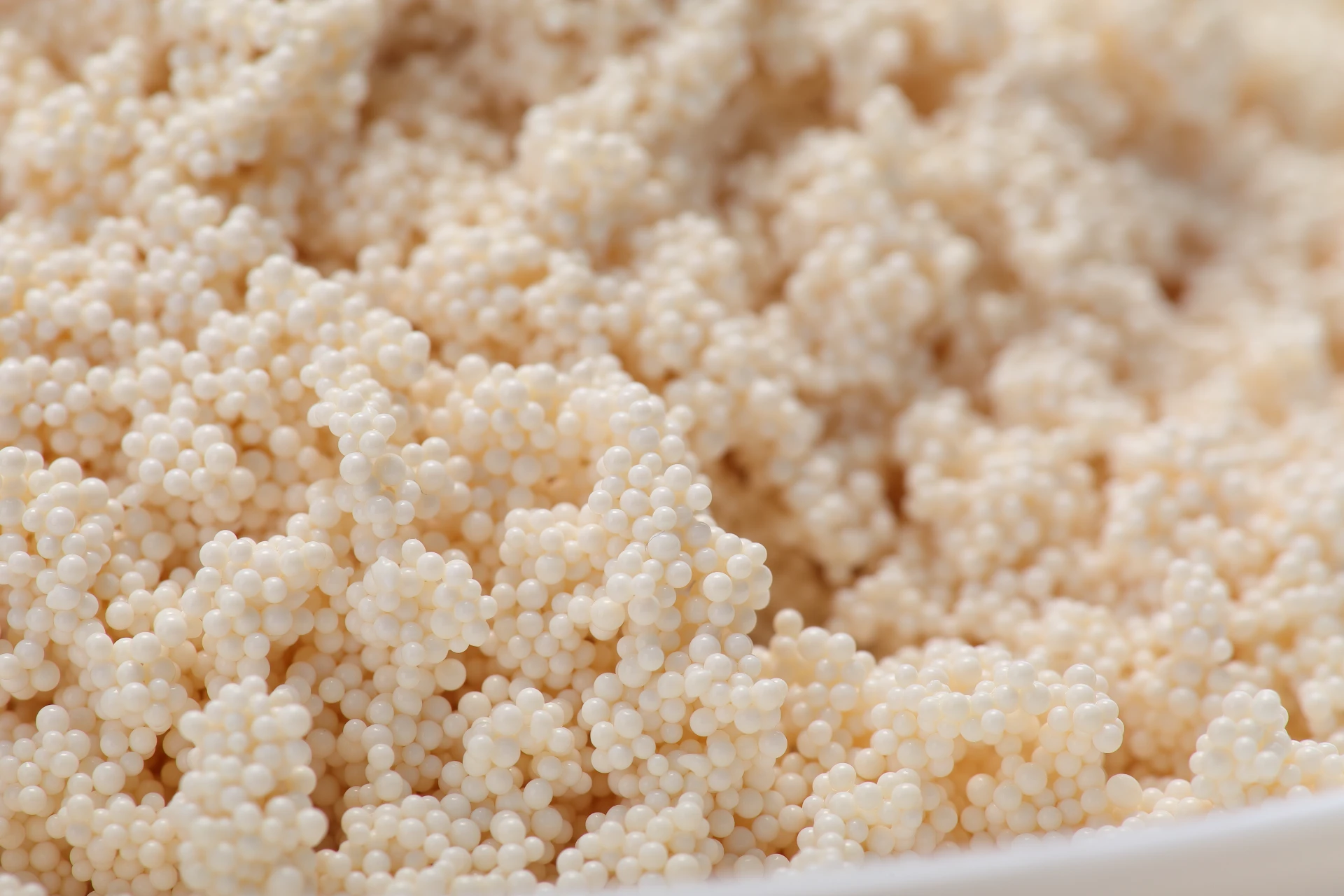
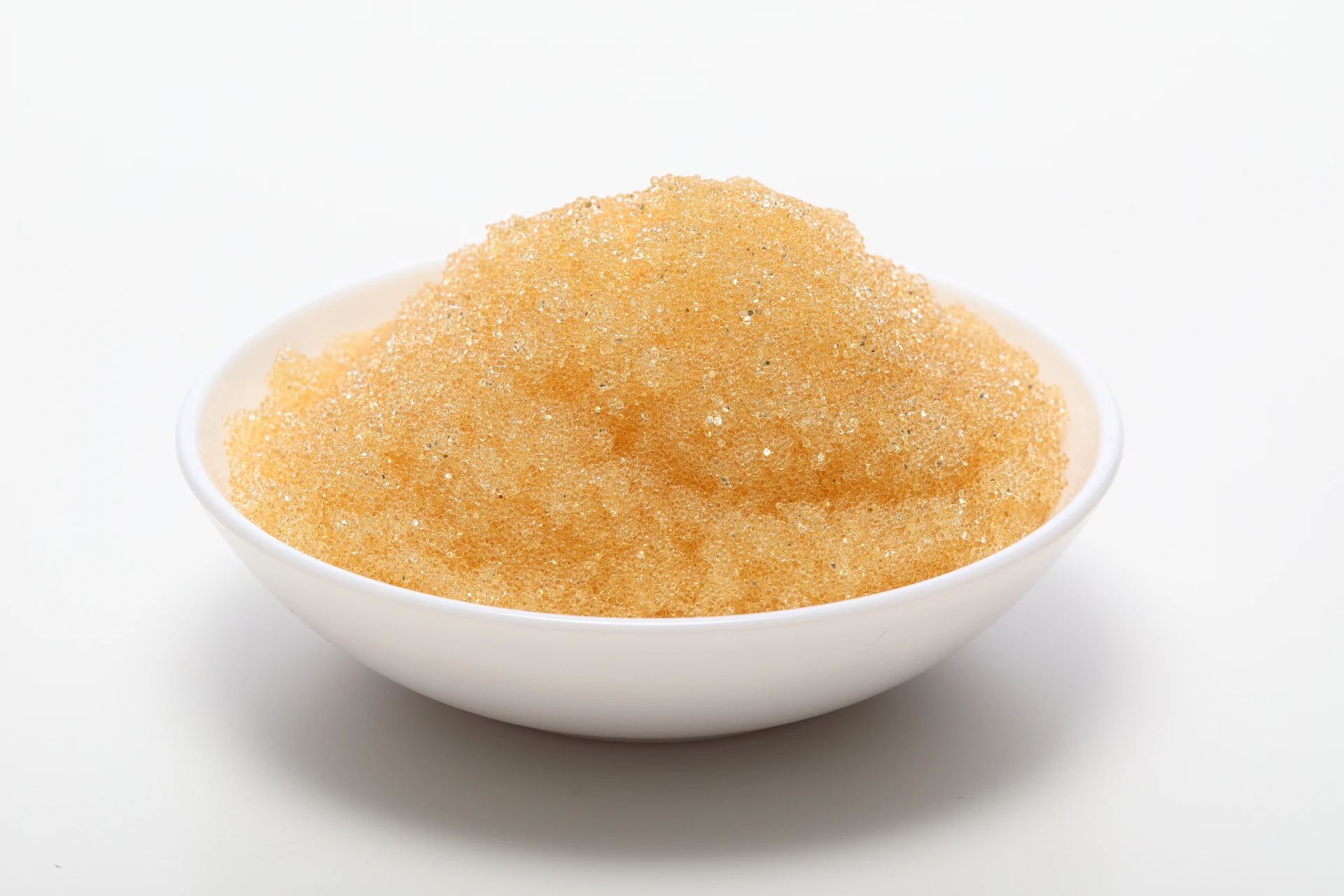
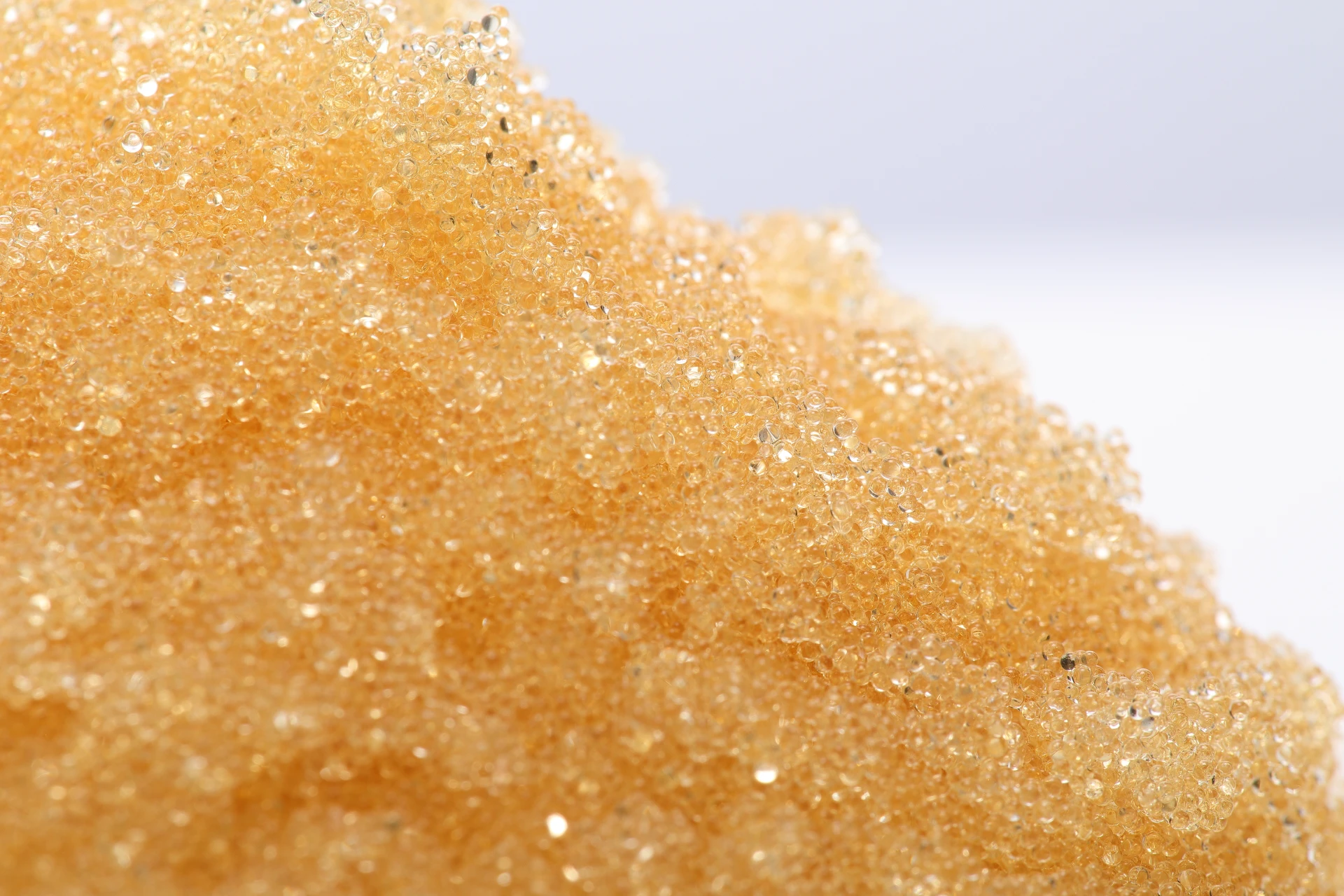
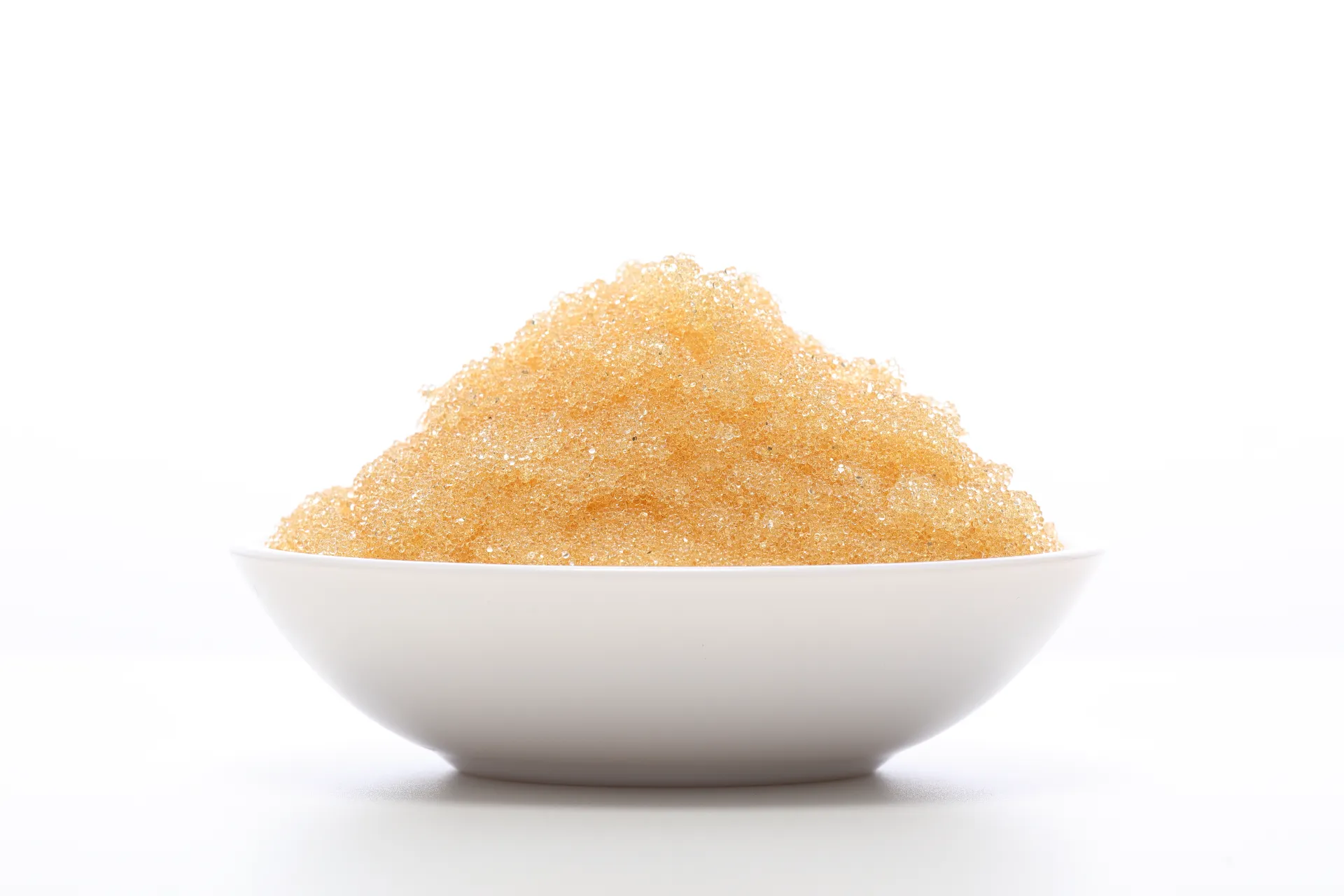
Having spent quite a few years in the industrial equipment and water treatment sector, I can say that not all ion exchange resins are created equal. One that often comes up — and from experience, stands apart — is the Purolite NRW3240. It’s a mouthful to say, sure, but behind that model number is a robust, high-capacity strong acid cation resin that frankly has become a staple for many in demineralization processes.
What’s interesting about the NRW3240? Well, first off, it’s designed as a gel-type resin founded on polystyrene-divinylbenzene. This translates — in practical terms — to excellent mechanical strength and resistance to osmotic shock, something that engineers swear by especially in large-scale industrial setups. I recall visiting a water plant a few years back where the operator insisted that switching to NRW3240 improved throughput significantly with minimal downtime. It’s that reliability you want when you're running a 24/7 operation.
Oddly enough, Purolite has crafted this resin to withstand rigorous regeneration cycles, which means it handles acids and regenerants very well. It’s pretty forgiving compared to some older resin types. The swelling characteristics stay fairly stable across cycles—meaning your vessel's performance remains consistent, and that’s crucial for engineers in charge of system optimization.
In terms of chemistry, the strong acid cation (SAC) functionality targeting sodium (Na⁺) ions is what makes NRW3240 so relevant in softening and demineralization. I’ve seen some reports suggesting a total capacity around 1.9 to 2.0 eq/L — this capacity lines up well against other resins but pairs with higher durability. This combination usually means lower operating costs in the long run.
To crystallize things a bit, here’s a handy product specification table summarizing the key features:
| Specification | Purolite NRW3240 |
|---|---|
| Resin Type | Strong Acid Cation (SAC), Gel |
| Matrix | Polystyrene-DVB |
| Ionic Form | Na⁺ (Sodium form) |
| Total Capacity | ~1.9 – 2.0 eq/L (dry) |
| Moisture Content | 45 – 50% |
| Particle Size | 600 – 850 µm |
Now, I’m often asked: “How does NRW3240 measure up to similar products from other suppliers?” Since not all resins are sourced equal (and you know how some resin can make or break your process), here’s a quick overview comparing Purolite’s NRW3240 with a couple of common alternatives.
| Feature | Purolite NRW3240 | Competitor A | Competitor B |
|---|---|---|---|
| Total Capacity (eq/L) | ~1.9 – 2.0 | ~1.7 – 1.9 | ~1.8 |
| Physical Form | Gel | Gel | Macroporous |
| Mechanical Stability | High | Moderate | High |
| Swelling in Na Form | Low | Moderate | Varies |
| Typical Usage | Demineralization & softening | Softening | Mixed bed operations |
From this comparison, it’s clear the NRW3240 shines in industries where mechanical stability and consistent performance are king. Many engineers in heavy chemical or power plants note that it simply “keeps going” — even under harder regenerant conditions. Frankly, in an industry where resin attrition can cause headaches (and downtime), having that peace of mind is priceless.
As a small side note — one customer I spoke to runs a large pharma-grade water system. They once experimented with an alternative resin but reported faster fouling and lower cycle life. Switching back to NRW3240 brought their maintenance intervals comfortably back to expected norms, which saved both time and unexpected costs. Stories like that remind me that sometimes the “tried and true” stuff is really worth it.
If you’re looking to learn more or consider ordering, the folks over at Liji Resin are known for great sourcing and support. They get the nuances that come with supporting industrial clients like us and often help match the resin specs to the exact application.
To sum up: whether it’s a massive municipal plant, a food & beverage system, or any large-scale industrial water softening, Purolite NRW3240 offers a dependable blend of capacity, durability, and long life. That’s kind of rare to find neatly packaged in one resin.
In the end, I'd say NRW3240 stays a solid choice for anyone serious about stable, cost-efficient ion exchange in harsh conditions. It just feels like that no-nonsense solution you can count on.
References: