Phone:
+86 0319 2296164


Email:
info@lijiresin.cn
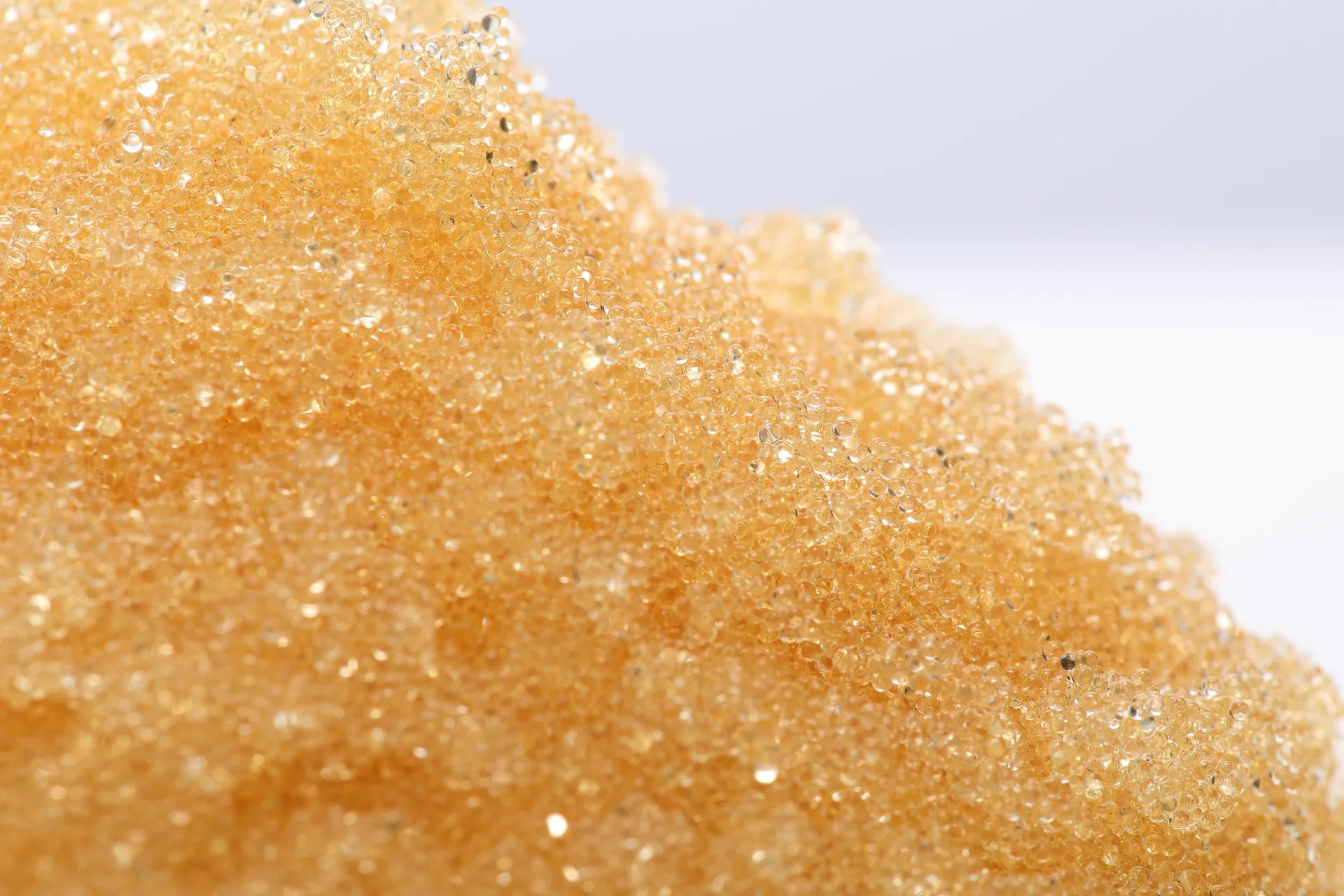
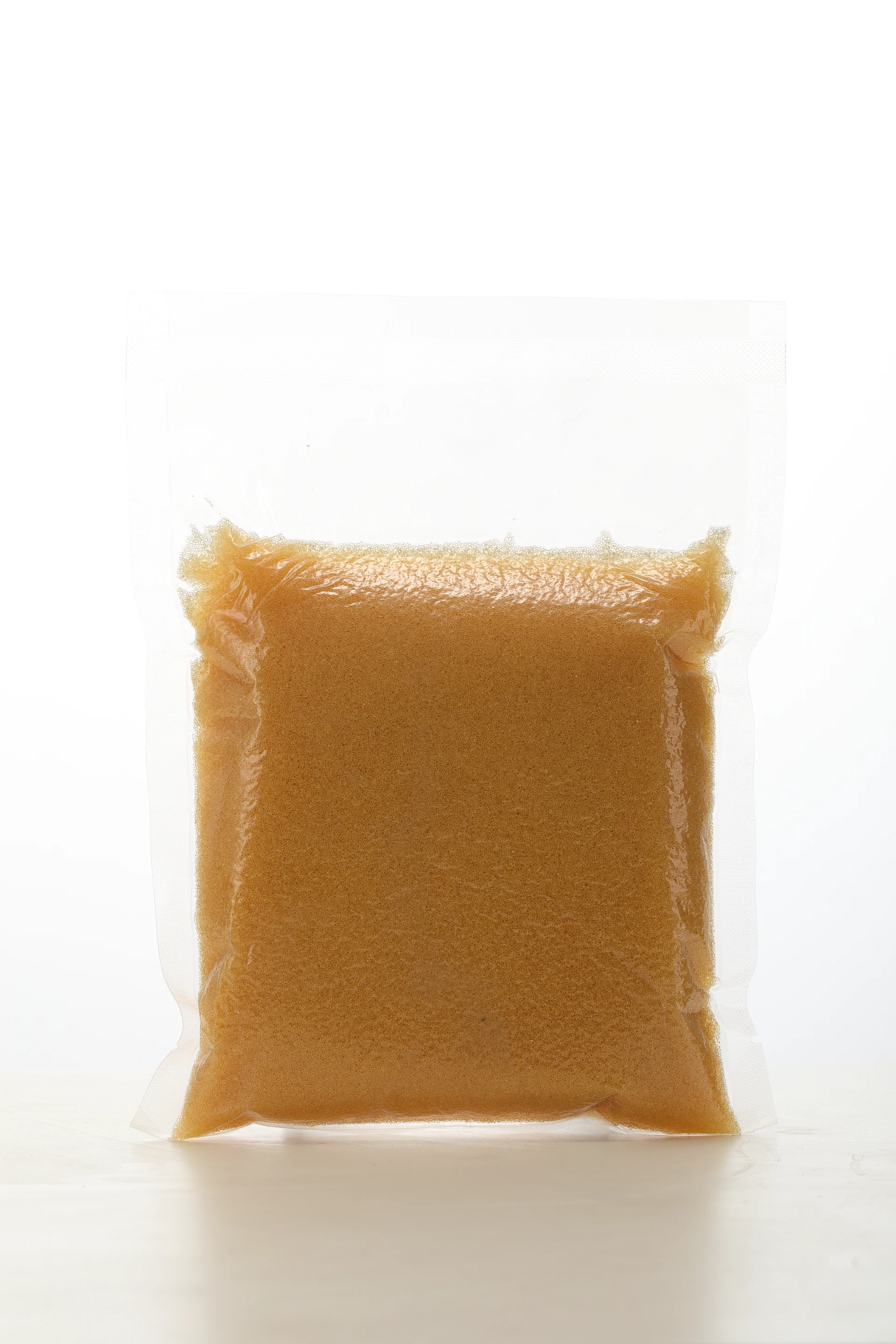
Strong Acid Cation is a key solution in the manufacturing industry, specifically within Chemical raw material and chemical product manufacturing industry and Synthetic resin manufacturing. This article explores how Hebei Lijiang Biotechnology Co.,Ltd. supports professionals with durable, high-performance products, and explains why this product is an ideal choice for businesses in these sectors.
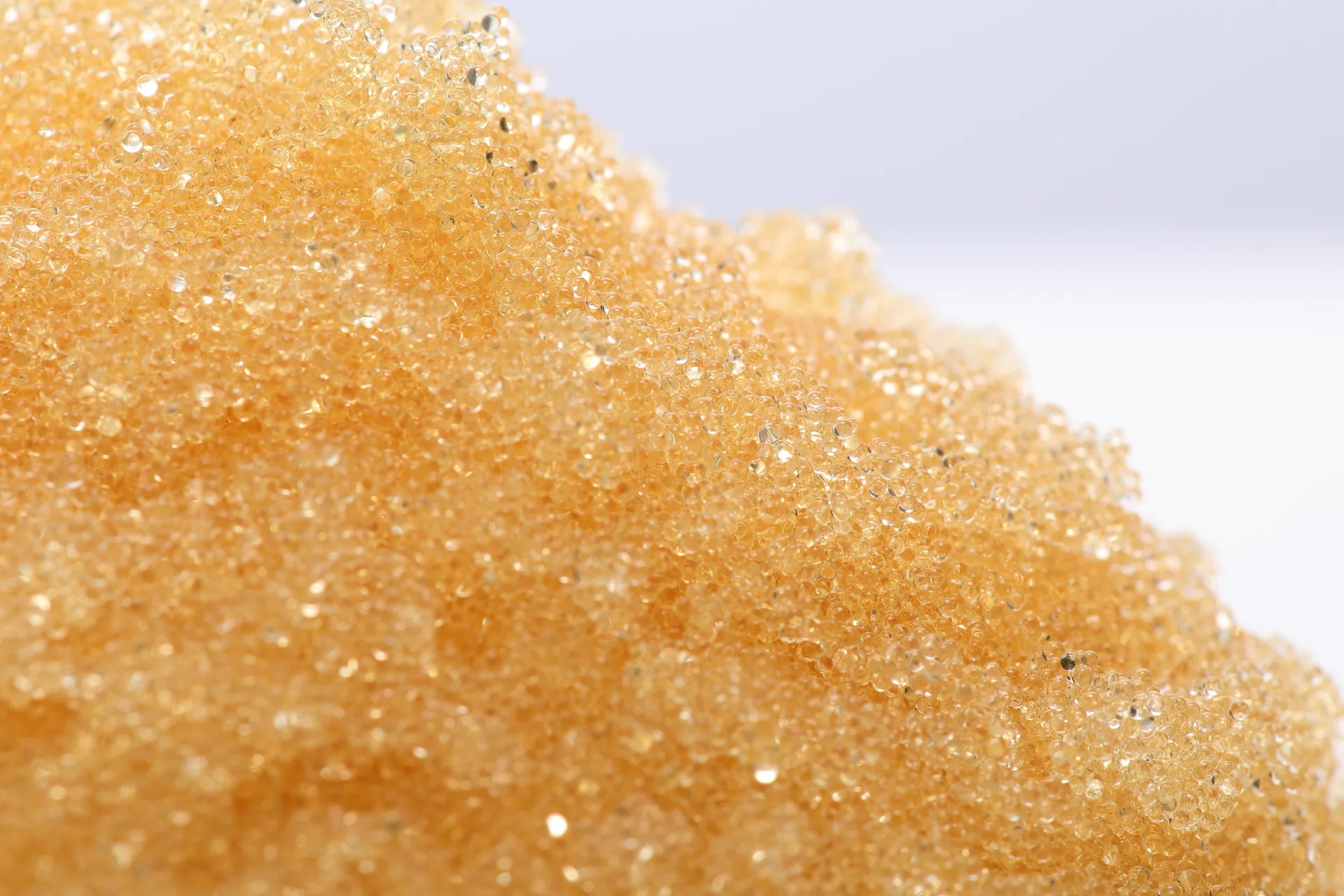
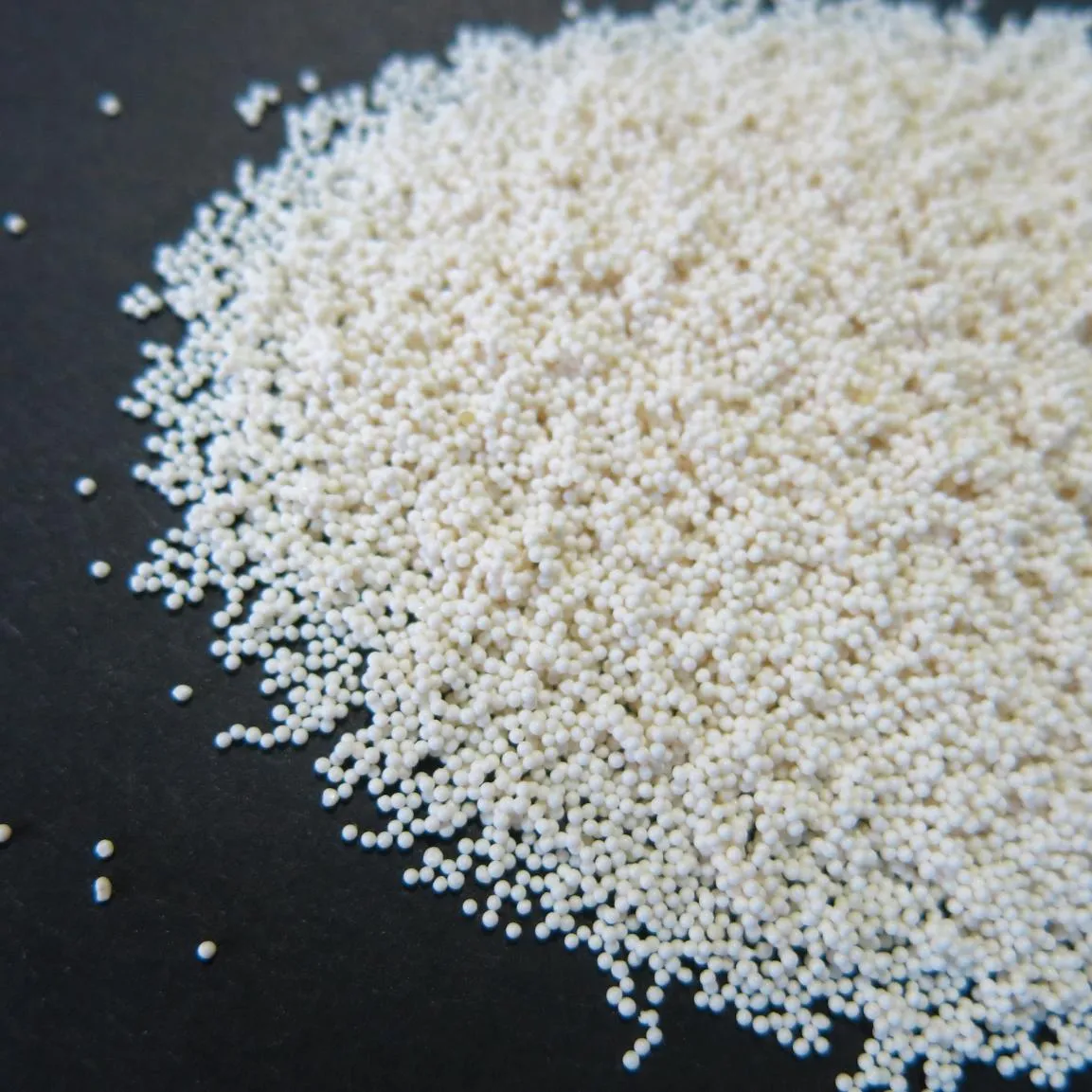
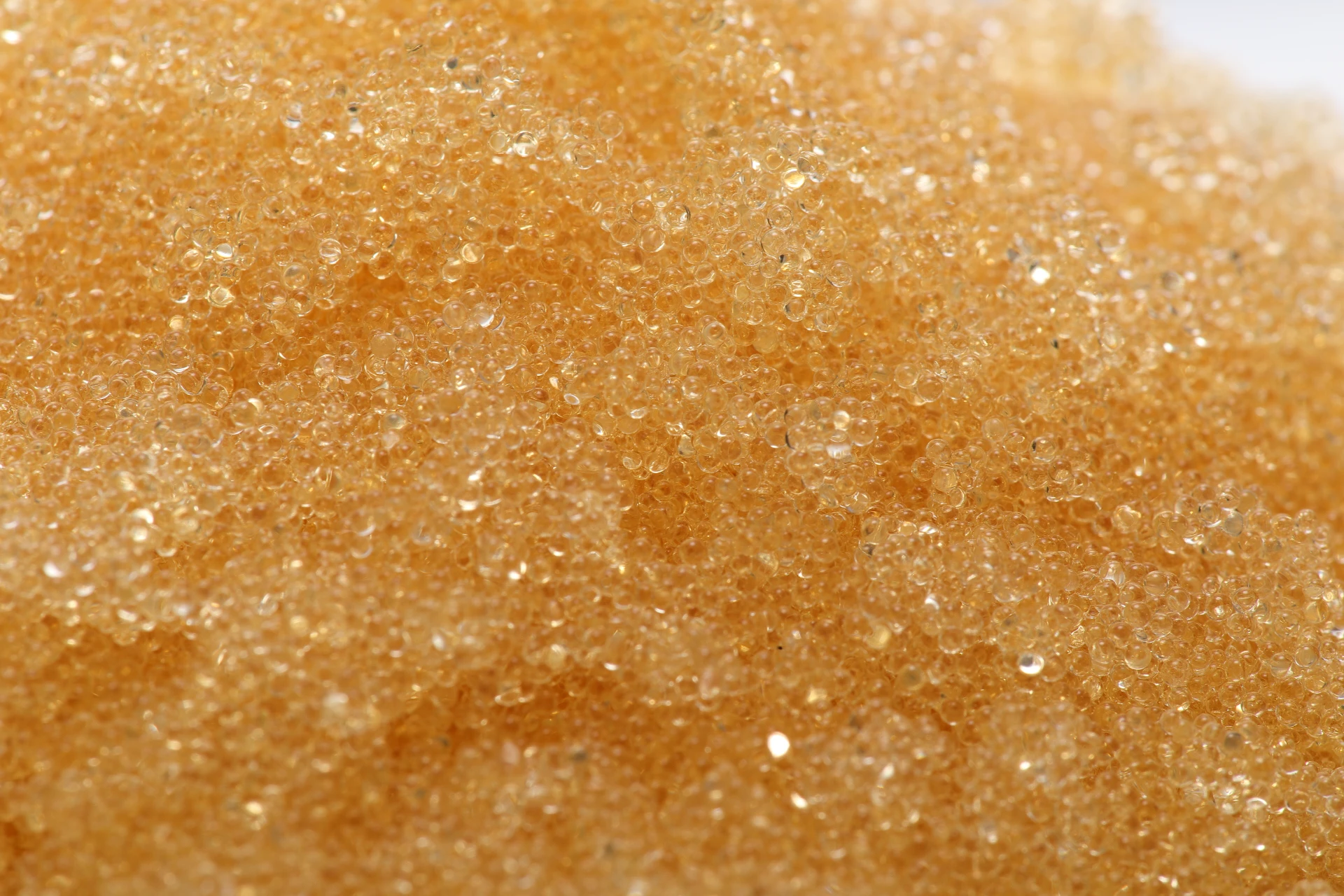
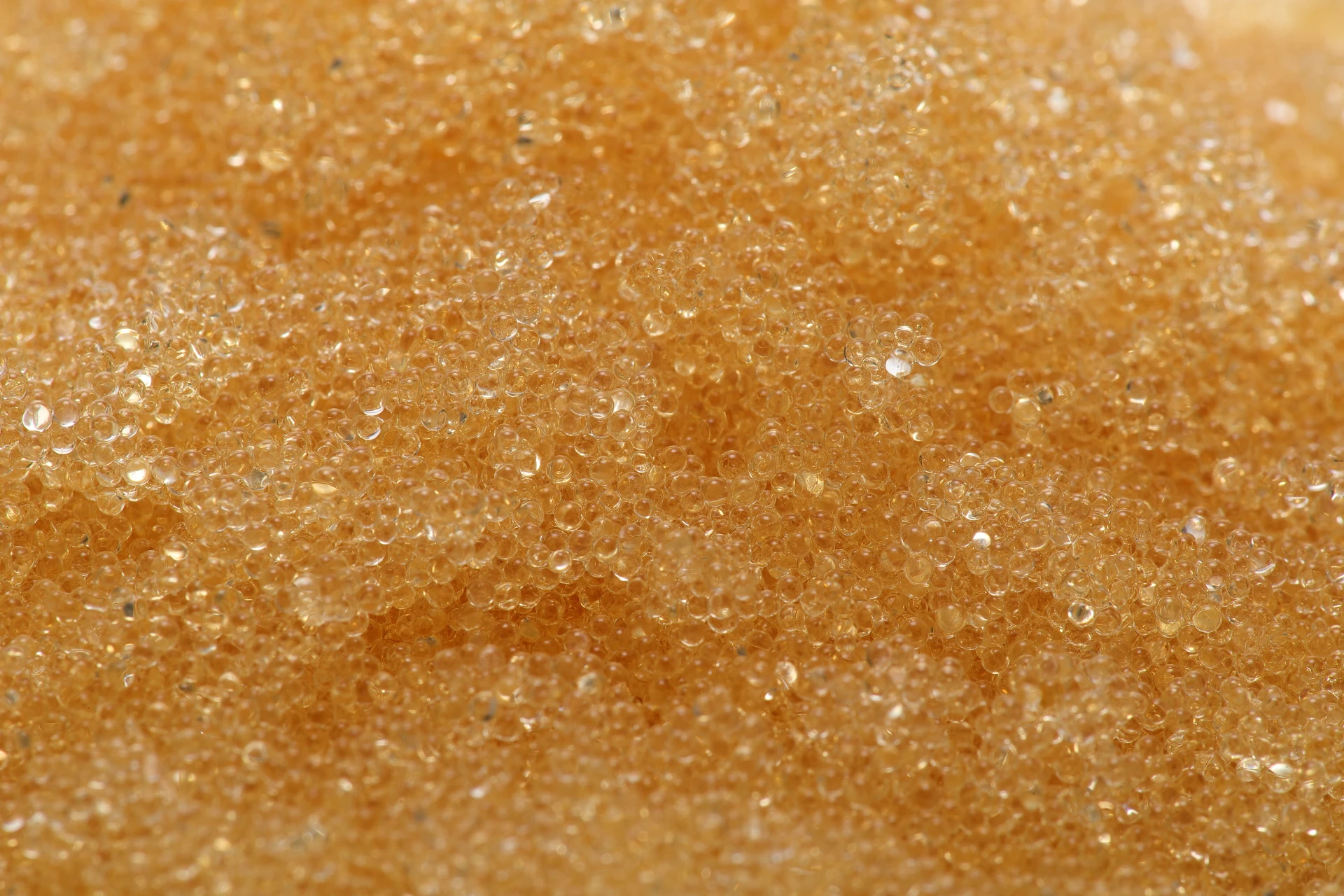
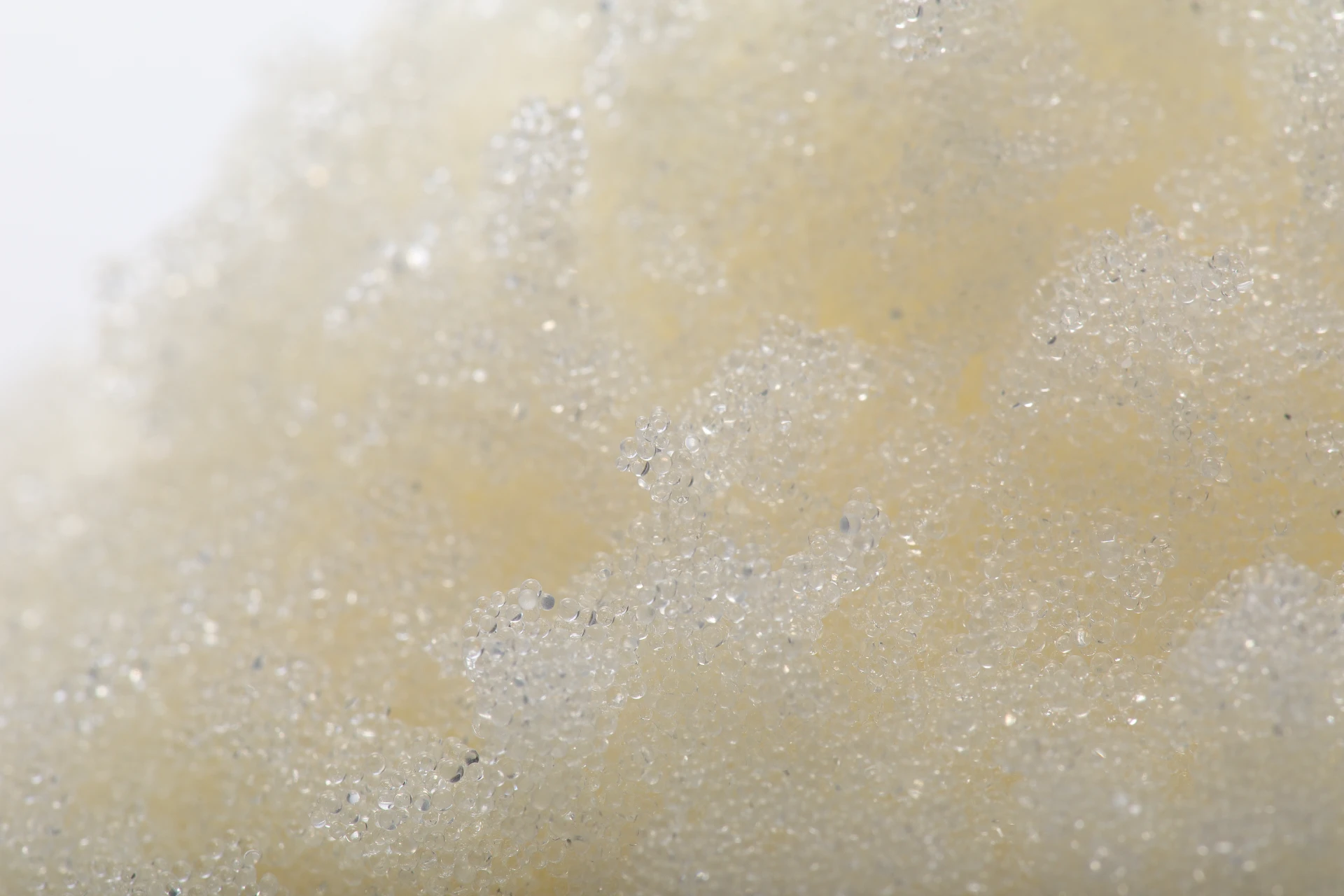
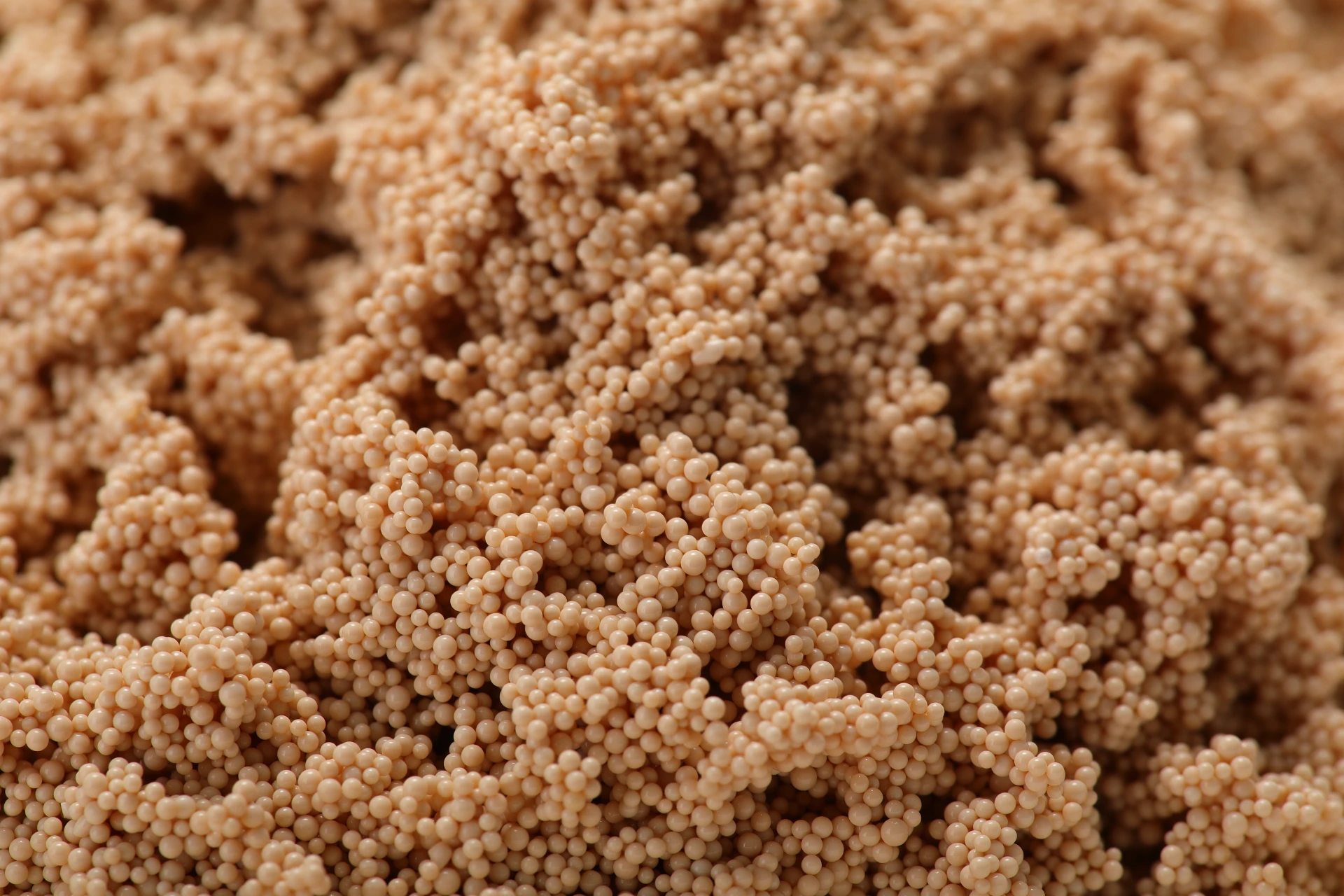
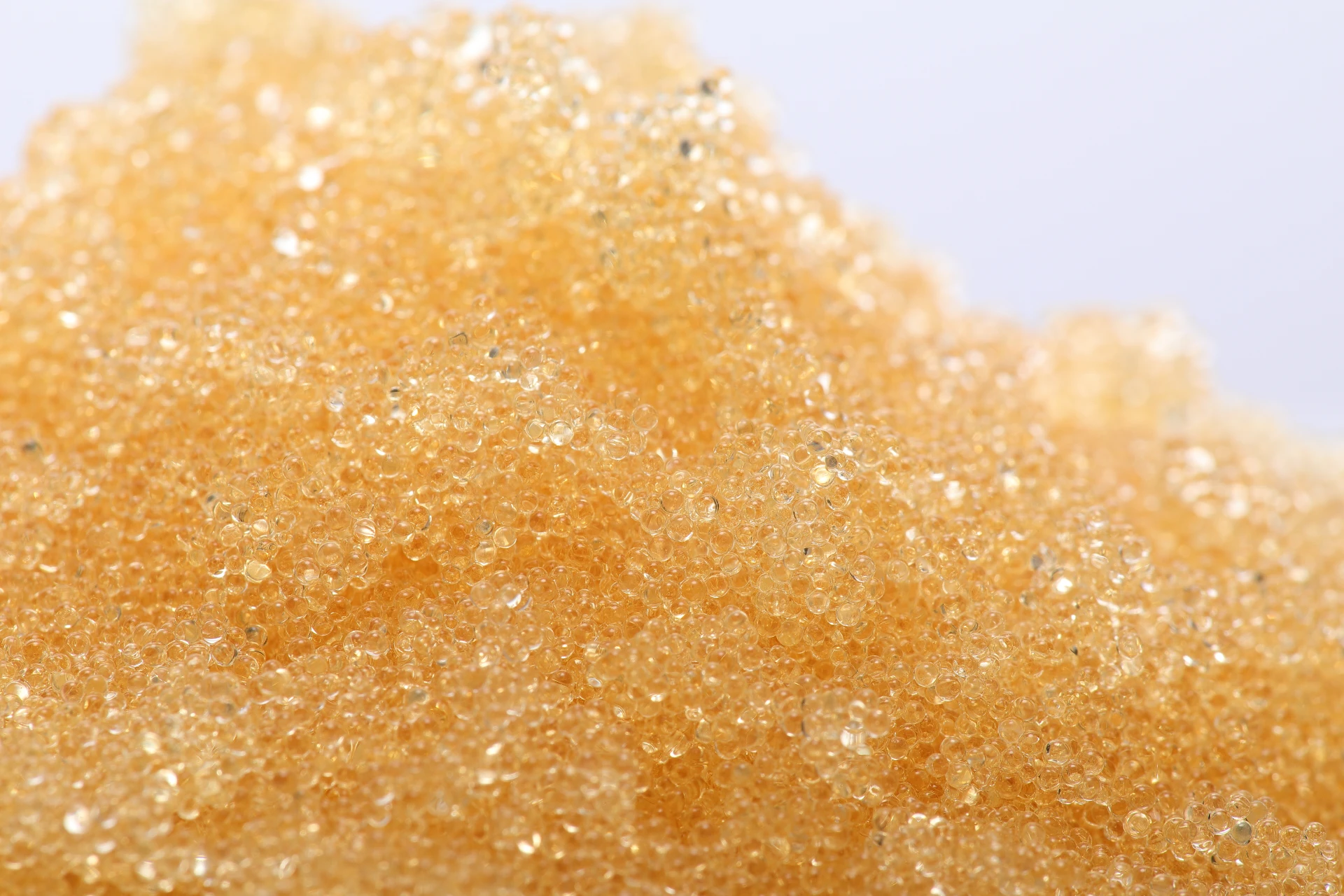
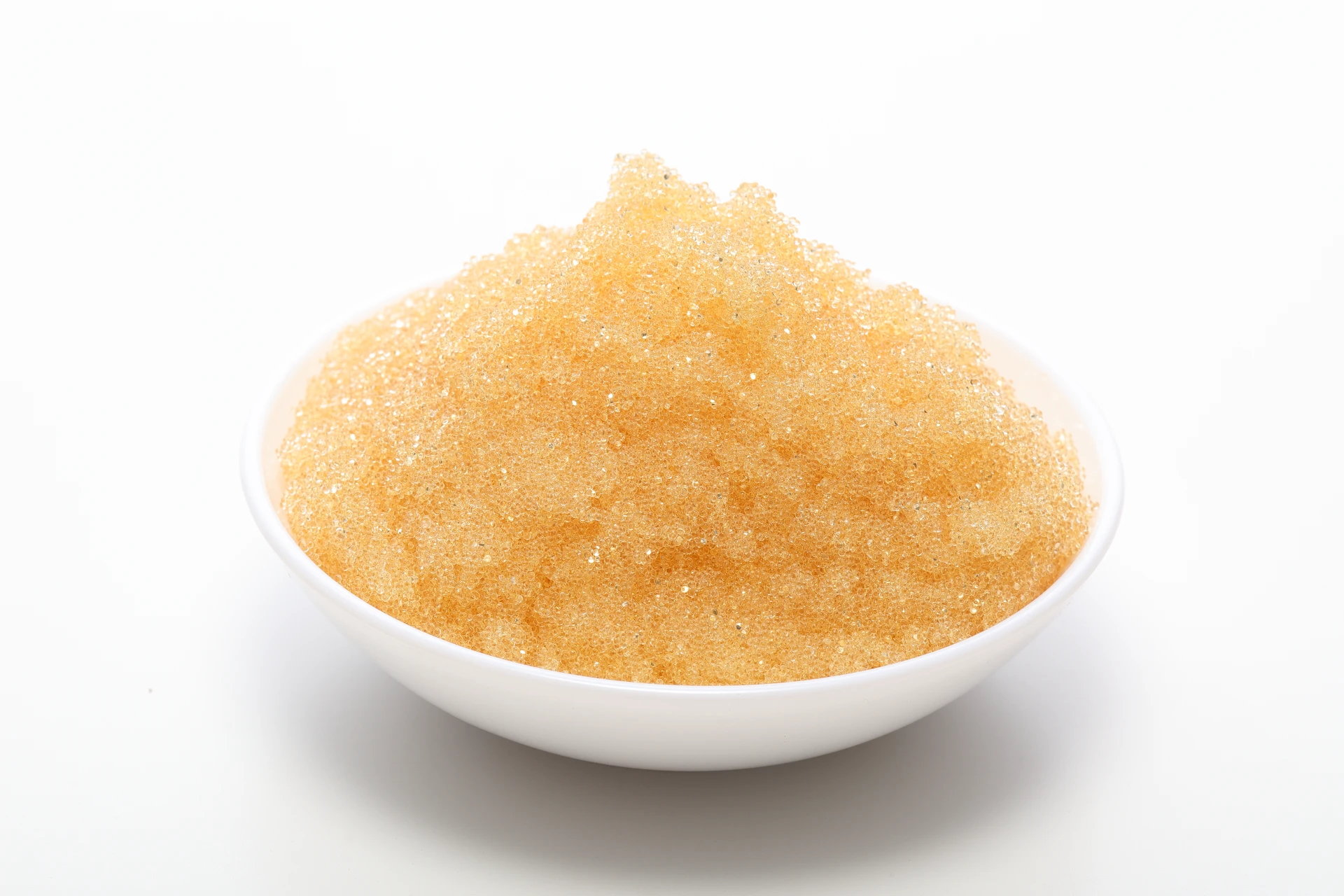
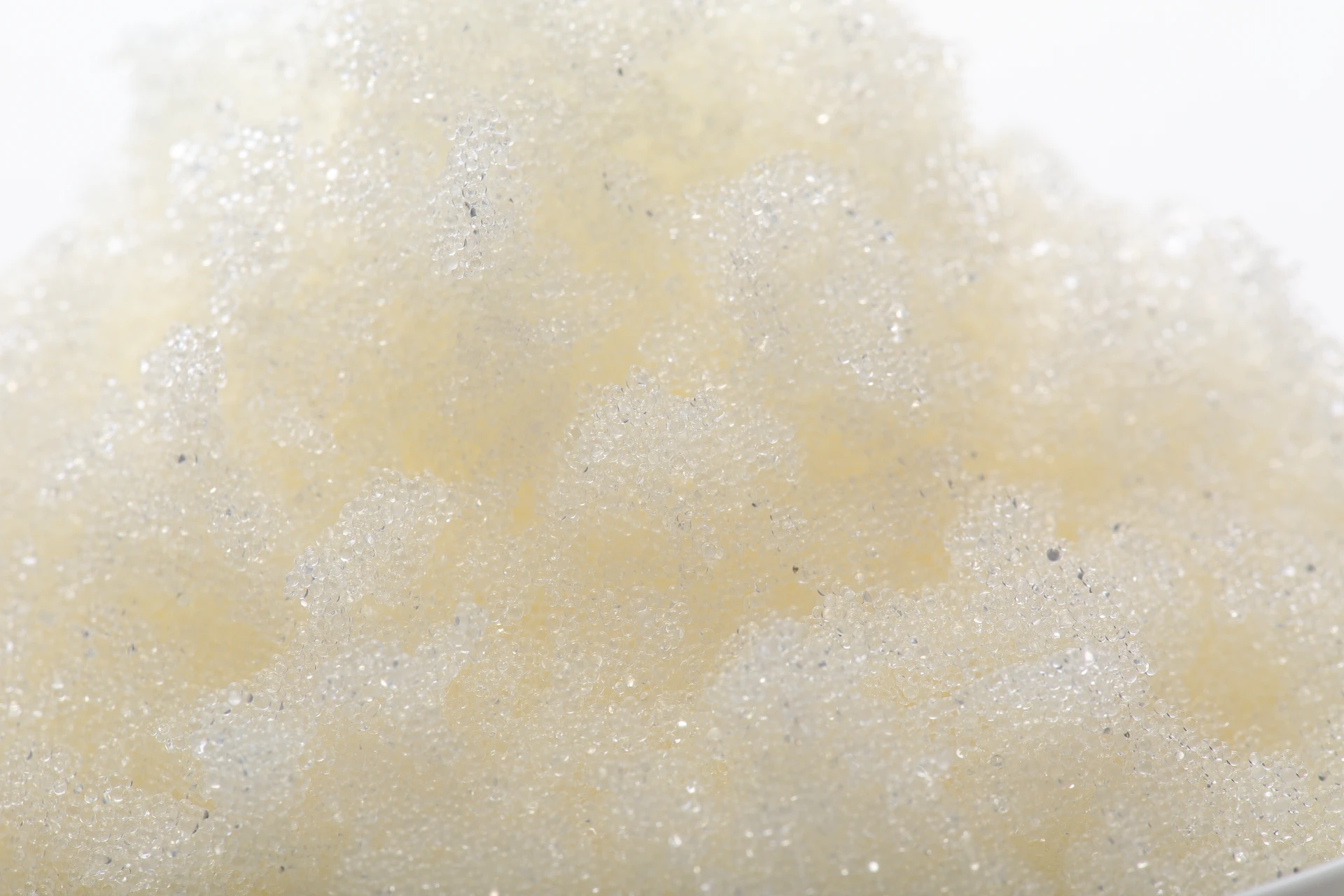
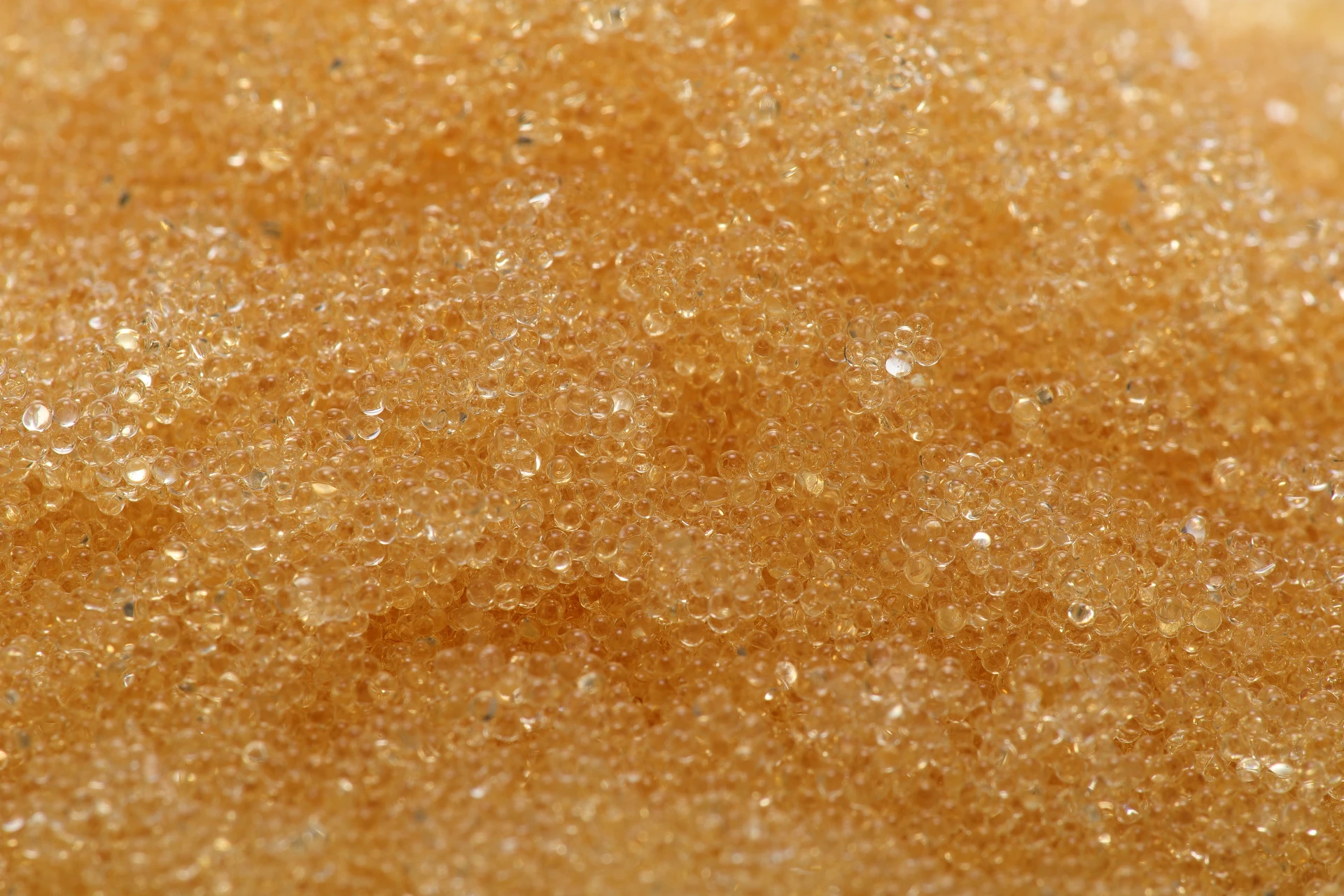
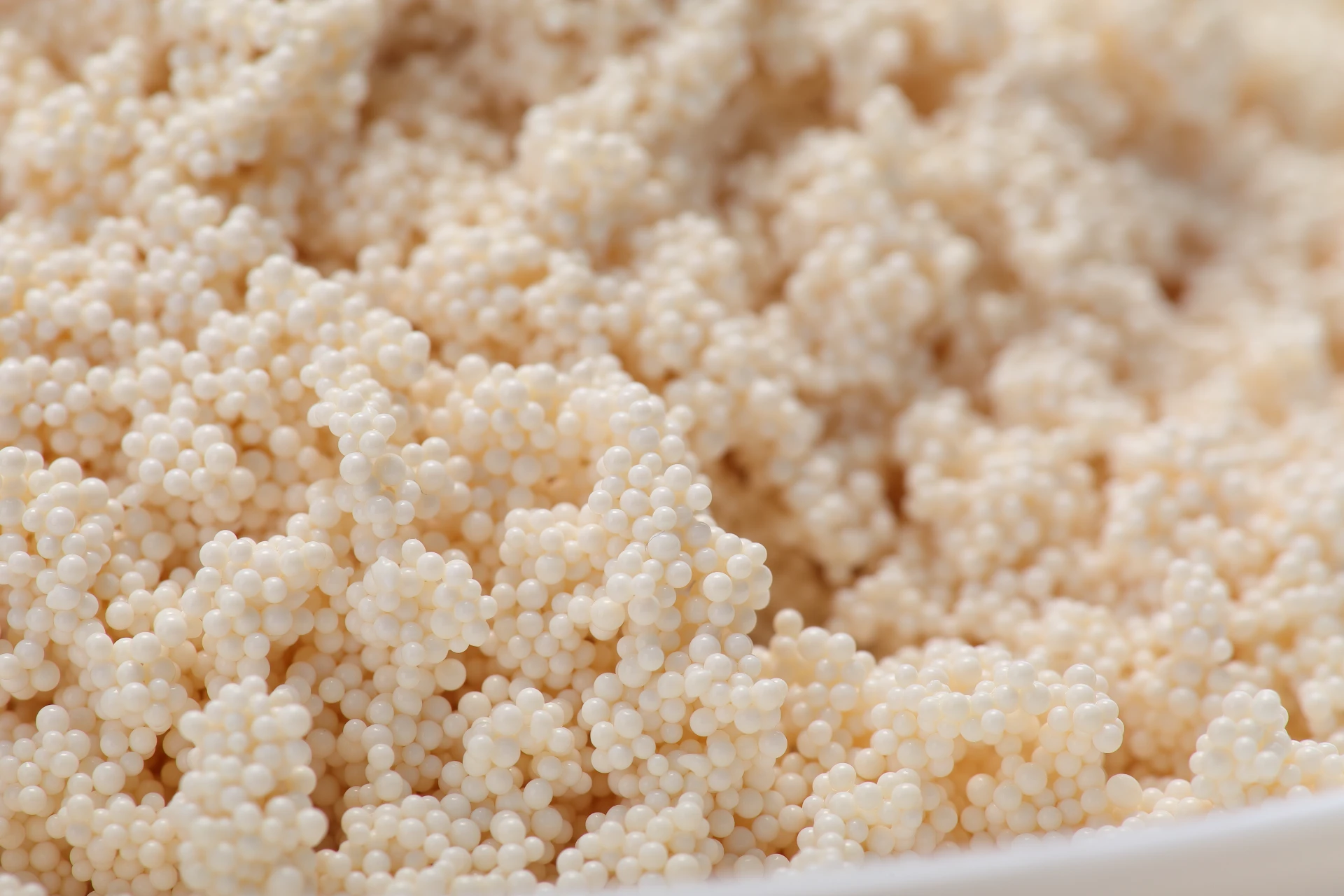
In process water treatment and catalytic applications, a strong acid cation resin (often called a strong acid cation exchanger) is engineered to exchange cations such as Ca2+, Mg2+, Na+, and Fe2+ across a wide pH range. Typically built on a sulfonated polystyrene–divinylbenzene matrix, these resins operate in H+ or Na+ form to soften, demineralize, or condition water feeding critical unit operations. For synthetic resin manufacturing, this control over ionic species safeguards boilers, jackets, and reactor internals while enabling consistent reaction kinetics and product quality. Technical characteristics usually include high total exchange capacity, robust osmotic stability, tight particle size distribution for lower pressure drop, and resilience to thermal cycling. In mixed-bed or two-bed deionization systems, Strong Acid Cation resins pair with strong base anion resins to achieve ultra-low conductivity water for emulsions, dispersions, and polymerization feeds. Hebei Lijiang Biotechnology Co.,Ltd., a specialized manufacturer serving the Chemical raw material and chemical product manufacturing industry, supplies durable, high-capacity strong acid cation solutions designed for uptime, consistency, and easy integration with existing equipment.
Strong Acid Cation technology underpins three core areas in synthetic resin manufacturing: water quality, process reliability, and catalysis. First, as a strong acid cation exchanger in softening or deionization trains, it removes hardness and divalent metals that cause scaling in heat exchangers, autoclaves, and reactor coils, preserving heat transfer and reducing unplanned shutdowns. Second, high-purity water achieved with strong acid cation resin minimizes variability in emulsion polymerization, affects initiator performance, and stabilizes molecular weight distribution. Third, in select reactions (e.g., esterification for alkyds or plasticizer intermediates), sulfonic acid sites on the resin function as a solid acid catalyst—offering cleaner workups versus mineral acids and simplified downstream neutralization. Competitive advantages include high exchange capacity for longer service runs, uniform beads for reduced pressure drop, and excellent mechanical strength that withstands backwash and regeneration cycles. Hebei Lijiang Biotechnology Co.,Ltd. complements this with application-specific guidance—bed sizing, regeneration strategy, and polishing options—helping B2B decision makers in the Chemical raw material and chemical product manufacturing industry specify right-first-time systems that scale from pilot to full production.
Total cost of ownership for Strong Acid Cation systems is driven by resin lifetime, regenerant consumption, water recovery, and maintenance labor. High-capacity beads extend run lengths, lowering regeneration frequency and acid usage. Properly engineered distributors and counter-current regeneration further optimize chemical efficiency and effluent quality. From a maintenance standpoint, consistent bead strength reduces fines, keeps pressure drop low, and preserves bed hydraulics—minimizing unplanned shutdowns. Customers in the Chemical raw material and chemical product manufacturing industry highlight better steam system reliability after softening, fewer exchanger cleanings, and more predictable polymerization feeds thanks to stable conductivity and low metal content. In short, reliable strong acid cation resin performance translates to improved uptime and measurable ROI through energy savings, reduced chemical spend, and longer equipment life.
Sustainability initiatives in manufacturing prioritize water stewardship, chemical minimization, and regulatory compliance for effluent and brine discharge. Modern Strong Acid Cation systems support these goals through higher exchange efficiency, counter-current regeneration, and opportunities for acid reuse or neutralization strategies that cut waste. As synthetic resin manufacturing grows—especially in high-performance coatings, composites, and adhesives—demand for consistent, low-conductivity water continues to rise alongside stricter environmental standards. Forward-looking plants pair strong acid cation exchangers with smart instrumentation to track breakthrough and optimize regeneration timing, reducing chemical footprint without compromising product quality. Hebei Lijiang Biotechnology Co.,Ltd. aligns with these trends by helping customers specify right-sized beds, select robust strong acid cation resin grades for their feedwater profile, and implement best practices that reduce emissions, extend service life, and lower total environmental impact.
From water softening and deionization to selective catalysis, Strong Acid Cation technology is foundational to quality, uptime, and efficiency in the Chemical raw material and chemical product manufacturing industry and Synthetic resin manufacturing. Hebei Lijiang Biotechnology Co.,Ltd. delivers reliable, high-performance strong acid cation resin solutions with the technical support B2B decision makers need to de-risk operations and scale confidently. Ready to optimize your system? Contact us: email: info@lijiresin.cn. Visit our website: https://www.lijiresin.com. Explore the product page here: Strong Acid Cation Exchange Resin.