Phone:
+86 0319 2296164


Email:
info@lijiresin.cn
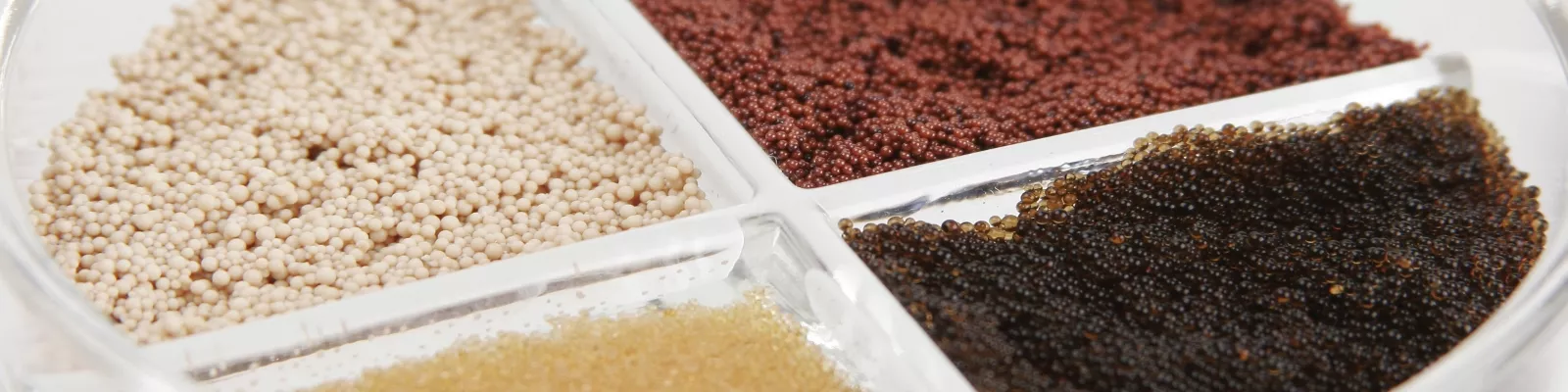
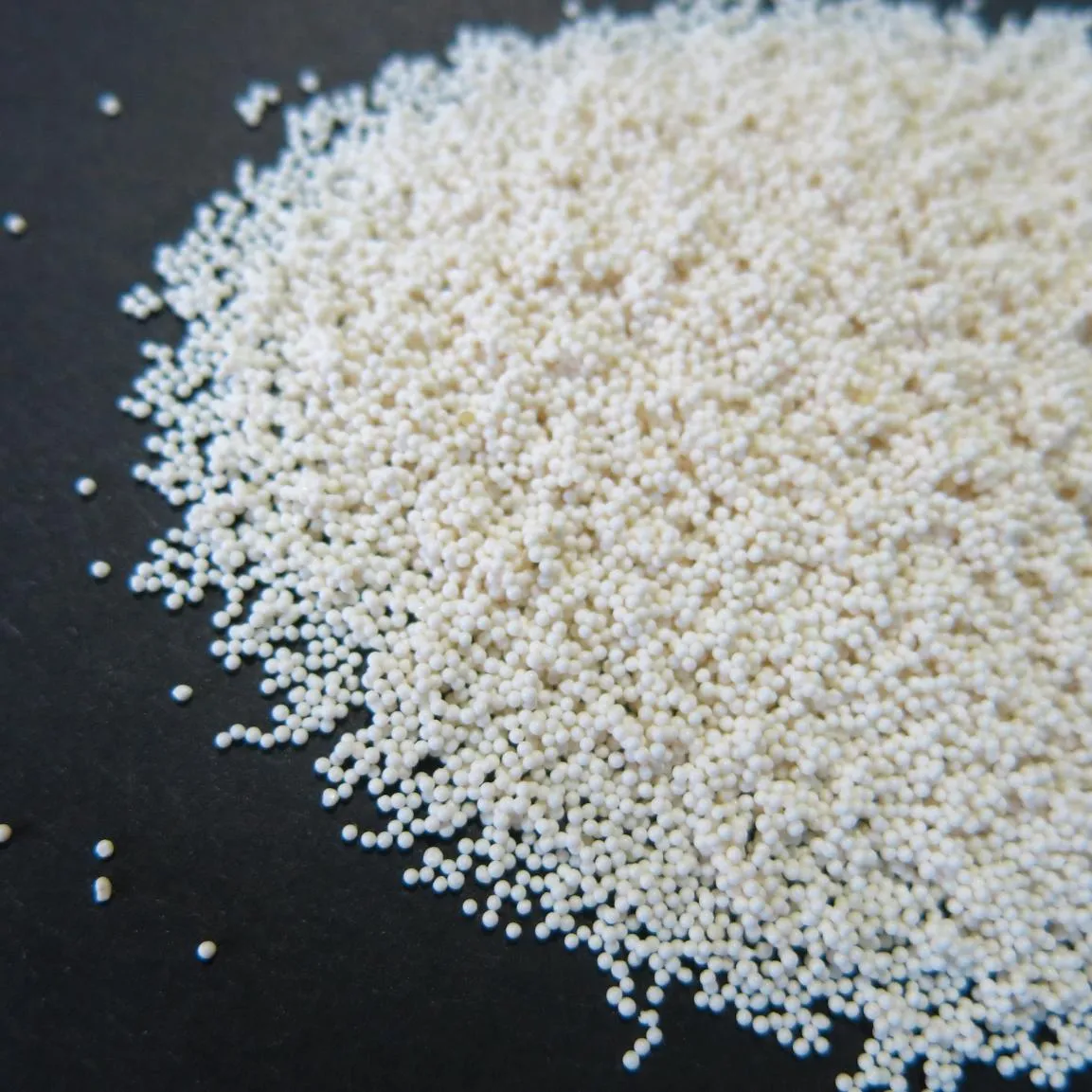
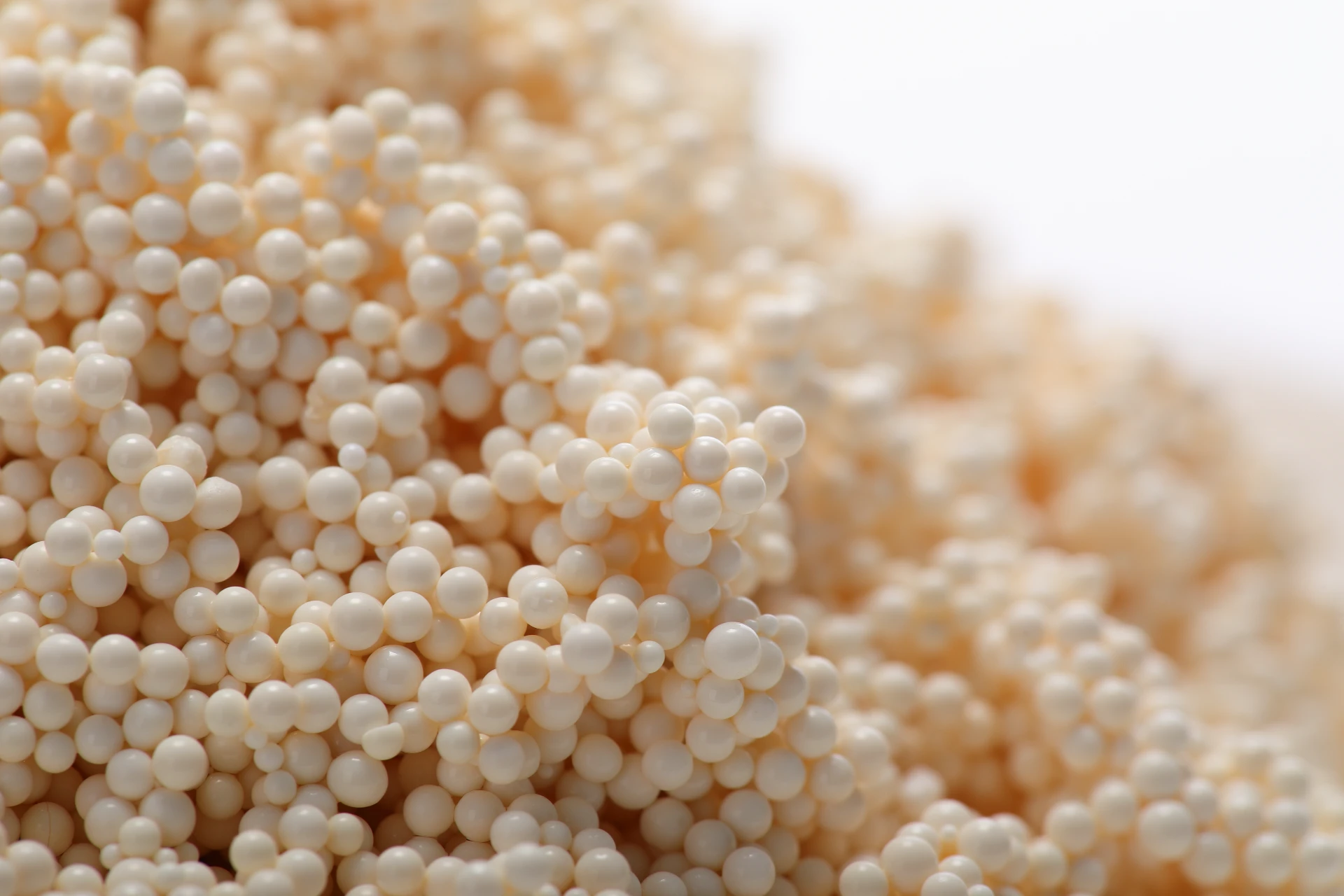
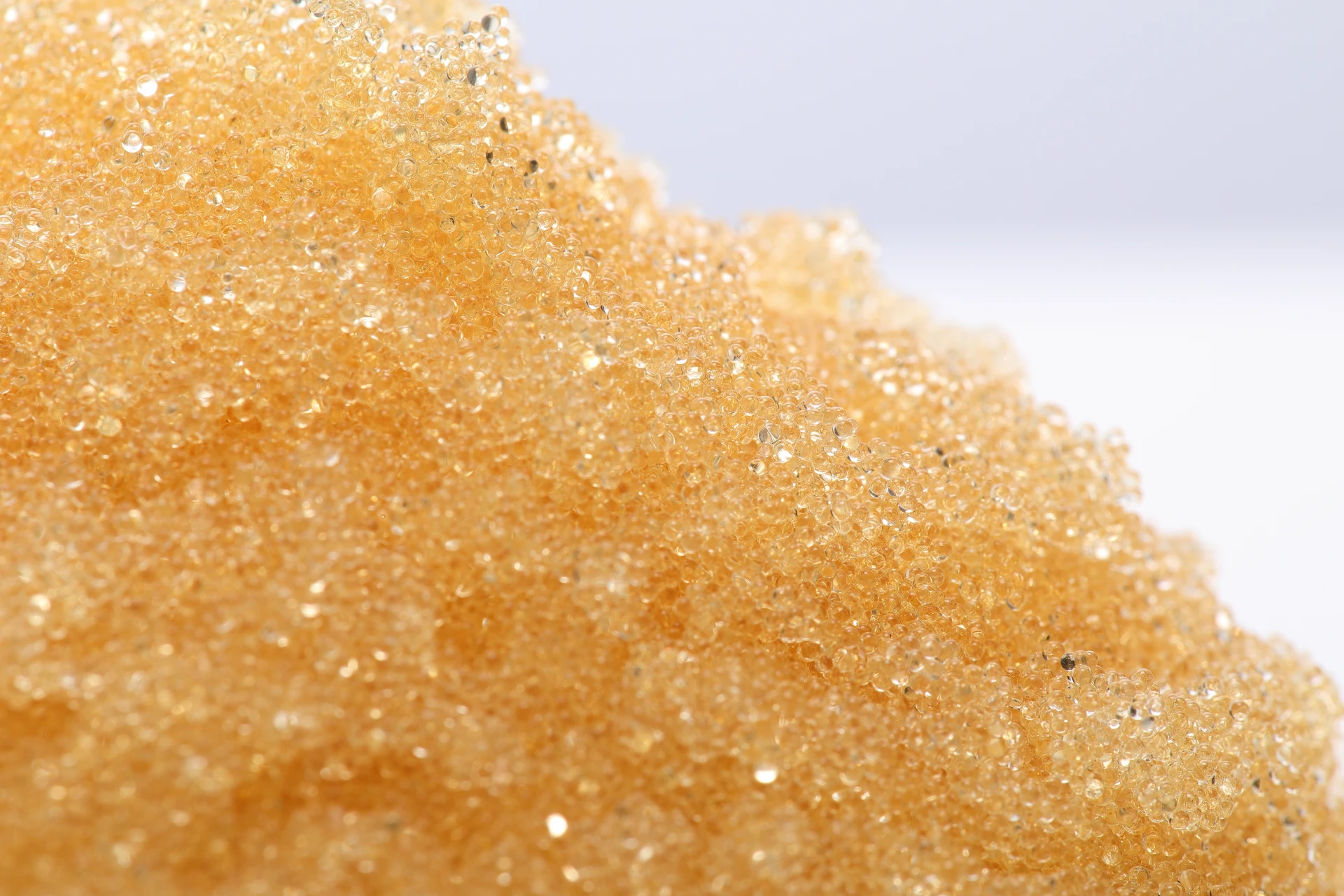
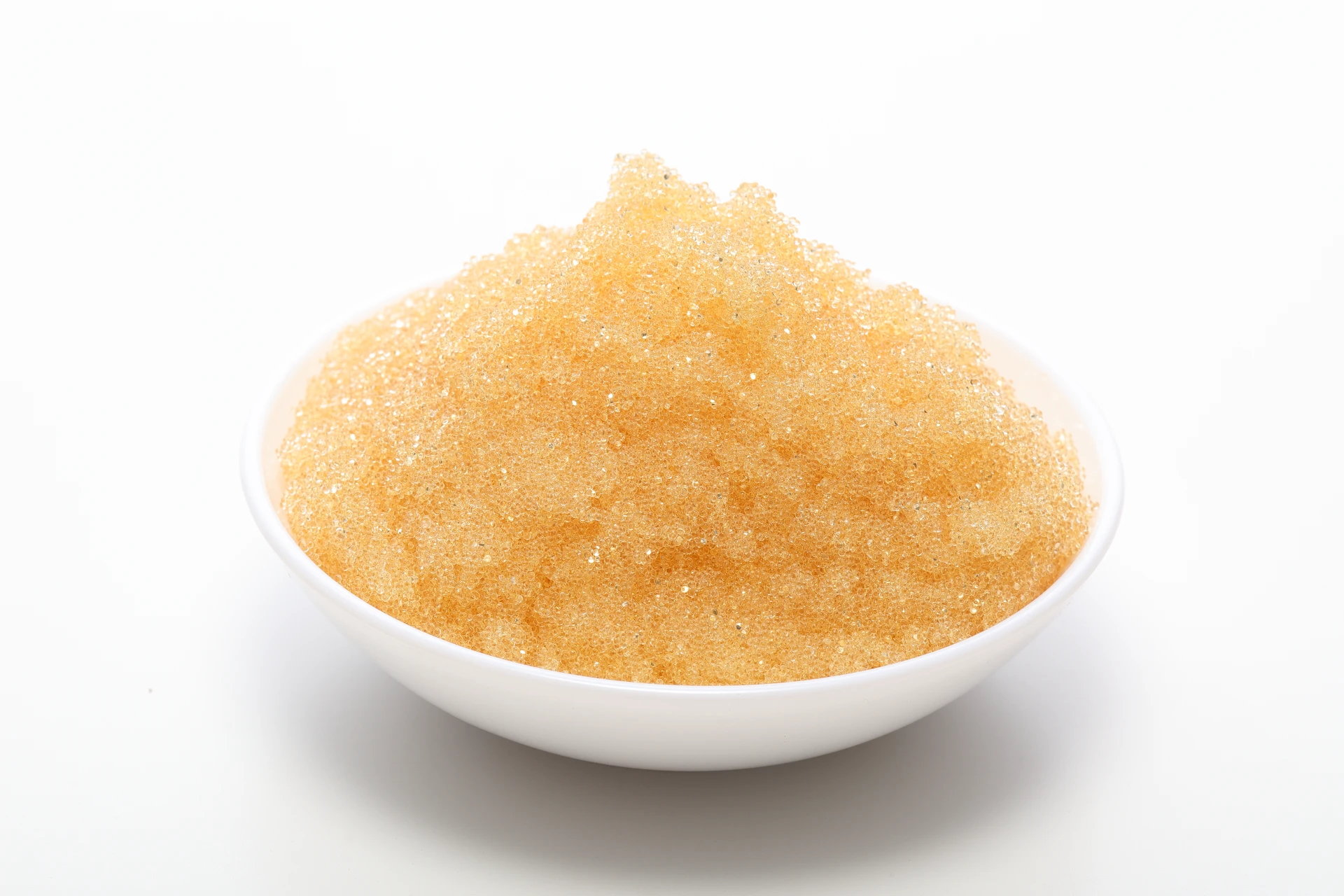
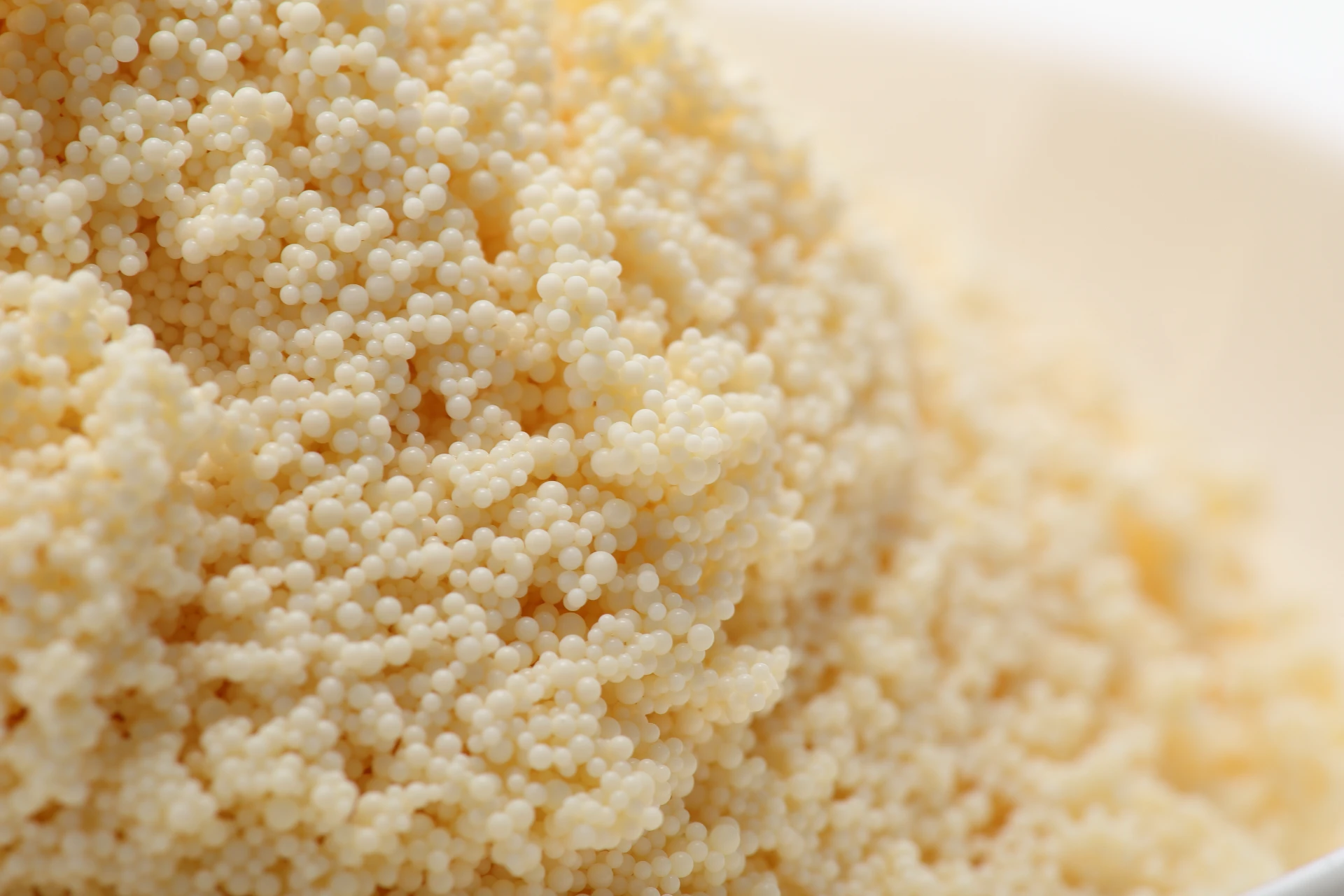
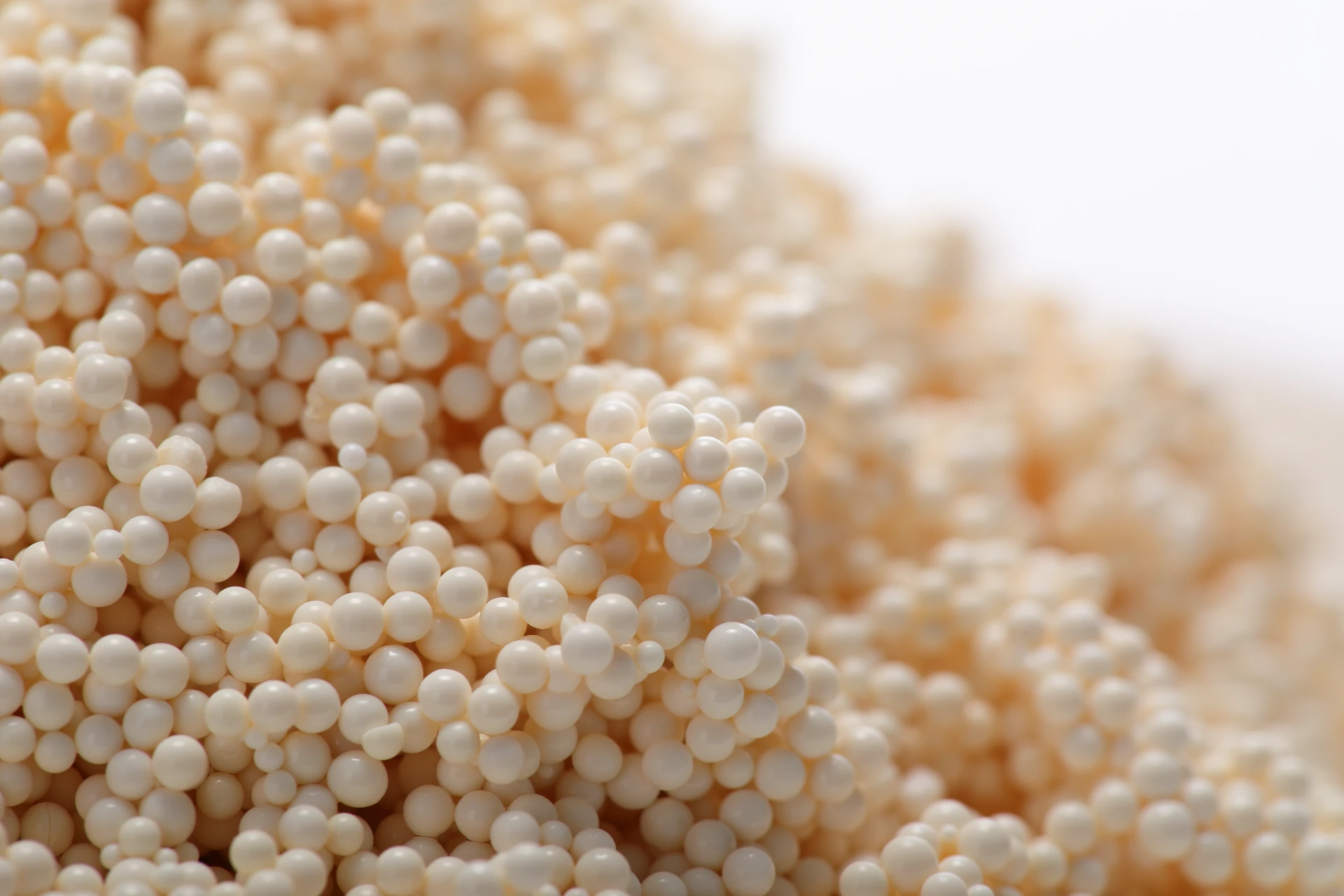
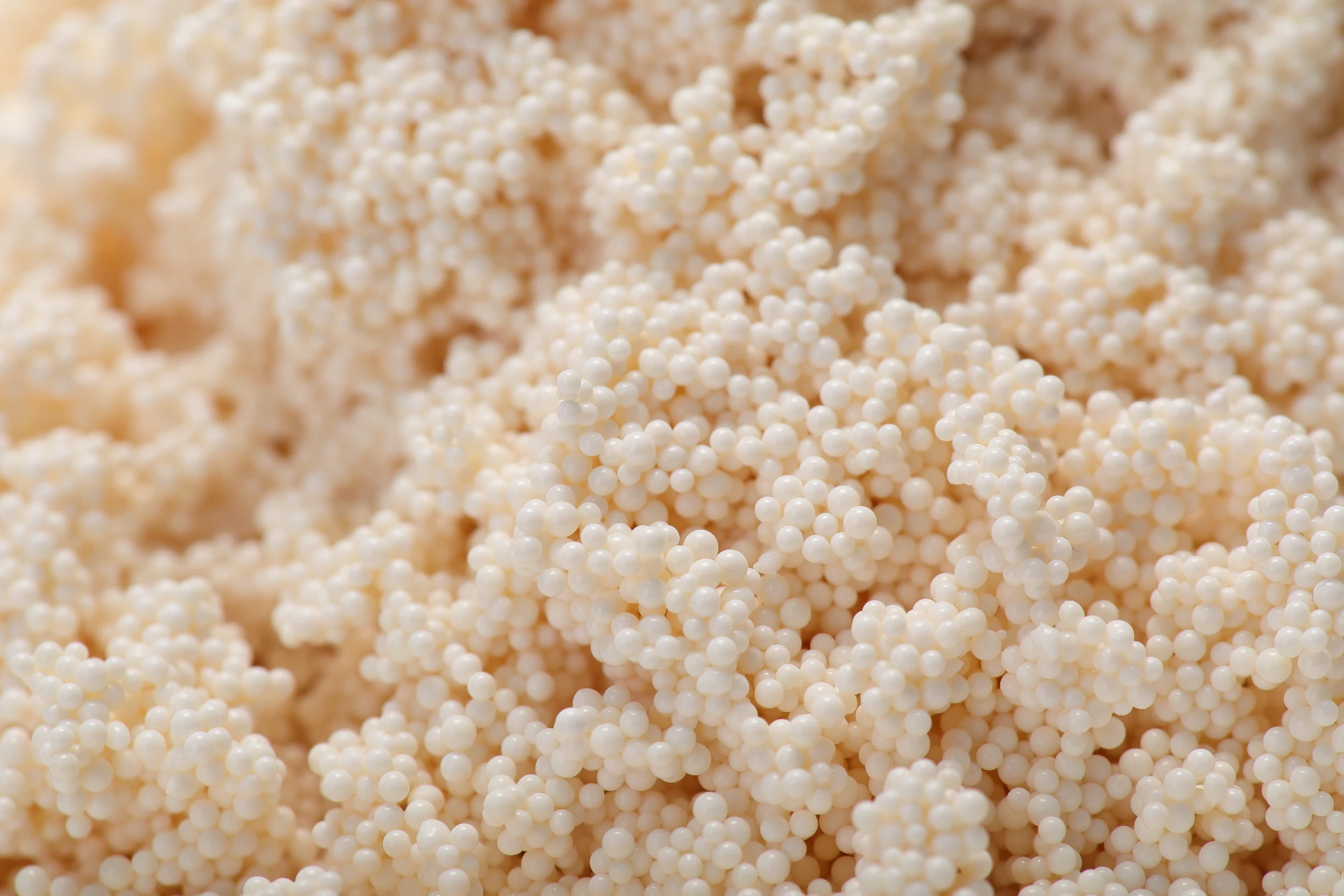
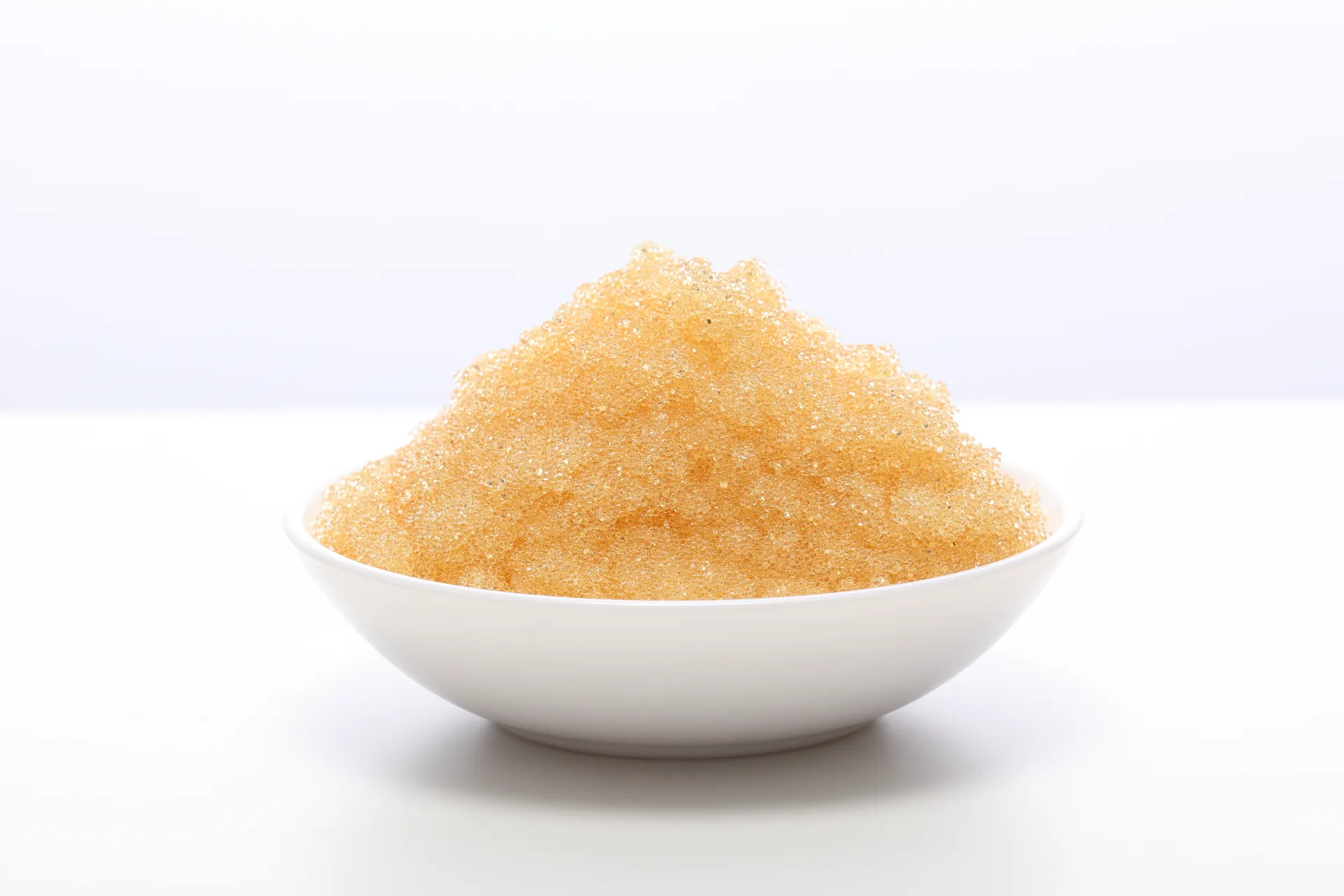
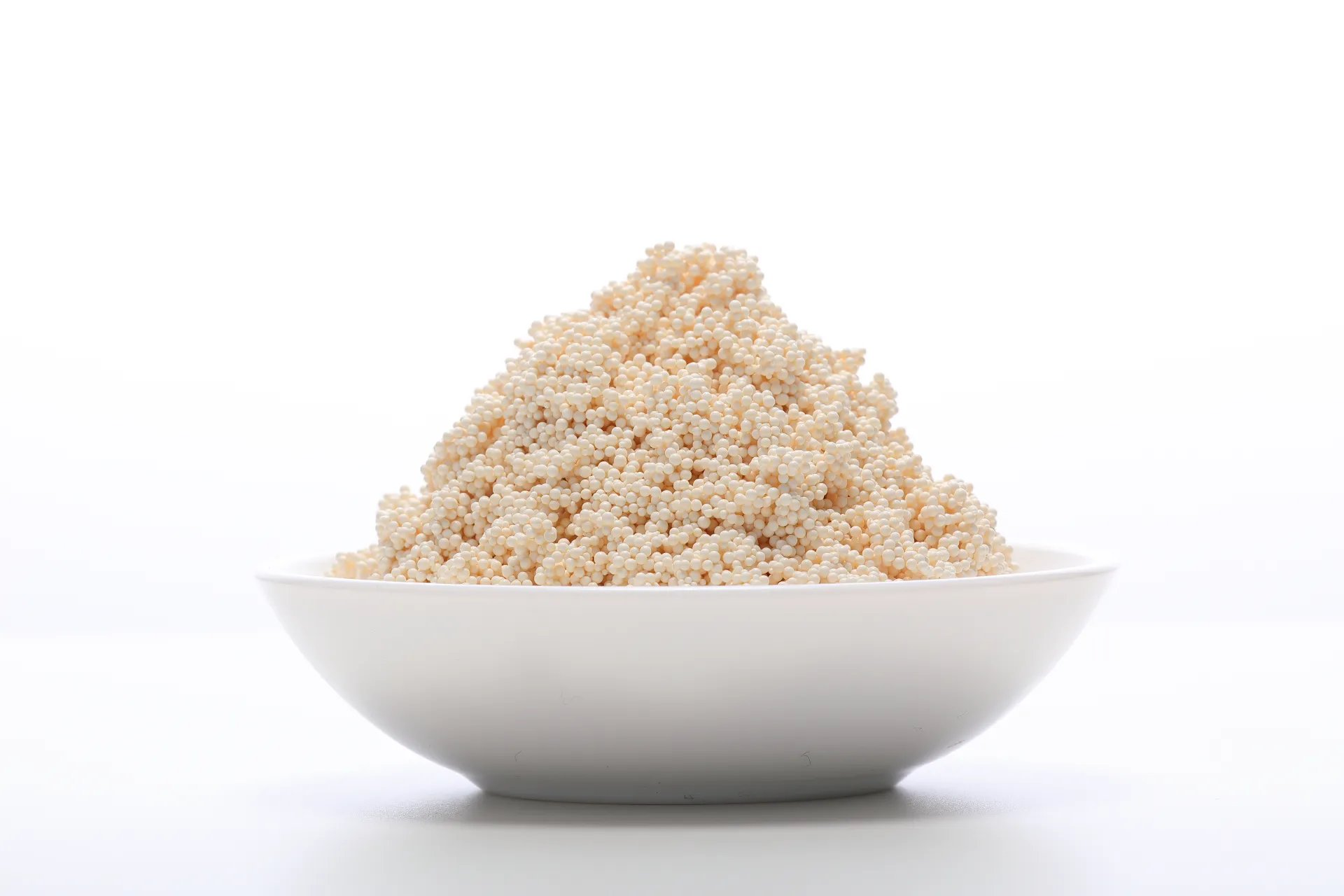
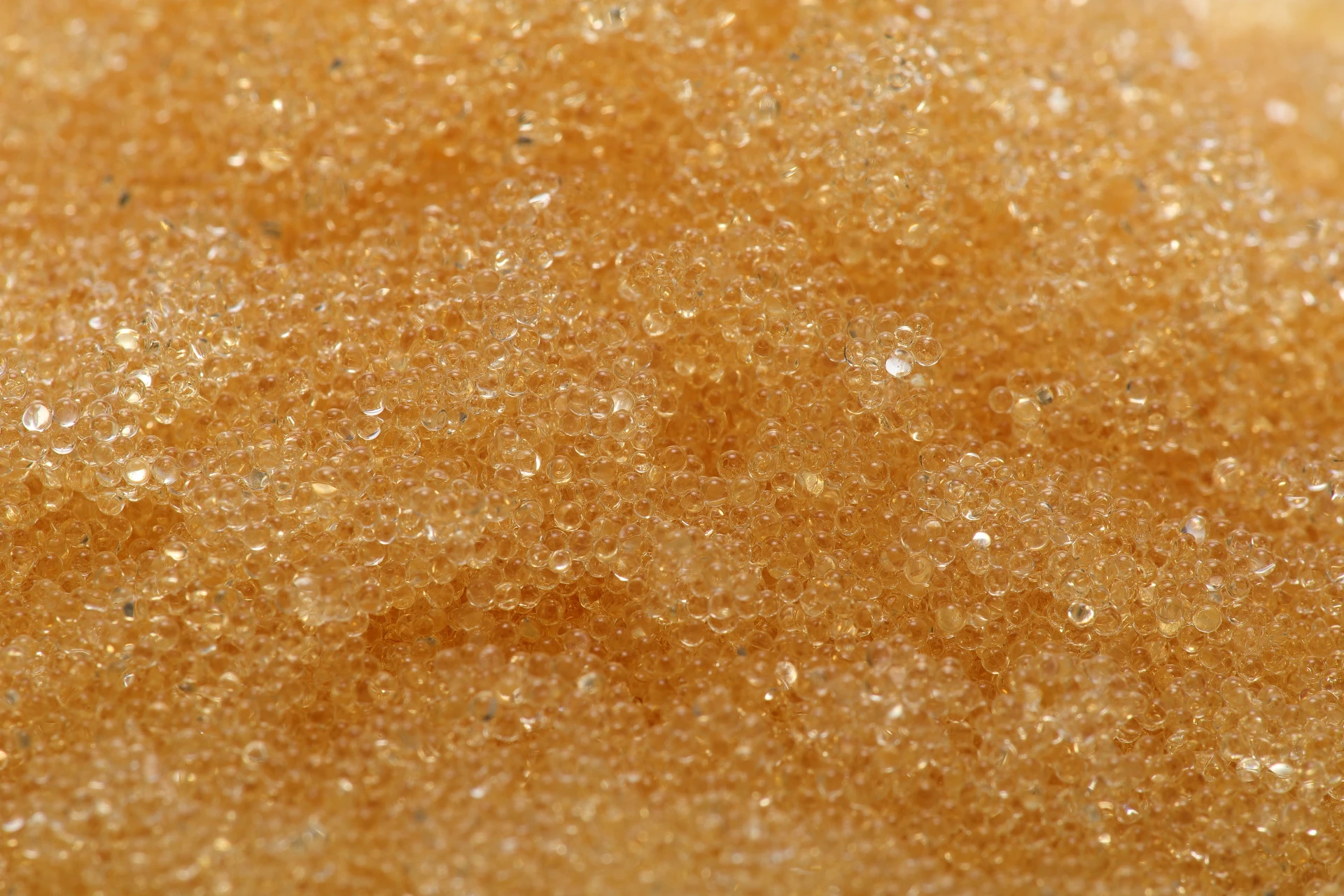
If you've ever wondered how industries manage to purify water efficiently or recover valuable metals with minimal waste, the answer often comes down to one versatile material: styrene divinylbenzene cation exchange resin. Globally, this resin plays a crucial role in water treatment, pharmaceutical manufacturing, and environmental remediation efforts, making it one of those superstars of the chemical world that quietly keeps things running.
Why does it matter so much? Well, clean water scarcity affects over 2 billion people worldwide per UN reports, and technologies leveraging this resin help tackle contamination challenges. The better we understand how this material works, the more innovations we can bring to enhance sustainability and industrial efficiency. It’s a small polymer with a big impact.
Let’s break it down in plain language: this resin is a type of synthetic polymer that swells in water, designed to swap out positively charged ions (cations) such as calcium or magnesium for other ions it holds (like sodium). This action makes it ideal for softening water, removing heavy metals, or recovering precious metals from waste streams.
Industries from power plants to beverage manufacturers depend on these resins. Beyond that, humanitarian needs—like providing safe drinking water in post-disaster zones—rely on fast, reliable ion exchange capabilities. It’s an example of how chemistry intersects directly with human welfare.
One reason these resins stand out is their chemical resistance and mechanical strength. Unlike some natural materials, this polymer-based resin tolerates harsh conditions including extremes of pH and temperature. That kind of durability is a game-changer for industrial-scale operations where uptime is critical.
This resin’s ability to capture and exchange ions efficiently defines its usefulness. Depending on the degree of crosslinking between styrene and divinylbenzene in its matrix, manufacturers can tweak how much ion it can hold, allowing tailored performance for softening hard water or removing toxic metals.
Whether you need a few kilograms for a lab experiment or tons for municipal water treatment plants, this resin can be produced and customized at scale. It adapts well to different system designs—packed beds, fluidized beds, or membrane contactors.
Despite being synthetic, production methods have matured to the point that these resins are affordable, especially given their long service life. Many engineers emphasize how the lower operational and replacement costs balance initial investments nicely, particularly when factoring in water and energy savings.
Another strength is the ability to regenerate the resin for multiple cycles using relatively simple chemicals, making it sustainable and reducing waste volume annually.
In short, the styrene divinylbenzene cation exchange resin combines resilience with customizable chemistry, which explains why it’s a staple in so many sectors.
Regionally, places with limited natural freshwater or heavy industrial activity (like parts of the Middle East, India, or South America) rely heavily on these solutions. The demand for reliable water softening and treatment is worldwide, reflecting the resin’s indispensable role.
From factories to emergency water kits, styrene divinylbenzene cation exchange resin quietly supports global industries and communities alike.
The resin isn’t just a technical marvel — it brings real-world benefits that impact people and profits:
When you think about it, investing in these resins is investing in trust — manufacturers trust products won’t fail, and consumers trust the water they drink is safe.
Industry buzz suggests the next frontier includes:
These developments echo a shift not just in materials science but how we think about resource conservation and circular economies.
Of course, no tech is perfect. Challenges include:
Experts suggest multiple-step treatments, pre-filtration technologies, and better resin formulations as solutions. Also, newer hybrid resins show promise circumventing some limits.
| Specification | Value / Description |
|---|---|
| Polymer Matrix | Styrene Divinylbenzene (DVB) Crosslinked |
| Ion Exchange Capacity | 1.8–2.2 meq/mL (Milliequivalents per mL) |
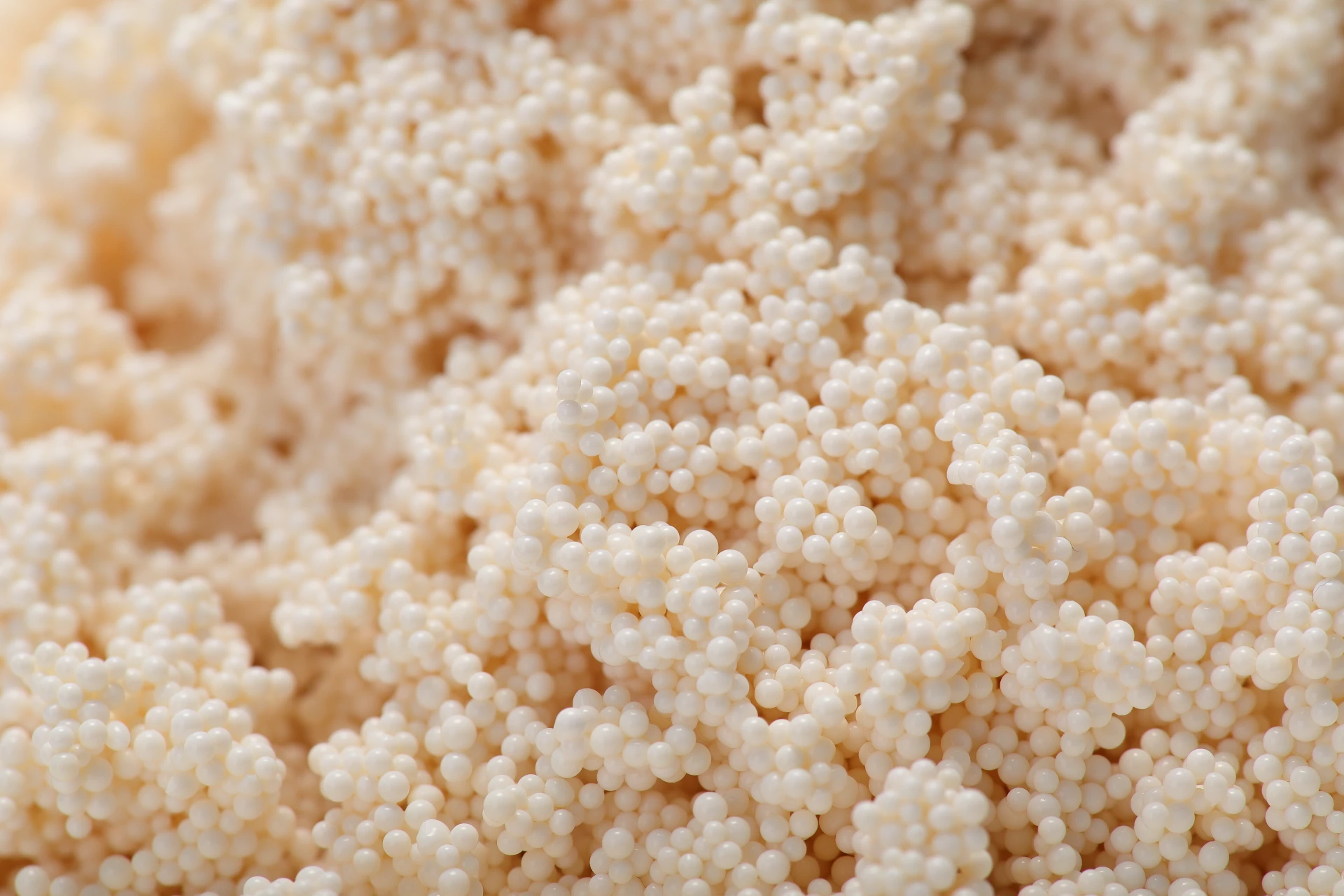
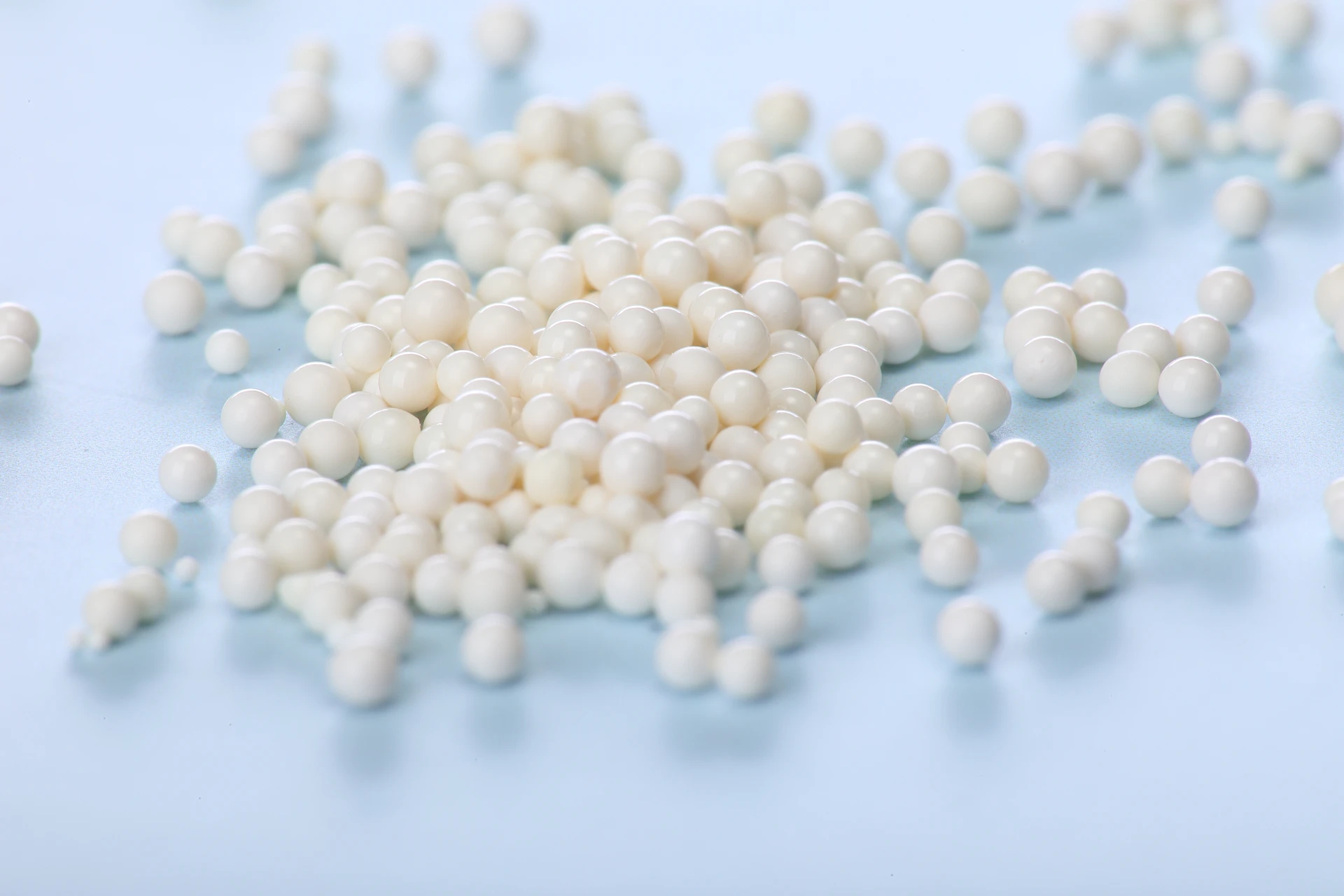
| Physical Form | Spherical Beads, 0.3–1.2 mm Diameter |
| Operating pH Range | 0–14 (but optimal 3–12 depending on application) |
| Temperature Resistance | Up to 120°C (248°F) |
| Typical Regenerant | Sodium Chloride (NaCl) or Acid Solutions |
| Vendor | Capacity (meq/mL) | Price/kg (USD) | Customization Options | Typical Lead Time |
|---|---|---|---|---|
| ResinTech Co. | 2.0 | $15–20 | Standard/Custom Crosslinking | 4 weeks |
| IonPure Ltd. | 1.9 | $12–18 | Biopolymer Blend Options | 3 weeks |
| PolyChem Solutions | 2.1 | $17–22 | Nano-enhanced Variants | 5 weeks |
All in all, styrene divinylbenzene cation exchange resin is one of those essential yet understated chemicals that enable clean water, efficient manufacturing, and environmental protection. Its longevity, versatility, and continuous innovation make it a material worth knowing about — whether you’re a plant engineer, environmentalist, or just a curious mind.
Curious to dive deeper or source quality products? Visit our site: https://www.lijiresin.com to explore cutting-edge solutions that spark both efficiency and sustainability.
And with that, here’s to cleaner water, smarter industry, and a greener planet—one resin bead at a time.