Phone:
+86 0319 2296164


Email:
info@lijiresin.cn
If you’ve ever dived into the intricate world of biochemical transporters or industrial water treatment, the term gastrointestinal cation exchanger probably rings a bell. But what exactly are these exchangers, and why should anyone beyond the lab bench or treatment plant care?
Simply put, gastrointestinal cation exchangers play a vital role in maintaining ionic balance in biological systems and industrial applications alike. They’re involved in the subtle dance of moving positively charged ions (cations) like sodium, potassium, or calcium across membranes—be it in your gut or in engineered filtration systems.
Given their crucial function in health, food technology, and environmental management, understanding gastrointestinal cation exchangers isn’t just geeky science—it’s a key to better diagnostics, water safety, and even humanitarian aid. Their ability to selectively swap ions leads to improvements in drug delivery, digestive health, and beyond.
Look around the world today, and several pressing challenges pivot on managing ions—ranging from malnutrition, water purification, to gastrointestinal disorders. Data from the World Health Organization point out that over two billion people suffer from micronutrient deficiencies, many linked to mineral imbalances in the digestive system. Meanwhile, industries globally grapple with removing heavy metals and balancing soil minerals to sustain agriculture and clean water.
It's no surprise then that a growing number of researchers and engineers are focusing on gastrointestinal cation exchanger technologies as a kind of bridge between biology and environmental engineering. Especially in areas where healthcare systems are weak and water resources are scarce, the right ion exchange mechanisms can drastically improve living conditions.
Even the UN’s Sustainable Development Goals zero in on clean water and health, indicating that mastering this technology ticks a few crucial boxes for the planet's future.
In the simplest terms, a gastrointestinal cation exchanger is a molecular or material system that swaps cations within the gastrointestinal tract or in analogous environments. Think of it like a chemical barter system: one type of positive ion is traded for another to maintain balance and promote health.
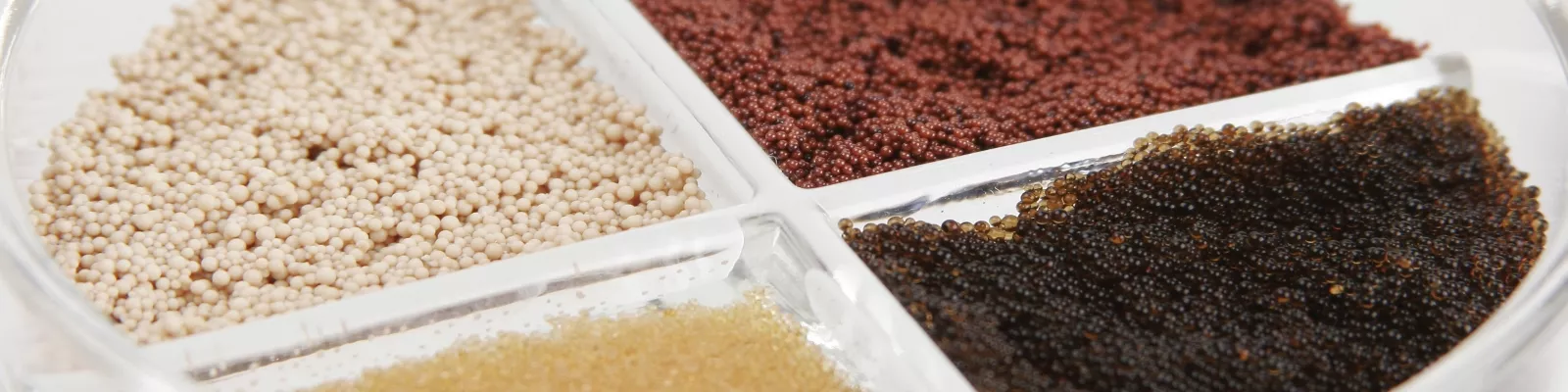
In biology, these exchangers help regulate absorption and secretion of ions in the gut lining, which affects hydration, nutrient uptake, and even drug bioavailability. In industrial or medical products, similar ion exchange resins mimic this functionality to filter or supplement minerals.
Beyond physiology, these exchangers are increasingly relevant to humanitarian efforts. For example, oral rehydration salts (ORS)—a lifesaver in many parts of the world—often rely on understanding how cations are absorbed through the gut to optimize their formulation.
Ultimately, gastrointestinal cation exchangers serve as natural and engineered solutions that control vital ion flow, impacting health and environmental quality worldwide.
One of the most important aspects is how selectively an exchanger can recognize and swap specific cations. For example, distinguishing sodium (Na⁺) from calcium (Ca²⁺) impacts how efficiently nutrients or contaminants are managed.
Whether inside a human gut or in an industrial filter, exchangers must endure chemical, physical, and temperature stresses. Durability governs both product lifespan and safety.
This factor measures how many ions a material can swap before needing regeneration or replacement. Higher capacities = longer service and more cost efficiency.
For gastrointestinal uses, especially drug delivery or supplements, the exchanger must be non-toxic and compatible with human tissue and microbiota.
From lab to clinic to industrial-scale manufacture, the ability to produce exchangers consistently and affordably is crucial.
These traits combine to determine if a gastrointestinal cation exchanger is practical for customer use, regulatory approval, and long-term impact.
From hospitals in Europe to remote villages in Asia or drought-prone regions in Africa, gastrointestinal cation exchangers have practical, life-enhancing roles.
When you think about it, ion exchange isn’t just about chemistry—it’s about trust and dignity. The cost savings from not needing invasive treatments, the sustainability of reusable particles, and the social benefits of improving nutrition make these exchangers invaluable.
Long-term, they reduce medical emergencies, cut environmental contamination, and support sustainable agriculture. A win-win is rare, but here, it feels almost effortless sometimes.
The field is buzzing with advances such as:
Of course, it’s not all sunshine. Variability in human physiology can make dosing tricky. Exchange materials might degrade over repeated use. The cost of scaling up advanced materials can be prohibitive. Not to mention regulatory hurdles in medical markets.
Experts suggest hybrid systems combining ion exchangers with probiotics or enzymatic treatments to smooth out inconsistencies. Plus, ongoing research into cheaper, plant-based materials is promising. It feels like the industry is on the cusp of turning challenges into breakthroughs.
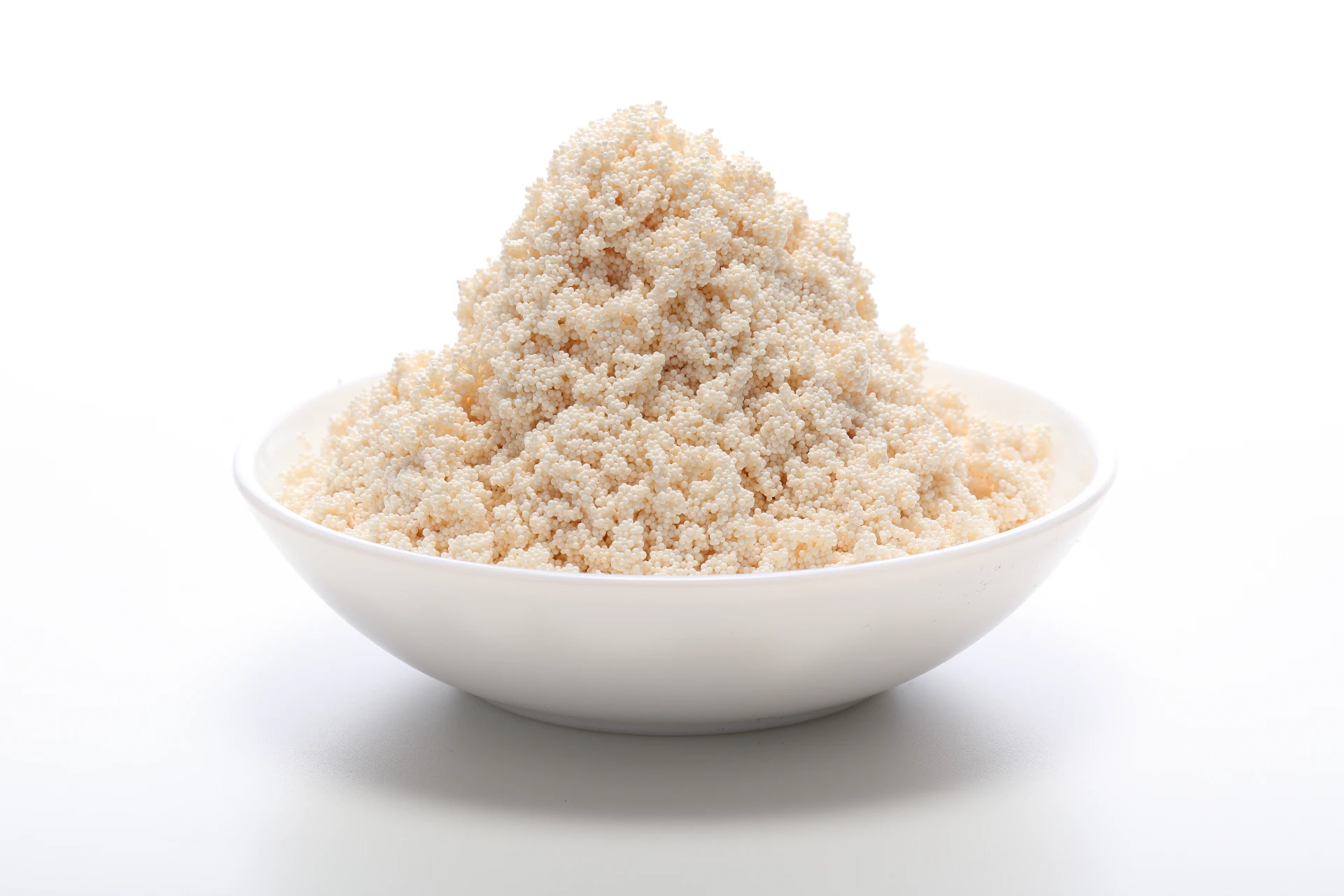
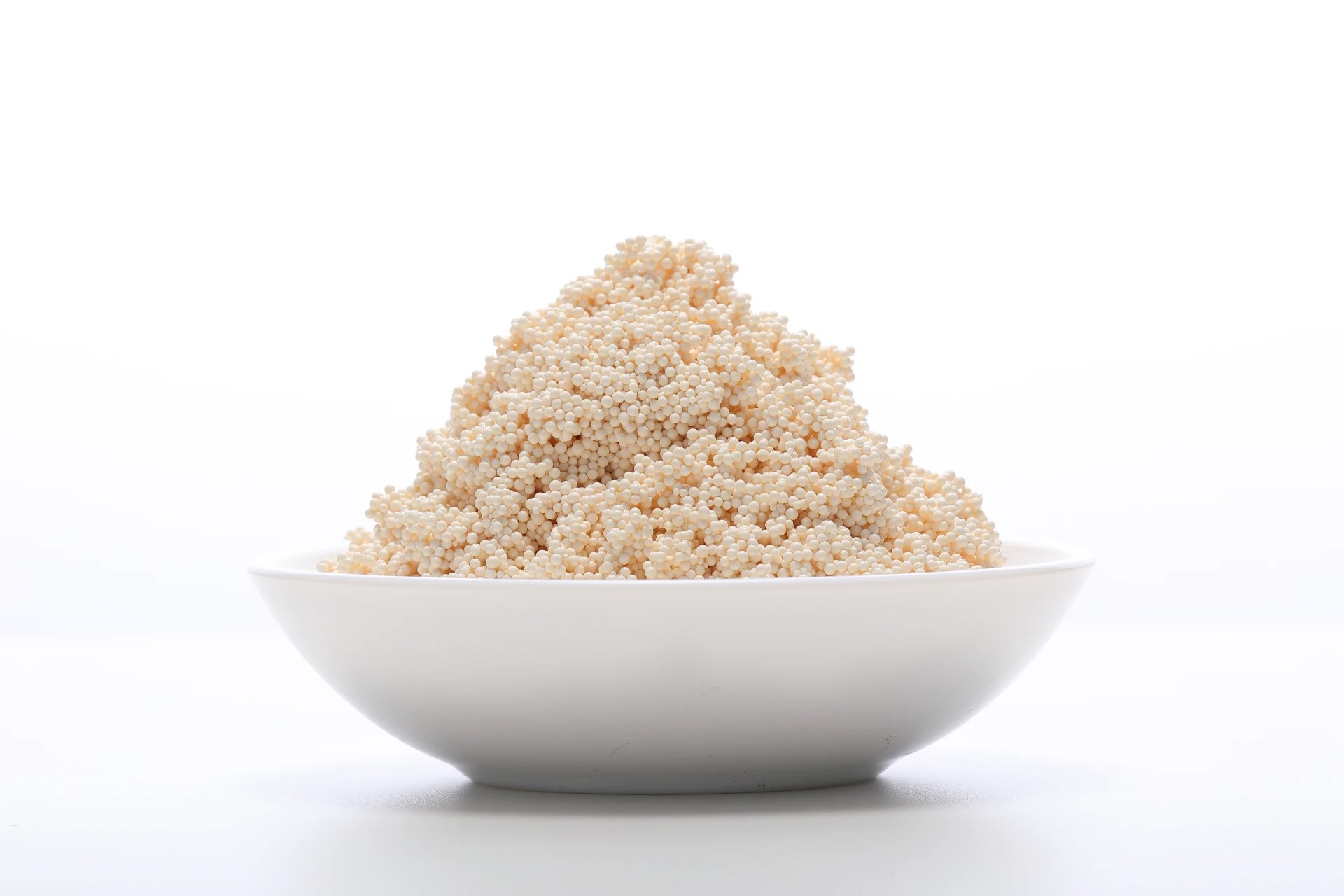
| Parameter | Specification | Notes |
|---|---|---|
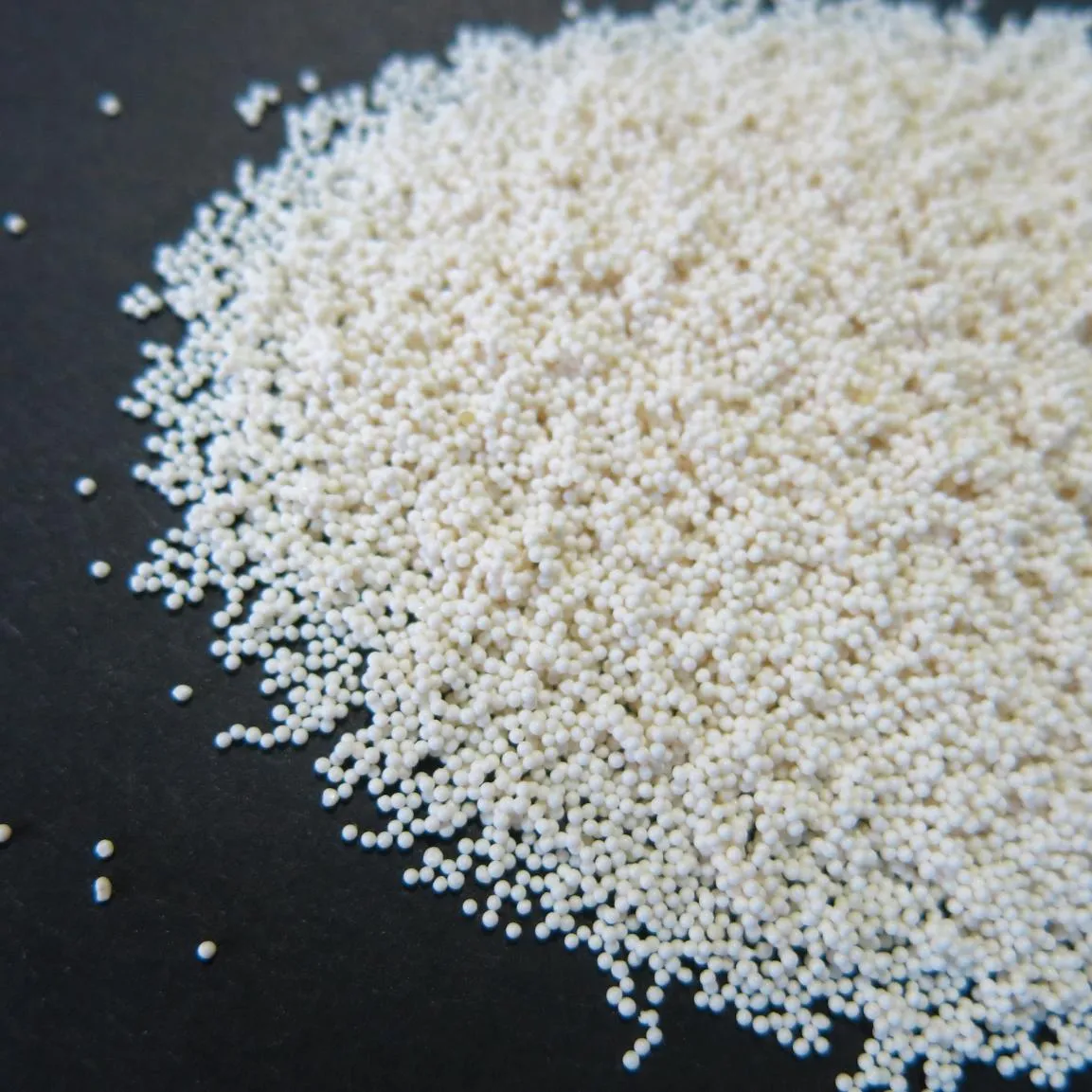
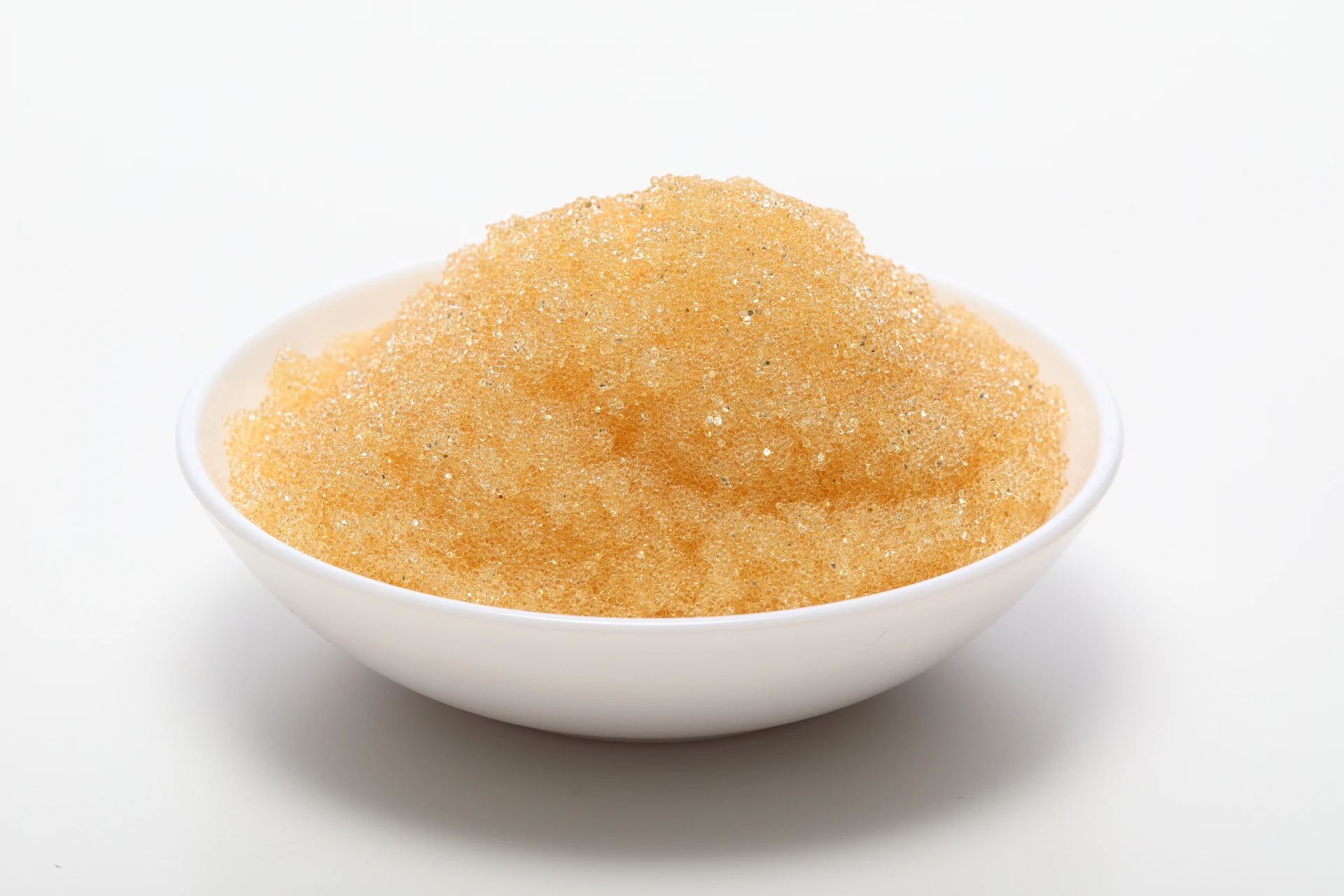
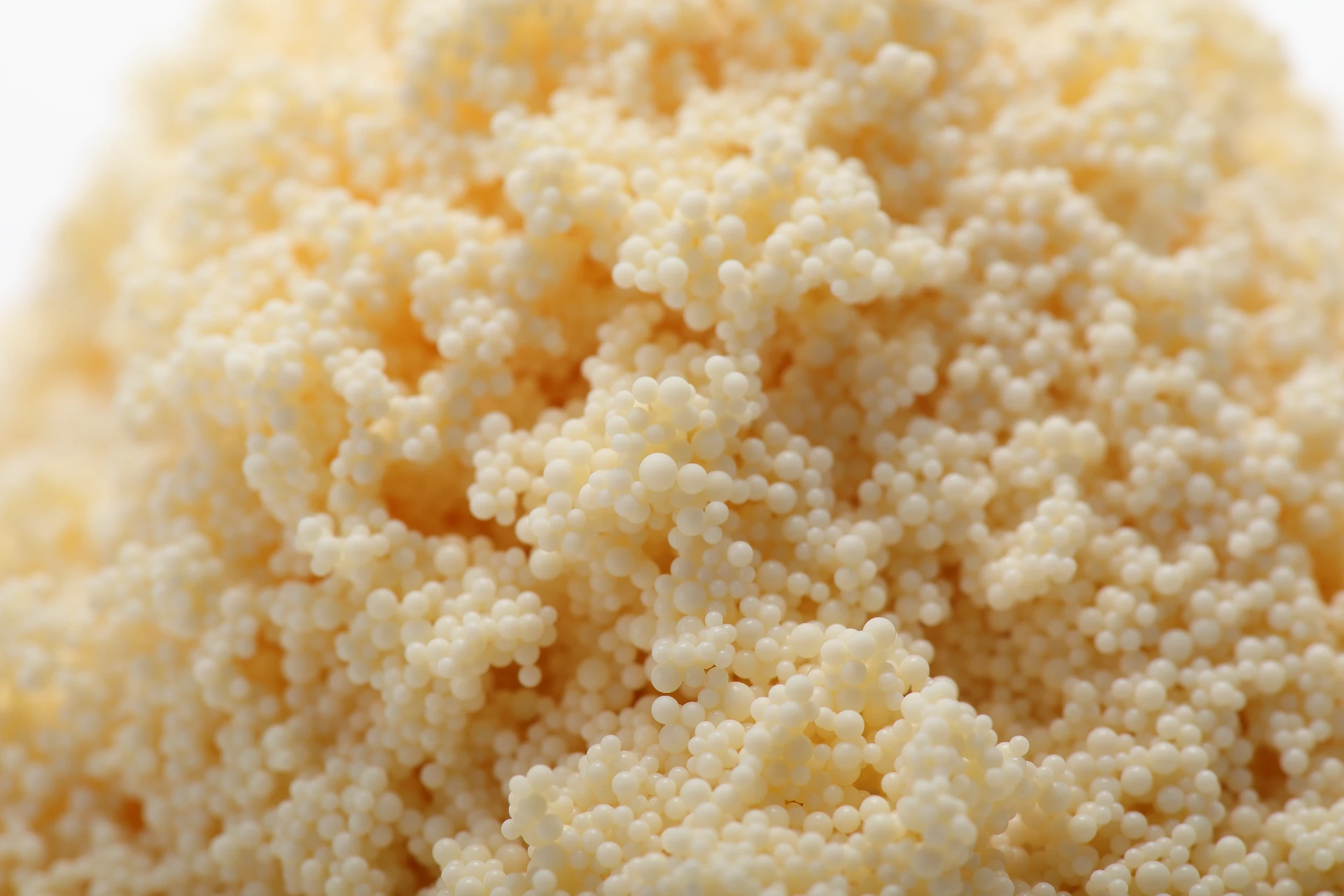
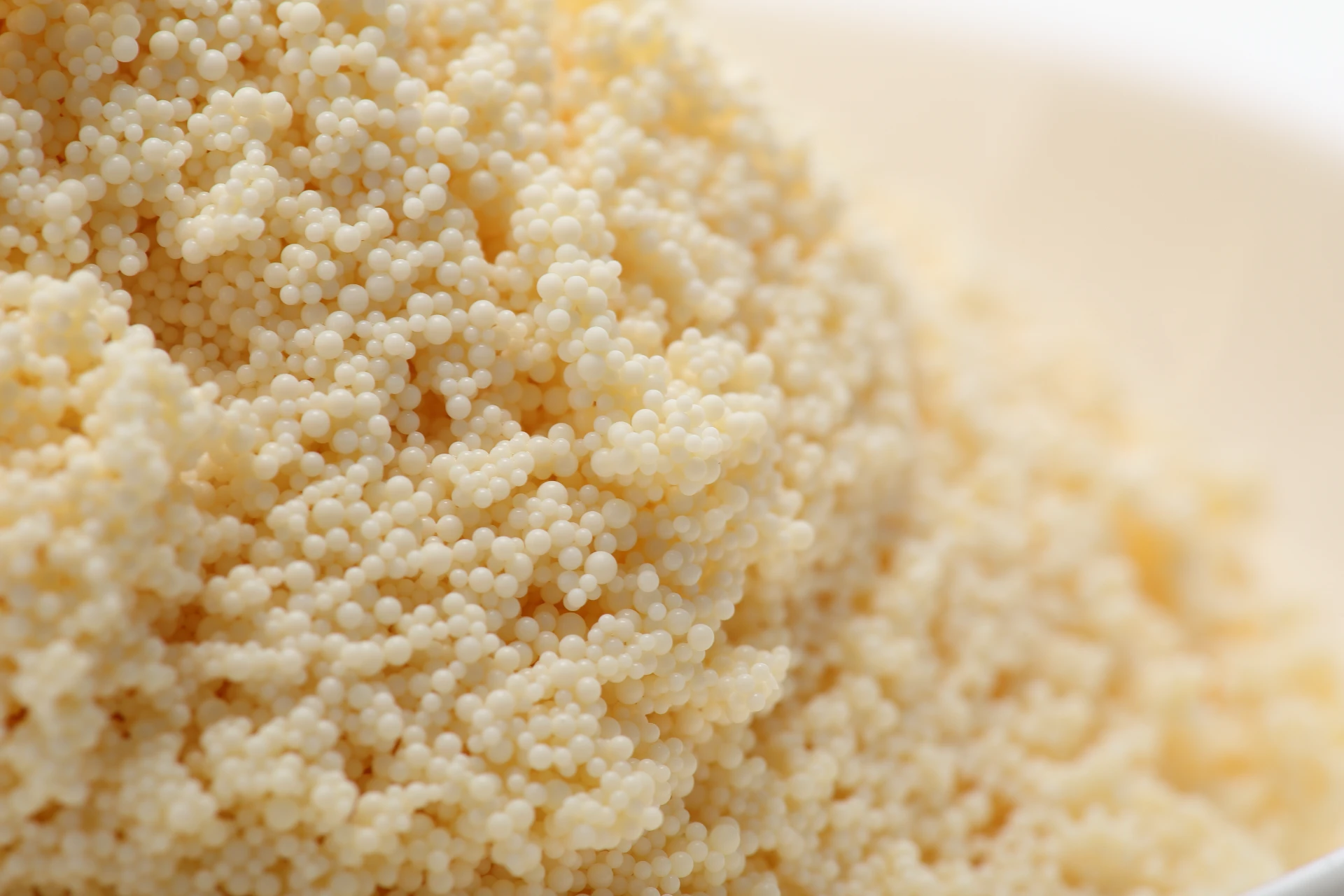
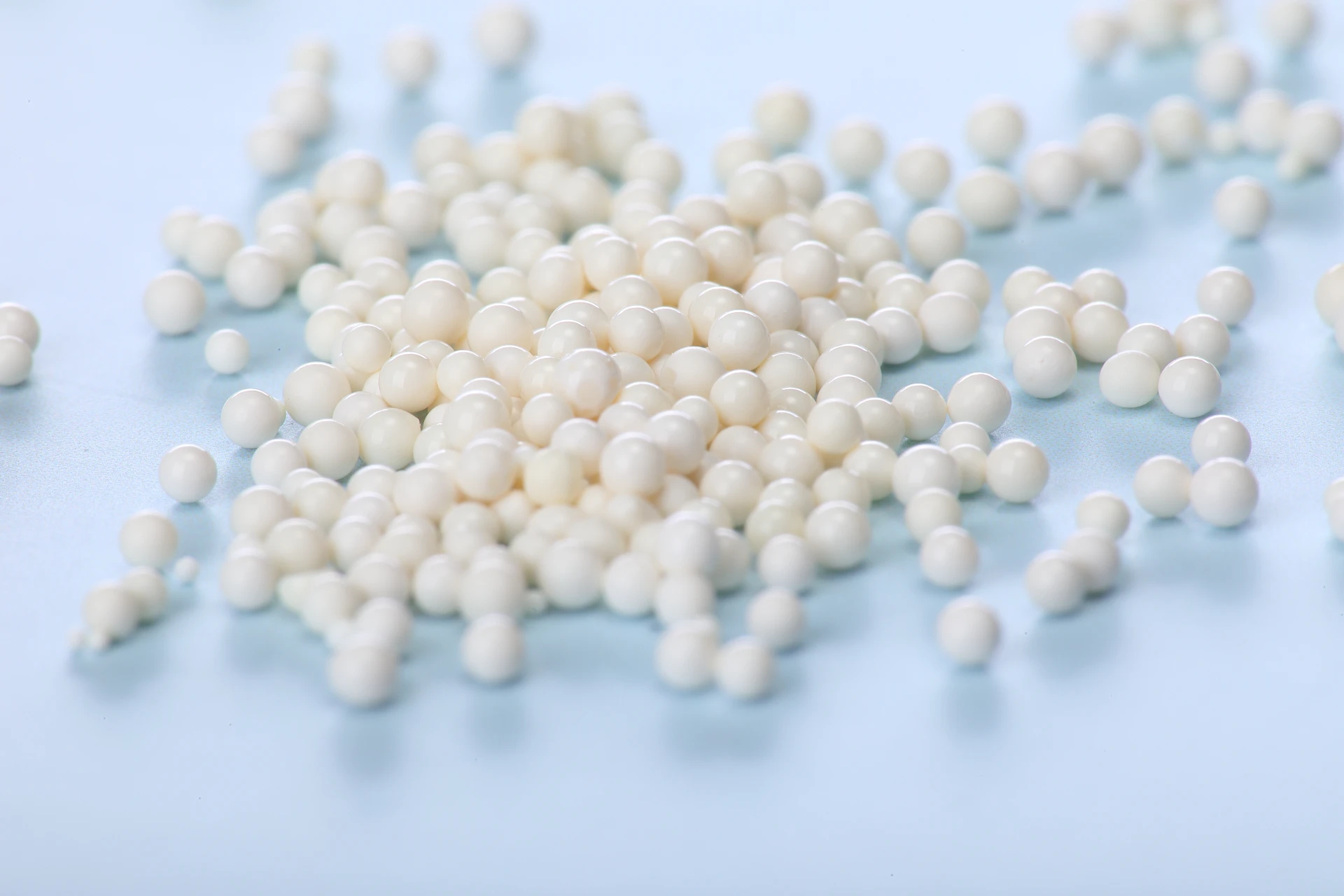
| Particle Size | 300–800 μm | Optimizes surface area |
| Ion Exchange Capacity | 1.2–1.8 meq/mL | Depends on resin type |
| Operating pH Range | 3–9 | Stable in gastrointestinal environments |
| Durability (Cycles) | 100–200 cycles | Before regeneration |
| Biocompatibility | Non-toxic, FDA Approved | Safe for oral use |
| Vendor | Product Range | Pricing (per kg) | Lead Time | Notes |
|---|---|---|---|---|
| IonEx Corp. | Standard and custom resins | $450–650 | 2–4 weeks | Good for medical-grade applications |
| ResinTech Solutions | Eco-friendly, biodegradable options | $500–700 | 3–5 weeks | Focus on sustainability |
| MedIon Exchangers | High-selectivity clinical-grade resins | $600–850 | 1–3 weeks | FDA and ISO certified |
These exchangers regulate ions in the gut lining, optimizing the environment for drugs to dissolve and absorb effectively, which can enhance therapeutic outcomes.
Most medically approved resins are non-toxic and designed for safe oral consumption with minimal side effects. However, usage duration and dosage should always follow medical advice.
Yes, specialized ion exchanger formulations can bind toxic cations like lead or mercury, either in the gut (to reduce absorption) or in water treatment filters to improve safety.
Water treatment, agriculture (soil nutrient management), food processing, and even energy sectors utilize ion exchange technologies to improve quality and sustainability.
Many manufacturers offer scalable, portable systems compatible with low-resource settings. NGOs are advised to partner with certified vendors or visit platforms like gastrointestinal cation exchanger providers for tailored solutions.
There’s a kind of quiet power in these small molecular exchanges—one that’s tied deeply to human health, environmental sustainability, and technical innovation. Adopting gastrointestinal cation exchangers broadly means safer medicines, cleaner water, and healthier communities.
If you’re intrigued and want to explore products or partnership options, visit https://www.lijiresin.com to see how cutting-edge materials are paving the way forward.