Phone:
+86 0319 2296164


Email:
info@lijiresin.cn
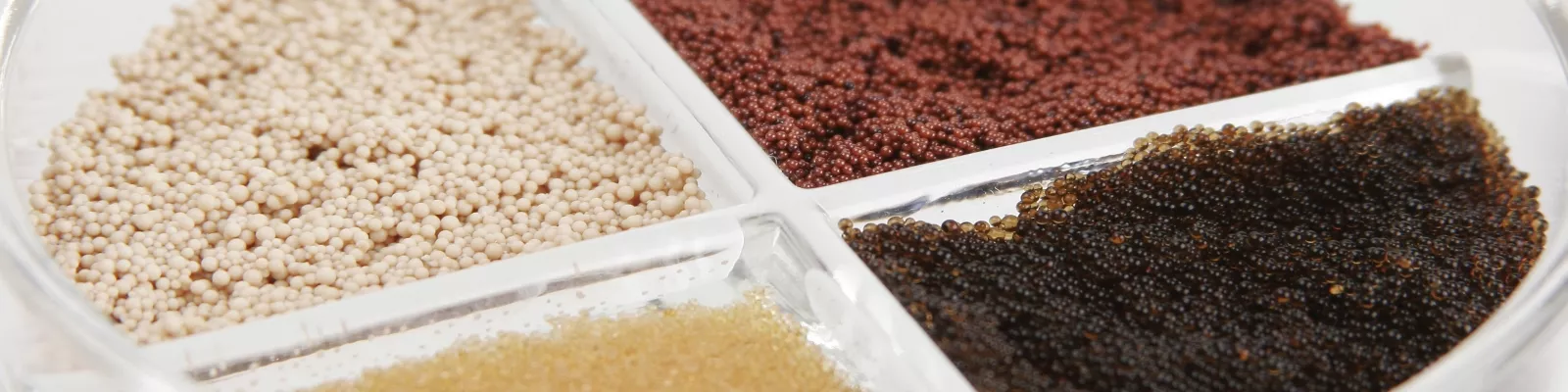
Water treatment, chemical processing, even pharmaceuticals — these fields revolve heavily around ion exchange technologies. But did you ever pause to really consider in a cation exchange column the resin is the unsung hero? This resin beads away, swapping out charged particles and transforming the quality of liquids that flow through it. Globally, effective ion exchange systems are vital for potable water, industrial purity, and ecosystem health. By grasping the resin's role and nuances, engineers, water utility managers, and chemists alike unlock smarter, greener, more cost-effective solutions.
According to the United Nations, over two billion people globally still lack access to safely managed drinking water [1]. Ion exchange columns loaded with specialized resins help meet this challenge by efficiently removing undesirable ions like heavy metals, hardness-causing calcium, and magnesium from water supplies. In industrial sectors, the ISO highlights that clean, ion-pure water also safeguards complex manufacturing processes [2]. The problem? Contaminants vary wildly, and traditional filtration methods often fall short where targeted ion removal is crucial. That’s where the resin steps in — taking the charge, literally.
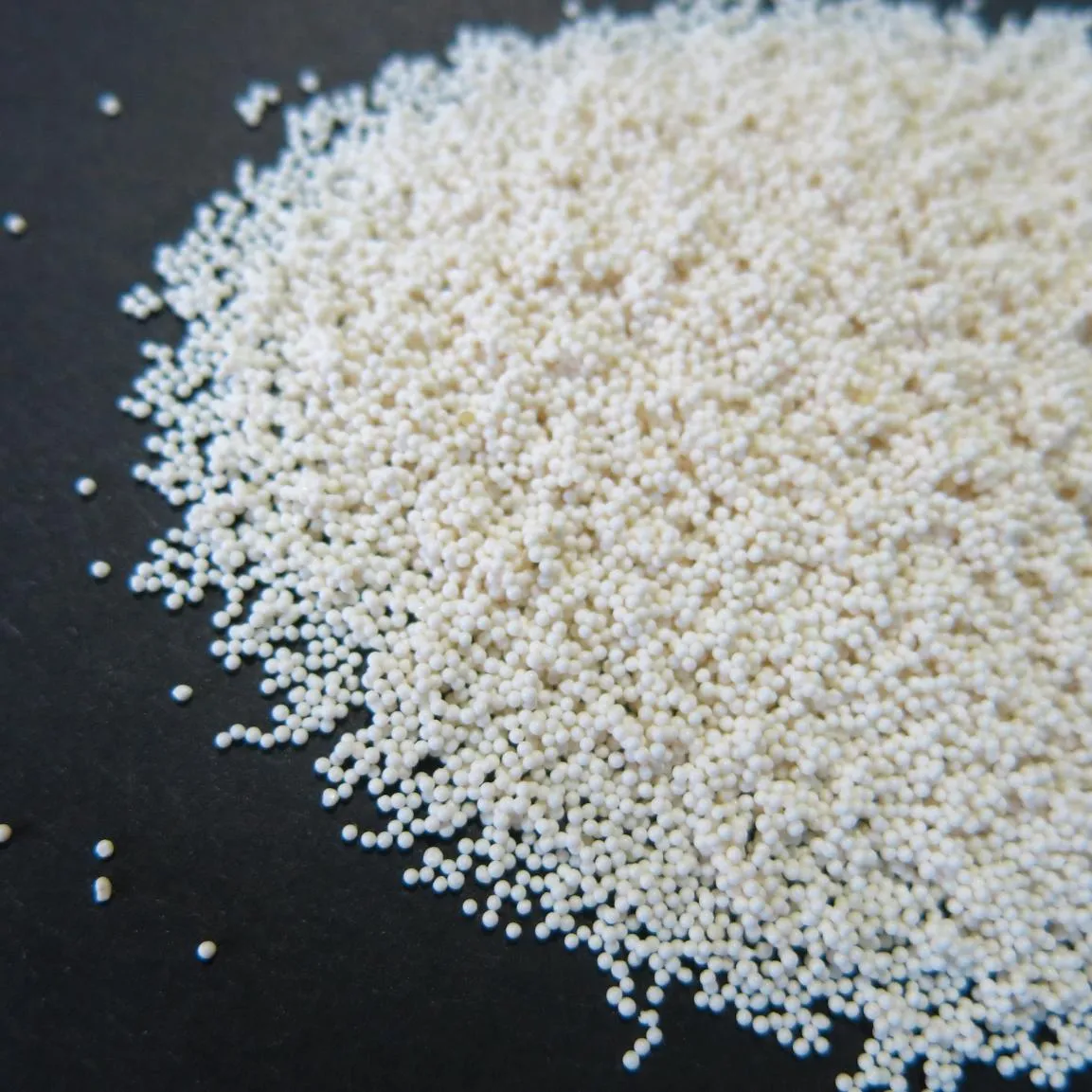
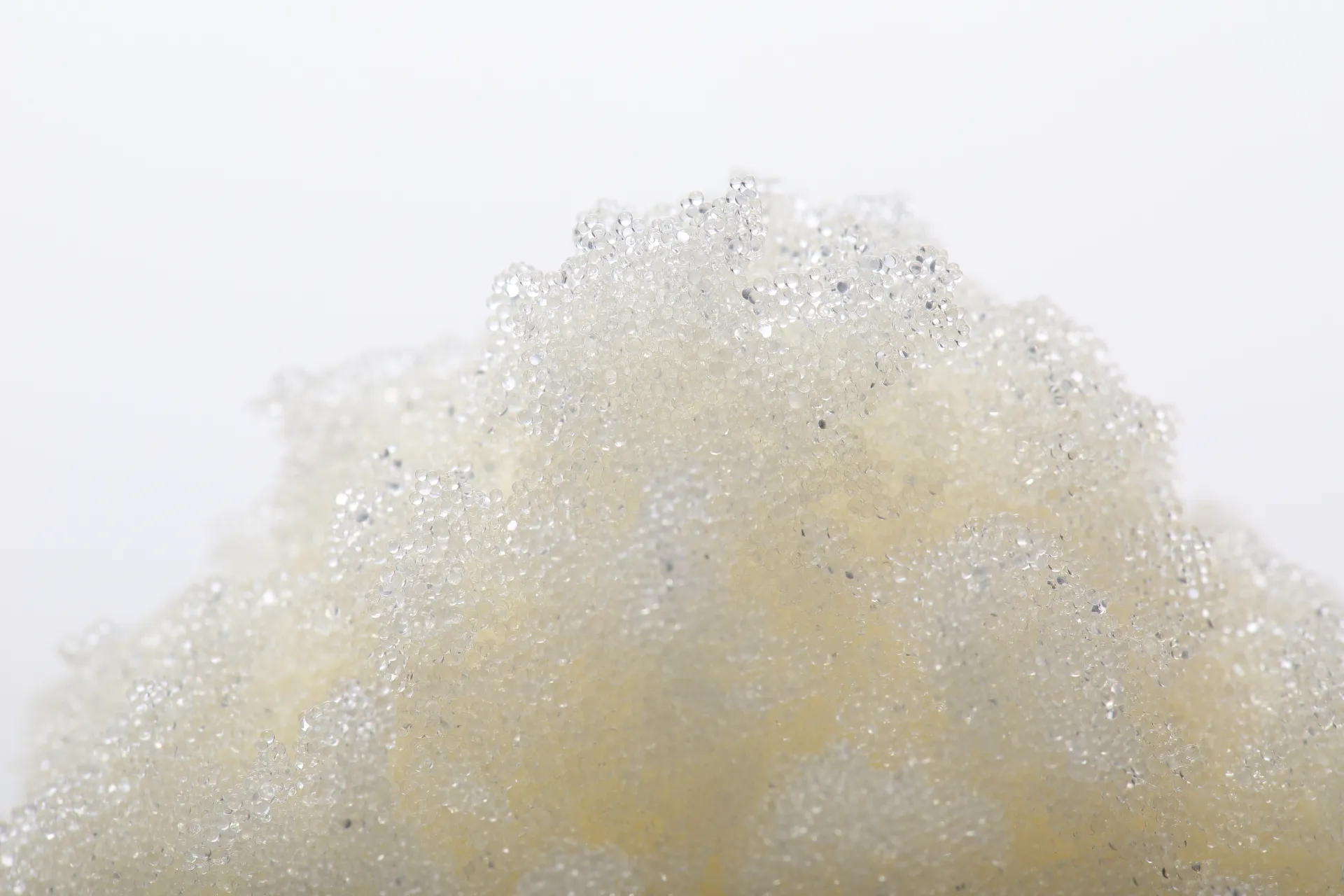
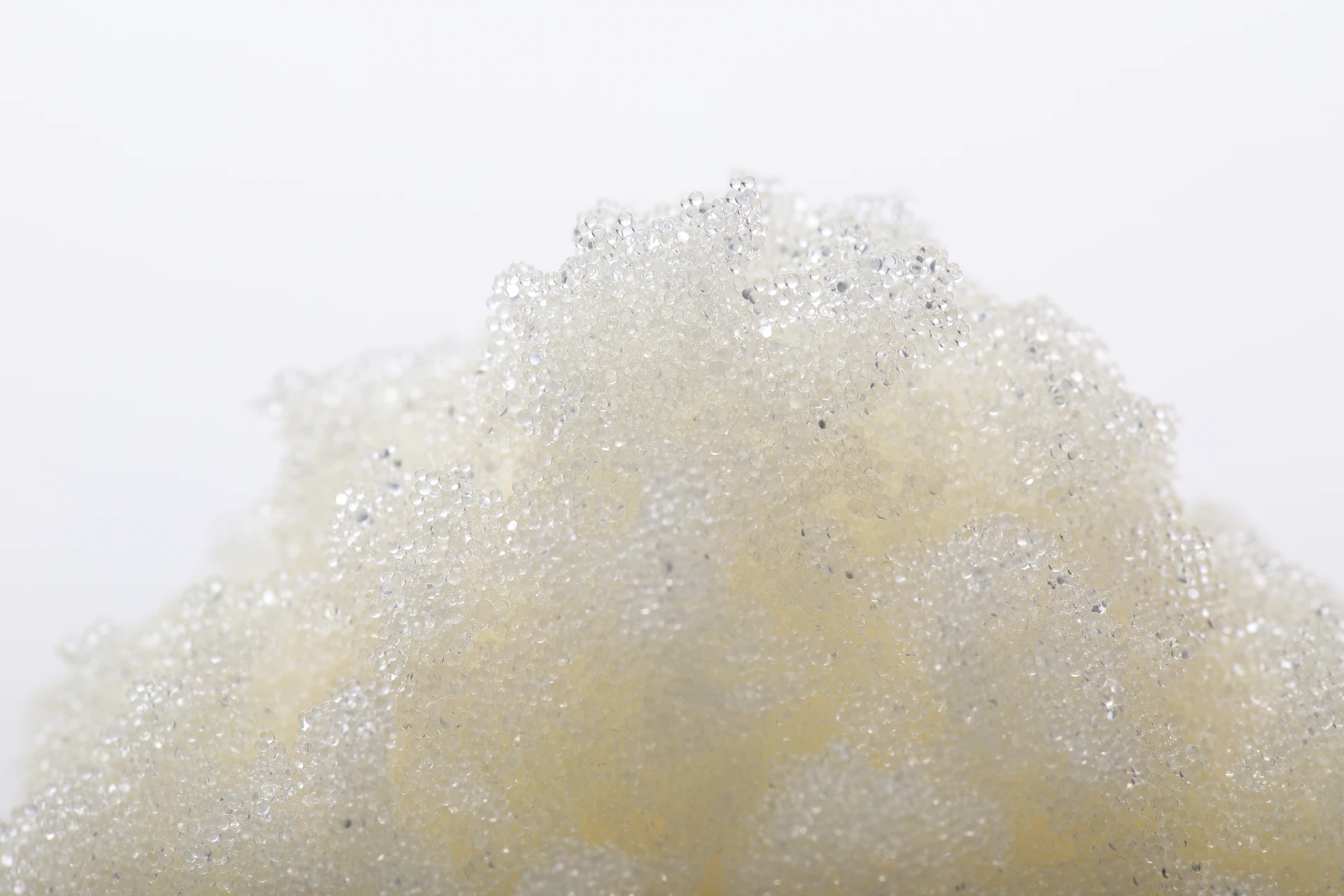
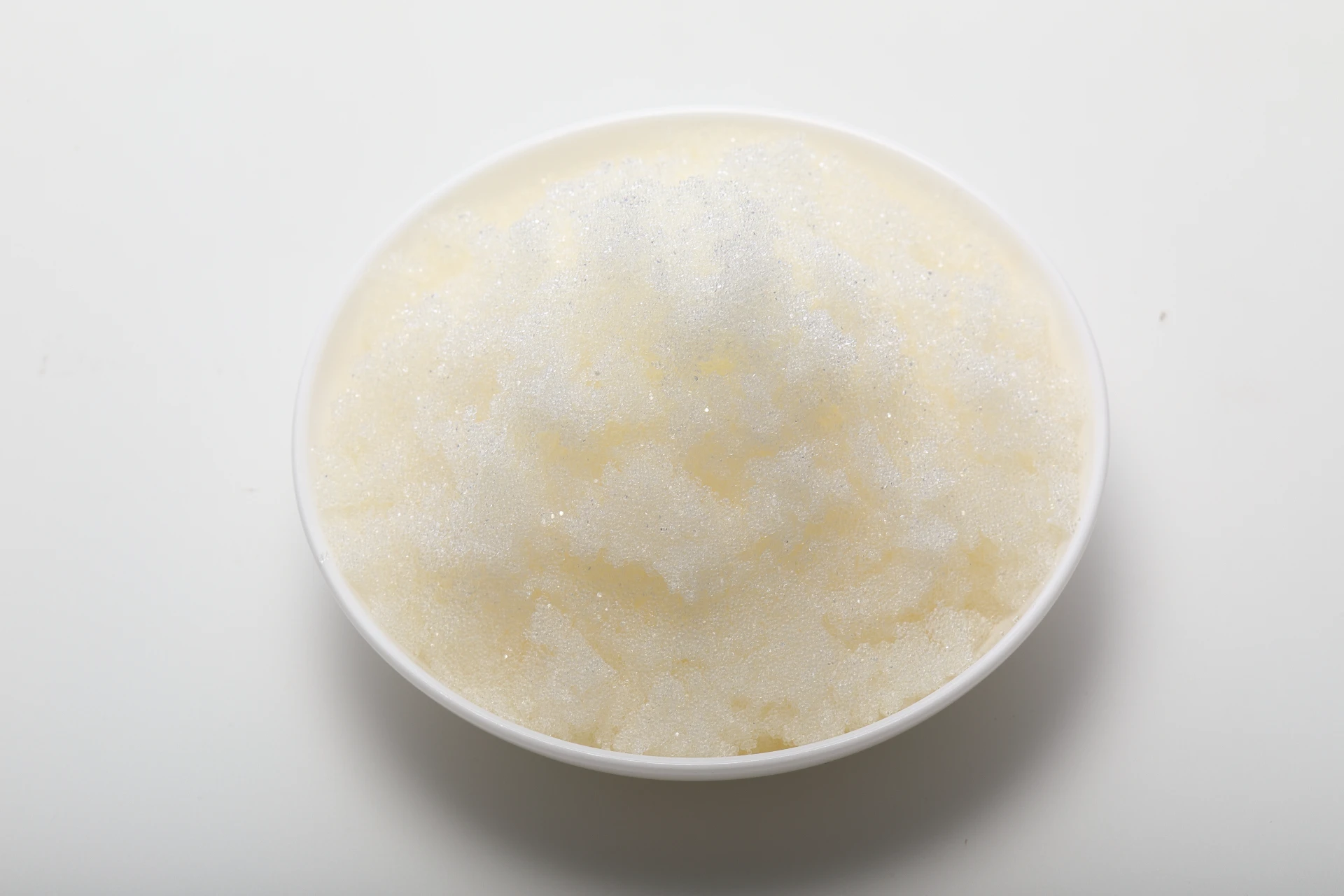
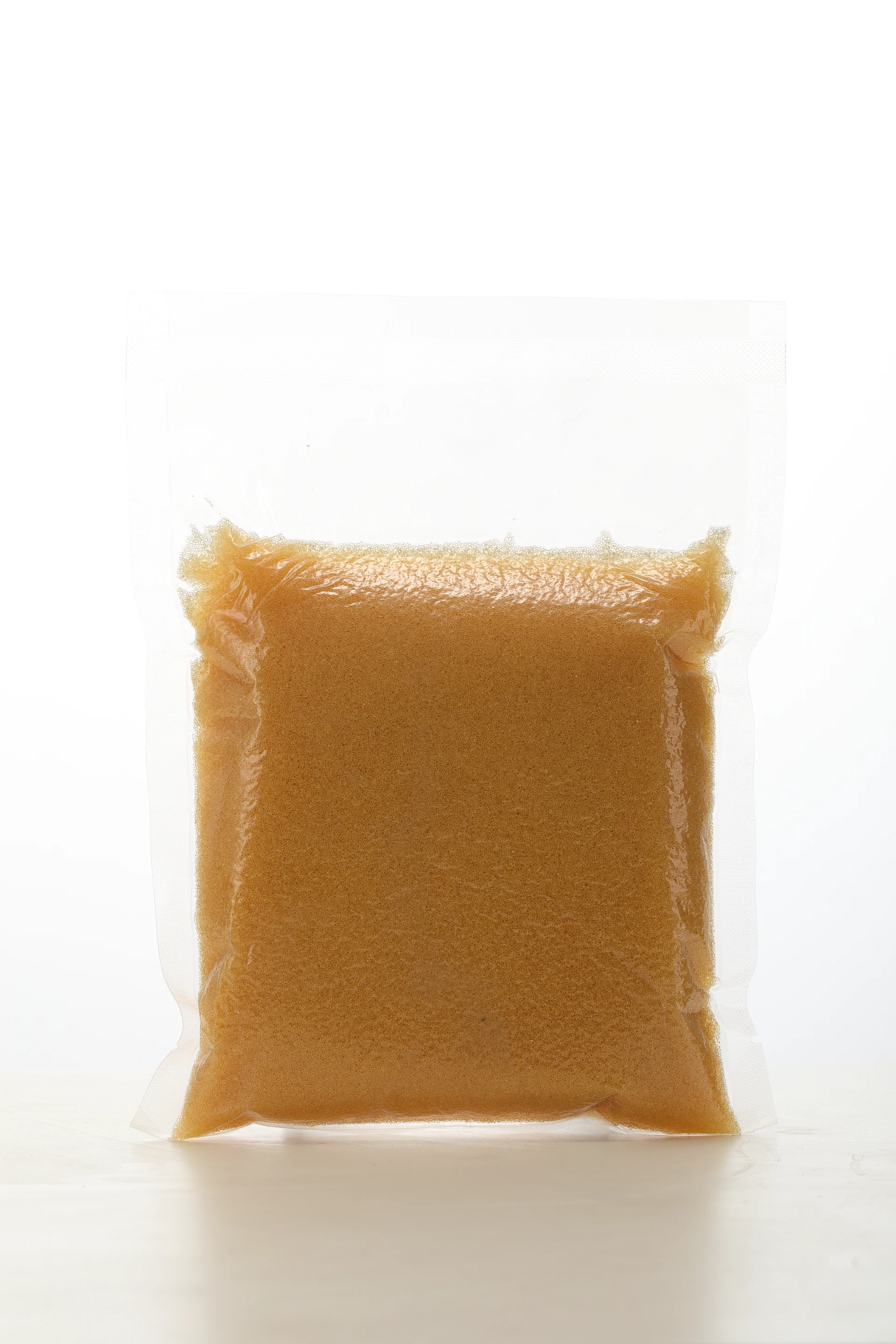
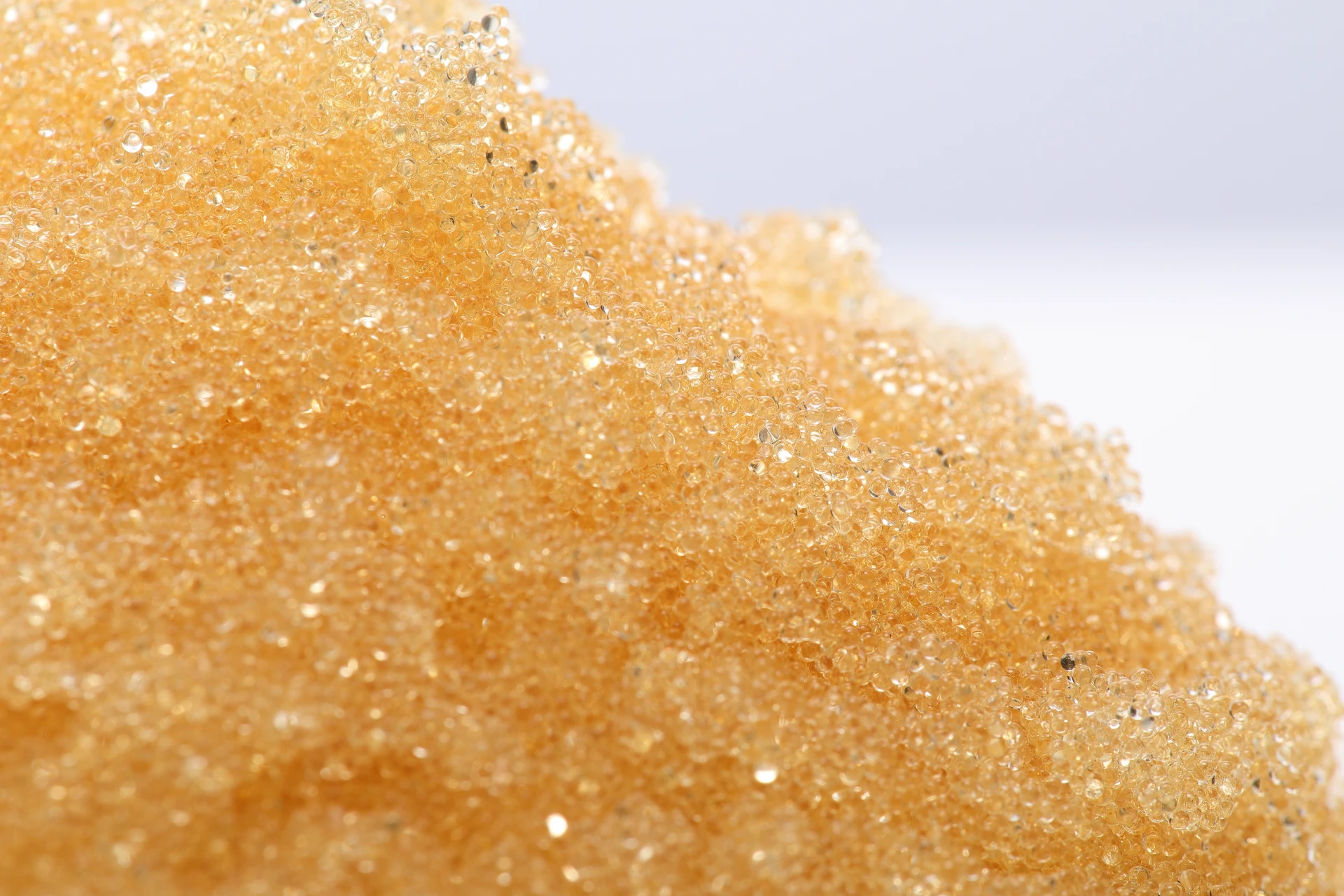
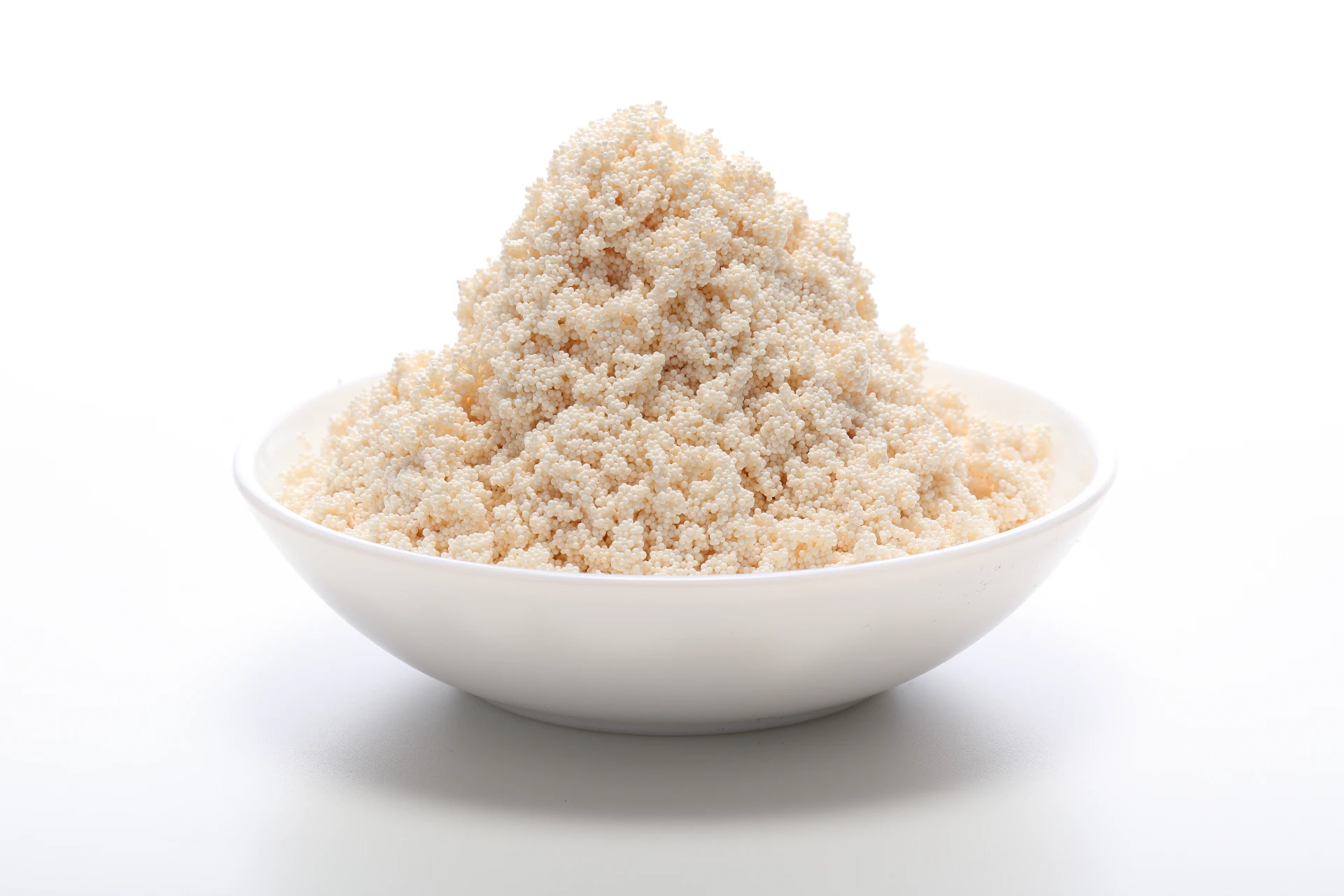
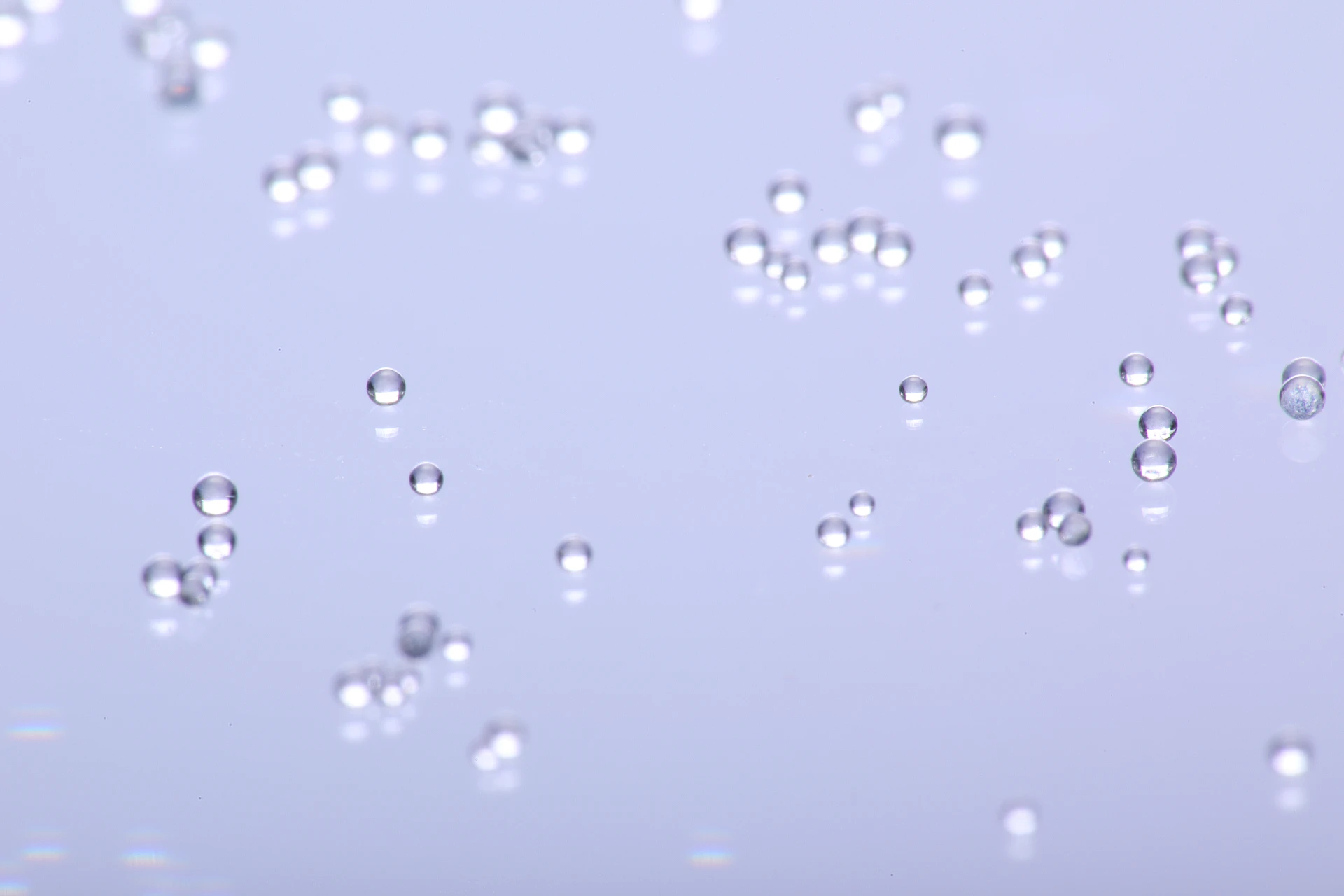
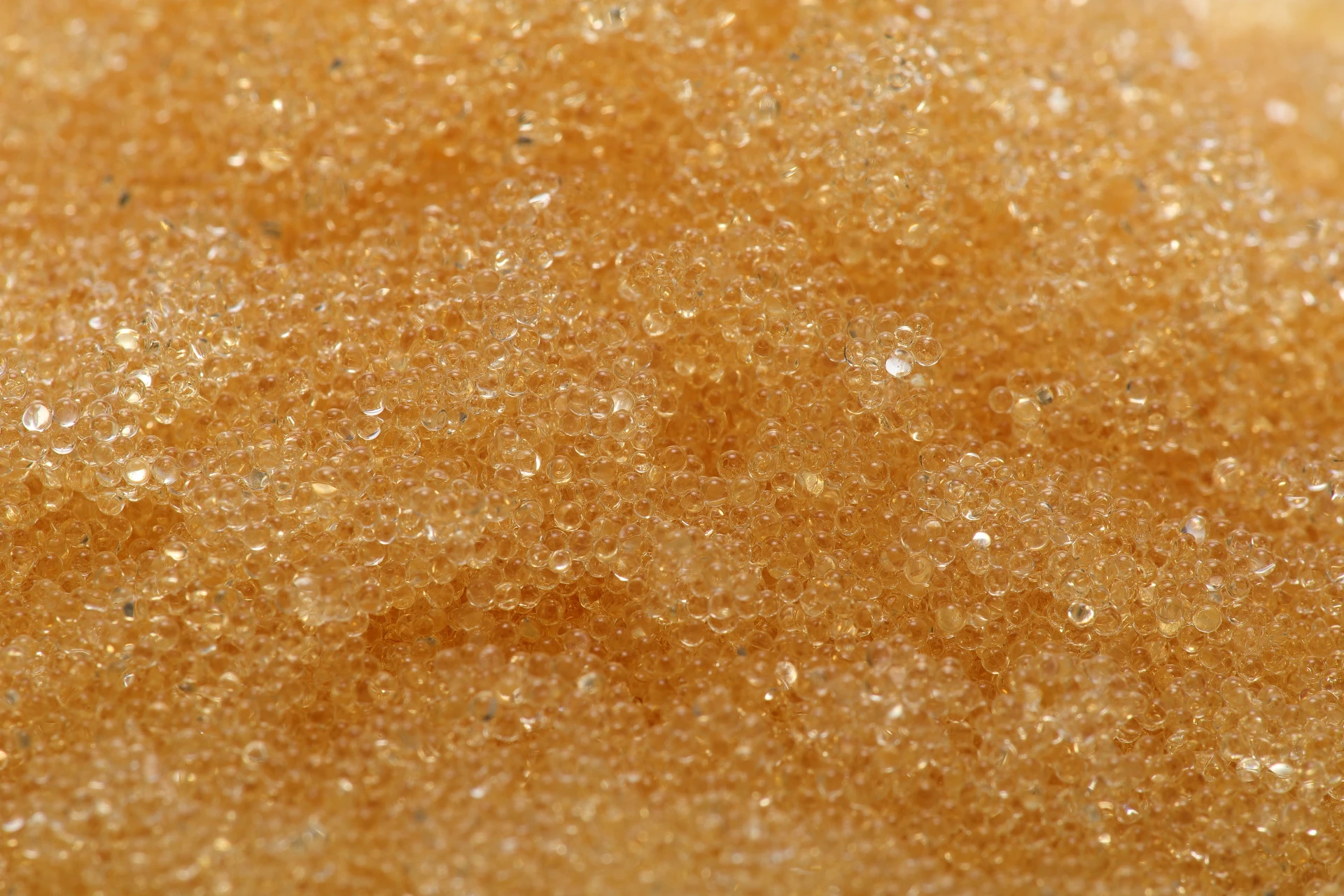
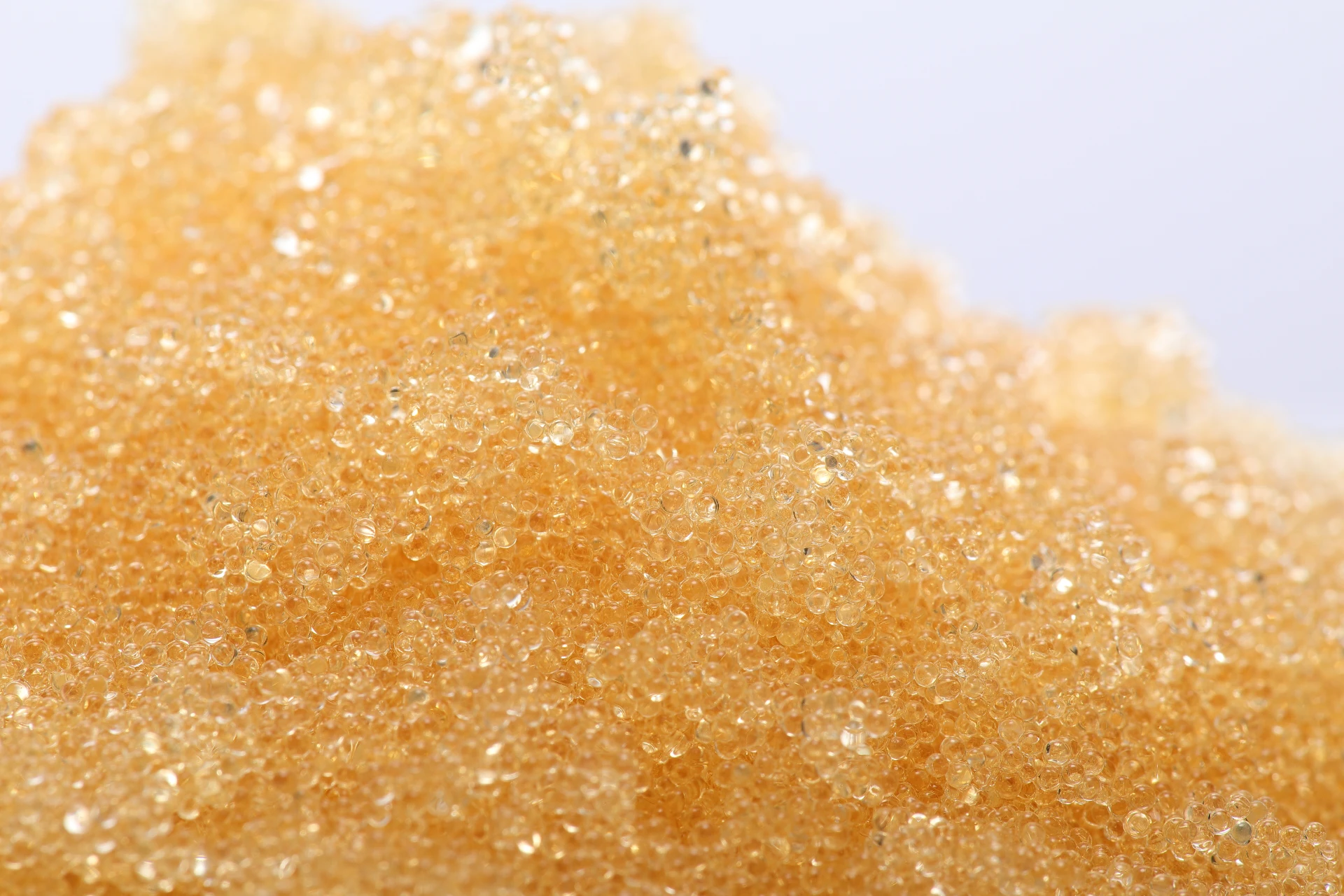
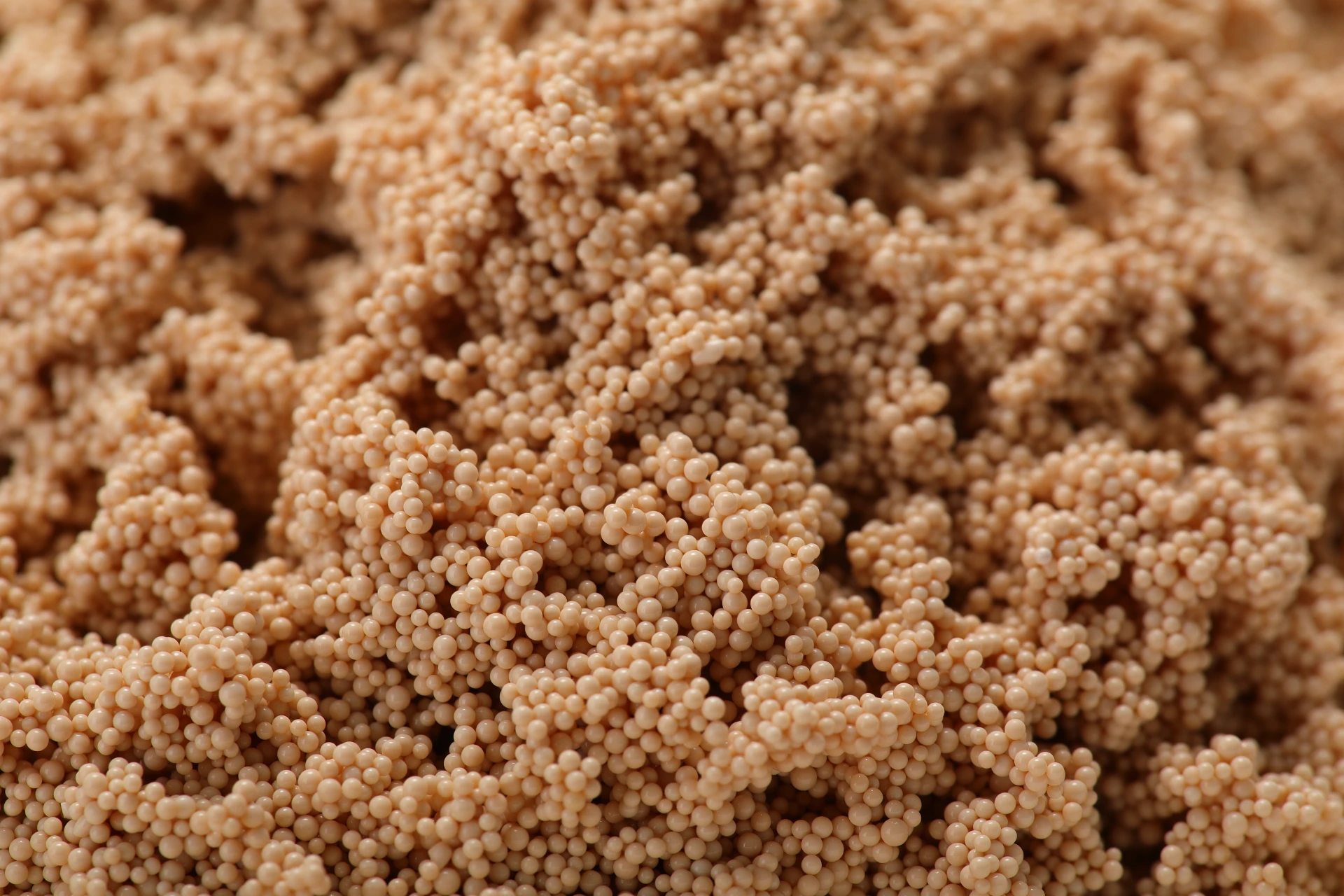
At its core, a cation exchange resin can be pictured as tiny, porous beads packed inside a column that act like ion magnets. These resin beads possess negatively charged functional groups (often sulfonate groups) that attract and temporarily hold onto positively charged ions (cations) such as calcium (Ca⁺²), magnesium (Mg⁺²), sodium (Na⁺), and others in the liquid passing through. As water flows, the resin exchanges these captured ions for others—commonly hydrogen ions (H⁺) or sodium ions—effectively softening or purifying the water. The 'in a cation exchange column the resin is' phrase essentially points to this resin bed performing active exchange within the column’s packed vessel.
The resin in a cation exchange column isn’t just a passive filter. It’s an active participant transforming water chemistry to enable cleaner, safer use.
Typically made from polystyrene or acrylic polymers with sulfonate functional groups, resin bead composition dictates ion selectivity, resistance to chemical attack, and mechanical strength. A well-chosen matrix improves longevity and efficiency.
This is a fancy way of saying how many ions the resin can hold or exchange per volume. Measured in equivalents per liter, capacity influences how often the resin needs regeneration—impacting operational costs and downtime.
The time water spends interacting with the resin also matters. Higher flow rates risk incomplete exchange, while restricted flow lowers throughput. Optimal design balances these for practical field operation.
Since resins get topped off with unwanted ions, periodic chemical regeneration (often with acid or salt solutions) is essential. The fewer regenerations needed over time, the longer the resin remains effective and economically viable.
Resistance to attrition and swelling during operation and regeneration prevents degradation that can cause channeling or resin loss, both killers of performance.
Choosing resin isn't off-the-shelf convenience. It’s a tailored balance of chemistry, mechanics, and operational strategy.
| Specification | Typical Value | Unit |
|---|---|---|
| Functional Group | Sulfonic acid (–SO3H) | – |
| Physical form | Spherical bead | – |
| Ion Exchange Capacity | 1.7–2.0 | eq/L (dry resin) |
| Particle Size | 0.3–1.2 | mm |
| Moisture Content | 45–50 | % (wet basis) |
| Operating Temperature | 5–120 | °C |
| pH Operating Range | 0–14 | – |
In post-disaster relief zones, where access to safe drinking water is tenuous, portable cation exchange columns with robust resin beds provide immediate purification, protecting communities from mineral toxicity. Industrial plants in the Americas and Asia often rely on these resins to "soften" water—removing calcium and magnesium—to prevent scale buildup in boilers and turbines, improving energy efficiency. Pharmaceutical firms in Europe and North America demand ultra-pure water, achieved through multi-step ion exchange processes where cation exchange resin is a core component.
And oddly enough, even large aquariums and hydroponic farms depend on steady ion exchange for maintaining optimal mineral balances. The resin’s footprint is, honestly, more widespread than most casually realize.
Let’s be honest — investing in a high-grade resin pays dividends. You get lifespan longevity, lower chemical consumption during regeneration, and improved ion selectivity. The big picture? Better water quality means improved safety and dignity for end users, reduced maintenance hassle for operators, and cutbacks in wastewater discharge pollutants.
Environmentally, top-tier resin materials increasingly embrace sustainability, with less energy-intensive manufacturing and recyclable matrices. Emotionally and practically, communities feel secure knowing their water is filtered through proven science—not guesswork or outdated tech.
| Vendor | Ion Exchange Capacity (eq/L) | Regeneration Efficiency | Stability (Attrition Rate) | Typical Application |
|---|---|---|---|---|
| LijiResin (link) | 1.8–2.0 | 95% | Low | Industrial, potable water |
| AmberLite (Dow) | 1.7–1.9 | 93% | Medium | Pharma, food & beverage |
| Purolite C100 | 1.6–1.8 | 90% | High | Municipal, industrial |
It feels like we're on the cusp of a resin revolution. New bio-based and hybrid resins that blend synthetic polymers with natural materials show promising environmental impacts. Automation in regeneration — sensors that predict exhaustion before breakthrough — reduces chemical waste and downtime. Digital twins simulate ion exchange behavior in real time, letting operators tweak parameters for performance gains. And sustainability targets worldwide push resin manufacturers to reduce energy footprint and explore highly selective resins tailored to emerging contaminants like PFAS (per- and polyfluoroalkyl substances).
Resin fouling from organics and biofilms remains a headache, often requiring costly cleaning protocols. Also, chemical regeneration uses acids or salts, posing waste-disposal concerns. However, advances in pretreatment, resin coatings, and greener regeneration solutions — like electrochemical methods — are offsetting these limits. Many engineers agree that pairing cation resins with complementary anion resins and membrane filters in hybrid systems unlocks ever-cleaner effluents more sustainably.
A1: It depends on the ion load and flow conditions but typically after the resin has reached about 80-90% of its capacity. Regeneration frequency can range from daily to monthly in high-volume setups.
A2: Yes, the resin can capture many heavy metal cations effectively if the system is configured properly and the resin is compatible with those ions.
A3: Absolutely, resins used in potable water treatment comply with strict regulatory standards to ensure safety and chemical stability.
A4: Most cation exchange resins operate efficiently across a pH range of 2-12, but extreme pH values can degrade the resin or reduce exchange capacity.
A5: Exploring technical datasheets on manufacturer websites like https://www.lijiresin.com, industry standards (ISO), and academic publications can deepen your understanding.
When you say “in a cation exchange column the resin is,” you’re referring to a tiny workhorse that radically shifts water treatment and chemical purity worldwide. Its ability to selectively swap positively charged ions has far-reaching effects — from industrial reliability and environmental protection to human health and sustainability. So next time you consider water treatment or chemical purification, remember the resin inside that column is quietly making it all possible.
To explore quality cation exchange resins or related solutions, visit our website and connect with experts who live and breathe this technology every day.