Phone:
+86 0319 2296164


Email:
info@lijiresin.cn
Water treatment, pharmaceutical production, food processing — these industries have a secret hero lurking behind their processes: the weak cation exchange resin. But what exactly is a weak cation exchange resin example, and why should anyone outside of a lab care? Well, it’s about efficiency, sustainability, and safeguarding health worldwide.
At its core, this resin type is crucial for selectively capturing certain positively charged ions (cations) — think calcium, magnesium, and other metal ions — from liquids. This ability makes them indispensable, whether you're cleaning drinking water in a rural area or refining a complex chemical in a factory. Understanding this technology isn’t just for scientists; it’s key to appreciating how we manage scarce resources and improve day-to-day life globally.
According to the United Nations, over two billion people worldwide experience water scarcity at least one month a year. Industrial growth keeps escalating demand for clean water and pure raw materials, fueling the need for innovative solutions. In this landscape, the weak cation exchange resin example shines as a versatile, adaptable component addressing diverse challenges.
Interestingly, the World Health Organization notes that contaminants like hardness-causing ions negatively impact water quality and industrial efficiency. Using weak cation exchange resins helps soften water, improving not just taste but also prolonging equipment life — saving industries millions globally.
Some challenges remain. Harsh water conditions, varying usage scales, and cost pressures often limit the straightforward deployment of these resins. Nonetheless, innovations continue to make them more reliable and affordable — spreading their benefits worldwide.
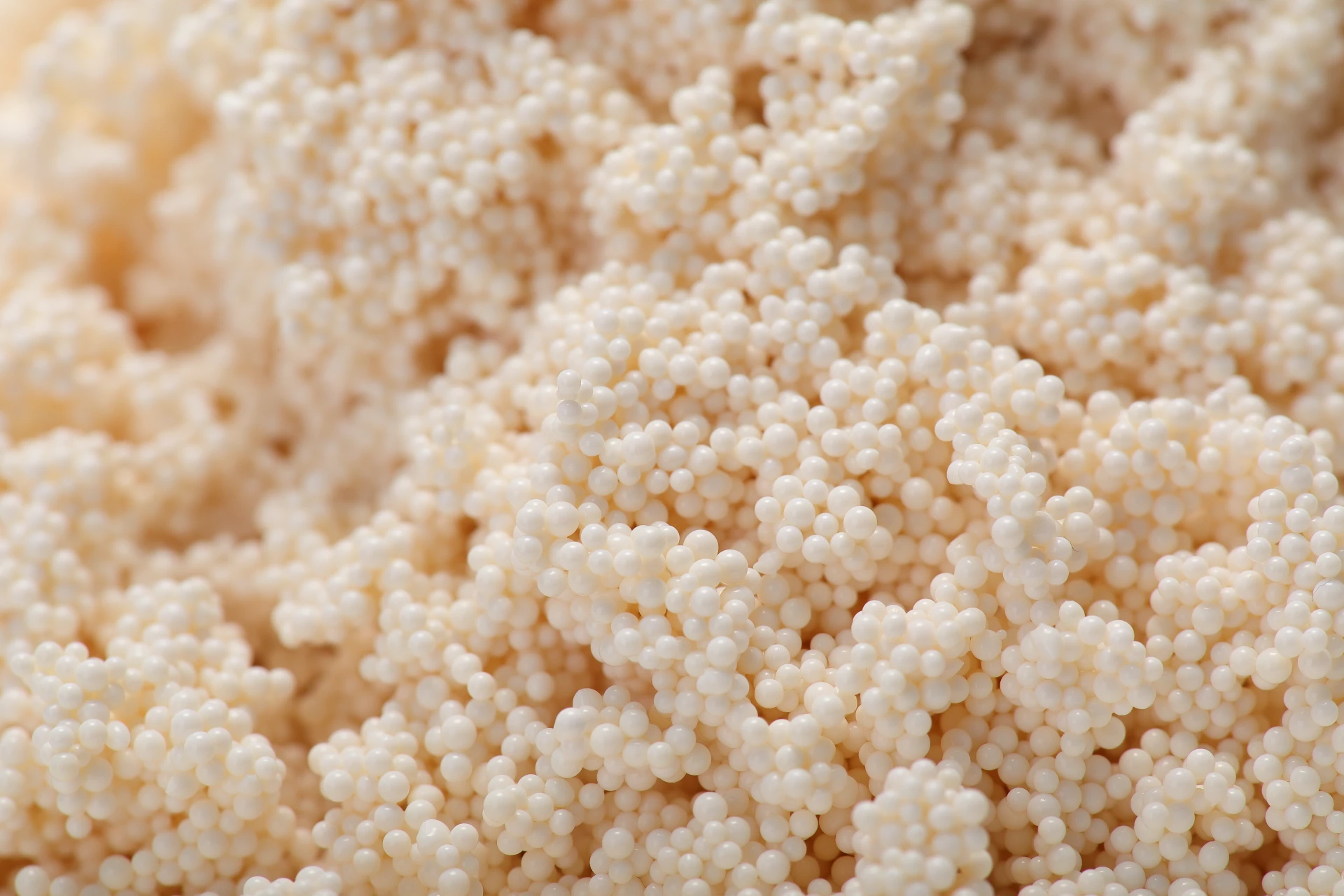
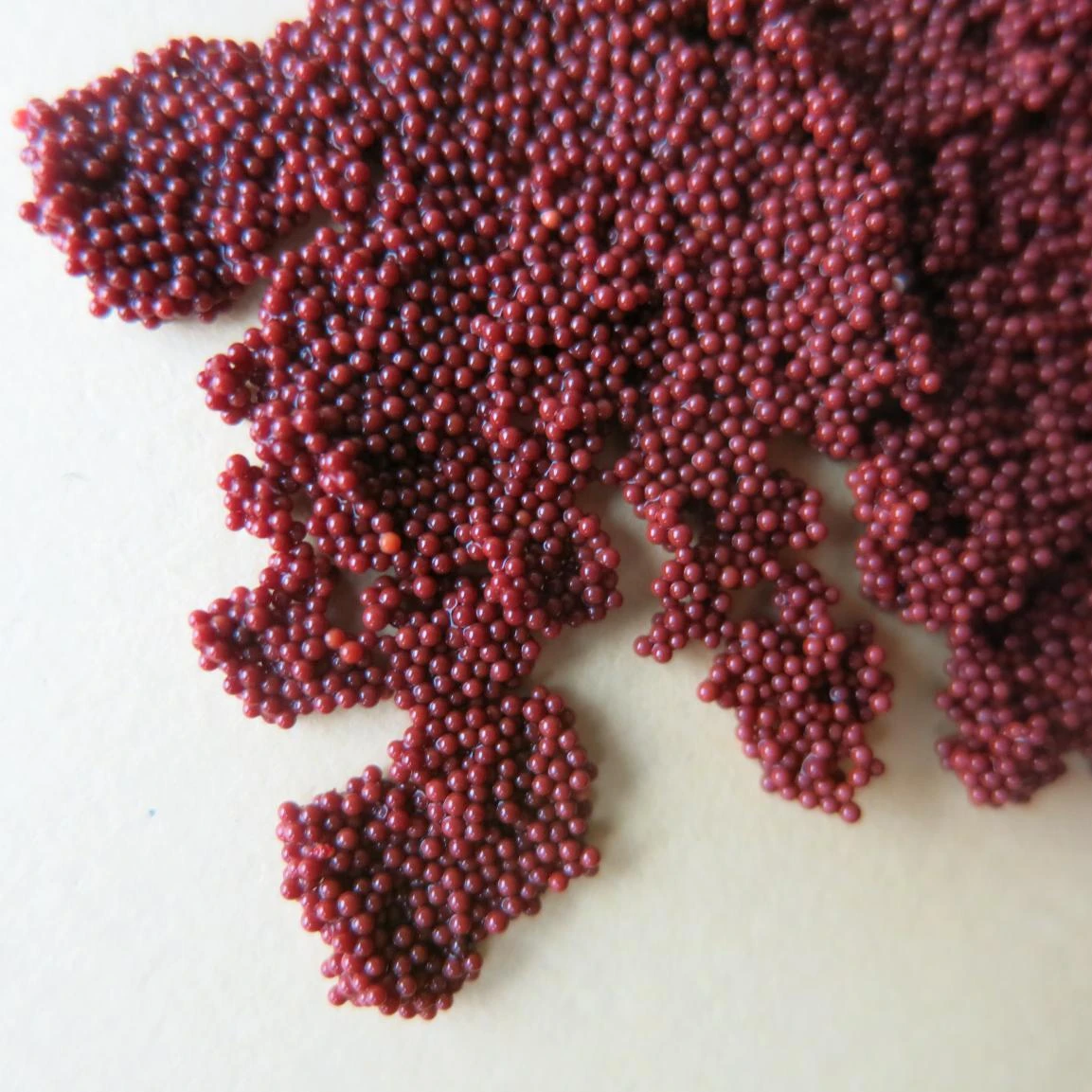
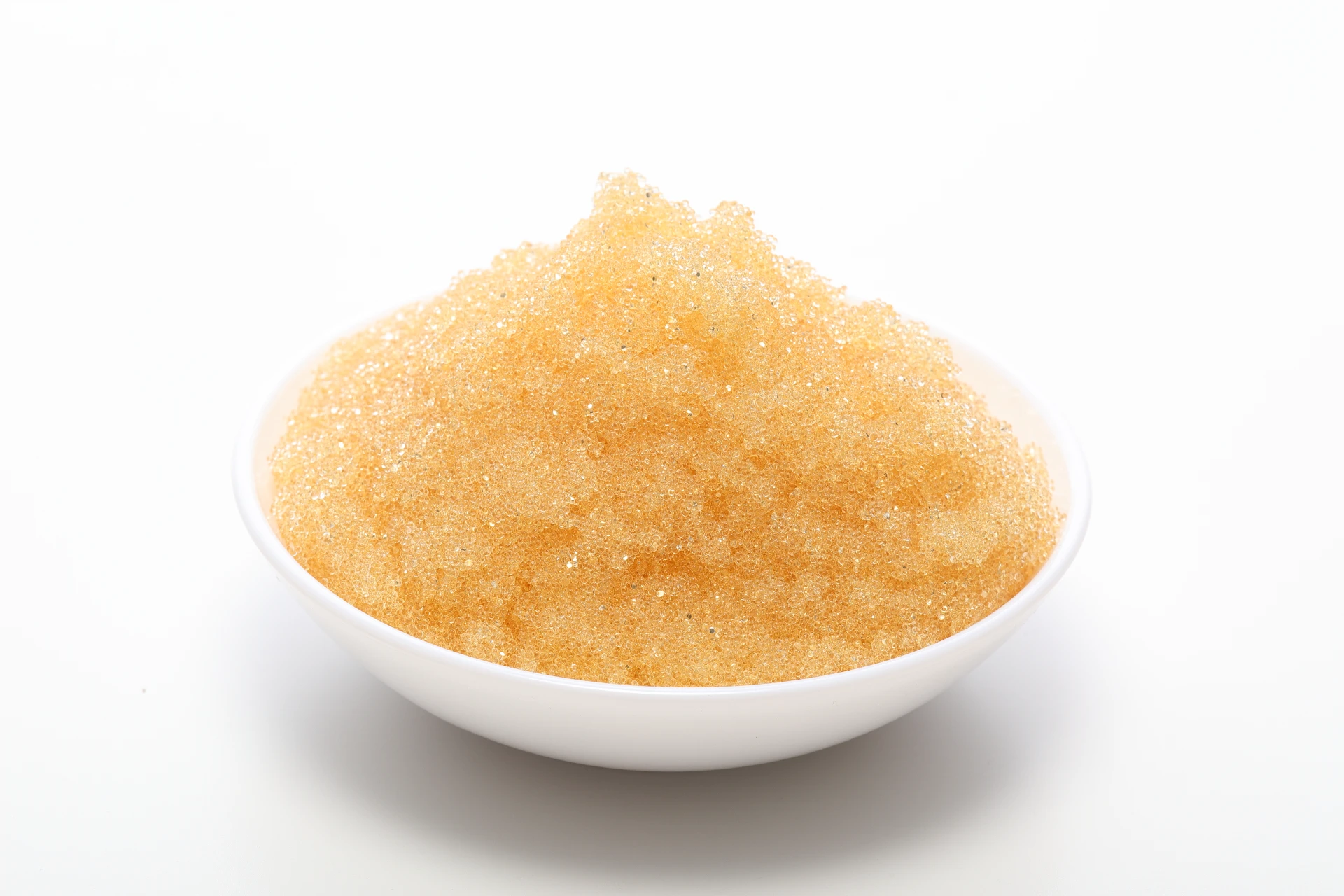
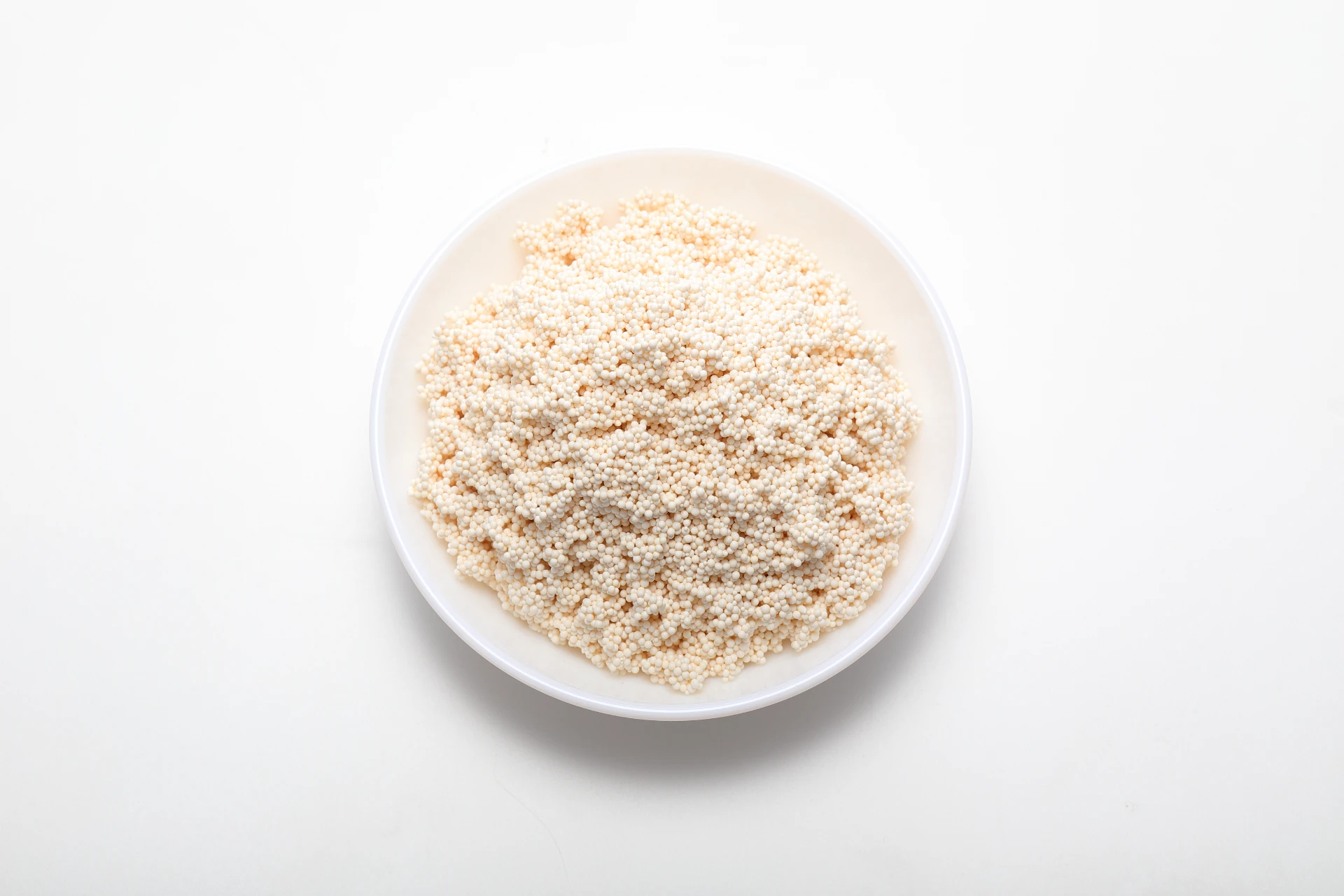
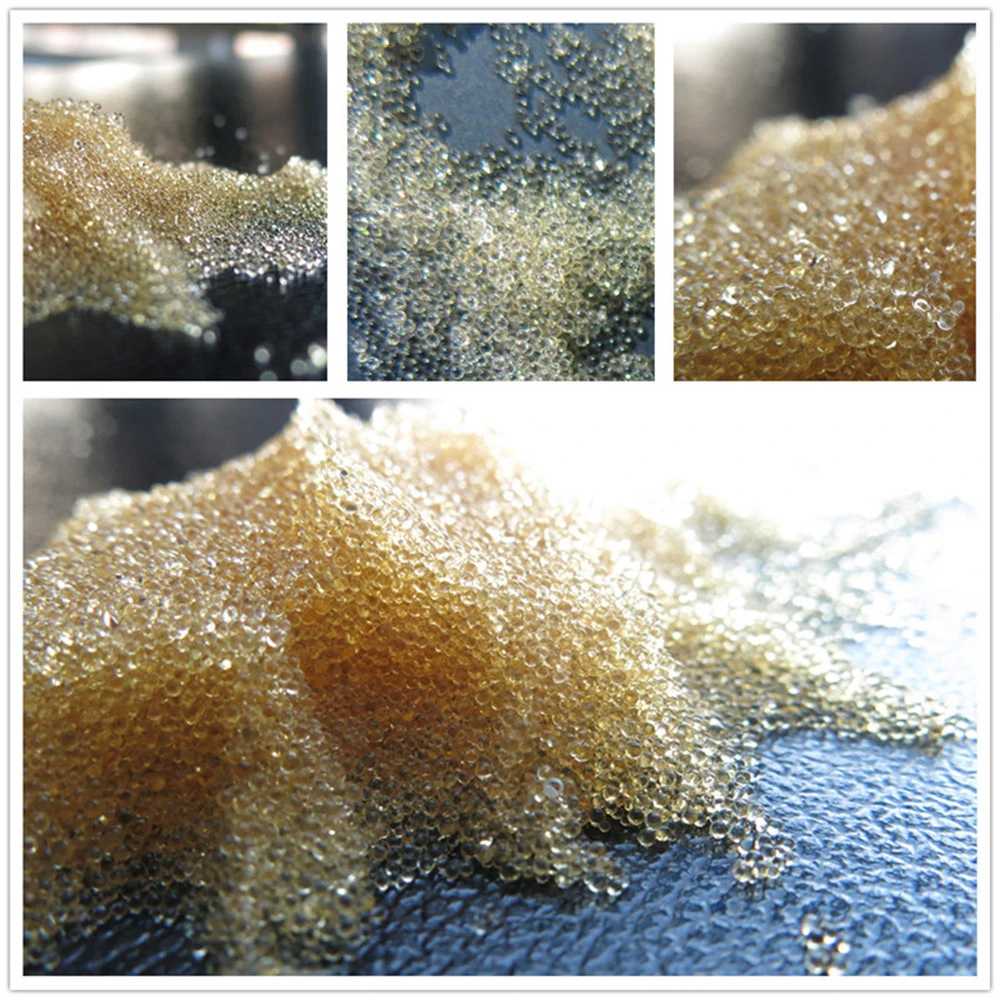
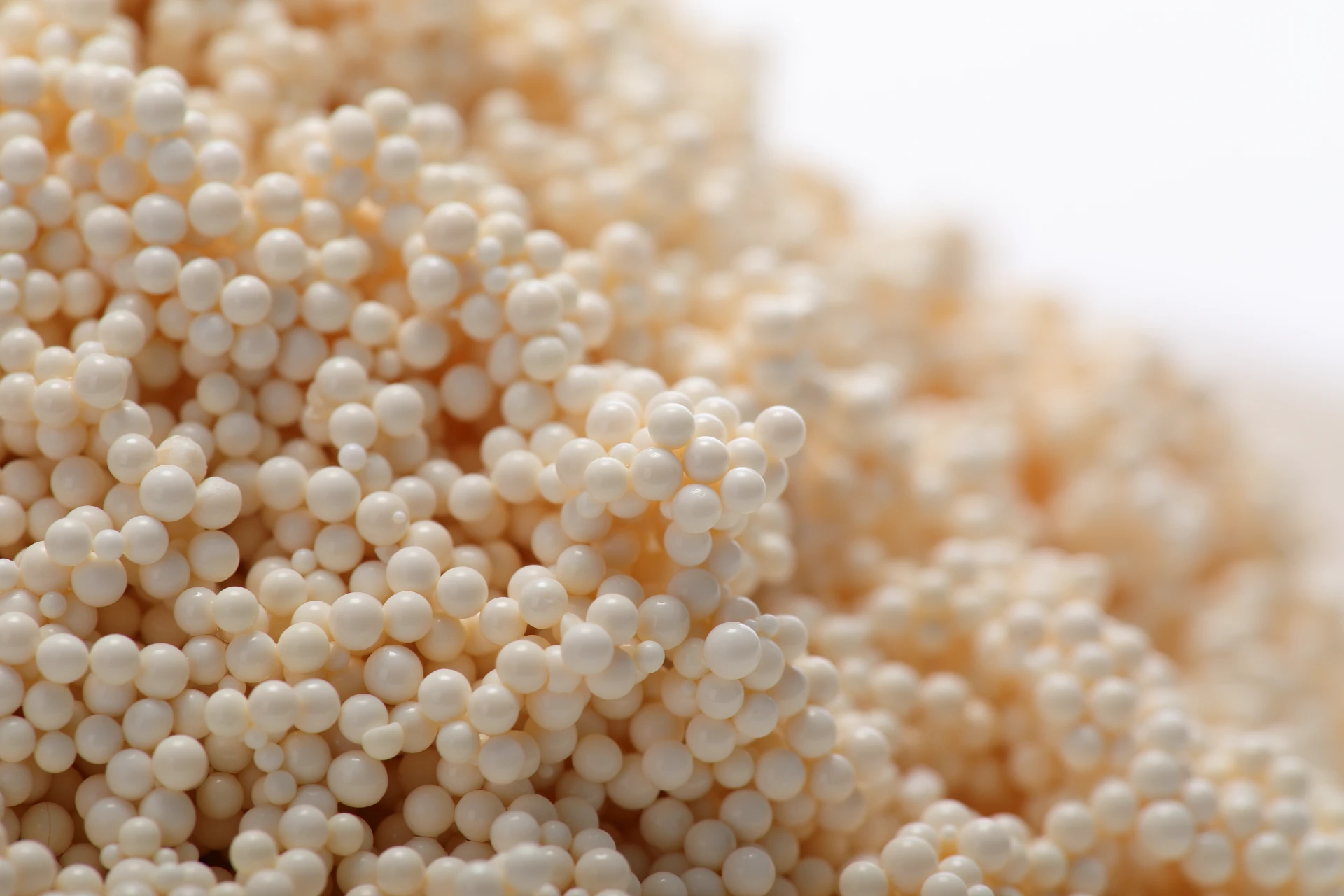
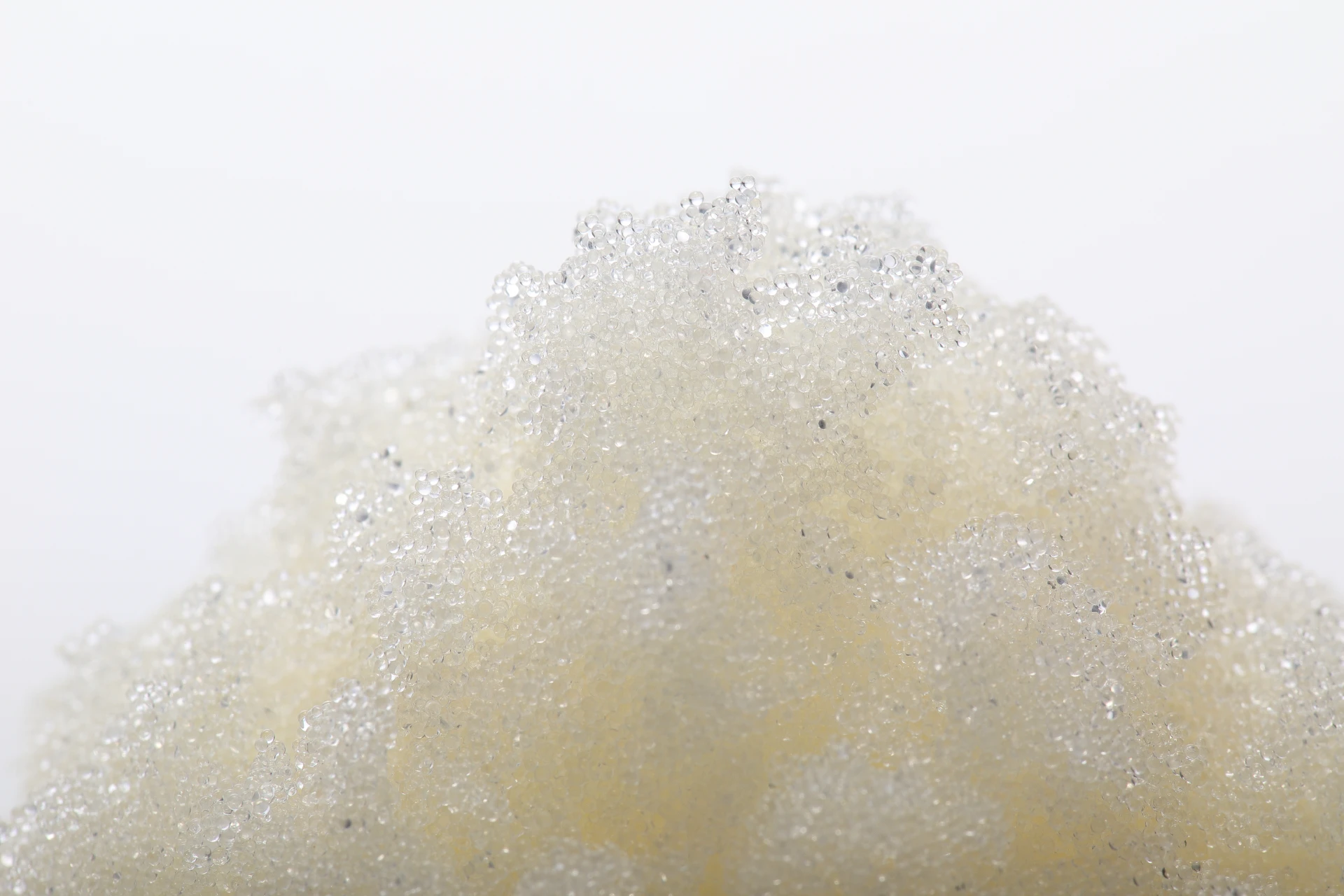
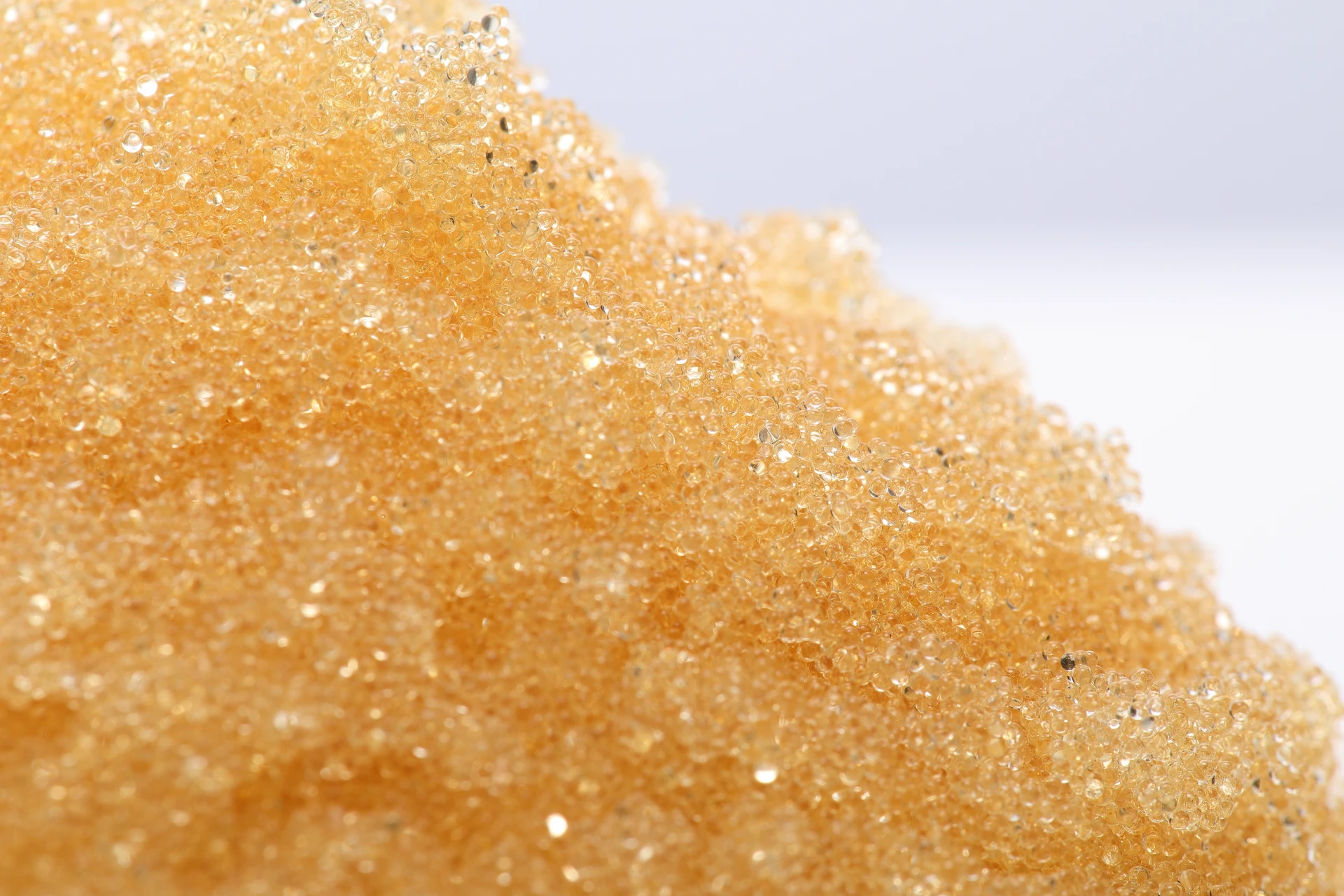
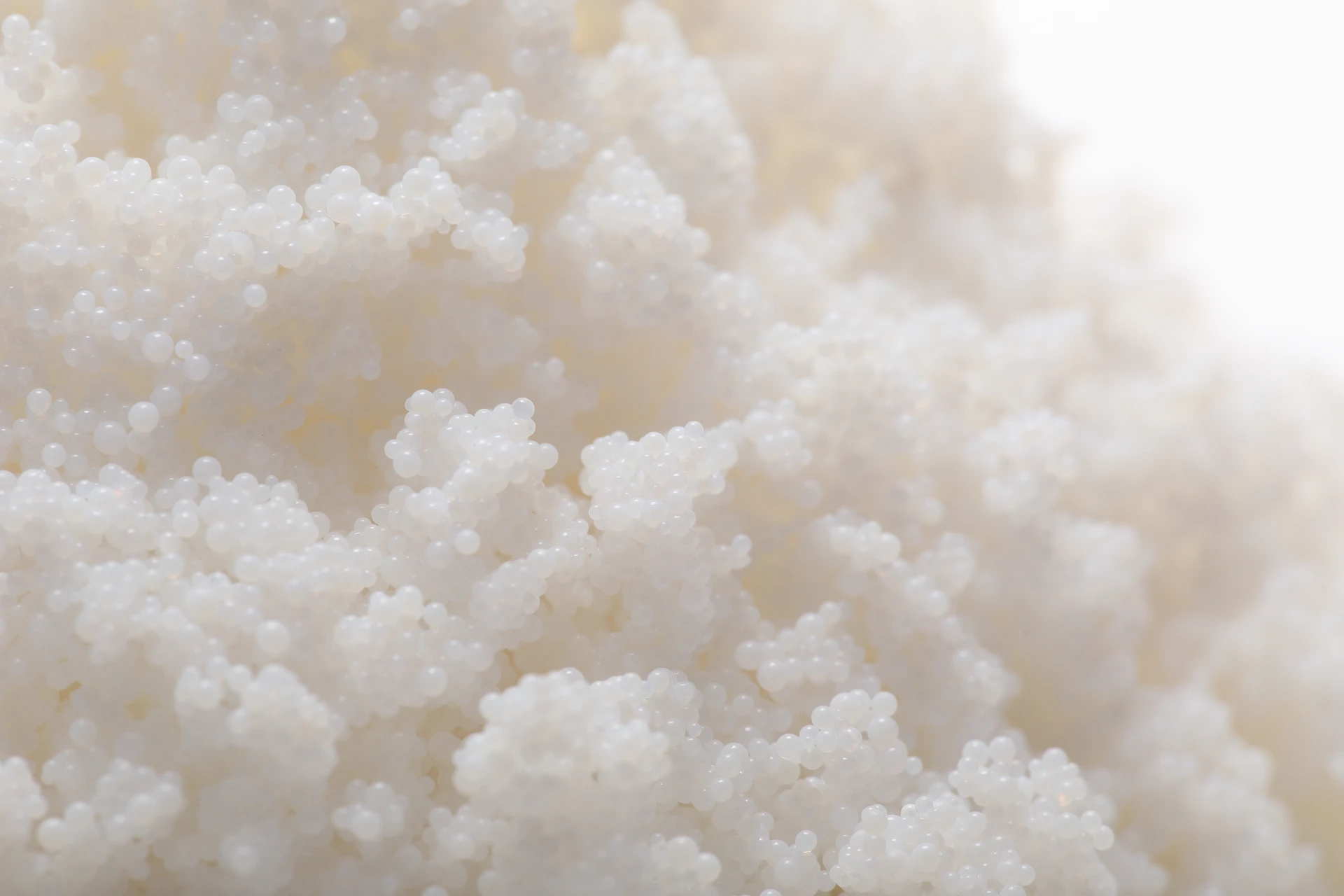
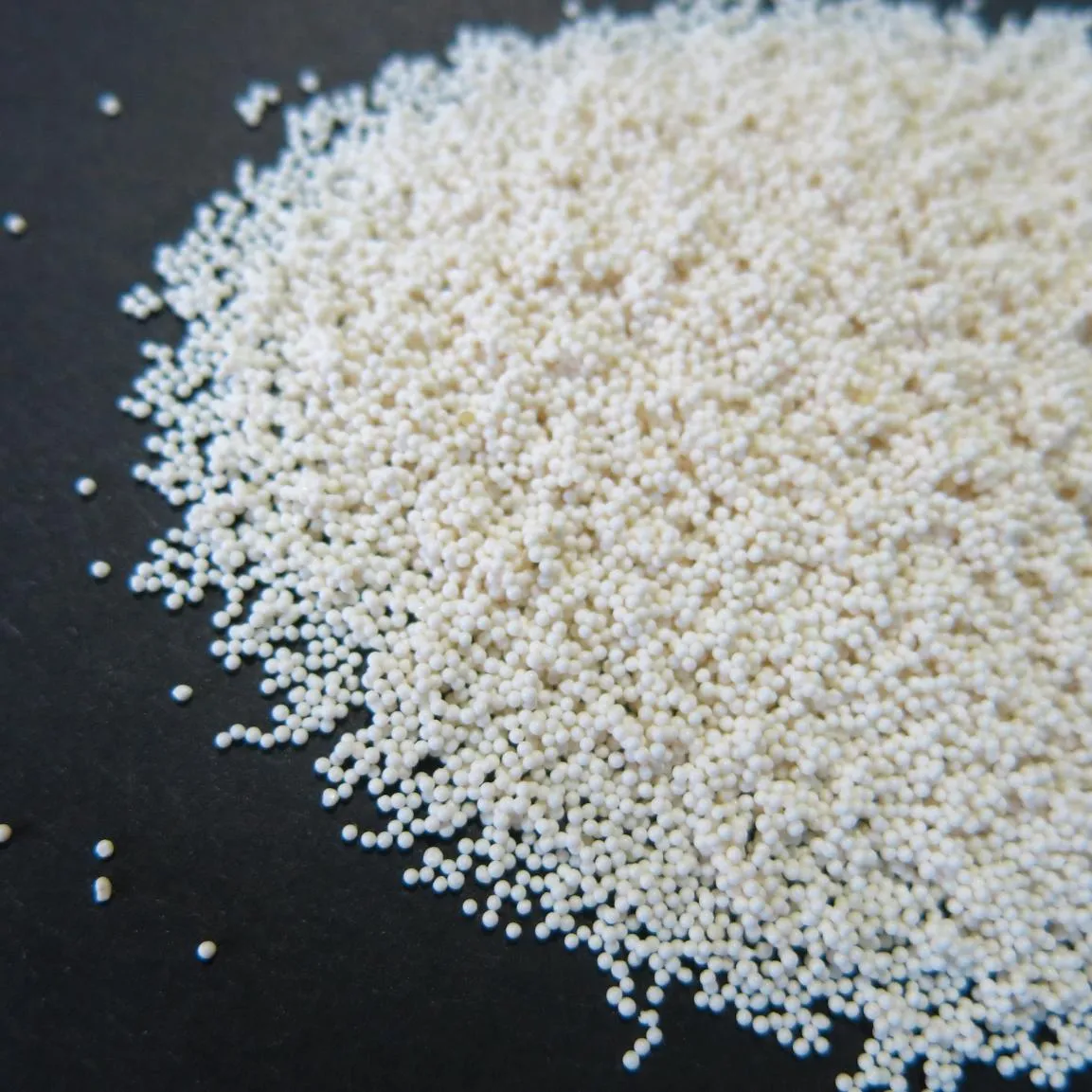
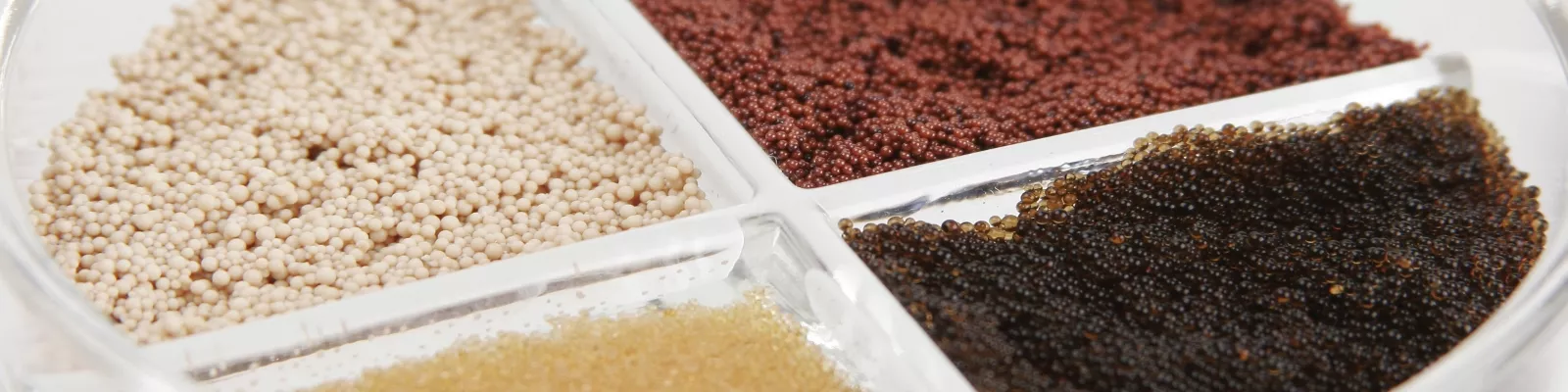
Imagine a tiny, porous bead — that’s where the action happens. Weak cation exchange resins are tiny polymer beads functionalized with weakly acidic groups. These groups attract and swap cations from a liquid passing through, depending on the solution’s pH and ion concentrations. Unlike strong cation resins, which hold firmly onto ions, weak types release ions more gently, giving them unique roles in water softening and chemical purification.
These resins accommodate variable industrial or humanitarian needs — filtering water for humanitarian relief camps, purifying pharmaceuticals, or treating industrial wastewater with delicate ionic balances. Simply put, they act like a selective magnet for unwanted positively charged particles, improving the quality of fluids involved.
These resins shine when it comes to selectively targeting specific cations, especially multivalent ions like Ca2+ and Mg2+. Their ion exchange capacity varies but tends towards medium range — not too weak, not overly strong. This balance is vital for optimizing treatment processes without over-consuming chemicals for regeneration.
Unlike their strong counterparts, weak cation exchange resins regenerate with milder solutions, often acids instead of harsh salts. This reduces environmental impact and operational costs, especially in regions struggling with chemical supply chains or waste management.
Weak cation exchange resins generally tolerate a wider pH range and less aggressive chemicals during operation. This resilience makes them suitable for unpredictable water qualities — think seasonal groundwater shifts or varying industrial influent.
Though initial prices can seem higher, their longer lifespan and reduced regeneration chemical needs deliver more sustainable operation. For industries juggling tight budgets and regulatory pressures, this total cost of ownership benefit often tips decisions in favor of weak cation resins.
| Parameter | Typical Value | Notes |
|---|---|---|
| Physical Form | Beads, 0.3–1.2 mm | Spherical for flow uniformity |
| Functional Group | Carboxylic acid (-COOH) | Weak acidic site enables pH sensitivity |
| Exchange Capacity | 1.5–2.5 meq/mL | Medium ion exchange range |
| Operating pH Range | 4 to 8 | Suitable for typical water softening tasks |
| Max Operating Temp | 60°C (140°F) | Above this may degrade resin |
Where are these resins really making a difference? Oddly enough, the answer spans continents and sectors.
In post-disaster relief efforts, treatment units equipped with these resins deliver safer drinking water when infrastructure is compromised. Their mild regeneration reduces hazardous chemical use — literally saving lives and the environment.
From a financial point of view, these resins lower ongoing chemical use and reduce frequency of replacement — a double win in cost control. Socially, by improving water quality and industrial efficiency, they help build trust and stability in vulnerable communities.
The emotional weight of knowing that a technology quietly enabled safe water or clean medicine — that's significant. Weak cation exchange resins represent innovation that’s reliable and respectful to nature's limits.
Issues like sensitivity to extreme pH or organic fouling still complicate applications. Some resins show reduced performance if not carefully regenerated or operated within strict parameters. That said, advances in material science and system design increasingly overcome these walls — for instance, tailored resin blends and coating technologies.
| Vendor | Typical Capacity (meq/mL) | pH Stability Range | Regeneration Type | Special Features |
|---|---|---|---|---|
| Liji Resin Co. | 1.8 - 2.4 | pH 4 - 8 | Mild acid | Enhanced bead stability |
| IonTech Solutions | 1.6 - 2.2 | pH 3.5 - 7.5 | Mild acid & salt mix | Custom sizing options |
| Purity Exchange Ltd. | 1.9 - 2.5 | pH 4 - 8.5 | Mild acid | Low fouling formulation |
A: Weak cation resins use weak acidic groups (like carboxyls) which bind ions less tightly, making them easier to regenerate with milder acids. Strong cation resins have sulfonic acid groups holding ions more firmly, suited for more aggressive exchange but needing stronger chemical regeneration.
A: Under ideal conditions and proper regeneration, they often last 5–7 years before performance declines significantly. Factors like water quality, pH extremes, and fouling shorten that lifespan.
A: Yes, especially compared to strong resins, because they require less harsh chemicals for regeneration, reducing chemical waste and operational hazards. Newer bio-based resins aim to improve sustainability even further.
A: Absolutely. Vendors often tailor bead size, functional groups, and mechanical strength to match specific ion profiles and process requirements, enhancing resin efficiency and longevity.
A: Not particularly. These resins often replace or work alongside strong resins and other filtration media. Proper system design and pH control ensure smooth integration.
So, is the humble weak cation exchange resin example just a niche chemical component? Far from it. From improving water quality in remote villages to enabling pharmaceutical purity and powering industrial efficiency, its roles are wide and often quietly impactful. The ongoing innovations and global demand make it a technology to watch.
If you want to dig deeper or explore products suited to your needs, I highly recommend visiting Liji Resin’s website — they offer a broad range with detailed specs, real-world case studies, and expert advice. Sometimes, the small bead makes the biggest ripple.