Phone:
+86 0319 2296164


Email:
info@lijiresin.cn
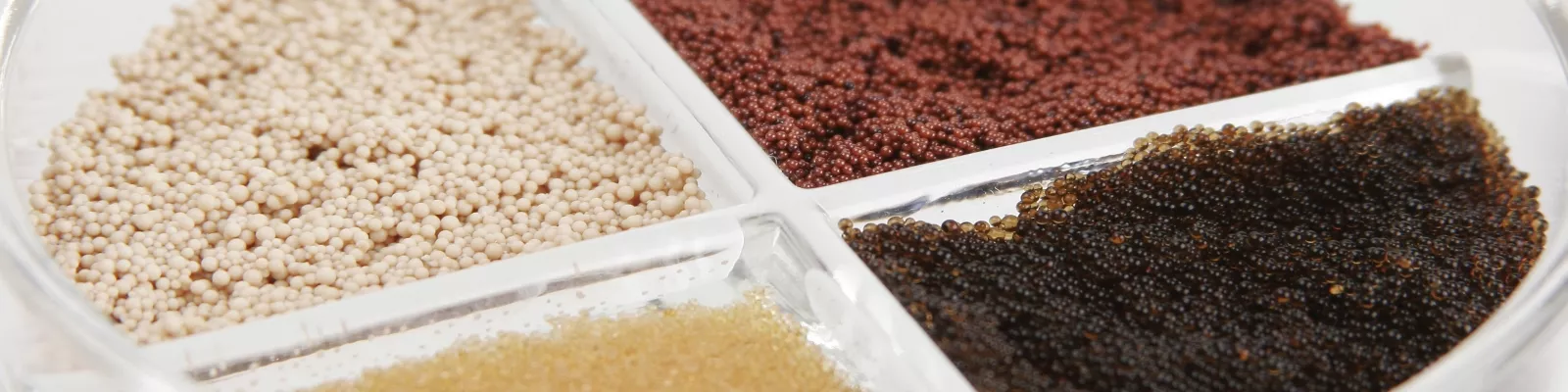
If you’ve ever wondered how raw minerals buried beneath tons of rock are gently coaxed into life-saving metals and materials, welcome to the fascinating world of hydrometallurgy. Specifically, the types of leaching in hydrometallurgy serve as the quiet heroes of the industry—extracting metals in an eco-friendlier, often more efficient manner than traditional smelting. Globally, understanding these leaching methods is key to securing sustainable mining practices, reducing energy usage, and enabling innovations from electric vehicles to clean energy tech.
Leaching may sound like arcane chemistry to some, but it’s woven into the fabric of modern industry. From powering cell phones to building hospitals, the metals retrieved through these processes are indispensable. And frankly, the world’s shifting resource landscape makes mastering types of leaching more crucial than ever.
The hydrometallurgical sector has grown rapidly due to rising metal demands and environmental pressures. Data from the UN Environment Programme suggest that mining’s environmental footprint remains a top concern globally — especially traditional pyrometallurgy techniques that pollute heavily and consume vast energy.
Leaching, as a hydrometallurgical technique, offers a kinder alternative. According to the International Organization for Standardization (ISO), certain types of leaching improve resource efficiency, allow recovery from low-grade ores, and reduce waste. However, scale and process optimization still pose challenges. This delicate balancing act has engineers and researchers investing heavily in refining these leaching methods to meet the projected 30% rise in metal demand by 2030 (World Bank).
Simply put, without efficient leaching processes, mining industries would struggle to meet global metal needs sustainably—and that’s a call for urgent innovation.
At its core, leaching is the chemical process of extracting metals from ores by dissolving them in a suitable solvent. Hydrometallurgy uses water-based solutions—often acidic, alkaline, or biological—to selectively separate metals from ores in a less energy-intensive way than smelting. The types refer to different approaches depending on how and where the leaching occurs:
These types, while sharing the same goal, differ widely in complexity, scale, and applicability depending on ore type, geography, and economic factors.
Beauty lies in variety: the different leaching types in hydrometallurgy finely balance cost, environmental safety, and efficiency to meet varying global mining challenges.
Not all metals dissolve equally. Some ores respond well to heap leaching (like copper oxide), while others require tank or bioleaching for efficient recovery. Understanding mineralogy is crucial before selecting a method.
Acidic (sulfuric acid, for example) versus alkaline solutions impact both metal recovery rates and environmental safety. The chemical tuning also affects downstream metal purification.
Heap and in-situ leaching tend to be slower (weeks to months), while tank leaching accelerates extraction but increases capital intensity.
Reduced emissions and tailings waste are big advantages for hydrometallurgy, but solution containment and chemical handling are strict concerns.
Heap leaching thrives where land is available; in-situ suits remote or fractured ore bodies. Infrastructure availability often dictates which method is viable.
Tank and bioleaching methods may command higher up-front costs but offer higher recoveries, especially for complex ores.
Picking the right leaching approach is a project-specific puzzle, linking chemistry, environment, infrastructure, and economics like a balanced recipe.
One striking example is the application of bioleaching in extracting copper from tailings—a practice which has turned waste into valuable resources in many industrial zones worldwide.
Ultimately, it’s not just about extracting metals. It’s about doing so with respect for the planet and people—a huge leap forward for the mining industry’s trustworthiness.
Innovation is a buzzword, but for hydrometallurgical leaching—it’s very real. Automation and digital sensors now allow real-time monitoring of leaching conditions, optimizing chemical usage and recovery rates. Green chemistry trends foster biodegradable leachants and less hazardous reagents.
Meanwhile, integration with renewable energy sources could make these processes even more carbon neutral. Another exciting development is genetically engineered bacteria designed for tailored bioleaching—pushing recovery efficiency yet further.
Despite advances, several obstacles remain:
Those who’ve succeeded in large-scale projects credit multidisciplinary collaboration—chemistry, engineering, and environmental science working hand-in-hand.
| Leaching Type | Typical Ore | Processing Time | Environmental Impact | Recovery Rate (%) |
|---|---|---|---|---|
| Heap Leaching | Copper Oxide, Gold | Weeks - Months | Moderate | 70-85 |
| Tank Leaching | Sulphide Ores | Hours - Days | Higher Energy Use | 85-95 |
| In-situ Leaching | Uranium, Copper | Weeks - Months | Low Surface Impact | 60-80 |
| Bioleaching | Sulphide Ores, Tailings | Weeks to Months | Low Toxicity | 75-90 |
| Vendor | Specialty | Leaching Tech Focus | Global Presence | Customer Support |
|---|---|---|---|---|
| HydroMet Labs | Bioleaching Solutions | Bioleaching systems, microbial cultures | Americas, Australia | 24/7 Technical Assistance |
| AquaOre Co. | Heap and Tank Leaching Plants | Modular heap and tank systems | Worldwide | Localized Field Engineers |
| EcoMetal Mining Tech | Green Chemistry Leachants | Biodegradable leach solutions | Europe, Asia | Sustainability Consulting |
Types of leaching in hydrometallurgy are more than industrial jargon — they’re a dynamic toolkit unlocking cleaner, safer, and more sustainable metal extraction. As I see it, embracing innovations ranging from bioleaching to digitized process controls doesn’t just make economic sense; it’s a moral imperative to better steward the planet’s finite resources.
So if you’re involved in mining, investment, or environmental regulation, these leaching technologies should be on your radar. Because increasing metal demand won’t pause, but our planet’s health can’t afford to take a backseat. Curious? Dive deeper into these topics at types of leaching in hydrometallurgy.
Long story short: hydrometallurgical leaching is about working smarter — blending chemistry, biology, and engineering — so the metals of tomorrow are mined responsibly today.