Phone:
+86 0319 2296164


Email:
info@lijiresin.cn
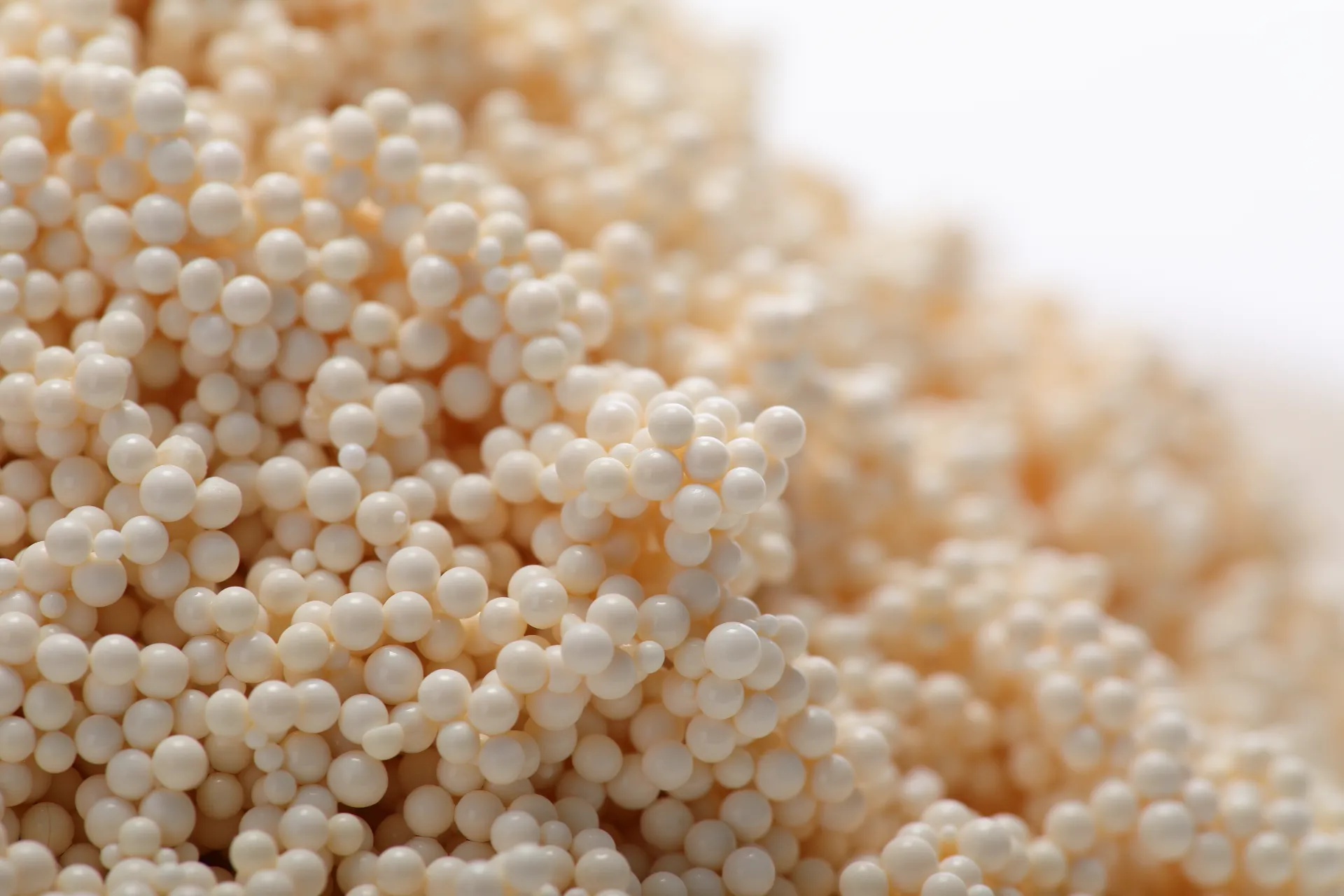
If you've ever wondered how industries manage to purify water, remove contaminants, or improve chemical separations so effectively, then you’re likely encountering the magic of cation exchange polymers. These materials may not make headlines like AI or renewable energy, but they’re quietly enabling safer water, cleaner processes, and even breakthrough medical technologies. Globally, as the demand for clean resources and efficient processes grows — roughly 2.5 billion people lacked access to safe drinking water as of 2020 according to the WHO — understanding the role of cation exchange polymers becomes essential.
From large-scale environmental applications to specialized industrial uses, these polymers are a linchpin in addressing big challenges. Let’s take a closer look at what makes them so important and why industries worldwide depend on them.
The world is changing fast. Urbanization, increasing industrial output, and environmental pressures are shaping how resources are managed. According to the United Nations, water scarcity affects over 40% of the global population and is expected to worsen in coming decades.
Cation exchange polymers play a critical role here. By selectively removing positively charged ions from solutions, they help purify water, reduce pollutants, and recycle valuable minerals. This means less waste, happier ecosystems, and more reliable access to clean water or chemical inputs.
Industries ranging from wastewater treatment in Europe, to mining in Australia, and agricultural inputs in South America have adopted these polymers. Yet, a repeated challenge remains — achieving cost-effective scalability without sacrificing quality or environmental responsibility.
So, the question isn’t just what these polymers are, but how their design and deployment tackle global issues of resource management and sustainability.
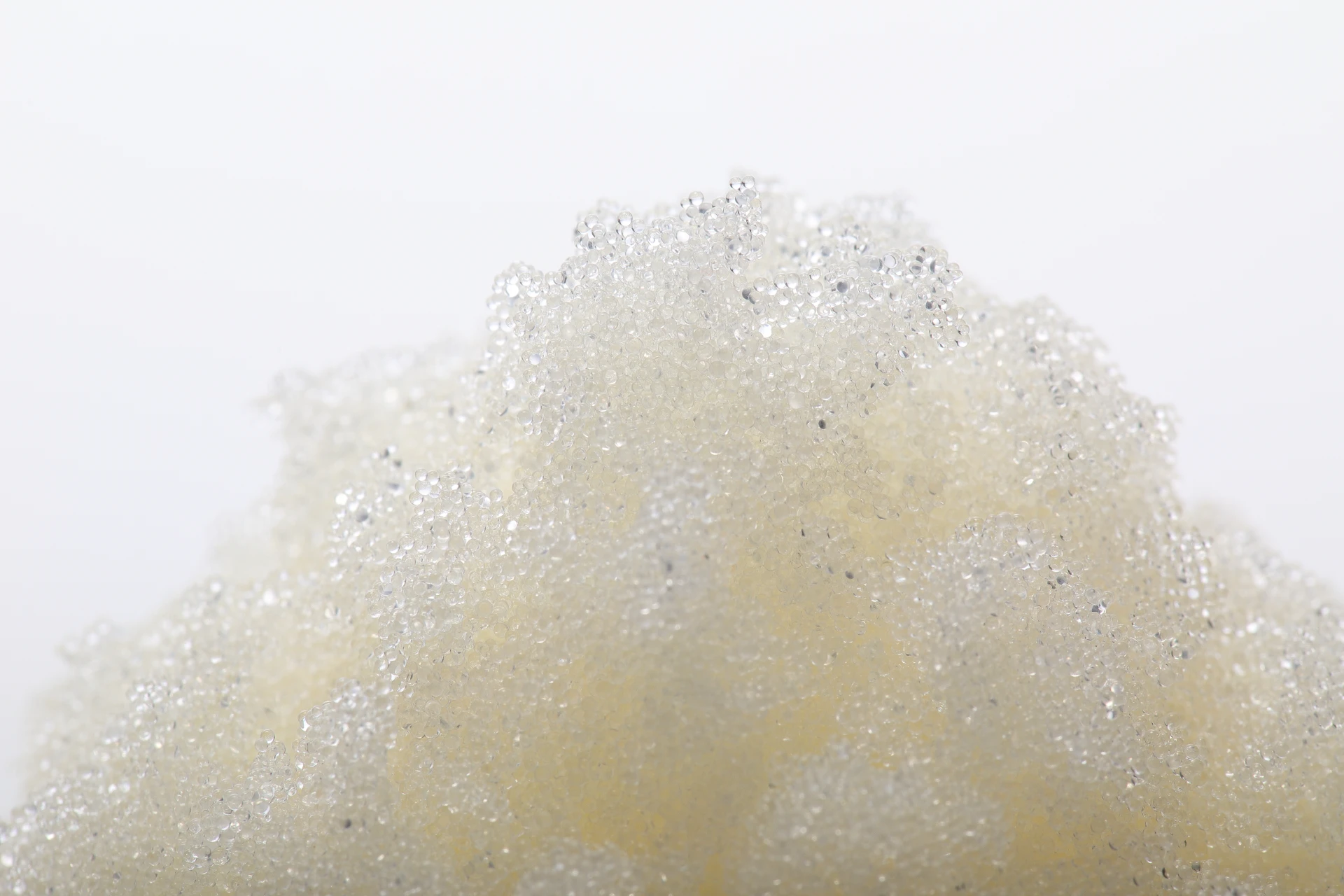
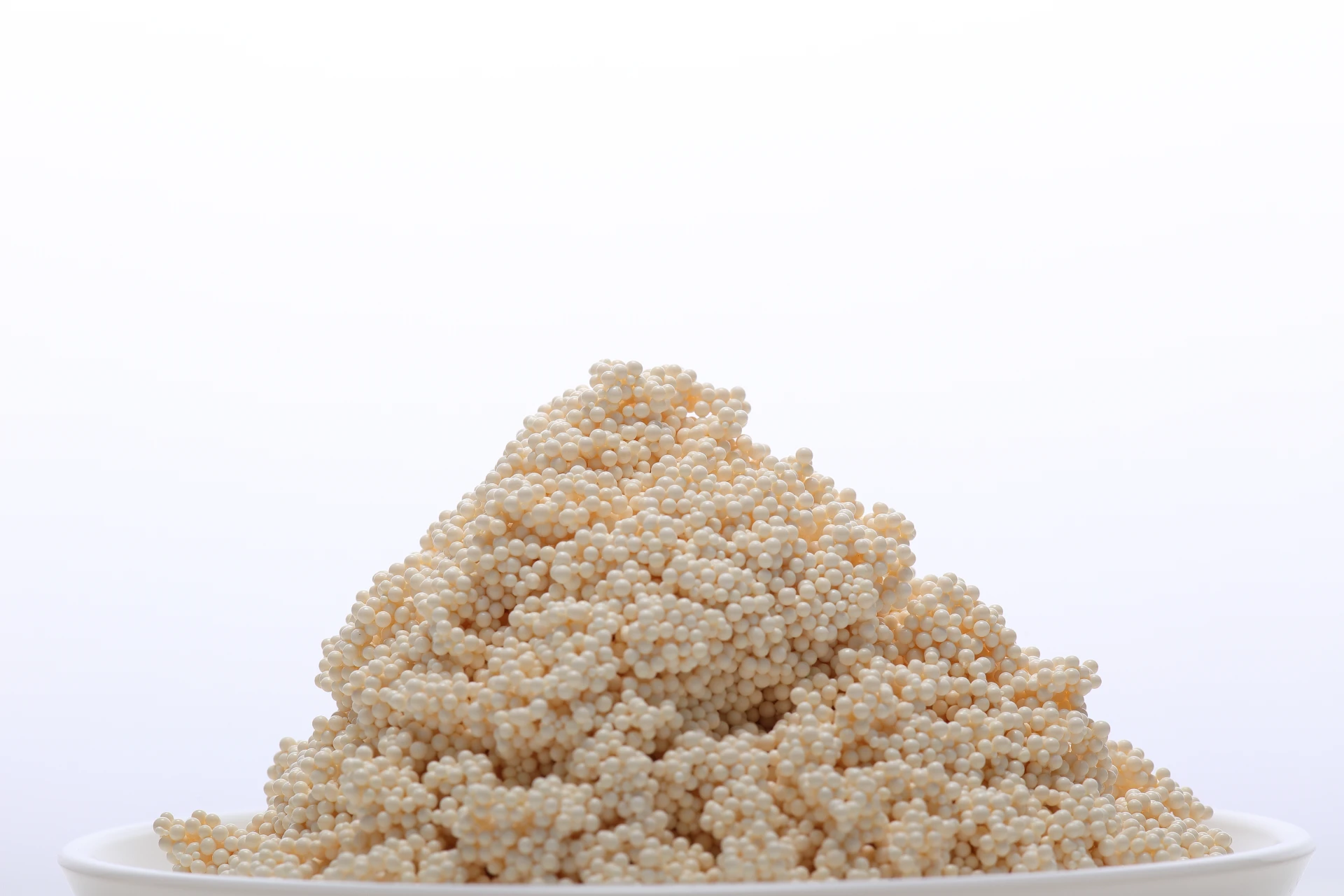
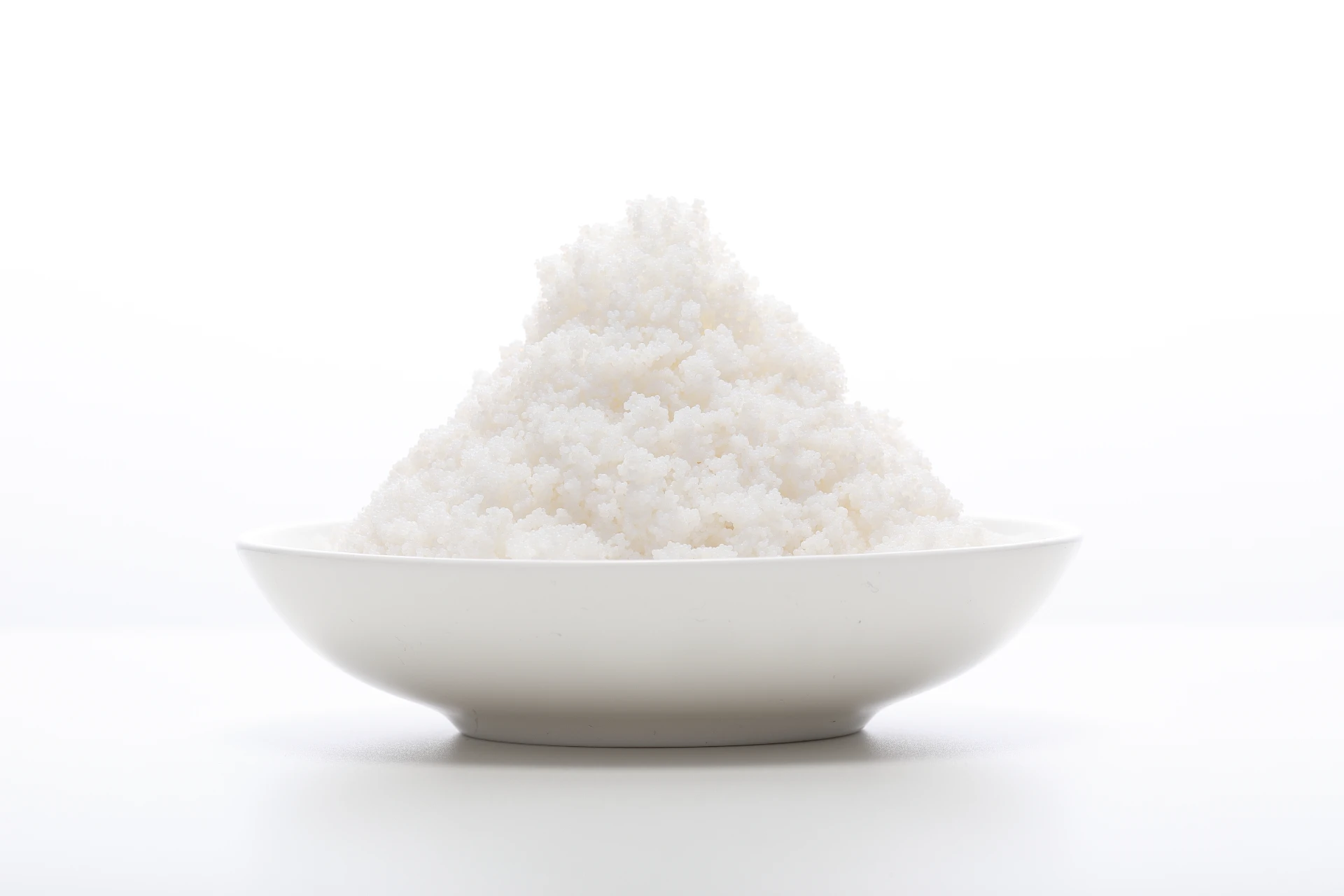
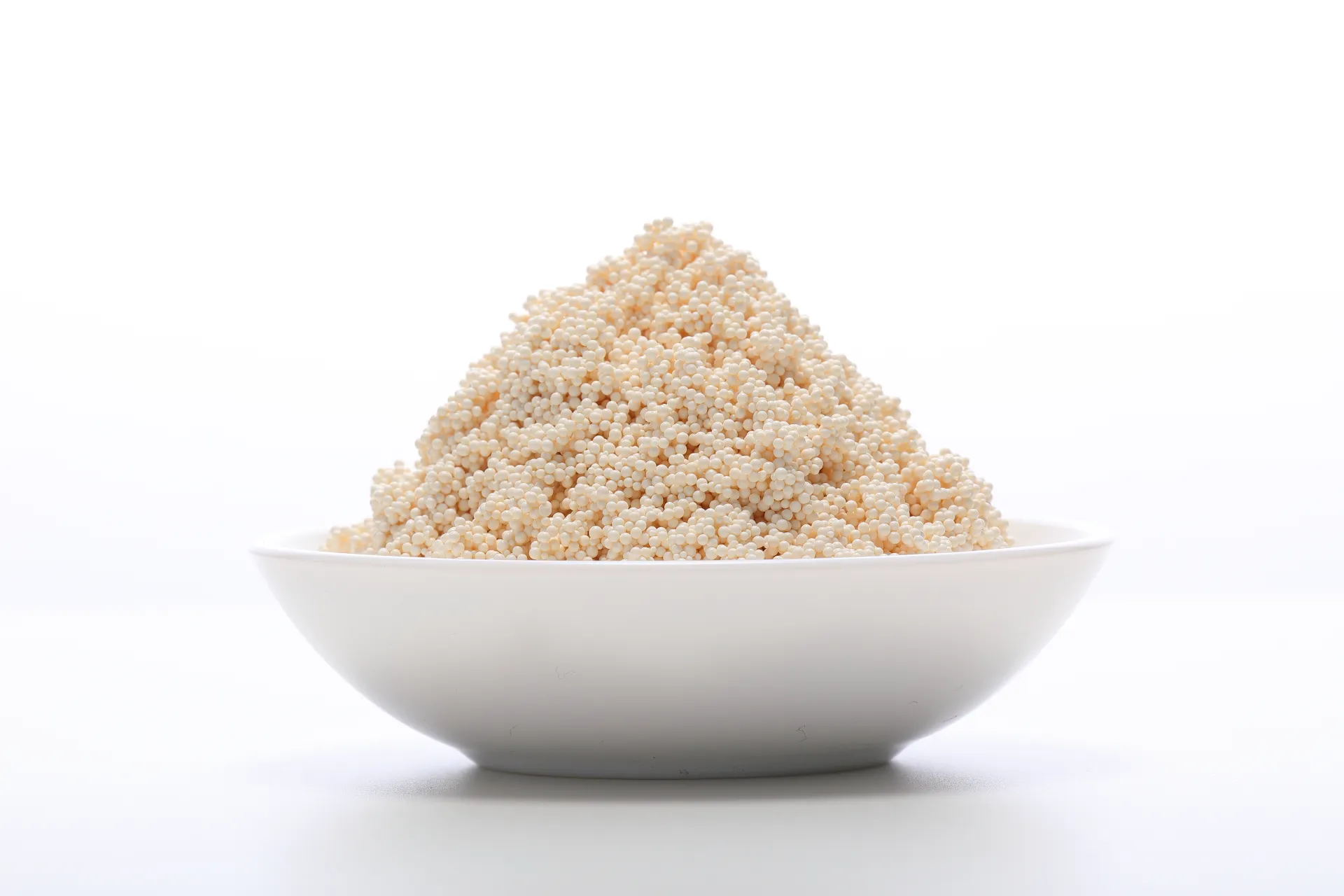
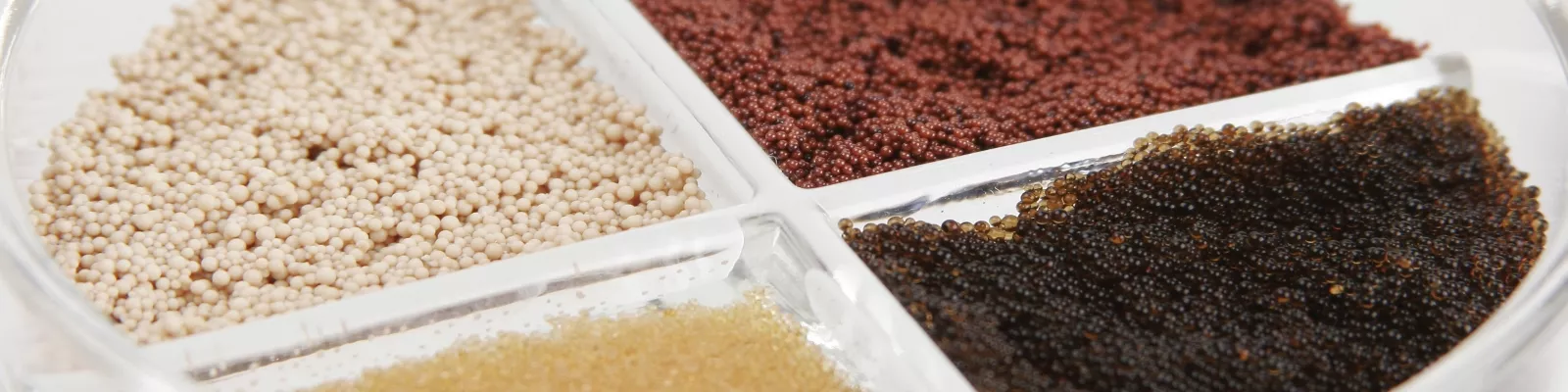
Simply put, a cation exchange polymer is a special type of polymer designed to swap out positive ions (cations) from liquids or solutions. Imagine them as microscopic sponges tuned to selectively cling to, say, calcium or sodium ions, letting everything else pass through.
At their core, these polymers contain negatively charged groups that attract and hold onto cations. The "exchange" happens because these cations can be swapped back and forth — depending on the environment — making the process reversible and reusable. This reversibility is key for industrial applications where efficiency and regeneration of materials save both money and resources.
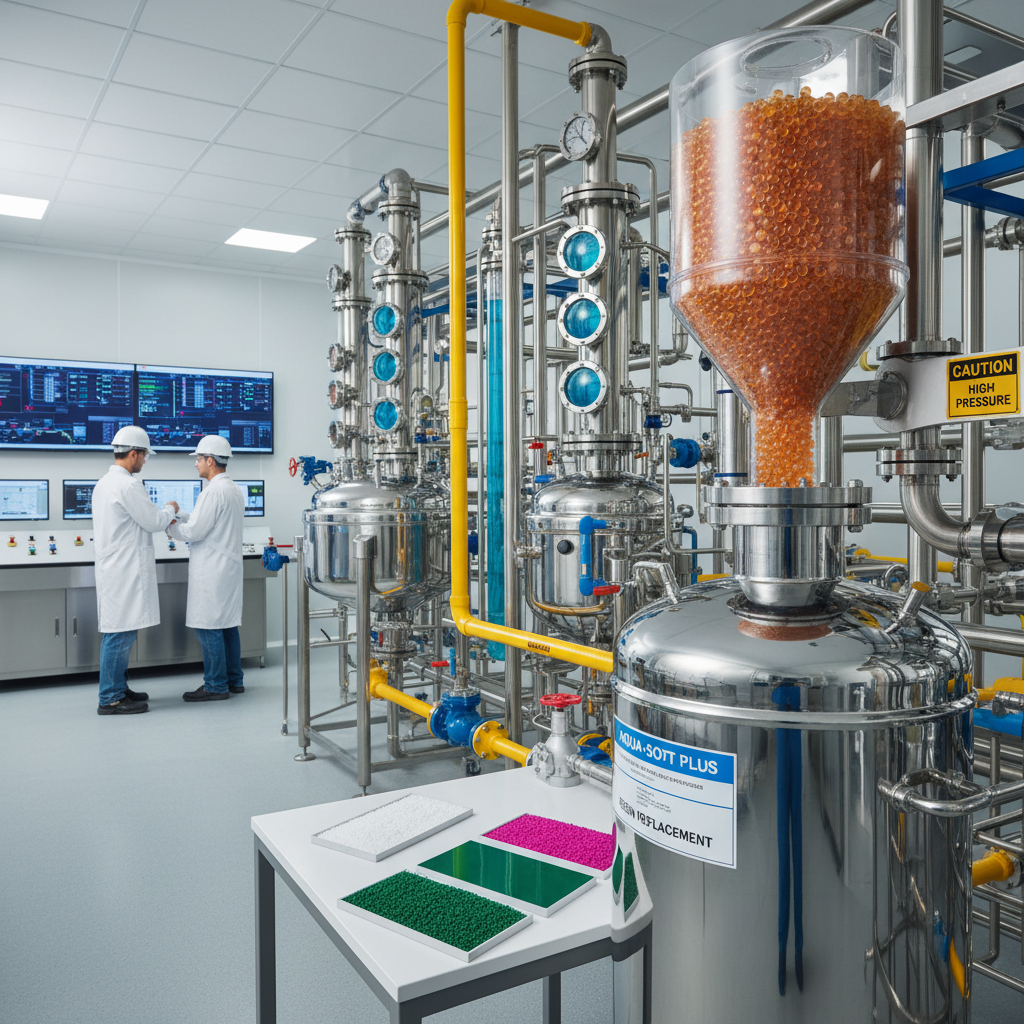
They’re an unsung workhorse in a range of applications, from softening hard water to extracting metals from ores, and even in the biomedical sphere for drug delivery or dialysis filtration. So when you think of cation exchange polymers, think of versatile, reusable tools that excel at ion exchange tasks — a fundamental chemical operation hiding in plain sight.
Different polymers can be tailored to preferentially exchange certain cations over others. This makes them invaluable in industries like mining, where extracting specific metals (e.g., lithium from brine) can change the economic outcome dramatically.
Many of these polymers can withstand harsh chemical environments and be regenerated multiple times without losing efficiency. This longevity reduces waste and lowers operational costs — a double win.
From compact laboratory columns to enormous industrial beds, cation exchange polymers scale well. Manufacturers offer tailored solutions depending on throughput, ion concentration, or environmental conditions.
Newer formulations support sustainability efforts by reducing toxic byproducts or using bio-based polymers that degrade responsibly.
While the initial investment may seem significant, the long-term savings due to recyclability and reduced chemical use make cation exchange polymers cost-effective over their lifecycle.
Mini Takeaway: The magic of cation exchange polymers lies in their selective, durable, and adaptable nature — perfectly suited to a spectrum of complex environments.
In post-disaster relief operations, mobile water purification units use quick-acting cation exchange polymers to deliver potable water — a story I find particularly inspiring, knowing how many lives rely on that instant purification.
Beyond just chemistry, the benefits of cation exchange polymers resonate on more human levels:
In short, these polymers aren't just lab curiosities — they’re trusted 'partners' for a safer, cleaner future.
Technology marches on, and so do cation exchange polymers. The future is exciting:
It’s thrilling to think that a material so ‘quiet’ today might be a cornerstone for tomorrow’s eco-industrial solutions.
No material is perfect, and cation exchange polymers face hurdles like fouling, limited capacity for some ions, and sensitivity to extreme pH or temperatures. However, experts recommend combining polymers with pre-treatment steps, optimizing process parameters, or engineering hybrid systems.
One interesting solution lately has been layering different polymer types in sequence to maximize selectivity and longevity — a sort of ‘relay race’ where each polymer specializes in part of the ion cleanup.
| Property | Typical Range | Units | Notes |
|---|---|---|---|
| Ion Exchange Capacity | 1.5 - 2.5 | meq/ml (wet) | Indicates cation binding sites available |
| Particle Size | 300 - 1200 | μm | Affects flow rate and pressure drop |
| Operating pH Range | 2 - 14 | pH units | Wide pH tolerance for versatility |
| Temperature Stability | up to 120 | °C | Suitability for various industrial uses |
| Regeneration Agents | NaCl, HCl | — | Commonly used for regeneration cycles |
| Company | Product Range | Customization | Sustainability Initiatives | Global Reach |
|---|---|---|---|---|
| IonCare Solutions | Standard & specialty resins | High | Bio-based polymers in pipeline | Americas, Europe, Asia |
| EcoResin Corp. | Focus on eco-friendly resins | Medium | Certified biodegradable materials | Europe, South America |
| Global Ionics | Broad industrial portfolio | Standard formulations | Recycling program for spent resins | Global, including Africa |
It’s easy to overlook these molecular workhorses until you realize just how fundamental they are to cleaner water, smarter industry, and a greener planet. Cation exchange polymers are a quietly groundbreaking technology with tangible economic, environmental, and social benefits. As innovation accelerates—from sustainable bio-based resins to smart sensing integrations—their relevance only deepens. So next time you drink clean water or see a more sustainable process, there’s a chance a cation exchange polymer had a hand in making it happen.
Curious for more? Visit our website at cation exchange polymer and explore how these ingenious materials fit into your world.
References: