Phone:
+86 0319 2296164


Email:
info@lijiresin.cn
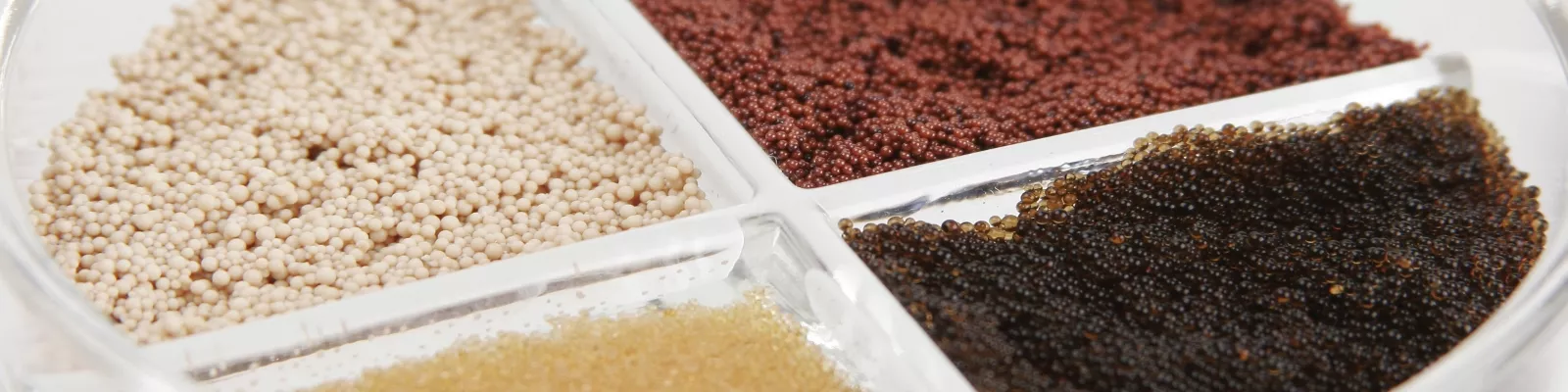
If you’ve ever pondered how clean water magically appears in industries or homes, the answer often lies in some unsung chemical heroes — one being the weak acid cation resin. It’s a material that, despite sounding a bit daunting, quietly improves water quality globally. Why does this matter? Well, clean water touches almost everything — agriculture, healthcare, manufacturing — and weak acid cation resins play a pivotal role in refining it. Understanding how these resins function offers a clear window into improving sustainable water systems, reducing costs, and tackling pollution.
Globally, water scarcity and contamination remain pressing concerns. According to the United Nations, over two billion people lack access to safe drinking water (1). At the same time, industries demand high-quality water for processes to avoid corrosion, scale, and inefficiencies. This creates a complex challenge. Weak acid cation resins come forth as a reliable solution in ion exchange, removing unwanted metal ions and hardness from water with efficiency and cost-effectiveness.
For example, water treatment plants in Asia and Europe increasingly rely on these resins to soften water before distribution. Oddly enough, even places with abundant water resources face quality challenges due to industrial waste and environmental pollutants. It’s this global relevance that makes the weak acid cation resin a crucial topic — on paper and in practice.
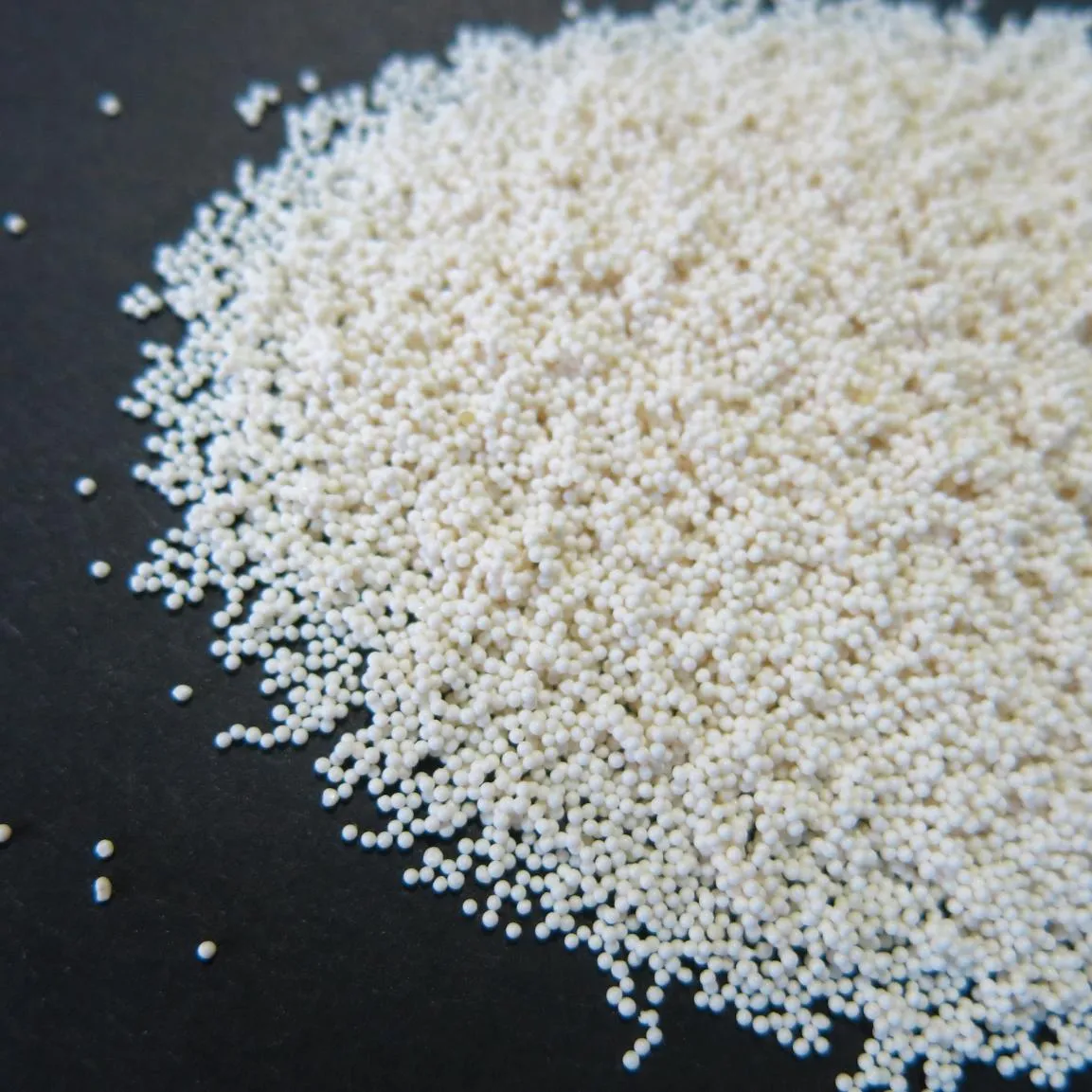
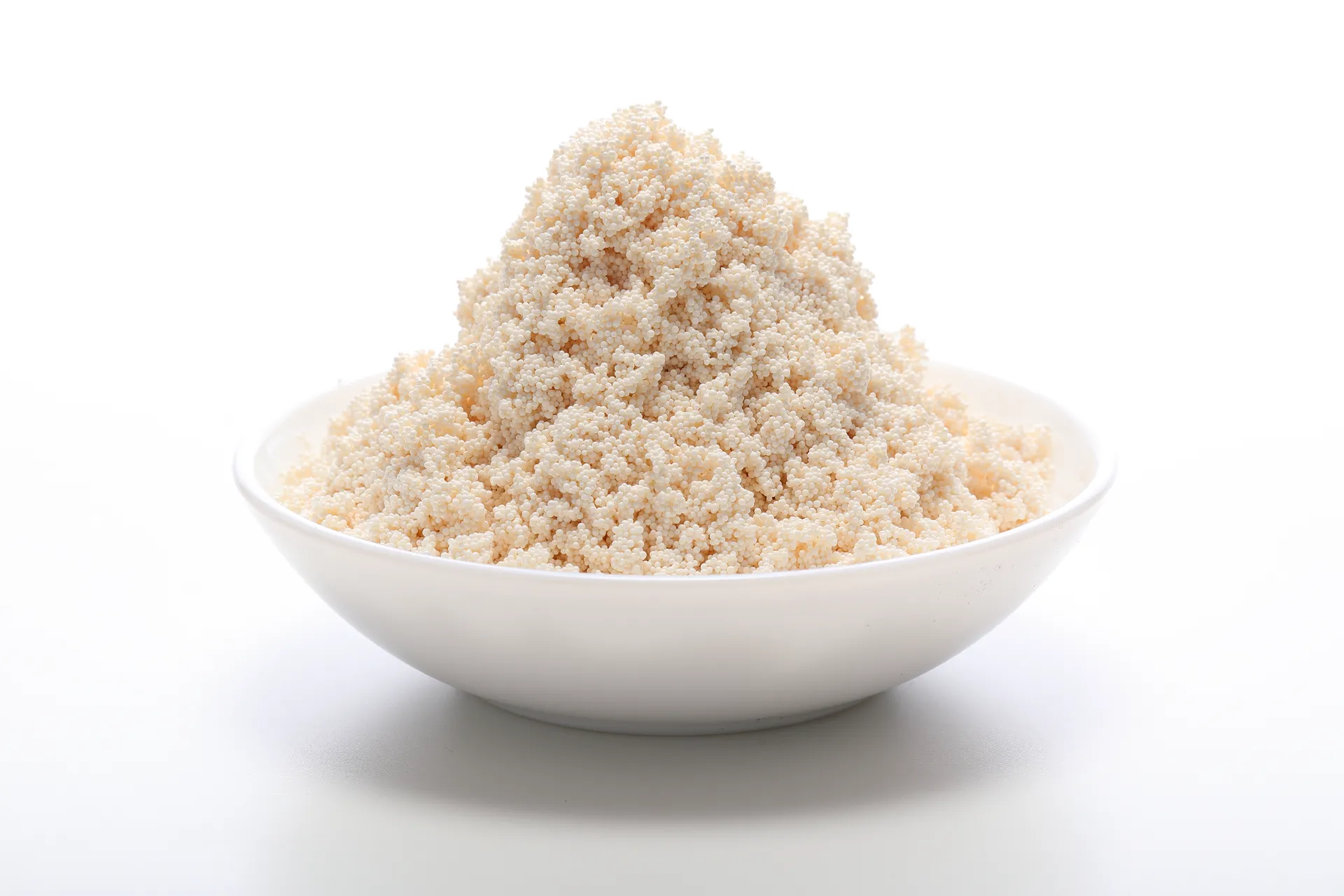
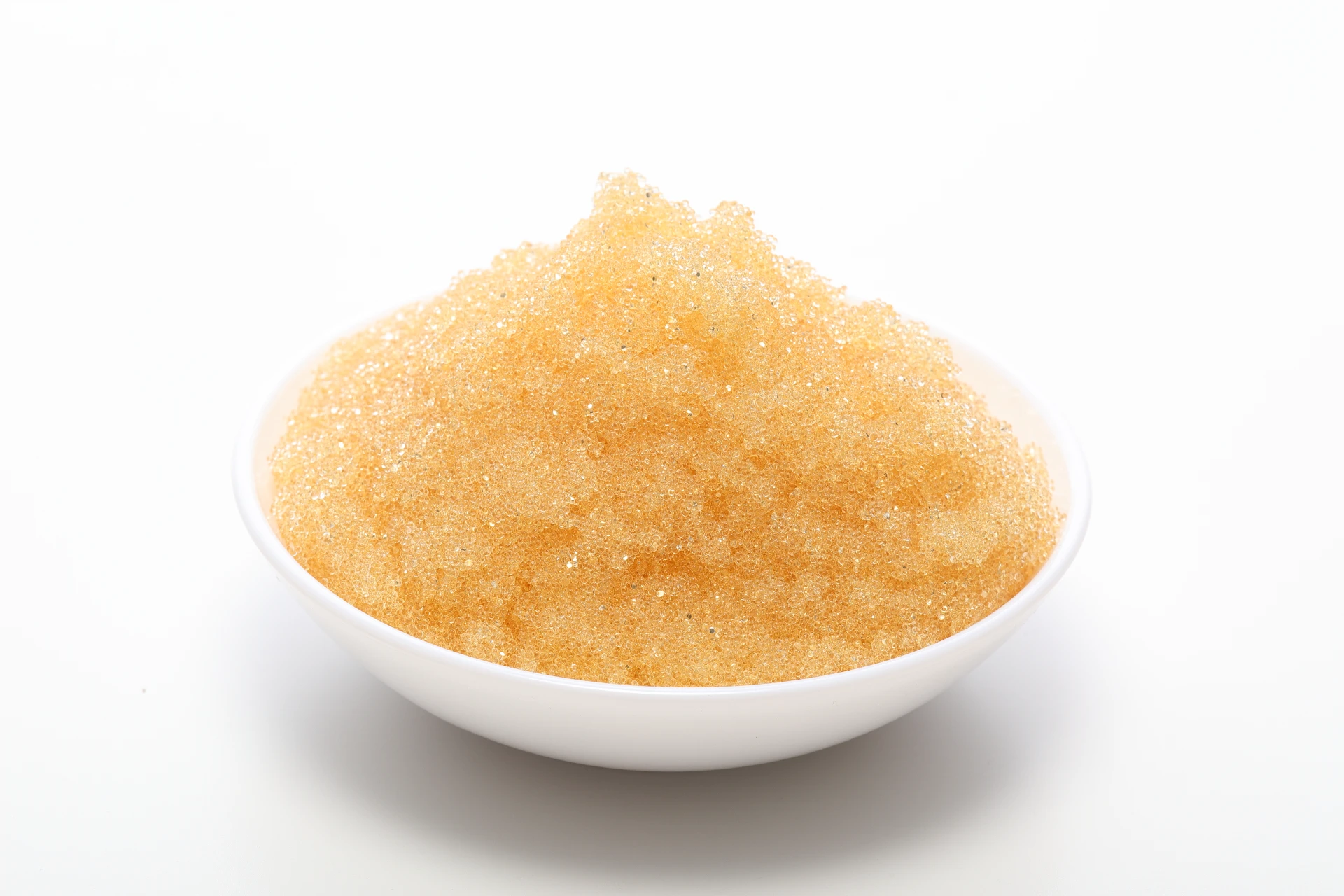
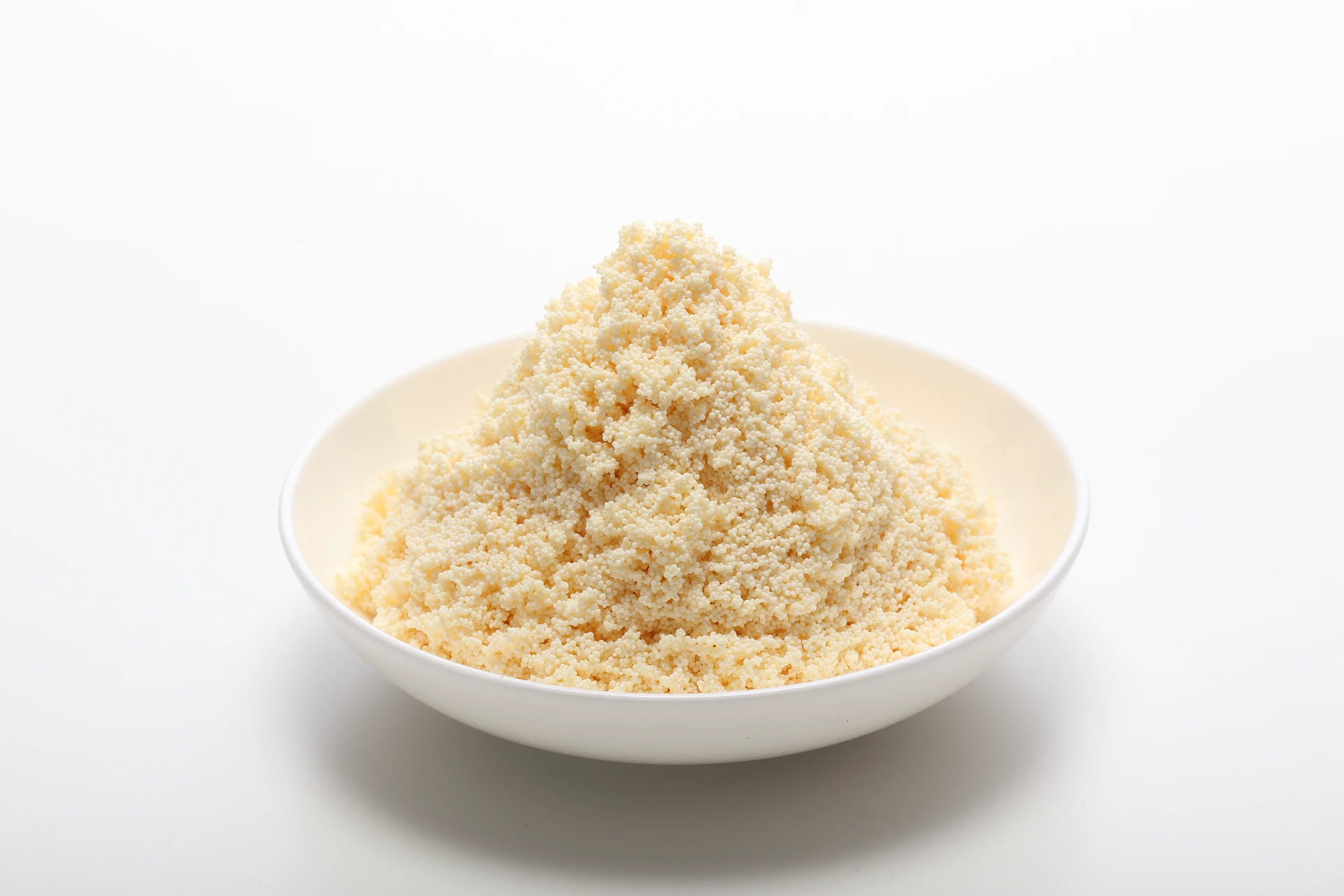
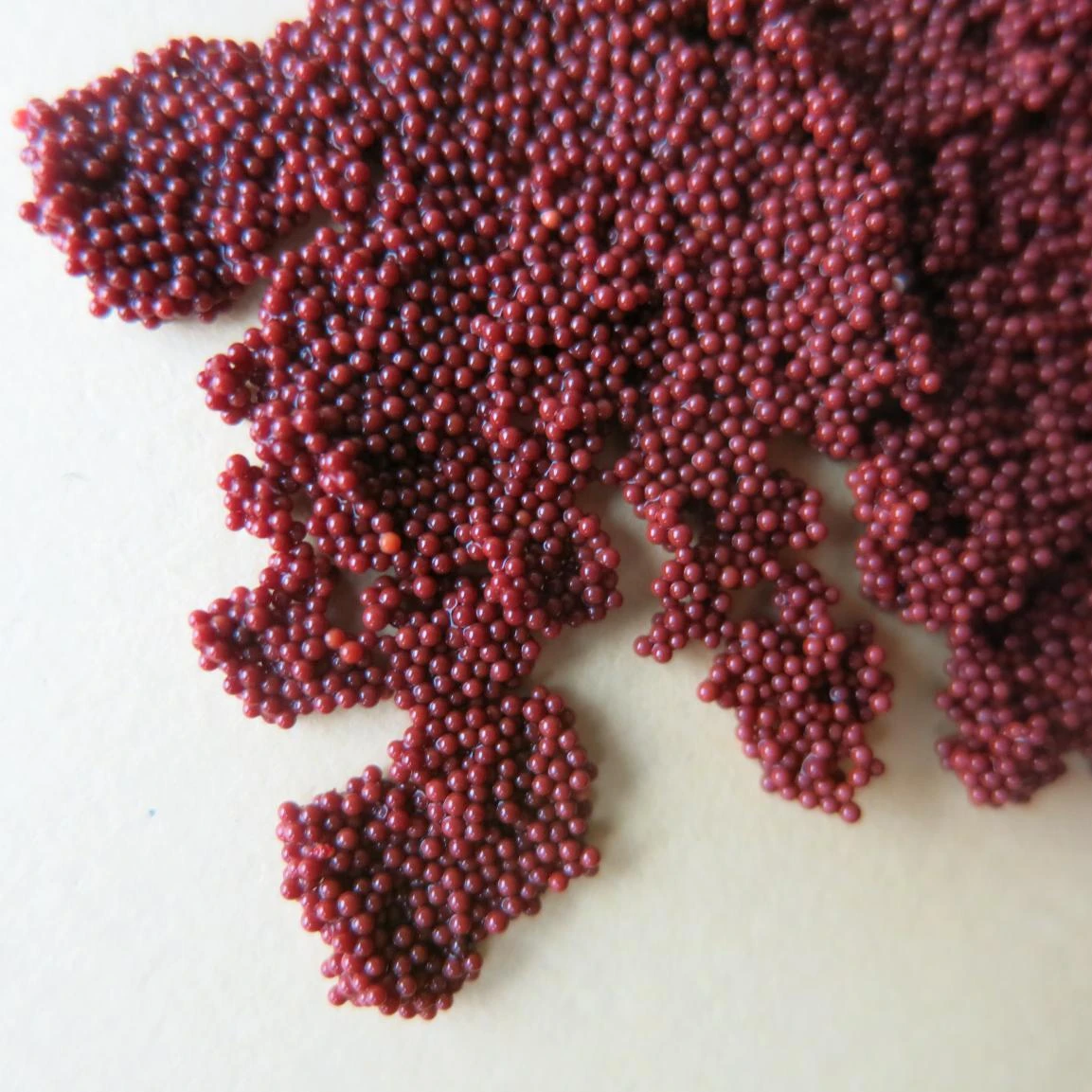
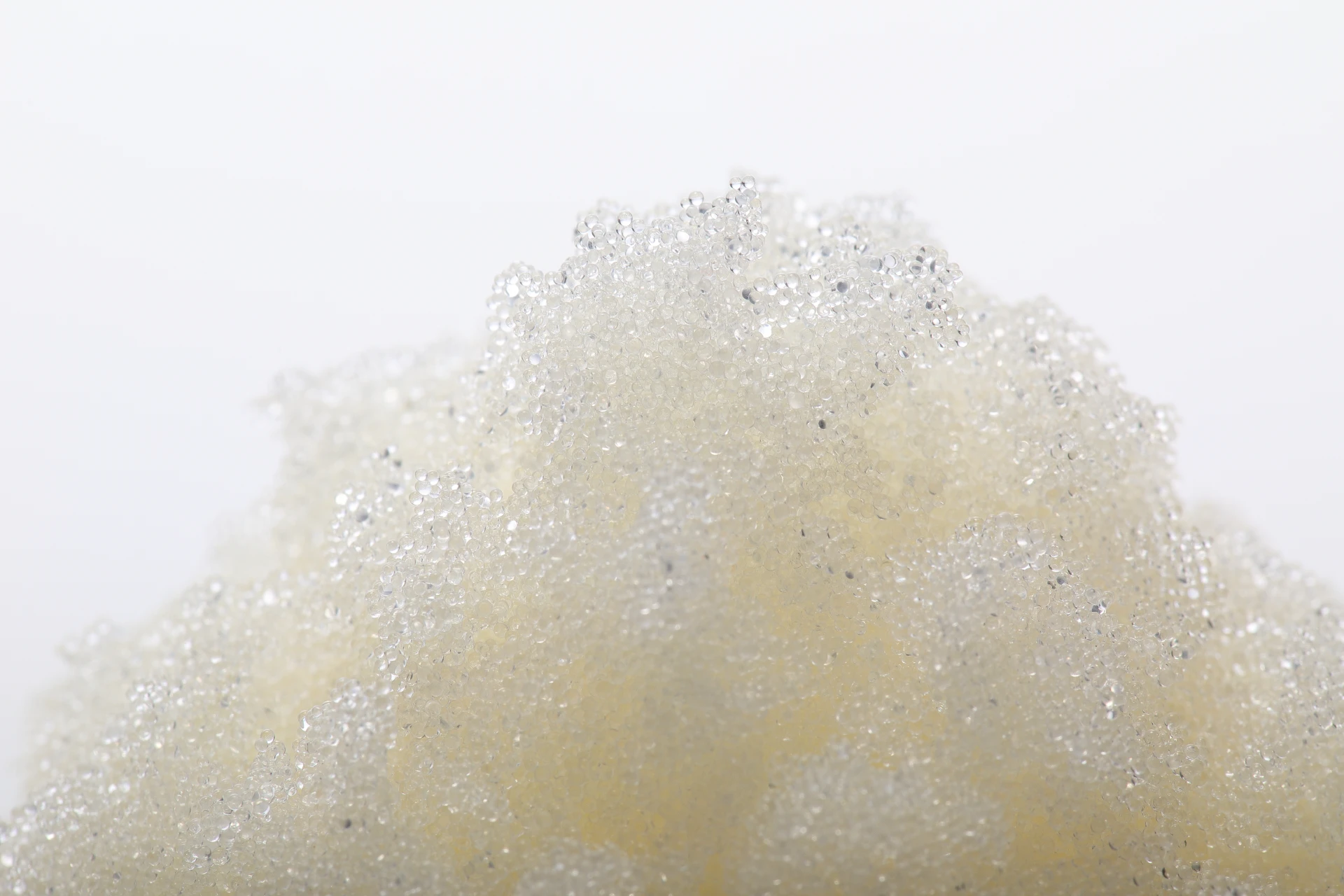
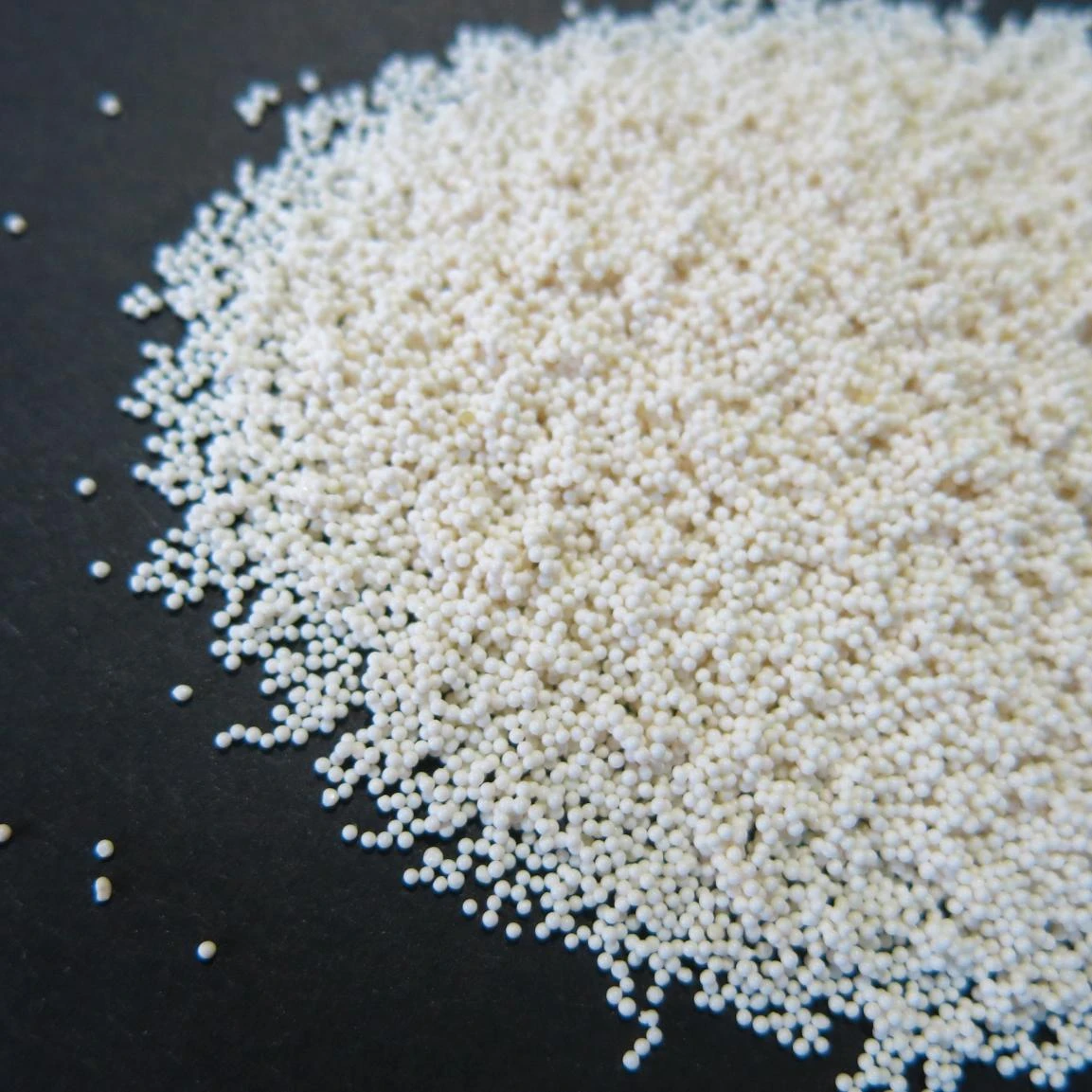
At its core, weak acid cation resin is a specialized polymer designed to exchange cations — positively charged ions — in water, particularly calcium, magnesium, and iron. Unlike strong acid cation resins, which work well in acidic conditions, weak acid cation resins function optimally in a neutral to slightly alkaline pH. Let’s not get too lost in jargon though; think of it as a kind of selective sponge for metal ions, pulling out what's troublesome and leaving you with cleaner water.
Industrially, their ability to regenerate with weak acid solutions means they're easier and cheaper to restore after exhausting their exchange capacity. This makes them valuable in industries ranging from food processing to pharmaceuticals, and in humanitarian settings where water purification is critical but resources are thin.
| Specification | Detail |
|---|---|
| Resin Type | Weak Acid Cation (WAC) Resin |
| Functional Group | Carboxylic acid groups (-COOH) |
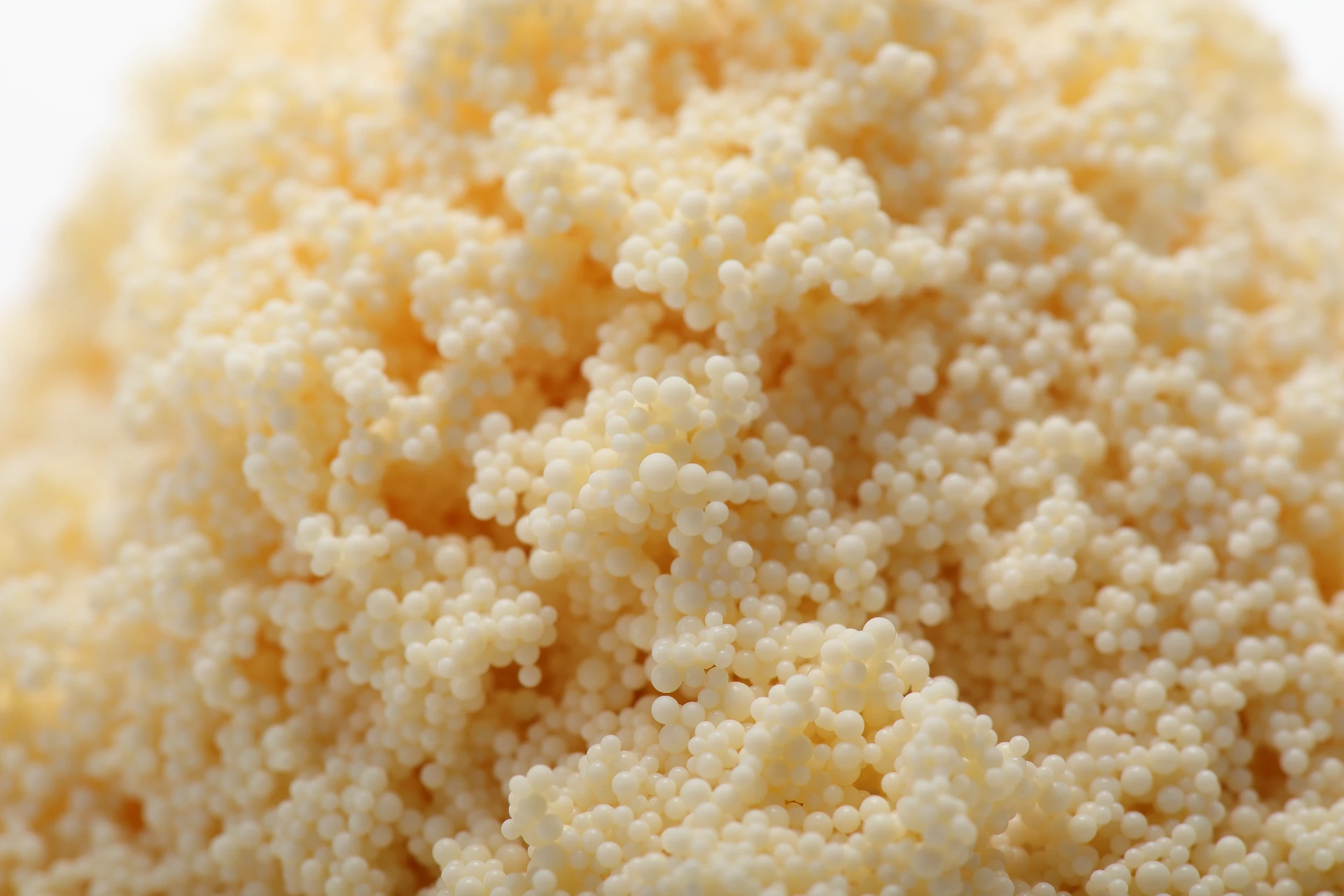
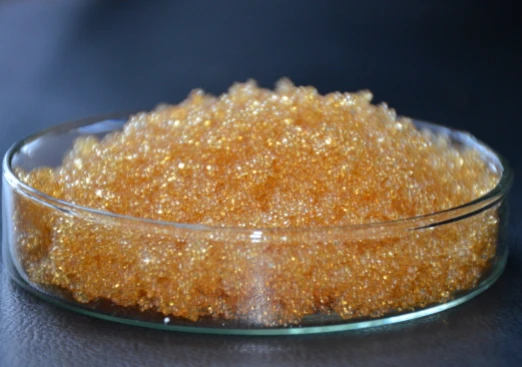
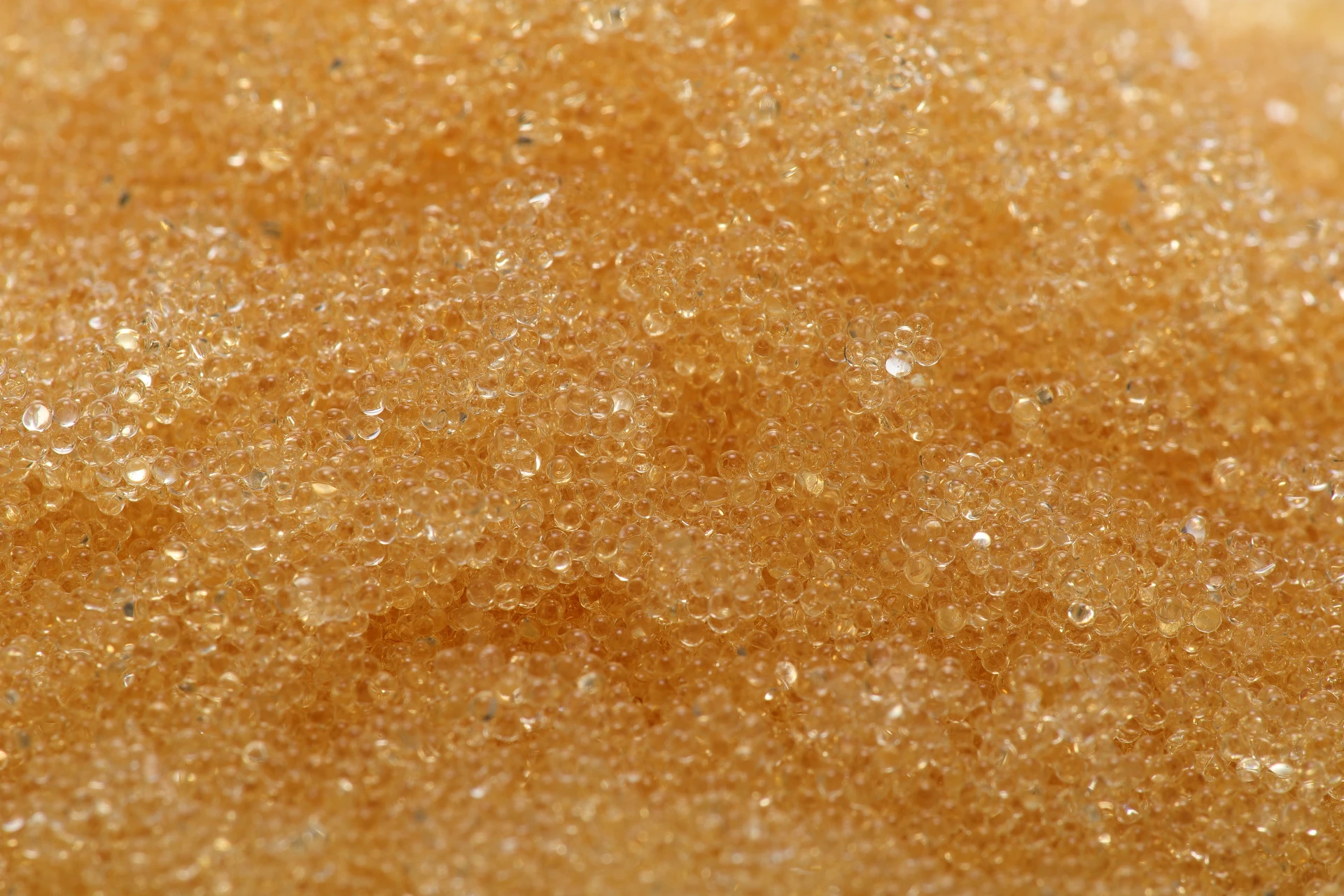
| Physical Form | Beads, 0.3 - 1.2 mm diameter |
| Moisture Content | 45-55% |
| Operating pH Range | 6.5 - 9.0 |
| Temperature Range | Up to 60°C (140°F) |
| Regeneration Agent | Weak Acids (e.g., acetic acid, carbonic acid) |
| Exchange Capacity | 1.0 - 1.5 meq/ml |
| Vendor | Resin Grade | Price per kg | Availability | Customer Support | Typical Lead Time |
|---|---|---|---|---|---|
| LiJiResin | Industrial Grade WAC | $10-12 | Worldwide Shipping | 24/7 Technical Assistance | 1-2 Weeks |
| Global IonExchange Co. | Standard WAC | $12-14 | Regional (Asia, Europe) | Business Hours Only | 2-3 Weeks |
| PureWater Solutions | Premium Grade | $15-18 | Limited International | Technical and Sales | 3-4 Weeks |
Industries from East Asia’s beverage makers to water treatment plants in Europe use weak acid cation resins extensively to remove hardness and metal contaminants, ensuring product quality and equipment longevity. In post-disaster relief scenarios, where water sources may be heavily polluted, the resin aids NGOs in providing safe drinking water quickly and cheaply. In remote industrial zones, its low regeneration cost and operational ease make it a go-to for managing corrosive water.
For instance, a food processing plant in Vietnam reported a remarkable reduction in downtime and maintenance costs after switching to weak acid cation resin for their water softening needs. That’s not just good engineering; it’s a boost to livelihoods by safeguarding jobs and local food supply chains.
Innovation doesn’t stop. Researchers are developing hybrid resins combining weak and strong acid groups for better selectivity and durability. Green chemistry principles urge resin producers to minimize environmental footprints further by using bio-based polymers and safer regeneration agents. Automation and digital water treatment systems are also integrating smart sensors that optimize resin performance in real time. All exciting directions that signal a future where these resins become smarter and more user-friendly.
Despite advantages, weak acid cation resins face challenges such as sensitivity to water pH fluctuations and slower kinetics compared to strong acid resins. Some users complain about shorter lifespan under harsh industrial conditions. But many manufacturers now offer tailored blends and enhanced physical structures to address these issues — and training programs help operators get the best out of the resin. Truly, maintaining resin health is an art and science rolled into one.
When you really think about it, weak acid cation resin is one of those modest yet mighty tools in water treatment—quietly supporting industries, protecting equipment, and improving lives. Its balance of cost, adaptability, and sustainability positions it as a smart choice globally. If you're looking for a reliable partner in water purification or industrial processing, it might just be time to explore the options available.
Interested in learning more or sourcing quality weak acid cation resins? Visit our website: www.lijiresin.com