Phone:
+86 0319 2296164


Email:
info@lijiresin.cn
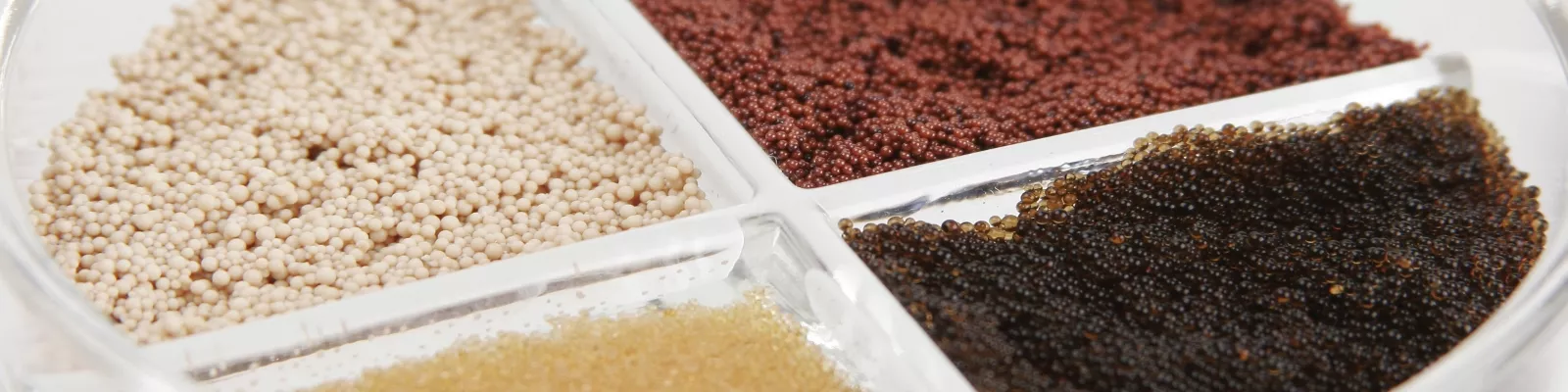
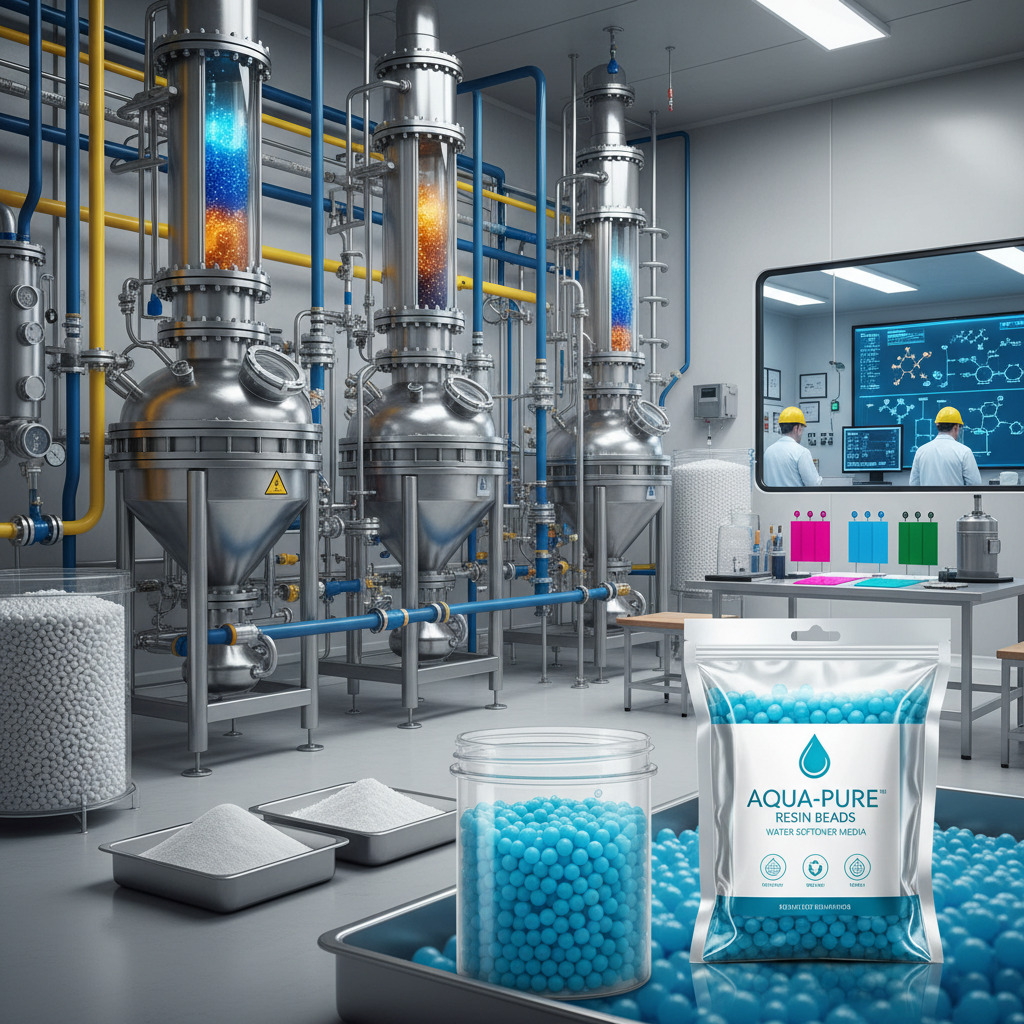
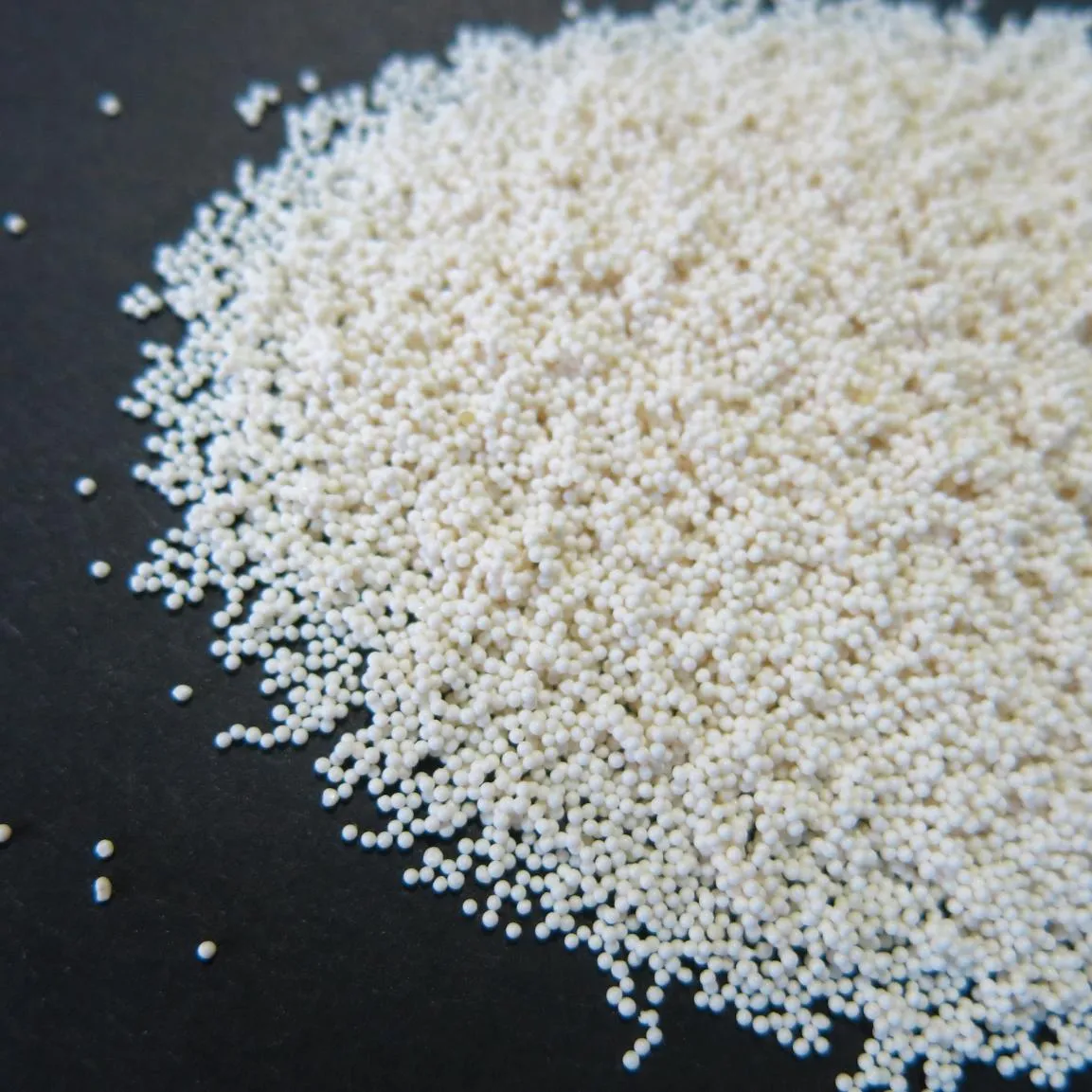
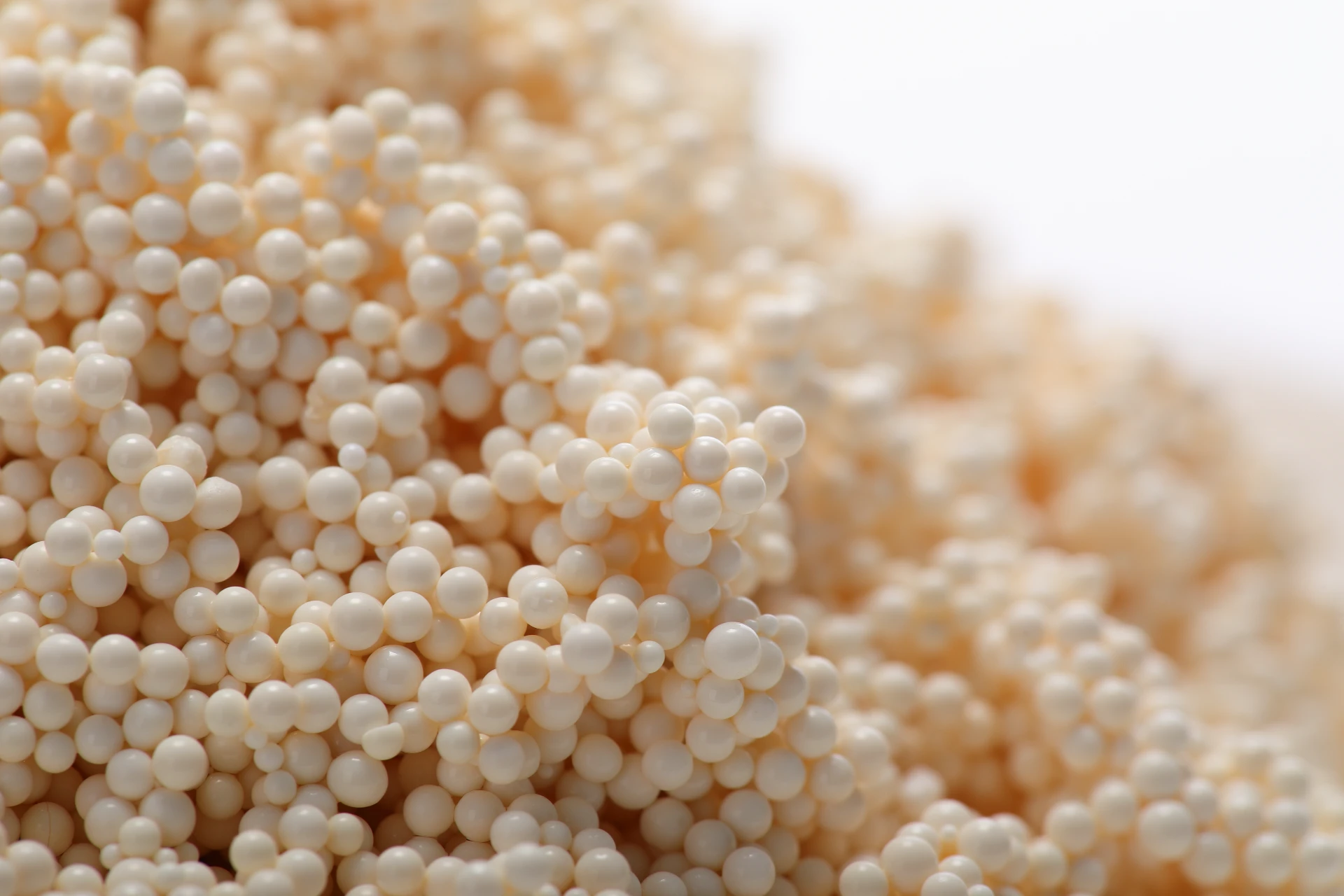
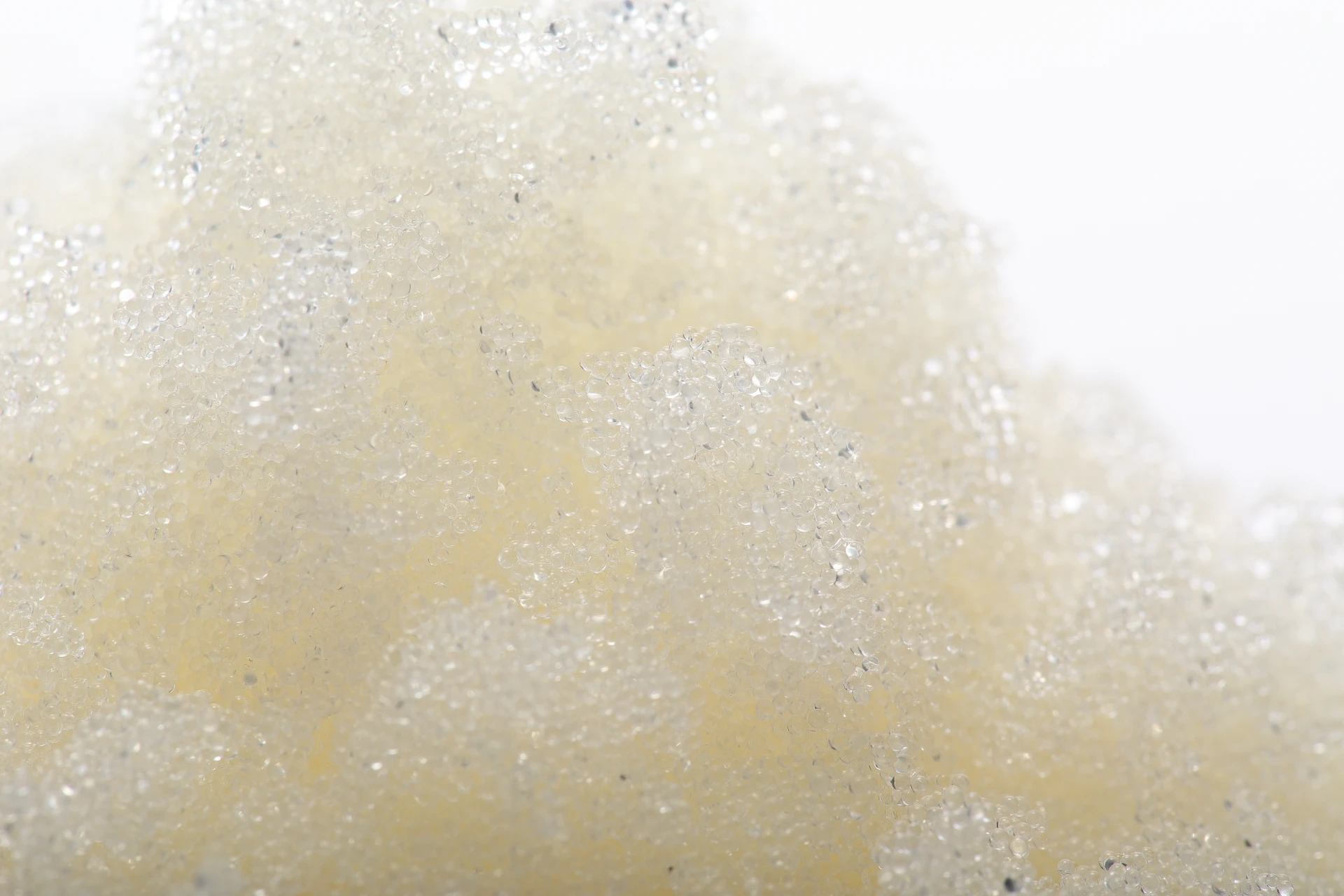
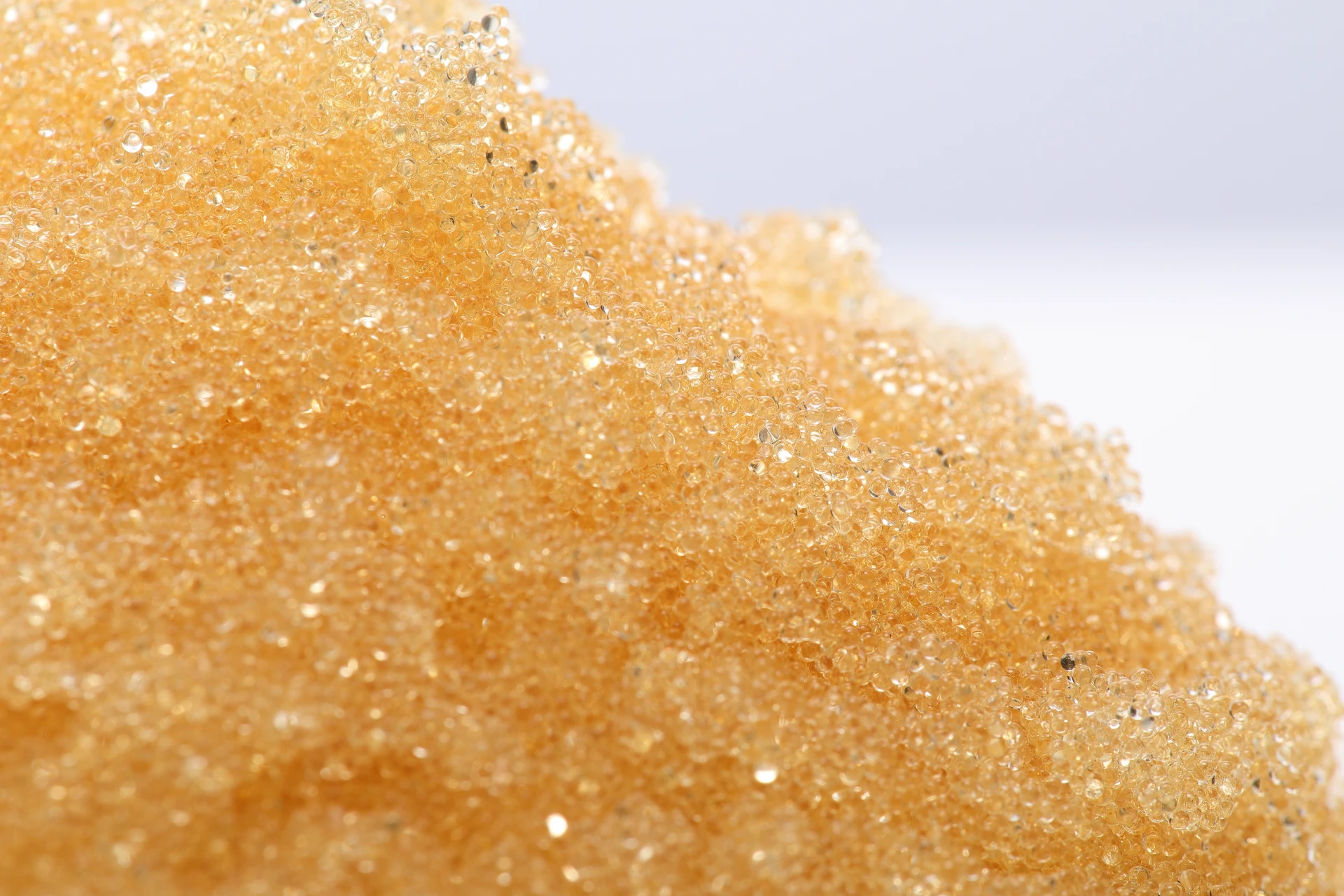
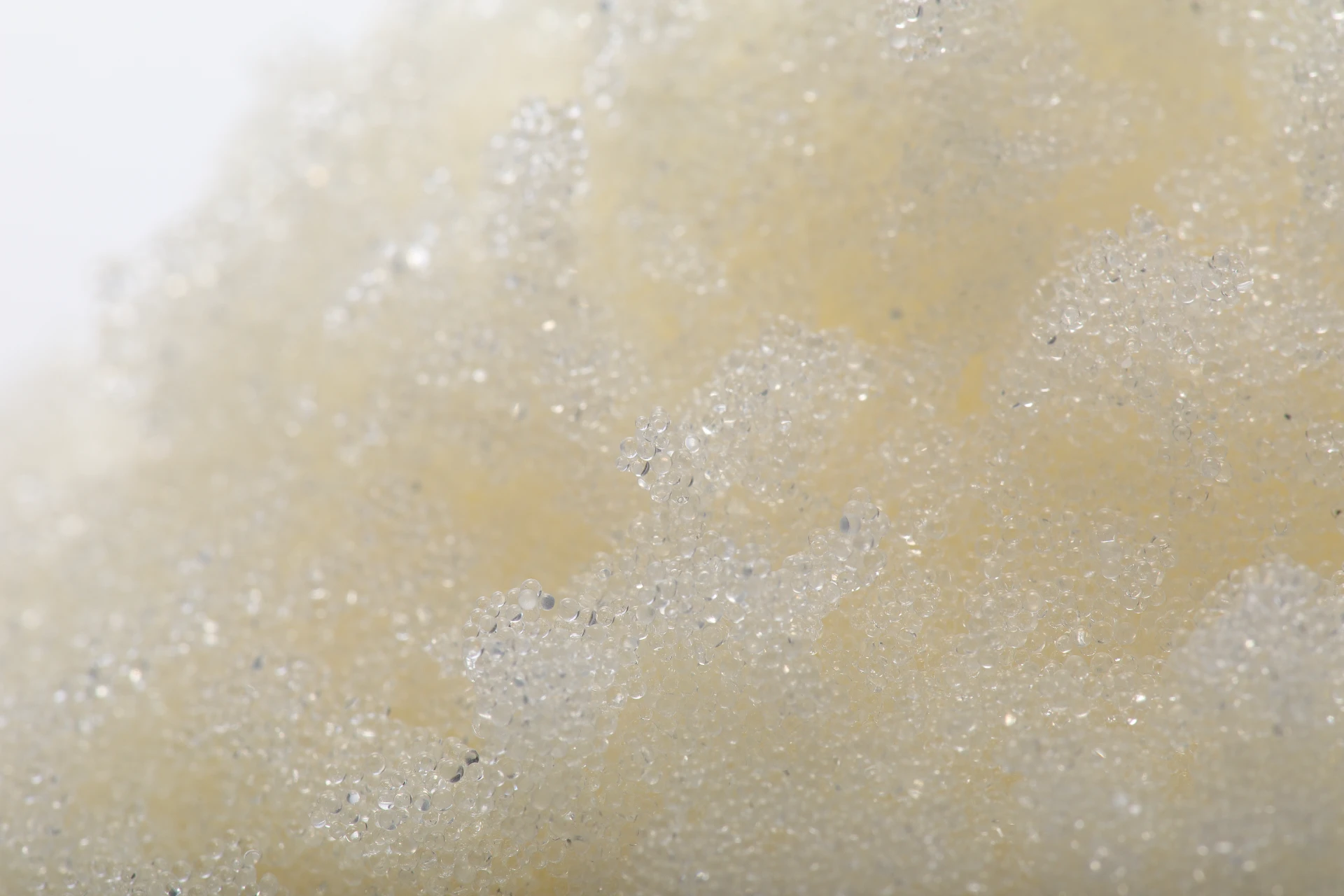
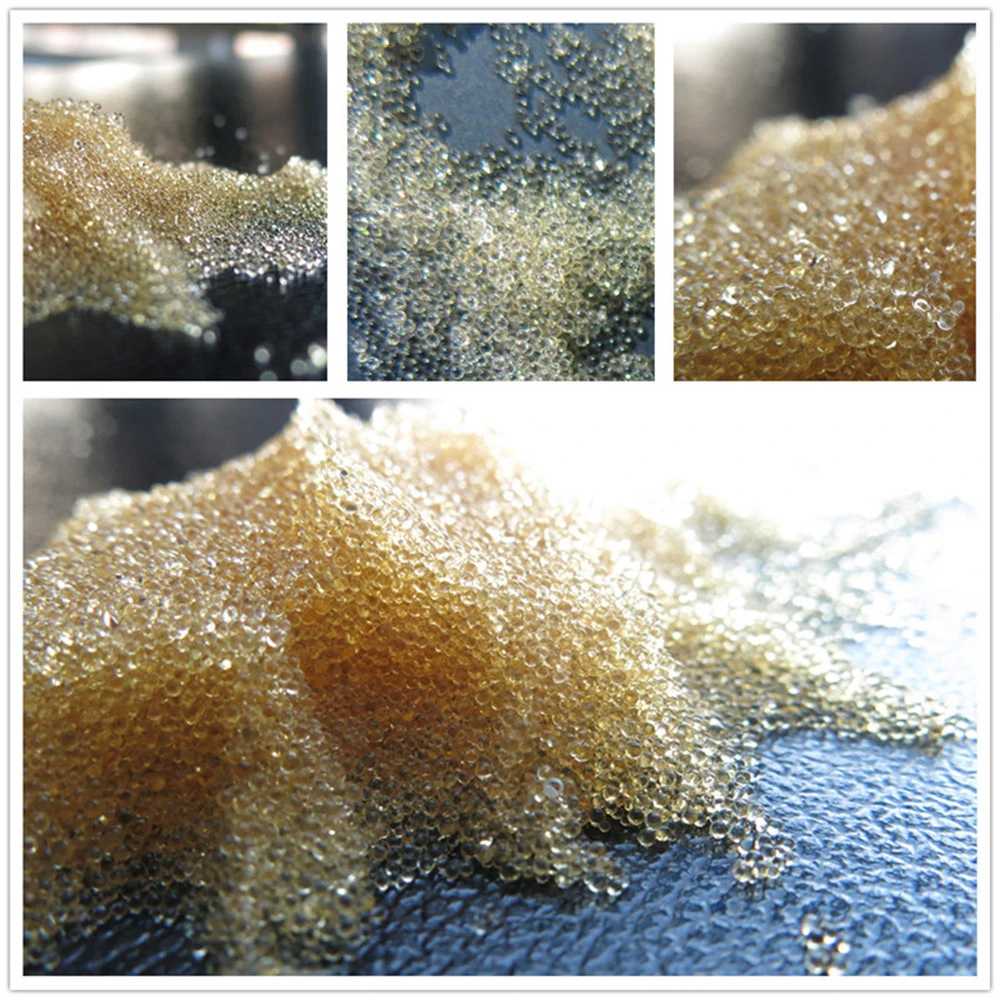
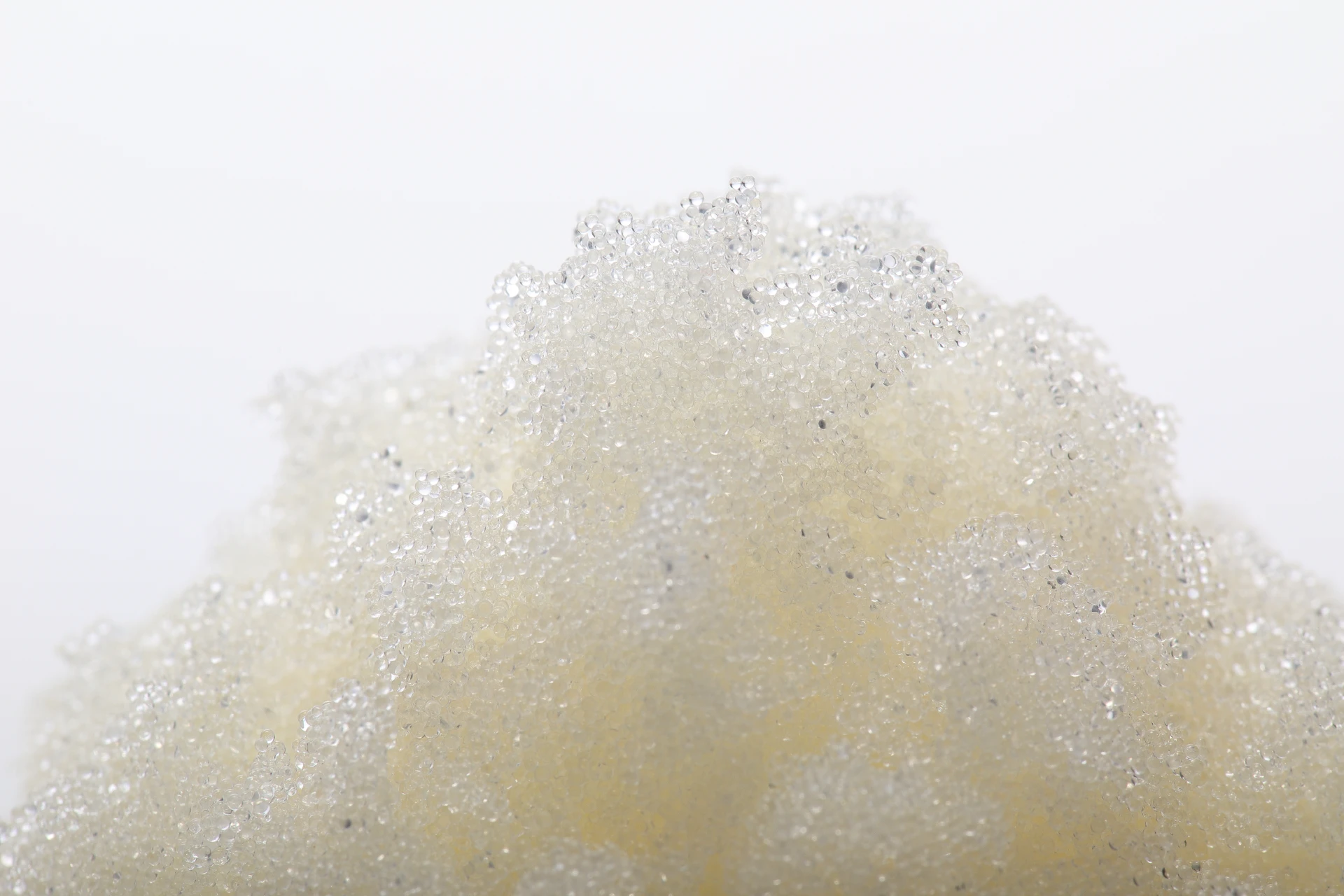
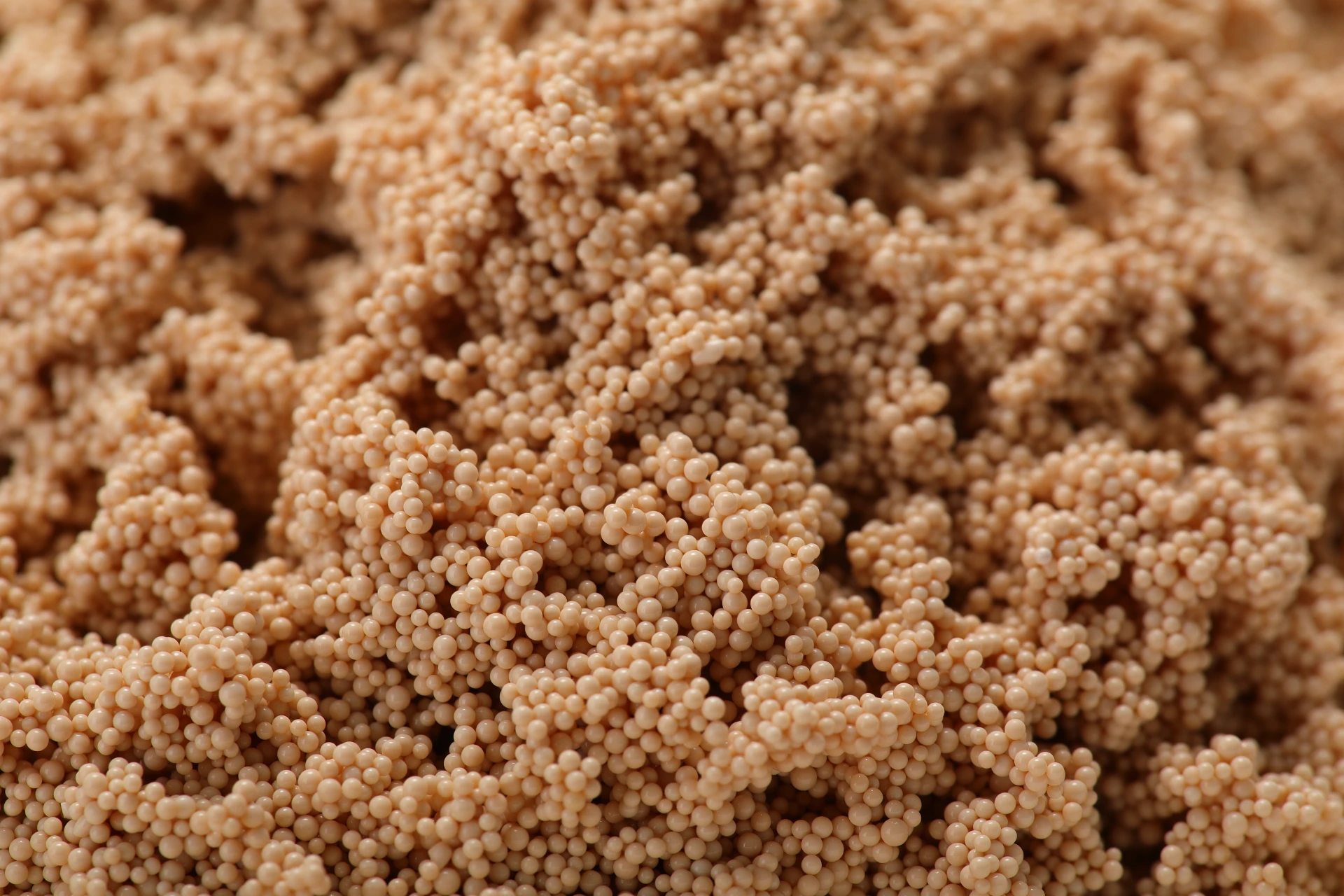
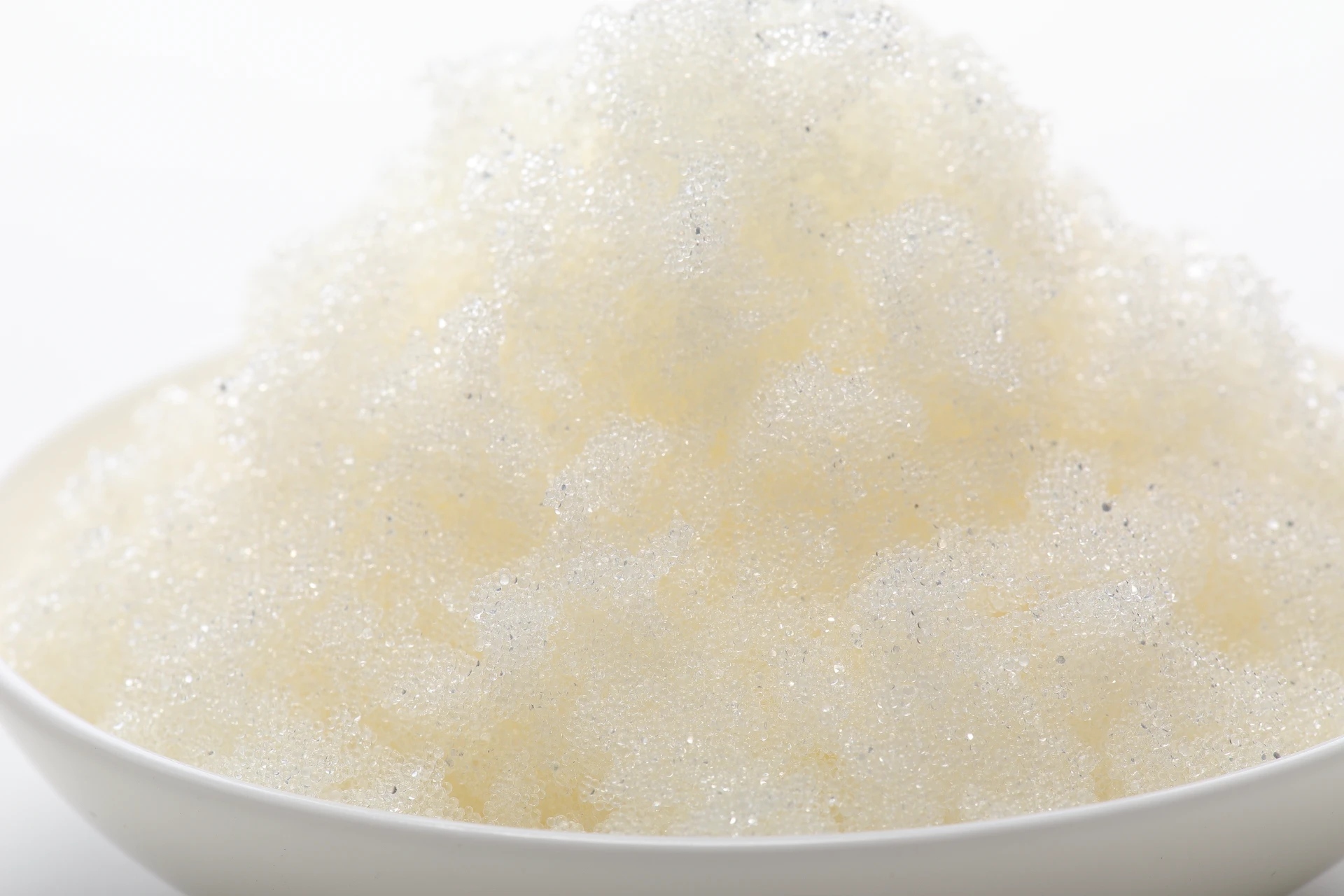
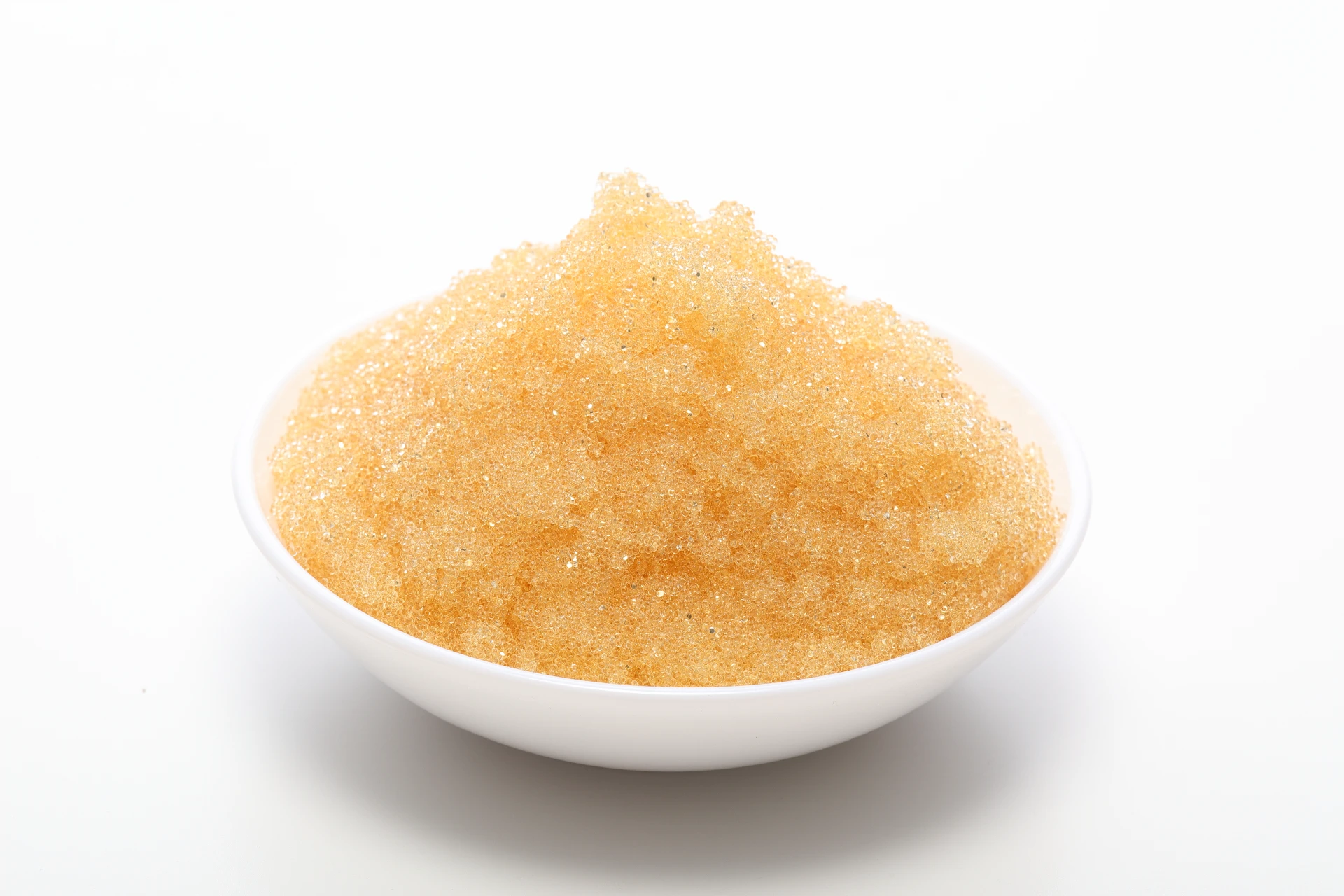
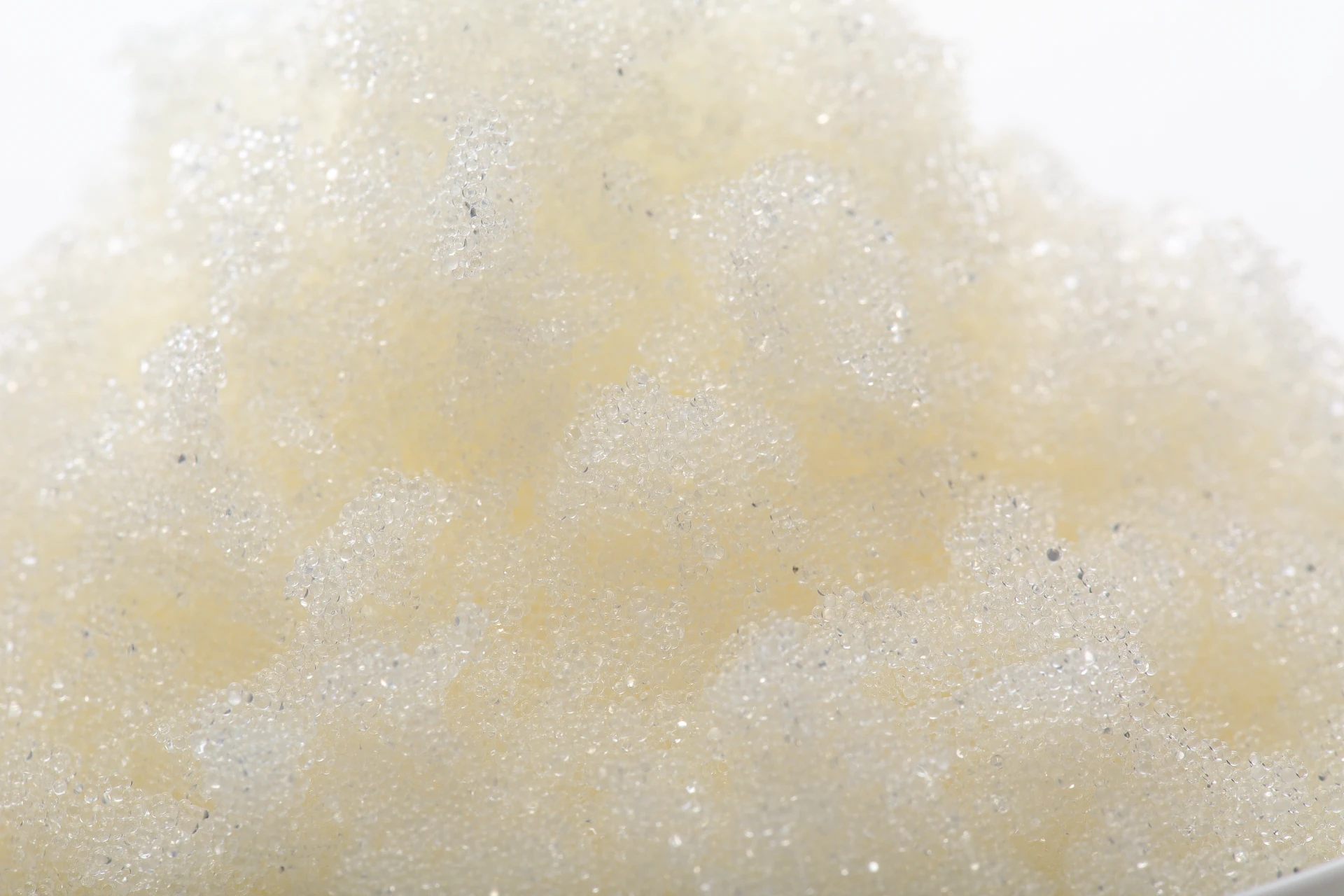
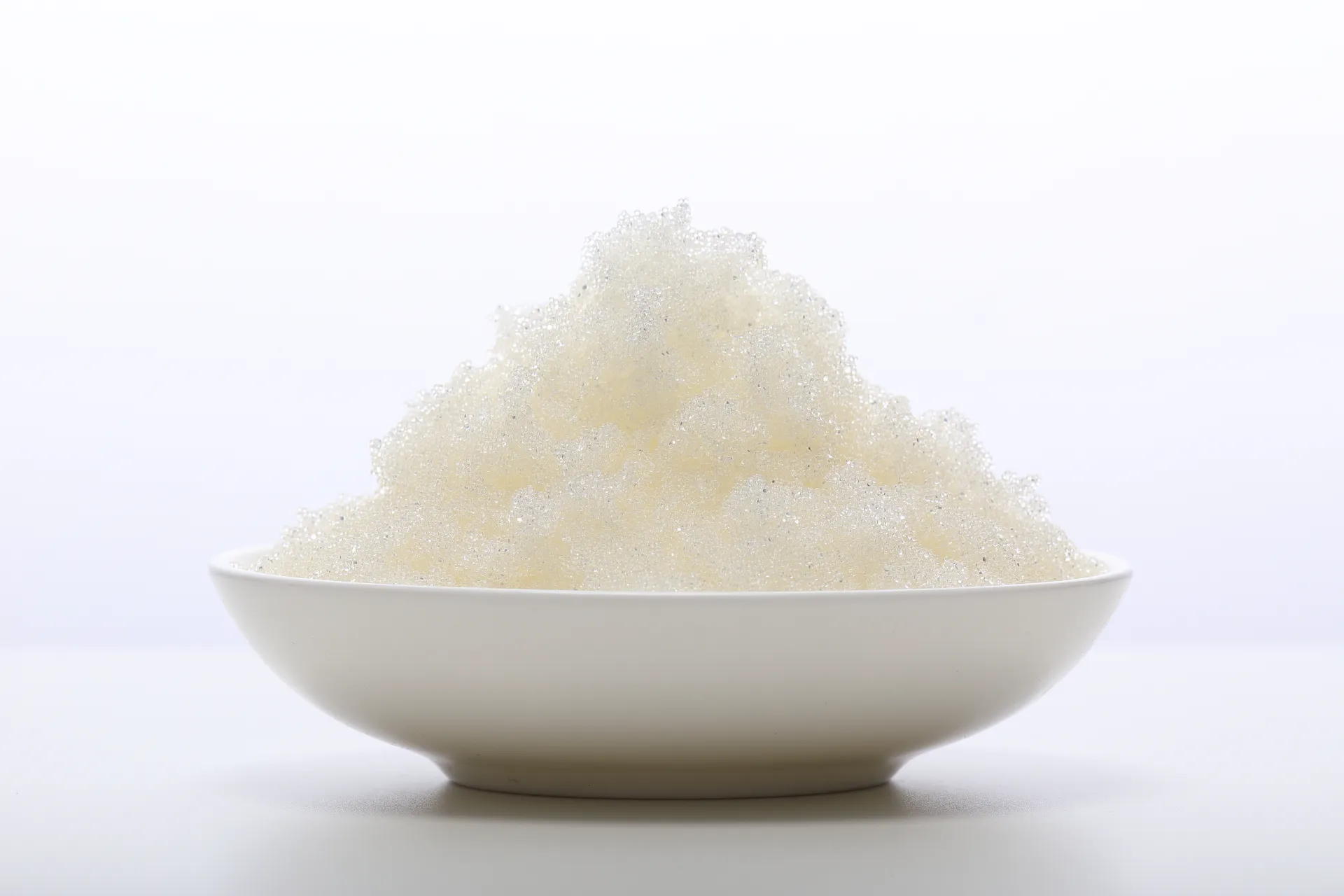
Water softeners are essential for households and businesses dealing with hard water. At the heart of these systems lie the resin beads, responsible for removing the minerals that cause hardness. This article provides an in-depth look at these beads, their function, types, maintenance, and lifespan. Understanding these crucial components will help you optimize your water softening system and ensure a consistent supply of soft water. Choosing the right resin beads is critical for efficient water softening, and Liji Resin offers a variety of high-quality options.
The process of water softening relies on ion exchange. Water softener resin beads are typically made of polystyrene and are negatively charged. These beads are coated with sodium ions. As hard water flows through the softener tank, the calcium and magnesium ions (which cause hardness) are attracted to the beads and displace the sodium ions. This exchange leaves softened water, rich in sodium, ready for use. The beads effectively 'capture' the hardness minerals, providing a constant supply of soft water until regeneration is required.
Key Highlight: The ion exchange process is a chemical reaction that continually removes hardness minerals, making it a highly effective method for water softening.
While most resin beads share the same basic functionality, different types are available, each suited for specific needs. The most common types include:
Choosing the right type of water softener beads depends on your water hardness, water usage, and personal preferences.
Resin Type Considerations:
• Type I is the most cost-effective and widely used.
• Type II is best for individuals on sodium-restricted diets.
• High capacity resins are ideal for homes with high water usage.
Here's a comparative look at different resin bead materials and their performance characteristics:
Regular maintenance is vital for prolonging the life of your water softener beads. This includes:
Following these practices can significantly extend the lifespan of your resin beads and maintain optimal water softening performance.
The lifespan of resin beads typically ranges from 10 to 20 years, depending on water quality and maintenance practices. Signs that your beads need replacing include a noticeable decrease in water softening performance, increased salt usage, or the presence of sediment in the softened water. When it's time for a replacement, Liji Resin offers high-quality beads to restore your water softener to peak efficiency.
Understanding the role of resin beads is crucial for maintaining a reliable and efficient water softening system. By choosing the right type of beads, implementing proper maintenance practices, and knowing when to replace them, you can ensure a continuous supply of soft water for your home or business. Investing in quality resin beads from a trusted supplier like Liji Resin will save you money and provide peace of mind in the long run.
The frequency of regeneration depends on your water hardness and water usage. Generally, water softeners are programmed to regenerate automatically based on a timer or demand-initiated regeneration (DIR), which monitors water usage. If you notice a decrease in water softening performance before the scheduled regeneration, you may need to adjust the settings. A water test can help determine the optimal regeneration frequency.
Yes, you can use potassium chloride as an alternative to sodium chloride (salt) in your water softener. Potassium chloride will not add sodium to the softened water, making it a better choice for individuals on sodium-restricted diets. However, potassium chloride is generally more expensive than salt and may require more frequent regeneration. It is important to ensure your system is compatible with potassium chloride before switching.
Resin beads can foul due to several factors, including iron, manganese, sediment, and organic matter in the water. Iron is a particularly common culprit, forming a coating on the beads that reduces their ion exchange capacity. Using a pre-filter to remove these contaminants can help prevent fouling and prolong the life of your resin beads. Regular cleaning with a resin cleaner can also help remove accumulated deposits.
Several signs indicate that your resin beads may need replacing. These include a noticeable decrease in water softening performance, increased salt usage, a change in water taste or odor, and the presence of sediment in the softened water. If you've tried cleaning and regenerating the system without improvement, it's likely time for a replacement. A water test can confirm whether the beads are still functioning effectively.