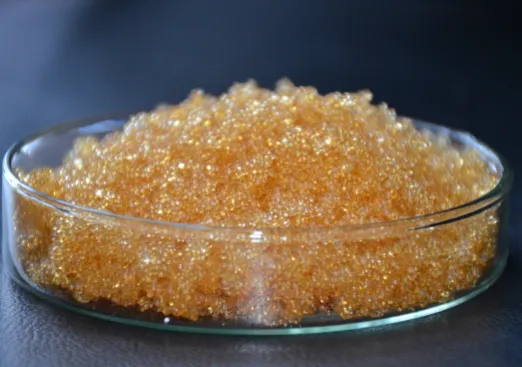
Phone:
+86 0319 2296164


Email:
info@lijiresin.cn
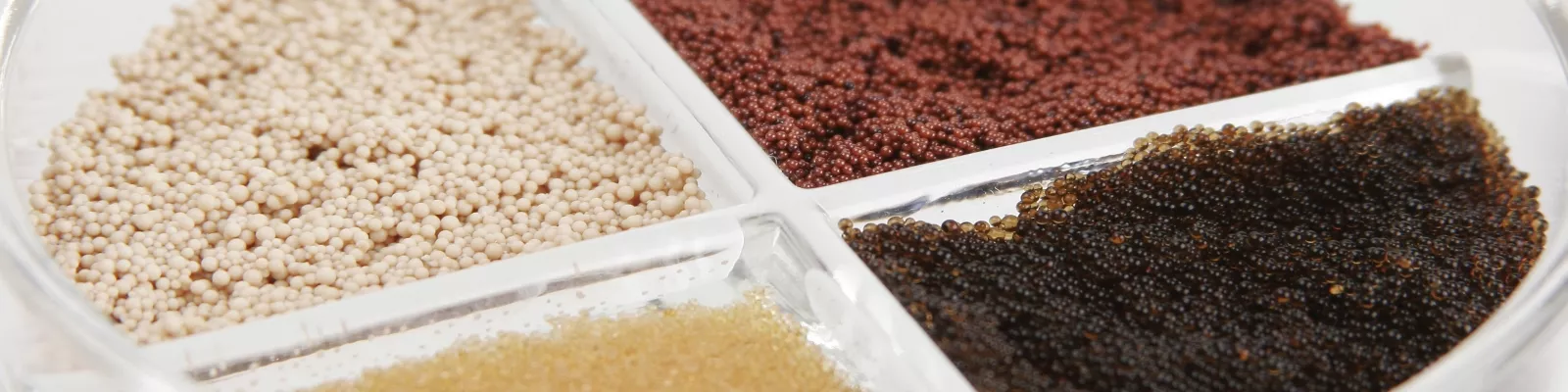
Water softeners are essential for homes and businesses facing hard water issues. But what happens when your softener needs a boost? “Res up” or regenerating the resin is key to maintaining optimal performance. This article will delve into the process of 'res up' for water softeners, why it’s crucial, how to do it effectively, and what to look for when choosing a resin supplier like Liji Resin. We will guide you through understanding the importance of resin regeneration, ensuring a long and efficient life for your water softening system.
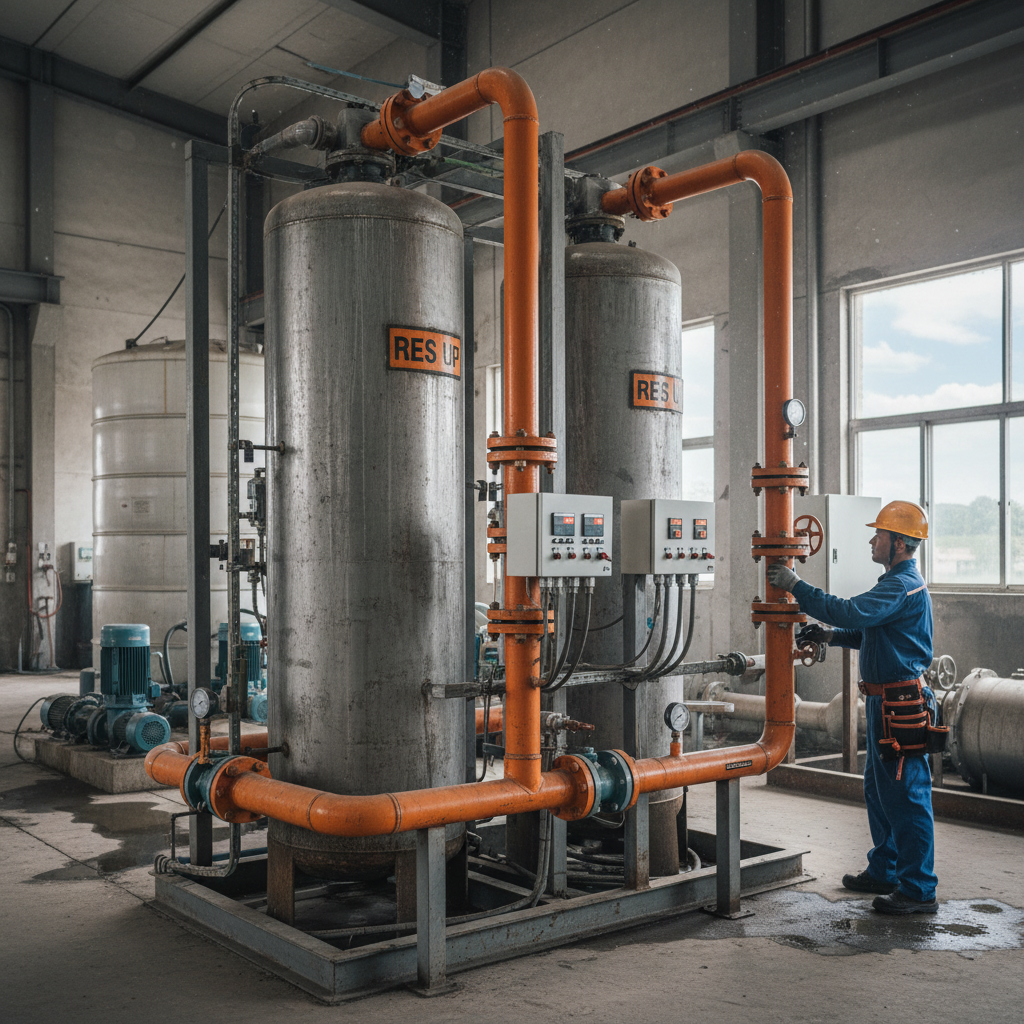
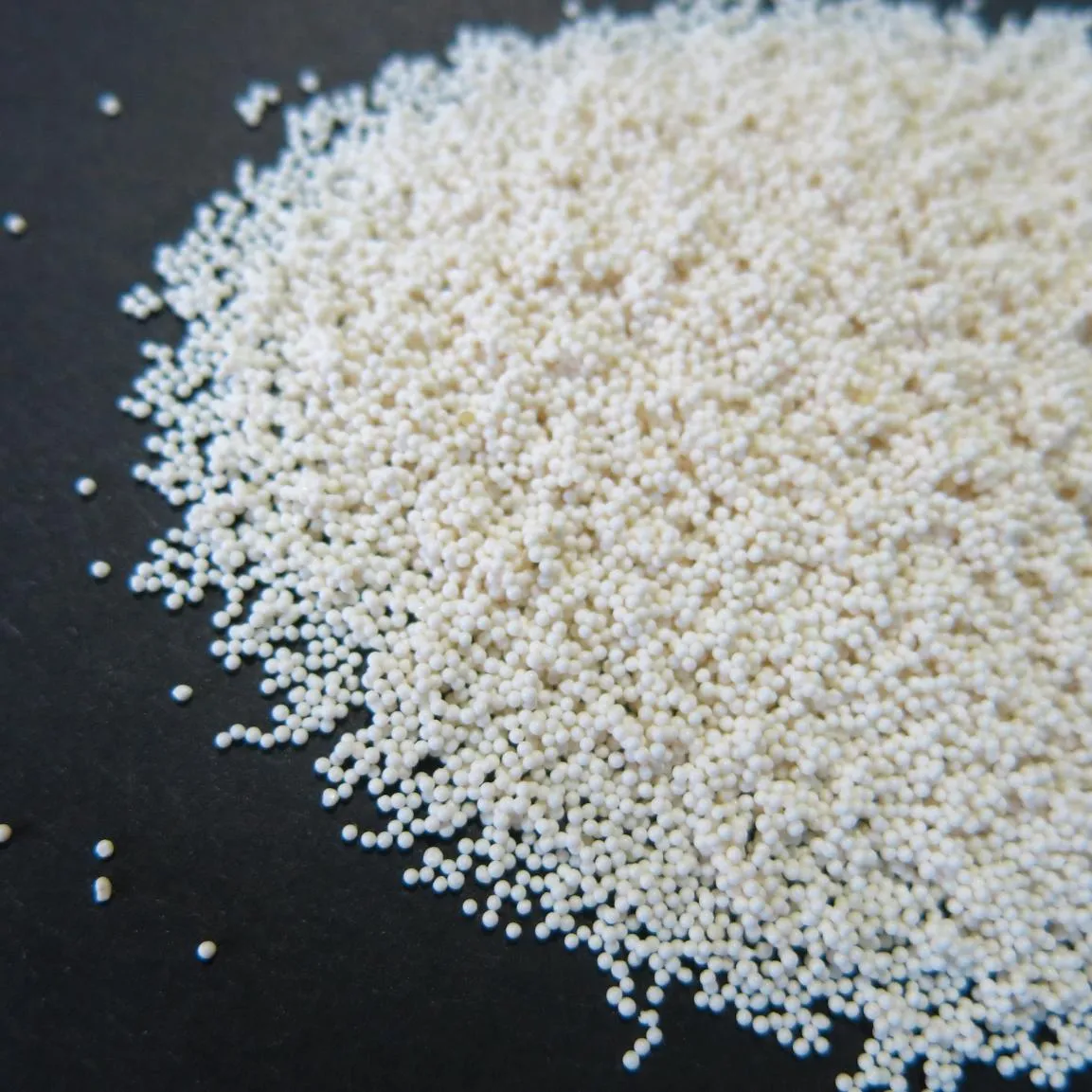
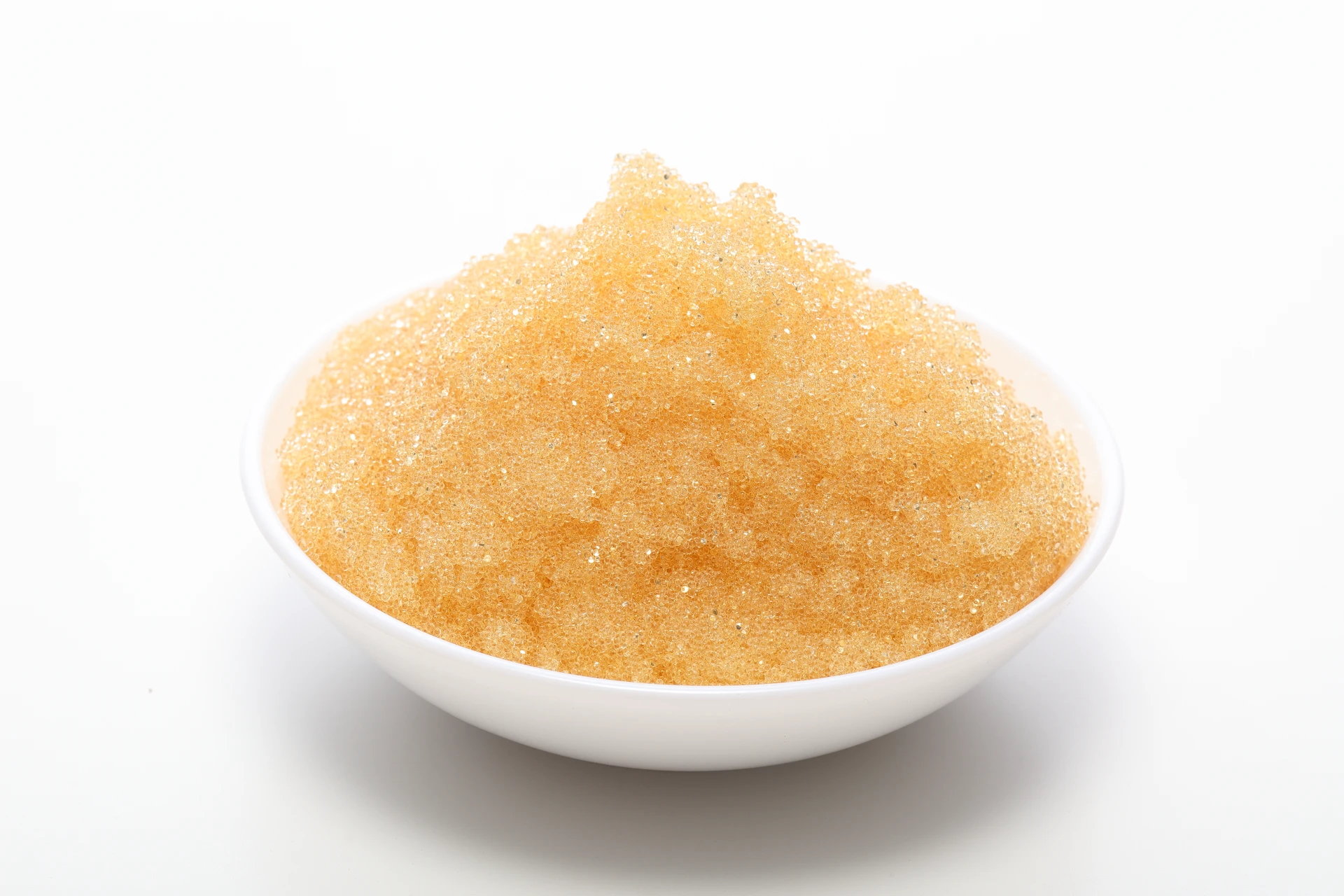
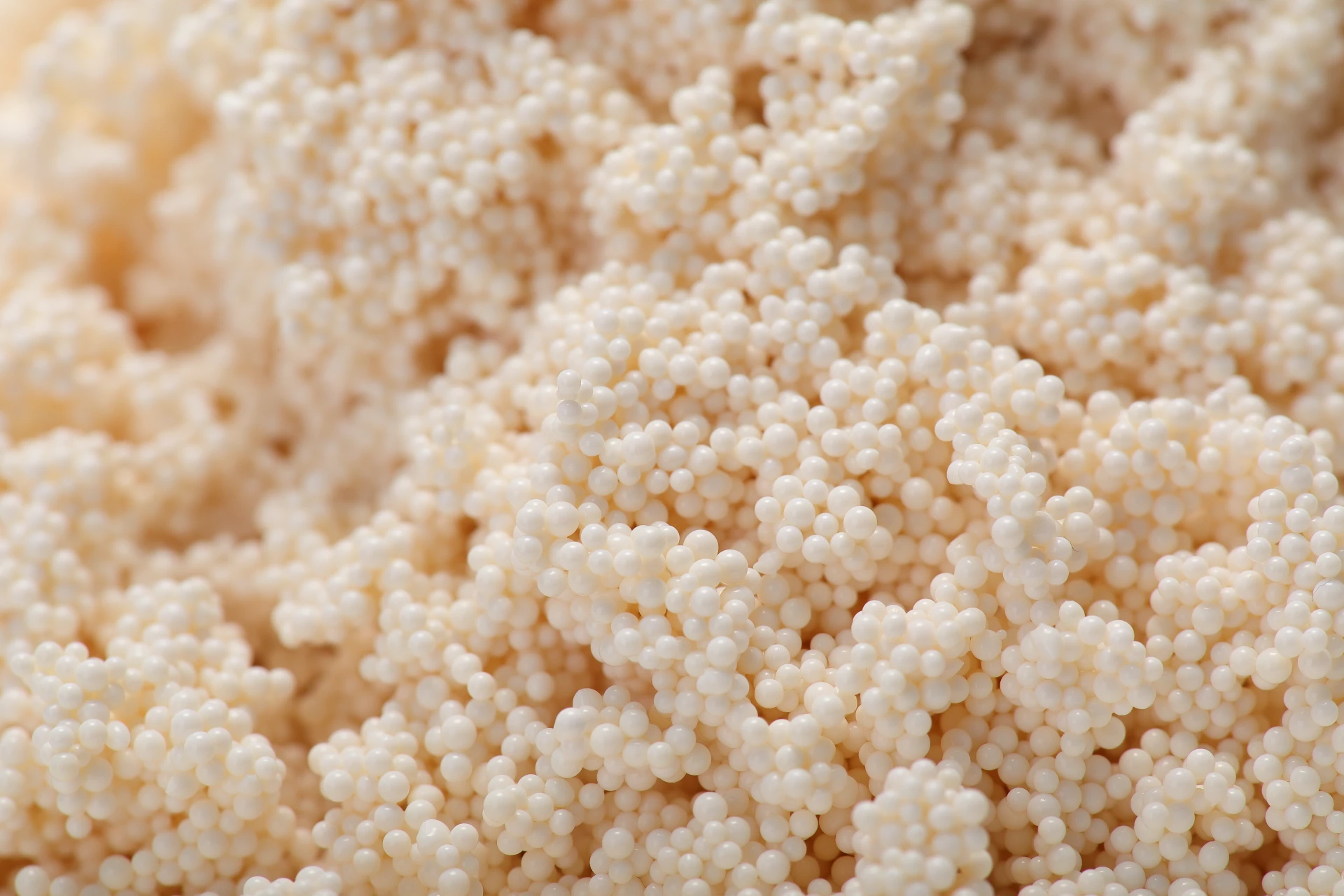
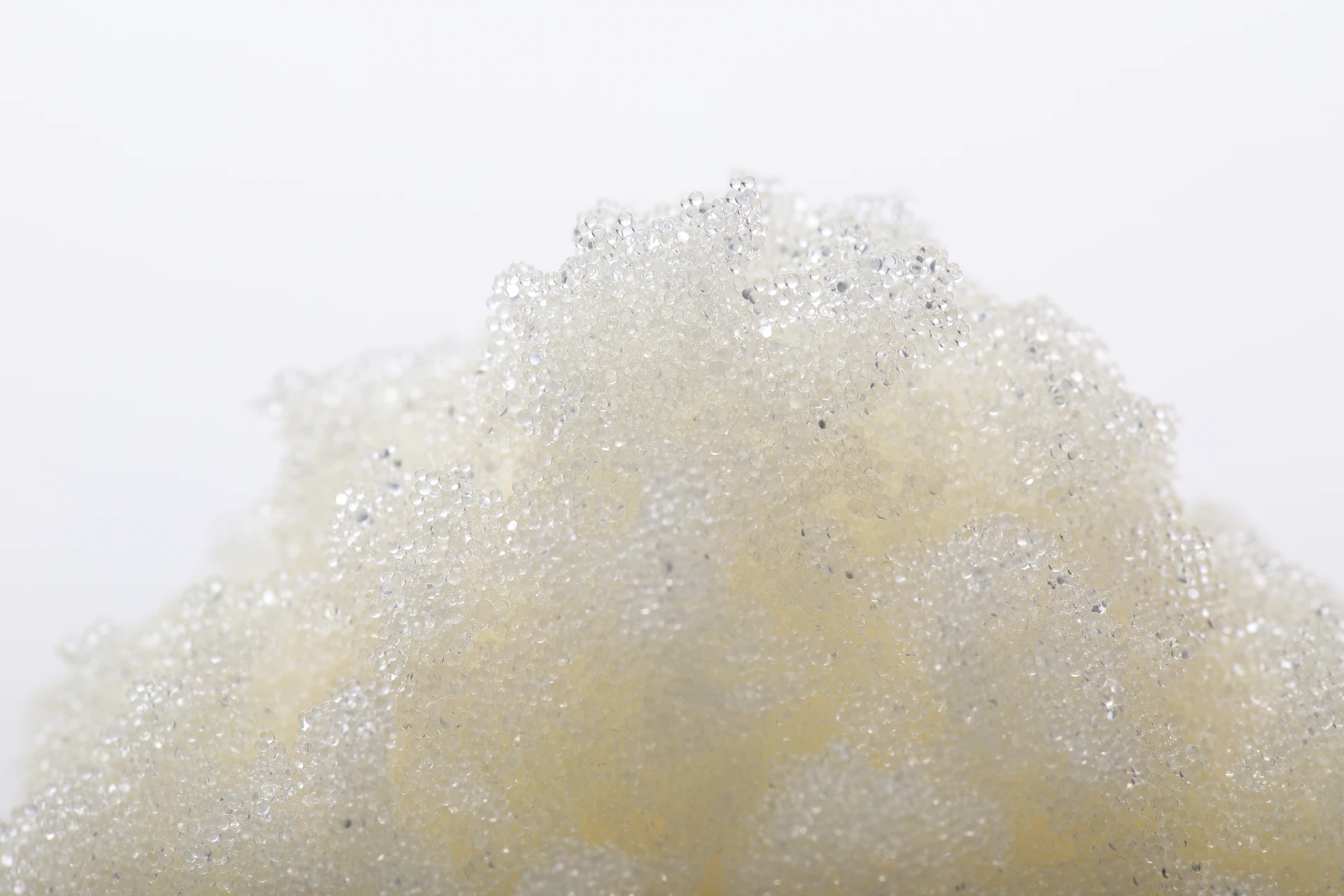
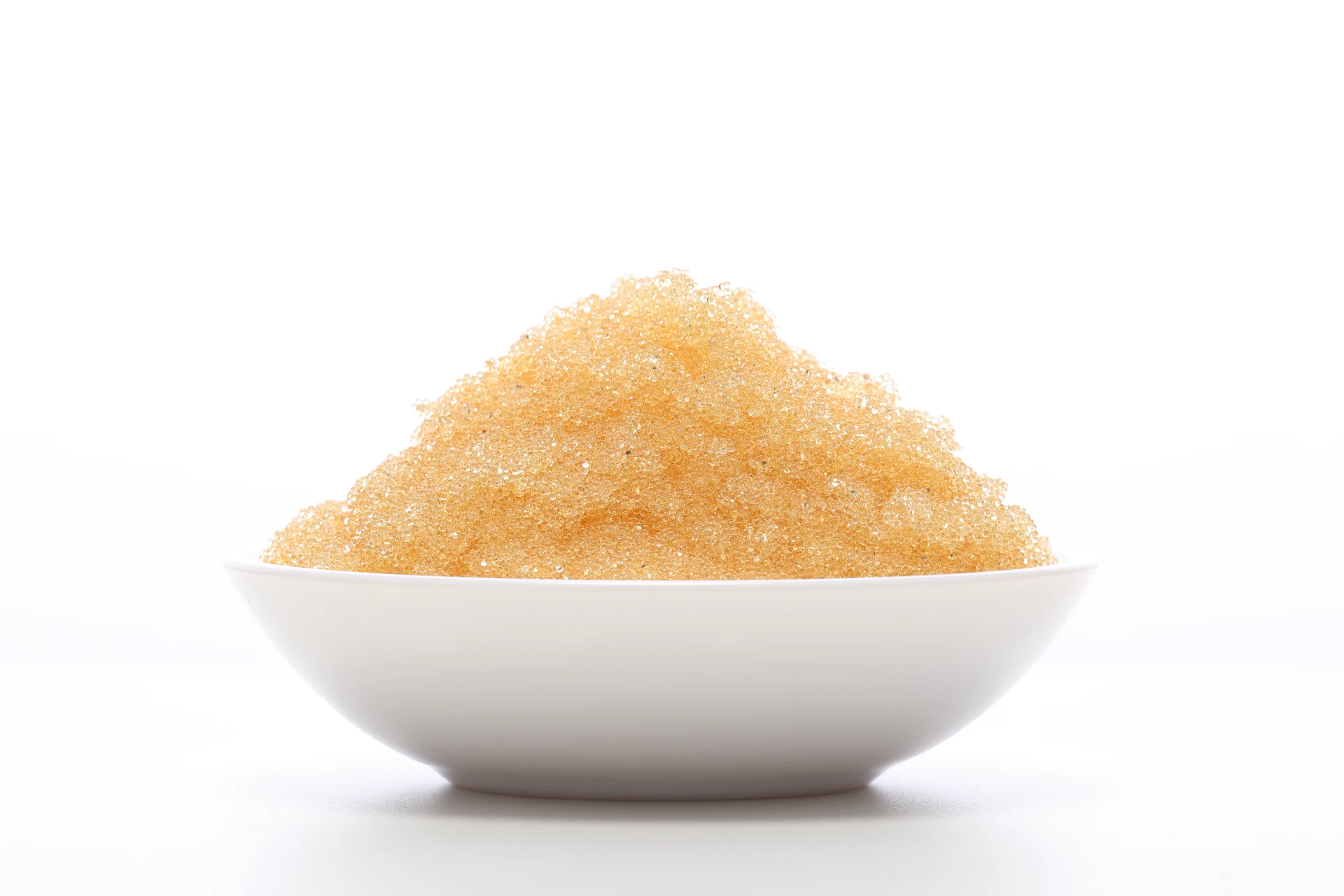
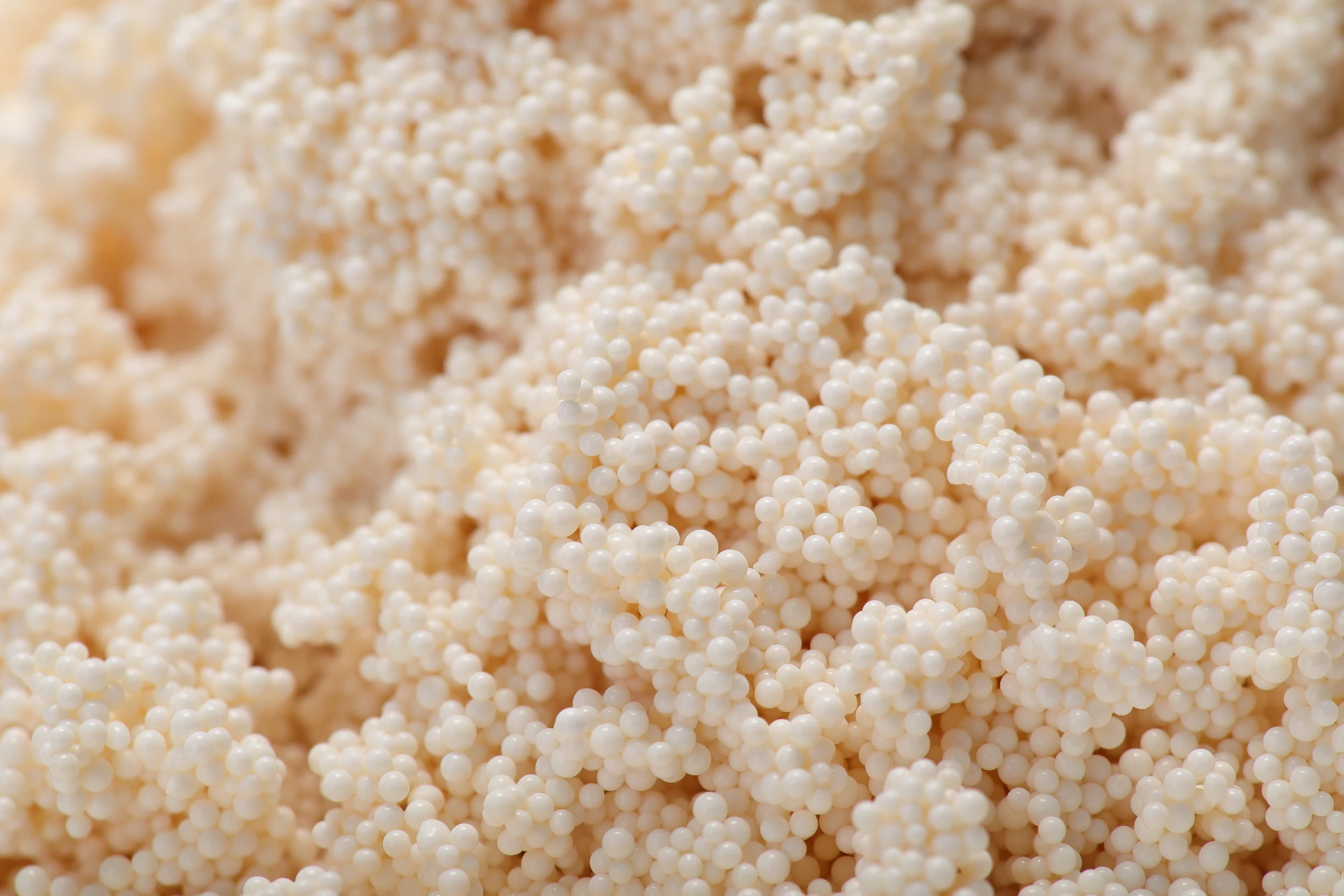
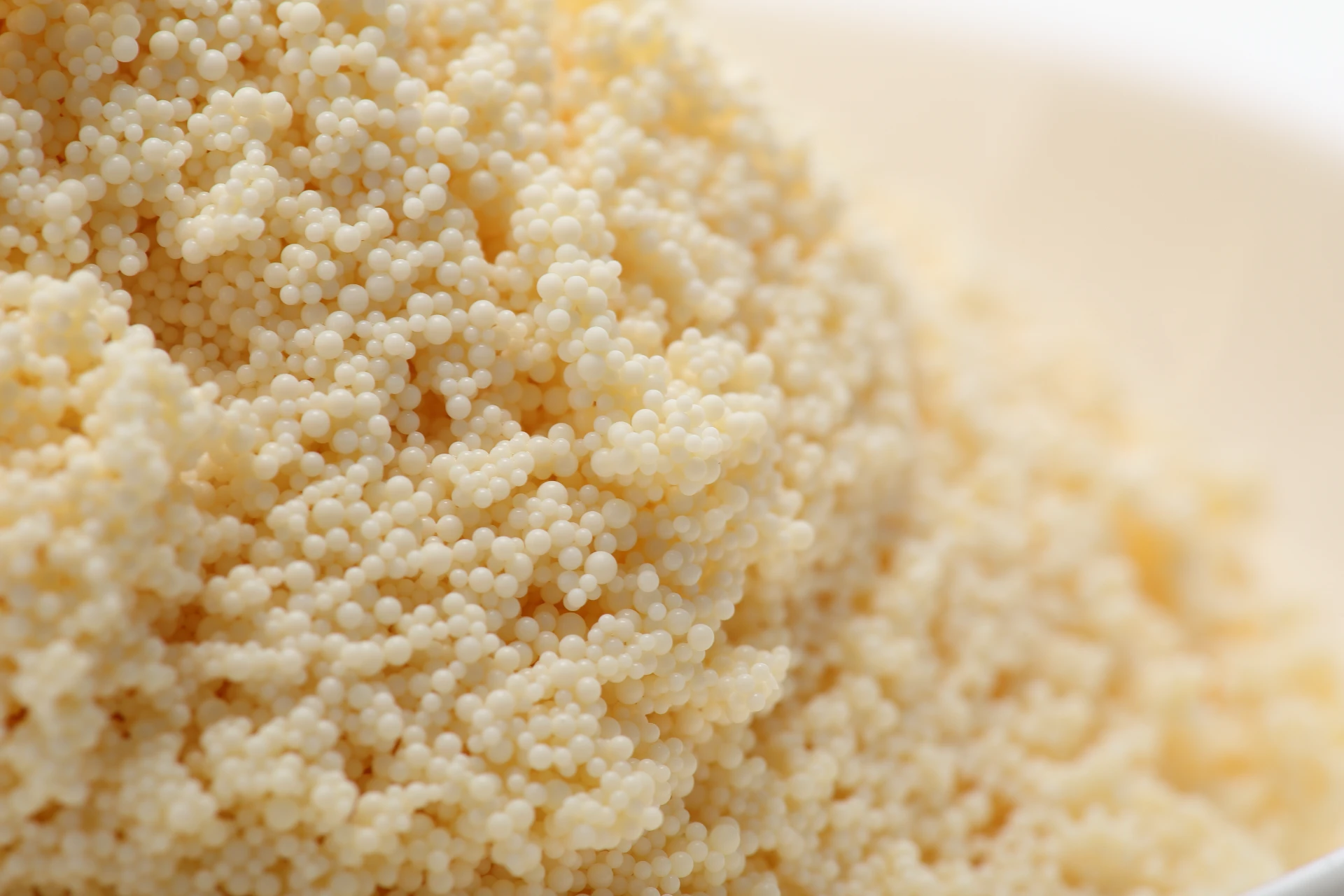
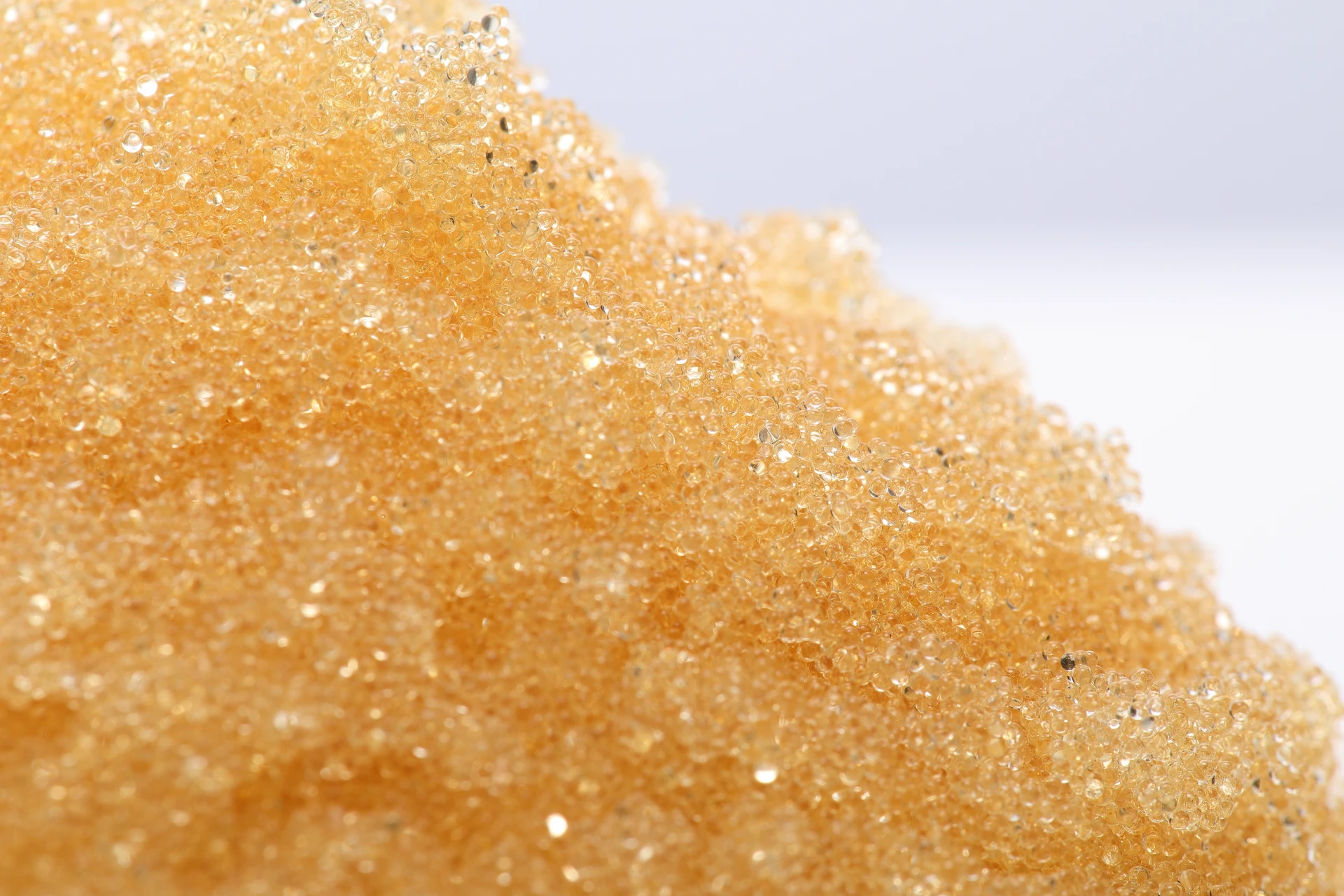
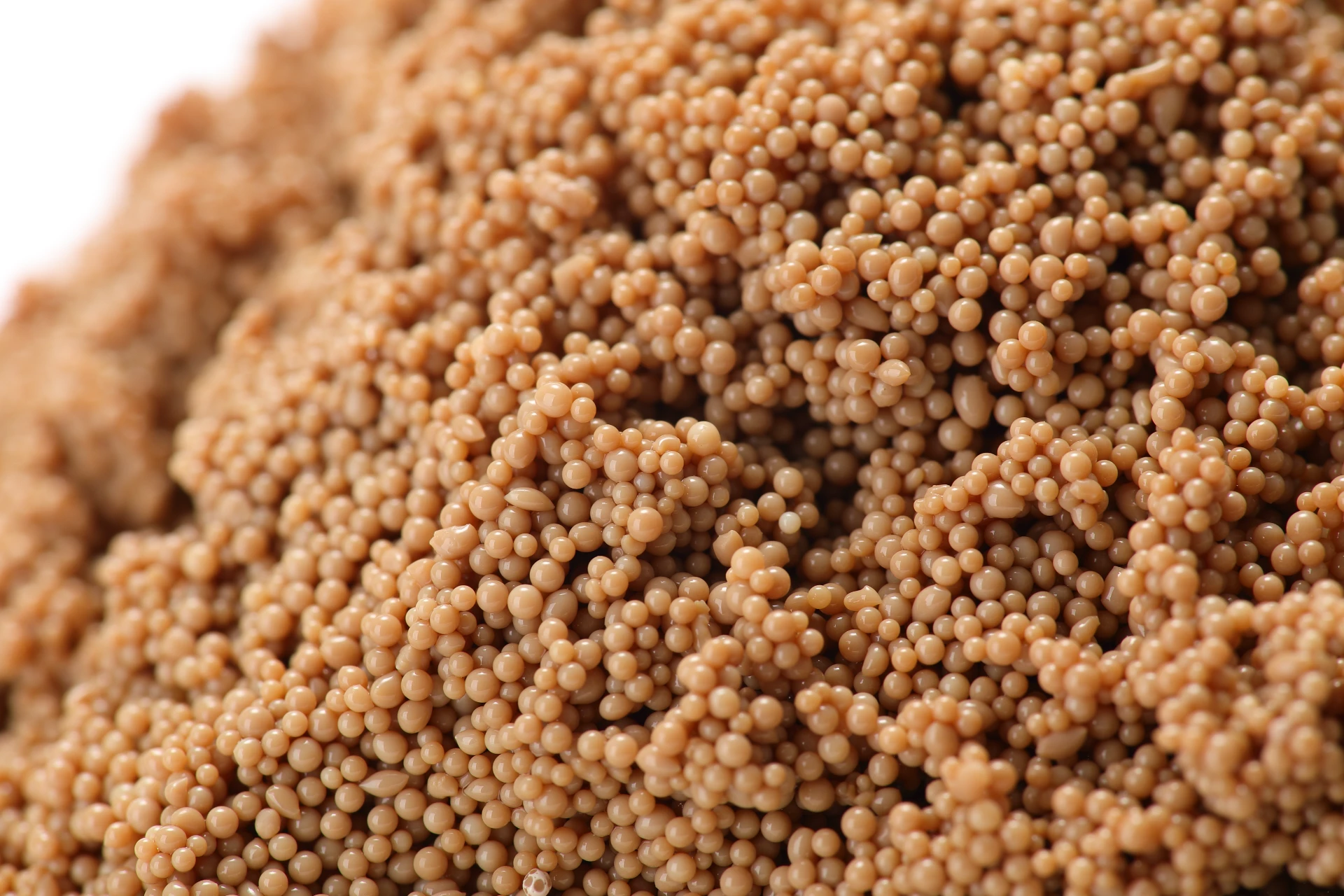
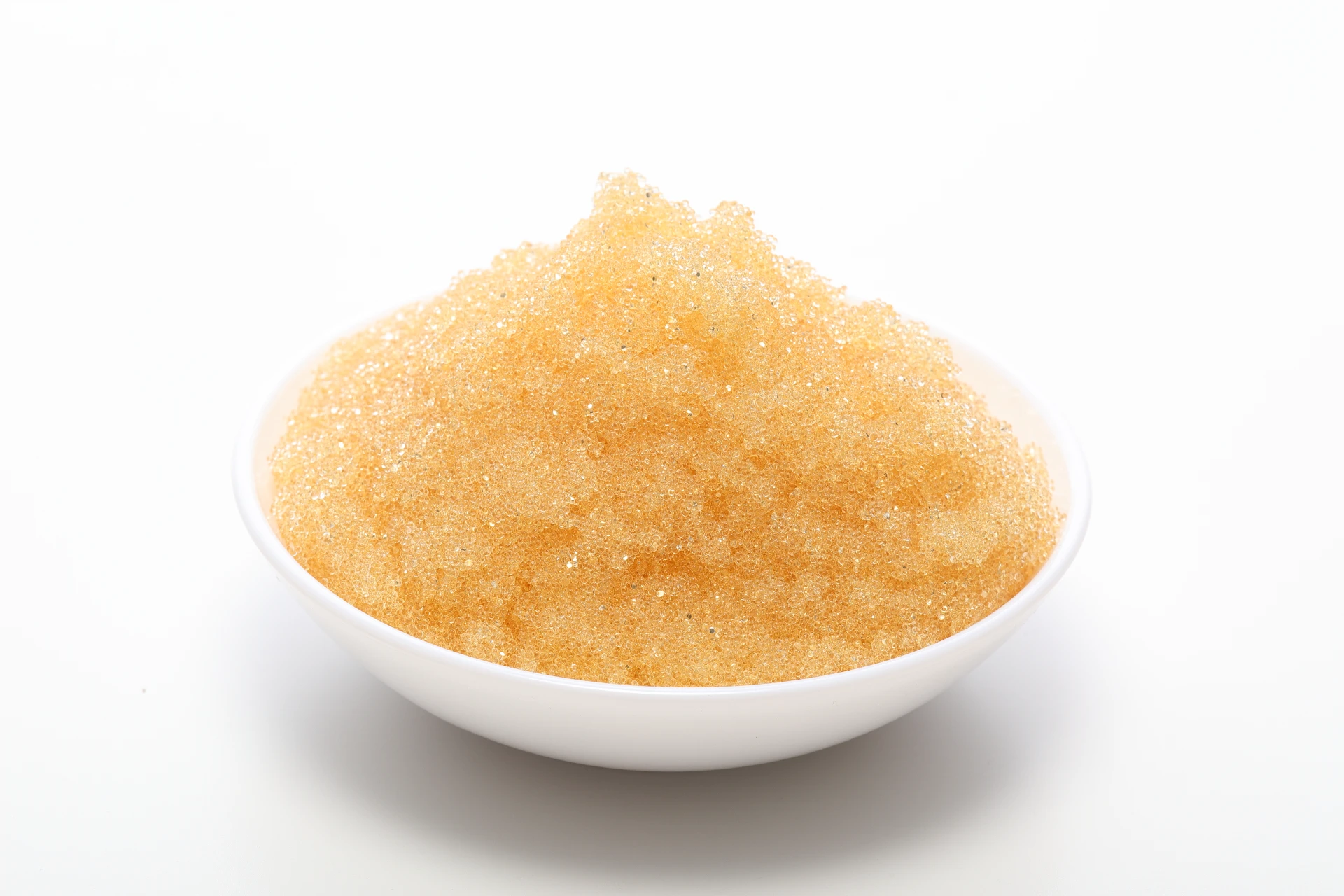
Hard water contains high concentrations of minerals, primarily calcium and magnesium. These minerals can cause a variety of problems, including scale buildup in pipes and appliances, reduced soap efficiency, and dry skin and hair. Water softeners use resin beads to remove these minerals through a process called ion exchange. The resin beads are coated with sodium ions. As hard water flows through the softener, the calcium and magnesium ions displace the sodium ions, effectively softening the water. Over time, the resin beads become saturated with calcium and magnesium and need to be “res up” or regenerated to restore their effectiveness. Without regular regeneration, your water softener will lose its ability to soften water.
Key Takeaway: Resin regeneration is essential for maintaining the efficiency of your water softener and ensuring a consistent supply of soft water.
“Res up,” or resin regeneration, is the process of flushing the water softener with a concentrated brine solution (saltwater). This brine solution reverses the ion exchange process. The high concentration of sodium ions in the brine solution displaces the accumulated calcium and magnesium ions from the resin beads, effectively 'recharging' them with sodium. The calcium and magnesium are then flushed down the drain along with the excess brine. The frequency of regeneration depends on the hardness of your water and your water usage.
Benefits of Regular Resin Regeneration:
• Maintains water softener efficiency
• Extends the lifespan of the resin
• Ensures consistent water quality
• Reduces energy consumption
The regeneration process is usually automated in modern water softeners. However, it's helpful to understand the steps involved:
The quality of the resin significantly impacts the effectiveness of your water softener. Liji Resin specializes in high-quality ion exchange resins designed for optimal performance and longevity. We offer a range of resins tailored to various water conditions and softener types. Using a superior resin, like those from Liji Resin, means fewer regenerations, reduced salt consumption, and a longer lifespan for your system.
If your softener isn’t regenerating properly, consider these issues:
Understanding how to ‘res up’ your water softener is vital for enjoying the benefits of soft water. From regular regeneration to choosing a quality resin like those offered by Liji Resin, proactive maintenance ensures a long-lasting and efficient water softening system. Don't let hard water compromise your home or business – prioritize resin regeneration and enjoy the difference.
The frequency of regeneration depends on several factors, including water hardness, water usage, and the type of resin. Generally, softeners regenerate every 3-7 days. However, many modern softeners have demand-initiated regeneration (DIR), which regenerates only when necessary, based on water usage and hardness levels. Monitoring your water quality and adjusting the regeneration schedule accordingly is recommended.
You can use rock salt, solar salt, or evaporated salt. Evaporated salt is the purest form and dissolves most efficiently, leaving less residue in the brine tank. Avoid using table salt, as it contains additives that can damage the resin. Using high-quality salt will contribute to the longevity and performance of your softener.
Yes, potassium chloride is a salt substitute that can be used for regeneration. It's a good option for people on low-sodium diets or those concerned about the environmental impact of sodium discharge. However, potassium chloride is more expensive than salt and may not dissolve as readily. It also doesn't regenerate the resin as efficiently, potentially requiring more frequent regeneration cycles.
Signs that your resin needs replacing include consistently soft water, increased salt usage, and a noticeable decline in water softener performance even after regeneration. If you’ve tried troubleshooting and the softener still isn't working effectively, it's time to consider replacing the resin. Liji Resin offers high-quality replacement resins to restore your softener to its original performance.