Phone:
+86 0319 2296164


Email:
info@lijiresin.cn
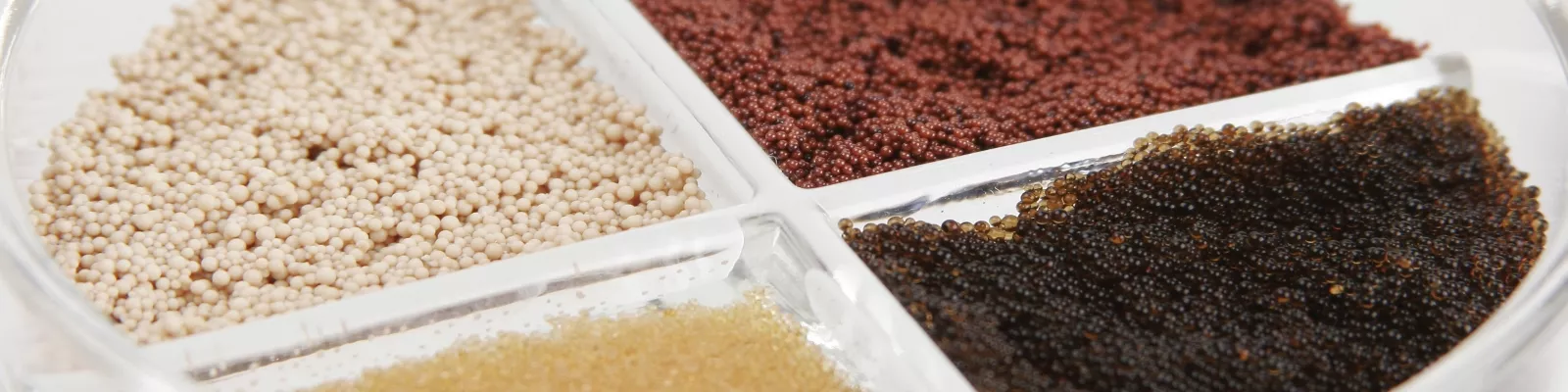
Per- and polyfluoroalkyl substances (PFAS) are a growing environmental concern, and effectively removing them from water sources is critical. PFAS ion exchange resin offers a powerful solution for achieving this. This article explores the science behind PFAS resins, their applications, advantages, and how to select the right resin for your specific needs. Understanding the role of these resins is crucial for environmental remediation and ensuring safe water supplies. We'll delve into the details to provide a comprehensive overview.
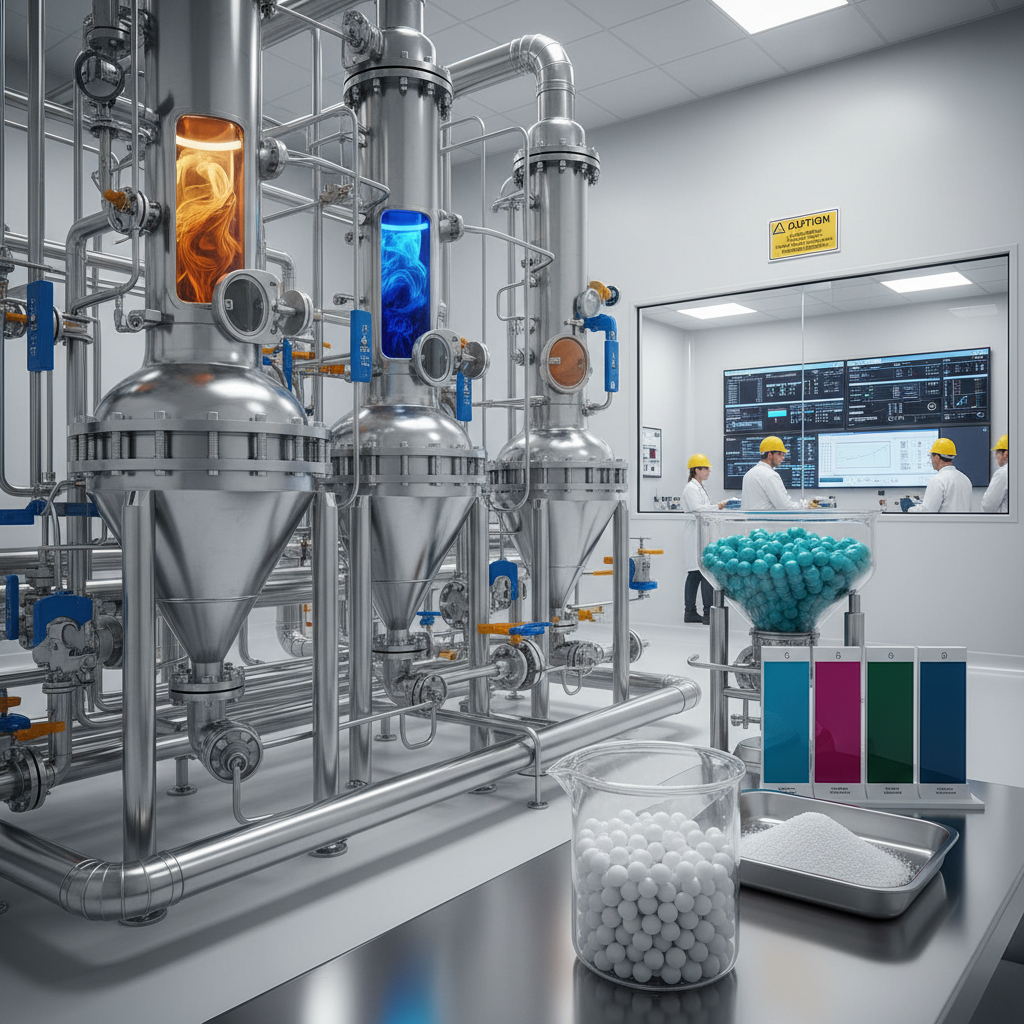
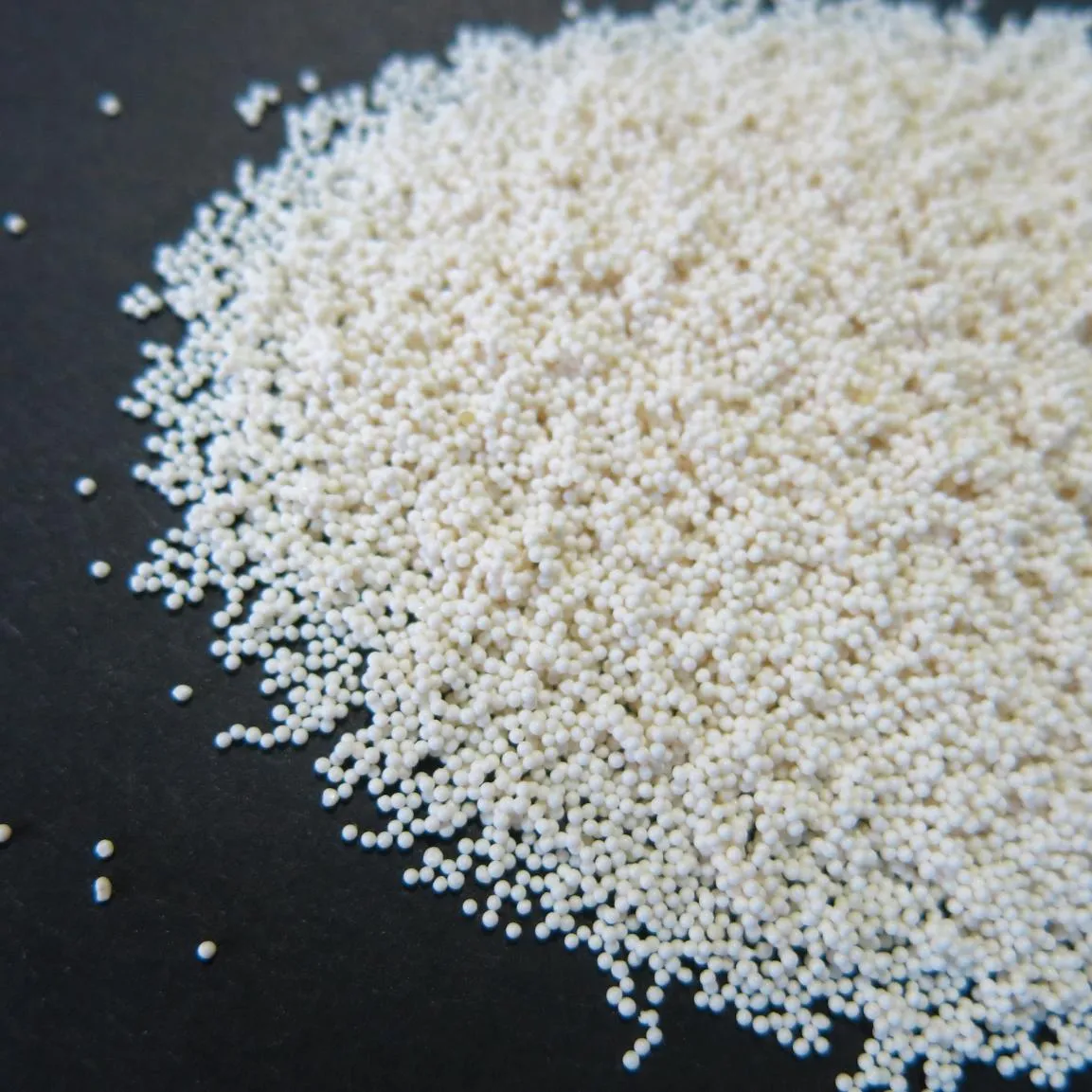
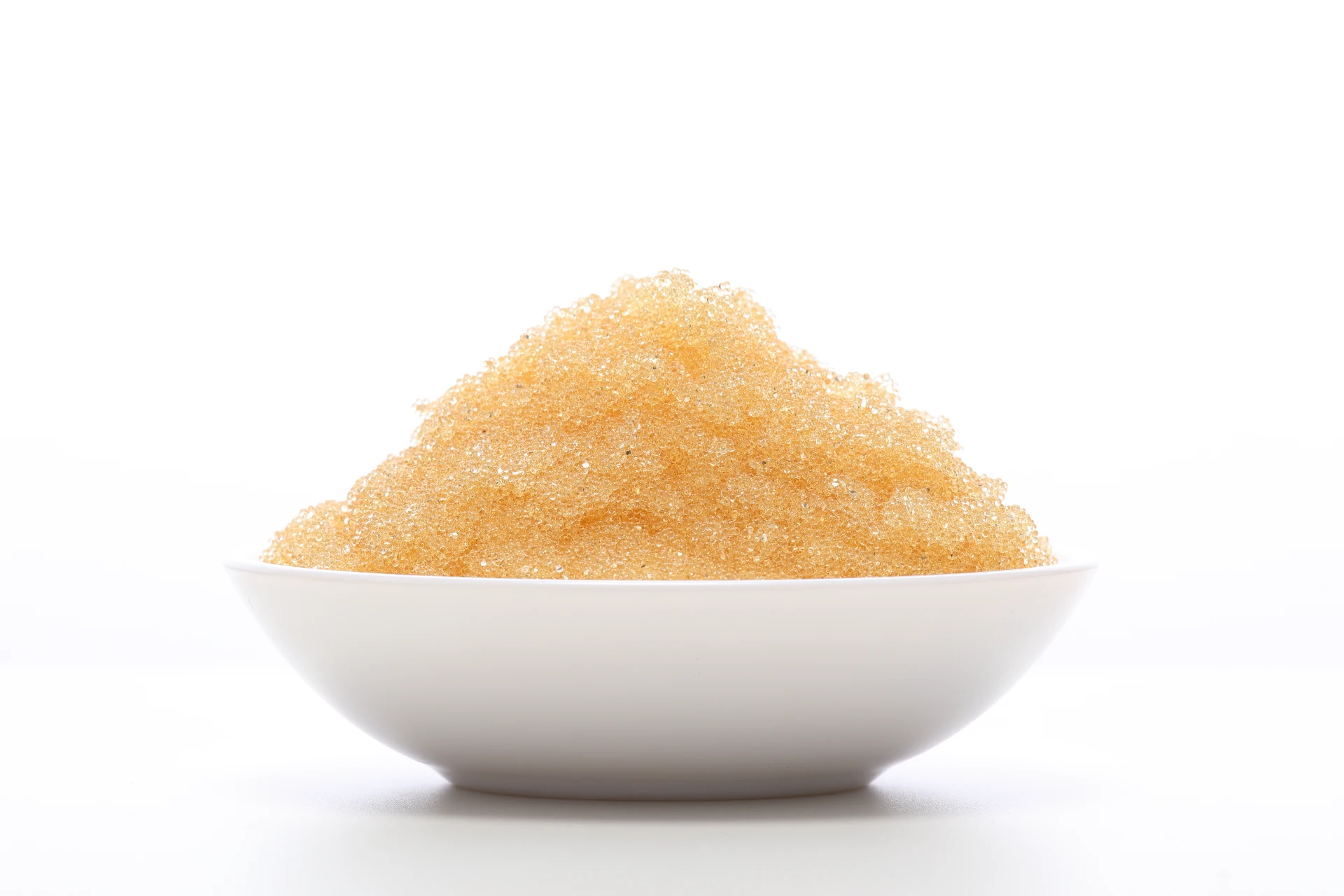
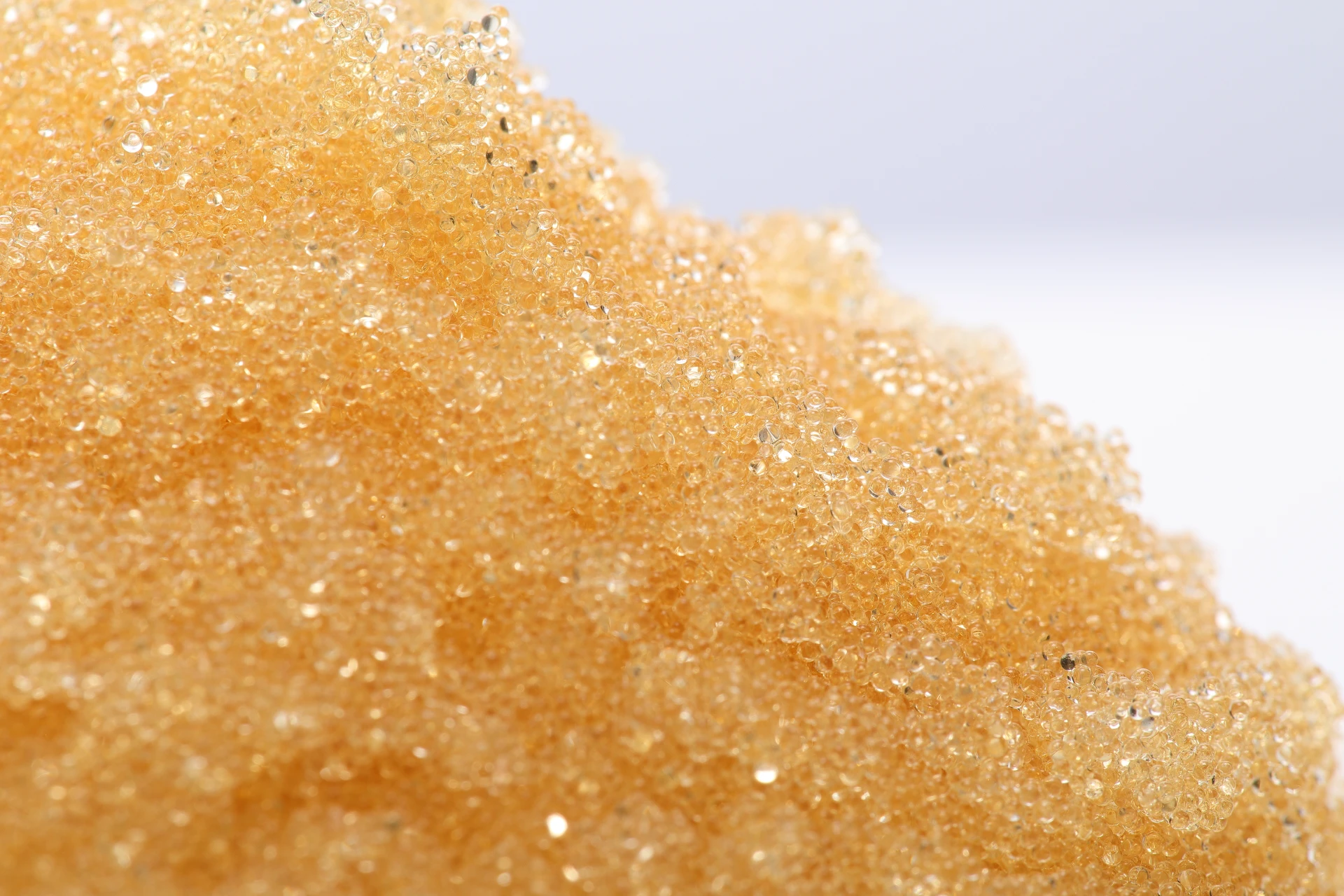
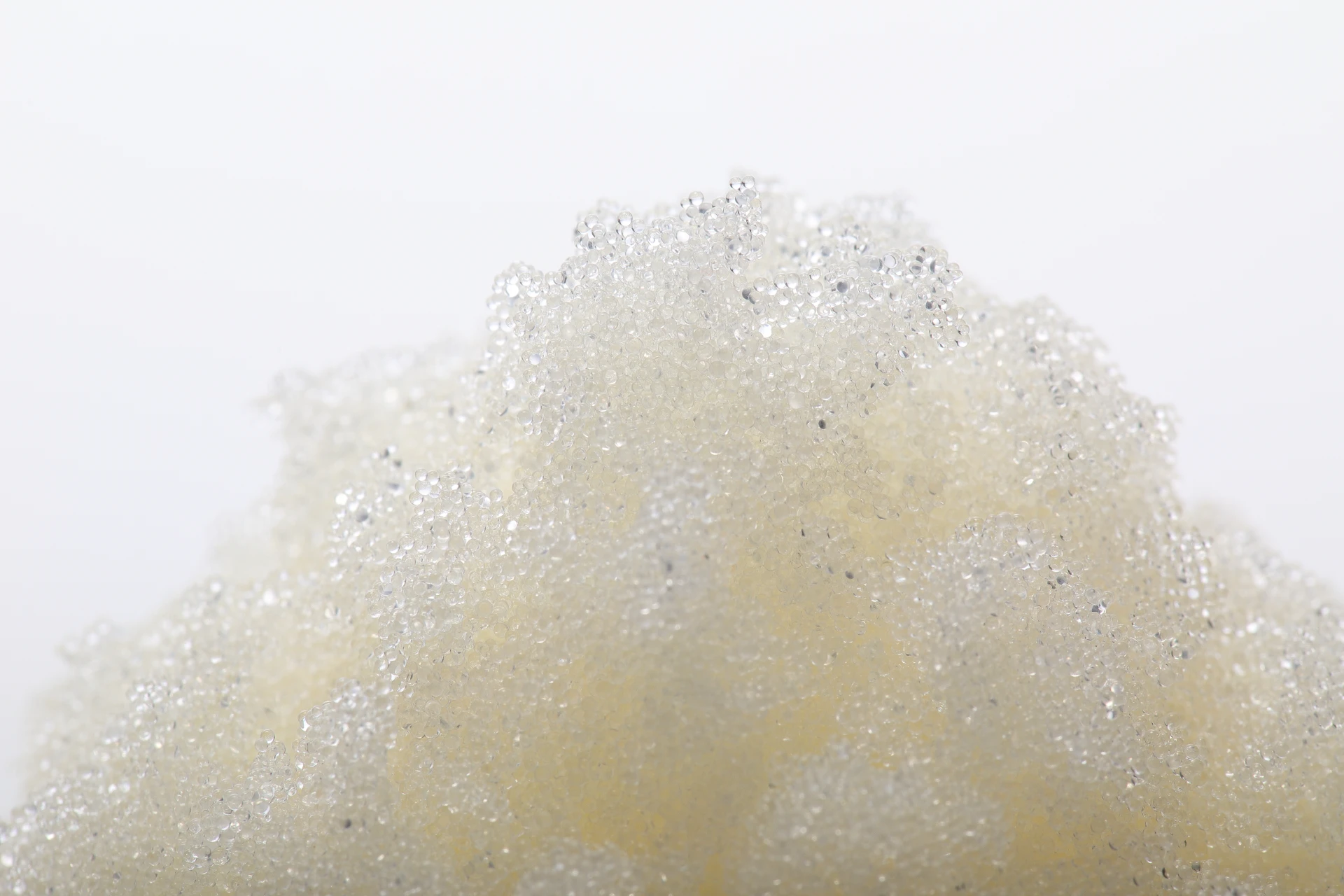
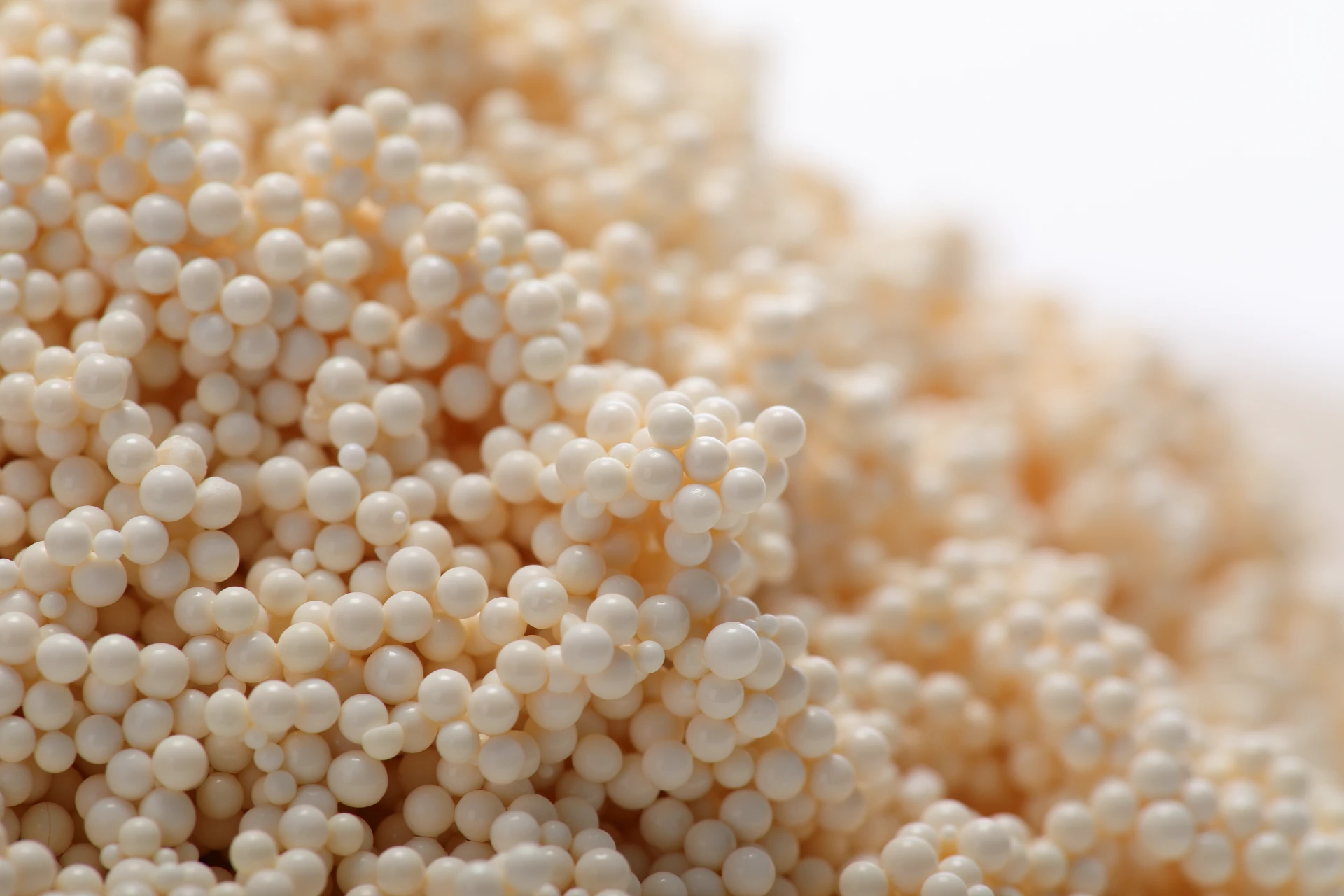
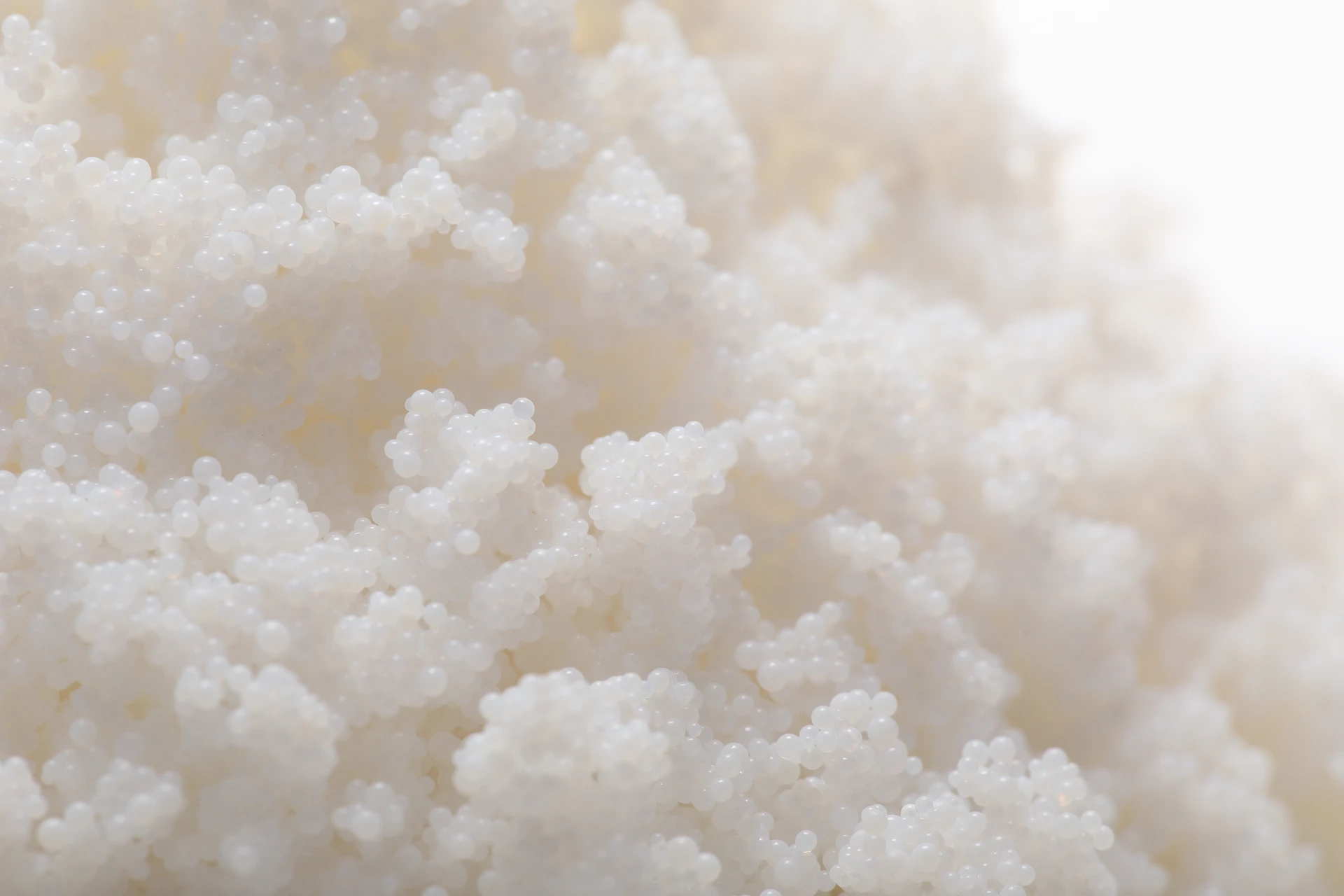
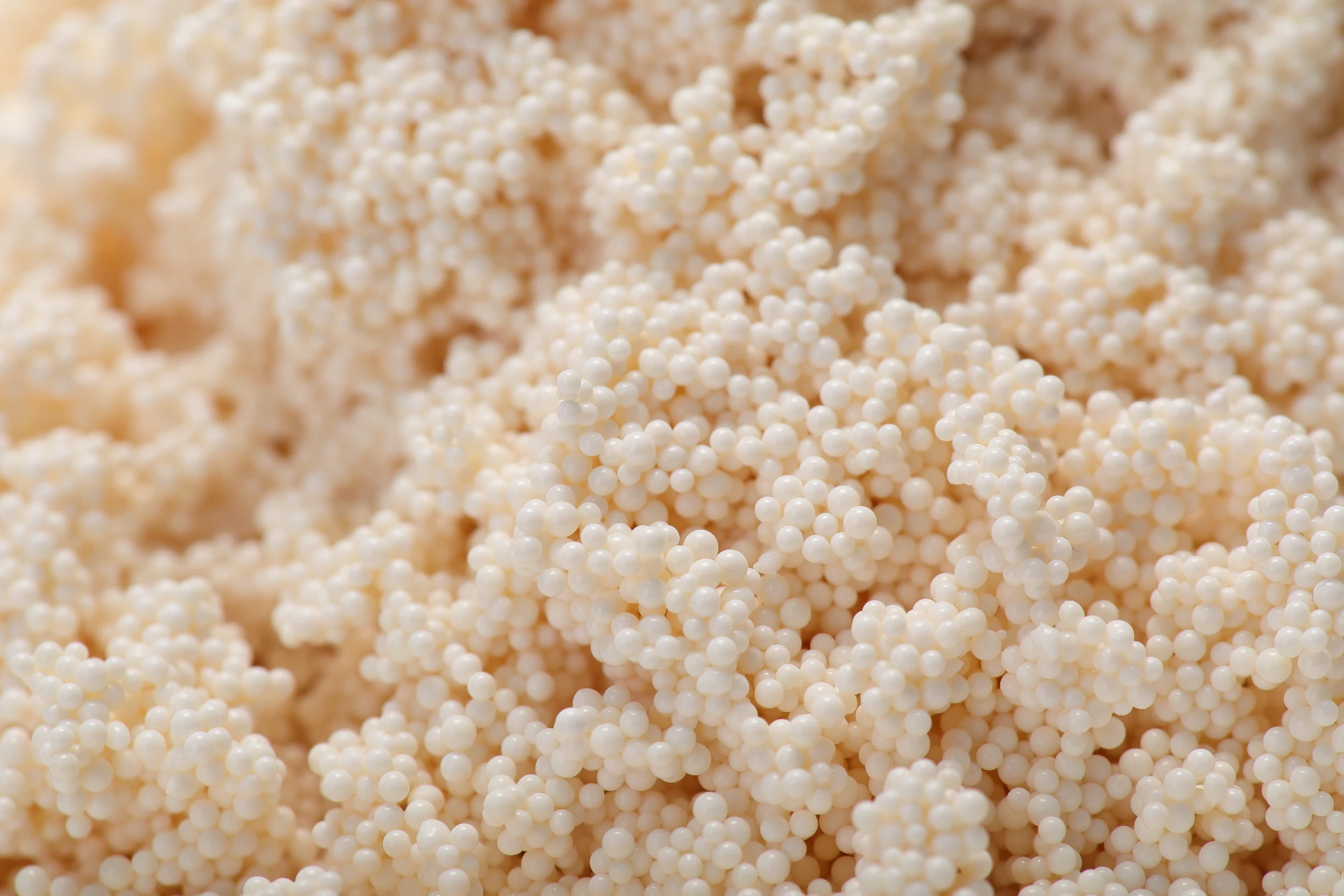
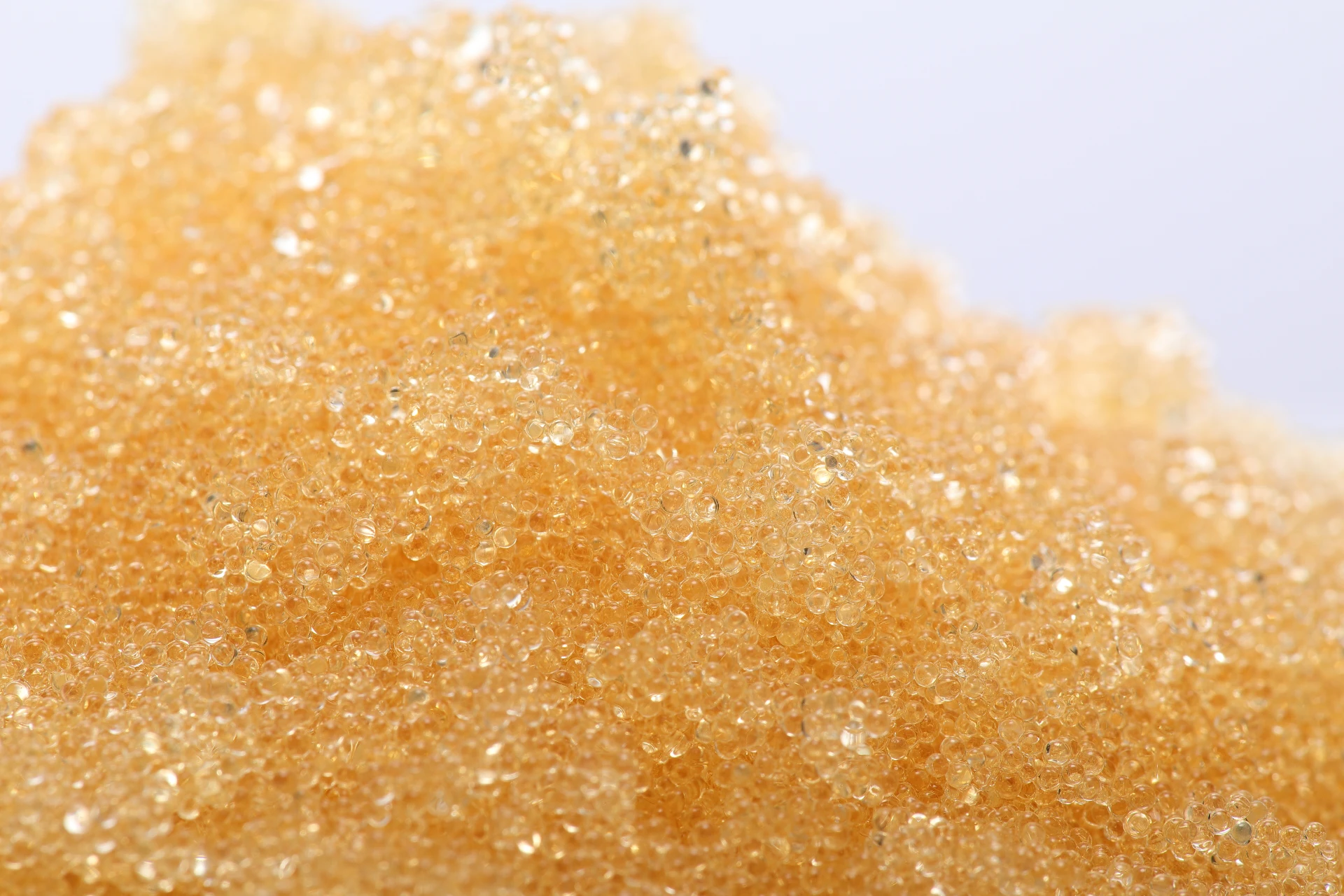
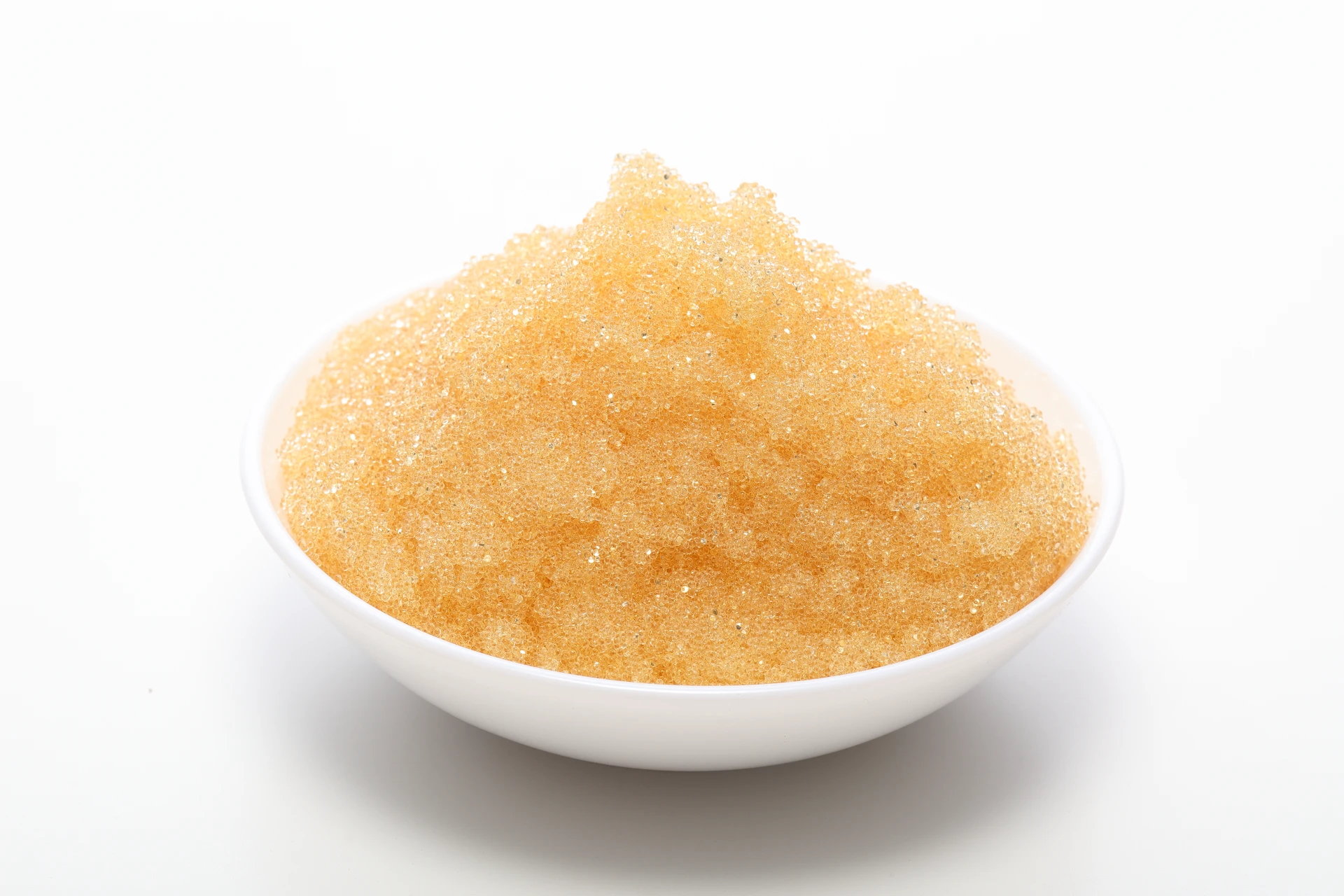
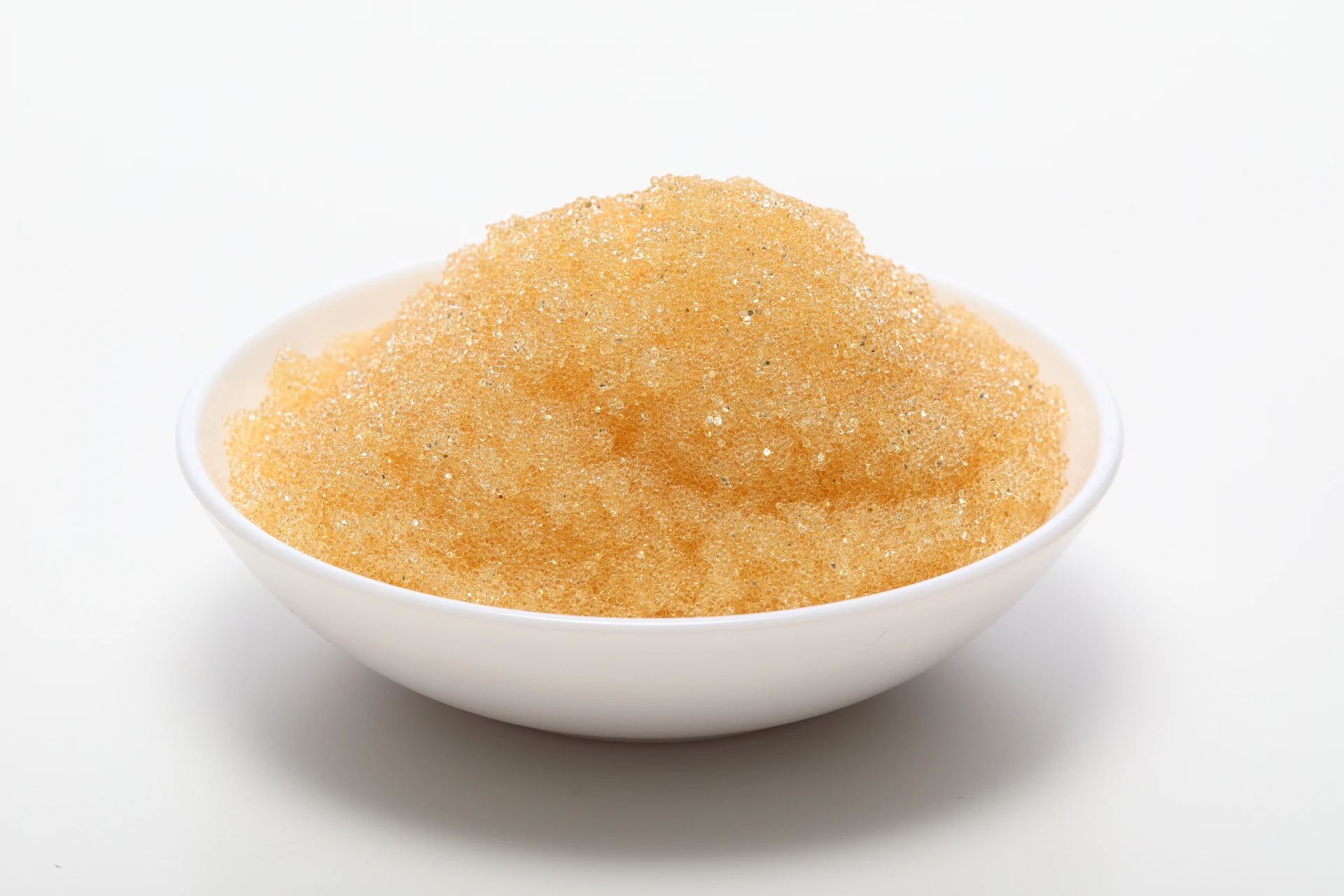
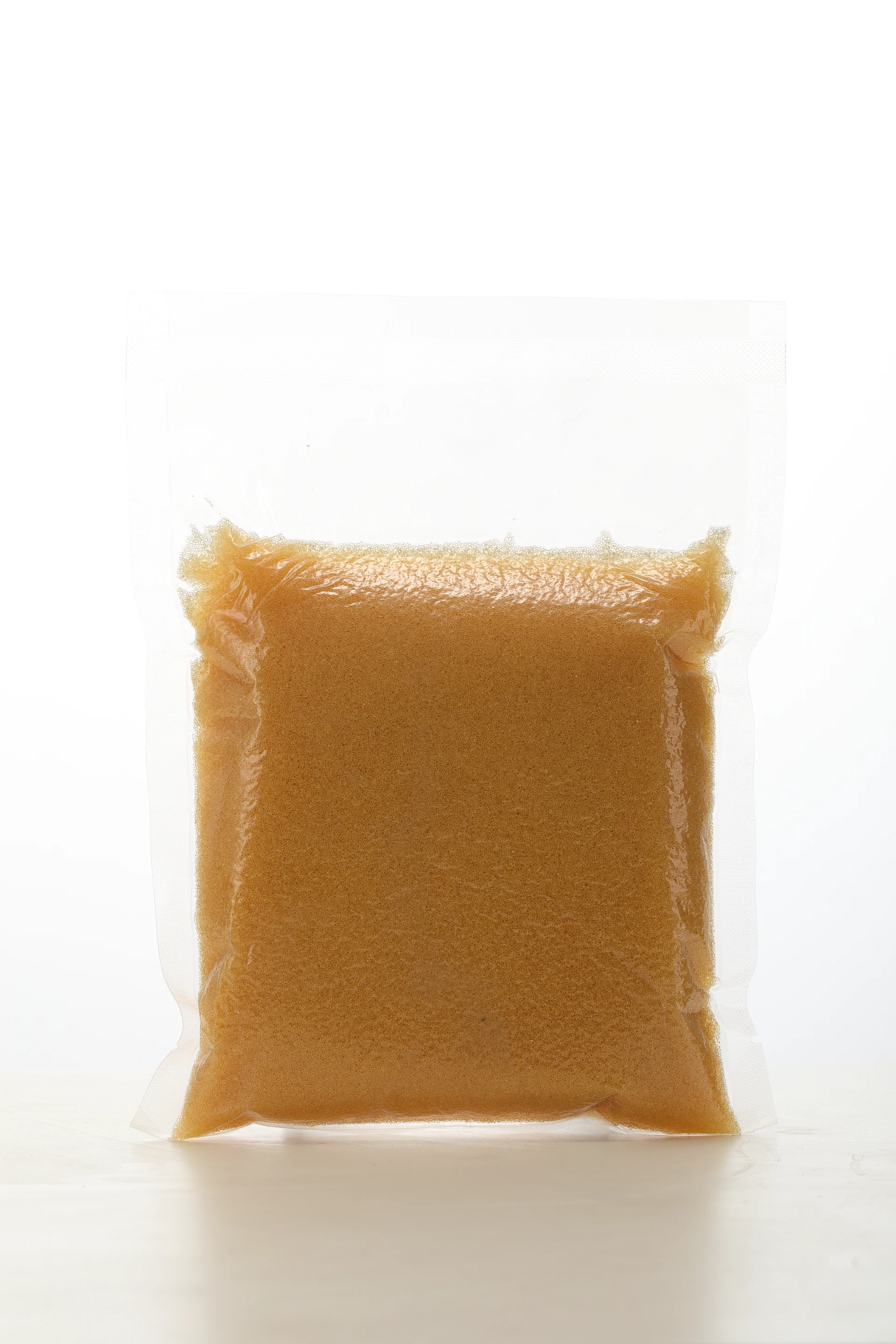
PFAS ion exchange resins are specialized polymeric materials designed to selectively remove PFAS compounds from contaminated water. Unlike traditional activated carbon, which adsorbs PFAS, these resins utilize an ion exchange process. This means they exchange harmless ions for PFAS ions, effectively trapping the contaminants within the resin structure. This process is highly efficient and can achieve very low PFAS concentrations in the treated water. These resins typically contain quaternary ammonium functional groups, which have a strong affinity for negatively charged PFAS compounds. Lijiresin specializes in developing high-performance PFAS resins for a variety of applications.
Key Highlights: PFAS ion exchange resins offer a selective removal process, are highly efficient at achieving low PFAS concentrations, and are regenerable, allowing for extended use and reduced waste.
The ion exchange process involves the exchange of ions between the resin and the water. PFAS compounds are typically present as negatively charged ions (anions) in water. The resin contains positively charged quaternary ammonium groups. When contaminated water flows through the resin bed, the PFAS anions are attracted to and bind with these positively charged sites, releasing harmless anions (like chloride) in return. The resin continues to remove PFAS until its capacity is exhausted. At that point, the resin can be regenerated using a brine solution (sodium chloride), which reverses the process and restores the resin's capacity. This regenerability is a significant advantage over adsorption technologies.
Ion Exchange Process Benefits:
• High selectivity for PFAS compounds
• Effective at low concentrations
• Resin regenerability for cost-effectiveness
• Reduced waste compared to single-use adsorbents
While activated carbon is commonly used for water treatment, it has limitations when it comes to PFAS removal. Activated carbon relies on adsorption, meaning PFAS compounds stick to the surface of the carbon. This capacity is limited, and the carbon eventually becomes saturated. PFAS ion exchange resins, on the other hand, offer higher capacity and selectivity. Furthermore, activated carbon can release PFAS back into the water under certain conditions (pH changes, competing contaminants), whereas ion exchange provides a more secure binding of PFAS. The following table summarizes the key differences:
PFAS ion exchange resins are used in a wide range of applications, including: Drinking water treatment plants, Industrial wastewater treatment, Groundwater remediation, Surface water treatment, and Point-of-use (POU) systems for homes and businesses. They are particularly effective in treating water contaminated by sources such as firefighting foam (AFFF), industrial discharge, and agricultural runoff. Choosing the right resin for the specific application is key to achieving optimal results.
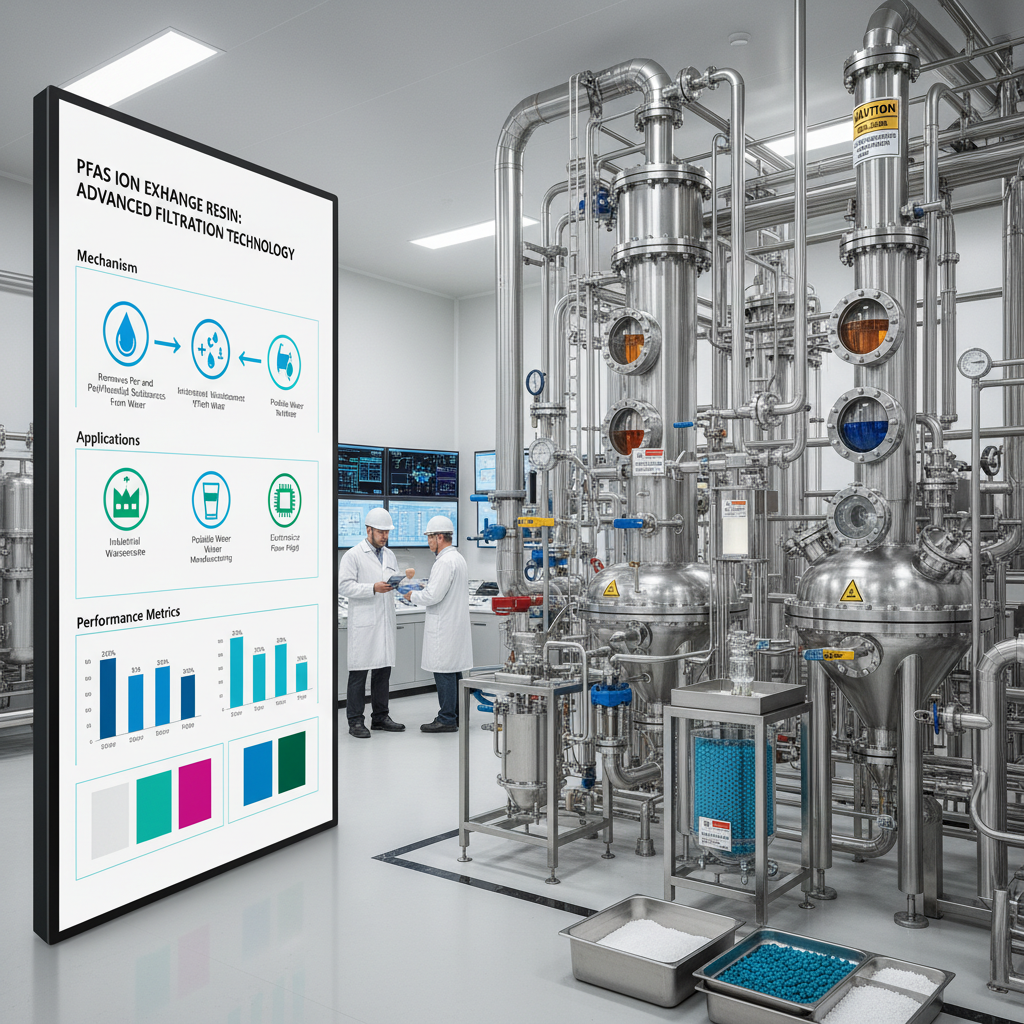
Several factors influence the selection of the appropriate PFAS ion exchange resin. These include the type and concentration of PFAS compounds present, the water matrix (pH, hardness, presence of other contaminants), flow rate, and desired treatment capacity. Lijiresin offers a range of resins tailored to different applications and water chemistries. Consulting with a water treatment specialist can help determine the best resin for your specific needs. We provide comprehensive technical support to help ensure optimal performance and longevity.
Investing in PFAS ion exchange resin is a proactive step towards protecting public health and the environment. These resins provide a highly effective and sustainable solution for removing PFAS from contaminated water sources. By choosing the right resin and implementing proper treatment protocols, communities and industries can ensure access to safe and clean water.
The frequency of regeneration depends on several factors, including the initial PFAS concentration, the resin's capacity, and the flow rate. Monitoring the effluent water for PFAS breakthrough is the best way to determine when regeneration is needed. Generally, regeneration occurs when the effluent concentration exceeds the desired level. Regular monitoring and adherence to recommended operating parameters will maximize the resin's lifespan and efficiency. The regeneration process typically involves flushing the resin with a brine solution, followed by rinsing with clean water.
With proper maintenance and regeneration, PFAS ion exchange resin can have a lifespan of several years. However, the resin's capacity will gradually decrease over time due to fouling and attrition. Factors like water quality, operating conditions, and the frequency of regeneration can all affect its longevity. Regular testing and monitoring are essential to assess the resin's performance and determine when replacement is necessary. Lijiresin provides guidance on resin lifespan and regeneration protocols.
While PFAS ion exchange resins are highly effective at removing many types of PFAS, their effectiveness can vary depending on the specific compounds present. Shorter-chain PFAS compounds can be more challenging to remove than longer-chain compounds. Selecting a resin specifically designed for the types of PFAS present in your water source is crucial. Lijiresin offers resins tailored to address a wide range of PFAS contaminants.
Spent PFAS ion exchange resin contains concentrated PFAS compounds and must be disposed of properly to prevent further environmental contamination. It's crucial to follow all local, state, and federal regulations for hazardous waste disposal. Common disposal methods include incineration and landfilling in approved facilities. It's important to work with a qualified waste disposal company to ensure safe and compliant handling of the spent resin.