Phone:
+86 0319 2296164


Email:
info@lijiresin.cn
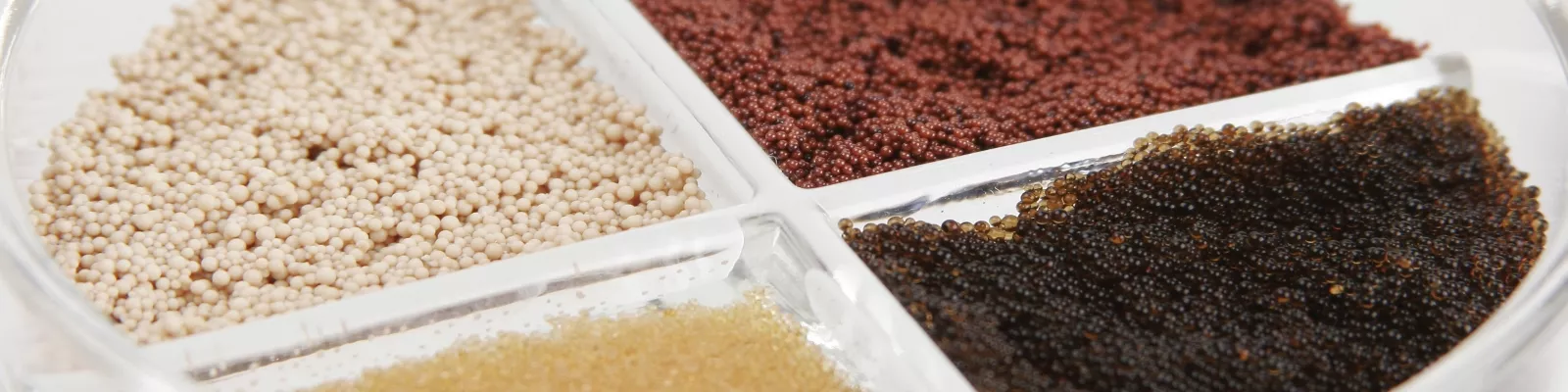
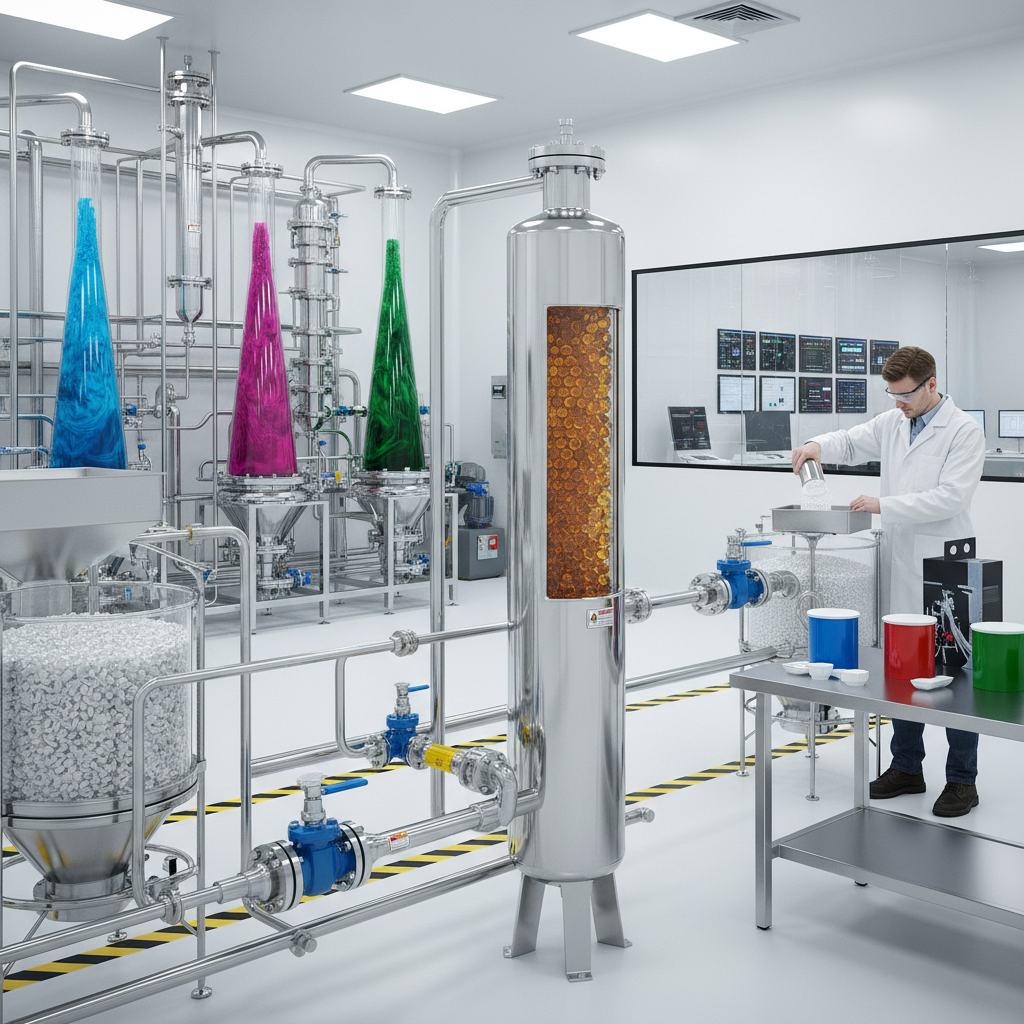
The 9x48 resin tank is a crucial component in many industrial processes, particularly those utilizing UV curing technology. These tanks are designed to hold liquid resins during exposure to ultraviolet light, facilitating the creation of durable and high-quality products. Choosing the right resin tank is vital for efficient production and minimizing downtime. Lijiresin specializes in providing high-performance 9x48 resin tanks tailored to various industrial applications. We'll explore the features, benefits, and considerations when selecting a 9x48 resin tank for your specific needs.
The designation "9x48" refers to the tank's dimensions – 9 inches in width and 48 inches in length. These tanks are commonly used in UV curing systems for 3D printing, coating, and other industrial applications. Their rectangular shape optimizes space utilization within the curing chamber. They are typically constructed from quartz glass or other UV-transparent materials to allow for efficient UV light penetration, ensuring complete and even resin curing. Proper material selection is essential to withstand the chemical properties of the resins used and the intensity of the UV exposure. Lijiresin's 9x48 resin tanks are engineered for durability and optimal UV transmission.
Key Highlights: Optimized for UV curing processes, durable construction, and maximizes space utilization in curing chambers.
The material of the 9x48 resin tank directly impacts its performance and longevity. Common materials include:
The best material depends on the specific resin being used, the UV wavelength, and the operational environment. Lijiresin offers tanks in quartz glass and select acrylic formulations to meet diverse customer needs.
Material Considerations:
• UV Transmission: Quartz glass provides the highest transmission rates.
• Chemical Resistance: Critical for handling various resin types.
• Durability: Resistance to scratches, impacts, and temperature fluctuations.
9x48 resin tanks find widespread use in various industries, including:
The versatility and efficiency of UV curing make these tanks indispensable in modern manufacturing processes. Lijiresin provides tanks specifically designed for each of these applications.
Selecting the appropriate 9x48 resin tank requires careful consideration of several factors. Key aspects to evaluate include:
Lijiresin offers expert guidance to help you select the ideal 9x48 resin tank for your specific requirements.
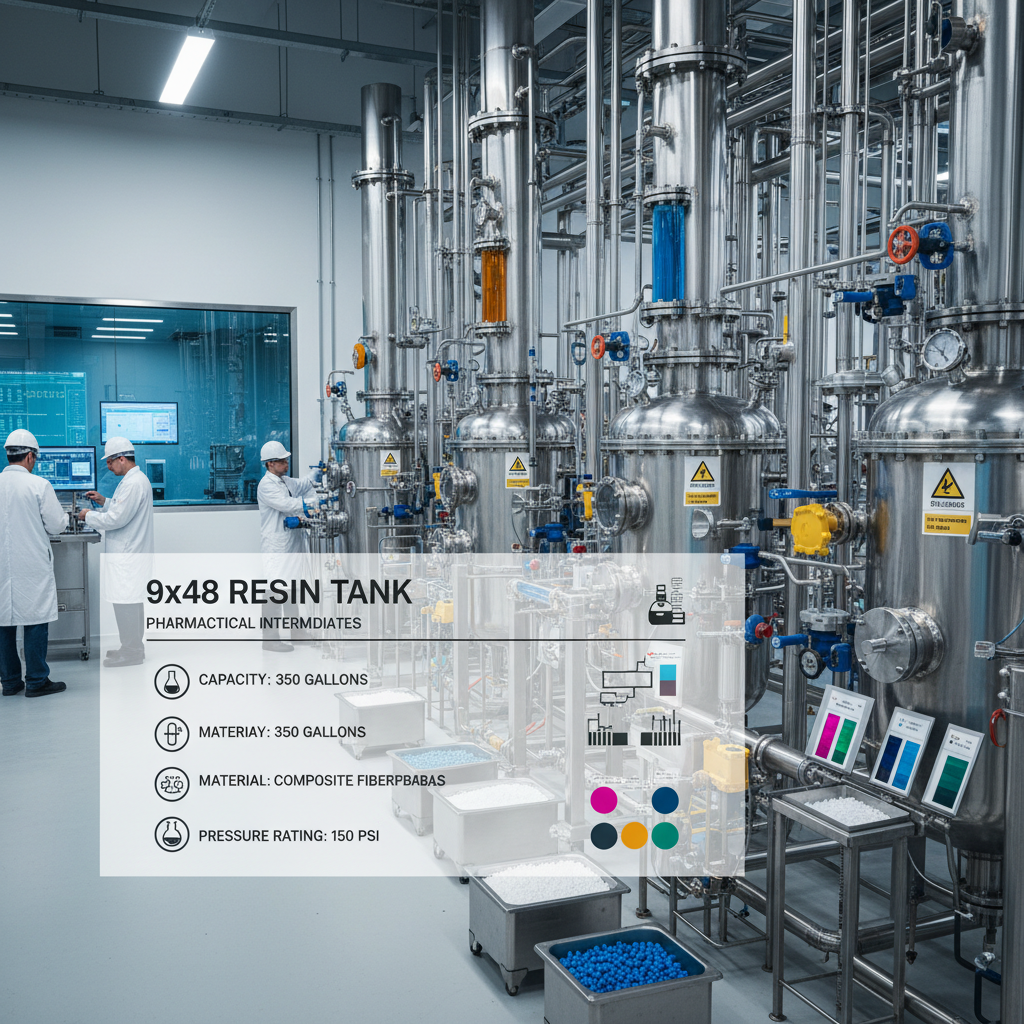
Selecting the right 9x48 resin tank is a critical investment for any industrial process relying on UV curing. Lijiresin provides high-quality, durable, and reliable tanks tailored to meet diverse needs. By prioritizing material compatibility, UV transmission, and manufacturing quality, you can ensure efficient production, minimize downtime, and achieve superior results.
The lifespan of a 9x48 resin tank depends on several factors, including the type of resin used, the intensity of UV exposure, and the frequency of cleaning. Quartz glass tanks generally have a longer lifespan than acrylic tanks. With proper care and maintenance, a quartz glass tank can last for several years. Regular inspection for scratches, cracks, or signs of degradation is essential. Avoid using abrasive cleaning agents or harsh chemicals, as these can damage the tank material. Lijiresin can provide specific recommendations based on your application.
Cleaning a 9x48 resin tank requires a gentle approach. Avoid using abrasive cleaners or solvents that could damage the tank material. Typically, warm water and a mild detergent are sufficient. For stubborn residue, isopropyl alcohol (IPA) can be used, but always test a small area first to ensure compatibility. Rinse thoroughly with water and allow the tank to dry completely before refilling. Regular cleaning prevents resin buildup and ensures optimal UV transmission. Lijiresin provides detailed cleaning instructions with each tank.
Quartz glass offers several advantages over acrylic, including superior UV transmission, greater chemical resistance, and higher temperature tolerance. These qualities make quartz glass tanks ideal for demanding applications where consistent curing and long-term durability are crucial. While acrylic tanks are more affordable, they are more prone to scratching, yellowing, and chemical degradation. Quartz glass ensures more efficient UV curing, leading to improved product quality and reduced production costs. Lijiresin can help you determine which material is best suited for your specific needs.