Phone:
+86 0319 2296164


Email:
info@lijiresin.cn
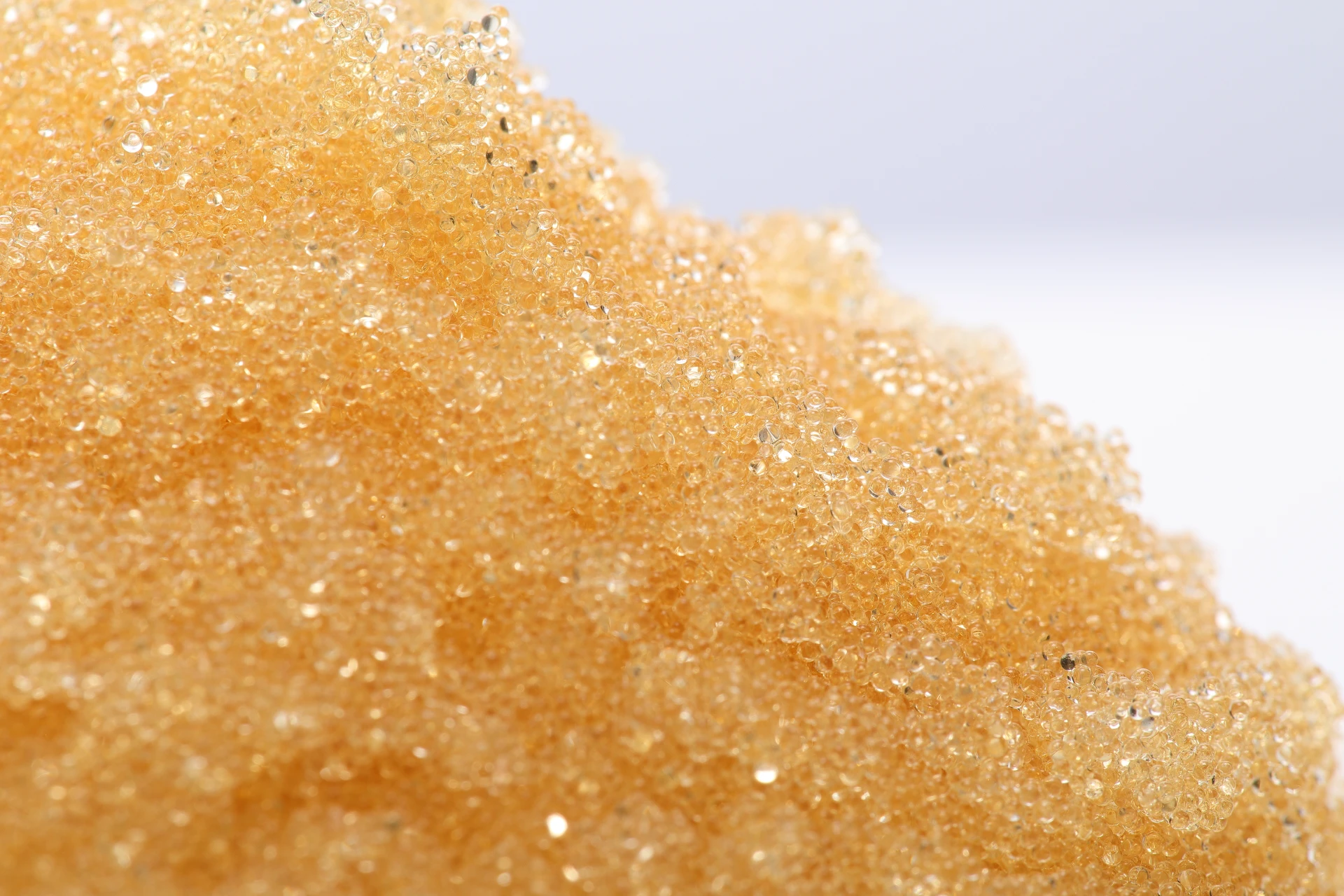
Working in industrial equipment for over two decades, I’ve seen how resin sanding and polishing can make or break a project. It’s funny, because to an outsider, it might look like just another finishing step; but in reality, the quality of that final buff or smooth depends heavily on understanding the resin's nuances, the tools, and yes, a little bit of patience.
Resin—whether it's epoxy, polyester, or polyurethane—has its own quirks. For example, epoxy resins often cure to a harder surface compared to polyester, so the sanding grit and polishing compounds must be carefully selected. I remember working on a custom boat deck where the epoxy resin’s surface was trickier than expected: too aggressive sanding and you risk exposing the softer layers beneath, messing up the durability.
In terms of sanding, you want to start with a medium grit—say 320—then gradually move up to at least 1500, sometimes even 2000 grit for that mirror-like finish. The key is always to keep the surface wet while sanding. Oddly enough, many manufacturers neglect this detail, but it really reduces micro-scratches that dull the surface.
When I mention polishing resin, it’s not just about aesthetics. Polishing significantly enhances the surface hardness and chemical resistance, crucial for industrial parts exposed to solvents or constant handling. You’ll want to invest in quality polishing compounds and pads; frankly, they are worth the extra cost when you factor in reduced rework and longer lifespan.
Now, I should point out that not all resin polishing kits are created equal. I’ve tested quite a few over the years, and a couple of brands always stand out for their consistent performance. Here’s a quick rundown of a typical resin sanding and polishing product spec to give you an idea:
| Specification | Details |
|---|---|
| Sanding Grit Range | 320 to 2000 (Wet Sandpaper) |
| Polishing Compound Types | Coarse, Medium, Fine (Three-step system) |
| Polishing Pad Material | Microfiber and Foam Hybrid |
| Compatibility | Epoxy, Polyester, Polyurethane Resins |
| Packaging | Kit with sanding sheets, polishing compounds, and pads |
| Safety Notes | Use gloves, eye protection, well-ventilated area recommended |
Of course, choosing the right vendor is just as important as picking the right abrasive grit. Some suppliers focus heavily on precision-engineered materials, others on versatility. To help clarify, here’s a brief comparison of three leading resin sanding and polishing suppliers I’ve worked with:
| Vendor | Strengths | Limitations | Price Range |
|---|---|---|---|
| Liji Resin | Exceptional abrasive quality, tailored kits for epoxy | Slightly higher cost but offset by durability | $$$ |
| PolyGloss Tools | Wide grit range, extensive polishing compounds | Pads wear out faster than competitors' | $$ |
| ResiFinish Co. | Affordable kits, good for beginners | Less suitable for high-precision industrial use | $ |
I’ve personally leaned toward the Liji Resin kits in recent years simply because the sanding sheets hold up well in tough jobs—and trust me, in industrial environments that’s key. Plus, their polishing compounds have a consistency that makes polishing a breeze rather than a chore. One of my clients, a small custom furniture maker, swore by their kits after seeing their resin tabletops get that perfect gleam without cloudiness or hazing.
What really sticks with me is how resin sanding and polishing isn’t just a mechanical step—it’s part science, part art. You’ve got to feel the surface as you go, watch for subtle changes, and know when to push forward or back off a bit. I often tell younger engineers that this finish phase can be the difference between a product that just “works” and one that truly impresses.
If you’re just diving into the world of resin sanding and polishing, take your time. Test a few grits, keep the surface wet, and don’t skimp on quality polishing compounds. It’s worth it, I promise.
So, what’s the final takeaway? Resin finishing demands respect. But when you get it right, the result is a surface that not only looks fantastic but stands up to the harsh realities of industrial use.