Phone:
+86 0319 2296164


Email:
info@lijiresin.cn
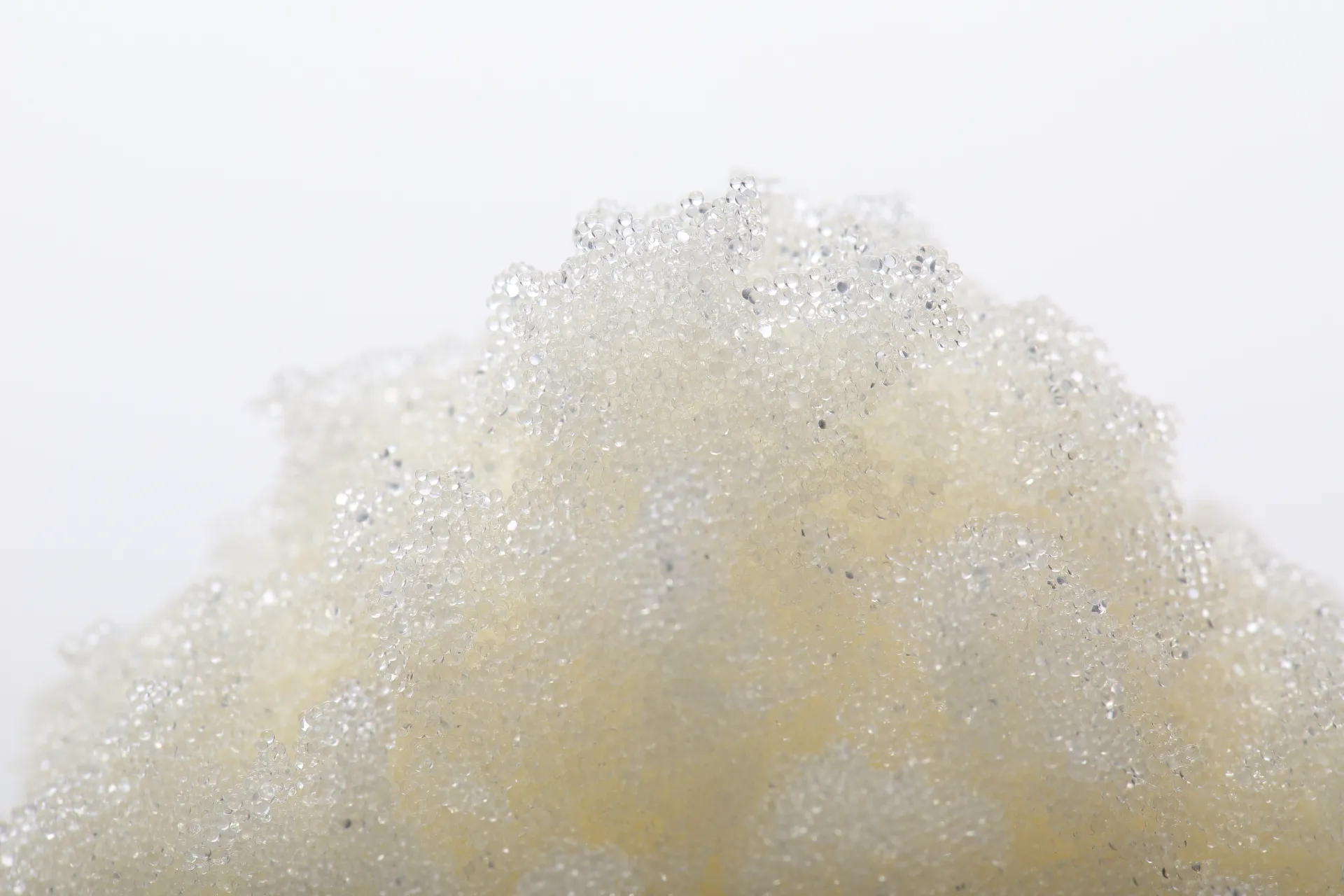
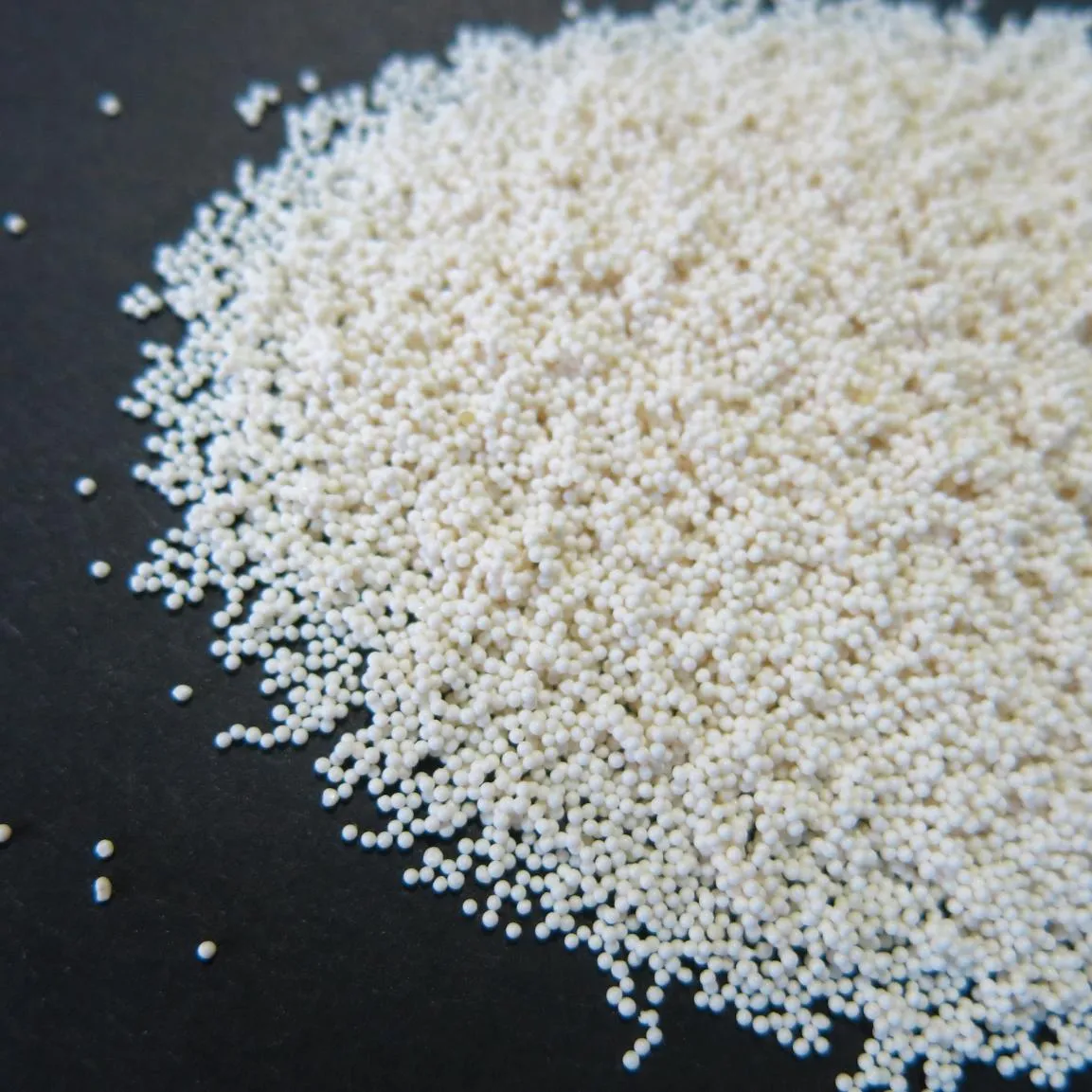
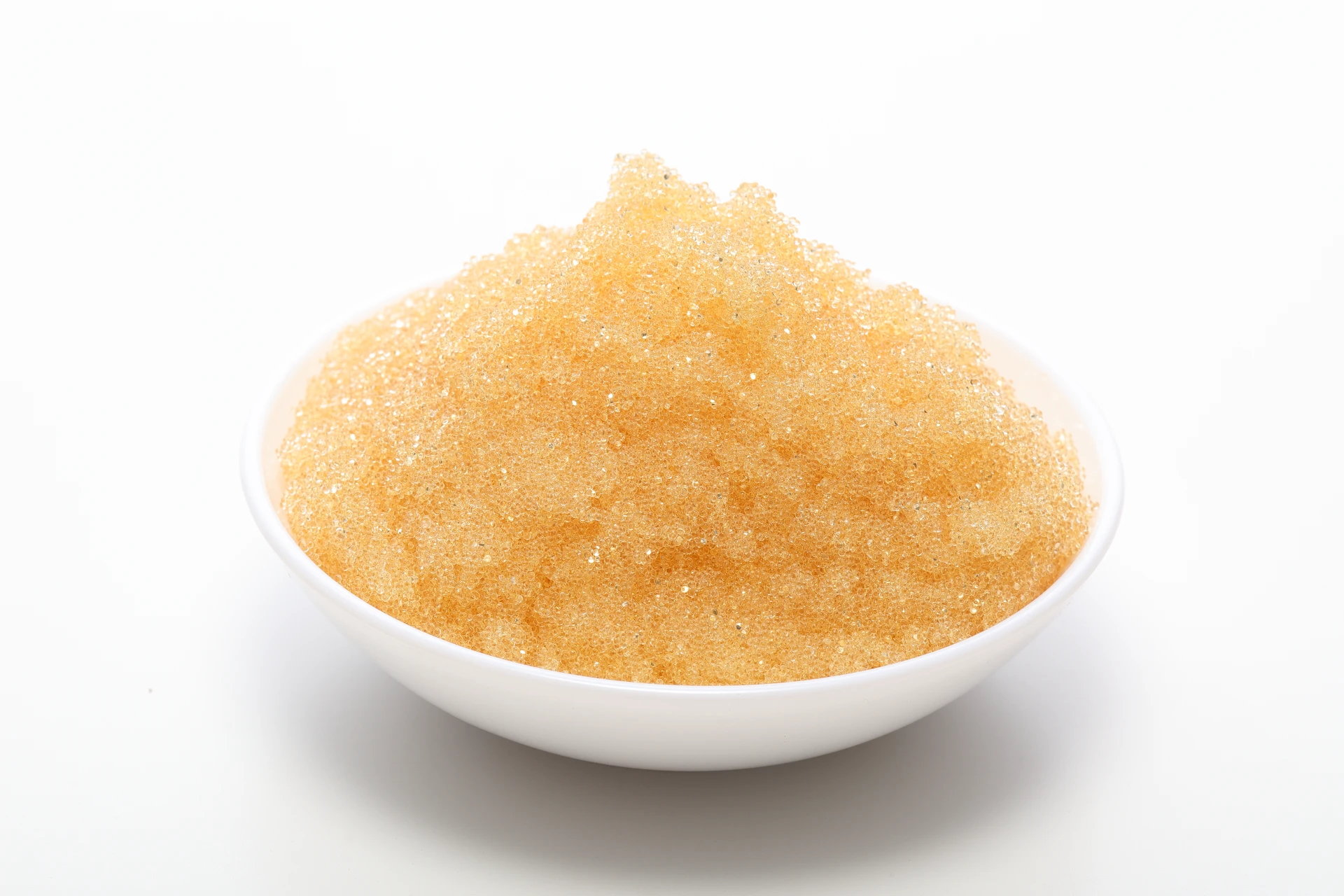
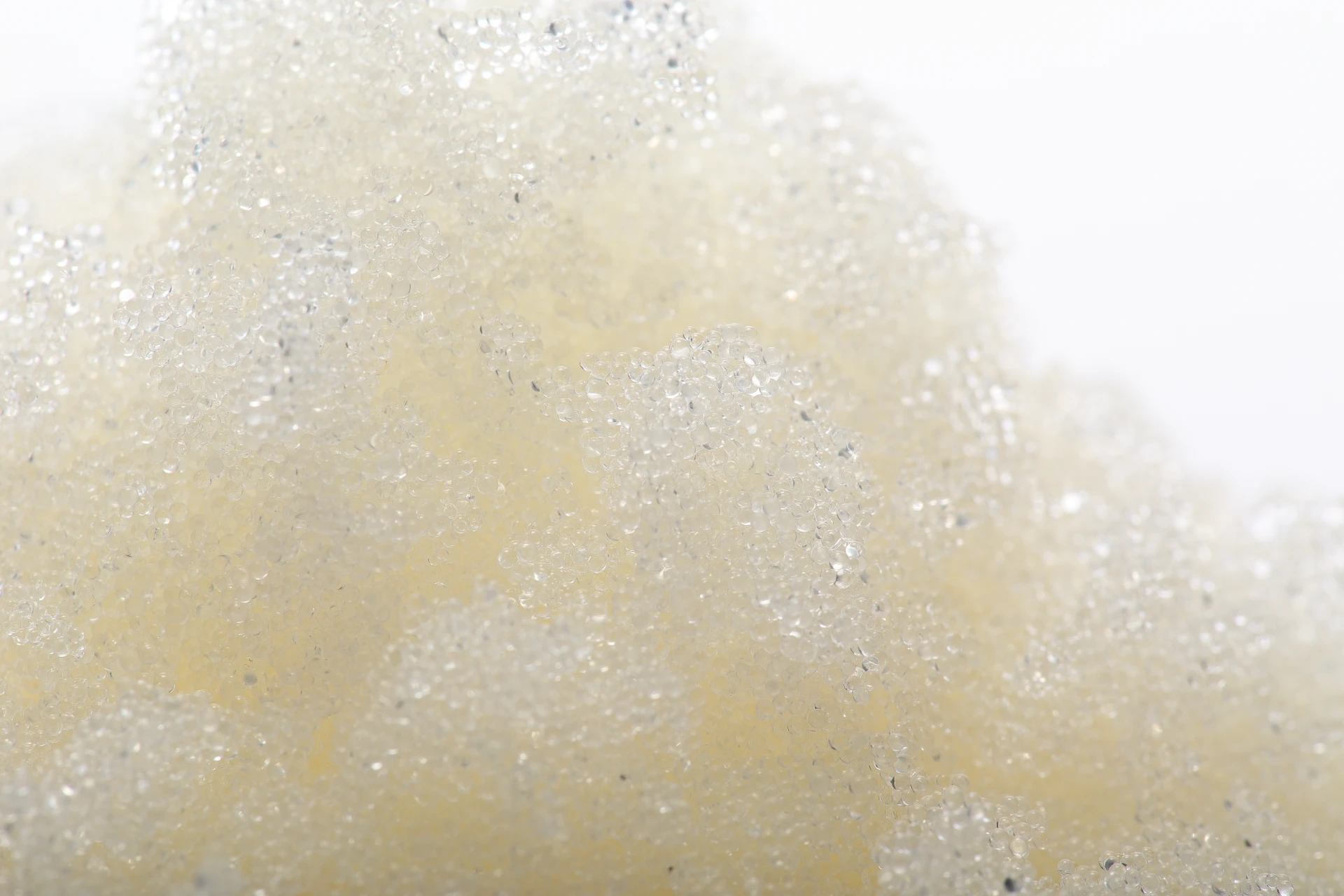
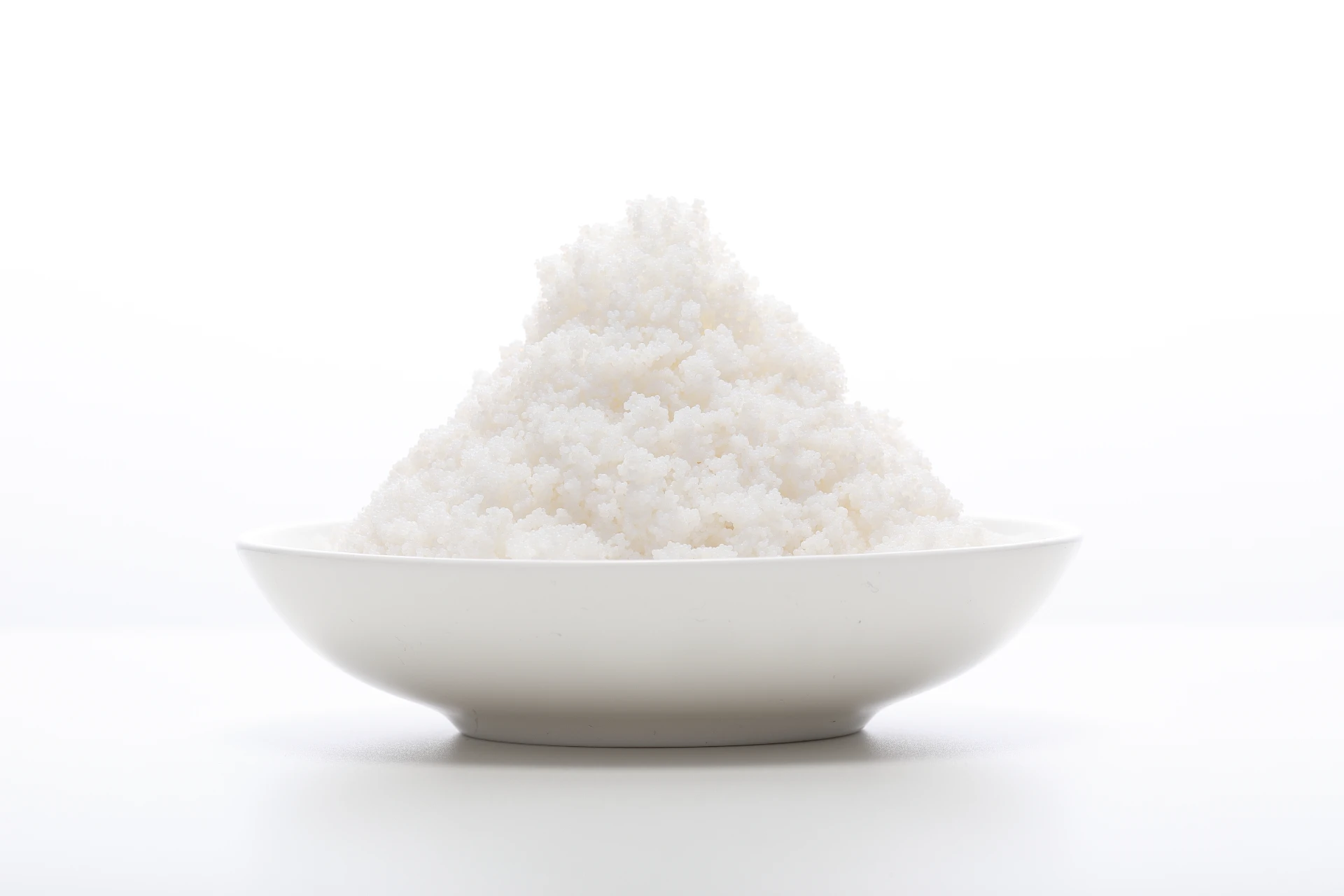
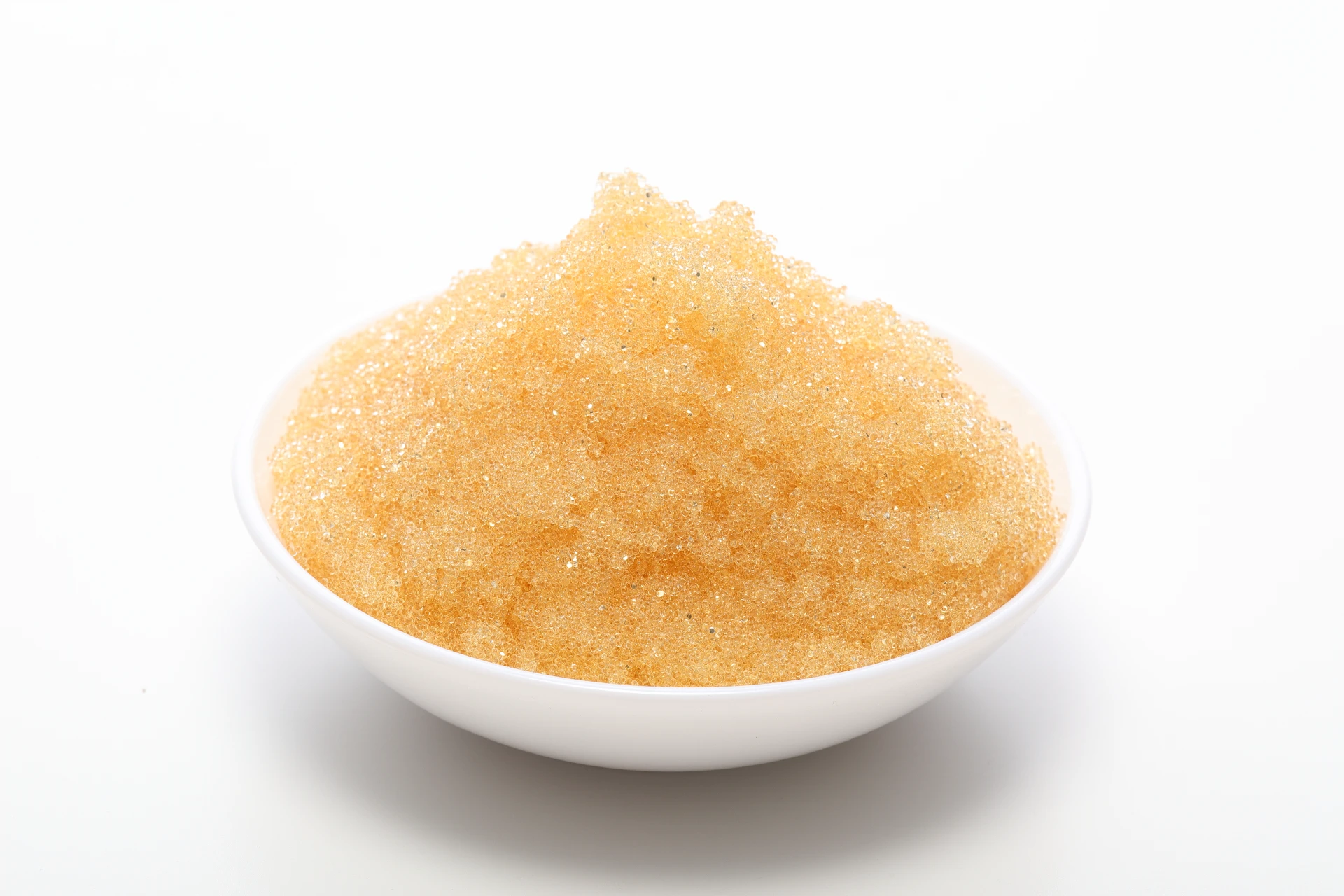
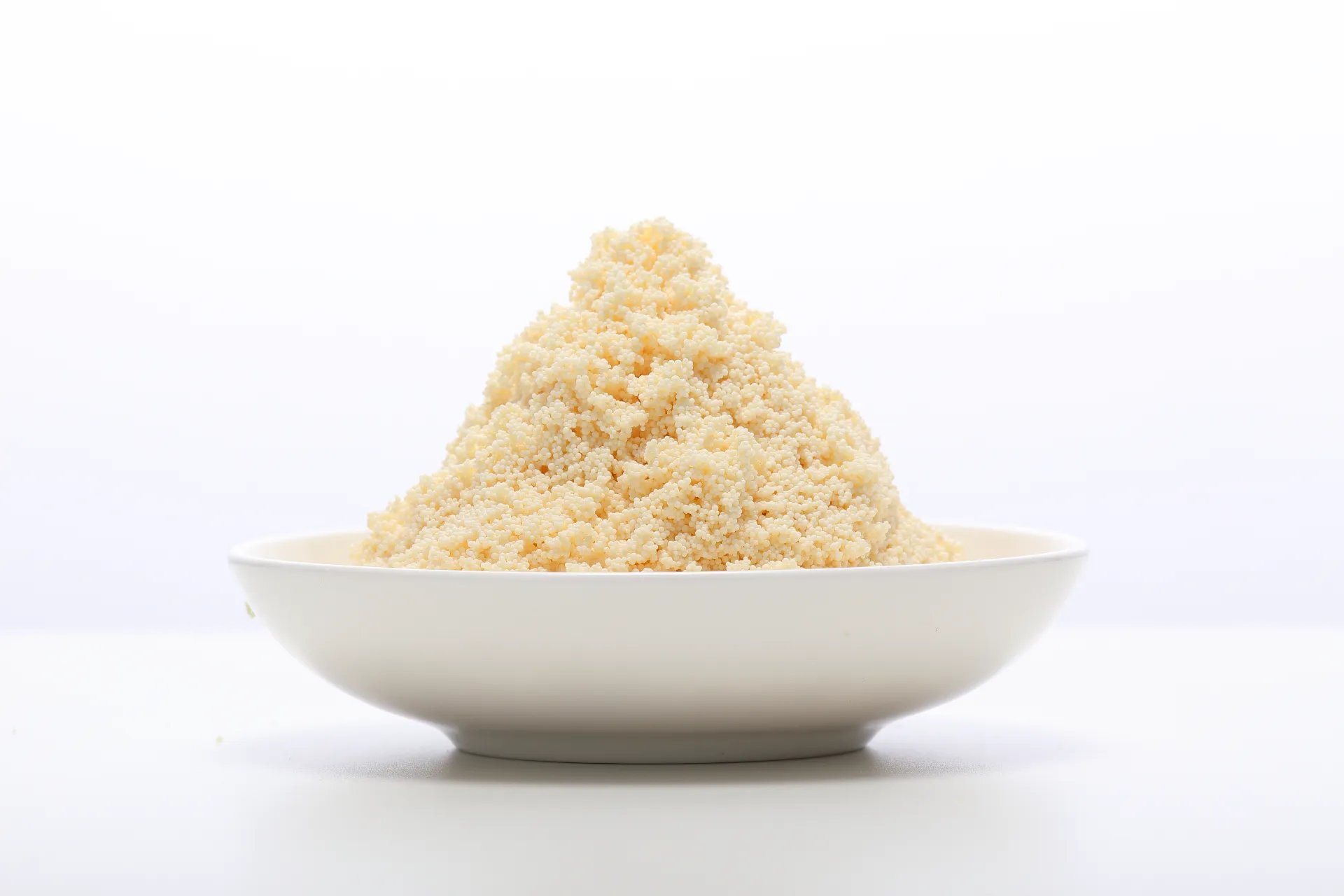
Having spent a good chunk of my career knee-deep in water treatment systems and industrial purification setups, I’ve seen plenty of resins come and go. But Purolite MB400 resin is one that really stands out in the crowd for a few reasons that aren’t just specs on a datasheet.
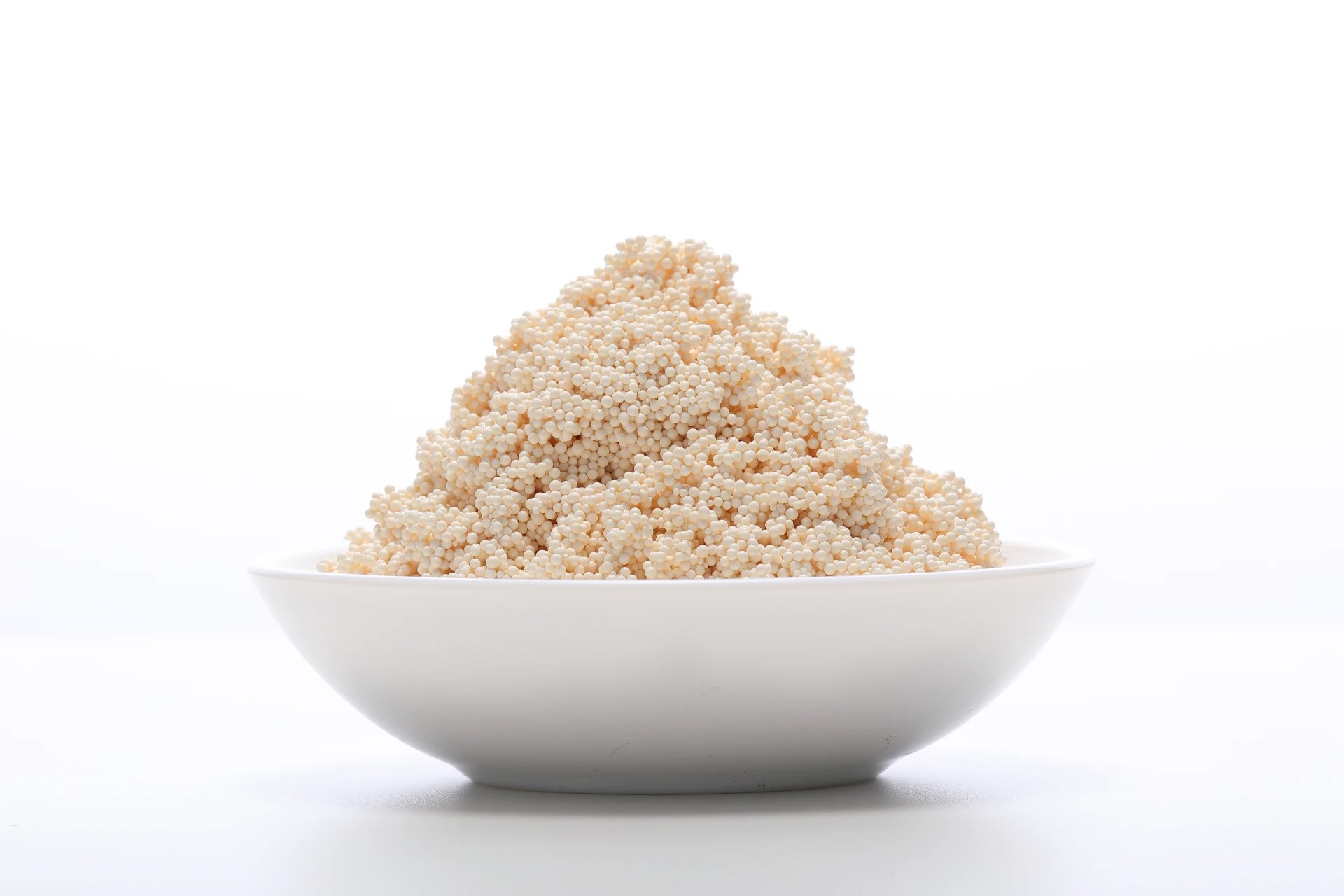
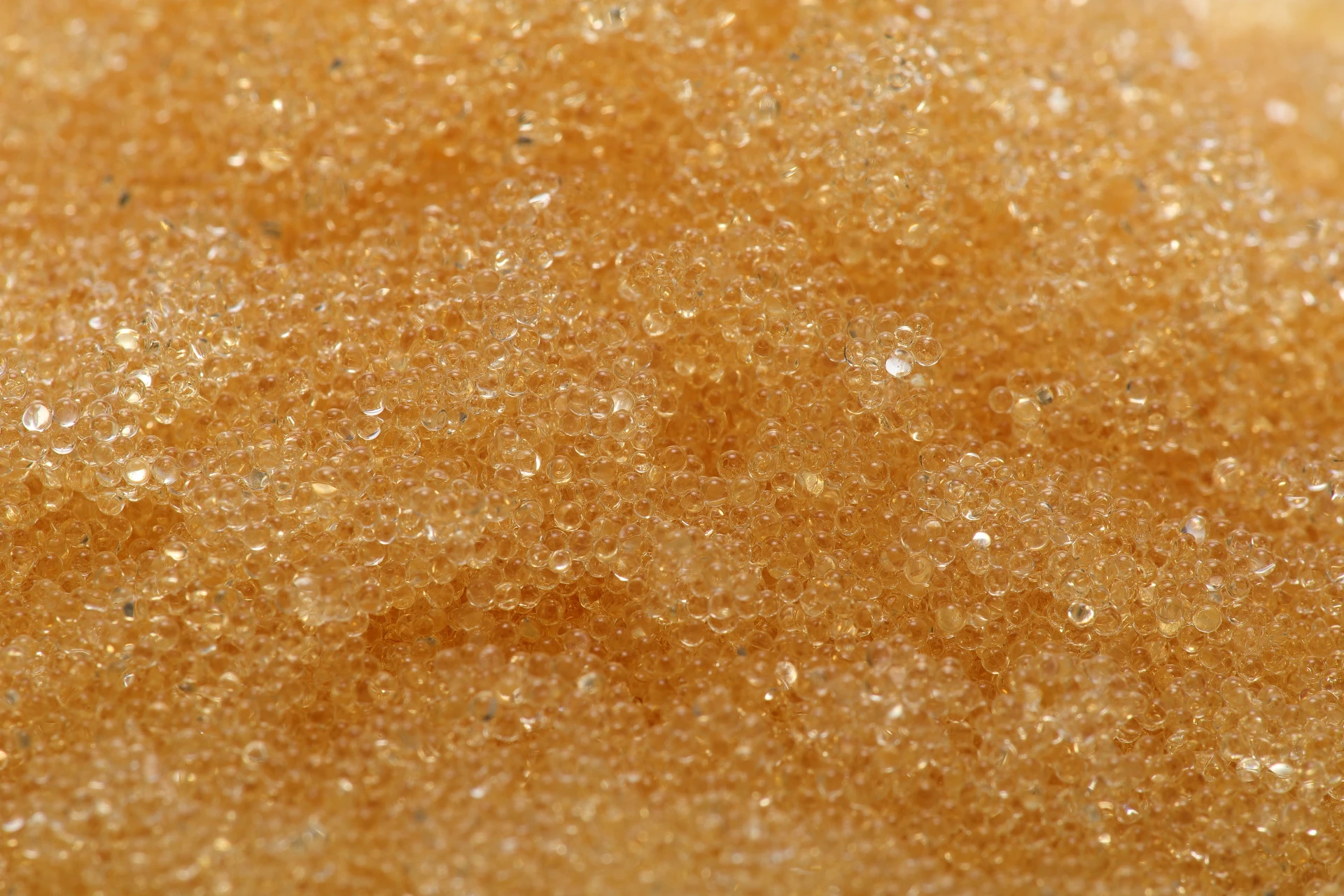
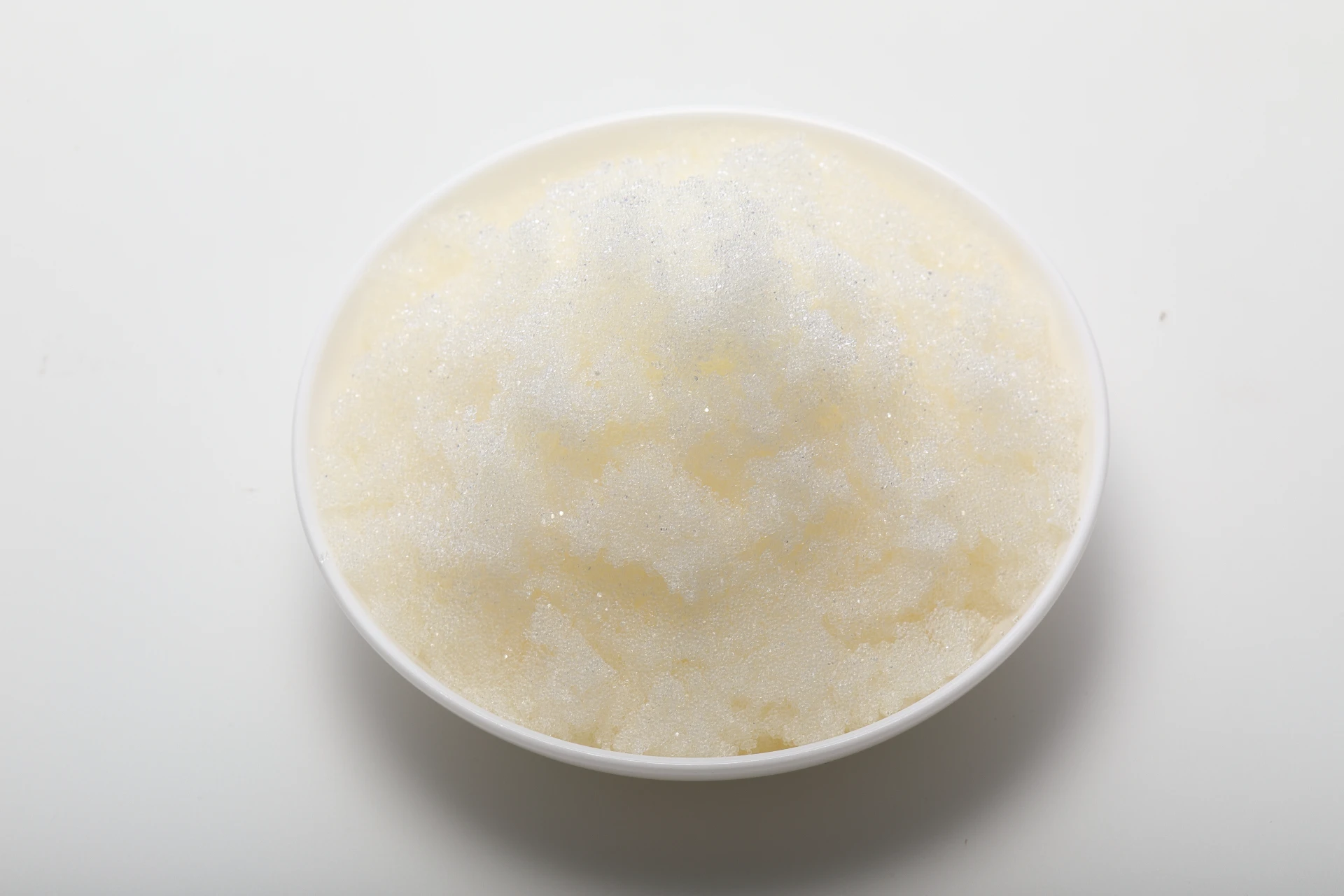
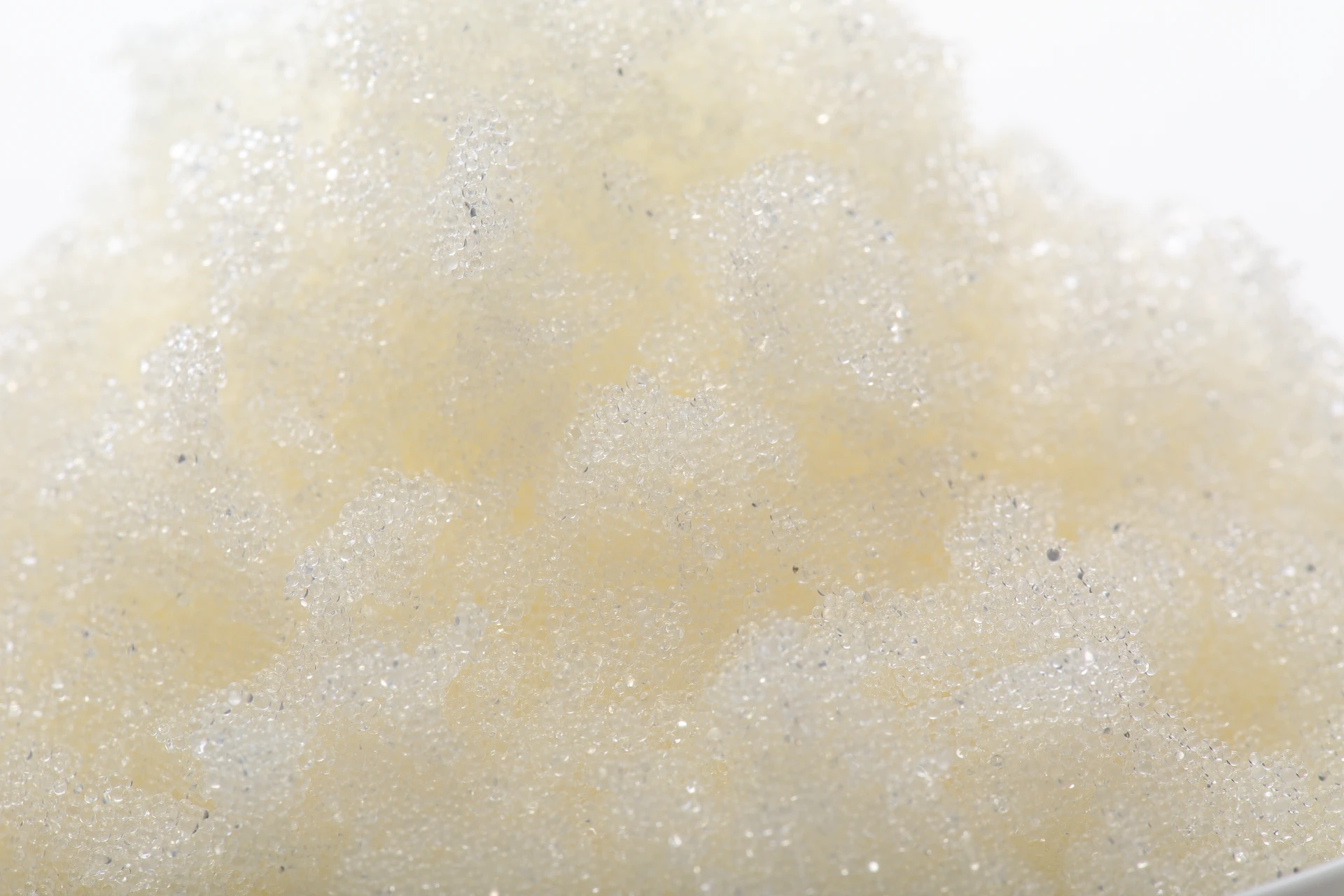
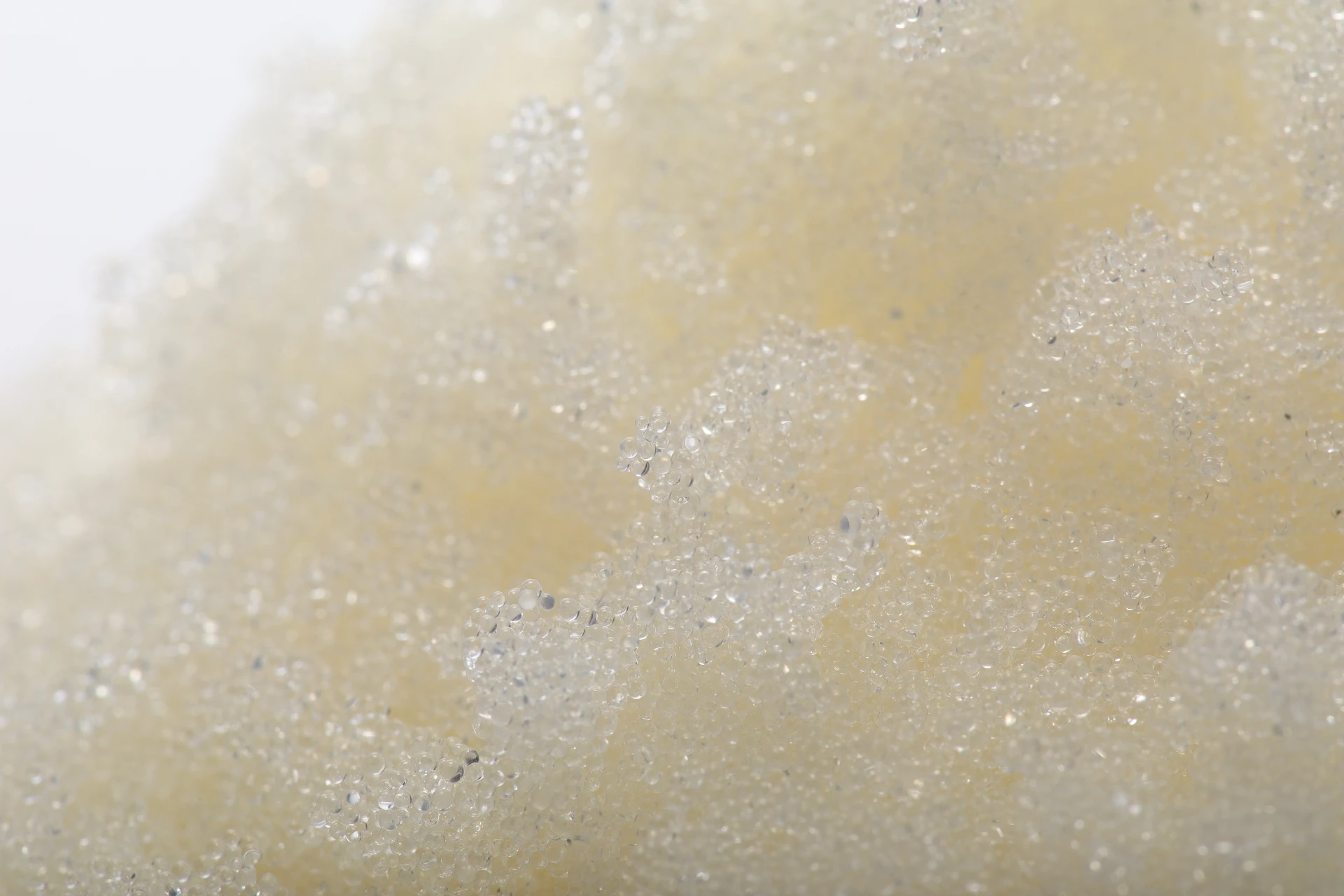
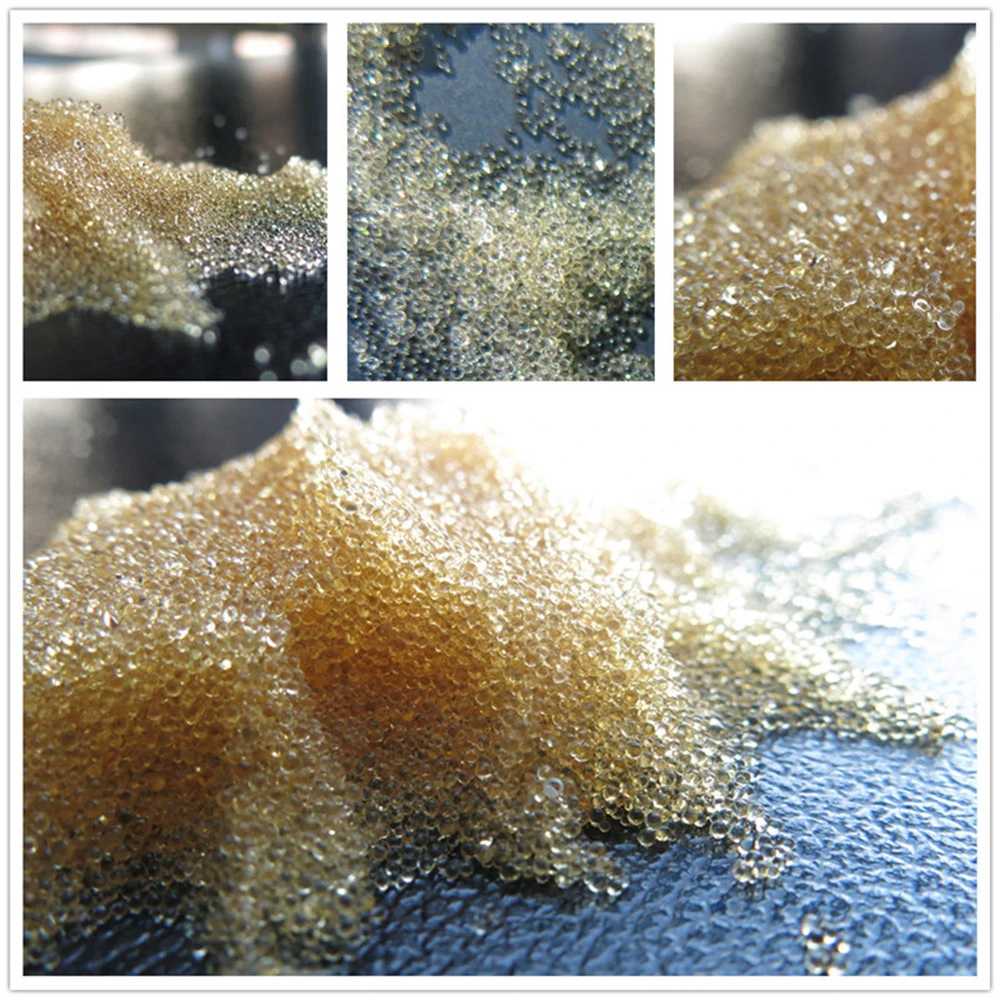
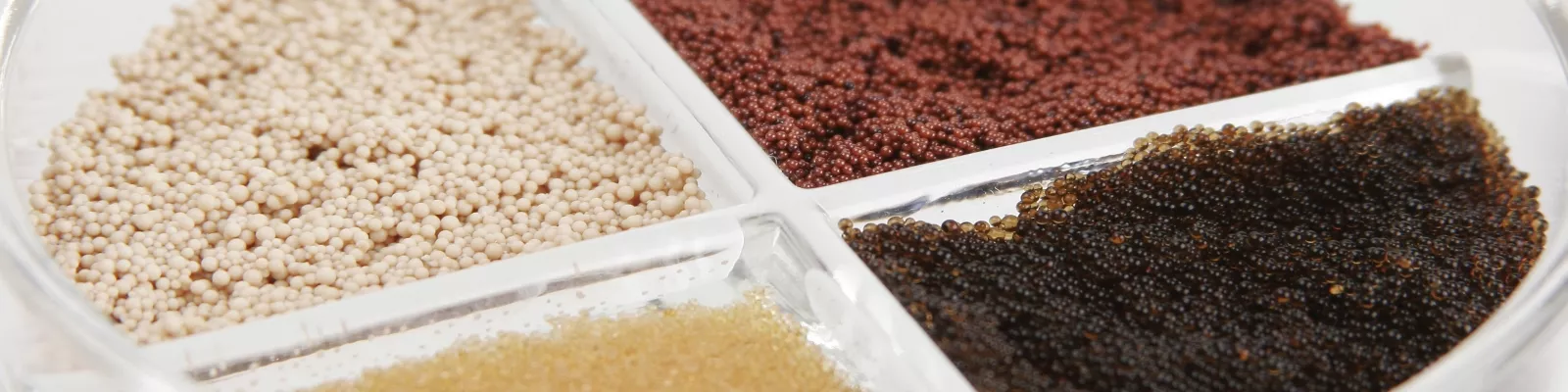
To begin with, MB400 is categorized as a strong base, macroporous, mixed bed ion exchange resin. Now, that might sound like a mouthful, but here’s what that means in practical terms: it’s versatile enough for polishing high-purity water in power plants, semiconductor rinsing, and even pharmaceutical processes where water quality is non-negotiable. The "macroporous" nature means it maintains excellent capacity even when contaminants have a harder time reaching internal sites in other resins; this is a big deal in systems with organics or large molecular species.
What I appreciate most is its mechanical stability—these beads don’t break down easily. Over the years, I’ve noticed systems utilizing MB400 can maintain efficiency without constant resin replacement, which is a real boost for operational uptime. One client I worked with in the Midwest had this installed in their demineralization train and mentioned, “It almost feels like the resin does the heavy lifting, quietly and consistently.” That sort of durability, frankly, saves time and money.
If you’re into the nitty-gritty, here’s a quick product spec rundown that might jog your memory if you’ve worked with similar resins:
| Parameter | Specification |
|---|---|
| Resin Type | Strong Base Anion, Macroporous |
| Bead Size | 300–1200 µm |
| Moisture Content | 50–58% |
| Particle Density | 1.07 g/mL (H+ form) |
| Total Capacity | ≥ 1.1 eq/L (Cl- form) |
Now, comparing vendors who sell MB400 can get a bit tricky — you want quality assurance, consistent batch testing, and quick delivery. Here’s a quick glance at how a few common suppliers stack up from my past experiences, noting availability, batch certification, and post-sale support:
| Vendor | Batch Certification | Lead Time | Technical Support |
|---|---|---|---|
| Vendor A | Full Certificate with QC data | 2 weeks | Dedicated Engineer Support |
| Vendor B | Basic Batch Report Only | 4 weeks | Email Support |
| Vendor C | No Batch Info | 1 week (stock dep.) | Limited Support |
To many engineers I've chatted with, a resin’s reliability can often be overshadowed by price wars, but honestly, choosing good quality often means fewer headaches down the line. The MB400’s consistent performance in tough environments—think varying pH levels and higher turbidity—makes it a dependable choice.
Customization is another subtle but important aspect. Some suppliers offer MB400 in H⁺ or OH⁻ forms, adjusted moisture levels, or even preconditioning options tailored to specific system designs. This flexibility can let you fine-tune your plant’s ion exchange setup more precisely than you might realize when you’re not in the weeds every day.
Thinking back to one site where I oversaw commissioning, the plant team was particularly impressed by reduced downtime during resin regeneration cycles. The MB400 resin’s macroporous structure not only improved resin bed hydraulics but minimized fouling—a win-win in real terms.
In short, if you’re in the market for a robust, workhorse ion exchange resin that kind of just gets on with the job, the Purolite MB400 resin is worth a serious look. It’s not fancy, but it’s the kind of product that experienced operators trust to keep their systems humming.
Oddly enough, in an industry full of shiny new tech, sometimes it’s the dependable, quietly capable technologies that win out — and MB400 clearly fits that bill.
Takeaway: Quality ion exchange media like Purolite MB400 isn’t just lab specs—it’s peace of mind for plant operators, backed by years of solid field performance.