Phone:
+86 0319 2296164


Email:
info@lijiresin.cn
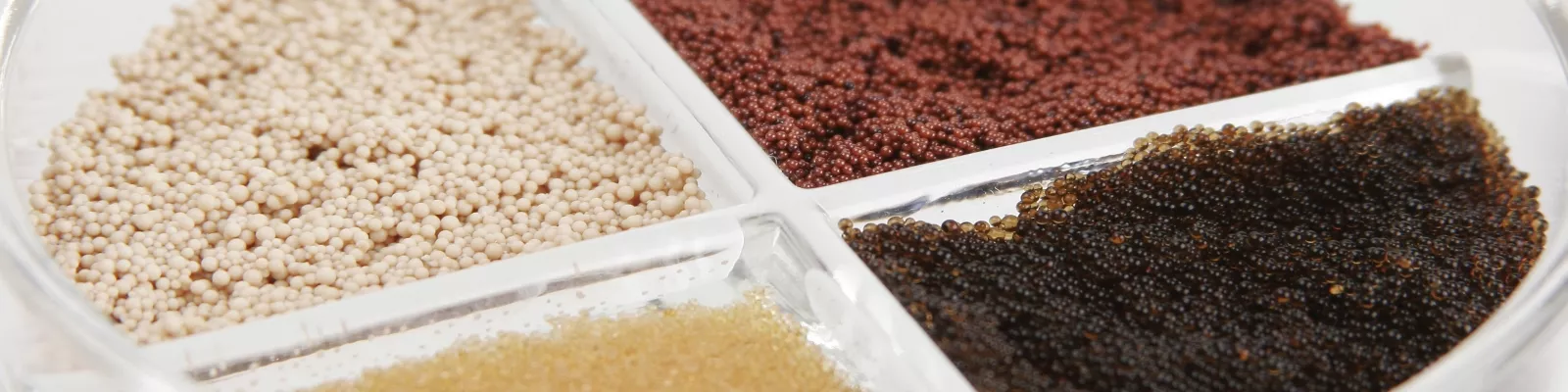
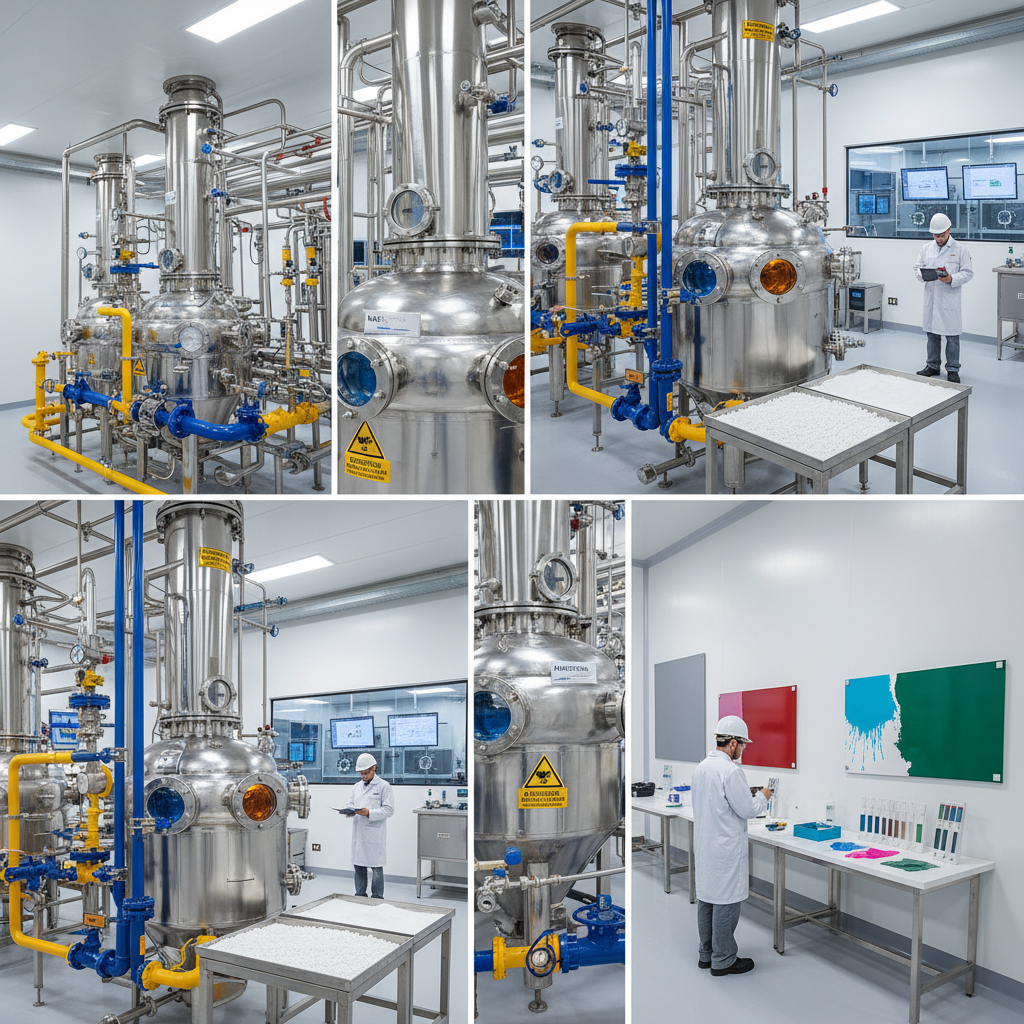
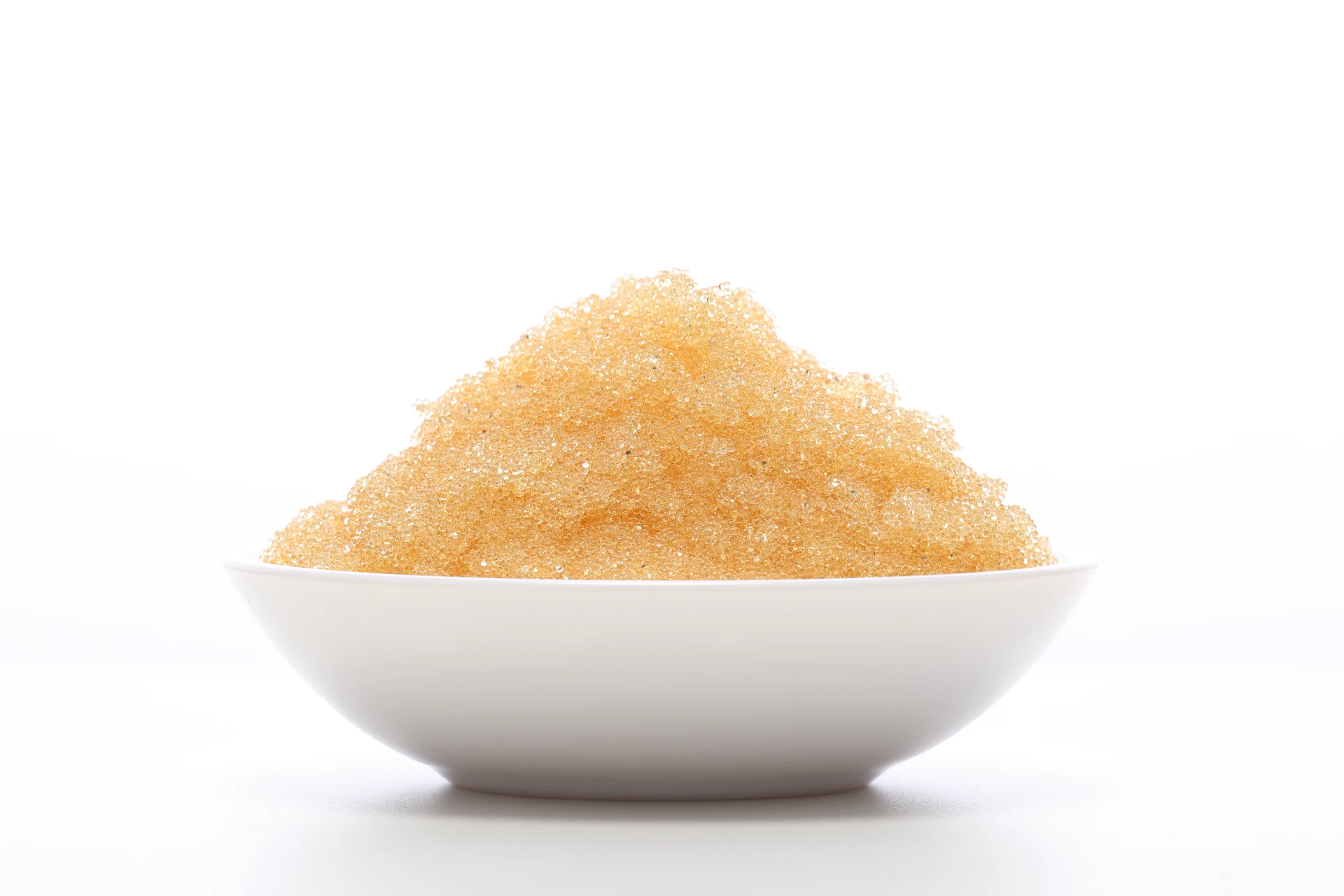
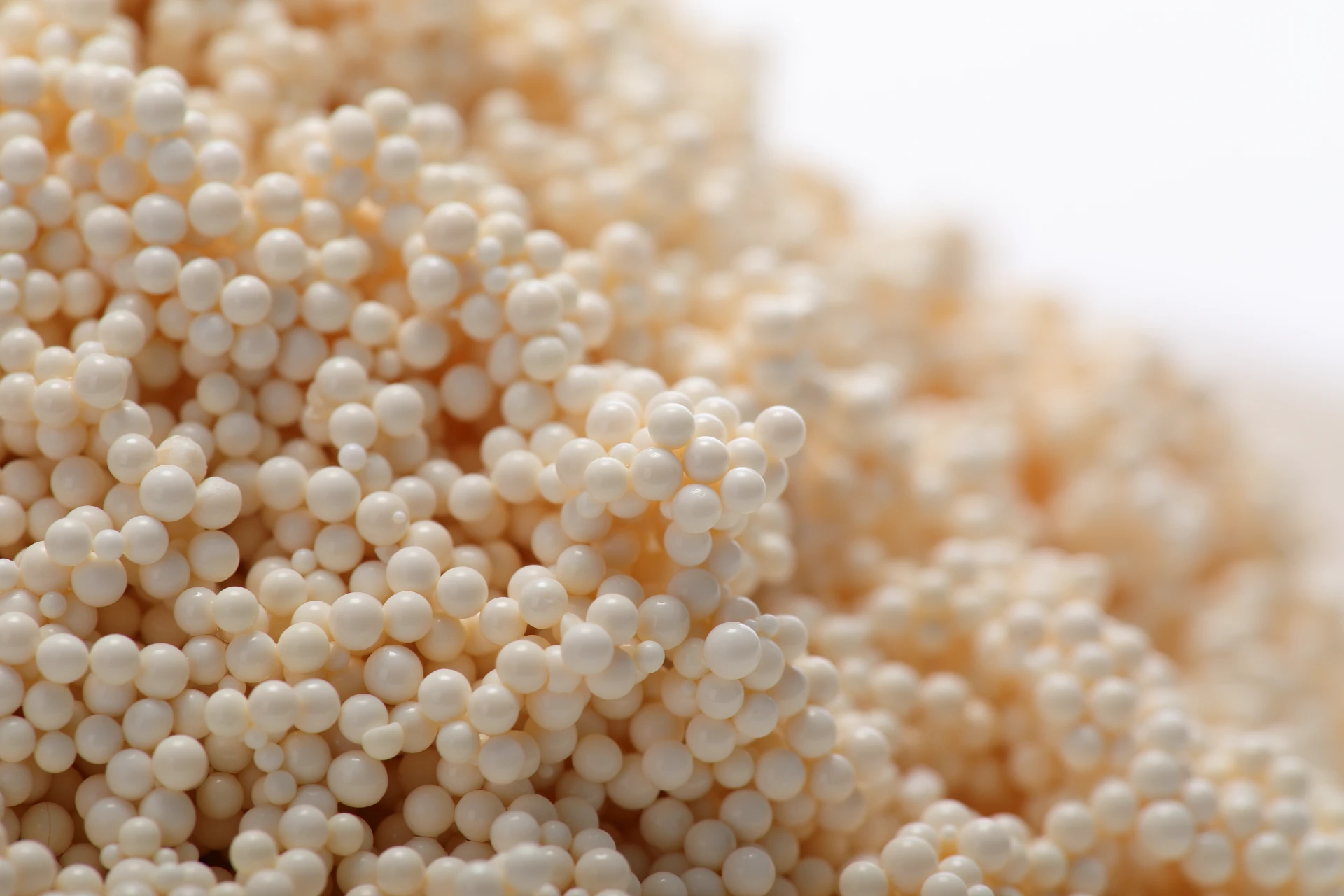
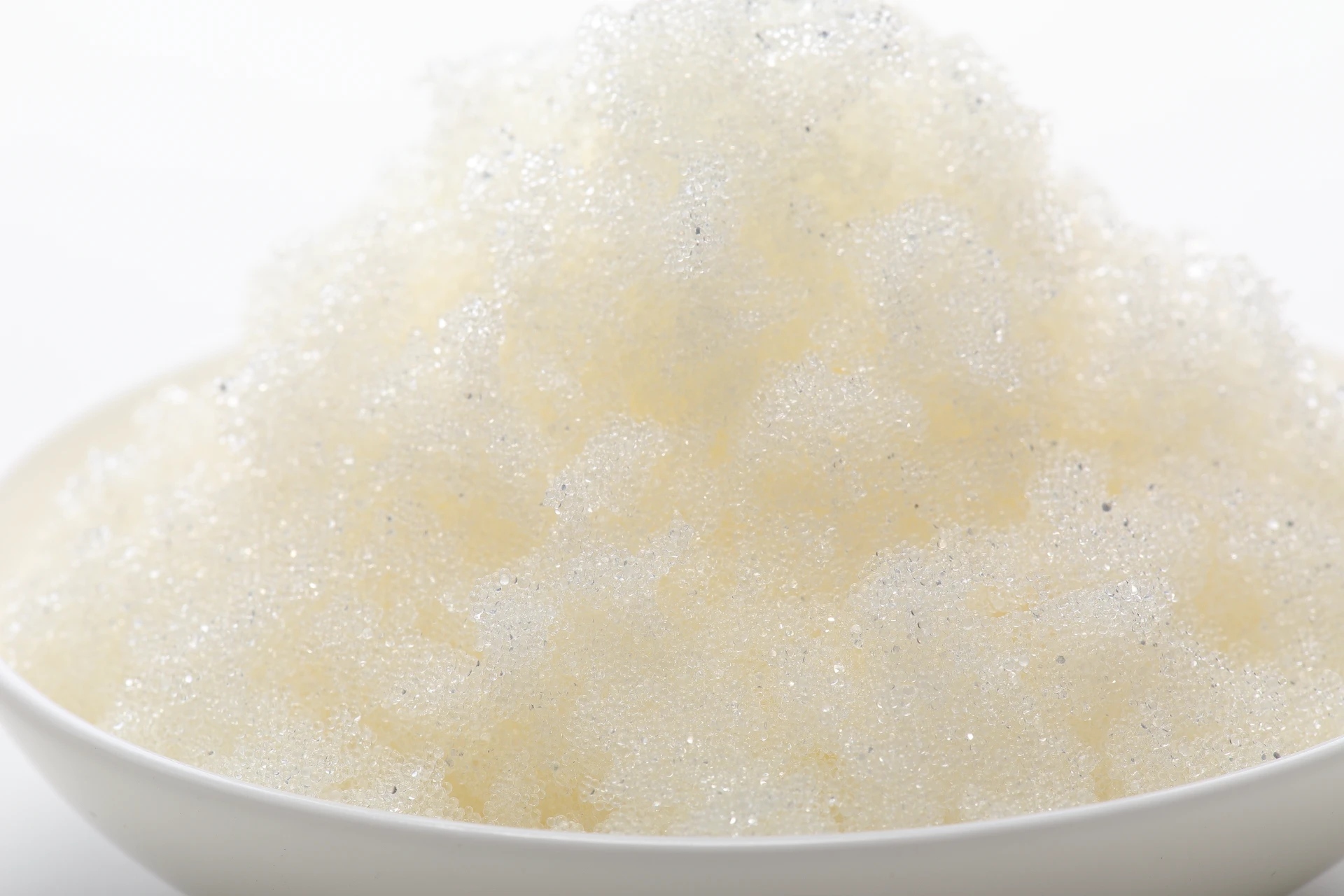
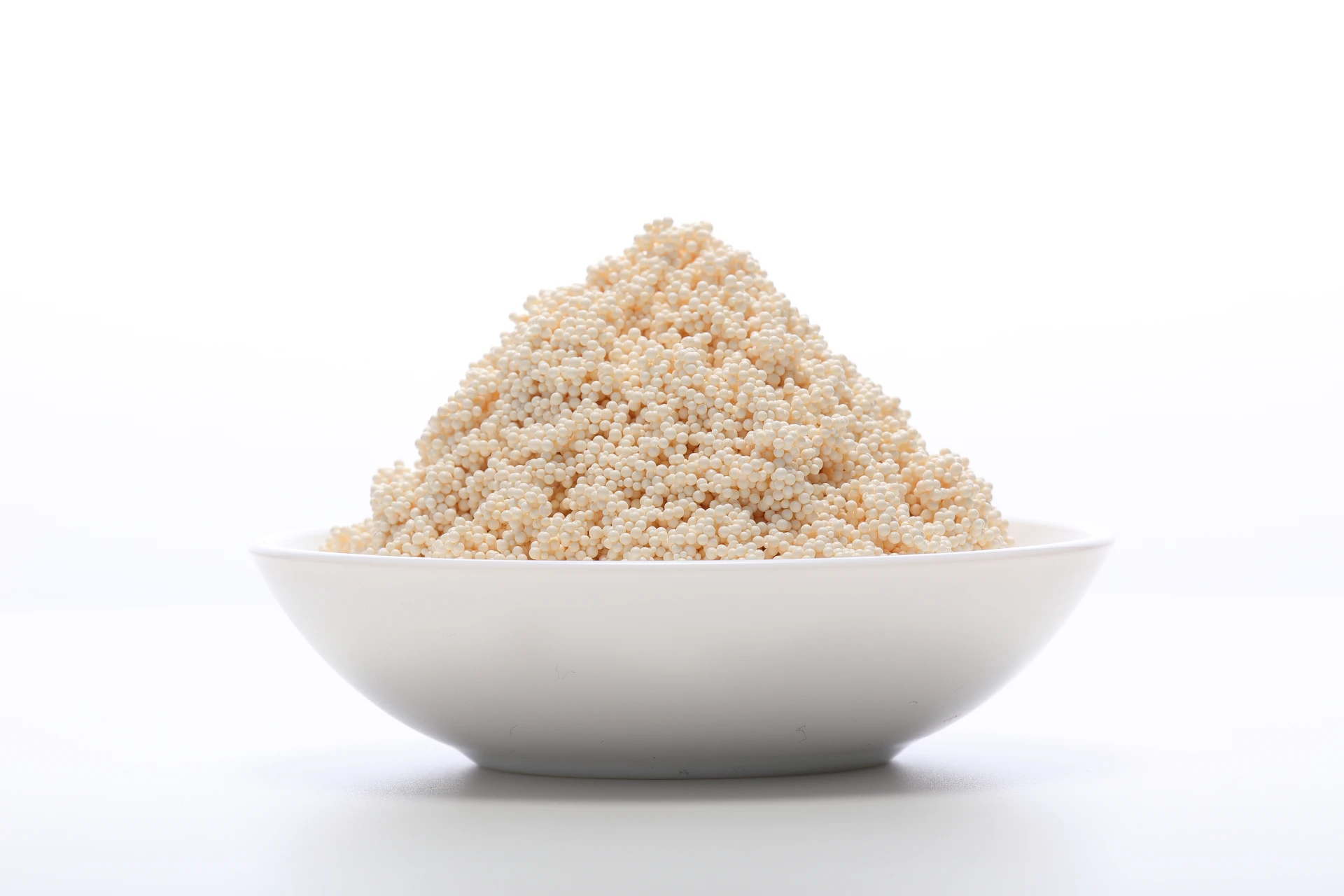
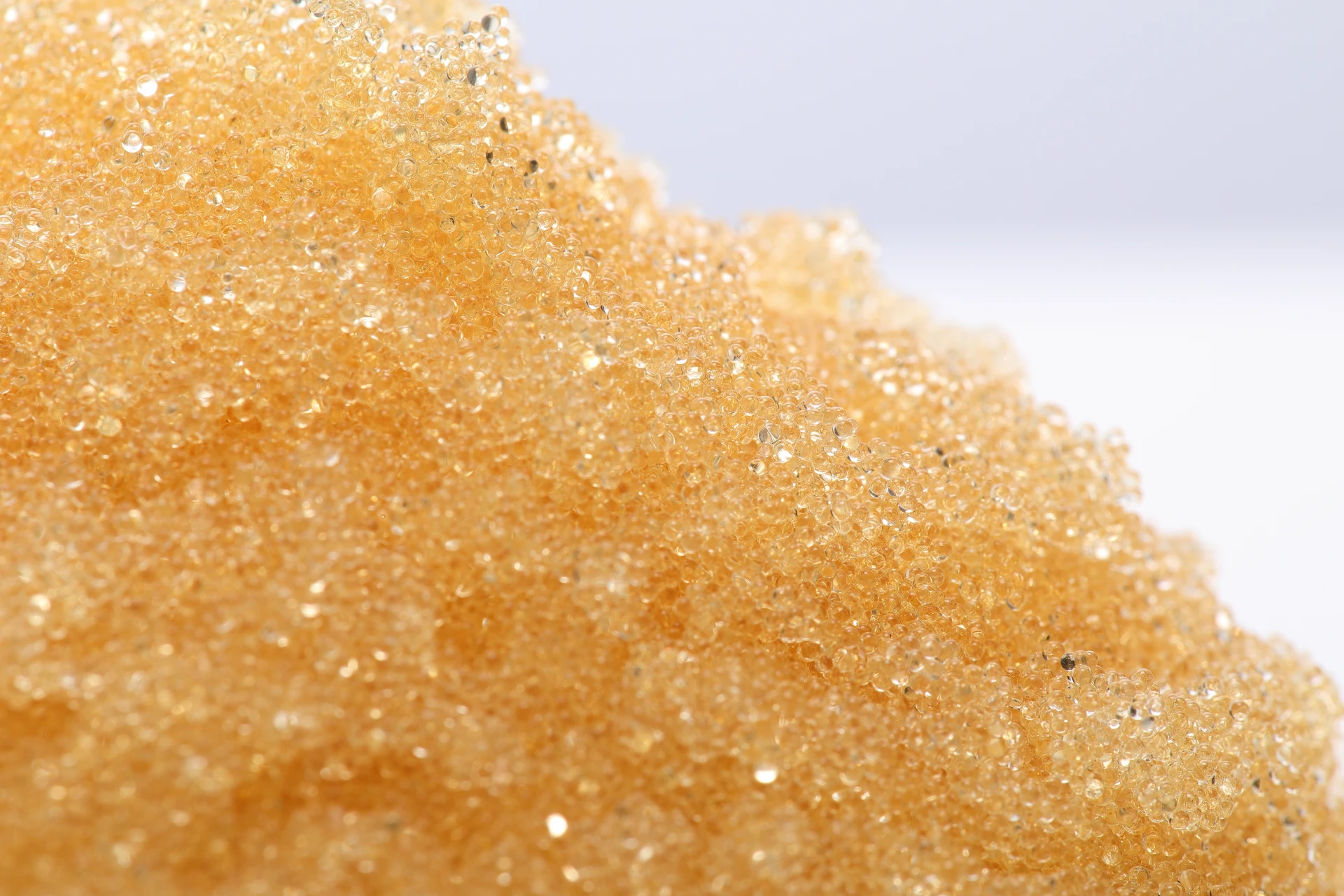
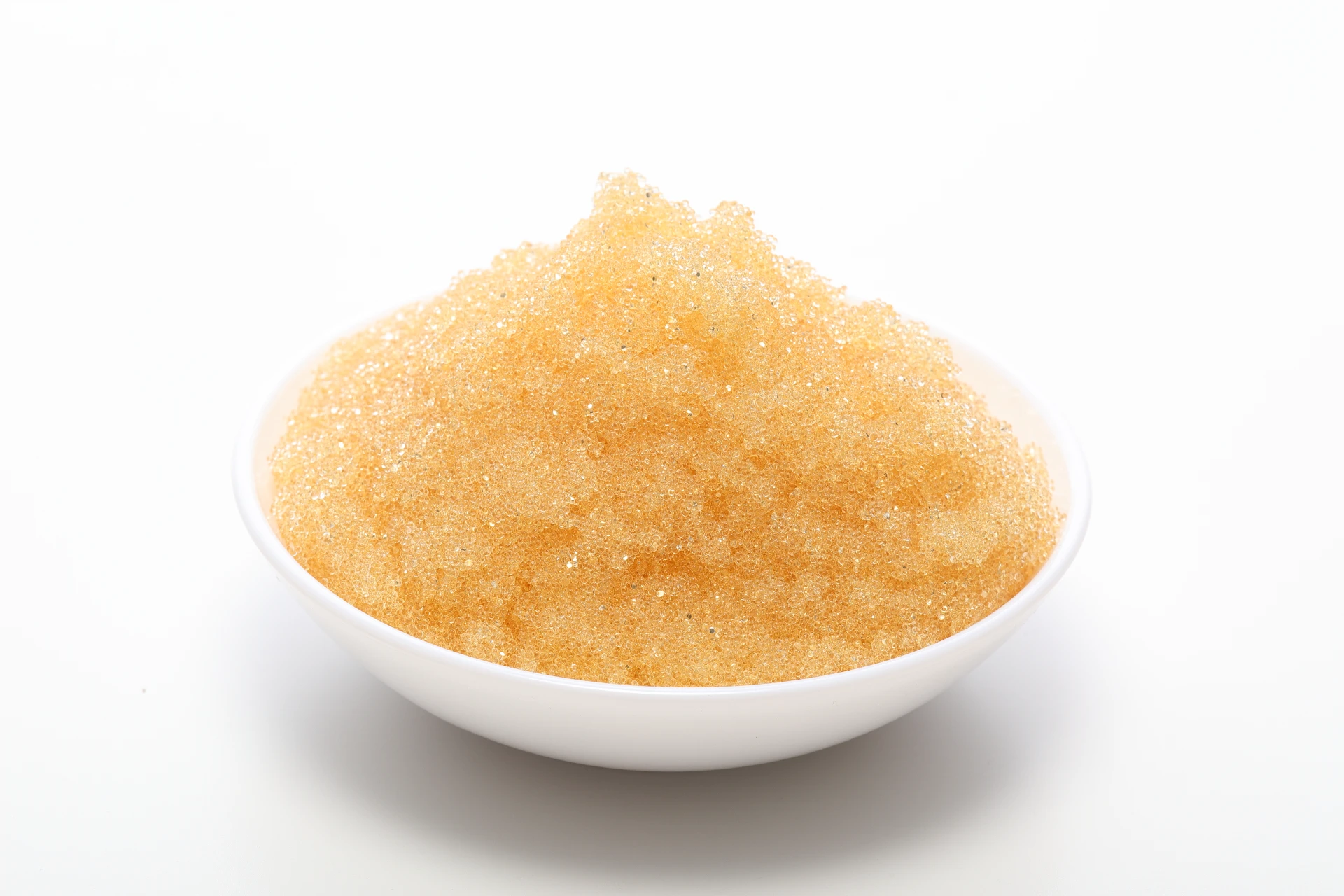
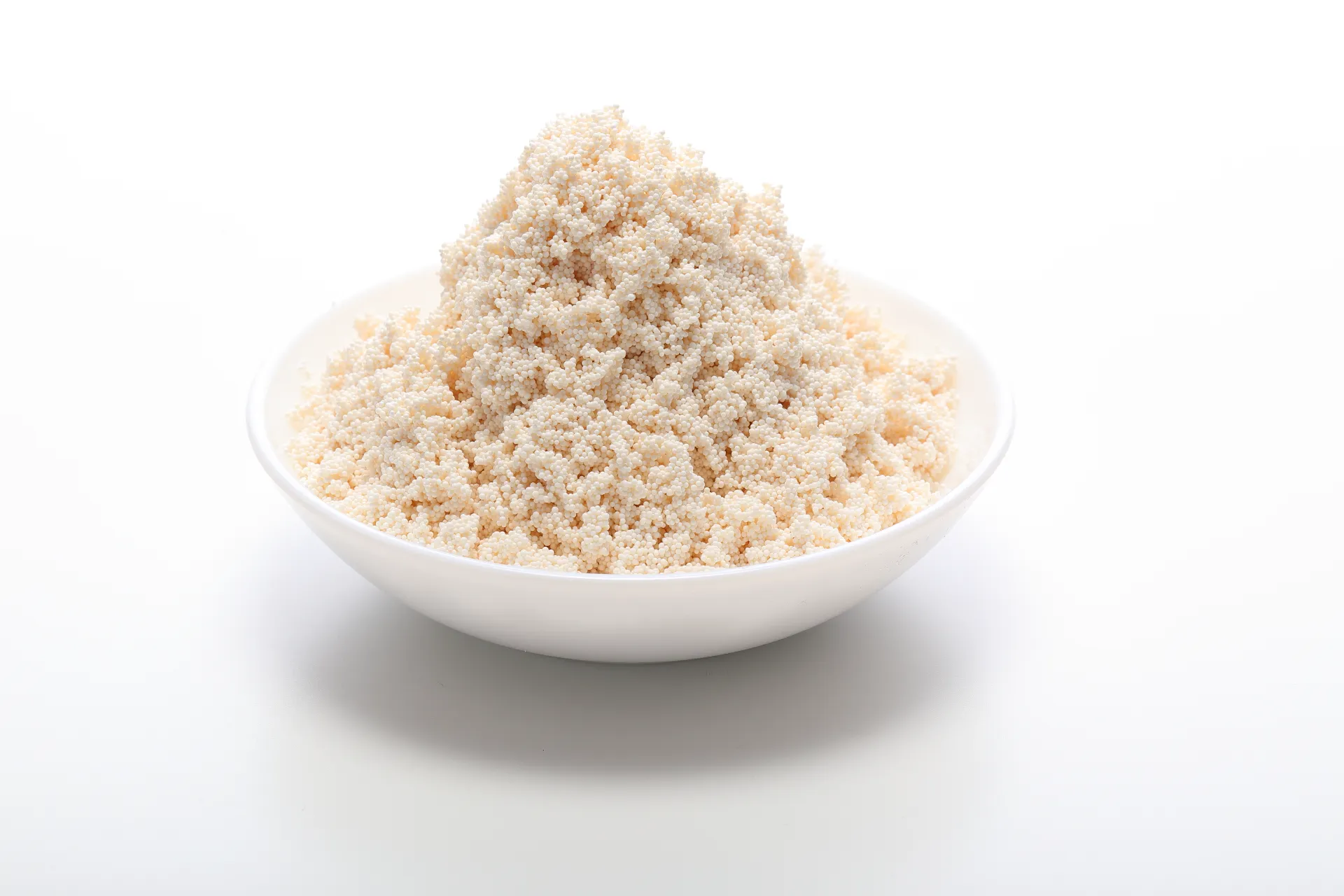
In the realm of polymer chemistry, aquatrol resin stands as a versatile material with a wide array of industrial applications. Known for its unique ability to modify surface tension and improve wetting properties, it's a critical component in coatings, adhesives, and numerous other formulations. This article provides an in-depth exploration of aquatrol resin, detailing its properties, benefits, applications, and considerations for effective use. Understanding the nuances of this resin empowers professionals to optimize their products and processes.
Aquatrol resin, typically a modified acrylic copolymer, is prized for its hydrophilicity—its affinity for water. This characteristic differentiates it from many conventional resins. The key lies in its molecular structure, containing both hydrophobic and hydrophilic segments. This unique composition allows it to reduce surface tension, promoting better wetting, leveling, and adhesion. Furthermore, it exhibits excellent chemical stability, UV resistance, and compatibility with a wide range of solvents and binders. These properties make it an ideal additive for enhancing the performance of various formulations. Choosing the correct type of aquatrol resin is crucial for achieving optimal results.
Key Highlights: Excellent chemical stability, UV resistance, compatibility with a wide range of solvents and binders. Promotes better wetting, leveling and adhesion.
One of the most significant applications of aquatrol resin is in the coatings industry. Adding it to paint and coating formulations improves wetting on low-energy surfaces, such as plastics and metals. This translates to better adhesion, reduced surface defects (like orange peel and craters), and enhanced gloss. It also improves the flow and leveling of the coating, leading to a smoother, more uniform finish. The resin's hydrophilic nature also allows for easier water-based cleaning of coated surfaces. Furthermore, it can enhance pigment dispersion, resulting in more vibrant and consistent colors. The proper concentration of aquatrol resin in the coating is vital.
Benefits in Coatings:
• Improved wetting and adhesion
• Reduced surface defects
• Enhanced gloss and leveling
• Improved pigment dispersion
While traditional wetting agents can improve surface tension, aquatrol resin offers distinct advantages. Many conventional agents are surfactants, which can exhibit foaming and incompatibility issues. Aquatrol resin, being a polymeric material, is less prone to foaming and generally offers better compatibility with a wider range of resin systems. It also provides more durable wetting properties, resisting depletion over time. The following table highlights key differences:
Beyond coatings, aquatrol resin finds use in a remarkably diverse range of industries. In adhesives, it improves bond strength and wetting on challenging substrates. It’s also utilized in printing inks to enhance pigment wetting and prevent beading. The textile industry leverages its properties to improve dye penetration and fabric softness. Additionally, it is employed in agricultural formulations to increase the spreading and absorption of herbicides and pesticides. The versatility of this resin makes it a valuable asset across numerous sectors.
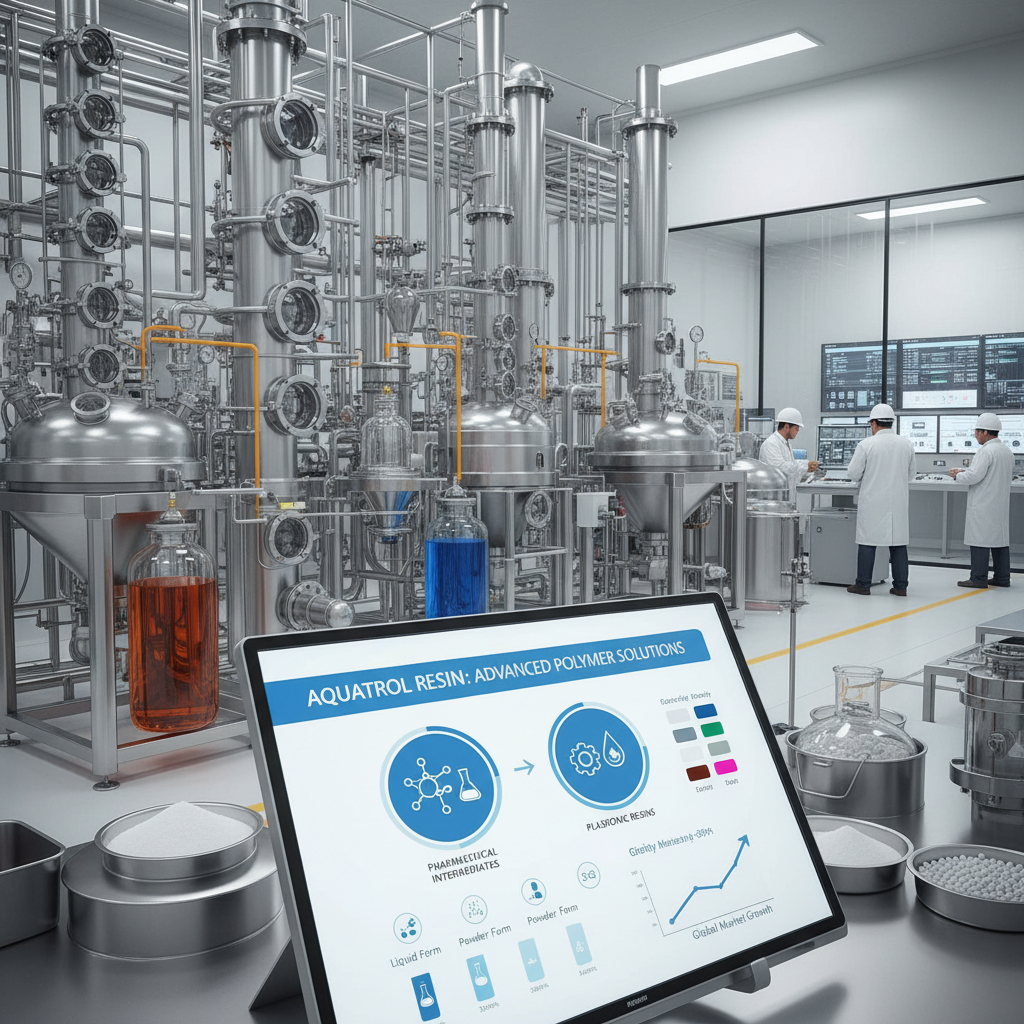
Selecting the right aquatrol resin for your application requires careful consideration. Key parameters include molecular weight, acid value, hydroxyl value, and solid content. Liji Resin offers a range of aquatrol resins tailored to specific needs. Here's a snapshot of typical specifications:
Aquatrol resin represents a powerful tool for enhancing the performance of a wide spectrum of products. Its unique properties provide superior wetting, adhesion, and stability. By understanding its characteristics and choosing the appropriate grade from a reputable supplier like Liji Resin, you can unlock significant improvements in your formulations and processes.
The optimal loading level varies depending on the specific coating system and desired properties. Generally, a loading of 0.5% to 5% by weight is sufficient to achieve significant improvements in wetting and adhesion. However, it’s crucial to conduct thorough testing to determine the ideal concentration for your particular formulation. Excessive loading can sometimes lead to issues like tackiness or reduced water resistance. Start with a lower concentration and gradually increase it while monitoring performance. Liji Resin's technical team can provide guidance on optimal loading levels for specific applications.
While aquatrol resin generally exhibits excellent compatibility, it’s always recommended to conduct a compatibility test before full-scale production. Most common solvents and water-based binders are compatible; however, certain highly polar or non-polar systems may require adjustments to the formulation. Liji Resin offers various grades of aquatrol resin specifically designed for different solvent systems, enhancing compatibility and performance. Contacting our technical support team can help you select the most suitable resin for your specific needs.
Aquatrol resin itself is generally considered to have low VOC content. However, the impact on the overall VOC content of a formulation depends on the solvent system used. In some cases, it can potentially reduce the need for higher-VOC solvents by improving wetting and leveling, thereby indirectly lowering the overall VOC content. Always check the Safety Data Sheet (SDS) for specific VOC information and ensure compliance with relevant regulations.
Aquatrol resin typically has a shelf life of at least one year when stored in a cool, dry place, away from direct sunlight and heat. It's crucial to keep the container tightly sealed to prevent moisture absorption. Over time, the resin may experience some viscosity changes, but this usually doesn’t significantly affect its performance. However, it's always recommended to check the resin's appearance and properties before use, and discard it if there are any signs of degradation.