Phone:
+86 0319 2296164


Email:
info@lijiresin.cn
Anion Water Filter technology… it’s not exactly headline news, is it? But frankly, it’s becoming increasingly critical in a lot of industrial processes. Specifically, we’re seeing a surge in demand from sectors needing high-purity water – semiconductor manufacturing, pharmaceuticals, even high-end food and beverage. It’s about more than just cleaning water; it’s about controlling the entire water chemistry. And Liji Resin has been, you know, a key player in providing durable, high-performance resins for these filters.
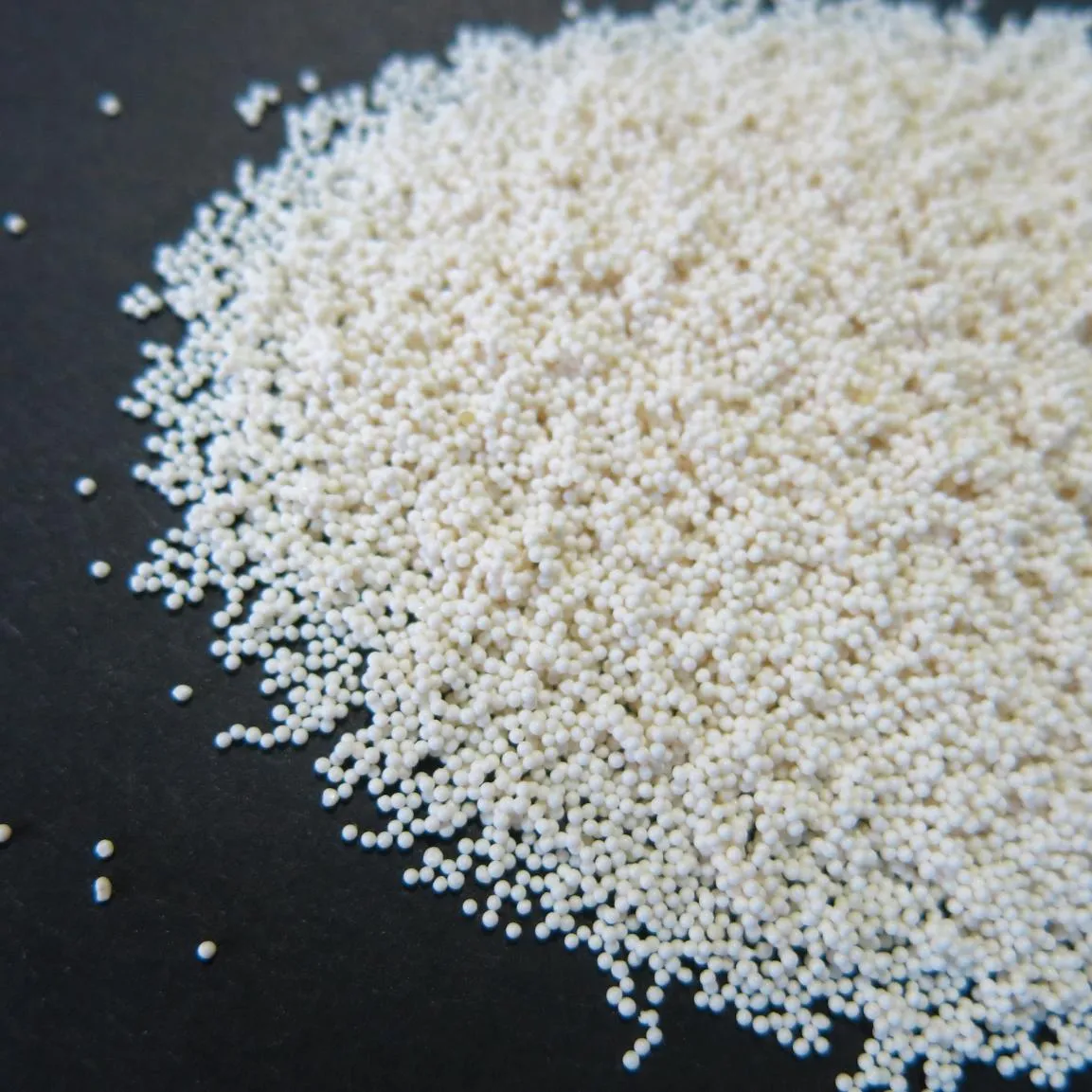
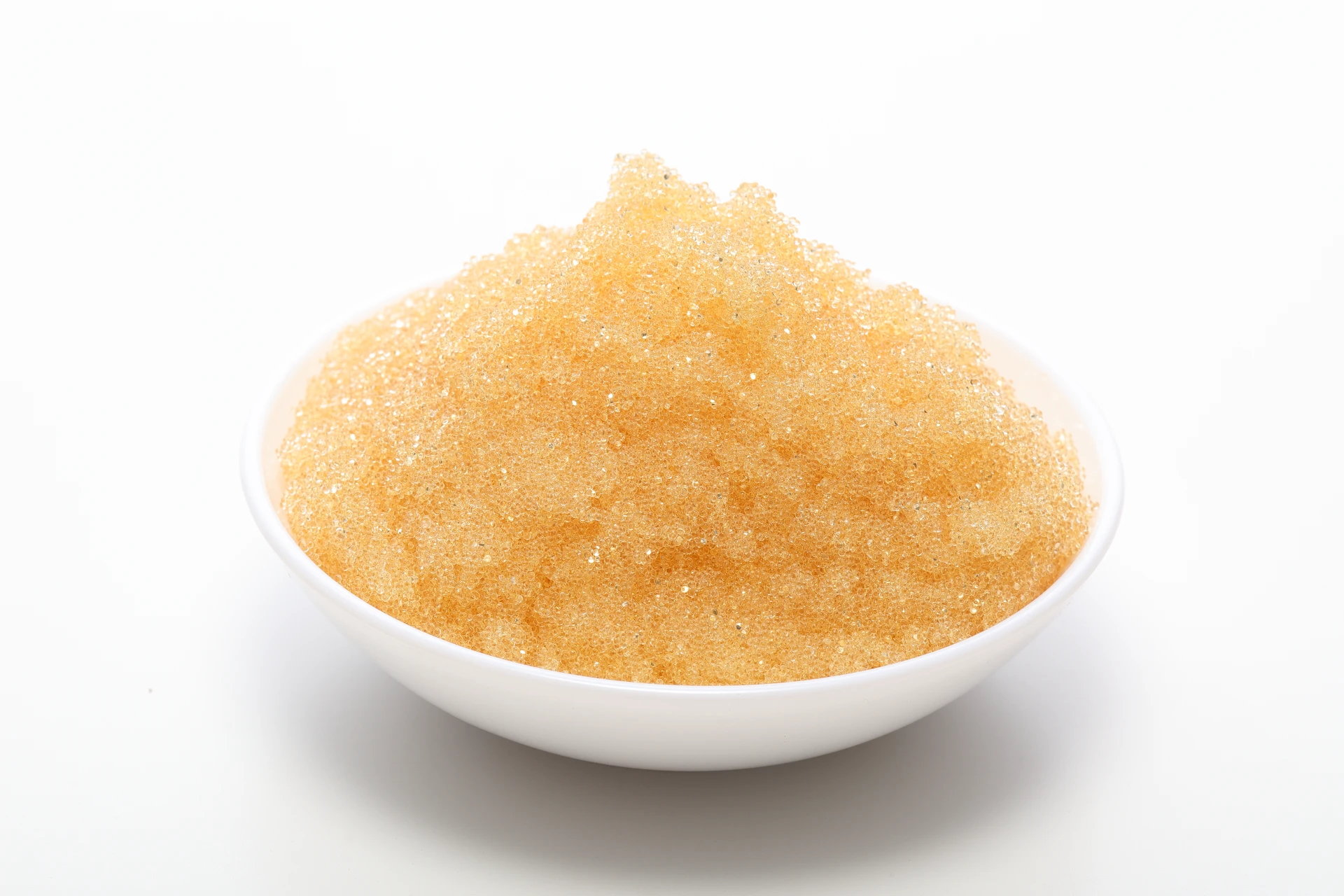
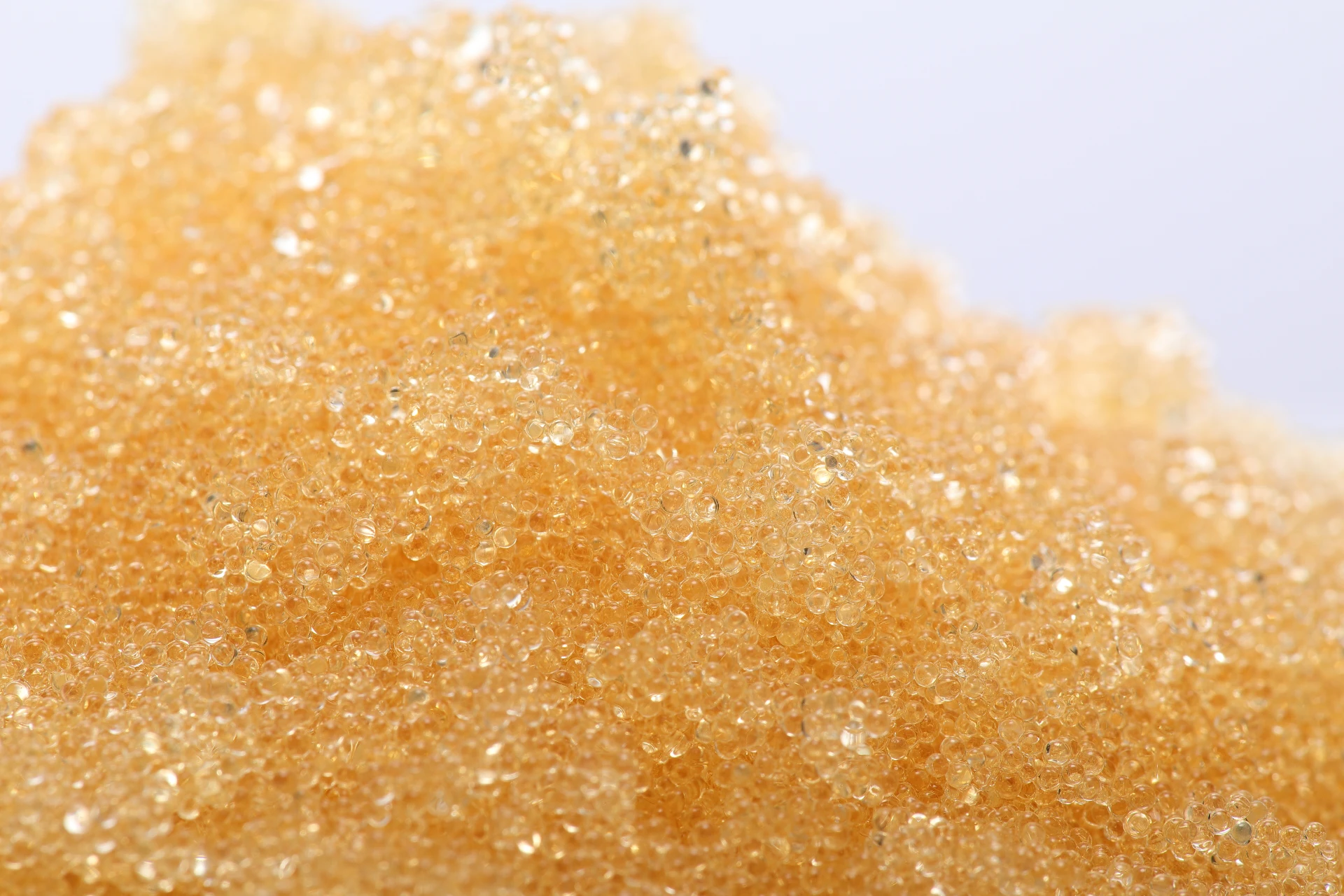
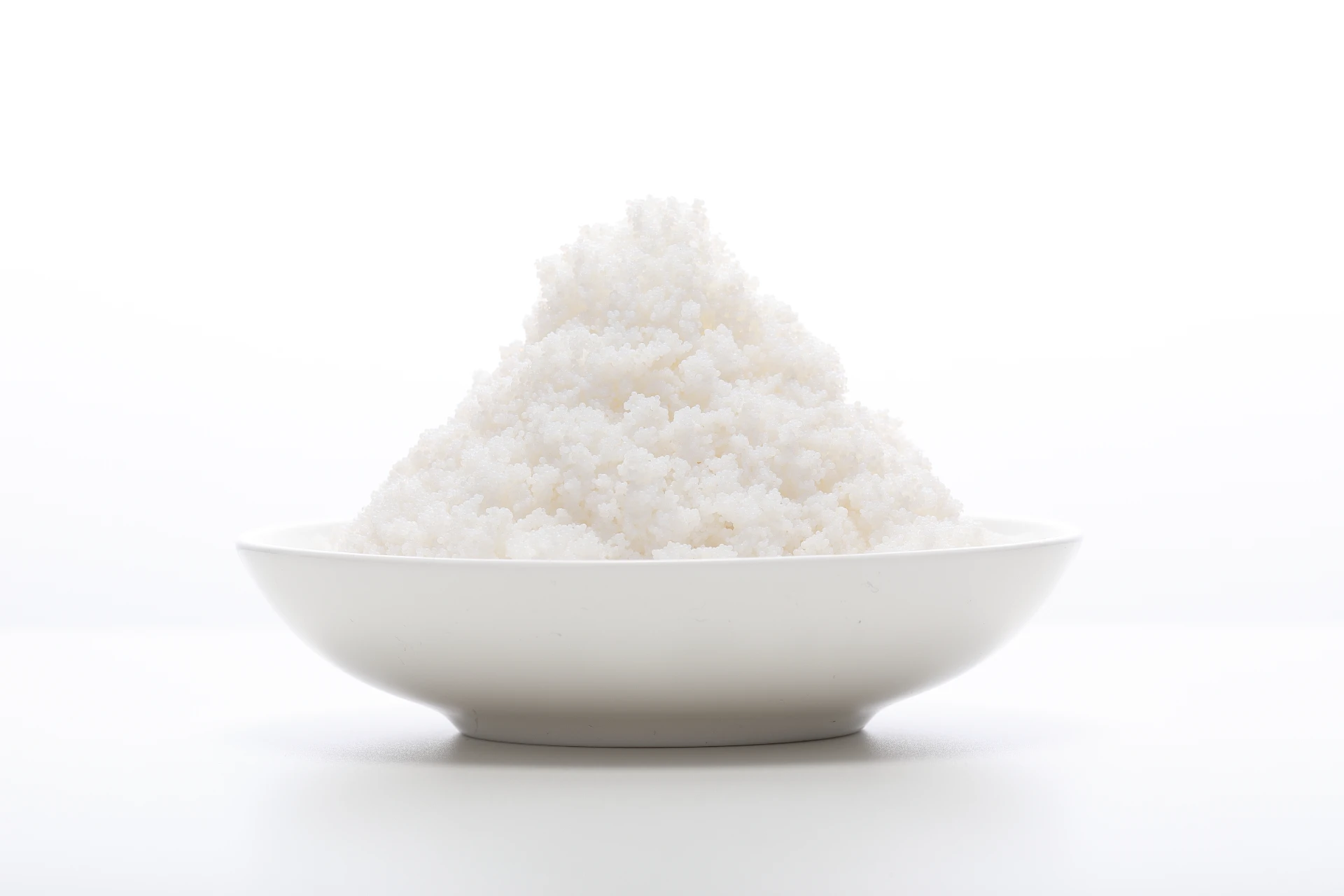
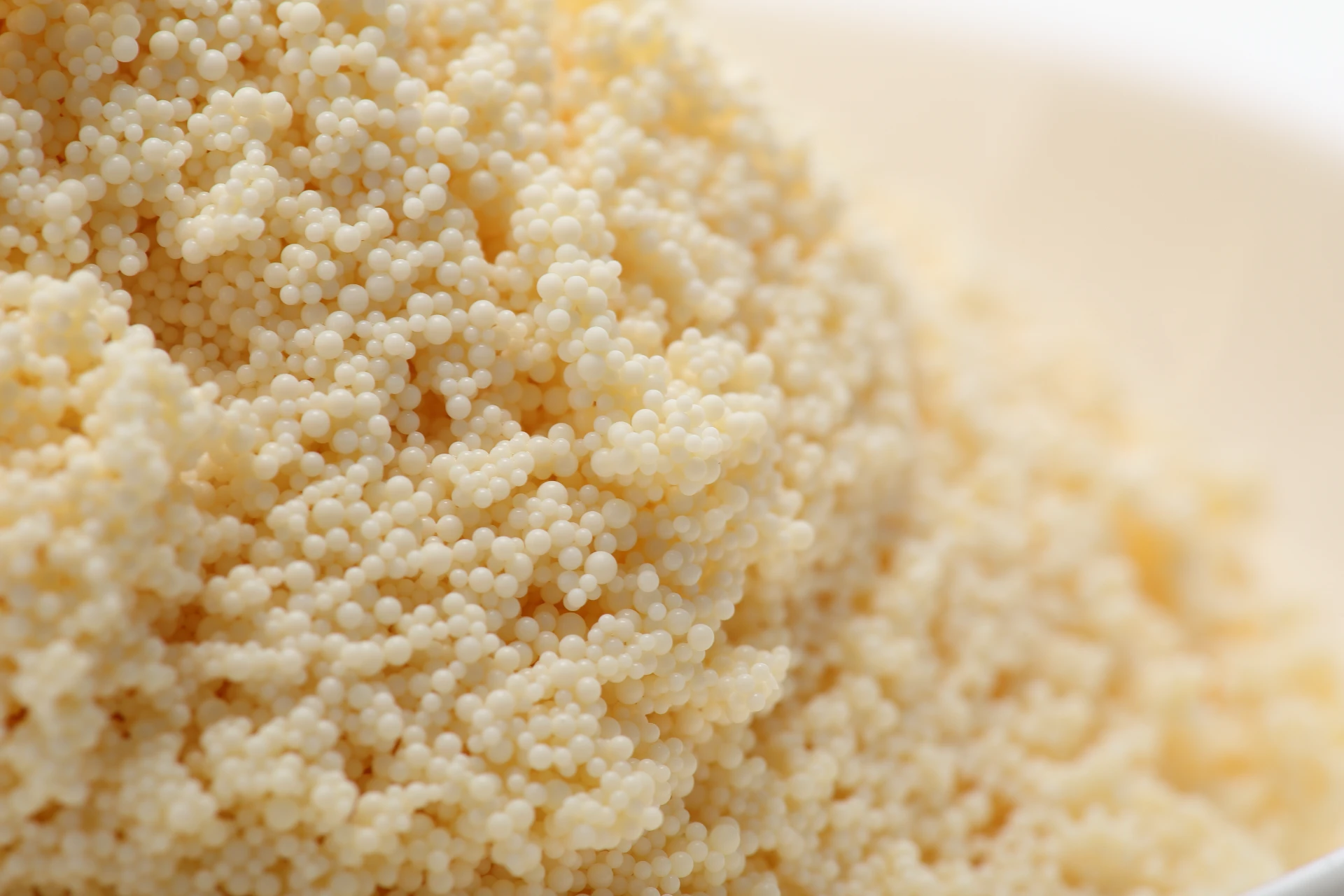
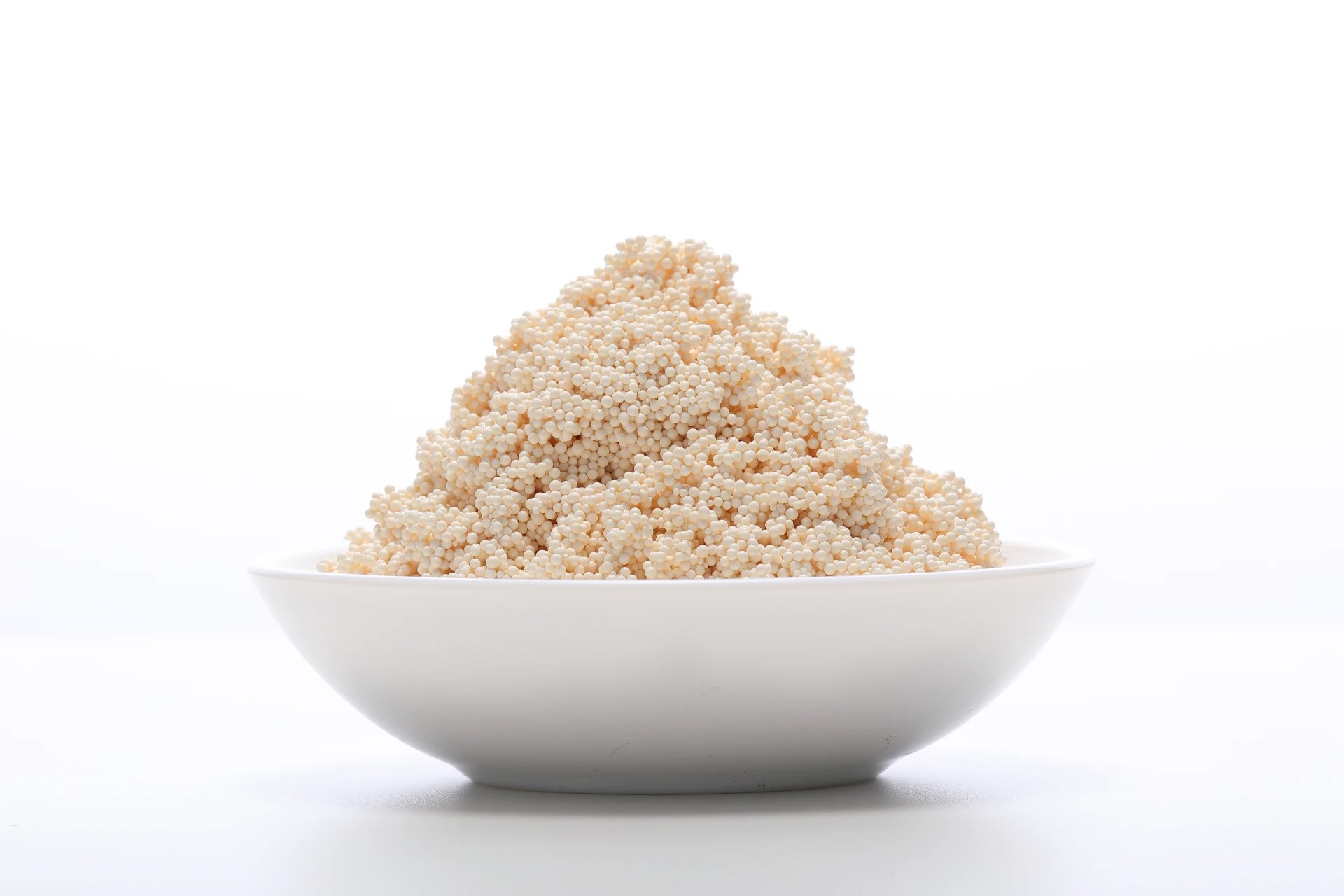
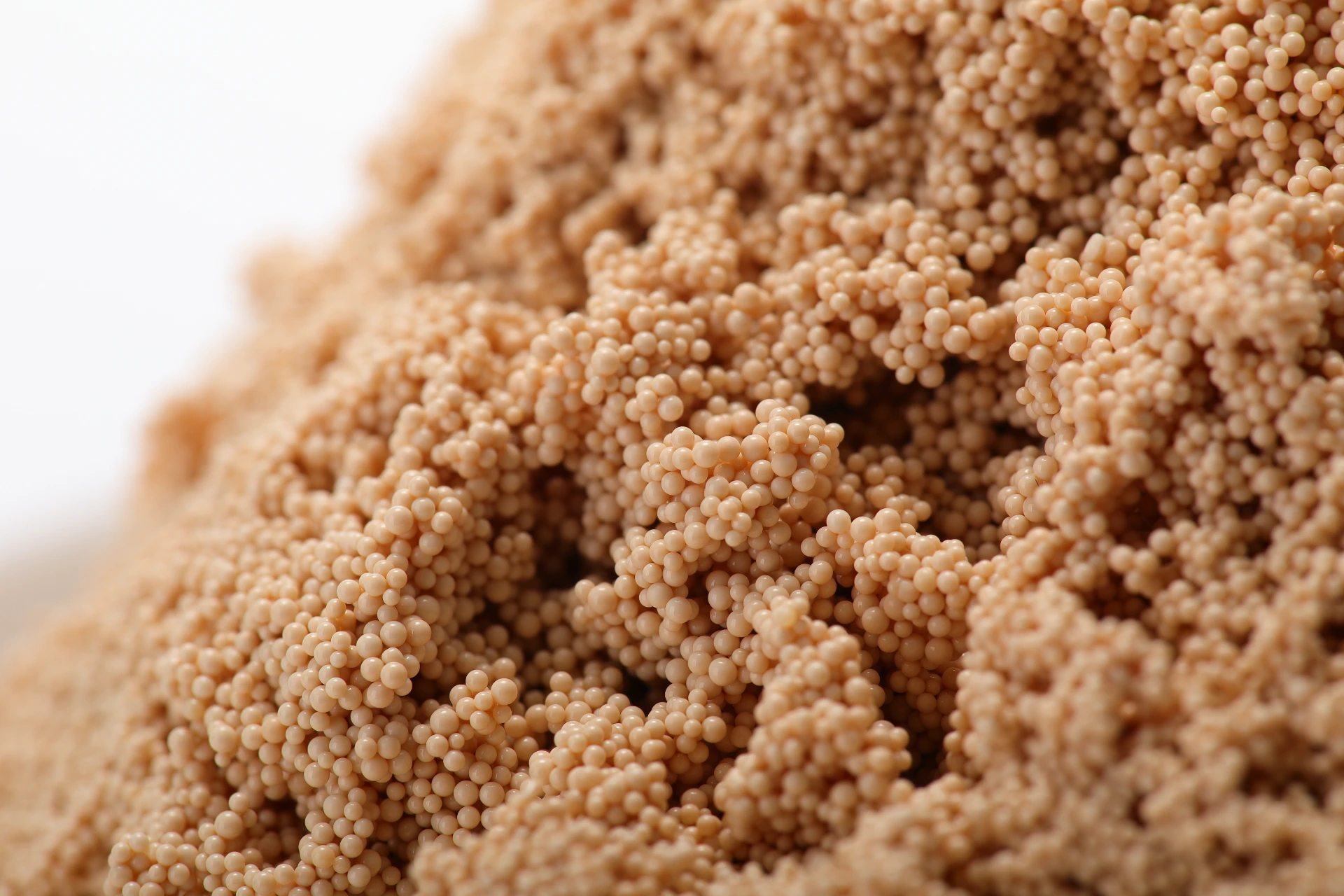
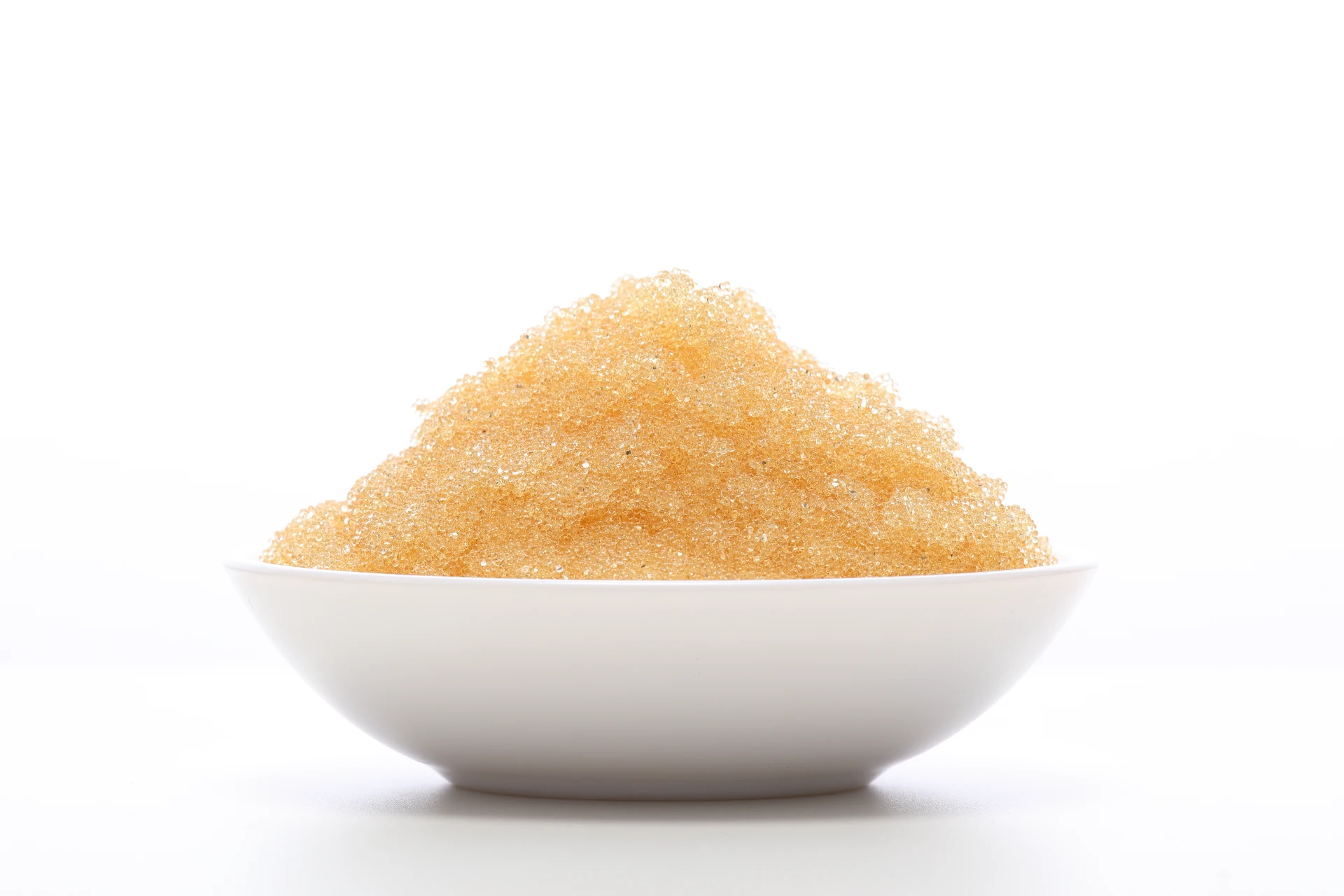
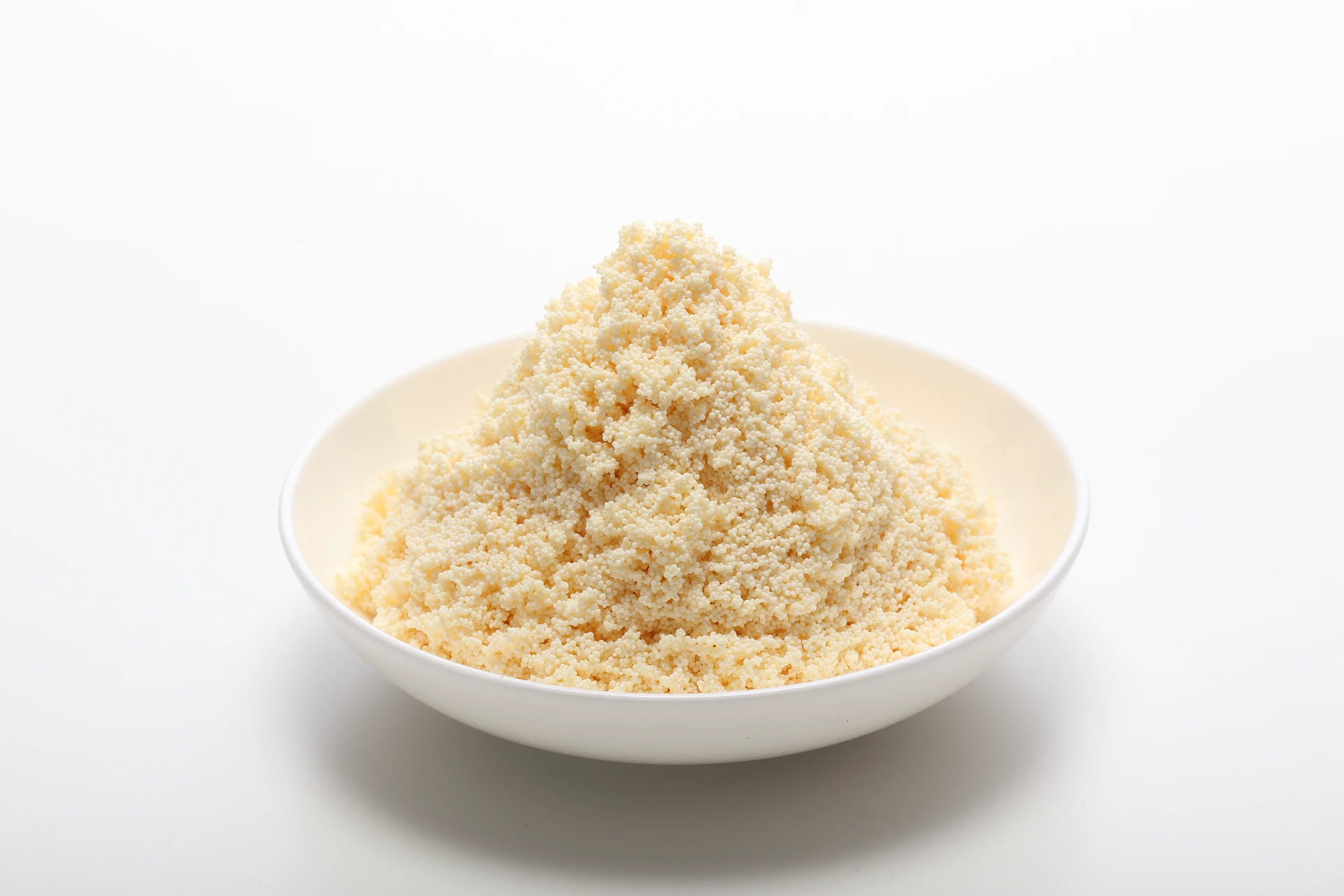
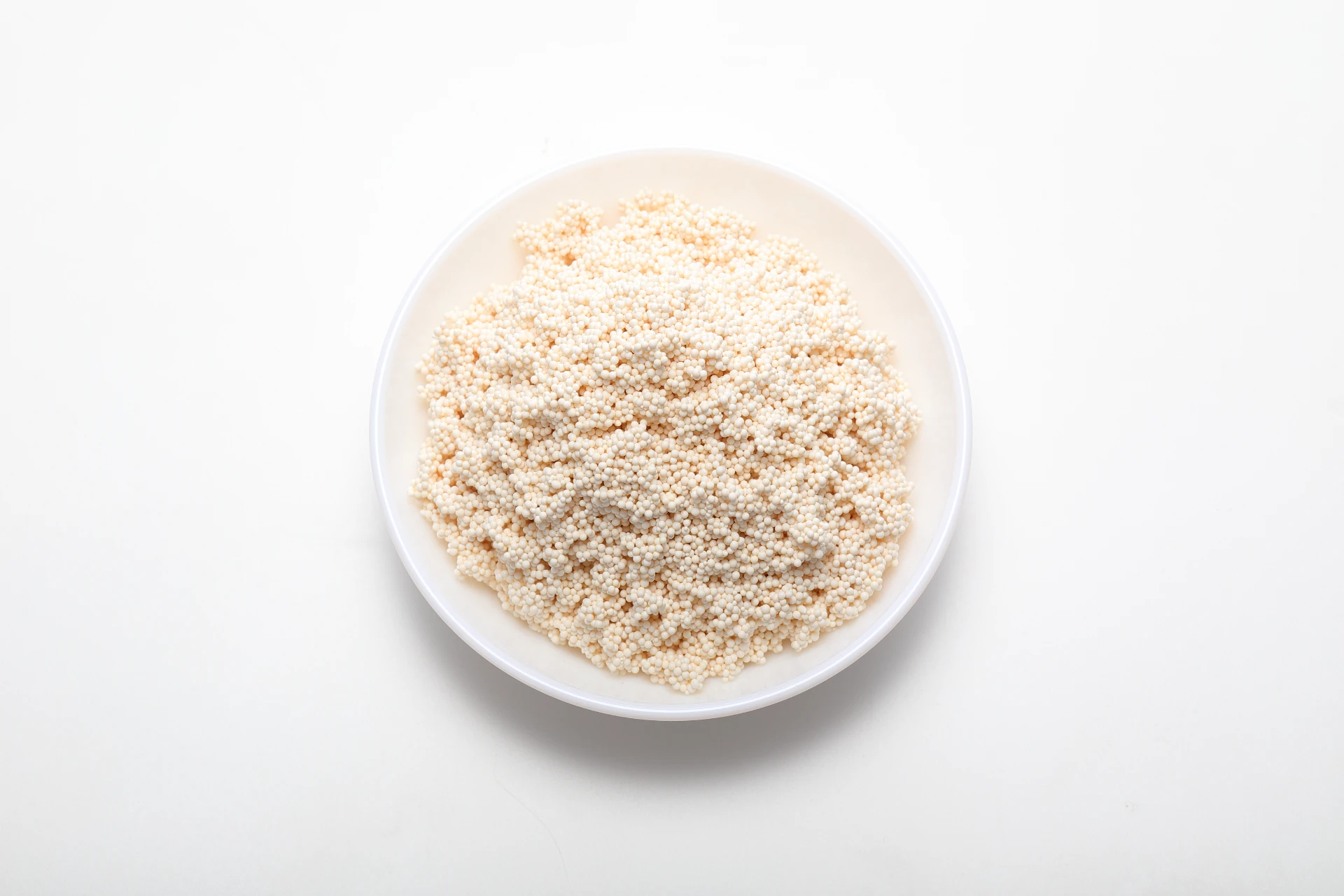
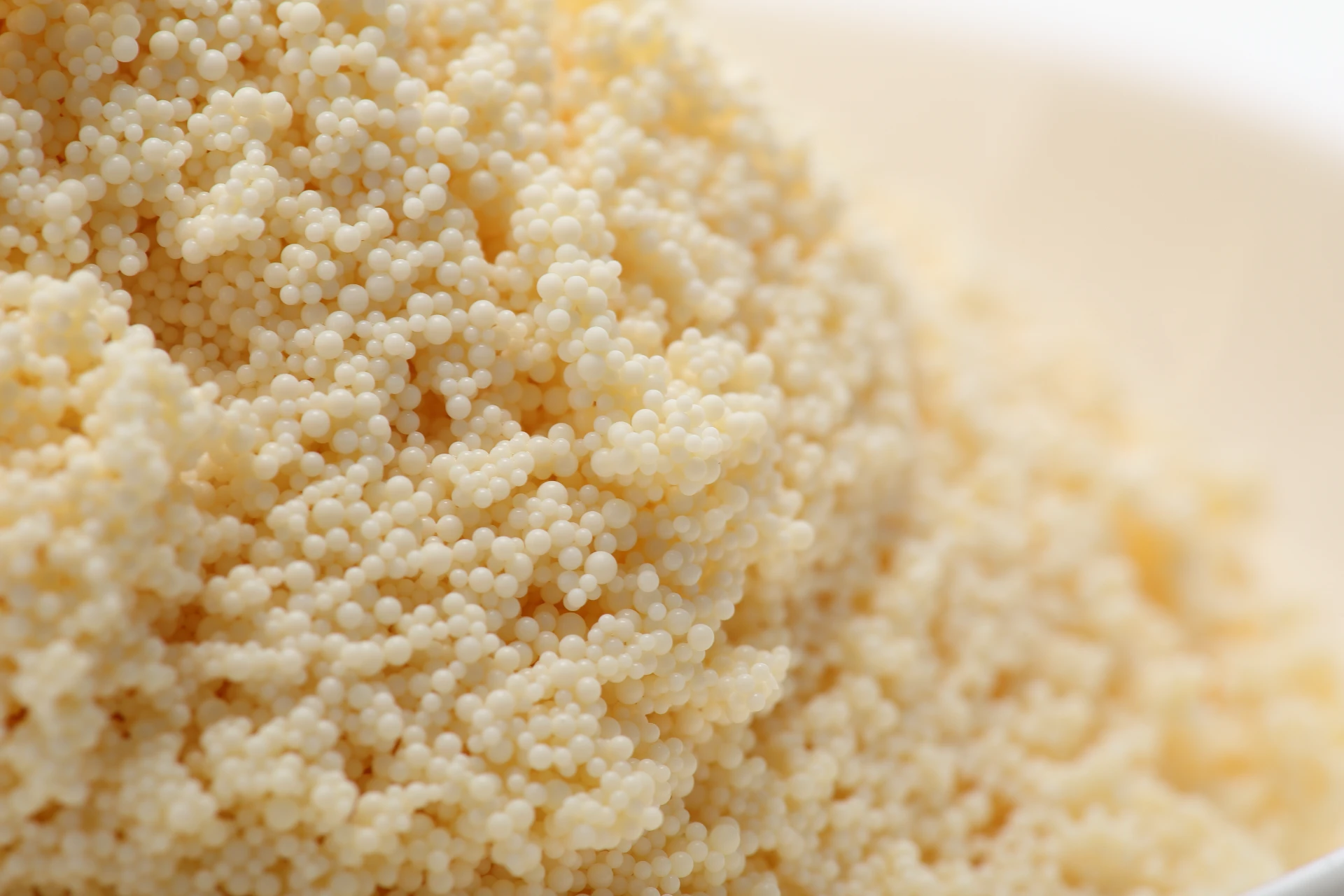
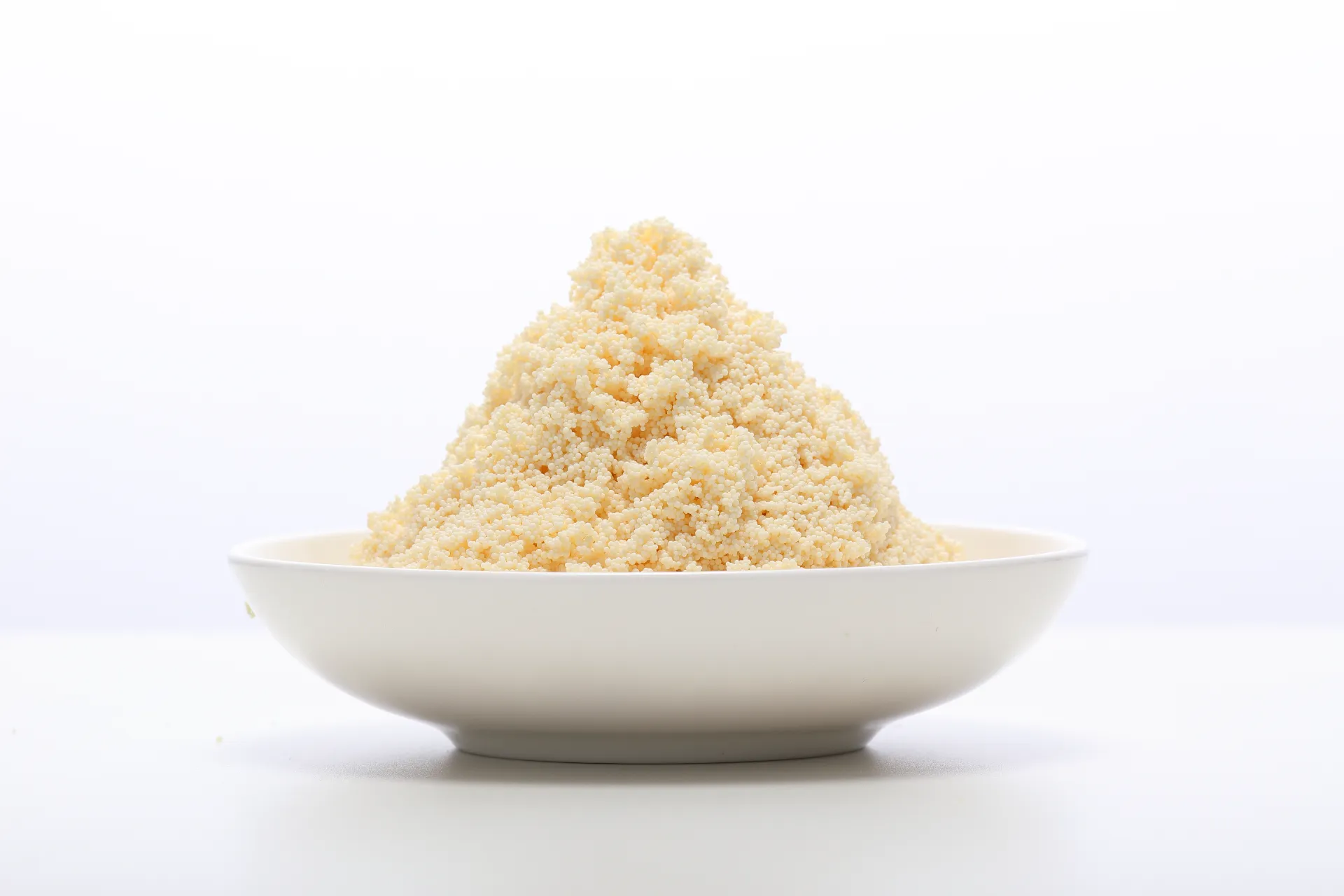
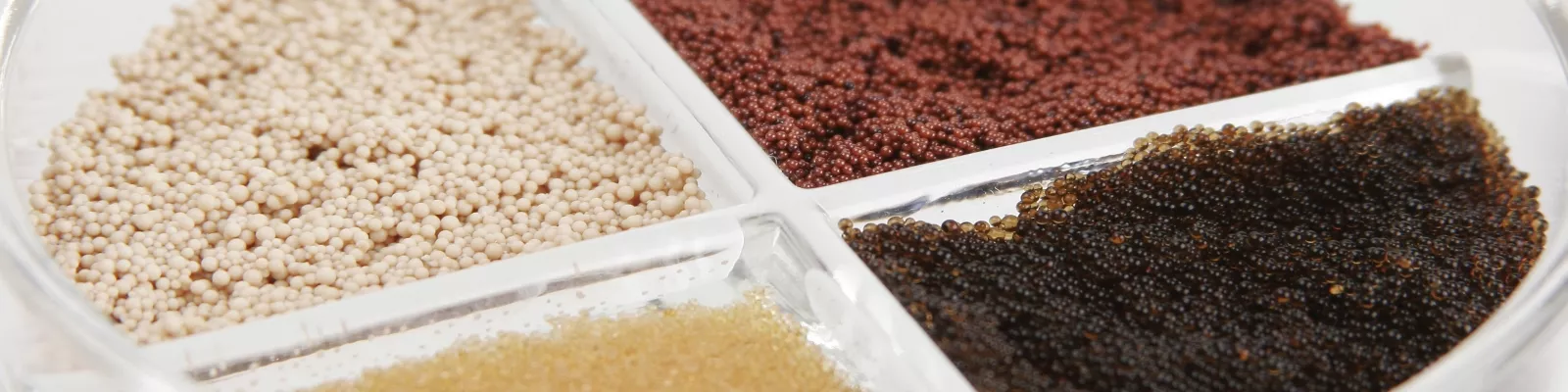
So, what is an anion water filter? At its core, it’s a system using specially designed resin beads—that’s where Liji Resin comes in—to selectively remove contaminants. It’s not just about particulate matter, though. These resins target specific ions, replacing them with harmless anions. Many engineers I’ve spoken with say the key benefit isn’t just purity, but consistent purity. The resins themselves, often based on styrene-divinylbenzene copolymers, are designed for high flow rates and exceptional chemical resistance. The precise composition dictates which contaminants are targeted, allowing for customized solutions.
| Parameter | Specification | Notes |
|---|---|---|
| Resin Type | Styrene-Divinylbenzene Copolymer | Customizable for specific ion exchange |
| Flow Rate | Up to 10 m³/hr | Dependent on resin bed size |
| Operating Temperature | 0-60°C | Consult datasheet for specific resin limits |
You find these filters everywhere purity matters. Semiconductor fabrication, obviously. But also in power generation, where boiler feedwater needs to be incredibly clean. I suppose the pharmaceutical industry is the biggest driver, though, with stringent regulatory requirements. The advantages are pretty clear: reduced downtime, improved product quality, and fewer rejected batches. And, honestly, it feels like companies are finally realizing the cost of not investing in proper water purification. It’s not just about preventing equipment failure; it’s about protecting brand reputation.
| Vendor | Resin Quality | Customization Options | Price |
|---|---|---|---|
| Liji Resin | Excellent | High | Competitive |
| ResinTech | Good | Medium | Moderate |
| Purolite | Very Good | Medium | High |
Okay, let’s talk money. The initial investment can seem high, sure. But the total cost of ownership is often lower than alternative purification methods, especially when you factor in reduced chemical usage and less frequent equipment replacement. Maintenance is relatively straightforward: periodic backwashing to remove accumulated contaminants. We worked with a beverage manufacturer last year who, after switching to a Liji Resin system, saw a 15% reduction in downtime related to water quality issues. The durability of the resins is a big factor there. They’re not cheap, but they last. And frankly, that's what matters.
Sustainability is, understandably, a huge topic right now. Anion water filters can actually contribute to sustainability efforts. By reducing the need for harsh chemicals and minimizing waste, they offer a greener alternative to traditional water treatment methods. Plus, the resins themselves can often be regenerated and reused, further reducing their environmental impact. Oddly enough, I’ve noticed a growing emphasis on ‘closed-loop’ water systems, where water is continuously purified and recycled. That’s where this technology really shines, I think.
Ultimately, it's a subtle but powerful technology. It doesn't grab headlines, but it's a critical enabler for a lot of advanced manufacturing. Choosing the right resin partner – and Liji Resin is definitely worth considering – can make all the difference. Visit our website: https://www.lijiresin.com.