0%

Table of Contents

Ion exchange beds are a critical component in a vast array of industrial and environmental processes, serving as the cornerstone for purification, separation, and regeneration. These specialized systems employ insoluble solid resins to selectively remove ions from liquids, offering solutions to challenges ranging from water treatment and pharmaceutical production to nuclear waste management and food processing. Understanding the principles and applications of ion exchange bed technology is increasingly vital in a world facing growing concerns about resource scarcity, environmental sustainability, and public health.

Globally, the demand for effective separation and purification techniques is continuously rising, driven by stringent regulations, increasing population, and expanding industrial activities. The ion exchange bed market is projected to experience significant growth in the coming years, fueled by innovations in resin materials, process optimization, and the development of new applications. This escalating demand emphasizes the importance of comprehending the intricacies of ion exchange bed functionality and its broader implications for various sectors.

The effectiveness of an ion exchange bed lies in its ability to address complex purification needs across numerous industries. From ensuring potable water supplies to producing high-purity chemicals and recovering valuable metals, this technology offers a sustainable and efficient solution for countless applications.
Advancements in Ion Exchange Bed Technology for Purification and Separation Processes

Introduction to ion exchange bed

Advancements in Ion Exchange Bed Technology for Purification and Separation Processes

The core functionality of an ion exchange bed relies on the reversible exchange of ions between a solid resin and a liquid solution. This process isn’t merely about removal; it’s about selectively tailoring the composition of a liquid, making it invaluable in applications demanding high purity or specific chemical characteristics. The process is incredibly versatile, adaptable to a wide spectrum of ions and operating conditions.

This technology’s impact spans multiple industries. In water purification, it removes harmful contaminants like nitrates and heavy metals, ensuring access to safe drinking water. In the pharmaceutical industry, it’s instrumental in producing high-purity drugs and APIs. Beyond that, ion exchange processes are vital for recovering precious metals, refining sugars, and even in nuclear power plant operations for radioactive waste management.

Global Relevance and Challenges

The global demand for clean water is escalating rapidly, with the United Nations estimating that billions of people lack access to safely managed drinking water services. Ion exchange bed technology plays a crucial role in addressing this challenge by offering a cost-effective and efficient means of removing contaminants from water sources, particularly in regions with limited infrastructure. This need is further amplified by industrial growth and increasing pollution levels worldwide.

However, the widespread adoption of ion exchange technology faces challenges. The cost of resin materials, especially specialized resins designed for specific applications, can be significant. Furthermore, the disposal of spent resins, which may contain hazardous substances, presents environmental concerns. Ongoing research and development efforts are focused on creating more sustainable and cost-effective resin materials and developing innovative regeneration and disposal methods.

The World Bank has emphasized the necessity of investing in water treatment infrastructure, and ion exchange is frequently integrated into these initiatives. The increasing stringency of environmental regulations, such as those implemented by the ISO 14000 series, also drives the adoption of advanced purification technologies like ion exchange beds.

Defining the ion exchange bed

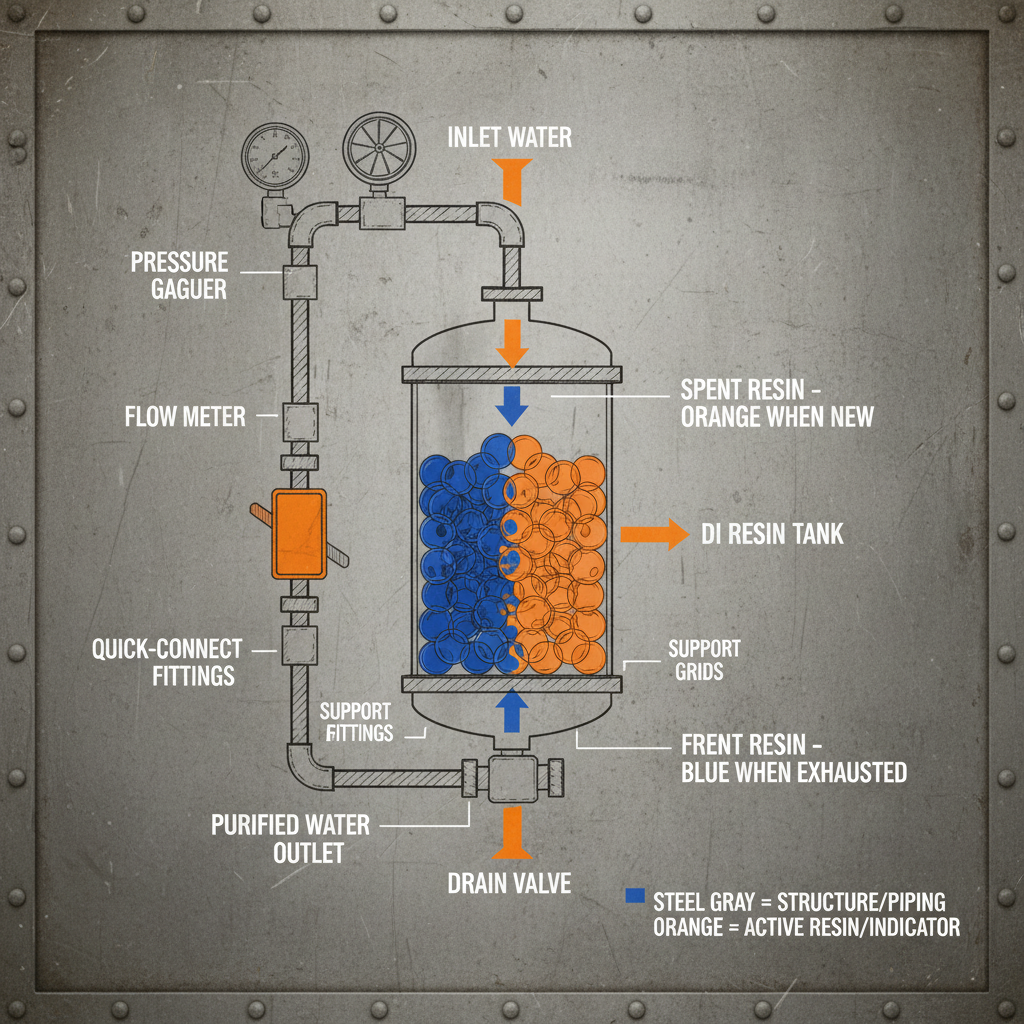
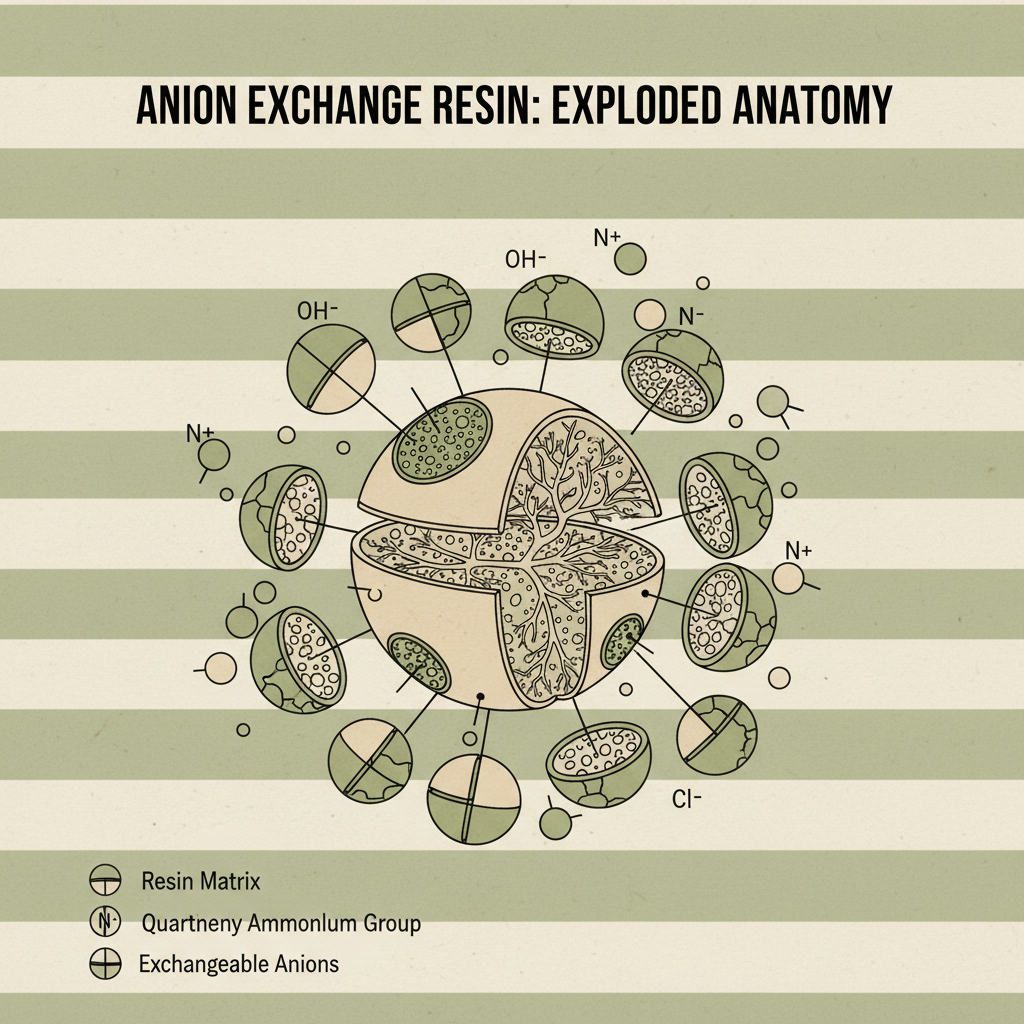
An ion exchange bed, in its simplest form, is a column packed with solid polymeric resin beads. These beads are functionalized with ionic groups, allowing them to attract and bind ions of opposite charge from a surrounding liquid. When the liquid passes through the bed, ions are exchanged between the liquid and the resin, effectively removing unwanted ions or substituting them with desired ones.

This process is fundamentally linked to modern industry and humanitarian needs. Industrial processes often require the precise control of ionic composition for optimal performance, while humanitarian applications demand access to clean and safe water, free from harmful contaminants. Ion exchange beds offer a scalable and efficient solution for both scenarios.

The efficiency of an ion exchange bed isn't just about the resin itself; it's a carefully engineered system encompassing flow rate, resin type, temperature, and pH. Optimizing these parameters is critical for maximizing performance and ensuring long-term operational reliability.

Key Factors Influencing Performance

Several factors significantly impact the performance of an ion exchange bed. Durability, or the resin's resistance to physical and chemical degradation, is paramount for long-term cost-effectiveness. Resins must withstand repeated cycles of regeneration and exposure to various chemicals without losing their exchange capacity. Scalability is also vital, as systems need to be adapted to different flow rates and treatment volumes based on the specific application.

Cost efficiency represents a key consideration. While initial resin costs can be substantial, the ability to regenerate the resin and reuse it multiple times reduces the overall lifecycle cost. The selectivity of the resin – its preference for certain ions over others – is equally important, as it determines the purity of the treated liquid. Finally, regeneration efficiency impacts operational costs and environmental footprint, demanding optimized processes for resin recovery.

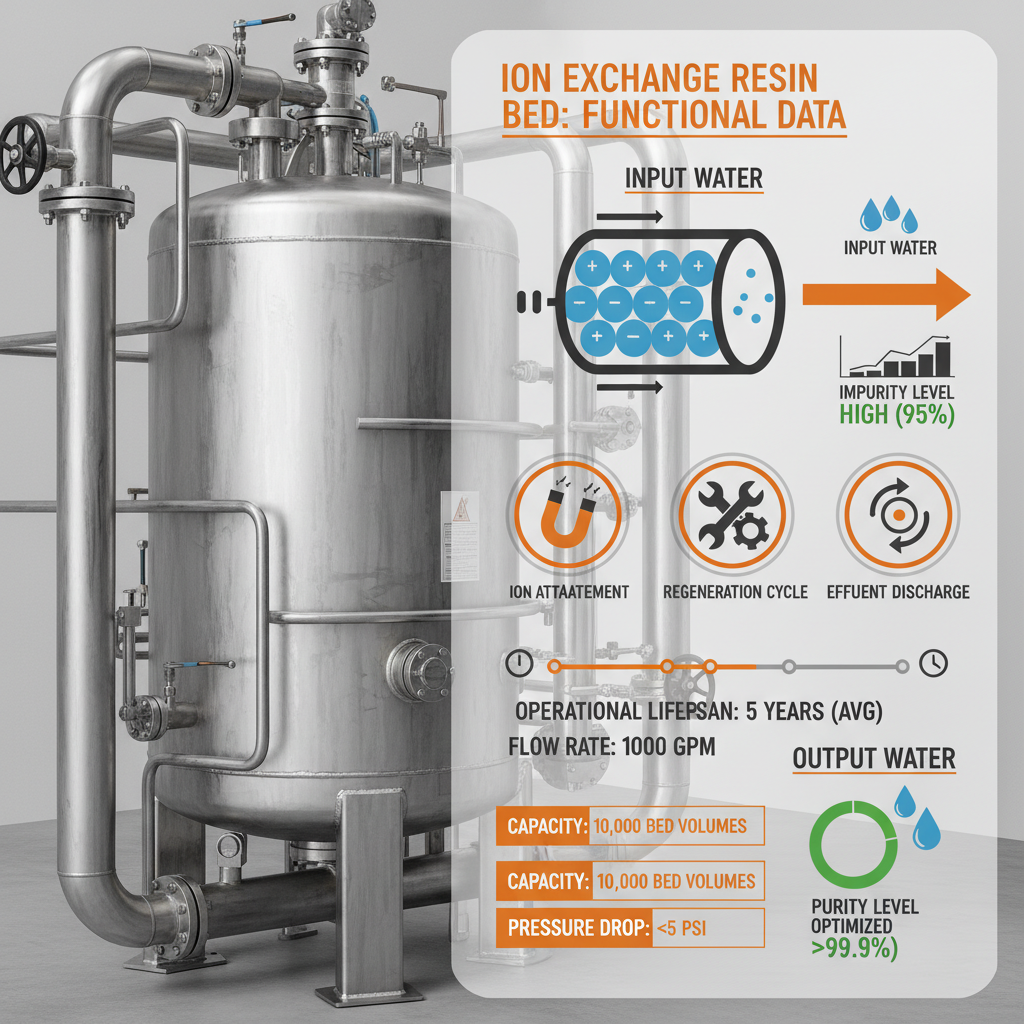
ion exchange bed Performance Metrics


Diverse Applications Worldwide

Ion exchange beds are extensively used in water treatment plants globally, removing hardness, nitrates, and other contaminants to produce potable water. In the power generation sector, they play a vital role in maintaining the purity of boiler feedwater, preventing scaling and corrosion. In post-disaster relief operations, mobile ion exchange units are deployed to provide access to safe drinking water in affected areas.

Within the pharmaceutical industry, ion exchange beds are critical for the purification of APIs (Active Pharmaceutical Ingredients) and the removal of unwanted byproducts. They are also employed in food and beverage processing for demineralization, decolorization, and flavor enhancement. In remote industrial zones, these systems provide on-site water purification and waste treatment solutions.

Advantages and Long-Term Value

The tangible benefits of utilizing ion exchange bed technology are numerous. Reduced operational costs stem from the regenerability of resins and the decreased need for chemical additives. Enhanced sustainability is achieved through minimized waste generation and efficient resource utilization. From a societal impact perspective, access to clean water and improved public health are directly linked to the implementation of these systems.

Beyond the practical, the use of ion exchange beds fosters trust and reliability. Consistent water quality builds confidence in supply, while high-purity products inspire confidence in manufacturers. The drive for innovation within the field constantly pushes boundaries, leading to more efficient, cost-effective, and environmentally friendly solutions. The long-term value lies not just in the immediate benefits but in the sustained improvement of quality of life and resource management.

Future Trends and Innovations

Ongoing research is focused on developing new resin materials with enhanced selectivity, capacity, and durability. “Smart” resins, capable of responding to changing conditions and optimizing performance, are also being explored. Integration with digital monitoring and control systems promises to further streamline operations and improve efficiency, fitting into the broader context of Industry 4.0.

The intersection of ion exchange technology and green energy is also gaining momentum, with applications in battery recycling and the recovery of rare earth elements. Furthermore, advancements in membrane technology are being combined with ion exchange to create hybrid systems offering synergistic benefits. Automation and machine learning will likely play a larger role in optimizing resin regeneration processes and predicting system performance.

FAQS

What is the typical lifespan of an ion exchange resin bed?

The lifespan of an ion exchange resin bed can vary significantly, typically ranging from 5 to 20 years. This depends heavily on the quality of the resin, the operating conditions (temperature, pressure, chemical exposure), and the frequency and effectiveness of regeneration. Regular maintenance and monitoring are crucial for maximizing resin lifespan. Proper pretreatment of the feed water to remove fouling agents can also extend operational life.

How does the type of resin affect the overall performance of the bed?

The type of resin is paramount to the success of an ion exchange process. Different resins exhibit varying selectivities for different ions, capacities for ion exchange, and resistance to chemical degradation. Choosing the appropriate resin—cationic, anionic, or specialized—based on the specific target contaminants and application conditions is critical for achieving optimal performance. Resin bead size and porosity also play roles.

What are the environmental concerns associated with spent ion exchange resins?

Spent ion exchange resins can contain adsorbed contaminants or residual chemicals, presenting potential environmental hazards. Improper disposal can lead to soil and water contamination. Therefore, responsible disposal methods are essential, including regeneration to recover valuable components, incineration, or landfilling in designated hazardous waste facilities. Research into more sustainable resin materials and regeneration techniques continues to address these concerns.

How often does an ion exchange bed need to be regenerated?

The frequency of regeneration depends on the bed’s loading and the application. Regeneration is necessary when the resin becomes exhausted, meaning it can no longer effectively remove target ions. Monitoring the effluent water quality and tracking the flow rate through the bed can indicate when regeneration is needed. Automated systems often utilize conductivity measurements to determine exhaustion.

Can ion exchange beds be used to remove multiple contaminants simultaneously?

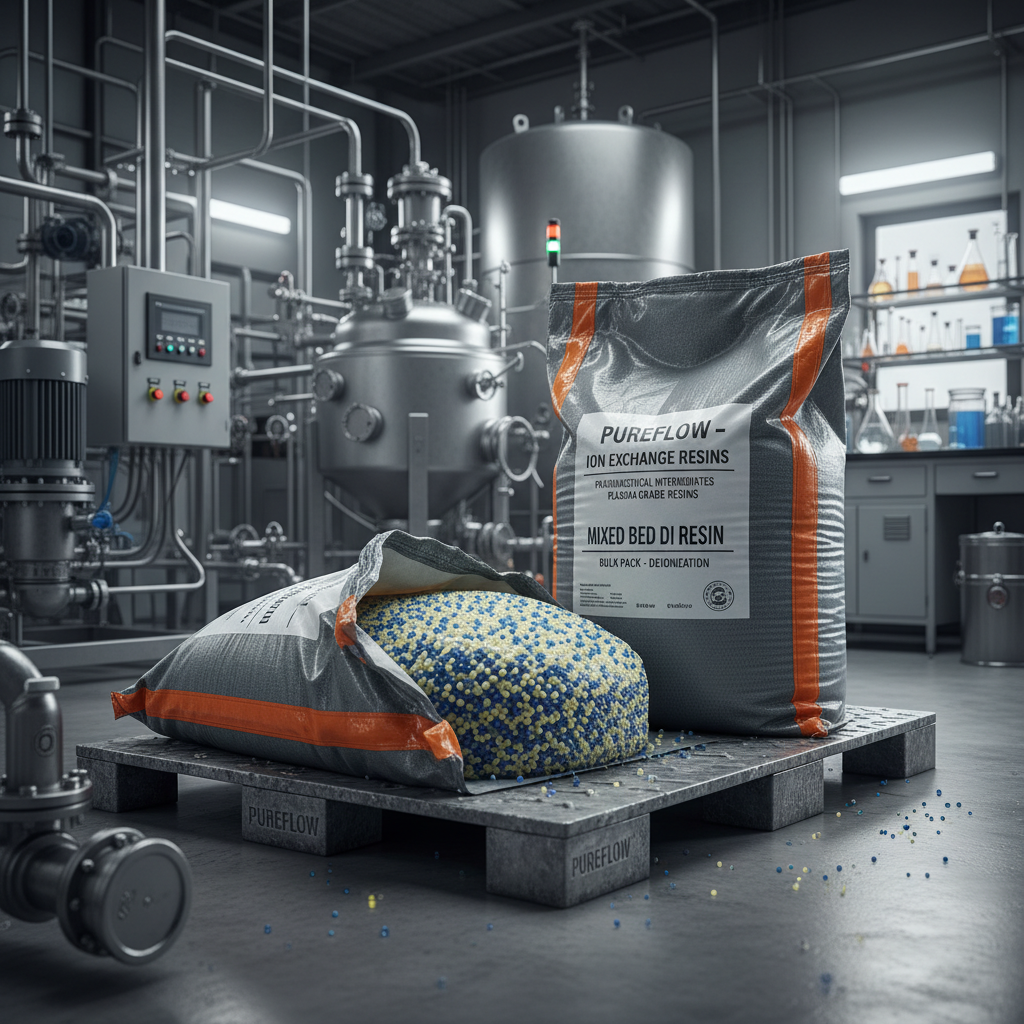
Yes, although it's often more complex and less efficient. Utilizing mixed-bed resins, which contain both cation and anion exchange resins, allows for simultaneous removal of both positively and negatively charged contaminants. Selective resins tailored for specific combinations of contaminants are also available. However, careful consideration must be given to the order of removal and potential interference between different ions.

What pretreatment is typically required before water enters an ion exchange bed?

Pretreatment is essential to protect the resin from fouling and damage. Common pretreatment steps include filtration to remove suspended solids, chlorination to prevent biological growth, and softening to reduce water hardness. Removing organic matter and iron is also crucial. Proper pretreatment significantly extends resin lifespan and maintains optimal performance.

Conclusion

In conclusion, ion exchange bed technology represents a cornerstone of modern purification and separation processes. From ensuring safe drinking water to enabling advanced manufacturing, its applications are diverse and globally significant. Understanding the key factors influencing performance, along with the latest innovations, is crucial for harnessing the full potential of this technology.

Looking ahead, continued research and development will focus on creating more sustainable, cost-effective, and efficient ion exchange solutions. Adopting a proactive approach to resin regeneration and disposal, combined with integrating advanced monitoring and control systems, will be essential for maximizing the long-term benefits of this vital technology. Visit our website at www.lijiresin.com to learn more about our comprehensive range of ion exchange resins and solutions.
Christopher Brown

Christopher Brown

Christopher Brown is the Technical Support Specialist for Hebei Lijiang Biotechnology, providing expert assistance to customers on resin selection, application, and troubleshooting. He acts as a key liaison between the R&D team and our clients, helping them optimize their processes using our products. Christopher has a Bachelor’s degree in Chemistry
Previous Advancements in Ion Exchange Resin Bed Technology for Sustainable Solutions
Next Exploring the Versatility and Applications of Iminodiacetic Acid Resin