0%

Table of Contents

Mixed ion exchange resin plays a critical role in numerous industrial processes and environmental applications worldwide. Its ability to selectively remove unwanted ions from solutions makes it indispensable in water purification, chemical processing, and pharmaceutical manufacturing. The global demand for clean water and increasingly stringent environmental regulations are driving the growth of the mixed ion exchange resin market. Understanding its properties, applications, and future trends is vital for professionals in these sectors and for addressing global challenges related to resource management and sustainability.

The versatility of mixed ion exchange resin stems from its customizable nature, allowing for tailored solutions to specific purification needs. Different resin types, compositions, and particle sizes can be combined to target a wide range of ions, from heavy metals to nitrates. This adaptability makes it a preferred choice over other separation technologies in many scenarios. The continuous development of new resin materials and technologies is furthering its capabilities and expanding its applicability.

Consequently, the efficient and cost-effective application of mixed ion exchange resin is paramount for maintaining environmental standards and optimizing industrial output, influencing global economies and public health significantly.
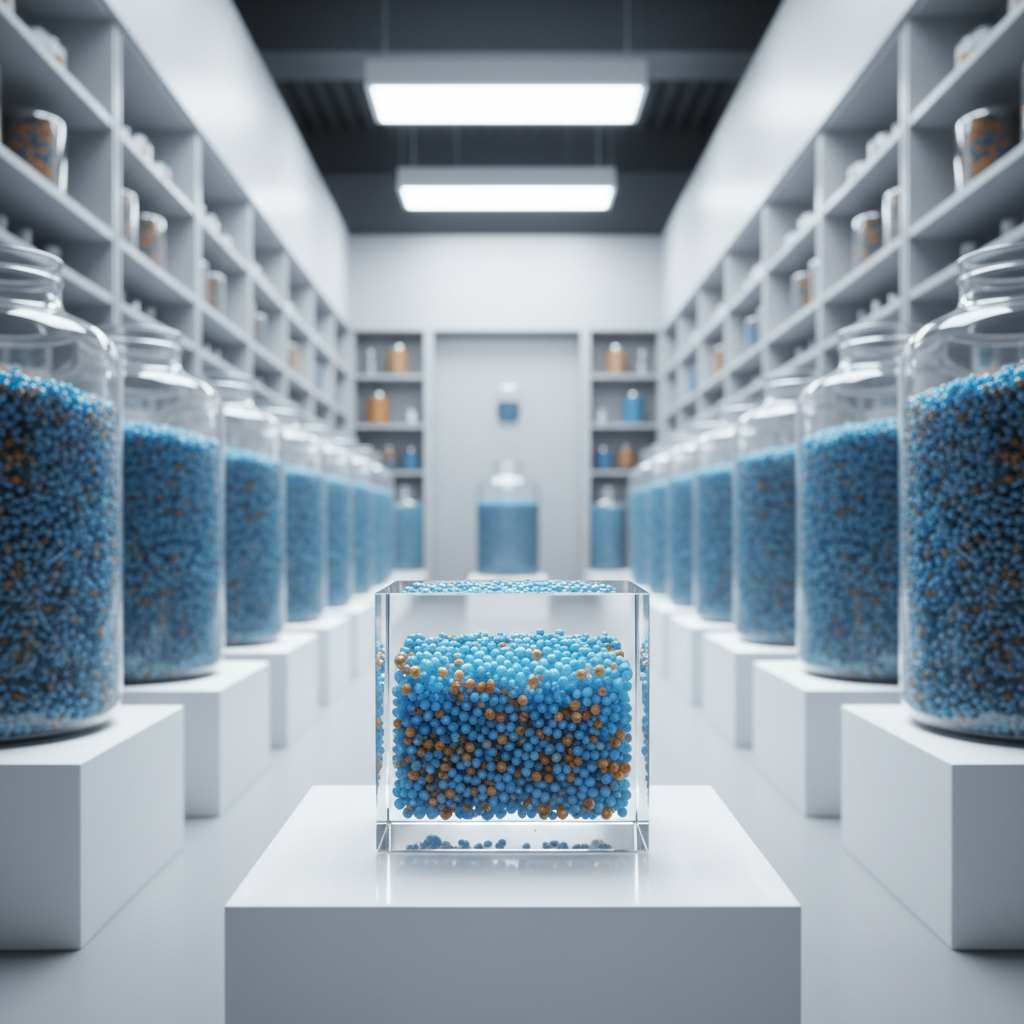
Advancements in Mixed Ion Exchange Resin for Industrial Purification and Sustainability

Introduction to Mixed Ion Exchange Resin

Advancements in Mixed Ion Exchange Resin for Industrial Purification and Sustainability

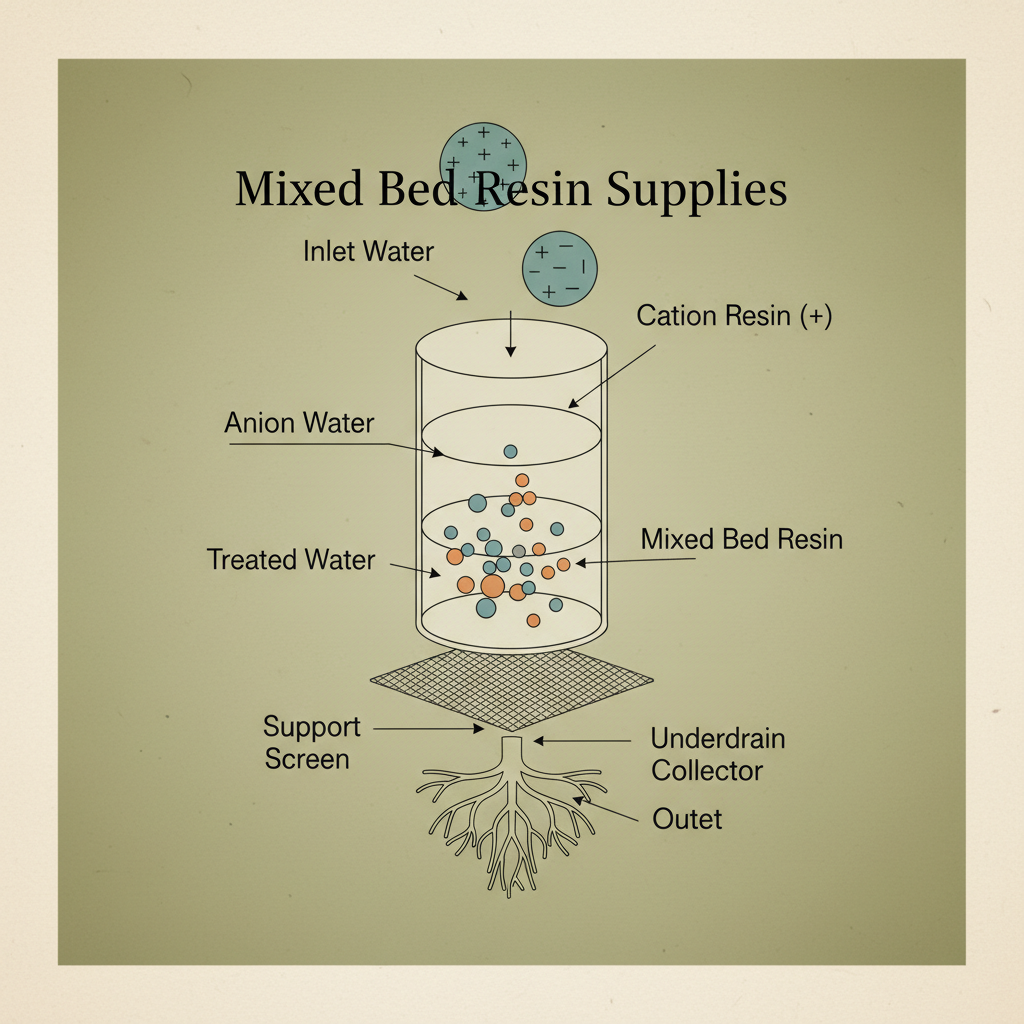
Mixed ion exchange resin technology is a cornerstone of modern purification processes, utilized extensively across diverse sectors. These resins, composed of insoluble polymer matrices, facilitate the exchange of ions between a liquid and a solid phase, effectively removing contaminants and achieving desired product quality. The combination of both cation and anion exchange resins in a single unit enhances the overall efficiency and effectiveness of the purification process.

Understanding the principles behind mixed ion exchange resin is crucial for optimizing its performance in specific applications. Factors such as resin type, pore size, crosslinking density, and operating conditions all play a significant role in determining the resin’s selectivity and capacity. The careful selection and management of these parameters can lead to substantial improvements in process efficiency and cost savings.

Global Relevance and Industrial Context

The demand for mixed ion exchange resin is directly linked to global trends in water scarcity, environmental protection, and industrial growth. According to the United Nations, billions of people lack access to safe drinking water, fueling the need for advanced water purification technologies. Industrial discharge regulations are becoming increasingly strict, compelling companies to implement robust wastewater treatment solutions.

The pharmaceutical industry, a major consumer of mixed ion exchange resin, requires highly purified water for drug manufacturing. The semiconductor industry also relies heavily on ultra-pure water, driving innovation in resin technology. These industries, along with power generation, food and beverage production, and chemical processing, contribute significantly to the expanding global market for these resins.

The World Bank estimates that investments in water infrastructure will need to reach trillions of dollars in the coming decades to meet growing demand and address infrastructure deficits. Mixed ion exchange resin technology is a critical component of these investment plans, offering a cost-effective and reliable solution for water purification and resource recovery.

Defining Mixed Ion Exchange Resin

Mixed ion exchange resin is a synthetic polymer containing fixed ionic functional groups that attract ions of the opposite charge. Unlike simple ion exchange resins which utilize only cation or anion functionality, mixed resins combine both types, offering complete deionization capabilities. This dual functionality is especially crucial for achieving high purity water and removing a wide spectrum of ionic contaminants.

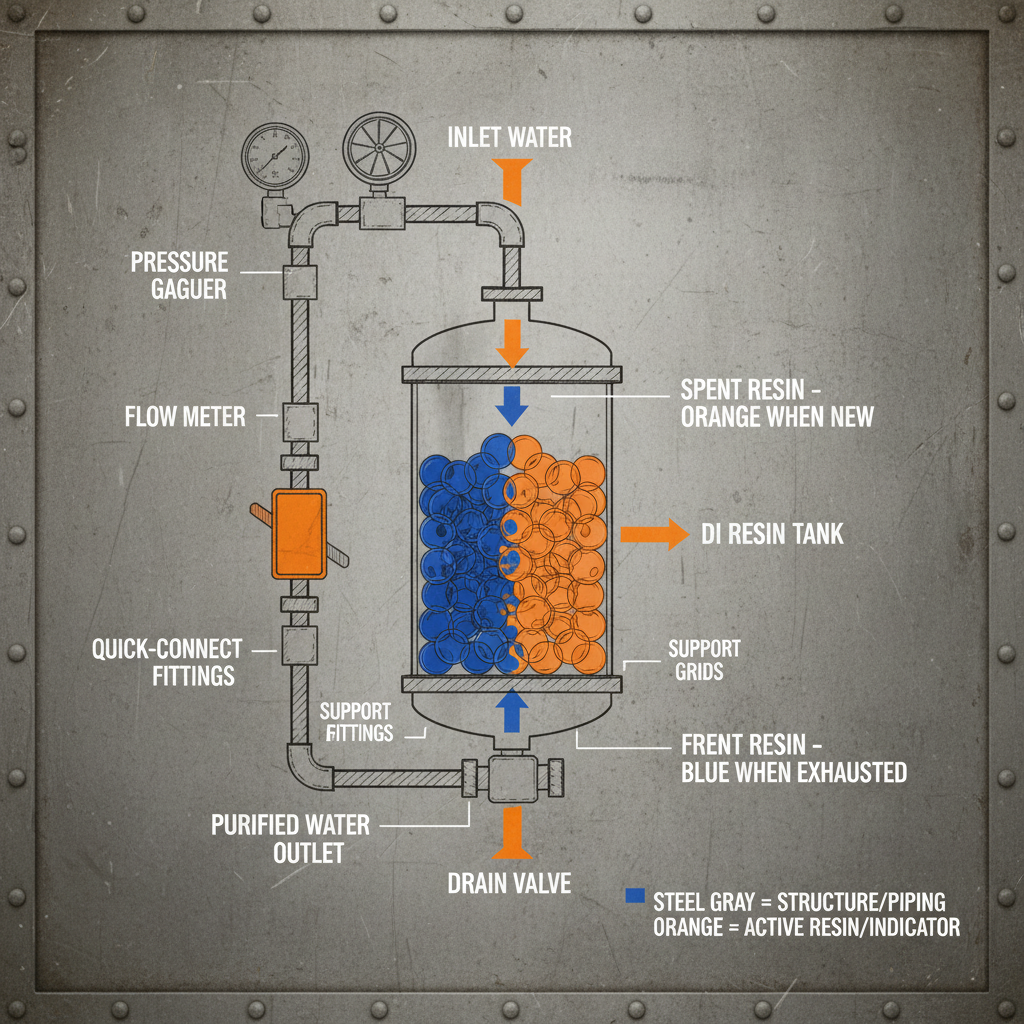
At its core, the process relies on the principle of reversible ion exchange. As the solution passes through the resin bed, target ions are selectively adsorbed onto the resin’s functional groups, displacing other ions. This exchange continues until the resin’s capacity is exhausted, at which point it needs to be regenerated using a suitable chemical solution. The resin’s selectivity is determined by the type of functional groups and the characteristics of the polymer matrix.

The connection to modern industry and humanitarian needs is profound. In industries like pharmaceuticals and microelectronics, mixed ion exchange resin is essential for producing high-quality products. For humanitarian purposes, it facilitates access to safe drinking water in regions lacking adequate treatment infrastructure, contributing significantly to public health and well-being.

Key Characteristics of Mixed Ion Exchange Resin

One key characteristic of mixed ion exchange resin is its High Selectivity. The resin’s ability to preferentially bind certain ions over others is critical for achieving effective separation. This selectivity is influenced by factors like ion charge, size, and hydration energy.

Another important aspect is Regeneration Efficiency. The ease and cost-effectiveness of regenerating the resin, restoring its ion exchange capacity, significantly impact overall operating costs. Efficient regeneration minimizes chemical consumption and waste generation.

Mixed Ion Exchange Resin Performance Metrics


Applications Across Industries

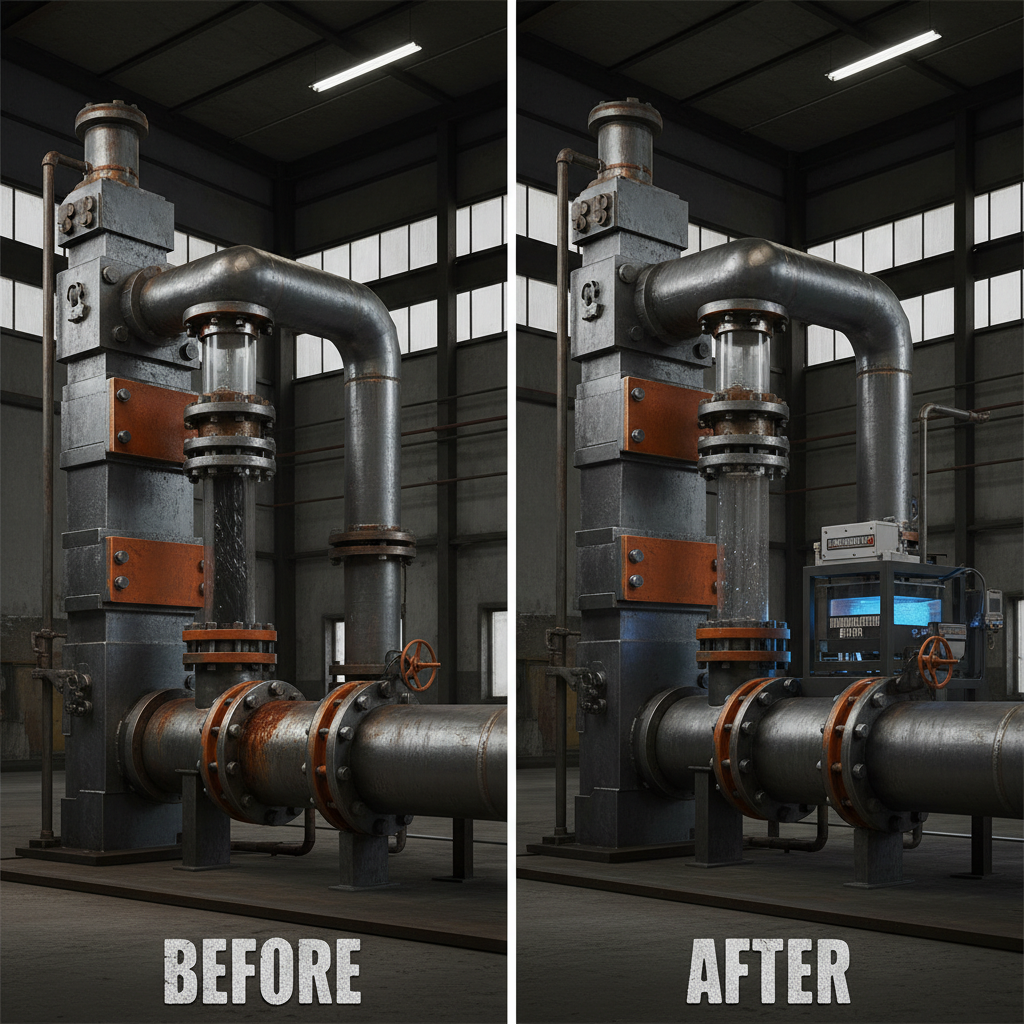
The versatile properties of mixed ion exchange resin translate into a wide array of applications across various industries. In the power generation sector, it’s crucial for purifying boiler feedwater, preventing scaling and corrosion. This ensures optimal plant efficiency and extends equipment lifespan.

Within the food and beverage industry, it plays a vital role in demineralizing fruit juices, removing unwanted salts and improving product clarity and taste. Furthermore, it's used in sugar refining to decolorize and purify sugar solutions, enhancing the final product quality.

Advantages and Long-Term Value Proposition

One of the primary advantages of using mixed ion exchange resin is its Cost-Effectiveness. Compared to alternative purification technologies, it often offers a lower total cost of ownership, considering both initial investment and ongoing operational expenses.

Beyond cost, these resins contribute to Environmental Sustainability by reducing waste generation and enabling water reuse. The ability to regenerate the resin minimizes the need for disposal and conserves valuable resources. Moreover, their use supports responsible environmental practices and compliance with stringent regulations.

Future Trends and Innovations in Mixed Ion Exchange Resin

Ongoing research focuses on developing new resin materials with enhanced selectivity, capacity, and mechanical strength. Innovations in polymer chemistry and nanotechnology are driving these advancements. For example, the development of macroporous resins with larger pore sizes improves access to active sites, enhancing kinetic performance.

The integration of mixed ion exchange resin with other separation technologies, such as membrane filtration, is gaining traction. Hybrid systems combine the strengths of both technologies, offering synergistic benefits and achieving higher levels of purification. Furthermore, the application of AI and machine learning algorithms is being explored to optimize resin performance and predict operational parameters.

FAQS

What is the typical lifespan of a mixed ion exchange resin system?

The lifespan of a mixed ion exchange resin system varies depending on operating conditions, the quality of feed water, and the frequency of regeneration. Generally, with proper maintenance and operation, a resin bed can last anywhere from 5 to 15 years. Factors like temperature, pressure, and the presence of fouling agents can accelerate degradation. Regular monitoring and replacement of resin are essential for maintaining optimal performance.

How do I determine the appropriate resin type for my specific application?

Selecting the right resin requires careful consideration of several factors, including the types of ions to be removed, the concentration of contaminants, the flow rate, and the desired effluent quality. A water analysis is essential to identify the specific ionic species present. Resin manufacturers can provide guidance based on your application requirements, helping you choose the optimal resin type, pore size, and functional group.

What are the best practices for regenerating mixed ion exchange resin?

Proper regeneration is crucial for maintaining resin capacity and extending its lifespan. This involves backwashing the resin bed to remove accumulated debris, followed by treating it with a regenerant solution (typically acid or base). The regenerant concentration, flow rate, and contact time must be optimized based on the resin type and the contaminants removed. Thorough rinsing after regeneration is essential to remove residual chemicals.

Are there any environmental concerns associated with mixed ion exchange resin use?

While mixed ion exchange resin itself is relatively inert, the regenerant chemicals used in the process can pose environmental risks. Proper handling, storage, and disposal of these chemicals are essential. Implementing water reuse strategies and optimizing regeneration cycles can minimize chemical consumption and reduce environmental impact. Consider using environmentally friendly regenerants where feasible.

How does the particle size of the resin affect performance?

Resin particle size significantly impacts both pressure drop and mass transfer efficiency. Smaller particles offer a larger surface area for ion exchange, leading to higher capacity, but also create a greater pressure drop. Larger particles reduce pressure drop but may have lower capacity. The optimal particle size depends on the specific application and system design. Balancing these factors is key.

What are the common causes of fouling in mixed ion exchange resin systems?

Fouling occurs when unwanted materials accumulate on the resin surface, reducing its capacity and performance. Common causes include organic matter, colloids, iron, and manganese. Pre-treatment of the feed water, such as filtration and coagulation, can help prevent fouling. Regular cleaning with appropriate cleaning agents can also restore resin performance. Preventing fouling is crucial for maximizing resin lifespan and minimizing operating costs.

Conclusion

Mixed ion exchange resin remains a cornerstone technology for purification and separation processes across a vast range of industries. Its adaptability, cost-effectiveness, and ability to address critical global challenges, such as water scarcity and environmental pollution, solidify its importance. Understanding the underlying principles, key characteristics, and future trends is crucial for optimizing its performance and unlocking its full potential.

Looking ahead, continued innovation in resin materials, coupled with the integration of advanced technologies like AI and membrane filtration, will further enhance its capabilities. Embracing sustainable practices, such as water reuse and efficient regeneration strategies, will be vital for maximizing the long-term value of this technology and ensuring a cleaner, more sustainable future. Visit our website: www.lijiresin.com to learn more.

James Wilson

James Wilson

James Wilson is the Quality Control Manager at Hebei Lijiang Biotechnology, overseeing the rigorous testing and certification processes for our resins. James ensures all products meet or exceed industry standards, including ISO9001, SGS, and WQA certifications. He's a dedicated professional with 12 years of experience in quality assurance within the
Previous Advancements in Mixed Bed Water Softener Technology for Ultra Pure Water Solutions
Next Advancements in Mixed Bed Ion Exchange for Ultrapure Water Production