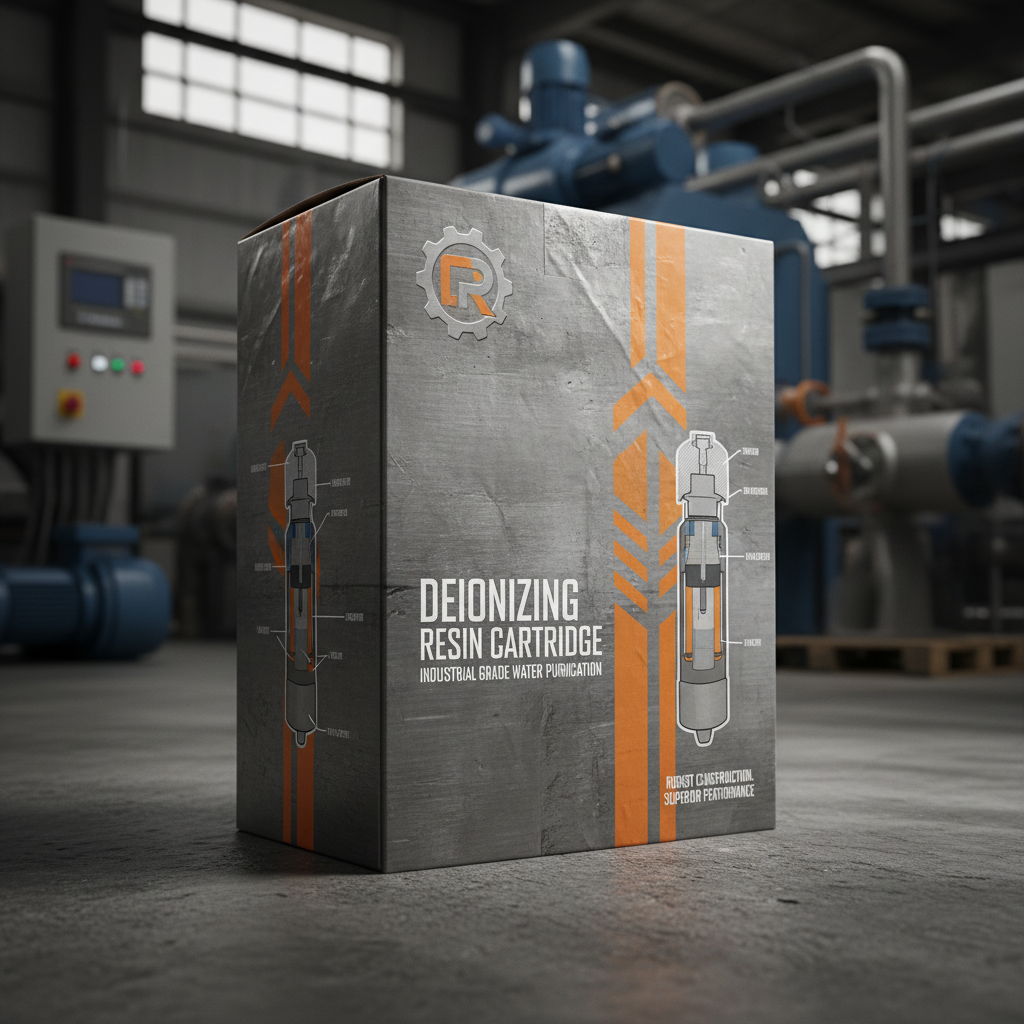
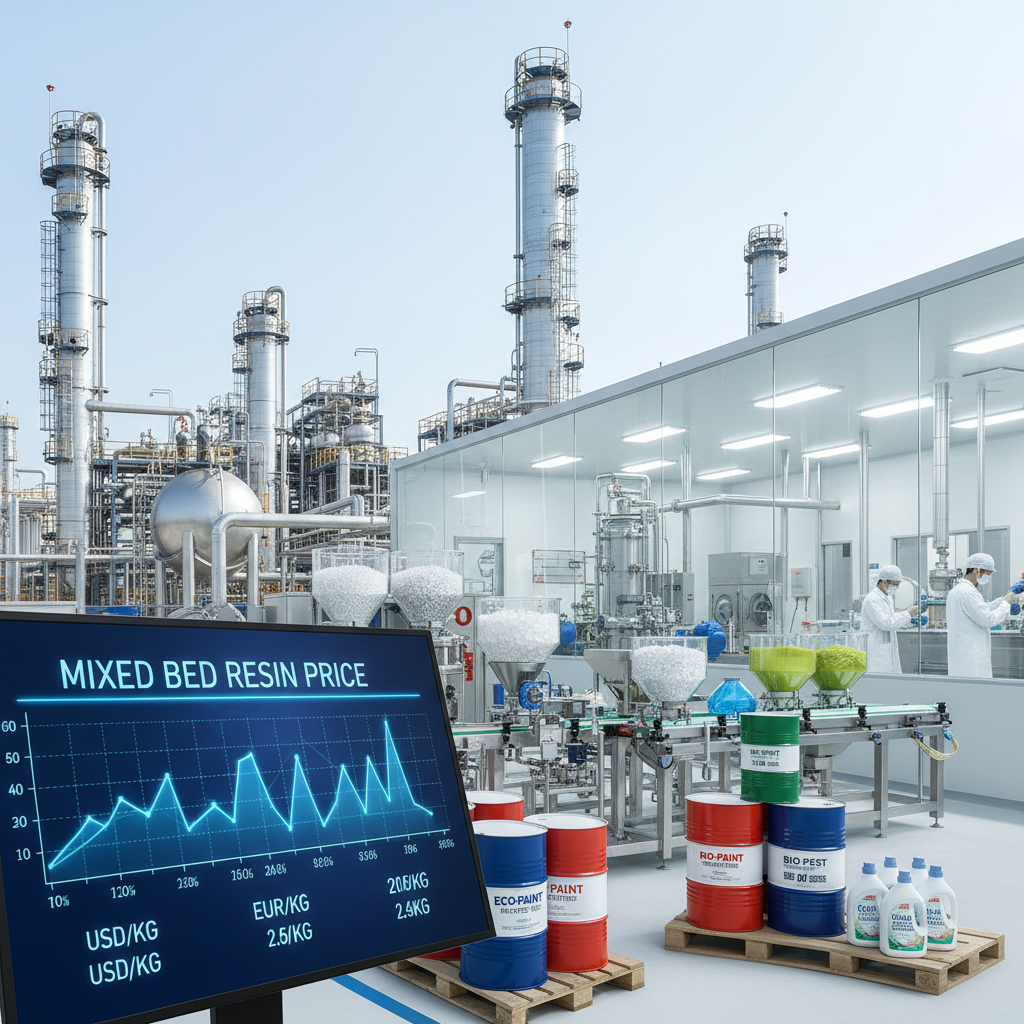
Deionizing resin cartridges play a critical role in water purification, chemical processing, and various laboratory applications. They are designed to remove ionized impurities from liquids, ensuring the quality and reliability of processes that demand high-purity water or solutions. Understanding the functionality and applications of these cartridges is crucial in industries ranging from pharmaceuticals and electronics to environmental monitoring and scientific research. The global demand for high-purity water is constantly increasing, driving the need for efficient and cost-effective deionization solutions, making the deionizing resin cartridge a significant component of modern industrial processes.
The importance of deionizing resin cartridges extends beyond industrial applications; they are essential for providing safe drinking water in areas with contaminated water sources, and for specialized medical procedures that require sterile, mineral-free water. The ongoing development of advanced resin materials and cartridge designs are improving efficiency, extending lifespan, and reducing operational costs. Furthermore, with increasing environmental concerns, the focus is shifting towards sustainable resin production and responsible disposal methods related to deionizing resin cartridge technology.
As industries become more complex and demand higher levels of purity, the role of the deionizing resin cartridge continues to expand. From ensuring the reliability of semiconductor manufacturing to enabling advanced medical diagnostics, these cartridges are fundamental to numerous critical processes. Continued innovation in resin technology and cartridge design is essential to meet the evolving needs of these diverse applications and address emerging challenges in water purification and chemical processing involving the deionizing resin cartridge.
The Fundamental Principles of deionizing resin cartridge
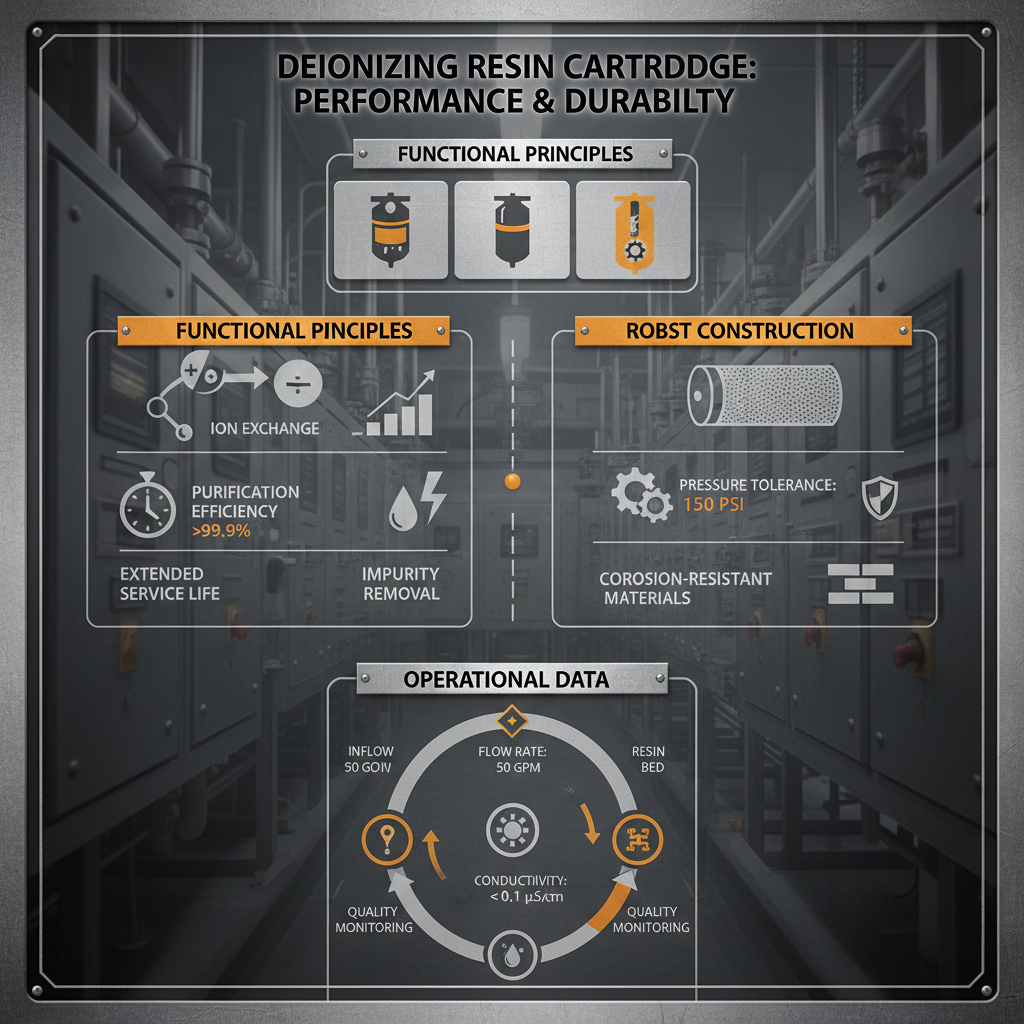
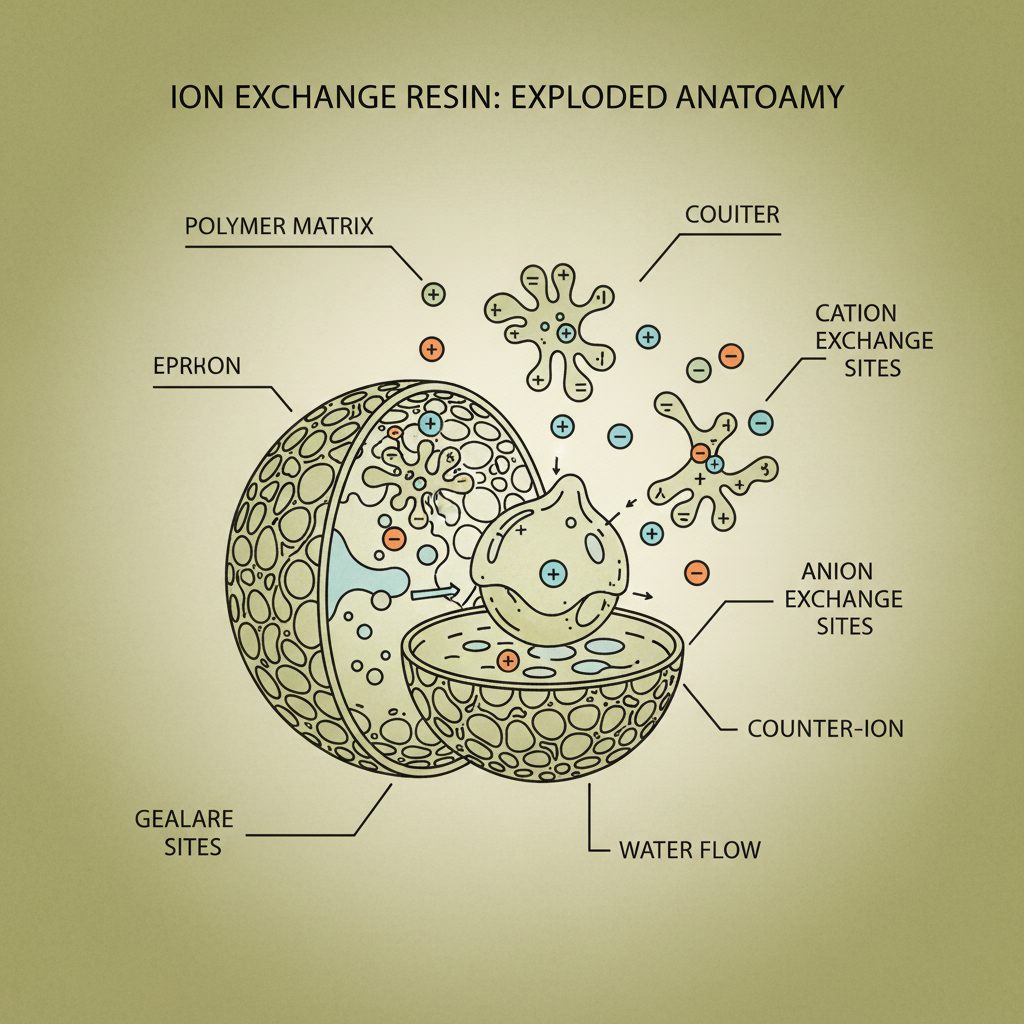
Deionizing resin cartridges fundamentally operate on the principle of ion exchange. This process involves the exchange of unwanted ions – such as calcium, magnesium, chloride, and sulfate – present in water with ions of opposite charge that are held by the resin material. Typically, these are hydrogen (H+) and hydroxyl (OH-) ions, which combine to form water, effectively removing the impurities.
The resin beads within the cartridge are specifically engineered to have a large surface area and a high capacity for ion exchange. This ensures efficient removal of contaminants even with high flow rates. Different types of resins, such as strong acid cation (SAC), strong base anion (SBA), weak acid cation (WAC), and weak base anion (WBA) resins, are often used in combination to achieve comprehensive deionization, demonstrating the versatility of the deionizing resin cartridge.
Global Market Dynamics of deionizing resin cartridge
The global market for deionizing resin cartridges is experiencing significant growth, driven by increasing demand for high-purity water across various industries. Factors such as stringent environmental regulations, rising industrialization in emerging economies, and advancements in water treatment technologies are contributing to this expansion. North America and Europe currently dominate the market, but Asia-Pacific is projected to witness the fastest growth due to rapid industrial development and increasing awareness regarding water quality.
According to recent market reports, the deionizing resin cartridge market is estimated to be worth billions of dollars and is expected to continue growing at a compound annual growth rate (CAGR) of around 5-7% over the next decade. This growth is fueled by the increasing demand for ultrapure water in the semiconductor industry, pharmaceutical manufacturing, and power generation, solidifying the deionizing resin cartridge's position as a vital component in these sectors.
The competitive landscape is characterized by a mix of established multinational corporations and smaller regional players. Key players are focusing on innovation, product development, and strategic partnerships to gain a competitive edge. Furthermore, the increasing focus on sustainable and eco-friendly solutions is driving demand for bio-based resins and recyclable cartridge designs within the deionizing resin cartridge market.
The Chemistry Behind deionizing resin cartridge
The core of deionizing resin cartridge functionality lies in the polymeric structure of the resins used. These polymers are typically cross-linked polystyrene or acrylic matrices functionalized with ion-exchange groups. Cation exchange resins have negatively charged functional groups (like sulfonic acid, -SO3H) and attract positively charged ions (cations), while anion exchange resins have positively charged functional groups (like quaternary ammonium, -NR3+) and attract negatively charged ions (anions).
The selectivity of a resin for a particular ion is influenced by factors like ion charge, size, and concentration. Strong acid and strong base resins have high exchange capacity and are effective over a wide pH range, while weak acid and weak base resins are more selective and are often used for specific applications. The chemical stability and resistance to fouling are critical parameters for ensuring the longevity and efficiency of deionizing resin cartridge performance.
The regeneration of exhausted resins is a crucial aspect of the process. Typically, strong acid resins are regenerated with hydrochloric acid (HCl) or sulfuric acid (H2SO4), while strong base resins are regenerated with sodium hydroxide (NaOH). Proper regeneration ensures the restoration of the resin’s ion exchange capacity, extending the life of the deionizing resin cartridge and minimizing waste.
Performance Metrics of deionizing resin cartridge
Evaluating the performance of a deionizing resin cartridge requires considering several key metrics. Resistivity is a primary indicator of water purity, typically measured in megohms-centimeters (MΩ·cm). Higher resistivity values indicate lower levels of ionized impurities. Total Dissolved Solids (TDS) is another important metric, measuring the concentration of all dissolved substances in the water, expressed in parts per million (ppm).
Flow rate, expressed in gallons per minute (GPM) or liters per hour (L/hr), determines the volume of water that can be processed through the cartridge over a given time. Exchange capacity, measured in milliequivalents per liter (meq/L), indicates the amount of ions the resin can exchange before exhaustion. Finally, pressure drop, measured in psi or bar, indicates the resistance to flow caused by the cartridge and is important for system efficiency.
Comparison of deionizing resin cartridge Methods
Applications Across Diverse Industries for deionizing resin cartridge
Deionizing resin cartridges find widespread application in industries demanding high-purity water. In the pharmaceutical industry, they are critical for manufacturing injectable drugs, sterile solutions, and rinsing equipment. Semiconductor manufacturing relies heavily on deionized water for cleaning wafers and preventing contamination during chip production.
Power generation plants utilize deionized water for boiler feedwater, preventing scaling and corrosion. Laboratories use deionizing resin cartridge systems for producing reagent-grade water for analytical testing and research. Moreover, the food and beverage industry employs them for producing purified water used in various processing stages, ensuring product quality and safety.
The Long-Term Benefits of Using deionizing resin cartridge
Utilizing deionizing resin cartridges delivers substantial long-term benefits. The cost of operation can be significantly lower than alternative purification methods, such as distillation, due to reduced energy consumption and maintenance requirements. Sustainability is enhanced by minimizing chemical usage and waste generation, contributing to environmental responsibility.
Reliability is a key advantage, ensuring consistent water quality for critical processes. The durability of modern resins extends cartridge lifespan, reducing the frequency of replacements and associated downtime. Furthermore, employing deionizing resin cartridge systems enhances safety by removing harmful contaminants, protecting both equipment and personnel.
Future Trends and Innovations in deionizing resin cartridge
The future of deionizing resin cartridge technology is focused on several key areas. The development of new resin materials with enhanced selectivity, capacity, and durability is a primary focus. Researchers are exploring bio-based resins derived from sustainable sources to reduce the environmental impact of cartridge production.
Smart cartridges equipped with sensors and data analytics are emerging, providing real-time monitoring of performance and predicting maintenance needs. The integration of advanced membrane technologies with ion exchange resins is also being investigated to create hybrid systems offering superior purification capabilities. These innovations will further optimize the efficiency and sustainability of the deionizing resin cartridge technology.
Furthermore, the trend towards miniaturization and point-of-use systems is driving the development of smaller, more portable deionizing cartridges suitable for applications in remote locations or for individual users. This will broaden the accessibility and applicability of high-purity water solutions utilizing the deionizing resin cartridge.
Future Trends and Innovations in deionizing resin cartridge
Addressing the challenges of fouling, resin degradation, and disposal is crucial for the continued advancement of deionizing resin cartridge technology. Fouling, caused by organic matter and inorganic precipitates, reduces resin efficiency and requires frequent cleaning. Innovative pretreatment methods and antifouling resin coatings are being developed to mitigate this issue.
Resin degradation, due to chemical attack and physical attrition, limits cartridge lifespan. Developing more robust and chemically resistant resins is essential. Environmentally responsible disposal methods, such as resin regeneration and recycling, are gaining importance to minimize waste and promote circular economy principles within the deionizing resin cartridge lifecycle.
Furthermore, optimizing cartridge design for improved flow distribution and reduced pressure drop can enhance overall system performance. Implementing advanced monitoring and control systems allows for real-time adjustment of operating parameters, maximizing efficiency and minimizing downtime.
Summary of Key Challenges and Solutions for deionizing resin cartridge
| Challenge |
Impact on deionizing resin cartridge Performance |
Potential Solutions |
Implementation Cost (1-10) |
| Resin Fouling |
Reduced Exchange Capacity, Lower Flow Rate |
Pre-filtration, Antifouling Coatings |
4 |
| Resin Degradation |
Decreased Selectivity, Reduced Lifespan |
Chemically Resistant Resins, Optimized Regeneration |
6 |
| Pressure Drop |
Reduced Flow Rate, Increased Energy Consumption |
Optimized Cartridge Design, Lower Resin Particle Size |
3 |
| Waste Disposal |
Environmental Concerns, Regulatory Compliance |
Resin Regeneration, Recycling Programs |
7 |
| Monitoring & Control |
Suboptimal Performance, Unnecessary Replacements |
Smart Cartridges, Real-time Sensors |
5 |
| Initial Cost |
Barrier to Adoption for Some Users |
Long-Term Cost Analysis, Leasing Options |
2 |
FAQS
The lifespan of a deionizing resin cartridge varies significantly based on feed water quality, flow rate, and resin type. Typically, they last between 6 months and 2 years with proper maintenance. Regular monitoring of effluent resistivity and TDS is essential to determine when regeneration or replacement is necessary, maximizing the effectiveness of the deionizing resin cartridge.
Regeneration frequency depends on the level of contamination in the feed water and the capacity of the resin. As a general guideline, regenerate the cartridge when the effluent resistivity drops below the desired level. For typical applications, regeneration may be required every 2-4 weeks. Proper regeneration procedures using appropriate chemicals are crucial to restore the deionizing resin cartridge's full capacity.
Deionizing resin cartridges commonly utilize strong acid cation (SAC), strong base anion (SBA), weak acid cation (WAC), and weak base anion (WBA) resins. SAC and SBA resins offer high exchange capacity across a wide pH range, while WAC and WBA resins are more selective. The specific combination of resins used depends on the specific application and water chemistry, optimizing the deionizing resin cartridge for the task.
While deionizing resin cartridges effectively remove ionized impurities like minerals and salts, they do not remove all contaminants. They are not designed to remove organic molecules, bacteria, or particulate matter. Pre-filtration is often necessary to remove these contaminants before the water passes through the deionizing resin cartridge, ensuring optimal performance and longevity.
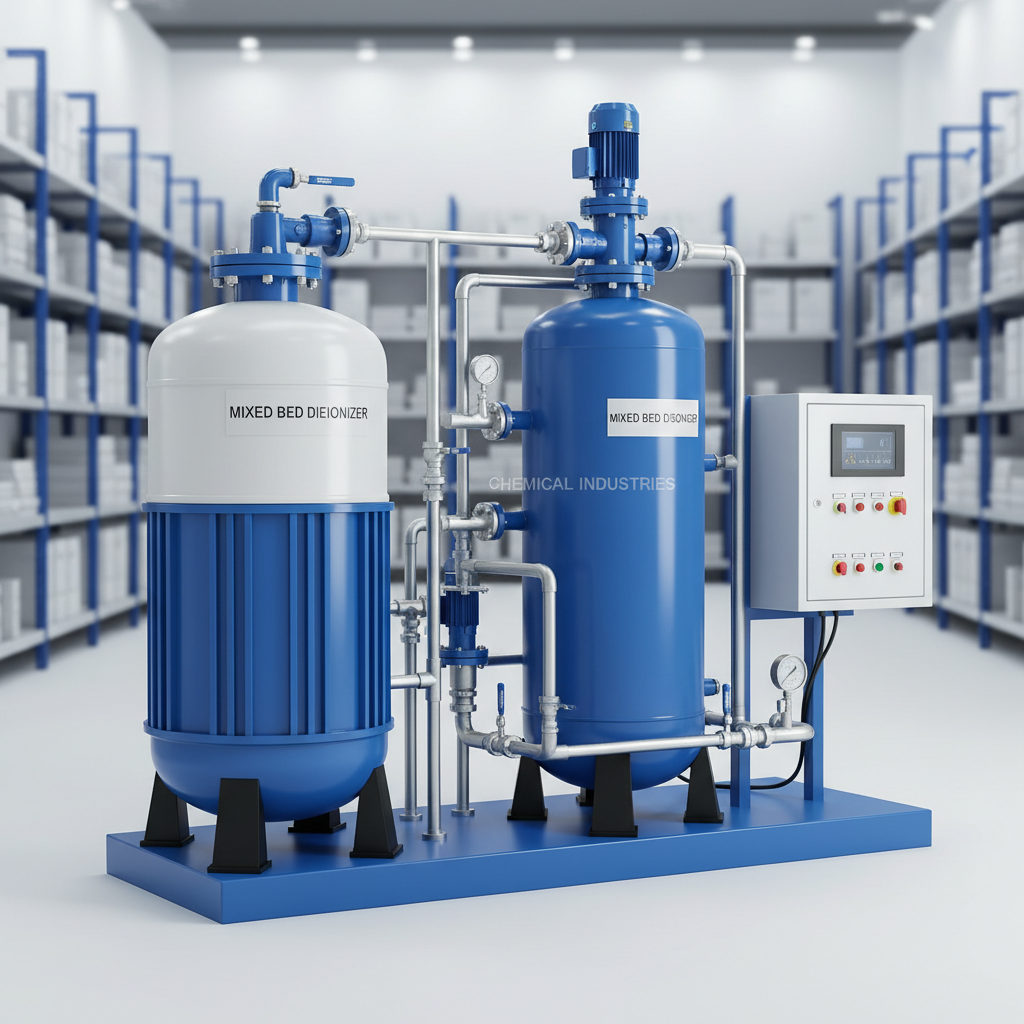
Multi-stage systems, typically consisting of cation, anion, and mixed bed cartridges, provide higher-purity water compared to single-stage systems. The cation stage removes positively charged ions, the anion stage removes negatively charged ions, and the mixed bed stage polishes the water to achieve extremely low TDS levels, making it ideal for demanding applications requiring the highest quality from a deionizing resin cartridge.
Disposing of used deionizing resin cartridges should be done responsibly, following local regulations. Some resins can be regenerated and reused. Others may require specialized disposal methods to prevent environmental contamination. Consult with your resin supplier or a waste management professional for guidance on proper disposal procedures related to your specific deionizing resin cartridge.
Conclusion
In conclusion, deionizing resin cartridges are indispensable tools for achieving high-purity water and solutions across a diverse range of industries. Their effectiveness, reliability, and relatively low operating costs make them a vital component in numerous critical processes, from pharmaceutical manufacturing and semiconductor production to laboratory research and power generation. Understanding the principles of ion exchange, the various resin types, and the performance metrics is crucial for optimizing cartridge performance and ensuring consistent water quality.
Looking ahead, ongoing innovation in resin technology, coupled with the development of smart cartridges and sustainable disposal methods, will further enhance the efficiency, environmental friendliness, and accessibility of deionizing resin cartridge solutions. To explore the full range of deionizing resin cartridge products and find the optimal solution for your specific needs, visit our website at deionizing resin cartridge today.